Legit peptide telehealth is not hard to spot when you know what to verify: a real medical intake, a named licensed prescriber, pharmacy dispensing, clear pricing, and a way to contact the care team. If a site sells injectable peptides without a prescription, hides who prescribes, or uses “research use only” language for human use, treat that as a major warning sign.
Peptide therapy sits at the intersection of medicine, compounding pharmacy, lab monitoring, and follow-up care. The safest path is not just “where can I buy it?”—it is “who is evaluating me, who is dispensing it, and what happens if I need help?”
Key takeaways
- A legitimate peptide telehealth platform requires clinician review before prescribing. No intake, no medical history, and instant checkout for injections are red flags.
- Verify the pharmacy license. The medication should come from a licensed U.S. pharmacy, not an unlabeled vial from a “research chemical” vendor.
- Look for named prescribers and real clinical oversight. You should know that a licensed medical professional is responsible for your plan.
- LegitScript can be a useful trust signal. It is not the only signal, but certification or clear compliance standards are meaningful.
- Bloodwork may be required depending on the therapy. Pepti offers physician-reviewed blood testing, including an at-home panel when recent labs are not available.
- Gray-market peptides shift the risk to you. Doctor-prescribed care provides pharmacy sourcing, dosing instructions, clinical review, and recourse if something goes wrong.
How do I know if a peptide telehealth company is legitimate?
Start with the basics: a legitimate peptide telehealth company behaves like a medical practice, not a supplement store. That means there is a patient intake, a licensed clinician reviews your history, prescriptions are individualized, and medication is dispensed through a licensed pharmacy.
A credible platform should clearly explain:
- Who reviews your medical history
- Whether a prescription is required
- Where medications are dispensed
- How dosing instructions are delivered
- What side effects or contraindications are considered
- How to reach support after your order ships
- Whether bloodwork is needed for your protocol
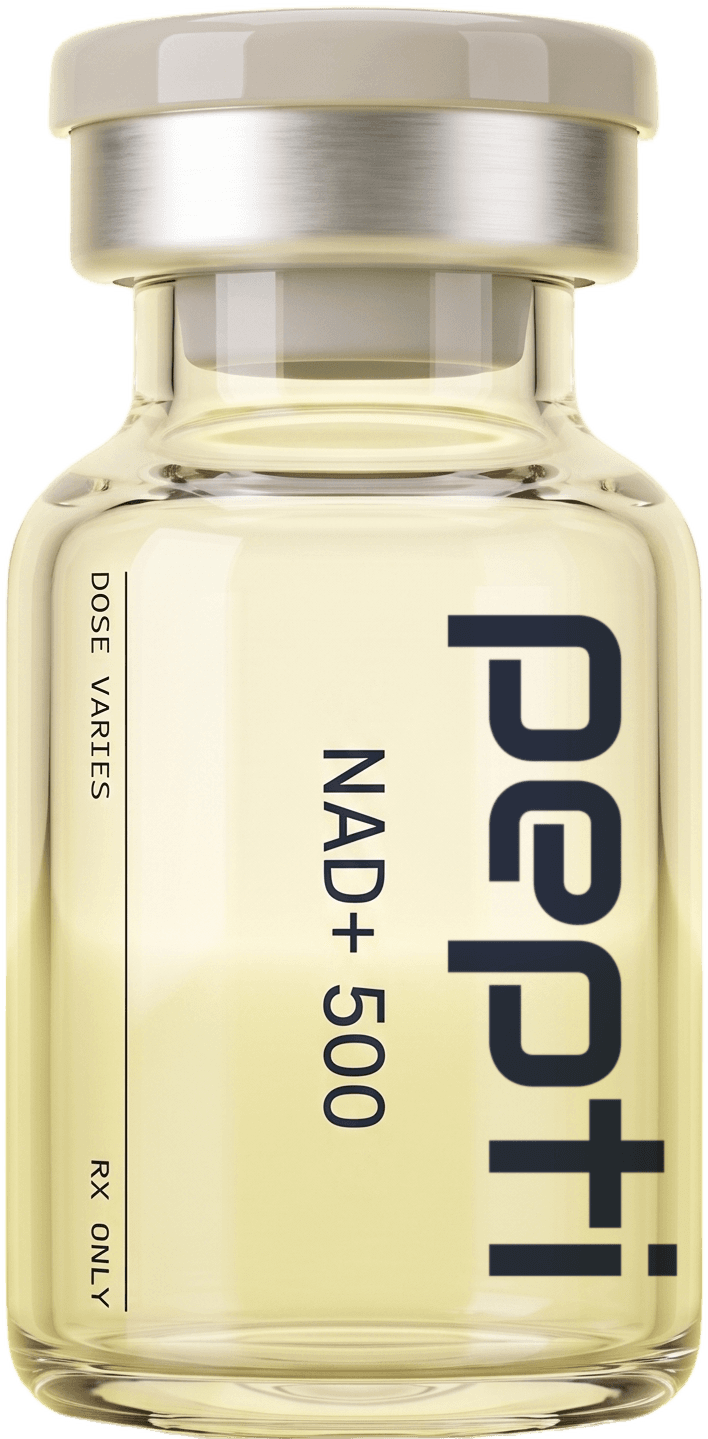
For example, someone exploring NAD+ Injection (500 mg) for cellular energy support should not be able to simply “add to cart” with no medical review. Even when a peptide or metabolic support therapy is commonly used, it still needs screening for medical history, medications, goals, route of administration, and tolerability.
Check 1: Is there a real medical intake before prescribing?
A legitimate peptide telehealth workflow starts with questions. You should be asked about your age, sex, goals, medical history, allergies, medications, prior diagnoses, pregnancy status when relevant, and recent labs if applicable.
Be cautious if a website offers injectable products with:
- No health questionnaire
- No provider review
- No contraindication screening
- No consent documents
- No medication guide or instructions
- No follow-up pathway
Fast checkout may feel convenient, but it removes the medical layer that separates prescription care from gray-market sourcing. Peptides and injectable therapies can have real physiologic effects, and the right protocol often depends on context—not just the name of the vial.
Check 2: Can you verify the pharmacy license?
For prescription peptide therapy, the dispensing pharmacy matters. Legitimate care should involve a licensed U.S. pharmacy that is authorized to dispense medication to patients.
You can usually verify a pharmacy by checking:
- The pharmacy’s legal name
- The state where it is licensed
- The state board of pharmacy database
- Whether the pharmacy has a physical address listed with the board
- Whether its license is active and in good standing
Compounded prescriptions are often prepared by 503A compounding pharmacies for individual patients based on a clinician’s prescription. That is very different from anonymous vials sold as “for research use only.” Pharmacy licensing does not make every product right for every person, but it is a foundational safety signal.
If a vendor refuses to disclose where medication is dispensed, ships unlabeled vials, or gives vague answers like “from our lab,” that is not the standard you want for something you inject.
Check 3: Are there named prescribers or clear clinical accountability?
A legitimate telehealth platform should make it clear that licensed medical professionals are involved. You may not always choose a specific clinician, but the company should not hide the fact that real prescribers evaluate patients.
Look for signs of clinical accountability:
- Prescriptions issued only after review
- State-appropriate licensing
- Ability to message the care team
- Clear adverse-event and refill policies
- Documentation of your treatment plan
- Follow-up instructions and dose guidance
“Doctor-approved” is not the same as doctor-prescribed. Marketing language can be loose, so look for the actual workflow: intake, review, prescription, pharmacy dispensing, instructions, and support.
Check 4: Does the site have LegitScript or other compliance signals?
LegitScript certification is one useful indicator that a healthcare website has gone through a compliance review. It is commonly used in online healthcare advertising and can signal that a company is taking pharmacy, prescribing, and advertising rules seriously.
That said, no badge should be your only deciding factor. A legitimate peptide telehealth platform should also have transparent policies, prescription requirements, pharmacy dispensing, privacy practices, and accessible patient support.
If a website uses fake-looking seals, badges that do not click anywhere, or claims to be “FDA approved” in a misleading way for compounded products, slow down. Trust signals should be verifiable—not decorative.
Check 5: Is the peptide sold as a prescription—not a research chemical?
This is one of the clearest dividing lines. Research peptide vendors often use language like “not for human consumption,” “research use only,” or “laboratory reagent.” Those statements are not just fine print; they mean the product is not being sold as a medication for patient use.
Doctor-prescribed peptide therapy should include:
- A medical evaluation
- A prescription when appropriate
- Pharmacy dispensing
- Patient-specific instructions
- Support for side effects or questions
- Clear storage and handling guidance
The issue is not that every gray-market vendor is intentionally unsafe. The issue is that the patient has less visibility into purity, sterility, sourcing, dosing accuracy, storage conditions, and recourse. If you want a deeper comparison, read gray market vs Pepti.
Check 6: Are dosing, monitoring, and side effects explained?
Legitimate platforms do not treat peptides like one-size-fits-all wellness products. They explain expected use, common side effects, situations where therapy may not be appropriate, and when to contact the care team.
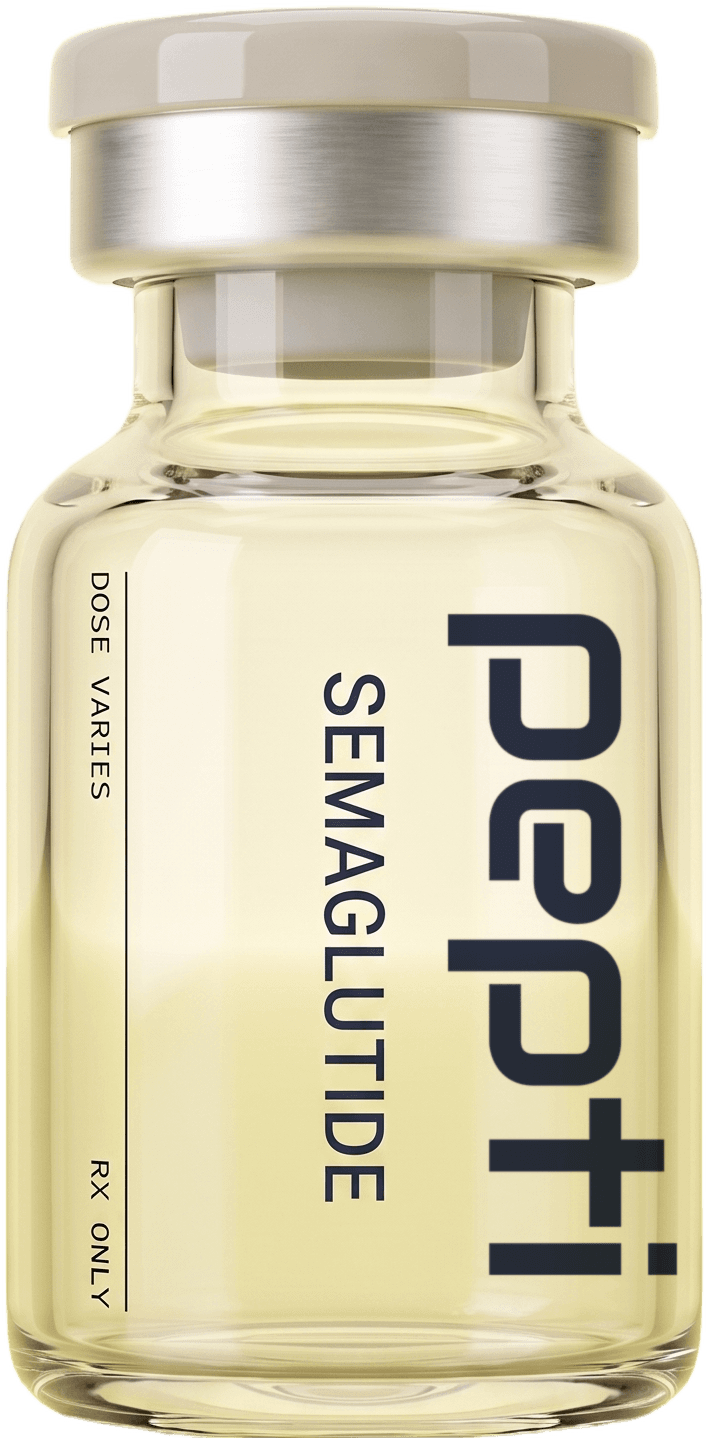
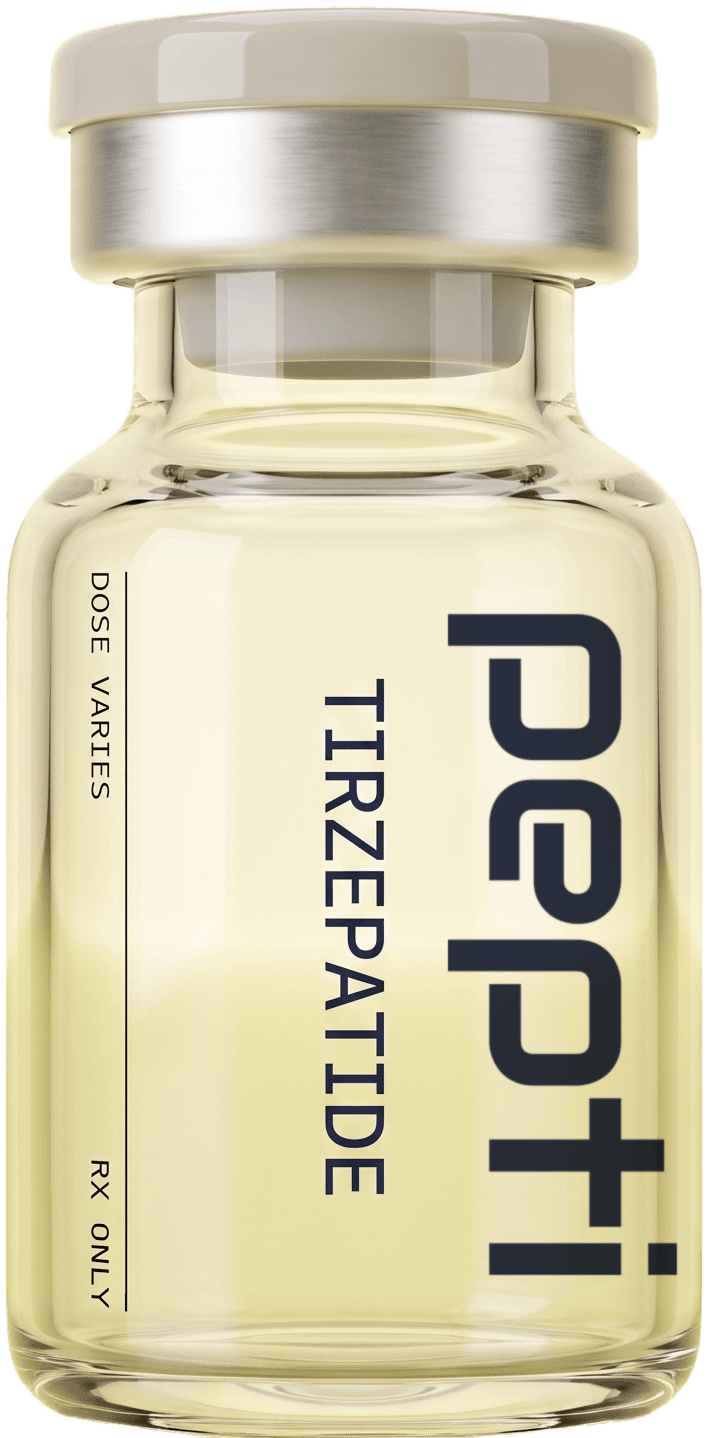
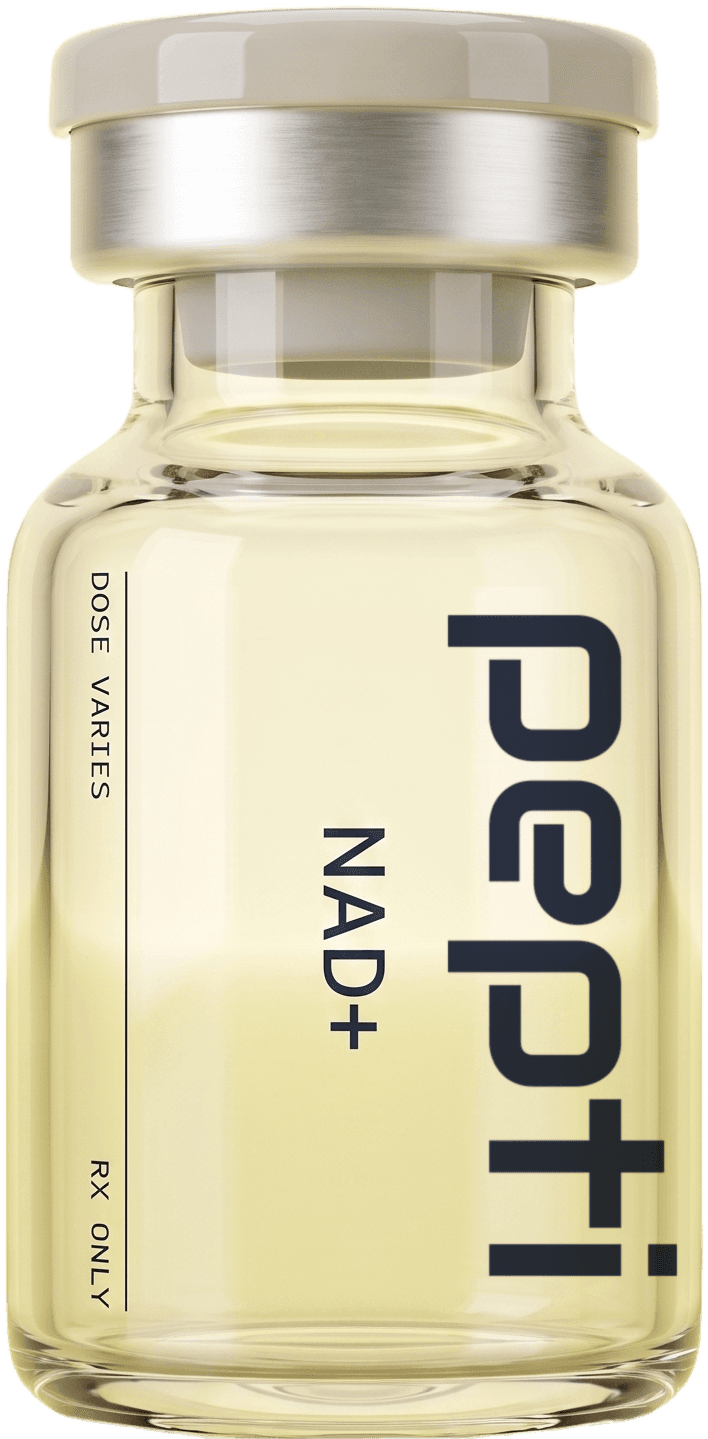
This matters across categories. Someone considering Semaglutide or Tirzepatide for medical weight management may need review of weight history, medications, gastrointestinal symptoms, gallbladder history, and metabolic markers. Someone considering NAD+ therapy may need a different discussion around injection tolerance, goals, and whether another format such as NAD+ Nasal Spray is a better fit.
Specific doses and schedules should come from the prescribing clinician, not a Reddit screenshot or vendor PDF. If a site gives aggressive dosing claims with no mention of screening or follow-up, that is a red flag.
Check 7: Does the company use bloodwork when clinically relevant?
Not every peptide requires labs for every patient, but bloodwork is an important safety tool for many hormone, metabolic, weight-loss, and longevity protocols. Baseline labs help a clinician understand where you are starting; follow-up labs help confirm whether the plan is working safely.
Pepti offers physician-reviewed blood testing with at-home collection kits for hormone, metabolic, and thyroid panels. When a physician requires bloodwork and a patient does not have recent labs, Pepti can offer an at-home panel for $129. You can also review the biomarkers we test to understand how labs can guide therapy decisions.
Bloodwork can help answer questions such as:
- Are thyroid markers affecting energy, weight, or recovery?
- Are glucose and insulin-related markers relevant to a weight-management plan?
- Are hormone patterns aligned with the patient’s symptoms and goals?
- Are follow-up markers moving in the right direction?
The best systems close the loop: test, treat, track, and adjust. For patients who want additional context, the Daily Pack uses bloodwork to build supplement sachets around real deficiencies and goals, while Pepti One tracks sleep, HRV, heart rate, and recovery in the app alongside labs and treatment.
Red flags when buying peptides online
Use this quick checklist before entering your payment information. A peptide vendor deserves extra scrutiny if it shows any of these warning signs:
- Sells injectable peptides without a prescription
- Uses “research use only” language while implying human use
- Does not disclose who prescribes or reviews cases
- Does not identify a licensed dispensing pharmacy
- Offers no way to contact a medical team
- Makes guaranteed outcome claims like “melts fat” or “repairs all injuries”
- Has no adverse-event, refund, or replacement policy
- Ships unlabeled or poorly labeled vials
- Gives dosing advice through anonymous social media accounts
- Avoids questions about sterility, storage, or pharmacy licensing
One red flag may be explainable. Several together usually mean you should walk away.
What a safer peptide telehealth experience should feel like
A legitimate experience should feel structured, not mysterious. You complete an assessment, a clinician reviews your information, labs are requested when needed, a prescription is issued only if appropriate, and the medication is dispensed with instructions.
The process should also include realistic expectations. Peptides are not magic shortcuts. They are tools that may support specific goals when used under medical supervision, with the right screening, dosing, follow-up, and lifestyle context.
For a product like NAD+ Injection (500 mg), the “half-size vial” option can make sense for some patients who are exploring cellular energy support under supervision, but the decision should still be made through a clinical workflow. Legitimacy is not about having the flashiest product page. It is about the chain of responsibility from intake to prescription to pharmacy to follow-up.
Frequently asked questions
Can you buy peptides online legally?
Some peptides may be prescribed through telehealth when a licensed clinician determines they are appropriate and a licensed pharmacy dispenses them. Buying “research use only” peptides online for self-injection is different from receiving a patient-specific prescription and carries more uncertainty around quality, instructions, and recourse.
How do I verify a compounding pharmacy license?
Ask for the pharmacy’s legal name and state, then search that state’s board of pharmacy license lookup. Confirm that the license is active, the name matches, and there are no obvious disciplinary issues that concern you.
Is LegitScript required for a peptide telehealth company?
LegitScript is not the only possible sign of legitimacy, but it is a useful compliance signal when present and verifiable. You should still look for prescription requirements, licensed pharmacy dispensing, clinician review, privacy policies, and clear patient support.
Why does bloodwork matter for peptide therapy?
Bloodwork helps establish a baseline before treatment and gives clinicians objective data for follow-up decisions. Depending on the protocol, labs can help evaluate hormone, metabolic, thyroid, and nutrient patterns that may affect safety and results.
Ready to compare options with a medical team instead of guessing online? Take Pepti’s free assessment at /assessment to see which physician-reviewed pathway may fit your goals.