— Recovery · Reference
How to Tell if a Peptide Seller Is Legitimate: Checks You Can Run Today
This page is a checklist you can run, and a ten-minute sequence is at the end.
— Treatments mentioned
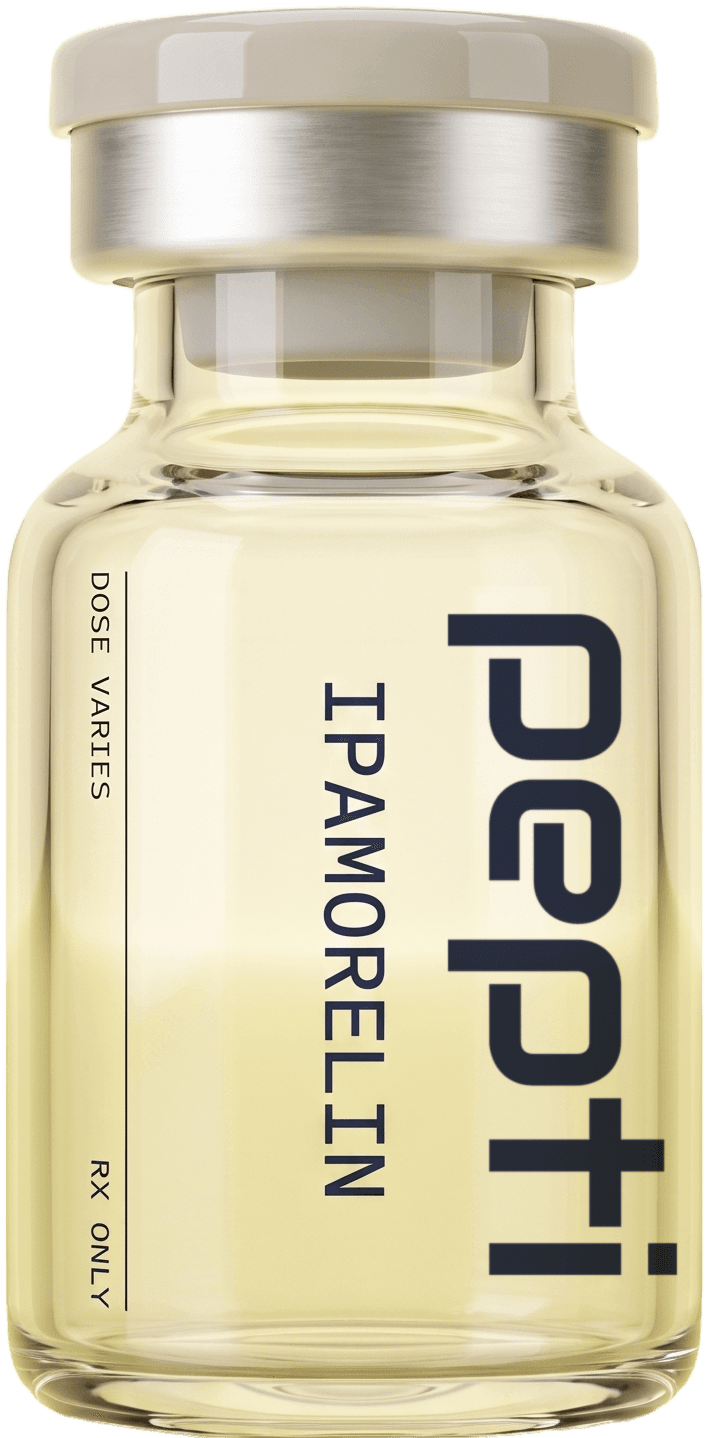
A legitimate peptide seller requires a medical intake, has a prescriber licensed in your state whose licence you can verify with the state board, and uses a named, state-licensed, FDA-registered compounding pharmacy. Everything else is a storefront, and the fastest way to tell is to search the site's own terms and conditions for the words "research", "laboratory" and "not for human", because sellers who ship without a prescription have to say it somewhere. Nothing on this page requires expertise. It requires ten minutes and a willingness to ask two direct questions before you pay.
This page is a checklist you can run, and a ten-minute sequence is at the end.
— How to Tell if a Peptide Seller Is Legitimate
The short answer
| What you are checking | What legitimate looks like | What to do about it |
|---|---|---|
| Prescription requirement | A prescription is required before anything ships | Search the terms for "research use only" |
| The prescriber | Named, credentialed, licensed in your state | Verify with your state medical board's public lookup |
| The pharmacy | Named, state-licensed, FDA-registered | Ask directly, then check the state board of pharmacy register |
| The intake | Several minutes, asks about conditions, medications, allergies | Start it and see where it takes you |
| The price | One all-in figure per month | Ask what is excluded |
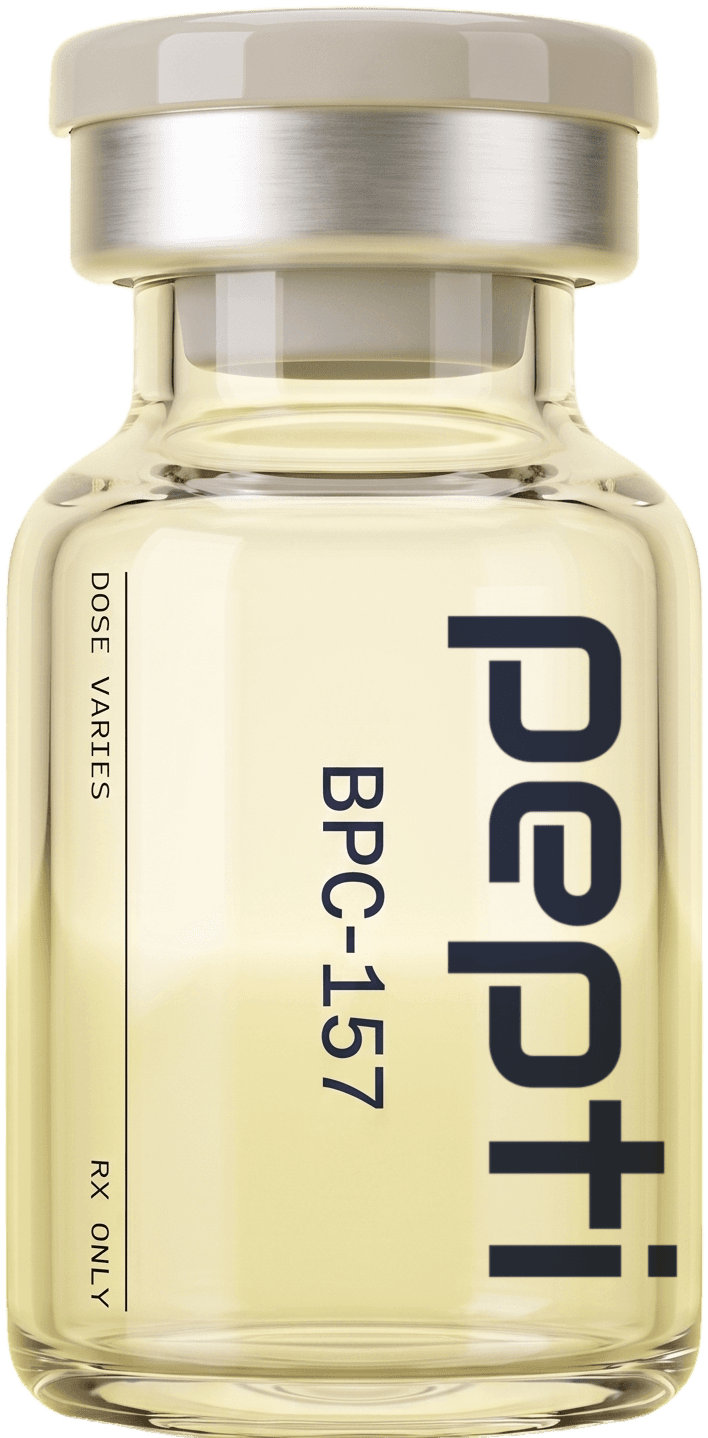
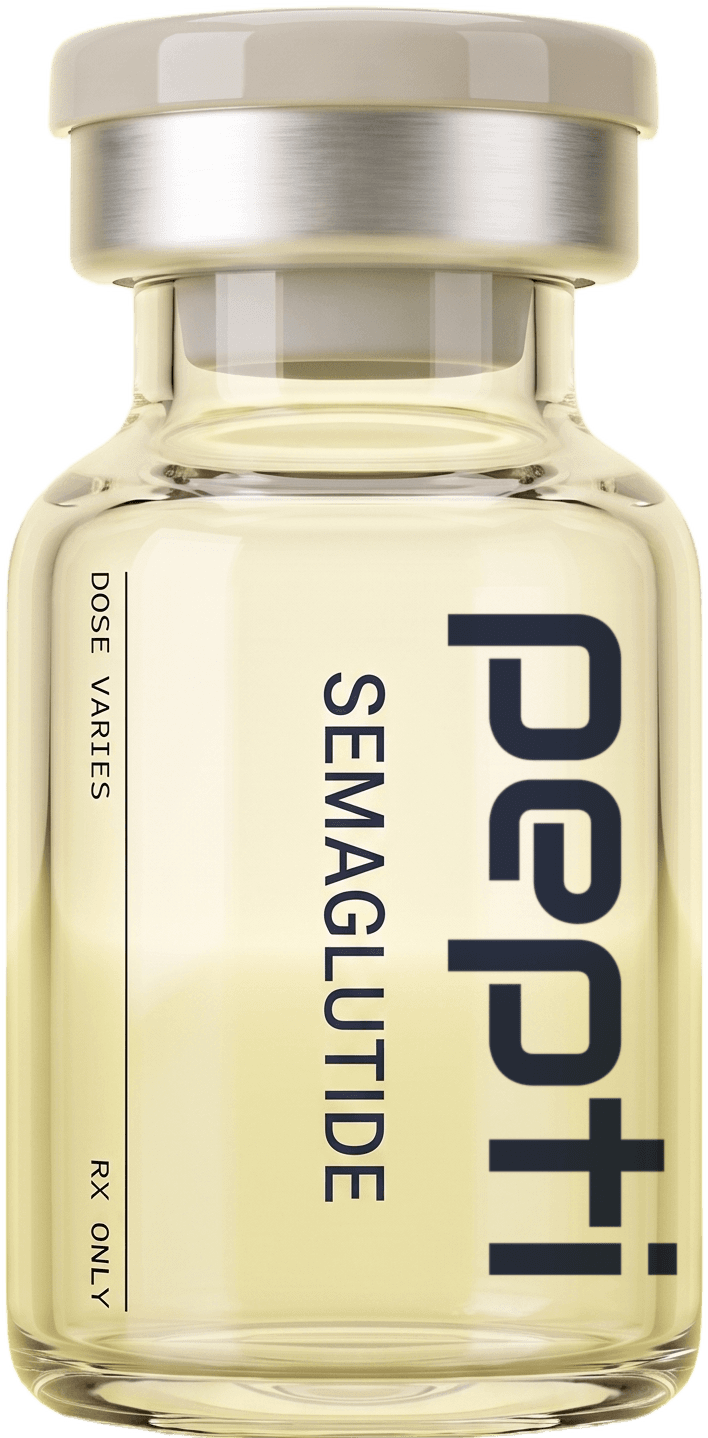
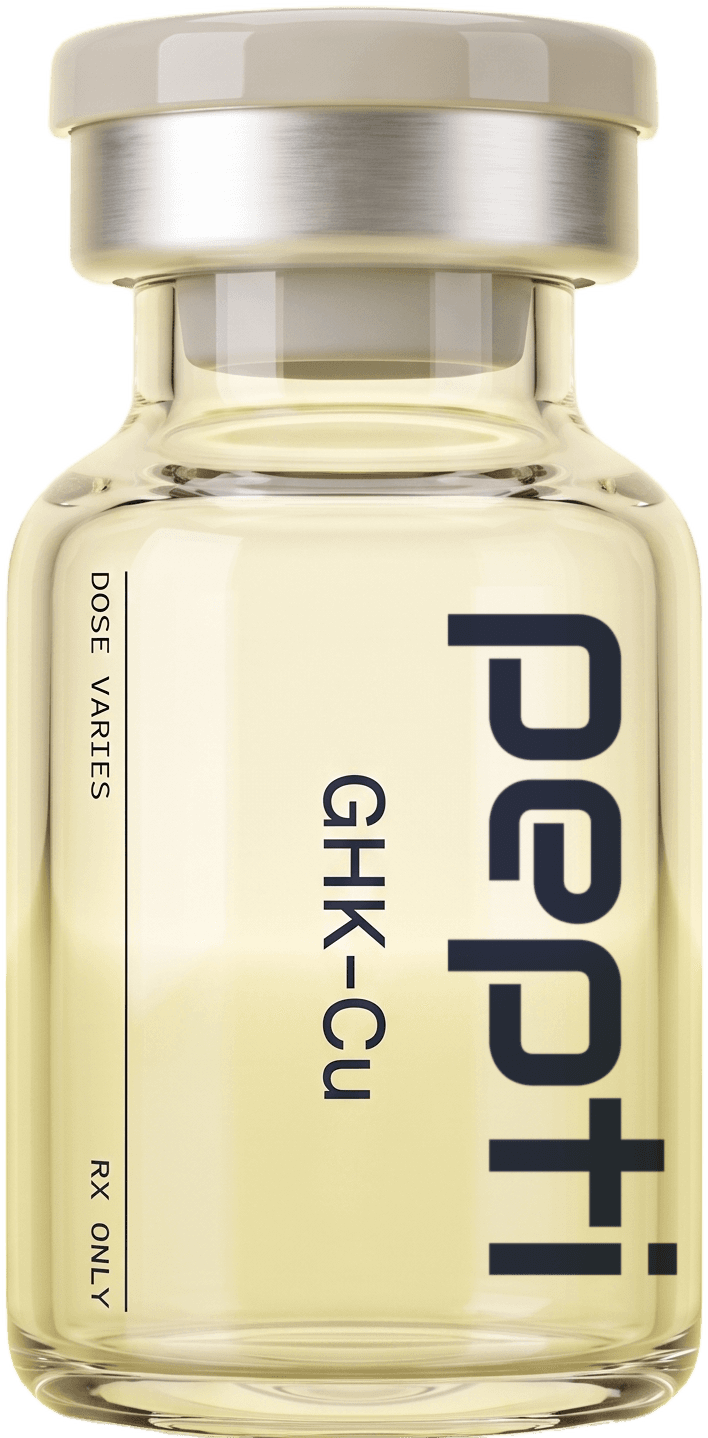
| For reference, real pricing | BPC-157 $209, GHK-Cu $239, CJC-1295 / Ipamorelin $239, Semaglutide from $99 | Compare like with like, all-in |
Those prices are all-in monthly figures covering medication, physician review, refill management and shipping.
— How to Tell if a Peptide Seller Is Legitimate
What "legitimate" actually means in law
"Legitimate" is not a feeling. In the United States it resolves into three legal facts, each either true or false about any seller.
The three facts that must all be true
First, the product must be dispensed on a valid prescription. Federal law requires that a drug be dispensed only on prescription where, because of its toxicity, its method of use, or the collateral measures necessary to its use, it is not safe for use except under the supervision of a licensed practitioner. Injectable peptides sit squarely inside that description.
Second, the prescriber must hold an active licence in the state where you are located at the time of the consultation. Medical licensure is a state function, and telehealth does not change which state's licence applies — yours does.
Third, the preparation must be compounded by a licensed pharmacist in a state-licensed pharmacy, or by a licensed physician, against a prescription for an identified individual patient. That is the core condition of section 503A of the Federal Food, Drug, and Cosmetic Act, which also requires bulk drug substances to meet an applicable United States Pharmacopeia or National Formulary monograph where one exists.
If all three are true, you are dealing with a medical practice; if any one is false, with a storefront, whatever the site calls itself. Two consequences follow: a pharmacy cannot lawfully compound a batch of BPC-157 for an anonymous internet order, because there is no identified patient and no prescription, and a compounded preparation is by design never an FDA-approved product, because the exemption is from approval.
Why "FDA approved" and "FDA registered" are different tests
The FDA states the first position without ambiguity: "Compounded drugs are not FDA-approved. This means that FDA does not verify the safety, effectiveness or quality of compounded drugs before they are marketed." That is true of every compounded medication from every legitimate pharmacy in the country, including the ones dispensed here, so "is it FDA approved" separates compounded medicine from manufactured medicine rather than good providers from bad ones.
"FDA-registered pharmacy" is a different and genuinely verifiable claim: a pharmacy compounding sterile preparations registers its establishment with the FDA and appears in a public database. The regulation is explicit that registration "does not denote approval of the establishment, the drug, or other drugs of the establishment, nor does it mean that a product may be legally marketed", and that representing registration as approval is itself misbranding. Read "FDA-registered" as: this facility exists, is known to the agency, and is in scope for inspection. Read "FDA-approved compounded peptide" as: this seller will say anything.
— How to Tell if a Peptide Seller Is Legitimate
The ten checks
1. Read the terms and conditions, not the homepage. Search the page for "research", "laboratory", "not for human" and "in vitro". If any appear, you are on a research-chemical site regardless of the branding, the lab coats or the word "clinic".
2. Look for the prescription requirement. A site that says a physician must prescribe is making a claim it can be held to. A site advertising that no prescription is needed has told you everything.
3. Verify the prescriber. Every US state medical board publishes a licence lookup. Enter the name and check that the licence is active and in your state. Stock photography and first names are not credentials. The full procedure is below.
4. Ask which pharmacy fills the prescription. You are entitled to know. State boards of pharmacy publish licence registers too. "Our partner pharmacies" is a non-answer, and hesitation is itself the answer. FDA guidance says the same: a safe online pharmacy "is licensed with a state board of pharmacy", and if you cannot find it in your state's database, "you should not use that pharmacy."
5. Take the intake seriously, and see whether they do. A real one asks about conditions, current medications and supplements by name, allergies, cancer history, pregnancy, kidney and liver problems, and what you have already tried. It asks because several peptide categories carry cautions that only surface from history: angiogenic mechanisms against a cancer history, growth-hormone-axis products against existing endocrine disease, GLP-1s against a personal or family history of medullary thyroid carcinoma. If three questions get you to a card form, nobody is practising medicine. And "guaranteed approval" is the cleanest tell on this page — a clinical review that cannot end in a decline is not a review. Being declined is the feature, not the failure.
6. Check the claims. "FDA approved" attached to a compounded peptide is false. Outcome promises, pound figures, healing timelines and before-and-after photos tied to a named medication are all things a licensed prescriber does not do.
7. Read a certificate of analysis properly. Look for a named laboratory, a batch number that matches your vial, a method, and a chromatogram. Identical purity across an entire catalogue is a graphic, not a test. The field-by-field version is below; the reading guide is how to read a peptide certificate of analysis.
8. Check the payment methods. Card processors underwrite the businesses they serve, and a healthcare merchant account involves scrutiny of what is being sold and under what authority. Crypto-only, wire-only or peer-to-peer-app checkout usually means no processor would — and it removes your chargeback rights, which is the point. FDA guidance flags the neighbouring signal: a site that "offers deep discounts or prices that seem too good to be true", or that "charges you for products you never ordered or received".
9. Find the exit before the entrance. Can you cancel in your account, or does it require a phone call during business hours? Can you pause? Are refills predictable? Run this before you buy, not after.
10. Look at what happens after the sale. Is there a way to message the prescriber, or only a support inbox? Ask what happens if a shipment arrives warm, because it eventually will. The answer you want names a person and a remedy: you photograph it, you message the provider, the pharmacy reships.
— How to Tell if a Peptide Seller Is Legitimate
Check one, in detail: what to search in the terms of service
— The exact strings to search for
Run find-in-page on the terms of service, the product page and the disclaimer:
String What it means if you find it "research use only" The seller is not selling you a medicine, legally "not for human consumption" Same, stated plainly "in vitro" Laboratory use only "laboratory research" Laboratory use only "not intended to diagnose, treat, cure or prevent" A supplement-style disclaimer on an injectable "you agree you are a qualified researcher" You are being asked to supply the legal cover "no prescription required" Settled "we do not provide medical advice" Normal alone; disqualifying next to a prescription-only product One phrase deserves a note of its own: "you agree you are a qualified researcher", or "you certify you are a licensed professional". That clause is not there for you — it is there so the seller can point at it, and by clicking through you have supplied the statement it relies on.
— "Research use only" — what the regulation actually says
The phrase is not decorative and it is not meaningless. It points at a specific exemption in the Code of Federal Regulations. A drug is exempt from the requirement to carry adequate directions for use "if shipped or sold to, or in the possession of, persons regularly and lawfully engaged in instruction in pharmacy, chemistry, or medicine not involving clinical use, or engaged in law enforcement, or in research not involving clinical use, or in chemical analysis, or physical testing, and is to be used only for such instruction, law enforcement, research, analysis, or testing."
Read the conditions. The recipient must be regularly and lawfully engaged in non-clinical instruction, law enforcement, non-clinical research, chemical analysis or physical testing, and the material used only for that. A person buying a vial to inject themselves meets none of them, so the exemption the seller relies on does not extend to you and was never meant to.
It also tells you nothing about what is in the vial: no sterility requirement attaches to it, no potency requirement, no identity requirement and no pharmacist, because the exemption exists for material that is not going into a person. That is the trade. The label is what lets the product ship without a prescription, and it is why nobody in the chain owes you anything as a patient. The longer treatment is in research peptides vs prescription peptides and can you buy peptides without a prescription.
— The intent test, and the contradiction to look for
A second regulation explains why some research-use sites read strangely. The FDA determines a product's "intended use" from the objective intent of the people responsible for its labeling, which "may be shown by labeling claims, advertising matter, or oral or written statements", and also by "circumstances in which the article is, with the knowledge of such persons or their representatives, offered or used for a purpose for which it is neither labeled nor advertised." So a research-use-only site that also runs dosing guides and injection tutorials is in a different position from one selling reagents to laboratories.
Which makes the most reliable tell an internal contradiction: read the terms, then read the front page. If the terms say the product is not for human use and the front page shows a person injecting it, you do not need to resolve the contradiction — only to notice it. Legitimate providers do not have one.
— How to Tell if a Peptide Seller Is Legitimate
Check three, in detail: verifying the prescriber
— The state medical board
Start with a full legal name and a licence type — MD, DO, NP or PA. A first name and a headshot are not a credential, and a site that will not produce one before payment has answered you.
Then search the medical board of the state you live in, not the state the company is headquartered in, because the licence that matters covers the place where you are sitting during the consultation. Every state board runs a free public lookup. Confirm the licence exists, is active rather than expired or lapsed, is in your state, and that the name matches; most boards publish disciplinary history on the same record. A middle-initial mismatch is usually nothing. A name that returns no result at all is everything.
— The NPI registry
The National Provider Identifier registry, run by the Centers for Medicare & Medicaid Services at npiregistry.cms.hhs.gov, is the second check and the fastest. It is free, public and searchable by name and state.
A record returns the NPI number, the name and any former names, the credential, the taxonomy — the specialty classification, such as nurse practitioner or internal medicine — state licence numbers, practice addresses with phone numbers, the enumeration date the provider first registered, current status, and when the record was last updated.
— How to read what comes back
The taxonomy tells you what kind of clinician this is; a surgical subspecialist now signing peptide prescriptions is not disqualified by that, but it is a fair thing to ask about. The practice address tells you whether there is a physical location behind the name, which FDA guidance lists among the marks of a safe operation. The enumeration date tells you how long the record has existed: a provider enumerated last month who is the named medical director of a large telehealth brand is a question, not an answer.
State board, NPI registry and the company's own disclosure should agree. If the company will not give a name, or the name returns nothing in your state, you have your result in four minutes.
— How to Tell if a Peptide Seller Is Legitimate
Check four, in detail: verifying the pharmacy
— Why the pharmacy matters most
The prescriber decides whether you should have the medication. The pharmacy decides what is actually in the vial: sterility, endotoxin load, strength, identity and beyond-use dating are all pharmacy responsibilities. The FDA puts it directly — "poor compounding practices can result in serious drug quality problems, such as contamination or a drug that contains too much or too little active ingredient." Which is why "which pharmacy?" separates providers faster than any other question. A licensed operation answers it in one line.
— The two registers to check
Once you have the name, search your state board of pharmacy's licence register and the register of the state the pharmacy is physically in. A pharmacy shipping into your state generally needs a non-resident licence from your board as well as a licence from its home board, so both records should exist. The FDA links the licence verification database for all fifty states and the territories on one page.
Separately, the FDA publishes a searchable Drug Establishments Current Registration Site where you can look up a firm by name and confirm it is registered as a drug establishment. Registration is not approval, and a seller presenting it as approval has told you how they handle every other claim.
— 503A, 503B, and voluntary accreditation
Two kinds of compounder exist under federal law. A 503A pharmacy compounds against individual prescriptions and is exempt from current good manufacturing practice requirements. A 503B outsourcing facility, a category created in 2013, may compound larger quantities without individual prescriptions, must meet CGMP, and is subject to risk-based FDA inspection. Both are legitimate. Most patient-specific peptide prescribing — BPC-157, GHK-Cu, CJC-1295 / Ipamorelin — runs through 503A pharmacies, because the preparation is made for a named patient against a named prescription.
Some pharmacies also hold voluntary accreditation from the National Association of Boards of Pharmacy, whose Digital Pharmacy programme has accredited pharmacies since 1999. Treat accreditation as a positive signal and licensure as the requirement: plenty of legitimate compounding pharmacies are not in a voluntary programme, and none of them are unlicensed.
— How to Tell if a Peptide Seller Is Legitimate
Check seven, in detail: how to read a certificate of analysis
— What a certificate actually certifies
A certificate of analysis is a laboratory's report on one sample from one lot on one date. It is not a certificate about a product, a brand, or your vial specifically unless the lot number on the certificate matches the lot number on your vial. Every legitimate certificate carries a version of the sentence "results apply only to the sample as received", and that sentence is the whole point.
— The fields worth checking, in order
The laboratory's name, location and accreditation. A certificate with no laboratory on it is a graphic. The relevant standard is ISO/IEC 17025, the international standard for the competence of testing and calibration laboratories; a certificate stating it is telling you the methods ran under an audited quality system.
The lot number. It must match the lot printed on your vial or carton. This is the check most people skip and the one that catches a recycled certificate.
The preparation as tested. "GHK-Cu 10 mg/mL, 5 mL vial" — strength and presentation, not just the molecule name. A certificate for a powder tells you nothing about a compounded solution.
The test, the method and the specification. Each result should name what was measured, by what method, against what acceptance criterion. Sterility is typically run under USP chapter <71>, bacterial endotoxins under USP <85>, potency and purity by HPLC, identity by a mass-spectrometry method. A result with no method is an assertion.
The date and the signatory. A certificate issued before the lot was compounded is impossible, and one three years old attached to a vial you received last week is not about your vial. The signature should be a named quality-control person with a title.
— Which results matter most, and what each one answers
For anything you inject, two results outrank the rest. Sterility asks whether the preparation grows organisms. Bacterial endotoxin asks whether it carries pyrogenic fragments from organisms that are no longer alive — a preparation can be sterile and still carry endotoxin, which is why both tests exist. Purity in the high nineties tells you about the chemistry and nothing about whether the solution is safe to put under your skin.
Potency answers "how much of the labelled substance is in here", as a percentage of label claim against a specification range. Purity answers "what fraction of the peptide content is the peptide you wanted". Identity answers "is this the molecule on the label at all". Three different questions; a certificate reporting one has answered one. For BPC-157, identity matters more than people assume, because a synthesis that drops or substitutes a residue in a fifteen-amino-acid chain still looks like a peptide on a purity assay.
— What a faked or recycled certificate looks like
- Identical numbers across the catalogue. 99.2% purity on every product is a template, not a set of results, and real assays produce 98.7% rather than a round 99%.
- No lot number, or a lot number appearing on multiple products.
- No laboratory name, or a laboratory that does not exist outside that site's images.
- A chromatogram with no axes, no scale and no retention times. A real chromatogram is ugly and specific.
- An image rather than a document. A flattened JPEG cannot be text-searched, which is convenient for whoever made it.
- Tests that do not match the format, such as a sterility result on a product sold as a non-sterile powder, or a date preceding the lot.
- The same signature image across certificates from different laboratories.
- A "certificate of authenticity", which is not a laboratory document and reports no measurement.
— The worked example
/quality/lab-results is what the finished version looks like, and the fastest way to calibrate your eye. Each entry names the lot, the preparation as compounded, the date testing was completed, the compounding pharmacy, and the independent laboratory with its accreditation. Each result carries its method and, where the report states one, its acceptance specification, with the original certificate attached where one exists.
The part worth studying is the line under each result set naming the tests that certificate does not report. No certificate covers every test on every lot: sterility testing is destructive and slow, some assays are not validated for a given preparation, and some tests run on release while others run periodically. A provider that publishes the gaps is describing a real quality system; one whose every certificate reports every test at a perfect value is describing a design file. You are not looking for a better-looking document. You are looking for one specific enough to be wrong.
— How to Tell if a Peptide Seller Is Legitimate
What the site is telling you, in one table
| What you see | What it actually means |
|---|---|
| "No prescription required" | Research-chemical seller |
| "Pharmaceutical grade" | A marketing phrase with no regulatory meaning |
| "FDA approved" on a compounded product | False, and a signal they will say anything |
| "Guaranteed approval" | No clinician is reviewing your file |
| Powder plus bacteriostatic water, sold as a kit | You are expected to compound a sterile injectable yourself |
| "Semaglutide sodium" or similar salt names | Not the same active ingredient as the approved drug |
| Bulk pricing by the gram | Chemical supply |
| Unnamed prescriber and unnamed pharmacy | There may be neither |
| Countdown timers and limited stock warnings | Pressure tactics in a medical context |
| Reviews only about shipping speed | Nobody is reviewing the care because there is none |
Two rows are worth expanding. There is no regulatory grade called "pharmaceutical grade"; USP and NF monographs are real standards that section 503A references for bulk drug substances, so "meets the USP monograph" has content while "pharmaceutical grade" is a phrase a seller assigns itself. And a salt form is a different substance from the base, so a name that is almost, but not exactly, semaglutide or tirzepatide is a deliberate signal that what is in the vial is not the active ingredient in the approved drug.
— How to Tell if a Peptide Seller Is Legitimate
Prescription care versus a storefront, side by side
| Licensed telehealth provider | Research-chemical storefront | |
|---|---|---|
| Before purchase | Intake, physician review, possible decline | Add to cart |
| What arrives | A labelled medication with your directions | A powder or a vial with a sticker |
| Sterility and strength | Compounded to USP standards under state oversight | Unverified |
| Clinical support | A prescriber you can message | A contact form |
| Record | In your chart | None |
| Price | Higher, and it includes the above | Lower |
The detail is in research peptides vs prescription peptides.
— How to Tell if a Peptide Seller Is Legitimate
The two questions that settle it
Ask a provider these before paying, in writing if you can:
"Which physician will review my file, and in which state are they licensed?" A legitimate answer is a name and a state. A non-answer is a decision.
"Which pharmacy compounds and ships my medication?" A legitimate answer is a pharmacy name you can look up.
Add a third if you want a fuller picture: "What is the total monthly cost, including consultation, shipping and refills?" Cheap headline prices frequently exclude three of those four items. How pricing works across providers is in how much do peptides cost.
Ask in writing: a support agent who would type "our partner pharmacy network" into a chat window is noticeably more careful in an email, and the reply is something you can hold against the registers. A good one reads: "Dr. [full name], MD, licensed in [your state]; compounded by [pharmacy name] in [city, state], licensed with your state board of pharmacy and registered with the FDA."
— How to Tell if a Peptide Seller Is Legitimate
The ten-minute run, in order
- Minute 0–2. Open the terms of service. Find-in-page for "research", "in vitro", "not for human", "no prescription". Any hit ends the process.
- Minute 2–3. Find the named prescriber. No name, process ends.
- Minute 3–5. Your state medical board licence lookup. Confirm active, correct state, exact name.
- Minute 5–6. npiregistry.cms.hhs.gov. Confirm the NPI record, taxonomy, state licence and practice address.
- Minute 6–7. Ask, in writing, which pharmacy compounds and ships. Wait for a name.
- Minute 7–8. Your state board of pharmacy register, then the pharmacy's home-state board.
- Minute 8–9. Open a certificate of analysis. Check the lab name, the lot against a product lot, the method and the date.
- Minute 9–10. Start the intake. If it reaches a card form in three questions, stop.
Survive all eight and you have established the only thing establishable from outside: that identifiable, licensed people are accountable for the prescription and for the vial.
— How to Tell if a Peptide Seller Is Legitimate
Where this stands with the FDA right now
Two facts are stable and worth stating plainly, because much of what is published online about them is not. Compounded medications are not FDA approved, and never will be: the agency states that it "does not verify the safety, effectiveness or quality of compounded drugs before they are marketed", and section 503A is an exemption from approval rather than a route to it. And establishment registration is not approval — the regulation is explicit that registration "does not denote approval of the establishment, the drug, or other drugs of the establishment."
Separately, whether a specific peptide may be compounded under section 503A turns on the bulk drug substances list, which the FDA revises and which has moved more than once recently. That status is substance-specific rather than seller-specific, and the current position for each medication is on its own reference page — for example what is BPC-157 or what is semaglutide. Do not accept a general "it has all been banned" or "it is all approved now" from any seller. Both are wrong, and the specifics differ by molecule.
— How to Tell if a Peptide Seller Is Legitimate
What the evidence shows, honestly
Verification is not a proxy for efficacy. A perfectly legitimate provider still dispenses compounded medication that is not FDA approved, in a field where most molecules other than GLP-1s are supported by preclinical research rather than large human trials.
So the checks on this page answer one question only: is anyone accountable for what is in the vial and for whether you should be taking it. That is worth establishing before the separate question of whether the molecule will help you, which nobody can answer in advance and which varies between people. A provider that is honest about the second question tends to be sound on the first.
What honest evidence language sounds like
Read how a provider describes its own products' research; the register gives away whether anyone clinical is involved.
For BPC-157, the honest framing is that the mechanistic work is animal and cell research — a 2014 paper in Molecules reporting increased growth hormone receptor expression in cultured tendon fibroblasts, a 2006 Journal of Orthopaedic Research study of Achilles detachment in rats — and that there are no large randomised controlled trials in humans for tendon or soft-tissue injury. For GHK-Cu, that a 1988 FEBS Letters paper described stimulation of collagen synthesis in cultured fibroblasts and a 1993 Journal of Clinical Investigation study described connective tissue accumulation in rat wounds. For CJC-1295 / Ipamorelin, that a 2006 study in the Journal of Clinical Endocrinology and Metabolism reported prolonged growth hormone and IGF-1 secretion in healthy adults given CJC-1295, with ipamorelin characterised as a selective growth hormone secretagogue in a 1998 European Journal of Endocrinology paper. For semaglutide, that the STEP programme and the SELECT cardiovascular outcomes trial are large randomised trials in named populations published in the New England Journal of Medicine and JAMA — and that a compounded semaglutide preparation is nevertheless not the FDA-approved product.
A seller that flattens all four into "clinically proven" is not being careless. It is telling you which of your questions it intends to answer. None of this predicts whether a medication will work for you. Verification establishes accountability, not efficacy, and a licensed prescriber will sometimes tell you that the thing you asked for is not the right tool. That conversation, not the purchase, is the product. The free assessment is where it starts, and your physician may want bloodwork before deciding anything.
— References
What this is based on.
References
- Chang CH, Tsai WC, Hsu YH, Pang JH. Pentadecapeptide BPC 157 enhances the growth hormone receptor expression in tendon fibroblasts · Molecules (2014) · PMID 25415472
- Krivic A, Anic T, Seiwerth S, et al.. Achilles detachment of rat and stable gastric pentadecapeptide BPC 157 · Journal of Orthopaedic Research (2006) · PMID 16583442
- Sikiric P, Seiwerth S, Rucman R, et al.. Stable gastric pentadecapeptide BPC 157: novel therapy in gastrointestinal tract · Current Pharmaceutical Design (2011) · PMID 21548867
- Cerovecki T, Bojanic I, Brcic L, Radic B, et al.. Pentadecapeptide BPC 157 (PL 14736) improves ligament healing in the rat · J Orthop Res (2010) · PMID 20225319
- Sikiric P, Seiwerth S, Rucman R, Turkovic B, et al.. Stable gastric pentadecapeptide BPC 157-NO-system relation · Curr Pharm Des (2014) · PMID 23755725
- Cox HD, Miller GD, Eichner D. Detection and in vitro metabolism of the confiscated peptides BPC 157 and MGF R23H · Drug Test Anal (2017) · PMID 28035768
- Thomas A, Görgens C, Guddat S et al.. Simplifying and expanding the screening for peptides <2 kDa by direct urine injection, liquid chromatography, and ion mobility mass spectrometry · J Sep Sci (2016) · PMID 26578461
- Farrar JT, Young JP Jr, LaMoreaux L, Werth JL et al.. Clinical importance of changes in chronic pain intensity measured on an 11-point numerical pain rating scale · Pain (2001) · PMID 11690728
- Meyer JD, Ho B, Manning MC. Effects of conformation on the chemical stability of pharmaceutically relevant polypeptides · Pharm Biotechnol (2002) · PMID 11987755
- Xu C, Sun L, Ren F, Huang P, et al.. Preclinical Safety Evaluation of Body Protective Compound-157, a Potential Drug for Treating Various Wounds · Regul Toxicol Pharmacol (2020) · PMID 32334036
- He L, Feng D, Guo H, et al.. Pharmacokinetics, distribution, metabolism, and excretion of body-protective compound 157, a potential drug for treating various wounds, in rats and dogs · Front Pharmacol (2022) · PMID 36588717
- Lee E, Padgett B. Intra-Articular Injection of BPC 157 for Multiple Types of Knee Pain · Altern Ther Health Med (2021) · PMID 34324435
Citations are provided for educational purposes. They do not constitute medical advice. Always discuss any peptide protocol with your prescribing physician.
— Common questions
How to Tell if a Peptide Seller Is Legitimate, answered.
Search their terms for "research use only", confirm a prescription is required, verify the prescriber with your state medical board, and ask which pharmacy fills the order. Add the NPI registry at npiregistry.cms.hhs.gov on the prescriber and your state board of pharmacy register on the pharmacy, and you have covered everything establishable from outside the company. Ten minutes.
They usually operate legally by labelling products for laboratory use rather than for people. That label is also why they owe you nothing as a patient. The exemption they rely on applies to people lawfully engaged in non-clinical instruction, research, law enforcement, chemical analysis or physical testing, which does not describe a person buying a vial to inject. See can you buy peptides without a prescription.
No. It reports on a batch on a date, measures purity rather than sterility, and is only meaningful if the laboratory is named and the batch matches your vial. Comparing the lot on the certificate against the lot printed on the vial you were sent catches most recycled documents on its own.
Not automatically, but compare all-in prices. A low headline that excludes consultation, shipping and refills is not cheaper, and a price far below every licensed provider usually means there is no pharmacy in the chain. FDA consumer guidance lists prices that "seem too good to be true" among the warning signs of an unsafe online pharmacy.
Treat it as the answer and move on. The pharmacy is the party responsible for sterility and strength, and you should know who it is. There is no confidentiality reason to withhold it from the patient whose prescription is being filled.
Read them for substance. Reviews describing the physician interaction, a declined request, or how a problem was handled are worth more than a hundred about delivery speed. A review set in which nobody was ever declined comes from a company that declines nobody.
Yes, when there is a real intake, a physician licensed in your state and a licensed pharmacy. The failure modes are covered in is peptide telehealth legit.
It points at a narrow exemption in 21 CFR 201.125, covering drugs shipped to or held by people regularly and lawfully engaged in non-clinical instruction in pharmacy, chemistry or medicine, in law enforcement, in non-clinical research, or in chemical analysis or physical testing, and used only for those purposes. It says who may lawfully hold the material, not what is in it, and no sterility, potency or identity standard attaches to it.
Go to npiregistry.cms.hhs.gov, search by last name and state, and open the matching record; it is free and public. Confirm the name, credential, taxonomy (specialty), state licence numbers, practice address and active status, then cross-check the name against your state medical board's lookup, which also shows disciplinary history.
Search your state board of pharmacy's licence register for the pharmacy name, and the register of the state where the pharmacy is physically located. The FDA maintains a page linking every state's verification database for exactly this purpose, and its guidance is that if the pharmacy is not listed, you should not use it.
No, and the difference matters. Registration means the establishment is known to the FDA and in scope for inspection. Federal regulation states that registration "does not denote approval of the establishment, the drug, or other drugs of the establishment." Compounded preparations are not FDA approved by design, because section 503A exempts them from premarket approval when its conditions are met.
A 503A pharmacy compounds against prescriptions for identified individual patients and is exempt from current good manufacturing practice requirements. A 503B outsourcing facility, created in 2013, may compound larger quantities without patient-specific prescriptions, must comply with CGMP and is subject to risk-based FDA inspection. Both are legitimate; patient-specific peptide prescribing such as BPC-157, GHK-Cu or CJC-1295 / Ipamorelin generally runs through 503A pharmacies.
A named, accredited laboratory, the lot number, the preparation as tested with its strength and presentation, each test with its method and acceptance specification, the date testing was completed, a named signatory, and an explicit statement of which tests were not run on that lot. /quality/lab-results is a worked example of that format, lot by lot.
Sterility and bacterial endotoxin, because those speak to whether the preparation is safe to inject; sterility is typically run under USP chapter <71> and endotoxin under USP <85>. Potency, purity and identity answer three different chemistry questions — how much, how clean, and whether it is the right molecule — so a certificate reporting purity alone has answered one of five.
Stop using the product and talk to a clinician, bringing the vial, the label and any documentation you were given. Tell them exactly what it was labelled as, because research-use-only material has no verified identity or concentration. If you want to continue treatment properly, the assessment routes to a physician licensed in your state. The free assessment goes to a physician licensed in your state. A consultation does not guarantee a prescription.
— Next step
See what a physician
recommends for you.
A licensed physician in your state reviews your intake and decides what is appropriate. A consultation does not guarantee a prescription.
Important legal & safety information
The assessment process available on the Pepti website asks a series of medical questions, and the answers provided are reviewed by an independent licensed physician affiliated with our partner physician network. The licensed providers have established exclusionary criteria, and the answers provided determine if the individual is screened out of eligibility for treatment. The licensed clinicians retain the sole decision to prescribe peptide therapy and other compounded medications to patients. Treatment may be denied at the physician's sole discretion. If a prescription is not approved, you will not be charged for the medication.
Pharmacy Providers. Pepti is a technology platform and is not a healthcare provider, pharmacy, or prescriber. All medications offered through the platform are compounded by independent FDA-registered 503A or 503B compounding pharmacies based on a valid prescription written by a licensed physician for an individual patient. Compounded medications are not FDA-approved as products. The active pharmaceutical ingredients used by our partner pharmacies are sourced from FDA-registered facilities. Compounded medications may not undergo the same testing or quality control as commercially manufactured FDA-approved drugs.
Results vary. Results from peptide therapy and other compounded treatments vary based on individual factors, including age, weight, medical history, adherence to the prescribed protocol, lifestyle factors, and physiological response. Pepti makes no guarantee of any specific outcome. Statements about peptide therapy and compounded medications offered through the platform have not been evaluated by the Food and Drug Administration. These products are not intended to diagnose, treat, cure, or prevent any disease.
Product images. Product photographs and renderings shown on this website are for illustrative purposes only. The appearance of vials, packaging, labeling, and other materials you receive may vary and is determined by the dispensing compounding pharmacy.
Off-label use.Many peptides offered through the platform are prescribed for off-label use. “Off-label” means the medication is being prescribed for a use, dose, or patient population that is not specifically approved by the FDA. Off-label prescribing is legal and common in U.S. medical practice when supported by clinical experience and judgment.
Mailing & shipping. Pepti currently dispenses prescription medication to patients in all 50 states and Washington, D.C.. All orders ship in unbranded, tamper-evident packaging via expedited delivery from our partner compounding pharmacies. Temperature-sensitive medications ship with insulated packaging and ice packs. Shipping is included at no additional cost. We do not currently ship medication outside all 50 states and Washington, D.C., internationally, or to APO/FPO addresses.
Not for emergencies. Pepti is not designed for medical emergencies. If you are experiencing a medical emergency, call 911 or go to your nearest emergency room immediately. For urgent but non-emergency medical questions, contact your primary care provider or use an urgent care service.
No doctor-patient relationship with Pepti. Your use of the platform does not create a doctor-patient relationship between you and pepti LLC. A doctor-patient relationship is established only between you and the independent licensed physician who reviews your intake and prescribes your treatment. The physicians who use the platform are independent contractors and are solely responsible for the medical care they provide.
Prescription medications. All prescription products require a valid prescription from a licensed healthcare provider. By using the platform, you acknowledge that you are at least 18 years old and that the information you provide is true, accurate, current, and complete. Providing false information may result in inappropriate treatment recommendations or denial of service.
Cosmetic & wellness products.Certain products offered through Pepti — including skincare, hair care, body care, supplements, men's grooming, sports recovery, and sexual wellness products — are cosmetic or dietary supplement products, not prescription medications. These products do not require a prescription and are not reviewed or prescribed by a physician. Statements regarding dietary supplements have not been evaluated by the Food and Drug Administration. These products are not intended to diagnose, treat, cure, or prevent any disease. Results vary by individual. Consult your healthcare provider before starting any new supplement or topical product, especially if you are pregnant, nursing, or taking other medications.
pepti LLC · Delaware Limited Liability Company · 131 Continental Dr, Suite 305, Newark, DE 19713 · For media or partnership inquiries, email hello@hellopepti.com. For patient support, email support@hellopepti.com. For privacy and HIPAA inquiries, email privacy@hellopepti.com.