— Weight Loss · Reference
Why Are Compounded Peptides Cheaper Than Brand Name Medications?
The price gap between compounded and branded medication is structural, not a discount. What each price pays for, what you give up, and when cheap is the warning rather than the bargain.
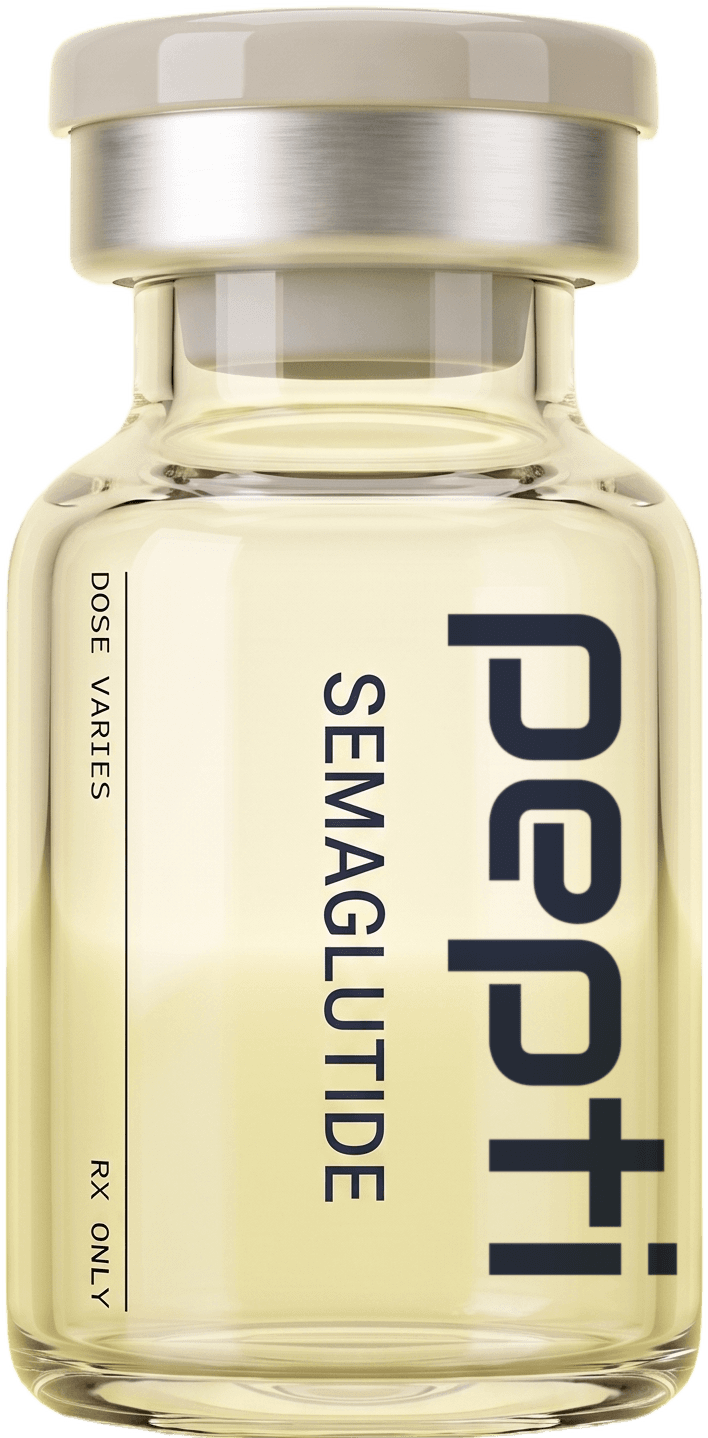
— Treatments mentioned
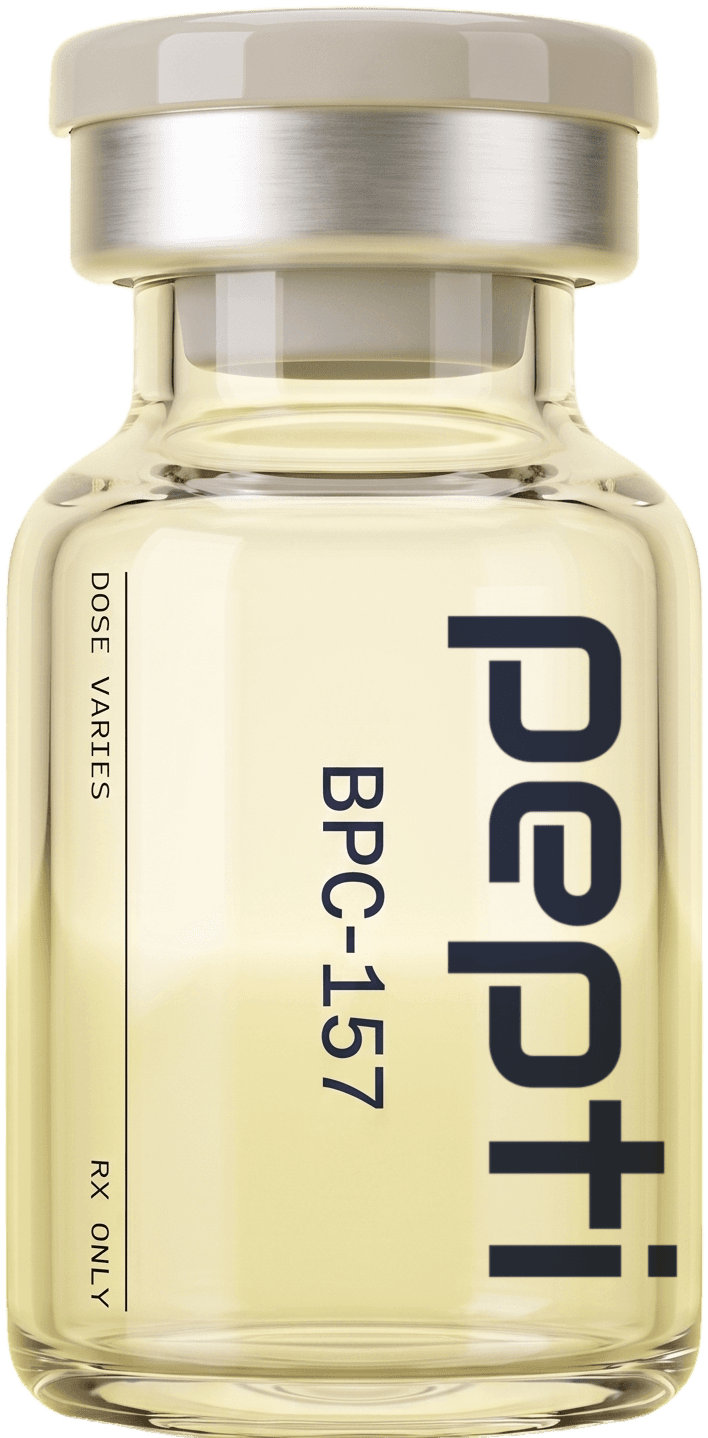
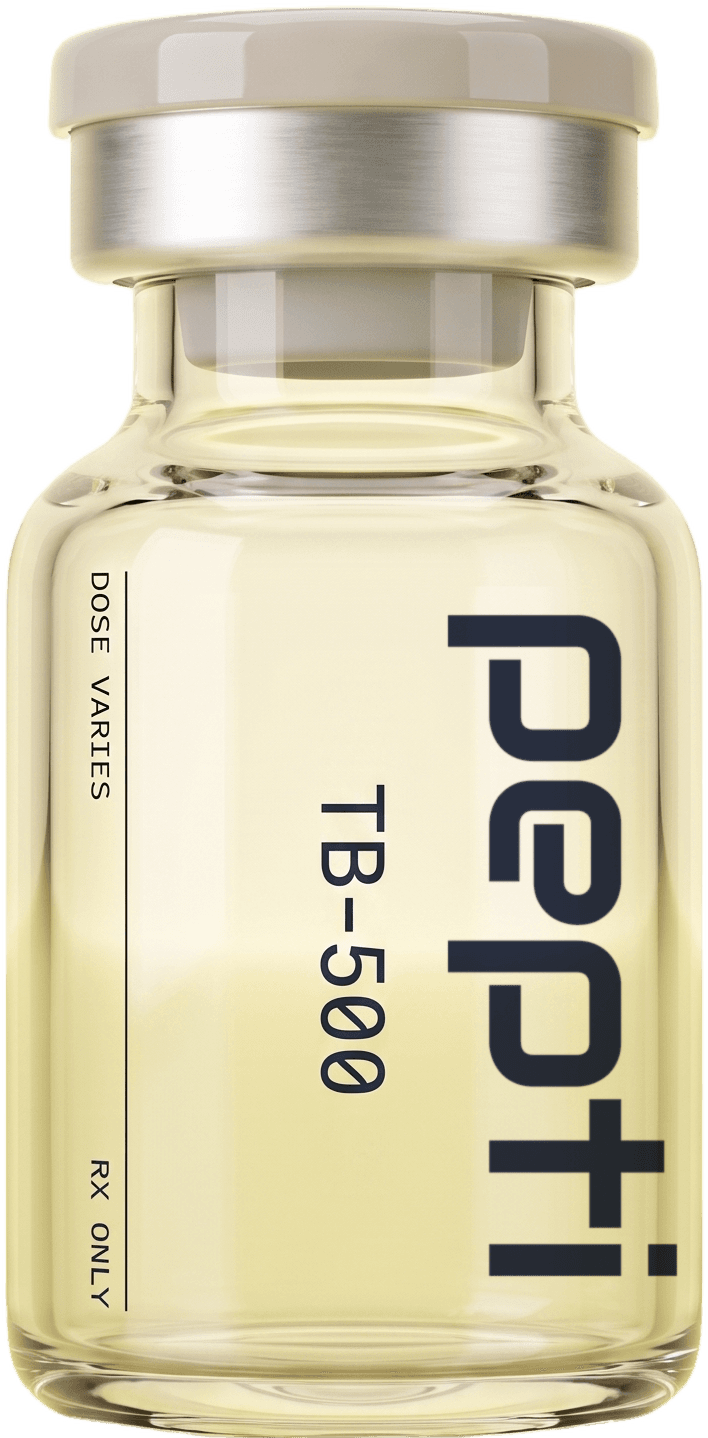
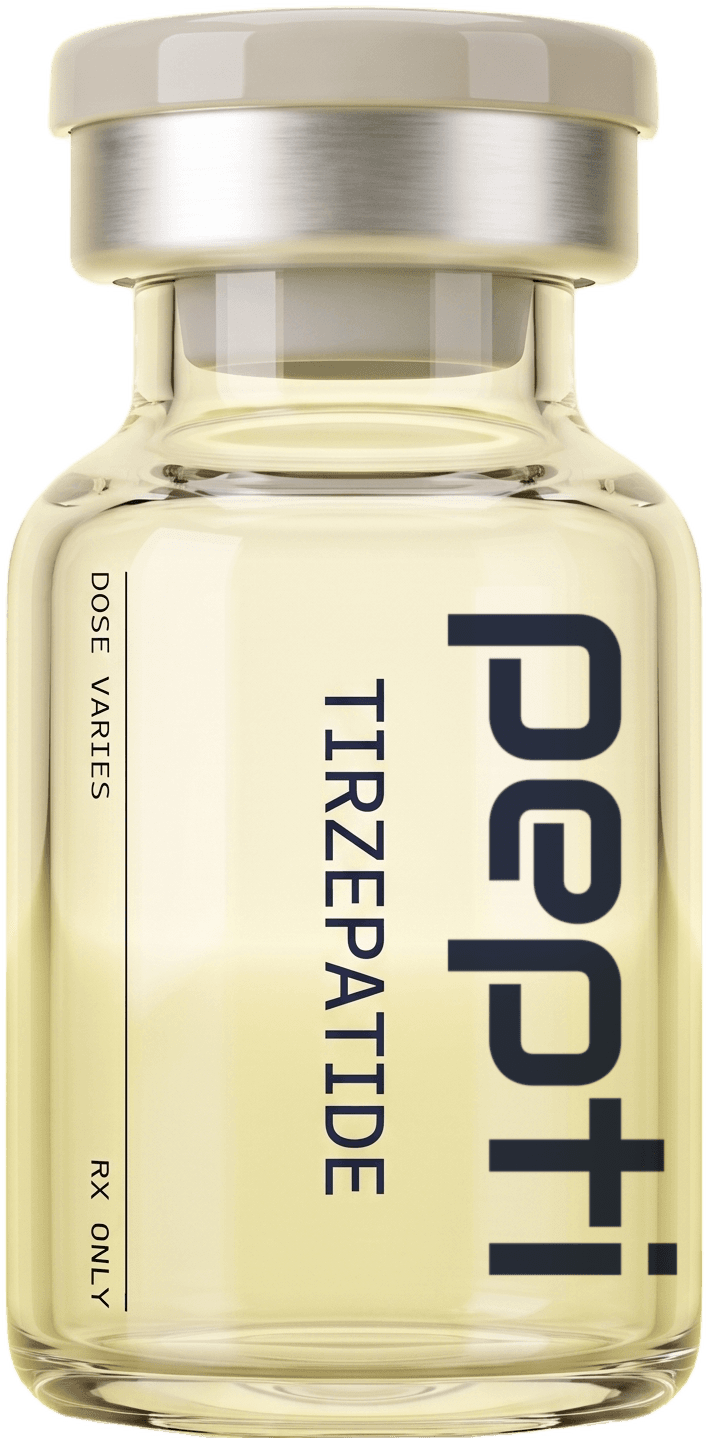
A compounded medication is cheaper than a branded one because the branded price recovers clinical trials, the FDA approval process, scaled manufacturing and marketing, while a compounding pharmacy prepares an existing active ingredient for one patient and has none of those costs to recoup. The saving is structural rather than a discount, which is why it is stable rather than promotional. What you give up is approval of that specific product and the stability and consistency data that come with it. What you should not give up is a prescription, a licensed pharmacy and a named prescriber, and a price that is far below other compounded providers usually means one of those three has been removed.
— Why Are Compounded Peptides Cheaper Than Brand Name Medications?
The short answer
| What you are buying | What the price pays for | Typical monthly cost |
|---|---|---|
| A branded approved product | Trials, approval, scaled manufacture, distribution, marketing, patent period | Set by the manufacturer, often covered by a plan if you qualify |
| A compounded prescription from a licensed pharmacy | API, sterile compounding, testing, vial, physician review, cold-chain shipping | $99 to $369 a month all-in, depending on the medication |
| A single compounded peptide | One API, 5 mL multi-dose vial | BPC-157 $209, TB-500 $209, GHK-Cu $239 |
| A compounded four-peptide blend | Four APIs in one sterile vial | KLOW $259, FORTIFY $279 |
| A research-use-only vial | The powder, shipped, and nothing else | Lower than all of the above |
The first two rows are legitimate routes with different trade-offs. The last row is a different category of thing that happens to share a molecule name, covered in research peptides vs prescription peptides.
— Why Are Compounded Peptides Cheaper Than Brand Name Medications?
What sits inside each price
The clearest way to understand the gap is to list what each side is actually funding.
| Cost component | Branded approved product | Compounded prescription |
|---|---|---|
| Phase I to III clinical trials | Yes, hundreds of millions, recovered over the patent period | No, the molecule is not being taken through approval |
| FDA new drug application and review | Yes | No, a different regulatory pathway applies |
| Scaled manufacture to an approved specification | Yes, dedicated commercial lines | No, prepared per prescription in a licensed pharmacy |
| Consumer and physician marketing | Yes, a large line item | No |
| Patent exclusivity premium | Yes, for the protected period | No |
| Active pharmaceutical ingredient | Yes | Yes |
| Sterile preparation and quality process | Yes | Yes |
| Testing of what was made | Yes, to an approved spec | Yes, to the pharmacy's process and state board requirements |
| Licensed pharmacist and state board oversight | Yes | Yes |
| A prescriber who reviewed your case | Yes | Yes |
Five of the ten lines exist only on the branded side. That is the gap. It is not a claim that the compounded version is equivalent, and it is not a claim that the branded price is unreasonable, since somebody did have to run the trials.
— Why Are Compounded Peptides Cheaper Than Brand Name Medications?
What a brand-name price is actually recovering
A branded price is a repayment schedule for work that has already happened, with a deadline attached.
— Discovery, preclinical work and the trials
Before a molecule reaches a person it has been through target selection, synthesis of hundreds of candidates, cell work, animal pharmacology and toxicology. Most candidates stop there, and the few that continue carry the cost of the ones that stopped. Then the trials: phase I for tolerability, phase II for whether the molecule does anything measurable in the target population and at what dose, phase III for thousands of participants across multiple countries with years of follow-up and independent monitoring.
Semaglutide is the clearest worked example. STEP 1 in the New England Journal of Medicine in 2021 randomised adults with overweight or obesity to weekly semaglutide or placebo over 68 weeks; STEP 2 in The Lancet ran the question in adults who also had type 2 diabetes; STEP 5 in Nature Medicine in 2022 extended follow-up to two years; SELECT in 2023 enrolled a cardiovascular outcomes population without diabetes; ESSENCE in 2025 took the molecule into a liver indication. Tirzepatide has its own: SURMOUNT-1 in the New England Journal of Medicine in 2022, SURMOUNT-2 in The Lancet in 2023, SURMOUNT-OSA in 2024 and SURPASS-CVOT in 2025. That is a program, not a trial, and the program is what a brand price pays back.
— The application and the review fee
Once the trials are done the sponsor files a new drug application or a biologics license application, and pays for the privilege. For fiscal year 2026 the FDA's application fee for a submission requiring clinical data is $4,682,003, with an annual program fee of $442,213 per prescription drug product. That is the filing cost alone, before the cost of assembling a submission that can run to hundreds of thousands of pages.
— Manufacturing to an approved specification, and marketing
An approved product is made on lines qualified as part of the application: changing a supplier, a filter, a container closure or a site is a regulatory event, not a purchasing decision. That rigidity is expensive, and it is what makes unit-to-unit consistency at scale possible. On top of it sit sales forces, conference presence, direct-to-consumer advertising and patient support programs — a line that does not exist on the compounded side at all.
— The exclusivity window that has to pay for all of it
A US patent runs twenty years from the filing date, much of which is consumed by development. Separately, the FDA grants regulatory exclusivity: five years for a new chemical entity, three years for a product supported by a new clinical investigation, seven years for an orphan drug, and six months of pediatric exclusivity added to existing patents and exclusivities.
Everything above has to be repaid inside that window, by the patients who take the product during it. None of it is waste, either: the reason anyone knows what semaglutide and tirzepatide do in humans is that those programs were run and paid for, and a compounded preparation of the same molecule inherits that knowledge without having paid for it. That is the honest counterweight to everything else on this page.
— Why Are Compounded Peptides Cheaper Than Brand Name Medications?
What a compounded price is actually recovering
The compounded side is a much shorter list, and each item is a real cost rather than a margin.
- The active pharmaceutical ingredient. The bulk substance, bought from a supplier with a certificate of analysis. Price per gram varies enormously between molecules, which is most of why one peptide vial and another do not cost the same.
- Sterile preparation in a licensed pharmacy. Weighing, dissolution, sterile filtration, filling, stoppering and sealing under controlled conditions by a licensed pharmacist — skilled labor costed per batch rather than per million.
- Testing and release. Identity, potency, sterility and endotoxin testing according to the pharmacy's validated process and its state board's requirements. What a pharmacy tests, and how often, is a fair question to ask it; Pepti publishes what comes back at /quality/lab-results.
- The prescriber. A physician licensed in your state reviewing your intake, medications and history, writing the prescription, and remaining reachable afterwards. On a legitimate compounded price this is a line item whether or not it is itemized.
- Container, cold chain and dispensing. The vial, the label carrying your name and directions, insulated packaging, ice packs, expedited shipping. Cold-chain shipping is a real recurring cost and one of the first things a cut-price seller quietly removes.
Absent: no trial program, no application fee, no approval review, no commercial manufacturing lines built to an approved specification, no sales force, no patent premium. Nothing has been taken away from you to produce that saving — those costs never existed on this side.
— Why Are Compounded Peptides Cheaper Than Brand Name Medications?
Why the law lets the two prices differ
This is not a loophole. It is an explicit statutory carve-out, and its shape tells you what you are buying.
— Section 503A and the three exemptions
Section 503A of the Federal Food, Drug, and Cosmetic Act describes conditions under which a compounded drug is exempt from three things that apply to a manufactured product: "FDA approval prior to marketing, current good manufacturing practice (CGMP) requirements, and labeling with adequate directions for use." That is precisely the list of things a brand price pays for and a compounded price does not.
— The patient-specific prescription condition
The exemptions are conditional. As the FDA puts it, "one of these conditions is that the drugs must be compounded based on the receipt of valid patient-specific prescriptions." A compounded preparation exists because a named clinician wrote it for a named patient. Remove the prescription and it is not a lawfully compounded drug but an unapproved drug being sold — the category the research-use-only sellers occupy.
— Who inspects a 503A pharmacy, and how 503B differs
Oversight is primarily at state level: "state boards of pharmacy have primary responsibility for the day-to-day oversight of state-licensed pharmacies that are not registered with FDA as outsourcing facilities," while the FDA itself conducts surveillance and for-cause inspections of those pharmacies. Two accountable bodies, both publishing license status you can look up. An anonymous website has neither.
The other pathway sits at a different standard: drugs compounded in outsourcing facilities "are subject to current good manufacturing practice (CGMP) requirements," while drugs compounded under section 503A in a state-licensed pharmacy "are not." A 503B outsourcing facility carries a CGMP overhead a 503A pharmacy does not, and can compound without a patient-specific prescription. Different cost base, different model — and neither produces an approved product.
— Which bulk substances a pharmacy may use
Not every molecule can be compounded from bulk. The FDA sorts nominated bulk drug substances into three categories: Category 1 for those that may be eligible for the 503A bulks list and against which it does not intend to take enforcement action, Category 2 for those where it has identified significant safety risks, and Category 3 for those nominated with insufficient information to evaluate. That is a real constraint on what a licensed pharmacy will make. Separately, "Compounders also may prepare compounded versions of a drug on FDA's drug shortages list if the compounded drug meets certain conditions detailed in federal law."
— Why Are Compounded Peptides Cheaper Than Brand Name Medications?
What you give up, stated plainly
This is the part most pages skip.
FDA approval of that specific product. Approval attaches to a named product from a named manufacturer for named indications. A compounded preparation has not been through that process and is not approved. Details are in are peptides FDA approved.
Product-specific stability data. An approved product has documented shelf life under defined conditions. A compounded preparation carries a beyond-use date set by the pharmacy under the standards it works to, which is a different and generally shorter basis. Your vial label and the pharmacy's directions are what govern.
Batch-to-batch equivalence at manufacturing scale. A commercial line making millions of units to one specification is a different consistency proposition from patient-specific compounding, even when the compounding is done well.
Trial evidence for the exact preparation. Where trials exist, they were run on the approved product. For most of the wellness peptides, no large human trial exists for anything.
— The FDA's own framing of the trade
The agency does not hedge. "Compounded drugs are not FDA-approved. This means the agency does not review their safety, effectiveness or quality before they are marketed." And on why it matters: "if a compounded drug does not meet appropriate quality standards – such as if a drug is contaminated or contains too much active ingredient – it could cause serious injury." A licensed pharmacy answerable to a state board is how that risk is managed; it is not how it is abolished.
— The NDC question
An NDC is not a mark of approval, despite being used as one in marketing. The FDA is explicit that "Assignment of an NDC number does not in any way denote FDA approval of the product," that "Inclusion in the NDC Directory does not indicate that FDA has verified the information provided or that the products are FDA-approved," and that representing otherwise "is misleading and violates federal law." Treat it as an inventory identifier, not a credential.
— Coverage, and the paperwork that comes with it
An approved product can sit on a formulary and be paid for in part if you meet a plan's criteria. A compounded preparation generally cannot, so the number you see is the number you pay — and there is no prior authorization or step therapy either. Which is better depends on whether you would have qualified. Does insurance cover peptide therapy covers the detail.
— Why Are Compounded Peptides Cheaper Than Brand Name Medications?
What you should not be giving up
Any of these missing is a reason to walk away, whatever the price:
- A prescription written by a physician licensed in your state, after reviewing your history.
- A named pharmacy, licensed by a state board and registered with the FDA, that you can look up.
- A vial with your name, the medication, the concentration, your directions and a beyond-use date on it.
- A way to reach a clinician about a side effect, and someone accountable if something is wrong.
- A published price you did not have to request.
The regulatory framework behind the pharmacy side is in what is a 503A compounding pharmacy.
None of those five is a formality. The prescription is the statutory condition the exemption rests on, and the only point where anyone looks at your medications and your history. The pharmacy has to be nameable because "licensed by a state board" is verifiable in minutes for free, while "an FDA-registered pharmacy" without a name is not. And the label is the only document that travels with the medication: a plain vial in a padded envelope is nobody asserting anything.
— Why Are Compounded Peptides Cheaper Than Brand Name Medications?
When cheap is the warning
| Signal | What it usually means |
|---|---|
| No prescription required, straight to cart | Not a pharmacy, and not a medicine as sold |
| Pharmacy will not be named | Nothing to verify, nobody answerable |
| Price far below other compounded providers | A cost line has been removed, usually the physician or the cold chain |
| Prescriber not named or not licensed in your state | The review may be nominal |
| "Research use only" on the label | The seller has disclaimed human use in writing |
| Price is medication only, with fees appearing later | Not cheaper, just advertised differently |
That last row is the most common. Comparing headline medication prices across providers tells you almost nothing; comparing the all-in monthly total tells you everything, which is why the figures in how much do peptides cost are quoted that way.
— The research-use-only line, read literally
"For research use only. Not for human consumption" is not packaging boilerplate. It is the seller stating in writing that the product is not intended for you to inject — the sentence that removes it from the regulated drug supply and removes any obligation to you if the contents are not what the label says. That is the one saving on this page that is not structural.
— What a legitimate provider will actually show you
Ask four things: the name and state license of the pharmacy that fills your prescription, the same for the prescriber, testing results for what was made — Pepti publishes these at /quality/lab-results, alongside its process at /quality — and a single all-in price published before you are asked for a card. A provider that answers none of them has told you what you needed to know.
— Unbundling, and cheapness that is just chemistry
The most effective way to look cheap without being cheap is to quote the medication and charge for the rest later: consultation fee, membership, shipping, refill handling, dose-change fee. Add every recurring charge, divide by the months, compare.
Inside the licensed-compounded category, the differences that remain mostly track the bulk cost of the active ingredient and the number of ingredients. BPC-157 and TB-500 as single peptides sit lower than a four-peptide blend like KLOW, because the pharmacy compounded one API instead of four. That is arithmetic, not a quality signal. Per-product breakdowns sit at /cost/bpc-157, /cost/tb-500, /cost/semaglutide and /cost/tirzepatide.
— Why Are Compounded Peptides Cheaper Than Brand Name Medications?
Where compounded medications stand with the FDA right now
Verified as of September 2026. "Compounded drugs are not FDA-approved," and "FDA does not verify the safety, effectiveness or quality of compounded drugs before they are marketed." That is true of every compounded preparation from every provider, including every product Pepti dispenses.
The 503A bulks list, as it stands
The interim three-category policy remains the operative framework, and the FDA's bulk substances page notes that substances nominated on or after 7 January 2025 are no longer being placed into those categories. The Category 2 list was last updated on 22 April 2026 and now runs to a short set of substances including cesium chloride, domperidone, germanium sesquioxide, ibutamoren mesylate and quinacrine hydrochloride; several peptides that appeared on earlier versions of that list are no longer on it.
So published pages about peptide regulation age quickly: anything citing a category placement from 2023 is describing a list that has since been revised. Are peptides FDA approved is kept current.
— Why Are Compounded Peptides Cheaper Than Brand Name Medications?
What the evidence shows, honestly
The economics above are well documented: drug development costs, patent exclusivity and marketing spend are public facts, and they explain the branded price without anyone needing to speculate about greed.
What is not well documented is comparative quality across compounding pharmacies. There is no public league table, and independent analyses of grey-market peptide products have repeatedly found underdosed, overdosed, mislabelled or contaminated vials, which tells you about the unregulated end rather than about licensed compounders. The honest position is that a licensed pharmacy is accountable to a state board and to FDA registration, and an anonymous website is accountable to nobody, and that this difference is the one worth paying for.
Compounded medications are not FDA approved. FDA registration of a pharmacy is a different thing from FDA approval of a drug, and any provider blurring the two is telling you something about how it handles everything else.
Where the molecule has trials and the preparation does not
Semaglutide and tirzepatide are the two products in the catalogue with large randomised human trial programs behind the molecule. Those trials establish what the approved product did in the populations studied. They do not establish anything about a compounded preparation, which was not in any of them: the science of the molecule is well characterised, the specific preparation is not.
Where there is no trial program at all
BPC-157 is described in animal and cell research — a 2006 paper in the Journal of Orthopaedic Research on Achilles tendon detachment in rats, a 2014 paper in Molecules on growth hormone receptor expression in cultured tendon fibroblasts — and there are no large randomised controlled trials in humans. TB-500 derives from thymosin beta-4, which has a 2010 placebo-controlled single and multiple dose study in healthy volunteers in the Annals of the New York Academy of Sciences, but nothing approaching a phase III program. GHK-Cu rests largely on mechanistic and skin-regeneration work reviewed in BioMed Research International in 2015.
For these the price question is not "why is this cheaper than the brand," because there is no brand, no approved version of the molecule anywhere at any price. The price is what it costs to source the API, compound it sterile, have a physician review your case and ship it cold, and the only meaningful comparison is against another licensed provider doing the same thing.
Which is also the limit of "the same molecule." It means the active ingredient is the same substance. It does not mean the finished preparation is the same product: concentration, excipients, container, preservative status and beyond-use dating can all differ, and none of them were in the trials. That is why "it's the same as the branded one" is a claim no honest provider makes.
— Why Are Compounded Peptides Cheaper Than Brand Name Medications?
How to compare two prices properly
- Compare all-in, not headline. One number covering medication, physician review, refill management and shipping. If either side cannot be reduced to one number, that is the finding.
- Compare the same milligram load, and count the doses. A vial is not a unit of anything: two providers quoting the same molecule can be selling different total milligrams in different volumes. Directions plus volume gives doses per vial, and doses per vial gives weeks of coverage. Every Pepti product page states how supplied, the reviewed directions and the resulting coverage.
- Ask what happens at a dose change, and if you stop. With semaglutide and tirzepatide the prescribed dose changes over time by design; ask whether moving up changes what you pay, whether you can pause, and whether anything has been prepaid.
- Ask what is tested, and how often. Identity, potency, sterility, endotoxin — then ask to see a result. /quality/lab-results is what that looks like when a provider expects to be asked.
— Why Are Compounded Peptides Cheaper Than Brand Name Medications?
When the cheaper category is the wrong choice
A reference that only ever recommends its own side is not much of a reference. Honest cases where compounded is not the answer:
- You qualify for coverage of an approved product. If a plan will pay a large share and you meet its criteria, that is often better economics as well as a better evidence base.
- You need an approved indication documented. Certain clinical, occupational or legal situations require an approved product with labelled indications; a compounded preparation cannot serve that purpose.
- You are a tested athlete. Many peptides are prohibited in competition. Check the current prohibited list for your sport before starting anything, and tell your physician.
- No medication is indicated. Your physician may conclude that. A consultation does not guarantee a prescription.
- You are choosing on price between molecules that do different things. Semaglutide and tirzepatide are not interchangeable with each other or with a growth-hormone-axis product like tesamorelin; the cheaper of two unrelated medications is not a saving.
— Why Are Compounded Peptides Cheaper Than Brand Name Medications?
The cost that is not on the invoice
Some medications warrant baseline and follow-up labs, and your physician decides which; at-home blood testing covers hormone, metabolic and thyroid markers without a lab visit, with results going to the prescriber. The other uninvoiced cost is your own time. A provider whose price is low because nobody answers the phone has moved that cost to you rather than removed it.
— References
What this is based on.
References
- Chang CH, Tsai WC, Hsu YH, Pang JH. Pentadecapeptide BPC 157 enhances the growth hormone receptor expression in tendon fibroblasts · Molecules (2014) · PMID 25415472
- Krivic A, Anic T, Seiwerth S, et al.. Achilles detachment of rat and stable gastric pentadecapeptide BPC 157 · Journal of Orthopaedic Research (2006) · PMID 16583442
- Sikiric P, Seiwerth S, Rucman R, et al.. Stable gastric pentadecapeptide BPC 157: novel therapy in gastrointestinal tract · Current Pharmaceutical Design (2011) · PMID 21548867
- Cerovecki T, Bojanic I, Brcic L, Radic B, et al.. Pentadecapeptide BPC 157 (PL 14736) improves ligament healing in the rat · J Orthop Res (2010) · PMID 20225319
- Sikiric P, Seiwerth S, Rucman R, Turkovic B, et al.. Stable gastric pentadecapeptide BPC 157-NO-system relation · Curr Pharm Des (2014) · PMID 23755725
- Cox HD, Miller GD, Eichner D. Detection and in vitro metabolism of the confiscated peptides BPC 157 and MGF R23H · Drug Test Anal (2017) · PMID 28035768
- Thomas A, Görgens C, Guddat S et al.. Simplifying and expanding the screening for peptides <2 kDa by direct urine injection, liquid chromatography, and ion mobility mass spectrometry · J Sep Sci (2016) · PMID 26578461
- Farrar JT, Young JP Jr, LaMoreaux L, Werth JL et al.. Clinical importance of changes in chronic pain intensity measured on an 11-point numerical pain rating scale · Pain (2001) · PMID 11690728
- Meyer JD, Ho B, Manning MC. Effects of conformation on the chemical stability of pharmaceutically relevant polypeptides · Pharm Biotechnol (2002) · PMID 11987755
- Xu C, Sun L, Ren F, Huang P, et al.. Preclinical Safety Evaluation of Body Protective Compound-157, a Potential Drug for Treating Various Wounds · Regul Toxicol Pharmacol (2020) · PMID 32334036
- He L, Feng D, Guo H, et al.. Pharmacokinetics, distribution, metabolism, and excretion of body-protective compound 157, a potential drug for treating various wounds, in rats and dogs · Front Pharmacol (2022) · PMID 36588717
- Lee E, Padgett B. Intra-Articular Injection of BPC 157 for Multiple Types of Knee Pain · Altern Ther Health Med (2021) · PMID 34324435
Citations are provided for educational purposes. They do not constitute medical advice. Always discuss any peptide protocol with your prescribing physician.
— Common questions
Why Are Compounded Peptides Cheaper Than Brand Name Medications?, answered.
Because the branded price recovers the trials and the approval that brought the molecule to market, plus marketing and a patent premium. A compounding pharmacy preparing the active ingredient for one patient carries none of those. Compounded semaglutide starts at $99 a month all-in. It is not the branded medication under another name, and it is not FDA approved. The trial program behind the molecule was run on the approved product, not on a compounded preparation.
Not by itself. Within licensed compounding, price mostly tracks ingredient count and milligram load: a four-peptide blend costs more than one peptide because the pharmacy sources and compounds four APIs. Quality is determined by who made it and to what standard, not by the number on the page. Below the licensed range, price does start to signal something, because the only lines left to remove are the pharmacy, the prescriber and the cold chain.
No. A generic is an approved product that demonstrated equivalence to the reference drug and sits on formularies. A compounded preparation is made per prescription and is not approved. The two are often confused, and the difference matters for both coverage and expectations. A generic went through an application demonstrating bioequivalence; a compounded preparation is exempt from approval under section 503A because it is made for one patient on one prescription.
Four separately sourced active ingredients, weighed, dissolved and sterile-filtered into one vial, is more work and more material than one. GLOW at $259 contains three peptides; BPC-157 alone is $209.
Sometimes, for an approved product if you meet the plan criteria. Compounded preparations are not reimbursed in practice. See does insurance cover peptide therapy.
Ask which pharmacy fills your prescription and in which state it is licensed, then look it up with that state's board of pharmacy. A provider that will not answer has answered. State boards hold primary day-to-day oversight of state-licensed compounding pharmacies, which is why the license is worth checking.
Only if nothing has been removed from it. Within legitimate providers, compare the all-in monthly total. Below that range, the saving is coming out of the physician, the pharmacy or the accountability, and those are the parts that make it medicine.
Three things: FDA approval prior to marketing, current good manufacturing practice requirements, and labeling with adequate directions for use. Those exemptions are conditional, and one condition is that the drug is compounded on receipt of a valid patient-specific prescription — the difference between a compounded medication and an unapproved drug being sold online.
An NDC is not a mark of approval. The FDA states that assignment of an NDC number does not denote approval, that inclusion in the NDC Directory does not mean the agency has verified anything, and that representing an NDC as approval is misleading and unlawful. Treat it as an inventory identifier, not a credential.
No. A 503B outsourcing facility is subject to current good manufacturing practice requirements that a 503A pharmacy is not — a real difference in standard — but its products are still not approved drugs. Neither compounding pathway produces one.
Because there is no approved version at all. BPC-157, TB-500 and GHK-Cu have never been through an approval program, so no manufacturer is recovering trial costs and no formulary carries them. The comparison is provenance rather than price.
Not in a licensed pharmacy. The bulk substance arrives with a certificate of analysis and is compounded under a pharmacist's release. What is absent from the price is the trial program, the approval fee, the commercial manufacturing specification, the marketing and the patent premium — not the ingredient. Ingredient quality is genuinely the variable at the research-use-only end, where nobody has asserted anything at all.
Usually three reasons: the strength and total milligrams differ, the price is bundled differently, or one absorbs shipping and physician review that the other bills separately. Compare strength, doses per vial and the all-in monthly figure. /cost/semaglutide and the other cost pages break this out per product.
It can, and that is the thing to test. A real review can decline you, ask for records, or ask for labs first. Pepti's assessment goes to a physician licensed in your state, and a consultation does not guarantee a prescription.
No, and it is probably the third most important thing. Whether a physician licensed in your state reviewed your case, and whether a nameable licensed pharmacy made what arrives, both matter more. Price is a tiebreaker between two providers that clear both, and a meaningless number between two that do not. The free assessment goes to a physician licensed in your state. A consultation does not guarantee a prescription.
— Next step
See what a physician
recommends for you.
A licensed physician in your state reviews your intake and decides what is appropriate. A consultation does not guarantee a prescription.
Important legal & safety information
The assessment process available on the Pepti website asks a series of medical questions, and the answers provided are reviewed by an independent licensed physician affiliated with our partner physician network. The licensed providers have established exclusionary criteria, and the answers provided determine if the individual is screened out of eligibility for treatment. The licensed clinicians retain the sole decision to prescribe peptide therapy and other compounded medications to patients. Treatment may be denied at the physician's sole discretion. If a prescription is not approved, you will not be charged for the medication.
Pharmacy Providers. Pepti is a technology platform and is not a healthcare provider, pharmacy, or prescriber. All medications offered through the platform are compounded by independent FDA-registered 503A or 503B compounding pharmacies based on a valid prescription written by a licensed physician for an individual patient. Compounded medications are not FDA-approved as products. The active pharmaceutical ingredients used by our partner pharmacies are sourced from FDA-registered facilities. Compounded medications may not undergo the same testing or quality control as commercially manufactured FDA-approved drugs.
Results vary. Results from peptide therapy and other compounded treatments vary based on individual factors, including age, weight, medical history, adherence to the prescribed protocol, lifestyle factors, and physiological response. Pepti makes no guarantee of any specific outcome. Statements about peptide therapy and compounded medications offered through the platform have not been evaluated by the Food and Drug Administration. These products are not intended to diagnose, treat, cure, or prevent any disease.
Product images. Product photographs and renderings shown on this website are for illustrative purposes only. The appearance of vials, packaging, labeling, and other materials you receive may vary and is determined by the dispensing compounding pharmacy.
Off-label use.Many peptides offered through the platform are prescribed for off-label use. “Off-label” means the medication is being prescribed for a use, dose, or patient population that is not specifically approved by the FDA. Off-label prescribing is legal and common in U.S. medical practice when supported by clinical experience and judgment.
Mailing & shipping. Pepti currently dispenses prescription medication to patients in all 50 states and Washington, D.C.. All orders ship in unbranded, tamper-evident packaging via expedited delivery from our partner compounding pharmacies. Temperature-sensitive medications ship with insulated packaging and ice packs. Shipping is included at no additional cost. We do not currently ship medication outside all 50 states and Washington, D.C., internationally, or to APO/FPO addresses.
Not for emergencies. Pepti is not designed for medical emergencies. If you are experiencing a medical emergency, call 911 or go to your nearest emergency room immediately. For urgent but non-emergency medical questions, contact your primary care provider or use an urgent care service.
No doctor-patient relationship with Pepti. Your use of the platform does not create a doctor-patient relationship between you and pepti LLC. A doctor-patient relationship is established only between you and the independent licensed physician who reviews your intake and prescribes your treatment. The physicians who use the platform are independent contractors and are solely responsible for the medical care they provide.
Prescription medications. All prescription products require a valid prescription from a licensed healthcare provider. By using the platform, you acknowledge that you are at least 18 years old and that the information you provide is true, accurate, current, and complete. Providing false information may result in inappropriate treatment recommendations or denial of service.
Cosmetic & wellness products.Certain products offered through Pepti — including skincare, hair care, body care, supplements, men's grooming, sports recovery, and sexual wellness products — are cosmetic or dietary supplement products, not prescription medications. These products do not require a prescription and are not reviewed or prescribed by a physician. Statements regarding dietary supplements have not been evaluated by the Food and Drug Administration. These products are not intended to diagnose, treat, cure, or prevent any disease. Results vary by individual. Consult your healthcare provider before starting any new supplement or topical product, especially if you are pregnant, nursing, or taking other medications.
pepti LLC · Delaware Limited Liability Company · 131 Continental Dr, Suite 305, Newark, DE 19713 · For media or partnership inquiries, email hello@hellopepti.com. For patient support, email support@hellopepti.com. For privacy and HIPAA inquiries, email privacy@hellopepti.com.