Intimacy · Reference
Peptides for Libido: What Is Prescribed for Low Desire, and Why
If you searched for peptides for libido without knowing any names, this page explains what each one is, which fits which complaint, and where the honest limits are.

Reviewed by Dr. Gene, MD · Board-certified Family Medicine
Every Pepti prescription is reviewed by a licensed U.S. physician before it's dispensed — and only provided if clinically appropriate.
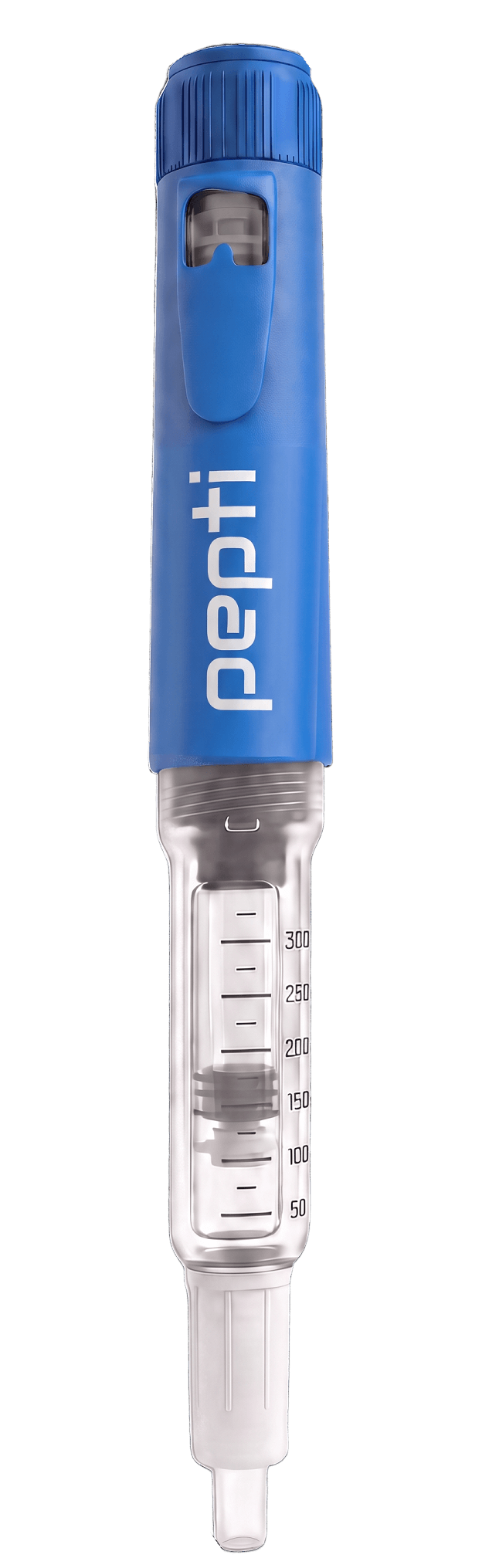
Treatments mentioned
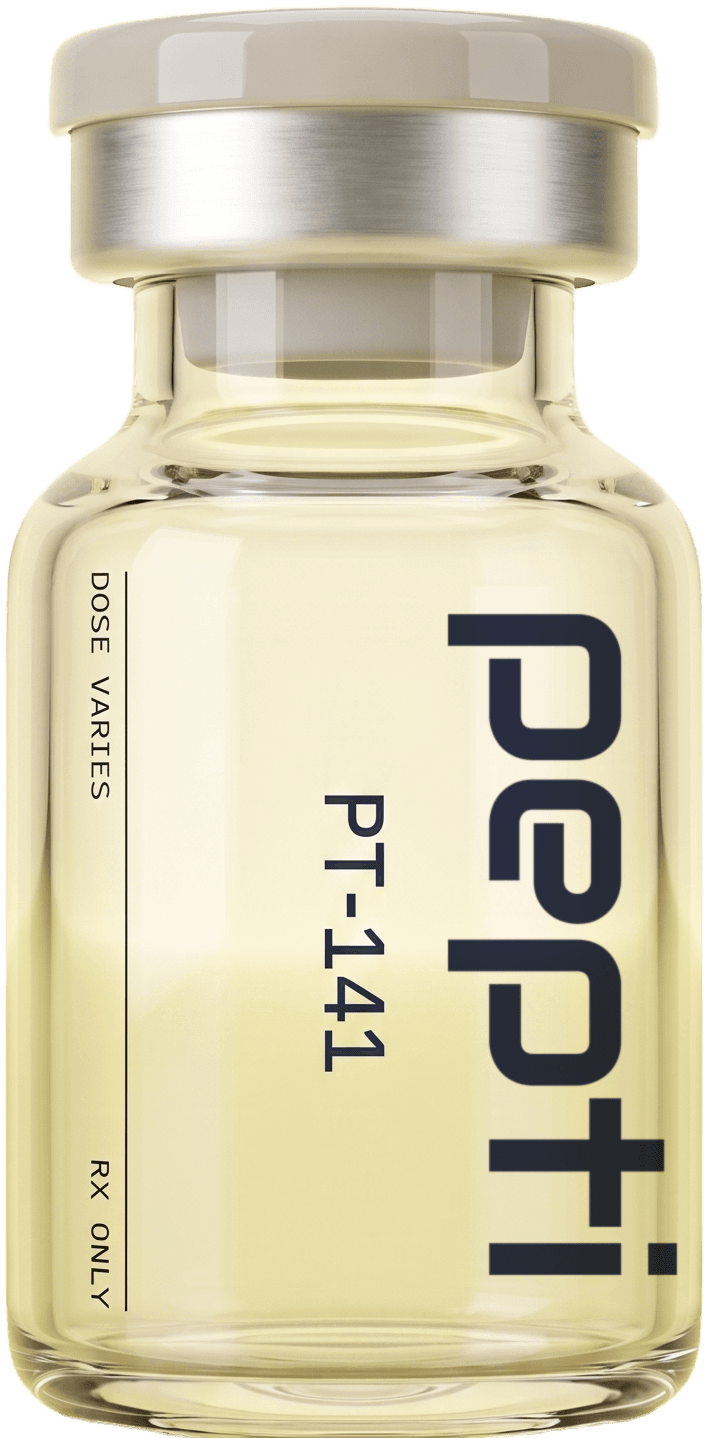
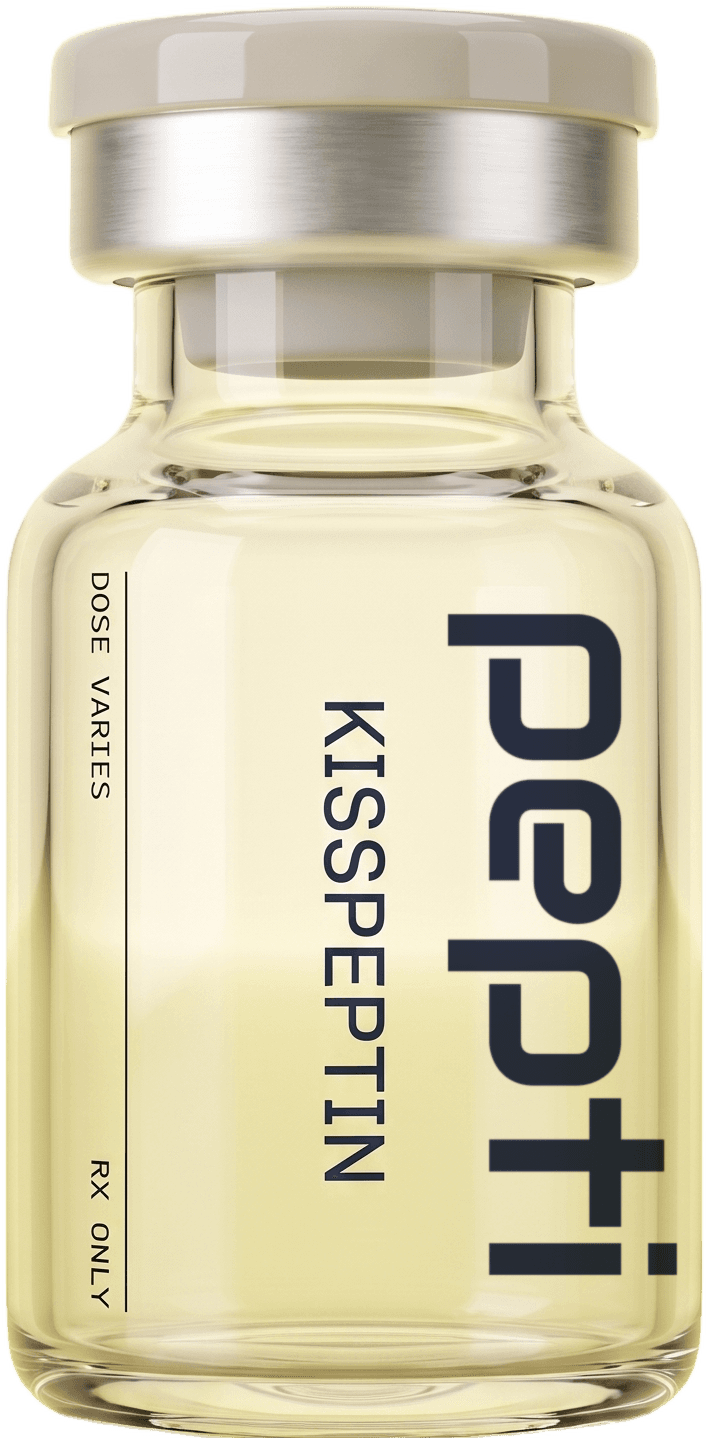
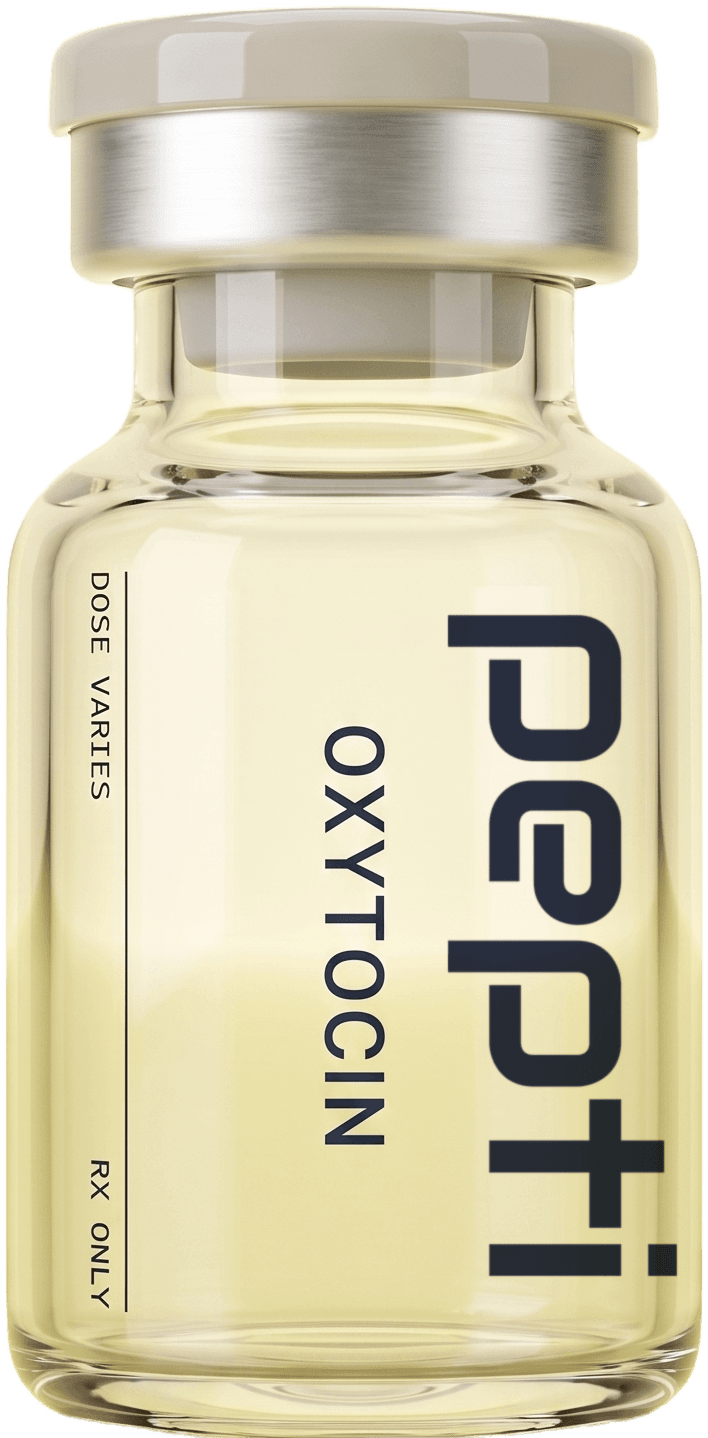
The peptides prescribed for libido are PT-141, oxytocin and kisspeptin, used alone or combined in one vial. They act on desire and arousal in the brain rather than on blood flow, which is the mechanical difference from drugs like sildenafil. They are prescription-only, compounded by licensed US pharmacies, and the compounded versions are not FDA approved. Low desire has common medical and situational causes, and a physician should work through those before prescribing anything.
If you searched for peptides for libido without knowing any names, this page explains what each one is, which fits which complaint, and where the honest limits are.
Peptides for Libido
The short answer
| If your problem is | The usual prescription | What is in it | Price |
|---|---|---|---|
| Low desire, on its own | PT-141 | 10 mg PT-141 (bremelanotide) in 5 mL | $259 |
| Low desire plus wanting more connection during sex | PT-141 + Oxytocin | 10 mg PT-141 and 5 mg oxytocin per vial | $259 |
| Arousal that is present but muted, with anxiety around intimacy | Oxytocin | 10 mg oxytocin in 5 mL | $239 |
| Low desire that looks hormonal, upstream of the gonads | Kisspeptin | 10 mg kisspeptin-10 in 5 mL | $229 |
| Libido as part of a broader wellbeing and metabolic picture | EUPHORIA | 10 mg MOTS-c, 10 mg BPC-157, 50 mg GHK-Cu, 2 mg kisspeptin | $279 |
Each is an all-in monthly price covering medication, physician review, refill management and shipping. Pepti is subscription based.
Three things separate these products. Where each acts: PT-141 on melanocortin receptors in the brain, oxytocin on its own receptor, kisspeptin at the top of the hormonal axis. Rhythm: PT-141 and oxytocin are used on the occasion, hours before intimacy; kisspeptin and EUPHORIA are scheduled on weekdays. Evidence: PT-141 is the active ingredient of an FDA-approved drug with two phase 3 trials behind it; oxytocin's use for desire rests on small and mixed studies; kisspeptin has only small mechanistic trials for desire. None of them treats erectile dysfunction, replaces a hormone workup, or works around a medication that caused the problem.
Peptides for Libido
What is actually going on in low desire
Desire is the output of several systems that can each fail on their own, which is why one prescription does not fit every complaint.
Desire is a brain circuit, not a plumbing problem
The leading model describes a balance between excitatory signaling — dopamine and melanocortin in the medial preoptic area of the hypothalamus — and inhibitory signaling from serotonin and opioids. A 2022 review in CNS Spectrums lays this out for bremelanotide, the molecule in PT-141: animal work suggests it activates melanocortin-4 receptors in that region and increases dopamine release. When desire is low but everything else works, the problem is usually described as sitting here. It is also why SSRIs, which raise serotonin, are so often the cause.
The hormonal axis above the gonads
Kisspeptin, encoded by the KISS1 gene, stimulates GnRH neurons in the hypothalamus; GnRH prompts the pituitary to release LH and FSH; LH prompts the testes or ovaries to make testosterone or estrogen. Two 2003 papers, in the New England Journal of Medicine and the Proceedings of the National Academy of Sciences, described that people born without a working kisspeptin receptor do not go through puberty, and a 2005 study in the Journal of Clinical Endocrinology and Metabolism reported that a kisspeptin-54 infusion raised LH, FSH and testosterone in healthy men. When desire fades together with energy, mood and morning erections, this axis is the first suspect, and it is diagnosed with blood tests rather than assumed.
The bonding and anxiety layer
Oxytocin is a nine-amino-acid hormone made in the hypothalamus and released from the posterior pituitary. Its approved roles are peripheral, in labor and milk let-down; its research role is central. A 2015 review in the European Journal of Pharmacology summarizes animal work describing roles in sexual behavior in both sexes and in pair bonding, and a 1987 study in the Journal of Clinical Endocrinology and Metabolism reported plasma oxytocin rising around orgasm in people. Where low desire is really anxiety about intimacy or distance from a partner, this is the layer being discussed.
Peptides for Libido
Desire and erection are two different problems
This is the distinction that decides which prescription makes sense, and it is the one most often collapsed in advertising.
| The complaint | Where the problem sits | What is usually used |
|---|---|---|
| I want sex but cannot get or keep an erection | Vascular and smooth muscle | PDE5 inhibitors such as sildenafil or tadalafil, which are not peptides |
| I can perform, but the wanting is gone | Central, in the brain's arousal pathways | PT-141, sometimes with oxytocin |
| Desire faded along with energy, mood and morning erections | Possibly the hormonal axis | Hormone evaluation first, kisspeptin discussed after |
| Desire is fine alone but absent with a partner | Relationship, stress or history | Not a medication problem |
Testosterone is not a peptide and is not one of the products above. If the picture suggests low testosterone, that is a bloodwork conversation, and can you take peptides with testosterone covers how the two categories interact.
PDE5 inhibitors keep the blood vessels of the penis open once arousal has started; they need desire to already be there. The peptides on this page act upstream, on the wanting. The two are sometimes prescribed together, but that is a physician's combination, not one to assemble yourself.
Peptides for Libido
What physicians prescribe for low libido
One section per product. Directions are the reviewed ones on each product page; your physician sets yours.
PT-141
PT-141 is bremelanotide, a seven-amino-acid cyclic peptide that activates melanocortin receptors. Its approved label ranks its potency as MC1R, then MC4R, MC3R, MC5R and MC2R. MC4R is the receptor implicated in sexual function; MC1R is the melanocyte receptor, which is why focal skin darkening is a described side effect. A 2003 review in the Annals of the New York Academy of Sciences describes its development from Melanotan II after subjects in tanning studies reported unexpected effects on arousal.
PT-141 has the strongest human evidence of anything on this page: two phase 3 randomized trials in premenopausal women, a 52-week extension, and early-phase studies in men, all described below. It is used on the occasion, not daily; the reviewed directions on the PT-141 product page are 2–4 hours before sexual activity, with a monthly cap on doses. It suits the person whose complaint is genuinely the wanting, whose blood pressure is controlled, and who can tolerate nausea. More in what is PT-141.
PT-141 + Oxytocin
PT-141 + Oxytocin is the two peptides in one multi-dose vial. It has never been studied as a combination; each component carries its own literature, and the pairing is a prescribing decision. The logic is that the two address different parts of the same evening: PT-141 the drive, oxytocin the connection and the anxiety around it. The reviewed directions are 2–4 hours before sexual activity with a monthly cap. The PT-141 component dominates the side-effect profile, so the same cautions apply. It suits the person who describes both a loss of wanting and a sense of distance or nervousness with a partner. See what is PT-141 + Oxytocin.
Oxytocin
Oxytocin alone is the option when arousal is present but muted, or when anxiety around intimacy is the larger part of the picture. It is the same molecule as the hospital drug used in labor, compounded for subcutaneous injection; the reviewed directions are 30–60 minutes before intimacy, as needed. The human evidence for desire is thin and mixed, covered below. It suits the person whose problem was anxiety more than drive. See what is oxytocin.
Kisspeptin
Kisspeptin is prescribed as kisspeptin-10, the ten-amino-acid fragment, on a weekday schedule rather than on the occasion. It sits at the top of the reproductive axis and does not act on the gonads directly: it is the one with a hormonal mechanism, and the one whose effect is judged on bloodwork. It suits the person whose low desire came with the hormonal picture — fatigue, low mood, loss of morning erections — after a blood panel, and whose physician wants to work with the body's own axis rather than add a hormone from outside. It also carries a regulatory position and an anti-doping position the other products do not, both covered below. See what is kisspeptin.
EUPHORIA
EUPHORIA is a four-component blend that includes a smaller amount of kisspeptin-10 alongside MOTS-c, a mitochondrial-derived peptide described in a 2015 Cell Metabolism paper in mice, and two repair and skin peptides with their own reference pages. Dosed on a weekday schedule, it is the choice when libido is one part of a broader complaint — energy, recovery, skin — rather than the whole of it. It shares kisspeptin-10's regulatory and anti-doping position, and MOTS-c adds a second anti-doping issue. For someone whose only complaint is desire, PT-141 or kisspeptin alone is the more targeted prescription. See what is EUPHORIA.
Melanotan II, and why it appears here
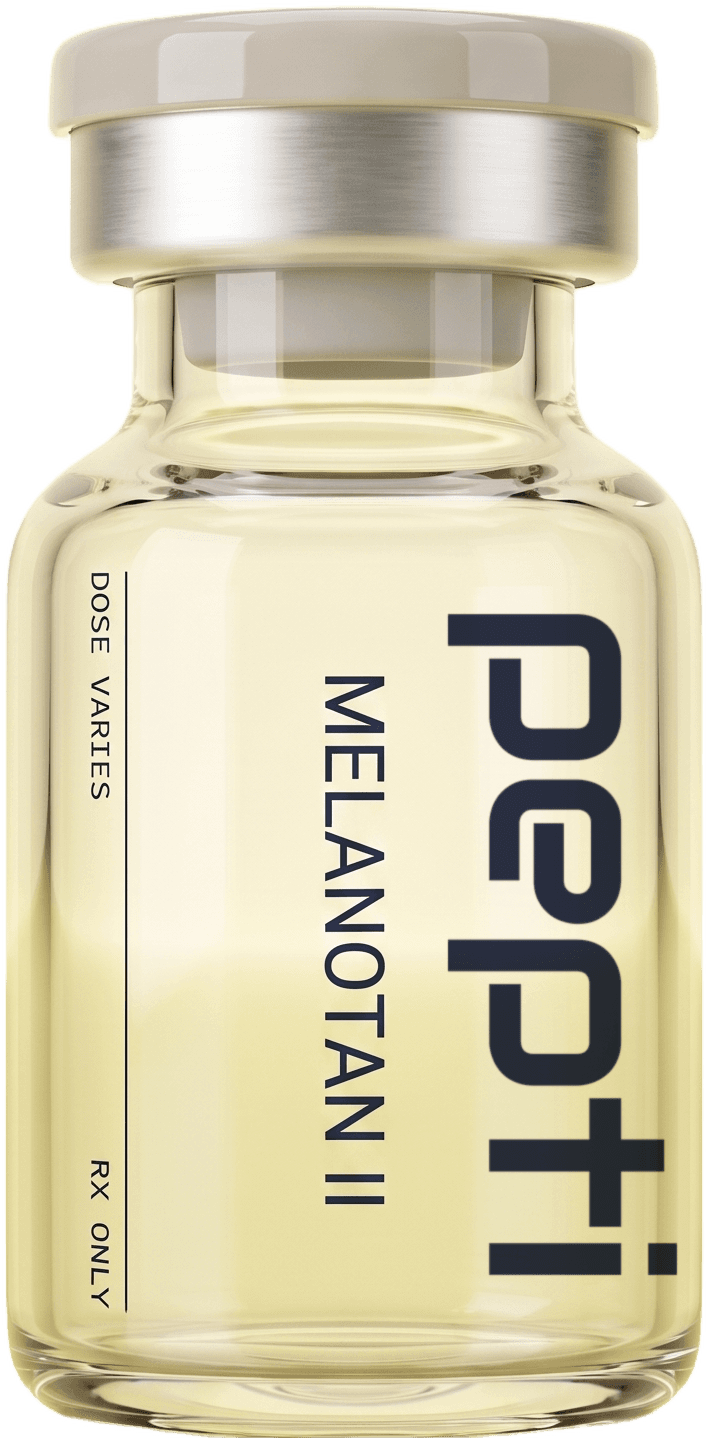
Melanotan II at $249 is a synthetic analogue of alpha-MSH that activates melanocortin receptors. Its primary described effect is pigmentation, with arousal effects through the same central melanocortin family that PT-141 acts on. It is not a first-line libido prescription, and the pigmentation effect means moles and skin lesions should be examined before it is considered at all.
It is the parent of PT-141: a metabolite of Melanotan II was taken forward as bremelanotide because it kept the arousal effect. Its own human sexual-function data are two ten-person randomized placebo-controlled crossover studies, in the Journal of Urology in 1998 and Urology in 2000, reporting erections in men with erectile dysfunction; there are no large trials and no controlled trials of repeated dosing. If the goal is desire, PT-141 is the molecule built for it. See what is Melanotan II.
Peptides for Libido
What the evidence shows, and what it does not
These products span a wide evidence range, from an approved drug with more than a thousand women in phase 3 trials to a peptide whose desire evidence is two small brain-imaging studies.
PT-141 in women: two phase 3 trials
The RECONNECT program, published in Obstetrics and Gynecology in 2019, was two identical randomized, double-blind, placebo-controlled trials that together enrolled 1,267 premenopausal women with acquired, generalized hypoactive sexual desire disorder, self-injecting bremelanotide or placebo as needed for 24 weeks. Both trials met both co-primary endpoints: desire scores on the Female Sexual Function Index rose more than placebo and distress scores fell more than placebo. The effects were statistically robust and, by the responder definitions from the phase 2b dose-finding trial published in Women's Health in 2016, clinically meaningful; they were also modest in absolute size. The approved label reports nausea in 40% of treated women against 1.3% on placebo, flushing in 20%, headache in 11%, and discontinuation for nausea in 8%. A 52-week open-label extension and a 2022 pooled safety analysis in the Journal of Women's Health reported no new safety signals.
PT-141 in men: early-phase studies only
Two 2004 papers in the International Journal of Impotence Research were pharmacodynamic: randomized, placebo-controlled studies measuring erectile response with a RigiScan device over hours in a clinic, in healthy volunteers and in men with mild-to-moderate erectile dysfunction or an inadequate response to sildenafil, and reporting statistically significant responses. They were not outcome trials of desire, they were not followed by a phase 3 program, and the approved product's label states it is not indicated in men. Prescribing PT-141 to a man is an off-label use of an approved active ingredient, resting on those studies and clinical experience.
Oxytocin: well-described hormone, thin trial evidence for desire
A 2014 study in Hormones and Behavior gave intranasal oxytocin to couples and reported that men and women described different changes in their experience of sex; a 2008 case report in the Journal of Sexual Medicine described it used for male anorgasmia; a 2008 study in Psychoneuroendocrinology reported endocrine changes during sexual activity in healthy men. But the one randomized trial designed to test it over time, a 2015 study in Fertility and Sterility of long-term intranasal oxytocin in pre- and postmenopausal women with sexual dysfunction, reported that both groups improved with no significant difference between them, and a 2017 open cohort following the male partners of women using it is descriptive rather than controlled. Two 2016 papers in Biological Psychiatry and a 2021 review in Molecular Psychiatry set out the field's problems: small samples, uncertain delivery to the brain, results that often have not replicated. Compounded oxytocin for intimacy is an off-label extension of well-understood physiology, not an evidence-backed indication.
Kisspeptin: mapped physiology, small mechanistic trials
Kisspeptin has more human data than almost any other compounded peptide, and almost none of it tests kisspeptin-10 as it is prescribed. A 2011 study in the Journal of Clinical Endocrinology and Metabolism reported kisspeptin-10 as a potent stimulator of LH in men; a 2013 study in Clinical Endocrinology reported it stimulating LH and testosterone in men with type 2 diabetes and mild biochemical hypogonadism; a second 2011 study in the endocrinology journal reported its effect differing between men and women. Two randomized trials in JAMA Network Open, in women in 2022 and men in 2023, gave kisspeptin-54 by infusion to people with hypoactive sexual desire disorder and reported changes in sexual brain processing on functional MRI and, in the men, in penile tumescence — the 54-amino-acid form, intravenously, as single doses. A 2009 study reported that chronic subcutaneous kisspeptin-54 in women with hypothalamic amenorrhea produced tachyphylaxis, a fading of response with repeated dosing. There are no randomized controlled trials of a subcutaneous kisspeptin-10 course taken over weeks for sexual desire. The FDA's 2024 review reached a similar conclusion for the hypogonadism use: the studies were too small and exploratory to support a conclusion on effectiveness.
What none of this establishes
- An effect size for the compounded vials. The phase 3 trials tested a fixed-dose autoinjector in premenopausal women; the compounded oxytocin and kisspeptin vials have no trials of their own.
- Efficacy in men for PT-141, or in anyone for oxytocin and kisspeptin as prescribed. Those are extrapolations a physician makes, and should say so.
- A timeline for kisspeptin. That trial has not been run.
- Long-term safety over years. The 52-week bremelanotide extension is the longest dataset here.
- Efficacy for any condition as an FDA-approved treatment. The compounded products are not approved for anything.
Peptides for Libido
Where these stand with the FDA right now
Checked against FDA sources in September 2026. The picture differs for each molecule, because two of the actives are ingredients of approved drugs.
Bremelanotide is an approved active ingredient
The FDA approved Vyleesi (bremelanotide injection, NDA 210557) on 21 June 2019 for premenopausal women with acquired, generalized hypoactive sexual desire disorder, as a 1.75 mg single-dose autoinjector used at least 45 minutes before anticipated sexual activity, no more than once in 24 hours and no more than eight times a month. The label states it is not indicated in postmenopausal women or men and not indicated to enhance sexual performance, and it is contraindicated in uncontrolled hypertension and known cardiovascular disease.
That approval is why compounded PT-141 does not depend on the 503A bulks list: section 503A lets a pharmacy compound from a bulk substance that has a USP or NF monograph, or is a component of an FDA-approved drug, or appears on the 503A bulks list, and bremelanotide qualifies by the second route. It does not appear in any category of the FDA's interim 503A list as updated 14 May 2026.
Oxytocin is an approved hospital drug
Pitocin (oxytocin injection, NDA 018261) was approved on 19 November 1980 and is supplied at 10 USP units/mL for intravenous or intramuscular use, with obstetric indications. Sexual function appears nowhere on that label. Like bremelanotide, oxytocin is compoundable as a component of an approved drug, and it has never been placed in any category of the 503A list.
Kisspeptin-10 is in Category 2
Kisspeptin-10 was placed in Category 2 of the FDA's interim 503A bulk drug substances list on 29 September 2023, the category for nominated substances the FDA considers to raise significant safety risks; the FDA's stated reasoning is that it "has no, or only limited, safety-related information for the proposed routes of administration." On 29 October 2024 the Pharmacy Compounding Advisory Committee reviewed it for secondary hypogonadism in men and voted 0 in favor and 11 against adding it to the 503A Bulks List.
Kisspeptin-10 remains in Category 2 today. It was not among the twelve peptides the FDA removed from Category 2 after nominations were withdrawn, announced 15 April 2026, and it was not on the agenda when the committee met on 23–24 July 2026. The FDA's list updated 14 May 2026 gives Category 2 as cesium chloride, domperidone, germanium sesquioxide, ibutamoren mesylate, kisspeptin-10, and quinacrine hydrochloride for intrauterine administration. Category 2 is an interim policy position rather than a scheduling action, and no final rule has been issued; but the FDA's interim enforcement discretion for compounding with nominated substances does not extend to Category 2. This applies to the kisspeptin vial and, through its kisspeptin-10 component, to EUPHORIA. EUPHORIA's other three components were among those removed from Category 2 in April 2026; two were recommended for the positive list by the committee in July 2026 and one is scheduled for review, with FDA determinations pending.
Melanotan II is out of Category 2 and scheduled for review
Melanotan II was placed in Category 2 in 2023 and is no longer there: the FDA's safety-risk page, current as of 22 April 2026, lists it among substances withdrawn from Category 2, while keeping its original note on file. The FDA has announced that the advisory committee will meet before the end of February 2027 to consider Melanotan II, with four other substances, for possible inclusion on the 503A bulks list.
The compounded vial itself
None of the vials on this page is an FDA-approved product. A compounded PT-141 vial is not Vyleesi and a compounded oxytocin vial is not Pitocin: each is a different formulation, for a different route and purpose, prepared to a patient-specific prescription and not reviewed by the FDA for safety or effectiveness. Because approved products exist for those two actives, a pharmacy may not regularly compound something that is essentially a copy of them; whether the difference is warranted for you is your physician's determination. All are legal to prescribe and dispense with a valid prescription.
Anti-doping status
The 2026 World Anti-Doping Agency Prohibited List, in force from 1 January 2026, names kisspeptin and its agonist analogues under S2.2.1, testosterone-stimulating peptides prohibited in males at all times; MOTS-c is listed under S4 as an AMPK activator. Bremelanotide, oxytocin and Melanotan II are not named on the list. A prescription does not change a prohibited status. A tested athlete should check the current list for their sport before starting anything, and tell the physician.
Peptides for Libido
What a physician rules out first
A large share of low desire has an identifiable cause that no peptide addresses.
| Cause | Why it matters |
|---|---|
| SSRIs and SNRIs | Among the most common reversible causes of low desire and delayed orgasm |
| Depression | Loss of desire is a core symptom, not a side issue |
| Chronic short sleep | Testosterone is largely released during sleep, and desire tracks with rest |
| Alcohol | Regular heavy use suppresses both desire and function |
| Thyroid disease, iron deficiency, high prolactin | All produce low desire with fatigue |
| Perimenopause and menopause | Vaginal dryness and pain change the picture entirely, and are treated differently. See peptides for menopause |
| Beta blockers, finasteride, oral contraceptives | Each is documented to affect libido in some people |
A physician reviewing your intake looks at this list first. If your desire disappeared the month you started an SSRI, the answer is a conversation with your prescriber, not a vial.
Medications and timing
The most useful question is when it started, and what changed then. Antidepressants that raise serotonin are the classic cause, and Vyleesi's own label excludes desire loss due to a medication from its indication, along with problems with the relationship. Adjusting a medication is the decision of the prescriber who wrote it; PT-141 is not a workaround.
Mood, sleep and alcohol
Depression takes desire with it, and treating the depression is the treatment. Short sleep lowers testosterone and desire together, which is why a physician asks about it before ordering hormone tests. Regular heavy drinking suppresses both desire and function.
Hormones, menopause and the relationship
Where the history points at the axis, the test is a blood panel, not a trial of kisspeptin; at-home blood testing covers it without a lab visit. In perimenopause and menopause, dryness and pain with sex are usually the actual problem, and no desire peptide addresses them. Desire that is present alone but absent with a partner is a relationship finding, not a pharmacological one.
Peptides for Libido
What to expect, and when
| Product | Pattern of use | What patients commonly describe |
|---|---|---|
| PT-141 | Situational, ahead of intimacy | Something within a few hours on dosing days, often with nausea and flushing |
| PT-141 + Oxytocin | Situational | The same, with more reported effect on closeness than on drive alone |
| Oxytocin alone | Situational | Subtle. The people who report most are those whose problem was anxiety |
| Kisspeptin | Scheduled, ongoing | Nothing acute. Any change is gradual and is not felt as a single event |
These are patient reports, not trial endpoints. Response varies widely, and desire is influenced by sleep, stress and relationship context far more than by any single molecule.
The first dose of PT-141
Most of what is noticed on a first dose is the side effects, because they arrive before the intended effect. The approved label reports that nausea is most common with the first dose and improves with later ones, and that blood pressure rises by about 6 mmHg systolic and 3 mmHg diastolic at most, returning to baseline usually within 12 hours. Prescribers describe a window opening between 45 minutes and a few hours after the injection. Taking a second dose because the first did not seem to work is the one thing prescribers ask patients not to do: the label states consecutive doses within 24 hours have not been shown to add anything and may add to the blood-pressure effect.
The first two months, on the occasion
Each dose of PT-141, PT-141 + Oxytocin or oxytocin stands on its own; nobody reports it building up, and no withdrawal or rebound is described. The approved label instructs discontinuation after eight weeks if a woman does not report improvement, a useful benchmark for anyone: if nothing has changed after two months used as directed, it is not the right tool, and the answer is to tell your physician rather than to escalate. The monthly cap on doses is a safety ceiling, not a target.
Kisspeptin and EUPHORIA, over weeks
Nothing is felt on the day. If kisspeptin changes anything, it is expected to show first in bloodwork — LH and testosterone — and only afterwards, if at all, in how you feel, which is why prescribers describe it in terms of a repeat panel rather than a date. The tachyphylaxis reported with chronic kisspeptin-54 is the reason the reviewed directions are weekday-only, and the reason a physician looks at follow-up labs rather than assuming the effect persists. Treatment is long-term, with 28-day refills managed by your physician.
Peptides for Libido
When a peptide is the wrong tool
- Produce an erection in someone with vascular erectile dysfunction. That is a different mechanism and a different class of drug.
- Replace hormone evaluation. Low desire with fatigue, low mood and loss of morning erections deserves labs.
- Fix a relationship problem. Situational low desire that is absent when you are alone is not a pharmacological finding.
- Work around an SSRI. If the medication caused it, that conversation belongs with the person who prescribed it.
Low testosterone on bloodwork is a hormone conversation; testosterone is not a peptide and not a Pepti product, and kisspeptin is discussed after that evaluation, never instead of it.
Sleep, stress and mood
If the intake reads as exhaustion and anxiety with desire as a casualty, a physician may reasonably start elsewhere: Pepti's sleep products, DSIP and the SERENITY blend, or its anxiety-and-focus peptide Selank, none of which carries PT-141's nausea or blood-pressure cautions. Which conversation comes first is your physician's call; a consultation does not guarantee a prescription, and being declined is refunded.
Peptides for Libido
Who should not take them
| Situation | Why |
|---|---|
| Uncontrolled hypertension or significant cardiovascular disease | PT-141 has described transient blood-pressure effects |
| Pregnancy, breastfeeding, or trying to conceive | Not used, and kisspeptin acts directly on the reproductive axis |
| A history of melanoma or atypical moles | Relevant specifically to melanotan II |
| Nausea that you cannot tolerate | Common with PT-141 and the usual reason people stop |
| Taking a nitrate | Any centrally acting arousal agent with blood-pressure effects needs the prescriber to review your full list |
Two additions. Oxytocin contracts the uterus, which is why it is not used in pregnancy outside a hospital, and a cardiac or fluid-balance condition should be disclosed at intake. And because kisspeptin stimulates sex-hormone production, a hormone-sensitive condition, including a history of hormone-sensitive cancer, must be raised before starting kisspeptin or EUPHORIA.
Peptides for Libido
Monitoring and bloodwork
None of these products requires bloodwork by rule; what a physician orders depends on the product and the history.
Blood pressure and skin
For PT-141 and PT-141 + Oxytocin, the approved label directs that blood pressure be well controlled before starting and considered periodically during treatment. A home cuff reading before the first dose and occasionally afterwards is a reasonable expectation. The same label reports focal hyperpigmentation in 1% of women using up to eight doses a month and in 38% of people dosed daily for eight days, which is why frequency is capped and why any new darkening of skin is a reason to call your physician. For Melanotan II the skin check is the central one: moles and lesions examined before starting and watched during treatment.
Hormone panel and interactions
For kisspeptin and EUPHORIA, a baseline panel is the starting point and a repeat is how the effect is judged: total and free testosterone, LH, FSH, estradiol in women, prolactin, TSH and ferritin. At-home blood testing covers these markers, and results go to the physician managing your prescription. There is no established interaction list for the compounded products, which is why the physician reviews every medication at intake; the approved bremelanotide label notes that it can slow gastric emptying and reduce absorption of oral medications taken alongside it, and that oral naltrexone should be avoided with it.
References
What this is based on.
References
- Kingsberg SA, Clayton AH, Portman D et al.. Bremelanotide for the Treatment of Hypoactive Sexual Desire Disorder: Two Randomized Phase 3 Trials · Obstet Gynecol (2019) · PMID 31599840
- Behnia B, Heinrichs M, Bergmann W et al.. Differential effects of intranasal oxytocin on sexual experiences and partner interactions in couples · Horm Behav (2014) · PMID 24503174
- Muin DA, Sheikh Rezaei S, Tremmel-Scheinost M et al.. Men's sexual response to female partner's intranasal oxytocin administration for hypoactive sexual desire disorder: an open prospective cohort study · Fertil Steril (2017) · PMID 28189292
- Veening JG, de Jong TR, Waldinger MD et al.. The role of oxytocin in male and female reproductive behavior · Eur J Pharmacol (2015) · PMID 25088178
- Lee C, Zeng J, Drew BG et al.. The mitochondrial-derived peptide MOTS-c promotes metabolic homeostasis and reduces obesity and insulin resistance · Cell Metab (2015) · PMID 25738459
- Reynolds JC, Lai RW, Woodhead JST et al.. MOTS-c is an exercise-induced mitochondrial-encoded regulator of age-dependent physical decline and muscle homeostasis · Nat Commun (2021) · PMID 33473109
- Kim KH, Son JM, Benayoun BA et al.. The Mitochondrial-Encoded Peptide MOTS-c Translocates to the Nucleus to Regulate Nuclear Gene Expression in Response to Metabolic Stress · Cell Metab (2018) · PMID 29983246
- Zempo H, Kim SJ, Fuku N et al.. A pro-diabetogenic mtDNA polymorphism in the mitochondrial-derived peptide, MOTS-c · Aging (Albany NY) (2021) · PMID 33468709
- Ramanjaneya M, Bettahi I, Jerobin J et al.. Mitochondrial-Derived Peptides Are Down Regulated in Diabetes Subjects · Front Endocrinol (Lausanne) (2019) · PMID 31214116
- Cataldo LR, Fernández-Verdejo R, Santos JL et al.. Plasma MOTS-c levels are associated with insulin sensitivity in lean but not in obese individuals · J Investig Med (2018) · PMID 29593067
- Lu H, Wei M, Zhai Y et al.. MOTS-c peptide regulates adipose homeostasis to prevent ovariectomy-induced metabolic dysfunction · J Mol Med (Berl) (2019) · PMID 30725119
- Ming W, Lu G, Xin S et al.. Mitochondria related peptide MOTS-c suppresses ovariectomy-induced bone loss via AMPK activation · Biochem Biophys Res Commun (2016) · PMID 27237975
Citations are provided for educational purposes. They do not constitute medical advice. Always discuss any peptide protocol with your prescribing physician.
Common questions
Peptides for Libido, answered.
PT-141 is the usual first prescription when the complaint is genuinely about desire rather than erectile function. If anxiety and disconnection are part of it, PT-141 combined with oxytocin is common. A physician decides with your history and medication list in front of them. Kisspeptin is the alternative when the picture is hormonal, after bloodwork.
It is prescribed for men, but the randomised trial evidence behind the approved product is in premenopausal women with hypoactive sexual desire disorder. Use in men is off that evidence base, which an honest prescriber will tell you before you start. What exists for men are two 2004 randomized, placebo-controlled studies that reported erectile responses over hours in a clinic; there is no phase 3 trial in men and no approved indication for men.
Patients commonly describe an effect within a few hours of dosing on the day they use it, rather than a build-up over weeks. It is used situationally for that reason. Response varies and some people notice nothing. The approved label directs dosing at least 45 minutes before activity; the reviewed directions on the product page say 2–4 hours before.
It is the most frequently reported effect and it can be significant. It is dose related, which is why prescribers usually start low. If it is severe, that is a reason to contact your physician rather than to push through. In the phase 3 trials 40% of women reported nausea against 1.3% on placebo; the label reports it improves after the first dose for most people.
Yes, and the strongest trial evidence for PT-141 is in women. What changes is the screening around pregnancy, contraception and the menopausal transition. See peptides for women. The approved bremelanotide product is indicated only for premenopausal women; use after menopause is off-label.
No. Erectile dysfunction is usually vascular, and it is treated with PDE5 inhibitors, which are not peptides. New erectile dysfunction is also a recognised early cardiovascular signal and deserves a medical workup rather than a workaround.
Between $229 and $279 a month all in, depending on which one. How much do peptides cost explains what sits inside that price. Each product's current figure is on its product page and its cost page, for example /cost/pt-141 and /cost/kisspeptin.
Same active ingredient, different product. Vyleesi is the FDA-approved bremelanotide autoinjector, indicated for premenopausal women with acquired, generalized hypoactive sexual desire disorder. Compounded PT-141 is the same molecule prepared by a licensed pharmacy as a multi-dose vial or a Pen cartridge to a patient-specific prescription. The compounded vial is not FDA approved.
Yes. Kisspeptin-10, the form Pepti prescribes, has been in Category 2 of the FDA's interim 503A bulk drug substances list since 29 September 2023, the advisory committee voted 0–11 against adding it to the 503A Bulks List in October 2024, and it remains in Category 2 on the FDA's list updated 14 May 2026; no final rule has been issued. The same applies to EUPHORIA, which contains kisspeptin-10. PT-141 and oxytocin were never on the list, because both are components of FDA-approved drugs.
Only if your physician prescribes both. They act at different points — PT-141 in the brain, PDE5 inhibitors in the penis — and a 2005 study in Urology reported a larger erectile response from low doses of the two together than from either alone. PT-141 raises blood pressure briefly, PDE5 inhibitors lower it, and nitrates are a hard stop with either, so it is a prescriber's decision.
The evidence is thin. Oxytocin's role in sexual response is well described physiologically, and small studies report changes in how couples experience sex, but the one randomized trial of long-term intranasal oxytocin for sexual dysfunction in women found no difference from placebo. Prescribers describe it as the subtler tool, most noticed by people whose problem was anxiety around intimacy rather than drive.
For a tested athlete, yes in two cases. The 2026 WADA Prohibited List names kisspeptin and its agonist analogues as testosterone-stimulating peptides prohibited in males, and MOTS-c, a component of EUPHORIA, as an AMPK activator. Bremelanotide, oxytocin and Melanotan II are not named. A prescription does not change a prohibited status; check the current list for your sport and tell your physician.
Not by rule for PT-141 or oxytocin, though your physician may want labs depending on your history, and a blood-pressure reading is expected. For kisspeptin and EUPHORIA a baseline hormone panel is the sensible starting point, because the effect is judged on a repeat panel. At-home blood testing covers the relevant markers. The free assessment goes to a physician licensed in your state. A consultation does not guarantee a prescription.
Next step
See what a physician recommends for you.
A licensed physician in your state reviews your intake and decides what is appropriate. A consultation does not guarantee a prescription.