— Recovery · Reference
Research Peptides vs Prescription Peptides: What Is Actually in the Vial
This page sets out what each product actually is, who is accountable for it, what testing exists behind it, where the same name can hide a different molecule, where each stands with the FDA as of September 2026, and the check that tells them apart in five minutes.
— Treatments mentioned
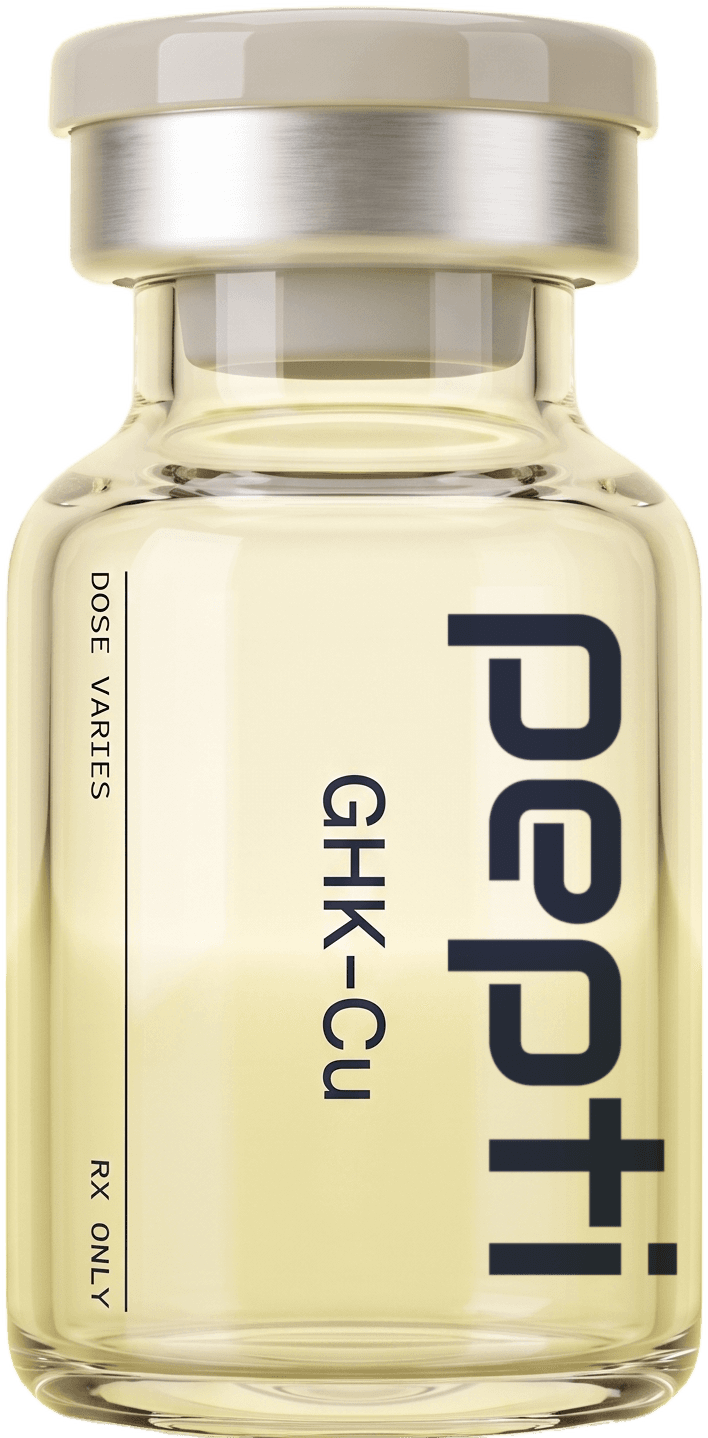
A research peptide and a prescription peptide can contain the same molecule, but only one of them is a medicine: the prescription version is compounded by a licensed pharmacy against a prescription from a physician licensed in your state, and the research version is a powder sold under a written statement that it is not for human consumption. That disclaimer is what makes the sale lawful, and it is also what removes every standard that would otherwise apply: no pharmacy licence, no required identity or sterility testing, no prescriber, no recourse. Independent analyses of grey-market peptide products have repeatedly found vials that were underdosed, overdosed, mislabelled or contaminated. Neither category is FDA approved, which is a separate point that is often used to blur the first one.
This page sets out what each product actually is, who is accountable for it, what testing exists behind it, where the same name can hide a different molecule, where each stands with the FDA as of September 2026, and the check that tells them apart in five minutes.
— Research Peptides vs Prescription Peptides
The short answer
| What you want | Research-use-only route | Prescription route | Prescription price |
|---|---|---|---|
| BPC-157 for a tendon problem | Lyophilised powder, you reconstitute and guess the dose | BPC-157, 5 mL vial at 1 mg/mL, sig printed on the label | $209 a month all-in |
| BPC-157 with TB-500 | Two vials, two reconstitutions, two guesses | BPC-157 + TB-500, both in one 5 mL vial | $259 a month all-in |
| A repair and skin combination | Not available as a blend, you would be mixing it yourself | KLOW: 50 mg GHK-Cu, 10 mg KPV, 10 mg BPC-157, 10 mg TB-500 in 5 mL | $259 a month all-in |
| GHK-Cu for skin | Powder, copper content unverified | GHK-Cu, 10 mg/mL, 50 mg per vial | $239 a month all-in |
| A GLP-1 for weight | Frequently counterfeit or mis-strength, and a dosing error here is not minor | Semaglutide or tirzepatide, dose-specific vials | $99 and $159 a month all-in, dose dependent |
| Sleep support | Powder | SERENITY: DSIP, Selank, CJC-1295, Ipamorelin | $279 a month all-in |
The prescription prices are all-in: medication, physician review, refill management and shipping.
The difference is not the molecule. It is everything wrapped around it: a physician who decided you should have it, a pharmacy whose license depends on what is in the vial, a sterile process with a written standard, a certificate for the lot you received, and a person to contact afterward. A research-use-only product has none of those by design.
— Research Peptides vs Prescription Peptides
What "research use only" actually means
— The disclaimer is a legal position, not a product description
A vial labeled "for research use only" or "not for human consumption" is not describing what the powder is for. It is describing what the seller is prepared to be responsible for. Drugs intended for use in people are regulated under the Federal Food, Drug, and Cosmetic Act; a product whose seller disclaims human use is trying to sit outside that framework. The FDA has said it has warned companies selling unapproved drugs "falsely labeled 'for research purposes' or 'not for human consumption'" when those products were in fact being used by consumers, sometimes with dosing instructions supplied alongside the disclaimer.
The consequence is that every protection in the drug supply is switched off at once. No pharmacist verifies the substance, no sterile process is required, no label has to state a concentration anyone measured, and nobody records which lot went to which customer. The typical product is synthesized by a contract manufacturer, most often overseas, sold in bulk to a reseller and portioned into vials under the reseller's branding, with no licensed pharmacy, state board or FDA-registered facility anywhere in the chain. If you use it on yourself, you have done the one thing the label told you not to do, which is the seller's entire defense.
— What testing exists, and what it does not
Some research vendors publish a certificate for a batch, usually an HPLC purity figure and a mass-spectrometry identity check on the bulk powder before it was portioned. What it almost never reports is the amount in your vial, whether the vial is sterile, or whether it contains bacterial endotoxin, the thing that produces fever and a systemic reaction when injected. Purity is a ratio of peptide to non-peptide material in the sample tested; it says nothing about how many milligrams landed in the vial you are holding, and a certificate with no lot number describes something else entirely. How to read a peptide certificate of analysis goes through this line by line. The product also arrives as a lyophilized powder: you choose the diluent and the volume, and every dose afterward is a calculation against a number you were never given.
— What the published analyses of seized products found
The best independent evidence on what black-market peptide products contain comes from customs seizures analyzed by accredited anti-doping laboratories, because those are the laboratories equipped to characterize peptides properly.
A 2014 paper in the European Journal of Clinical Pharmacology described 337 black-market products confiscated in Germany between 2010 and 2013 and analyzed at the Cologne anti-doping laboratory by high-resolution mass spectrometry and gel electrophoresis. About one product in eight contained peptide hormones or growth factors, chiefly growth hormone and growth-hormone-releasing peptides; the authors also identified thymosin beta-4, the parent protein of TB-500, and a fusion protein whose biological activity was unknown. Several products were described as fake or non-approved in nature.
A 2017 paper in Substance Use & Misuse examined 1,190 products seized at the Swiss border, 12 percent of them labeled as peptide hormones or growth factors. For the majority, pharmaceutical quality was described as unsatisfactory, and fewer than 20 percent contained the claimed substance in the claimed amount.
Two caveats. Both studies analyzed seized doping products, not a random sample of online peptide sellers, so they cannot say what fraction of the research market is affected, and both are European. What they establish is that when a competent laboratory looks inside grey-market vials, the label is unreliable often enough that it cannot be treated as information.
— Research Peptides vs Prescription Peptides
What a prescription compounded peptide actually is
— The prescription
A compounded peptide starts with a prescription written by a physician licensed in your state for you as an identified individual patient. Under section 503A of the Federal Food, Drug, and Cosmetic Act, a compounded drug is exempt from FDA's approval, manufacturing-practice and labeling requirements only when it is compounded for an identified individual patient based on the receipt of a valid prescription order. Without the prescription the pharmacy has no lawful basis to make it. It exists because a physician reviewed your history, medications, allergies and what you are treating, and that physician stays reachable afterward; refills run on 28-day cycles, one vial per fill.
— The pharmacy, and the law it works under
The vial is prepared by a pharmacy licensed by a state board of pharmacy. Section 503A covers pharmacists in state-licensed pharmacies and physicians; drugs compounded under it are not subject to current good manufacturing practice requirements, whereas 503B outsourcing facilities, created by the Drug Quality and Security Act of 2013, are. The FDA is direct about what that means: "Compounded drugs are not FDA-approved. This means that FDA does not verify the safety, effectiveness or quality of compounded drugs before they are marketed."
What a 503A pharmacy does have is a license that can be suspended, a state inspector who can walk in, a pharmacist-in-charge whose name is on the record, and federal conditions on every prescription. The bulk peptide it uses must comply with an applicable USP or NF monograph and the USP chapter on pharmacy compounding, or be a component of an FDA-approved drug, or appear on the FDA's 503A bulks list; and the statute caps interstate shipping at 5 percent of prescription orders unless the pharmacy's state has signed a memorandum of understanding with the FDA. The FDA also tells compounders to source active ingredient from FDA-registered facilities with valid certificates of analysis. The research reseller may buy from the same class of synthesizer; the difference is that nobody is required to check, and nobody's license is at stake if the drum is not what the paperwork says.
— How it is made sterile
An injectable has to be sterile and free of endotoxin, and there is a written standard for how that is achieved. USP General Chapter <797> sets the conditions for sterile compounding: the classified cleanroom or segregated compounding area, the ISO 5 environment for open manipulations, gowning, environmental monitoring and beyond-use dating. The FDA's guidance on insanitary conditions at compounding facilities is built around that chapter: its examples for products intended to be sterile "can exist in cleanroom and associated controlled environments, as well as segregated compounding areas (SCAs), as described in United States Pharmacopeia (USP) Chapter <797>," and include performing aseptic manipulations outside a certified ISO 5 area, wearing non-sterile gown components, handling sterile materials with bare hands, and lacking routine environmental monitoring. A pharmacy that falls short is producing an adulterated drug and can be inspected, warned and shut down for it.
A research vial has no equivalent. Whether it was filled in a cleanroom or on a bench is not stated, not required, and not checked. The FDA's warning about compounding applies with more force to a product with no compounding standard at all: "Poor compounding practices can result in serious drug quality problems, such as contamination or a drug that contains too much or too little active ingredient."
— What the certificate of analysis shows
For Pepti prescriptions, the pharmacy sends each lot to an independent testing laboratory, and the certificates are published by lot at /quality/lab-results. The tests reported are sterility, bacterial endotoxin under USP <85>, and potency of the finished solution, with the pharmacy, the laboratory, the lot number and the test date on each certificate. That is the distinction that matters: a finished-product test on the solution that goes into patients, tied to a lot number you can match to your vial, rather than a purity figure for a drum of powder upstream. What a certificate can and cannot tell you is set out on /quality.
— The form it arrives in
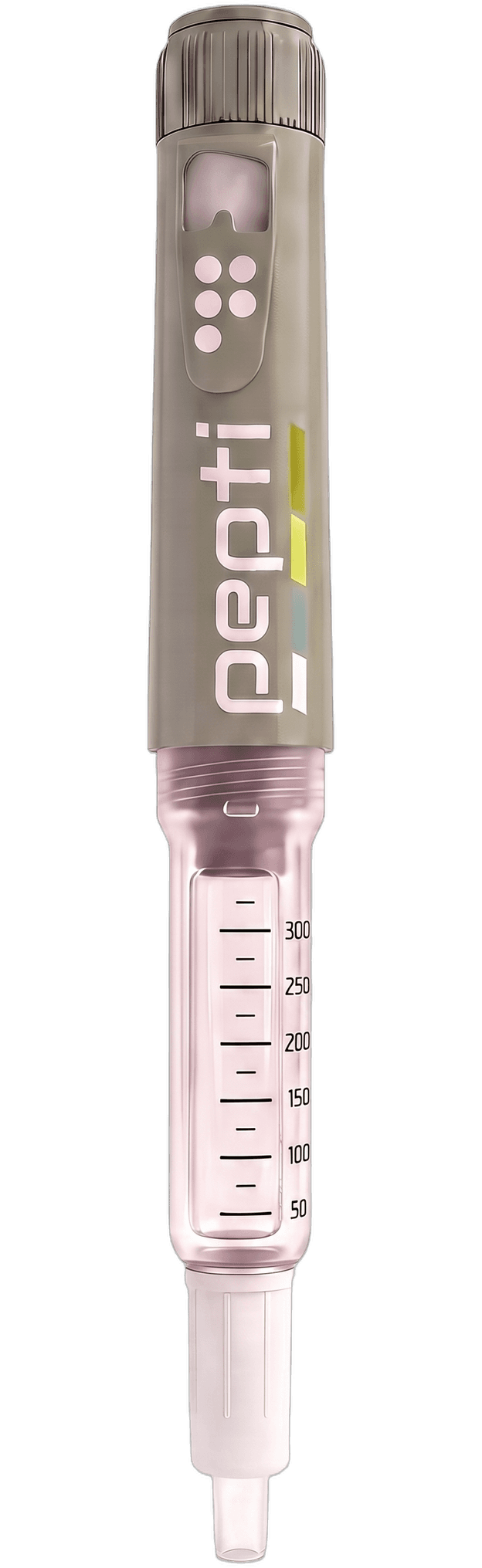
A compounded peptide arrives in solution at a stated concentration, in a multi-dose vial, with your name, the medication, the concentration and your directions on the label, written in milliliters and insulin-syringe units so the number on the barrel is the number on the label. Reconstitution has already been done by a pharmacist. For BPC-157 and many others a pre-filled Pen cartridge is also available, dosed in clicks on a reusable injector.
— Research Peptides vs Prescription Peptides
What separates them, line by line
| Research use only | Prescription compounded | |
|---|---|---|
| What the label says | Not for human consumption | Your name, the medication, the concentration, your directions |
| Who decided you should take it | You | A physician licensed in your state, after reviewing your history |
| Who made it | Unstated, frequently an overseas supplier | A named pharmacy, licensed by a state board and FDA registered |
| Required identity testing | None | Ingredients supplied against certificates of analysis |
| Required sterility process | None | Compendial sterile compounding standards |
| Dose accuracy | Depends on your scale, your water and your arithmetic | Compounded to a stated concentration, sig written in mL and units |
| Form supplied | Lyophilised powder you reconstitute | Ready-to-use solution in a multi-dose vial |
| Interaction and contraindication check | None | Part of the intake review |
| If something goes wrong | Nobody to contact, nothing to enforce | A prescriber to message and a pharmacy accountable to a state board |
| Regulatory status | Lawful to sell because human use is disclaimed | Lawful to prescribe and dispense, and not FDA approved |
| Price | Lower per vial | $99 to $369 a month all-in depending on medication |
— Research Peptides vs Prescription Peptides
The part that is not in the vial at all
The powder is perhaps half of what a prescription is. The rest is the reason the price differs.
A physician's review. Your history, your medications, your conditions, and whether the treatment is appropriate at all. Some of the contraindications in this category are not obvious: angiogenic mechanisms and a personal history of cancer, copper delivery and a copper-metabolism disorder, growth signalling and impaired glucose tolerance. Nobody selling a research vial is looking for any of that.
A written dose. A sig reads, for example, inject 0.25 mL, which is 25 units on a U-100 insulin syringe, on stated days. That is a physician's decision written down. A forum protocol is a stranger's guess about a different person.
Reconstitution taken off your hands. A research vial arrives as powder. You choose a diluent, choose a volume, and every dose afterward inherits that arithmetic. A compounded vial arrives in solution at a stated concentration, which removes the single most common source of a ten-fold dosing error.
Follow-up. Someone to message when a side effect is not settling, and bloodwork where it is warranted: see do you need bloodwork before peptides.
Recourse. A named pharmacy answers to a state board. An anonymous website answers to nobody, and you used a product in a way its own label disclaimed.
— Research Peptides vs Prescription Peptides
Same name, different molecule
The word on the label is not the molecule in the vial, and that is true in more ways than simple mislabeling.
Salt forms and the GLP-1 problem
The FDA has specifically warned about semaglutide products made from salt forms, semaglutide sodium and semaglutide acetate, rather than the base form in the approved drugs. Its position is that these are different active ingredients from the one in the approved products, that it has no safety data on them, and that it sees no lawful basis for their use in compounding. A research vial labeled semaglutide gives you no way to know which form it contains. A licensed pharmacy is required to use an ingredient with a lawful basis, and that is a question you can put to the provider directly.
Sequence, purity and what "99%" hides
A peptide is a chain of amino acids in a specific order. Synthesis produces the intended chain along with truncated chains, chains with a residue missing, oxidized residues and residual solvents. A purity figure of 98 or 99 percent says the sample is mostly the intended peptide; it does not confirm the sequence unless an identity test was run, and it says nothing about sterility, endotoxin or the milligrams in your vial. Most synthetic peptides are also supplied as an acetate salt rather than the free base, and a stated mass means something different for each; the July 2026 advisory committee voted separately on the two forms of every peptide it considered. The FDA's safety notes on these peptides repeatedly cite peptide-related impurities and aggregation as the reason injectable use could carry a risk of immunogenicity, an immune reaction to the impurity rather than the peptide. That is exactly the concern a finished-product test from a licensed pharmacy addresses and a bulk-powder purity figure does not.
— Research Peptides vs Prescription Peptides
Product by product: what the two routes actually give you
— BPC-157
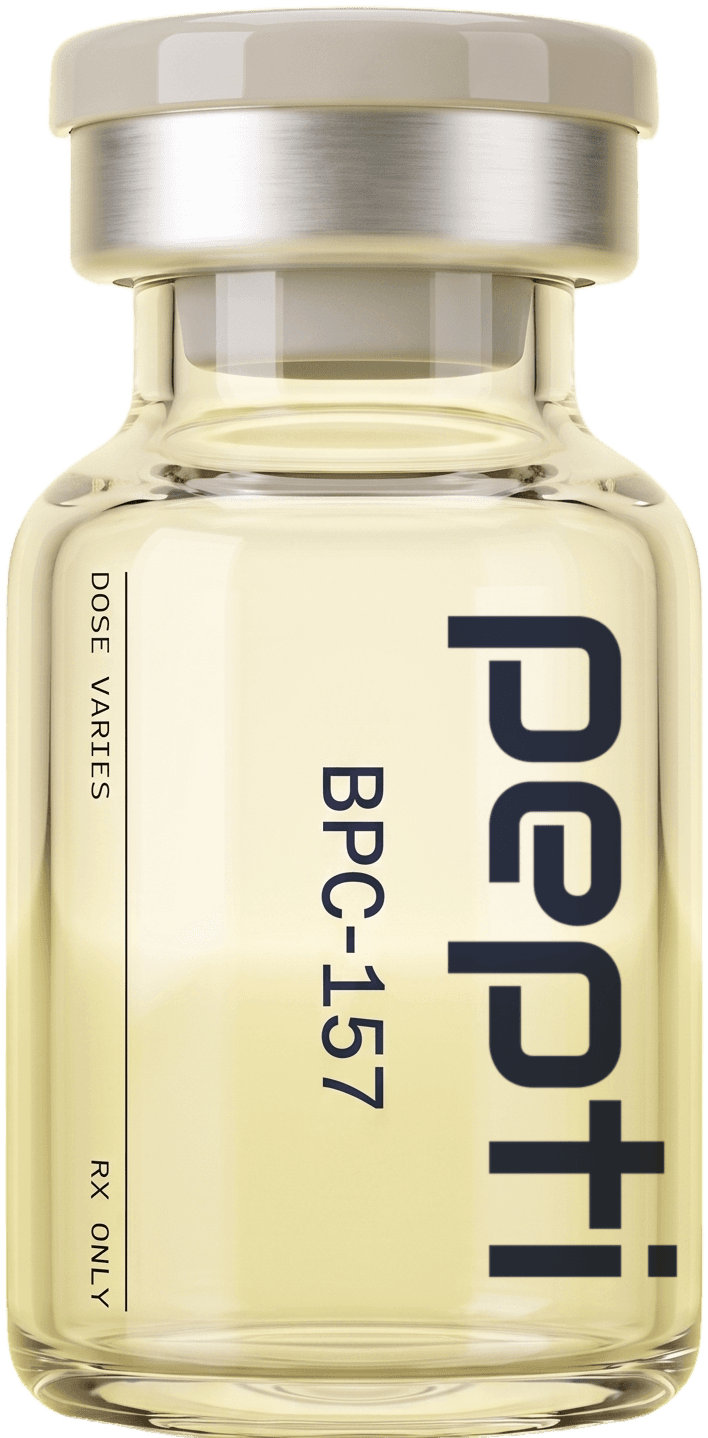
BPC-157 is the peptide most often bought as a research product and most often prescribed for tendon, ligament and gut complaints. The published research is animal and cell work: the Journal of Orthopaedic Research in 2006 reported accelerated reattachment after Achilles tendon detachment in rats, a 2014 paper in Molecules described increased growth hormone receptor expression in cultured tendon fibroblasts, and reviews in Current Pharmaceutical Design cover the gastrointestinal literature. There are no large randomized controlled trials of BPC-157 in humans, and that is equally true whichever vial you hold. What the prescription changes is that the BPC-157 you inject has been compounded to a stated concentration, tested for sterility and endotoxin by lot, and prescribed after a physician has asked about the things that matter for an angiogenic peptide, including a personal history of cancer. Full reference: what is BPC-157.
— TB-500, and the BPC-157 + TB-500 vial
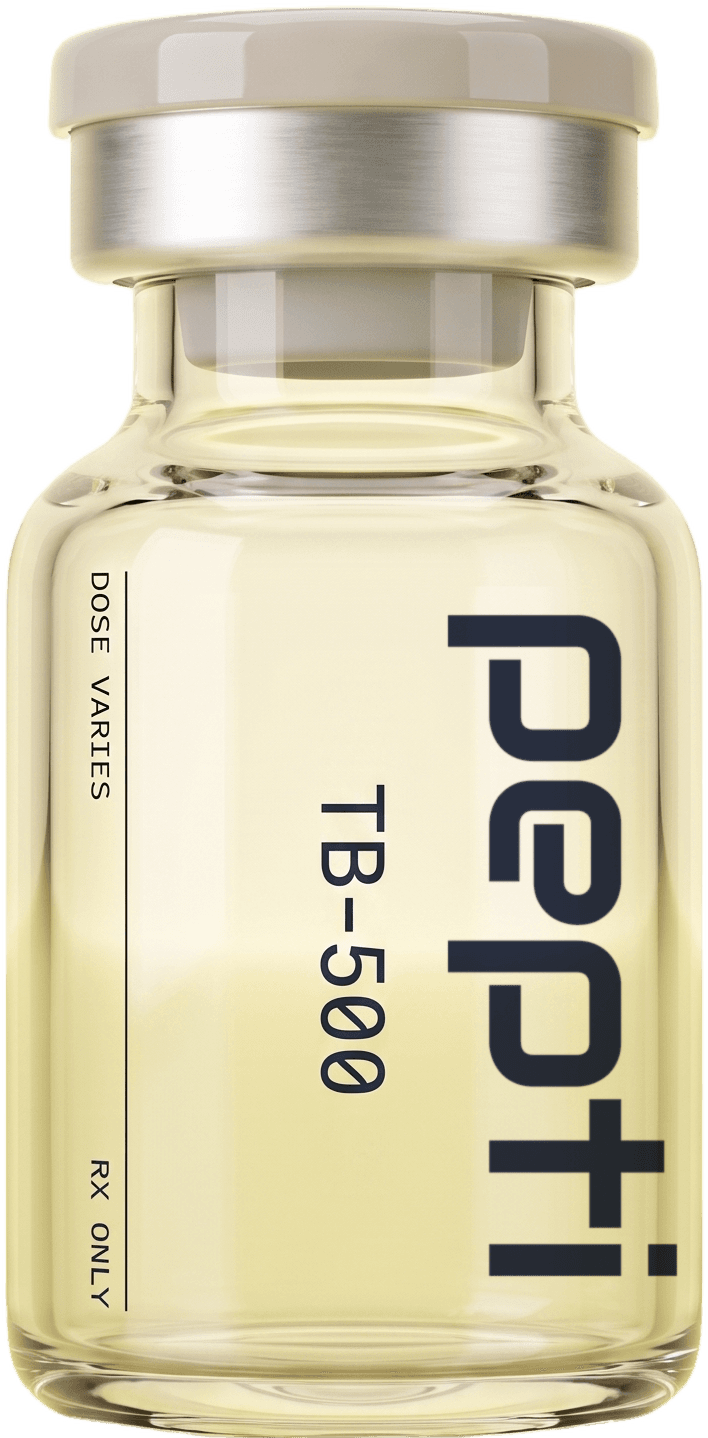
TB-500 is a fragment of thymosin beta-4, described in Trends in Molecular Medicine in 2005 as an actin-sequestering protein involved in tissue repair. The human data are for the full protein, not the fragment: a randomized, placebo-controlled dose study of intravenous thymosin beta-4 in healthy volunteers in the Annals of the New York Academy of Sciences in 2010, and a phase 2 randomized trial of thymosin beta-4 eye drops in severe dry eye in Cornea in 2015. Thymosin beta-4 was among the peptides the Cologne laboratory identified in seized black-market products, a reminder that research peptides move through the same channels as doping products. On the research route, using the two together means two powders, two reconstitutions and two sets of arithmetic; on the prescription route, BPC-157 + TB-500 is compounded in one vial at stated concentrations. Full reference: what is TB-500.
— GHK-Cu and KLOW
GHK-Cu is a tripeptide complexed with copper, and the copper is not decorative: the work reviewed in BioMed Research International in 2015 describes the copper complex as the active form in the skin-remodeling studies, and a research vial labeled GHK-Cu may contain GHK with no copper, the wrong ratio, or the right complex, with nothing on the label to say which. Its human history is mostly topical, including a 1994 paper in Wound Repair and Regeneration on ulcers in patients with diabetes; injectable GHK-Cu has limited human safety data, which is the FDA's stated reason for concern about that route. KLOW combines GHK-Cu with KPV, BPC-157 and TB-500 in one compounded vial. There is no research-use-only equivalent of KLOW; reproducing it from research powders means reconstituting four products and combining them with no sterility control at all, the scenario USP <797> exists to prevent. Full reference: what is GHK-Cu.
— Semaglutide and tirzepatide
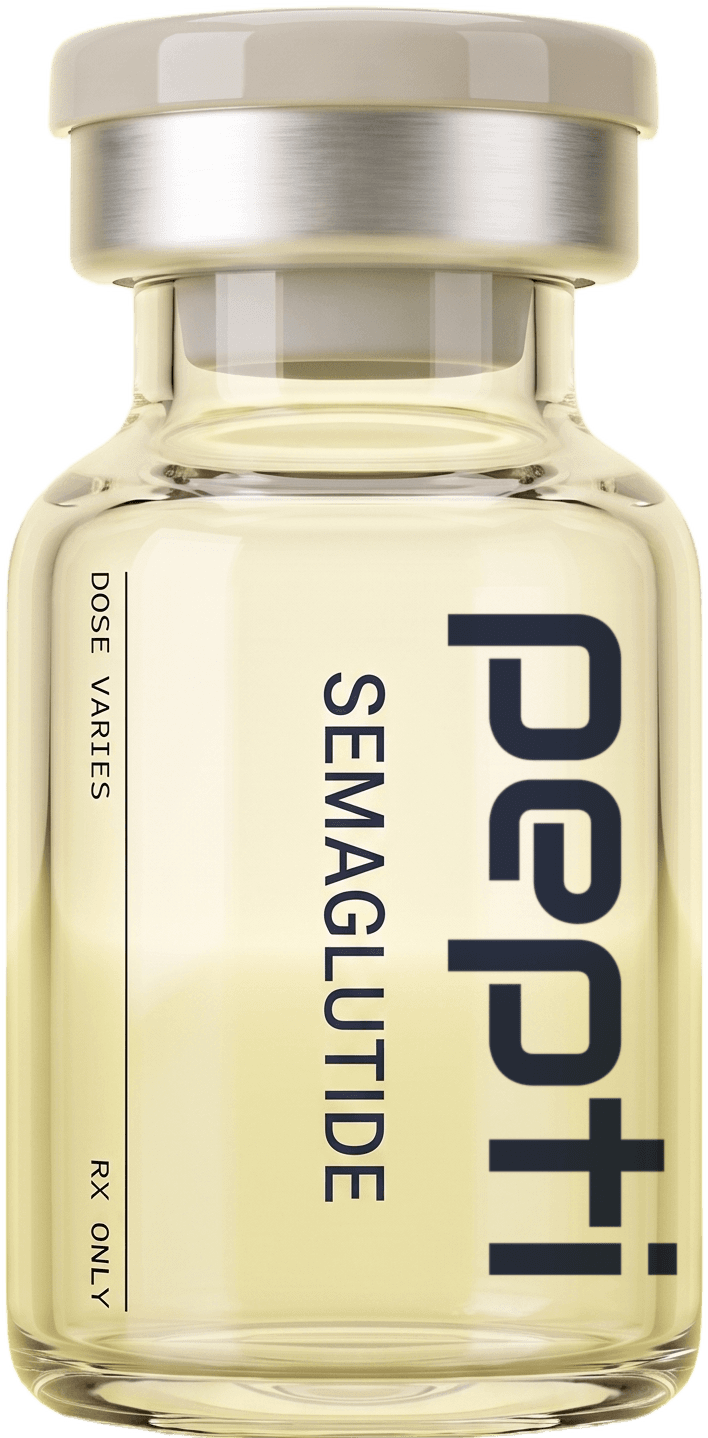
These two are the exception to the "no human trials" rule, and the exception cuts both ways. Semaglutide has the STEP program behind it, including STEP 1 in the New England Journal of Medicine in 2021 in adults with overweight or obesity and the SELECT cardiovascular outcomes trial in 2023; tirzepatide has SURMOUNT-1 in the New England Journal of Medicine in 2022 and the SURMOUNT-5 head-to-head against semaglutide in 2025. Those trials establish what the molecules do in people at specific doses, and they make a mis-strength vial more consequential than for any other peptide here, because the titration in those trials is deliberate and a vial of unknown concentration puts you somewhere on that curve you did not choose. The FDA has received reports of adverse events from dosing errors with multi-dose vials, some requiring hospitalization, from patients measuring the wrong dose and from unit conversions. A prescription of semaglutide or tirzepatide is dose-specific, labeled in milliliters and units, and titrated by a physician. Pricing sits at /cost/semaglutide and /cost/tirzepatide.
— Research Peptides vs Prescription Peptides
Who the prescription route suits, and who it does not
It suits you if you intend to inject the product into your body. That is the whole test. If the plan is human use, the only route that gives you a stated concentration, a sterile process with a standard behind it, a lot-level certificate and a physician is the prescription one, whether the molecule is BPC-157 for a tendon, GHK-Cu for skin, or semaglutide for weight.
It is the wrong route if you are actually running laboratory research, in which case this page is not written for you. It is also not a route for anyone the physician declines. A consultation does not guarantee a prescription; a history of cancer, pregnancy, certain medications and certain conditions will lead a physician to say no or to suggest a different medication, and being declined is refunded. A research seller says yes to everybody, which is not a feature.
If you are a tested athlete, note that many peptides on this page are prohibited in competition by anti-doping bodies, and the seizure analyses above were run by anti-doping laboratories precisely because these products overlap with doping. A prescription does not change a prohibited status. Check the current prohibited list for your sport and tell your physician before starting anything.
— Research Peptides vs Prescription Peptides
The five-minute check
Run this on any seller, including this one.
| Check | What good looks like | What a failure means |
|---|---|---|
| Is there a medical intake before checkout? | A real history form reviewed by a clinician | No review, just a cart: it is a research-chemical site whatever the branding |
| Can you name the pharmacy and its licence state? | A specific pharmacy you can look up on a state board | Nothing verifiable behind the product |
| Can you name the prescriber and their licence state? | A physician you can check on a state medical board | The review is nominal or absent |
| Is the full price published? | Total monthly cost, including shipping and any fee | Fees appear later, or the price is quoted on request |
| Does the label say "research use only"? | Your name and directions instead | The seller has disclaimed human use in writing |
| Does the site say the product is FDA approved? | It says compounded medications are not FDA approved | Either the provider does not understand the distinction or is exploiting it |
Two additions. Ask whether the provider publishes lot-level certificates for the finished solution with sterility and endotoxin results, and whether the lot number matches your vial; Pepti's are at /quality/lab-results. And for a GLP-1, ask which form of the ingredient is used, because "semaglutide" alone does not answer the salt-form question the FDA has raised.
More detail on vetting is in how to tell if a peptide seller is legitimate, and the price side in why are compounded peptides cheaper.
— Research Peptides vs Prescription Peptides
Where each stands with the FDA right now
This has moved during 2026 and most of what is published online is out of date. Everything below was checked against fda.gov in September 2026.
— Not approved, and why that is different from unlawful
No compounded medication is FDA approved; the FDA does not review compounded drugs for safety, effectiveness or quality before they are marketed, which is the definition of compounding rather than a defect of any pharmacy. A compounded peptide is lawful to prescribe and dispense when the 503A conditions are met: a valid prescription for an identified patient, a licensed pharmacist or physician, an eligible bulk substance, and no regular copying of a commercially available product. "Not approved" and "lawful to prescribe" are both true at once, and a seller who conflates them in either direction is the one to walk away from. A research-use-only product, by contrast, has no regulatory status to check, because it is not presented as a drug at all. The longer treatment is in are peptides FDA approved.
— The 503A bulks list and the three categories
The bulks list itself, at 21 CFR 216.23, is short: six substances that can be used and four that FDA has determined will not be included, none of them a peptide. Everything else nominated sits in one of three categories under the FDA's interim policy. In the FDA's words, Category 1 substances "may be eligible for inclusion on the 503A bulks list, were nominated with sufficient supporting information for FDA to evaluate them, and do not appear on any other list"; Category 2 substances were nominated with sufficient information but "FDA has identified significant safety risks relating to the use of these substances in compounding pending further evaluation"; Category 3 substances "were nominated with insufficient supporting information for FDA to evaluate them." The current 503A category list is dated 14 May 2026; glutathione, methylcobalamin and NAD sit in Category 1.
— What changed in 2026
In September 2023 the FDA placed a group of peptides, including BPC-157, TB-500, injectable GHK-Cu, CJC-1295, AOD-9604, MOTS-c, DSIP, epitalon, semax, selank, KPV, melanotan II, dihexa and thymosin alpha-1, in Category 2, citing potential immunogenicity from aggregation and peptide-related impurities and, for most, limited or no human safety information for the proposed route. In April 2026 those peptides came off Category 2. The FDA's safety-risks page, dated 22 April 2026, now lists them in a separate table headed "bulk drug substances nominated but withdrawn," described as substances "previously in category 2 of the interim policies" whose nominations were withdrawn by the nominators. On the 14 May 2026 list, none of BPC-157, TB-500, KPV, MOTS-c, DSIP, semax or epitalon appears in Category 1, 2 or 3; they went to the advisory committee instead. GHK-Cu took a different path: one nominator clarified on 5 May 2026 that it was withdrawing only the injectable route, so "GHK-Cu (except for injectable routes of administration)" is back in Category 1, and the FDA intends to consult the advisory committee on GHK-Cu before the end of February 2027.
— The July 2026 advisory committee meeting
On 23 and 24 July 2026 the FDA's Pharmacy Compounding Advisory Committee met on seven peptides nominated for the 503A bulks list: BPC-157, KPV, TB-500 and MOTS-c on the first day, and DSIP (emideltide), epitalon and semax on the second, with a separate vote on the free base and acetate form of each. The committee's votes are recommendations. The FDA issues its own determination after weighing the vote, public comment and its scientific review, and as of September 2026 that determination is pending for every one of them. The accurate description of BPC-157 today is: no longer in Category 2, reviewed by the advisory committee, awaiting final FDA action, still not an approved drug, and still lawful to prescribe and dispense under 503A. None of this applies to research products, and a research seller citing the advisory committee as a sign of quality is describing a process they are not part of.
— GLP-1s specifically
Semaglutide and tirzepatide are active ingredients of approved drugs, so their compounding runs under different rules: the ingredient is eligible, but a compounder may not regularly produce what is essentially a copy of a commercially available product and must use a form of the ingredient with a lawful basis. The FDA's current statement on unapproved GLP-1s, updated 1 September 2026, restates that compounded versions are not approved, that the sodium and acetate salt forms are different active ingredients with no lawful basis for compounding, and that dosing errors with multi-dose vials and counterfeit products are the specific problems it is seeing. Each of those is a question you can ask a licensed provider and cannot ask a research reseller.
— Research Peptides vs Prescription Peptides
What the evidence shows, honestly
Two things are true at the same time, and honest pages say both.
First, independent testing of grey-market peptide products has repeatedly found problems: wrong quantity, wrong compound, bacterial endotoxin, heavy metals. There is no systematic ongoing surveillance programme, so nobody can tell you what proportion of the market is affected, only that failures keep being found and that nothing in the supply chain is designed to prevent them.
Second, prescription peptides are not proven medicines. For most of the molecules in this category the published research is preclinical: animal and cell studies rather than large randomised human trials. A licensed pharmacy answers the question of what is in the vial. It does not answer the question of whether the contents will help you, and no honest provider will promise you they will. Response varies between people.
The choice is therefore not proven versus unproven. It is the same unproven molecule with a physician, a pharmacy and accountability, or without them. That is the entire trade, and it is worth making deliberately rather than by accident.
The exceptions are semaglutide and tirzepatide, where randomized trials in thousands of adults exist. For them the trade differs in degree, not in kind: the trials were run with a known dose of a known form of the ingredient, and only the prescription route gives you both.
— Research Peptides vs Prescription Peptides
Monitoring and bloodwork
Bloodwork is not routinely required before BPC-157, TB-500 or GHK-Cu; it is the physician's call based on your history, and more likely around GLP-1s and growth-hormone-axis peptides. At-home blood testing covers hormone, metabolic and thyroid markers without a lab visit. A research seller has no reason to ask, no way to order it, and nobody to read the result.
— References
What this is based on.
References
- Chang CH, Tsai WC, Hsu YH, Pang JH. Pentadecapeptide BPC 157 enhances the growth hormone receptor expression in tendon fibroblasts · Molecules (2014) · PMID 25415472
- Krivic A, Anic T, Seiwerth S, et al.. Achilles detachment of rat and stable gastric pentadecapeptide BPC 157 · Journal of Orthopaedic Research (2006) · PMID 16583442
- Sikiric P, Seiwerth S, Rucman R, et al.. Stable gastric pentadecapeptide BPC 157: novel therapy in gastrointestinal tract · Current Pharmaceutical Design (2011) · PMID 21548867
- Cerovecki T, Bojanic I, Brcic L, Radic B, et al.. Pentadecapeptide BPC 157 (PL 14736) improves ligament healing in the rat · J Orthop Res (2010) · PMID 20225319
- Sikiric P, Seiwerth S, Rucman R, Turkovic B, et al.. Stable gastric pentadecapeptide BPC 157-NO-system relation · Curr Pharm Des (2014) · PMID 23755725
- Cox HD, Miller GD, Eichner D. Detection and in vitro metabolism of the confiscated peptides BPC 157 and MGF R23H · Drug Test Anal (2017) · PMID 28035768
- Thomas A, Görgens C, Guddat S et al.. Simplifying and expanding the screening for peptides <2 kDa by direct urine injection, liquid chromatography, and ion mobility mass spectrometry · J Sep Sci (2016) · PMID 26578461
- Farrar JT, Young JP Jr, LaMoreaux L, Werth JL et al.. Clinical importance of changes in chronic pain intensity measured on an 11-point numerical pain rating scale · Pain (2001) · PMID 11690728
- Meyer JD, Ho B, Manning MC. Effects of conformation on the chemical stability of pharmaceutically relevant polypeptides · Pharm Biotechnol (2002) · PMID 11987755
- Xu C, Sun L, Ren F, Huang P, et al.. Preclinical Safety Evaluation of Body Protective Compound-157, a Potential Drug for Treating Various Wounds · Regul Toxicol Pharmacol (2020) · PMID 32334036
- He L, Feng D, Guo H, et al.. Pharmacokinetics, distribution, metabolism, and excretion of body-protective compound 157, a potential drug for treating various wounds, in rats and dogs · Front Pharmacol (2022) · PMID 36588717
- Lee E, Padgett B. Intra-Articular Injection of BPC 157 for Multiple Types of Knee Pain · Altern Ther Health Med (2021) · PMID 34324435
Citations are provided for educational purposes. They do not constitute medical advice. Always discuss any peptide protocol with your prescribing physician.
— Common questions
Research Peptides vs Prescription Peptides, answered.
The sale is lawful because the seller states the product is not for human consumption. That statement is what keeps it outside drug regulation, and it also places the whole burden on you. Using it on yourself is exactly what the label disclaims. The FDA has said it has warned companies selling unapproved drugs falsely labeled for research or not for human consumption when consumers were in fact using them. See can you buy peptides without a prescription.
It may be. The name on the label is not evidence of what is in the vial, and identity, purity, concentration and sterility are all unverified. It may also be a different form of the molecule, such as a salt rather than the base, which is the specific concern the FDA has raised for semaglutide. With a compounded prescription, a licensed pharmacy is accountable for those to a state board, and the finished lot is tested.
No. Compounded medications are not FDA approved. They are prepared by a licensed, FDA-registered pharmacy to a physician's prescription, which is a different regulated pathway. The FDA's own wording is that it does not verify the safety, effectiveness or quality of compounded drugs before they are marketed. The distinction is set out in are peptides FDA approved.
Because the price excludes the physician, the licensed pharmacy, the sterile compounding, the cold chain and anyone answerable if something is wrong. You are not buying the same product without markup, you are buying a fraction of it.
A certificate describes one batch on one date, and only matters if the batch number matches your vial and an independent laboratory ran the test. It says nothing about sterility or about the concentration in your vial. See how to read a peptide certificate of analysis.
Dose arithmetic. A powder you reconstitute yourself means every dose depends on your diluent volume and your maths, and ten-fold errors are easy. A compounded vial arrives at a stated concentration with your dose written in both millilitres and syringe units.
You complete a free assessment, a physician licensed in your state reviews it, and if treatment is appropriate a licensed pharmacy compounds it and ships it to you with your directions on the label, at one all-in monthly price. See how it works.
For Pepti prescriptions, each lot of finished solution goes to an independent laboratory for sterility, bacterial endotoxin under USP <85>, and potency. The certificates are published by lot at /quality/lab-results, with the pharmacy and the laboratory named on each. A research seller's certificate, where one exists, usually describes purity of the bulk powder before it was portioned into vials.
No. It was placed in Category 2 of the FDA's 503A bulk substances list in 2023. In April 2026 it came off Category 2, and the FDA's safety-risks page now lists it among substances previously in Category 2 whose nominations were withdrawn. The Pharmacy Compounding Advisory Committee reviewed it on 23 July 2026, and the FDA's final determination is pending. It remains legal to prescribe and dispense, and it remains not FDA approved.
It is the United States Pharmacopeia chapter on sterile compounding: the cleanroom or segregated compounding area, the ISO 5 environment for open manipulations, gowning, environmental monitoring and beyond-use dating. The FDA's guidance on insanitary conditions at compounding facilities is built on it, and a licensed pharmacy is inspected against it. A research vendor has no equivalent standard.
Not necessarily, and the difference can be the molecule itself. The FDA has said that semaglutide sodium and semaglutide acetate are different active ingredients from the base form in approved drugs and that it sees no lawful basis for compounding with them. A licensed pharmacy can tell you which form it uses. A research label cannot.
Careful arithmetic solves the volume problem. It does not solve the ones you cannot see: whether the stated mass is in the vial, whether the sequence is right, whether the powder is sterile, and whether it contains endotoxin. Those are laboratory questions, and the only version of the product that has had them asked of the finished solution is the prescription one.
No, and no honest provider will tell you otherwise. For BPC-157, TB-500 and GHK-Cu the evidence is animal and cell research plus clinical experience, and that is the same whichever vial you hold. The prescription changes what is in the vial and who is accountable for it, not what the research has established. Semaglutide and tirzepatide are the exceptions, with large randomized trials behind them. The free assessment goes to a physician licensed in your state. A consultation does not guarantee a prescription.
— Next step
See what a physician
recommends for you.
A licensed physician in your state reviews your intake and decides what is appropriate. A consultation does not guarantee a prescription.
Important legal & safety information
The assessment process available on the Pepti website asks a series of medical questions, and the answers provided are reviewed by an independent licensed physician affiliated with our partner physician network. The licensed providers have established exclusionary criteria, and the answers provided determine if the individual is screened out of eligibility for treatment. The licensed clinicians retain the sole decision to prescribe peptide therapy and other compounded medications to patients. Treatment may be denied at the physician's sole discretion. If a prescription is not approved, you will not be charged for the medication.
Pharmacy Providers. Pepti is a technology platform and is not a healthcare provider, pharmacy, or prescriber. All medications offered through the platform are compounded by independent FDA-registered 503A or 503B compounding pharmacies based on a valid prescription written by a licensed physician for an individual patient. Compounded medications are not FDA-approved as products. The active pharmaceutical ingredients used by our partner pharmacies are sourced from FDA-registered facilities. Compounded medications may not undergo the same testing or quality control as commercially manufactured FDA-approved drugs.
Results vary. Results from peptide therapy and other compounded treatments vary based on individual factors, including age, weight, medical history, adherence to the prescribed protocol, lifestyle factors, and physiological response. Pepti makes no guarantee of any specific outcome. Statements about peptide therapy and compounded medications offered through the platform have not been evaluated by the Food and Drug Administration. These products are not intended to diagnose, treat, cure, or prevent any disease.
Product images. Product photographs and renderings shown on this website are for illustrative purposes only. The appearance of vials, packaging, labeling, and other materials you receive may vary and is determined by the dispensing compounding pharmacy.
Off-label use.Many peptides offered through the platform are prescribed for off-label use. “Off-label” means the medication is being prescribed for a use, dose, or patient population that is not specifically approved by the FDA. Off-label prescribing is legal and common in U.S. medical practice when supported by clinical experience and judgment.
Mailing & shipping. Pepti currently dispenses prescription medication to patients in all 50 states and Washington, D.C.. All orders ship in unbranded, tamper-evident packaging via expedited delivery from our partner compounding pharmacies. Temperature-sensitive medications ship with insulated packaging and ice packs. Shipping is included at no additional cost. We do not currently ship medication outside all 50 states and Washington, D.C., internationally, or to APO/FPO addresses.
Not for emergencies. Pepti is not designed for medical emergencies. If you are experiencing a medical emergency, call 911 or go to your nearest emergency room immediately. For urgent but non-emergency medical questions, contact your primary care provider or use an urgent care service.
No doctor-patient relationship with Pepti. Your use of the platform does not create a doctor-patient relationship between you and pepti LLC. A doctor-patient relationship is established only between you and the independent licensed physician who reviews your intake and prescribes your treatment. The physicians who use the platform are independent contractors and are solely responsible for the medical care they provide.
Prescription medications. All prescription products require a valid prescription from a licensed healthcare provider. By using the platform, you acknowledge that you are at least 18 years old and that the information you provide is true, accurate, current, and complete. Providing false information may result in inappropriate treatment recommendations or denial of service.
Cosmetic & wellness products.Certain products offered through Pepti — including skincare, hair care, body care, supplements, men's grooming, sports recovery, and sexual wellness products — are cosmetic or dietary supplement products, not prescription medications. These products do not require a prescription and are not reviewed or prescribed by a physician. Statements regarding dietary supplements have not been evaluated by the Food and Drug Administration. These products are not intended to diagnose, treat, cure, or prevent any disease. Results vary by individual. Consult your healthcare provider before starting any new supplement or topical product, especially if you are pregnant, nursing, or taking other medications.
pepti LLC · Delaware Limited Liability Company · 131 Continental Dr, Suite 305, Newark, DE 19713 · For media or partnership inquiries, email hello@hellopepti.com. For patient support, email support@hellopepti.com. For privacy and HIPAA inquiries, email privacy@hellopepti.com.