— Anti-Aging · Reference
Peptides for Longevity and Anti-Aging: What Is Actually Prescribed and What the Evidence Says
This page covers what is changing in an aging body, which change each peptide is aimed at, what the research does and does not establish in humans, where each compound stands with the FDA as of September 2026, what a physician rules out first, and what monitoring looks like.
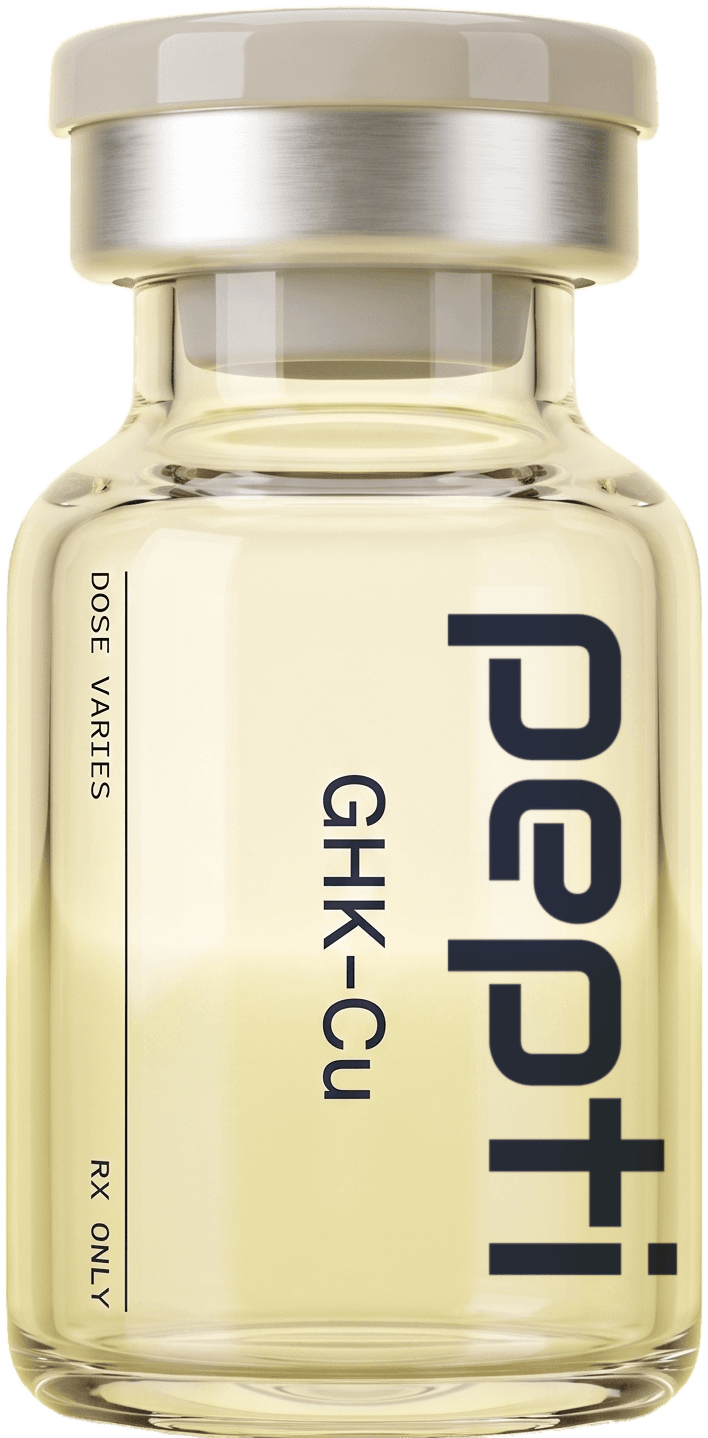
— Treatments mentioned
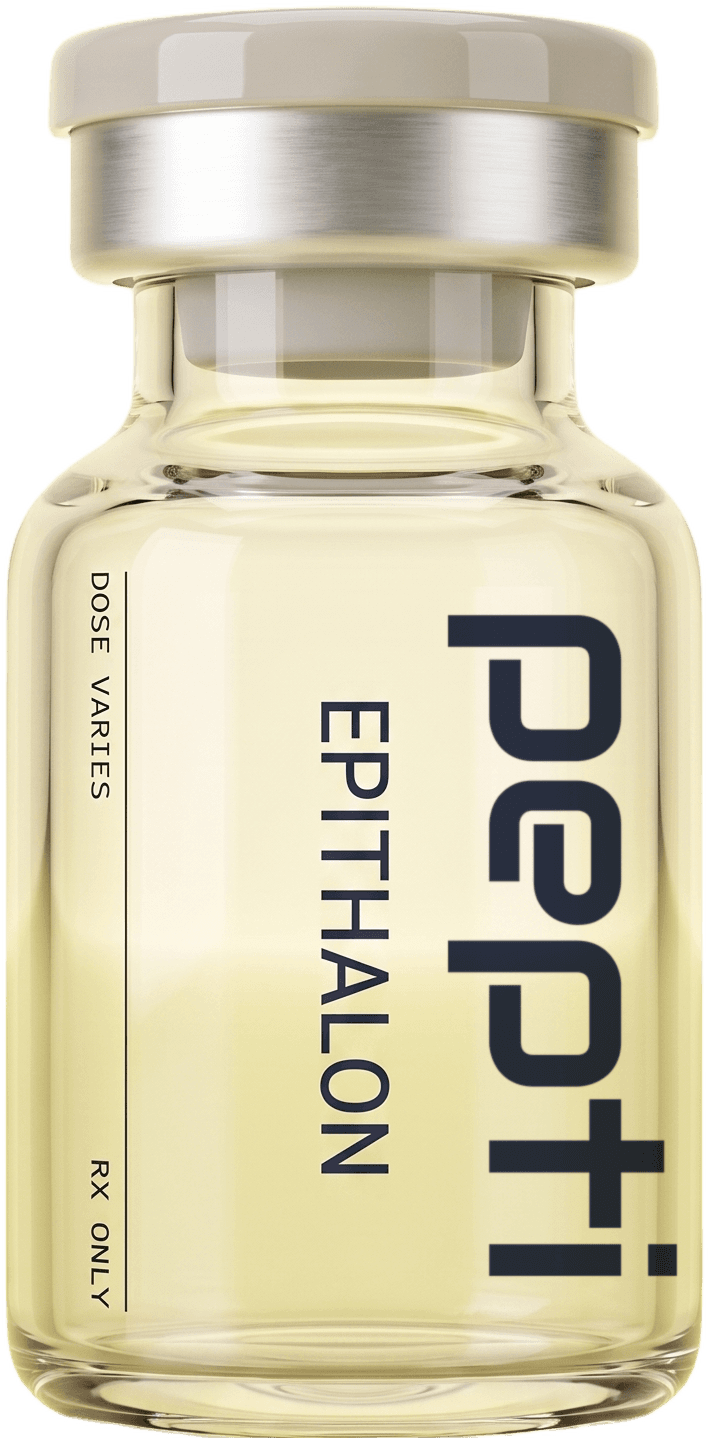
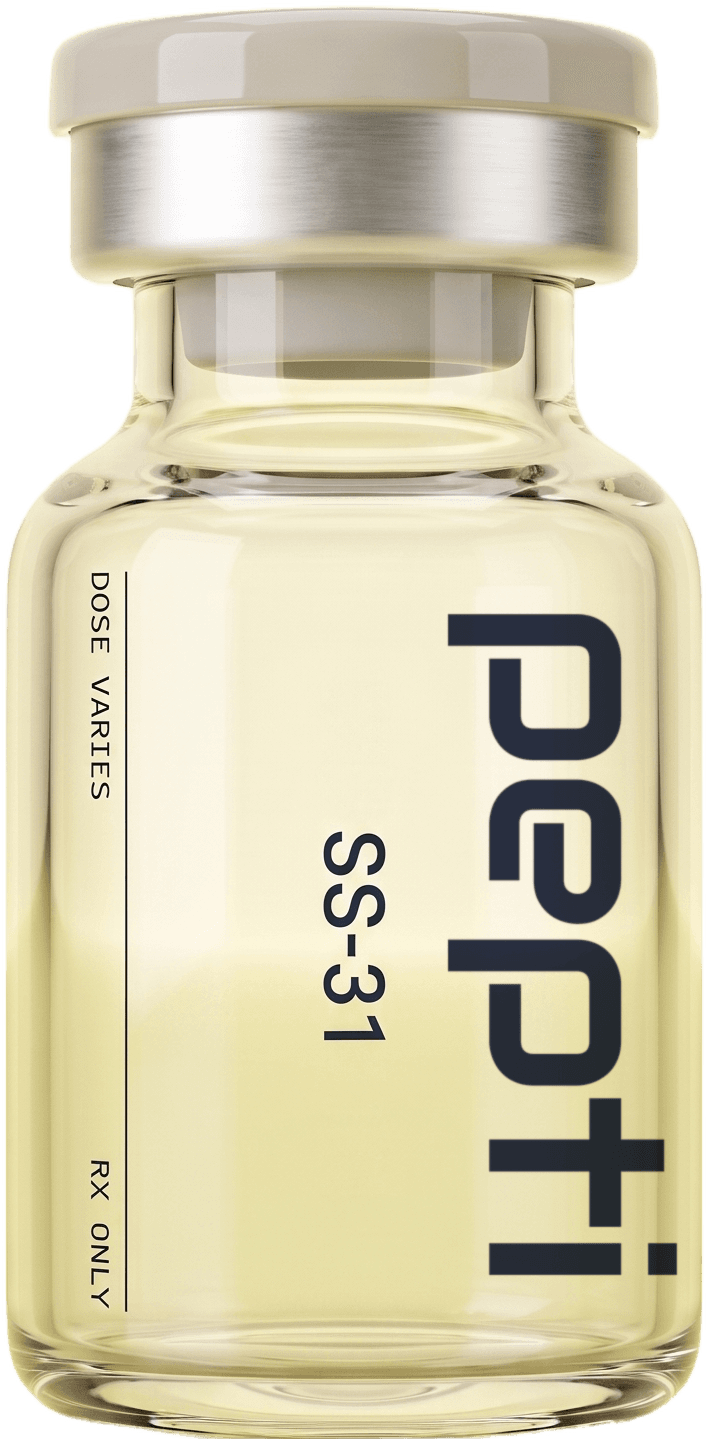
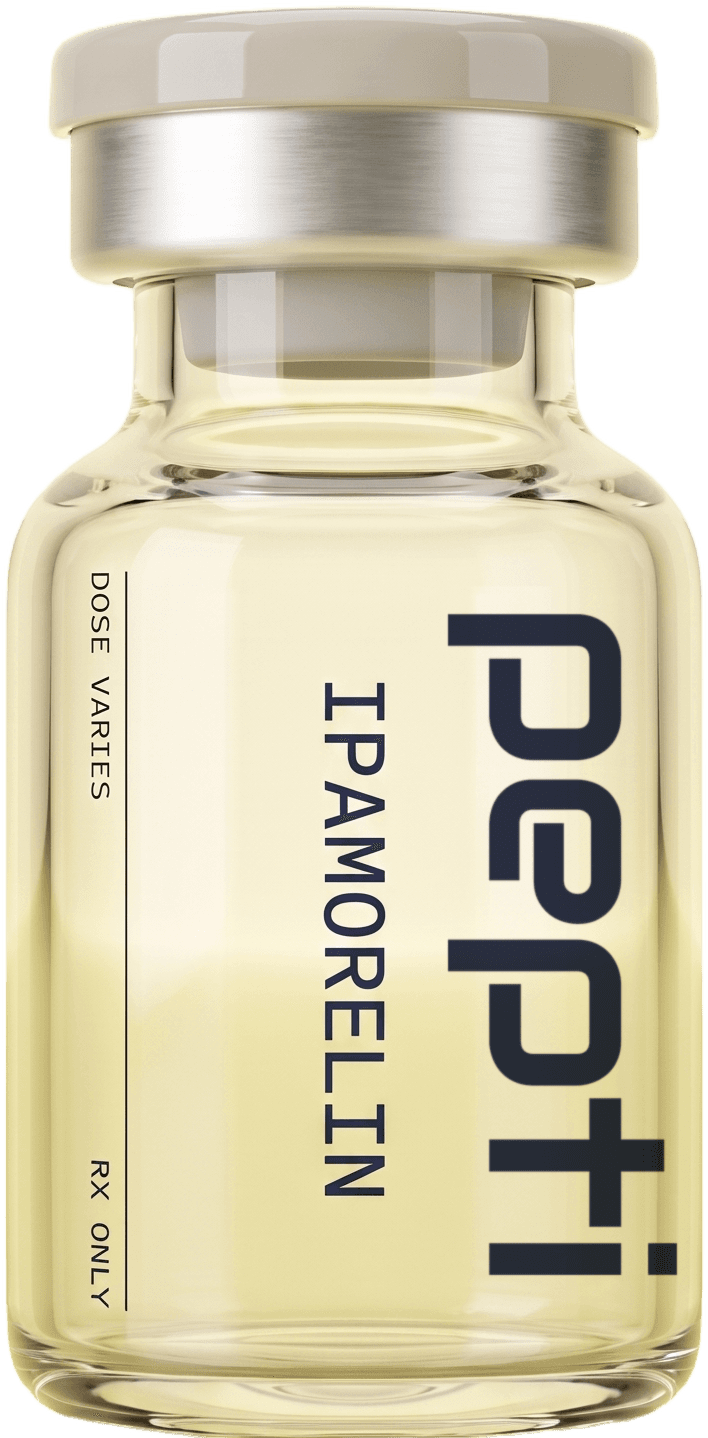
The peptides prescribed in longevity protocols are GHK-Cu, epithalon, NAD+, SS-31 and the growth-hormone secretagogues. They act on different things: collagen and tissue remodelling, circadian and telomere signalling, cellular energy metabolism, mitochondrial membrane integrity, and the GH axis. This is also the category where marketing most outruns evidence, so each section below says what is actually known.
This page covers what is changing in an aging body, which change each peptide is aimed at, what the research does and does not establish in humans, where each compound stands with the FDA as of September 2026, what a physician rules out first, and what monitoring looks like.
— Peptides for Longevity and Anti-Aging
The short answer
| Approach | Product | What is in it | Price |
|---|---|---|---|
| Skin, collagen and tissue repair | GHK-Cu | 50 mg GHK-Cu in 5 mL | $239 |
| Repair plus circadian and telomere signalling | ETERNAL | 50 mg GHK-Cu, 10 mg BPC-157, 10 mg TB-500, 10 mg Epithalon | $279 |
| Cellular energy | NAD+ | 1,000 mg NAD+ in 10 mL | $249 |
| Mitochondrial function | SS-31 | 10 mg SS-31 in 5 mL | $249 |
| Circadian and pineal signalling | Epithalon | 10 mg Epithalon in 5 mL | $249 |
| GH axis, sleep and body composition | CJC-1295 / Ipamorelin | 6 mg CJC-1295, 12 mg Ipamorelin | $239 |
| Skin and GH together | RADIANCE | 50 mg GHK-Cu, 10 mg Tesamorelin | $249 |
None of these has been shown to extend human lifespan, and nothing on this page should be read as a claim that one does. Each acts on a mechanism that changes with age, and the question a physician asks is which mechanism is the limiting one for this patient: skin and recovery point one way, sleep, body composition or fatigue another.
— Peptides for Longevity and Anti-Aging
What is actually going on in aging
— Aging is a set of measurable processes, not one thing
The working framework for aging biology is the "hallmarks of aging" scheme published in Cell in 2013 and expanded in 2023: among them telomere attrition, deregulated nutrient sensing, mitochondrial dysfunction, cellular senescence, loss of proteostasis and chronic inflammation. Every product below maps onto one or two of these and none onto all of them. A longevity protocol is a choice of which process to act on.
— Collagen turnover tips toward breakdown
Skin, tendon and vessel walls are built from collagen, elastin and proteoglycans, and with age the balance between synthesis and breakdown shifts toward breakdown. The tripeptide GHK is present in human plasma and is reported to fall substantially between young adulthood and later life; it was isolated in a 1973 Nature New Biology paper and later characterized as a copper-binding peptide involved in tissue remodelling. That decline is the rationale for GHK-Cu.
— NAD+ declines and the enzymes that depend on it slow with it
Nicotinamide adenine dinucleotide carries electrons in the reactions that turn nutrients into ATP and is consumed by sirtuins and PARP enzymes involved in DNA repair. A 2012 PLOS ONE study measured NAD+ in human tissue across ages and reported an age-associated decline alongside rising oxidative-stress markers; reviews in Science in 2015 and Trends in Molecular Medicine in 2017 set out why that is thought to matter. Whether replacing NAD+ changes anything downstream in humans is a separate question, taken up below.
— Mitochondria lose membrane integrity
The inner mitochondrial membrane is organized around cardiolipin, the phospholipid that holds the electron-transport complexes in the folded cristae where they work. Oxidized or depleted cardiolipin is a described feature of aged and ischemic tissue, and it is the target of SS-31; papers in the Journal of the American Society of Nephrology in 2013 and the British Journal of Pharmacology in 2014 describe the compound binding cardiolipin and restoring bioenergetics in stressed mitochondria.
— The GH–IGF-1 axis winds down, and that is not simply bad
Growth hormone secretion falls steadily from early adulthood, mostly through loss of the large night-time pulses, and IGF-1 falls with it; a 2000 JAMA study in healthy men tied the decline in slow-wave sleep across adult life to the decline in GH. Clinically that looks like less deep sleep, slower recovery, more fat and less lean mass. The tension a candid page has to state: in animals, lower growth signalling is associated with longer life; in humans a 2011 Science Translational Medicine study of Ecuadorian adults with growth hormone receptor deficiency reported a near-absence of cancer and diabetes, and a 2014 Aging Cell study of people over 95 reported that lower IGF-1 predicted longer survival. Raising GH in mid-life is a body-composition and quality-of-life decision, not a longevity decision, and a physician should say so.
— Peptides for Longevity and Anti-Aging
What physicians prescribe for longevity
— GHK-Cu
GHK-Cu is glycyl-L-histidyl-L-lysine bound to a copper ion, and it is the best-evidenced compound in this category. A 1988 FEBS Letters paper reported it stimulating collagen synthesis in cultured fibroblasts; a 1993 Journal of Clinical Investigation paper reported connective-tissue accumulation in rat wounds; papers in the Journal of Investigative Dermatology in 1999 and Life Sciences in 2000 describe it modulating the enzymes that break tissue down. The 2015 BioMed Research International and 2018 International Journal of Molecular Sciences reviews summarize gene-expression work in which GHK is reported to shift many human genes toward repair and away from inflammation.
The human data is real but topical: a 1994 Wound Repair and Regeneration trial in diabetic ulcers and a 2006 Archives of Facial Plastic Surgery study on laser-resurfaced skin. There are no randomized human trials of injectable GHK-Cu. It suits the patient whose primary complaint is skin, connective tissue and recovery.
— Epithalon
Epithalon (also written epitalon) is a synthetic tetrapeptide, Ala-Glu-Asp-Gly, designed after epithalamin, a pineal-gland extract studied for decades in Russia. The cell work is the interesting part: a 2003 Bulletin of Experimental Biology and Medicine paper reported telomerase activation and telomere elongation in human somatic cells, and an independent 2025 Biogerontology paper from a UK group reported telomere lengthening in human cell lines through telomerase or ALT activity. Mouse work in Biogerontology in 2003 reported effects on biomarkers of aging and tumor incidence, and a 2001 study in old monkeys reported effects on melatonin and cortisol rhythms.
The human data is the weak point, and epithalon is the peptide here where claims most exceed data. The human studies are of epithalamin, the parent extract, not the synthetic peptide: a 2006 study in elderly subjects with accelerated aging and a 2011 fifteen-year follow-up, both from the Khavinson group, reported lower mortality and slower decline in small, single-group, unblinded reports. Epithalon suits the patient who understands they are buying a coherent cell-culture mechanism, whose circadian and sleep complaints are prominent, and who is not expecting a telomere measurement to move.
— NAD+
The NAD+ injection supplies the coenzyme directly, and most of the human trial evidence is for oral precursors. A 2018 Nature Communications trial reported that nicotinamide riboside was well tolerated and raised blood NAD+ in healthy middle-aged and older adults; a 2018 American Journal of Clinical Nutrition trial in obese men reported safety but no change in insulin sensitivity; a 2021 Science trial reported that nicotinamide mononucleotide increased muscle insulin sensitivity in prediabetic women; a 2023 GeroScience dose-ranging trial in healthy middle-aged adults reported raised NAD+ and some functional measures; the NADPARK trial (Cell Metabolism, 2022) reported brain NAD+ changes in Parkinson's disease; and the NICE trial (Nature Communications, 2024) reported a walking-distance effect in adherent participants with peripheral artery disease. For the injected form, a 2019 Frontiers in Aging Neuroscience pilot measured the NAD+ metabolome during a six-hour intravenous infusion in a handful of healthy participants.
Precursors reliably raise NAD+ in humans and there are clinical signals in specific populations. No trial has shown NAD+, by any route, extending human lifespan or slowing a measured aging clock. NAD+ suits the patient whose complaint is energy and recovery and who wants the compound with the largest human safety literature here.
— SS-31
SS-31 is elamipretide, the only compound on this page whose molecule has been through a full clinical development program. The human trials are in mitochondrial disease: a 2018 Neurology dose-escalation trial and a 2020 Journal of Cachexia, Sarcopenia and Muscle crossover trial in primary mitochondrial myopathy reported functional signals, while the larger MMPOWER-3 randomized trial in Neurology in 2023 did not meet its primary endpoints. The TAZPOWER program in Barth syndrome, a genetic cardiolipin disorder, reported open-label improvements over 168 weeks in Genetics in Medicine in 2024, the data behind the 2025 approval described below. Trials in heart failure (PROGRESS-HF, 2020) and geographic atrophy (ReCLAIM-2, 2024) are also published.
The mechanism is real and the compound has a substantial human safety record, but every trial is in people with a diagnosed disease; there are no randomized trials of SS-31 in healthy aging adults. SS-31 suits the patient whose complaint is exercise tolerance and fatigue, particularly where a physician suspects a mitochondrial component.
— CJC-1295 / Ipamorelin
The pair acts on two receptors to raise the body's own GH output. CJC-1295 is a long-acting GHRH analogue; a 2006 Journal of Clinical Endocrinology and Metabolism trial in healthy adults reported prolonged GH and IGF-1 elevation after single doses, and a companion paper reported that pulsatile GH secretion persisted. Ipamorelin acts on the ghrelin receptor; the 1998 European Journal of Endocrinology paper that introduced it described the first GH secretagogue that did not also raise cortisol or prolactin at GH-releasing doses, and a 2014 randomized trial in the International Journal of Colorectal Disease for post-operative ileus is its largest human safety dataset.
Neither has been studied in a randomized trial for aging, sleep or body composition in healthy adults. Prescribers describe sleep depth first, then recovery, then body composition over months. CJC-1295 / Ipamorelin suits the patient whose complaints track the GH decline above and who has been told plainly about the growth-signalling tension.
— Sermorelin
Sermorelin is the first 29 amino acids of GHRH and has the most human trial data in older adults of any GH secretagogue, because it was studied as a drug in the 1990s. A 1992 Journal of Clinical Endocrinology and Metabolism study reported that twice-daily GHRH(1-29) restored GH and IGF-1 in older men; 1997 studies in the same journal and in Metabolism reported endocrine, body-composition and immune effects of nightly injections in healthy older adults; a 2006 Neurobiology of Aging trial and a 2012 Archives of Neurology controlled trial reported cognitive effects in healthy older adults and in mild cognitive impairment. Sermorelin suits the patient who wants the longest human record. Ipamorelin + Sermorelin and CJC-1295 / Ipamorelin / Sermorelin combine it with the ghrelin-receptor agonist.
— Tesamorelin
Tesamorelin is a stabilized GHRH analogue with the strongest randomized evidence of any GH-axis compound here, in a specific population. The 2007 New England Journal of Medicine trial and two phase 3 trials pooled in the Journal of Clinical Endocrinology and Metabolism in 2010 reported reductions in visceral fat in HIV-infected adults with abdominal fat accumulation; a 2014 JAMA trial and a 2019 Lancet HIV trial reported effects on liver fat in the same population; a 2012 randomized trial in obese adults with reduced GH secretion, without HIV, reported visceral-fat and lipid changes. Tesamorelin suits the patient whose complaint is central fat. RADIANCE pairs it with GHK-Cu; Tesamorelin + Ipamorelin pairs it with the ghrelin-receptor agonist.
— The blends
— Peptides for Longevity and Anti-Aging
What the evidence shows, and what it does not
| Claim | Status |
|---|---|
| GHK-Cu improves skin quality markers | Supported by human studies |
| NAD+ is central to cellular energy metabolism | Established biochemistry |
| NAD+ supplementation extends human lifespan | Not established |
| Epithalon lengthens telomeres in humans | Weak, single-group evidence |
| SS-31 improves mitochondrial function | Supported mechanistically; clinical results mixed |
| GH secretagogues reverse ageing | Not established, and growth signalling cuts both ways |
— Where randomized human trials exist
Tesamorelin (visceral fat in HIV lipodystrophy and in obese adults with low GH), sermorelin as GHRH(1-29) (older adults), elamipretide (mitochondrial myopathy, Barth syndrome, heart failure, geographic atrophy), NAD+ precursors (several populations) and ipamorelin (post-operative ileus). Those trials establish safety and specific endpoints in the populations studied, and nothing about aging in healthy adults; a page that borrows a Barth-syndrome result to sell a mitochondrial "reset" is misusing it.
— Where the evidence is animal and cell research
Injectable GHK-Cu, epithalon, and CJC-1295 with ipamorelin. For each, the mechanism is coherent and there is prescribing experience, but no randomized human trial of the product as prescribed for the purpose it is prescribed for.
— What no study has shown
That any peptide extends human lifespan or slows a biological age clock in a controlled trial; that raising GH or IGF-1 in mid-life is neutral for long-term health, where the human genetic and centenarian data point the other way; or an effect size or timeline for any of these in healthy adults, because those trials have not been run.
— Peptides for Longevity and Anti-Aging
Where these stand with the FDA right now
Much of what is published online about compounding status is out of date; several of these compounds moved in 2026. The framework: a 503A pharmacy may compound with a bulk substance that has a USP or NF monograph, is a component of an FDA-approved drug, or appears on FDA's 503A bulks list; while nominations are evaluated, FDA sorts them into Category 1 (under evaluation, no significant safety concern identified), Category 2 (potential significant safety risk) and Category 3 (nominated without adequate support), and it will not place substances nominated on or after January 7, 2025 into those categories. Nothing compounded is an FDA-approved product, whatever category the bulk substance sits in.
— GHK-Cu
Injectable GHK-Cu had been in Category 2. In April 2026 FDA removed it, with eleven other peptides, after the nominations were withdrawn; the Category 2 page now lists "GHK-Cu (for injectable routes of administration)" among substances "nominated but withdrawn." The May 14, 2026 category list restored "GHK-Cu (except for injectable routes of administration)" to Category 1 after a nominator clarified it had meant to withdraw only the injectable route, and FDA intends to consult the Pharmacy Compounding Advisory Committee on GHK-Cu before the end of February 2027. So: no longer flagged for significant safety risk, with a committee review scheduled.
— Epithalon
Epitalon was likewise removed from Category 2 in April 2026 and sits on the "nominated but withdrawn" list. It was one of seven peptides on the agenda of the Pharmacy Compounding Advisory Committee's July 23–24, 2026 meeting, discussed on July 24 for the proposed use "insomnia." The committee voted 7 to 4, with one abstention, to recommend adding epitalon to the 503A bulks list. The votes are not binding, and FDA's determination through rulemaking is pending.
— NAD+
Nicotinamide adenine dinucleotide (NAD) and its reduced form NADH are both in 503A Category 1 on the May 14, 2026 list, the category for substances under evaluation with no identified significant safety risk; glutathione, which some protocols pair with it, is in Category 1 as well. NAD+ is not an FDA-approved drug in any form.
— SS-31
Elamipretide, the molecule sold as SS-31, is the one compound here with an FDA-approved product: Forzinity was approved on September 19, 2025 to improve muscle strength in patients with Barth syndrome weighing at least 30 kg. The label states the indication is approved under accelerated approval based on an improvement in knee extensor muscle strength, an intermediate clinical endpoint. Compounded SS-31 is not that product; the approval is for a rare genetic disease, not for aging.
— CJC-1295 and ipamorelin
CJC-1295 appears on the Category 2 page under "nominated but withdrawn," where FDA's note records serious adverse events including increased heart rate and a systemic vasodilatory reaction in the limited clinical data it reviewed. Ipamorelin acetate is split: its 503A nomination is listed as withdrawn, while it remains in Category 2 under the 503B outsourcing-facility policy, added September 29, 2023, on immunogenicity grounds. The 503A Category 2 list itself now holds six substances; the only GH secretagogue on it is ibutamoren, and kisspeptin-10 remains.
— Sermorelin and tesamorelin
Both are components of drugs FDA has approved, a separate route to eligibility from the bulks list. Sermorelin acetate was Geref, approved on December 28, 1990 and, as the treatment vial, on September 26, 1997, for idiopathic growth hormone deficiency in children; in a March 4, 2013 Federal Register notice FDA determined that Geref was not withdrawn from sale for reasons of safety or effectiveness. Tesamorelin acetate is Egrifta, approved on November 10, 2010 under NDA 022505, deemed a biologics license application on March 23, 2020, with its most recent supplement approved March 25, 2025. Compounded sermorelin and tesamorelin borrow the molecule, not the approval, and are prescribed off-label.
— MOTS-c, FOXO4-DRI and thymalin
MOTS-c was removed from Category 2 in April 2026, and on July 23, 2026 the advisory committee voted 7 to 5, with two abstentions, to recommend it for the bulks list for obesity and osteoporosis. FOXO4-DRI and thymalin appear on none of the three category lists as of May 14, 2026.
— Anti-doping status
The 2026 WADA Prohibited List, in force from January 1, 2026, prohibits at all times under S2.2.4 "growth hormone-releasing hormone (GHRH) and its analogues (e.g. CJC-1293, CJC-1295, sermorelin and tesamorelin)" and "growth hormone secretagogues (GHS) and their mimetics" including ipamorelin, and under S2.3 thymosin-beta-4 and its derivatives such as TB-500. MOTS-c is listed under S4.4.1 as an AMPK activator, and BPC-157 is named under S0, the non-approved-substances class. Epithalon, GHK-Cu, NAD+ and elamipretide are not named, though S0 covers any pharmacological substance with no current approval by a governmental health authority. If you compete in tested sport, tell your physician before starting.
— Peptides for Longevity and Anti-Aging
What a physician rules out first
— Complaints that have a diagnosis
Fatigue, poor sleep, central weight gain, thinning skin and slow recovery each have ordinary causes a peptide would only paper over: hypothyroidism, iron or B12 deficiency, sleep apnea, depression, untreated hypogonadism, perimenopause and menopause, and type 2 diabetes. The intake and baseline bloodwork exist to find them.
— Cancer history and growth signalling
Anything that raises GH and IGF-1 is a growth signal, and GHK-Cu is described as supporting new blood-vessel growth. A 2004 Lancet meta-analysis reported higher circulating IGF-1 associated with higher risk of several common cancers. A personal history of cancer is the standing reason a physician declines the GH-axis products.
— Glucose, copper, pregnancy
GH reduces insulin sensitivity, so fasting glucose and HbA1c are checked before any GH-axis prescription and again after. GHK-Cu delivers copper, so Wilson's disease, other copper-handling disorders and high-dose zinc are reasons to discuss GHK-Cu, ETERNAL and RADIANCE first. None of these is used in pregnancy or while breastfeeding; safety data are absent.
Situation Why Personal history of cancer Growth signalling and angiogenesis are both relevant Diabetes or impaired glucose tolerance GH reduces insulin sensitivity Wilson's disease or copper disorders GHK-Cu delivers copper Pregnancy or breastfeeding Not used
— Peptides for Longevity and Anti-Aging
What to expect, and when
These are patterns described by prescribers, not trial endpoints. Individual response varies, and no change in a given window is not evidence that treatment has failed.
The first four weeks
With CJC-1295 / Ipamorelin, sermorelin and the combined products, sleep depth is the first thing patients describe, often within one to two weeks; some describe vivid dreams and water retention early. With NAD+ injections, some describe an energy effect quickly and others do not. GHK-Cu, epithalon and SS-31 are generally silent in this window.
Weeks four to twelve, and after
This is where skin and hair changes with GHK-Cu, RADIANCE and ETERNAL are usually described, and where recovery from training is said to feel different. Body-composition changes with the GH-axis products are described over this window and beyond, and are modest without training and nutrition doing the work; IGF-1 on a follow-up panel is the objective marker that the axis is responding. Treatment is long-term, on 28-day refills, and the physician adjusts dose from labs and from what you report.
— Peptides for Longevity and Anti-Aging
When a peptide is the wrong tool
- The complaint is actually low testosterone. That is an endocrine question. Kisspeptin works upstream of the testes and has human trial data; a physician may reach for that, or conventional treatment, first.
- The complaint is weight. GH-axis products shift body composition at the margin. Someone with substantial weight to lose is better served by semaglutide or tirzepatide, which have large randomized trials, with the longevity conversation after.
- The complaint is a specific injury. BPC-157, TB-500 and the BPC-157 + TB-500 preparation are the recovery tools; GHK-Cu joins them in GLOW and KLOW when skin is part of the picture.
- The target is senescent cells. Damaged cells that stop dividing but do not die accumulate with age and secrete inflammatory signals; FOXO4-DRI is the senolytic peptide. A 2017 Cell paper reported it clearing senescent cells in aged and chemotherapy-treated mice, and later papers report effects on aged Leydig cells, cultured human chondrocytes and pulmonary fibrosis in mice. There are no human trials of FOXO4-DRI, and a 2023 Circulation paper reported that eliminating senescent cells worsened pulmonary hypertension in animal models, which is why FOXO4-DRI is a physician's decision and not a default.
- The complaint is exercise capacity and metabolic drift. MOTS-c is the mitochondrial-derived peptide described in Cell Metabolism in 2015 and Nature Communications in 2021 as an exercise-induced regulator of metabolism and physical decline in mice; the human data on MOTS-c are observational, and MOTS-c is prohibited in tested sport.
- The complaint is immune decline. Thymalin and Thymosin Alpha-1 are the immune-axis options.
- Oxidative stress is the framing. Glutathione has randomized human data, including the 2023 GlyNAC trial in older adults, and glutathione pairs with NAD+ in some protocols.
- Nothing is wrong. A healthy 32-year-old with normal labs and no complaint does not need any of this, and a physician who says so is doing the job.
A consultation does not guarantee a prescription, and being declined is refunded.
— Peptides for Longevity and Anti-Aging
Monitoring and bloodwork
Anything touching the GH axis warrants IGF-1, fasting glucose, lipids and thyroid at baseline and follow-up. At-home blood testing covers those. A provider prescribing this category with no labs at all is selling rather than treating.
— Baseline
For CJC-1295 / Ipamorelin, sermorelin, tesamorelin and blends containing them: IGF-1, fasting glucose and HbA1c, lipids, thyroid (TSH and free T4) and, where symptoms suggest it, sex hormones. For GHK-Cu, NAD+, SS-31 and epithalon, bloodwork is not routinely required; the physician decides from history.
— Follow-up
IGF-1 is repeated after the first months on a GH-axis product and is the number the physician doses to: into the upper part of the age-adjusted normal range and not above it. Glucose and HbA1c are repeated because GH reduces insulin sensitivity; lipids and thyroid at the physician's interval. Joint swelling, tingling in the hands, persistent water retention or a change in glucose readings are reasons to contact your physician before the next panel.
— Side effects to know about
GH-axis products: injection-site redness, water retention, joint aches, tingling in the hands, increased appetite with ipamorelin, and headache or flushing after a dose. NAD+ injections: injection-site discomfort and, with larger volumes given quickly, transient flushing or nausea. GHK-Cu, epithalon and SS-31: injection-site reactions predominantly. Stop and contact your physician for any reaction that is severe, spreading, or involves difficulty breathing.
— References
What this is based on.
References
- Chang CH, Tsai WC, Hsu YH, Pang JH. Pentadecapeptide BPC 157 enhances the growth hormone receptor expression in tendon fibroblasts · Molecules (2014) · PMID 25415472
- Krivic A, Anic T, Seiwerth S, et al.. Achilles detachment of rat and stable gastric pentadecapeptide BPC 157 · Journal of Orthopaedic Research (2006) · PMID 16583442
- Sikiric P, Seiwerth S, Rucman R, et al.. Stable gastric pentadecapeptide BPC 157: novel therapy in gastrointestinal tract · Current Pharmaceutical Design (2011) · PMID 21548867
- Cerovecki T, Bojanic I, Brcic L, Radic B, et al.. Pentadecapeptide BPC 157 (PL 14736) improves ligament healing in the rat · J Orthop Res (2010) · PMID 20225319
- Sikiric P, Seiwerth S, Rucman R, Turkovic B, et al.. Stable gastric pentadecapeptide BPC 157-NO-system relation · Curr Pharm Des (2014) · PMID 23755725
- Cox HD, Miller GD, Eichner D. Detection and in vitro metabolism of the confiscated peptides BPC 157 and MGF R23H · Drug Test Anal (2017) · PMID 28035768
- Thomas A, Görgens C, Guddat S et al.. Simplifying and expanding the screening for peptides <2 kDa by direct urine injection, liquid chromatography, and ion mobility mass spectrometry · J Sep Sci (2016) · PMID 26578461
- Farrar JT, Young JP Jr, LaMoreaux L, Werth JL et al.. Clinical importance of changes in chronic pain intensity measured on an 11-point numerical pain rating scale · Pain (2001) · PMID 11690728
- Meyer JD, Ho B, Manning MC. Effects of conformation on the chemical stability of pharmaceutically relevant polypeptides · Pharm Biotechnol (2002) · PMID 11987755
- Xu C, Sun L, Ren F, Huang P, et al.. Preclinical Safety Evaluation of Body Protective Compound-157, a Potential Drug for Treating Various Wounds · Regul Toxicol Pharmacol (2020) · PMID 32334036
- He L, Feng D, Guo H, et al.. Pharmacokinetics, distribution, metabolism, and excretion of body-protective compound 157, a potential drug for treating various wounds, in rats and dogs · Front Pharmacol (2022) · PMID 36588717
- Lee E, Padgett B. Intra-Articular Injection of BPC 157 for Multiple Types of Knee Pain · Altern Ther Health Med (2021) · PMID 34324435
Citations are provided for educational purposes. They do not constitute medical advice. Always discuss any peptide protocol with your prescribing physician.
— Common questions
Peptides for Longevity and Anti-Aging, answered.
GHK-Cu has the strongest evidence, particularly for skin. For sleep and body composition, a GH secretagogue. For cellular energy, NAD+. There is no single answer, because the products act on different mechanisms: GHK-Cu on collagen and tissue remodelling, NAD+ on energy metabolism, SS-31 on mitochondrial membranes, epithalon on circadian and telomere signalling, and CJC-1295 / Ipamorelin, sermorelin and tesamorelin on the GH axis. A physician matches the mechanism to the complaint and the labs.
No human evidence shows that. They act on mechanisms associated with ageing, which is a different claim. The only lifespan data are in animals, and for GH-axis products the human genetic and centenarian data associate lower growth signalling with longer life. This category is a bet on mechanism made with a physician who monitors you, not a purchase of extra years.
Between $239 and $279 a month all-in in this category. Pricing is published on each product page.
Yes for anything affecting the GH axis, and it is sensible for the rest. IGF-1, fasting glucose and HbA1c, lipids and thyroid are the baseline for CJC-1295 / Ipamorelin, sermorelin, tesamorelin and blends containing them, and IGF-1 is the number the physician doses to on follow-up. At-home blood testing covers it without a lab visit.
No compounded medication is FDA approved as a finished product. NAD+ and non-injectable GHK-Cu are in 503A Category 1; injectable GHK-Cu, epithalon, CJC-1295 and MOTS-c were removed from Category 2 in April 2026, and the advisory committee recommended epithalon and MOTS-c for the bulks list in July 2026 with FDA's decision pending; sermorelin and tesamorelin are components of previously approved drugs; elamipretide, the SS-31 molecule, has an approved product for Barth syndrome only.
For the molecule itself, elamipretide (SS-31), followed by tesamorelin. For the purpose people take it for here, GHK-Cu, whose human data are topical skin and wound studies. NAD+ has the most human trials on the page if precursor studies are counted.
No. Epithalamin is a pineal-gland extract studied in Russia since the 1980s; epithalon is a synthetic four-amino-acid peptide designed from it. The human follow-up studies, including the fifteen-year report in 2011, used epithalamin; the telomerase work, including the independent 2025 Biogerontology paper, used epithalon in cell culture. They are related and not interchangeable when reading the evidence.
No trial answers that for these products. Higher IGF-1 is associated with higher risk of several cancers in observational meta-analysis, people with genetically low GH signalling have very low rates of cancer, and the approved tesamorelin product is contraindicated in active malignancy. That is why a personal history of cancer is a standing reason to decline the GH-axis products and why IGF-1 is dosed into the normal range, not above it.
They act on different mechanisms and prescribers do combine them. Whether, and in what order, is your physician's decision; the usual practice is to start one, establish tolerance and a baseline, then add.
Sleep changes with the GH-axis products are commonly described within one to two weeks, skin and recovery changes with GHK-Cu over four to twelve weeks, and body-composition changes over months. NAD+ is variable; epithalon and SS-31 are generally not something you feel. Those are prescriber descriptions, not trial endpoints.
CJC-1295, sermorelin, tesamorelin and ipamorelin are prohibited at all times under section S2 of the 2026 WADA Prohibited List, TB-500 under S2.3, MOTS-c under S4.4, and BPC-157 is named under S0. Epithalon, GHK-Cu and NAD+ are not named, but S0 covers any substance without regulatory approval for human use. If you compete in tested sport, tell your physician before starting anything. Workplace drug panels are a separate question.
The one that matches your complaint and labs, which is what the assessment is for. Skin and recovery point to GHK-Cu; sleep and body composition to CJC-1295 / Ipamorelin or sermorelin; central fat to tesamorelin; energy to NAD+; exercise tolerance to SS-31; circadian complaints to epithalon. A physician licensed in your state makes that call and can decline. The free assessment goes to a physician licensed in your state. Compounded medications are not FDA approved, and a consultation does not guarantee a prescription.
— Next step
See what a physician
recommends for you.
A licensed physician in your state reviews your intake and decides what is appropriate. A consultation does not guarantee a prescription.
Important legal & safety information
The assessment process available on the Pepti website asks a series of medical questions, and the answers provided are reviewed by an independent licensed physician affiliated with our partner physician network. The licensed providers have established exclusionary criteria, and the answers provided determine if the individual is screened out of eligibility for treatment. The licensed clinicians retain the sole decision to prescribe peptide therapy and other compounded medications to patients. Treatment may be denied at the physician's sole discretion. If a prescription is not approved, you will not be charged for the medication.
Pharmacy Providers. Pepti is a technology platform and is not a healthcare provider, pharmacy, or prescriber. All medications offered through the platform are compounded by independent FDA-registered 503A or 503B compounding pharmacies based on a valid prescription written by a licensed physician for an individual patient. Compounded medications are not FDA-approved as products. The active pharmaceutical ingredients used by our partner pharmacies are sourced from FDA-registered facilities. Compounded medications may not undergo the same testing or quality control as commercially manufactured FDA-approved drugs.
Results vary. Results from peptide therapy and other compounded treatments vary based on individual factors, including age, weight, medical history, adherence to the prescribed protocol, lifestyle factors, and physiological response. Pepti makes no guarantee of any specific outcome. Statements about peptide therapy and compounded medications offered through the platform have not been evaluated by the Food and Drug Administration. These products are not intended to diagnose, treat, cure, or prevent any disease.
Product images. Product photographs and renderings shown on this website are for illustrative purposes only. The appearance of vials, packaging, labeling, and other materials you receive may vary and is determined by the dispensing compounding pharmacy.
Off-label use.Many peptides offered through the platform are prescribed for off-label use. “Off-label” means the medication is being prescribed for a use, dose, or patient population that is not specifically approved by the FDA. Off-label prescribing is legal and common in U.S. medical practice when supported by clinical experience and judgment.
Mailing & shipping. Pepti currently dispenses prescription medication to patients in 50 states. All orders ship in unbranded, tamper-evident packaging via expedited delivery from our partner compounding pharmacies. Temperature-sensitive medications ship with insulated packaging and ice packs. Shipping is included at no additional cost. We do not currently ship medication outside 50 states, internationally, or to APO/FPO addresses.
Not for emergencies. Pepti is not designed for medical emergencies. If you are experiencing a medical emergency, call 911 or go to your nearest emergency room immediately. For urgent but non-emergency medical questions, contact your primary care provider or use an urgent care service.
No doctor-patient relationship with Pepti. Your use of the platform does not create a doctor-patient relationship between you and pepti LLC. A doctor-patient relationship is established only between you and the independent licensed physician who reviews your intake and prescribes your treatment. The physicians who use the platform are independent contractors and are solely responsible for the medical care they provide.
Prescription medications. All prescription products require a valid prescription from a licensed healthcare provider. By using the platform, you acknowledge that you are at least 18 years old and that the information you provide is true, accurate, current, and complete. Providing false information may result in inappropriate treatment recommendations or denial of service.
Cosmetic & wellness products.Certain products offered through Pepti — including skincare, hair care, body care, supplements, men's grooming, sports recovery, and sexual wellness products — are cosmetic or dietary supplement products, not prescription medications. These products do not require a prescription and are not reviewed or prescribed by a physician. Statements regarding dietary supplements have not been evaluated by the Food and Drug Administration. These products are not intended to diagnose, treat, cure, or prevent any disease. Results vary by individual. Consult your healthcare provider before starting any new supplement or topical product, especially if you are pregnant, nursing, or taking other medications.
pepti LLC · Delaware Limited Liability Company · 131 Continental Dr, Suite 305, Newark, DE 19713 · For media or partnership inquiries, email hello@hellopepti.com. For patient support, email support@hellopepti.com. For privacy and HIPAA inquiries, email privacy@hellopepti.com.