— Anti-Aging · Reference
Peptide Side Effects: What to Watch For and When to Call Your Physician
The side effects reported across peptide categories, which ones signal a dose that is too high, which ones need a same-day message, and which need emergency care.
— Treatments mentioned
Most peptide side effects are local injection-site reactions that settle, and the ones that matter clinically fall into three groups: dose signals, same-day calls, and emergencies. Growth-axis peptides produce fluid retention, joint ache and tingling hands when the dose is above what you need. GLP-1 medications produce gastrointestinal effects that cluster around dose increases. Repair peptides mostly produce site reactions. Severe abdominal pain, an allergic reaction, a spreading hot injection site and any new lump are the things that stop treatment and start a phone call. This is general education, not a substitute for the directions your physician gave you.
— Peptide Side Effects
The short answer
| If you are taking | The product | Its dominant side-effect pattern | Price |
|---|---|---|---|
| A repair peptide | BPC-157 + TB-500, 5 mg of each in 5 mL | Injection-site reactions, mild early fatigue | $259 |
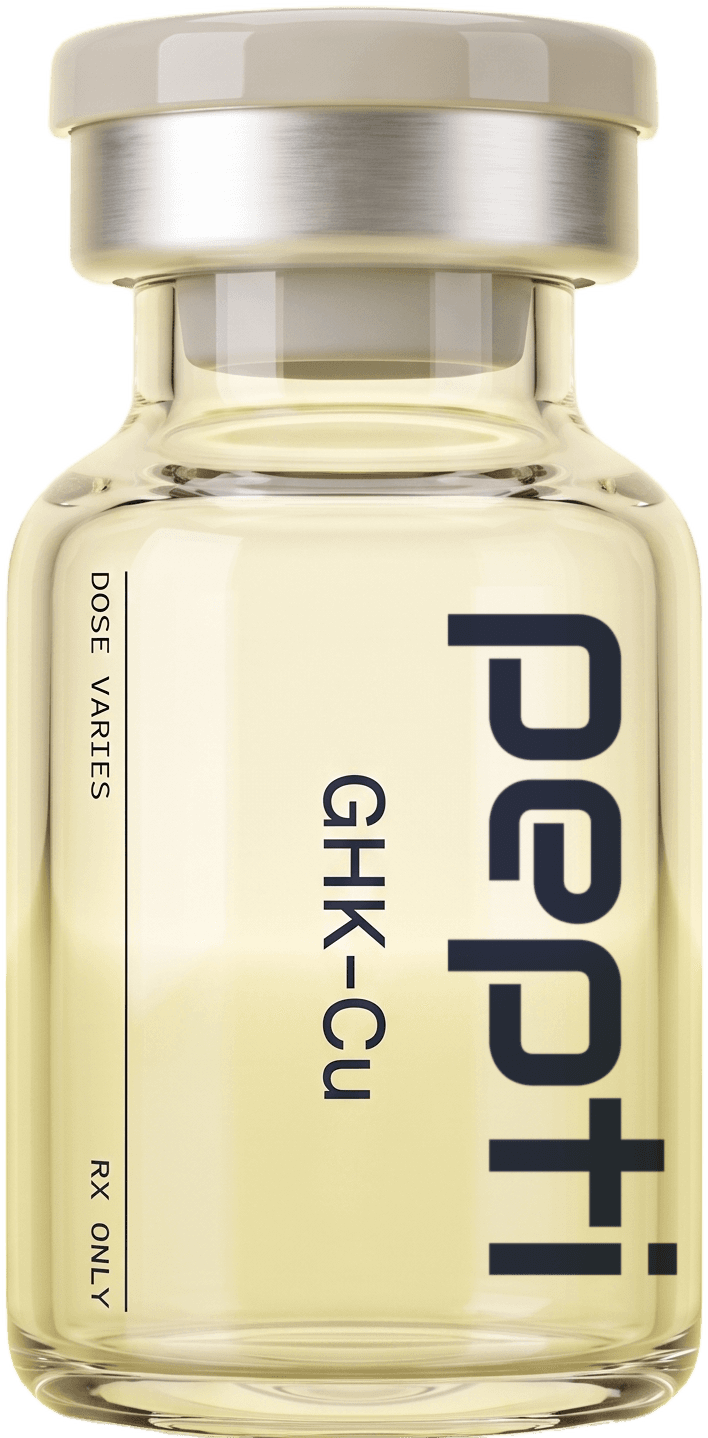
| A copper peptide | GHK-Cu, 50 mg in 5 mL | Site stinging, occasional metallic taste or nausea | $239 |
| A growth-axis peptide | CJC-1295 / Ipamorelin, 6 mg and 12 mg in 5 mL | Flushing, vivid dreams, hunger, then fluid retention and tingling if the dose is high | $239 |
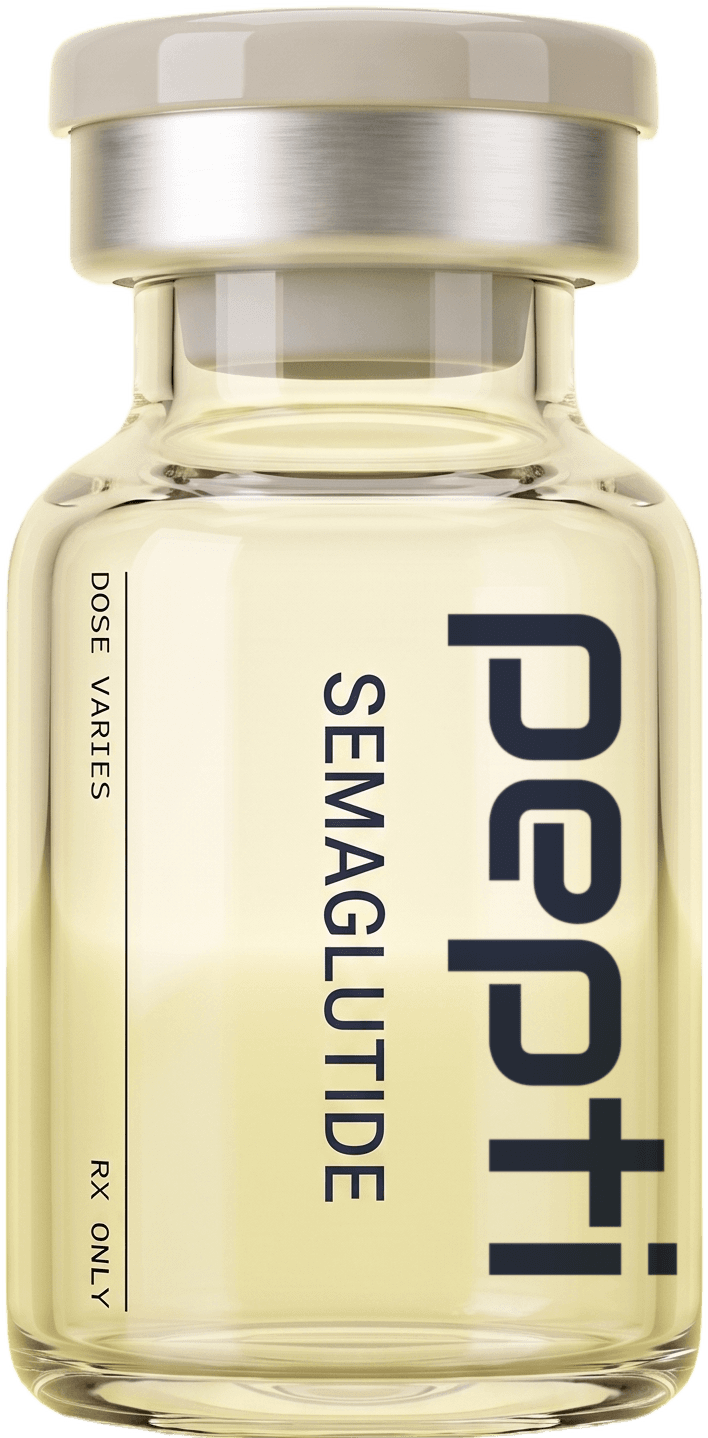
| A GLP-1 medication | Semaglutide, dose-specific vials | Nausea, constipation, reflux, early fullness, worst after a dose increase | from $99 |
| NAD+ | NAD+ Injection, 1000 mg in 10 mL | Site stinging, flushing, nausea if given too fast | $249 |
| A cognitive peptide | Selank, 10 mg in 5 mL | Site reactions, occasional drowsiness or headache | $229 |
All-in monthly prices covering medication, physician review, refill management and shipping. Compounded peptides are not FDA approved. They are compounded at a US FDA-registered pharmacy against a prescription from a physician licensed in your state.
— Peptide Side Effects
The three tiers
Almost everything reported falls into one of three buckets, and knowing which bucket you are in tells you what to do.
| Tier | What it looks like | What it means | What to do |
|---|---|---|---|
| Expected and minor | Site redness, itching, a small lump, mild early fatigue, flushing, vivid dreams | Your body adjusting, or local irritation from the injection itself | Rotate sites, mention it at follow-up, keep going unless it worsens |
| Dose signal | Fluid retention, puffy hands or ankles, joint ache, morning stiffness, tingling or numb hands, marked appetite change | The dose is above what you need. Common with growth-axis peptides | Message your prescriber for an adjustment. Do not push through it |
| Stop and call | Allergic reaction signs, severe abdominal pain, a spreading hot injection site, vision change, fainting, a new lump | These are not adjustment symptoms | Stop dosing and contact your physician the same day. Emergency care for breathing or throat symptoms |
The middle tier is the one most people get wrong. Fluid retention and hand tingling on a growth-axis peptide are not rare dangers and they are not something to tolerate as the price of treatment. They are a recognized sign of more growth hormone than you need, and the answer is a smaller dose.
— Peptide Side Effects
What the safety data actually consists of
Before a list of side effects means anything, it is worth knowing where the list came from. The evidence behind these molecules is not one body of data, and the parts are not equally strong.
— Where the frequencies are real numbers
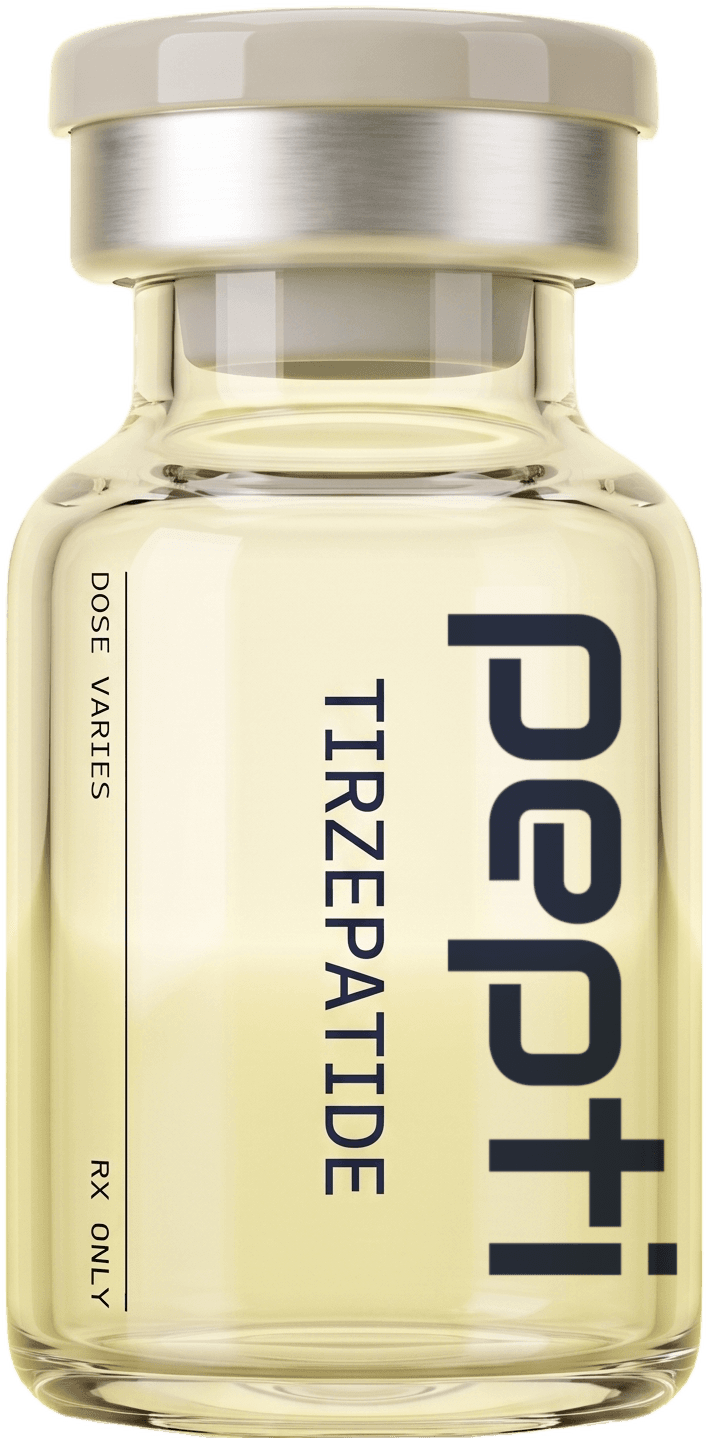
Semaglutide and tirzepatide are the exception: both are FDA-approved finished drug products whose labels carry percentages against placebo. On the approved semaglutide 2.4 mg label the reactions at or above 2% and more frequent than placebo were nausea 44% versus 16%, diarrhea 30% versus 16%, vomiting 24% versus 6%, constipation 24% versus 11%, abdominal pain 20% versus 10%, then headache 14%, fatigue 11%, dyspepsia 9% and hair loss 3%. The approved tirzepatide label shows the same pattern lower — nausea 25–29%, diarrhea 19–23%, constipation 11–17%, vomiting 8–13%, injection-site reactions 6–8% — and states that most nausea, vomiting and diarrhea occurred during dose escalation and decreased over time. That clause is the most useful single fact on this page. The anchor trials are STEP 1 in the New England Journal of Medicine in 2021 and SURMOUNT-1 in 2022. Pepti supplies compounded semaglutide and tirzepatide: a label describes the molecule, not the vial.
— Where the numbers come from a close approved relative
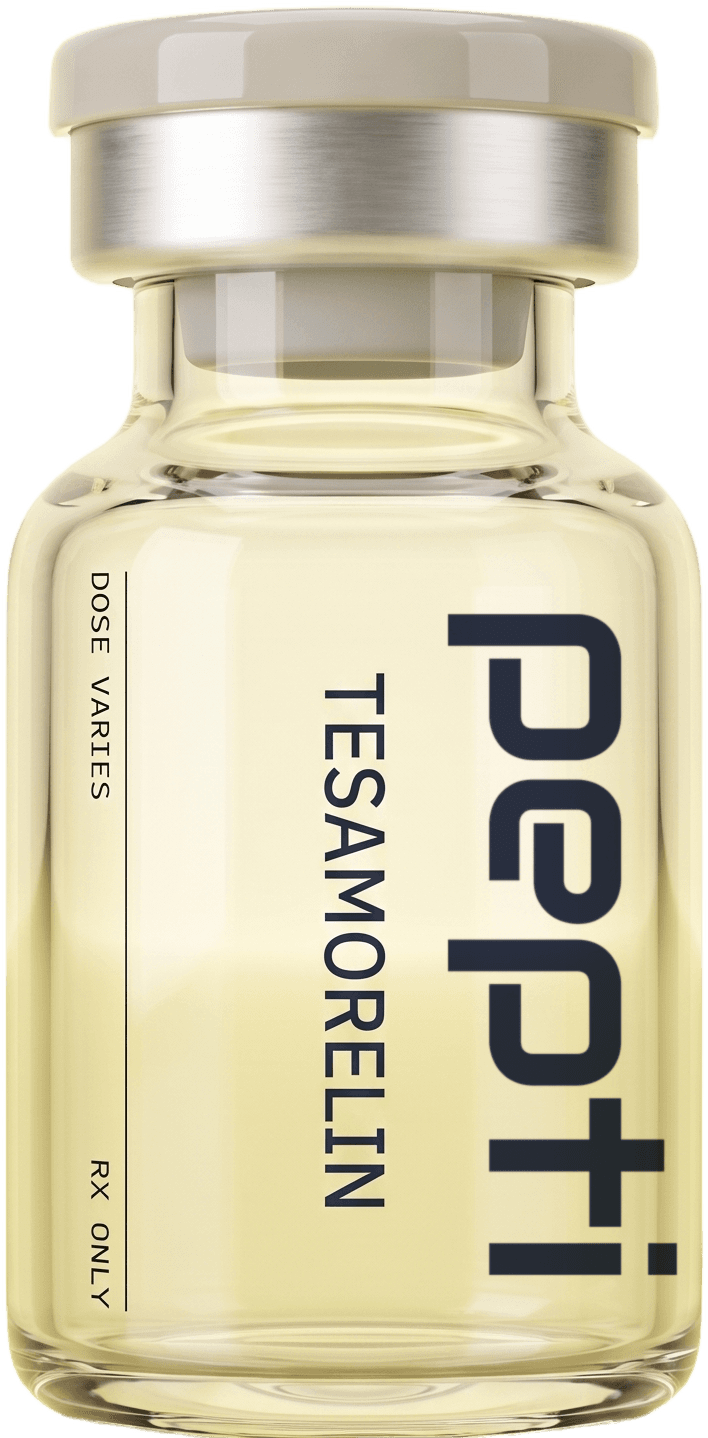
Tesamorelin is itself approved for a specific HIV-related indication, and its label carries a table from 543 treated patients: injection-site reactions 17% versus 6% on placebo, arthralgia 13% versus 11%, myalgia and peripheral edema 6% versus 2%, paresthesia 5% versus 2%, carpal tunnel syndrome and joint swelling 1% each versus none, and 5% reaching an HbA1c of 6.5% or higher versus 1%. That is the whole growth-hormone-axis profile in one place. The approved somatropin labels describe the same cluster and call fluid retention dose dependent in adults, and a 2007 systematic review in the Annals of Internal Medicine found the same grouping in healthy older adults. SS-31 — elamipretide, studied in MMPOWER-3 in Neurology in 2023 — carries an approved rare-disease label whose reactions are almost entirely local.
— Where there is no systematic collection at all
For most of the rest — BPC-157, KPV, GHK-Cu, MOTS-c, epithalon, DSIP — there are no randomized human safety trials and nobody is counting adverse events at scale. What exists is animal and cell research plus prescriber experience. A short list of reported effects is not proof of a short reality; it means detection is weak. TB-500 is a partial exception, with one randomized placebo-controlled intravenous study of its parent molecule in healthy volunteers in 2010, as are selank and semax with Russian clinical programs behind them.
— Peptide Side Effects
Tier one: injection-site and expected effects
This is where most of what you actually experience lives. None of it needs a phone call.
— What an injection-site reaction actually is
Redness, itching, tenderness or firmness where you injected. It is tissue responding to a needle and a volume of fluid rather than to the molecule, which is why it appears on every injectable here including those with approved labels — 6–8% on tirzepatide, 17% on tesamorelin, and in every treated patient in the small elamipretide study. Settling within a day or two without spreading is expected.
— The lump that appears at the time, versus the lump that appears later
This separates a non-event from a same-day message. A lump that appears as you inject and softens over a day or two is fluid in the tissue. A lump appearing two or three days later that feels warm, spreads, or hurts more each day is a different thing. Repeated injection into one spot also builds a thickened area over months; consensus recommendations on injection-site lipohypertrophy in Diabetes Research and Clinical Practice in 2026 identify failure to rotate as the dominant modifiable cause. How to inject peptides safely covers it.
— Stinging, flushing, vivid dreams and early fatigue
Stinging during the push is usually cold solution or speed. GHK-Cu stings more than most because of the copper complex, and its blue-green color with a faint temporary mark at the site comes from the copper rather than a fault. NAD+ produces flushing, a warm chest and mild nausea in proportion to how fast it goes in. Flushing minutes after a growth-axis dose is vasodilatory and passes, and evening dosing commonly produces vivid dreams. Mild fatigue or headache in the first fortnight appears across almost every category; on a GLP-1 it is frequently a consequence of eating and drinking far less rather than of the drug.
— Peptide Side Effects
Tier two: effects that mean the dose is too high
These are not dangers to endure and they are not evidence of potency. They are feedback.
— The growth-hormone-axis dose signal
Sermorelin, CJC-1295 / ipamorelin and tesamorelin prompt your own pituitary to release growth hormone — sermorelin and tesamorelin as GHRH analogs, ipamorelin through the ghrelin receptor. Teichman and colleagues in the Journal of Clinical Endocrinology and Metabolism in 2006 documented sustained growth hormone and IGF-1 elevation from CJC-1295 in healthy adults; Raun's 1998 paper in the European Journal of Endocrinology established ipamorelin as a selective secretagogue. Because the mechanism is real, the excess-growth-hormone syndrome is real too. Increased hunger belongs here, since that is what a ghrelin-receptor agonist does.
— Fluid retention, joint ache and stiffness
Puffy hands, rings that no longer fit, ankles that mark when pressed, a stiff first hour and aching joints. On the tesamorelin label these are arthralgia, peripheral edema, myalgia and joint swelling, all above placebo, and the somatropin labels call fluid retention dose dependent. Dose dependent is the operative phrase: the symptom tracks the amount, and the amount is adjustable.
— Carpal tunnel symptoms
Tingling, numbness or pins and needles in the hands, often worst overnight or on waking. This is soft-tissue swelling compressing the median nerve at the wrist, which is why it belongs with fluid retention rather than being treated as a separate nerve problem. Carpal tunnel syndrome and paresthesia both appear on the tesamorelin label above placebo, and the 2007 Annals of Internal Medicine review found the same. It generally resolves when the dose comes down; tingling that does not belongs in tier three.
— Blood sugar, insulin sensitivity and IGF-1
Growth hormone opposes insulin, which is why fasting glucose is on the panel and why the somatropin labels instruct periodic glucose monitoring in everyone treated. IGF-1 is the marker that integrates a pulsatile hormone: the approved tesamorelin label instructs monitoring it, considering discontinuation for persistent elevation, and reports 47% of treated patients exceeding two standard deviation scores at 26 weeks. The number usually moves before your hands start tingling, which is the argument for at-home blood testing. The logic is sharper for IGF-1 LR3, which supplies the growth factor directly: the approved IGF-1 label carries hypoglycemia as its principal warning, so on IGF-1 LR3, feeling shaky, sweaty or confused after a dose is a blood-sugar event rather than a peptide quirk.
— The GLP-1 dose signal, and the melanocortin one
On semaglutide and tirzepatide the signal is gastrointestinal and timed. Nausea arriving two or three days after a step up and fading over the following week is the expected shape; nausea getting worse instead of better, or stopping you keeping fluids down, is not. On the melanocortin peptides the signal is nausea and flushing: the approved bremelanotide label reports nausea in 40% of patients receiving up to eight doses a month, improving for most with the second dose. That label's transient blood-pressure effect is why PT-141 is a blood-pressure conversation with your physician first.
— Peptide Side Effects
Tier three: effects that need a same-day message
| Symptom | Why it matters |
|---|---|
| Swelling of face, lips or throat, widespread rash, difficulty breathing | Allergic reaction. Emergency care first, then tell your prescriber |
| Severe abdominal pain, particularly radiating to the back | Pancreatitis presentation on a GLP-1. Do not wait it out |
| Right upper abdominal pain with fever or jaundice | Gallbladder |
| An injection site that is hot, spreading or worse after 48 hours | This can be infection rather than irritation |
| Vision change, severe persistent headache, fainting | Needs assessment rather than observation |
| Numbness or tingling that does not resolve when the dose is reduced | Nerve involvement rather than a passing dose effect |
| A new lump, a changing mole, unexplained weight loss or night sweats | Needs evaluation. See can peptides cause cancer |
| Unable to keep fluids down for more than a day | Dehydration risk |
| Anything that frightens you | You do not have to decide in advance whether it counts |
— Severe abdominal pain, and the gallbladder
Acute pancreatitis appears in the warnings of both approved GLP-1 labels and both instruct prompt discontinuation if it is suspected; the semaglutide label describes persistent severe abdominal pain, sometimes radiating to the back, which may or may not come with vomiting. Acute gallbladder disease is a separate warning on both, and rapid weight loss is itself a gallstone risk factor. Pain under the right ribs, particularly with fever or yellowing, is the gallbladder pattern.
— Dehydration, kidney function and low blood sugar
Both approved GLP-1 labels carry acute kidney injury from volume depletion as a warning, because someone who cannot keep fluids down becomes dehydrated. Both also warn that combining a GLP-1 with insulin or an insulin secretagogue raises the risk of hypoglycemia and that those doses may need reducing — a prescriber decision made in advance. Separately: an injection site that is hot, spreading, or more painful on day three than day one is infection rather than irritation. The rule is direction of travel, not severity at one moment.
— Copper excess, vision change, and a new lump
On GHK-Cu, persistent nausea and vomiting with abdominal pain or yellowing of the skin or eyes suggests copper accumulation rather than a passing dose effect, and it means stopping and calling. Vision change has its own row because the approved semaglutide label carries diabetic retinopathy complications as a warning in people with type 2 diabetes and a retinopathy history, and the somatropin labels carry intracranial hypertension, usually within the first eight weeks. On lumps and moles: the approved tesamorelin label is contraindicated in active malignancy and instructs discontinuation on evidence of recurrence, because the mechanism releases a growth factor. On Melanotan II the monitoring is dermatological: a 2017 review in the International Journal of Dermatology and case reports in Dermatology describe changes in pigmented lesions, which is why a physician prescribing Melanotan II will want existing moles documented and any change reported.
— Peptide Side Effects
Tier four: effects that need emergency care
Anaphylaxis and angioedema
The short tier, and the absolute one. Swelling of the face, lips or tongue, throat tightness, difficulty breathing, widespread hives, faintness. Serious hypersensitivity reactions including anaphylaxis and angioedema are reported on the approved semaglutide and tirzepatide labels and contraindicate further use of that medication. The approved elamipretide label describes hypersensitivity reactions that required emergency intervention and could appear anywhere from minutes to months after starting. The approved L-carnitine and parenteral B12 labels carry hypersensitivity warnings too. No injectable is exempt.
What to do, in what order
Emergency services first. Do not drive yourself, do not wait to see whether it settles, and do not message your prescriber before you call — tell them afterwards, because the reaction goes on your record and changes what can be prescribed to you again. Bring the vial or its label.
— Peptide Side Effects
Common effects by category
— Repair peptides: BPC-157, TB-500, KPV
Injection-site redness, itching, tenderness and a small firm lump are the usual reports. Mild fatigue or headache in the first week or two is described. Serious effects are not commonly reported, with the standard caveat that adverse-event reporting for compounded preparations is thinner than for approved drugs. BPC-157 has no randomized human safety trial; the published work is animal and cell research describing a wide margin between effective doses and doses that cause problems. KPV rests on murine colitis models and cell work such as the 2008 Gastroenterology paper, and TB-500 on the healthy-volunteer study above. See is BPC-157 safe.
— Copper peptides: GHK-Cu
Stinging at the site is more common with this one than with the others. A blue or green solution and a faint temporary stain at the site are expected from the copper rather than a fault. Nausea or a metallic taste are reported and usually reflect dose. Persistent nausea and vomiting with abdominal pain or jaundice is the pattern that would indicate copper excess and warrants stopping. The research base — Pickart's work in Biomedical Research International in 2015 and the International Journal of Molecular Sciences in 2018 — is largely mechanistic and topical. Anyone with a disorder of copper handling should not be on it. See is GHK-Cu safe.
— Growth-axis peptides: sermorelin, CJC-1295, ipamorelin, tesamorelin
Flushing or a head-rush within minutes of dosing, vivid dreams with evening administration, headache, and increased appetite from the ghrelin-receptor components. Then the dose-signal cluster: fluid retention, joint ache, hand tingling. Glucose handling can shift, which is why fasting glucose is in the panel. Sermorelin has the longest human record here, with controlled administration studies in age-advanced adults in 1997, and a 2018 review in Sexual Medicine Reviews assessed growth hormone secretagogues as a class. See is CJC-1295 / ipamorelin safe.
— GLP-1 medications: semaglutide, tirzepatide
Nausea, vomiting, diarrhea, constipation, reflux, burping and early fullness, concentrated in the days after a dose increase. Fatigue and headache early on, often from reduced intake rather than the drug. Hair loss is on both approved labels at 3–5% and generally tracks the rate of weight loss. Severe abdominal pain is not an adjustment symptom. Both labels carry a boxed warning about thyroid C-cell tumors seen in rodents, with human relevance undetermined, and both are contraindicated in anyone with a personal or family history of medullary thyroid carcinoma or MEN 2 — which is why the intake asks about family thyroid history. Management is in GLP-1 nausea.
— Cognitive and sleep peptides: selank, semax, DSIP
Site reactions, occasional headache, drowsiness or a flat feeling. Nasal formulations produce local irritation instead. Selank and semax come from Russian clinical programs — selank compared against a benzodiazepine in anxiety disorders in 2014, semax studied in ischemic stroke — and a 2021 review in the Journal of Clinical Pharmacology places selank in that context. DSIP rests on small insomnia studies from the 1980s in the Lancet and European Neurology. Anyone already in psychiatric care should have their prescriber and psychiatrist aware of each other.
— Intimacy peptides: PT-141 and oxytocin
PT-141 has the fullest human safety record in this catalog after the GLP-1s, described in a 2019 long-term safety paper in Obstetrics & Gynecology and a 2022 review in the Journal of Women's Health: nausea, flushing, injection-site reactions and headache, a small transient blood-pressure rise after each dose, and focal skin darkening in about 1%. Oxytocin exists as an approved injection, but that label describes intravenous obstetric use — an honest reason to say the data for how oxytocin is prescribed here is thinner than an approved label suggests.
— Mitochondrial, metabolic and vitamin injections
NAD+ produces flushing, chest tightness, nausea and site stinging when it goes in quickly; the intravenous pharmacokinetic work in Frontiers in Aging Neuroscience in 2019 is the human reference point. MOTS-c has no human safety trial, only the 2015 Cell Metabolism work and later observational studies. Methylcobalamin and the B12 injections have approved-label reactions of itching, transient rash and mild diarrhea, with hypersensitivity as the serious concern and a caution in hereditary optic nerve atrophy; L-carnitine has approved-label reactions of nausea, abdominal cramps, diarrhea and a dose-related body odor, with seizures reported in people who already have a seizure disorder.
— Peptide Side Effects
Distinguishing a side effect from an injection problem
A useful amount of what gets reported as a side effect is technique.
| What you notice | Likely cause | What helps |
|---|---|---|
| Stinging during injection | Injecting cold solution, or injecting too fast | Let the vial reach room temperature in your hand, push slowly |
| A bruise | Nicking a small vessel | Normal; rotate sites |
| A lump that appears immediately and settles in a day | Fluid volume in the tissue | Normal |
| A lump that appears days later and is warm | Possible infection | Same-day message |
| Redness in the same spot every time | Not rotating sites | Use a rotation pattern |
| A dose that feels much stronger than usual | Concentration change between vials | Stop and check your directions before the next dose |
That last row is worth its own sentence. Compounded concentrations vary between preparations, so unit counts do not transfer between vials or between providers. Dose from your own label, never from a number someone else used. Technique is covered in how to inject peptides safely.
— Peptide Side Effects
Situations where you tell someone else first
Some of the most consequential events here are not side effects at all — they are what happens when another clinician does not know what you are taking. The approved tirzepatide label carries a warning about pulmonary aspiration during general anesthesia or deep sedation and instructs patients to inform their healthcare providers of any planned surgery or procedure. Tell your surgeon, anesthesiologist, dentist and endoscopy team well in advance on any GLP-1, and tell whoever manages your diabetes medication before you start. Tested athletes should check the prohibited list first: USADA states that BPC-157 is prohibited under the S0 Non-Approved Substances category.
— Peptide Side Effects
Where these stand with the FDA right now
FDA's page on bulk drug substances that may present significant safety risks — the Category 2 list — is current as of 22 April 2026, and the only entries in the active table relevant to this catalog are ipamorelin acetate under the 503B interim policy and kisspeptin-10 under the 503A interim policy. BPC-157, TB-500, KPV, MOTS-c, GHK-Cu, CJC-1295, epitalon, emideltide (DSIP), semax, selank, AOD-9604, thymosin alpha-1, Melanotan II and LL-37 now appear on that same page in the "nominated but withdrawn" section rather than in the active table.
FDA's Pharmacy Compounding Advisory Committee met on 23–24 July 2026 and considered BPC-157, KPV, TB-500, MOTS-c, emideltide, semax and epitalon for the 503A Bulks List. The committee recommended six of them and voted against emideltide; those recommendations are advisory rather than binding and FDA's determination is still pending. None of it changes the practical point: compounded medications are not FDA approved as finished products, so their safety picture rests on the molecule's data plus the accountability of a named pharmacy and a named prescriber. Pharmacy identity and batch testing are on quality.
— Peptide Side Effects
Who should not take these, or should discuss it first
| Situation | Why |
|---|---|
| Personal or family history of medullary thyroid carcinoma or MEN 2 | Contraindicated on the approved GLP-1 labels |
| Active malignancy, or a recent cancer history | Growth-axis peptides release a growth factor; the approved tesamorelin label is contraindicated here |
| A prior serious reaction to the same medication | Hypersensitivity contraindicates rechallenge |
| Insulin or a sulfonylurea | Doses may need reducing before a GLP-1 starts |
| Uncontrolled high blood pressure or known cardiovascular disease | PT-141 raises blood pressure transiently after each dose |
| Pregnancy, breastfeeding, or trying to conceive | Not used; safety data is absent or the label is contraindicated |
| A disorder of copper handling | Relevant to GHK-Cu specifically |
| A history of pancreatitis or gallbladder disease | Both are warnings on the approved GLP-1 labels |
| A seizure disorder | Relevant to L-carnitine specifically |
| Tested athletes | Many peptides are prohibited in competition; check the current list |
— Peptide Side Effects
Monitoring and bloodwork
Monitoring follows the mechanism rather than the category label. On a growth-axis peptide, IGF-1 and fasting glucose or HbA1c are the two that matter, because the approved tesamorelin label instructs monitoring both and because they move before symptoms do. On a GLP-1: weight, blood pressure, and renal function if you have had significant gastrointestinal effects. On GHK-Cu, a physician may want copper and ceruloplasmin. "Not routinely required" is not the same as "never useful" — whether you need labs is your physician's decision, and at-home blood testing makes it a low-friction one. Your report is part of the monitoring too: for the peptides without trial data, prescriber-collected reports are the only detection system there is.
— Peptide Side Effects
What the evidence shows, honestly
Side-effect data is uneven across this category. Semaglutide and tirzepatide have documented profiles from large randomized trials, so their frequencies are real numbers. Tesamorelin, PT-141, SS-31, B12 and L-carnitine have approved labels in specific indications, so theirs are real numbers for those populations. Everything else rests on clinical experience and patient report, with no systematic collection behind it.
That means two honest caveats. First, uncommon effects for the preclinical-evidence peptides may simply not have been detected yet, because nobody is counting at scale. Second, adverse-event reporting for compounded medications is weaker than for approved drugs, so a short list of reported effects is not proof of a short list of actual effects. Report what you experience, because that reporting is part of what builds the picture. A third belongs alongside them: label frequencies describe the approved product in the population studied, not a prediction about you.
— References
What this is based on.
References
- Chang CH, Tsai WC, Hsu YH, Pang JH. Pentadecapeptide BPC 157 enhances the growth hormone receptor expression in tendon fibroblasts · Molecules (2014) · PMID 25415472
- Krivic A, Anic T, Seiwerth S, et al.. Achilles detachment of rat and stable gastric pentadecapeptide BPC 157 · Journal of Orthopaedic Research (2006) · PMID 16583442
- Sikiric P, Seiwerth S, Rucman R, et al.. Stable gastric pentadecapeptide BPC 157: novel therapy in gastrointestinal tract · Current Pharmaceutical Design (2011) · PMID 21548867
- Cerovecki T, Bojanic I, Brcic L, Radic B, et al.. Pentadecapeptide BPC 157 (PL 14736) improves ligament healing in the rat · J Orthop Res (2010) · PMID 20225319
- Sikiric P, Seiwerth S, Rucman R, Turkovic B, et al.. Stable gastric pentadecapeptide BPC 157-NO-system relation · Curr Pharm Des (2014) · PMID 23755725
- Cox HD, Miller GD, Eichner D. Detection and in vitro metabolism of the confiscated peptides BPC 157 and MGF R23H · Drug Test Anal (2017) · PMID 28035768
- Thomas A, Görgens C, Guddat S et al.. Simplifying and expanding the screening for peptides <2 kDa by direct urine injection, liquid chromatography, and ion mobility mass spectrometry · J Sep Sci (2016) · PMID 26578461
- Farrar JT, Young JP Jr, LaMoreaux L, Werth JL et al.. Clinical importance of changes in chronic pain intensity measured on an 11-point numerical pain rating scale · Pain (2001) · PMID 11690728
- Meyer JD, Ho B, Manning MC. Effects of conformation on the chemical stability of pharmaceutically relevant polypeptides · Pharm Biotechnol (2002) · PMID 11987755
- Xu C, Sun L, Ren F, Huang P, et al.. Preclinical Safety Evaluation of Body Protective Compound-157, a Potential Drug for Treating Various Wounds · Regul Toxicol Pharmacol (2020) · PMID 32334036
- He L, Feng D, Guo H, et al.. Pharmacokinetics, distribution, metabolism, and excretion of body-protective compound 157, a potential drug for treating various wounds, in rats and dogs · Front Pharmacol (2022) · PMID 36588717
- Lee E, Padgett B. Intra-Articular Injection of BPC 157 for Multiple Types of Knee Pain · Altern Ther Health Med (2021) · PMID 34324435
Citations are provided for educational purposes. They do not constitute medical advice. Always discuss any peptide protocol with your prescribing physician.
— Common questions
Peptide Side Effects, answered.
Injection-site redness, itching, tenderness or a small lump, across every category. After that it depends on the molecule: gastrointestinal effects on a GLP-1, flushing and vivid dreams on a growth-axis peptide, stinging on a copper peptide. On the approved labels, injection-site reactions run from 6% on tirzepatide to 17% on tesamorelin, and nausea is the leading systemic effect on both GLP-1s.
A small firm lump that appears at the time and settles over a day or two is common and usually reflects the volume injected. A lump that appears later, feels hot, spreads or hurts more each day should be reported the same day. A persistent thickened patch that builds over months in one area is a rotation problem rather than a reaction.
Local reactions typically settle within a day or two of each injection. Early systemic effects such as fatigue and headache often ease over the first two weeks. Dose-signal effects persist until the dose is adjusted, which is the point of reporting them. On a GLP-1, the approved tirzepatide label states that most gastrointestinal reactions occurred during dose escalation and decreased over time.
For minor local effects, no, mention it at follow-up. For anything in the stop-and-call table, stop and contact your physician. When you are unsure, err toward calling rather than toward waiting. For a suspected allergic reaction with breathing or throat involvement, emergency care comes first and the call to your prescriber comes afterwards.
No. There is no reliable relationship between side effects and response, and several of the effects people interpret as evidence of potency are simply signs of too high a dose. Fluid retention and tingling hands on a growth-axis peptide are the clearest example: they indicate more growth hormone than you need, not more benefit. See how do I know if peptides are working.
Ask your prescriber rather than adding anything yourself, because what helps depends on the cause and some additions interact. This matters most with GLP-1 medications, where the obvious remedies can worsen slowed gastric emptying.
Your prescribing physician, through your account. That is the part a research-chemical vial cannot provide: someone who knows what you are taking, can adjust or stop it, can order labs, and records what happened.
On the growth-axis peptides — sermorelin, CJC-1295 / ipamorelin, tesamorelin — the cluster is fluid retention, puffy hands or ankles, joint ache, morning stiffness, tingling or numb hands, and a rising IGF-1. All appear on the approved tesamorelin label above placebo, and the somatropin labels describe fluid retention as dose dependent. On a GLP-1 the equivalent is gastrointestinal effects not settling in the week after a step up.
Because soft-tissue swelling compresses the median nerve at the wrist. Carpal tunnel syndrome and paresthesia both appear on the approved tesamorelin label above placebo, and a 2007 systematic review in the Annals of Internal Medicine found the same in older adults given growth hormone. It usually resolves when the dose comes down; tingling that persists after a reduction needs assessment rather than another reduction.
The molecule is the same, so the mechanism-driven effects are the same, which is why the approved labels are the best available guide. What differs is the evidence around them: a compounded preparation is not FDA approved as a finished product, and no trial program is collecting adverse events for it. That is the argument for a named pharmacy, published testing on quality, and a prescriber who records what happened to you.
Yes, and well in advance. The approved tirzepatide label carries a warning about pulmonary aspiration during general anesthesia or deep sedation and instructs patients to inform their healthcare providers of any planned surgery or procedure — including an endoscopy or anything else with sedation.
Usually not. It was the most common reaction on both approved labels and it concentrates around dose increases, then settles. It becomes a same-day call when you cannot keep fluids down for more than a day, because both labels carry acute kidney injury from volume depletion as a warning, or when abdominal pain is severe and radiating to the back.
Swelling of the face, lips or tongue, throat tightness, difficulty breathing, widespread hives, fainting, or sudden severe abdominal pain radiating to the back. Anaphylaxis and angioedema are reported on the approved GLP-1 labels and on the approved elamipretide label, and can appear on any injectable. Call emergency services rather than driving yourself, and bring the vial or its label. The free assessment goes to a physician licensed in your state. A consultation does not guarantee a prescription.
— Next step
See what a physician
recommends for you.
A licensed physician in your state reviews your intake and decides what is appropriate. A consultation does not guarantee a prescription.
Important legal & safety information
The assessment process available on the Pepti website asks a series of medical questions, and the answers provided are reviewed by an independent licensed physician affiliated with our partner physician network. The licensed providers have established exclusionary criteria, and the answers provided determine if the individual is screened out of eligibility for treatment. The licensed clinicians retain the sole decision to prescribe peptide therapy and other compounded medications to patients. Treatment may be denied at the physician's sole discretion. If a prescription is not approved, you will not be charged for the medication.
Pharmacy Providers. Pepti is a technology platform and is not a healthcare provider, pharmacy, or prescriber. All medications offered through the platform are compounded by independent FDA-registered 503A or 503B compounding pharmacies based on a valid prescription written by a licensed physician for an individual patient. Compounded medications are not FDA-approved as products. The active pharmaceutical ingredients used by our partner pharmacies are sourced from FDA-registered facilities. Compounded medications may not undergo the same testing or quality control as commercially manufactured FDA-approved drugs.
Results vary. Results from peptide therapy and other compounded treatments vary based on individual factors, including age, weight, medical history, adherence to the prescribed protocol, lifestyle factors, and physiological response. Pepti makes no guarantee of any specific outcome. Statements about peptide therapy and compounded medications offered through the platform have not been evaluated by the Food and Drug Administration. These products are not intended to diagnose, treat, cure, or prevent any disease.
Product images. Product photographs and renderings shown on this website are for illustrative purposes only. The appearance of vials, packaging, labeling, and other materials you receive may vary and is determined by the dispensing compounding pharmacy.
Off-label use.Many peptides offered through the platform are prescribed for off-label use. “Off-label” means the medication is being prescribed for a use, dose, or patient population that is not specifically approved by the FDA. Off-label prescribing is legal and common in U.S. medical practice when supported by clinical experience and judgment.
Mailing & shipping. Pepti currently dispenses prescription medication to patients in all 50 states and Washington, D.C.. All orders ship in unbranded, tamper-evident packaging via expedited delivery from our partner compounding pharmacies. Temperature-sensitive medications ship with insulated packaging and ice packs. Shipping is included at no additional cost. We do not currently ship medication outside all 50 states and Washington, D.C., internationally, or to APO/FPO addresses.
Not for emergencies. Pepti is not designed for medical emergencies. If you are experiencing a medical emergency, call 911 or go to your nearest emergency room immediately. For urgent but non-emergency medical questions, contact your primary care provider or use an urgent care service.
No doctor-patient relationship with Pepti. Your use of the platform does not create a doctor-patient relationship between you and pepti LLC. A doctor-patient relationship is established only between you and the independent licensed physician who reviews your intake and prescribes your treatment. The physicians who use the platform are independent contractors and are solely responsible for the medical care they provide.
Prescription medications. All prescription products require a valid prescription from a licensed healthcare provider. By using the platform, you acknowledge that you are at least 18 years old and that the information you provide is true, accurate, current, and complete. Providing false information may result in inappropriate treatment recommendations or denial of service.
Cosmetic & wellness products.Certain products offered through Pepti — including skincare, hair care, body care, supplements, men's grooming, sports recovery, and sexual wellness products — are cosmetic or dietary supplement products, not prescription medications. These products do not require a prescription and are not reviewed or prescribed by a physician. Statements regarding dietary supplements have not been evaluated by the Food and Drug Administration. These products are not intended to diagnose, treat, cure, or prevent any disease. Results vary by individual. Consult your healthcare provider before starting any new supplement or topical product, especially if you are pregnant, nursing, or taking other medications.
pepti LLC · Delaware Limited Liability Company · 131 Continental Dr, Suite 305, Newark, DE 19713 · For media or partnership inquiries, email hello@hellopepti.com. For patient support, email support@hellopepti.com. For privacy and HIPAA inquiries, email privacy@hellopepti.com.