— Anti-Aging · Reference
CJC-1295 vs Sermorelin: Duration, Dosing, Cost and Which to Choose
This page covers what each molecule is, the human studies behind each, the dosing rhythm, why ipamorelin sits in most prescriptions, who suits which, and where each stands with the FDA and anti-doping bodies as of September 2026.
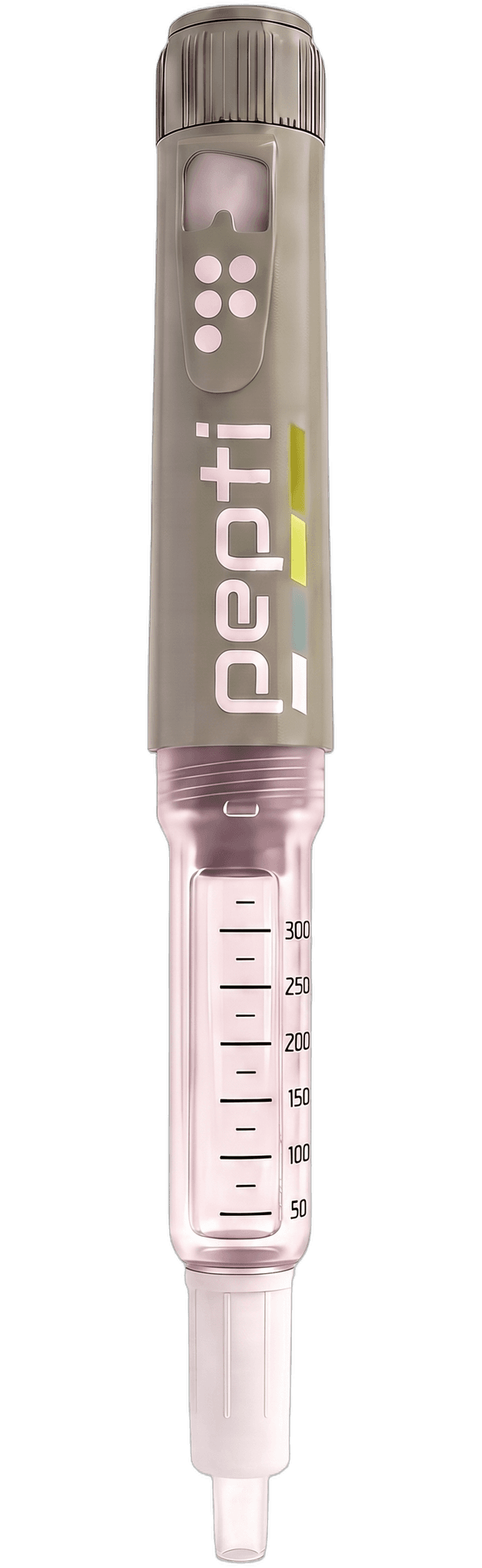
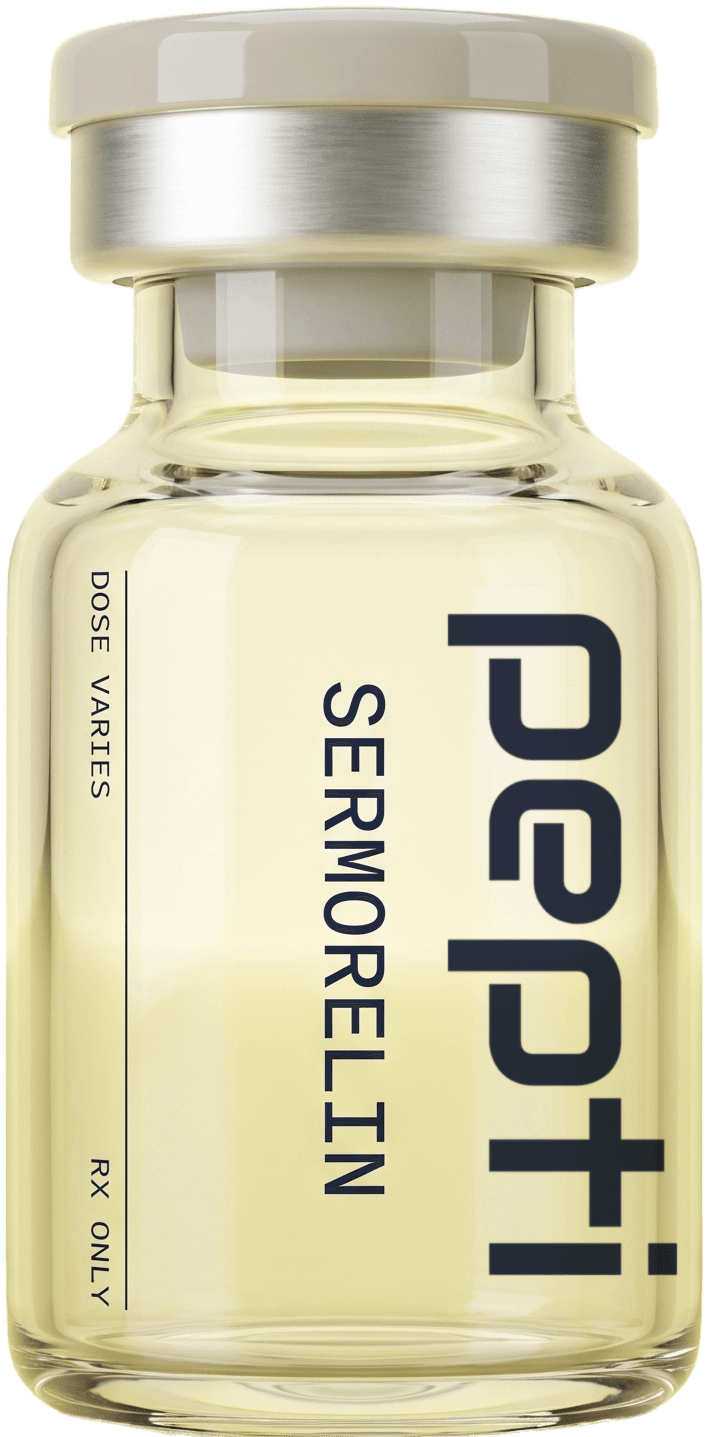
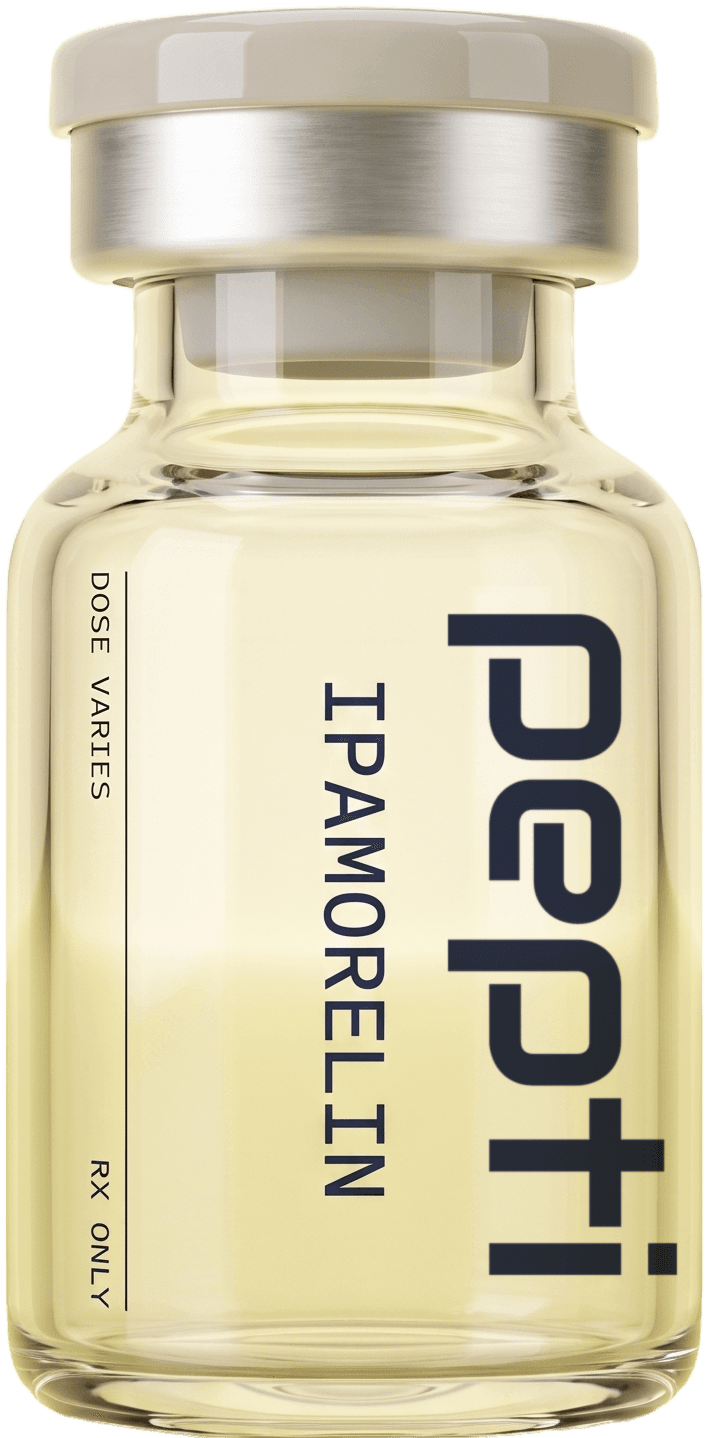
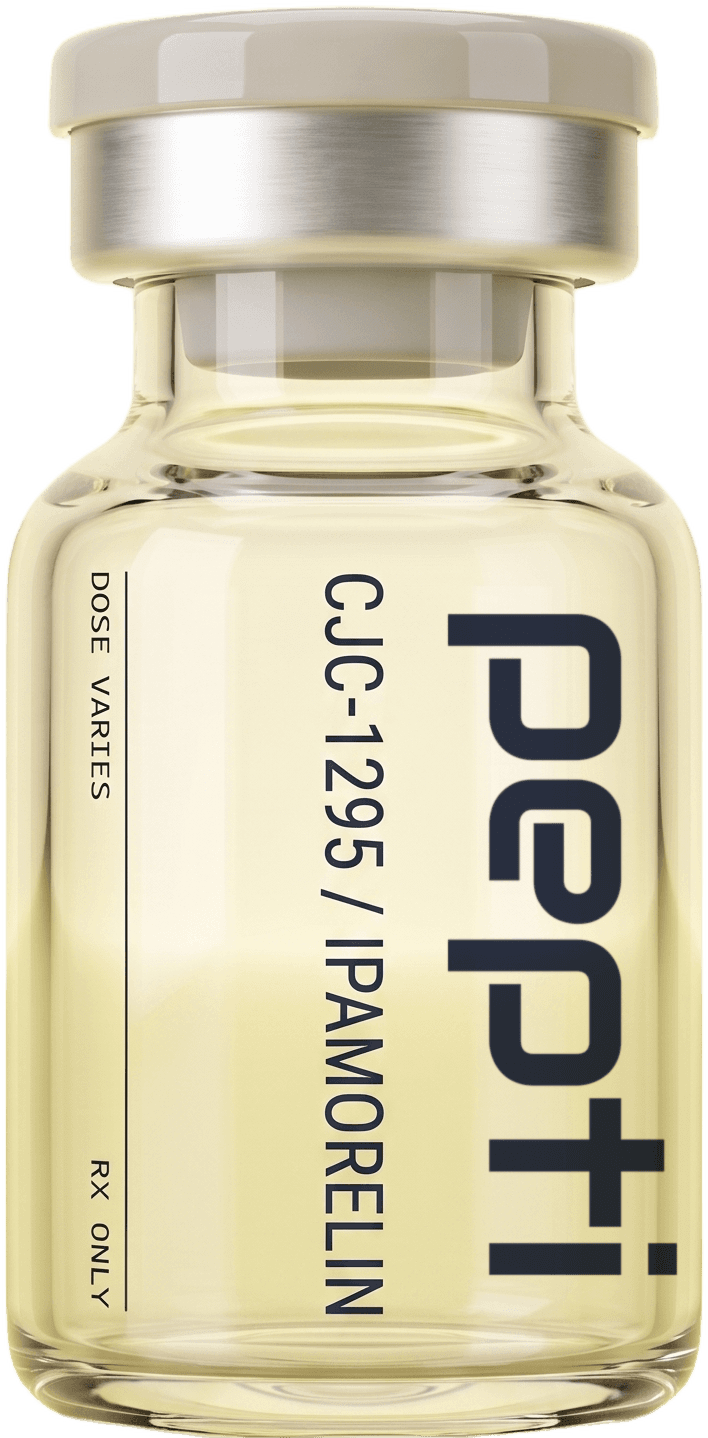
Sermorelin and CJC-1295 are the same kind of molecule doing the same job at different speeds: both are growth-hormone-releasing hormone analogues that prompt your pituitary to release its own growth hormone, and CJC-1295 is built to last longer. Neither supplies growth hormone; both work through a pituitary that still has its feedback loops intact. In practice the choice is rarely CJC-1295 against sermorelin alone, because CJC-1295 is prescribed paired with ipamorelin, and sermorelin is available both by itself and in a pairing. All are compounded at a US FDA-registered pharmacy and none is FDA approved.
This page covers what each molecule is, the human studies behind each, the dosing rhythm, why ipamorelin sits in most prescriptions, who suits which, and where each stands with the FDA and anti-doping bodies as of September 2026.
— CJC-1295 vs Sermorelin
The short answer
| If this describes you | The usual prescription | What is in it | Price |
|---|---|---|---|
| New to the category, want the gentlest starting point | Sermorelin | 10 mg sermorelin in a 5 mL vial, 2 mg/mL | $229/mo |
| Want the standard two-signal pairing | CJC-1295 / Ipamorelin | 6 mg CJC-1295 and 12 mg ipamorelin in a 5 mL vial | $239/mo |
| Want sermorelin paired rather than alone | Ipamorelin + Sermorelin | 10 mg ipamorelin and 10 mg sermorelin in a 5 mL vial | $219/mo |
| Want all three signals, and prefer a pen | CJC-1295 / Ipamorelin / Sermorelin | Pen only: 1.5 mg CJC-1295, 6 mg ipamorelin, 6 mg sermorelin | $369/mo |
| Want GH-axis peptides alongside others in one vial | ASCEND or TITAN | Four peptides per vial, GH-axis plus others | $279/mo |
All are all-in monthly prices covering medication, physician review, refill management and shipping. Note that the cheapest option in the category is a pairing, not a single agent, which is a useful signal about how this category is actually prescribed.
What the choice turns on
Sermorelin is the shorter, older, better-documented signal; CJC-1295 is the same signal engineered to persist, with a smaller, purely pharmacokinetic human dataset. Neither has outcome trials in adults for sleep, recovery or body composition. Current pricing is at /cost/sermorelin, /cost/cjc-ipa and /cost/ipa-sermorelin.
— CJC-1295 vs Sermorelin
Sermorelin, described fully
— What sermorelin is
Growth-hormone-releasing hormone (GHRH) is a 44-amino-acid peptide made in the hypothalamus. Sermorelin is its first 29 amino acids, the smallest fragment that retains full activity at the GHRH receptor. It behaves like the native signal: it binds the same receptor on pituitary somatotroph cells and is cleared by the same enzymes within minutes. Each injection produces a pulse of growth hormone and then the signal is gone, and whatever is released stays subject to the body's own brakes, somatostatin from the hypothalamus and feedback from IGF-1 made in the liver.
— How sermorelin is described to work
Binding the GHRH receptor raises cyclic AMP inside the somatotroph and releases stored growth hormone. Sermorelin works upstream of growth hormone rather than replacing it: the amount released is capped by what the pituitary can produce and by intact feedback. The distinction is explained in peptides vs HGH.
— The human data on sermorelin
Sermorelin has the most human data of any compound on this page, because it was once an approved drug and was studied as one. In children with idiopathic growth hormone deficiency, a 1996 paper in the Journal of Clinical Endocrinology and Metabolism from the Geref International Study Group reported that once-daily GHRH(1-29) accelerated growth during the first year of treatment; a 1999 review in BioDrugs covered its diagnostic and treatment use.
In older adults the work is a run of small controlled studies. A 1992 paper in the Journal of Clinical Endocrinology and Metabolism reported that GHRH(1-29) twice daily in healthy older men raised growth hormone and IGF-1 toward levels seen in younger men. Two 1997 papers, in Metabolism and in the same endocrinology journal, studied nightly injections in healthy elderly men and long-term administration in older men and women, reporting sustained IGF-1 increases with modest body-composition changes. A 2006 paper in Neurobiology of Aging reported that six months of GHRH(1-29) in healthy older adults was associated with a favorable change in a cognition composite, and a 2012 controlled trial in Archives of Neurology of a related GHRH analogue in adults with mild cognitive impairment reported similarly. Reviews in Endocrine in 2003 and Clinical Interventions in Aging in 2006 and 2008 set out what those studies do and do not establish.
What the body of work does not contain is a large randomized outcome trial of sermorelin in adults for sleep, recovery or body composition; its adult use rests on mechanism, small controlled studies of hormonal endpoints, and clinical experience.
— Dosing rhythm and side effects
Sermorelin is a small subcutaneous injection at bedtime. The largest natural growth hormone pulse occurs in the first hours of deep sleep, and a 2000 paper in JAMA on healthy men described how slow-wave sleep and that pulse decline together with age; a short GHRH signal at bedtime is meant to add to it. The volume is set by your physician and printed on your vial; the sermorelin product page carries the reviewed directions.
Side effects described are mostly local and transient: injection-site redness or soreness, flushing, headache, occasional nausea, and early water retention or tingling in the hands that usually settles. More in is sermorelin safe.
— CJC-1295 vs Sermorelin
CJC-1295, described fully
— What CJC-1295 is, and its two forms
CJC-1295 starts from the same 29-amino-acid fragment and changes four positions along the chain to protect the peptide from the enzymes that dismantle native GHRH within minutes. A 2005 paper in Endocrinology described the design and identified CJC-1295 as a long-lasting GHRH analogue activating the GHRH receptor in rats.
The name covers two molecules. The version in the published human studies carries a drug affinity complex (DAC), a tail that binds the peptide to albumin so it circulates for days. The version without it, sometimes called modified GRF(1-29), lasts longer than sermorelin but far shorter than the DAC form. Which form your pharmacy supplies is on your label.
— How CJC-1295 is described to work
The receptor and cellular response are sermorelin's; what changes is the time course, from a brief pulse to sustained stimulation. Whether that flattens the natural pulsatility of growth hormone was studied directly: a 2006 paper in the Journal of Clinical Endocrinology and Metabolism reported that pulsatile secretion persisted during continuous CJC-1295 stimulation in healthy adults, with trough and mean levels raised and the number of pulses unchanged. The body's brakes were still working.
— The human data on CJC-1295
The central paper is a 2006 study in the Journal of Clinical Endocrinology and Metabolism in healthy adults. After a single injection, growth hormone rose two- to ten-fold for six days or more and IGF-1 rose 1.5- to three-fold for nine to eleven days; the half-life was roughly six to eight days. CJC-1295 was reported as generally well tolerated, with injection-site reactions the most common complaint. A 2009 paper in Growth Hormone and IGF Research described the serum protein signature of GH/IGF-1 activation in normal adults, and a 2006 paper in the American Journal of Physiology reported that once-daily CJC-1295 normalized growth in a GHRH-knockout mouse.
That is the human dataset. There are no randomized controlled trials of CJC-1295 for sleep, recovery, body composition or any clinical outcome in adults, and when the FDA's advisory committee reviewed it in December 2024 one member specifically commented on the lack of evidence for effectiveness.
— Dosing rhythm and side effects
Bedtime dosing is standard for the same reason. Because the signal persists, CJC-1295 is dosed less often than a short-acting agent in many prescriptions; how often is your physician's decision and is printed on the label. At Pepti it is supplied paired with ipamorelin, with the reviewed directions on the CJC-1295 / Ipamorelin product page.
Side effects are the same category as sermorelin's. The longer exposure is why IGF-1 is checked: with a sustained signal it can climb further than intended and the dose needs adjusting. There is no long-term safety dataset over years of use for either form. More in is CJC-1295 / ipamorelin safe.
— CJC-1295 vs Sermorelin
Head to head
| Sermorelin | CJC-1295 | |
|---|---|---|
| What it is | A 29-amino-acid analogue of growth-hormone-releasing hormone, the signal the hypothalamus sends the pituitary | A GHRH analogue structured for a longer duration of action than sermorelin |
| Mechanism | Binds the GHRH receptor on pituitary somatotrophs and prompts a pulse of your own growth hormone. Feedback regulation including somatostatin and IGF-1 stays in place | The same receptor, the same pulse, with a longer half-life than the native hormone or sermorelin |
| Duration | Short acting, closer to the native signal | Longer acting, which is why it is dosed less frequently |
| Dosing rhythm | Small subcutaneous dose at bedtime, because the natural pulse happens in deep sleep | Bedtime dosing is also standard, at a lower frequency |
| Usually paired with | Ipamorelin, or used alone | Ipamorelin, almost always; it is not sold on its own here |
| Chosen for | Sleep quality, recovery, body composition, age-related decline in GH output | Sleep quality, recovery, body composition |
| Side-effect profile | Injection-site reactions, flushing, occasional water retention or tingling in the hands early on | The same category, with the longer exposure the reason some prescribers prefer the shorter agent in cautious patients |
| Price at Pepti | $229 alone, $219 paired with ipamorelin | $239 paired with ipamorelin |
| Who it suits | Anyone wanting the most physiological, shortest signal, or anyone starting cautiously | Anyone who wants fewer injections and a more sustained signal |
| Not for | Cancer history, diabetes or impaired glucose tolerance, pregnancy or breastfeeding, tested athletes | The same list |
Reading the table
The rows that separate the two are duration, frequency and evidence; everything else is shared because they are the same signal. A source claiming one is dramatically safer or more effective is describing a difference the literature does not contain.
— CJC-1295 vs Sermorelin
Why ipamorelin is in almost every prescription here
Ipamorelin is not a GHRH analogue. It acts at the ghrelin receptor, a separate route to the same pituitary release, and it is described as selective because, unlike earlier compounds in its class, it has minimal effect on cortisol and prolactin at typical doses.
Two different signals converging on the same pulse is the clinical rationale, and it is why the pairing is standard practice rather than a marketing construct. It is also why comparing CJC-1295 with sermorelin in isolation misrepresents how the category is prescribed: you are usually choosing between two pairings, not two single agents.
| Signal | Receptor | What it contributes |
|---|---|---|
| Sermorelin | GHRH receptor | A short, native-shaped release signal |
| CJC-1295 | GHRH receptor | The same signal, sustained longer |
| Ipamorelin | Ghrelin receptor | A separate release signal, selective, minimal cortisol and prolactin effect |
| Tesamorelin | GHRH receptor | A stabilised GHRH analogue with an approved indication in visceral fat, used where body composition is the goal |
What ipamorelin is, and why two signals
Ipamorelin is a five-amino-acid peptide. The 1998 paper in the European Journal of Endocrinology that introduced it described it as the first selective growth hormone secretagogue: in animal and cell work it released growth hormone without the rise in cortisol, ACTH and prolactin that earlier GH-releasing peptides caused. A 1999 paper in Pharmaceutical Research modeled its pharmacokinetics in human volunteers, and a 2014 randomized proof-of-concept study in the International Journal of Colorectal Disease examined ipamorelin for post-operative bowel recovery. A 1995 paper in Clinical Endocrinology on a GHRH plus GH-releasing-peptide combination in adult volunteers is the kind of study behind the additive logic. Ipamorelin + Sermorelin keeps the GHRH side short; CJC-1295 / Ipamorelin makes it sustained. Pepti also supplies ipamorelin alone and as Tesamorelin + Ipamorelin.
— CJC-1295 vs Sermorelin
Duration: the argument on both sides
A longer-acting analogue means fewer injections and a more sustained signal. That is the case for CJC-1295, and it is a real practical advantage for people who dislike daily dosing.
The counter-argument is physiological. Growth hormone is secreted in pulses, largest during deep sleep, and the shorter the signal the closer it stays to that pattern. Prescribers who favour sermorelin make that argument: a shorter signal is less likely to blunt the natural rhythm or push IGF-1 higher than intended. Neither position is settled by trial data, and a physician who states one as fact is overstating what is known.
What is not in dispute is that both are secretagogues rather than hormone replacement, which is the distinction explained in peptides vs HGH. Anything marketed as "legal HGH" is doing marketing, not medicine.
The one direct piece of evidence is the 2006 pulsatility paper: under continuous CJC-1295 stimulation, healthy adults still released growth hormone in pulses. That reassures on the specific fear; it says nothing about months of sustained stimulation, which has not been studied. It is also why the two are sometimes combined, a sustained CJC-1295 baseline under a short sermorelin pulse, though no trial has compared that combination with either agent alone.
— CJC-1295 vs Sermorelin
Who suits which
— Sermorelin alone
The person who wants the most physiological signal, is new to the category, has a reason to be cautious, or wants the compound with the longest human record. Sermorelin is where many practices start.
— Ipamorelin + Sermorelin
The person who wants the two-signal pairing with the GHRH side kept short. It is the lowest-priced option in the category and not the compromise it might look like; it is the pairing many prescribers would pick first. Ipamorelin + Sermorelin is priced on its product page.
— CJC-1295 / Ipamorelin
The person who wants fewer injections and a sustained GHRH signal under the ipamorelin pulse, and is comfortable with human data that is pharmacokinetic rather than outcome-based. CJC-1295 / Ipamorelin is the standard pairing across US practice.
— All three in a pen, or inside a blend
CJC-1295 / Ipamorelin / Sermorelin puts all three signals in one cartridge for the pepti Pen, dosed in clicks. When the goal is broader than the growth hormone axis, the same signals appear inside multi-peptide vials: ASCEND and TITAN add tesamorelin and a repair peptide; SERENITY sleep-oriented peptides; SHRED fat-metabolism peptides; REVIVE repair peptides. A blend is a physician's call.
— When neither is the right tool
If the specific goal is visceral abdominal fat, the GHRH analogue with an approved indication and randomized trials in that endpoint is tesamorelin: a 2007 paper in the New England Journal of Medicine and a 2010 pooled analysis in the Journal of Clinical Endocrinology and Metabolism reported reductions in visceral adipose tissue in HIV-infected patients with abdominal fat accumulation. If the goal is weight loss in the ordinary sense, growth hormone secretagogues are the wrong category and the physician will say so. A diagnosed growth hormone deficiency is a specialist endocrine question, not a wellness prescription.
— CJC-1295 vs Sermorelin
What to expect, and what to monitor
Effects in this category are gradual and are described as better sleep depth, recovery and body composition over months rather than a sudden change. Patients commonly notice sleep first. Response varies, and anyone quoting you a number is selling.
This is the category where baseline and follow-up labs matter most. Growth hormone acts largely through hepatic IGF-1, which is why IGF-1 is the marker a physician tracks, alongside fasting glucose, lipids and thyroid. Growth hormone reduces insulin sensitivity, which is the mechanistic reason glucose is watched. At-home blood testing covers those without a lab visit, and many physicians will require it here. The general question is covered in do you need bloodwork before peptides.
The first weeks and the following months
Sleep is what people describe first; noticing nothing in the first two or three weeks is also common and not a sign the prescription is wrong. Recovery and body-composition changes, where they happen, are described over months, as prescriber observations rather than trial endpoints. Treatment is long-term, with refills every 28 days and the dose adjusted against labs.
IGF-1, glucose and thyroid
IGF-1 is the downstream readout of the whole axis: a baseline shows where you sit for your age, a follow-up shows whether the dose is doing what it should and no more. With CJC-1295 in particular, because the signal is sustained, IGF-1 is the check on overshoot; the approved tesamorelin labeling makes the same point for that analogue. Growth hormone opposes insulin, so fasting glucose is checked; thyroid is checked because the two systems interact.
— CJC-1295 vs Sermorelin
Who should not take either
| Situation | Why |
|---|---|
| Personal or family history of cancer | Standard caution wherever growth signalling is involved |
| Diabetes or impaired glucose tolerance | Growth hormone reduces insulin sensitivity |
| Active pituitary disease | The pituitary is the target organ |
| Pregnancy or breastfeeding | Not used; safety data is absent |
| Tested athletes | GH secretagogues and releasing factors are prohibited in tested competition |
The list is identical for both because they act on the same axis; the approved tesamorelin labeling lists active malignancy, disruption of the hypothalamic-pituitary axis and pregnancy, which is where these cautions come from.
— CJC-1295 vs Sermorelin
What the evidence shows, honestly
Sermorelin has the longer history: an approved product existed historically for diagnostic and paediatric use, so its pharmacology is well characterised. Its use in adults for sleep, recovery and body composition rests on mechanism and clinical experience rather than large outcome trials.
CJC-1295 has less behind it. The evidence is preclinical and clinical-experience based, and there is no body of randomised outcome data in wellness use. Ipamorelin is in the same position.
So the honest summary is that the mechanism is well described for all three, the safety signals are reassuring within the cautions above, and the outcome evidence is thin. None of these is FDA approved. More on each is in is sermorelin safe and is CJC-1295 / ipamorelin safe.
What neither establishes
Sermorelin's human evidence is real but is for pediatric growth hormone deficiency and older-adult physiology, not the endpoints most adults ask about; CJC-1295's is pharmacokinetic. Neither establishes:
- An effect size for sleep, recovery or body composition in adults, because those trials have not been run for either.
- A timeline in humans beyond what prescribers describe.
- Long-term safety over years of continuous use.
- Efficacy for any condition as an FDA-approved treatment; both are compounded under individual prescriptions and neither is an approved product today.
— CJC-1295 vs Sermorelin
Where each stands with the FDA right now
This has moved several times since 2023 and most of what is online is out of date. Everything below was checked against the source documents in September 2026.
— Sermorelin: an approved product in its history
Sermorelin acetate was the active ingredient of Geref, approved on 28 December 1990 as a diagnostic injection for pituitary growth hormone reserve (NDA 19-863) and on 26 September 1997 for idiopathic growth hormone deficiency in children (NDA 20-443), both held by EMD Serono. The sponsor discontinued both in 2008 and asked for the approvals to be withdrawn, which the FDA did effective 18 June 2009. On 4 March 2013, in response to a citizen petition, the FDA determined that Geref was not withdrawn from sale for reasons of safety or effectiveness, which keeps it in the Orange Book's discontinued list.
Section 503A of the Federal Food, Drug, and Cosmetic Act allows compounding with bulk substances that comply with a USP or NF monograph, that are components of FDA-approved drugs, or that appear on the FDA's 503A bulks list. Sermorelin is generally compounded on the strength of its approved-drug history rather than the bulks-list route, and consistent with that it appears in none of the three 503A nomination categories on the FDA's list updated 14 May 2026. None of this makes compounded sermorelin an approved product.
— CJC-1295: the advisory committee vote
CJC-1295 has no approved-drug history, so its only route into 503A compounding is the bulks list. It appeared in Category 2 of the FDA's interim list, the category for nominated substances that raise significant safety concerns, on the version dated 29 September 2023. On the version dated 27 September 2024 the FDA removed it from Category 2 because the nominations had been withdrawn by the nominators, while announcing a Pharmacy Compounding Advisory Committee consultation for 4 December 2024.
At that meeting the FDA proposed that CJC-1295 (free base), CJC-1295 acetate and the three CJC-1295 DAC salts not be included on the 503A bulks list, having evaluated them for the use "growth hormone deficiency". The committee voted 12 to 1 to address the group with a single vote; because one member voted no, separate votes were taken. On CJC-1295 (free base) the vote was 0 yes, 13 no, 0 abstain, with the discussion noting the lack of evidence for effectiveness; the three DAC forms each also went 0 to 13, and CJC-1295 acetate 1 to 12.
That is a recommendation, not a final action. As of September 2026 the FDA has not published a rule placing CJC-1295 on either the positive list or the list of substances that cannot be used in compounding; that regulation, 21 CFR 216.24, was last amended in 2018 and names none of CJC-1295, sermorelin, ipamorelin or tesamorelin. CJC-1295 appears in no category on the 14 May 2026 interim list, and it was not on the agenda of the committee's 23 and 24 July 2026 meeting, which covered BPC-157, KPV, TB-500, MOTS-c, DSIP, Semax and Epitalon. The accurate description today: reviewed by the advisory committee, recommended against listing, awaiting the FDA's own determination.
— Ipamorelin, and tesamorelin for context
Ipamorelin acetate followed a similar path: in Category 2 on the 29 September 2023 list, removed on the 27 September 2024 list because its nominations were withdrawn, with a committee consultation announced for 29 October 2024. It appears in no category on the 14 May 2026 list and no final rule has been published. Tesamorelin is the one GHRH analogue with a currently approved product, Egrifta, first approved in 2010 for excess abdominal fat in HIV-infected adults with lipodystrophy and, per its labeling, not indicated for weight loss. Compounded tesamorelin is not that approved product.
— What "compounded, not approved" means in practice
Every product on this page is prepared by a state-licensed, FDA-registered compounding pharmacy against a prescription written for you; the pharmacy is accountable for identity, purity, sterility and concentration, and Pepti publishes its certificates of analysis at /quality/lab-results. What no compounded product has is an FDA review of its safety and effectiveness for the use it is prescribed for.
— Anti-doping status
The World Anti-Doping Agency's 2026 Prohibited List, in effect from 1 January 2026, names GHRH and its analogues, with CJC-1295, sermorelin and tesamorelin as examples, and growth hormone secretagogues including ipamorelin, under section S2.2.4, prohibited at all times. If you are tested in any sport, tell your physician before the intake goes further.
— References
What this is based on.
References
- Khorram O, Laughlin GA, Yen SS. Endocrine and metabolic effects of long-term administration of [Nle27]growth hormone-releasing hormone-(1-29)-NH2 in age-advanced men and women · The Journal of clinical endocrinology and metabolism (1997) · PMID 9141536
- Vittone J, Blackman MR, Busby-Whitehead J, et al.. Effects of single nightly injections of growth hormone-releasing hormone (GHRH 1-29) in healthy elderly men · Metabolism: clinical and experimental (1997) · PMID 9005976
- Thorner M, Rochiccioli P, Colle M, et al.. Once daily subcutaneous growth hormone-releasing hormone therapy accelerates growth in growth hormone-deficient children during the first year of therapy. Geref International Study Group · Journal of Clinical Endocrinology & Metabolism (1996) · PMID 8772599
- Prakash A, Goa KL. Sermorelin: a review of its use in the diagnosis and treatment of children with idiopathic growth hormone deficiency · BioDrugs (1999) · PMID 18031173
- Corpas E, Harman SM, Piñeyro MA, Roberson R, Blackman MR. Growth hormone (GH)-releasing hormone-(1-29) twice daily reverses the decreased GH and insulin-like growth factor-I levels in old men · Journal of Clinical Endocrinology & Metabolism (1992) · PMID 1379256
- Khorram O, Yeung M, Vu L, Yen SS. Effects of [norleucine27]growth hormone-releasing hormone (GHRH) (1-29)-NH2 administration on the immune system of aging men and women · Journal of Clinical Endocrinology & Metabolism (1997) · PMID 9360512
- Vitiello MV, Moe KE, Merriam GR, et al.. Growth hormone releasing hormone improves the cognition of healthy older adults · Neurobiology of Aging (2006) · PMID 16399214
- Baker LD, Barsness SM, Borson S, et al.. Effects of growth hormone-releasing hormone on cognitive function in adults with mild cognitive impairment and healthy older adults: results of a controlled trial · Archives of Neurology (2012) · PMID 22869065
- Johannsson G, Touraine P, Feldt-Rasmussen U, Pico A, Vila G et al.. Long-term Safety of Growth Hormone in Adults With Growth Hormone Deficiency: Overview of 15 809 GH-Treated Patients · J Clin Endocrinol Metab (2022) · PMID 35368070
- Münzer T, Rosen CJ, Harman SM et al.. Effects of GH and/or sex steroids on circulating IGF-I and IGFBPs in healthy, aged women and men · Am J Physiol Endocrinol Metab (2006) · PMID 16390864
- Roelfsema F, Yang RJ, Takahashi PY et al.. Aromatized Estrogens Amplify Nocturnal Growth Hormone Secretion in Testosterone-Replaced Older Hypogonadal Men · J Clin Endocrinol Metab (2018) · PMID 30032193
- Merriam GR, Schwartz RS, Vitiello MV. Growth hormone-releasing hormone and growth hormone secretagogues in normal aging · Endocrine (2003) · PMID 14610297
Citations are provided for educational purposes. They do not constitute medical advice. Always discuss any peptide protocol with your prescribing physician.
— Common questions
CJC-1295 vs Sermorelin, answered.
Not better, longer. CJC-1295 is built for a longer duration of action, which means fewer injections and a more sustained signal. Prescribers who prefer sermorelin argue that a shorter signal stays closer to the natural pulse. Neither position is settled by trial data, and sermorelin has the larger human record.
They are combined in one product here, the pen containing CJC-1295, ipamorelin and sermorelin. Because both are GHRH analogues acting at the same receptor, stacking them is a prescriber decision rather than something to assemble yourself. No trial has compared the combination with either agent alone.
Bedtime dosing is standard, because the body's largest natural growth hormone pulse happens during deep sleep and the aim is to work with that rhythm rather than against it.
Patients commonly describe sleep changes first, over weeks, with recovery and body composition changes described over months. Response varies widely and no honest provider gives you a timeline. Treatment is long-term, with 28-day refills and the dose reviewed against IGF-1 rather than a calendar.
That is the expected downstream effect, and it is why IGF-1 is the marker your physician tracks before and during treatment. A result climbing beyond the intended range is a reason to adjust the dose, and the sustained agent in particular is monitored for that reason.
No. Both are compounded at a US FDA-registered pharmacy against an individual prescription. Sermorelin has an approved product in its history for other uses, which is not the same as approval for this one. CJC-1295 has never been an approved drug.
Ipamorelin + Sermorelin at $219 a month is the lowest price in the category, ahead of CJC-1295 / Ipamorelin at $239 and sermorelin alone at $229. Current all-in pricing is at /cost/ipa-sermorelin, /cost/cjc-ipa and /cost/sermorelin.
Both carry the same four amino-acid changes to the GHRH(1-29) chain. The DAC version adds a tail that binds the peptide to albumin, giving it a half-life of days; the published human pharmacokinetics are for that form. The version without DAC lasts longer than sermorelin but far shorter. Your label states which you are prescribed.
No. On 4 December 2024 the FDA's Pharmacy Compounding Advisory Committee voted 0 to 13 against recommending CJC-1295 (free base) for the 503A bulks list, after the FDA proposed that it not be included. That is a recommendation: the FDA has not published a final rule, CJC-1295 is not on the regulation listing substances that cannot be compounded, and it appears in no category on the 14 May 2026 interim list. Whether it is right for you is your physician's decision.
Yes, as Geref: a diagnostic injection approved in 1990 and a treatment for idiopathic growth hormone deficiency in children approved in 1997, withdrawn at the sponsor's request in 2009. The FDA determined in 2013 that the withdrawal was not for safety or effectiveness reasons. Compounded sermorelin is not Geref.
Yes, and it is a common adjustment. Both act at the same receptor and no washout issue is described in the literature; the physician changes the prescription, usually after reviewing IGF-1 and your response.
Many physicians require it in this category, because IGF-1 at baseline is the only way to know where your axis starts, and fasting glucose matters given growth hormone's effect on insulin sensitivity. At-home blood testing covers IGF-1, glucose, lipids and thyroid without a lab visit. The general rule is in do you need bloodwork before peptides.
Yes. WADA's 2026 Prohibited List names CJC-1295, sermorelin and tesamorelin as examples of prohibited GHRH analogues and lists ipamorelin among prohibited growth hormone secretagogues, all under S2.2.4, prohibited at all times. Tested athletes should not start either and should tell their physician. The free assessment goes to a physician licensed in your state. A consultation does not guarantee a prescription.
— Next step
See what a physician
recommends for you.
A licensed physician in your state reviews your intake and decides what is appropriate. A consultation does not guarantee a prescription.
Important legal & safety information
The assessment process available on the Pepti website asks a series of medical questions, and the answers provided are reviewed by an independent licensed physician affiliated with our partner physician network. The licensed providers have established exclusionary criteria, and the answers provided determine if the individual is screened out of eligibility for treatment. The licensed clinicians retain the sole decision to prescribe peptide therapy and other compounded medications to patients. Treatment may be denied at the physician's sole discretion. If a prescription is not approved, you will not be charged for the medication.
Pharmacy Providers. Pepti is a technology platform and is not a healthcare provider, pharmacy, or prescriber. All medications offered through the platform are compounded by independent FDA-registered 503A or 503B compounding pharmacies based on a valid prescription written by a licensed physician for an individual patient. Compounded medications are not FDA-approved as products. The active pharmaceutical ingredients used by our partner pharmacies are sourced from FDA-registered facilities. Compounded medications may not undergo the same testing or quality control as commercially manufactured FDA-approved drugs.
Results vary. Results from peptide therapy and other compounded treatments vary based on individual factors, including age, weight, medical history, adherence to the prescribed protocol, lifestyle factors, and physiological response. Pepti makes no guarantee of any specific outcome. Statements about peptide therapy and compounded medications offered through the platform have not been evaluated by the Food and Drug Administration. These products are not intended to diagnose, treat, cure, or prevent any disease.
Product images. Product photographs and renderings shown on this website are for illustrative purposes only. The appearance of vials, packaging, labeling, and other materials you receive may vary and is determined by the dispensing compounding pharmacy.
Off-label use.Many peptides offered through the platform are prescribed for off-label use. “Off-label” means the medication is being prescribed for a use, dose, or patient population that is not specifically approved by the FDA. Off-label prescribing is legal and common in U.S. medical practice when supported by clinical experience and judgment.
Mailing & shipping. Pepti currently dispenses prescription medication to patients in all 50 states and Washington, D.C.. All orders ship in unbranded, tamper-evident packaging via expedited delivery from our partner compounding pharmacies. Temperature-sensitive medications ship with insulated packaging and ice packs. Shipping is included at no additional cost. We do not currently ship medication outside all 50 states and Washington, D.C., internationally, or to APO/FPO addresses.
Not for emergencies. Pepti is not designed for medical emergencies. If you are experiencing a medical emergency, call 911 or go to your nearest emergency room immediately. For urgent but non-emergency medical questions, contact your primary care provider or use an urgent care service.
No doctor-patient relationship with Pepti. Your use of the platform does not create a doctor-patient relationship between you and pepti LLC. A doctor-patient relationship is established only between you and the independent licensed physician who reviews your intake and prescribes your treatment. The physicians who use the platform are independent contractors and are solely responsible for the medical care they provide.
Prescription medications. All prescription products require a valid prescription from a licensed healthcare provider. By using the platform, you acknowledge that you are at least 18 years old and that the information you provide is true, accurate, current, and complete. Providing false information may result in inappropriate treatment recommendations or denial of service.
Cosmetic & wellness products.Certain products offered through Pepti — including skincare, hair care, body care, supplements, men's grooming, sports recovery, and sexual wellness products — are cosmetic or dietary supplement products, not prescription medications. These products do not require a prescription and are not reviewed or prescribed by a physician. Statements regarding dietary supplements have not been evaluated by the Food and Drug Administration. These products are not intended to diagnose, treat, cure, or prevent any disease. Results vary by individual. Consult your healthcare provider before starting any new supplement or topical product, especially if you are pregnant, nursing, or taking other medications.
pepti LLC · Delaware Limited Liability Company · 131 Continental Dr, Suite 305, Newark, DE 19713 · For media or partnership inquiries, email hello@hellopepti.com. For patient support, email support@hellopepti.com. For privacy and HIPAA inquiries, email privacy@hellopepti.com.