— Recovery · Reference
Peptides for Men Over 40: What Works, What to Rule Out, and Costs
This page covers what is actually changing in a man's physiology after 40, what has to be excluded first, what each option is and what its human evidence really consists of, where each stands with the FDA as of September 2026, what prescribers describe and when, and the situations in which a peptide is the wrong tool.
— Treatments mentioned
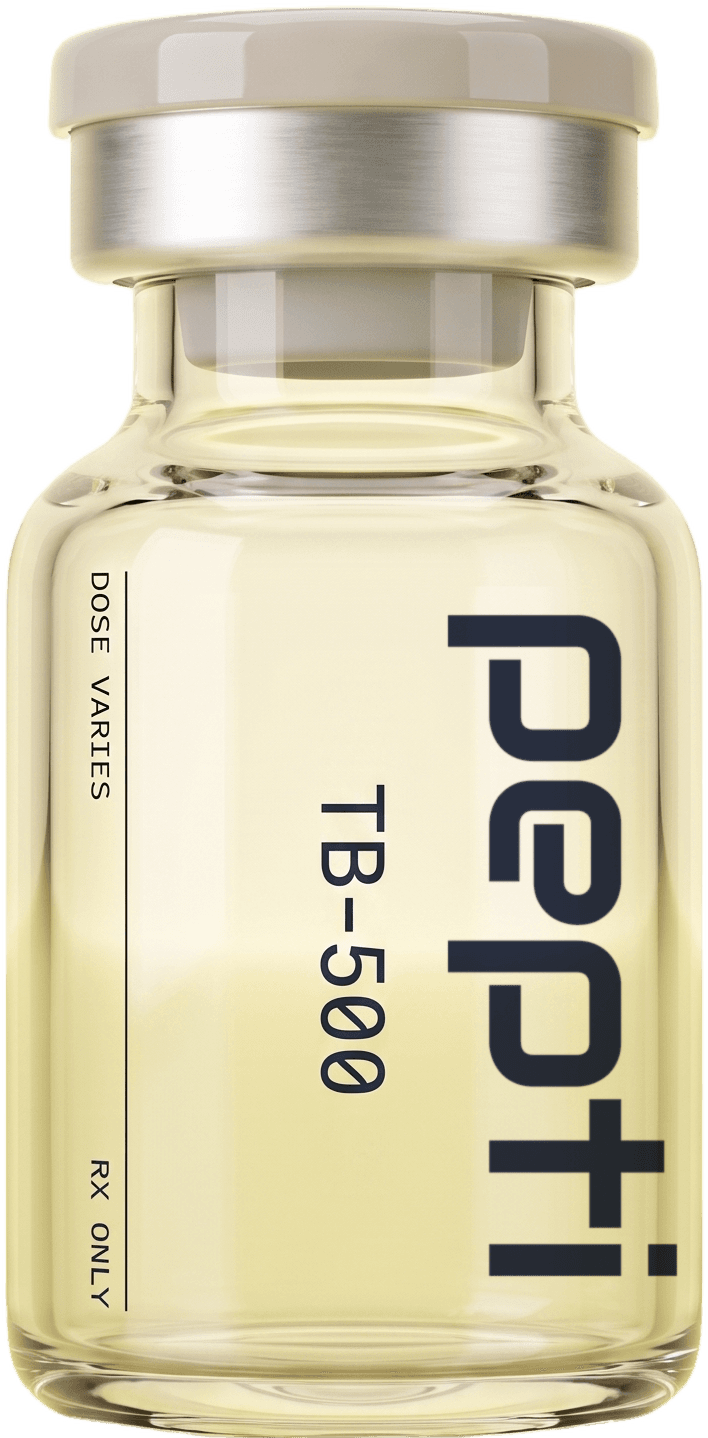
For men over 40 the peptides actually prescribed fall into four groups: growth-hormone-axis peptides for sleep and recovery, tesamorelin for visceral fat, BPC-157 with TB-500 for old injuries, and PT-141 for desire. Before any of them, a competent physician rules out sleep apnoea, low testosterone, poor glucose control and thyroid disease, because those four explain most of the complaint list and none of them is fixed by a vial. Everything here is prescription-only, compounded at a US FDA-registered pharmacy, and not FDA approved.
This page covers what is actually changing in a man's physiology after 40, what has to be excluded first, what each option is and what its human evidence really consists of, where each stands with the FDA as of September 2026, what prescribers describe and when, and the situations in which a peptide is the wrong tool.
— Peptides for Men Over 40
The short answer
| If the complaint is | The usual prescription | What is in it | Price |
|---|---|---|---|
| Light sleep and slow recovery between sessions | CJC-1295 / Ipamorelin | 6 mg CJC-1295, 12 mg ipamorelin in 5 mL | $239 |
| The same, plus tissue repair, in one vial | TITAN | 10 mg tesamorelin, 6 mg CJC-1295, 12 mg ipamorelin, 10 mg BPC-157 | $279 |
| Fat sitting around the middle specifically | Tesamorelin | 10 mg tesamorelin in 5 mL | $249 |
| Weight itself is the problem | Semaglutide or Tirzepatide | Dose-specific vials; tirzepatide includes B12 | From $99 and from $159, varying by dose |
| A shoulder, knee or Achilles that never settled | BPC-157 + TB-500 | 5 mg BPC-157, 5 mg TB-500 in 5 mL | $259 |
| Desire has dropped rather than mechanics failing | PT-141 | 10 mg bremelanotide in 5 mL | $259 |
| The widest growth-axis option a prescriber will consider | ASCEND | 6 mg CJC-1295, 12 mg ipamorelin, 10 mg tesamorelin, 1 mg IGF-1 LR3 | $279 |
Each is an all-in monthly subscription price covering medication, physician review, refill management and shipping. The two GLP-1s are priced by strength, so the figure moves as a prescriber titrates upward.
The rows are matched to complaints, not ranked; "low energy and a soft middle" can be sleep apnea, low testosterone, early diabetes or alcohol, each with a treatment that is not on this list. The evidence behind the rows is also uneven: semaglutide and tirzepatide sit on some of the largest randomized trials in modern medicine, tesamorelin on randomized trials behind an approved product in a specific population, the rest on mechanism, small human studies, animal work and prescriber experience. This page says which is which.
— Peptides for Men Over 40
What is actually going on after 40
The peptides are chosen to act on specific parts of this picture, not on "aging."
— Growth hormone pulses shrink, and body fat shrinks them further
Growth hormone is released in bursts, the largest during deep sleep. In healthy men sampled around the clock, daily secretion fell by roughly 14 percent per decade, through fewer bursts and faster clearance, and at any given age each extra unit of body mass index cut it by a further 6 percent or so (Journal of Clinical Endocrinology & Metabolism, 1991). The man who has gained weight since his thirties has lost growth hormone signaling on two counts, and the visceral fat that results is the most growth-hormone-responsive fat in the body. That is the logic behind GHRH analogs such as sermorelin, CJC-1295 and tesamorelin: they ask the pituitary for a larger pulse rather than supplying the hormone, the argument made in peptides vs HGH.
— Deep sleep collapses in midlife and takes the largest pulse with it
A pooled analysis of 149 healthy men aged 16 to 83 found deep slow-wave sleep falling from about 19 percent of the night in early adulthood to about 3 percent by ages 36 to 50, replaced by lighter sleep, with a parallel fall in growth hormone secretion; independent of age, growth hormone output tracked the amount of slow-wave sleep, and evening cortisol rose after 50 (JAMA, 2000). The sleep complaint and the recovery complaint are, physiologically, one complaint.
— Testosterone drifts down, and a minority cross into hypogonadism
The Baltimore Longitudinal Study of Aging followed 890 men and found a steady, health-independent decline in total and free testosterone; about 20 percent of men over 60 had total testosterone in the hypogonadal range, rising with each decade (Journal of Clinical Endocrinology & Metabolism, 2001). The European Male Ageing Study of 3,369 men aged 40 to 79 found that only three symptoms, poor morning erections, low desire and erectile dysfunction, had a syndromic association with low testosterone; fatigue and low mood correlated but did not define the condition (New England Journal of Medicine, 2010). Most men over 40 do not have hypogonadism, and no peptide on this page treats it when they do.
— Sleep apnea sits under all of it
Obstructive sleep apnea suppresses both hormones this page is about. In 225 men undergoing sleep studies, IGF-1 and total and free testosterone fell in proportion to apnea severity, independent of age and adiposity; in 43 men with severe apnea, three months of CPAP raised IGF-1 and total testosterone (Journal of Clinical Endocrinology & Metabolism, 1989). A man with untreated apnea who starts a GH-axis peptide is pushing against a brake that a mask releases.
— Tendons and the middle
Two further changes are mechanical. Tendon and ligament are poorly vascularized tissues that heal slowly at any age and more slowly with less growth hormone and IGF-1 signaling, which is why the shoulder from a decade ago is still there. And the fat gained after 40 is disproportionately visceral, inside the abdomen, metabolically active, and, unusually, responsive to growth hormone signaling in a way subcutaneous fat is not.
— Peptides for Men Over 40
What has to be ruled out first
| What it is | How it shows up as | Why it has to come first |
|---|---|---|
| Obstructive sleep apnoea | Exhaustion, low mood, low testosterone, weight gain, high blood pressure | Widely undiagnosed; it suppresses testosterone and destroys deep sleep, so it mimics this entire page |
| Genuinely low testosterone | Low drive, low mood, lost muscle, poor recovery | A different treatment with its own monitoring, not something a GH-axis peptide substitutes for |
| Impaired glucose tolerance or type 2 diabetes | Fatigue, central weight, poor healing | Growth-hormone signalling reduces insulin sensitivity, so this changes what can be prescribed |
| Thyroid disease | Fatigue, cold intolerance, weight change, low mood | Cheap to test, treatable, and commonly missed |
| Alcohol intake | Fragmented sleep, low testosterone, central fat | The most common reversible cause on this list, and the least often raised |
| Untreated hypertension or lipids | Nothing, until it does | Erectile difficulty is often the first symptom of vascular disease |
The labs worth having in front of a prescriber: fasting metabolic panel, lipids, liver markers, thyroid function, and total and free testosterone drawn in the morning and confirmed on a repeat. At-home blood testing covers those.
Why the apnea question comes before the testosterone question
Apnea lowers testosterone, so one low morning draw in a man who snores, wakes unrefreshed and has gained weight is not yet a diagnosis of hypogonadism. Treating the apnea and repeating the draw is the correct order, which is why a physician asks about snoring, witnessed breathing interruptions and daytime sleepiness before discussing any vial. Where apnea is confirmed alongside obesity, tirzepatide has an approved indication for it, covered below.
Why glucose and blood pressure change what can be prescribed
Every peptide that raises growth hormone raises IGF-1 and nudges insulin sensitivity the wrong way; the approved tesamorelin product's label warns that glucose intolerance or diabetes may develop and directs that glucose be evaluated before and during therapy. A prediabetic HbA1c does not exclude the GH-axis group, but it is a different prescribing decision. Blood pressure matters for the other row: the arteries supplying erectile tissue are small and show endothelial disease early, so new, progressive erectile difficulty is a reason to check pressure, lipids and glucose before it is a reason to prescribe PT-141, whose approved-product label contraindicates uncontrolled hypertension or known cardiovascular disease.
— Peptides for Men Over 40
Where testosterone belongs in this conversation
Testosterone is not a peptide and not what this catalogue sells. It belongs here because it is the most common correct answer to the complaints that bring men to peptide providers.
The two do different jobs. A GHRH analogue prompts your pituitary to release your own growth hormone in a pulse, acting through IGF-1 from the liver. Testosterone replacement supplies an androgen the testes no longer make enough of, and it suppresses the signal driving your own production, which is why fertility belongs in that discussion and not in the peptide one.
If testosterone is low on two morning draws and you have symptoms, that is the conversation to have first. Layering a peptide on untreated hypogonadism produces a monthly bill and a disappointment. Whether both can run together is covered in can you take peptides with testosterone.
The threshold is deliberately strict: the European Male Ageing Study's criteria are three sexual symptoms plus a total testosterone below about 11 nmol/L, roughly 320 ng/dL, with low free testosterone (New England Journal of Medicine, 2010). A low number without symptoms, or symptoms without a low number, is not hypogonadism, and a physician who settles that question before prescribing a GH-axis peptide is doing the job properly.
— Peptides for Men Over 40
What physicians prescribe for men over 40
— CJC-1295 / Ipamorelin
Two signals converging on one pulse. CJC-1295 is a long-acting GHRH analog; ipamorelin is a growth hormone secretagogue acting through the ghrelin receptor, described in its original characterization as the first selective one, with minimal effect on cortisol and prolactin at the doses studied (European Journal of Endocrinology, 1998). The human data: in healthy adults aged 21 to 61, single subcutaneous doses of CJC-1295 raised growth hormone two- to tenfold for six days or more and IGF-1 1.5- to threefold for nine to eleven days, with no serious adverse reactions, and growth hormone stayed pulsatile under continuous stimulation, with trough levels rising most (Journal of Clinical Endocrinology & Metabolism, 2006, two studies). Ipamorelin's human work is pharmacokinetic modeling in volunteers (Pharmaceutical Research, 1999) and a randomized proof-of-concept trial in post-operative ileus (International Journal of Colorectal Disease, 2014); there are no randomized human trials of ipamorelin for sleep, recovery or body composition. Who it suits: the man whose complaint is light sleep and slow recovery, with normal glucose, no cancer history and testosterone already checked. CJC-1295 / Ipamorelin is the usual starting point; what is CJC-1295 / Ipamorelin is the full reference.
— Sermorelin
The first 29 amino acids of GHRH, and the only peptide here that was itself the active ingredient of an FDA-approved drug. Much of its human evidence was gathered in older men. Twice-daily GHRH(1-29) restored growth hormone and IGF-1 in old men toward the levels of younger men (Journal of Clinical Endocrinology & Metabolism, 1992). Single nightly injections for six weeks in eleven healthy men aged 64 to 76 increased nocturnal growth hormone and two of six strength measures but did not change IGF-1, body composition, glucose or lipids; the authors concluded once-nightly dosing was less effective than multiple daily doses (Metabolism, 1997). A five-month placebo-controlled trial of a nightly GHRH analog in adults aged 55 to 71 reported raised nocturnal growth hormone and IGF-1, thicker skin in both sexes, and in men only increased lean mass, improved insulin sensitivity and better self-rated well-being and libido, with no change in sleep quality (Journal of Clinical Endocrinology & Metabolism, 1997). Who it suits: the man who wants the shortest-acting, longest-studied option in the class. Sermorelin is priced on its product page.
— Tesamorelin
A stabilized GHRH(1-44) analog with the most specific evidence for the complaint men most often bring. In the pivotal trial, 412 people with HIV and abdominal fat accumulation, 86 percent men, received daily tesamorelin or placebo for 26 weeks: visceral fat fell 15.2 percent on tesamorelin and rose 5 percent on placebo, triglycerides fell, IGF-1 rose 81 percent, and glycemic measures did not differ (New England Journal of Medicine, 2007), a pattern confirmed in a pooled analysis of two phase 3 trials (Journal of Clinical Endocrinology & Metabolism, 2010). Closer to the man reading this, a 12-month randomized trial in 60 abdominally obese adults without HIV but with reduced growth hormone secretion reported a selective reduction in visceral fat with no effect on subcutaneous fat, improved triglycerides and C-reactive protein, and no worsening of glucose (Journal of Clinical Endocrinology & Metabolism, 2012). A six-month trial in HIV reported reductions in visceral and liver fat (JAMA, 2014), and a 20-week trial in healthy older adults reported favorable effects on cognition alongside a 117 percent rise in IGF-1 and a 7.4 percent fall in body fat (Archives of Neurology, 2012). Who it suits: the man whose measurement problem is his waist rather than the scale, with glucose checked first. Tesamorelin and Tesamorelin + Ipamorelin are both available.
— TITAN
Tesamorelin, CJC-1295, ipamorelin and BPC-157 in one vial: the GH-axis components above plus BPC-157 for the tendon or joint that limits training, as a single daily injection. Its evidence is the evidence of its parts; there is no trial of the blend. Who it suits: the man with both a recovery complaint and a specific soft-tissue problem, whose physician would otherwise have prescribed the pair. TITAN is priced on its product page.
— ASCEND, and the IGF-1 LR3 question
ASCEND adds IGF-1 LR3 to the tesamorelin, CJC-1295 and ipamorelin core, and that changes the product's character. Everything else on this page asks the pituitary for more of its own hormone and leaves the body's feedback controls in place; IGF-1 LR3 is a modified IGF-1 that acts directly at the IGF-1 receptor and bypasses them. It carries the strongest cautions in the catalogue for that reason: any personal or family history of cancer, and hypoglycemia given cross-reactivity with the insulin receptor. There are no randomized human trials of IGF-1 LR3. It is a prescriber-led discussion for a man already on a GHRH pair, not a starting point. ASCEND and IGF-1 LR3 each have a full reference page.
— BPC-157 + TB-500
The injury row. BPC-157 is a 15-amino-acid fragment of a protein in human gastric juice; animal and cell research describes it activating the VEGFR2 pathway that grows new blood vessels (Journal of Molecular Medicine, 2017), increasing growth hormone receptor expression in tendon fibroblasts (Molecules, 2014), and accelerating repair of transected and detached rat Achilles tendon (Journal of Orthopaedic Research, 2003 and 2006) and crushed rat muscle (Surgery Today, 2008). TB-500 is a fragment of thymosin beta-4, an actin-binding protein described as directing repair cells into injured tissue (Trends in Molecular Medicine, 2005; Nature, 2004); thymosin beta-4 itself has a randomized placebo-controlled safety study in healthy volunteers (Annals of the New York Academy of Sciences, 2010) and a phase 2 trial in severe dry eye (Cornea, 2015). For tendon and joint injury in humans there are no randomized controlled trials of either BPC-157 or TB-500. Who it suits: the man whose training is limited by a tendon, ligament or joint that has not settled with loading and time. BPC-157 + TB-500 is the combined vial; peptides for joint health goes deeper.
— PT-141
Bremelanotide, a melanocortin receptor agonist acting centrally on the desire pathway rather than on blood flow, which is the whole distinction from a PDE5 inhibitor. Its male record predates the approved product: placebo-controlled studies reported a significant erectile response to intranasal PT-141 in healthy men and men with mild-to-moderate erectile dysfunction, with onset in about 30 minutes and flushing and nausea the most common adverse events, and to subcutaneous PT-141 in men who had responded inadequately to sildenafil (International Journal of Impotence Research, 2004, two studies); low-dose intranasal PT-141 with sildenafil gave a larger response than sildenafil alone (Urology, 2005). The approved product, Vyleesi, was licensed for premenopausal women with hypoactive sexual desire disorder, and its trial program (Obstetrics & Gynecology, 2019; Journal of Women's Health, 2022) is the largest body of human safety information on the molecule: nausea in 40 percent, improving for most with the second dose, and a transient rise of about 6 mmHg systolic for a few hours after each dose. Who it suits: the man whose desire has dropped while the mechanics still work, with blood pressure controlled. PT-141 and PT-141 + Oxytocin are both available.
— Semaglutide and tirzepatide, where weight itself is the problem
Not one of the four groups in the opening paragraph, but for the man whose problem is weight rather than fat distribution they have more evidence than everything else here combined. Semaglutide produced a mean 14.9 percent weight loss at 68 weeks against 2.4 percent on placebo in adults with overweight or obesity (New England Journal of Medicine, 2021), and in 17,604 adults with cardiovascular disease and overweight but no diabetes it reduced major cardiovascular events by 20 percent (New England Journal of Medicine, 2023). Tirzepatide produced 15 to 20.9 percent weight loss at 72 weeks depending on dose (New England Journal of Medicine, 2022), and in adults with obesity and moderate-to-severe obstructive sleep apnea it reduced the apnea-hypopnea index by 25 to 29 events per hour over a year (New England Journal of Medicine, 2024), the trial behind Zepbound's approval for that indication in December 2024. For the man whose fatigue, low testosterone and central fat trace back to apnea and obesity, this is often the more direct answer than anything in the GH-axis group. Best peptides for weight loss covers the choice between semaglutide and tirzepatide.
— Peptides for Men Over 40
What the evidence shows, and what it does not
— The GHRH analogs in older men: real trials, modest endpoints
Sermorelin's older-adult trials reliably raised growth hormone, usually raised IGF-1 when dosed more than once a day, and produced small, inconsistent changes in strength, lean mass and skin thickness, with no change in sleep quality where it was measured. CJC-1295's human trials are pharmacokinetic: they establish what it does to hormone levels in healthy adults, not what that does to a man's body over a year. Tesamorelin is the exception, with randomized trials that measured visceral fat by CT scan and found it fell, in people with HIV and in obese adults with reduced growth hormone secretion. A 46-year-old with a normal pituitary and a softening waist is neither, and the approved product's label says plainly that it is not indicated for weight-loss management because its effect on weight is neutral. A man expecting the scale to move on tesamorelin has picked the wrong tool; a man expecting his waist to move has evidence on his side, from a population that was not quite him.
— BPC-157 and TB-500: preclinical, and used clinically
There are no randomized controlled trials of BPC-157 or TB-500 in humans for tendon, ligament or joint injury. The mechanistic story from animal and cell work is coherent and the prescribing experience is substantial; neither is a trial. The accurate framing is "described in preclinical research and used clinically," and a provider claiming proven human efficacy for either is overstating it.
— PT-141 in men: trials exist, an indication does not
PT-141's male trials were placebo-controlled and published, and they measured erectile response rather than desire. The approved product's label states it is not indicated for men and not indicated to enhance sexual performance. Prescribing to a man is off-label on a molecule with meaningful male data, which is a physician's decision and a common one across medicine.
— What none of it establishes
- An effect size for sleep or recovery in a healthy man over 40 on any GH-axis peptide. That trial has not been run.
- A timeline in humans. What prescribers describe is clinical experience, not trial endpoints.
- Long-term safety of continuously raised IGF-1 in healthy adults. The approved tesamorelin label says the effects of prolonged IGF-1 elevation are unknown and directs monitoring, which is the honest position for the whole class.
- Efficacy for anything as an FDA-approved treatment. Compounded medications are prepared to a prescription; they are not approved as finished products.
Two cautions run through the whole growth-hormone-axis group: a personal history of cancer, and diabetes or impaired glucose tolerance, because growth hormone reduces insulin sensitivity. See peptide side effects.
— Peptides for Men Over 40
Where these stand with the FDA right now
Verified against the FDA's own documents in September 2026. This has moved several times since 2023, and most of what is online describes a situation that no longer exists.
— The rule that decides what a pharmacy may compound
A 503A pharmacy may compound with a bulk substance that has a USP or NF monograph, or that is a component of an FDA-approved drug, or that appears on the FDA's 503A bulks list. Nominated substances sit in interim categories while the FDA evaluates them; Category 2 is for substances flagged for significant safety concerns. The products here fall on different sides of that rule.
— BPC-157 and TB-500
Both were placed in Category 2 in 2023. On 15 April 2026 the FDA announced the removal of twelve peptides from Category 2, effective 22 April, noting that removal does not by itself place a substance on the bulks list. The FDA's safety-risks page, current as of 22 April 2026, lists BPC-157 and TB-500 (as "Thymosin Beta-4, Fragment") under "nominated but withdrawn," and the interim list updated 14 May 2026 has neither in any category; 503A Category 2 is down to six substances. On 23 July 2026 the Pharmacy Compounding Advisory Committee reviewed BPC-157 for ulcerative colitis and TB-500 for wound healing and voted 8 yes, 6 no, 1 abstain to recommend adding each to the 503A Bulks List, against the FDA staff position in both cases. A committee vote is a recommendation; listing requires rulemaking, and the FDA's final determination is pending. Today: neither is restricted, both are recommended for the positive list, both await final FDA action.
— CJC-1295 and ipamorelin
Both went through the committee earlier. On 29 October 2024 it considered ipamorelin, evaluated for growth hormone deficiency and post-operative ileus, and voted 0 yes, 12 no, 1 abstain against recommending it, members citing a lack of safety and efficacy data for those two uses. On 4 December 2024 it considered the CJC-1295 family, evaluated for growth hormone deficiency, and voted 0–13 against CJC-1295 free base and 1–12 against CJC-1295 acetate. Neither is in any category of the 14 May 2026 list; the safety-risks page lists both as "nominated but withdrawn" for 503A pharmacies, the FDA's stated concerns being immunogenicity for certain routes and peptide-related impurities, and for CJC-1295 reports of increased heart rate and a vasodilatory reaction. The committee evaluates a substance for the uses in its nomination against the approved drugs that already exist for them; a vote against is not a finding that the peptide is unsafe at prescribed doses, and it is not a ban. The FDA has not issued a final determination on either, and neither was on the July 2026 agenda.
— Sermorelin
Sermorelin acetate was the active ingredient of Geref, approved in 1990 as a diagnostic and in 1997 for growth hormone deficiency in children, and discontinued by its sponsor in 2008. In March 2013 the FDA published a formal determination that both Geref presentations were not withdrawn from sale for reasons of safety or effectiveness. It has never been in any category of the 503A interim list. There is no currently marketed FDA-approved sermorelin product; a compounded vial is not one.
— Tesamorelin
An approved tesamorelin product exists: Egrifta, approved in 2010, with the current Egrifta WR formulation labeled in March 2025 for the reduction of excess abdominal fat in HIV-infected adults with lipodystrophy. Its label carries three limitations of use, that long-term cardiovascular safety has not been established, that it is not indicated for weight-loss management, and that there are no data on antiretroviral compliance, and is contraindicated in active malignancy, pregnancy and disruption of the hypothalamic-pituitary axis. As the active ingredient of an approved product it was never nominated for the bulks list and appears in no category. Compounded tesamorelin is not Egrifta, and prescribing it to a man without HIV lipodystrophy is off-label.
— PT-141
Bremelanotide is the active ingredient of Vyleesi, approved on 21 June 2019 for premenopausal women with acquired, generalized hypoactive sexual desire disorder. Compounded PT-141 therefore rests on the approved-component route rather than the bulks list, and it is in no category of the interim list. The compounded vial is not Vyleesi.
— Semaglutide and tirzepatide
Both are FDA-approved active ingredients. The FDA declared the tirzepatide shortage resolved on 19 December 2024 and the semaglutide shortage on 21 February 2025, ending shortage-based compounding after wind-down periods. What remains is the ordinary 503A pathway: a state-licensed pharmacy may compound for an identified patient where the prescriber documents that a change from the commercial product produces a significant difference for that patient; the FDA's guidance, updated 1 April 2026, says adding vitamin B12 does not by itself take a product outside the "essentially a copy" definition where strengths are within 10 percent of commercial ones. On 30 April 2026 the FDA proposed to exclude semaglutide, tirzepatide and liraglutide from the separate 503B bulks list, a proposal concerning outsourcing facilities that does not change the 503A framework. Compounded semaglutide and tirzepatide are not Wegovy, Ozempic, Mounjaro or Zepbound.
— IGF-1 LR3
Never nominated, never placed in any category, never reviewed by the committee; it appears on neither the 14 May 2026 list nor the safety-risks page. The FDA has published no position on it.
— Anti-doping
If you compete in tested sport, most of this page is prohibited at all times. The 2026 WADA Prohibited List, effective 1 January 2026, names CJC-1295, sermorelin and tesamorelin as examples of prohibited GHRH analogs, ipamorelin as a prohibited growth hormone secretagogue, IGF-1 and its analogs as prohibited growth factors, and thymosin beta-4 and its derivatives including TB-500; BPC-157 is named under S0, non-approved substances. Bremelanotide is not named. Tell your physician if you are tested.
— Peptides for Men Over 40
What to expect, and when
| Timeframe | What patients commonly describe |
|---|---|
| Week 1 to 2 | Injection-site tenderness; some report vivid dreams or deeper sleep on bedtime GH-axis dosing |
| Week 3 to 6 | Recovery between training sessions is the change most often mentioned |
| Week 6 to 12 | Body-composition change, if it happens, is gradual and is easier to see in a waist measurement than on scales |
| 12 weeks onward | The point a physician should reassess whether this is earning its place |
These are patient reports, not trial endpoints, and response varies widely. None of it substitutes for progressive resistance training, protein and sleep. If those are inconsistent, fixing them produces more than any vial.
— The first two weeks
What is reported early on a GH-axis peptide is mostly sleep: deeper, sometimes with vivid dreams, on evening dosing. Some men notice nothing in this window, which is normal. On PT-141 the first doses are where nausea and flushing are most likely; the approved product's label notes nausea improves for most with the second dose. On BPC-157 + TB-500 the early change described is background soreness settling rather than the injury itself changing.
— Weeks three to six
Recovery between sessions is the change most often mentioned on the GH-axis products, and the one most easily confounded by the fact that the same man has usually also started sleeping and training more consistently. Tissue-level change on BPC-157 + TB-500, where it occurs, is described in this window, based on the animal timelines.
— Six weeks onward
Visceral fat change on tesamorelin was measured in the trials at 26 weeks and 12 months. A tape measure at the navel, taken the same way each month, is the honest instrument; the scale is not, because the trials found weight neutral. Treatment is long-term: vials are sized for 28-day refills, one per fill, and the physician stays reachable for dose questions.
— Peptides for Men Over 40
When a peptide is the wrong tool
A reference that only ever recommends its own product is not much of a reference. Some honest cases:
- Sleep apnea is present and untreated. No GH-axis peptide outperforms a CPAP mask in a man whose deep sleep is being interrupted by his airway. Treat that first; where obesity is part of it, tirzepatide has an approved indication for the combination.
- Testosterone is low on two morning draws with symptoms. That is hypogonadism, treated with testosterone under its own monitoring, not with a growth-hormone secretagogue.
- The scale is the problem. Tesamorelin is weight-neutral in the trials. Semaglutide or tirzepatide is the evidence-backed tool.
- The injury is structural. A complete tendon rupture, a displaced fracture or a significant meniscal tear is a surgical question; BPC-157 + TB-500 is for the tendon that will not settle, not the one that has torn through. And for tendinopathy, progressive loading under a physiotherapist has human trial evidence that BPC-157 does not; do that first, or alongside.
- Erections fail while desire is intact. PT-141 acts on desire, not blood flow. That picture is a vascular assessment and, if appropriate, a PDE5 inhibitor from your physician.
- HbA1c is in the diabetic range, or there is a cancer history. Growth hormone reduces insulin sensitivity, and growth hormone and IGF-1 are growth signals; the approved tesamorelin label contraindicates active malignancy and asks for careful evaluation after treated malignancy, and the same logic applies to every product in the GH-axis group, most strongly to IGF-1 LR3.
Your physician will tell you if none of these is the right tool for what you have described. A consultation does not guarantee a prescription, and being declined is refunded.
— Peptides for Men Over 40
Monitoring and bloodwork
Before starting
For anything acting on the growth-hormone axis: IGF-1, fasting glucose and HbA1c, lipids, liver markers, thyroid function, and total and free testosterone drawn in the morning and confirmed on a repeat. For PT-141: a blood pressure reading. For semaglutide or tirzepatide: the standard metabolic panel plus a personal and family history of medullary thyroid carcinoma. At-home blood testing covers the panel without a lab visit; your physician decides what is required.
During treatment
IGF-1 tells a physician whether a GH-axis peptide is doing what it is meant to and whether it is doing too much; the approved tesamorelin label directs that it be monitored during therapy and that discontinuation be considered for persistent elevation. Fasting glucose or HbA1c sits alongside it, on a rhythm the physician sets. An IGF-1 rise confirms a hormonal response; it does not confirm that sleep, recovery or a waist measurement will change, because the trials linking the two in healthy men over 40 have not been run. The practical measures are yours: a sleep log, training recovery, a tape at the navel. The intake asks for every medication you take because there is no established interaction list for the compounded peptides, and any reaction that is severe, spreading, or involves difficulty breathing is a reason to stop and contact your physician.
— References
What this is based on.
References
- Chang CH, Tsai WC, Hsu YH, Pang JH. Pentadecapeptide BPC 157 enhances the growth hormone receptor expression in tendon fibroblasts · Molecules (2014) · PMID 25415472
- Krivic A, Anic T, Seiwerth S, et al.. Achilles detachment of rat and stable gastric pentadecapeptide BPC 157 · Journal of Orthopaedic Research (2006) · PMID 16583442
- Sikiric P, Seiwerth S, Rucman R, et al.. Stable gastric pentadecapeptide BPC 157: novel therapy in gastrointestinal tract · Current Pharmaceutical Design (2011) · PMID 21548867
- Cerovecki T, Bojanic I, Brcic L, Radic B, et al.. Pentadecapeptide BPC 157 (PL 14736) improves ligament healing in the rat · J Orthop Res (2010) · PMID 20225319
- Sikiric P, Seiwerth S, Rucman R, Turkovic B, et al.. Stable gastric pentadecapeptide BPC 157-NO-system relation · Curr Pharm Des (2014) · PMID 23755725
- Cox HD, Miller GD, Eichner D. Detection and in vitro metabolism of the confiscated peptides BPC 157 and MGF R23H · Drug Test Anal (2017) · PMID 28035768
- Thomas A, Görgens C, Guddat S et al.. Simplifying and expanding the screening for peptides <2 kDa by direct urine injection, liquid chromatography, and ion mobility mass spectrometry · J Sep Sci (2016) · PMID 26578461
- Farrar JT, Young JP Jr, LaMoreaux L, Werth JL et al.. Clinical importance of changes in chronic pain intensity measured on an 11-point numerical pain rating scale · Pain (2001) · PMID 11690728
- Meyer JD, Ho B, Manning MC. Effects of conformation on the chemical stability of pharmaceutically relevant polypeptides · Pharm Biotechnol (2002) · PMID 11987755
- Xu C, Sun L, Ren F, Huang P, et al.. Preclinical Safety Evaluation of Body Protective Compound-157, a Potential Drug for Treating Various Wounds · Regul Toxicol Pharmacol (2020) · PMID 32334036
- He L, Feng D, Guo H, et al.. Pharmacokinetics, distribution, metabolism, and excretion of body-protective compound 157, a potential drug for treating various wounds, in rats and dogs · Front Pharmacol (2022) · PMID 36588717
- Lee E, Padgett B. Intra-Articular Injection of BPC 157 for Multiple Types of Knee Pain · Altern Ther Health Med (2021) · PMID 34324435
Citations are provided for educational purposes. They do not constitute medical advice. Always discuss any peptide protocol with your prescribing physician.
— Common questions
Peptides for Men Over 40, answered.
There is no single best. If sleep and recovery are the complaint, a GHRH analogue paired with ipamorelin is the usual starting point. If the middle is the complaint, tesamorelin has the most specific evidence. If an old injury limits training, BPC-157 with TB-500. If weight itself is the problem, semaglutide or tirzepatide has far more evidence than any of them. Which complaint is actually yours, and what has to be excluded first, is the point of the consultation.
Growth-hormone-axis peptides act on a separate axis and do not raise testosterone. If two morning draws confirm low testosterone alongside symptoms, a peptide will not correct it. Some men use both under one physician, which is a discussion about monitoring rather than a shortcut. See can you take peptides with testosterone.
Tesamorelin has direct evidence on visceral fat, from trials in a specific clinical population, and one 12-month randomized trial in abdominally obese adults without HIV reported the same selective effect. Its effect on total weight was neutral. Where overall weight is the issue rather than distribution, a compounded GLP-1 has far more evidence, covered in best peptides for weight loss.
The common options run from $229 for sermorelin to $279 for the four-component blends, with compounded GLP-1s starting at $99 and $159 and rising with strength. Those are all-in monthly prices including physician review and shipping. How much do peptides cost explains the differences.
For anything acting on the growth-hormone axis, yes: IGF-1 is the marker physicians track alongside glucose, and morning testosterone, thyroid function and lipids belong in the same draw. Reported tolerability is good, and long-term data in healthy adults does not exist. The cautions that matter are cancer history, glucose control and untreated apnoea.
No. Both were placed in Category 2 of the FDA's interim 503A list in 2023 and have since left it; the list as updated 14 May 2026 has neither in any category. The FDA's advisory committee voted against recommending them for the positive 503A Bulks List in late 2024, for the specific uses in their nominations, and the FDA has not issued a final determination. They remain prescribed by physicians and compounded by licensed pharmacies.
Yes. The FDA removed it from Category 2 in April 2026, and on 23 July 2026 its advisory committee voted 8–6 to recommend adding it to the 503A Bulks List; the FDA's final determination is pending. It is legal to prescribe and dispense and is not an FDA-approved drug product, because compounded medications never are.
That is a physician's decision, not an automatic no. Growth hormone reduces insulin sensitivity and the approved tesamorelin label directs that glucose be evaluated before and during therapy. A man with an HbA1c in the prediabetic range would typically have that addressed, be monitored more closely, or be steered toward a GLP-1 first if weight is part of the picture.
An employer's panel does not test for them. Sport is different: the 2026 WADA Prohibited List names CJC-1295, sermorelin, tesamorelin, ipamorelin, IGF-1 analogs and TB-500 as prohibited at all times, and BPC-157 as a non-approved substance. If you are a tested athlete, check the list for your sport and tell your physician.
Its male trials measured erectile response and reported it, including in men who had responded poorly to sildenafil, but its mechanism is central: it acts on the melanocortin pathway that governs desire, not on penile blood flow. If desire is intact and the mechanics fail, the vascular workup and a PDE5 inhibitor come first. Its approved indication is in premenopausal women, so use in men is off-label.
Treatment is long-term and runs on 28-day refills, one vial per fill. There is no fixed course. Your physician tracks IGF-1 and glucose alongside what you report, and adjusts or stops based on that.
Tell your physician at intake. The two act on separate axes and are commonly prescribed together under one physician, with IGF-1, glucose, hematocrit and estradiol monitored as a set. The detail is in can you take peptides with testosterone. The free assessment goes to a physician licensed in your state. A consultation does not guarantee a prescription.
— Next step
See what a physician
recommends for you.
A licensed physician in your state reviews your intake and decides what is appropriate. A consultation does not guarantee a prescription.
Important legal & safety information
The assessment process available on the Pepti website asks a series of medical questions, and the answers provided are reviewed by an independent licensed physician affiliated with our partner physician network. The licensed providers have established exclusionary criteria, and the answers provided determine if the individual is screened out of eligibility for treatment. The licensed clinicians retain the sole decision to prescribe peptide therapy and other compounded medications to patients. Treatment may be denied at the physician's sole discretion. If a prescription is not approved, you will not be charged for the medication.
Pharmacy Providers. Pepti is a technology platform and is not a healthcare provider, pharmacy, or prescriber. All medications offered through the platform are compounded by independent FDA-registered 503A or 503B compounding pharmacies based on a valid prescription written by a licensed physician for an individual patient. Compounded medications are not FDA-approved as products. The active pharmaceutical ingredients used by our partner pharmacies are sourced from FDA-registered facilities. Compounded medications may not undergo the same testing or quality control as commercially manufactured FDA-approved drugs.
Results vary. Results from peptide therapy and other compounded treatments vary based on individual factors, including age, weight, medical history, adherence to the prescribed protocol, lifestyle factors, and physiological response. Pepti makes no guarantee of any specific outcome. Statements about peptide therapy and compounded medications offered through the platform have not been evaluated by the Food and Drug Administration. These products are not intended to diagnose, treat, cure, or prevent any disease.
Product images. Product photographs and renderings shown on this website are for illustrative purposes only. The appearance of vials, packaging, labeling, and other materials you receive may vary and is determined by the dispensing compounding pharmacy.
Off-label use.Many peptides offered through the platform are prescribed for off-label use. “Off-label” means the medication is being prescribed for a use, dose, or patient population that is not specifically approved by the FDA. Off-label prescribing is legal and common in U.S. medical practice when supported by clinical experience and judgment.
Mailing & shipping. Pepti currently dispenses prescription medication to patients in all 50 states and Washington, D.C.. All orders ship in unbranded, tamper-evident packaging via expedited delivery from our partner compounding pharmacies. Temperature-sensitive medications ship with insulated packaging and ice packs. Shipping is included at no additional cost. We do not currently ship medication outside all 50 states and Washington, D.C., internationally, or to APO/FPO addresses.
Not for emergencies. Pepti is not designed for medical emergencies. If you are experiencing a medical emergency, call 911 or go to your nearest emergency room immediately. For urgent but non-emergency medical questions, contact your primary care provider or use an urgent care service.
No doctor-patient relationship with Pepti. Your use of the platform does not create a doctor-patient relationship between you and pepti LLC. A doctor-patient relationship is established only between you and the independent licensed physician who reviews your intake and prescribes your treatment. The physicians who use the platform are independent contractors and are solely responsible for the medical care they provide.
Prescription medications. All prescription products require a valid prescription from a licensed healthcare provider. By using the platform, you acknowledge that you are at least 18 years old and that the information you provide is true, accurate, current, and complete. Providing false information may result in inappropriate treatment recommendations or denial of service.
Cosmetic & wellness products.Certain products offered through Pepti — including skincare, hair care, body care, supplements, men's grooming, sports recovery, and sexual wellness products — are cosmetic or dietary supplement products, not prescription medications. These products do not require a prescription and are not reviewed or prescribed by a physician. Statements regarding dietary supplements have not been evaluated by the Food and Drug Administration. These products are not intended to diagnose, treat, cure, or prevent any disease. Results vary by individual. Consult your healthcare provider before starting any new supplement or topical product, especially if you are pregnant, nursing, or taking other medications.
pepti LLC · Delaware Limited Liability Company · 131 Continental Dr, Suite 305, Newark, DE 19713 · For media or partnership inquiries, email hello@hellopepti.com. For patient support, email support@hellopepti.com. For privacy and HIPAA inquiries, email privacy@hellopepti.com.