— Recovery · Reference
How Much Do Peptides Cost? Real Monthly Prices and What Drives Them
This page explains where those tiers come from: how many active ingredients a pharmacy has to weigh into one vial, how many milligrams of them, what container it goes into, what a dose ladder does to a GLP-1 price, and what a physician's time is worth when it is included rather than billed. Prices move, so the live figure for any product is on its own page and its /cost/ page. What follows is the part that does not move.
— Treatments mentioned
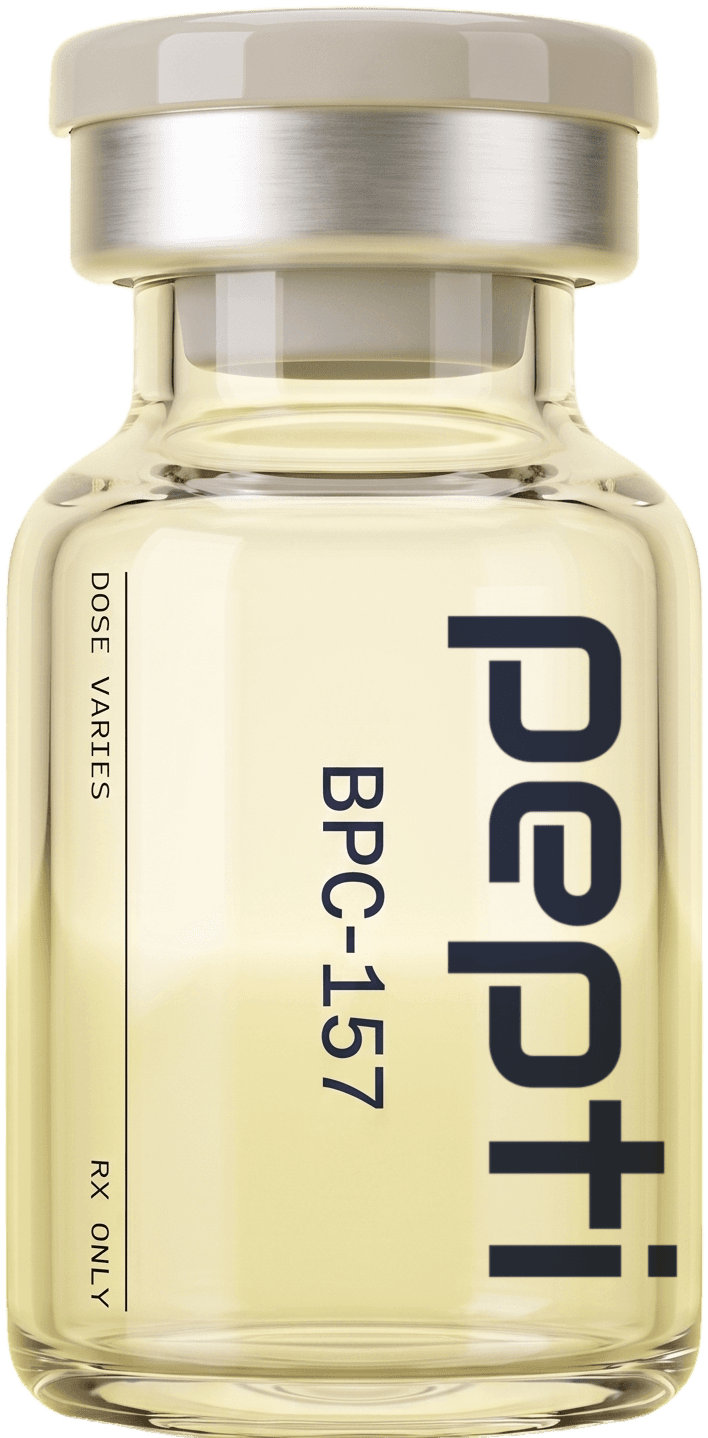
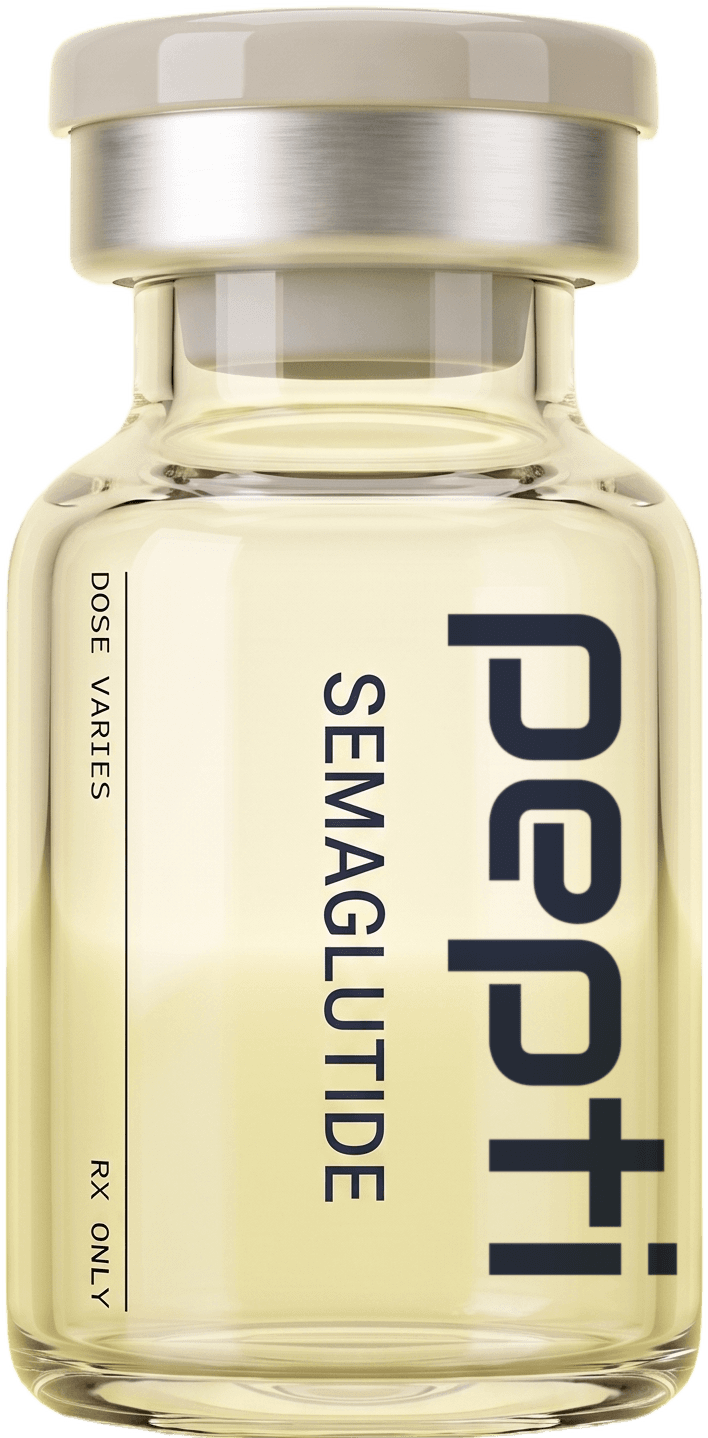
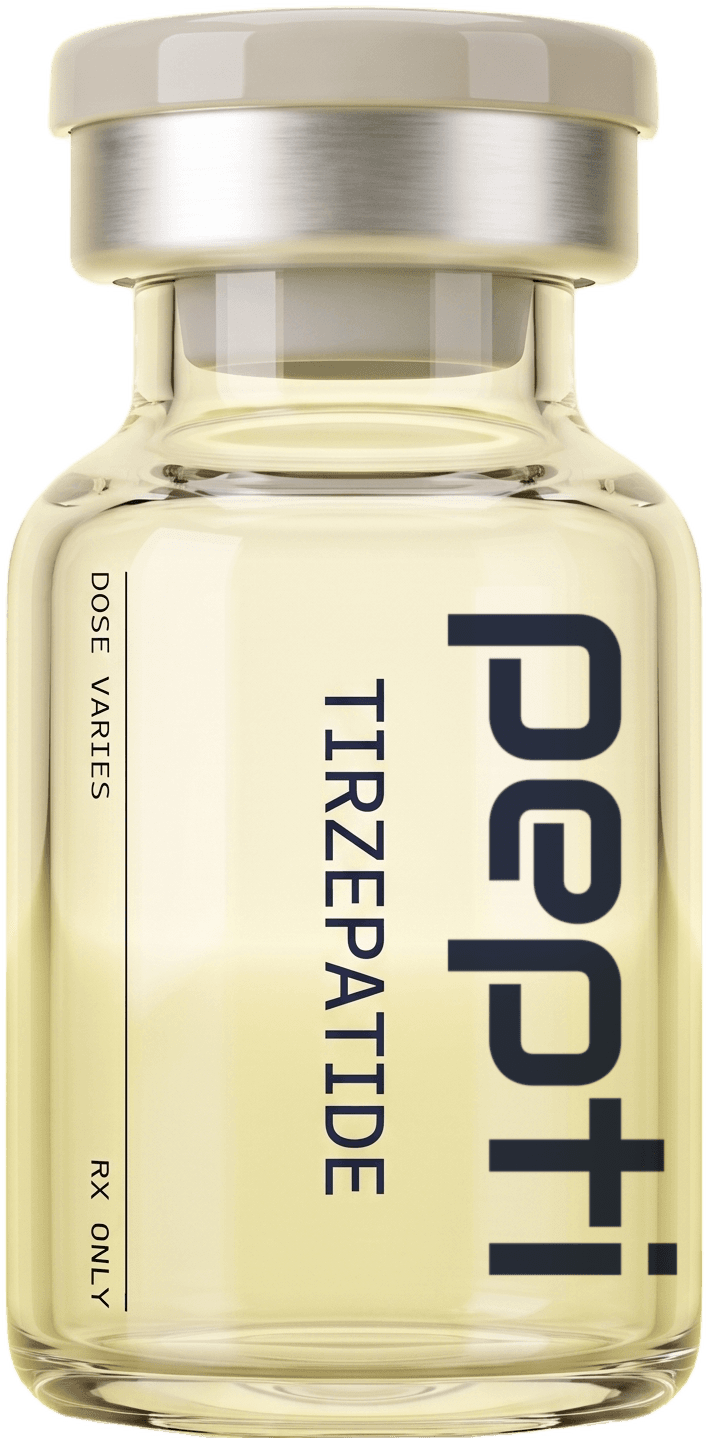
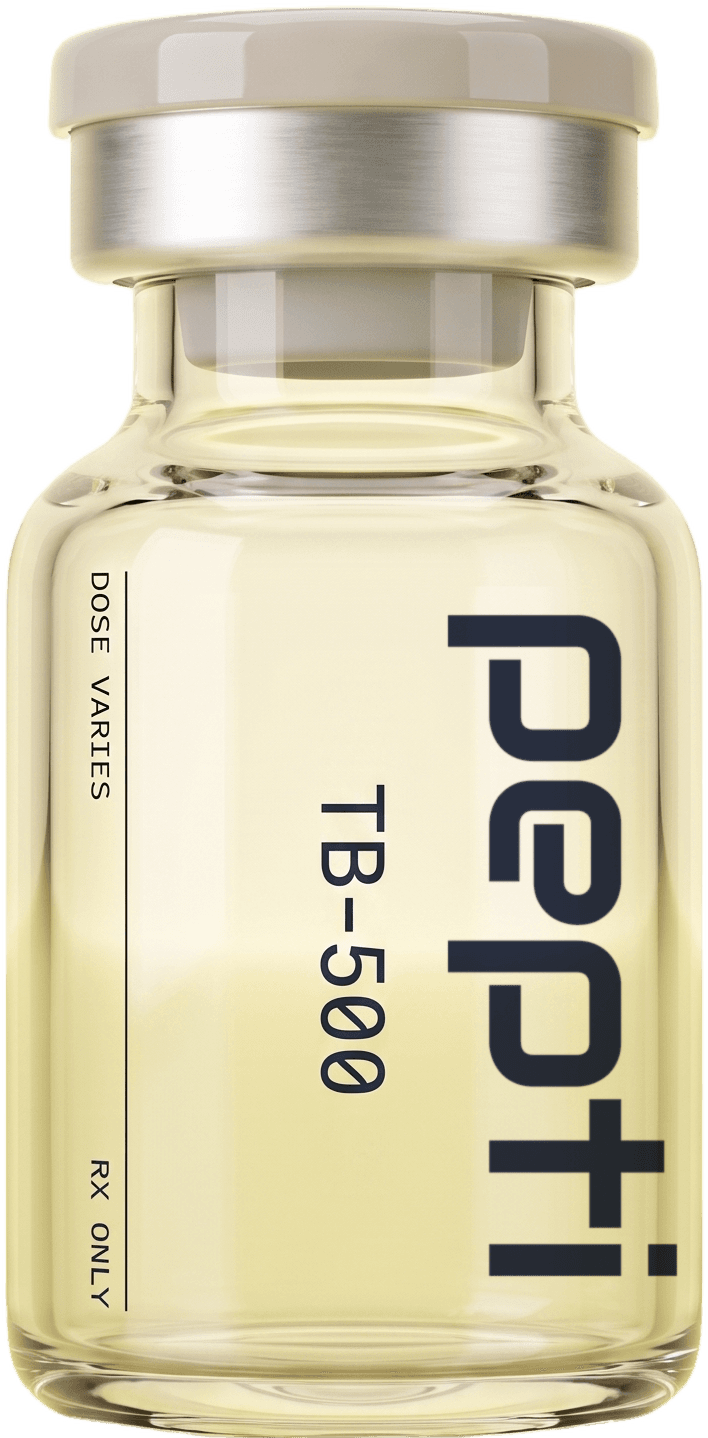
Prescription peptides from a US telehealth provider generally run between $99 and $369 a month all-in, with most single-molecule injectables between $199 and $259 and four-peptide blends at $279. The number that matters is the all-in monthly figure covering medication, physician review, refill management and shipping, because providers advertise wildly different slices of that total. Compounded GLP-1 medications price differently again, by strength rather than by molecule. Research-use-only vials are cheaper than all of it because they contain none of the accountability.
This page explains where those tiers come from: how many active ingredients a pharmacy has to weigh into one vial, how many milligrams of them, what container it goes into, what a dose ladder does to a GLP-1 price, and what a physician's time is worth when it is included rather than billed. Prices move, so the live figure for any product is on its own page and its /cost/ page. What follows is the part that does not move.
— How Much Do Peptides Cost? Real Monthly Prices and What Drives Them
The short answer
| If you are looking at | Example | What is in it | Price a month |
|---|---|---|---|
| A compounded GLP-1, lowest entry point | Semaglutide | Dose-specific vial, strength set by your rung | $99 |
| The other compounded GLP-1 | Tirzepatide | Dose-specific vial with cyanocobalamin | $159 |
| A single repair peptide | BPC-157 | 5 mL vial, 1 mg/mL, 5 mg per vial | $209 |
| Two peptides in one vial | BPC-157 + TB-500 | 5 mg BPC-157 and 5 mg TB-500 in 5 mL | $259 |
| A four-peptide blend | KLOW | 50 mg GHK-Cu, 10 mg KPV, 10 mg BPC-157, 10 mg TB-500 | $259 |
| The top blend tier | FORTIFY | Thymosin A-1, BPC-157, KPV, LL-37 in 5 mL | $279 |
| A nasal spray instead of an injection | Semax Nasal Spray | 20 mL bottle, 2.5 mg/mL, 50 mg per bottle | $269 |
| Pen-only, the highest single price | CJC-1295 / Ipamorelin / Sermorelin | 3 mL Pen cartridge, no vial version | $369 |
Every figure above is the complete monthly price: medication, physician review, ongoing messaging, refill management and shipping. Pepti is subscription based, so that figure recurs while you are in treatment.
— How Much Do Peptides Cost? Real Monthly Prices and What Drives Them
What you are actually paying for, and what moves it
A peptide price looks like one number and is really six: the bulk drug substance, the sterile preparation, the prescription behind it, the cold chain, the dispensing paperwork, and the format it all ends up in. Understanding which of the six is moving between two quotes is what makes those quotes comparable, and it is also why a price that looks too low usually is.
— One: how many active ingredients are in the vial
This is the single biggest driver of the spread in the tier table below. A pharmacy compounding four peptides into one vial sources four bulk substances, verifies four certificates of analysis, weighs four quantities, and has to demonstrate that all four behave in the same solution. KLOW contains GHK-Cu, KPV, BPC-157 and TB-500; FORTIFY contains thymosin alpha-1, BPC-157, KPV and LL-37. Each is four procurement chains and four release problems, not one. Compare either against a single-molecule vial of BPC-157 on its own cost page and the gap is almost entirely ingredient count.
— Two: milligram load
Two vials can hold the same volume and differ by orders of magnitude in how much active substance is dissolved in them. A repair peptide like BPC-157 is dosed in single-digit milligrams per vial. NAD+ Injection is dosed in a gram-scale load, because the molecule is used at a completely different weight. NAD+ is not an exotic or scarce substance — the vial costs more because there is simply far more substance in it. The same logic sets the gap between NAD+ Injection and its half-size sibling, NAD+ 500 mg.
— Three: how hard the molecule is to make and handle
Some peptides are straightforward solid-phase syntheses. Others carry a metal ion, a lipid tail, a disulfide bridge or a modification that has to be installed and then proven intact. A fifteen-amino-acid chain like BPC-157 is a different synthesis problem from a copper-bound tripeptide like GHK-Cu, where the copper has to be there in the right ratio and stay there, and both are different again from a molecule like semaglutide with a fatty-acid side chain engineered onto it. Difficulty of synthesis and difficulty of analysis both land in what a pharmacy pays per gram, before anyone has made a vial.
— Four: the container and the fill
A multi-dose vial, a pre-filled Pen cartridge and a metered nasal bottle are three different processes with three different component costs and three different fill validations. Turning powder into any injectable is largely a fixed cost per batch rather than per milligram — reconstitute, filter through a sterilising membrane, fill under aseptic conditions, stopper, crimp, label, release against testing — which is why an inexpensive active ingredient does not produce an inexpensive vial. A metered nasal bottle is neither cheaper nor simpler: it holds substantially more solution than an injectable vial, and the pump is a component with its own specification. That is why Semax Nasal Spray, NAD+ Nasal and Selank Nasal sit on their own tier close to each other rather than tracking the prices of the injectable versions, and why the pepti Pen prices above the equivalent vial on every product that offers both.
— Five: dose ladders
For most peptides the vial is a fixed concentration and your directions determine how much of it you use. For GLP-1 medications the vial itself is compounded to your strength, so the cost of goods rises as you move up the ladder. That is a structural difference, not a pricing policy, and it is covered in its own section below.
— Six: the service wrapped around the vial
Someone licensed in your state has to read your history, your medication list and your allergies, decide whether treatment is appropriate at all, write directions, and stay reachable afterwards for dose questions and side effects. Around that sits prescription transmission, pharmacy intake, state licensure checks, dispensing records, tracking, the re-review before each refill, and refrigerated overnight delivery with insulation and coolant. In an all-in model these are inside the published figure. In an unbundled model they are a membership, a consultation fee, a shipping charge and sometimes a refill fee. The medication can genuinely cost less in the second model and the patient can still pay more.
— How Much Do Peptides Cost? Real Monthly Prices and What Drives Them
Where the price tiers actually come from
Peptide pricing is not arbitrary. It tracks the cost of the active ingredient, the number of ingredients in the vial, and the milligram load the pharmacy has to put in.
| Tier | What it contains | Price band | Examples |
|---|---|---|---|
| Compounded GLP-1 | One molecule, dose-specific vial | $99 to $159 | Semaglutide, tirzepatide |
| Supplement injectables | B12, MIC, carnitine, glutathione | $199 to $229 | Glutathione, Lipo-B |
| Single peptide | One molecule, 5 mL multi-dose vial | $209 to $259 | TB-500, Sermorelin, GHK-Cu |
| Two-peptide combination | Two molecules, one vial | $239 to $259 | CJC-1295 / Ipamorelin, GLOW |
| Nasal spray | Bottle rather than vial, different fill process | $269 | NAD+ Nasal, Selank Nasal |
| Four-peptide blend | Four molecules compounded into one vial | $279 | ASCEND, TITAN, REVIVE |
Two patterns explain most of the spread, and both are physical rather than commercial. First, ingredient count: a pharmacy sourcing, weighing, dissolving and sterile-filtering four active ingredients into one vial spends more than it does on one. Second, milligram load: a vial holding a gram-scale quantity of substance costs more to fill than one holding a few milligrams of a repair peptide, whatever the two molecules are called.
The supplement injectables tier looks anomalous until you apply the same logic. Glutathione, Lipo-B and methylcobalamin are inexpensive substances by weight and still carry a real price, because everything around the powder — sterile preparation, prescription, cold chain, physician review — is the same work regardless of what is in the vial.
GLP-1 medications are the exception to both patterns. They are priced by strength, because the compounded cost of a high-strength semaglutide vial is not the cost of a starting-strength one. That is why the published entry figure is a starting price rather than a flat rate for the year.
— How Much Do Peptides Cost? Real Monthly Prices and What Drives Them
Why a blend prices above a single molecule
Four supply chains in one vial
Every active ingredient in a compounded preparation arrives with its own certificate of analysis, its own supplier qualification, its own identity and purity testing, and its own lot tracking. A four-peptide blend multiplies that administrative and analytical load by four before a single vial is filled. The price difference between BPC-157 and a blend containing BPC-157 plus three others is mostly this.
Four stability problems in one vial
Peptides in solution are not inert. Putting four of them together means the pharmacy has to be satisfied that the combination is physically and chemically stable for the labelled beyond-use period, that nothing precipitates, and that the pH and excipients suit all four. A single-molecule vial has one such question to answer.
It would be easy to assume blends are priced higher simply because they are marketed as premium. The tier table makes the alternative explanation visible: two-peptide preparations like BPC-157 + TB-500 and GLOW sit between one-molecule and four-molecule pricing, exactly where ingredient count predicts. A marketing tier would not track the number of substances in the vial that closely.
— How Much Do Peptides Cost? Real Monthly Prices and What Drives Them
Why GLP-1s are priced by strength
— The ladder is the point
Semaglutide and tirzepatide are titrated. Treatment starts at a low weekly strength and moves up in steps over months, under the prescriber's direction, and where a patient settles is a clinical decision rather than a purchasing one. Because each fill is a vial compounded to the strength that patient is on, the pharmacy's cost of goods for a high rung is genuinely higher than for the starting rung. Pricing follows it.
— What that means for the number you should plan around
The entry figure for a compounded GLP-1 is the first rung, not the average of a year. Anyone comparing a GLP-1 provider on the advertised starting number alone is comparing month one to month one, which is the least informative month. The comparison that matters is the price at the rung you are likely to be on for most of the year, and that is a question you should ask in writing before you start. Current per-strength pricing is published on semaglutide's cost page and tirzepatide's cost page.
— Why the GLP-1 tier sits below the peptide tiers at all
A reasonable question, given that semaglutide and tirzepatide carry the deepest randomised human evidence in the catalog. Price does not track evidence; it tracks what the preparation costs to make and supply. A starting-rung GLP-1 vial holds a small milligram load of one molecule, which is structurally an inexpensive vial to fill.
— How Much Do Peptides Cost? Real Monthly Prices and What Drives Them
Why a Pen cartridge prices above a vial
Same medication, different preparation
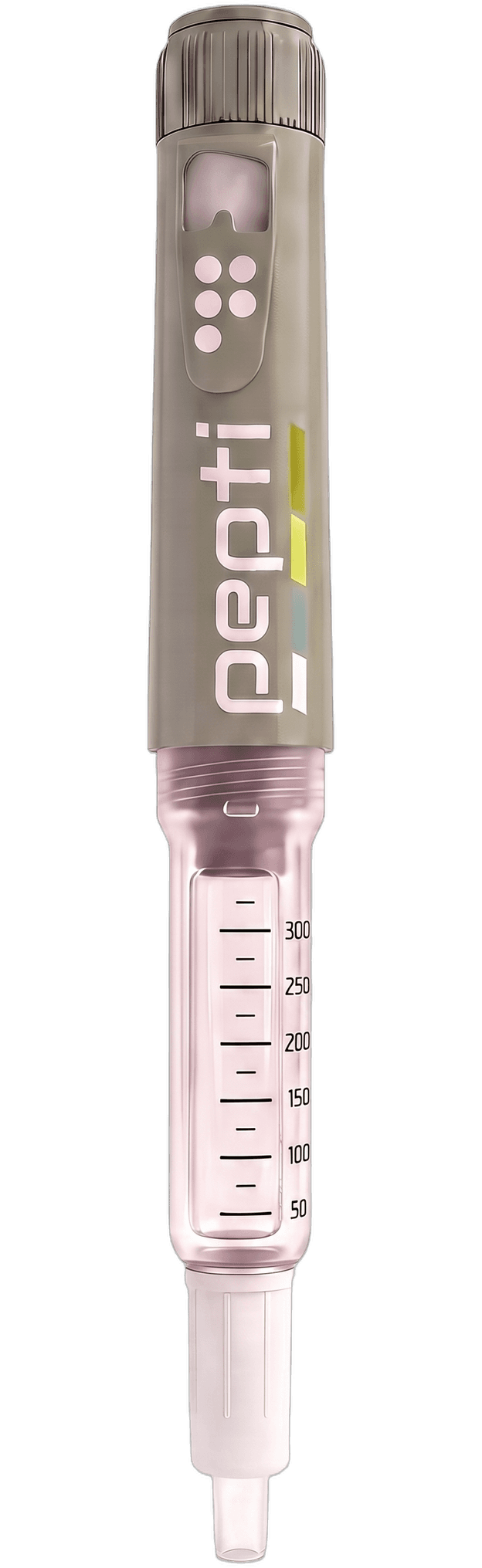
The pepti Pen is a pre-filled cartridge in a reusable click-dial injector. The medication inside is the same medication. What differs is the preparation: filling and sealing a cartridge is a different process from filling a vial, the cartridge itself is a more expensive component than a glass vial with a rubber stopper, and the injector is real hardware. Neither format is clinically better than the other, and the trade-offs are set out in vial vs pen.
Why some products are pen-only
CJC-1295 / Ipamorelin / Sermorelin appears at the top of the table with no vial version, which is why it reads as the most expensive single item on the page. That is a format fact rather than a statement about the molecules — sermorelin on its own sits in the single-peptide tier, and the price on its cost page reflects that.
— How Much Do Peptides Cost? Real Monthly Prices and What Drives Them
The four costs, and which ones providers hide
Every legitimate peptide prescription carries four costs. A low headline price almost always means one or more has been moved somewhere else on the invoice.
| Cost | What it covers | How it is commonly hidden |
|---|---|---|
| The medication | API, compounding labour, sterile process, vial, testing | Quoted alone as "from $X" while everything else is extra |
| The physician | Intake review, prescribing, messaging, dose changes, follow-up | Charged as a separate consultation fee or a monthly membership |
| Cold-chain shipping | Overnight delivery, insulation, cold packs | Added at checkout, or charged per shipment |
| Refill management | Re-review, re-transmission, cycle tracking | Charged as a refill fee, or as a higher price from month two |
The arithmetic that catches people is simple. A provider advertising a low medication figure, then charging a monthly membership, then a per-shipment cold-chain fee, then an initial consultation, has quoted a true number and a useless one. None of those charges is illegitimate on its own. The problem is only that they make two advertised prices non-comparable, and the patient discovers it after the card is on file rather than before.
— How Much Do Peptides Cost? Real Monthly Prices and What Drives Them
Six questions that make two providers comparable
Ask these in writing, before you pay anything:
- What is my total cost in month one, and what is it in month two?
- Is the physician consultation or membership included, or separate?
- Is shipping included, and is it overnight with cold packs?
- Does my price change when my dose changes, and by how much?
- Is bloodwork required before prescribing, and is it included or billed separately?
- What happens to the price at a refill, and how often does a refill come?
Question four is the one that catches people out on GLP-1s. Question five is worth its own page: see do you need bloodwork before peptides.
Two more that are worth adding in writing: which pharmacy compounds it and in which state it is licensed, and whether you can see testing documentation for what you are being sent. Pepti publishes lab results and its quality standards for that reason. A provider who cannot answer either question is selling you something other than a prescription.
— How Much Do Peptides Cost? Real Monthly Prices and What Drives Them
What the price does not include, and why that is honest
— Bloodwork
At-home blood testing is priced separately, because most patients do not need it and pricing it into everyone's medication would be charging the majority for the minority. Where a physician requires labs before prescribing, that is a real additional cost and you should plan for it. At-home blood testing covers hormone, metabolic and thyroid markers without a lab visit, and the physician decides whether it is needed for you.
— Insurance
Insurance almost never reimburses any of this. The mechanics of why are in does insurance cover peptide therapy. The short version is that a compounded preparation does not carry the approval status and coding that a plan's formulary is built around.
— HSA and FSA
HSA and FSA funds are frequently usable, which is the closest thing to a discount most patients will find. Rules vary by plan and some administrators want a letter of medical necessity, which your prescribing physician can discuss with you.
— How Much Do Peptides Cost? Real Monthly Prices and What Drives Them
Where compounded pricing stands with the FDA right now
This section is the part of the page most likely to be stated wrongly elsewhere, so it is worth being precise. It was verified against the FDA's current pages.
— Compounded medications are not FDA approved
The FDA states it directly: "Compounded drugs are not FDA-approved. This means that FDA does not verify the safety, effectiveness or quality of compounded drugs before they are marketed." That applies to every compounded preparation regardless of price, provider or presentation, and it applies to the entire catalog on this site. No amount of money moves a compounded preparation into the approved category, and any provider implying otherwise is misdescribing what they sell. See are peptides FDA approved.
— What section 503A actually requires
Compounded preparations are dispensed under section 503A of the Federal Food, Drug, and Cosmetic Act. The conditions are that the drug is compounded by a licensed pharmacist in a state-licensed pharmacy or by a physician, for an identified individual patient on a valid patient-specific prescription; that any bulk drug substance used has a USP monograph, is a component of an FDA-approved drug, or appears on the 503A bulks list; and that the preparation is not essentially a copy of a commercially available drug product. Preparations meeting those conditions are exempt from premarket approval, from current good manufacturing practice requirements, and from the labelling requirement for adequate directions for use.
— Why the patient-specific rule is itself a cost driver
This is the most underappreciated line item in compounded pricing. A 503A preparation is made for you, against your prescription, and cannot be produced as anonymous inventory and sold off a shelf — which removes most of the batch economics that make a mass-manufactured product inexpensive per unit. Outsourcing facilities registered under section 503B may distribute without patient-specific prescriptions and are subject to CGMP and FDA inspection: a different regulatory bargain with a different cost structure.
— The bulks list, and why it decides what exists
Which substances a 503A pharmacy may compound is governed by the bulks list process. The FDA sorts nominated substances into three categories: Category 1, substances that may be eligible for the list and were nominated with sufficient supporting information, where the agency does not intend to take enforcement action if conditions are met; Category 2, substances for which the FDA has identified significant safety risks; and Category 3, substances nominated with insufficient information for the agency to evaluate.
As of the FDA's current listing, content current as of 22 April 2026, BPC-157 does not appear among the substances the agency identifies as presenting significant safety risks. That matters commercially as well as clinically: a substance's category determines whether a pharmacy will compound it at all, and availability is upstream of price. When a molecule becomes harder to source lawfully, its price does not fall.
Regulatory status sets what can be dispensed. It does not set the price, and it is not a quality grade you are buying up or down. The published figure buys a specific preparation made by a named, state-licensed pharmacy against a prescription from a physician licensed in your state. That is the whole of what the money purchases.
— How Much Do Peptides Cost? Real Monthly Prices and What Drives Them
What the evidence shows, honestly
— There is no published market survey
There is no published market survey of compounded peptide pricing, so anyone quoting an industry average is estimating. What can be stated plainly is what a given catalogue charges, which is why the prices on this page are the actual ones rather than a range invented for the article. They are also the reason this page links to
/cost/pages rather than repeating figures in prose: catalogue prices change, and a figure typed into a paragraph goes stale silently.— Price is a weak proxy for quality
A higher price does not evidence a better preparation, and a lower one does not prove a worse one. What separates products is whether a licensed pharmacy compounded it against a prescription from a physician licensed in your state, and whether anyone is accountable for what is in the vial. Compounded medications are not FDA approved regardless of what they cost.
— Price does not track evidence depth either
The molecules in the catalog with the deepest randomised human evidence are not the expensive ones. Semaglutide and tirzepatide have large randomised trials behind them in the New England Journal of Medicine, JAMA and the Lancet, and they sit at the bottom of the price table. Tesamorelin has a randomised trial in the New England Journal of Medicine in 2007 in patients with HIV-associated visceral fat accumulation, and CJC-1295 a 2006 study in the Journal of Clinical Endocrinology and Metabolism in healthy adults — both appear in blends near the top of the table. BPC-157, which has no large randomised human trials and rests on animal and cell research, sits in the middle. Price is set by what is in the vial and what it took to fill it, not by how much has been published about it. Judge the evidence separately, on each molecule's reference page.
— What the cheapest option actually removes
The cheapest option by a wide margin, research-use-only vials, is cheap precisely because it removes the physician, the pharmacy and the recourse: see research peptides vs prescription peptides. No prescription means no clinician reviewed your medications. No named pharmacy means nobody is accountable for identity, purity, sterility or concentration. The saving is real and so is what it buys you out of.
— How Much Do Peptides Cost? Real Monthly Prices and What Drives Them
What changes your cost over a year
— A dose change
For GLP-1 medications a rung change changes the price, because the vial is compounded to strength. For a fixed-concentration multi-dose vial like TB-500 or GHK-Cu, using more of the vial per dose does not change the monthly figure; if your physician moves you to a higher-strength vial, the price of that strength does.
— A format change
Moving from a vial to a Pen cartridge, or from an injectable to a nasal spray, moves you to a different tier because it is a different preparation. Pen availability varies by product and is confirmed at checkout.
— Adding a second product
Two prescriptions are two preparations and two prices. It is worth asking your physician whether a blend covers what you were going to combine — a single vial containing four molecules generally prices below four separate vials, which is part of why KLOW, FORTIFY and REVIVE exist in the first place. Treatment here is long-term, on 28-day refills, and the subscription figure recurs while you are in treatment.
— References
What this is based on.
References
- Chang CH, Tsai WC, Hsu YH, Pang JH. Pentadecapeptide BPC 157 enhances the growth hormone receptor expression in tendon fibroblasts · Molecules (2014) · PMID 25415472
- Krivic A, Anic T, Seiwerth S, et al.. Achilles detachment of rat and stable gastric pentadecapeptide BPC 157 · Journal of Orthopaedic Research (2006) · PMID 16583442
- Sikiric P, Seiwerth S, Rucman R, et al.. Stable gastric pentadecapeptide BPC 157: novel therapy in gastrointestinal tract · Current Pharmaceutical Design (2011) · PMID 21548867
- Cerovecki T, Bojanic I, Brcic L, Radic B, et al.. Pentadecapeptide BPC 157 (PL 14736) improves ligament healing in the rat · J Orthop Res (2010) · PMID 20225319
- Sikiric P, Seiwerth S, Rucman R, Turkovic B, et al.. Stable gastric pentadecapeptide BPC 157-NO-system relation · Curr Pharm Des (2014) · PMID 23755725
- Cox HD, Miller GD, Eichner D. Detection and in vitro metabolism of the confiscated peptides BPC 157 and MGF R23H · Drug Test Anal (2017) · PMID 28035768
- Thomas A, Görgens C, Guddat S et al.. Simplifying and expanding the screening for peptides <2 kDa by direct urine injection, liquid chromatography, and ion mobility mass spectrometry · J Sep Sci (2016) · PMID 26578461
- Farrar JT, Young JP Jr, LaMoreaux L, Werth JL et al.. Clinical importance of changes in chronic pain intensity measured on an 11-point numerical pain rating scale · Pain (2001) · PMID 11690728
- Meyer JD, Ho B, Manning MC. Effects of conformation on the chemical stability of pharmaceutically relevant polypeptides · Pharm Biotechnol (2002) · PMID 11987755
- Xu C, Sun L, Ren F, Huang P, et al.. Preclinical Safety Evaluation of Body Protective Compound-157, a Potential Drug for Treating Various Wounds · Regul Toxicol Pharmacol (2020) · PMID 32334036
- He L, Feng D, Guo H, et al.. Pharmacokinetics, distribution, metabolism, and excretion of body-protective compound 157, a potential drug for treating various wounds, in rats and dogs · Front Pharmacol (2022) · PMID 36588717
- Lee E, Padgett B. Intra-Articular Injection of BPC 157 for Multiple Types of Knee Pain · Altern Ther Health Med (2021) · PMID 34324435
Citations are provided for educational purposes. They do not constitute medical advice. Always discuss any peptide protocol with your prescribing physician.
— Common questions
How Much Do Peptides Cost? Real Monthly Prices and What Drives Them, answered.
It depends entirely on what is prescribed, which is why the table at the top of this page is organised by what is in the vial rather than by product name. The live all-in figure for any single product is published on its product page and on its /cost/ page — BPC-157, semaglutide, tirzepatide and every other item in the catalog. Every figure is all-in: medication, physician review, refill management and shipping, with no separate membership or consultation charge.
Because a blend is four separately sourced active ingredients compounded into one sterile vial. BPC-157 is one molecule; KLOW contains BPC-157 plus GHK-Cu, KPV and TB-500. Four ingredients means four supplier qualifications, four certificates of analysis, four weighings and one combined stability question instead of one. You are paying for ingredient count and milligram load, not for a marketing tier. Compare the BPC-157 cost page against the KLOW cost page for the current figures.
For GLP-1 medications, yes, because the vial is compounded to your strength and a higher strength costs the pharmacy more. For peptides supplied as a fixed-concentration multi-dose vial, the monthly price is the price regardless of how much of the vial your directions use. If your physician moves you to a different strength of vial, you move to that strength's price.
Not at Pepti. The published price per treatment is the whole cost, and there is no separate consultation or membership charge. Many providers do charge one, which is the single most common reason two quoted prices are not comparable.
Not necessarily, and not reliably either. Price mostly tracks ingredient count and milligram load. What does predict a bad product is the absence of a prescription, a named pharmacy or a prescriber, which is covered in why are compounded peptides cheaper.
Many patients do, for both treatment and labs. Rules vary by plan and some administrators want a letter of medical necessity, which your prescribing physician can discuss with you.
Yes, on every product that offers both, because a pre-filled cartridge is a different preparation. Pen availability varies by product and is confirmed at checkout. The trade-offs are in vial vs pen.
Because what is dissolved in them is not identical. Two 5 mL vials can differ by a factor of a hundred or more in milligram load, and one may contain four active ingredients where the other contains one. Volume is the least informative thing on a peptide label. Read the strength and the ingredient list, which are on every product page.
Because most of the cost of an injectable is not the powder. The sterile preparation, the prescription, the dispensing and the refrigerated shipping are the same work whatever is in the vial. The supplement injectables tier makes this visible: glutathione, methylcobalamin and L-carnitine are inexpensive substances by weight and still carry a real monthly price, because everything around them costs what it costs.
For the GLP-1 molecules there are approved, manufactured products, and their list prices are a separate market with its own insurance dynamics — that comparison belongs in does insurance cover peptide therapy rather than here. For most of the peptides in this catalog there is no approved finished product at all, which is why they are compounded. Compounded medications are not FDA approved: the FDA does not verify the safety, effectiveness or quality of compounded drugs before they are marketed.
Because section 503A compounding is defined around a valid prescription for an identified individual patient. A 503A pharmacy cannot lawfully produce anonymous inventory and sell it off a shelf, which removes the batch economics that make mass-manufactured medicines inexpensive per unit. Registered 503B outsourcing facilities operate under a different set of obligations, including CGMP and FDA inspection.
Refrigerated overnight shipping is a multiple of ordinary parcel post and it repeats every refill. Insulation and coolant are consumables, and the service level is not optional for a medication that has to stay cold. A provider charging shipping separately is usually passing on a genuinely significant number rather than inventing a fee.
Not at Pepti — the published figure is what recurs on the 28-day refill, with the re-review and the cold-chain shipping inside it. Elsewhere, month two is the number worth asking about in writing, because an introductory price and a maintenance price are frequently different.
Convert both to a total for the same period, including every line item. Ask what a month of treatment costs in full, not what a vial costs, and ask what changes when the dose changes. A per-vial price with a separate consultation fee, a membership and shipping is not comparable to an all-in monthly figure until you have added it up, which is exactly what the six questions above are for. The free assessment goes to a physician licensed in your state. A consultation does not guarantee a prescription.
— Next step
See what a physician
recommends for you.
A licensed physician in your state reviews your intake and decides what is appropriate. A consultation does not guarantee a prescription.
Important legal & safety information
The assessment process available on the Pepti website asks a series of medical questions, and the answers provided are reviewed by an independent licensed physician affiliated with our partner physician network. The licensed providers have established exclusionary criteria, and the answers provided determine if the individual is screened out of eligibility for treatment. The licensed clinicians retain the sole decision to prescribe peptide therapy and other compounded medications to patients. Treatment may be denied at the physician's sole discretion. If a prescription is not approved, you will not be charged for the medication.
Pharmacy Providers. Pepti is a technology platform and is not a healthcare provider, pharmacy, or prescriber. All medications offered through the platform are compounded by independent FDA-registered 503A or 503B compounding pharmacies based on a valid prescription written by a licensed physician for an individual patient. Compounded medications are not FDA-approved as products. The active pharmaceutical ingredients used by our partner pharmacies are sourced from FDA-registered facilities. Compounded medications may not undergo the same testing or quality control as commercially manufactured FDA-approved drugs.
Results vary. Results from peptide therapy and other compounded treatments vary based on individual factors, including age, weight, medical history, adherence to the prescribed protocol, lifestyle factors, and physiological response. Pepti makes no guarantee of any specific outcome. Statements about peptide therapy and compounded medications offered through the platform have not been evaluated by the Food and Drug Administration. These products are not intended to diagnose, treat, cure, or prevent any disease.
Product images. Product photographs and renderings shown on this website are for illustrative purposes only. The appearance of vials, packaging, labeling, and other materials you receive may vary and is determined by the dispensing compounding pharmacy.
Off-label use.Many peptides offered through the platform are prescribed for off-label use. “Off-label” means the medication is being prescribed for a use, dose, or patient population that is not specifically approved by the FDA. Off-label prescribing is legal and common in U.S. medical practice when supported by clinical experience and judgment.
Mailing & shipping. Pepti currently dispenses prescription medication to patients in all 50 states and Washington, D.C.. All orders ship in unbranded, tamper-evident packaging via expedited delivery from our partner compounding pharmacies. Temperature-sensitive medications ship with insulated packaging and ice packs. Shipping is included at no additional cost. We do not currently ship medication outside all 50 states and Washington, D.C., internationally, or to APO/FPO addresses.
Not for emergencies. Pepti is not designed for medical emergencies. If you are experiencing a medical emergency, call 911 or go to your nearest emergency room immediately. For urgent but non-emergency medical questions, contact your primary care provider or use an urgent care service.
No doctor-patient relationship with Pepti. Your use of the platform does not create a doctor-patient relationship between you and pepti LLC. A doctor-patient relationship is established only between you and the independent licensed physician who reviews your intake and prescribes your treatment. The physicians who use the platform are independent contractors and are solely responsible for the medical care they provide.
Prescription medications. All prescription products require a valid prescription from a licensed healthcare provider. By using the platform, you acknowledge that you are at least 18 years old and that the information you provide is true, accurate, current, and complete. Providing false information may result in inappropriate treatment recommendations or denial of service.
Cosmetic & wellness products.Certain products offered through Pepti — including skincare, hair care, body care, supplements, men's grooming, sports recovery, and sexual wellness products — are cosmetic or dietary supplement products, not prescription medications. These products do not require a prescription and are not reviewed or prescribed by a physician. Statements regarding dietary supplements have not been evaluated by the Food and Drug Administration. These products are not intended to diagnose, treat, cure, or prevent any disease. Results vary by individual. Consult your healthcare provider before starting any new supplement or topical product, especially if you are pregnant, nursing, or taking other medications.
pepti LLC · Delaware Limited Liability Company · 131 Continental Dr, Suite 305, Newark, DE 19713 · For media or partnership inquiries, email hello@hellopepti.com. For patient support, email support@hellopepti.com. For privacy and HIPAA inquiries, email privacy@hellopepti.com.