— Anti-Aging · Reference
Peptides for Energy and Fatigue: What Is Prescribed and What to Rule Out
Fatigue is the complaint most likely to have a dull, treatable cause. Here is what each molecule is, where it acts, and what must be excluded first.
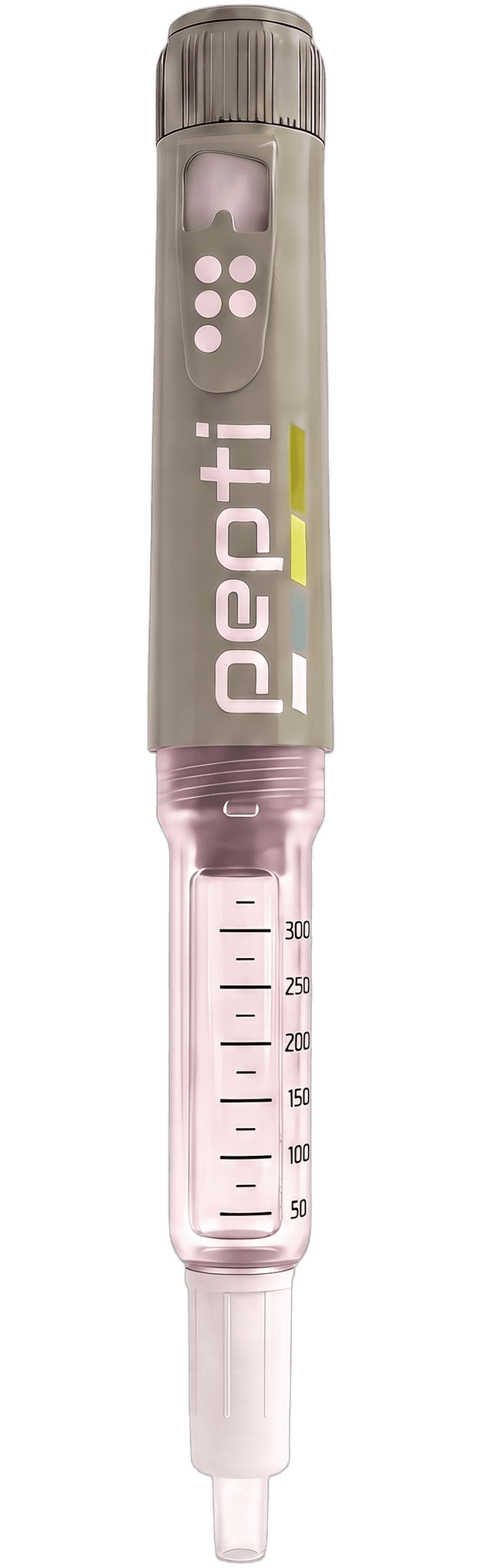
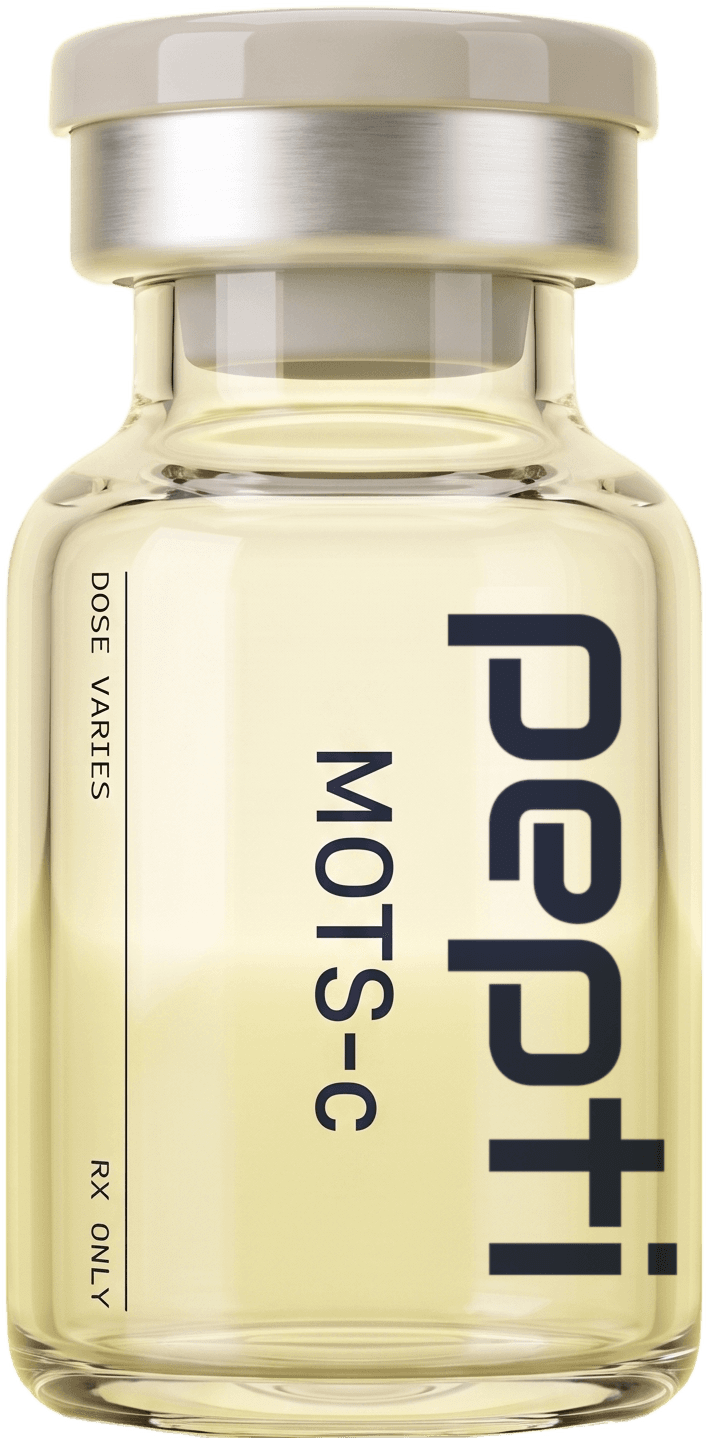
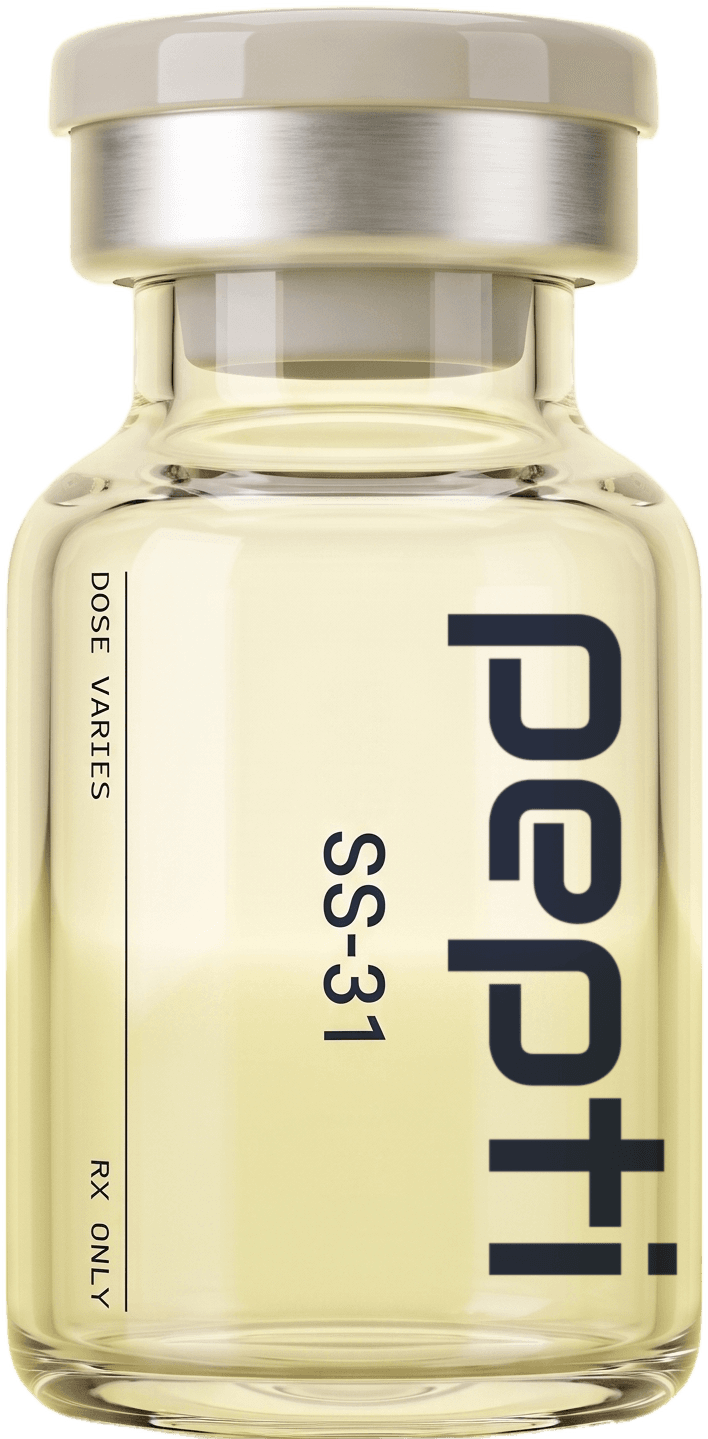
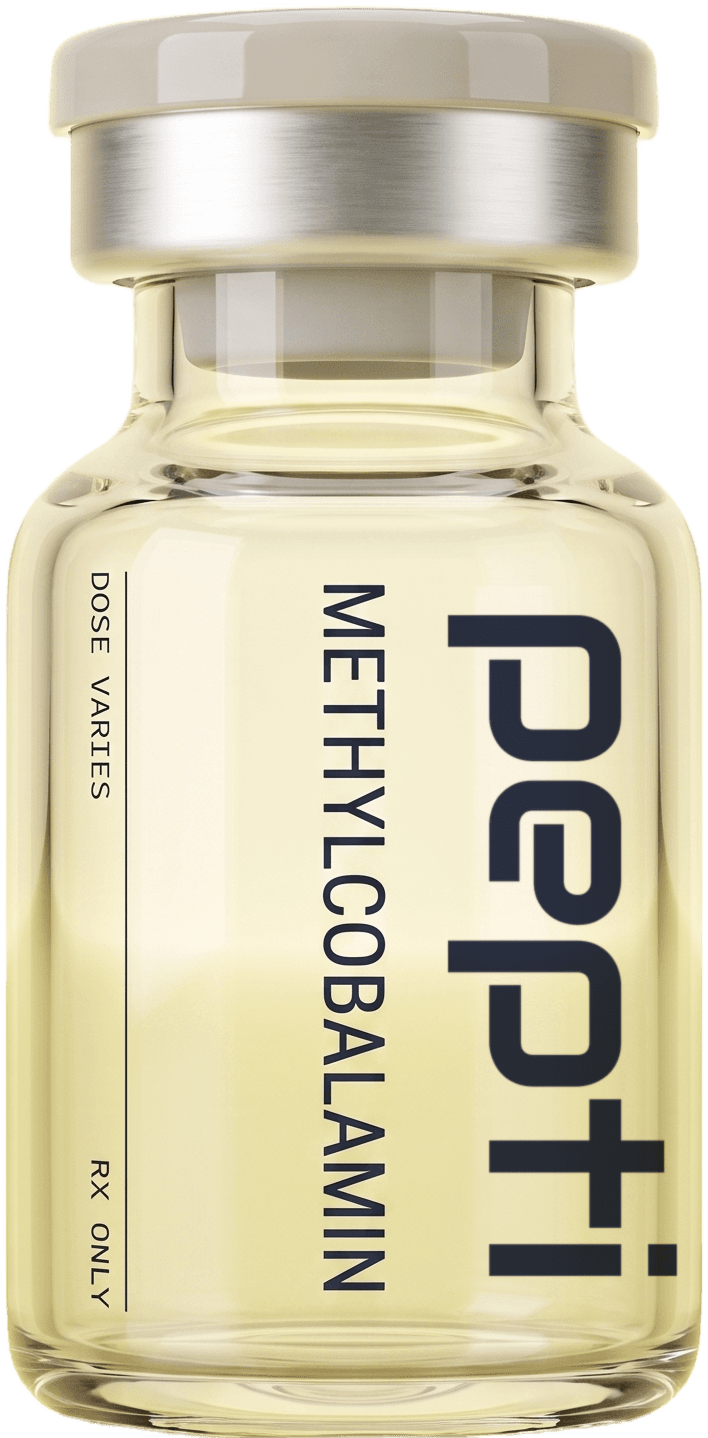
The compounds prescribed for energy and fatigue are NAD+, MOTS-c, SS-31, and injectable methylcobalamin or L-carnitine where a deficiency is the issue. Most of them are not peptides at all: they act on mitochondria, the structures inside every cell that turn food and oxygen into usable energy. None of them is a stimulant, and none of them treats the medical causes of tiredness. All are prescription-only, compounded by licensed US pharmacies, and not FDA approved.
Fatigue is the complaint most likely to have a dull, treatable cause. Here is what each molecule is, where it acts, and what must be excluded first.
— Peptides for Energy and Fatigue
The short answer
| If your situation is | The usual prescription | What is in it | Price |
|---|---|---|---|
| Persistent low energy, labs already clear | NAD+ Injection | 1000 mg NAD+ in 10 mL (100 mg/mL) | $249 |
| The same, starting at a lower strength | NAD+ 500 mg | 500 mg NAD+ in 10 mL (50 mg/mL) | $229 |
| Unwilling to inject | NAD+ Nasal Spray | 300 mg NAD+ per 25 mL bottle | $269 |
| Fatigue alongside weight and metabolic complaints | MOTS-c | 10 mg MOTS-c in 5 mL | $259 |
| Fatigue where mitochondrial function is the question | SS-31 | 10 mg SS-31 in 5 mL | $249 |
| Documented B12 deficiency | Methylcobalamin | 10 mg methylcobalamin in 5 mL | $229 |
| Fat-oxidation support with training | L-Carnitine | 20 mg L-carnitine in 10 mL | $219 |
All-in monthly prices covering medication, physician review, refill management and shipping. Pepti is subscription based.
The table is the map. If you read one section below, read the one on what has to be excluded first. It is where most fatigue is actually solved.
— Peptides for Energy and Fatigue
What is actually going on in fatigue
— Energy is a supply chain, not a tank
"Low energy" suggests a reservoir that has run down. The biology is closer to an assembly line. Glucose and fatty acids are broken down in the cytoplasm and the mitochondrial matrix, and their electrons are handed to carrier molecules, which deliver them to the electron transport chain embedded in the folded inner mitochondrial membrane. The chain pumps protons across that membrane, and their return drives ATP synthase, which makes the ATP every muscle contraction and nerve impulse spends.
Each step has inputs: the carnitine shuttle for fatty acids, NAD+ to carry electrons, cardiolipin to hold the transport chain in shape, iron, B12 and folate for the red cells that deliver oxygen, thyroid hormone to set the throughput. Remove any one and the line slows.
— Where the line breaks: substrate, cofactor, membrane, signal
Sort the compounds on this page by the step they touch. Methylcobalamin and L-carnitine are substrate and transport problems: they matter when the body is short of them and do little when it is not. NAD+ is a cofactor problem: the carrier the whole process depends on, which human tissue studies report declining with age (PLOS ONE, 2012). SS-31 is a membrane problem: it binds cardiolipin. MOTS-c is a signaling problem: a peptide encoded by the mitochondrion itself that tells the cell how to handle metabolic stress. Glutathione is the cleanup crew for the reactive oxygen species the chain leaks. A person whose fatigue is an iron problem gets nothing from a cofactor, and a person whose fatigue is a sleep problem gets nothing from any of them.
— Fatigue is a symptom, and most of its causes are ordinary
Persistent tiredness is one of the most common reasons adults see a physician, and in most visits the cause is found in the history or on a routine panel. Chronic fatigue syndrome, defined by the 1994 criteria in the Annals of Internal Medicine, is a small minority of the people searching for "peptides for energy". Most are somewhere more mundane, and the mundane causes have treatments that work better than anything here.
— Peptides for Energy and Fatigue
What has to be excluded first
This is the part providers skip and physicians do not. Every row below is common, shows on a standard workup, and will not respond to anything on this page.
| Cause | How it is found | Why a peptide misses it |
|---|---|---|
| Hypothyroidism | TSH and free T4 | The problem is hormone output, not cellular energy supply |
| Iron deficiency, with or without anaemia | Ferritin and full blood count | Oxygen delivery is the limit, not ATP production |
| Obstructive sleep apnoea | Sleep study; snoring, witnessed pauses | The night is fragmented mechanically |
| Depression | Clinical screening | Fatigue is one of its most common presentations |
| Insulin resistance or diabetes | HbA1c, fasting glucose | Needs metabolic treatment, not a coenzyme |
| B12 or folate deficiency | Serum B12, folate, MCV | This one has a specific replacement, listed above |
| Low testosterone | Morning total and free testosterone, repeated | Covered in peptides for men over 40 |
| Medication effects | Review of everything you take | Beta blockers, sedating antihistamines and alcohol cause this directly |
At-home blood testing covers the thyroid, metabolic and hormone side without a lab visit, and do you need bloodwork before peptides explains what a prescriber reads from it. A provider who sells you an NAD+ course without asking about any of the above is dispensing, not assessing.
— Peptides for Energy and Fatigue
What physicians prescribe for energy and fatigue
One section per product: what it is, how research describes it working, what has been tested in people, and who it suits.
— NAD+ injection
Nicotinamide adenine dinucleotide is a coenzyme, not a peptide. It sits in every cell you have, and its job is to carry electrons: in glycolysis and the citric acid cycle it picks them up from broken-down nutrients, becoming NADH, then hands them to the electron transport chain, where their energy makes ATP. Sirtuins and PARP enzymes, which handle DNA repair and the stress response, consume NAD+ rather than recycling it. A 2012 PLOS ONE study reported lower NAD+ and more oxidative stress in older human tissue; reviews in Science (2015) and Cell Metabolism (2018) set out the case that this decline is part of aging.
The human data needs careful reading, because almost all of it uses oral precursors rather than NAD+ itself. Nicotinamide riboside by mouth raised blood NAD+ in healthy volunteers (PLoS One, 2017), in healthy middle-aged and older adults (Nature Communications, 2018) and in healthy overweight adults with no safety signal (Scientific Reports, 2019), but did not improve insulin sensitivity in obese men (American Journal of Clinical Nutrition, 2018). Nicotinamide mononucleotide improved muscle insulin sensitivity in prediabetic postmenopausal women (Science, 2021) and raised NAD+ and walking distance in healthy middle-aged adults (GeroScience, 2023). Nicotinamide riboside raised brain NAD+ in Parkinson's disease (Cell Metabolism, 2022) and gave a modest walking benefit in peripheral artery disease (Nature Communications, 2024).
For NAD+ given directly, the data is thin. A 2019 pilot in Frontiers in Aging Neuroscience infused it over six hours and found plasma NAD+ did not rise for roughly two hours while metabolites appeared in urine. For fatigue, the trials that exist used oral NADH, the reduced form: a small 1999 crossover in Annals of Allergy, Asthma and Immunology, and two trials of NADH with coenzyme Q10 (Clinical Nutrition, 2016; Nutrients, 2021) reporting reduced fatigue perception in chronic fatigue syndrome. There are no randomized human trials of subcutaneous NAD+ for fatigue.
Who it suits: the person whose workup is genuinely clear, who describes flat afternoons rather than sleepiness, and who understands that the mechanism is well described while the evidence for this route is not. NAD+ Injection is the full-strength vial.
— NAD+ 500 mg and the NAD+ nasal spray
NAD+ 500 mg is the same molecule at half the concentration, which some physicians choose for a first month so any flushing or nausea can be judged at a lower exposure. It is not a different treatment.
The NAD+ Nasal Spray exists for the person who will not inject. Reviews in the Journal of Controlled Release (2003) and Advanced Drug Delivery Reviews (2012) describe nasal delivery, and rat studies in Frontiers in Bioscience (2007) and the Journal of Neurotrauma (2012) report intranasal NAD+ reaching the brain after stroke and head trauma. Those are rodent studies of acute injury, not human fatigue trials. The spray carries a lower total dose per bottle, and no trial has compared the routes.
— MOTS-c
MOTS-c is a peptide encoded in mitochondrial DNA rather than in the nucleus, which is most of why it drew attention; mitochondria carry their own small genome, and MOTS-c is one of the few proteins written there. The 2015 Cell Metabolism paper that named it reported that in mice it activated AMPK, the cell's low-energy sensor, and prevented diet-induced obesity and insulin resistance; a 2018 follow-up described it moving into the nucleus under metabolic stress.
The human work is observational. A 2021 Nature Communications paper reported that exercise raises MOTS-c in the plasma and muscle of young men, and that treating aged mice improved their physical capacity. Plasma MOTS-c has been reported lower in diabetes (Frontiers in Endocrinology, 2019), associated with insulin sensitivity in lean adults (Journal of Investigative Medicine, 2018) and with obesity (Archives of Endocrinology and Metabolism, 2025), and a mitochondrial DNA variant altering the peptide has been linked to type 2 diabetes (Aging, 2021). That describes MOTS-c as a marker and a mechanism. There are no randomized human trials of MOTS-c.
Who it suits: the person whose fatigue travels with weight gain or insulin resistance, where the AMPK mechanism is aimed at the right problem. MOTS-c is the single-agent vial. Tested athletes should read the anti-doping section first.
— SS-31 (elamipretide)
SS-31, also called elamipretide, is a four-amino-acid peptide designed to concentrate in the inner mitochondrial membrane, where it binds cardiolipin, the phospholipid that holds the electron transport chain in efficient arrangement and whose damage is a recognized feature of mitochondrial dysfunction. A 2014 review in the British Journal of Pharmacology describes it as the first compound built to protect cardiolipin, and a 2013 study in the Journal of the American Society of Nephrology reported it restoring ATP production in ischemic rat kidney mitochondria.
SS-31 is the one compound here with a genuine trial program. In primary mitochondrial myopathy, a group of rare genetic diseases, a 2018 dose-escalation study in Neurology reported better six-minute walk distance at the highest dose; a 2020 crossover in the Journal of Cachexia, Sarcopenia and Muscle found no significant change in walking but a signal on patient-reported fatigue; and MMPOWER-3 (Neurology, 2023), 218 patients over 24 weeks, did not meet its primary endpoints, with a 2024 post hoc analysis in the Orphanet Journal of Rare Diseases suggesting the response differed by genotype. In Barth syndrome, a cardiolipin disorder, the TAZPOWER crossover (Genetics in Medicine, 2021) missed its primary endpoints but its open-label extension reported improvements sustained through 168 weeks (Genetics in Medicine, 2024), and that data underpinned the FDA's 2025 accelerated approval of elamipretide (Drug Discovery and Therapeutics, 2026). Phase 2 trials in heart failure (Journal of Cardiac Failure, 2020) and macular degeneration (Ophthalmology Science, 2024) are also published.
So: real randomized trials, in rare genetic mitochondrial diseases, with mixed results and one approval. There are no randomized human trials of SS-31 in people with fatigue who do not have a mitochondrial disease.
Who it suits: the person whose physician has reason to think mitochondrial function itself is limiting, after the ordinary causes are gone. SS-31 is supplied as a vial.
— Methylcobalamin
Methylcobalamin is the active coenzyme form of vitamin B12, and the least glamorous thing here. It is the cofactor for methionine synthase in the methylation cycle and is required for myelin maintenance and red blood cell formation. Deficiency is common and under-recognized (New England Journal of Medicine, 2013; Nature Reviews Disease Primers, 2017), presents with fatigue, numbness and low mood long before anemia, and is more frequent with long-term metformin (Journal of Clinical Endocrinology and Metabolism, 2016) and plant-based diets (Nutrition Reviews, 2013).
In genuine deficiency, replacement changes how people feel. What the evidence does not support is B12 as a general energy shot. High-dose oral cobalamin corrects deficiency as well as injections (Blood, 1998; Cochrane, 2018), and a 2015 paper in Molecular Nutrition and Food Research found no evidence the methyl form outperforms other forms. A 2018 randomized trial in Clinical Nutrition ESPEN gave surplus B12 to people with bowel disease and reported no reduction in fatigue. At a normal B12 level it does very little, and honest prescribers say so.
Who it suits: the person with a low or borderline serum B12, malabsorption, long-term metformin use, or a plant-based diet. Methylcobalamin is the single-agent injection; the B12 in Lipo-B is combined with lipotropic agents and belongs to a body-composition conversation.
— L-carnitine
L-carnitine is a quaternary ammonium compound synthesized from lysine and methionine, again not a peptide. It runs the carnitine shuttle: the mechanism that carries long-chain fatty acids across the inner mitochondrial membrane so they can be burned. That step is rate-limiting for fat oxidation, which is why it appears in both fatigue and body-composition conversations. Work in the Journal of Physiology (2007, 2011) showed that raising muscle carnitine in humans over 24 weeks shifted fuel use during exercise.
Human fatigue data exists in specific populations: centenarians given L-carnitine for six months reported less physical and mental fatigue against placebo (American Journal of Clinical Nutrition, 2007), and hemodialysis patients, who are routinely depleted, reported less fatigue after intravenous doses (American Journal of Kidney Diseases, 2001). Meta-analyses of weight trials (Obesity Reviews, 2016; Pharmacological Research, 2020) report a modest effect. Clinical benefit in people who are not deficient is modest, and a 2013 Nature Medicine paper on gut-bacterial conversion of carnitine to TMAO is why a physician asks about cardiovascular history first.
Who it suits: the person training hard whose fatigue is exercise-related, or whose diet plausibly runs carnitine low. L-Carnitine is supplied as a vial.
— Glutathione
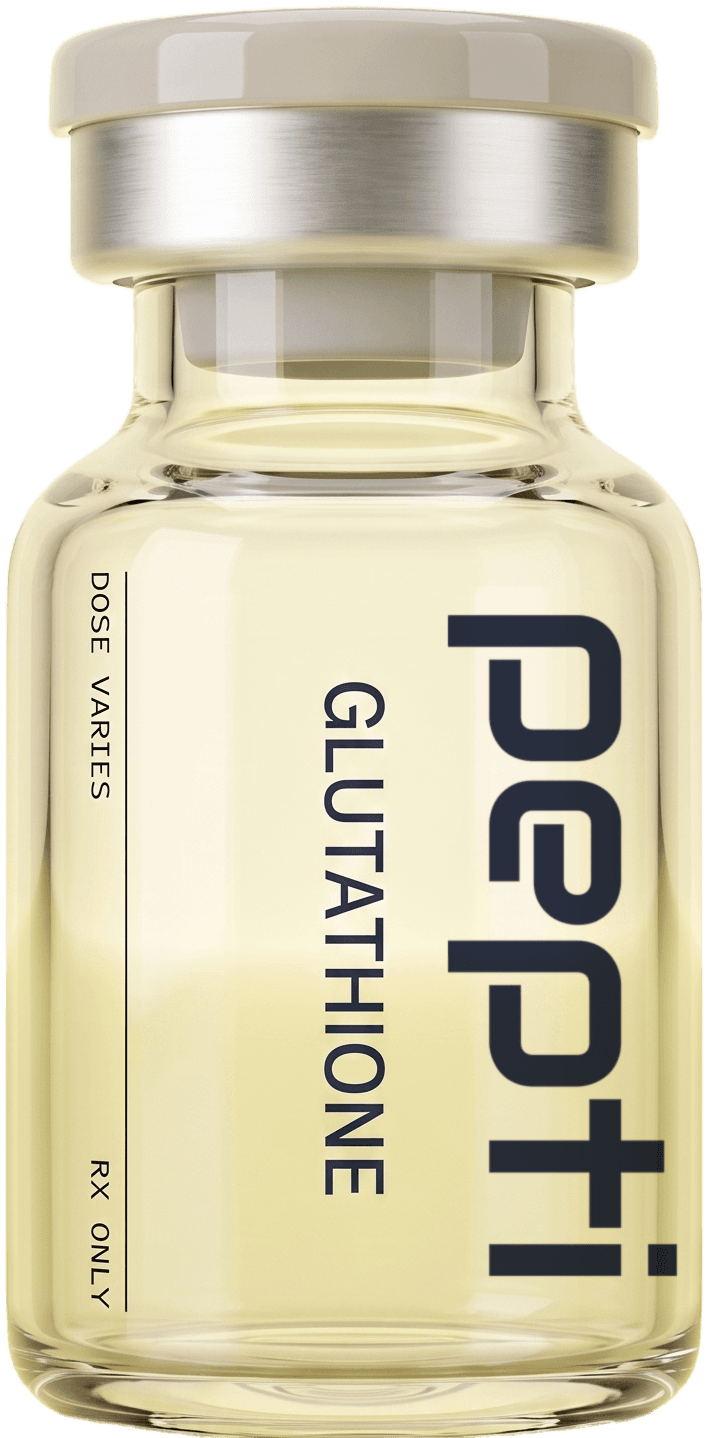
Glutathione is a tripeptide of glutamate, cysteine and glycine, and the main antioxidant inside your cells (Biochimica et Biophysica Acta, 2013). The biochemistry is solid; evidence that supplementing it produces clinical outcomes is weaker.
Route matters more for glutathione than for anything else here. A 1992 study in the European Journal of Clinical Pharmacology found essentially no rise in plasma glutathione after oral doses, which is why injectable forms exist; later oral trials (European Journal of Nutrition, 2015) reported raised body stores over months. The most relevant trial did not use glutathione itself: a 2023 randomized trial in the Journals of Gerontology gave older adults glycine and N-acetylcysteine, its building blocks, and reported improved glutathione levels, mitochondrial markers and physical function. There are no randomized human trials of injectable glutathione for fatigue.
Who it suits: the person whose physician is treating oxidative load or liver function alongside fatigue, rather than fatigue alone. Glutathione is supplied as a vial.
— Peptides for Energy and Fatigue
Route, rate and what people describe
NAD+ is where route and administration speed are the practical story. By intravenous infusion it is run slowly, because rapid administration is commonly associated with flushing, chest tightness, nausea and an urge to breathe deeply, and those sensations settle when the rate is reduced. Subcutaneous injection avoids the infusion chair; the nasal spray avoids needles at a lower total dose per bottle.
| Route | Practical reality | Who it suits |
|---|---|---|
| Intravenous infusion | Slow, clinic-based, hours per session | People with clinic access |
| Subcutaneous injection | Smaller amounts, self-administered on your physician's schedule | Most patients |
| Nasal spray | No needles, lower total dose per bottle | Needle-averse patients |
| Timeframe | What patients commonly describe |
|---|---|
| First doses | Injection-site tenderness, or transient flushing with faster NAD+ administration |
| Weeks 1 to 3 | Steadier afternoons rather than a stimulant-like lift |
| Weeks 4 to 8 | Better tolerance of training and less post-exertional flatness |
| Week 8 onward | Where a physician reassesses whether it is worth continuing |
Those are patient reports, not trial endpoints. Response varies and no honest provider offers you a number. How do I know if peptides are working covers how to judge that without fooling yourself.
— Peptides for Energy and Fatigue
What the evidence shows, and what it does not
— NAD+: strong biochemistry, thin data for the injected route
NAD+ biochemistry is textbook material. Whether administering it raises intracellular NAD+ meaningfully in humans, and whether that changes how a person feels, is where the evidence thins and where marketing most outruns the data.
— MOTS-c: preclinical, plus human observation
MOTS-c is preclinical. An association between exercise and plasma MOTS-c is not evidence that injecting MOTS-c reproduces exercise.
— SS-31: real trials, in a different population
SS-31 has been through clinical trials in primary mitochondrial myopathy with mixed results, and use for ordinary fatigue extrapolates from that.
— The injectable nutrients, and what none of it establishes
Methylcobalamin and L-carnitine are established in deficiency and modest outside it. Glutathione's injectable fatigue data is absent. None of it establishes an effect size for fatigue in otherwise healthy adults, a human timeline, or superiority of one NAD+ route over another. None of these compounded products is FDA approved. They are made by licensed US pharmacies against a valid prescription, which are peptides FDA approved explains in full. Anyone with a personal history of cancer should raise it, since NAD metabolism intersects with cell proliferation pathways.
— Peptides for Energy and Fatigue
Where these stand with the FDA right now
Verified against FDA sources in September 2026.
— The 503A framework in one paragraph
A pharmacy compounding under section 503A may use a bulk drug substance if it has a USP or NF monograph, is a component of an FDA-approved drug, or appears on the FDA's 503A bulks list. That list, in 21 CFR 216.23, currently contains six substances, none on this page. For nominated substances not yet decided, the FDA runs an interim policy with three categories: Category 1 under evaluation, Category 2 flagged for significant safety concerns, Category 3 nominated without adequate support.
— NAD+, glutathione, methylcobalamin and carnitine
In the FDA's categories document updated May 14, 2026, nicotinamide adenine dinucleotide (NAD), its reduced form NADH, glutathione, methylcobalamin and acetyl-L-carnitine all sit in Category 1. One specific salt, beta-nicotinamide adenine dinucleotide disodium salt trihydrate, was nominated separately and appears in Category 3. None of the four is in Category 2.
Levocarnitine is also the active ingredient of FDA-approved oral tablets and solutions, so L-carnitine qualifies as a component of an approved drug. There is no FDA-approved methylcobalamin product; the approved injectable B12 is cyanocobalamin. In every case the compounded injection is prepared to your prescription and is not an FDA-approved finished product.
— MOTS-c
MOTS-c is the one compound here whose status has moved this year. It was previously placed in Category 2. As of the FDA's May 14, 2026 update it appears in none of the three categories, and the FDA's page on substances that may present significant safety risks lists MOTS-c under substances previously in Category 2 whose nominations were withdrawn by the nominators. Separately, on July 23, 2026 the FDA's Pharmacy Compounding Advisory Committee discussed MOTS-c, alongside BPC-157, KPV and TB-500, as a candidate for the 503A bulks list, with obesity and osteoporosis as the uses reviewed. The committee recommends; the FDA's own determination follows and has not been issued.
— SS-31 and the approved elamipretide product
Elamipretide is now the active ingredient of an FDA-approved drug. Forzinity (NDA 215244) was approved on September 19, 2025 under accelerated approval, to improve muscle strength in adult and pediatric patients with Barth syndrome weighing at least 30 kg, on an intermediate endpoint, with continued approval contingent on a confirmatory trial. Compounded SS-31 is not Forzinity, is not approved for anything, and is not prescribed here for Barth syndrome; whether a compounded preparation is appropriate for a given patient is a decision for the physician and the pharmacy.
— Anti-doping
The 2026 WADA Prohibited List names MOTS-c explicitly under S4.4.1, as an activator of AMP-activated protein kinase, in the class of hormone and metabolic modulators prohibited at all times. NAD+, elamipretide, L-carnitine, vitamin B12 and glutathione are not named on the 2026 list. A tested athlete should confirm with their governing body and tell their physician before anything is prescribed.
— Peptides for Energy and Fatigue
What a physician rules out first
The history, then the labs
The workup starts with questions. How long has this gone on, and what changed at the start. Is it sleepiness, where you could nap at any moment, or fatigue, where you are exhausted but could not sleep; the first points toward sleep apnea or medication, the second toward metabolic and mood causes. Do you snore. Is there low mood, weight change, cold intolerance, heavy periods, numbness. Each is a fork toward a diagnosis with its own treatment.
The baseline panel is the one in the exclusion table, and a physician may add liver and kidney function, vitamin D, inflammatory markers, celiac serology and a sleep study referral. "Labs already clear" means those numbers have been seen by the prescriber, not that a previous provider once said you were fine. A ferritin at the floor of the reference range is the classic result that is technically normal and practically the answer.
— Peptides for Energy and Fatigue
What to expect, and when
These are patterns described by prescribers and patients, not trial endpoints. Individual response varies and a physician decides whether treatment is appropriate at all.
The first doses
With NAD+ the first thing most people notice is the injection itself: site tenderness, and if the dose is given quickly, warmth or flushing. Slower administration is the usual answer. Nobody should expect a stimulant-like lift on day one, and its absence is not a sign anything is wrong.
Weeks one to eight
What people most often describe in the first three weeks, when they describe anything, is a smoother afternoon and a quicker return to baseline after exertion. For a genuine B12 deficiency treated with methylcobalamin the change can be more distinct and earlier. Weeks four to eight are where any change in exercise tolerance would show, and it is the window a physician uses to judge whether the product is doing anything for you. Refills run every 28 days; the question at each refill is whether the trend is real, judged against the markers you agreed on at the start rather than against a feeling.
— Peptides for Energy and Fatigue
When a peptide is the wrong tool
A reference that only ever recommends its own product is not much of a reference. Some cases where nothing in the table above is the right first move:
— Fatigue that is really poor sleep
If the night is short, fragmented or unrefreshing, no cofactor fixes a sleep problem. Snoring and witnessed pauses are a sleep-study question; where the issue is falling and staying asleep, DSIP or the SERENITY blend belong to that conversation.
— Fatigue that travels with weight and glucose
Where fatigue arrives with weight gain or a rising HbA1c, the metabolic problem is upstream of the mitochondria. MOTS-c is aimed at that biology, but the compounds with large randomized trials for weight and glucose are semaglutide and tirzepatide, and a physician will usually want that conversation first.
— Fatigue with low mood or anxiety
Fatigue is one of the most common presentations of depression, and it does not respond to an energy product. Where the picture is anxiety and tension rather than energy, Selank is the product aimed at that, and the physician decides whether it belongs in the plan.
— Fatigue with a hormonal cause, or after an illness
Low thyroid output and low testosterone both present as tiredness and both have their own treatments; low testosterone in men is covered in peptides for men over 40. Tiredness while recovering from an illness, surgery or a hard training block is the body allocating resources to repair; where recovery itself is the concern, that is the conversation products such as BPC-157 sit in.
Your physician will tell you if none of the energy products is the right tool. A consultation does not guarantee a prescription, and being declined is refunded.
— Peptides for Energy and Fatigue
Monitoring and bloodwork
Before starting
The exclusion panel is the pre-treatment bloodwork and doubles as the baseline. For methylcobalamin the serum B12 is the whole point, with methylmalonic acid if borderline. For L-carnitine a physician may want a lipid panel because of the TMAO literature. For NAD+, MOTS-c, SS-31 and glutathione there is no specific pre-treatment marker, which is why the general workup matters more, not less.
While on treatment
Repeat labs are your physician's call: a B12 level after a few months of methylcobalamin, and a repeat of whatever was borderline at the start. Keep a simple log of what you agreed to watch, for example afternoon energy on a 1 to 10 scale and hours of sleep, because memory is a poor instrument for a slow change. Report flushing that does not settle with slower administration, chest discomfort that persists after a dose, injection-site reactions that spread, and anything that feels like an allergic reaction.
— References
What this is based on.
References
- Chang CH, Tsai WC, Hsu YH, Pang JH. Pentadecapeptide BPC 157 enhances the growth hormone receptor expression in tendon fibroblasts · Molecules (2014) · PMID 25415472
- Krivic A, Anic T, Seiwerth S, et al.. Achilles detachment of rat and stable gastric pentadecapeptide BPC 157 · Journal of Orthopaedic Research (2006) · PMID 16583442
- Sikiric P, Seiwerth S, Rucman R, et al.. Stable gastric pentadecapeptide BPC 157: novel therapy in gastrointestinal tract · Current Pharmaceutical Design (2011) · PMID 21548867
- Cerovecki T, Bojanic I, Brcic L, Radic B, et al.. Pentadecapeptide BPC 157 (PL 14736) improves ligament healing in the rat · J Orthop Res (2010) · PMID 20225319
- Sikiric P, Seiwerth S, Rucman R, Turkovic B, et al.. Stable gastric pentadecapeptide BPC 157-NO-system relation · Curr Pharm Des (2014) · PMID 23755725
- Cox HD, Miller GD, Eichner D. Detection and in vitro metabolism of the confiscated peptides BPC 157 and MGF R23H · Drug Test Anal (2017) · PMID 28035768
- Thomas A, Görgens C, Guddat S et al.. Simplifying and expanding the screening for peptides <2 kDa by direct urine injection, liquid chromatography, and ion mobility mass spectrometry · J Sep Sci (2016) · PMID 26578461
- Farrar JT, Young JP Jr, LaMoreaux L, Werth JL et al.. Clinical importance of changes in chronic pain intensity measured on an 11-point numerical pain rating scale · Pain (2001) · PMID 11690728
- Meyer JD, Ho B, Manning MC. Effects of conformation on the chemical stability of pharmaceutically relevant polypeptides · Pharm Biotechnol (2002) · PMID 11987755
- Xu C, Sun L, Ren F, Huang P, et al.. Preclinical Safety Evaluation of Body Protective Compound-157, a Potential Drug for Treating Various Wounds · Regul Toxicol Pharmacol (2020) · PMID 32334036
- He L, Feng D, Guo H, et al.. Pharmacokinetics, distribution, metabolism, and excretion of body-protective compound 157, a potential drug for treating various wounds, in rats and dogs · Front Pharmacol (2022) · PMID 36588717
- Lee E, Padgett B. Intra-Articular Injection of BPC 157 for Multiple Types of Knee Pain · Altern Ther Health Med (2021) · PMID 34324435
Citations are provided for educational purposes. They do not constitute medical advice. Always discuss any peptide protocol with your prescribing physician.
— Common questions
Peptides for Energy and Fatigue, answered.
NAD+ is the most requested and MOTS-c and SS-31 are the mitochondrial options, but none is best if your fatigue has a cause on the table above. The most effective step here is usually finding the boring diagnosis. Your physician chooses with your labs in front of them.
It is a coenzyme in the reactions that produce ATP, so the mechanism is real and well described. Whether injected or inhaled NAD+ raises the level inside your cells enough to change how you feel is an open question in humans. Patients commonly describe steadier energy rather than a stimulant effect.
They are different exposures rather than better and worse. The injection delivers more per administration; the spray suits people who will not inject and carries 300 mg per bottle. No trial has compared the routes. Your physician decides which fits and sets the schedule.
That sensation, along with flushing and nausea, is commonly reported when NAD+ is administered quickly, and it is why infusions are run slowly. It is the rate, not the substance, that patients react to. Report it to your prescriber rather than pushing through.
Prescribers do combine them, and MOTS-c appears alongside other peptides in blends such as PHYSIQ. Whether stacking is sensible for you is a clinical judgement, discussed in can you take two peptides together.
Between $199 and $269 all-in, depending on which one and which format. What drives the pricing is covered in how much do peptides cost; each product page carries the current figure.
Yes. The 2026 WADA Prohibited List names MOTS-c explicitly as an AMPK activator under S4.4.1, prohibited at all times. NAD+, SS-31, L-carnitine, B12 and glutathione are not named, but a tested athlete should check with their governing body first.
Yes, the same molecule. An elamipretide product, Forzinity, was FDA approved in September 2025 under accelerated approval for Barth syndrome, a rare genetic disorder. Compounded SS-31 is not that product and is not FDA approved for any use.
MOTS-c no longer appears in Category 2; the FDA lists it among substances previously in Category 2 whose nominations were withdrawn. In July 2026 the Pharmacy Compounding Advisory Committee discussed it as a candidate for the 503A bulks list; the FDA's determination is pending.
Yes, in practice. The causes of fatigue that a peptide misses are found on a standard panel. At-home blood testing covers thyroid, iron, B12, glucose and hormones without a lab visit.
The evidence says no. B12 corrects a deficiency reliably, but a 2018 randomized trial gave surplus B12 to people with normal levels and found no reduction in fatigue. Methylcobalamin is for the person whose B12 is low or borderline, or whose history makes deficiency likely.
There is no trial-established duration. Treatment is planned as ongoing, with refills every 28 days, and at each refill you and your physician judge whether the markers you agreed on are moving. The free assessment goes to a physician licensed in your state. A consultation does not guarantee a prescription.
— Next step
See what a physician
recommends for you.
A licensed physician in your state reviews your intake and decides what is appropriate. A consultation does not guarantee a prescription.
Important legal & safety information
The assessment process available on the Pepti website asks a series of medical questions, and the answers provided are reviewed by an independent licensed physician affiliated with our partner physician network. The licensed providers have established exclusionary criteria, and the answers provided determine if the individual is screened out of eligibility for treatment. The licensed clinicians retain the sole decision to prescribe peptide therapy and other compounded medications to patients. Treatment may be denied at the physician's sole discretion. If a prescription is not approved, you will not be charged for the medication.
Pharmacy Providers. Pepti is a technology platform and is not a healthcare provider, pharmacy, or prescriber. All medications offered through the platform are compounded by independent FDA-registered 503A or 503B compounding pharmacies based on a valid prescription written by a licensed physician for an individual patient. Compounded medications are not FDA-approved as products. The active pharmaceutical ingredients used by our partner pharmacies are sourced from FDA-registered facilities. Compounded medications may not undergo the same testing or quality control as commercially manufactured FDA-approved drugs.
Results vary. Results from peptide therapy and other compounded treatments vary based on individual factors, including age, weight, medical history, adherence to the prescribed protocol, lifestyle factors, and physiological response. Pepti makes no guarantee of any specific outcome. Statements about peptide therapy and compounded medications offered through the platform have not been evaluated by the Food and Drug Administration. These products are not intended to diagnose, treat, cure, or prevent any disease.
Product images. Product photographs and renderings shown on this website are for illustrative purposes only. The appearance of vials, packaging, labeling, and other materials you receive may vary and is determined by the dispensing compounding pharmacy.
Off-label use.Many peptides offered through the platform are prescribed for off-label use. “Off-label” means the medication is being prescribed for a use, dose, or patient population that is not specifically approved by the FDA. Off-label prescribing is legal and common in U.S. medical practice when supported by clinical experience and judgment.
Mailing & shipping. Pepti currently dispenses prescription medication to patients in all 50 states and Washington, D.C.. All orders ship in unbranded, tamper-evident packaging via expedited delivery from our partner compounding pharmacies. Temperature-sensitive medications ship with insulated packaging and ice packs. Shipping is included at no additional cost. We do not currently ship medication outside all 50 states and Washington, D.C., internationally, or to APO/FPO addresses.
Not for emergencies. Pepti is not designed for medical emergencies. If you are experiencing a medical emergency, call 911 or go to your nearest emergency room immediately. For urgent but non-emergency medical questions, contact your primary care provider or use an urgent care service.
No doctor-patient relationship with Pepti. Your use of the platform does not create a doctor-patient relationship between you and pepti LLC. A doctor-patient relationship is established only between you and the independent licensed physician who reviews your intake and prescribes your treatment. The physicians who use the platform are independent contractors and are solely responsible for the medical care they provide.
Prescription medications. All prescription products require a valid prescription from a licensed healthcare provider. By using the platform, you acknowledge that you are at least 18 years old and that the information you provide is true, accurate, current, and complete. Providing false information may result in inappropriate treatment recommendations or denial of service.
Cosmetic & wellness products.Certain products offered through Pepti — including skincare, hair care, body care, supplements, men's grooming, sports recovery, and sexual wellness products — are cosmetic or dietary supplement products, not prescription medications. These products do not require a prescription and are not reviewed or prescribed by a physician. Statements regarding dietary supplements have not been evaluated by the Food and Drug Administration. These products are not intended to diagnose, treat, cure, or prevent any disease. Results vary by individual. Consult your healthcare provider before starting any new supplement or topical product, especially if you are pregnant, nursing, or taking other medications.
pepti LLC · Delaware Limited Liability Company · 131 Continental Dr, Suite 305, Newark, DE 19713 · For media or partnership inquiries, email hello@hellopepti.com. For patient support, email support@hellopepti.com. For privacy and HIPAA inquiries, email privacy@hellopepti.com.