— Anti-Aging · Reference
Is GHK-Cu Safe? Copper Load, Side Effects and Who Should Avoid It
This page covers what the GHK-Cu safety literature actually consists of, the side effects that are reported and how often, the copper-specific cautions that make this peptide different from the other repair peptides, where it stands with the FDA as of September 2026, and what a physician checks before and during treatment.
GHK-Cu is generally reported as well tolerated, and the part that needs real attention is the copper it carries, not the three amino acids it is attached to. Most reported effects are local: redness, itching or a small lump at the injection site. It should not be used by anyone with Wilson's disease or another copper-metabolism disorder, and high-dose zinc supplementation belongs in the conversation because zinc and copper compete. Human trial data for injectable use is limited, and it is not FDA approved.
This page covers what the GHK-Cu safety literature actually consists of, the side effects that are reported and how often, the copper-specific cautions that make this peptide different from the other repair peptides, where it stands with the FDA as of September 2026, and what a physician checks before and during treatment.
— Is GHK-Cu Safe? Copper Load, Side Effects and Who Should Avoid It
The short answer
| If you are considering | The product | What is in it | Price |
|---|---|---|---|
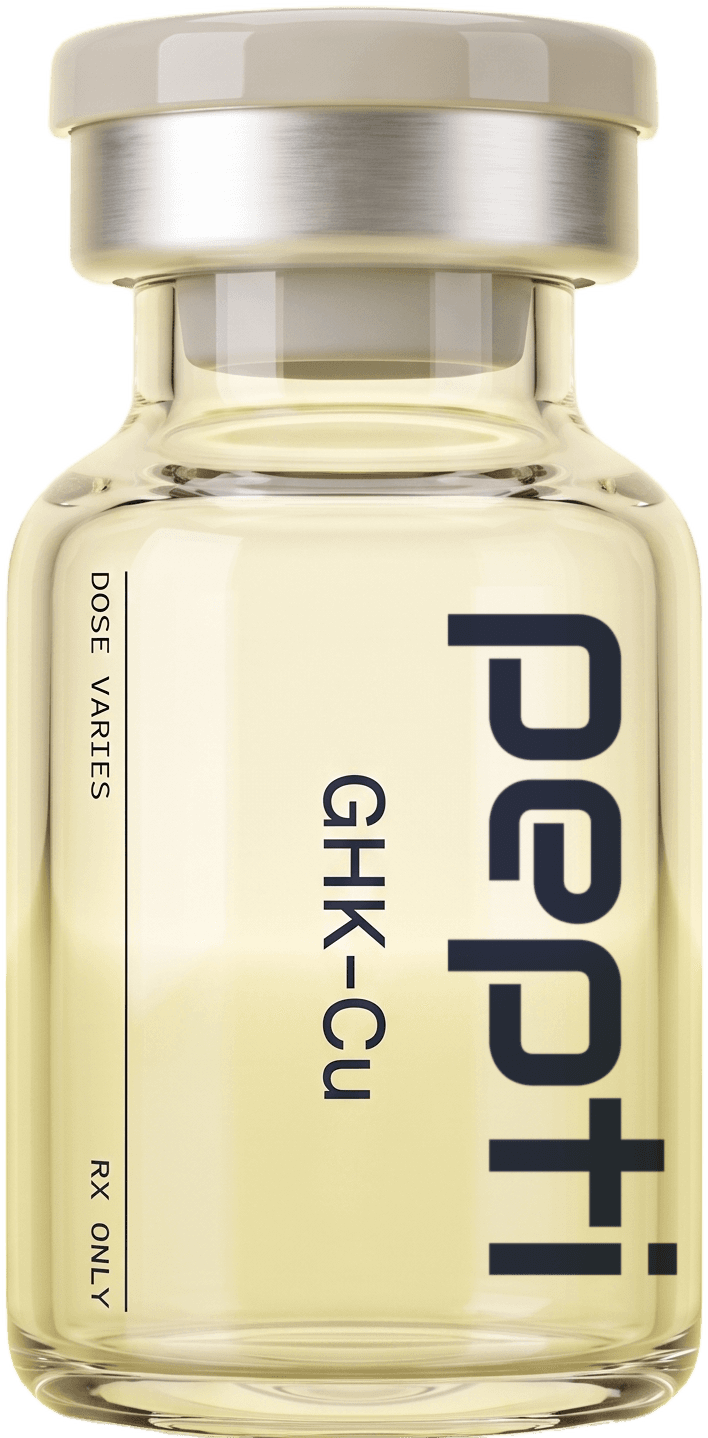
| GHK-Cu on its own | GHK-Cu | 50 mg GHK-Cu in 5 mL (10 mg/mL) | $239 |
| Skin focus with the GH axis | RADIANCE | 50 mg GHK-Cu, 10 mg Tesamorelin | $249 |
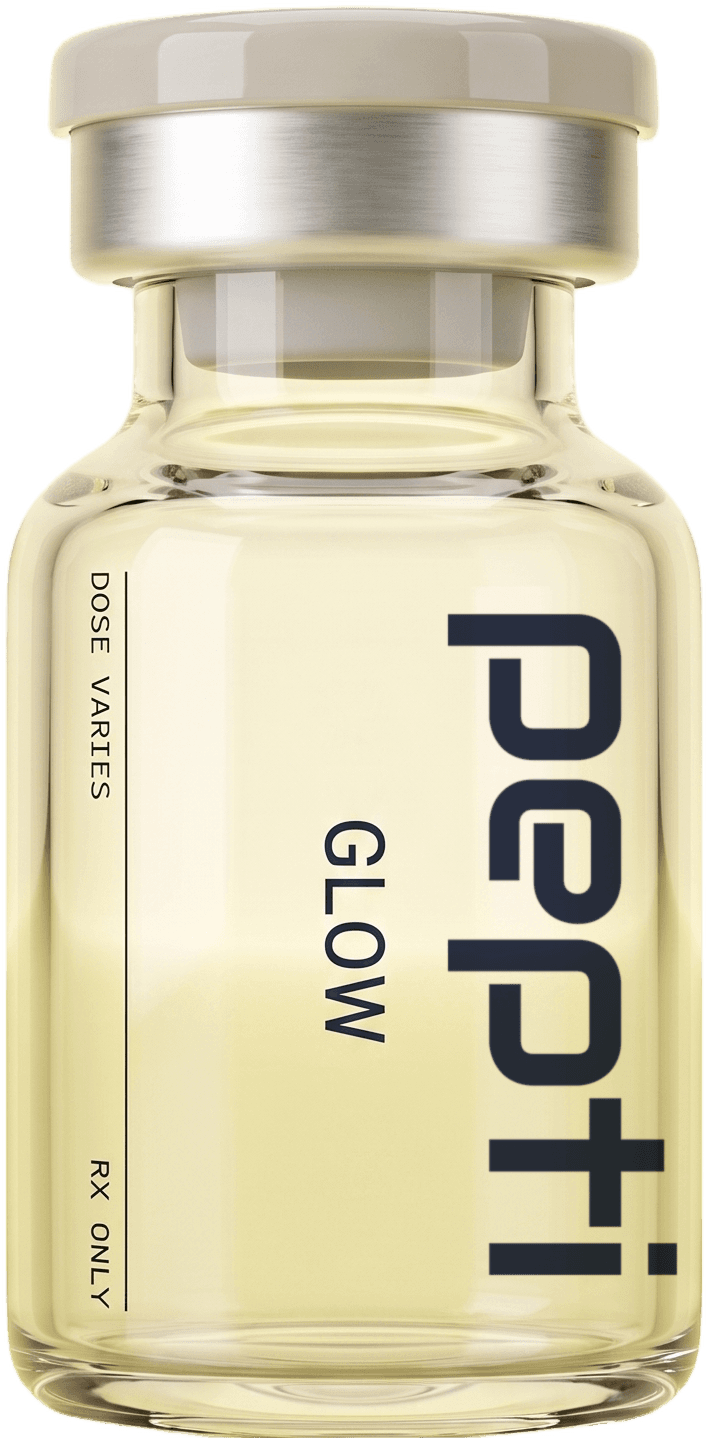
| Repair plus skin | GLOW | 50 mg GHK-Cu, 10 mg BPC-157, 10 mg TB-500 | $259 |
| Repair plus inflammation plus skin | KLOW | 50 mg GHK-Cu, 10 mg KPV, 10 mg BPC-157, 10 mg TB-500 | $259 |
| Recovery with the GH axis | REVIVE | 50 mg GHK-Cu, 6 mg CJC-1295, 12 mg Ipamorelin, 2 mg TB-500 | $279 |
| Longevity-oriented blend | ETERNAL | 50 mg GHK-Cu, 10 mg BPC-157, 10 mg TB-500, 10 mg Epithalon | $279 |
All-in monthly prices covering medication, physician review, refill management and shipping. Notice that every blend carries the same 50 mg of GHK-Cu per vial. If you are taking two GHK-Cu products at once you are doubling the copper load, which is a conversation to have before you start rather than after.
In a person with normal copper handling, taking GHK-Cu at the directions printed on the vial, the safety picture is dominated by injection-site reactions and by the ordinary uncertainties of a compounded peptide with no randomized human trials for the injectable route. The situations where the picture changes are specific and identifiable at intake: a copper-metabolism disorder, significant liver disease, a second copper-containing product, or a cancer history. That is why a physician reviews the intake rather than a form.
— Is GHK-Cu Safe? Copper Load, Side Effects and Who Should Avoid It
What GHK-Cu is, and why copper is the issue
GHK-Cu is a copper-binding tripeptide, glycine-histidine-lysine, that occurs naturally in human plasma and declines with age. Its described role is as a copper carrier: it binds copper with high affinity and delivers it where copper-dependent enzymes need it. Research reports increased synthesis of collagen, elastin, proteoglycans and glycosaminoglycans, modulation of the balance between matrix metalloproteinases and their inhibitors, antioxidant activity, and support for new blood-vessel formation.
Copper is essential in small amounts and harmful in excess, and the body regulates it tightly through absorption and biliary excretion. In someone with normal copper handling, prescribed doses are not generally a concern. In someone whose copper handling is impaired, delivering more copper is the problem. That is the whole reason the contraindications below are copper conditions rather than peptide conditions.
It is also why "it occurs naturally in the body" is not a safety argument. So does copper, and so does iron, and both cause disease when they accumulate.
Where GHK was first found
The tripeptide was identified in human plasma in the early 1970s, reported in Nature New Biology in 1973 as a serum factor that prolonged the survival of normal liver cells in culture. The same paper reported that it stimulated growth in neoplastic liver cells in culture, and that observation is the historical root of the cancer caution discussed further down. The Journal of Cell Biology in 1994 showed that GHK can be released from SPARC, a matrix protein, when tissue breaks down, which is one explanation for why it appears at injury sites.
GHK binds a single copper ion per tripeptide and holds it tightly enough that GHK-Cu behaves as a copper delivery vehicle rather than as free copper in solution. That is the difference between injecting a copper peptide and injecting a copper salt. It is also why the product is blue: copper complexes absorb light in a way that gives the solution a blue or blue-green color, and a vial that is blue is a vial that is behaving as expected.
How the body handles copper
Copper absorbed from food enters through the small intestine, travels to the liver, and is either built into ceruloplasmin and other copper proteins or excreted in bile. The liver is the control point. A review in Toxicology in 2003 describes how excess copper generates oxidative stress through redox cycling, and why the body keeps free copper so low that essentially all of it is protein-bound. Two things follow for an injectable copper peptide. Injected copper bypasses the gut, so the absorption-level controls the body uses for dietary copper do not apply; the liver's excretion still does. And anyone whose liver cannot excrete copper normally has lost the main safeguard.
— Is GHK-Cu Safe? Copper Load, Side Effects and Who Should Avoid It
What the safety data actually consists of
— Cell and animal work
The oldest and deepest layer. FEBS Letters in 1988 reported that GHK-Cu stimulated collagen synthesis in cultured fibroblasts. The Journal of Clinical Investigation in 1993 reported connective-tissue accumulation in rat wounds treated with the tripeptide-copper complex. The Journal of Investigative Dermatology in 1999 and Life Sciences in 2000 described its effects on matrix metalloproteinase expression in wounds and in fibroblast cultures, and Acta Poloniae Pharmaceutica in 2012 reported effects on TNF-alpha-driven IL-6 secretion in human dermal fibroblasts. None of these were designed as toxicology studies, but across them GHK-Cu is used at tissue-active concentrations without the authors reporting cellular toxicity, which is the modest and accurate thing that can be said.
A later cluster of mouse work matters because it used systemic rather than topical exposure. Oncotarget in 2016 reported that GHK-Cu ameliorated lipopolysaccharide-induced acute lung injury in mice; Life Sciences in 2020 reported protective effects in bleomycin-induced pulmonary fibrosis; Frontiers in Molecular Biosciences in 2022 reported attenuation of cigarette-smoke-induced emphysema. These are efficacy models, not safety models, but they involve systemic dosing in living animals and did not report copper-related harm at the doses used.
— Human topical studies
This is where most of the human data lives, and it is topical. Wound Repair and Regeneration in 1994 reported enhanced healing of ulcers in patients with diabetes treated with a topical GHK-Cu preparation. Archives of Facial Plastic Surgery in 2006 reported the effects of a topical copper tripeptide on skin after CO2 laser resurfacing. Inflammation Research in 2011 measured how much of a copper tripeptide actually penetrates human skin in vitro, layer by layer, which is useful precisely because it shows how little systemic exposure a serum produces. Topical tolerability in those studies was good. Topical tolerability does not tell you about injectable tolerability, because the exposure differs by orders of magnitude.
— Human injectable data
There are no randomized controlled trials of injectable GHK-Cu in humans. There are no published pharmacokinetic studies of the subcutaneous route that would tell you how long the peptide or its copper stays in circulation. What exists is clinical prescribing experience, which is real but unpublished, and the FDA's own reading of the evidence, which it summarized as "limited data in humans to inform safety-related considerations." There is no formal post-marketing surveillance either, because there is no approved product to surveil; adverse events reach prescribers and pharmacies, and the pattern that emerges is the one in the table below. Any page that tells you injectable GHK-Cu has been proven safe in people is describing evidence that does not exist.
— Gene-expression work
The Pickart group's reviews in BioMed Research International in 2014 and 2015, the International Journal of Molecular Sciences in 2018 and Brain Sciences in 2017 catalogue large numbers of human genes whose expression shifts when cultured cells are exposed to GHK. Genome Medicine in 2012 reported that GHK reversed a gene-expression signature of emphysema-related lung destruction in cell work. This research is often quoted as a safety argument on the grounds that the shifts look favorable. It is not one. Gene-expression change in a dish is a mechanism hypothesis, and it says nothing about what an injected dose does in a person over months.
— Is GHK-Cu Safe? Copper Load, Side Effects and Who Should Avoid It
Reported adverse effects
| Frequency | What is reported | What to do |
|---|---|---|
| Common | Injection-site redness, itching, stinging, tenderness, a small lump | Rotate sites; mention at follow-up |
| Common | A blue or green tint to the solution and sometimes a faint stain at the site | Expected from the copper; not a fault |
| Uncommon | Nausea or a metallic taste | Report it; can reflect dose |
| Uncommon | Headache, light-headedness after dosing | Report it |
| Uncommon | Transient low blood pressure sensation | Report it, particularly if you take antihypertensives |
| Stop and call | Facial or throat swelling, widespread rash, breathing difficulty | Emergency care first, then tell your prescriber |
| Stop and call | A site that is hot, spreading or worse after 48 hours | Same-day message; consider infection |
| Stop and call | Persistent nausea and vomiting, abdominal pain, jaundice, or new confusion | Stop dosing and contact your physician; these are the symptoms copper excess would produce |
The last row is the one that separates this molecule from the other repair peptides. Copper toxicity is a real clinical entity with a recognizable pattern, and it is worth knowing the pattern even though it is not something reported at prescribed doses.
Why the injection site reacts
Three things happen at once. The needle causes a small mechanical injury; the solution is at a different pH and osmolality from tissue fluid; and copper compounds are mildly irritant to skin, which Dermatologic Therapy reviewed in 2004 alongside the much rarer phenomenon of true copper hypersensitivity. A small red itchy spot after a GHK-Cu injection is almost always irritation rather than allergy, should fade over a day or two, and is fixed by rotating sites. A faint blue-green mark at the site is copper that has not yet dispersed, and it clears; people who have not been told about it assume bruising. A reaction that grows, spreads, feels hot or persists beyond 48 hours is a different thing and needs a same-day message.
Nausea, taste change and light-headedness
Nausea and a metallic taste are reported occasionally, are the kind of symptom copper produces at higher exposure, and are more often reported by people injecting larger volumes or more than one copper-containing product. They are a reason to tell your physician, not a reason to push through. A minority report feeling light-headed shortly after dosing; GHK-Cu is described as supporting vascular signaling and a transient blood-pressure dip is a plausible mechanism, though it has not been measured in a trial. Anyone on antihypertensive medication should say so at intake.
— Is GHK-Cu Safe? Copper Load, Side Effects and Who Should Avoid It
Serious risks and contraindications
— Copper overload
This is the serious risk, and it belongs to identifiable people rather than to everyone. The symptoms of copper excess are gastrointestinal first — nausea, vomiting, abdominal pain — followed by liver involvement, which can show as jaundice, and in severe accumulation neurological effects such as confusion. The Toxicology review of 2003 attributes the tissue injury to copper-driven oxidative stress. This pattern is not reported at prescribed GHK-Cu doses in people with normal copper handling. It is the reason the intake asks the copper questions it asks.
— Wilson's disease is an absolute contraindication
Wilson's disease is an inherited disorder of the ATP7B copper transporter in which the liver cannot excrete copper into bile, so copper accumulates in the liver, then the brain and other organs. Nature Reviews Disease Primers reviewed it in 2018: it is diagnosed on a combination of low ceruloplasmin, raised urinary copper, liver findings and genetic testing, and its lifelong treatment is built around removing copper with chelators or blocking its absorption with zinc. Injecting a copper carrier into someone whose entire treatment is copper removal is a contradiction. No physician will prescribe GHK-Cu, or any of the GHK-Cu blends, to a patient with Wilson's disease, and a family history of it is a reason to want copper studies before considering it.
Menkes disease, the opposite copper disorder, is a pediatric condition and is not a situation this medication is prescribed into. Acquired copper overload from other causes — long-term parenteral nutrition with copper, cholestatic liver diseases where biliary copper excretion is impaired — belongs in the same category as Wilson's disease for prescribing purposes.
— Liver disease narrows the margin
Because the liver is the copper exit route, impaired liver function reduces the body's capacity to handle any additional copper. This is not an absolute contraindication in the way Wilson's disease is, but it moves GHK-Cu from a peptide that does not routinely need labs to one where a physician will want liver function tests first and may decide against it. Cirrhosis, active hepatitis, cholestatic disease and heavy alcohol use all belong on the intake.
— Allergic reaction
True allergy to GHK-Cu is rare but, as with any injected peptide, possible. Facial or throat swelling, widespread rash, wheeze or breathing difficulty after an injection is an emergency first and a message to your prescriber second.
— Is GHK-Cu Safe? Copper Load, Side Effects and Who Should Avoid It
The specific cautions
— Copper load from prescribed doses
At the directions printed on the vial — a small subcutaneous volume once daily Monday through Friday — the copper delivered per dose is a small fraction of what an ordinary diet supplies each day, and a person with a working liver excretes it. There is no published schedule quantifying cumulative copper from long-term injectable use, which is an honest gap, but the reason the gap has not produced a signal is that the per-dose amount is small and the excretion pathway is intact in the people it is prescribed to.
— Two GHK-Cu products at once
This is the caution that actually catches people. GHK-Cu is an ingredient in more Pepti products than any other single peptide: on its own, and in RADIANCE, GLOW, KLOW, REVIVE, ETERNAL and EUPHORIA. Somebody prescribed GLOW for skin and recovery who then adds standalone GHK-Cu for hair, or who is on KLOW and asks for ETERNAL, is doubling the copper without meaning to. The blends exist so that this does not happen: one vial, one copper dose, everything else in the same syringe. Your physician needs to see every product you are on, from any source, before adding a second one.
— High-dose zinc
Zinc and copper compete. Zinc induces metallothionein in the cells lining the gut, which traps copper and prevents its absorption, and long-term high-dose zinc is a recognized cause of copper deficiency, producing anemia, low neutrophils and a characteristic neuropathy. A 2026 analysis in Clinical Nutrition ESPEN of large pharmacovigilance databases characterized these patterns and the factors associated with them. The direction of that interaction is zinc lowering copper, which is why zinc is used deliberately to treat Wilson's disease. For a GHK-Cu patient the point is not that zinc makes the injection dangerous; injected copper bypasses the gut and zinc's absorption block does not touch it. The point is that your physician cannot judge your copper balance without knowing your zinc dose, and that changing your zinc on your own in either direction is the wrong move. Iron and high-dose vitamin C interact with copper status at the margins and belong on the intake for the same reason.
— The angiogenesis and cancer question
GHK-Cu is described as supporting new blood-vessel formation, which is good for a healing wound and a caution for anyone with an active or recent cancer, because tumors also need blood supply. This is the standard caution for every repair peptide. What is specific to GHK-Cu is the 1973 observation of growth stimulation in neoplastic liver cells in culture, which sits alongside the gene-expression work in BioMed Research International in 2015 reporting that GHK shifts the expression of many cancer-associated genes in directions the authors interpreted as protective. Neither is human outcome data. A physician will decline to prescribe it into an active or recent cancer, and the wider reasoning is in can peptides cause cancer.
— Immunogenicity and product quality
When the FDA placed injectable GHK-Cu on its Category 2 list in 2023, the concern it recorded was not copper. It was that "compounded injectable drugs containing GHK-Cu may pose risk for immunogenicity due to the potential for aggregation and peptide-related impurities," together with limited human data. That is a manufacturing-quality concern: a peptide that clumps or carries synthesis by-products can provoke an immune response the pure peptide would not. It is the strongest argument for getting GHK-Cu from a licensed pharmacy that tests each batch for identity, purity and sterility, rather than from a vial labeled "research use only." How Pepti's pharmacies document that is on /quality, and certificates of analysis are on /quality/lab-results.
— Is GHK-Cu Safe? Copper Load, Side Effects and Who Should Avoid It
Where GHK-Cu stands with the FDA right now
This changed twice in spring 2026, and most summaries online are out of date.
— The 2023 position
In 2023 the FDA placed injectable GHK-Cu in Category 2 of its interim 503A bulk drug substances list, the category for nominated substances it considers to raise significant safety concerns, with the immunogenicity concern quoted above as the stated reason. Non-injectable GHK-Cu sat separately in Category 1, the list of substances under evaluation for which the FDA exercises enforcement discretion.
— April 2026
On 15 April 2026 the FDA announced the removal of twelve peptides from Category 2, and injectable GHK-Cu was one of them. The FDA's safety-risk page now lists "GHK-Cu (for injectable routes of administration)" under "bulk drug substances nominated but withdrawn," alongside BPC-157, TB-500, KPV, CJC-1295, ipamorelin, MOTS-c, epitalon, DSIP, Semax, Selank, LL-37, Dihexa, Melanotan II, thymosin alpha-1 and PEG-MGF. On 22 April 2026 GHK-Cu was also removed from Category 1, because the nominations for it had been withdrawn by the nominators.
— May 2026
On 5 May 2026 one of those nominators clarified that it had intended to withdraw only its nomination for the injectable route and wished to keep its nomination for non-injectable routes. The FDA's 503A list, updated 14 May 2026, accordingly restores "GHK-Cu (except for injectable routes of administration)" to Category 1. Injectable GHK-Cu is in no category at all: not Category 1, not Category 2, not Category 3, and not on the 503A Bulks List.
— The advisory committee, and what it means for you
The FDA has said it intends to consult the Pharmacy Compounding Advisory Committee before the end of February 2027 on whether GHK-Cu belongs on the 503A bulks list. GHK-Cu was not on the committee's July 2026 agenda, which took BPC-157, KPV, TB-500, MOTS-c, DSIP, Semax and epitalon; it is in the second group of five, with Melanotan II, LL-37, Dihexa and PEG-MGF.
So the accurate description as of September 2026 is: no longer flagged as a safety concern, not yet on the positive list, with a formal committee review scheduled. It remains a compounded medication prepared by a state-licensed, FDA-registered pharmacy against a prescription from a physician licensed in your state. It is not an FDA-approved drug product, and compounded medications never are. The wider picture is in are peptides FDA approved.
— Anti-doping
GHK-Cu is not named on anti-doping lists the way growth hormone secretagogues are, but the growth-factor categories of those lists are written broadly around tissue, vascular and collagen effects rather than around named molecules. A tested athlete should check the current prohibited list for their sport before starting any peptide and tell their physician they are tested.
— Is GHK-Cu Safe? Copper Load, Side Effects and Who Should Avoid It
What is genuinely unknown
- Long-term injectable human data. GHK-Cu has the deepest literature of the repair peptides, but most of the human work is topical and dermatological. Injectable use over years has not been studied.
- Cumulative copper load from chronic dosing. There is no published schedule for how much copper repeated injections contribute or how long that takes to matter.
- Whether serum copper or ceruloplasmin is a useful monitoring marker here. They are the standard copper markers, but their behaviour under peptide-delivered copper is not characterised.
- Systemic anti-ageing outcomes. The gene-expression research is striking, and it is not the same as demonstrated clinical outcomes in people.
- Pharmacokinetics of the subcutaneous route. Nobody has published how long injected GHK-Cu circulates, how the copper partitions once the peptide is cleared, or whether once-daily dosing produces any accumulation.
- Interactions. There is no interaction list because the trials that would generate one have not been run. The intake is the substitute.
— Is GHK-Cu Safe? Copper Load, Side Effects and Who Should Avoid It
What monitoring looks like
| Stage | What a physician does |
|---|---|
| Intake | Asks about liver disease, Wilson's disease or family history of it, zinc and vitamin C supplementation, all other peptide products, and cancer history |
| Baseline labs | Liver function is the sensible baseline. Copper studies where history suggests them. See do you need bloodwork before peptides |
| Weeks 1 to 4 | Asks about injection-site reactions, nausea, taste change |
| Ongoing | Reviews total copper exposure if a second product is added, and reassesses whether the treatment is still earning its place |
The copper labs, and when a physician orders them
Serum copper measures total circulating copper, most of it bound to ceruloplasmin. Ceruloplasmin itself is the main copper-carrying protein and is low in Wilson's disease. A 24-hour urinary copper is the test that rises when the body is carrying excess. A physician who orders copper studies is usually ordering these three, and the reason to order them at baseline is that a single later value means little without a starting point.
They are not routine. GHK-Cu on its own does not require bloodwork before prescribing. A physician will want liver function tests and often copper studies where the history includes liver disease, a family history of Wilson's disease, unexplained anemia or neuropathy on high-dose zinc, or a plan to combine two copper-containing products. At-home blood testing covers liver and metabolic markers without a lab visit; copper studies specifically are a physician-ordered add-on.
What the follow-up looks like
Treatment is long-term, and a vial covers about four weeks at the Monday-through-Friday rhythm, so the practical checkpoint is each 28-day refill. Your physician stays reachable in between for injection-site questions and side effects, and reviews the copper picture whenever another product is added or your supplement list changes.
Cosmetic copper-peptide serums are a different product with a different risk profile, covered in peptides for skin. A topical serum does not carry the systemic copper question. An injection does.
— Is GHK-Cu Safe? Copper Load, Side Effects and Who Should Avoid It
Who should not take it
| Situation | Why it matters |
|---|---|
| Wilson's disease | The body cannot excrete copper normally. This is an absolute reason to avoid copper peptides |
| Any other copper-metabolism disorder, or a known copper overload | Same reasoning |
| Significant liver disease | The liver handles copper excretion, so impaired liver function narrows the margin |
| High-dose zinc supplementation | Zinc competes with copper absorption and long-term high zinc intake can cause copper deficiency. Your physician needs to know what you take |
| Already taking a second GHK-Cu product | Doubling the copper without intending to. Tell your prescriber every product you are on |
| Pregnancy or breastfeeding | Not used; safety data is absent. See can you take peptides while pregnant |
| Active or recent cancer | GHK-Cu is described as supporting new blood-vessel formation, which is the standard caution for repair peptides. See can peptides cause cancer |
If GHK-Cu is ruled out, what a physician reaches for instead
The copper is the reason for most of the exclusions, so the alternative is usually a repair peptide without it. For skin and connective tissue without copper, the physician may consider BPC-157 or the BPC-157 + TB-500 stack, which are described around angiogenesis and cell migration rather than copper-dependent enzymes. For inflammation-led skin problems, KPV on its own carries no copper. Where the goal is skin quality through the growth-hormone axis rather than through collagen chemistry, tesamorelin or CJC-1295 / Ipamorelin are the copper-free routes. Which of these, if any, is appropriate is the physician's decision, and being declined is refunded.
— Is GHK-Cu Safe? Copper Load, Side Effects and Who Should Avoid It
What the evidence shows, honestly
GHK-Cu has the best-developed research base of the repair peptides. There is human skin research, there is substantial gene-expression work, and the copper-carrier mechanism is well characterised biochemistry rather than speculation. That is a genuinely stronger position than BPC-157 or TB-500 occupy.
It still falls short of what marketing claims for it. Randomised trials of injectable GHK-Cu for systemic anti-ageing outcomes do not exist. Claims about reversing biological age, rewriting gene expression to a youthful state, or producing specific cosmetic results are extrapolations from laboratory findings. The mechanism is well described and clinical use is common, and that is the accurate ceiling.
It is not FDA approved. It is compounded at a US FDA-registered pharmacy against a prescription from a physician licensed in your state.
How to read a GHK-Cu safety claim
Three questions sort most of what is written about GHK-Cu safety. Was the study topical or injected? Most human data is topical. Was it in cells, animals or people? Most mechanistic data is cells. Was the outcome a gene-expression change or a clinical one? Most of the striking findings are gene expression. A claim that passes all three — injected, in people, with a clinical outcome — is describing a study that has not been published. Against that, a physician is weighing a molecule the body makes, delivering a small copper dose to a person with a working liver, with a side-effect profile dominated by local reactions. For most adults who clear the intake that is a reasonable prescription; for the specific people identified above it is not, and the point of the intake is to find them before the first dose.
— References
What this is based on.
References
- Maquart FX, Pickart L, Laurent M, et al.. Stimulation of collagen synthesis in cultured fibroblasts by GHK-Cu · FEBS Letters (1988) · PMID 3169264
- Pickart L, Margolina A. GHK peptide as a natural modulator of multiple cellular pathways in skin regeneration · BioMed Research International (2015) · PMID 26236730
- Pickart L, Margolina A. Regenerative and protective actions of the GHK-Cu peptide in the light of the new gene data · International Journal of Molecular Sciences (2018) · PMID 29986520
- Pickart L. The human tri-peptide GHK and tissue remodeling · Journal of Biomaterials Science, Polymer Edition (2008) · PMID 18644225
- Pickart L, Thaler MM. Tripeptide in human serum which prolongs survival of normal liver cells and stimulates growth in neoplastic liver · Nature: New Biology (1973) · PMID 4349963
- Lane TF, et al.. SPARC is a source of copper-binding peptides that stimulate angiogenesis · Journal of Cell Biology (1994) · PMID 7514608
- Maquart FX, et al.. In vivo stimulation of connective tissue accumulation by the tripeptide-copper complex glycyl-L-histidyl-L-lysine-Cu2+ in rat experimental wounds · Journal of Clinical Investigation (1993) · PMID 8227353
- Mulder GD, et al.. Enhanced healing of ulcers in patients with diabetes by topical treatment with glycyl-l-histidyl-l-lysine copper · Wound Repair and Regeneration (1994) · PMID 17147644
- Siméon A, et al.. Expression and activation of matrix metalloproteinases in wounds: modulation by the tripeptide-copper complex glycyl-L-histidyl-L-lysine-Cu2+ · Journal of Investigative Dermatology (1999) · PMID 10383745
- Siméon A, et al.. The tripeptide-copper complex glycyl-L-histidyl-L-lysine-Cu2+ stimulates matrix metalloproteinase-2 expression by fibroblast cultures · Life Sciences (2000) · PMID 11045606
- Miller TR, et al.. Effects of topical copper tripeptide complex on CO2 laser-resurfaced skin · Archives of Facial Plastic Surgery (2006) · PMID 16847171
- Pyo HK, et al.. The effect of tripeptide-copper complex on human hair growth in vitro · Archives of Pharmacal Research (2007) · PMID 17703734
Citations are provided for educational purposes. They do not constitute medical advice. Always discuss any peptide protocol with your prescribing physician.
— Common questions
Is GHK-Cu Safe? Copper Load, Side Effects and Who Should Avoid It, answered.
Most commonly injection-site redness, itching, stinging or a small lump. Less commonly nausea, a metallic taste, headache or light-headedness. The symptoms that warrant stopping are the ones that would indicate copper excess or an allergic reaction: persistent vomiting, abdominal pain, jaundice or new confusion on one hand, and facial or throat swelling, widespread rash or breathing difficulty on the other. A faint blue-green mark at the site is copper and clears on its own.
Copper toxicity is not reported at prescribed doses in people with normal copper handling. It is a real concern for anyone with Wilson's disease or impaired liver function, and for anyone unknowingly taking two copper-containing products at once. The per-dose copper at the printed directions is small and a working liver excretes it; the risk lives in the people whose excretion is impaired or whose intake has been doubled. Tell your physician everything you take.
Do not change supplements on your own. Zinc and copper compete for absorption, which cuts both ways, so your physician should know your dose and decide. High-dose zinc over long periods is the version that matters, because it can drive copper deficiency; injected copper bypasses the gut, so zinc does not block the injection, but your physician cannot judge your copper balance without knowing what you take.
They are different products for different purposes, not a ladder. A serum acts locally with a small risk profile; skin-penetration work in Inflammation Research in 2011 shows how little of a topical copper tripeptide reaches the deeper layers, which is why the systemic copper question does not apply to it. An injection is systemic and belongs with a physician. See peptides for skin.
No. It is compounded at a US FDA-registered pharmacy against a valid prescription, which is a different thing from approval. As of September 2026 non-injectable GHK-Cu sits in Category 1 of the FDA's 503A bulk substances list, injectable GHK-Cu is in no category, and the Pharmacy Compounding Advisory Committee is due to review it before the end of February 2027. See are peptides FDA approved.
Long-term injectable human data does not exist. Treatment is long-term and runs on 28-day refills, with your physician reviewing side effects and the copper picture at each fill and whenever your supplements or other products change. The specific long-term unknown is cumulative copper, which is why liver function and, where history warrants, copper studies are the markers a physician watches. The wider question is in are peptides safe long term.
Copper complexes are blue. A blue or blue-green solution is expected for this peptide and is not a sign that something is wrong. Cloudiness, particles or a colour change from what you received is a reason to message rather than inject.
No. Injectable GHK-Cu was placed in Category 2 of the FDA's interim 503A list in 2023 over a product-quality concern about aggregation and peptide impurities. On 15 April 2026 the FDA removed it from Category 2 along with eleven other peptides. Non-injectable GHK-Cu was restored to Category 1 in the FDA's 14 May 2026 list update, and the advisory committee is scheduled to review GHK-Cu before the end of February 2027. It remains legal to prescribe and dispense.
They are frequently prescribed together, and Pepti supplies the combinations as single-vial blends — GLOW is GHK-Cu with BPC-157 and TB-500, and KLOW adds KPV. A blend is the safer way to combine them, because it carries one copper dose rather than the two you would get from a standalone GHK-Cu vial alongside another GHK-Cu blend. Whether a combination is appropriate for you is your physician's decision.
Not routinely. GHK-Cu on its own is not a bloodwork-required prescription. A physician will want liver function tests, and often serum copper, ceruloplasmin and a urinary copper, where the history includes liver disease, a family history of Wilson's disease, unexplained anemia or neuropathy on high-dose zinc, or a plan to combine two copper-containing products. See do you need bloodwork before peptides.
There is no human evidence that it does, and no human evidence that it does not. GHK-Cu is described as supporting new blood-vessel formation, which is the standard reason repair peptides are not prescribed into an active or recent cancer. The 1973 paper that first described GHK reported growth stimulation in neoplastic liver cells in culture; later gene-expression work reported shifts the authors read as protective. Neither is outcome data. See can peptides cause cancer.
It depends on the degree, and it is the physician's call. The liver is the body's copper exit route, so impaired liver function narrows the margin for any added copper. Mild, stable, well-monitored liver findings may be compatible with treatment after baseline labs; cirrhosis, active hepatitis or cholestatic disease generally are not. Put the diagnosis on the intake and let the physician weigh it.
Not without your physician deciding it deliberately. Every GHK-Cu blend — RADIANCE, GLOW, KLOW, REVIVE, ETERNAL and EUPHORIA — carries a full GHK-Cu dose, so stacking two doubles the copper. If you want two things a single blend does not cover, ask your physician which combination makes sense rather than adding a second vial yourself.
Standard employment drug screens do not test for peptides. Anti-doping is different: the growth-factor categories of sport prohibited lists are written broadly around tissue and vascular effects rather than named molecules, and many peptides are prohibited in competition. If you are a tested athlete, check the current prohibited list for your sport before starting anything, and tell your physician. The free assessment goes to a physician licensed in your state. A consultation does not guarantee a prescription.
— Next step
See what a physician
recommends for you.
A licensed physician in your state reviews your intake and decides what is appropriate. A consultation does not guarantee a prescription.
Important legal & safety information
The assessment process available on the Pepti website asks a series of medical questions, and the answers provided are reviewed by an independent licensed physician affiliated with our partner physician network. The licensed providers have established exclusionary criteria, and the answers provided determine if the individual is screened out of eligibility for treatment. The licensed clinicians retain the sole decision to prescribe peptide therapy and other compounded medications to patients. Treatment may be denied at the physician's sole discretion. If a prescription is not approved, you will not be charged for the medication.
Pharmacy Providers. Pepti is a technology platform and is not a healthcare provider, pharmacy, or prescriber. All medications offered through the platform are compounded by independent FDA-registered 503A or 503B compounding pharmacies based on a valid prescription written by a licensed physician for an individual patient. Compounded medications are not FDA-approved as products. The active pharmaceutical ingredients used by our partner pharmacies are sourced from FDA-registered facilities. Compounded medications may not undergo the same testing or quality control as commercially manufactured FDA-approved drugs.
Results vary. Results from peptide therapy and other compounded treatments vary based on individual factors, including age, weight, medical history, adherence to the prescribed protocol, lifestyle factors, and physiological response. Pepti makes no guarantee of any specific outcome. Statements about peptide therapy and compounded medications offered through the platform have not been evaluated by the Food and Drug Administration. These products are not intended to diagnose, treat, cure, or prevent any disease.
Product images. Product photographs and renderings shown on this website are for illustrative purposes only. The appearance of vials, packaging, labeling, and other materials you receive may vary and is determined by the dispensing compounding pharmacy.
Off-label use.Many peptides offered through the platform are prescribed for off-label use. “Off-label” means the medication is being prescribed for a use, dose, or patient population that is not specifically approved by the FDA. Off-label prescribing is legal and common in U.S. medical practice when supported by clinical experience and judgment.
Mailing & shipping. Pepti currently dispenses prescription medication to patients in all 50 states and Washington, D.C.. All orders ship in unbranded, tamper-evident packaging via expedited delivery from our partner compounding pharmacies. Temperature-sensitive medications ship with insulated packaging and ice packs. Shipping is included at no additional cost. We do not currently ship medication outside all 50 states and Washington, D.C., internationally, or to APO/FPO addresses.
Not for emergencies. Pepti is not designed for medical emergencies. If you are experiencing a medical emergency, call 911 or go to your nearest emergency room immediately. For urgent but non-emergency medical questions, contact your primary care provider or use an urgent care service.
No doctor-patient relationship with Pepti. Your use of the platform does not create a doctor-patient relationship between you and pepti LLC. A doctor-patient relationship is established only between you and the independent licensed physician who reviews your intake and prescribes your treatment. The physicians who use the platform are independent contractors and are solely responsible for the medical care they provide.
Prescription medications. All prescription products require a valid prescription from a licensed healthcare provider. By using the platform, you acknowledge that you are at least 18 years old and that the information you provide is true, accurate, current, and complete. Providing false information may result in inappropriate treatment recommendations or denial of service.
Cosmetic & wellness products.Certain products offered through Pepti — including skincare, hair care, body care, supplements, men's grooming, sports recovery, and sexual wellness products — are cosmetic or dietary supplement products, not prescription medications. These products do not require a prescription and are not reviewed or prescribed by a physician. Statements regarding dietary supplements have not been evaluated by the Food and Drug Administration. These products are not intended to diagnose, treat, cure, or prevent any disease. Results vary by individual. Consult your healthcare provider before starting any new supplement or topical product, especially if you are pregnant, nursing, or taking other medications.
pepti LLC · Delaware Limited Liability Company · 131 Continental Dr, Suite 305, Newark, DE 19713 · For media or partnership inquiries, email hello@hellopepti.com. For patient support, email support@hellopepti.com. For privacy and HIPAA inquiries, email privacy@hellopepti.com.