— Recovery · Reference
Peptides for Gut Health: BPC-157, KPV, and What to Rule Out First
If you searched for gut peptides without knowing the names, this page covers what each molecule is, which one matches which complaint, what needs excluding first, what the evidence actually supports, and where each compound stands with the FDA as of September 2026.
— Treatments mentioned
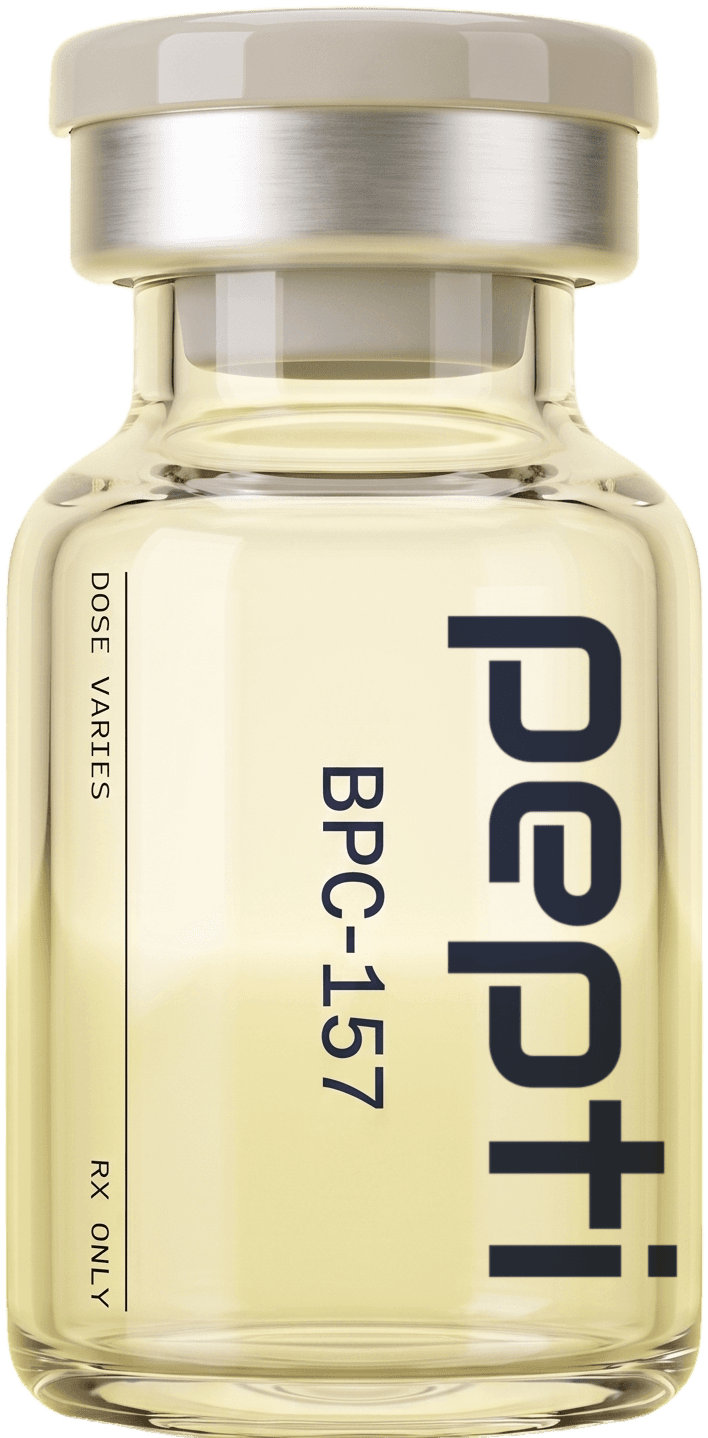
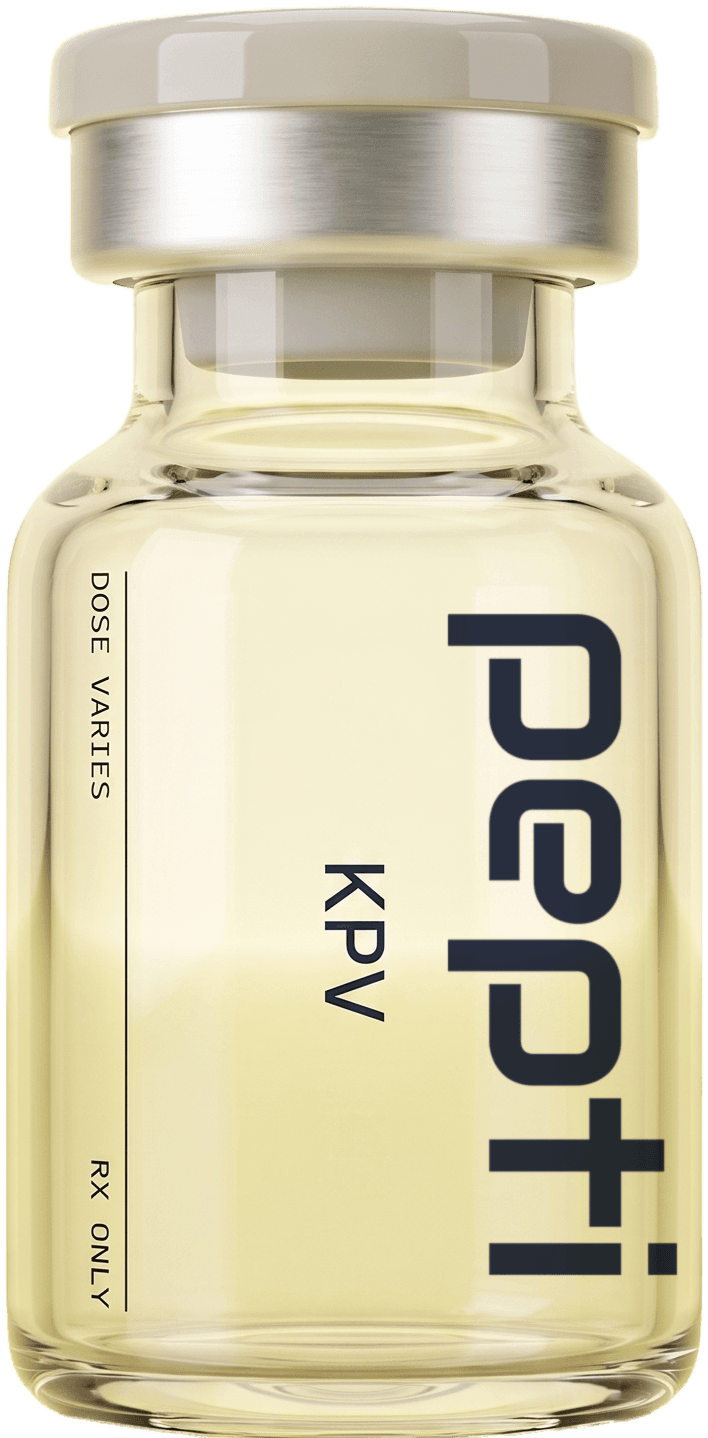
The two peptides prescribed for gut complaints are BPC-157 and KPV, used alone or combined in one vial. BPC-157 was originally identified in gastric juice and is studied for protection and repair of the intestinal lining; KPV is an anti-inflammatory fragment studied mostly in inflammatory bowel disease models. Both are prescription-only, compounded at a US FDA-registered pharmacy, and not FDA approved. Neither substitutes for diagnosing what is actually wrong, and a short list of symptoms means investigation rather than a vial.
If you searched for gut peptides without knowing the names, this page covers what each molecule is, which one matches which complaint, what needs excluding first, what the evidence actually supports, and where each compound stands with the FDA as of September 2026.
— Peptides for Gut Health
The short answer
| If your situation is | The usual prescription | What is in it | Price |
|---|---|---|---|
| Gut lining complaints alone | BPC-157 | 5 mg BPC-157 in 5 mL | $209 |
| Inflammation-led gut symptoms | KPV | 10 mg KPV in 5 mL | $229 |
| Both, plus skin and tissue repair | KLOW | 50 mg GHK-Cu, 10 mg KPV, 10 mg BPC-157, 10 mg TB-500 | $259 |
| Gut symptoms with frequent infections | FORTIFY | 5 mg Thymosin A-1, 5 mg BPC-157, 2 mg KPV, 1 mg LL-37 | $279 |
| Gut symptoms with mood and focus complaints | ELEVATE | 5 mg Semax, 5 mg Selank, 10 mg BPC-157, 10 mg KPV | $249 |
| Gut complaints plus a soft-tissue injury | BPC-157 + TB-500 | 5 mg BPC-157, 5 mg TB-500 | $259 |
Prices are all-in and monthly, covering medication, physician review, refills and shipping, recurring while treatment continues.
Three things sit behind that table. The gut research on BPC-157 is the oldest and largest part of its literature, but it is almost entirely animal work; the one randomized human trial in a bowel condition exists only as a 2005 conference abstract. KPV has never been studied in humans in any condition, by the FDA's own count. And the regulatory picture changed twice in 2026: both peptides are now formally recommended for the FDA's positive compounding list and await the agency's final determination. The section that matters more than any product description is the one on what a physician rules out first.
— Peptides for Gut Health
What is actually going on in the gut
"Gut health" covers several systems that fail in different ways, and which one is failing determines whether a peptide is even relevant.
— The lining, and how fast it turns over
The intestinal epithelium is a single layer of cells renewed roughly every three to five days from stem cells at the base of each crypt, faster than almost any other tissue in the body, which is why it is both easily damaged and, in principle, quick to repair. Damage comes from acid and pepsin, NSAIDs and alcohol, bile acids, infection, and immune attack in inflammatory bowel disease. Repair depends on blood supply, on cells migrating across the wound, and on signals that tell them to proliferate. Most of what is described for BPC-157 in the animal literature concerns those three things.
— The barrier, and what "leaky gut" does and does not mean
Between the epithelial cells sit tight-junction proteins that regulate what passes from the gut lumen into the tissue beneath. Increased intestinal permeability is real and measurable; a 2019 review in Gut sets out how it is measured in humans and where it has been documented (celiac disease, inflammatory bowel disease, some people with irritable bowel syndrome). That review is also clear that "leaky gut" as a standalone diagnosis is not an established clinical entity, and that increased permeability is more often a consequence of disease than its cause. When a page attributes fatigue, skin complaints and food sensitivities to a leaky gut, it is usually describing symptoms that a specific, testable condition would explain better.
— Inflammation, and the gut-brain axis
The gut holds the largest concentration of immune tissue in the body. In inflammatory bowel disease that tissue attacks the lining itself; in a functional disorder such as irritable bowel syndrome the lining is intact and the problem is motility, sensitivity and signaling. The distinction matters because KPV is an anti-inflammatory fragment whose animal work is in colitis, a model of inflamed tissue; there is no reason from the literature to expect it to do much in a gut that is not inflamed. Fecal calprotectin and C-reactive protein answer that question, and it is worth answering before choosing between BPC-157 and KPV.
The enteric nervous system communicates with the brain in both directions through the vagus nerve, immune signaling and the microbiome, which is why stress changes bowel habit and why gut symptoms and mood travel together. A 2016 review in Current Neuropharmacology describes BPC-157 in terms of this brain-gut axis, and it is why ELEVATE pairs BPC-157 and KPV with two neuro-oriented peptides. It is also the part of the literature most often overstated.
— Peptides for Gut Health
What physicians prescribe for gut complaints
Six products on the Pepti catalog are prescribed for gut complaints: two single peptides and four blends built around them. Each is compounded to a physician's prescription by a state-licensed, FDA-registered US pharmacy, and none is an FDA-approved drug product.
— BPC-157
A pentadecapeptide, fifteen amino acids in the sequence GEPPPGKPADDAGLV, a partial sequence of a larger protein isolated from human gastric juice. The literature calls it "stable gastric pentadecapeptide BPC 157" because it was reported to remain intact in gastric juice for hours, which is unusual for a peptide and the reason oral and rectal formats were ever studied.
The gut is where the research began. A 2011 review in Current Pharmaceutical Design summarizes the animal work: protection of the stomach lining against NSAIDs and alcohol, healing of ulcers along the upper gut, and effects in colitis and on surgical joins in the bowel. A 2013 paper in the same journal is devoted to NSAID toxicity in rats. A 2013 paper in the Journal of Physiology and Pharmacology reports rats with cysteamine-induced colitis and colon anastomoses healing more completely with BPC-157; a 2016 paper in the European Journal of Pharmacology describes closure of a colovesical fistula; a 2020 review in Current Pharmaceutical Design gathers the fistula work; a 2016 paper in PLoS One reports improved intestinal adaptation in rats with surgically shortened bowel; and 2024 and 2025 reviews in Pharmaceuticals collect the anastomosis studies and the wider literature.
The mechanisms described are the same ones that make BPC-157 interesting for tendons: new blood-vessel formation through the VEGF receptor pathway, interaction with the nitric-oxide system, and cell migration into the wound. A 2020 paper in Current Pharmaceutical Design adds a barrier-specific finding: in cell and rat models of NSAID damage, BPC-157 was reported to stabilize intestinal permeability and tight-junction integrity. That is the paper behind the "leaky gut" claims, and it is a cell and rodent study.
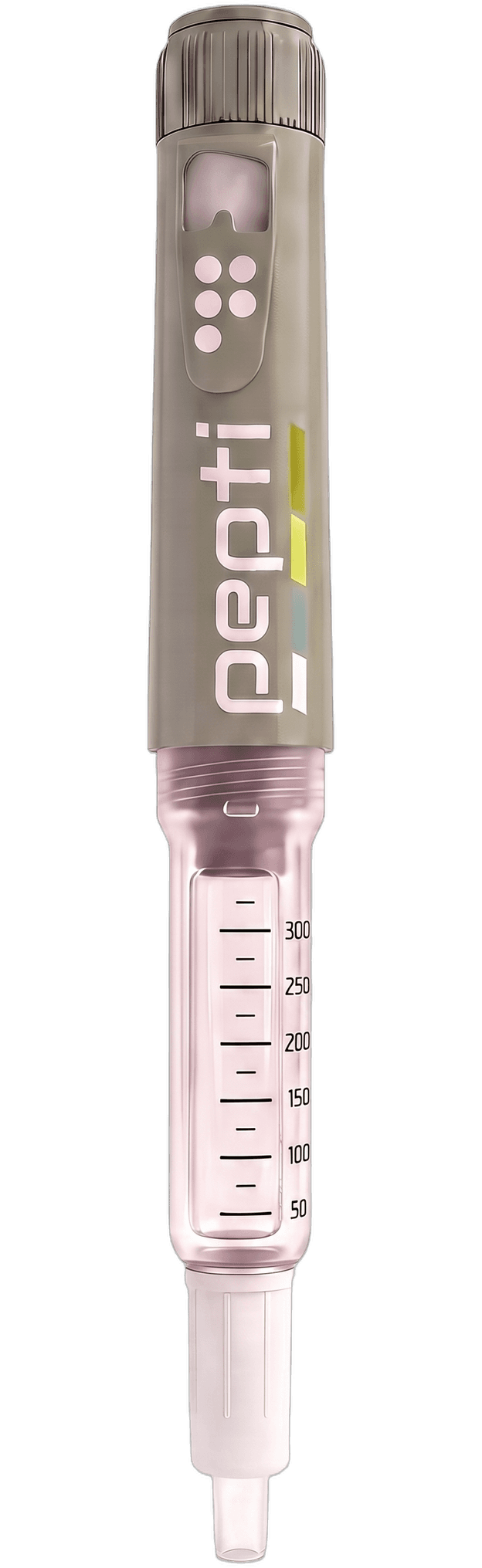
The reviewed directions on the BPC-157 product page are 0.18 mL, 18 units on a U-100 insulin syringe, subcutaneously once daily as directed, 27 doses per vial and about 3.9 weeks of coverage; it is also available as a pre-filled Pen cartridge. It suits the person whose complaint is the lining itself: upper-gut soreness after NSAID use, recovery after a properly managed flare, or a functional complaint with no red flags and normal investigations. The reference page is what is BPC-157.
— KPV
The last three amino acids of alpha-melanocyte-stimulating hormone: lysine, proline, valine. Isolating that fragment is described as keeping the anti-inflammatory signaling of the parent hormone without its pigmentation effect; a 2008 review in Endocrine Reviews covers the biochemistry of alpha-MSH and its tripeptides in immune-mediated inflammatory disease models.
The gut-specific finding is transport. A 2008 paper in Gastroenterology reported that KPV enters intestinal epithelial cells through PepT1, a peptide transporter upregulated in inflamed intestinal tissue, and that oral KPV reduced inflammation in mouse colitis, with reduced NF-kB activation and lower pro-inflammatory cytokine production. The tissue that is inflamed is the tissue most able to take it up. A 2008 paper in Inflammatory Bowel Diseases reported reduced colitis severity in two mouse models, and a 2017 paper in Molecular Therapy described KPV in hyaluronic-acid nanoparticles for targeted oral delivery in mouse colitis. A 2012 paper in the International Journal of Physiology, Pathophysiology and Pharmacology describes the intracellular mechanism in human airway cells, including interference with NF-kB signaling.
What KPV does not have is any human study. The FDA's review for the July 2026 advisory committee states that no published studies were found in which drug products containing KPV were used in humans, and that none of the nine references the nominator cited were human studies.
The reviewed directions on the KPV product page are 0.25 mL, 25 units, subcutaneously once daily Monday through Friday, 20 doses per vial and about four weeks of coverage. It suits the person whose gut complaint is inflammation-led, with a documented inflammatory picture or an inflammatory component the physician wants to address. The reference page is what is KPV.
— KLOW
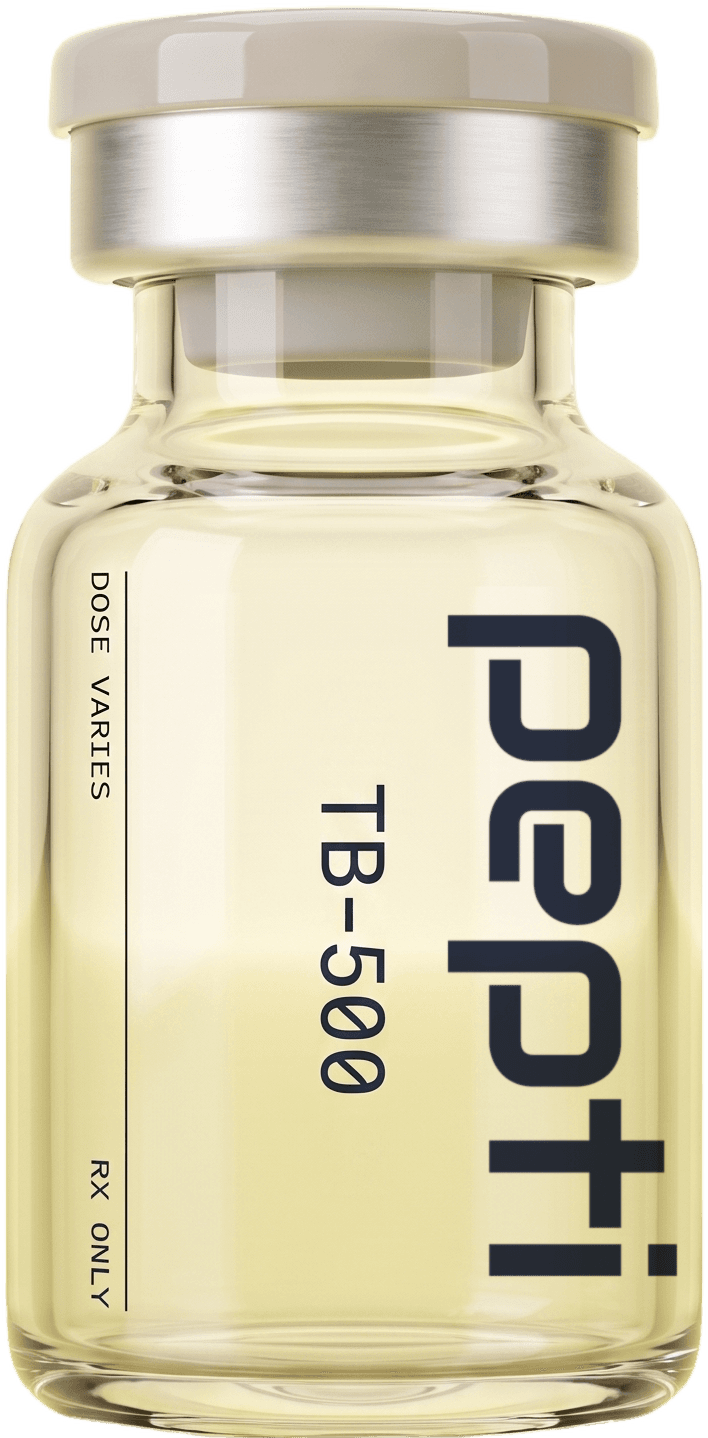
KLOW combines BPC-157, KPV, TB-500 and GHK-Cu in one vial. TB-500 is a fragment related to thymosin beta-4, an actin-binding protein described in a 2005 review in Trends in Molecular Medicine as promoting cell migration into injured tissue. GHK-Cu is a copper-carrying tripeptide described in a 2015 review in BioMed Research International as modulating collagen synthesis and tissue remodeling. Neither is a gut peptide. KLOW suits the person with a gut complaint and, at the same time, a skin or connective-tissue reason to be treated, who would otherwise be on two vials. Directions are 0.25 mL, 25 units, subcutaneously on weekday mornings, 20 doses per vial. The repair side is explained in peptides for healing.
— FORTIFY
FORTIFY combines thymosin alpha-1, BPC-157, KPV and LL-37. Thymosin alpha-1 is a 28-amino-acid peptide produced by the thymus, described as modulating immune function through T-cell maturation and Toll-like receptor signaling. It is the one component on this page with a real human trial record: a 1998 randomized controlled trial in Hepatology in chronic hepatitis B, a 2026 Cochrane review of the hepatitis B trials, and a 2025 phase 3 trial in the BMJ in sepsis. None is a gut indication. LL-37 is a human antimicrobial peptide reviewed in Biochimica et Biophysica Acta in 2006; its human data are two randomized trials of a topical preparation in venous leg ulcers, in Wound Repair and Regeneration in 2014 and 2021. FORTIFY suits the person whose gut symptoms sit alongside frequent infections or a physician-identified immune reason for thymosin alpha-1; see peptides for immune support. Directions are 0.25 mL, 25 units, subcutaneously once daily Monday through Friday, 20 doses per vial.
— ELEVATE
ELEVATE combines Semax, Selank, BPC-157 and KPV. Semax is related to a fragment of ACTH without its hormonal activity; a 2006 paper in Brain Research describes it regulating BDNF expression in the rat hippocampus. Selank is related to tuftsin and is described as modulating GABAergic and serotonergic signaling; its human record is Russian-language clinical work in anxiety, including a 2014 comparison with a benzodiazepine. They address the mood and focus side of a gut-brain presentation, not the intestine. ELEVATE suits the person whose gut complaint and mood or concentration complaint are entangled. Directions are 0.25 mL, 25 units, subcutaneously once daily Monday through Friday, 20 doses per vial.
— BPC-157 + TB-500
The BPC-157 + TB-500 stack is for the person with a gut complaint and a soft-tissue injury at the same time; TB-500 adds nothing gut-specific. Directions are 0.25 mL, 25 units, subcutaneously on weekday mornings, 20 doses per vial.
— Peptides for Gut Health
What the evidence shows, and what it does not
— BPC-157 in animals: extensive and consistent
The rodent literature on BPC-157 and the gut runs to decades of work and is internally consistent: protection against chemical and drug injury, healing of ulcers, fistulas and surgical joins, and a wide reported margin between effective doses and doses that cause problems. The FDA's own reviewers, in the briefing prepared for the July 2026 advisory committee, acknowledged that nonclinical studies reported BPC-157 preventing colonic fistulas and gastrointestinal lesions in rats, while noting that dose-response relationships had not been established, that the molecular targets had not been identified, and that the mechanisms remained poorly understood.
— BPC-157 in humans: one abstract, one unpublished trial, one pilot
This is the honest part. The FDA's review identified a single meeting abstract, from 2005, reporting a multicenter randomized, double-blind, placebo-controlled study of BPC-157 (as PL 14736) given as an enema for two weeks to 53 people with mild to moderate ulcerative colitis. The reported change in disease activity was larger in the BPC-157 group, but the confidence interval for the difference between groups crossed zero, and because the trial was never published in full, the inclusion criteria, endpoint definition and statistics are unknown; the reviewers judged the data inadequate to support efficacy. Beyond that they found a phase 1 study of an oral tablet in healthy volunteers with no results posted, and a 2025 pilot report of intravenous infusion in two healthy subjects. In the enema studies the most frequently reported adverse events were headache and flatulence, with no serious adverse events. The reviewers found no studies that administered BPC-157 to humans by the oral, subcutaneous, nasal or transdermal route in ulcerative colitis, and no human pharmacokinetic data at all.
So the accurate sentence is not "no human trials." It is: the only randomized human trial of BPC-157 in a gut condition is a two-week enema study reported as a conference abstract two decades ago, and there is no randomized human trial of the injectable form for any gut indication.
— KPV in humans: none
KPV has no human studies. That is the FDA's finding, not an inference: no published studies in which KPV products were used in humans, no outsourcing-facility reports of KPV being compounded between January 2017 and June 2025, and a nomination whose supporting references were all animal or cell work. The FDA also noted that KPV is promoted online for inflammatory bowel disease, Crohn's disease, mast cell activation and histamine intolerance, none of it supported by human evidence. The animal colitis work is real and mechanistically coherent; it is also all there is.
— The other components, and what none of this establishes
Thymosin alpha-1 has genuine randomized trials in hepatitis B, hepatitis C and sepsis, and no gut trial. LL-37 has two randomized trials of a topical wound preparation. TB-500 has a 2010 randomized safety study of intravenous thymosin beta-4 in healthy volunteers, in Annals of the New York Academy of Sciences. GHK-Cu's human data are in skin; Semax and Selank have Russian-language clinical literature in stroke and anxiety. None of that transfers to the intestine, and a blend does not inherit evidence from a component's unrelated indication. What the evidence does not establish, for any product here, is an effect size in humans with a gut complaint, a timeline, or long-term safety over years of use. A provider who tells you a peptide will repair your gut lining in a stated number of weeks is inventing it.
— Peptides for Gut Health
Where these stand with the FDA right now
This moved twice in 2026, and most of what is published online is out of date. A blend has no regulatory status of its own; the FDA regulates the bulk substances a pharmacy compounds from, so the question is where each component stands.
— The April 2026 Category 2 removals
Between 2023 and early 2026 BPC-157, KPV, TB-500, injectable GHK-Cu, LL-37 and Semax all sat in Category 2 of the FDA's interim 503A bulk drug substances list, the category for nominated substances flagged as presenting significant safety risks. On 15 April 2026 the FDA announced it was removing twelve peptides from Category 2, effective about a week later, because the nominations that had placed them there were withdrawn; the agency was careful to say that removal does not by itself establish that a substance meets the criteria for compounding. The FDA's safety-risks page, updated 22 April 2026, now lists BPC-157, KPV, TB-500, GHK-Cu, LL-37, Semax, Selank and thymosin alpha-1 only under "nominated but withdrawn," and none remains in Category 2.
— The 23 July 2026 advisory committee votes
On 23 July 2026 the FDA's Pharmacy Compounding Advisory Committee reviewed BPC-157 (free base and acetate) for ulcerative colitis, KPV (free base and acetate) for wound healing and inflammatory conditions, and TB-500 for wound healing. The committee voted 8 to 6, with one abstention in each case, to recommend adding all three to the 503A Bulks List.
Those votes went against the FDA's own staff. The BPC-157 briefing concluded that "a balancing of the criteria weighs against" listing, citing limited characterization, the lack of evidence of effectiveness in ulcerative colitis, and insufficient clinical safety information. The KPV briefing reached the same conclusion, adding that the substance was not well characterized and that the extent of its use in compounding was unknown. A committee vote is a recommendation; the FDA issues its own determination through rulemaking, and as of September 2026 that determination is pending.
— Thymosin alpha-1: a negative vote in December 2024
Thymosin alpha-1 left Category 2 earlier, after its nomination was withdrawn in 2024, and was reviewed on its own. On 4 December 2024 the committee voted 4 in favor and 17 against adding thymosin alpha-1 (free base) and its acetate to the 503A Bulks List, after reviewing uses that included hepatitis B and C, HIV, COVID-19, depressed vaccine response, several cancers and sepsis; members who voted no said there was no compelling evidence of clinical effectiveness and safety for those uses. The FDA has not issued a final rule, and thymosin alpha-1 was not on the July 2026 agenda.
— GHK-Cu, LL-37, Semax and Selank
Semax was reviewed on 24 July 2026 and recommended by 8 votes to 5, with one abstention. GHK-Cu and LL-37 were not on the July agenda; the FDA has said the committee will consider them, with three other peptides, at a meeting before the end of February 2027. Selank's nomination was withdrawn in 2024 and it has never been reviewed.
— What that adds up to
As of September 2026, none of the components in any product on this page is in Category 2 or otherwise restricted. BPC-157, KPV, TB-500 and Semax are recommended for the positive list and await final FDA action; GHK-Cu and LL-37 are scheduled for review; thymosin alpha-1 received a negative recommendation the FDA has not acted on; Selank has never been reviewed. All remain legal to prescribe and compound. None is an FDA-approved drug product, and compounded medications never are. See are peptides FDA approved.
— Anti-doping
The 2026 WADA Prohibited List, in effect from 1 January 2026, names BPC-157 under S0, non-approved substances, prohibited at all times, and lists thymosin beta-4 and its derivatives, naming TB-500, under S2 peptide hormones and growth factors. USADA's guidance says the same of BPC-157. KPV is not named, but S0 covers any substance without regulatory approval for human use, and a tested athlete should assume every product on this page is prohibited.
— Peptides for Gut Health
What a physician rules out first
This is the section that matters most and the one most providers skip. Gut symptoms overlap between a functional complaint and a diagnosis that needs treatment, and layering a peptide over an undiagnosed one delays care that would work.
Red flags that stop the conversation
| Red flag | Why it stops the conversation |
|---|---|
| Blood in the stool, or black tarry stools | Needs investigation, not symptom treatment |
| Unintentional weight loss | Same, and urgently |
| Iron-deficiency anaemia | Can be the first sign of bowel bleeding |
| Persistent vomiting or difficulty swallowing | Needs endoscopic assessment |
| A new, persistent change in bowel habit over 50 | Standard threshold for investigation |
| Symptoms that wake you at night | Uncommon in functional disorders |
| Fever, or a family history of bowel cancer or IBD | Lowers the threshold for investigation |
Any one of those goes to a gastroenterologist or your primary physician before a peptide is discussed. The Pepti physician will say so, and a consultation that ends in a referral rather than a prescription is refunded.
Diagnoses with established treatment
Beyond red flags, these are conditions with established treatment rather than things to prescribe around: celiac disease, inflammatory bowel disease, H. pylori infection, lactose intolerance, bile acid diarrhea, exocrine pancreatic insufficiency, and small intestinal bacterial overgrowth where the history fits. Each has a test. Celiac serology has to be done while you are still eating gluten, which is a reason not to start an elimination diet before being tested. Fecal calprotectin separates inflammatory from functional disease with reasonable reliability and is often the single most useful result in this context.
Peptides fit after that work: functional complaints with no red flags and normal investigations, recovery after a properly managed flare, or alongside treatment a gastroenterologist is already running and knows about.
— Peptides for Gut Health
Why these are injected rather than swallowed
The obvious question for a gut problem is why a gut drug is not swallowed. Peptides are proteins in miniature, and the digestive system exists to dismantle proteins. Gastric acid and pancreatic proteases break most of them into fragments before absorption, which is why almost everything here is injected subcutaneously.
BPC-157 is the partial exception, which is why the human studies that exist used an enema and an oral tablet. KPV and PepT1 are another partial exception in principle: a transporter in the inflamed intestinal wall is, on paper, an oral route, and the 2017 Molecular Therapy nanoparticle work was built on that idea. Both remain active research rather than settled practice. What a licensed pharmacy compounds to a prescription is the injectable form. Technique is covered in how to inject peptides safely.
— Peptides for Gut Health
What to expect, and when
These are patterns described by prescribers, not trial endpoints; no human trial of the injectable form has established a timeline for any gut complaint. Individual response varies, and a physician decides whether treatment is appropriate at all.
— The first two weeks
What is reported early is usually not the lining changing but symptom intensity settling, where it does. Some people notice nothing in this window, which is normal and not a sign the treatment is not working. Injection-site redness or mild soreness is the most common thing reported.
— Weeks two to eight
This is where tissue-level change would be expected if it occurs, based on the animal timelines, and it is the window patients most commonly describe change in. Treatment is long-term, supplied one vial per fill on 28-day refills, and your physician stays reachable for dose questions and side effects.
— Chronic versus recent complaints
A gut complaint that has run for years is generally described as slower to change than one that followed a recent NSAID course, an infection or a flare. That is worth discussing with your physician before starting rather than after, and it is why the intake asks how long the symptoms have been present and what has already been tried.
— Peptides for Gut Health
When a peptide is the wrong tool
A reference that only ever recommends its own product is not much of a reference. Some honest cases where BPC-157 and KPV are not the first thing to reach for:
- Any red flag, or an untested symptom pattern. Investigation first, without exception. The physician will refer rather than prescribe.
- Inflammatory bowel disease under specialist care. Established treatment comes first. If your gastroenterologist is aware and agrees, a peptide can sit alongside it; it does not replace it.
- A functional complaint driven mainly by stress or mood. If the gut symptoms follow the anxiety rather than the other way round, Selank or Semax + Selank may be the more relevant conversation, and ELEVATE exists for the case where both matter.
- Frequent infections are the real problem. Thymosin alpha-1 on its own, or FORTIFY, is the immune conversation; a gut peptide alone does not address it.
- The gut complaint is a side effect of a weight-loss medication. Nausea, reflux and constipation on semaglutide or tirzepatide are a dose and titration question for the prescribing physician, not a reason to add a second vial.
- Skin, hair or connective tissue is the priority. GLOW or GHK-Cu are aimed at that more directly than KLOW is.
Your physician will tell you if a gut peptide is not the right tool for what you have described. A consultation does not guarantee a prescription, and being declined is refunded.
— Peptides for Gut Health
Who should not take these
| Situation | Why |
|---|---|
| Undiagnosed red-flag symptoms | Investigation comes first, without exception |
| Personal history of cancer | BPC-157 is described as supporting new blood-vessel formation |
| Active IBD under specialist care | Coordinate with the treating gastroenterologist |
| Autoimmune disease or immunosuppressive therapy | Relevant to Thymosin Alpha-1 in FORTIFY |
| Anticoagulant therapy | Discuss first, given the vascular mechanisms |
| Wilson's disease or high-dose zinc | Relevant to the GHK-Cu in KLOW, which delivers copper |
| Pregnancy or breastfeeding | Not used; safety data is absent |
One further point from the FDA's review: its adverse-event database entries for BPC-157 included injection-site reaction, shortness of breath, and diffuse hyperpigmentation with gingival darkening, with the caveat that attribution to BPC-157 was unclear. That is the reason the intake asks for every medication you take and a physician reviews it rather than a form.
— Peptides for Gut Health
Monitoring and bloodwork
Bloodwork is not routinely required before BPC-157, KPV or the blends on this page; your physician decides. What is often useful is the workup that rules out a diagnosis: a complete blood count and ferritin, C-reactive protein and fecal calprotectin, celiac serology, and H. pylori testing where the history fits. If another physician has already run those, tell the Pepti physician the results; if not, the physician may ask for them before prescribing. For KLOW, the GHK-Cu component delivers copper, and a physician may want serum copper and zinc if there is any question about copper handling. At-home blood testing covers metabolic, hormone and thyroid markers without a lab visit. Pharmacy certificates of analysis are published at lab results, and the sourcing standard is on the quality page.
— References
What this is based on.
References
- Chang CH, Tsai WC, Hsu YH, Pang JH. Pentadecapeptide BPC 157 enhances the growth hormone receptor expression in tendon fibroblasts · Molecules (2014) · PMID 25415472
- Krivic A, Anic T, Seiwerth S, et al.. Achilles detachment of rat and stable gastric pentadecapeptide BPC 157 · Journal of Orthopaedic Research (2006) · PMID 16583442
- Sikiric P, Seiwerth S, Rucman R, et al.. Stable gastric pentadecapeptide BPC 157: novel therapy in gastrointestinal tract · Current Pharmaceutical Design (2011) · PMID 21548867
- Cerovecki T, Bojanic I, Brcic L, Radic B, et al.. Pentadecapeptide BPC 157 (PL 14736) improves ligament healing in the rat · J Orthop Res (2010) · PMID 20225319
- Sikiric P, Seiwerth S, Rucman R, Turkovic B, et al.. Stable gastric pentadecapeptide BPC 157-NO-system relation · Curr Pharm Des (2014) · PMID 23755725
- Cox HD, Miller GD, Eichner D. Detection and in vitro metabolism of the confiscated peptides BPC 157 and MGF R23H · Drug Test Anal (2017) · PMID 28035768
- Thomas A, Görgens C, Guddat S et al.. Simplifying and expanding the screening for peptides <2 kDa by direct urine injection, liquid chromatography, and ion mobility mass spectrometry · J Sep Sci (2016) · PMID 26578461
- Farrar JT, Young JP Jr, LaMoreaux L, Werth JL et al.. Clinical importance of changes in chronic pain intensity measured on an 11-point numerical pain rating scale · Pain (2001) · PMID 11690728
- Meyer JD, Ho B, Manning MC. Effects of conformation on the chemical stability of pharmaceutically relevant polypeptides · Pharm Biotechnol (2002) · PMID 11987755
- Xu C, Sun L, Ren F, Huang P, et al.. Preclinical Safety Evaluation of Body Protective Compound-157, a Potential Drug for Treating Various Wounds · Regul Toxicol Pharmacol (2020) · PMID 32334036
- He L, Feng D, Guo H, et al.. Pharmacokinetics, distribution, metabolism, and excretion of body-protective compound 157, a potential drug for treating various wounds, in rats and dogs · Front Pharmacol (2022) · PMID 36588717
- Lee E, Padgett B. Intra-Articular Injection of BPC 157 for Multiple Types of Knee Pain · Altern Ther Health Med (2021) · PMID 34324435
Citations are provided for educational purposes. They do not constitute medical advice. Always discuss any peptide protocol with your prescribing physician.
— Common questions
Peptides for Gut Health, answered.
BPC-157 is the one most associated with the intestinal lining, and KPV is the one for inflammation-led symptoms. They are frequently prescribed together inside KLOW, FORTIFY or ELEVATE. Which is better for you depends on whether your symptoms are inflammatory, which fecal calprotectin and C-reactive protein can indicate, and on what else is going on. A physician chooses with your history and any prior investigation in front of them.
Animal and cell research describes BPC-157 stabilizing intestinal permeability and tight-junction integrity after NSAID damage, in a 2020 paper in Current Pharmaceutical Design. "Leaky gut" as a standalone diagnosis is not an established clinical entity, as a 2019 review in Gut sets out; increased permeability is real but usually a consequence of a specific condition that testing can find. No outcome can be promised, and no human trial has measured permeability on BPC-157.
Peptides are broken down by digestive enzymes, which is why almost everything here is injected. BPC-157 is unusually stable in gastric juice, which is why the human studies that exist used an enema and an oral tablet, but there is no published result from the oral study and no absorption data. What you get is what a licensed pharmacy can compound to your prescription, which is the injectable form, with the directions printed on the vial.
Reported tolerability is good and animal work describes a wide dose margin, but the human safety data is limited because the human trials largely do not exist: the FDA's 2026 review found two short enema studies with no serious adverse events and no studies of the injectable form. The standing cautions are a personal history of cancer and anticoagulant therapy. Detail is in is BPC-157 safe.
Possibly, after celiac disease, IBD and infection have been excluded and red flags addressed. A functional diagnosis reached properly is a reasonable context for this conversation; a self-diagnosis is not. Because KPV's research is in inflamed tissue, BPC-157 is usually the more relevant of the two in a non-inflammatory functional complaint, and if stress and mood are driving the symptoms the physician may point you to the calm and focus products instead.
Tell both prescribers. Adding an immune-modulating compound to specialist treatment is a coordination question, not something to do quietly, and your gastroenterologist should know what is in the vial. Thymosin alpha-1 in FORTIFY is the component most relevant to anyone on immunosuppressive therapy.
Patients commonly describe changes across the first four to eight weeks, and your physician stays reachable through that window. Those are patient reports rather than trial endpoints, and response varies. A complaint that has run for years is generally described as slower to change than a recent one, and treatment is supplied as 28-day refills rather than for a set number of weeks.
BPC-157 is named on the 2026 WADA Prohibited List under S0, prohibited at all times, and thymosin beta-4 with TB-500 as the example is listed under S2. KPV is not named, but S0 covers any substance without regulatory approval for human use, so a tested athlete should assume every product on this page is prohibited and tell their physician. Workplace drug panels test for a fixed set of drugs of abuse and do not look for peptides.
No. The only randomized human trial, a two-week enema study in 53 people with mild to moderate ulcerative colitis reported as a 2005 conference abstract, did not show a statistically clear difference from placebo, and the FDA's reviewers judged the data inadequate. FDA-approved treatments for ulcerative colitis and Crohn's disease come first; a peptide can only sit alongside specialist care with the gastroenterologist's knowledge.
No. Both were placed in Category 2 of the FDA's 503A bulk substances list in 2023 and both were removed in the FDA's 15 April 2026 action, effective about a week later. On 23 July 2026 the Pharmacy Compounding Advisory Committee voted 8 to 6, with one abstention in each case, to recommend adding BPC-157 and KPV to the 503A Bulks List; the FDA's final determination is pending. Both remain legal to prescribe and dispense, and neither is FDA approved.
There is no human evidence for that, or for any other use of KPV. The FDA's 2026 review noted that KPV is promoted online for mast cell activation syndrome and histamine intolerance and that no human studies of KPV exist for any condition. The animal work is in colitis models. A physician may still consider KPV where inflammation is part of the picture, but nobody can point to a study in people.
Not routinely; your physician decides. The tests that matter more are the ones that rule out a diagnosis: a blood count and ferritin, C-reactive protein, fecal calprotectin, celiac serology and H. pylori testing where indicated. Bring any results you already have. At-home blood testing is available if the physician wants a metabolic or hormone baseline.
Pricing for each product is published on its product page as one all-in figure covering medication, physician review, refill management and shipping: BPC-157, KPV, KLOW, FORTIFY, ELEVATE and BPC-157 + TB-500. The free assessment goes to a physician licensed in your state. A consultation does not guarantee a prescription.
— Next step
See what a physician
recommends for you.
A licensed physician in your state reviews your intake and decides what is appropriate. A consultation does not guarantee a prescription.
Important legal & safety information
The assessment process available on the Pepti website asks a series of medical questions, and the answers provided are reviewed by an independent licensed physician affiliated with our partner physician network. The licensed providers have established exclusionary criteria, and the answers provided determine if the individual is screened out of eligibility for treatment. The licensed clinicians retain the sole decision to prescribe peptide therapy and other compounded medications to patients. Treatment may be denied at the physician's sole discretion. If a prescription is not approved, you will not be charged for the medication.
Pharmacy Providers. Pepti is a technology platform and is not a healthcare provider, pharmacy, or prescriber. All medications offered through the platform are compounded by independent FDA-registered 503A or 503B compounding pharmacies based on a valid prescription written by a licensed physician for an individual patient. Compounded medications are not FDA-approved as products. The active pharmaceutical ingredients used by our partner pharmacies are sourced from FDA-registered facilities. Compounded medications may not undergo the same testing or quality control as commercially manufactured FDA-approved drugs.
Results vary. Results from peptide therapy and other compounded treatments vary based on individual factors, including age, weight, medical history, adherence to the prescribed protocol, lifestyle factors, and physiological response. Pepti makes no guarantee of any specific outcome. Statements about peptide therapy and compounded medications offered through the platform have not been evaluated by the Food and Drug Administration. These products are not intended to diagnose, treat, cure, or prevent any disease.
Product images. Product photographs and renderings shown on this website are for illustrative purposes only. The appearance of vials, packaging, labeling, and other materials you receive may vary and is determined by the dispensing compounding pharmacy.
Off-label use.Many peptides offered through the platform are prescribed for off-label use. “Off-label” means the medication is being prescribed for a use, dose, or patient population that is not specifically approved by the FDA. Off-label prescribing is legal and common in U.S. medical practice when supported by clinical experience and judgment.
Mailing & shipping. Pepti currently dispenses prescription medication to patients in all 50 states and Washington, D.C.. All orders ship in unbranded, tamper-evident packaging via expedited delivery from our partner compounding pharmacies. Temperature-sensitive medications ship with insulated packaging and ice packs. Shipping is included at no additional cost. We do not currently ship medication outside all 50 states and Washington, D.C., internationally, or to APO/FPO addresses.
Not for emergencies. Pepti is not designed for medical emergencies. If you are experiencing a medical emergency, call 911 or go to your nearest emergency room immediately. For urgent but non-emergency medical questions, contact your primary care provider or use an urgent care service.
No doctor-patient relationship with Pepti. Your use of the platform does not create a doctor-patient relationship between you and pepti LLC. A doctor-patient relationship is established only between you and the independent licensed physician who reviews your intake and prescribes your treatment. The physicians who use the platform are independent contractors and are solely responsible for the medical care they provide.
Prescription medications. All prescription products require a valid prescription from a licensed healthcare provider. By using the platform, you acknowledge that you are at least 18 years old and that the information you provide is true, accurate, current, and complete. Providing false information may result in inappropriate treatment recommendations or denial of service.
Cosmetic & wellness products.Certain products offered through Pepti — including skincare, hair care, body care, supplements, men's grooming, sports recovery, and sexual wellness products — are cosmetic or dietary supplement products, not prescription medications. These products do not require a prescription and are not reviewed or prescribed by a physician. Statements regarding dietary supplements have not been evaluated by the Food and Drug Administration. These products are not intended to diagnose, treat, cure, or prevent any disease. Results vary by individual. Consult your healthcare provider before starting any new supplement or topical product, especially if you are pregnant, nursing, or taking other medications.
pepti LLC · Delaware Limited Liability Company · 131 Continental Dr, Suite 305, Newark, DE 19713 · For media or partnership inquiries, email hello@hellopepti.com. For patient support, email support@hellopepti.com. For privacy and HIPAA inquiries, email privacy@hellopepti.com.