— Recovery · Reference
How to Talk to Your Doctor About Peptides Without the Conversation Stalling
Why the conversation usually goes badly, the five-step script that works, exactly what to bring, how to read a refusal, and what to do next depending on which kind of no you got.
— Treatments mentioned
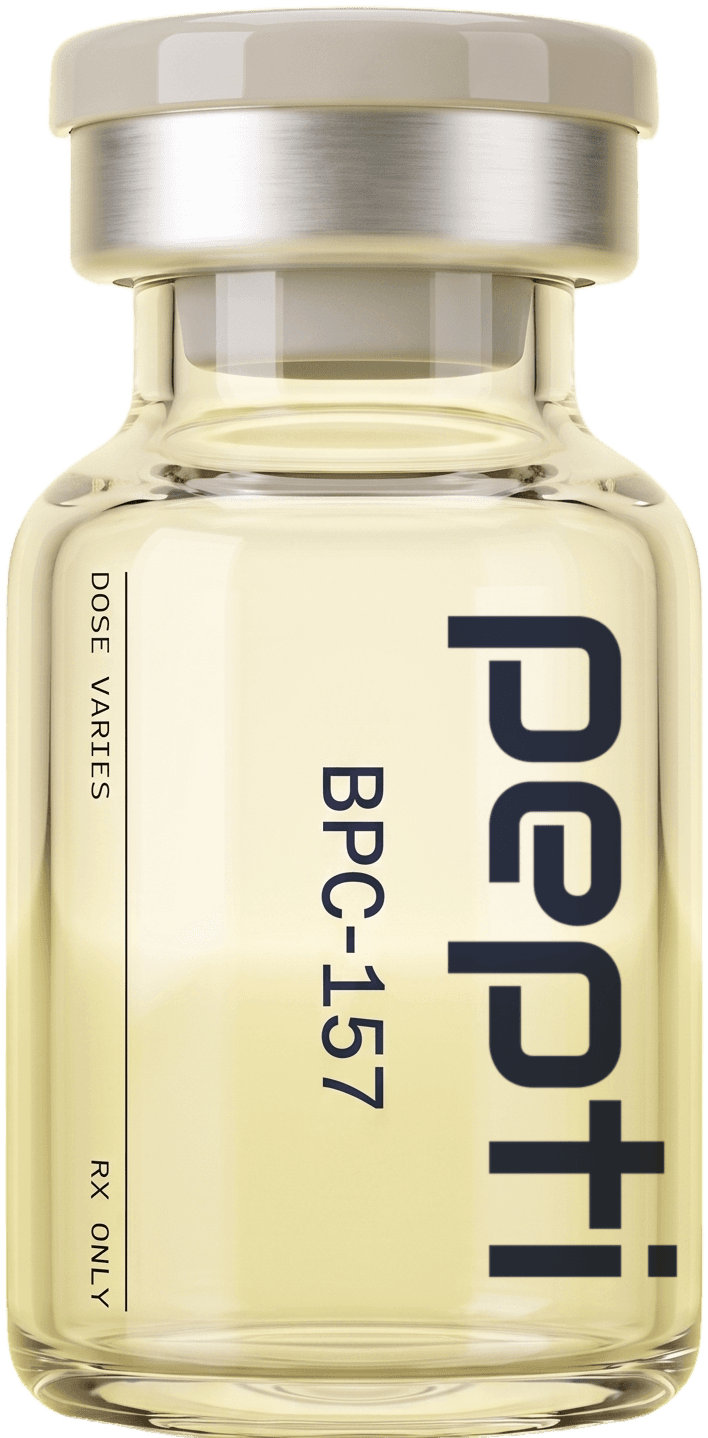
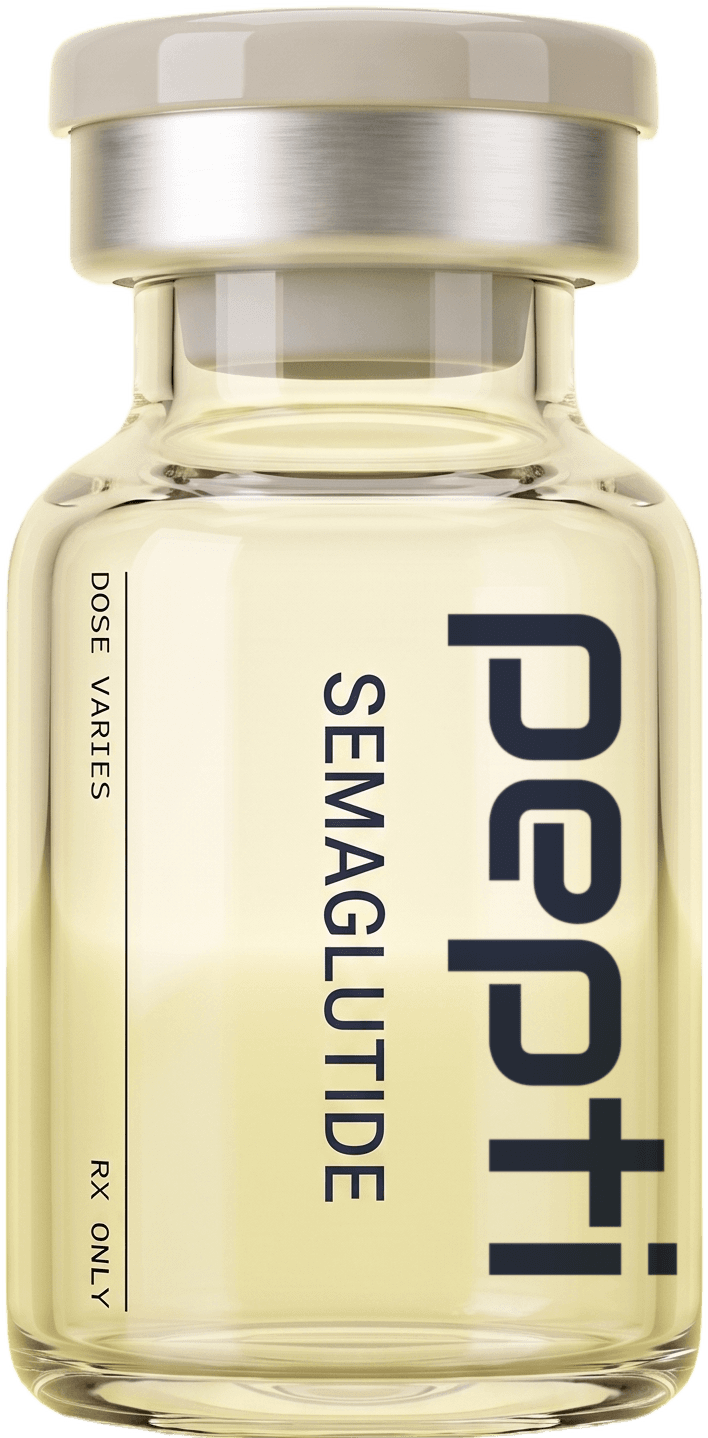
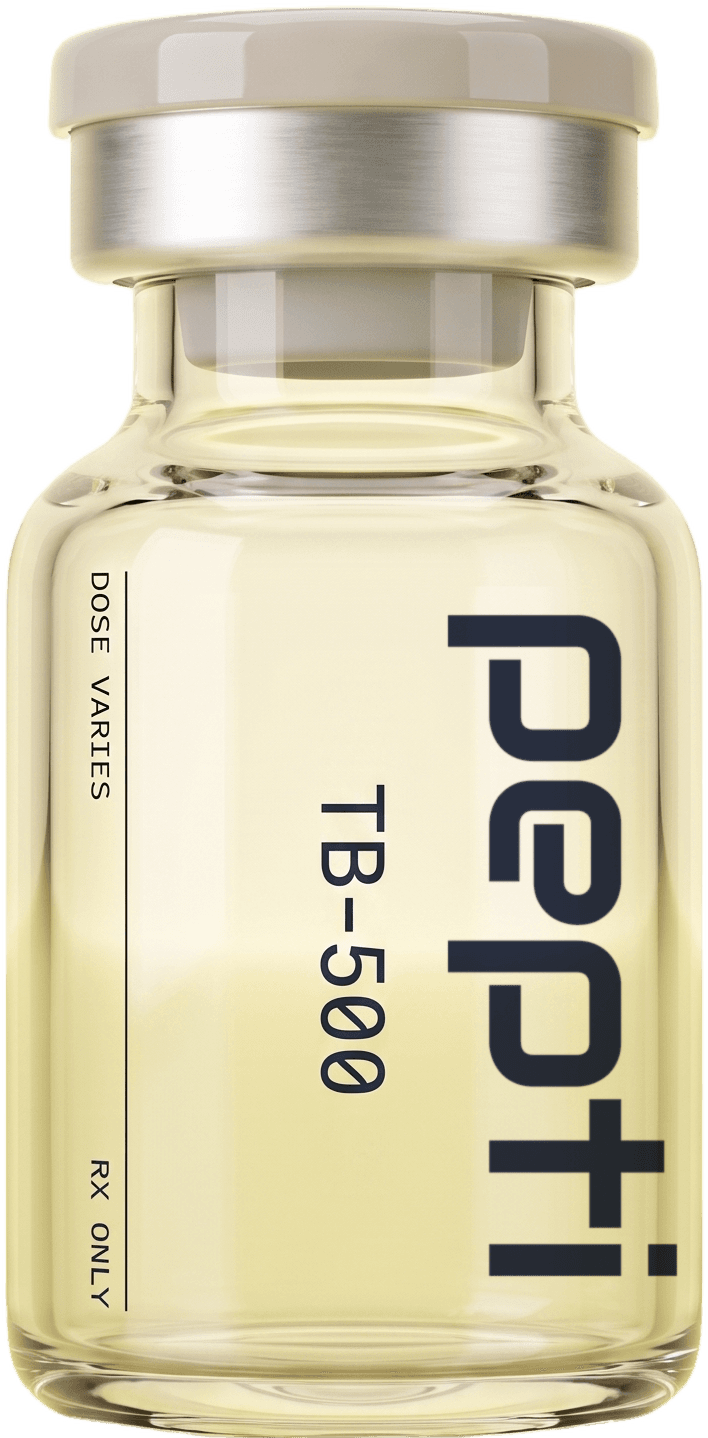
Lead with the problem, not the product: describe what is wrong, how long it has been wrong and what you have already tried, and only then ask about peptides as one option among several. "My Achilles has not settled in eight months despite six months of loading work" opens a clinical conversation. "Can you prescribe BPC-157" usually closes one, because it asks your physician to endorse an unapproved compounded medication before they know why you want it. The most valuable question you can ask is not whether they will prescribe it; it is whether there is a reason you should not take it given your history, and what they would want monitored if you proceeded elsewhere. Almost every doctor will answer that one, including the ones who will not prescribe.
— How to Talk to Your Doctor About Peptides Without the Conversation Stalling
The short answer
| Your situation | Open with | Realistic outcome |
|---|---|---|
| A stubborn tendon, ligament or muscle problem | The injury history, imaging and rehab you have done | A referral or an imaging request, plus an opinion on whether a repair peptide is reasonable for you |
| Fatigue, low mood or hair shedding | The symptom and its timeline | Bloodwork first, which is the right answer: thyroid and iron explain a large share |
| Weight, and you want a GLP-1 | Your weight history, what you have tried, your metabolic markers | A conversation about approved branded medication and whether your plan covers it |
| Sleep or recovery decline with age | The specific change, not "anti-aging" | Screening for causes, then a view on the growth-hormone axis |
| You are already taking something bought online | Say so plainly, and bring the vial | An honest safety review, which is the point |
| You are about to start telehealth treatment | Tell them, and ask what they would monitor | Your record stays complete, which matters if something goes wrong |
Three things are true at once, and holding all three is what makes this work. Your problem is real. Your physician's caution is usually well founded. And the answer you most need from them — is this a bad idea for me specifically, and what should be watched — does not require them to prescribe anything.
— How to Talk to Your Doctor About Peptides Without the Conversation Stalling
Why the conversation usually goes badly
None of the common reasons are about you.
| What is happening | Why it is reasonable |
|---|---|
| Most primary-care physicians do not prescribe compounded peptides | It is outside their usual practice, and prescribing outside your scope carries real liability |
| The evidence for most of these molecules is preclinical | Animal and cell studies, not large randomised human trials. A cautious doctor is responding to that accurately |
| Compounded prescribing is unfamiliar | Many clinicians have never written one and do not know which pharmacies do it |
| The category is saturated with marketing | Your doctor has probably seen a patient arrive with a printout that promised something impossible |
| Arriving with a product name reads as a request for a signature | It asks for endorsement before diagnosis, which reverses the order of the consultation |
A doctor declining on those grounds is being careful, not dismissive. The distinction matters because it changes what you should do next.
— Most physicians have never had a reason to learn this category
Compounded peptide prescribing is not taught in general medical training and does not appear in the guidelines primary care runs on. A family physician manages hypertension, diabetes, depression and musculoskeletal complaints from evidence bases with thousands of enrolled patients behind them; nothing in that work creates an occasion to read the BPC-157 literature. An unfamiliar answer is not an uninformed one, and "I do not know enough about that to prescribe it" is an accurate statement.
— The evidence base really is uneven, and they are right to notice
This is what most patient-facing writing on the subject gets wrong. These molecules do not share one evidence base; they sit at very different points on the same scale, and your physician's reaction usually depends on which one you named. Semaglutide and tirzepatide have large randomised programmes in the New England Journal of Medicine. BPC-157 and TB-500 rest on animal and cell work. A clinician engaged by the first pair and unmoved by the second is not being inconsistent — they are reading the evidence correctly.
— Asking for a product by name changes the consultation
There is real data on this. A randomised trial published in JAMA in 2005 sent standardised patients into primary-care visits and found that a patient's request for a specific advertised medication had a large effect on whether it was prescribed, including in encounters where prescribing was not clearly indicated. Physicians know this about themselves. Part of the resistance you meet when you open with a product name is a clinician deliberately resisting a pressure they have been trained to recognise — on top of having seen patients arrive with pages promising specific outcomes on specific timelines. Leading with the problem removes the pressure and gets you a real opinion.
— How to Talk to Your Doctor About Peptides Without the Conversation Stalling
What your physician actually needs to know about a compounded preparation
A compounded preparation is made by a licensed pharmacy for an identified patient pursuant to a prescription, rather than manufactured and approved as a finished product. The FDA states the consequence plainly: "Compounded drugs are not FDA-approved. This means that FDA does not verify the safety, effectiveness or quality of compounded drugs before they are marketed." So a physician asked about one cannot look it up in a monograph. Hand them the facts they would want about any drug they did not write themselves.
— The name, the strength and the directions
Not "a healing peptide." The molecule, the concentration, the volume and the directions exactly as printed: BPC-157 1 mg/mL in a 5 mL vial, say, or semaglutide at the strength on your own label. Read the directions off the vial rather than from memory. A clinician cannot assess a dose they cannot reconstruct, and "one shot a day" is not a dose.
— Who prescribed it, and the pharmacy that made it
Name the prescribing physician, the state they are licensed in, and the pharmacy that compounded it. Not a formality: it tells your own doctor that a named clinician holds responsibility for the prescription and that the vial traces back to an accountable, inspected facility — which is what section 503A is built around, a preparation made by a licensed pharmacist or physician for an identified individual patient pursuant to a valid prescription. A preparation with no nameable pharmacy behind it is what your physician is actually worried about, and rightly.
— The certificate of analysis
A COA is the batch test document: identity, purity, and sterility and endotoxin testing for an injectable. It answers directly what approval does not answer for a compounded drug, because the FDA's framing of the risk is about preparation quality — "Poor compounding practices can result in serious drug quality problems, such as contamination or a drug that contains too much or too little active ingredient." A COA moves you from asserting that your medication is what the label says to demonstrating it. Pepti publishes batch results at lab results and the testing programme at quality.
— Your labs
Recent bloodwork with dates, and the previous set if you have it — two data points separated by time are worth far more than one. Many of the complaints that lead people to peptides, including fatigue, low mood, hair shedding and poor recovery, are explained by thyroid, iron, B12 or testosterone before anything else is considered. Do you need bloodwork before peptides covers what is usually ordered, and at-home blood testing covers hormone, metabolic and thyroid panels without a lab visit.
— How to Talk to Your Doctor About Peptides Without the Conversation Stalling
The script that works
Five steps. The order is the whole technique.
— Step one — state the problem and its history
What, where, how long, what makes it worse. Two sentences, rehearsed. A secondary analysis of recorded primary-care encounters published in the Journal of General Internal Medicine in 2019 found that where clinicians did elicit the patient's agenda, they interrupted after a median of about eleven seconds. That is simply how the encounter runs, so your first eleven seconds should carry the problem, not the preamble.
— Step two — say what you have already done
Rehabilitation, imaging, previous treatments, what helped and what did not. This is the step that turns a complaint into a clinical problem, and the one most people skip. "Six months of eccentric loading with a physiotherapist, initial improvement, plateaued since March" is a history. "I have tried everything" is not.
— Step three — ask what they would suggest first
Genuinely ask, then leave a silence. A physician who has been consulted rather than instructed engages differently, and you find out whether there is a conventional option you have not been offered — which for tendinopathy and for weight there frequently is.
— Step four — then name what you are considering, and ask the safety question
"I have been reading about BPC-157 and TB-500. Given my history and my medications, is there a reason I should not?"
That is a safety question, not a request. Prescribing is discretionary and scope-bound; advising a patient about risk is neither, which is why this version rarely meets resistance and survives a firm refusal to prescribe. A doctor who will not write BPC-157 can still tell you that your anticoagulant, your cancer history or your planned surgery changes the picture.
— Step five — ask what they would want monitored if you did proceed
The question that pays off, and almost nobody asks it. Even a physician who will not prescribe can usually tell you which labs would be sensible, what symptom would make them want to see you, and what they would want repeated in three months. That is a monitoring plan from someone who knows your history — often worth more than the prescription you came in for.
— Three worked openings
A tendon that has not settled. "My right Achilles has been painful for eight months. Six months of eccentric loading with a physiotherapist helped for about eight weeks, then plateaued. Ultrasound in March showed thickening, no tear. What would you suggest at this point?" Then, after the answer: "I have been reading about BPC-157. Given my history, is there a reason I should not — and if I did, what would you want monitored?"
Fatigue. "I have been flat for five months. I sleep seven hours and wake unrefreshed, and I have lost the top of my training capacity. My last bloods were eighteen months ago. I would like to know whether there is something to find before I consider anything else." That gets labs ordered; opening with a product name usually does not.
You have already started. "I started semaglutide through a telehealth physician two months ago — here is the vial, the strength, the prescriber's name and the pharmacy. I am not asking you to take it over. I want it on my record, and I want to know what you would monitor." Short conversation, and the most valuable version of this discussion you will ever have.
— How to Talk to Your Doctor About Peptides Without the Conversation Stalling
Exactly what to bring
| Bring | Why it matters |
|---|---|
| A written timeline of the problem, on one page | You will forget half of it otherwise, and specifics are what get taken seriously |
| Your complete medication list, including supplements and anything bought online | Interactions and contraindications cannot be assessed against a partial list |
| Recent bloodwork, with dates | Often answers the question without new testing. See do you need bloodwork before peptides |
| Imaging reports, if any | A report is more useful than your recollection of what you were told |
| The specific question you want answered | One clear question beats a general conversation |
| Your family history where relevant | Cancer, thyroid disease, MEN 2, diabetes all change the calculus in this category |
| The actual product details if you are already taking something | The molecule, the concentration, the dose and where it came from |
Hiding a substance from a clinician treating you is the one thing here that reliably causes harm.
The one-page timeline, and the vial itself
Dates down the left, events on the right: onset, what you did, what changed, what imaging showed, what you are doing now. It turns a rambling account into something a clinician reads in twenty seconds and annotates. Bring two copies, with your three questions at the bottom in priority order — consultations run short and the third one gets lost. If you are already taking something, bring the vial rather than a photograph of a website: the pharmacy label carries the molecule, the strength, the directions, the beyond-use date and the dispensing pharmacy.
— How to Talk to Your Doctor About Peptides Without the Conversation Stalling
The evidence conversation, done honestly
If one section here is worth reading twice, it is this one. Getting the evidence question right is what separates a patient a physician can work with from one they are managing.
— How physicians actually grade evidence
Clinicians do not sort studies into "there is research" and "there is none." They grade certainty. The framework most guideline bodies use is GRADE, set out in the BMJ in 2008, which starts randomised trials at high certainty and observational work at low, then adjusts for risk of bias, imprecision, inconsistency and indirectness. Indirectness is the word that matters: evidence in rats about rat tendons is indirect evidence about your tendon, however large the effect. When your doctor says "there is no good evidence," they usually mean it is indirect — a more specific objection, and a more answerable one.
— Why animal data does not settle the question
Two papers explain the reflex. A 2006 review in JAMA examined highly cited animal studies and found only a minority were later replicated in human randomised trials, with a substantial share contradicted. A systematic review in the BMJ in 2007 compared treatment effects between animal experiments and the corresponding clinical trials across six interventions and found agreement in only some. That is the whole basis of the caution you are meeting: not prejudice about peptides, but a general and well-supported position about preclinical data. Saying it out loud — "I know animal data translates poorly, and I am not treating it as proof" — does more for your credibility than any study you could quote.
— Where the human trial evidence is genuinely strong
Do not understate this half, because it is where most physicians will meet you. Semaglutide has a large randomised programme, including the STEP 1 weight-management trial in the New England Journal of Medicine in 2021 and cardiovascular outcome data in the same journal. Tirzepatide has SURMOUNT-1, also in the New England Journal of Medicine, in 2022, plus randomised work in obstructive sleep apnoea. Tesamorelin has randomised placebo-controlled trials in HIV-associated abdominal fat accumulation — the pivotal one in the New England Journal of Medicine in 2007, later work in JAMA and Lancet HIV. Sermorelin, as GHRH(1-29), carries decades of endocrine literature, including a randomised controlled trial of GHRH and cognitive outcomes in older adults in Archives of Neurology in 2012.
Describing semaglutide, tirzepatide, tesamorelin and sermorelin accurately — including that those trials were run on branded manufactured products, and that a compounded preparation shares the active ingredient and not the approval — marks you out as someone who has read the literature rather than the marketing.
— Where the evidence is preclinical, and you should say so first
BPC-157, TB-500, KPV, MOTS-c and epithalon are, for the indications people ask about, supported by animal and cell research rather than large randomised human trials. There are no randomised controlled trials of BPC-157 in humans for tendon or soft-tissue injury, and none of TB-500 for the uses it is asked about, although its parent molecule thymosin beta-4 has been through early-phase human work. GHK-Cu is the partial exception: the GHK-Cu literature is the deepest of the repair peptides, going back to collagen-synthesis work in FEBS Letters in 1988, and much of the later connective-tissue work is in humans, though largely topical rather than injectable. Saying all of this before your physician has to is the most effective move available to you, and it costs you nothing that was ever true. What is BPC-157, what is TB-500 and what is GHK-Cu set out what each body of work does and does not establish.
— How to Talk to Your Doctor About Peptides Without the Conversation Stalling
Where these stand with the FDA right now
This has moved recently and much of what circulates online is out of date. Start from the class fact: compounded medications are not FDA approved, which describes the pathway rather than criticising it. Arguing otherwise is the fastest way to lose the room. Are peptides FDA approved sets out the distinction.
— What changed in April 2026
The FDA announced on 15 April 2026 that it would remove twelve peptide bulk drug substances from Category 2 of its 503A interim policy — the category for substances that "may present significant safety risks." The current Category 2 list, updated 22 April 2026, no longer includes BPC-157, TB-500, KPV, MOTS-c, Semax or epitalon. If your physician has read a 2023-era summary describing BPC-157 as a Category 2 substance, that summary is now out of date.
— What the advisory committee did in July 2026
The FDA's Pharmacy Compounding Advisory Committee met on 23 and 24 July 2026 to consider several peptides for the 503A Bulks List. It voted to recommend BPC-157, KPV, TB-500 and MOTS-c on 23 July, and Semax and epitalon on 24 July; it did not recommend emideltide. Those are advisory recommendations, not decisions. Adding a substance to the list requires notice-and-comment rulemaking, and the FDA's final determination is still pending.
— What remains in Category 2, and the sentence that will not be corrected
Not everything moved: ipamorelin acetate and kisspeptin-10 remain in Category 2 on the current list, alongside GHRP-2 and GHRP-6. The accurate one-sentence version to bring into the room: "Most of the repair peptides were removed from the FDA's safety-risk category in April 2026 and were recommended for the positive list by the advisory committee in July, but the final rule has not been issued, and compounded medications are not FDA approved in any case."
— How to Talk to Your Doctor About Peptides Without the Conversation Stalling
How to read the answer you get
| What they say | What it means | What to do |
|---|---|---|
| "That is outside my scope" | A practice boundary, not a clinical objection | Ask the safety and monitoring questions anyway, then consider a physician who works in this area |
| "I do not think this is appropriate for you" | A clinical objection about you specifically | Ask why. Take this one seriously before going around it |
| "There is no good evidence for that" | Accurate for most of these molecules | Agree, and ask what they would do instead for your actual problem |
| "Let us check some labs first" | The right answer for most fatigue, mood and hair complaints | Do the labs. They frequently change the question entirely |
| "Why do you want it?" | An invitation, not a challenge | Answer with the problem, not the product |
| A flat no with no reason | Not much information | Ask the monitoring question, then decide |
The difference between the first two rows is the whole point of asking why. A scope answer tells you nothing about whether the treatment suits you. A clinical one tells you a great deal.
— The scope no, and the flat no
"I do not write those" is a statement about the physician's practice, not a finding about your body, and it carries no information about whether the treatment suits you — which is exactly why the safety and monitoring questions still need asking. A refusal with no reason gives you even less; ask one follow-up, "is that about me, or about the medication?", because the answer tells you which of the other rows you were actually given. Then take the monitoring answers and leave it there. Pushing further in that visit does not work.
— The clinical no
"I do not think this is appropriate for you" is the one to slow down for. Ask what specifically — the family history, a medication, a lab value, a planned procedure, a diagnosis. A clinical objection is about you, it follows you to any other prescriber, and a careful telehealth physician reading the same intake will often reach the same conclusion independently. Getting the reason written down beats getting a second opinion.
— The evidence no, and the labs-first no
"There is no good evidence for that" is accurate for several of these molecules, so say so, then ask what they would do instead. For a plateaued tendinopathy that may be a different loading protocol, an imaging review or a sports-medicine referral, all better evidenced than any peptide. "Let us check some labs first" is the response most worth complying with: fatigue, low mood, poor recovery and hair shedding are explained by thyroid disease, iron deficiency, B12 deficiency or low testosterone often enough that testing first is simply good medicine. Normal labs send you back with a stronger case, not a weaker one.
— How to Talk to Your Doctor About Peptides Without the Conversation Stalling
Do not
- Stop a prescribed medication in order to start a peptide.
- Conceal what you are taking from any clinician treating you, including a surgeon or an anaesthetist.
- Present a marketing page as evidence, or ask for a product by brand in the first sentence.
- Argue that something is FDA approved when it is compounded. It is not, and being corrected on it undermines everything else you say. See are peptides FDA approved.
- Go silent afterwards. Whatever you do next, your record should reflect it.
Why concealment is the item that matters most
It is also the most common. A national survey study published in JAMA Network Open in 2018 found that a large majority of respondents reported having withheld medically relevant information from a clinician at some point, most often because they did not want to be lectured or judged. The instinct is ordinary, and it is still the one choice here that can work against you: interaction screening, surgical planning and the workup of a new symptom all run on a complete list. Your physician is not an obstacle in this. The doctor who declines to prescribe is the one who will read your next set of labs and be reachable when something changes.
— How to Talk to Your Doctor About Peptides Without the Conversation Stalling
If you go the telehealth route
A legitimate telehealth review asks the same questions your own doctor would: history, medications, allergies, conditions, family history, and whether bloodwork is needed before prescribing. A physician licensed in your state reviews it and decides, and the answer is sometimes no. A provider that skips the intake, has no named prescriber and sells straight from a cart is not a second opinion but a storefront: see research peptides vs prescription peptides.
Afterwards, tell your own doctor what you are taking so your record is complete, and keep your own measurements, because the person best placed to notice whether something is working is you: see how do I know if peptides are working.
What a real review actually asks you
Your conditions and diagnoses, every medication and supplement, allergies, prior adverse reactions, family history where relevant, what you are treating and for how long, whether you are pregnant or breastfeeding — and what you have already tried. An intake that does not ask that last one is not a clinical review.
What to send your own physician afterwards
One message with four things: the molecule and strength, the prescribing physician's name and state, the pharmacy, and the directions. Ask for it to be added to your medication list. Labs ordered inside a telehealth programme do not reach your primary-care record automatically, so forward copies of those too — and if you need bloodwork anyway, raising the underlying concern with your own physician makes the ordering ordinary and frequently covered: see does insurance cover peptide therapy.
— How to Talk to Your Doctor About Peptides Without the Conversation Stalling
Monitoring, and the follow-up visit
What to track, and what to bring back
One or two specific, measurable things, recorded weekly with dates: pain on a defined movement, morning weight, hours slept, repetitions before the symptom appears. Impressions gathered after the fact are unreliable; a dated line in a note is not. Bring the sheet, any new labs, and any side effect with its start date. A screened medication list, an opinion on your own contraindications, a monitoring plan and a complete record are most of the clinical value available here — and none require a prescription.
When to contact a physician promptly rather than waiting
Any reaction that is severe, spreading, or involves difficulty breathing. A new or worsening symptom with no obvious explanation. Anything starting within hours of a dose. These go to a clinician now rather than at the next scheduled visit, and either physician — yours or the prescribing one — is the right person to call.
— References
What this is based on.
References
- Chang CH, Tsai WC, Hsu YH, Pang JH. Pentadecapeptide BPC 157 enhances the growth hormone receptor expression in tendon fibroblasts · Molecules (2014) · PMID 25415472
- Krivic A, Anic T, Seiwerth S, et al.. Achilles detachment of rat and stable gastric pentadecapeptide BPC 157 · Journal of Orthopaedic Research (2006) · PMID 16583442
- Sikiric P, Seiwerth S, Rucman R, et al.. Stable gastric pentadecapeptide BPC 157: novel therapy in gastrointestinal tract · Current Pharmaceutical Design (2011) · PMID 21548867
- Cerovecki T, Bojanic I, Brcic L, Radic B, et al.. Pentadecapeptide BPC 157 (PL 14736) improves ligament healing in the rat · J Orthop Res (2010) · PMID 20225319
- Sikiric P, Seiwerth S, Rucman R, Turkovic B, et al.. Stable gastric pentadecapeptide BPC 157-NO-system relation · Curr Pharm Des (2014) · PMID 23755725
- Cox HD, Miller GD, Eichner D. Detection and in vitro metabolism of the confiscated peptides BPC 157 and MGF R23H · Drug Test Anal (2017) · PMID 28035768
- Thomas A, Görgens C, Guddat S et al.. Simplifying and expanding the screening for peptides <2 kDa by direct urine injection, liquid chromatography, and ion mobility mass spectrometry · J Sep Sci (2016) · PMID 26578461
- Farrar JT, Young JP Jr, LaMoreaux L, Werth JL et al.. Clinical importance of changes in chronic pain intensity measured on an 11-point numerical pain rating scale · Pain (2001) · PMID 11690728
- Meyer JD, Ho B, Manning MC. Effects of conformation on the chemical stability of pharmaceutically relevant polypeptides · Pharm Biotechnol (2002) · PMID 11987755
- Xu C, Sun L, Ren F, Huang P, et al.. Preclinical Safety Evaluation of Body Protective Compound-157, a Potential Drug for Treating Various Wounds · Regul Toxicol Pharmacol (2020) · PMID 32334036
- He L, Feng D, Guo H, et al.. Pharmacokinetics, distribution, metabolism, and excretion of body-protective compound 157, a potential drug for treating various wounds, in rats and dogs · Front Pharmacol (2022) · PMID 36588717
- Lee E, Padgett B. Intra-Articular Injection of BPC 157 for Multiple Types of Knee Pain · Altern Ther Health Med (2021) · PMID 34324435
Citations are provided for educational purposes. They do not constitute medical advice. Always discuss any peptide protocol with your prescribing physician.
— Common questions
How to Talk to Your Doctor About Peptides Without the Conversation Stalling, answered.
Most primary-care physicians will not, because compounded peptide prescribing sits outside their usual practice and the evidence for most of these molecules is preclinical. That is not the same as your doctor thinking they are dangerous for you, which is why asking why the answer is no is the important step. A scope-based no and a clinical no look identical from the outside and mean entirely different things; one follow-up question separates them.
Say so plainly and bring the vial or the product details. Concealing it from a clinician treating you is the one genuinely risky choice here. A doctor who knows what you are taking can screen for interactions; one who does not, cannot. Survey work published in JAMA Network Open in 2018 found most people have withheld medically relevant information from a clinician at some point, usually to avoid being judged — so the instinct is common, and it is still the wrong call.
Lead with your problem and your history rather than the product name, and ask the safety question rather than for a prescription. "Is there a reason I should not, given my history" is a question any physician can answer and none find objectionable. Stating the evidence limits yourself before they have to — "I know this is preclinical" — does more for your credibility than anything else you can say.
Agree, because for most of these molecules that is accurate, then ask what they would suggest for the actual problem. You will often get something useful, and you will have shown you are not arguing with the evidence base. "No evidence" is not accurate across the whole category — semaglutide, tirzepatide, tesamorelin and sermorelin all have randomised human trial literature — but that distinction lands better as a question than a correction.
Yes, if there is a clinical reason and you raise the underlying concern rather than the product. That billing is ordinary and often covered, unlike labs ordered inside a telehealth programme: see does insurance cover peptide therapy.
You are not obliged to, and you should. An incomplete medication record is a hazard at exactly the moment it matters, such as before surgery or when a new symptom needs explaining.
A one-page dated timeline of the problem, your complete medication and supplement list, recent bloodwork with dates, any imaging reports, and — if you are already taking something — the vial itself. Its pharmacy label carries the molecule, the strength, the directions, the beyond-use date and the dispensing pharmacy, which is everything your physician needs to assess it.
A COA is the batch test document for the preparation you were dispensed: identity, purity, and sterility and endotoxin testing for an injectable. Because the FDA does not verify the quality of compounded drugs before they are marketed, the COA is the document that answers the quality question directly. Pepti publishes batch results at lab results.
A compounded preparation is made by a licensed pharmacy for an identified patient pursuant to a prescription, rather than manufactured and approved as a finished product. It is legal to prescribe and dispense, it is not FDA approved, and the pharmacy is state-licensed. Those three facts in that order are usually enough. Are peptides FDA approved covers it in full.
It was never banned in the sense of being illegal to prescribe. BPC-157 was placed in Category 2 of the FDA's 503A interim policy in 2023; the FDA announced in April 2026 that it would remove twelve peptide bulk drug substances from that category, and the current Category 2 list no longer includes BPC-157. The Pharmacy Compounding Advisory Committee voted in July 2026 to recommend adding it to the 503A Bulks List, and the FDA's final determination is pending. Anti-doping rules are a separate question — see do peptides show up on a drug test.
Try it. For a plateaued tendinopathy, progressive loading under a physiotherapist has human trial evidence that BPC-157 and TB-500 do not. For weight, an approved branded GLP-1 covered by your plan is the better starting point if you can get it. A physician steering you toward the better-evidenced option is doing their job, and nothing about that closes the door later.
Bring your weight history, what you have already tried and your metabolic markers, and ask about approved medication first. Semaglutide and tirzepatide have large randomised trial programmes behind the branded manufactured products, and coverage is worth checking before anything else. If approved medication is not accessible to you, the compounded route is a separate conversation, and the honest framing is that it shares the active ingredient and not the approval. Pricing for semaglutide and tirzepatide is published.
Tell the surgeon and the anaesthetist everything you are taking, including anything compounded and anything bought online, well before the date. This is the situation in which an incomplete medication list matters most, and it is not a conversation to have on the morning of the procedure.
No. A physician licensed in your state reviews your intake and decides, and the answer is sometimes no — because of a condition, a medication, a family history, or simply because the request does not fit the problem. Do you need a doctor to get peptides covers how that review works. The free assessment goes to a physician licensed in your state. A consultation does not guarantee a prescription.
— Next step
See what a physician
recommends for you.
A licensed physician in your state reviews your intake and decides what is appropriate. A consultation does not guarantee a prescription.
Important legal & safety information
The assessment process available on the Pepti website asks a series of medical questions, and the answers provided are reviewed by an independent licensed physician affiliated with our partner physician network. The licensed providers have established exclusionary criteria, and the answers provided determine if the individual is screened out of eligibility for treatment. The licensed clinicians retain the sole decision to prescribe peptide therapy and other compounded medications to patients. Treatment may be denied at the physician's sole discretion. If a prescription is not approved, you will not be charged for the medication.
Pharmacy Providers. Pepti is a technology platform and is not a healthcare provider, pharmacy, or prescriber. All medications offered through the platform are compounded by independent FDA-registered 503A or 503B compounding pharmacies based on a valid prescription written by a licensed physician for an individual patient. Compounded medications are not FDA-approved as products. The active pharmaceutical ingredients used by our partner pharmacies are sourced from FDA-registered facilities. Compounded medications may not undergo the same testing or quality control as commercially manufactured FDA-approved drugs.
Results vary. Results from peptide therapy and other compounded treatments vary based on individual factors, including age, weight, medical history, adherence to the prescribed protocol, lifestyle factors, and physiological response. Pepti makes no guarantee of any specific outcome. Statements about peptide therapy and compounded medications offered through the platform have not been evaluated by the Food and Drug Administration. These products are not intended to diagnose, treat, cure, or prevent any disease.
Product images. Product photographs and renderings shown on this website are for illustrative purposes only. The appearance of vials, packaging, labeling, and other materials you receive may vary and is determined by the dispensing compounding pharmacy.
Off-label use.Many peptides offered through the platform are prescribed for off-label use. “Off-label” means the medication is being prescribed for a use, dose, or patient population that is not specifically approved by the FDA. Off-label prescribing is legal and common in U.S. medical practice when supported by clinical experience and judgment.
Mailing & shipping. Pepti currently dispenses prescription medication to patients in all 50 states and Washington, D.C.. All orders ship in unbranded, tamper-evident packaging via expedited delivery from our partner compounding pharmacies. Temperature-sensitive medications ship with insulated packaging and ice packs. Shipping is included at no additional cost. We do not currently ship medication outside all 50 states and Washington, D.C., internationally, or to APO/FPO addresses.
Not for emergencies. Pepti is not designed for medical emergencies. If you are experiencing a medical emergency, call 911 or go to your nearest emergency room immediately. For urgent but non-emergency medical questions, contact your primary care provider or use an urgent care service.
No doctor-patient relationship with Pepti. Your use of the platform does not create a doctor-patient relationship between you and pepti LLC. A doctor-patient relationship is established only between you and the independent licensed physician who reviews your intake and prescribes your treatment. The physicians who use the platform are independent contractors and are solely responsible for the medical care they provide.
Prescription medications. All prescription products require a valid prescription from a licensed healthcare provider. By using the platform, you acknowledge that you are at least 18 years old and that the information you provide is true, accurate, current, and complete. Providing false information may result in inappropriate treatment recommendations or denial of service.
Cosmetic & wellness products.Certain products offered through Pepti — including skincare, hair care, body care, supplements, men's grooming, sports recovery, and sexual wellness products — are cosmetic or dietary supplement products, not prescription medications. These products do not require a prescription and are not reviewed or prescribed by a physician. Statements regarding dietary supplements have not been evaluated by the Food and Drug Administration. These products are not intended to diagnose, treat, cure, or prevent any disease. Results vary by individual. Consult your healthcare provider before starting any new supplement or topical product, especially if you are pregnant, nursing, or taking other medications.
pepti LLC · Delaware Limited Liability Company · 131 Continental Dr, Suite 305, Newark, DE 19713 · For media or partnership inquiries, email hello@hellopepti.com. For patient support, email support@hellopepti.com. For privacy and HIPAA inquiries, email privacy@hellopepti.com.