Anti-Aging · Reference
Peptides for Menopause: What They Can Help With, and What They Cannot
If you searched for peptides for menopause, the most useful thing this page can tell you is which complaints are worth a peptide conversation and which belong in a hormone conversation instead. Pepti does not prescribe menopausal hormone therapy. Everything below is about the symptoms that sit alongside the transition, with the evidence and the FDA status of each product verified as of September 2026.

Reviewed by Dr. Gene, MD · Board-certified Family Medicine
Every Pepti prescription is reviewed by a licensed U.S. physician before it's dispensed — and only provided if clinically appropriate.
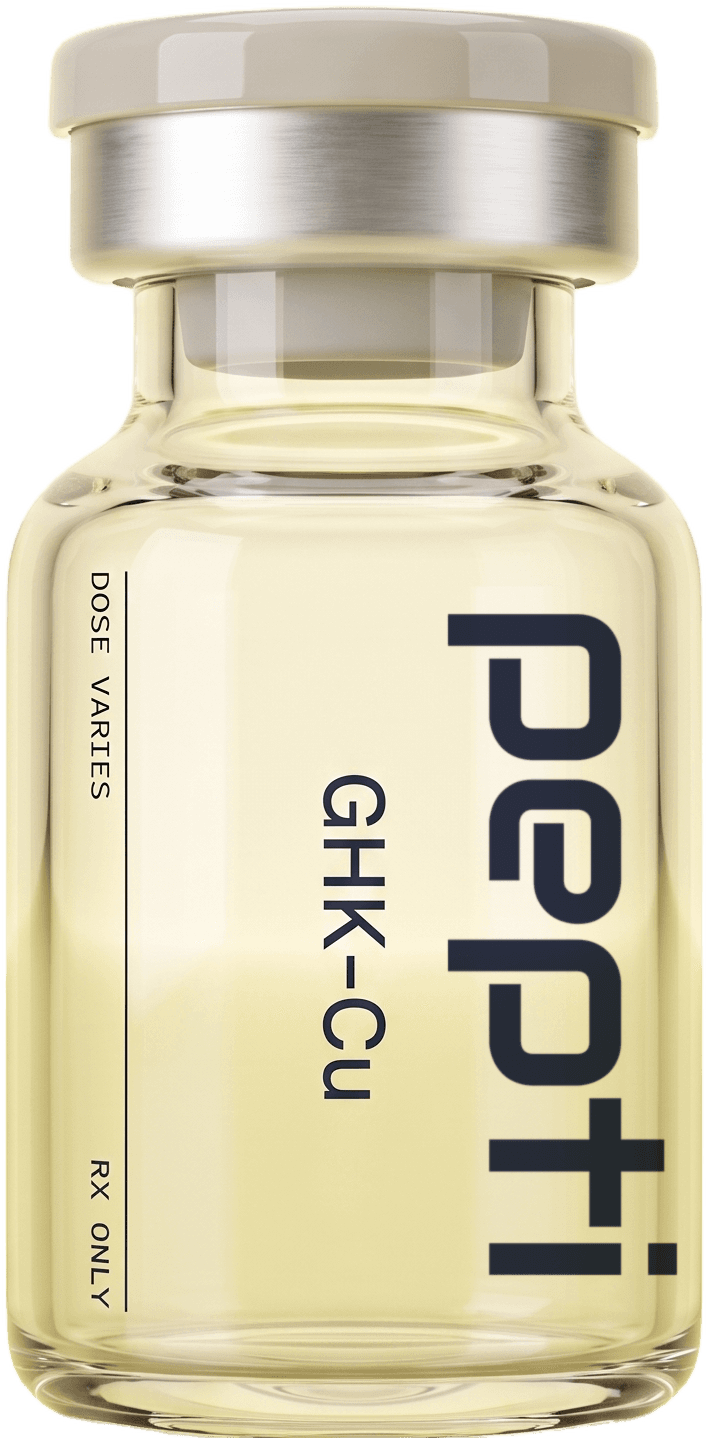
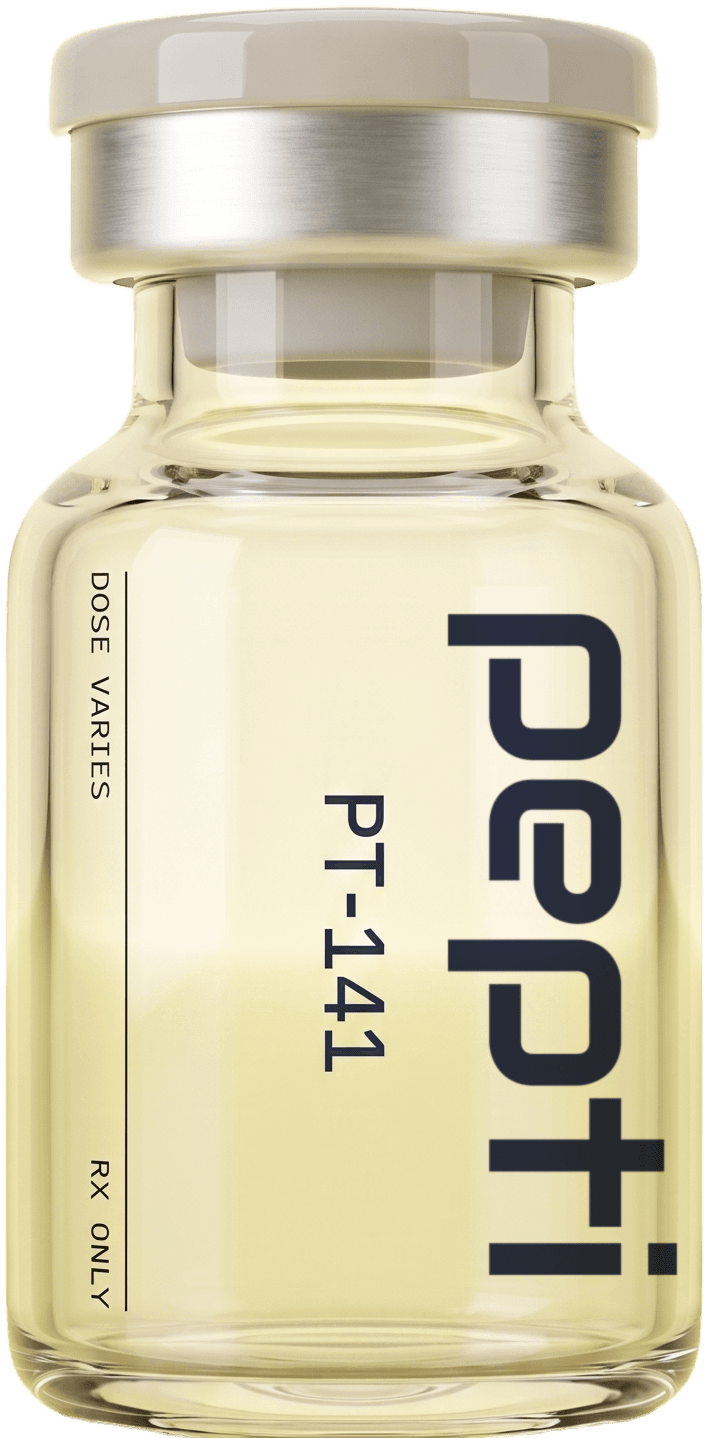
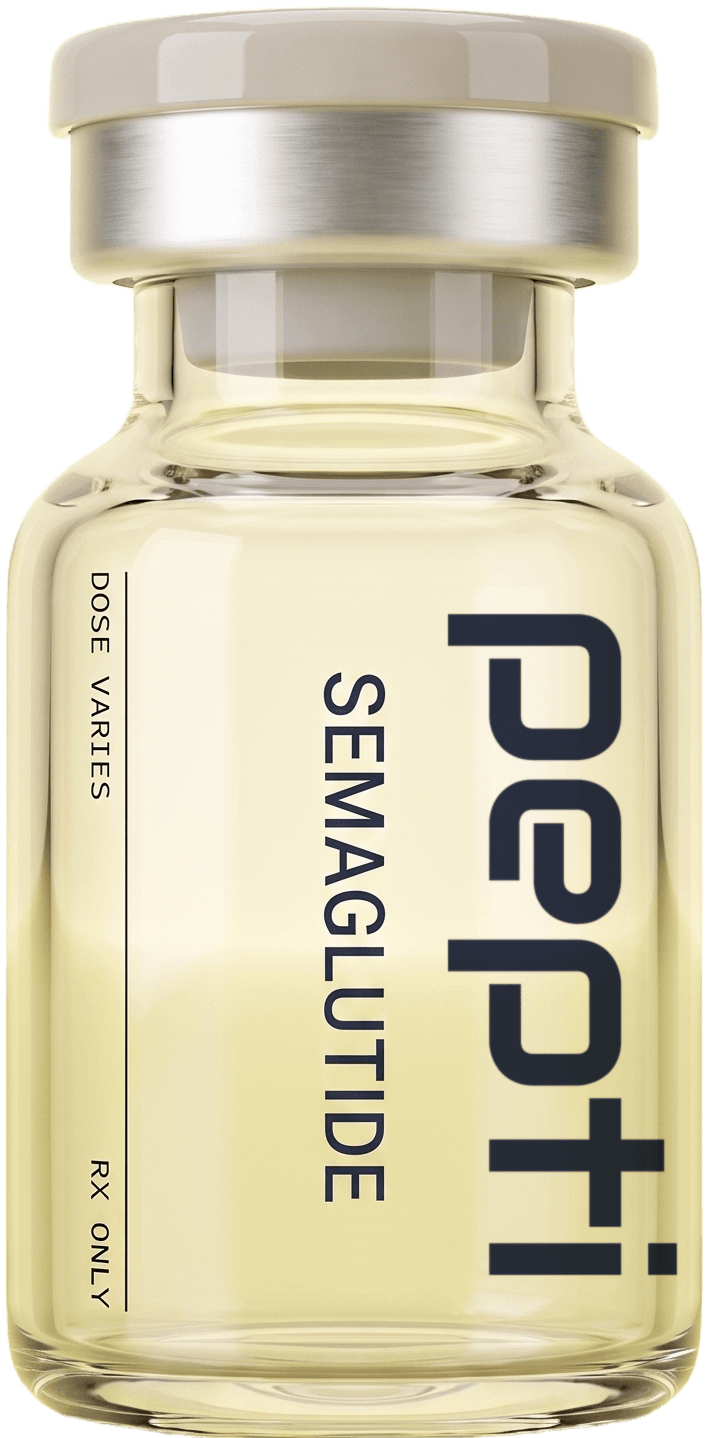
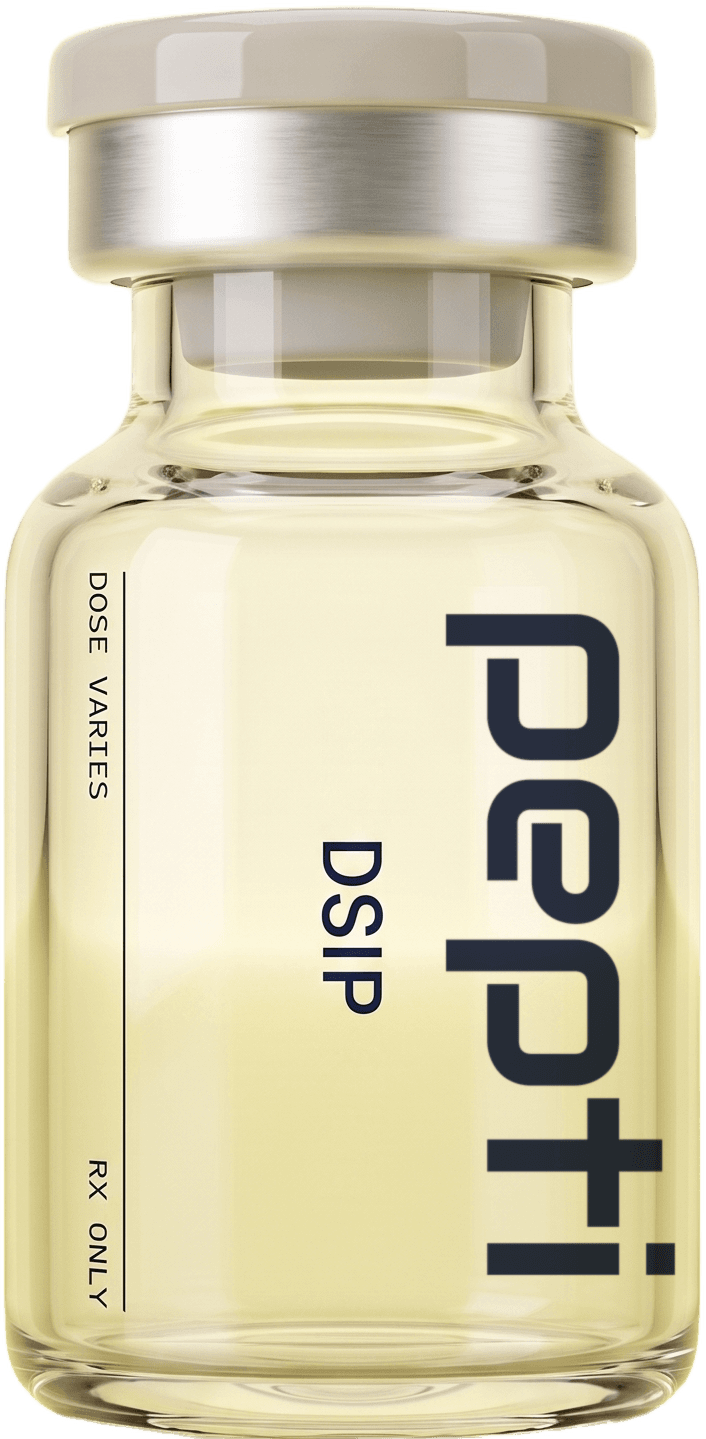
Peptides are not hormone therapy, and nothing in this category replaces estrogen, treats hot flashes, or protects bone density. What they are used for during the menopausal transition is the set of symptoms that sit alongside it: disrupted sleep, changes in body composition, skin and hair quality, low libido, and low energy. Each of those maps to a different product. They are prescription-only, compounded by licensed US pharmacies, and not FDA approved.
If you searched for peptides for menopause, the most useful thing this page can tell you is which complaints are worth a peptide conversation and which belong in a hormone conversation instead. Pepti does not prescribe menopausal hormone therapy. Everything below is about the symptoms that sit alongside the transition, with the evidence and the FDA status of each product verified as of September 2026.
Peptides for Menopause
The short answer
| If your complaint is | The usual prescription | What is in it | Price |
|---|---|---|---|
| Waking at 3am, unrefreshing sleep | SERENITY | 5 mg DSIP, 5 mg Selank, 6 mg CJC-1295, 12 mg Ipamorelin | $279 |
| Sleep quality alone | DSIP | 5 mg DSIP in 5 mL | $249 |
| Weight gain through the transition | Semaglutide or Tirzepatide | Dose-specific vials, tirzepatide paired with B12 | from $99 and $159 |
| Skin thinning, loss of firmness | GHK-Cu | 50 mg GHK-Cu in 5 mL | $239 |
| Skin and hair together | RADIANCE | 50 mg GHK-Cu, 10 mg Tesamorelin | $249 |
| Low desire | PT-141 | 10 mg PT-141 in 5 mL | $259 |
| Anxiety, stress, mental clutter | Selank | 10 mg Selank in 5 mL | $229 |
| Flat energy, slow recovery | NAD+ | 1000 mg NAD+ in 10 mL | $249 |
| Aching joints and tendons | BPC-157 + TB-500 | 5 mg BPC-157 and 5 mg TB-500 in 5 mL | $259 |
Each is an all-in monthly price covering medication, physician review, refill management and shipping. Pepti is subscription based.
The table is a map, not a prescription. The evidence behind each row runs from large randomized trials down to animal work, and a physician licensed in your state decides whether any of it is appropriate.
Peptides for Menopause
What is actually going on in menopause
Menopause is the final menstrual period, confirmed only after twelve months without one. The years before it, when periods become irregular and hormone levels swing, are perimenopause, where most complaints on this page begin, and where pregnancy is still possible.
The hormone side, and the axis peptides act on
Estradiol falls and becomes erratic, progesterone drops as ovulation becomes infrequent, and follicle-stimulating hormone rises. Those changes drive vasomotor symptoms, genitourinary changes and accelerated bone loss, and they are what hormone therapy addresses. No peptide on this page touches any of them. Growth hormone secretion, and the deep sleep tied to it, declines across midlife on a separate, slower curve; that is the axis the growth-hormone secretagogues act on.
Sleep: why the 3am waking is so common
Night sweats wake people directly. Loss of progesterone removes a mildly sedating hormone. Slow-wave sleep declines with age alongside growth hormone secretion, a relationship described in a 2000 JAMA analysis of sleep and hormone levels across adult life. Sleep apnea becomes more common after menopause and presents as insomnia rather than snoring. Which of those is driving the waking determines whether a peptide is even the right category of answer.
Body composition: where the weight goes
Average weight gain through the transition is modest, but fat shifts toward the abdomen, lean mass declines, resting energy expenditure falls and insulin sensitivity worsens. Any weight-loss intervention at this stage has to protect muscle and bone rather than just remove weight.
Skin, hair, desire and mood
The dermatology literature describes a marked drop in dermal collagen in the years after the final period. Hair shedding in this decade is at least as often thyroid disease, iron deficiency or female-pattern hair loss as an estrogen effect. Low desire is rarely one thing: dryness and pain make sex unappealing before desire is in question, poor sleep and low mood remove appetite for it, and a smaller central component is what the melanocortin peptides act on. Mood symptoms overlap almost completely with thyroid disease, iron deficiency and untreated sleep disruption, which is why screening comes before any prescription.
Peptides for Menopause
What peptides do not do in menopause
This section is longer than most providers would make it, and it is the most useful part of the page.
| Symptom | Why a peptide is not the answer |
|---|---|
| Hot flashes and night sweats | Vasomotor symptoms are driven by estrogen withdrawal acting on thermoregulation. No peptide in this catalogue addresses that pathway, and menopausal hormone therapy has decades of trial evidence behind it |
| Vaginal dryness, pain with sex, urinary symptoms | Genitourinary syndrome of menopause is treated locally, and treating it is often what restores comfort before desire is even in question |
| Bone density loss | The fastest bone loss happens in the years around the final period. Nothing here protects bone. That is a DEXA scan, calcium, vitamin D, resistance training and a medical conversation |
| Irregular or heavy bleeding | Needs assessment, not a supplement. Bleeding after twelve months without a period always needs assessment |
| Cardiovascular risk | Lipids and blood pressure shift through the transition. That is screening and treatment, not a peptide |
A physician reviewing your intake should be willing to say that out loud. If a provider tells you a peptide protocol handles menopause, that is a reason to be skeptical of everything else they say. Both hormonal and non-hormonal prescription treatments exist for hot flashes; the FDA approved a non-hormonal neurokinin-3 receptor antagonist for them in May 2023. Pepti prescribes neither.
Peptides for Menopause
What physicians prescribe for the symptoms alongside menopause
One product per complaint. Directions quoted are the reviewed directions on each product page; your physician sets yours.
DSIP for sleep architecture
DSIP, delta sleep-inducing peptide, is a nonapeptide characterized in a 1977 paper in Proceedings of the National Academy of Sciences. It is not a sedative: the research describes effects on sleep architecture and stress-response signaling rather than time to fall asleep. The human evidence is old, small and mixed: a 1981 Lancet report described improved sleep in insomniacs, a 1992 double-blind study in Neuropsychobiology reported inconsistent results, and a 2006 J Neurochem review called it "a still unresolved riddle." There are no modern randomized trials of DSIP.
Directions are 0.25 mL (25 units) subcutaneously Monday through Friday nights at bedtime. It suits light, unrefreshing sleep without an obvious night-sweat trigger. See what DSIP is and peptides for sleep.
SERENITY when sleep and stress travel together
SERENITY combines DSIP with Selank and the growth-hormone secretagogue pair CJC-1295 and ipamorelin, on the logic that the menopausal 3am wake is usually a stress-axis event layered on age-related loss of deep sleep. A 2006 paper in the Journal of Clinical Endocrinology and Metabolism reported prolonged increases in growth hormone and IGF-1 from CJC-1295 in healthy adults, and ipamorelin was characterized in 1998 in the European Journal of Endocrinology as the first selective growth hormone secretagogue. Neither has a sleep trial; what patients describe is most often sleep depth rather than onset.
Directions are the same as DSIP alone, and bloodwork is commonly required because the blend acts on the growth hormone axis. If night sweats are the waker, treat the night sweats; that is the hormone conversation, not this one.
Semaglutide for weight gained through the transition
Semaglutide is a GLP-1 receptor agonist with the deepest human evidence of anything here. STEP 1, in the New England Journal of Medicine in 2021, randomized nearly two thousand adults with overweight or obesity to weekly semaglutide or placebo for 68 weeks; STEP 5 in Nature Medicine in 2022 extended follow-up to two years; SELECT in NEJM in 2023 reported cardiovascular outcomes. The STEP program enrolled a majority of women averaging their mid-forties, though no trial selected for menopausal status.
Weight lost on a GLP-1 medication is mostly fat but includes lean mass, a real cost at this stage; resistance training and protein are part of the prescription. Compounded semaglutide shares the active ingredient with the approved products but not the approval, comes in dose-specific vials stepped up by your physician, and commonly requires bloodwork. Contraception is discussed first. See best peptides for weight loss.
Tirzepatide when more is needed
Tirzepatide is a dual GIP and GLP-1 receptor agonist. SURMOUNT-1, in NEJM in 2022, randomized over two and a half thousand adults with obesity for 72 weeks; SURMOUNT-5, in NEJM in 2025, compared it directly against semaglutide and reported greater weight loss with tirzepatide; SURMOUNT-OSA, in NEJM in 2024, reported improvement in obstructive sleep apnea, a hidden cause of menopausal sleep disruption.
The compounded preparation comes in dose-specific vials paired with vitamin B12. The same lean-mass and contraception cautions apply, and both GLP-1 medications are excluded by a personal or family history of medullary thyroid carcinoma or MEN 2. Which is chosen, if either, is your physician's decision.
GHK-Cu for skin that has lost firmness
GHK-Cu is a copper-binding tripeptide that occurs naturally in plasma and declines with age. It acts as a copper carrier, and research describes increased synthesis of collagen, elastin and proteoglycans along with modulation of the enzymes that break tissue down. It has the deepest literature of the repair peptides, including human skin work. RADIANCE pairs it with tesamorelin.
A 1988 FEBS Letters paper described GHK-Cu stimulating collagen synthesis in cultured fibroblasts, and reviews in BioMed Research International in 2015 and the International Journal of Molecular Sciences in 2018 summarize the gene-expression work. The human data is topical, including a 2006 Archives of Facial Plastic Surgery study on laser-resurfaced skin; there are no randomized trials of injectable GHK-Cu.
Directions are 0.25 mL (25 units) subcutaneously once daily Monday through Friday. Because it delivers copper, Wilson's disease and high-dose zinc are the specific cautions. See what GHK-Cu is.
RADIANCE when skin and body composition overlap
RADIANCE puts GHK-Cu and tesamorelin in one vial. Tesamorelin has full randomized trials: the 2007 NEJM trial in HIV-infected adults with abdominal fat accumulation, a 2014 JAMA trial reporting reduced visceral and liver fat in the same population, and a 2012 JCEM study in obese adults with reduced growth hormone secretion. The FDA approved it as Egrifta on 10 November 2010 for excess abdominal fat in HIV-infected adults with lipodystrophy; the label states it is not indicated for weight loss management, that IGF-1 should be monitored, and that active malignancy and pregnancy are contraindications.
RADIANCE suits a skin complaint that sits alongside a shift toward abdominal fat. Directions are 0.25 mL (25 units) subcutaneously once daily Monday through Friday; bloodwork is commonly required. Use outside the HIV indication is an extrapolation.
PT-141 for low desire
PT-141, bremelanotide, is a melanocortin receptor agonist acting centrally on desire rather than on blood flow, and the one product here whose active ingredient is FDA approved for a women's-health indication. The FDA approved Vyleesi on 21 June 2019 for premenopausal women with acquired, generalized hypoactive sexual desire disorder; the label states it "is not indicated for the treatment of HSDD in postmenopausal women or in men." Use after menopause is an extrapolation from that evidence.
The two RECONNECT phase 3 trials, in Obstetrics and Gynecology in 2019, randomized over twelve hundred premenopausal women with HSDD and reported improvements in desire and reductions in distress. Nausea is the defining side effect: the label reports it in 40 percent of treated patients, improving for most by the second dose, and records a transient rise in blood pressure after each dose.
Directions are 0.50 mL (50 units) subcutaneously two to four hours before sexual activity, no more than four doses per month. It suits the person whose desire is what has changed and for whom sex is otherwise comfortable; uncontrolled blood pressure rules it out. See peptides for libido.
Selank for the anxious, wired-but-tired state
Selank is a synthetic heptapeptide derived from tuftsin, developed in Russia, and described in that research as modulating GABAergic and serotonergic signaling with anxiolytic effects reported without benzodiazepine-type sedation. The human evidence is Russian, mainly in the Korsakov journal: a 2008 study in generalized anxiety disorder and a 2014 comparison against the benzodiazepine phenazepam. They are small, and none is a menopause study.
Directions are 0.25 mL (25 units) subcutaneously once daily Monday through Friday. It suits mental clutter and a stress response that will not switch off, more than low mood; mood changes through this transition sometimes need psychiatric care rather than a peptide. See what Selank is.
NAD+ for flat energy
NAD+ is a coenzyme, not a peptide, central to cellular energy metabolism, and a 2012 PLOS ONE study described its decline in human tissue with age. The human outcome data comes almost entirely from oral precursors and is thinner than the marketing suggests: a 2021 Science trial in postmenopausal women with prediabetes reported that ten weeks of nicotinamide mononucleotide increased muscle insulin sensitivity compared with placebo, while a 2018 American Journal of Clinical Nutrition trial in obese men found no change. There are no randomized trials of injected NAD+ for energy.
Directions are 0.83 mL (83 units) subcutaneously three times per week, as a vial or a pre-filled Pen cartridge. It suits flat energy once thyroid, iron and B12 have been checked and found normal. See what NAD+ is.
BPC-157 + TB-500 for aching joints and tendons
BPC-157 + TB-500 is the pairing for the tendon and joint aches that cluster around this age. Rat studies in the Journal of Orthopaedic Research in 2003 and 2006 described faster recovery of transected and detached Achilles tendon with BPC-157; TB-500 is a fragment of thymosin beta-4, described in a 2005 Trends in Molecular Medicine review as promoting cell migration and tissue repair; a 2026 study in Joint Diseases and Related Surgery examined the two together in rat Achilles tendon. There are no randomized human trials of BPC-157 or TB-500 for tendon or joint pain.
Directions are 0.25 mL (25 units) subcutaneously Monday through Friday mornings. It suits a specific sore tendon alongside the loading and physiotherapy that have actual trial evidence, and does not substitute for investigating a joint that is swollen, hot or newly stiff.
Peptides for Menopause
What the evidence shows, and what it does not
There are no randomized trials of peptides in menopausal women. What exists is evidence for each molecule in its own right, applied to a population it was not studied in.
The hierarchy on this page
- Semaglutide and tirzepatide. Large, multi-year, placebo-controlled trials with hard outcomes, mostly in women in their forties. The compounded products share the molecule, not the trials or the approval.
- PT-141. Two randomized phase 3 trials and an approved product, in premenopausal women; the label excludes postmenopausal women.
- Tesamorelin. Randomized trials and an approved product, in HIV-associated abdominal fat; not indicated for weight loss.
- NAD+. Trials of oral precursors, one in postmenopausal women; none of the injection.
- GHK-Cu. Decades of cell and animal work and human topical studies; no injectable trials.
- Selank. Small Russian human studies in anxiety disorders.
- DSIP. Old, small and inconsistent human sleep studies.
- BPC-157 and TB-500. Animal and cell research only.
"No trials in menopausal women" means nobody can tell you an effect size, and the timelines below are prescriber experience rather than endpoints. Any provider presenting a peptide protocol as a menopause treatment is overselling it.
What the evidence does not establish
- That any peptide here improves a menopause-specific outcome such as hot flash frequency, bone density or genitourinary symptoms. None has been tested for those.
- Long-term safety over years of continuous use for the 503A peptides, because those trials have not been run.
- That a blend outperforms its components. SERENITY and RADIANCE are built on the individual literatures, not trials of the combination.
- Efficacy for any condition as an FDA-approved treatment. None of the compounded products is approved for anything.
Peptides for Menopause
Where these stand with the FDA right now
Verified September 2026 against the FDA's own pages. Much of what is online about "banned peptides" describes a situation that no longer exists.
The GLP-1 medications
Semaglutide and tirzepatide are FDA-approved active ingredients; the compounded vials are not approved products. Shortage-based compounding has ended: the FDA declared the tirzepatide shortage resolved on 19 December 2024 and the semaglutide shortage on 21 February 2025. What remains is the ordinary 503A pathway: a state-licensed pharmacy may compound for an identified patient where the prescriber determines and documents that the compounded product differs from the commercial one in a way that matters for that patient; the FDA updated that guidance on 1 April 2026. A separate April 2026 proposal to exclude both from the 503B bulks list concerns outsourcing facilities and is not final.
The two approved active ingredients: PT-141 and tesamorelin
Bremelanotide was approved as Vyleesi on 21 June 2019 and tesamorelin as Egrifta on 10 November 2010. Because a component of an approved product may be used in 503A compounding, neither depends on the 503A bulks list and neither was ever in Category 2. The "essentially a copy" rule applies instead, and whether a compounded multi-dose vial with physician-set directions is warranted for you is your physician's determination.
DSIP, Selank, CJC-1295 and ipamorelin
The four SERENITY components were placed in Category 2 of the FDA's interim 503A bulk drug substances list in September 2023, the category for substances with identified safety concerns. None is there now: the FDA's safety-risks page, current as of 22 April 2026, lists all four among substances "nominated but withdrawn," and the category list updated 14 May 2026 shows none of them in Category 1, 2 or 3.
DSIP, listed by the FDA as emideltide, was among the twelve peptides removed from Category 2 on 15 April 2026; on 24 July 2026 the Pharmacy Compounding Advisory Committee voted 6 in favor, 7 against, with 1 abstention, and did not recommend adding it to the 503A Bulks List. Selank came off Category 2 in September 2024 after the FDA recorded that the nominator had intended to nominate a different substance. CJC-1295 and ipamorelin were each reviewed by the committee in late 2024 and voted against, then withdrawn; ipamorelin acetate still carries a Category 2 entry under the separate 503B policy for outsourcing facilities, which is not the 503A pathway under which SERENITY is compounded.
A committee vote is a recommendation, not an agency action; the FDA has issued no final determination on any of the four, a "no" vote is not a ban, and all four remain legal to prescribe and dispense.
GHK-Cu, BPC-157, TB-500 and NAD+
Injectable GHK-Cu, BPC-157 and TB-500 were all among the twelve peptides removed from Category 2 on 15 April 2026. On 23 July 2026 the advisory committee voted 8 to 6 with one abstention to recommend adding BPC-157 to the 503A Bulks List, and the same for TB-500. GHK-Cu was not on that agenda; the FDA has said the committee will consider it before the end of February 2027. All three await the FDA's final determination.
NAD+ was never in Category 2. Nicotinamide adenine dinucleotide sits in Category 1, "Bulk Drug Substances Under Evaluation," in the list updated 14 May 2026, and under the interim policy the FDA does not intend to act against a compounder using a Category 1 substance while evaluation is pending.
What "not FDA approved" means for all of them
Compounded medications are prepared by a state-licensed pharmacy to an individual prescription; they are not reviewed by the FDA for safety or effectiveness and are never approved as finished products, whatever the status of their ingredient. What a legitimate provider shows you instead is the pharmacy's identity and testing, which for Pepti is on the quality page and in the lab results.
Anti-doping status, for tested athletes
The 2026 WADA Prohibited List prohibits at all times CJC-1295, sermorelin and tesamorelin as growth-hormone-releasing-hormone analogs, ipamorelin as a growth hormone secretagogue, and thymosin beta-4 and its derivatives including TB-500; BPC-157 is named under S0 as a non-approved substance. That covers SERENITY, RADIANCE and the BPC-157 + TB-500 pairing. A tested athlete should check with their sport's anti-doping body and tell the physician.
Peptides for Menopause
What a physician rules out first
| Test | Why |
|---|---|
| TSH and free T4 | Thyroid disease peaks in the same decade and mimics the whole symptom set |
| Ferritin | Deficiency is common with heavy perimenopausal bleeding and causes fatigue and hair loss |
| B12 | Another common and correctable cause of fatigue and fog |
| Lipids and HbA1c | Both shift through the transition and change what is appropriate |
| Vitamin D | Relevant to the bone conversation |
| Pregnancy status and contraception plan | Mandatory before any GLP-1 |
Thyroid, iron and B12
Hypothyroidism produces fatigue, weight gain, hair shedding, low mood and poor sleep, which is the entire list above, and its incidence in women rises sharply through the forties and fifties. No peptide substitutes for treating it. Low ferritin alone produces fatigue, hair loss and restless sleep; B12 deficiency does the same with brain fog added. At-home blood testing covers all three without a lab visit.
Sleep apnea, mood, bleeding and contraception
If mornings feel unrefreshed regardless of hours slept, a sleep study comes before a sleep peptide. Depression and anxiety disorders peak around the transition and warrant their own treatment. Any bleeding after twelve months without a period needs investigation before anything is added. A contraception plan is confirmed before either GLP-1 medication. Do you need bloodwork before peptides covers how screening is handled, and peptides for women covers what else changes.
Peptides for Menopause
What to expect, and when
These are patterns described by prescribers, not trial endpoints.
The first eight weeks
For the sleep products, the first change people describe, if they notice one, is sleep feeling deeper rather than longer; some notice nothing, which is normal. PT-141 acts per dose, within hours, and the first dose is often the one with most nausea. For the GLP-1 medications the first weeks are the lowest dose and are about tolerance; the dose is then stepped up on the physician's schedule and appetite change becomes obvious. Skin texture changes with GHK-Cu, where they happen, are described from around the second month, because collagen turnover is slow. For tendon aches on BPC-157 + TB-500, weeks two to eight are the window in which the animal timelines would predict tissue-level change.
Three months and beyond
Treatment is long-term, with 28-day refills, and this is the point to compare where you are with the symptoms you wrote down at intake. If nothing has changed, the usual answer is that the wrong thing was being treated: sleep still broken by sweats means the vasomotor conversation was skipped; persistent fatigue on NAD+ with normal labs points at apnea or mood; desire that has not responded to PT-141 usually means the barrier was discomfort rather than central drive.
Peptides for Menopause
When a peptide is the wrong tool
A reference that only ever recommends its own product is not much of a reference. The honest cases:
- Hot flashes, night sweats, vaginal symptoms or bone loss are the main complaint. That is the hormone conversation, with a physician who manages menopause.
- The fatigue is thyroid, iron or B12. Treat that first. If B12 is the issue, methylcobalamin is the direct answer rather than NAD+.
- The sleep problem is apnea. A sleep study, not DSIP.
- Sex is uncomfortable rather than undesired. Local treatment comes first. Where desire and connection are both the issue, PT-141 + Oxytocin is a different conversation.
- Weight is the concern but a GLP-1 medication is excluded or unwanted. Tesamorelin acts on abdominal fat through a different axis, and PHYSIQ builds on it.
- The skin complaint is mainly repair rather than firmness. GLOW and the KLOW blend combine GHK-Cu with the repair peptides.
- The mood change is depression. That needs its own assessment; Selank is not an antidepressant.
A consultation does not guarantee a prescription, and being declined is refunded.
Peptides for Menopause
Monitoring and bloodwork
Semaglutide, tirzepatide, SERENITY and RADIANCE commonly require bloodwork before prescribing and have it repeated on the physician's schedule; the other products do not routinely. SERENITY and RADIANCE raise growth hormone and IGF-1, and the Egrifta label states that the effects of prolonged IGF-1 elevation are unknown, that IGF-1 should be monitored, and that glucose intolerance may develop, which is why a cancer history needs specialist input first. PT-141 needs controlled blood pressure. GHK-Cu delivers a small copper load, which is why Wilson's disease is an exclusion and high-dose zinc is asked about at intake.
Peptides for Menopause
Who should not take these
| Situation | Why |
|---|---|
| Pregnancy, breastfeeding, or trying to conceive | An absolute stopping point for this category |
| Personal or family history of medullary thyroid carcinoma or MEN 2 | Excludes GLP-1 medications |
| Personal history of cancer, including breast cancer | The angiogenic and growth-signalling mechanisms need specialist input before anything starts |
| Uncontrolled hypertension or significant cardiovascular disease | Relevant specifically to PT-141 |
| Wilson's disease or high-dose zinc supplementation | Relevant to GHK-Cu, which delivers copper |
| Unexplained postmenopausal bleeding | Needs investigation first, with nothing added in the meantime |
References
What this is based on.
References
- Chang CH, Tsai WC, Hsu YH, Pang JH. Pentadecapeptide BPC 157 enhances the growth hormone receptor expression in tendon fibroblasts · Molecules (2014) · PMID 25415472
- Krivic A, Anic T, Seiwerth S, et al.. Achilles detachment of rat and stable gastric pentadecapeptide BPC 157 · Journal of Orthopaedic Research (2006) · PMID 16583442
- Sikiric P, Seiwerth S, Rucman R, et al.. Stable gastric pentadecapeptide BPC 157: novel therapy in gastrointestinal tract · Current Pharmaceutical Design (2011) · PMID 21548867
- Cerovecki T, Bojanic I, Brcic L, Radic B, et al.. Pentadecapeptide BPC 157 (PL 14736) improves ligament healing in the rat · J Orthop Res (2010) · PMID 20225319
- Sikiric P, Seiwerth S, Rucman R, Turkovic B, et al.. Stable gastric pentadecapeptide BPC 157-NO-system relation · Curr Pharm Des (2014) · PMID 23755725
- Cox HD, Miller GD, Eichner D. Detection and in vitro metabolism of the confiscated peptides BPC 157 and MGF R23H · Drug Test Anal (2017) · PMID 28035768
- Thomas A, Görgens C, Guddat S et al.. Simplifying and expanding the screening for peptides <2 kDa by direct urine injection, liquid chromatography, and ion mobility mass spectrometry · J Sep Sci (2016) · PMID 26578461
- Farrar JT, Young JP Jr, LaMoreaux L, Werth JL et al.. Clinical importance of changes in chronic pain intensity measured on an 11-point numerical pain rating scale · Pain (2001) · PMID 11690728
- Meyer JD, Ho B, Manning MC. Effects of conformation on the chemical stability of pharmaceutically relevant polypeptides · Pharm Biotechnol (2002) · PMID 11987755
- Xu C, Sun L, Ren F, Huang P, et al.. Preclinical Safety Evaluation of Body Protective Compound-157, a Potential Drug for Treating Various Wounds · Regul Toxicol Pharmacol (2020) · PMID 32334036
- He L, Feng D, Guo H, et al.. Pharmacokinetics, distribution, metabolism, and excretion of body-protective compound 157, a potential drug for treating various wounds, in rats and dogs · Front Pharmacol (2022) · PMID 36588717
- Lee E, Padgett B. Intra-Articular Injection of BPC 157 for Multiple Types of Knee Pain · Altern Ther Health Med (2021) · PMID 34324435
Citations are provided for educational purposes. They do not constitute medical advice. Always discuss any peptide protocol with your prescribing physician.
Common questions
Peptides for Menopause, answered.
No. Vasomotor symptoms come from estrogen withdrawal acting on thermoregulation, and nothing in this catalogue acts on that pathway. Menopausal hormone therapy is the treatment with real trial evidence, and that conversation belongs with a physician who manages it.
No, and a provider who implies otherwise should be avoided. Peptides address symptoms that sit alongside the transition, such as sleep, body composition, skin and libido. They do not replace the hormone that has declined, and Pepti does not prescribe hormone therapy.
The GLP-1 medications, semaglutide and tirzepatide, have the strongest evidence in this catalogue. The caveat that matters most at this stage of life is lean mass: rapid loss costs muscle, so resistance training and protein intake belong in the plan from day one.
Perimenopause itself is not the limiting factor. Pregnancy is still possible, which is the point that changes the screening, and the usual contraindications around cancer history, cardiovascular disease and copper metabolism apply as they would at any age. None of these products has been trialed in perimenopausal women specifically.
Semax and Selank are what get prescribed for that complaint, and the honest answer is that fog during this transition is often driven by sleep disruption, thyroid disease or iron deficiency. Those should be excluded first. See peptides for brain fog and focus.
Frequently yes, but your prescriber needs to know about both, and the physician managing your hormone therapy should be told what you are adding.
GLP-1 medications start at $99 a month for semaglutide and $159 for tirzepatide, and the peptides above run $229 to $279 a month, all in. How much do peptides cost explains the pricing. Current figures are on each product page and at /cost/semaglutide, /cost/tirzepatide, /cost/serenity-blend, /cost/ghk-cu and /cost/pt-141.
No. Vyleesi was approved in June 2019 for premenopausal women with acquired, generalized hypoactive sexual desire disorder, and the label states it is not indicated for HSDD in postmenopausal women. Prescribing it after menopause is an extrapolation your physician weighs, and the compounded vial is not an FDA-approved product.
No. Twelve peptides, including BPC-157, TB-500, DSIP and injectable GHK-Cu, were removed from the FDA's Category 2 safety-concern list on 15 April 2026. In July 2026 the advisory committee recommended BPC-157 and TB-500 for the 503A Bulks List and did not recommend DSIP; GHK-Cu is scheduled for review before the end of February 2027. Those are recommendations, the FDA's final determinations are pending, and all remain legal to prescribe and dispense.
Yes, on a narrower basis. Shortage-based compounding ended in 2025. A state-licensed pharmacy may still compound semaglutide or tirzepatide for a named patient where the prescribing physician documents that the compounded product differs from the commercial one in a way that matters for that patient. It is not FDA approved and is not the branded medication.
It can, if nothing is done about it. Weight lost on these medications is mostly fat but includes lean mass, and the transition is already a period of muscle and bone loss. Resistance training and adequate protein are part of the prescription.
No. Its components act on sleep signaling, the stress axis and the growth hormone axis, not on estrogen, progesterone or FSH. It does raise growth hormone and IGF-1, which is why bloodwork is commonly required before prescribing.
Same molecule, different route. The human studies are topical; there are no randomized trials of injectable GHK-Cu, which is prescribed on the mechanism and prescriber experience. It is not started in Wilson's disease or alongside high-dose zinc.
Semaglutide, tirzepatide, SERENITY and RADIANCE commonly require bloodwork before prescribing. The others do not routinely, though a physician will usually want a recent TSH and ferritin before treating fatigue, sleep or hair loss at this stage of life. At-home blood testing covers those markers without a lab visit. The free assessment goes to a physician licensed in your state. A consultation does not guarantee a prescription.
Next step
See what a physician recommends for you.
A licensed physician in your state reviews your intake and decides what is appropriate. A consultation does not guarantee a prescription.