— Weight Loss · Reference
Is Semaglutide Safe? Side Effects, Warnings and Who Should Not Take It
This page goes through where the safety data comes from, what the current prescribing information says item by item, how often each effect was reported against placebo, the two questions that have made the news since approval, what a physician checks, and where compounded semaglutide stands with the FDA as of September 2026.
— Treatments mentioned
Semaglutide has been studied in large randomised trials and used by millions of people, which makes its safety profile documented rather than speculative, and the documentation includes real risks. Gastrointestinal effects are common, particularly around dose increases. Pancreatitis, gallbladder disease and a class warning for thyroid C-cell tumours are the serious items. A personal or family history of medullary thyroid carcinoma or multiple endocrine neoplasia type 2 is an absolute contraindication, as is pregnancy. Compounded semaglutide shares the active ingredient but not the approval, which changes the preparation questions rather than the molecule's profile.
This page goes through where the safety data comes from, what the current prescribing information says item by item, how often each effect was reported against placebo, the two questions that have made the news since approval, what a physician checks, and where compounded semaglutide stands with the FDA as of September 2026.
— Is Semaglutide Safe? Side Effects, Warnings and Who Should Not Take It
The short answer
| If you are considering | The product | What is in it | Price |
|---|---|---|---|
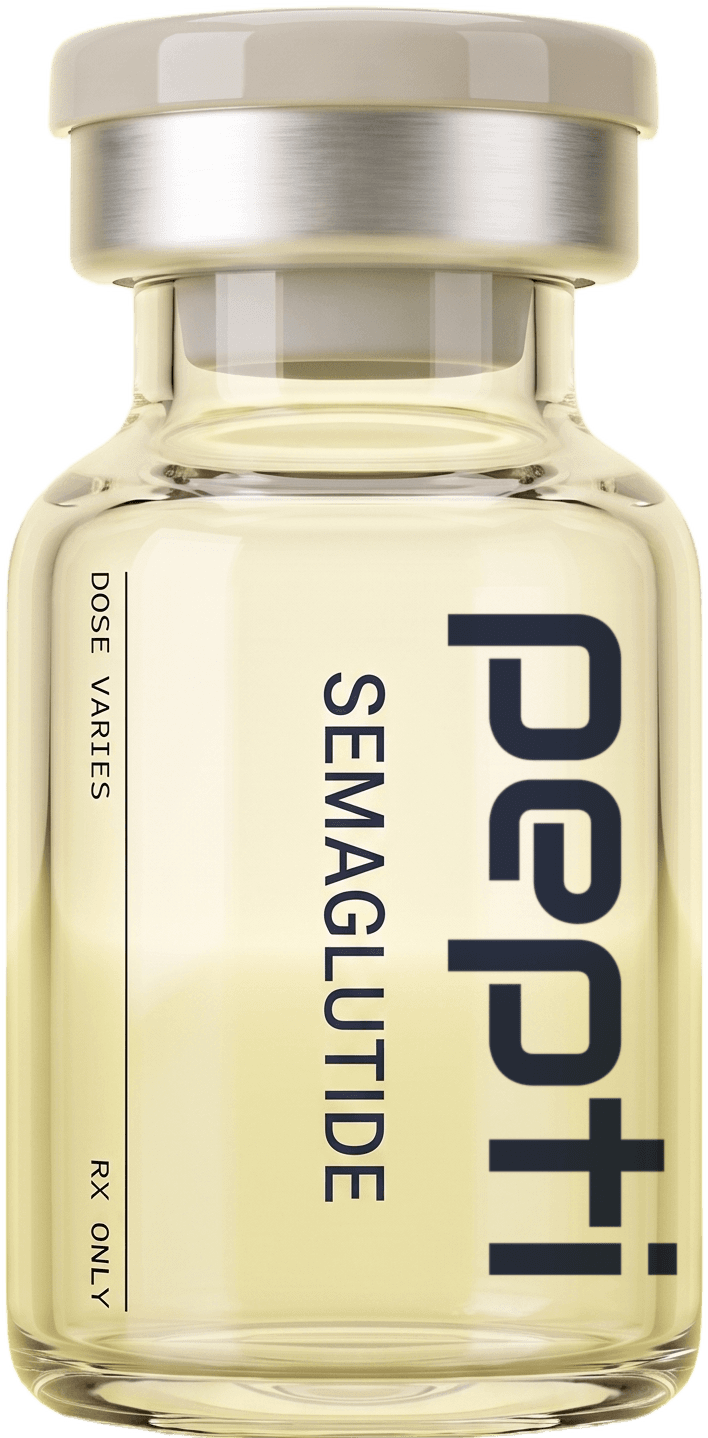
| Semaglutide | Semaglutide | Dose-specific vials, from 1 mg per 1 mL at the 0.25 mg starting dose up to 10 mg per 2 mL at higher rungs | from $99 |
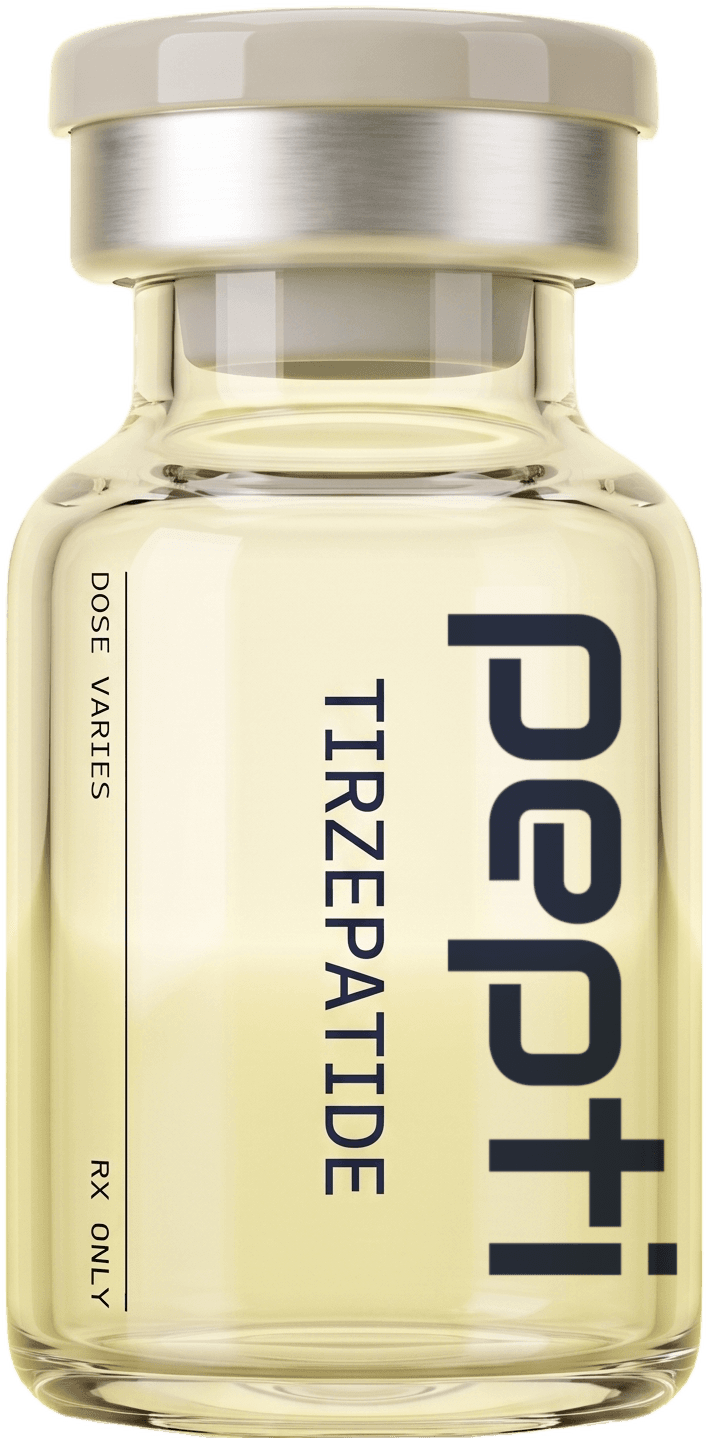
| The dual-agonist alternative | Tirzepatide | Dose-specific vials with cyanocobalamin, from 10 mg per 2 mL at the 2.5 mg rung | from $159 |
All-in monthly pricing covering medication, physician review, refill management and shipping, priced by dose rung. Compounded semaglutide is not FDA approved. It is compounded at a US FDA-registered pharmacy against a prescription from a physician licensed in your state, and it is not Ozempic or Wegovy.
For most adults who are screened properly: the common effects are gastrointestinal, dose-related and usually settle; the serious effects are uncommon, well characterized and mostly recognizable early; and a short list of people should not take it at all. The rest of this page is the detail behind those three clauses.
— Is Semaglutide Safe? Side Effects, Warnings and Who Should Not Take It
What the safety data actually consists of
Most peptides on this site are described from animal and cell research. Semaglutide is different, and it is worth being precise about how different.
— Rodent and primate toxicology
The finding that still shapes the label came from lifetime studies in mice and rats, where semaglutide caused a dose-dependent and treatment-duration-dependent increase in thyroid C-cell tumors at clinically relevant exposures. The prescribing information is explicit that it is unknown whether this happens in humans, because the human relevance of the rodent finding has not been determined. Reproductive studies in rats, rabbits and cynomolgus monkeys reported embryofetal effects and early pregnancy losses at exposures at or below the maximum human dose, coinciding with marked maternal weight loss. That is the basis for the pregnancy position.
— The STEP program
STEP 1, published in the New England Journal of Medicine in 2021, randomized 1,961 adults with overweight or obesity and no diabetes to semaglutide 2.4 mg weekly or placebo for 68 weeks. Nausea and diarrhea were the most common adverse events, described as typically transient and mild to moderate, and 4.5% of the semaglutide group versus 0.8% on placebo discontinued because of gastrointestinal events. STEP 2 (The Lancet, 2021) repeated the design in adults with type 2 diabetes, STEP 3 (JAMA, 2021) added intensive behavioral therapy, STEP 4 (JAMA, 2021) studied switching to placebo, STEP 5 (Nature Medicine, 2022) ran two years, and STEP 8 (JAMA, 2022) compared semaglutide with daily liraglutide. The Wegovy label pools three of these, 2,116 adults on 2.4 mg for up to 68 weeks, for its adverse-reaction table.
— SELECT: the long-exposure trial
The largest single safety dataset is SELECT (New England Journal of Medicine, 2023): 17,604 adults aged 45 or older with established cardiovascular disease and a body-mass index of 27 or more, without diabetes, followed for a mean of 39.8 months. The primary result was a lower rate of major adverse cardiovascular events on semaglutide (6.5% versus 8.0%, hazard ratio 0.80). For safety, the important numbers are exposure and discontinuation: mean exposure was 34.2 months, and adverse events led to permanent discontinuation in 16.6% of the semaglutide group versus 8.2% on placebo. SELECT is where the fracture, urolithiasis and serious hypoglycemia observations on the current label come from.
— Diabetes trials and post-marketing reports
SUSTAIN-6 (New England Journal of Medicine, 2016) was the cardiovascular outcomes trial at diabetes doses and is the source of the diabetic retinopathy signal. FLOW (New England Journal of Medicine, 2024) randomized 3,533 adults with type 2 diabetes and chronic kidney disease to semaglutide 1 mg or placebo for a median of 3.4 years and reported serious adverse events in a lower percentage of the semaglutide group than placebo (49.6% versus 53.8%).
Post-marketing reports arrive voluntarily from a population of uncertain size, so frequencies cannot be estimated from them. The current label's post-marketing section lists acute and necrotizing pancreatitis; ileus, intestinal obstruction and severe constipation including fecal impaction; anaphylaxis, angioedema, rash and urticaria; pulmonary aspiration during anesthesia; and acute kidney injury. Each has since been written into the warnings, which is how a label is supposed to evolve.
Every number above belongs to the branded product. A compounded preparation contains the same active ingredient, so the molecule's risk profile carries across; the manufacturing specification, stability data and regulatory review do not.
— Is Semaglutide Safe? Side Effects, Warnings and Who Should Not Take It
What semaglutide does, and why the side effects follow from it
Semaglutide is a GLP-1 receptor agonist: a peptide analogue of glucagon-like peptide-1, a hormone your gut releases after eating. It prompts insulin release when glucose is high, suppresses glucagon, slows gastric emptying, and acts on appetite centres in the brain. Structural modifications extend its half-life enough for weekly dosing.
Nearly every common side effect is that mechanism working. Slowed gastric emptying produces early fullness, reflux, nausea and constipation. Reduced appetite produces lower intake, which produces the weight change and also the dehydration risk if intake drops too far. Understanding that makes the pattern predictable rather than alarming, and it explains why titration pace is the single biggest lever on how you feel.
Two consequences follow. The label's own description is that gastrointestinal reactions "increased during dose escalation," so a physician who holds a rung when symptoms have not settled changes the experience more than any anti-nausea measure does. And with an elimination half-life of about a week, the label notes semaglutide stays in circulation for roughly five to seven weeks after a last dose, so a reaction tapers over weeks rather than hours.
— Is Semaglutide Safe? Side Effects, Warnings and Who Should Not Take It
Reported adverse effects
| Frequency | What is reported | What to do |
|---|---|---|
| Common | Nausea, especially in the days after a dose increase | Report it; pace of titration is the main lever. See GLP-1 nausea |
| Common | Constipation, diarrhoea, reflux, burping, early fullness | Report it; hydration, fibre and timing help |
| Common | Vomiting, usually with faster titration | Report it; persistent vomiting is a dehydration risk |
| Common | Fatigue, headache, dizziness in early weeks | Often intake-related; report it |
| Common | Injection-site redness or itching | Rotate sites |
| Uncommon | Hair thinning, typically tied to the rate of weight loss rather than the drug itself | Report it; protein intake and pace matter |
| Uncommon | Gallstones, more likely with rapid weight loss | Report right upper abdominal pain |
| Uncommon | Hypoglycaemia, mainly alongside insulin or a sulfonylurea | Your medication list matters; your physician may adjust the other drug |
| Uncommon | Worsening diabetic retinopathy, reported with rapid glucose improvement in people who already have it | Baseline eye assessment if you have retinopathy |
| Uncommon | Kidney injury secondary to persistent vomiting or diarrhoea | Report persistent vomiting rather than enduring it |
| Stop and call | Severe abdominal pain, often radiating to the back, with or without vomiting | Seek care. This is the pancreatitis presentation |
| Stop and call | Right upper abdominal pain, fever, jaundice | Seek care. Gallbladder |
| Stop and call | A neck lump, persistent hoarseness, difficulty swallowing | Contact your physician promptly |
| Stop and call | Facial or throat swelling, widespread rash, breathing difficulty | Emergency care first |
| Stop and call | Inability to keep fluids down for more than a day | Contact your physician; dehydration |
— The label's numbers against placebo
"Common" is vague, so here are the rates from the pooled adult trials on the current Wegovy label, semaglutide 2.4 mg versus placebo: nausea 44% versus 16%, diarrhea 30% versus 16%, vomiting 24% versus 6%, constipation 24% versus 11%, abdominal pain 20% versus 10%, headache 14% versus 10%, fatigue 11% versus 5%, dyspepsia 9% versus 3%, dizziness 8% versus 4%, abdominal distension 7% versus 5%, belching 7% versus under 1%, flatulence 6% versus 4%, reflux disease 5% versus 3%. Overall, 73% of semaglutide-treated adults and 47% of placebo-treated adults reported some gastrointestinal reaction. The placebo column matters: a fair share of the nausea and fatigue reported on semaglutide happens on placebo too, because people changing their diet feel these things.
— How often people stop because of them
In the pooled trials, 6.8% of semaglutide-treated adults and 3.2% on placebo permanently stopped because of adverse reactions; the gastrointestinal share was 4.3% versus 0.7%, and severe gastrointestinal reactions were 4.1% versus 0.9%. In SELECT, with far longer exposure and an older population with heart disease, 16.6% versus 8.2% stopped for an adverse event. So most people tolerate semaglutide, a minority stop because of it, and the share who stop rises with duration and age.
— Hair loss, taste, injection sites and blood pressure
Hair loss was 3.3% on semaglutide 2.4 mg versus 1% on placebo, almost entirely in women, and the label attributes it to weight reduction rather than the drug. Altered taste was 1.7% versus 0.5%, injection-site reactions 1.4% versus 1.0%, low blood pressure 1.3% versus 0.4% and fainting 0.8% versus 0.2%, the last two more frequent in people already on blood-pressure medication.
— Is Semaglutide Safe? Side Effects, Warnings and Who Should Not Take It
Serious risks, one at a time
These are the items in the Warnings and Precautions section of the Wegovy prescribing information as revised in June 2026. They apply to the molecule, so they apply to compounded semaglutide.
— Thyroid C-cell tumors: the boxed warning
The boxed warning says, in substance, that semaglutide causes thyroid C-cell tumors in rodents at clinically relevant exposures; that it is unknown whether it does so in humans; and that it is contraindicated with a personal or family history of medullary thyroid carcinoma or with MEN 2. The label adds that cases of medullary thyroid carcinoma reported in people taking liraglutide, another GLP-1 receptor agonist, are insufficient to establish or exclude a causal link.
— Acute pancreatitis
Acute pancreatitis was confirmed by adjudication in 4 semaglutide-treated adults in the pooled trials (0.2 cases per 100 patient-years) versus 1 on placebo. If pancreatitis is suspected, semaglutide should be stopped promptly, and if confirmed, not restarted. Trial experience in people with prior pancreatitis is limited and it is unknown whether they are at higher risk, which is why that history is a discussion rather than an automatic refusal. Amylase and lipase rise on treatment (mean increases of 15 to 16% and 39%) without symptoms, so a raised enzyme alone is not diagnostic.
— Acute gallbladder disease
Gallstones were reported by 1.6% on semaglutide versus 0.7% on placebo, and cholecystitis by 0.6% versus 0.2%. Rapid weight loss itself raises gallstone risk, but the label notes the excess on semaglutide persisted even after accounting for the degree of weight loss. A systematic review in JAMA Internal Medicine in 2022 pooled 76 randomized trials of the GLP-1 class and reported a relative risk of 1.37 for gallbladder or biliary disease, higher at higher doses and with longer use, and highest in weight-loss trials. Right upper abdominal pain, fever or jaundice is the presentation to act on.
— Severe gastrointestinal reactions, ileus and gastroparesis
This section was added to the Wegovy label in October 2025. It records that severe gastrointestinal reactions were reported in 4.1% versus 0.9% of adults, that ileus, intestinal obstruction and severe constipation including fecal impaction have been reported post-marketing, and that semaglutide is not recommended in people with severe gastroparesis. A 2023 research letter in JAMA using a large claims database reported higher rates of pancreatitis, bowel obstruction and gastroparesis among people using GLP-1 agonists for weight loss than among users of an older weight-loss drug. Constipation that stops responding, or distension with vomiting, is not something to push through.
— Acute kidney injury from volume depletion
Acute kidney injury occurred in 7 semaglutide-treated adults (0.4 per 100 patient-years) versus 4 on placebo, and there are post-marketing reports of kidney injury, some requiring dialysis, most in people whose nausea, vomiting or diarrhea led to dehydration. The August 2025 revision retitled this section "Acute Kidney Injury Due to Volume Depletion" to make the mechanism explicit. Risk was higher in people with existing kidney impairment and during titration. The prevention is unglamorous: drink, and report vomiting that lasts more than a day.
— Hypoglycemia
On its own, semaglutide lowers glucose in a glucose-dependent way and rarely causes hypoglycemia. Combined with insulin or a sulfonylurea the risk rises, and the label advises considering a dose reduction of those drugs when starting. In the trial of adults with type 2 diabetes, clinically significant hypoglycemia was 6.2% versus 2.5%. In people without diabetes, serious hypoglycemia was rare in SELECT, but the label singles out a history of bariatric surgery as a risk factor.
— Hypersensitivity reactions
Anaphylaxis and angioedema have been reported and are the second contraindication: a prior serious hypersensitivity reaction to semaglutide or any excipient. Facial or throat swelling or breathing difficulty is an emergency first and a phone call second.
— Diabetic retinopathy complications
In SUSTAIN-6, retinopathy complications occurred in 3.0% on semaglutide versus 1.8% on placebo, with the excess concentrated in people who already had retinopathy at baseline (8.2% versus 5.2%). The label attributes this to the known temporary worsening that accompanies rapid improvement in glucose control rather than to a direct drug effect, and asks that people with a history of diabetic retinopathy be monitored. If you do not have diabetes, this warning does not apply to you.
— Heart rate increase
Mean resting heart rate rose 1 to 4 beats per minute versus placebo, and more semaglutide-treated adults had a maximum increase of 20 bpm or more at some visit (26% versus 16%). The label asks for heart rate to be checked at routine intervals, for palpitations at rest to be reported, and for discontinuation if a sustained increase occurs.
— Pulmonary aspiration during anesthesia or deep sedation
Because semaglutide slows gastric emptying, there are rare post-marketing reports of stomach contents being present at surgery despite standard fasting, with aspiration during general anesthesia or deep sedation. The label states that data are insufficient to say whether longer fasting or temporarily stopping the drug reduces this, and instructs patients to tell the team before any planned procedure. Colonoscopy sedation counts. Tell the anesthetist; do not decide to stop it yourself.
— Is Semaglutide Safe? Side Effects, Warnings and Who Should Not Take It
Questions that made the news
Suicidal ideation
Reports of suicidal thoughts in people on GLP-1 drugs prompted regulatory reviews in 2023. Two things have happened since. A large electronic-health-record cohort published in Nature Medicine in 2024, covering 240,618 people with overweight or obesity, reported a lower rate of incident suicidal ideation on semaglutide than on other weight-management drugs (hazard ratio 0.27), replicated in 1.59 million people with type 2 diabetes. And the Wegovy label's Suicidal Behavior and Ideation warning, carried over from older weight-management products, was removed in the February 2026 revision. Mood is not irrelevant for that: any change should be reported, and a history of depression is part of the intake for a reason.
Non-arteritic anterior ischemic optic neuropathy
A retrospective matched cohort from a single neuro-ophthalmology center, published in JAMA Ophthalmology in 2024, reported a higher rate of NAION, a form of sudden painless vision loss in one eye, among people prescribed semaglutide than among those on other diabetes or weight-management drugs. The absolute numbers were small (17 versus 6 events in the diabetes cohort, 20 versus 3 in the obesity cohort), the population was pre-selected for eye problems, and the design cannot establish causation. As of the June 2026 revision, the US Wegovy label does not carry a NAION warning. Sudden vision loss on any medication is an urgent eye appointment and a call to your prescriber, and prior NAION belongs in the intake.
— Is Semaglutide Safe? Side Effects, Warnings and Who Should Not Take It
Who should not take it
| Situation | Status | Why |
|---|---|---|
| Personal or family history of medullary thyroid carcinoma | Contraindication | Rodent studies drove a boxed warning for this class. Human relevance is not established, and the contraindication stands |
| Multiple endocrine neoplasia type 2 | Contraindication | Same reasoning |
| Pregnancy, or planning pregnancy | Contraindication | Not used. Note that improved fertility with weight loss is real, so contraception planning belongs in the conversation. See do peptides affect fertility |
| Breastfeeding | Contraindication | Safety data is absent |
| Previous pancreatitis | Needs careful discussion | Not an automatic no, but it changes the risk calculation |
| Severe gastroparesis or significant gastrointestinal motility disease | Usually avoided | The drug slows gastric emptying further |
| Active gallbladder disease | Needs discussion | Rapid weight loss adds risk |
| Type 1 diabetes | Specialist territory | Not a substitute for insulin |
| Active eating disorder | Usually avoided | Appetite suppression interacts badly with restrictive pathology |
| History of diabetic retinopathy | Needs baseline assessment | Rapid glucose improvement has been associated with progression |
Strictly, the prescribing information lists two contraindications: the medullary thyroid carcinoma and MEN 2 history, and a prior serious hypersensitivity reaction to semaglutide. Everything else in the table is a warning, a precaution or a clinical judgement; severe gastroparesis became an explicit "not recommended" in 2025. Older adults are not excluded, but a physician looks harder at frailty, bone health and hydration over 75, because in SELECT hip and pelvis fractures were more frequent on semaglutide in women (1.0% versus 0.2%) and in people aged 75 and over (2.4% versus 0.6%). A physician may also decline for reasons outside the label, such as a body-mass index at which weight reduction is not clinically indicated.
— Is Semaglutide Safe? Side Effects, Warnings and Who Should Not Take It
What monitoring looks like
| Stage | What a physician checks |
|---|---|
| Baseline | Personal and family thyroid cancer history, pancreatitis history, gallbladder history, pregnancy status, full medication list including insulin and sulfonylureas, kidney function, HbA1c |
| At each dose increase | How the last rung was tolerated, hydration, whether symptoms have settled. A rung is held rather than advanced if they have not |
| Ongoing | Weight trajectory, protein intake, resistance training, and whether the rate of loss is sensible rather than maximal |
| On any red-flag symptom | Reviews immediately rather than at the next scheduled contact |
At-home blood testing covers the metabolic and thyroid panel. The thing that most improves safety here is not a lab result, it is a prescriber who slows the titration when you report symptoms instead of advancing on a fixed calendar.
What is deliberately not monitored is as telling. Calcitonin and thyroid ultrasound are not standard, because the label describes them as of uncertain value and a source of unnecessary procedures. Lipase is not checked routinely, because it rises in people who are fine. Kidney function is worth a baseline and a repeat after a bad run of vomiting or diarrhea.
— Is Semaglutide Safe? Side Effects, Warnings and Who Should Not Take It
The risk that does not appear in the warnings
Muscle loss. Weight lost on a GLP-1 includes lean mass unless protein intake and resistance training are deliberately in place. It is not a side effect in the regulatory sense and it is the thing most likely to affect how you feel and how you look at the end. Plan for it from week one rather than discovering it at month six. The approach is in best peptides for weight loss.
— Is Semaglutide Safe? Side Effects, Warnings and Who Should Not Take It
Drug interactions
The label describes two. Insulin and insulin secretagogues such as sulfonylureas raise hypoglycemia risk and may need a dose reduction when semaglutide starts. And because semaglutide delays gastric emptying, it can change how quickly oral medications are absorbed; the 2026 label asks for increased clinical or laboratory monitoring when semaglutide is used with oral drugs that have a narrow therapeutic index or already require monitoring. The label also states that Wegovy should not be used with other semaglutide-containing products or any other GLP-1 receptor agonist; stacking two GLP-1 drugs is not a thing.
— Is Semaglutide Safe? Side Effects, Warnings and Who Should Not Take It
Compounded semaglutide: the preparation questions
The trials answer the molecule questions. The pharmacy answers these.
— Dosing errors between units, milliliters and milligrams
The FDA's page on unapproved GLP-1 drugs, current as of 1 September 2026, records that the agency received multiple adverse event reports, some requiring hospitalization, that may be related to dosing errors with compounded injectable semaglutide, and that these "resulted from patients measuring and self-administering incorrect doses of the drug, and in some cases, health care professionals miscalculating doses." It also records reports of compounded semaglutide or tirzepatide prescribed at doses beyond the approved label, as a larger single dose, more frequent dosing or a faster escalation. The root cause is that a manufactured pen delivers a fixed dose with a click, while a compounded vial is drawn in an insulin syringe marked in units from a vial whose concentration varies by product. This is why Pepti's directions are printed in milliliters and units for the specific vial you are sent, why the concentration is on the label, and why the pepti Pen exists as a click-dosed alternative.
— Salt forms
The same FDA page states that some compounders have used semaglutide sodium or semaglutide acetate, that these salts "are different active ingredients than are used in the approved drugs," that the agency has no information on whether they share the approved ingredient's properties, and that it is not aware of any lawful basis for their use in compounding. A legitimate preparation uses semaglutide base, the same active ingredient as the approved products, and the pharmacy can show that on the certificate of analysis.
— What a legitimate preparation shows you
Three things: the identity of the state-licensed, FDA-registered pharmacy that compounded it; a certificate of analysis covering identity, purity and sterility, of the kind published at lab results; and a label carrying the concentration and beyond-use date. The quality page describes what Pepti verifies before a product ships, and is compounded semaglutide safe is the full checklist. What it does not carry is FDA approval, and any seller who says otherwise is misrepresenting it.
— Is Semaglutide Safe? Side Effects, Warnings and Who Should Not Take It
Where semaglutide stands with the FDA right now
This has moved several times since 2022 and much of what is online is stale. As of September 2026:
— The approved products
Semaglutide is the active ingredient of three approved products from one manufacturer: Ozempic and Rybelsus for type 2 diabetes, and Wegovy for weight management, for cardiovascular risk reduction in adults with established heart disease and overweight or obesity, and, since 2025, for noncirrhotic MASH with moderate to advanced fibrosis under accelerated approval. Wegovy now exists as an injection and as a tablet, and its prescribing information was last revised in June 2026.
— Compounding after the shortage
Semaglutide injection was on the FDA drug shortage list from 2022, which is what allowed large-scale compounding of copies. The FDA's compounding-policy page, current as of 1 April 2026, states that "tirzepatide and semaglutide do not currently appear on the 503B bulks list or on FDA's drug shortage list," that the enforcement-discretion period for 503A pharmacies compounding semaglutide has ended, and that the 503B outsourcing-facility grace period ended on 22 May 2025. What remains is ordinary 503A compounding: a state-licensed pharmacy may compound semaglutide for an individual patient on a prescription, provided the product is not "essentially a copy" of a commercially available drug, meaning the same active ingredient in the same or similar strength by the same route, unless the prescriber documents a change that produces a significant difference for that patient. That is why compounded semaglutide today is prescribed at physician-determined strengths on an individual prescription, and why it cannot be marketed as a generic Wegovy.
— Not FDA approved as a finished product
Compounded semaglutide is not FDA approved. The FDA does not review compounded drugs for safety, effectiveness or quality; what stands behind a compounded preparation is the pharmacy's state license, its FDA registration, its testing and the physician's prescription. Wegovy and Ozempic are approved; a compounded vial containing the same active ingredient is not, and that is the correct way to describe it.
— Is Semaglutide Safe? Side Effects, Warnings and Who Should Not Take It
Pregnancy, breastfeeding and fertility
Semaglutide is not used in pregnancy. The label's instruction is to stop when a pregnancy is recognized, because weight loss offers no benefit to a pregnant patient and the animal studies reported fetal effects, and to discontinue at least two months before a planned pregnancy to account for the long half-life. Human data are described as insufficient to establish a drug-associated risk, and a pregnancy exposure registry exists. There is no human data on breastfeeding.
The fertility point cuts the other way: weight loss is associated with the return of ovulation in some people who had stopped ovulating, so pregnancy on semaglutide is a real possibility for someone who assumed it was not. Contraception is part of the intake for that reason; see do peptides affect fertility.
— Is Semaglutide Safe? Side Effects, Warnings and Who Should Not Take It
What the evidence shows, honestly
Semaglutide has the strongest evidence base of any peptide in this catalogue: large randomised trials, regulatory review, and years of wide clinical use. Its common effects, its serious risks and its contraindications are documented in a way that nothing else on this site can claim.
Two honest caveats. First, the thyroid C-cell signal comes from rodents and its human relevance remains unestablished, which is why it is a warning and a contraindication rather than a demonstrated human harm. Second, the trial data belongs to the branded manufactured product. A compounded preparation shares the active ingredient, and what you verify is the pharmacy, the concentration and what else is in the vial. That is a preparation question, not a molecule question, and it is covered in is compounded semaglutide safe.
What the evidence does not settle: whether the rodent thyroid finding applies to people; NAION, where one observational cohort reported an association and no US label change has followed; safety beyond about four years of continuous exposure, the longest trial follow-up; and compounded doses above the approved 2.4 mg weekly, one of the FDA's stated concerns.
— Is Semaglutide Safe? Side Effects, Warnings and Who Should Not Take It
When semaglutide is the wrong tool
- You have a contraindication. Medullary thyroid carcinoma or MEN 2 history, or a prior serious reaction to semaglutide. There is no workaround, and a physician will not prescribe it.
- The gastrointestinal side is the problem. Some people tolerate tirzepatide differently; SURMOUNT-5 (New England Journal of Medicine, 2025) compared the two in adults with obesity and reported gastrointestinal events as the most common adverse events with both. Which suits you is your physician's call, and the same contraindications apply to tirzepatide.
- Your goal is body composition rather than total weight. Best peptides for weight loss lays out the alternatives and their much thinner evidence.
- You are pregnant, planning pregnancy or breastfeeding. Not now.
- You are not medically overweight. A physician will decline, and being declined is refunded.
— References
What this is based on.
References
- Wilding JPH, Batterham RL, Calanna S, et al.. Once-Weekly Semaglutide in Adults with Overweight or Obesity (STEP 1) · New England Journal of Medicine (2021) · PMID 33567185
- Lincoff AM, Brown-Frandsen K, Colhoun HM, et al.. Semaglutide and Cardiovascular Outcomes in Obesity without Diabetes (SELECT) · New England Journal of Medicine (2023) · PMID 37952131
- Wadden TA, Bailey TS, Billings LK, et al.. Effect of subcutaneous semaglutide vs placebo as an adjunct to intensive behavioral therapy on body weight in adults with overweight or obesity (STEP 3) · JAMA (2021) · PMID 33625476
- Rubino D, Abrahamsson N, Davies M, et al.. Effect of Continued Weekly Subcutaneous Semaglutide vs Placebo on Weight Loss Maintenance in Adults With Overweight or Obesity: The STEP 4 Randomized Clinical Trial · JAMA (2021) · PMID 33755728
- Marso SP, Bain SC, Consoli A, et al.. Semaglutide and Cardiovascular Outcomes in Patients with Type 2 Diabetes (SUSTAIN-6) · New England Journal of Medicine (2016) · PMID 27633186
- Davies M, Færch L, Jeppesen OK, et al.. Semaglutide 2.4 mg once a week in adults with overweight or obesity, and type 2 diabetes (STEP 2): a randomised, double-blind, double-dummy, placebo-controlled, phase 3 trial · The Lancet (2021) · PMID 33667417
- Garvey WT, Batterham RL, Bhatta M, et al.. Two-year effects of semaglutide in adults with overweight or obesity: the STEP 5 trial · Nature Medicine (2022) · PMID 36216945
- Rubino DM, Greenway FL, Khalid U, et al.. Effect of Weekly Subcutaneous Semaglutide vs Daily Liraglutide on Body Weight in Adults With Overweight or Obesity Without Diabetes: The STEP 8 Randomized Clinical Trial · JAMA (2022) · PMID 35015037
- Aronne LJ, Horn DB, le Roux CW, et al.. Tirzepatide as Compared with Semaglutide for the Treatment of Obesity (SURMOUNT-5) · New England Journal of Medicine (2025) · PMID 40353578
- Sanyal AJ, Newsome PN, Kliers I, et al.. Phase 3 Trial of Semaglutide in Metabolic Dysfunction-Associated Steatohepatitis (ESSENCE) · New England Journal of Medicine (2025) · PMID 40305708
- Wilding JPH, Batterham RL, Davies M, Van Gaal LF, Kandler K et al.. Weight regain and cardiometabolic effects after withdrawal of semaglutide: The STEP 1 trial extension · Diabetes Obes Metab (2022) · PMID 35441470
- Batsis JA, Gavras A, Gross DC, Cheever CR, Da Silva BR et al.. Effect of Incretin-Based and Nonpharmacologic Weight Loss on Body Composition: A Systematic Review · Ann Intern Med (2026) · PMID 41996180
Citations are provided for educational purposes. They do not constitute medical advice. Always discuss any peptide protocol with your prescribing physician.
— Common questions
Is Semaglutide Safe? Side Effects, Warnings and Who Should Not Take It, answered.
Nausea, constipation, diarrhoea, reflux and early fullness, clustered around dose increases and usually settling as you adjust. On the Wegovy label, nausea was reported by 44% of adults on 2.4 mg versus 16% on placebo, diarrhea by 30% versus 16%, and constipation by 24% versus 11%. Practical management is in GLP-1 nausea.
It has not been shown to cause thyroid cancer in humans. Rodent studies showed C-cell tumours, which produced a class boxed warning, and a personal or family history of medullary thyroid carcinoma or MEN 2 is a contraindication as a result. The label states that human relevance has not been determined and that routine calcitonin screening is of uncertain value.
Severe abdominal pain, frequently radiating through to the back, sometimes with vomiting, and it does not behave like ordinary nausea. Seek care rather than waiting to see whether it passes. In the pooled trials it was confirmed in 4 semaglutide-treated adults, about 0.2 cases per 100 patient-years: uncommon, but real.
It has more long-term human data than any other peptide discussed on this site, from trials and from wide use. SELECT followed 17,604 adults for a mean of 39.8 months and FLOW ran a median of 3.4 years. That is not the same as unlimited reassurance, and treatment is still reviewed periodically. See are peptides safe long term.
Many patients find tolerance changes and that alcohol sits badly with slowed gastric emptying. It also adds calories without satiety. The detail is in can you drink alcohol on semaglutide.
The active ingredient is the same. The approval, the manufacturing specification and the stability data are not. What you verify is the pharmacy, the concentration, the contents of the vial, and that the pharmacy uses semaglutide base rather than a salt form. See is compounded semaglutide safe.
Appetite regulation returns to where it was, and weight regain is common without the habits that were built alongside treatment. STEP 4 studied exactly this: participants switched to placebo after 20 weeks regained much of what they had lost by week 68. Stopping is a decision to make with your prescriber. See what happens when you stop taking peptides.
The current evidence does not support it. A Nature Medicine cohort of over 240,000 people reported lower rates of suicidal ideation on semaglutide than on other weight-management drugs, and the Wegovy label's suicidal-behavior warning was removed in February 2026. Any change in mood on any medication should still be reported to your physician.
Two separate things. With type 2 diabetes and existing retinopathy, rapid improvement in glucose control has been associated with temporary worsening, and the label asks for monitoring. Separately, a 2024 observational study reported an association with NAION, a rare cause of sudden vision loss; causation is not established and the US label carries no NAION warning as of June 2026. Sudden vision change is an urgent eye appointment either way.
Tell the surgical or sedation team in advance. The label records rare reports of retained stomach contents and aspiration under anesthesia despite normal fasting, and says data are insufficient to know whether stopping beforehand helps. The anesthetist decides.
With a physician managing it, yes, but insulin and sulfonylureas raise the risk of hypoglycemia alongside semaglutide and often need a dose reduction when it starts; metformin is not named in that warning. Your full medication list is the reason the intake asks.
Because a compounded vial is drawn in syringe units from a product whose concentration varies, and the FDA has received reports of people, and occasionally clinicians, measuring the wrong dose or escalating beyond the approved schedule. Your directions are printed in milliliters and units for the exact vial you receive; if anything on the label does not match what you were told, do not inject, call.
Semaglutide is not a controlled substance and does not appear on a workplace drug screen. For tested athletes, the WADA Prohibited List is reissued every 1 January and the 2026 list is the one currently in force; GLP-1 receptor agonists are not a named prohibited class on it, but athletes should confirm against the current list for their sport before starting anything and tell their physician. The free assessment goes to a physician licensed in your state. A consultation does not guarantee a prescription.
— Next step
See what a physician
recommends for you.
A licensed physician in your state reviews your intake and decides what is appropriate. A consultation does not guarantee a prescription.
Important legal & safety information
The assessment process available on the Pepti website asks a series of medical questions, and the answers provided are reviewed by an independent licensed physician affiliated with our partner physician network. The licensed providers have established exclusionary criteria, and the answers provided determine if the individual is screened out of eligibility for treatment. The licensed clinicians retain the sole decision to prescribe peptide therapy and other compounded medications to patients. Treatment may be denied at the physician's sole discretion. If a prescription is not approved, you will not be charged for the medication.
Pharmacy Providers. Pepti is a technology platform and is not a healthcare provider, pharmacy, or prescriber. All medications offered through the platform are compounded by independent FDA-registered 503A or 503B compounding pharmacies based on a valid prescription written by a licensed physician for an individual patient. Compounded medications are not FDA-approved as products. The active pharmaceutical ingredients used by our partner pharmacies are sourced from FDA-registered facilities. Compounded medications may not undergo the same testing or quality control as commercially manufactured FDA-approved drugs.
Results vary. Results from peptide therapy and other compounded treatments vary based on individual factors, including age, weight, medical history, adherence to the prescribed protocol, lifestyle factors, and physiological response. Pepti makes no guarantee of any specific outcome. Statements about peptide therapy and compounded medications offered through the platform have not been evaluated by the Food and Drug Administration. These products are not intended to diagnose, treat, cure, or prevent any disease.
Product images. Product photographs and renderings shown on this website are for illustrative purposes only. The appearance of vials, packaging, labeling, and other materials you receive may vary and is determined by the dispensing compounding pharmacy.
Off-label use.Many peptides offered through the platform are prescribed for off-label use. “Off-label” means the medication is being prescribed for a use, dose, or patient population that is not specifically approved by the FDA. Off-label prescribing is legal and common in U.S. medical practice when supported by clinical experience and judgment.
Mailing & shipping. Pepti currently dispenses prescription medication to patients in all 50 states and Washington, D.C.. All orders ship in unbranded, tamper-evident packaging via expedited delivery from our partner compounding pharmacies. Temperature-sensitive medications ship with insulated packaging and ice packs. Shipping is included at no additional cost. We do not currently ship medication outside all 50 states and Washington, D.C., internationally, or to APO/FPO addresses.
Not for emergencies. Pepti is not designed for medical emergencies. If you are experiencing a medical emergency, call 911 or go to your nearest emergency room immediately. For urgent but non-emergency medical questions, contact your primary care provider or use an urgent care service.
No doctor-patient relationship with Pepti. Your use of the platform does not create a doctor-patient relationship between you and pepti LLC. A doctor-patient relationship is established only between you and the independent licensed physician who reviews your intake and prescribes your treatment. The physicians who use the platform are independent contractors and are solely responsible for the medical care they provide.
Prescription medications. All prescription products require a valid prescription from a licensed healthcare provider. By using the platform, you acknowledge that you are at least 18 years old and that the information you provide is true, accurate, current, and complete. Providing false information may result in inappropriate treatment recommendations or denial of service.
Cosmetic & wellness products.Certain products offered through Pepti — including skincare, hair care, body care, supplements, men's grooming, sports recovery, and sexual wellness products — are cosmetic or dietary supplement products, not prescription medications. These products do not require a prescription and are not reviewed or prescribed by a physician. Statements regarding dietary supplements have not been evaluated by the Food and Drug Administration. These products are not intended to diagnose, treat, cure, or prevent any disease. Results vary by individual. Consult your healthcare provider before starting any new supplement or topical product, especially if you are pregnant, nursing, or taking other medications.
pepti LLC · Delaware Limited Liability Company · 131 Continental Dr, Suite 305, Newark, DE 19713 · For media or partnership inquiries, email hello@hellopepti.com. For patient support, email support@hellopepti.com. For privacy and HIPAA inquiries, email privacy@hellopepti.com.