— Anti-Aging · Reference
SYNAPSE Blend (Semax / Selank / MOTS-c / Tesamorelin): What It Is, Where to Get It Prescribed, and What It Costs
This page covers what SYNAPSE is, what each of the four components is and the pathways researchers have described for it, why they are compounded into one vial, what the published work does and does not establish, where each component currently stands with the FDA, how a vial is dosed, and how to get it prescribed.
— Treatments mentioned
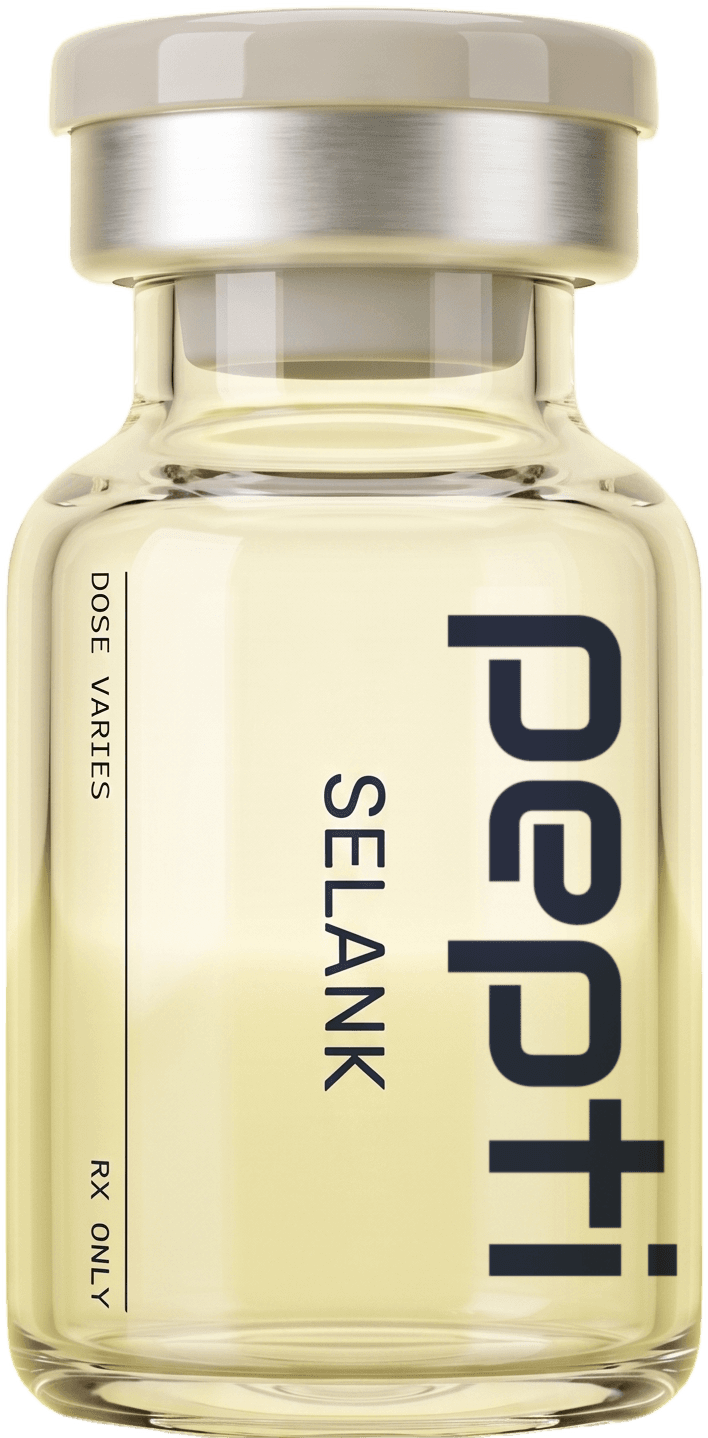
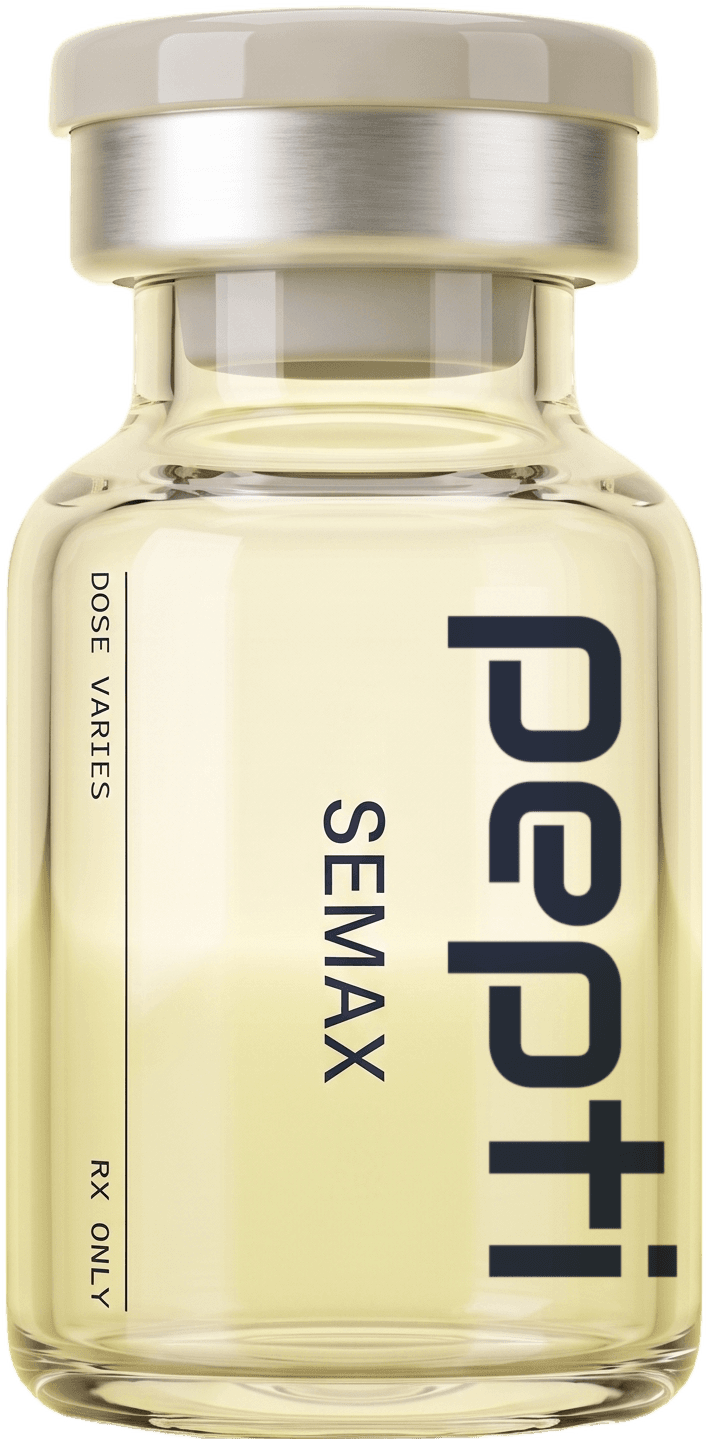
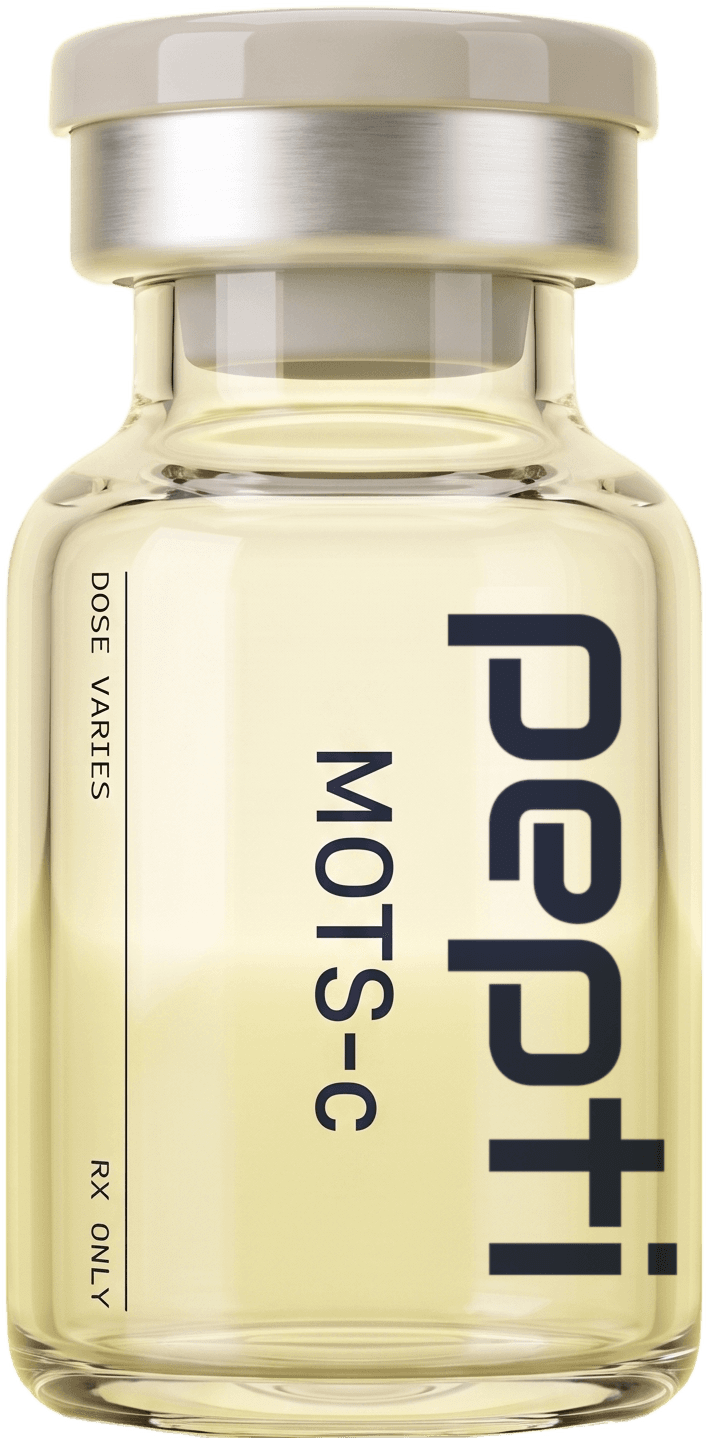
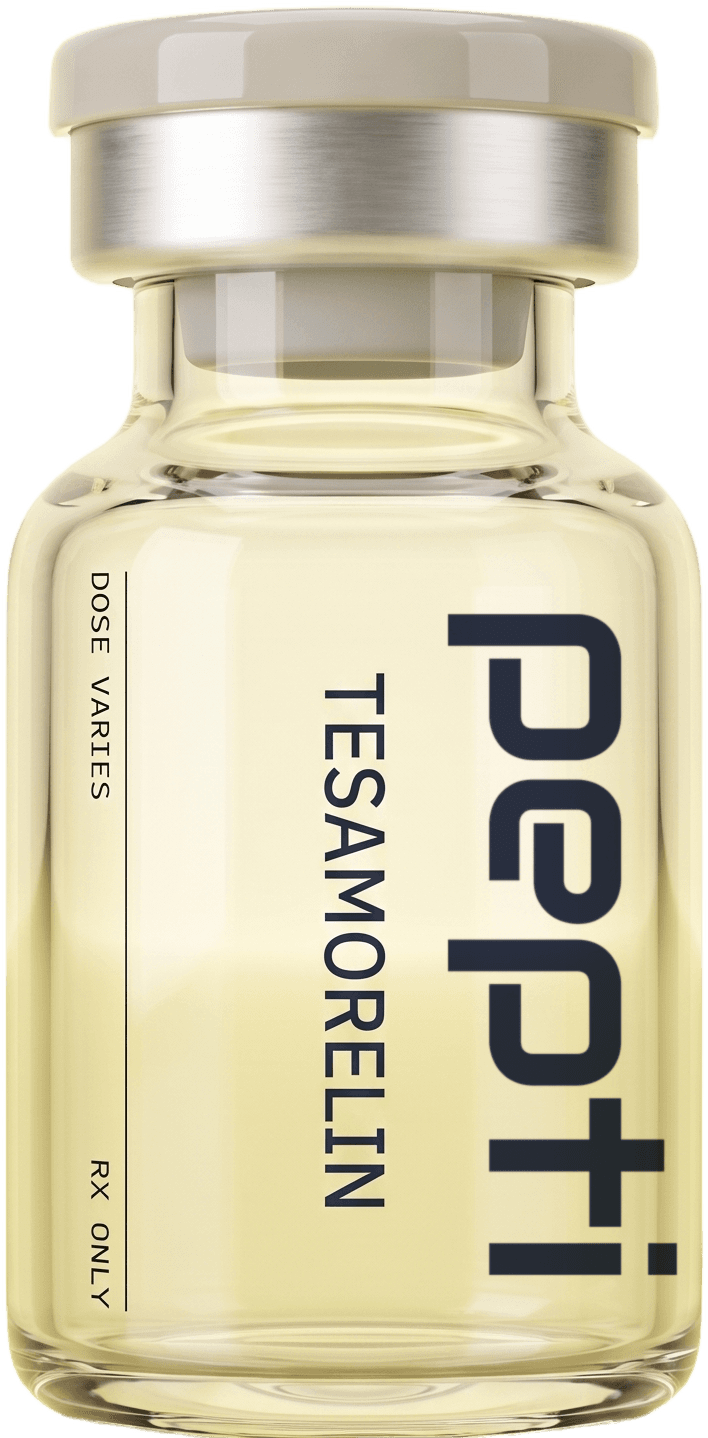
SYNAPSE Blend (Semax / Selank / MOTS-c / Tesamorelin) is a prescription injection supplied as 5 mL multi-dose vial, Semax 1 mg/mL + Selank 1 mg/mL + MOTS-c 2 mg/mL + Tesamorelin 2 mg/mL (5 mg Semax / 5 mg Selank / 10 mg MOTS-c / 10 mg Tesamorelin per vial). The reviewed directions are: Inject 0.25 mL (25 units) subcutaneously once daily Monday through Friday. That is 20 doses per vial, about 4 weeks at Monday through Friday. It requires a prescription from a physician licensed in your state, is compounded by a state-licensed US pharmacy, and is not FDA approved.
This page covers what SYNAPSE is, what each of the four components is and the pathways researchers have described for it, why they are compounded into one vial, what the published work does and does not establish, where each component currently stands with the FDA, how a vial is dosed, and how to get it prescribed.
— SYNAPSE Blend (Semax / Selank / MOTS-c / Tesamorelin)
What SYNAPSE actually is
— Four separate peptides, one vial
SYNAPSE is not a single molecule. It is four independently studied peptides — Semax, Selank, MOTS-c and tesamorelin — dissolved together in one sterile multi-dose vial by a compounding pharmacy. Each has its own research literature, its own described mechanism and its own regulatory file at the FDA. The name is a brand name for the combination; it does not appear in any journal. That shapes everything on this page: "does SYNAPSE work" has to be broken into four questions, because the combination has never been studied as a combination.
Component Per vial What it is Studied for Semax 5 mg Seven-amino-acid analogue of an ACTH fragment, with the hormonal activity of the parent removed Attention and learning in animals; ischaemic stroke in Russian clinical work Selank 5 mg Seven-amino-acid analogue of tuftsin, an immune-signalling fragment of immunoglobulin G Anxiety in Russian clinical work; GABA signalling in animals and cells MOTS-c 10 mg Sixteen-amino-acid peptide encoded in mitochondrial DNA rather than the nucleus Glucose handling, muscle metabolism and the exercise response in mice Tesamorelin 10 mg Stabilised analogue of growth-hormone-releasing hormone; active ingredient of an FDA-approved product Visceral fat in HIV-associated lipodystrophy (approved use); cognition in older adults (one trial) — Why these four, and why in these proportions
The rationale prescribers give is a brain-and-body split. Semax and Selank come from the same Russian research programme and are described as acting on the brain's own signalling — one on attention-related growth-factor pathways, the other on the GABA system that governs the stress response. MOTS-c and tesamorelin are described as acting on metabolism — one at the cell's fuel sensing, the other through the pituitary's own growth hormone pulse. The argument for combining them is that someone who wants to think clearly and have the physical energy to act on it has two problems, not one.
The proportions are worth noticing. Tesamorelin and MOTS-c are 20 of the 30 mg in the vial, so by mass SYNAPSE is two-thirds a metabolic preparation with two smaller neuropeptide components. The ratio is fixed by the pharmacy's formulation and cannot be adjusted per component, which is the genuine trade-off of any blend.
— What it is not
It is not a stimulant. It is not a substitute for prescribed ADHD, anxiety or depression treatment, and it is not a treatment for stroke, dementia or mild cognitive impairment — nothing on this page is a reason to delay care for any of those. It is not growth hormone: tesamorelin delivers the instruction to the pituitary, which decides how much to release. And it is not a weight-loss product; tesamorelin's approved label states it is not indicated for weight-loss management, and MOTS-c has no human trials at all.
— SYNAPSE Blend (Semax / Selank / MOTS-c / Tesamorelin)
How each component is described to work
All of the mechanistic detail below is from animal and cell studies unless a human population is named. No study has looked at what the four do together.
— Semax: BDNF and the injured brain
Semax is a heptapeptide, Met-Glu-His-Phe-Pro-Gly-Pro. The first four residues are positions 4 to 7 of adrenocorticotropic hormone, a region studied for decades for its effects on attention and learning in animals; the Pro-Gly-Pro tail was added to slow breakdown. The literature describes it as devoid of corticotropic activity — it is not expected to raise cortisol.
The most cited mechanism is a 2006 paper in Brain Research reporting that Semax increased BDNF protein and TrkB receptor phosphorylation in the rat hippocampus, alongside more conditioned avoidance responses in treated animals. BDNF is the growth factor most closely tied to synaptic plasticity, so this is the finding the "cognitive" label rests on. Later rat work describes Semax raising neurotrophin transcription selectively in ischaemic brain tissue. A fuller treatment is on the Semax page.
— Selank: a modulator of GABA signalling, not a sedative
Selank is also a heptapeptide, Thr-Lys-Pro-Arg-Pro-Gly-Pro. The first four residues are tuftsin, a naturally occurring immune-signalling fragment of immunoglobulin G, with the same stabilising tail added by the same designers.
The mechanism most often cited is at the GABA-A receptor. Cell-membrane work describes Selank altering how GABA itself binds, in the manner of a positive allosteric modulator, rather than acting on the receptor directly, and a 2016 study in Frontiers in Pharmacology reported that Selank changed 45 of 84 neurotransmission genes measured in rat frontal cortex, in a pattern that correlated with what GABA itself produced. An older line of work describes Selank inhibiting the enzymes that break down enkephalins in human plasma. The picture is a peptide that modifies the brain's own inhibitory signalling rather than driving it — the basis for the Russian literature's description of anxiolytic activity without the sedation associated with benzodiazepines. The Selank page goes further.
— MOTS-c: a mitochondrial signal to the cell's fuel sensor
MOTS-c is a 16-amino-acid peptide encoded in a short open reading frame inside the mitochondrial gene for 12S ribosomal RNA, identified in a 2015 paper in Cell Metabolism. It belongs to a small family of mitochondrial-derived peptides that changed the picture of mitochondria from energy factories to organelles that send their own signals back to the cell.
The central mechanism described is metabolic rather than receptor-based. In cultured cells the 2015 paper reported MOTS-c inhibiting the folate cycle, causing a metabolite called AICAR to accumulate; AICAR activates AMPK, the enzyme cells use as a low-fuel sensor and the same one exercise switches on. Skeletal muscle appeared to be the primary target. A 2021 paper in Nature Communications reported that a bout of exercise raised the body's own MOTS-c in muscle and blood in healthy young men — the one human finding, and an observational one: what the body does after exercise, not what happens when the peptide is injected. See the MOTS-c page.
— Tesamorelin: a growth hormone pulse through the pituitary
Tesamorelin is the full 44-amino-acid sequence of growth-hormone-releasing hormone with a trans-3-hexenoic acid cap that protects it from the enzyme DPP-4, so it survives a subcutaneous injection long enough to reach the pituitary. It binds the GHRH receptor and prompts a pulse of the body's own growth hormone; because the pituitary is doing the releasing, the feedback loops involving somatostatin and IGF-1 still apply, and IGF-1 is the marker a physician tracks.
Unlike the other three components, each step has been measured in humans. In the 2007 New England Journal of Medicine trial IGF-1 rose by 81% over 26 weeks; in the 2012 Archives of Neurology trial in older adults it rose by 117% and stayed within the physiological range. Growth hormone is lipolytic and visceral fat is particularly responsive to it, which is why every tesamorelin trial has reported a reduction in visceral fat with no significant change in subcutaneous fat. The tesamorelin page covers the approved product in full.
— How the four are meant to fit together
The map below is the clinical rationale for the blend. It is a rationale, not a finding — no study has confirmed that the four act in concert when injected together.
What prescribers are trying to address Component What the description rests on Attention and learning-related brain signalling Semax Rat BDNF and neurotrophin work; Russian stroke trials Stress response and background anxiety Selank Rat and cell GABA work; Russian anxiety-disorder trials Cellular fuel sensing, glucose handling, muscle metabolism MOTS-c Mouse and cell AMPK work; one observational human exercise finding Growth hormone pulse, IGF-1, visceral fat Tesamorelin Randomised placebo-controlled human trials of the approved product
— SYNAPSE Blend (Semax / Selank / MOTS-c / Tesamorelin)
What the research actually shows
— Attention, learning and the ischaemic brain
Semax's animal literature is coherent: more BDNF and TrkB signalling in the hippocampus, better performance on avoidance-learning tasks, neurotrophin changes in the ischaemic cortex. Its human literature is Russian and clinical: trials published in the Korsakov Journal of Neurology and Psychiatry between 1997 and 2018 describe intranasal Semax in patients with acute ischaemic stroke and chronic cerebrovascular disease, reporting faster recovery of neurological scores. Those are real human studies, but they are in stroke patients, by the intranasal route, run by the groups that developed the molecule. There is no randomised trial of Semax for attention or focus in healthy adults.
— Anxiety and the stress response
Selank has more human data than most compounded peptides, all of it from Russia. A 2008 paper in the Korsakov Journal reported Selank in patients with generalised anxiety disorder and neurasthenia, with anxiety-score improvement and a change in a blood enkephalin marker that tracked the clinical effect. A 2014 paper in the same journal compared Selank with phenazepam, a benzodiazepine, and reported comparable anxiolytic effect with fewer sedation-type complaints. These were intranasal, comparator-controlled designs in diagnosed patients, not placebo-controlled trials in healthy people.
— Metabolism, muscle and the exercise response
MOTS-c's evidence is mouse and cell work. The 2015 Cell Metabolism paper reported less diet-induced weight gain and better insulin sensitivity in treated mice; the 2021 Nature Communications paper reported better physical performance across ages in mice. In humans the data is observational only. Nobody has given MOTS-c to people in a controlled trial and measured what happened.
— Visceral fat, and cognition in older adults
Tesamorelin is the component with the strongest human evidence. Two phase 3 randomised, placebo-controlled trials in over 800 adults with HIV-associated abdominal fat accumulation, pooled in a 2010 paper in the Journal of Clinical Endocrinology and Metabolism, reported a roughly 15% reduction in visceral adipose tissue on CT over 26 weeks at 2 mg daily, with no significant change in subcutaneous fat. That is what the FDA approval rests on.
The cognition trial deserves an accurate description, because it is the reason tesamorelin is in a blend with this name. The 2012 Archives of Neurology trial randomised 152 adults aged 55 to 87 — 66 with mild cognitive impairment, the rest cognitively healthy — to tesamorelin 1 mg or placebo, self-injected 30 minutes before bedtime for 20 weeks. The intent-to-treat analysis reported a favourable effect on a cognitive composite, comparable in the MCI and healthy groups and driven mainly by executive function, with a trend in verbal memory that did not reach significance. IGF-1 rose 117% and stayed within the physiological range; body fat fell 7.4%. Adverse events were mild but more frequent on the drug, 68% versus 36%. A 2013 substudy in JAMA Neurology reported higher brain GABA levels on spectroscopy in 30 of those participants, without a demonstrated link to the cognitive changes. The authors concluded that longer trials were needed. It is a single 20-week trial of tesamorelin alone, in older adults, at 1 mg every day — an interesting signal, not an established use, and not evidence about this blend.
— What human data exists
This is the honest part, and the part worth understanding before starting.
There are no randomised controlled trials of SYNAPSE, or of any four-peptide combination of these components, in humans. The blend has never been studied as a blend. Evidence is per component, and it is uneven:
- Tesamorelin has randomised, placebo-controlled trials: the phase 3 visceral-fat trials behind the approved product, and one 20-week cognition trial in older adults, all at 1–2 mg daily of the approved product.
- Selank has Russian clinical trials in diagnosed anxiety disorders, intranasal and comparator-controlled. None outside Russia, none placebo-controlled, none of the injectable form.
- Semax has Russian clinical trials in ischaemic stroke, intranasal. No randomised trials for attention or cognition in healthy adults.
- MOTS-c has no human trials of any kind.
Much of medicine rests on mechanism plus clinical experience, and that is the basis physicians prescribe SYNAPSE on. But the accurate framing is "one component with human trials for other indications, two with foreign clinical data in patient populations, one with animal data only," not "proven in people."
— What the evidence does not establish
- That four peptides together do more than any one alone. No study has compared the blend with its components.
- Any cognitive outcome for the blend. The one cognition trial is of tesamorelin alone, at 1 mg daily for 20 weeks, in adults aged 55 to 87; it does not transfer to a 0.5 mg weekday dose inside a four-peptide vial, or to younger adults.
- An effect size for any indication, because those trials have not been run.
- A timeline in humans. Timelines given by prescribers are clinical experience, not trial endpoints.
- Long-term safety over years of continuous use. Tesamorelin's own label states that long-term cardiovascular safety has not been established and that the effects of prolonged IGF-1 elevation are unknown.
- Efficacy for any condition as an FDA-approved treatment. SYNAPSE is not approved for anything; the approved tesamorelin product is approved for one indication that is not the reason anyone takes this blend.
— SYNAPSE Blend (Semax / Selank / MOTS-c / Tesamorelin)
Where SYNAPSE stands with the FDA right now
SYNAPSE has no regulatory status of its own; the FDA regulates the bulk substances a pharmacy compounds from, not the brand name of a blend. So the question is where each component stands, and that moved twice in 2026. The following was checked against FDA documents on 24 September 2026.
— Semax
Semax was placed in Category 2 of the FDA's 503A bulk drug substances list in 2023, the category for nominated substances with identified safety concerns; the concern recorded was potential immunogenicity for certain routes. It is no longer in Category 2. The FDA's safety-risks page, current as of 22 April 2026, lists "Semax (heptapeptide)" among bulk drug substances nominated but withdrawn, and the 503A categories document updated 14 May 2026 does not carry it in Category 1, 2 or 3.
On 24 July 2026 the FDA's Pharmacy Compounding Advisory Committee considered Semax (free base and acetate) for the 503A Bulks List, for the nominated uses of cerebral ischaemia, migraine and trigeminal neuralgia. FDA scientists recommended against inclusion, citing insufficient safety, efficacy and characterisation information; the committee voted 8–5, with one abstention, to recommend adding it.
— Selank
Selank acetate, listed by the FDA as "Selank acetate (TP-7)," was placed in Category 2 in 2023 with the same concern. Its nomination was later withdrawn; the FDA's safety-risks page now lists it among substances nominated but withdrawn, and it does not appear in Category 1, 2 or 3 of the 14 May 2026 document. It was not on the agenda of the July 2026 advisory committee meeting, and it is not among the five substances the committee is scheduled to consider before the end of February 2027. So: not flagged as a safety risk, never evaluated by the committee, no active nomination.
— MOTS-c
MOTS-c was placed in Category 2 in 2023; the FDA's recorded concern was immunogenicity risk with no human exposure data. On 15 April 2026 the FDA removed MOTS-c from Category 2, one of twelve peptides removed after their original nominations were withdrawn; it now sits in the nominated-but-withdrawn list and in no active category.
On 23 July 2026 the advisory committee reviewed MOTS-c (free base and acetate) for the nominated uses of obesity and osteoporosis and voted 7–5, with two abstentions, to recommend adding it to the 503A Bulks List — the narrowest margin of the six peptides it recommended that week, and again against the recommendation of FDA's own reviewers.
— Tesamorelin
Tesamorelin's position is different and did not move in 2026. An FDA-approved tesamorelin product exists. Egrifta (tesamorelin acetate), BLA 022505, was approved on 10 November 2010 for the reduction of excess abdominal fat in HIV-infected adult patients with lipodystrophy. The current formulation, Egrifta WR, carries a label revised March 2025 with the same single indication, dosed at 1.28 mg once daily, and three limitations of use: long-term cardiovascular safety has not been established, it is not indicated for weight-loss management because its effect on weight is neutral, and there is no evidence it improves antiretroviral adherence. Because it is the active ingredient of an approved product it was never nominated for the 503A bulks list, does not appear in the 14 May 2026 categories document, and was not on the July 2026 agenda.
Compounded tesamorelin is not Egrifta. The tesamorelin in SYNAPSE is prepared by a state-licensed pharmacy to a physician's prescription, has not been reviewed by the FDA as a finished product, and is prescribed off-label — a physician's decision and common across medicine, but it should be understood as such.
— What that adds up to
None of the four components is restricted. Semax and MOTS-c were recommended for the positive 503A list by the advisory committee in July 2026 and await the FDA's own determination, which is still pending as of September 2026. Selank has no active nomination. Tesamorelin is the active ingredient of an approved biologic and sits outside the bulks-list process entirely. SYNAPSE itself is not an FDA-approved drug product, and compounded medications never are. See are peptides FDA approved.
— SYNAPSE Blend (Semax / Selank / MOTS-c / Tesamorelin)
Realistic expectations
These are patterns described by prescribers, not trial endpoints. Individual response varies widely, and a physician decides whether treatment is appropriate at all.
— The first one to two weeks
Most people notice little beyond injection-site tenderness. Where anything else is described early, it tends to be the Selank side — a lower background stress level — rather than focus or energy. Noticing nothing in this window is normal and is not a sign the course is not working.
— Weeks two to four
The window one vial covers on a weekday schedule. Prescribers most often describe subjective changes here: attention feeling steadier through the working day, or deeper sleep, which is consistent with tesamorelin being described as amplifying the growth hormone pulse of slow-wave sleep. These are reports, not measurements.
— Weeks four to twelve
Where physical change is described, it is described here, and it typically takes a second and third vial to reach. Tesamorelin's own trials measured visceral fat at 26 weeks; nothing about body composition is expected inside a month. This is also when a physician will usually want a repeat IGF-1 and glucose, the two numbers the approved tesamorelin product's label says to watch.
— After the course
There is no withdrawal and no rebound described for any component. Tesamorelin's effect on the growth hormone pulse stops when dosing stops, and the phase 3 trials reported visceral fat returning toward baseline after discontinuation. Whether anything on the neuropeptide side persists is not something the research answers.
— SYNAPSE Blend (Semax / Selank / MOTS-c / Tesamorelin)
When something else makes more sense
Defaulting to the four-peptide formula is the commonest mistake with SYNAPSE. Some honest cases where it is not the first thing to reach for:
- Focus and stress are the whole goal, and the body side is not. Semax + Selank delivers the two neuropeptides without tesamorelin and MOTS-c, and without the IGF-1 monitoring tesamorelin brings. Either is also available alone — Semax and Selank as injections, or as the Semax nasal spray and Selank nasal spray, the route the Russian clinical work actually used.
- Focus with inflammation or gut repair rather than metabolism. The ELEVATE blend keeps Semax and Selank and pairs them with BPC-157 and KPV.
- Sleep and stress are the problem. The SERENITY blend pairs Selank with DSIP and the CJC-1295 / ipamorelin secretagogues; it is the calmer end of this family.
- Body composition is the whole goal. The FUSION blend and the PHYSIQ blend carry tesamorelin and MOTS-c without the neuropeptides; tesamorelin alone is the component with the human trials, and Tesamorelin + Ipamorelin pairs it with a second secretagogue.
- A diagnosed condition. ADHD, an anxiety disorder, depression, mild cognitive impairment and stroke all have established treatments with human trial evidence behind them, which no component of SYNAPSE has for those uses in this country.
Your physician will tell you if SYNAPSE is not the right tool for what you have described. A consultation does not guarantee a prescription, and being declined is refunded.
— SYNAPSE Blend (Semax / Selank / MOTS-c / Tesamorelin)
Dosing, and how a vial is actually used
| Question | Answer |
|---|---|
| Standard dose | 0.25 mL, 25 units on a U-100 insulin syringe |
| Schedule | Once daily Monday through Friday, weekends off |
| Doses per 5 mL vial | 20 |
| Coverage per vial | About four weeks |
| Per injection | 0.25 mg Semax · 0.25 mg Selank · 0.5 mg MOTS-c · 0.5 mg tesamorelin |
| Who sets the dose | The prescribing physician; it is printed on your vial |
| Storage | Refrigerated, with a beyond-use date on the label |
— Why the dose is measured in units
The directions are written in millilitres and in insulin-syringe units because that is what you can actually read off the barrel. 0.25 mL is 25 units on a U-100 syringe. You are not calculating anything — the number is printed on your medication. Because the four are in fixed proportion, every dose delivers the same split: 0.25 mg Semax, 0.25 mg Selank, 0.5 mg MOTS-c and 0.5 mg tesamorelin; you cannot take more of one and less of another. If your directions and syringe markings appear to disagree, ask before dosing.
— Subcutaneous, and where
Subcutaneous means into the fat layer, not the muscle. The abdomen is the usual site, rotated so the same spot is not used repeatedly. Some prescribers direct the dose in the evening, because tesamorelin is described as amplifying the growth hormone pulse of early sleep and the 2012 cognition trial dosed at bedtime; others direct morning dosing because of the Semax and Selank components. Follow what is printed on your vial.
— Why a vial covers about four weeks
20 doses at five per week is four weeks of weekday dosing, which is why refills run on a monthly cycle. Weekends off is part of the schedule, not a missed dose. One vial per fill, always — not a stockpile.
— Storage
Refrigerated, and it ships that way in insulated packaging with ice packs. Beyond-use dating runs from first puncture and is on the label; a multi-peptide vial is not something to keep past it.
— SYNAPSE Blend (Semax / Selank / MOTS-c / Tesamorelin)
Safety and side effects
Each component is generally described as well tolerated in its own published work; the fullest safety record belongs to tesamorelin, because it has the approved product's trials and label behind it. What gets reported on the blend clinically is mostly injection-site: redness, mild soreness, occasional bruising. Some people report nausea or light-headedness early on.
Three things are specific to tesamorelin and carry over to any preparation containing it. It raises IGF-1, and the effects of prolonged elevation are unknown, which is why the approved product's label says to monitor IGF-1 and why bloodwork is commonly required before this blend. It can cause fluid retention — swelling, joint aches, occasionally carpal tunnel symptoms. And it can worsen glucose tolerance, so diabetes or impaired glucose tolerance needs discussing first. The approved product is contraindicated in active malignancy, in pregnancy, and where the pituitary axis is disrupted, and those apply to compounded tesamorelin too.
On the neuropeptide side, Selank is described in the Russian literature as acting without the sedation, memory impairment and dependence associated with benzodiazepines, but anyone on existing psychiatric treatment should have that reviewed by the prescriber before adding anything that modifies GABA signalling. Semax is not expected to raise cortisol and is not a stimulant. MOTS-c has no human safety data, which is precisely what the FDA's reviewers pointed to in July 2026.
There is no established interaction list for the blend, because the trials that would produce one have not been run. Tesamorelin's label notes that growth hormone can alter the metabolism of drugs cleared by cytochrome P450 enzymes and that people on corticosteroid replacement may need dose adjustment. That is why the intake asks for every medication you take and why a physician reviews it rather than a form.
Stop and contact your physician for any reaction that is severe, spreading, or involves difficulty breathing.
— SYNAPSE Blend (Semax / Selank / MOTS-c / Tesamorelin)
How SYNAPSE compares
— SYNAPSE vs Semax + Selank
The two-peptide preparation is the brain-only version. It omits tesamorelin — the component with human trial evidence, but also the one that raises IGF-1 and brings glucose and fluid-retention considerations — and MOTS-c. For someone whose goal is focus and stress alone, it is the more targeted prescription and a physician may reasonably prefer it.
— SYNAPSE vs ELEVATE and SERENITY
The ELEVATE blend keeps Semax and Selank and swaps the metabolic pair for BPC-157 and KPV, so it is the choice when the second problem is gut, tissue or inflammation rather than energy. The SERENITY blend shares only Selank, pairing it with DSIP and the CJC-1295 / ipamorelin secretagogues, aimed at sleep and calm rather than attention. If the complaint is "wired and tired," SERENITY is the usual conversation; if it is "flat and unfocused," SYNAPSE.
— SYNAPSE vs FUSION and PHYSIQ
The FUSION blend and the PHYSIQ blend both carry tesamorelin and MOTS-c without Semax or Selank — the body-only versions of the same metabolic pair. SYNAPSE is supplied as a vial only; there is no Pen cartridge for this blend.
— SYNAPSE Blend (Semax / Selank / MOTS-c / Tesamorelin)
Availability and formats
| Question | Answer |
|---|---|
| Can I get it by telehealth? | Yes, where a physician licensed in your state prescribes it |
| Which states? | All 50 states and DC |
| Does it come as a pen? | No, this one is a vial and syringe only |
| Does it come as a capsule? | No |
| Does it come as a nasal spray? | No |
| Is bloodwork required first? | Usually, for this medication |
— SYNAPSE Blend (Semax / Selank / MOTS-c / Tesamorelin)
Where to get SYNAPSE Blend (Semax / Selank / MOTS-c / Tesamorelin) prescribed
SYNAPSE Blend (Semax / Selank / MOTS-c / Tesamorelin) cannot be bought legitimately without a prescription. Sites shipping it with no prescription are selling a research-use-only product, where no pharmacy is accountable for identity, purity, sterility or concentration.
The prescription route works like this:
- Complete a medical intake covering your history, medications, allergies and what you are treating.
- A physician licensed in your state reviews it and will usually want baseline bloodwork before prescribing this one.
- If appropriate, a state-licensed, FDA-registered pharmacy compounds it to that prescription.
- It ships refrigerated with your directions printed on the vial.
- Your physician stays reachable afterwards for dose questions and side effects.
Current all-in pricing for SYNAPSE Blend (Semax / Selank / MOTS-c / Tesamorelin) is published: medication, physician review, refill management and shipping in one figure, with no separate membership fee. What to check on any provider is in how to tell if a peptide seller is legitimate.
— SYNAPSE Blend (Semax / Selank / MOTS-c / Tesamorelin)
Who should not take it, or should discuss it first
| Situation | Why |
|---|---|
| Existing psychiatric treatment should be reviewed by the prescriber before adding anything | Raised at intake |
| Personal history of cancer | Raised at intake |
| Diabetes or impaired glucose tolerance | Raised at intake |
| Pregnancy or breastfeeding | Raised at intake |
| Pregnancy or breastfeeding | Not used; safety data is absent |
| Tested athletes | Many peptides are prohibited in competition; check the current list |
— Full specification
Everything on the label.
— Product
SYNAPSE Blend (Semax / Selank / MOTS-c / Tesamorelin)
— How supplied
5 mL multi-dose vial, Semax 1 mg/mL + Selank 1 mg/mL + MOTS-c 2 mg/mL + Tesamorelin 2 mg/mL (5 mg Semax / 5 mg Selank / 10 mg MOTS-c / 10 mg Tesamorelin per vial)
— Typical directions
Inject 0.25 mL (25 units) subcutaneously once daily Monday through Friday.
— Dose volume
0.25 mL (25 units on a U-100 insulin syringe)
— Doses per vial
20
— Coverage per vial
about 4 weeks at Monday through Friday
— Formats
Vial and syringe
— Available in
All 50 states and DC
— Bloodwork
Commonly required before prescribing
— Legal status
Prescription-only, compounded, not FDA approved
— Category
Cognitive
— References
What this is based on.
References
- Dolotov OV, Karpenko EA, Inozemtseva LS et al.. Semax, an analog of ACTH(4-10) with cognitive effects, regulates BDNF and trkB expression in the rat hippocampus · Brain Res (2006) · PMID 16996037
- Lee C, Zeng J, Drew BG et al.. The mitochondrial-derived peptide MOTS-c promotes metabolic homeostasis and reduces obesity and insulin resistance · Cell Metab (2015) · PMID 25738459
- Falutz J, Allas S, Blot K et al.. Metabolic effects of a growth hormone-releasing factor in patients with HIV · N Engl J Med (2007) · PMID 18057338
- Friedman SD, Baker LD, Borson S et al.. Growth hormone-releasing hormone effects on brain γ-aminobutyric acid levels in mild cognitive impairment and healthy aging · JAMA Neurol (2013) · PMID 23689947
- Baker LD, Barsness SM, Borson S et al.. Effects of growth hormone-releasing hormone on cognitive function in adults with mild cognitive impairment and healthy older adults: results of a controlled trial · Arch Neurol (2012) · PMID 22869065
- Stanley TL, Feldpausch MN, Oh J et al.. Effect of tesamorelin on visceral fat and liver fat in HIV-infected patients with abdominal fat accumulation: a randomized clinical trial · JAMA (2014) · PMID 25038357
- Falutz J, Mamputu JC, Potvin D et al.. Effects of tesamorelin (TH9507), a growth hormone-releasing factor analog, in human immunodeficiency virus-infected patients with excess abdominal fat: a pooled analysis of two multicenter, double-blind placebo-controlled phase 3 trials with safety extension data · J Clin Endocrinol Metab (2010) · PMID 20554713
- Falutz J, Potvin D, Mamputu JC et al.. Effects of tesamorelin, a growth hormone-releasing factor, in HIV-infected patients with abdominal fat accumulation: a randomized placebo-controlled trial with a safety extension · J Acquir Immune Defic Syndr (2010) · PMID 20101189
- Stanley TL, Fourman LT, Feldpausch MN et al.. Effects of tesamorelin on non-alcoholic fatty liver disease in HIV: a randomised, double-blind, multicentre trial · Lancet HIV (2019) · PMID 31611038
- Makimura H, Feldpausch MN, Rope AM et al.. Metabolic effects of a growth hormone-releasing factor in obese subjects with reduced growth hormone secretion: a randomized controlled trial · J Clin Endocrinol Metab (2012) · PMID 23015655
- Dal J, Leisner MZ, Hermansen K et al.. Cancer Incidence in Patients With Acromegaly: A Cohort Study and Meta-Analysis of the Literature · J Clin Endocrinol Metab (2018) · PMID 29590449
- Johannsson G, Touraine P, Feldt-Rasmussen U et al.. Long-term Safety of Growth Hormone in Adults With Growth Hormone Deficiency: Overview of 15 809 GH-Treated Patients · J Clin Endocrinol Metab (2022) · PMID 35368070
Citations are provided for educational purposes. They do not constitute medical advice. Always discuss any peptide protocol with your prescribing physician.
— Common questions
SYNAPSE Blend (Semax / Selank / MOTS-c / Tesamorelin), answered.
Through a telehealth provider where a physician licensed in your state reviews a medical intake and a licensed US pharmacy compounds the prescription. Pepti prescribes SYNAPSE Blend (Semax / Selank / MOTS-c / Tesamorelin) in all 50 states and DC; start with the free assessment.
5 mL multi-dose vial, Semax 1 mg/mL + Selank 1 mg/mL + MOTS-c 2 mg/mL + Tesamorelin 2 mg/mL (5 mg Semax / 5 mg Selank / 10 mg MOTS-c / 10 mg Tesamorelin per vial)
Inject 0.25 mL (25 units) subcutaneously once daily Monday through Friday. Your physician sets your own dose and it is printed on your medication.
20 at the standard volume, about 4 weeks at Monday through Friday.
SYNAPSE Blend (Semax / Selank / MOTS-c / Tesamorelin) is supplied as a vial, drawn with an insulin syringe. It is not available as a pen or capsule.
Usually yes for this medication. A physician will generally want baseline labs before prescribing, and at-home blood testing covers hormone, metabolic and thyroid markers without a lab visit.
It is legal to prescribe and dispense in the United States with a valid prescription. It is not FDA approved: compounded medications are prepared by licensed pharmacies pursuant to a prescription rather than approved as manufactured products. See are peptides FDA approved.
Pricing is published on the SYNAPSE Blend (Semax / Selank / MOTS-c / Tesamorelin) page as one all-in figure covering medication, physician review, refill management and shipping. What drives peptide pricing generally is in how much do peptides cost.
No. The four-peptide combination has never been studied as a combination, in humans or in animals. The evidence is per component: tesamorelin has randomised placebo-controlled trials of the approved product for visceral fat in HIV-associated lipodystrophy and one 20-week cognition trial in older adults; Semax and Selank have Russian clinical trials in stroke and anxiety-disorder patients respectively; MOTS-c has no human trials.
That has not been shown. The only cognition trial of any component is the 2012 Archives of Neurology trial of tesamorelin alone, 1 mg nightly for 20 weeks in adults aged 55 to 87, which reported a favourable effect on a cognitive composite driven by executive function and called for longer trials. None of it is a trial of this blend, and none of it is in healthy younger adults.
No. Semax, Selank and MOTS-c were placed in Category 2 of the FDA's 503A bulk substances list in 2023; all three nominations were later withdrawn and none sits in any active category as of the FDA's 14 May 2026 list. In July 2026 the Pharmacy Compounding Advisory Committee voted to recommend adding Semax (8–5) and MOTS-c (7–5) to the 503A Bulks List; the FDA's final determinations are pending. Tesamorelin is the active ingredient of an FDA-approved product and was never on the list. All four remain legal to prescribe and dispense.
Same active peptide, different product. Egrifta is the FDA-approved product for excess abdominal fat in adults with HIV-associated lipodystrophy, dosed at 1.28 to 2 mg daily depending on formulation. The tesamorelin in SYNAPSE is compounded to a prescription at 0.5 mg per weekday dose, has not been reviewed by the FDA as a finished product, and is prescribed off-label.
Because of tesamorelin. It raises IGF-1, and the approved product's label says to monitor IGF-1 and watch for glucose intolerance. A physician will usually want a baseline IGF-1 and fasting glucose before prescribing and a repeat during treatment.
Tesamorelin prompts the pituitary to release a pulse of the body's own growth hormone; it contains no growth hormone itself, and the pituitary's normal feedback still applies. In the approved product's trials IGF-1, the downstream marker, rose by 81% to 117%. Semax, Selank and MOTS-c are not secretagogues.
Assume not. Growth hormone secretagogues are prohibited in competition, and MOTS-c has a published anti-doping detection method. If you are a tested athlete, check the current prohibited list for your sport before starting anything, and tell your physician.
There is no trial-established timeline in humans. Prescribers generally describe injection-site tenderness and little else in the first two weeks, subjective reports of steadier attention or deeper sleep in weeks two to four, and physical change, where it happens, from week four to twelve, with a repeat IGF-1 and glucose in that window. Those are clinical patterns, not endpoints.
— Next step
See what a physician
recommends for you.
A licensed physician in your state reviews your intake and decides what is appropriate. A consultation does not guarantee a prescription.
Important legal & safety information
The assessment process available on the Pepti website asks a series of medical questions, and the answers provided are reviewed by an independent licensed physician affiliated with our partner physician network. The licensed providers have established exclusionary criteria, and the answers provided determine if the individual is screened out of eligibility for treatment. The licensed clinicians retain the sole decision to prescribe peptide therapy and other compounded medications to patients. Treatment may be denied at the physician's sole discretion. If a prescription is not approved, you will not be charged for the medication.
Pharmacy Providers. Pepti is a technology platform and is not a healthcare provider, pharmacy, or prescriber. All medications offered through the platform are compounded by independent FDA-registered 503A or 503B compounding pharmacies based on a valid prescription written by a licensed physician for an individual patient. Compounded medications are not FDA-approved as products. The active pharmaceutical ingredients used by our partner pharmacies are sourced from FDA-registered facilities. Compounded medications may not undergo the same testing or quality control as commercially manufactured FDA-approved drugs.
Results vary. Results from peptide therapy and other compounded treatments vary based on individual factors, including age, weight, medical history, adherence to the prescribed protocol, lifestyle factors, and physiological response. Pepti makes no guarantee of any specific outcome. Statements about peptide therapy and compounded medications offered through the platform have not been evaluated by the Food and Drug Administration. These products are not intended to diagnose, treat, cure, or prevent any disease.
Product images. Product photographs and renderings shown on this website are for illustrative purposes only. The appearance of vials, packaging, labeling, and other materials you receive may vary and is determined by the dispensing compounding pharmacy.
Off-label use.Many peptides offered through the platform are prescribed for off-label use. “Off-label” means the medication is being prescribed for a use, dose, or patient population that is not specifically approved by the FDA. Off-label prescribing is legal and common in U.S. medical practice when supported by clinical experience and judgment.
Mailing & shipping. Pepti currently dispenses prescription medication to patients in all 50 states and Washington, D.C.. All orders ship in unbranded, tamper-evident packaging via expedited delivery from our partner compounding pharmacies. Temperature-sensitive medications ship with insulated packaging and ice packs. Shipping is included at no additional cost. We do not currently ship medication outside all 50 states and Washington, D.C., internationally, or to APO/FPO addresses.
Not for emergencies. Pepti is not designed for medical emergencies. If you are experiencing a medical emergency, call 911 or go to your nearest emergency room immediately. For urgent but non-emergency medical questions, contact your primary care provider or use an urgent care service.
No doctor-patient relationship with Pepti. Your use of the platform does not create a doctor-patient relationship between you and pepti LLC. A doctor-patient relationship is established only between you and the independent licensed physician who reviews your intake and prescribes your treatment. The physicians who use the platform are independent contractors and are solely responsible for the medical care they provide.
Prescription medications. All prescription products require a valid prescription from a licensed healthcare provider. By using the platform, you acknowledge that you are at least 18 years old and that the information you provide is true, accurate, current, and complete. Providing false information may result in inappropriate treatment recommendations or denial of service.
Cosmetic & wellness products.Certain products offered through Pepti — including skincare, hair care, body care, supplements, men's grooming, sports recovery, and sexual wellness products — are cosmetic or dietary supplement products, not prescription medications. These products do not require a prescription and are not reviewed or prescribed by a physician. Statements regarding dietary supplements have not been evaluated by the Food and Drug Administration. These products are not intended to diagnose, treat, cure, or prevent any disease. Results vary by individual. Consult your healthcare provider before starting any new supplement or topical product, especially if you are pregnant, nursing, or taking other medications.
pepti LLC · Delaware Limited Liability Company · 131 Continental Dr, Suite 305, Newark, DE 19713 · For media or partnership inquiries, email hello@hellopepti.com. For patient support, email support@hellopepti.com. For privacy and HIPAA inquiries, email privacy@hellopepti.com.