— Weight Loss · Reference
What If I Miss a Dose of Tirzepatide or Semaglutide? What to Do
What generally happens after a missed weekly GLP-1 dose, why doubling up is the wrong move, when tolerance fades enough to need a restart, and what to ask your physician.
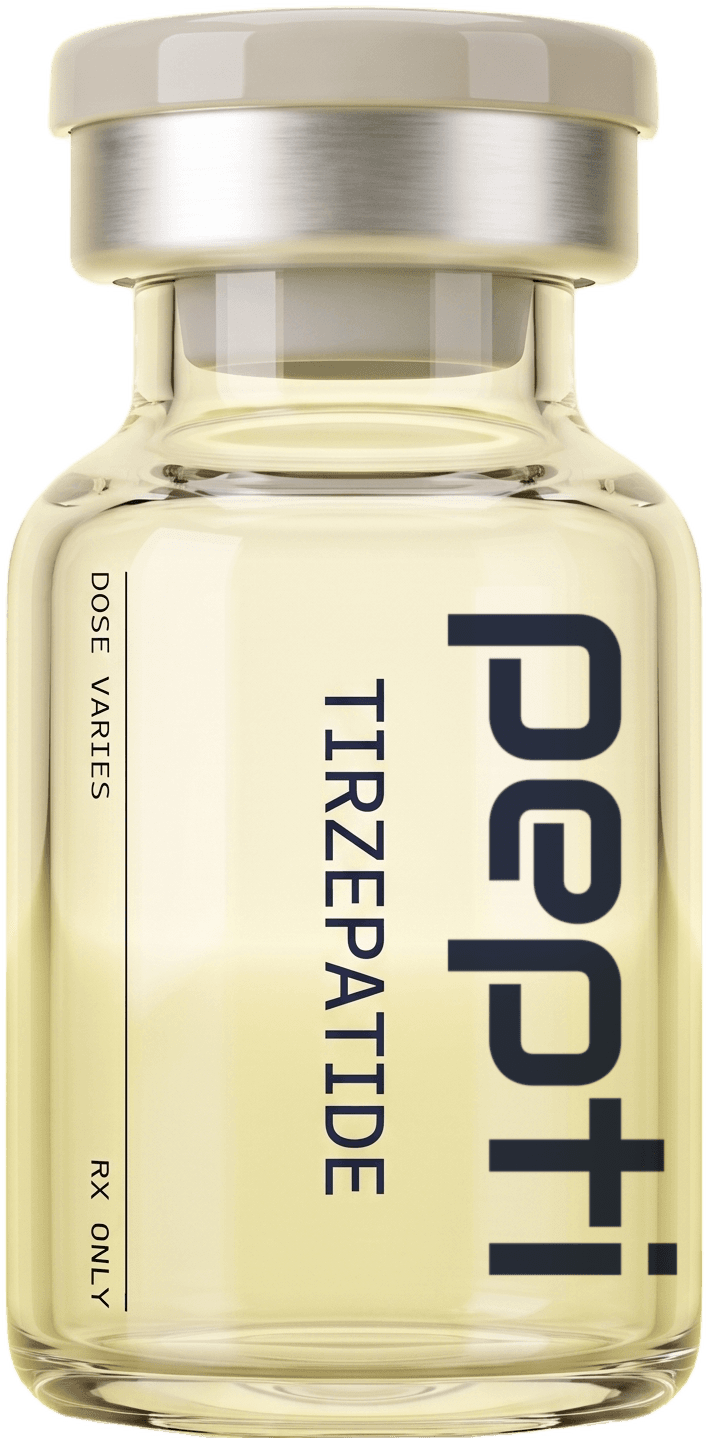
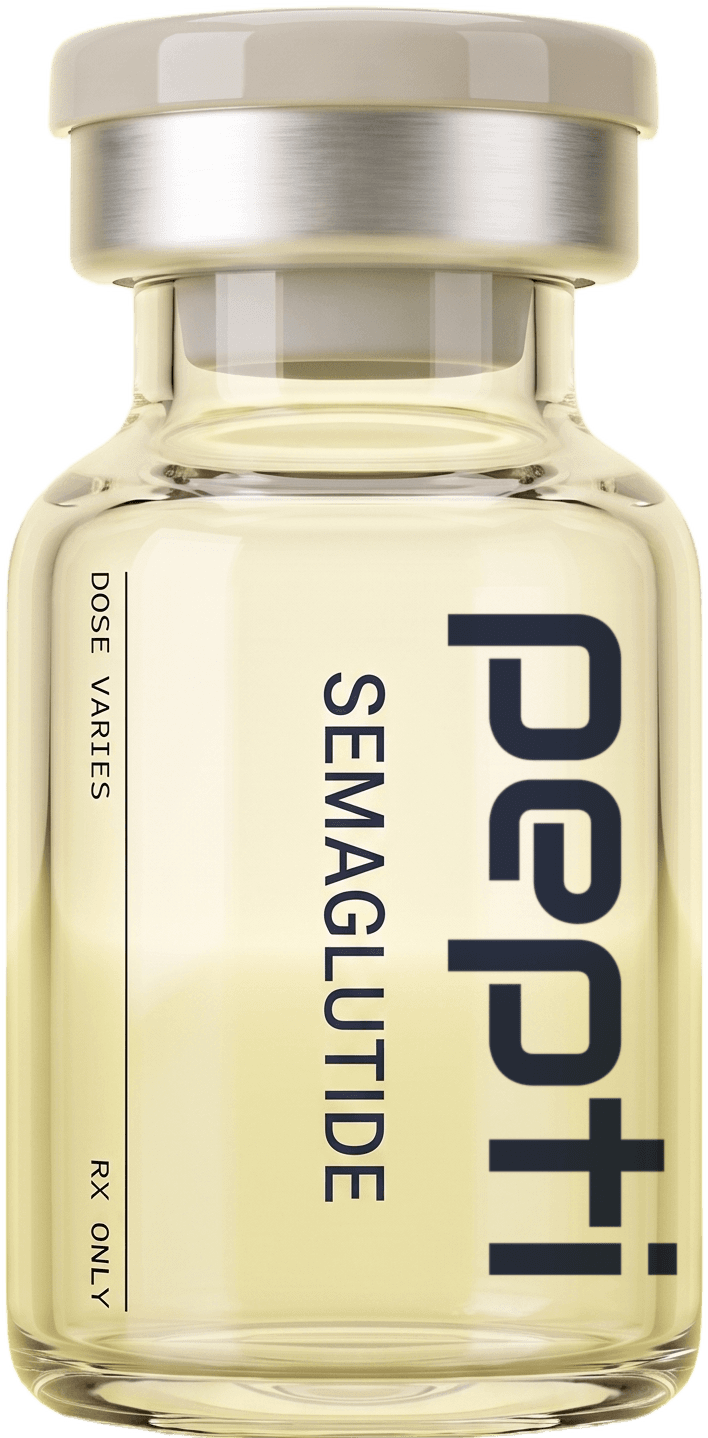
— Treatments mentioned
Never take two doses close together to catch up. A weekly GLP-1 dose remembered within a day or two is usually taken then, with the normal schedule resuming; if your next dose is nearly due, the usual instruction is to skip the missed one rather than stack them. After two or more missed weeks the calculation changes, because tolerance to the gastrointestinal effects fades and restarting at your previous strength can feel like beginning again. That is a decision for your prescriber, not a guess. Your printed directions and your own physician's advice take precedence over anything on this page.
— What If I Miss a Dose of Tirzepatide or Semaglutide? What to Do
The short answer
| How much time has passed | What usually happens | Who decides |
|---|---|---|
| A day or two late | Take it when you remember, resume your usual day | Follow your printed directions |
| Most of the week gone, next dose nearly due | Usually skip the missed dose and take the next on time | Follow your printed directions |
| One full week missed | Often resumed at the same strength, but ask | Your physician |
| Two or more weeks missed | Tolerance has faded; a lower restart is common | Your physician |
| Missed doses happening repeatedly | The plan needs changing, not patching | Your physician |
The medications this applies to:
| Medication | What is in it | Price |
|---|---|---|
| Tirzepatide | Dose-specific vials with cyanocobalamin, six strengths from 2.5 mg to 15 mg weekly | From $159/mo, priced by dose |
| Semaglutide | Dose-specific vials, six strengths from 0.25 mg to 2.5 mg weekly | From $99/mo, priced by dose |
Both are dosed once weekly by subcutaneous injection, compounded at a US FDA-registered pharmacy, and neither is FDA approved.
— What If I Miss a Dose of Tirzepatide or Semaglutide? What to Do
What the approved labels actually say
Most of what circulates online about missed GLP-1 doses is second-hand. The primary sources are the FDA-approved prescribing information for the manufactured products containing these molecules, each of which has a numbered section headed "Recommendations Regarding Missed Dose".
Those windows belong to the approved products. Compounded tirzepatide and compounded semaglutide are prepared by a licensed pharmacy against an individual prescription and are not FDA-approved finished products, so the authority on your vial is the direction printed on it. The windows also differ between the two molecules, and even between two products containing the same molecule — which is why "what I read about someone else's medication" is not a safe guide.
— Tirzepatide: four days
The Zepbound prescribing information, revised August 2026, states in section 2.3: "If a dose is missed, instruct patients to administer ZEPBOUND as soon as possible within 4 days (96 hours) after the missed dose. If more than 4 days have passed, skip the missed dose and administer the next dose on the regularly scheduled day. In each case, patients can then resume their regular once weekly dosing schedule."
The Mounjaro label, the type 2 diabetes product containing the same molecule, carries the identical instruction.
For tirzepatide the rule is a count, not a judgement: four days from the dose you missed. Day five is not a grey area in the label's own terms — past 96 hours, the instruction is to skip.
— Semaglutide for weight management: the two-day rule
The Wegovy prescribing information, revised June 2026, works from the other end of the week. If one dose of Wegovy injection is missed and the next scheduled dose is more than 2 days away, administer it as soon as possible; if the next scheduled dose is less than 2 days away, do not administer the missed dose, and resume dosing on the regularly scheduled day of the week.
Instead of counting forward from the dose you missed, that counts backward from the dose you are about to take, protecting a minimum gap of roughly 48 hours between injections. On a Monday schedule, a dose remembered by Saturday is generally taken and one remembered on Sunday generally is not. What the label guards is the interval, not the calendar.
The same label adds the part that governs longer gaps: if 2 or more consecutive doses of Wegovy injection are missed, reinitiate dosage escalation at a lower dosage to reduce the risk of gastrointestinal adverse reactions.
— Semaglutide for type 2 diabetes: five days
The Ozempic injection label sets a different number again: "If a dose is missed, administer OZEMPIC as soon as possible within 5 days after the missed dose. If more than 5 days have passed, skip the missed dose and administer the next dose on the regularly scheduled day."
This is the source of the widely quoted "five-day rule" for semaglutide. It is real and current, and it belongs specifically to the diabetes product — quoting it back at a weight-management prescription is the commonest way people get this wrong.
— The label windows side by side
Molecule Approved product What the label says about a missed dose Tirzepatide Zepbound (weight management, OSA) Administer as soon as possible within 4 days (96 hours); past 4 days, skip and take the next on schedule Tirzepatide Mounjaro (type 2 diabetes) Administer as soon as possible within 4 days (96 hours); past 4 days, skip and take the next on schedule Semaglutide Wegovy injection (weight management) Take it if the next scheduled dose is more than 2 days away; skip it if less than 2 days away Semaglutide Ozempic injection (type 2 diabetes) Administer as soon as possible within 5 days; past 5 days, skip and take the next on schedule None of these are your directions. They are the reference points a physician reasons from.
— Moving your injection day, in the labels' own words
Both tirzepatide labels state that the day of weekly administration can be changed, if necessary, as long as the time between the two doses is at least 3 days (72 hours). The Ozempic injection label sets that minimum at 2 days. Same principle in different clothes: the labels protect a minimum interval, and everything else is flexible. The Wegovy label makes that explicit — administer once weekly, on the same day each week, at any time of day, with or without meals, and the time of day and injection site can be changed without dose adjustment.
— What If I Miss a Dose of Tirzepatide or Semaglutide? What to Do
The pharmacology behind the windows
Half-life is the time it takes for the amount of a drug in your circulation to fall by half. Something with a half-life measured in days is still substantially present a week later, which is what makes weekly dosing possible. Both molecules were engineered for that: tirzepatide contains a C20 fatty diacid that enables albumin binding and prolongs the half-life, and for semaglutide the label describes albumin binding as the principal mechanism of protraction, resulting in decreased renal clearance and protection from metabolic degradation.
— Tirzepatide: about five days
The Mounjaro label gives tirzepatide an elimination half-life of approximately 5 days, which it describes as enabling once-weekly dosing. The Zepbound label puts it at approximately 5 to 6 days in patients with overweight or obesity, with the median time to maximum plasma concentration after injection at 24 hours. A population pharmacokinetic analysis of tirzepatide in CPT: Pharmacometrics & Systems Pharmacology in 2024 describes the same picture across the phase 3 programme.
Four days is under one half-life, which is why the window is not arbitrary: injecting at day 11 instead of day 7 tops up a level that is lower than usual, not absent.
— Semaglutide: about one week
The Wegovy label states that with an elimination half-life of approximately 1 week, semaglutide will be present in the circulation for about 5 to 7 weeks after the last dose of 2.4 mg. The Ozempic label makes the same point for its own product: about 5 weeks after the last dose. A 2024 systematic review of semaglutide pharmacokinetics in Drug Design, Development and Therapy gathers the published human data behind those figures.
Semaglutide is the slower of the two, which is why its weight-management instruction is written as a minimum interval rather than a maximum delay: with a one-week half-life, the risk being managed is not the gap, it is two injections landing too close together.
— Why a missed week is a dip, not a cliff
Because both molecules persist for days, one missed injection produces a trough in exposure rather than a stop. Some people notice appetite returning late in the second week; others notice nothing, and neither reaction means anything is wrong. What it does mean is that you cannot make yourself current by injecting twice, because the level you are restoring is still partly there.
— Steady state, titration, and why tolerance is real
Weekly medication with a multi-day half-life accumulates for several weeks before what goes in each week equals what clears. The Zepbound label reports that steady-state plasma tirzepatide concentrations were achieved following 4 weeks of once weekly administration, and its escalation schedule matches: 2.5 mg once weekly for 4 weeks, then increases in 2.5 mg increments after at least 4 weeks on the current dose. The Wegovy label titrates every 4 weeks toward its maintenance dosage. Your own schedule is set by your physician and printed on your medication.
The labels also treat "getting used to it" as a documented pattern. The Zepbound label states that the majority of nausea, vomiting and diarrhea events occurred during dose escalation and decreased over time. Tolerance is not a property of the dose number; it is a property of your recent history with it.
— What If I Miss a Dose of Tirzepatide or Semaglutide? What to Do
Why doubling up is the wrong move
The side effects of these medications track dose. Two doses in quick succession means a larger effect on gastric emptying and appetite at the same time, and the predictable result is several genuinely unpleasant days: nausea, vomiting, reflux, and in some cases not being able to keep fluids down.
It also does not accelerate anything. These are weekly medications because of how long they persist in the body, and the response to treatment builds over weeks at an adequate strength rather than being driven by any single injection. A missed dose is a small gap in a long process, not lost ground to be recovered.
The same logic rules out taking a partial extra dose to "top up". If you are tempted to improvise a dose, that is the moment to message your prescriber instead.
— Exposure is dose-proportional, and so are the symptoms
The Wegovy label reports that steady state exposure increased proportionally with dose across its studied range. Stacking two injections within a couple of days is, in exposure terms, a temporary jump to a strength you were never titrated to — which is why the labels protect a minimum interval rather than simply telling you not to miss doses.
— What the labels warn about when vomiting goes on
This is what turns an unpleasant few days into a medical problem. The Zepbound label describes postmarketing reports of acute kidney injury, in some cases requiring hemodialysis, and notes that the majority of reported events occurred in patients who experienced gastrointestinal adverse reactions leading to dehydration such as nausea, vomiting or diarrhea. The Wegovy label carries a comparable warning about acute kidney injury and worsening of chronic renal failure. The chain is short: stacked dose, prolonged vomiting, fluid loss, kidney strain.
Drawing half a dose to split the difference is the same error in a smaller package: your vial is dispensed at a specific concentration with a specific volume printed on it, and improvised volumes are how people lose track of what they actually took.
— What to do if you have already doubled up
Contact your prescriber and tell them what you injected and when, then focus on fluids and small, plain meals. If you cannot keep fluids down, if vomiting continues beyond a day, if you are passing much less urine than usual, or if you develop severe abdominal pain radiating to your back, that is a same-day medical call rather than a message.
— What If I Miss a Dose of Tirzepatide or Semaglutide? What to Do
Short gaps, in practice
If you remember within a day or two, most directions have you take the dose then and return to your usual weekly day. The schedule matters mainly for consistency of exposure, and shifting it by a day is not a clinical event.
If your next scheduled dose is close, taking the missed one and then the scheduled one a day or two later is the stacking problem in disguise. The usual instruction in that situation is to skip the missed dose and take the next one on time.
If you want to change your dosing day permanently, for instance because the current day means the worst of the symptoms lands mid-week, that is a reasonable request. Ask your physician how to make the change rather than shortening one interval yourself.
Working out where you are in the week
The practical question is never "how late am I" in the abstract. It is two questions: how many days since the dose I missed, and how many days until the next one. If the two answers conflict in your head, the conservative reading is the one that keeps more days between injections.
Changing your dosing day on purpose
If a Sunday injection reliably ruins your Monday, moving it is better than tolerating it. The change is a one-time shortening or lengthening of a single interval, and that interval is exactly where a stacking mistake happens. Ask your prescriber for the date to inject rather than working it out yourself.
— What If I Miss a Dose of Tirzepatide or Semaglutide? What to Do
Longer gaps and why tolerance fades
Tolerance to the gastrointestinal effects is something you build by staying at a strength. It is not permanent. After two or more weeks without a dose, resuming at the strength you were on can feel like your first week on the medication, sometimes worse.
| Length of gap | What commonly happens on restart | Typical prescriber response |
|---|---|---|
| Up to one week | Usually resumed at the same strength | Confirm with your physician |
| Two to four weeks | Nausea often returns at the old strength | A step down, then titrate back up |
| Over a month | Effectively a restart | Resume lower and re-titrate on a schedule |
| Several months | Treated as starting again | Full review, including whether to restart at all |
Resuming lower is a normal adjustment, not lost progress. Climbing back is usually faster than the first time because you know how you respond.
What happens to appetite and weight during a longer gap is a separate question, covered in what happens when you stop taking peptides.
— The one label that puts a number on it
Most restart guidance in circulation is clinical convention. One approved label states it outright: the Wegovy prescribing information instructs that if 2 or more consecutive doses are missed, reinitiate dosage escalation at a lower dosage to reduce the risk of gastrointestinal adverse reactions. That is the only place in these four labels where a specific gap is tied to a specific restart instruction; the tirzepatide labels carry no equivalent sentence, which is why that decision sits squarely with the prescriber.
Restarting lower costs a few weeks of titration. Restarting at your old strength after a month away and spending a week unable to keep food down costs the same few weeks, plus the week you were unwell, plus the real possibility that you stop treatment altogether. The downside is asymmetric, and prescribers price it accordingly.
— What the withdrawal trials show
Two randomized withdrawal trials are the closest published evidence to "what happens when the medication stops".
STEP 4, published in JAMA in 2021, enrolled adults with overweight or obesity and without diabetes. The 803 participants who reached the 2.4 mg maintenance dose during a 20-week run-in were randomized to 48 weeks of continued semaglutide or a switch to placebo. Mean body weight change from week 20 to week 68 was −7.9% with continued semaglutide and +6.9% after the switch to placebo.
SURMOUNT-4, published in JAMA in 2024, used the same design for tirzepatide. Adults with obesity, or overweight with a weight-related complication, excluding diabetes, took the maximum tolerated dose (10 or 15 mg once weekly) for a 36-week open-label lead-in, during which mean weight reduction was 20.9%. The 670 completers were randomized to continue tirzepatide or switch to placebo for 52 weeks; mean percent weight change from week 36 to week 88 was −5.5% with tirzepatide and +14.0% with placebo.
— What those trials do not say about your missed week
They measured months of complete withdrawal, not a forgotten injection. Nothing in either tells you what one skipped week does. What they establish is the direction of travel over a long absence, which is why a pattern of missed doses is a different conversation from a single one. The efficacy findings in both programmes — SURMOUNT-1 in the New England Journal of Medicine in 2022 for tirzepatide, STEP 1 in the same journal in 2021 for semaglutide — were generated on uninterrupted weekly schedules at maintained strengths.
— What If I Miss a Dose of Tirzepatide or Semaglutide? What to Do
When misses keep happening, look at the cause
A single missed dose is an accident. A pattern is information, and every common cause has a fix.
| Why doses get missed | The actual fix |
|---|---|
| The dosing day clashes with your week | Change the day, with your physician |
| You run out before the refill arrives | Check the refill timing on your subscription and flag it early |
| Side effects make you avoid the injection | Tell your physician; holding or stepping down is a normal adjustment, see GLP-1 nausea |
| You forget | A fixed weekly alarm and a visible place for the vial and syringes |
| Travel | Plan refills around trips, and check storage, see how to store peptides |
| Cost | Say so. A different plan is better than an interrupted one |
| You are not sure it is working | Ask rather than drifting off it, see why am I not losing weight on semaglutide |
Quietly stopping is the outcome that wastes what you have already paid for and already tolerated. A two-minute message to your prescriber solves most of the list above.
The reason people do not volunteer
The commonest unspoken cause is that the injection has become associated with feeling unwell. That is treatable and very ordinary, and it is where skipping quietly costs the most, because the alternative is a routine adjustment. If the reason is cost, stretching doses is the worst response, because it buys weeks at a level that is never quite enough; pricing is on the tirzepatide and semaglutide cost pages.
— What If I Miss a Dose of Tirzepatide or Semaglutide? What to Do
Travel, supply and storage
Compounded GLP-1 vials ship refrigerated and are stored refrigerated. Travel is the commonest reason a dose gets missed by accident, either because the vial was left behind or because the refill landed while nobody was home.
Plan refills so a trip does not create a gap, take your medication in hand luggage with your directions rather than in checked baggage, and ask your pharmacy or prescriber about any storage situation you are unsure of rather than assuming a warm vial is fine. If a vial has been out of refrigeration for an extended period, that is a question for the pharmacy, not something to judge by appearance.
— What If I Miss a Dose of Tirzepatide or Semaglutide? What to Do
What the evidence shows, honestly
The pharmacology here is solid: both molecules are structured for weekly dosing, and the trial programmes for the branded manufactured products were built on weekly schedules with defined titration steps. That is why missing a single weekly dose is not treated as a clinical emergency.
What is less precisely established is the individual threshold at which a restart should be lower. The general principle, that gastrointestinal tolerance fades with a gap, is well recognised in clinical practice and follows from the dose-responsiveness of the symptoms. The specific number of weeks that should trigger a dose reduction is a prescriber judgement rather than a figure settled by evidence, which is exactly why this page sends the question back to your physician instead of giving you a rule.
Compounded semaglutide and tirzepatide contain the same active ingredients as the branded products but are not FDA approved, and the trial data belongs to the manufactured medicines. Your printed directions are specific to the vial you were dispensed and are the authority on how to take it.
What nobody can tell you
No trial has randomized people to miss a week, so there is no published effect size for a single skipped injection. Any source that gives you one is filling in a blank.
— What If I Miss a Dose of Tirzepatide or Semaglutide? What to Do
Where these medications stand with the FDA right now
The approved products
Tirzepatide is approved as Zepbound, indicated with a reduced-calorie diet and increased physical activity to reduce excess body weight and maintain weight reduction long term in adults with obesity or overweight plus at least one weight-related comorbid condition, and to treat moderate to severe obstructive sleep apnea in adults with obesity, and as Mounjaro for glycemic control in type 2 diabetes. Semaglutide is approved as Wegovy injection for weight reduction and long-term maintenance, with a cardiovascular risk-reduction indication in adults with established cardiovascular disease and either obesity or overweight, and as Ozempic injection for glycemic control in type 2 diabetes.
The compounded preparations
Compounded medications are not FDA approved. A compounded preparation is made by a state-licensed pharmacy against a prescription written for an individual patient, and the FDA does not review it the way it reviews a finished drug product. That is true of every compounded medication, including tirzepatide and semaglutide, and it is why this page quotes the approved labels rather than claiming their trial data as its own. Are peptides FDA approved covers the distinction; what a pharmacy should show you is on quality and lab results.
The Wegovy label also states that coadministration with other semaglutide-containing products, or with any other GLP-1 receptor agonist, is not recommended. That is another reason not to improvise around a missed dose with anything left over.
— What If I Miss a Dose of Tirzepatide or Semaglutide? What to Do
What to ask your physician
After a single miss: how many days past my usual day is still within the window for what I was dispensed, and which day do I inject next week? After two or more missed weeks: same strength or lower, what is the schedule for coming back up, and does this move my next increase? If misses keep happening: would a different injection day help, and is my strength the reason I am avoiding the injection?
— What If I Miss a Dose of Tirzepatide or Semaglutide? What to Do
Monitoring, bloodwork, and when to call
A gap on its own is not a reason for labs. Your physician may want baseline or periodic bloodwork depending on your history — kidney function, glucose and A1c, thyroid history, and anything relevant to the medications you already take. At-home blood testing covers metabolic and hormone markers without a lab visit.
Contact your physician promptly for persistent vomiting, inability to keep fluids down, a marked drop in urine output, or severe abdominal pain radiating to your back. Those are the situations the labels' warnings are written about.
— References
What this is based on.
References
- Wilding JPH, Batterham RL, Calanna S, et al.. Once-Weekly Semaglutide in Adults with Overweight or Obesity (STEP 1) · New England Journal of Medicine (2021) · PMID 33567185
- Lincoff AM, Brown-Frandsen K, Colhoun HM, et al.. Semaglutide and Cardiovascular Outcomes in Obesity without Diabetes (SELECT) · New England Journal of Medicine (2023) · PMID 37952131
- Wadden TA, Bailey TS, Billings LK, et al.. Effect of subcutaneous semaglutide vs placebo as an adjunct to intensive behavioral therapy on body weight in adults with overweight or obesity (STEP 3) · JAMA (2021) · PMID 33625476
- Rubino D, Abrahamsson N, Davies M, et al.. Effect of Continued Weekly Subcutaneous Semaglutide vs Placebo on Weight Loss Maintenance in Adults With Overweight or Obesity: The STEP 4 Randomized Clinical Trial · JAMA (2021) · PMID 33755728
- Marso SP, Bain SC, Consoli A, et al.. Semaglutide and Cardiovascular Outcomes in Patients with Type 2 Diabetes (SUSTAIN-6) · New England Journal of Medicine (2016) · PMID 27633186
- Davies M, Færch L, Jeppesen OK, et al.. Semaglutide 2.4 mg once a week in adults with overweight or obesity, and type 2 diabetes (STEP 2): a randomised, double-blind, double-dummy, placebo-controlled, phase 3 trial · The Lancet (2021) · PMID 33667417
- Garvey WT, Batterham RL, Bhatta M, et al.. Two-year effects of semaglutide in adults with overweight or obesity: the STEP 5 trial · Nature Medicine (2022) · PMID 36216945
- Rubino DM, Greenway FL, Khalid U, et al.. Effect of Weekly Subcutaneous Semaglutide vs Daily Liraglutide on Body Weight in Adults With Overweight or Obesity Without Diabetes: The STEP 8 Randomized Clinical Trial · JAMA (2022) · PMID 35015037
- Aronne LJ, Horn DB, le Roux CW, et al.. Tirzepatide as Compared with Semaglutide for the Treatment of Obesity (SURMOUNT-5) · New England Journal of Medicine (2025) · PMID 40353578
- Sanyal AJ, Newsome PN, Kliers I, et al.. Phase 3 Trial of Semaglutide in Metabolic Dysfunction-Associated Steatohepatitis (ESSENCE) · New England Journal of Medicine (2025) · PMID 40305708
- Wilding JPH, Batterham RL, Davies M, Van Gaal LF, Kandler K et al.. Weight regain and cardiometabolic effects after withdrawal of semaglutide: The STEP 1 trial extension · Diabetes Obes Metab (2022) · PMID 35441470
- Batsis JA, Gavras A, Gross DC, Cheever CR, Da Silva BR et al.. Effect of Incretin-Based and Nonpharmacologic Weight Loss on Body Composition: A Systematic Review · Ann Intern Med (2026) · PMID 41996180
Citations are provided for educational purposes. They do not constitute medical advice. Always discuss any peptide protocol with your prescribing physician.
— Common questions
What If I Miss a Dose of Tirzepatide or Semaglutide? What to Do, answered.
Usually yes, and most directions have you take it when you remember and then resume your normal weekly day. If your next dose is nearly due, the usual instruction is to skip the missed one instead. For the approved tirzepatide products, the label window is 4 days (96 hours) from the missed dose.
You get a larger combined effect on gastric emptying and appetite, and the likely result is several days of significant nausea, possible vomiting and dehydration risk. It does not improve results. If it has already happened, contact your physician.
Ask your physician first. Tolerance to the gastrointestinal effects fades over a gap that long, and restarting at the previous strength commonly brings the nausea back. A lower restart followed by re-titration is the usual approach. The Wegovy label makes the equivalent instruction explicit for its own product after 2 or more consecutive missed doses.
A single missed week is a small gap in a treatment measured in months. Repeated gaps are a different matter, because you never spend long enough at an effective strength for the medication to do its work.
Yes, with your prescriber's input. Changing the day means adjusting one interval, and doing that without advice is how people accidentally stack doses. The approved tirzepatide labels state that the day can be changed as long as at least 3 days (72 hours) separate the two doses; the Ozempic injection label sets that minimum at 2 days.
That is your physician's call. Titration is about time spent tolerating a strength, so a gap may mean holding longer before the next increase rather than moving up on the original date.
Do not guess. Your directions state the volume for the strength you were dispensed, and if anything looks inconsistent, ask before injecting. Technique and dose-checking are covered in how to inject peptides safely.
The Mounjaro label gives tirzepatide an elimination half-life of approximately 5 days, and the Zepbound label approximately 5 to 6 days in people with overweight or obesity. A week after your last injection, roughly half of that dose's exposure is still present, which is why one missed week is a dip rather than a stop.
No. The approved tirzepatide labels use a 4-day (96-hour) window from the missed dose. The Ozempic injection label uses 5 days. The Wegovy injection label works from the other direction, instructing that a missed dose be taken if the next scheduled dose is more than 2 days away and skipped if it is less than 2 days away. Your own directions are the authority for what you were dispensed.
Because the labels are protecting different things. The tirzepatide instruction caps how late a dose can be taken. The Wegovy instruction protects a minimum interval between injections, which matters more when a molecule has an elimination half-life of approximately 1 week and remains in the circulation for about 5 to 7 weeks after the last dose. With semaglutide, stacking is the larger risk.
It is the more fragile moment, because tolerance is still being built and the labels place each escalation step over a defined number of weeks — the Zepbound label increases in 2.5 mg increments after at least 4 weeks on the current dose. Tell your physician where in the schedule the miss happened; the usual answer is to hold rather than skip ahead.
That is a prescribing decision, not a workaround for a gap. Tirzepatide is a GIP and GLP-1 receptor agonist, semaglutide a GLP-1 receptor agonist, and SURMOUNT-5 in the New England Journal of Medicine in 2025 compared them directly in adults with obesity. The Wegovy label states that coadministration with another GLP-1 receptor agonist is not recommended, so this is a change your physician makes, not one you make by starting a second vial.
What is tirzepatide and what is semaglutide cover the mechanisms and the trial programmes in full. Pricing is on the tirzepatide and semaglutide cost pages. The free assessment goes to a physician licensed in your state. A consultation does not guarantee a prescription.
— Next step
See what a physician
recommends for you.
A licensed physician in your state reviews your intake and decides what is appropriate. A consultation does not guarantee a prescription.
Important legal & safety information
The assessment process available on the Pepti website asks a series of medical questions, and the answers provided are reviewed by an independent licensed physician affiliated with our partner physician network. The licensed providers have established exclusionary criteria, and the answers provided determine if the individual is screened out of eligibility for treatment. The licensed clinicians retain the sole decision to prescribe peptide therapy and other compounded medications to patients. Treatment may be denied at the physician's sole discretion. If a prescription is not approved, you will not be charged for the medication.
Pharmacy Providers. Pepti is a technology platform and is not a healthcare provider, pharmacy, or prescriber. All medications offered through the platform are compounded by independent FDA-registered 503A or 503B compounding pharmacies based on a valid prescription written by a licensed physician for an individual patient. Compounded medications are not FDA-approved as products. The active pharmaceutical ingredients used by our partner pharmacies are sourced from FDA-registered facilities. Compounded medications may not undergo the same testing or quality control as commercially manufactured FDA-approved drugs.
Results vary. Results from peptide therapy and other compounded treatments vary based on individual factors, including age, weight, medical history, adherence to the prescribed protocol, lifestyle factors, and physiological response. Pepti makes no guarantee of any specific outcome. Statements about peptide therapy and compounded medications offered through the platform have not been evaluated by the Food and Drug Administration. These products are not intended to diagnose, treat, cure, or prevent any disease.
Product images. Product photographs and renderings shown on this website are for illustrative purposes only. The appearance of vials, packaging, labeling, and other materials you receive may vary and is determined by the dispensing compounding pharmacy.
Off-label use.Many peptides offered through the platform are prescribed for off-label use. “Off-label” means the medication is being prescribed for a use, dose, or patient population that is not specifically approved by the FDA. Off-label prescribing is legal and common in U.S. medical practice when supported by clinical experience and judgment.
Mailing & shipping. Pepti currently dispenses prescription medication to patients in all 50 states and Washington, D.C.. All orders ship in unbranded, tamper-evident packaging via expedited delivery from our partner compounding pharmacies. Temperature-sensitive medications ship with insulated packaging and ice packs. Shipping is included at no additional cost. We do not currently ship medication outside all 50 states and Washington, D.C., internationally, or to APO/FPO addresses.
Not for emergencies. Pepti is not designed for medical emergencies. If you are experiencing a medical emergency, call 911 or go to your nearest emergency room immediately. For urgent but non-emergency medical questions, contact your primary care provider or use an urgent care service.
No doctor-patient relationship with Pepti. Your use of the platform does not create a doctor-patient relationship between you and pepti LLC. A doctor-patient relationship is established only between you and the independent licensed physician who reviews your intake and prescribes your treatment. The physicians who use the platform are independent contractors and are solely responsible for the medical care they provide.
Prescription medications. All prescription products require a valid prescription from a licensed healthcare provider. By using the platform, you acknowledge that you are at least 18 years old and that the information you provide is true, accurate, current, and complete. Providing false information may result in inappropriate treatment recommendations or denial of service.
Cosmetic & wellness products.Certain products offered through Pepti — including skincare, hair care, body care, supplements, men's grooming, sports recovery, and sexual wellness products — are cosmetic or dietary supplement products, not prescription medications. These products do not require a prescription and are not reviewed or prescribed by a physician. Statements regarding dietary supplements have not been evaluated by the Food and Drug Administration. These products are not intended to diagnose, treat, cure, or prevent any disease. Results vary by individual. Consult your healthcare provider before starting any new supplement or topical product, especially if you are pregnant, nursing, or taking other medications.
pepti LLC · Delaware Limited Liability Company · 131 Continental Dr, Suite 305, Newark, DE 19713 · For media or partnership inquiries, email hello@hellopepti.com. For patient support, email support@hellopepti.com. For privacy and HIPAA inquiries, email privacy@hellopepti.com.