— Recovery · Reference
Is TB-500 Safe? Side Effects, Cancer Cautions and What Is Not Known
This page sets out what the safety data on TB-500 actually consists of, the side effects that are described and how often, the specific cautions a physician weighs (the cancer-signalling question, immunogenicity, angiogenesis), where TB-500 stands with the FDA and with anti-doping bodies as of September 2026, and what monitoring looks like when it is prescribed.
TB-500 is reported as well tolerated, but that reputation rests on animal studies and prescriber experience rather than on human safety trials, so its long-term risk profile is unknown. The effects patients report are mostly local injection-site reactions and some early tiredness. The clearest reasons to avoid it are active or recent cancer, pregnancy or breastfeeding, and tested competition. Because it is sold widely as a research chemical, the most common practical risk is an unlabelled vial rather than the peptide itself.
This page sets out what the safety data on TB-500 actually consists of, the side effects that are described and how often, the specific cautions a physician weighs (the cancer-signalling question, immunogenicity, angiogenesis), where TB-500 stands with the FDA and with anti-doping bodies as of September 2026, and what monitoring looks like when it is prescribed.
— Is TB-500 Safe? Side Effects, Cancer Cautions and What Is Not Known
The short answer
| If you are considering | The product | What is in it | Price |
|---|---|---|---|
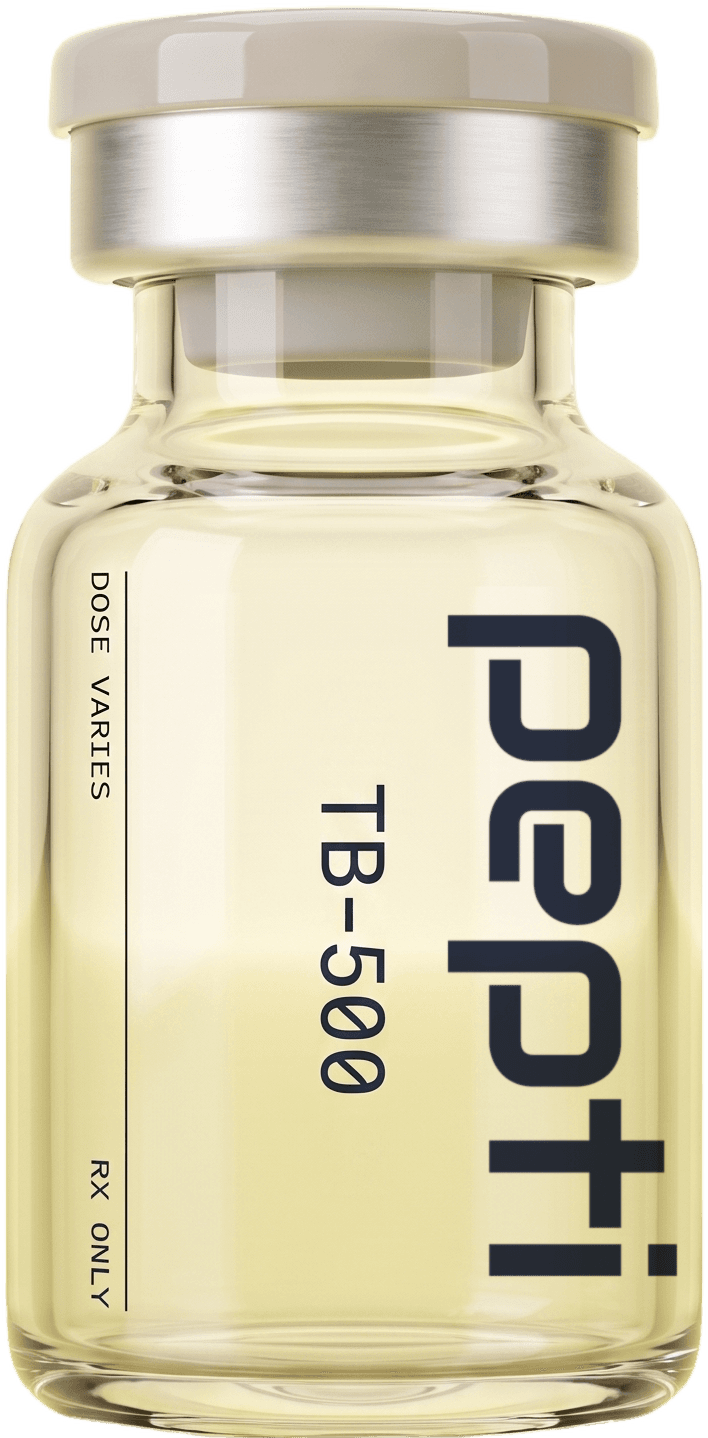
| TB-500 on its own | TB-500 | 5 mg TB-500 in 5 mL (1 mg/mL) | $209 |
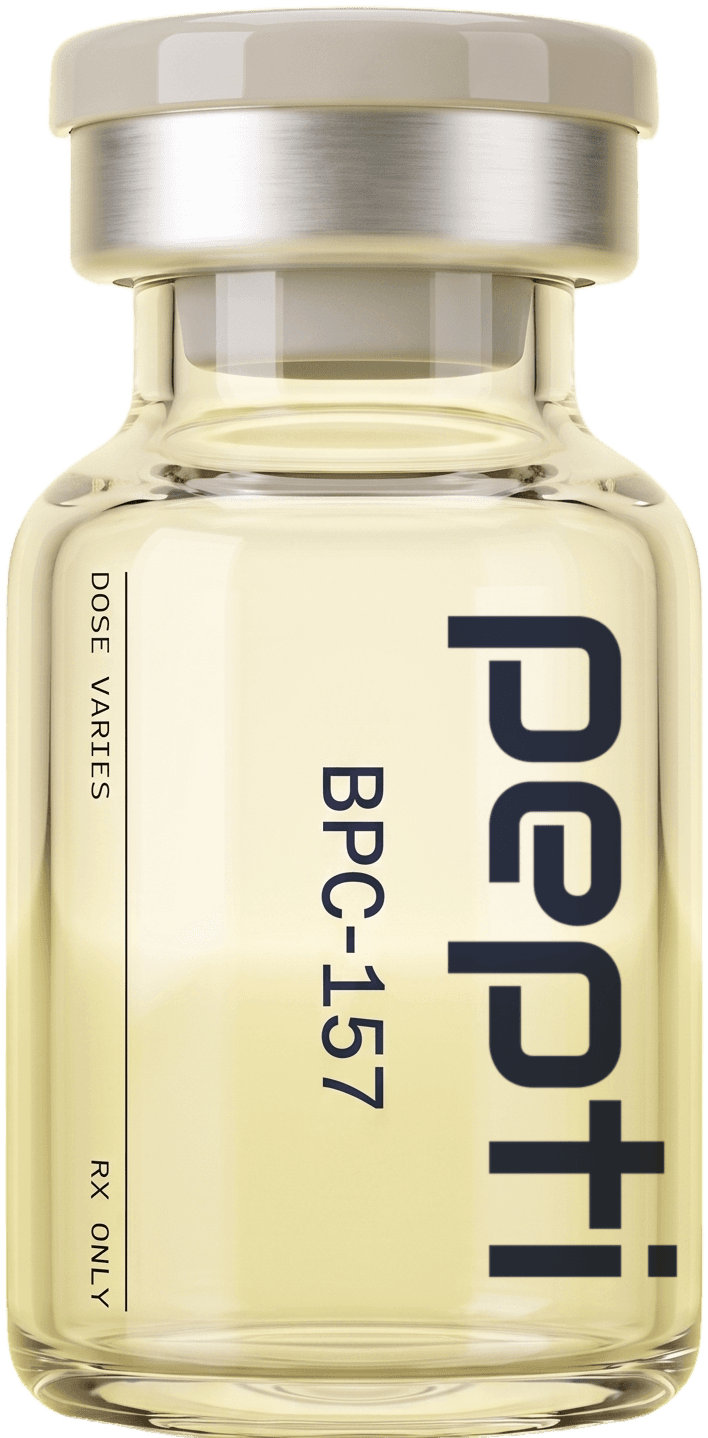
| TB-500 with BPC-157 | BPC-157 + TB-500 | 5 mg BPC-157 and 5 mg TB-500 in 5 mL | $259 |
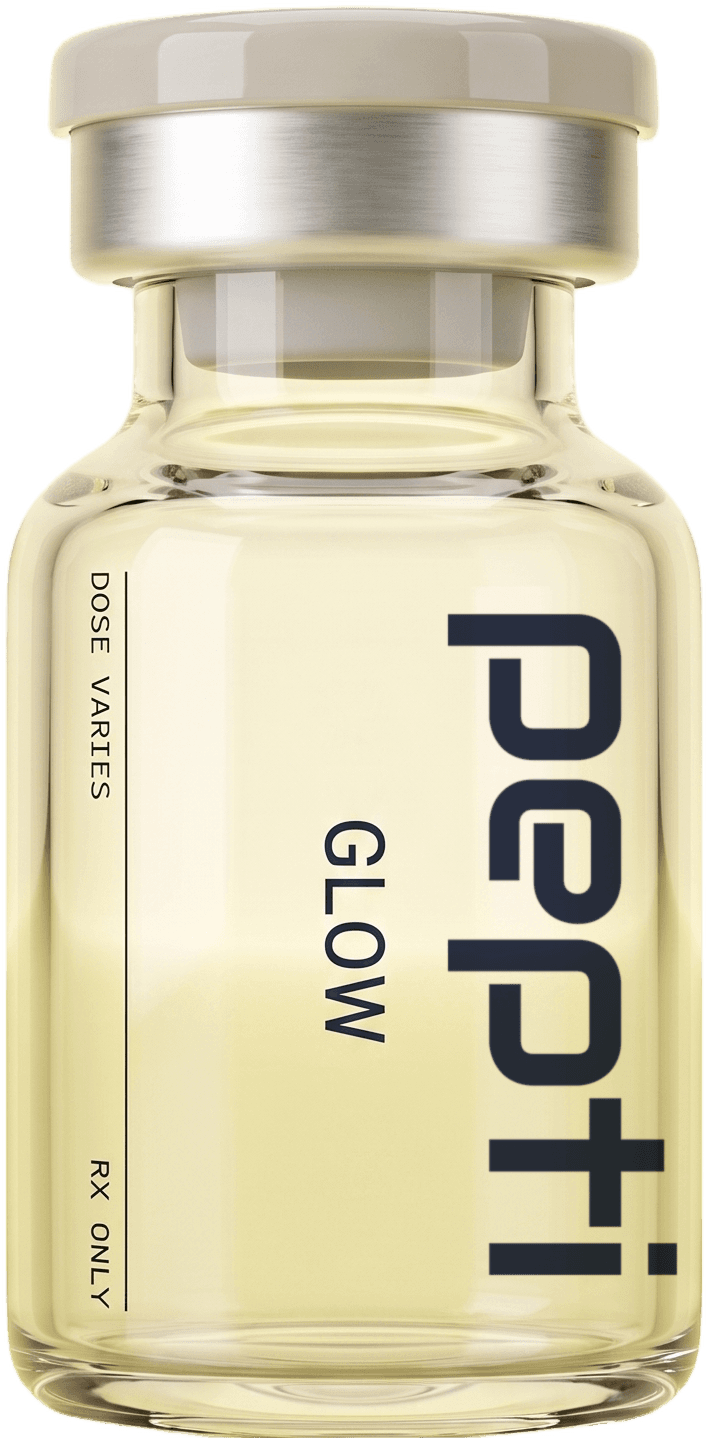
| Repair plus skin | GLOW | 50 mg GHK-Cu, 10 mg BPC-157, 10 mg TB-500 | $259 |
| Repair plus inflammation plus skin | KLOW | 50 mg GHK-Cu, 10 mg KPV, 10 mg BPC-157, 10 mg TB-500 | $259 |
| Recovery with the GH axis | REVIVE | 50 mg GHK-Cu, 6 mg CJC-1295, 12 mg Ipamorelin, 2 mg TB-500 | $279 |
These are all-in monthly prices covering medication, physician review, refill management and shipping. None are FDA approved. They are compounded at a US FDA-registered pharmacy against a prescription.
Nobody has run a randomised, placebo-controlled trial of TB-500 in people, and the FDA's July 2026 review found no published study in which TB-500 itself had been given to humans at all. What exists is a large animal and cell literature on the parent protein thymosin beta-4, a few small human trials of that protein for eye and skin conditions, an adverse-event database with no TB-500 reports in it, and years of prescriber experience. Short-term tolerability looks good; long-term safety is not characterised. The questions that matter are whether a peptide that encourages cell migration and new blood vessels should be given to someone with a tumour, whether an injected peptide will provoke an immune response, and whether the vial contains what the label says.
— Is TB-500 Safe? Side Effects, Cancer Cautions and What Is Not Known
What the safety data actually consists of
Safety claims rest on animal toxicology, controlled human trials, post-marketing reporting and clinical experience. For TB-500 each layer is thinner than for an approved drug, and it is worth knowing how thin.
— TB-500 and thymosin beta-4 are not the same molecule
Thymosin beta-4 is a 43-amino-acid protein found in almost every human cell and in blood, tears, saliva and wound fluid. TB-500 is a synthetic seven-amino-acid fragment of it, amino acids 17 to 23, with an acetyl group on the first amino acid: Ac-Leu-Lys-Lys-Thr-Glu-Thr-Gln. That segment contains the actin-binding region of the parent protein, which is why it was chosen. Most of the research cited for TB-500, including nearly everything about mechanism, was done on full-length thymosin beta-4. The FDA's briefing says so directly: several websites use the two names interchangeably, but "thymosin beta-4 and TB-500 are not the same substance." The human tolerability data that exists, all on the parent protein, is therefore supportive but not directly transferable. What TB-500 is covers the biology.
— Animal and cell research on thymosin beta-4
The parent protein has been studied in animals for more than twenty-five years. The Journal of Investigative Dermatology in 1999 reported faster dermal wound closure in rats; Wound Repair and Regeneration in 2003 extended that to diabetic and aged mice; Mechanisms of Ageing and Development in 2004 described angiogenesis, wound repair and hair-follicle effects. Nature in 2007 reported epicardial progenitor mobilisation in the adult mouse heart, and Cardiovascular Research in 2023 cardiac regeneration after ischaemic injury in mice. The corneal work in Experimental Eye Research (2002, 2007) and Current Eye Research (2002) describes faster epithelial healing after chemical injury.
Treated animals are not described as developing toxicity, and the reviews in Trends in Molecular Medicine (2005) and Annals of the New York Academy of Sciences (2010) both characterise the protein as well tolerated. What the literature lacks is a toxicology programme for the fragment. The FDA's July 2026 review identified no nonclinical toxicity, developmental, reproductive or carcinogenicity studies of TB-500 in either its free-base or acetate form. The only in-vivo pharmacokinetics FDA found were in thoroughbred horses: after a subcutaneous dose, plasma levels peaked within one to two hours and were unquantifiable within six to ten hours, the peptide being broken into shorter acetylated fragments. That comes from a 2012 Journal of Chromatography A paper written to detect TB-500 in racehorses, not to establish its safety.
— The fragment tested on its own
A 2024 study in the Journal of Chromatography B measured TB-500 and its metabolites in rats and screened them in a fibroblast scratch assay. At the single concentration tested, TB-500 itself did not close the in-vitro wound, whereas one of its shorter metabolites did; the FDA cited this as showing that whether TB-500 acts directly or through a metabolite is unknown. One cell assay without a dose-response curve settles nothing, but it is a reminder that "TB-500 does what thymosin beta-4 does" is an assumption. The 2026 rat Achilles study in Joint Diseases and Related Surgery, examining BPC-157 and TB-500 histologically and biomechanically, is one of very few animal experiments to use the fragment itself.
— Human trials of the parent protein
There are no randomised human trials of TB-500. That sentence needs to stand on its own, because marketing blurs it.
What does exist are human studies of full-length thymosin beta-4, run by the company that developed it as an investigational drug. Annals of the New York Academy of Sciences in 2010 reported a randomised, placebo-controlled single- and multiple-dose study of intravenous thymosin beta-4 in healthy volunteers, described as well tolerated with no dose-limiting adverse events. The same journal in 2012 summarised dermal-healing trials in pressure ulcers, venous stasis ulcers and epidermolysis bullosa, again describing the treatment as safe in those small studies. Cornea in 2015 reported a phase 2 randomised trial of thymosin beta-4 eye drops in severe dry eye, and Archives of Ophthalmology in 2010 a small series in non-healing corneal defects.
Those trials show that the parent protein, given intravenously for days or topically for weeks, did not cause obvious harm. They say nothing about a synthetic fragment injected subcutaneously for months. The FDA searched PubMed, Embase and ClinicalTrials.gov and found no clinical study or human exposure data for TB-500 by any route.
— Post-marketing reporting and prescriber experience
The FDA's Office of Surveillance and Epidemiology searched the FDA Adverse Event Reporting System for TB-500 through 26 March 2025 and retrieved no reports, and a literature search found no published case reports of adverse events. A search of the Human Foods complaint system found two complaints about a blended TB-500 and BPC-157 product, neither including a safety assessment. An empty database is genuinely reassuring, but the FDA adds that reporting is voluntary, that it does not receive all reports, especially for compounded products, and that it therefore "cannot make definitive conclusions regarding the safety of TB-500."
Beyond that sits a decade of prescribing by sports-medicine, orthopaedic and longevity clinics, usually alongside BPC-157, describing a consistent and mostly mild side-effect pattern. Clinical experience is real evidence, but it is unblinded and unrecorded: it detects common short-term effects well and rare or delayed effects poorly.
— Is TB-500 Safe? Side Effects, Cancer Cautions and What Is Not Known
Reported adverse effects
| Frequency | What is reported | What to do |
|---|---|---|
| Common | Injection-site redness, itching, a small lump, tenderness | Rotate sites; mention at follow-up |
| Common | Tiredness or a head-fog feeling in the first one to two weeks | Report it; usually settles |
| Uncommon | Light-headedness or a flushed feeling shortly after dosing | Report it; your physician may change the dose or timing |
| Uncommon | Transient joint or muscle ache | Report it |
| Stop and call | Facial or throat swelling, widespread rash, breathing difficulty | Emergency care first, then tell your prescriber |
| Stop and call | An injection site that is hot, spreading or worsening after 48 hours | Same-day message; consider infection rather than irritation |
| Stop and call | Any new lump or mass, unexplained bleeding, or a symptom that alarms you | Stop dosing and contact your physician |
Serious adverse events are not commonly reported. As with any compounded medication, the reporting system behind that statement is weaker than the one behind an approved drug, so treat it as reassuring rather than conclusive.
Injection-site reactions and early tiredness
Injection-site reactions are the most frequent report by a wide margin and are common to every subcutaneous peptide. A small red, itchy or firm area that fades within a day or two is expected. What separates irritation from something that needs attention is direction of travel: a site that is larger, hotter or more painful at 48 hours than at 24 is behaving like an infection and should be looked at the same day. Rotating sites, letting the alcohol dry and a fresh needle every time reduce the frequency.
Some patients also describe feeling tired, flat or foggy during the first one to two weeks. There is no established mechanism; it is a prescriber-described pattern, not a trial finding, and it usually settles without any change. Fatigue that persists beyond a few weeks has many possible causes and should be reported rather than attributed to the peptide.
Flushing, light-headedness and allergic-type reactions
Thymosin beta-4 is described in cell work as promoting nitric-oxide-related vessel dilation, and a brief warm or light-headed feeling after dosing is occasionally reported. It is uncommon and transient; fainting or sustained dizziness is not expected and should prompt a call.
Any injected peptide can provoke an allergic response. The pattern to act on is systemic: facial or throat swelling, hives away from the injection site, wheeze or breathing difficulty. That is emergency care first and a message to the prescriber second. It is rare, but it is the one acute risk on this page that is not theoretical, and it is why the FDA's review dwells on immunogenicity.
— Is TB-500 Safe? Side Effects, Cancer Cautions and What Is Not Known
Serious risks and contraindications
The absolute contraindications
- Active or recently treated cancer. TB-500's described mechanisms overlap with the ones tumours use, and no human data exist to reassure. The reasoning is set out below.
- Pregnancy or breastfeeding. The FDA found no developmental or reproductive studies of TB-500. With no data at all, the answer is no. See can you take peptides while pregnant.
- A prior allergic reaction to TB-500 or thymosin beta-4. Re-exposure after a systemic reaction is not done.
The relative cautions
- Anticoagulant or antiplatelet therapy, because of the angiogenic and vascular mechanisms.
- A cancer history in remission, where the answer depends on how long ago, what type, and your oncologist's view.
- Autoimmune disease, because thymosin beta-4 is described as immunomodulatory in cell work (FASEB Journal 2011 reported suppression of NF-kB signalling) and the effect of the fragment on an already dysregulated immune system is unstudied.
- An injury that has not been imaged, because a peptide should never be the reason a fracture, a full-thickness tear or a nerve problem goes undiagnosed.
- Kidney or liver disease, where there is no human clearance data and a physician may want baseline labs.
- Anyone under 18. Thymosin beta-4 is involved in development and there is no data in adolescents. Pepti prescribes to adults only.
— Is TB-500 Safe? Side Effects, Cancer Cautions and What Is Not Known
The specific cautions, one by one
— The cancer-signalling question: what the research shows
This is the caution people search for, and it deserves a precise answer rather than reassurance or alarm.
The concern is mechanistic. Thymosin beta-4 is described as promoting cell migration (FASEB Journal 1997 reported directional migration of human endothelial cells), angiogenesis (Mechanisms of Ageing and Development 2004), and matrix metalloproteinase expression during wound repair (Journal of Cell Physiology 2006). Each is also a process a growing tumour relies on. There is oncology research on the parent protein too. The Journal of the National Cancer Institute published a 2003 review titled, plainly, "Role of thymosin beta4 in tumor metastasis and angiogenesis." The American Journal of Pathology in 2002 reported that thymosin beta-4 expression regulated motility and metastasis in malignant mouse fibrosarcoma cells. Oncogene in 2003 reported that overexpressing the gene in a human colon cancer cell line was associated with more malignant behaviour, and Oncogene in 2007 described thymosin beta-4 triggering an epithelial-to-mesenchymal transition in colorectal carcinoma cells through integrin-linked kinase.
So the research shows, consistently, that thymosin beta-4 is a protein many tumours express at high levels and that, inside cancer cells, it is associated with the machinery of invasion and spread.
— The cancer-signalling question: what the research does not show
What the research does not show is that giving thymosin beta-4 or TB-500 to a person or an animal causes a new cancer or accelerates an existing one. No such study exists in either direction. The studies above measure what cancer cells do with the protein they already make; they do not administer it to a whole organism and watch for tumours. The FDA confirms that no carcinogenicity study of TB-500 has been done, which is an absence of evidence, not evidence of harm. The healthy-volunteer and dry-eye trials of the parent protein were too short and too small to detect a cancer signal.
The reasonable position, and the one Pepti's physicians take, is asymmetric. For someone with no cancer history, there is no observed human signal and the theoretical concern is weighed against the benefit sought. For someone with active or recent cancer, the mechanism is close enough to what a tumour needs that the peptide is declined, because "no evidence of harm" is not "evidence of no harm" and the downside is not one to test on yourself. The general reasoning is in can peptides cause cancer.
— Immunogenicity: the FDA's central safety concern
The concern the FDA's July 2026 briefing returns to most often is not cancer; it is immunogenicity. Any peptide given by injection can generate antibodies against itself, and the FDA describes subcutaneous injection, the usual route for TB-500, as more immunogenic than intramuscular or intravenous administration. Two things make it worse: aggregation, where peptide molecules clump into larger structures the immune system is more likely to notice, and peptide-related impurities from synthesis.
The consequences range from antibodies that do nothing, to an allergic reaction, to antibodies that neutralise the peptide so it stops working, to, in principle, antibodies that cross-react with your own thymosin beta-4. The FDA found no clinical study assessing immunogenicity or aggregation of TB-500. The empty adverse-event record argues that clinically important reactions are rare, but the risk is uncharacterised, which is why the quality of the finished vial matters: impurity profile, aggregate, sterility and bacterial endotoxin testing are exactly what a licensed pharmacy's certificate of analysis addresses and a research-chemical vendor's does not. Pepti's pharmacy testing is described at /quality and the results at /quality/lab-results.
— Angiogenesis and the vascular system
New vessel growth is one of the two mechanisms behind the cancer caution, but it has a more mundane relevance too. Cell and animal work describes thymosin beta-4 promoting endothelial migration and vessel formation, and Nature in 2004 reported it activating integrin-linked kinase in cardiac cells. For someone on anticoagulants or antiplatelet drugs the interaction is untested rather than known to be dangerous, which is why the full medication list is reviewed by a physician rather than a checkbox. Unexplained bleeding or bruising away from injection sites is a stop-and-report symptom.
— Naming and identity: the practical risk
The FDA raises a risk that has nothing to do with pharmacology. "TB-500" is a common name, not a United States Adopted Name, and the FDA reports encountering multiple salts and derivatives, including different active moieties, sold under that one label; its stated concern is that a patient may be dosed with a different substance than the physician intended. The safety literature above is about one specific heptapeptide; it says nothing about whatever an unlabelled "TB-500" from an unaccountable source contains. This is the risk the opening paragraph refers to, and the one most people taking TB-500 are actually carrying. See research peptides vs prescription peptides.
— The GH axis and copper, for the blends only
TB-500 is not a growth hormone secretagogue and does not act on the pituitary, so the growth-hormone cautions that apply to some peptides do not apply to it. They do apply to REVIVE, which pairs TB-500 with CJC-1295 and ipamorelin; anyone prescribed REVIVE also takes on the considerations of a GH-releasing pair, including IGF-1 and glucose monitoring. Likewise TB-500 on its own carries no copper load, but GLOW and KLOW pair it with GHK-Cu, a copper-binding peptide, and the copper considerations on the GHK-Cu page are part of what a physician weighs before prescribing GLOW or KLOW rather than TB-500 by itself.
— Is TB-500 Safe? Side Effects, Cancer Cautions and What Is Not Known
Where TB-500 stands with the FDA right now
Verified against the primary documents in September 2026. A lot of what is online is out of date.
— Not an approved drug, and not on any list
TB-500 is not a component of any FDA-approved drug, and there is no USP monograph for it. Compounded medications are never FDA approved as finished products; the pharmacy prepares them against a prescription rather than seeking approval. Every product on this page falls into that category, as explained in are peptides FDA approved.
On the FDA's 503A bulk drug substances list, updated 14 May 2026, TB-500 and thymosin beta-4 do not appear in any of the three categories. Category 2, the substances the FDA has flagged as raising significant safety risks, currently contains six: cesium chloride, domperidone, germanium sesquioxide, ibutamoren mesylate, kisspeptin-10 and quinacrine for intrauterine use. TB-500 is not among them.
— The July 2026 advisory committee
On 23 and 24 July 2026 the FDA's Pharmacy Compounding Advisory Committee met to consider seven peptides for the 503A Bulks List, the positive list of substances pharmacies may compound. TB-500, in free-base and acetate forms, was on the 23 July agenda for the proposed use of wound healing.
The FDA's own scientists recommended against adding it. Their briefing concluded that the substance is not well characterised chemically, that its history of use in compounding is unclear, that there is no evidence of effectiveness in humans, and that "potential safety risks associated with the use of these substances in humans are unknown," with immunogenicity the particular concern.
The committee disagreed. It voted 8 in favour, 6 against, with 1 abstention, to recommend adding TB-500 to the 503A Bulks List, the same margin by which it recommended BPC-157 and KPV.
— What that vote means, and what it does not
An advisory committee recommends; it does not decide. The FDA will not issue a final determination until the committee's input and its own reviews are complete, and adding a substance to the Bulks List requires notice-and-comment rulemaking, which the McDermott summary notes could occur in 2027 or extend over several years.
So the accurate description in September 2026 is: not FDA approved, not flagged on Category 2, recommended for the positive list by the advisory committee against the FDA staff position, and awaiting final agency action. What a committee vote cannot do is create human safety data. The scientists weighted the absence of human data and the immunogenicity question; the committee majority evidently weighted the long history of use without an adverse-event signal. Neither side claimed TB-500 had been shown to be harmful; the disagreement was about how much weight an absence of evidence should carry, and a patient deciding whether to take it is making the same judgment with a physician who knows their history.
— Anti-doping status
The 2026 World Anti-Doping Code Prohibited List, in effect from 1 January 2026, lists "Thymosin-ß4 and its derivatives e.g. TB-500" by name under S2.3, growth factors and growth factor modulators. Section S2 is prohibited at all times, in and out of competition. A prescription does not change that; only a therapeutic use exemption would, and those require an approved indication that TB-500 does not have. It is also detectable: TB-500 was marketed for horses and racing greyhounds from 2011, and the Journal of Chromatography A published a validated method for finding it in equine urine and plasma in 2012. A tested athlete should assume it will be found.
— Is TB-500 Safe? Side Effects, Cancer Cautions and What Is Not Known
Who should not take it
| Situation | Why it matters |
|---|---|
| Active or recent cancer | Cell migration and angiogenesis are exactly the processes malignant tissue uses. No causal link has been shown in humans, but prescribers generally decline here |
| Cancer history in remission | Usually a cautious answer, taken with your oncologist's view |
| Anticoagulant or antiplatelet therapy | The vascular mechanisms make the full medication list relevant |
| Pregnancy or breastfeeding | No safety data. See can you take peptides while pregnant |
| Tested athletes | Prohibited in competition; a prescription does not create an exemption |
| An undiagnosed or worsening injury | Night pain, numbness, weakness or a joint that locks needs imaging first |
| An untreated cause | A tendon that keeps being loaded wrongly will keep being inflamed |
— Is TB-500 Safe? Side Effects, Cancer Cautions and What Is Not Known
What is genuinely unknown
- Human long-term outcomes. There is no cohort followed over years. Nothing can be quoted about five-year use because the data does not exist.
- Whether the theoretical cancer risk is real. It is mechanistic reasoning, not an observed human signal. It has also not been ruled out.
- Dose-response in humans. The dosing conventions in circulation come from practice and forum lore, not from human dose-ranging trials.
- Interaction profile. There is effectively no drug-interaction literature, which argues for full disclosure of everything you take.
- Whether it differs meaningfully from full thymosin beta-4 in humans. Much of the cited research uses the parent protein rather than the fragment sold as TB-500.
- Immunogenicity rates. No study has measured how often injected TB-500 produces antibodies, or what those antibodies do.
— Is TB-500 Safe? Side Effects, Cancer Cautions and What Is Not Known
What monitoring looks like
| Stage | What a physician does |
|---|---|
| Intake | Cancer history, anticoagulants, full medication list, pregnancy status, the injury and whether it has been imaged |
| Baseline labs | Not routine for repair-focused use; history may prompt them. See do you need bloodwork before peptides |
| Weeks 1 to 4 | Asks about injection-site reactions, fatigue and anything systemic |
| Weeks 6 to 8 | Reassesses function and loading tolerance rather than refilling by default |
| Ongoing | Confirms rehabilitation is in place, because without loading a repair peptide is half a plan |
Why the intake is the main safety instrument
There is no laboratory test that detects a TB-500 problem, so the history does most of the work. Every contraindication above is a history question: cancer, pregnancy, anticoagulants, competition, an injury nobody has imaged. A form that asks those questions and a physician who reads the answers is how the theoretical risks on this page are kept theoretical. Bloodwork is not routinely required for TB-500 on its own; it becomes relevant when the history raises something, and for REVIVE, where IGF-1 and glucose are sensible to know. At-home blood testing covers those panels without a lab visit.
The 28-day rhythm
TB-500 ships one vial per fill on 28-day refills, and each refill passes through the physician rather than renewing automatically. That is the practical monitoring interval: a point every four weeks at which injection-site reactions, fatigue, the injury itself and anything new in your health can be raised with someone accountable for the prescription. If you are weighing TB-500 against BPC-157 rather than alongside it, the comparison is in BPC-157 vs TB-500.
— Is TB-500 Safe? Side Effects, Cancer Cautions and What Is Not Known
What the evidence shows, honestly
The TB-500 literature is largely preclinical. The mechanism work on actin binding and cell migration is solid biology, and the wound-healing models are real published research, but they are animal and cell studies. There are no large randomised human trials of TB-500 for injury, and no dedicated human safety study of the fragment at the doses used in practice.
So the honest statement is narrow: TB-500 has a coherent mechanism, a good tolerability record in the settings where it has been used, and an evidence base that does not support promises about outcomes or about long-term safety. A provider claiming proof of either is going beyond what exists.
The separate and non-theoretical risk is supply. Research-use-only TB-500 is sold openly with no pharmacy accountable for identity, purity, sterility or concentration, and that is the exposure most people are actually carrying. The distinction is set out in research peptides vs prescription peptides.
Where TB-500 fits among Pepti's repair options
For a local soft-tissue problem, TB-500 on its own or BPC-157 + TB-500 is the usual starting conversation. Where skin and connective tissue are part of the goal, GLOW adds GHK-Cu; where inflammation dominates, KLOW adds KPV as well, and KPV alone is an option when repair is not the issue. REVIVE is for a physician who wants the GH axis in a recovery plan. Which of those, if any, is appropriate is the physician's decision.
— References
What this is based on.
References
- Goldstein AL, Hannappel E, Kleinman HK. Thymosin beta4: actin-sequestering protein moonlights to repair injured tissues · Trends Mol Med (2005) · PMID 16099219
- Malinda KM, Sidhu GS, Mani H et al.. Thymosin beta4 accelerates wound healing · J Invest Dermatol (1999) · PMID 10469335
- Malinda KM, Goldstein AL, Kleinman HK. Thymosin beta 4 stimulates directional migration of human umbilical vein endothelial cells · FASEB J (1997) · PMID 9194528
- Philp D, Badamchian M, Scheremeta B et al.. Thymosin beta 4 and a synthetic peptide containing its actin-binding domain promote dermal wound repair in db/db diabetic mice and in aged mice · Wound Repair Regen (2003) · PMID 12581423
- Philp D, Goldstein AL, Kleinman HK. Thymosin beta4 promotes angiogenesis, wound healing, and hair follicle development · Mech Ageing Dev (2004) · PMID 15037013
- Philp D, Scheremeta B, Sibliss K et al.. Thymosin beta4 promotes matrix metalloproteinase expression during wound repair · J Cell Physiol (2006) · PMID 16607611
- Smart N, Risebro CA, Melville AA et al.. Thymosin beta4 induces adult epicardial progenitor mobilization and neovascularization · Nature (2007) · PMID 17108969
- Sosne G, Szliter EA, Barrett R et al.. Thymosin beta 4 promotes corneal wound healing and decreases inflammation in vivo following alkali injury · Exp Eye Res (2002) · PMID 11950239
- Sosne G, Hafeez S, Greenberry AL 2nd et al.. Thymosin beta4 promotes human conjunctival epithelial cell migration · Curr Eye Res (2002) · PMID 12324865
- Sosne G, Xu L, Prach L et al.. Thymosin beta 4 stimulates laminin-5 production independent of TGF-beta · Exp Cell Res (2004) · PMID 14729067
- Sosne G, Qiu P, Christopherson PL et al.. Thymosin beta 4 suppression of corneal NFkappaB: a potential anti-inflammatory pathway · Exp Eye Res (2007) · PMID 17254567
- Sosne G, Qiu P, Goldstein AL et al.. Biological activities of thymosin beta4 defined by active sites in short peptide sequences · FASEB J (2010) · PMID 20179146
Citations are provided for educational purposes. They do not constitute medical advice. Always discuss any peptide protocol with your prescribing physician.
— Common questions
Is TB-500 Safe? Side Effects, Cancer Cautions and What Is Not Known, answered.
Most commonly injection-site redness, itching or a small lump, and sometimes tiredness or a foggy feeling in the first week or two. Less often, a brief flushed or light-headed feeling after dosing, or transient joint or muscle ache. Serious effects are not commonly reported: the FDA's search of its adverse-event system through March 2025 found no TB-500 reports, though the reporting base is thin. Anything spreading, hot or worsening should be reported the same day; facial or throat swelling, widespread rash or breathing difficulty is emergency care first.
There is no human evidence that it does. The caution exists because cell migration and new blood-vessel formation are processes a tumour uses, and because oncology research (Journal of the National Cancer Institute 2003, Oncogene 2003 and 2007) describes the parent protein thymosin beta-4 as highly expressed in several cancers. Those studies measure what cancer cells do with the protein they already make; none gave TB-500 to a person or animal and observed a new cancer, and the FDA found no carcinogenicity study in either direction. Prescribers avoid it with active or recent cancer for that reason. The reasoning is explained in can peptides cause cancer.
Unknown. No cohort has been followed for years, and the human trials that exist used the parent protein for days or weeks. In practice TB-500 is supplied one vial per fill on 28-day refills, with the physician reviewing each refill against how the injury and your health are behaving, so long-term use is a series of physician decisions rather than an open-ended supply. The wider evidence question is covered in are peptides safe long term.
Yes, it is prohibited in tested competition. The 2026 WADA Prohibited List names "Thymosin-ß4 and its derivatives e.g. TB-500" under S2.3, growth factors, which is prohibited at all times, in and out of competition. Holding a prescription does not change that, and only a therapeutic use exemption would, which requires an approved indication.
They are frequently prescribed together in one vial, because they act on different stages of repair. Pepti supplies the combination as BPC-157 + TB-500, and both peptides were recommended for the 503A Bulks List by the same advisory committee vote in July 2026. Whether that combination fits your situation is your physician's call with your history in front of them.
No. It is compounded at a US FDA-registered pharmacy against a valid prescription. That is a different thing from FDA approval, as explained in are peptides FDA approved. In July 2026 the FDA's advisory committee voted 8–6–1 to recommend adding TB-500 to the list of substances pharmacies may compound; the FDA's final determination is pending, and even a favourable one would not make it an approved drug.
With a prescription, a named licensed pharmacy is accountable for identity, purity, sterility and concentration, and the vial is labelled with them. With a research vial, nobody is. The FDA's July 2026 review noted that several different substances are sold under the name "TB-500," which is the problem a certificate of analysis solves. Pepti's testing is at /quality; the checks to apply to any provider are in how to tell if a peptide seller is legitimate.
Not in a published trial. The FDA's July 2026 review found no study in which TB-500 itself had been administered to people by any route. The parent protein, full-length thymosin beta-4, has been given intravenously to healthy volunteers in a randomised placebo-controlled study (Annals of the New York Academy of Sciences 2010) and as eye drops in a phase 2 dry-eye trial (Cornea 2015), and was well tolerated in both. That is supportive, but it is a different molecule given a different way.
No. The 503A bulk drug substances list updated 14 May 2026 does not include TB-500 or thymosin beta-4 in any category. Category 2, the flagged-for-safety list, currently holds six substances, none of them TB-500.
Their July 2026 briefing recommended against adding it to the 503A Bulks List, citing inconsistent naming, unclear history of use in compounding, no human effectiveness data and no human safety data, with the immunogenicity of an injected peptide as the particular concern. The advisory committee weighed the same record and voted 8–6–1 the other way.
In principle any injected peptide can generate antibodies against itself, and the FDA regards subcutaneous injection as the more immunogenic route. No study has measured how often this happens with TB-500. The pattern to act on is a systemic allergic reaction: facial or throat swelling, hives away from the site, breathing difficulty. Purity, aggregate and endotoxin testing at the pharmacy reduce the risk.
No. TB-500 is not a hormone and does not act on the pituitary or the gonadal axis; it does not suppress anything. The GH-axis considerations apply only to REVIVE, which combines TB-500 with CJC-1295 and ipamorelin.
Not routinely for TB-500 on its own. A physician may want baseline labs if your history includes liver or kidney disease, an inflammatory condition or a cancer history, and for REVIVE the GH-releasing components make IGF-1 and glucose worth knowing. At-home blood testing covers those without a lab visit.
No. Thymosin beta-4 is a 43-amino-acid protein your cells make; TB-500 is a synthetic seven-amino-acid fragment of it. The FDA states explicitly that the two are not the same substance. Most of the safety and mechanism research was done on the full protein, which is why the TB-500 evidence base is described as indirect. The free assessment goes to a physician licensed in your state. A consultation does not guarantee a prescription.
— Next step
See what a physician
recommends for you.
A licensed physician in your state reviews your intake and decides what is appropriate. A consultation does not guarantee a prescription.
Important legal & safety information
The assessment process available on the Pepti website asks a series of medical questions, and the answers provided are reviewed by an independent licensed physician affiliated with our partner physician network. The licensed providers have established exclusionary criteria, and the answers provided determine if the individual is screened out of eligibility for treatment. The licensed clinicians retain the sole decision to prescribe peptide therapy and other compounded medications to patients. Treatment may be denied at the physician's sole discretion. If a prescription is not approved, you will not be charged for the medication.
Pharmacy Providers. Pepti is a technology platform and is not a healthcare provider, pharmacy, or prescriber. All medications offered through the platform are compounded by independent FDA-registered 503A or 503B compounding pharmacies based on a valid prescription written by a licensed physician for an individual patient. Compounded medications are not FDA-approved as products. The active pharmaceutical ingredients used by our partner pharmacies are sourced from FDA-registered facilities. Compounded medications may not undergo the same testing or quality control as commercially manufactured FDA-approved drugs.
Results vary. Results from peptide therapy and other compounded treatments vary based on individual factors, including age, weight, medical history, adherence to the prescribed protocol, lifestyle factors, and physiological response. Pepti makes no guarantee of any specific outcome. Statements about peptide therapy and compounded medications offered through the platform have not been evaluated by the Food and Drug Administration. These products are not intended to diagnose, treat, cure, or prevent any disease.
Product images. Product photographs and renderings shown on this website are for illustrative purposes only. The appearance of vials, packaging, labeling, and other materials you receive may vary and is determined by the dispensing compounding pharmacy.
Off-label use.Many peptides offered through the platform are prescribed for off-label use. “Off-label” means the medication is being prescribed for a use, dose, or patient population that is not specifically approved by the FDA. Off-label prescribing is legal and common in U.S. medical practice when supported by clinical experience and judgment.
Mailing & shipping. Pepti currently dispenses prescription medication to patients in all 50 states and Washington, D.C.. All orders ship in unbranded, tamper-evident packaging via expedited delivery from our partner compounding pharmacies. Temperature-sensitive medications ship with insulated packaging and ice packs. Shipping is included at no additional cost. We do not currently ship medication outside all 50 states and Washington, D.C., internationally, or to APO/FPO addresses.
Not for emergencies. Pepti is not designed for medical emergencies. If you are experiencing a medical emergency, call 911 or go to your nearest emergency room immediately. For urgent but non-emergency medical questions, contact your primary care provider or use an urgent care service.
No doctor-patient relationship with Pepti. Your use of the platform does not create a doctor-patient relationship between you and pepti LLC. A doctor-patient relationship is established only between you and the independent licensed physician who reviews your intake and prescribes your treatment. The physicians who use the platform are independent contractors and are solely responsible for the medical care they provide.
Prescription medications. All prescription products require a valid prescription from a licensed healthcare provider. By using the platform, you acknowledge that you are at least 18 years old and that the information you provide is true, accurate, current, and complete. Providing false information may result in inappropriate treatment recommendations or denial of service.
Cosmetic & wellness products.Certain products offered through Pepti — including skincare, hair care, body care, supplements, men's grooming, sports recovery, and sexual wellness products — are cosmetic or dietary supplement products, not prescription medications. These products do not require a prescription and are not reviewed or prescribed by a physician. Statements regarding dietary supplements have not been evaluated by the Food and Drug Administration. These products are not intended to diagnose, treat, cure, or prevent any disease. Results vary by individual. Consult your healthcare provider before starting any new supplement or topical product, especially if you are pregnant, nursing, or taking other medications.
pepti LLC · Delaware Limited Liability Company · 131 Continental Dr, Suite 305, Newark, DE 19713 · For media or partnership inquiries, email hello@hellopepti.com. For patient support, email support@hellopepti.com. For privacy and HIPAA inquiries, email privacy@hellopepti.com.