Weight Loss · Reference
Where to Get Prescription Peptides Online: The Route, the Cost, the Checks
Prescription peptides come from one route online: a telehealth provider where you complete a medical intake, a physician licensed in your state reviews it and writes a prescription, and a state-licensed, FDA-registered compounding pharmacy prepares the medication and ships it to you.
Medically reviewed by Dr. Gene, MD · November 4, 2026
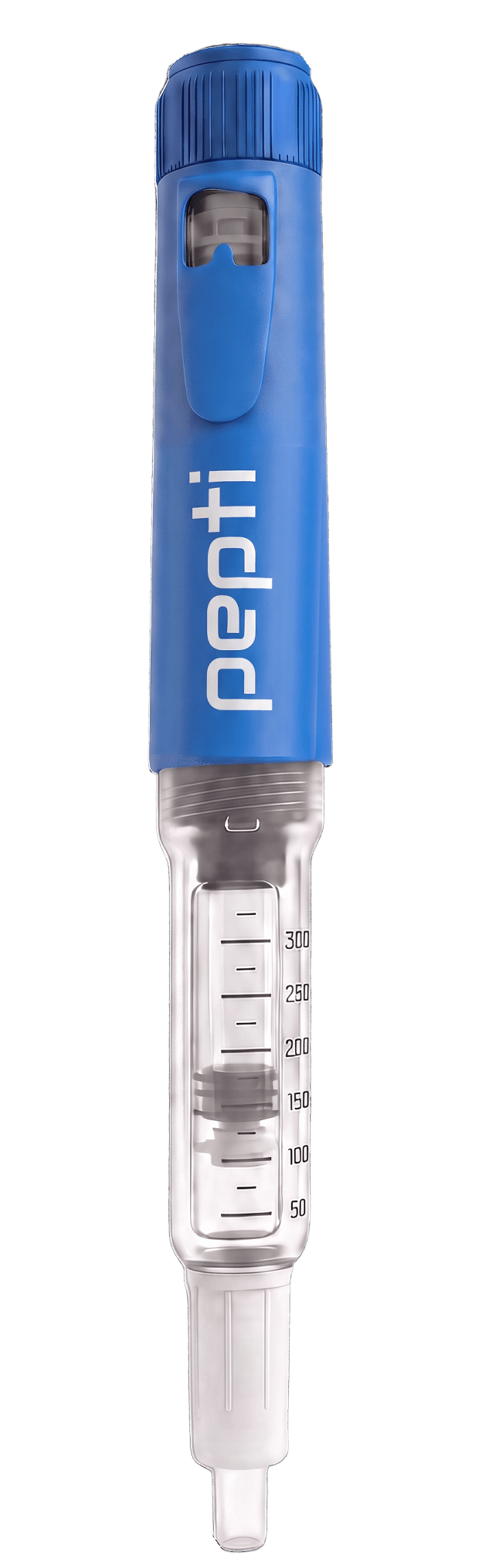
Treatments mentioned
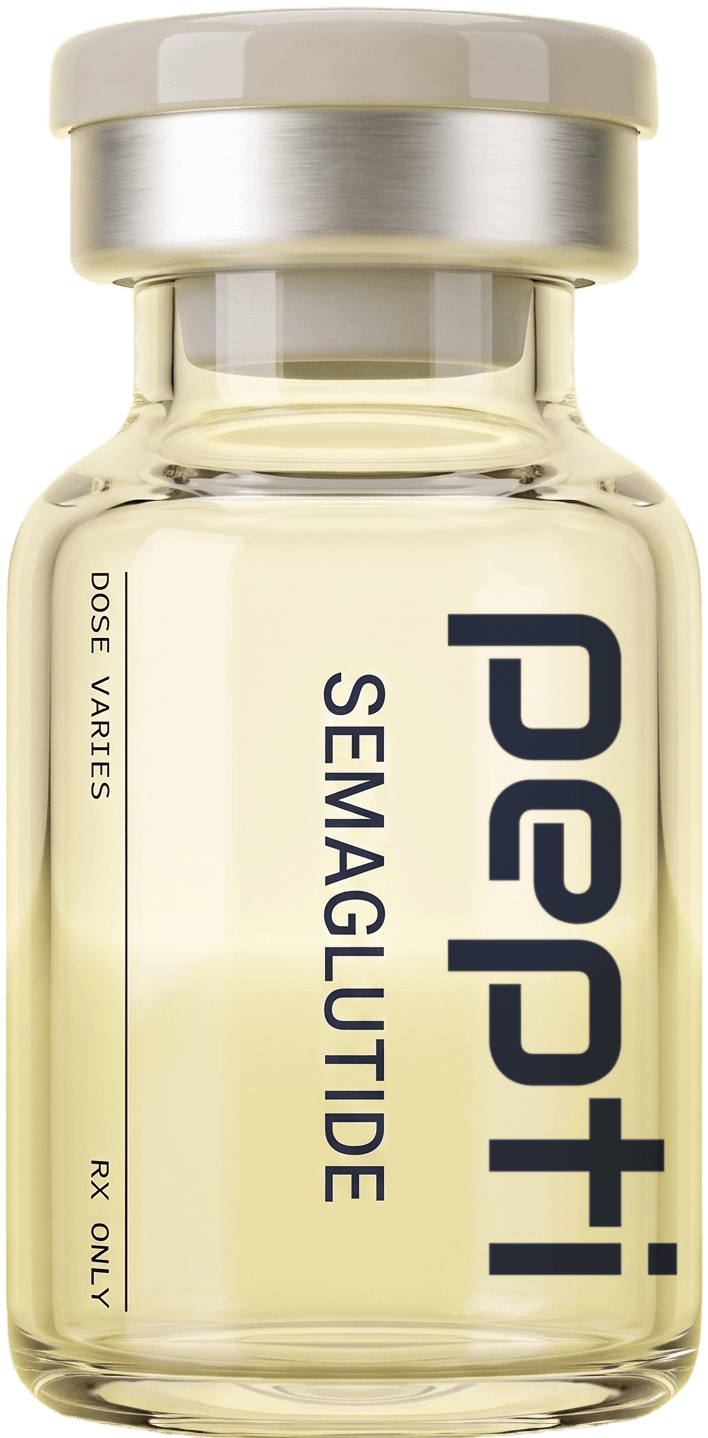
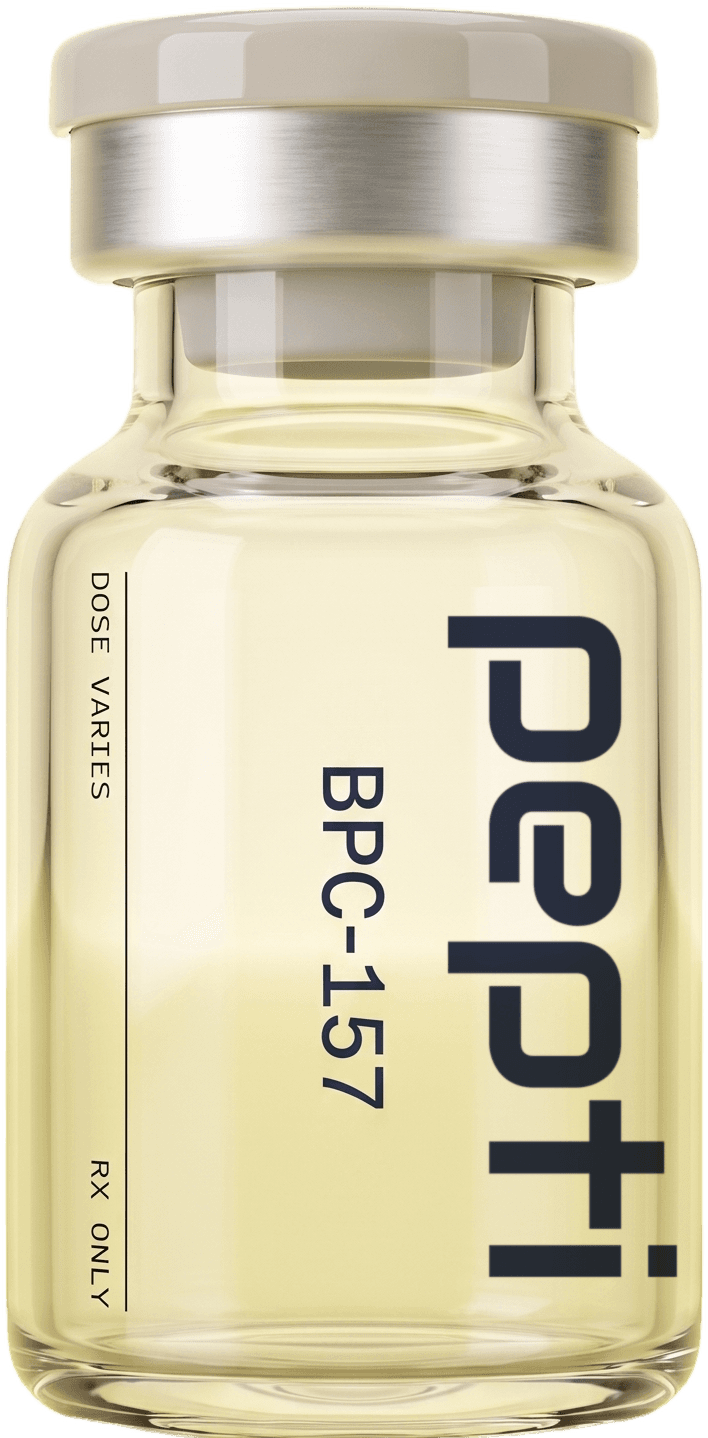
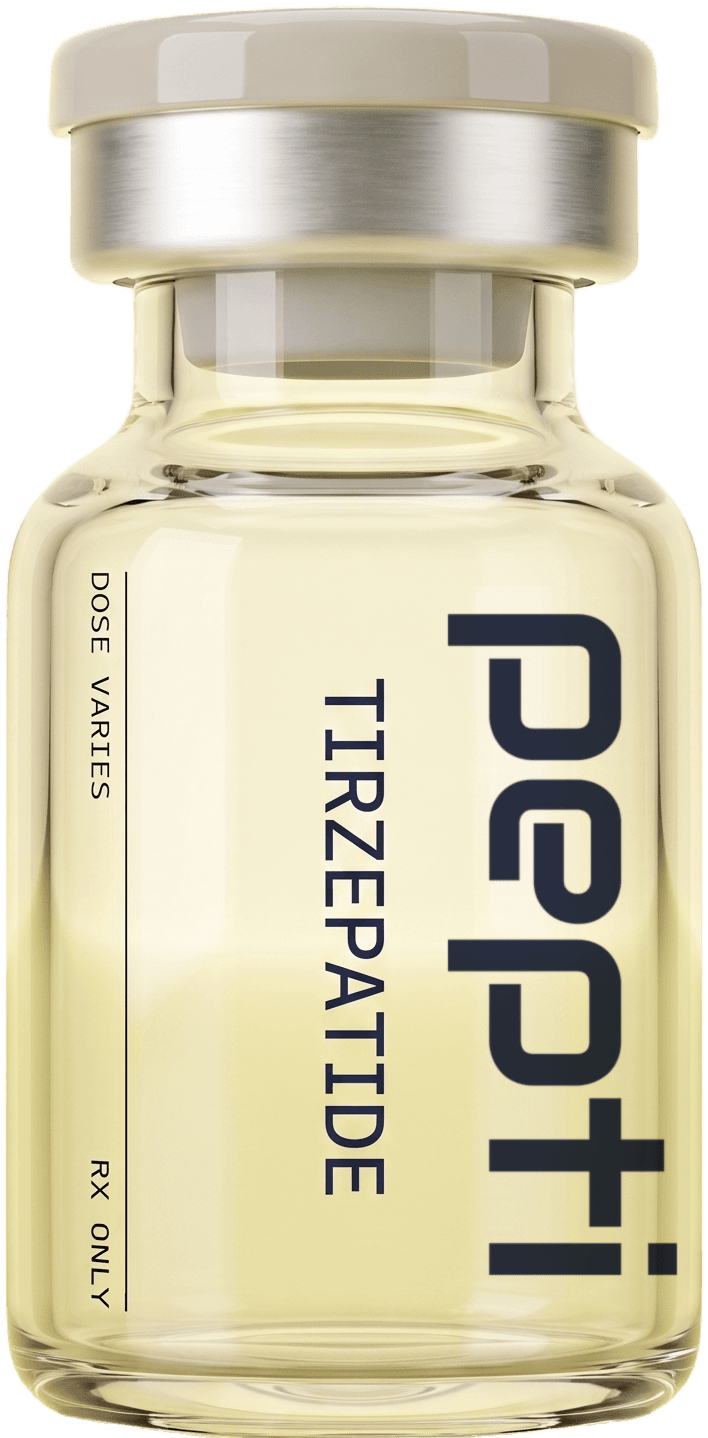
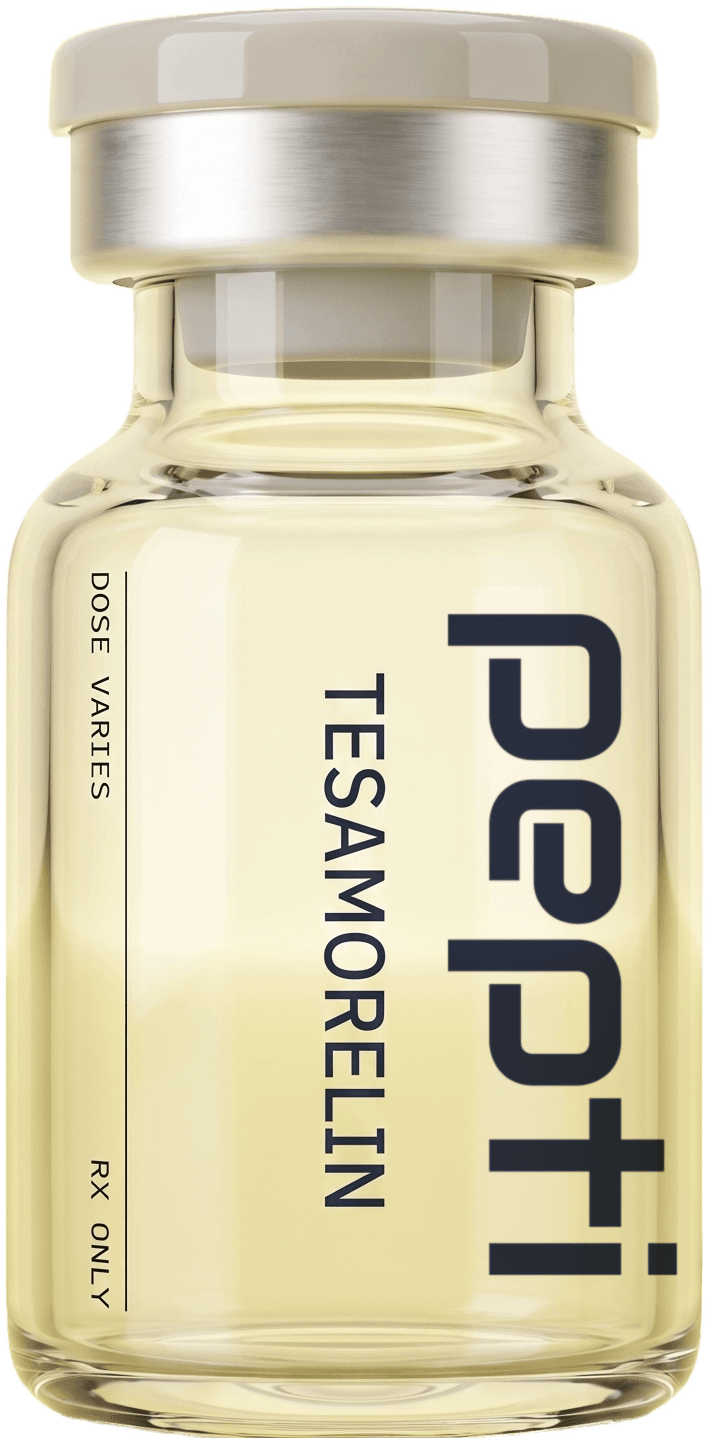
Everything else in the search results is the grey market, where vials ship with no prescription under a research-use-only label that the seller's own terms explain. Compounded peptides are not FDA approved, and no honest provider will tell you otherwise. What the prescription route buys is a clinician who assessed you, a pharmacy answerable to a state board, directions written for you, and a record that you took it.
This page walks that route end to end, names what each party is accountable for, quotes the statutes that create it, and gives you the free public tools for checking any provider before you enter a card.
Where to Get Prescription Peptides Online
The short answer
| What you are trying to treat | A commonly prescribed option | What is in it | Price |
|---|---|---|---|
| Tendon, ligament or muscle injury | BPC-157 + TB-500 | 5 mg BPC-157, 5 mg TB-500 in 5 mL | $259 |
| Weight, metabolic | Semaglutide or Tirzepatide | Dose-specific vials, priced per rung | From $99 / from $159 |
| Sleep, recovery, body composition | CJC-1295 / Ipamorelin | 6 mg CJC-1295, 12 mg Ipamorelin | $239 |
| Skin, collagen, scarring | GHK-Cu | 50 mg GHK-Cu in 5 mL | $239 |
| Energy and cellular metabolism | NAD+ Injection | 1000 mg NAD+ in 10 mL | $249 |
| Focus and mental clarity | SYNAPSE | 5 mg Semax, 5 mg Selank, 10 mg MOTS-c, 10 mg Tesamorelin | $279 |
| Sleep quality specifically | SERENITY | 5 mg DSIP, 5 mg Selank, 6 mg CJC-1295, 12 mg Ipamorelin | $279 |
| Immune support | FORTIFY | 5 mg Thymosin A-1, 5 mg BPC-157, 2 mg KPV, 1 mg LL-37 | $279 |
Every figure is one all-in monthly price covering medication, physician review, refill management and shipping, billed as a subscription you can cancel yourself.
Where to Get Prescription Peptides Online
The law that creates this route
Two short sections of federal law govern this, and every real difference between a prescription provider and a storefront falls out of them.
Why a peptide is prescription-only
Section 503(b)(1) of the Federal Food, Drug, and Cosmetic Act — 21 U.S.C. 353(b)(1) — says a drug which, "because of its toxicity or other potentiality for harmful effect, or the method of its use, or the collateral measures necessary to its use, is not safe for use except under the supervision of a practitioner licensed by law to administer such drug," shall be dispensed only upon that practitioner's prescription. A sterile injectable you draw and administer yourself sits squarely inside that description. The paragraph then adds the sentence that explains the grey market: "The act of dispensing a drug contrary to the provisions of this paragraph shall be deemed to be an act which results in the drug being misbranded while held for sale."
That is why research-chemical sellers do not describe what they ship as a drug at all. If it is not offered for human use, they are not dispensing a drug — and the vial has no legal identity as a medicine that anyone is answerable for.
Section 503A: the exemption compounding runs on
Compounded medicines are legal because 21 U.S.C. 353a says three of the Act's biggest requirements — 351(a)(2)(B) on manufacturing practice, 352(f)(1) on adequate directions for use, and 355 on new drug approval — "shall not apply to a drug product if the drug product is compounded for an identified individual patient based on the receipt of a valid prescription order." That is the whole architecture: the exemption attaches to the prescription. No identified patient and no valid order means no exemption and no legal compounding. The statute names who may compound — "a licensed pharmacist in a State licensed pharmacy or a Federal facility, or a licensed physician" — on a licensed prescriber's order.
The same section governs the raw material. A bulk drug substance must meet "the standards of an applicable United States Pharmacopoeia or National Formulary monograph, if a monograph exists"; absent a monograph, it must be a component of an approved drug or appear on a list the Secretary develops by regulation. It must come from "an establishment that is registered under section 360" and be "accompanied by valid certificates of analysis for each bulk drug substance" — which is why certificates of analysis exist in this industry at all. A compounder also may not "compound regularly or in inordinate amounts any drug products that are essentially copies of a commercially available drug product," unless a change is "made for an identified individual patient, which produces for that patient a significant difference, as determined by the prescribing practitioner." That is the rule behind the question of whether compounded semaglutide or tirzepatide is allowed.
What 503A does not exempt
It exempts the product from needing approval; it does not make it approved, and it does not exempt the pharmacy from state licensure, USP sterile-preparation standards or adulteration law. Interstate shipping is capped too: a 503A pharmacy in a state without a memorandum of understanding with the Secretary may ship out of state only in "quantities that do not exceed 5 percent of the total prescription orders dispensed or distributed by such pharmacy" — hence pharmacies licensed in many states rather than one shipping address.
Where to Get Prescription Peptides Online
The chain, and who is responsible for what
Most confusion about buying peptides online comes from not knowing which party does which job.
| Party | What they are responsible for | How they are held to it |
|---|---|---|
| The telehealth platform | Collecting your history, connecting you with a physician, handling orders and refills | Consumer and health-privacy law; it is not a pharmacy and does not decide your treatment |
| The prescribing physician | Deciding whether treatment is appropriate, the molecule, the strength and the directions | A state medical board, in the state where you are |
| The compounding pharmacy | Preparing a sterile medication to that prescription, labelling and shipping it | A state board of pharmacy, plus FDA registration and inspection |
| You | Honest history, following the directions, saying when something is wrong | Nothing formal, but the first item decides how useful the rest is |
A 503A compounding pharmacy prepares medication for an individual patient against a prescription, which is the route for peptides. A 503B outsourcing facility makes batches under stricter manufacturing rules. Neither produces an FDA-approved drug, and that is the legal architecture rather than a loophole. See what a 503A compounding pharmacy is.
Where the accountability actually sits
A platform cannot choose your molecule, strength or directions, and cannot overrule a physician who declines. The test is to ask who signed the prescription and see whether a name comes back.
The physician answers to a state medical board in the state where you are physically located when you are treated — the licensure telemedicine turns on. A board can investigate a complaint, demand records, restrict a licence or revoke it. That accountability is the real difference between a prescription and a purchase, and it exists only if a named, currently licensed physician wrote the order. The pharmacy answers to its board of pharmacy, to every state board licensing it to ship in, and to FDA, which registers and inspects drug establishments; its scope is identity, purity, sterility, endotoxin load, concentration, labelling, beyond-use dating and shipping. FDA describes 503B outsourcing facilities, the other category, as required to "comply with CGMP standards and receive FDA inspection on a risk-based schedule." Your own part is the intake — nobody audits your answers, which is why an omission degrades a review that cannot see you.
Where to Get Prescription Peptides Online
What the process actually involves
- A medical intake. Health history, current medications, allergies, conditions, goals, and what you have already tried. It should take several minutes. Three questions and a card form is a checkout, not an intake.
- Physician review. Someone licensed in your state reads it. They may ask follow-up questions, request bloodwork, prescribe something different from what you asked for, or decline.
- Labs when they are warranted. Growth-hormone secretagogues and hormonal complaints usually justify them. Repair peptides often do not. At-home blood testing handles this without a lab visit.
- Compounding and shipping. The pharmacy prepares your vial or pen and ships it refrigerated with your directions on the label.
- Follow-up. You can message your prescriber, report side effects, adjust doses and pause or cancel. Care that ends at checkout was a sale.
What a real intake asks, and what review looks like
A real intake covers everything that changes a prescribing decision: medications, allergies, conditions, surgeries, cancer history, pregnancy or breastfeeding status, anticoagulant use, what you have already tried, how long the problem has been there, and where you physically are — that last one determines which licence the reviewing physician needs.
The physician reads for three things: whether a prescription can address this problem, whether this patient is safe to treat, and whether the molecule asked about is the right one. All three can come back no. A decline is not a failure of the system, it is the system — a provider whose physicians never decline has automated an approval. On Pepti, if a prescription is not approved you are not charged for the medication.
Labs are not a universal gate either. They earn their place where the treatment touches a hormonal or metabolic axis — growth-hormone secretagogues such as sermorelin and CJC-1295 / Ipamorelin, where IGF-1 tells a prescriber what the axis is doing, and metabolic prescriptions such as semaglutide and tirzepatide. A local repair prescription often does not.
The prescription reaches a pharmacy
This is the step nobody describes and where most of the legal weight sits. The physician transmits an order naming you, the molecule, the strength, the quantity and the directions; the pharmacy verifies the prescriber and compounds against that order — for you, not for stock. That is the "identified individual patient" language in 353a doing its job. The tests that establish a lot is what the label says are standard: sterility under USP <71>, bacterial endotoxins under USP <85>, potency by HPLC assay, pH under USP <791>, particulate matter under USP <788>, container closure integrity under USP <1207>. Those are the chapters Pepti's quality page names, with per-lot results at lab results.
What arrives, then refills and follow-up
Vials ship refrigerated, insulated with ice packs. What arrives is a labelled medication: your name, the molecule, the strength, your directions, a beyond-use date and the pharmacy's identity — not powder with a note about reconstitution. Section 353a exempts a compounded product from 352(f)(1), the requirement for directions aimed at the general public, because the directions are written for one identified patient instead.
Treatment then runs on refills. Vials are sized so a standard dose lands near four weeks, which is why refills run on a 28-day cycle and one vial per fill is the rule. A refill is a clinical event: the prescriber reviews before it is released, and a dose change is written into a new order. You should be able to message that prescriber, report a side effect, pause or cancel without a phone call.
Where to Get Prescription Peptides Online
How to verify a provider yourself, in about ten minutes
FDA's own checklist
FDA publishes consumer guidance under the name BeSafeRx. A safe online pharmacy, it says, "always requires a doctor's prescription," "is licensed with a state board of pharmacy," "has a licensed pharmacist on staff to answer your questions," and "provides a physical address and telephone number in the United States." The warning signs are that list inverted.
Verify the physician: NPI registry, then the state board
Every HIPAA-covered US health care provider has a National Provider Identifier, and CMS publishes the NPPES NPI Registry as a free public lookup with no account required. Search a prescriber's name and you get the registered name, practice address, the taxonomy code describing their specialty, and the state.
That confirms a real enumerated clinician exists; it does not confirm current licensure. For that, your state medical board runs a free lookup returning licence number, status, expiry and any public board actions. You want an active, unrestricted licence in your state — a physician licensed in three states cannot lawfully prescribe to you in a fourth. If a provider will not name the physician, you cannot run the check, and that is itself the finding.
Verify the pharmacy: state board, and FDA's 503B register
Boards of pharmacy publish licence lookups covering resident and non-resident pharmacies licensed to ship into the state. Ask the provider for the pharmacy's name plainly and once — a provider that treats that as confidential has answered it — then confirm the licence is active and covers your state. If an outsourcing facility is involved, FDA publishes a weekly register of "Facilities Registered as Human Drug Compounding Outsourcing Facilities Under Section 503B," with inspection history, Form 483 issuance and recalls; it carried an update date of 24 September 2026 when this was written.
Read the certificates, then run the whole check
A certificate of analysis is a lab document for one lot: testing laboratory, lot number, date, method, result against a specification. What it is not is a graphic with a percentage on it. Identical purity across a whole catalogue, no lab name, no lot number — that is marketing. How to read a certificate of analysis walks through a real one.
That completes the check: a real intake before payment, a named physician licensed in your state, a named pharmacy licensed to ship to you, per-lot certificates from a named laboratory, a clinical channel after purchase.
Where to Get Prescription Peptides Online
Prescription route versus the grey market
| Prescription route | Research-use-only seller | |
|---|---|---|
| Before you buy | A clinician reviews your history | A cart |
| What decides the dose | A prescriber, in writing | A forum post |
| What is in the vial | Compounded to the prescription, with batch records | The label, unverified |
| Sterile preparation | Required, to USP standards, inspected | Not required |
| Arrives as | A ready-to-use, labelled medication | Often powder you reconstitute yourself |
| If you react badly | A prescriber to message, and a reportable event | Nothing |
| Your medical record | Documented for future clinicians | Blank |
| Price | Higher, and it includes all of the above | Lower |
The detail behind that table is in research peptides vs prescription peptides.
Why "no prescription required" ends the analysis
"Research use only" means the seller has stated in writing that the material is not for human use — the statement that would be read back in any dispute. No pharmacy compounded it, no pharmacist verified it, and there is nothing to report an adverse event to. A site advertising prescription-strength injectables with no prescription is telling you either that it is not selling them for human use, or that it is outside both 353(b)(1) and the 353a exemption.
Where to Get Prescription Peptides Online
Red flags worth turning away from
| What you see | What it tells you |
|---|---|
| "No prescription required" | The clearest signal there is. Check their terms for "research use only" |
| "FDA approved" attached to a compounded peptide | Untrue in every case, and it means they will say anything |
| Approval guaranteed | Nobody is reviewing anything |
| The prescriber is unnamed | There may not be one. Real practices name clinicians and their licensure |
| The pharmacy cannot be named | Ask once, plainly |
| Prices far below every licensed provider | You are looking at chemical supply |
| Certificates of analysis with no lab name, no chromatogram, or identical purity across the catalogue | Graphics. See how to read a certificate of analysis |
| Outcome promises with numbers or timelines | No legitimate prescriber makes them |
| Cancellation only by phone | Check that before you subscribe, not after |
| No way to reach a clinician after purchase | A storefront with a stethoscope logo |
If you check only three, check these: no prescription requirement, no named prescriber, and "FDA approved" beside a compounded peptide. More in how to tell if a peptide seller is legitimate.
Where to Get Prescription Peptides Online
What it costs, and why
Legitimate prescription peptide care generally runs between $99 and $369 a month depending on the molecule and, for GLP-1s, the dose rung. The molecule is rarely the expensive part. The price reflects physician review, sterile compounding by a licensed pharmacy, cold-chain shipping, refill management and someone accountable afterwards.
Insurance generally does not cover compounded peptides, though it may cover an approved product for an approved indication, which is worth checking first. See does insurance cover peptide therapy and how much do peptides cost.
How to compare a quote
Sterile compounding is the cost centre people underestimate — cleanroom, aseptic process, environmental monitoring, per-lot testing — followed by cold chain and physician time. Prices move, so current all-in figures live on the cost pages: BPC-157, semaglutide, tirzepatide, GHK-Cu, CJC-1295 / Ipamorelin. Compare like with like: a figure excluding consultation, shipping or refills is not the same number as one including them.
Where to Get Prescription Peptides Online
What the evidence shows, honestly
The evidence behind these prescriptions is uneven, and a page that tells you otherwise is selling. GLP-1s such as semaglutide and tirzepatide have large randomised trials behind the branded products. GHK-Cu has a deep literature including human skin work. Sermorelin and tesamorelin have well-characterised mechanisms, with an approved product existing for tesamorelin in a specific indication. BPC-157, TB-500, KPV, epithalon and most of the rest are supported by preclinical work: animal and cell studies, not large human trials.
That is why the prescriber matters more here than in a category with settled evidence. Compounded peptides are not FDA approved, response varies, and anyone quoting you a guaranteed result is inventing it.
Where the randomised human trials are
Semaglutide has the largest file in this catalogue: STEP 1 in the New England Journal of Medicine in 2021, in adults with overweight or obesity without diabetes; STEP 2 in The Lancet the same year, in adults with type 2 diabetes; and SELECT in the New England Journal of Medicine in 2023, on cardiovascular outcomes in adults with obesity and established cardiovascular disease. Tirzepatide has SURMOUNT-1 in the New England Journal of Medicine in 2022, and SURMOUNT-5 in 2025 comparing it with semaglutide directly. That evidence belongs to the approved branded products; the compounded preparations are not themselves FDA approved.
Tesamorelin has randomised human data too — a New England Journal of Medicine trial in 2007 and a JAMA trial in 2014, both in people living with HIV and abdominal fat accumulation. Growth-hormone-releasing hormone in the sermorelin family has human studies including an Archives of Neurology trial in 2012 in older adults, and GHK-Cu has decades of laboratory and human skin work, from the FEBS Letters collagen-synthesis paper in 1988 to a Wound Repair and Regeneration report in 1994.
Where they are not, and what that means
BPC-157 is the clearest case: there are no large randomised controlled trials of BPC-157 in humans for tendon or soft-tissue injury. What exists is animal and cell research — a Journal of Orthopaedic Research paper in 2006 on Achilles detachment in rats is the most-cited — plus clinical prescribing experience. The same applies to TB-500, KPV and epithalon. That raises the value of the review: where evidence is uneven, the decision that matters is whether this molecule suits this patient.
Where to Get Prescription Peptides Online
Where this stands with the FDA right now
FDA states the approval question plainly: "Compounded drugs are not FDA-approved. This means that FDA does not verify the safety, effectiveness or quality of compounded drugs before they are marketed." That is not a warning about a particular pharmacy — it is the 353a exemption switching off section 355.
The bulks list moves, and the committee only advises
FDA maintains the list of bulk drug substances usable in 503A compounding where no USP monograph exists and the substance is not a component of an approved drug. Its current page states the agency "does not intend to place bulk drug substances nominated on or after January 7, 2025" into its evaluation categories, and carried a last-updated date of 14 May 2026 when this was written. Because that list moves, any claim about a specific peptide's status should be dated; if it is not, treat it as unverified.
Section 353a(c) directs the Secretary to "convene and consult an advisory committee on compounding" before issuing regulations implementing that list. That body is the Pharmacy Compounding Advisory Committee, which FDA describes as providing "advice on scientific, technical, and medical issues concerning drug compounding under sections 503A and 503B." A committee vote is a recommendation; FDA determines afterwards. None of it changes the route.
Where to Get Prescription Peptides Online
What Pepti does, and how to check it
Coverage, the assessment, the pharmacy
Pepti dispenses prescription medication to patients in all 50 states and Washington, D.C. The route starts with the free assessment, which collects the history a physician needs; responses are described there as confidential and protected by HIPAA. A consultation does not guarantee a prescription, and if a prescription is not approved you are not charged for the medication.
Prescriptions are written by a licensed physician and compounded by a PCAB-accredited, FDA-registered US pharmacy. The quality page names the USP chapters the testing runs to, and lab results publishes results lot by lot, with third-party analyses from named laboratories including Eagle Analytical Services in Houston, Texas, and Biolink Life Sciences Carolinas in Cary, North Carolina. Batch-specific certificates of analysis are available to patients on request; a blank cell on a lot report means that test was not run on that lot, not that it failed.
Formats, refills, monitoring
Medications ship as vials with syringes, and some as pre-filled pepti Pen cartridges for a reusable click-dial injector; shipping is included. Refills run on a 28-day cycle, one vial per fill.
Monitoring follows the axis being touched. Secretagogues such as sermorelin, CJC-1295 / Ipamorelin and tesamorelin point to IGF-1 and glucose context; semaglutide and tirzepatide to metabolic and thyroid context; local repair prescriptions such as BPC-157 do not routinely require labs. Your physician decides, and at-home blood testing covers the usual panels. Report side effects to the prescriber rather than a forum — injection-site reactions are the most commonly reported category, and anything severe or spreading is a stop-and-contact event.
References
What this is based on.
References
- Chang CH, Tsai WC, Hsu YH, Pang JH. Pentadecapeptide BPC 157 enhances the growth hormone receptor expression in tendon fibroblasts · Molecules (2014) · PMID 25415472
- Krivic A, Anic T, Seiwerth S, et al.. Achilles detachment of rat and stable gastric pentadecapeptide BPC 157 · Journal of Orthopaedic Research (2006) · PMID 16583442
- Sikiric P, Seiwerth S, Rucman R, et al.. Stable gastric pentadecapeptide BPC 157: novel therapy in gastrointestinal tract · Current Pharmaceutical Design (2011) · PMID 21548867
- Cerovecki T, Bojanic I, Brcic L, Radic B, et al.. Pentadecapeptide BPC 157 (PL 14736) improves ligament healing in the rat · J Orthop Res (2010) · PMID 20225319
- Sikiric P, Seiwerth S, Rucman R, Turkovic B, et al.. Stable gastric pentadecapeptide BPC 157-NO-system relation · Curr Pharm Des (2014) · PMID 23755725
- Cox HD, Miller GD, Eichner D. Detection and in vitro metabolism of the confiscated peptides BPC 157 and MGF R23H · Drug Test Anal (2017) · PMID 28035768
- Thomas A, Görgens C, Guddat S et al.. Simplifying and expanding the screening for peptides <2 kDa by direct urine injection, liquid chromatography, and ion mobility mass spectrometry · J Sep Sci (2016) · PMID 26578461
- Farrar JT, Young JP Jr, LaMoreaux L, Werth JL et al.. Clinical importance of changes in chronic pain intensity measured on an 11-point numerical pain rating scale · Pain (2001) · PMID 11690728
- Meyer JD, Ho B, Manning MC. Effects of conformation on the chemical stability of pharmaceutically relevant polypeptides · Pharm Biotechnol (2002) · PMID 11987755
- Xu C, Sun L, Ren F, Huang P, et al.. Preclinical Safety Evaluation of Body Protective Compound-157, a Potential Drug for Treating Various Wounds · Regul Toxicol Pharmacol (2020) · PMID 32334036
- He L, Feng D, Guo H, et al.. Pharmacokinetics, distribution, metabolism, and excretion of body-protective compound 157, a potential drug for treating various wounds, in rats and dogs · Front Pharmacol (2022) · PMID 36588717
- Lee E, Padgett B. Intra-Articular Injection of BPC 157 for Multiple Types of Knee Pain · Altern Ther Health Med (2021) · PMID 34324435
Citations are provided for educational purposes. They do not constitute medical advice. Always discuss any peptide protocol with your prescribing physician.
Common questions
Where to Get Prescription Peptides Online, answered.
Through a telehealth provider that requires a medical intake, has physicians licensed in your state, and uses a named, state-licensed, FDA-registered compounding pharmacy. That is the entire legal route for prescription peptides.
No. Telemedicine prescribing is legal and regulated state by state, and these are not controlled substances. What is required is a physician licensed where you are, reviewing a real intake. See do you need a doctor to get peptides.
It varies by provider, by whether labs are requested, and by how quickly you complete the intake. A provider that promises same-day approval as a selling point is advertising the absence of review.
Yes, and a provider whose physicians never decline is not practising medicine. Being declined is evidence the review was real. On Pepti, if a prescription is not approved you are not charged for the medication.
No. They are compounded by licensed US pharmacies against a valid prescription, which is legal and is not the same as approval. FDA's own wording is that "compounded drugs are not FDA-approved." See are peptides FDA approved.
Tell your own doctor what you have been taking so it is in your record, and bring it to the intake. Prescribers need the real history, not the one that sounds better.
Bring the problem rather than the product name. The prescription that fits a stalled tendon injury is different from the one that fits poor sleep, and that decision is the physician's job, not a menu choice.
Two free lookups. First, CMS's NPPES NPI Registry, a public search for the National Provider Identifier assigned to US health care providers. Then that same name in your state medical board's licence lookup, to confirm an active, unrestricted licence in your state. A provider that will not name the prescriber has made the check impossible, which is itself an answer.
Ask for its name, then search your state board of pharmacy's licence lookup — boards list resident and non-resident pharmacies licensed to ship into the state. If an outsourcing facility is involved, FDA publishes a weekly register of 503B facilities with inspection history and compliance actions.
Its BeSafeRx guidance: a pharmacy that "always requires a doctor's prescription," "is licensed with a state board of pharmacy," "has a licensed pharmacist on staff to answer your questions," and "provides a physical address and telephone number in the United States."
Because 21 U.S.C. 353(b)(1) limits dispensing to a practitioner's prescription for any drug that "is not safe for use except under the supervision of a practitioner licensed by law to administer such drug," and adds that dispensing contrary to it "shall be deemed to be an act which results in the drug being misbranded while held for sale."
Pepti dispenses prescription medication to patients in all 50 states and Washington, D.C. Eligibility turns on a physician licensed where you are physically located, which is why the intake asks.
No. Semaglutide and tirzepatide have large randomised trials — STEP 1 and SELECT in the New England Journal of Medicine, SURMOUNT-1 and SURMOUNT-5 — behind the approved branded products, and tesamorelin has randomised human trials in a specific population. BPC-157, TB-500 and epithalon do not; their literature is animal and cell research. Same route, very different evidence, and a good provider will say so.
Yes. Pepti's quality page states that batch-specific certificates of analysis and applicable potency, sterility and endotoxin reports are available to patients on request, and per-lot results are published at lab results. Read the lab name and the lot number. The free assessment goes to a physician licensed in your state. A consultation does not guarantee a prescription.
Related answers
Keep reading.
- How to Tell if a Peptide Seller Is Legitimate: Checks You Can Run Today
- How Much Do Peptides Cost? Monthly Prices From $99 to $289
- Does Insurance Cover Peptide Therapy? What Is Covered, What Is Not, and Why
- Why Are Compounded Peptides Cheaper Than Brand Name Medications?
- How to Check an Online Peptide Doctor Is Licensed in Your State
Next step
See what a physician recommends for you.
A licensed physician in your state reviews your intake to see whether treatment fits your history. A consultation does not guarantee a prescription.