— Recovery · Reference
BPC-157 vs TB-500: Mechanism, Cost, and Why They Are Combined
This page describes each peptide on its own terms first — what it is, the pathways researchers have described, what the animal and human work does and does not establish, how it is dosed — then puts them side by side, explains who suits which, and sets out where each stands with the FDA and with anti-doping bodies as of September 2026.
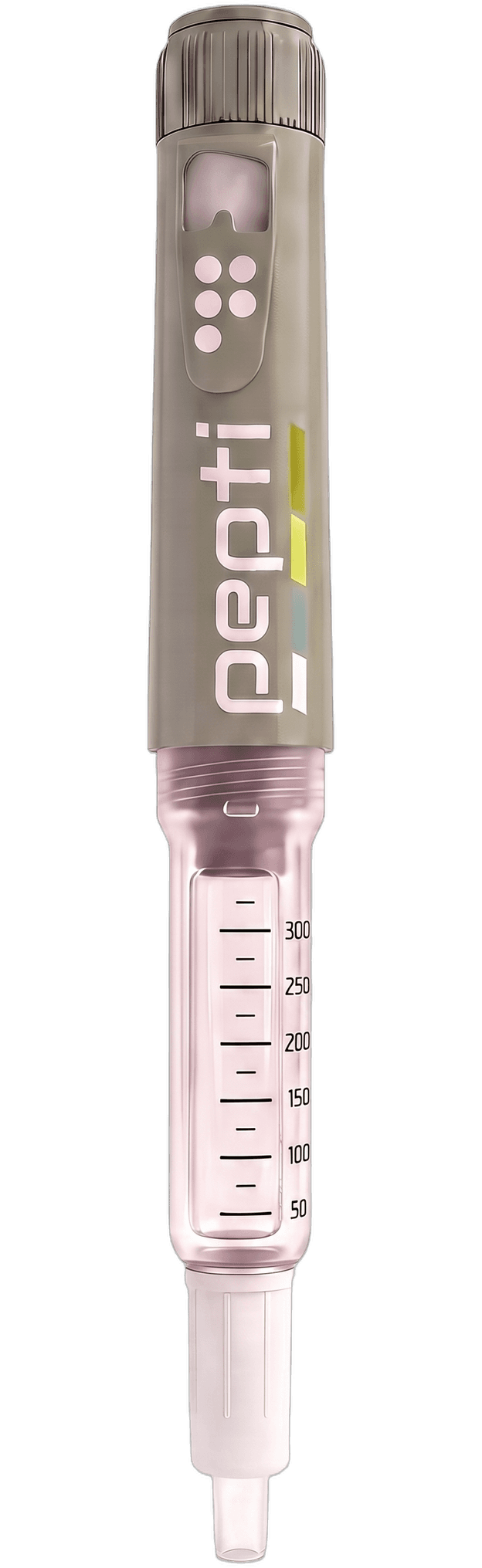
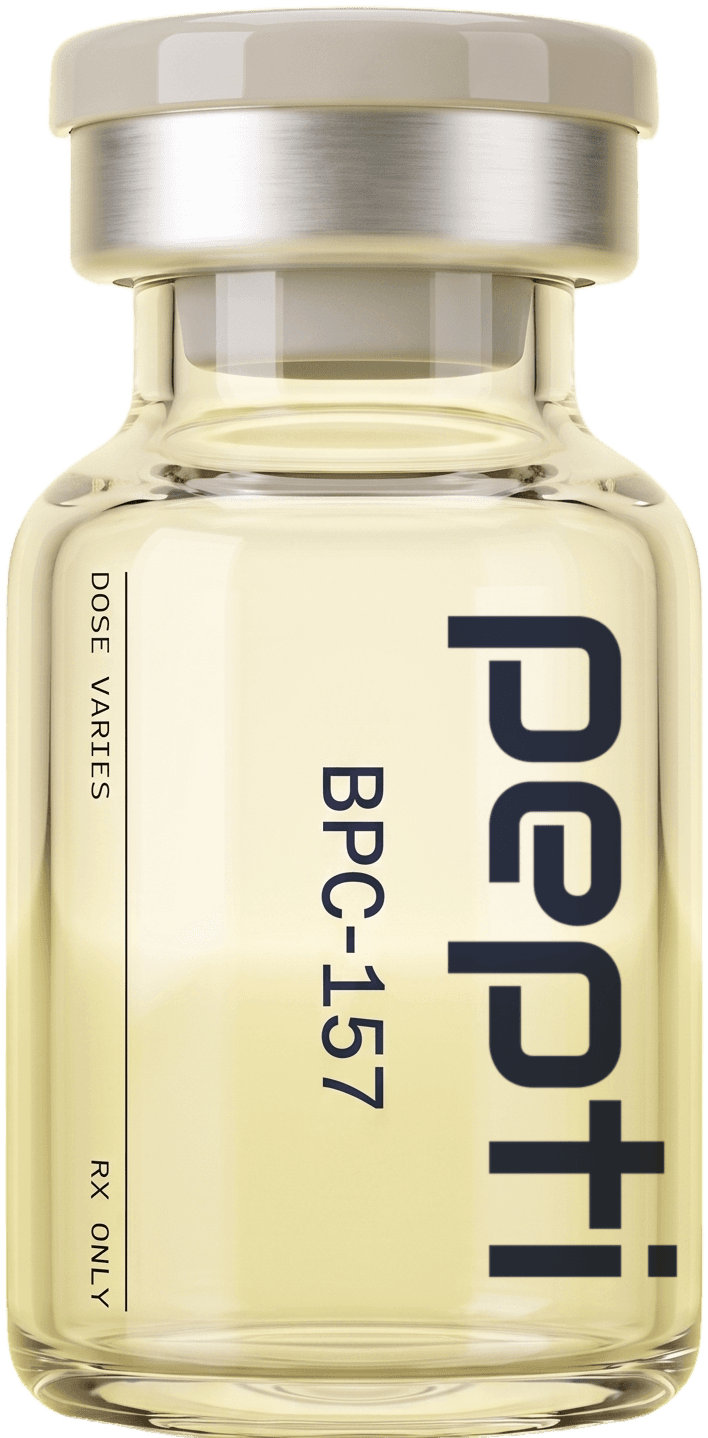
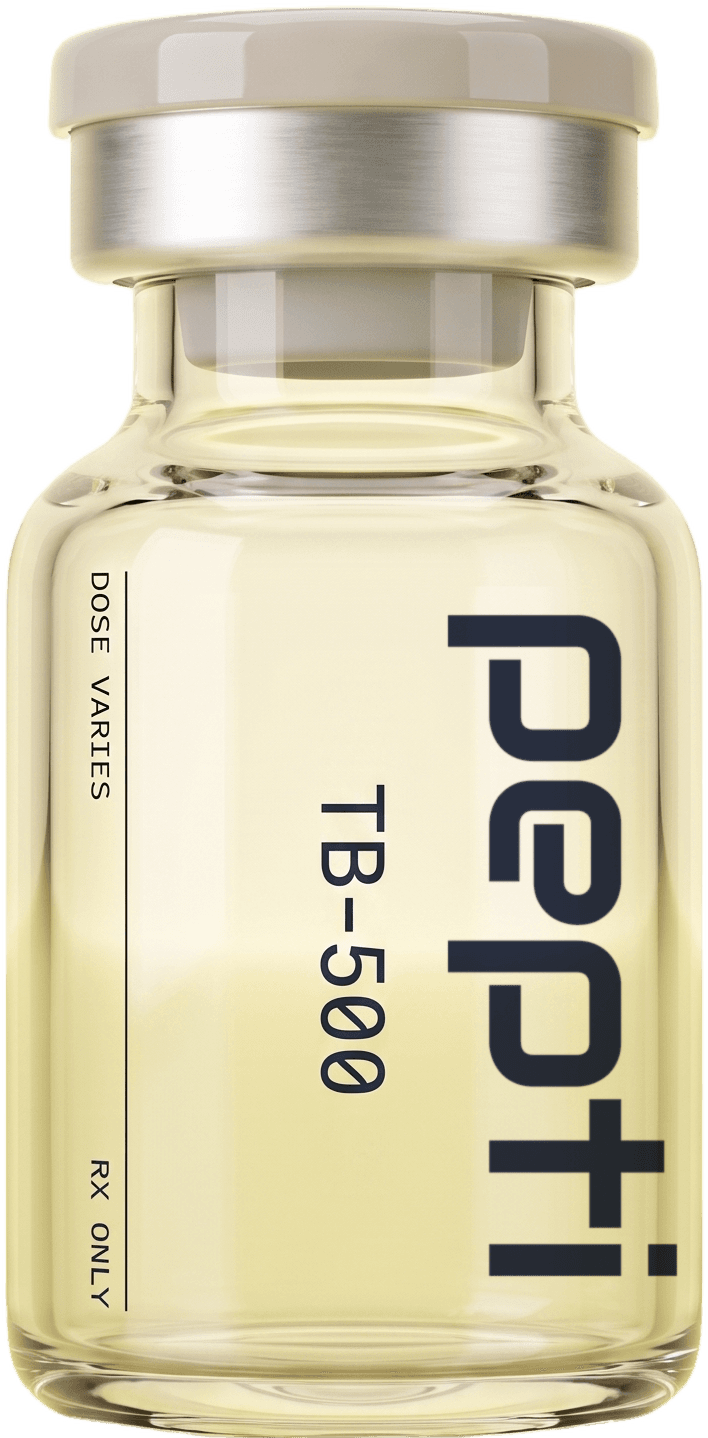
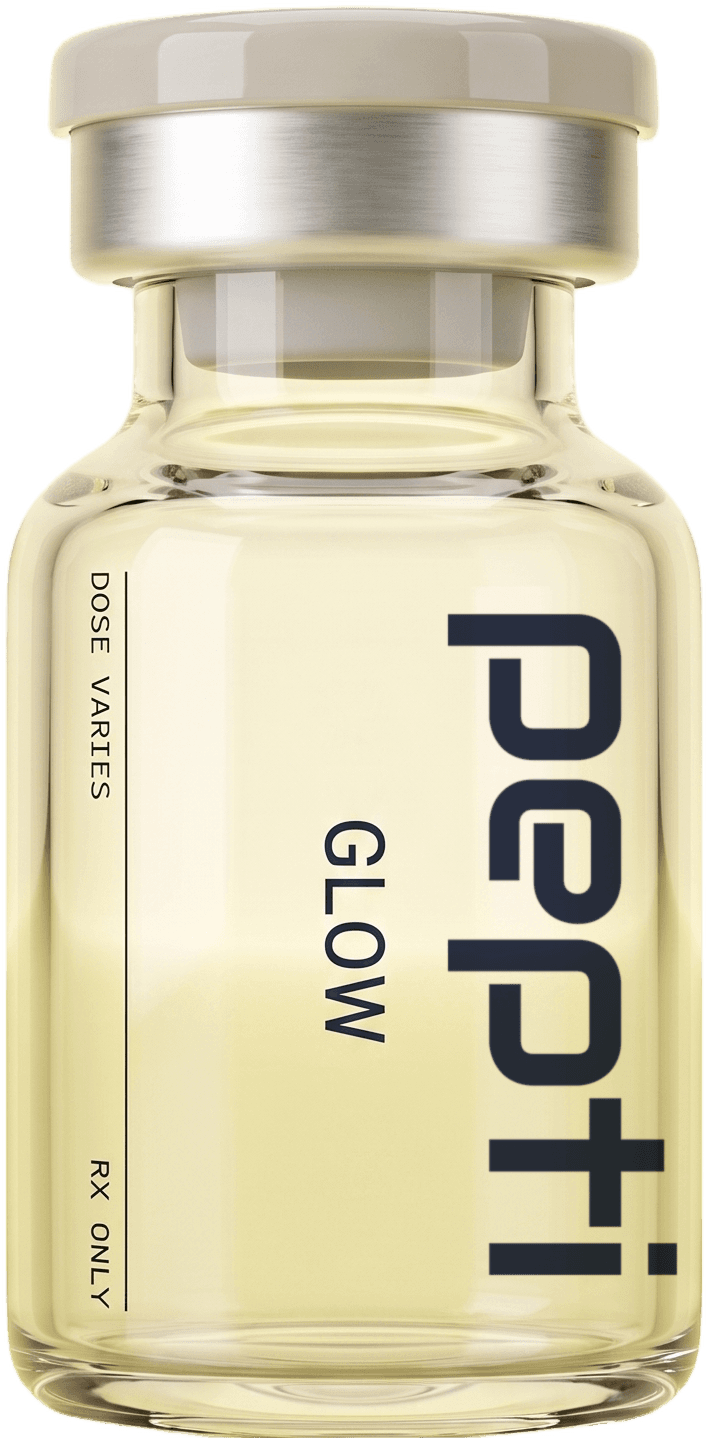
BPC-157 builds blood supply into damaged tissue; TB-500 moves repair cells into it. They are not competing versions of the same thing, which is why the combined vial exists and why most prescriptions for a tendon, ligament or muscle injury contain both. BPC-157 alone is the usual choice when the complaint is gastrointestinal rather than musculoskeletal. Both are prescription-only, compounded at a US FDA-registered pharmacy, and neither is FDA approved.
This page describes each peptide on its own terms first — what it is, the pathways researchers have described, what the animal and human work does and does not establish, how it is dosed — then puts them side by side, explains who suits which, and sets out where each stands with the FDA and with anti-doping bodies as of September 2026.
— BPC-157 vs TB-500
The short answer
| If your problem is | The usual prescription | What is in it | Price |
|---|---|---|---|
| A tendon, ligament or muscle injury | BPC-157 + TB-500 | 5 mg BPC-157 and 5 mg TB-500 in a 5 mL vial | $259/mo |
| Gut lining complaints | BPC-157 alone | 5 mg BPC-157 in a 5 mL vial | $209/mo |
| Soft-tissue repair where BPC-157 is being avoided | TB-500 alone | 5 mg TB-500 in a 5 mL vial | $209/mo |
| Injury plus skin and collagen | GLOW | 50 mg GHK-Cu, 10 mg BPC-157, 10 mg TB-500 | $259/mo |
| Injury plus inflammation plus skin | KLOW | 50 mg GHK-Cu, 10 mg KPV, 10 mg BPC-157, 10 mg TB-500 | $259/mo |
Each figure is an all-in monthly price covering medication, physician review, refill management and shipping. The combined vial costs $50 a month more than either peptide alone, which is less than running two separate prescriptions and means one injection rather than two.
Current pricing always lives on the product pages and at /cost/bpc-tb-stack, /cost/bpc-157 and /cost/tb-500; the table above is a guide to which product fits which problem.
— BPC-157 vs TB-500
BPC-157 on its own terms
— What it is
BPC-157 is a pentadecapeptide — fifteen amino acids, sequence GEPPPGKPADDAGLV — and a partial sequence of a larger protein originally isolated from human gastric juice and named Body Protection Compound. The literature calls it "stable gastric pentadecapeptide BPC 157" because laboratory work reported it remaining intact in gastric juice for hours rather than minutes, which is why it was first studied in the digestive tract. It is not a hormone, not a steroid and not a growth hormone secretagogue. The full reference is at what is BPC-157.
— How BPC-157 is described to work
Four pathways recur across the animal and cell literature. All of the mechanistic detail is preclinical.
Angiogenesis through VEGFR2. A 2017 paper in the Journal of Molecular Medicine reported BPC-157 activating the VEGFR2 receptor and its downstream Akt–eNOS signaling in endothelial cells and in a rat model of limb ischemia, and a 2009 paper in the Journal of Physiology and Pharmacology described a modulatory effect on angiogenesis in healing rat muscle and tendon. Tendon and ligament are poorly vascularized, and blood supply is often the rate-limiting step.
Nitric oxide signaling. A 2014 review in Current Pharmaceutical Design summarized a long line of rat work describing BPC-157 interacting with the nitric oxide system, including counteracting the effects of NO-synthase blockade. This is closely tied to the vascular work rather than separate from it.
Growth hormone receptor upregulation in tendon fibroblasts. A 2014 paper in Molecules reported that BPC-157 increased growth hormone receptor expression in cultured rat tendon fibroblasts — a claim about how responsive those cells are to growth hormone already present, not a claim that growth hormone levels rise.
Cell survival and migration. A 2011 paper in the Journal of Applied Physiology described BPC-157 promoting tendon outgrowth, fibroblast survival under oxidative stress and fibroblast migration, with activation of the FAK–paxillin pathway that governs how cells attach and move into a wound.
— What the animal work reports for BPC-157
Tendon. A 2003 paper in the Journal of Orthopaedic Research reported faster healing of a transected rat Achilles tendon and stimulated tendocyte growth in culture; a 2006 paper in the same journal examined Achilles detachment from bone in rats and reported accelerated reattachment and improved functional recovery.
Ligament. A 2010 paper in the Journal of Orthopaedic Research reported improved healing of a transected medial collateral ligament in rats, assessed by function and histology.
Muscle. A 2006 paper in the Journal of Orthopaedic Research reported functional recovery of a transected rat quadriceps, and a 2008 paper in Surgery Today reported the same in a rat crush-injury model, measured by walking and weight-bearing rather than subjective reports.
Gastrointestinal lining. The deepest literature and the original one. A 2011 review in Current Pharmaceutical Design and a 2018 review in the same journal cover protection of the gut lining against NSAID- and alcohol-induced damage, inflammatory bowel models and fistula healing in rats.
— What human data exists for BPC-157
There are no randomized controlled trials of BPC-157 for tendon, ligament or muscle injury in humans. The only randomized human study the FDA identified when it reviewed BPC-157 in 2026 was a single 2005 meeting abstract: a multicenter, double-blind, placebo-controlled study in which 53 people with mild-to-moderate ulcerative colitis received a BPC-157 enema or placebo once daily for two weeks. The FDA judged the abstract too incomplete on endpoint definition, inclusion criteria and statistics to support efficacy or safety. Beyond that there is prescriber experience, which is real but is not trial evidence. The honest framing is "described in preclinical research and used clinically."
— Dosing rhythm
BPC-157 is supplied as a multi-dose vial and injected subcutaneously once daily at the volume printed on the medication; the directions on the BPC-157 product page are the only ones that apply, and the physician who reviews your intake sets them. Refills run every 28 days, one vial per fill. It is also available as a pre-filled pepti Pen cartridge. Some prescribers direct injection near the injured area; others do not, because the mechanisms described are systemic.
— Side effects reported with BPC-157
The animal literature describes a wide margin between effective doses and doses that cause problems, and the toxicology article the FDA reviewed reported no mutagenicity and no teratogenicity in pregnant rats. What is reported clinically is mostly local: redness, mild soreness and occasional bruising at the injection site, with some early nausea or light-headedness. The FDA's review lists injection-site reaction among the adverse-event reports in its database while noting it cannot attribute them to the peptide. There is no established interaction list because the trials that would produce one have not been run, which is why a physician reviews every medication on your intake. Is BPC-157 safe goes deeper.
— BPC-157 vs TB-500
TB-500 on its own terms
— What it is, and what it is not
TB-500 is a synthetic seven-amino-acid peptide, Ac-Leu-Lys-Lys-Thr-Glu-Thr-Gln, with an acetyl group on the N-terminal leucine. That sequence is the actin-binding domain of thymosin beta-4, a 43-amino-acid protein that is one of the most abundant proteins inside many human cells and is released into wound fluid and plasma after injury. A 2005 review in Trends in Molecular Medicine describes thymosin beta-4 as an actin-sequestering protein that "moonlights" in tissue repair, and a 2010 paper in the FASEB Journal mapped its biological activities onto short peptide sequences, including the actin-binding region that TB-500 reproduces.
The distinction matters when reading the research. Most of the thymosin beta-4 literature, including every human trial, used the full-length protein. That the fragment reproduces what the parent does is a reasonable assumption supported by cell and animal work on the actin-binding domain, but it is an assumption, and the FDA's 2026 review noted that it identified no in-vivo pharmacology studies of the fragment itself at the time of its evaluation. The full reference is at what is TB-500.
— Actin and cell motility
Actin is the protein that gives a cell its internal scaffold and lets it move. Thymosin beta-4 binds monomeric actin and regulates how much is available to polymerize, which is the basis of its described effect on cell migration. A 1997 paper in the FASEB Journal reported thymosin beta-4 stimulating directional migration of human endothelial cells, and a 2004 paper in Nature described it activating integrin-linked kinase and promoting cardiac cell migration and survival in mice. Repair cells physically moving into a wound is the job TB-500 is chosen for.
— Other actions described for thymosin beta-4
- Angiogenesis and wound closure. A 1999 paper in the Journal of Investigative Dermatology reported accelerated dermal wound healing in rats; a 2004 paper in Mechanisms of Ageing and Development described angiogenesis, wound healing and hair-follicle development.
- Matrix remodeling. A 2006 paper in the Journal of Cellular Physiology described increased matrix metalloproteinase expression during wound repair; a 2004 paper in Experimental Cell Research reported laminin-5 production in corneal cells.
- Inflammatory signaling. A 2007 paper in Experimental Eye Research and a 2011 paper in the FASEB Journal described suppression of NF-κB activation and IL-8 expression.
- The actin-binding fragment specifically. A 2003 paper in Wound Repair and Regeneration reported that a synthetic peptide containing the actin-binding domain, like the full protein, promoted dermal wound repair in diabetic and aged mice — the closest published bridge to the TB-500 sequence.
— What the animal work reports for TB-500 and thymosin beta-4
The thymosin beta-4 animal literature is concentrated in three tissues. Skin: the rat and mouse wound models above, summarized in a 2010 review in the Annals of the New York Academy of Sciences. Cornea: a 2002 paper in Experimental Eye Research reported faster corneal wound healing and less inflammation after alkali injury, and a 2002 paper in Current Eye Research reported conjunctival epithelial cell migration. Heart: a 2007 paper in Nature described mobilization of adult epicardial progenitor cells and neovascularization in mice, and a 2023 paper in Cardiovascular Research reported cardiac regeneration after ischemic injury in mice.
For tendon — the use most people have in mind — the first controlled animal study of TB-500 itself was published in July 2026 in Joint Diseases and Related Surgery. It is described below because it tested both peptides side by side.
— What human data exists for TB-500
For TB-500 the fragment, none. The FDA's review stated that it found no information in the medical literature where TB-500 was administered to patients for any condition, and described the absence of human data via any route as its particular concern.
For full-length thymosin beta-4 there is a small clinical program, and it should not be understated. A 2010 randomized, placebo-controlled single- and multiple-dose study in the Annals of the New York Academy of Sciences gave intravenous thymosin beta-4 to healthy volunteers and reported it well tolerated. A 2012 paper in the same journal reported phase 2 results in patients with chronic pressure ulcers and venous stasis ulcers. A 2015 phase 2 randomized trial in Cornea reported improved signs and symptoms of severe dry eye with thymosin beta-4 eye drops. These are trials of a different molecule, by a different route, for indications that are not tendon injury, and none is a large phase 3. They establish that the parent protein has been given to people under trial conditions; they do not establish what an injected fragment does for a sore Achilles.
— Dosing rhythm
TB-500 is supplied as a multi-dose vial for subcutaneous injection on the same daily rhythm as BPC-157, which is what makes a single combined vial workable. The directions on the TB-500 product page are the ones that apply; the physician sets the volume and it is printed on the medication. Refills run every 28 days, one vial per fill.
— Side effects reported with TB-500
The clinical picture is similar to BPC-157: injection-site redness and tenderness, with occasional reports of tiredness in the first days. The FDA's review identified no nonclinical toxicity studies of the fragment and no human safety data, and its stated concern for any injected peptide is immunogenicity — the possibility that aggregates or synthesis impurities provoke an immune response — rather than any specific reported harm. That is an argument for sourcing from a licensed pharmacy whose preparation is tested, which is what /quality and the lab results exist to show. Is TB-500 safe goes deeper.
— BPC-157 vs TB-500
Head to head
| BPC-157 | TB-500 | |
|---|---|---|
| What it is | A 15-amino-acid fragment of a protein found in human gastric juice, sometimes called Body Protection Compound | A synthetic fragment related to thymosin beta-4, one of the most abundant proteins inside many human cells |
| Mechanism | Described in animal research as promoting new blood-vessel formation through the VEGF receptor pathway and the nitric-oxide system, and as upregulating growth-hormone receptor expression in tendon fibroblasts so those cells respond better to signals already circulating | Binds actin, the protein that gives a cell its structure and lets it move, which is the basis of its described effect on cell migration into damaged tissue. Also reported: new vessel formation, downregulation of inflammatory mediators, upregulation of laminin-5, reduced scar formation |
| Repair phase it acts in | Angiogenesis and early inflammation | Cell migration and remodelling |
| Chosen for | Tendon and ligament healing, muscle injury, gastrointestinal lining protection | Soft-tissue repair, wound healing, reduced fibrosis |
| Dosing rhythm | Small daily subcutaneous dose, commonly on weekdays, from a multi-dose vial | The same rhythm, which is why one combined vial works |
| Side-effect profile | Injection-site tenderness is the common report; systemic complaints are uncommon in the published animal work | Similar: injection-site reactions, occasional reports of lethargy early on |
| Price at Pepti | $209 a month alone | $209 a month alone, $259 combined |
| Who it suits | Anyone with a gut-lining complaint, and anyone with a poorly vascularised injury such as a tendon | Anyone whose injury has plateaued despite rest, where the problem is repair cells not arriving |
| Not for | Cancer history, anticoagulant therapy, pregnancy or breastfeeding, tested athletes | The same list |
Where the evidence bases differ, and where they do not
BPC-157 has the larger and more specific animal literature for tendon, ligament and muscle. TB-500's animal literature is broader in tissue type (skin, cornea, heart) but, until 2026, was almost entirely about the parent protein. On the human side the positions flip: BPC-157 has a single incomplete 2005 abstract, while full-length thymosin beta-4 has a phase 1 safety study and two phase 2 trials, none for injury. What they share: no randomized human trial for the musculoskeletal use, no human dose–response relationship, no FDA approval, prohibition in tested sport, and the same short list of reasons a physician will decline.
— BPC-157 vs TB-500
Why the comparison is usually the wrong question
Tissue repair runs in overlapping phases. Damage signals bring immune cells in, repair cells migrate to the site, new vessels reach it, collagen is laid down, and that early collagen is remodelled into tissue that can bear load. An injury that has not healed in months usually has one of those phases stalled.
| Phase | What has to happen | Which of the two acts here |
|---|---|---|
| Inflammation | Debris cleared, repair signalled | BPC-157 |
| Angiogenesis | New blood vessels reach the damage | BPC-157 |
| Cell migration | Fibroblasts and repair cells physically move in | TB-500 |
| Matrix synthesis | Collagen laid down | Neither directly; GHK-Cu is the component for that, which is why GLOW exists |
| Remodelling | Early collagen realigns, scar minimised | TB-500 |
Tendons and ligaments have famously poor blood supply, which is a large part of why they heal slowly. That is the specific problem BPC-157 is described as addressing. Repair cells reaching the site is a different problem, and that is TB-500. Choosing between them is choosing which half of the sequence to support, which is why a prescriber usually chooses both.
The one study that tested them side by side
Until 2026 no controlled study had put BPC-157, TB-500 and the combination in the same experiment. A July 2026 paper in Joint Diseases and Related Surgery did: 32 rats with a standardized Achilles tendon transection and repair were randomized to control, BPC-157, TB-500 or both, treated daily for four weeks, and assessed by load-to-failure testing and histological scoring of tendon architecture and collagen organization.
What it reported: both peptides were associated with higher load-to-failure than control, reaching statistical significance for TB-500; TB-500 had significantly better histological scores, the combination group scored significantly better than control on one of the two scoring systems, and BPC-157 alone trended better without reaching significance on total scores. The combination did not outperform either agent alone, which the authors suggested may reflect convergence on shared downstream pathways, a hypothesis they said needs further testing.
What it does not show: it is one exploratory rat study with eight animals per group, intraperitoneal rather than subcutaneous dosing, a four-week endpoint and no dose-ranging. It does not establish that TB-500 is "better" for human tendons, nor that the combination is pointless — a four-week rat endpoint says nothing about the longer remodeling window in which the two mechanisms are proposed to complement each other. It is, however, the first direct evidence that TB-500 itself does something measurable in a tendon model.
— BPC-157 vs TB-500
Who suits which
— BPC-157 alone
BPC-157 alone is the common single-agent prescription when the complaint is gastrointestinal. The compound was originally identified in gastric juice, and the separate research line on protection of the gastrointestinal lining is what drives that use; the FDA's 2026 review likewise noted that gastrointestinal uses are the most commonly cited. This is covered in peptides for gut health. It is also a reasonable single agent for a recent, acute, clearly vascular-limited injury where the physician wants one variable at a time.
— TB-500 alone
TB-500 alone is less common, and is usually a decision driven by something in the patient's history rather than by the injury. If there is a reason to avoid one agent, the other may be used by itself. It is also the agent a physician may reach for when a soft-tissue problem has plateaued despite rest and adequate blood supply, where the working hypothesis is that repair cells are not arriving.
— Both, in one vial
For tendon, ligament and muscle injury the BPC-157 + TB-500 stack is the default prescription, for the phase logic above. It is one injection on one schedule with one refill, and it is the preparation most prescriber experience with musculoskeletal injury is built on. GLOW and KLOW are the same two peptides with additions, not alternatives to them.
— When skin or inflammation is part of the picture
If collagen and skin quality matter alongside the injury, GLOW adds GHK-Cu, the copper peptide whose collagen-synthesis work in fibroblasts was reported in FEBS Letters in 1988 and reviewed in BioMed Research International in 2015. If a systemic inflammatory component is also in play, KLOW adds KPV, the anti-inflammatory tripeptide described in Gastroenterology in 2008.
— Either alone on cost grounds
Either alone on cost grounds is a legitimate conversation. Fifty dollars a month is fifty dollars a month, and if your physician thinks one component carries most of the value for your specific injury, say so rather than assuming the combined vial is compulsory.
— BPC-157 vs TB-500
What neither will do
- Replace rehabilitation. Tissue adapts to load. These support the process; they do not create it. Patients who do best treat the injection as an adjunct to a loading program, not a substitute for one. For tendinopathy specifically, progressive loading has human trial evidence behind it, which neither peptide does.
- Fix a full-thickness tear. That needs a surgeon, and no injection changes it.
- Substitute for a diagnosis. Worsening pain, night pain, numbness, weakness or a joint that locks means imaging.
- Produce a promised timeline. Most patients describe changes somewhere between weeks two and eight, with better tolerance to loading as the clearest early sign. That is a pattern in patient reports, not a trial endpoint, and response varies widely.
- Act as a painkiller. Nothing in either literature describes an analgesic mechanism.
— BPC-157 vs TB-500
Who should not take either
| Situation | Why |
|---|---|
| Personal history of cancer | Both are described as supporting angiogenesis, and any tissue needing blood supply can use it |
| Anticoagulant therapy | Discuss first, given the vascular mechanisms |
| Pregnancy or breastfeeding | Not used; safety data is absent |
| Tested athletes | BPC-157 and TB-500 are prohibited in tested competition. See is BPC-157 banned |
| An undiagnosed injury | Imaging first, prescription second |
Two additions a physician will weigh: a history of autoimmune disease or of reactions to injected biologics, because the FDA's stated concern for both peptides is immunogenicity; and a very recent surgical repair, where the surgeon owns the decision.
— BPC-157 vs TB-500
Where each stands with the FDA right now
This has moved twice in 2026 and most of what is published online is out of date. Every statement below was checked against the FDA's own pages in September 2026.
— The 503A framework in one paragraph
A compounding pharmacy may use a bulk drug substance only if it is a component of an FDA-approved drug, has a USP monograph, or appears on the FDA's 503A bulks list. While nominated substances await evaluation, the FDA sorts them into interim categories: Category 1 (under evaluation; the FDA does not intend to act against compounders using them under stated conditions), Category 2 (significant safety concerns identified) and Category 3 (nominated without adequate support).
— What changed in April 2026
BPC-157 and TB-500 were both placed in Category 2 in 2023. As of the FDA's safety-risks page, current to 22 April 2026, neither appears in the active Category 2 table. Both now sit in a section headed "Bulk drug substances nominated but withdrawn," which the FDA describes as substances "previously in category 2 of the interim policies" whose nominations "were withdrawn by the nominators." The FDA's original notes remain on that page: for BPC-157, a possible immunogenicity risk for certain routes and limited safety information; for "Thymosin beta-4, fragment (LKKTETQ), also known as TB-500," a possible immunogenicity risk and no identified human exposure data. Neither peptide appears in Category 1, 2 or 3 of the current 503A category document, updated 14 May 2026.
— The July 2026 advisory committee
New nominations for both were then taken to the FDA's Pharmacy Compounding Advisory Committee. On 23 July 2026 the committee discussed BPC-157 (free base and acetate; the use the FDA evaluated was ulcerative colitis), KPV, TB-500 (free base and acetate; the use evaluated was wound healing) and MOTS-c, and on 24 July it discussed DSIP, Semax and Epitalon, under docket FDA-2025-N-6895.
— What FDA staff proposed for BPC-157
The FDA's briefing document proposed not adding BPC-157 to the 503A bulks list: the substance is not well characterized physicochemically, safety and immunogenicity information is lacking, the single ulcerative colitis abstract is insufficient to judge effectiveness, and approved treatments for ulcerative colitis exist. It also recorded the rat pharmacology it found — protection against colonic fistulas and hepatic and gastrointestinal lesions — while noting that the molecular targets have not been identified.
— What FDA staff proposed for TB-500
The FDA's briefing document likewise proposed not adding TB-500: lack of characterization data, no identified history of pharmacy compounding, no human data by any route, no nonclinical toxicity studies of the fragment, and approved wound therapies exist. It did identify pharmacokinetic studies showing that subcutaneous TB-500 reaches the circulation and is broken down into smaller peptides, one of which showed wound-healing activity in vitro.
— How the committee voted
The committee did not follow staff. On BPC-157 it voted 8–6 with one abstention to recommend adding both the free base and the acetate to the 503A bulks list. On TB-500 the committee also voted to recommend inclusion; the FDA had not posted summary minutes with the tally as of the meeting page's last update on 6 August 2026, and contemporaneous reporting described the votes as narrow.
— What that means, and what it does not
An advisory committee vote is a recommendation. The FDA issues its own determination after weighing the vote, the docket and its scientific review, and as of September 2026 that determination is pending for both. So the accurate description today is: no longer in Category 2, recommended for the positive list by the advisory committee against the FDA's own staff proposal, awaiting final FDA action. Neither BPC-157 nor TB-500 is an FDA-approved drug, and compounded medications are never FDA approved as finished products; they are prepared by a licensed pharmacy against an individual prescription. That is different from being illegal. Are peptides FDA approved covers the distinction.
— BPC-157 vs TB-500
Anti-doping status
Both are prohibited at all times, in and out of competition, under the World Anti-Doping Agency's 2026 Prohibited List, in force since 1 January 2026 — but under different headings, which is why searching for one name can miss the other. BPC-157 is named explicitly under S0, Non-approved substances. TB-500 is named explicitly under S2.3, Growth factors and growth factor modulators, as "Thymosin-ß4 and its derivatives e.g. TB-500." A tested athlete should assume both are prohibited in their sport and tell their physician before an intake is reviewed. Is BPC-157 banned goes through the detail.
— BPC-157 vs TB-500
What the evidence shows, honestly
Both are largely preclinical. The research is animal and cell work, not large randomized human trials, and anyone telling you otherwise is either mistaken or selling. The animal literature on BPC-157 does describe a wide margin between effective and problematic doses, which is the basis of the tolerability reports. TB-500's published work is concentrated in corneal, cardiac and dermal wound models, and most of it is on full-length thymosin beta-4 rather than the fragment.
That means the case for either is mechanism plus prescriber experience, not proof of outcome. It is a real case, and it is not the same as evidence of efficacy in humans with tendon injuries. Neither is FDA approved. A provider promising a healing timeline is inventing it, and one claiming FDA approval is misleading you. What would change this picture is a randomized human trial of either peptide in tendinopathy or acute soft-tissue injury with a functional endpoint; none had results when the FDA reviewed both in July 2026. More on each individually is in is BPC-157 safe and is TB-500 safe.
— BPC-157 vs TB-500
Monitoring and bloodwork
Not routinely required for repair-focused treatment. A physician may want labs where history warrants it — cancer history, anticoagulant use, autoimmune disease, or a systemic complaint alongside the injury. At-home blood testing covers hormone, metabolic and thyroid markers without a lab visit. What matters more than labs for these two is a clear diagnosis before starting and a reachable physician afterwards: any reaction that is severe, spreading or involves difficulty breathing means stopping and contacting them.
— References
What this is based on.
References
- Chang CH, Tsai WC, Hsu YH, Pang JH. Pentadecapeptide BPC 157 enhances the growth hormone receptor expression in tendon fibroblasts · Molecules (2014) · PMID 25415472
- Krivic A, Anic T, Seiwerth S, et al.. Achilles detachment of rat and stable gastric pentadecapeptide BPC 157 · Journal of Orthopaedic Research (2006) · PMID 16583442
- Sikiric P, Seiwerth S, Rucman R, et al.. Stable gastric pentadecapeptide BPC 157: novel therapy in gastrointestinal tract · Current Pharmaceutical Design (2011) · PMID 21548867
- Cerovecki T, Bojanic I, Brcic L, Radic B, et al.. Pentadecapeptide BPC 157 (PL 14736) improves ligament healing in the rat · J Orthop Res (2010) · PMID 20225319
- Sikiric P, Seiwerth S, Rucman R, Turkovic B, et al.. Stable gastric pentadecapeptide BPC 157-NO-system relation · Curr Pharm Des (2014) · PMID 23755725
- Cox HD, Miller GD, Eichner D. Detection and in vitro metabolism of the confiscated peptides BPC 157 and MGF R23H · Drug Test Anal (2017) · PMID 28035768
- Thomas A, Görgens C, Guddat S et al.. Simplifying and expanding the screening for peptides <2 kDa by direct urine injection, liquid chromatography, and ion mobility mass spectrometry · J Sep Sci (2016) · PMID 26578461
- Farrar JT, Young JP Jr, LaMoreaux L, Werth JL et al.. Clinical importance of changes in chronic pain intensity measured on an 11-point numerical pain rating scale · Pain (2001) · PMID 11690728
- Meyer JD, Ho B, Manning MC. Effects of conformation on the chemical stability of pharmaceutically relevant polypeptides · Pharm Biotechnol (2002) · PMID 11987755
- Xu C, Sun L, Ren F, Huang P, et al.. Preclinical Safety Evaluation of Body Protective Compound-157, a Potential Drug for Treating Various Wounds · Regul Toxicol Pharmacol (2020) · PMID 32334036
- He L, Feng D, Guo H, et al.. Pharmacokinetics, distribution, metabolism, and excretion of body-protective compound 157, a potential drug for treating various wounds, in rats and dogs · Front Pharmacol (2022) · PMID 36588717
- Lee E, Padgett B. Intra-Articular Injection of BPC 157 for Multiple Types of Knee Pain · Altern Ther Health Med (2021) · PMID 34324435
Citations are provided for educational purposes. They do not constitute medical advice. Always discuss any peptide protocol with your prescribing physician.
— Common questions
BPC-157 vs TB-500, answered.
For a tendon, ligament or muscle injury, most prescriptions contain both, because they act at different points of the same repair sequence. For a gut-lining complaint, BPC-157 alone is the usual choice. A physician with your history decides.
They are not on the same scale, so "stronger" does not apply. They do different jobs: BPC-157 is associated with blood supply and gut lining, TB-500 with repair cells moving into damaged tissue. The one rat study that compared them directly, in 2026, reported a biomechanical advantage for TB-500 at four weeks and histological improvements for both; that is one exploratory animal experiment, not a ranking for humans.
Yes, and it is the standard prescription. The combined vial exists so patients take one injection on one schedule at one price rather than managing two prescriptions.
Patients commonly describe less background ache between weeks two and four and better tolerance to loading between weeks four and eight. Response varies and nobody can promise a timeline. More on this in how long do peptides take to work.
Tendons are poorly vascularised, which is the problem BPC-157 is described as addressing, but stalled repair-cell migration is a TB-500 problem. Most prescribers use both for tendon work rather than choosing.
No. Both are compounded at a US FDA-registered pharmacy against an individual prescription. Compounded medications are not FDA approved, which is different from being illegal. See are peptides FDA approved.
Not routinely for repair-focused treatment, although your physician may want labs depending on your history, particularly cancer history or anticoagulant use.
No. Thymosin beta-4 is a 43-amino-acid protein the body makes; TB-500 is a synthetic seven-amino-acid fragment of it corresponding to its actin-binding region. The human trials in the literature used full-length thymosin beta-4, not TB-500.
No. Both were placed in Category 2 of the 503A interim list in 2023 and neither is in Category 2 now; the FDA's safety-risks page, current to April 2026, lists both under substances whose earlier nominations were withdrawn. On 23 July 2026 the FDA's advisory committee voted to recommend adding both to the 503A bulks list, against the FDA staff proposal. The FDA's final determination is pending. They remain legal to prescribe and dispense.
No. There are no randomized human trials of either for tendon, ligament or muscle injury. The only randomized human study of BPC-157 is a 2005 abstract in ulcerative colitis; the only human trials of thymosin beta-4 are of the full-length protein for safety in volunteers, chronic wounds and dry eye.
Both are on the 2026 WADA Prohibited List at all times — BPC-157 under S0 and TB-500 under S2.3 as a thymosin beta-4 derivative. Whether a given test looks for them depends on the sport and the panel, so a tested athlete should assume yes and check with their anti-doping body.
BPC-157. It was first isolated from gastric juice and its largest research literature is on protection of the gastrointestinal lining in animal models. TB-500 has no comparable gut literature. See peptides for gut health.
There is no human trial answering that. The phase logic — one peptide described around blood supply, the other around cell migration — is the reason prescribers combine them. The single 2026 rat study found no additional benefit from the combination over either alone at four weeks; a longer or differently designed study might find otherwise, and none has been run. The free assessment goes to a physician licensed in your state. A consultation does not guarantee a prescription.
— Next step
See what a physician
recommends for you.
A licensed physician in your state reviews your intake and decides what is appropriate. A consultation does not guarantee a prescription.
Important legal & safety information
The assessment process available on the Pepti website asks a series of medical questions, and the answers provided are reviewed by an independent licensed physician affiliated with our partner physician network. The licensed providers have established exclusionary criteria, and the answers provided determine if the individual is screened out of eligibility for treatment. The licensed clinicians retain the sole decision to prescribe peptide therapy and other compounded medications to patients. Treatment may be denied at the physician's sole discretion. If a prescription is not approved, you will not be charged for the medication.
Pharmacy Providers. Pepti is a technology platform and is not a healthcare provider, pharmacy, or prescriber. All medications offered through the platform are compounded by independent FDA-registered 503A or 503B compounding pharmacies based on a valid prescription written by a licensed physician for an individual patient. Compounded medications are not FDA-approved as products. The active pharmaceutical ingredients used by our partner pharmacies are sourced from FDA-registered facilities. Compounded medications may not undergo the same testing or quality control as commercially manufactured FDA-approved drugs.
Results vary. Results from peptide therapy and other compounded treatments vary based on individual factors, including age, weight, medical history, adherence to the prescribed protocol, lifestyle factors, and physiological response. Pepti makes no guarantee of any specific outcome. Statements about peptide therapy and compounded medications offered through the platform have not been evaluated by the Food and Drug Administration. These products are not intended to diagnose, treat, cure, or prevent any disease.
Product images. Product photographs and renderings shown on this website are for illustrative purposes only. The appearance of vials, packaging, labeling, and other materials you receive may vary and is determined by the dispensing compounding pharmacy.
Off-label use.Many peptides offered through the platform are prescribed for off-label use. “Off-label” means the medication is being prescribed for a use, dose, or patient population that is not specifically approved by the FDA. Off-label prescribing is legal and common in U.S. medical practice when supported by clinical experience and judgment.
Mailing & shipping. Pepti currently dispenses prescription medication to patients in all 50 states and Washington, D.C.. All orders ship in unbranded, tamper-evident packaging via expedited delivery from our partner compounding pharmacies. Temperature-sensitive medications ship with insulated packaging and ice packs. Shipping is included at no additional cost. We do not currently ship medication outside all 50 states and Washington, D.C., internationally, or to APO/FPO addresses.
Not for emergencies. Pepti is not designed for medical emergencies. If you are experiencing a medical emergency, call 911 or go to your nearest emergency room immediately. For urgent but non-emergency medical questions, contact your primary care provider or use an urgent care service.
No doctor-patient relationship with Pepti. Your use of the platform does not create a doctor-patient relationship between you and pepti LLC. A doctor-patient relationship is established only between you and the independent licensed physician who reviews your intake and prescribes your treatment. The physicians who use the platform are independent contractors and are solely responsible for the medical care they provide.
Prescription medications. All prescription products require a valid prescription from a licensed healthcare provider. By using the platform, you acknowledge that you are at least 18 years old and that the information you provide is true, accurate, current, and complete. Providing false information may result in inappropriate treatment recommendations or denial of service.
Cosmetic & wellness products.Certain products offered through Pepti — including skincare, hair care, body care, supplements, men's grooming, sports recovery, and sexual wellness products — are cosmetic or dietary supplement products, not prescription medications. These products do not require a prescription and are not reviewed or prescribed by a physician. Statements regarding dietary supplements have not been evaluated by the Food and Drug Administration. These products are not intended to diagnose, treat, cure, or prevent any disease. Results vary by individual. Consult your healthcare provider before starting any new supplement or topical product, especially if you are pregnant, nursing, or taking other medications.
pepti LLC · Delaware Limited Liability Company · 131 Continental Dr, Suite 305, Newark, DE 19713 · For media or partnership inquiries, email hello@hellopepti.com. For patient support, email support@hellopepti.com. For privacy and HIPAA inquiries, email privacy@hellopepti.com.