Recovery · Reference
Where to Buy BPC-157 Online: The Prescription Route, Step by Step
If you arrived here without knowing what BPC-157 is, the first two sections cover that before the buying part. If you already know, skip to the process, the checklist of what a legitimate provider shows you, and the regulatory section, which changed twice in 2026 and is wrong on most pages still ranking for this search.

Reviewed by Dr. Gene, MD · Board-certified Family Medicine
Every Pepti prescription is reviewed by a licensed U.S. physician before it's dispensed — and only provided if clinically appropriate.
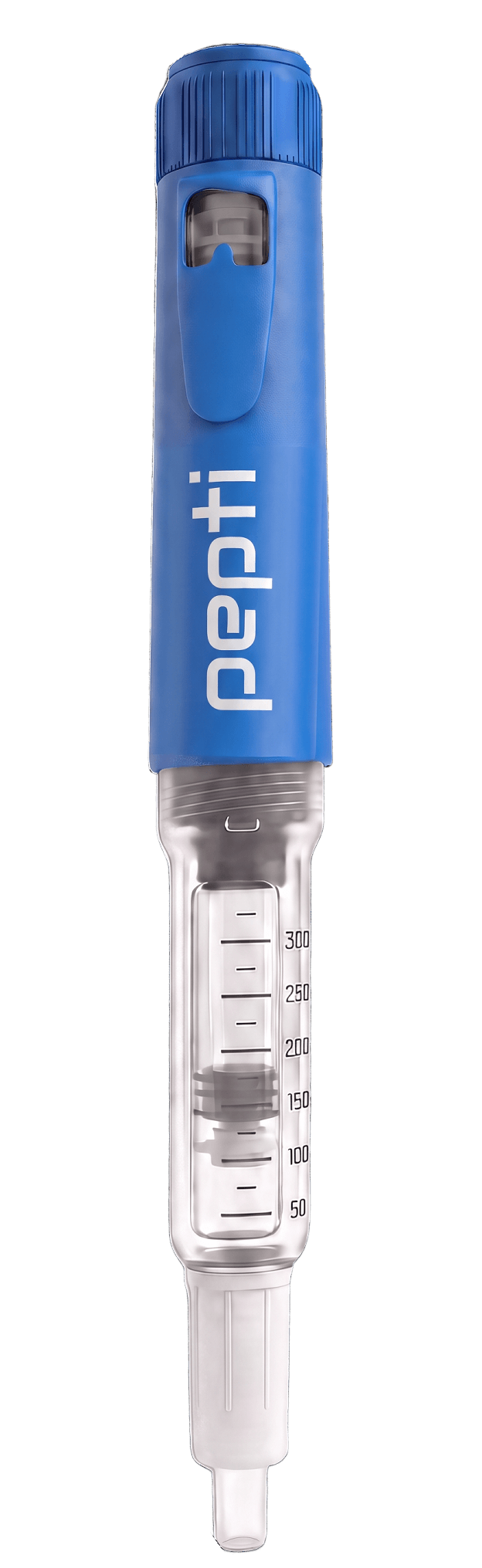
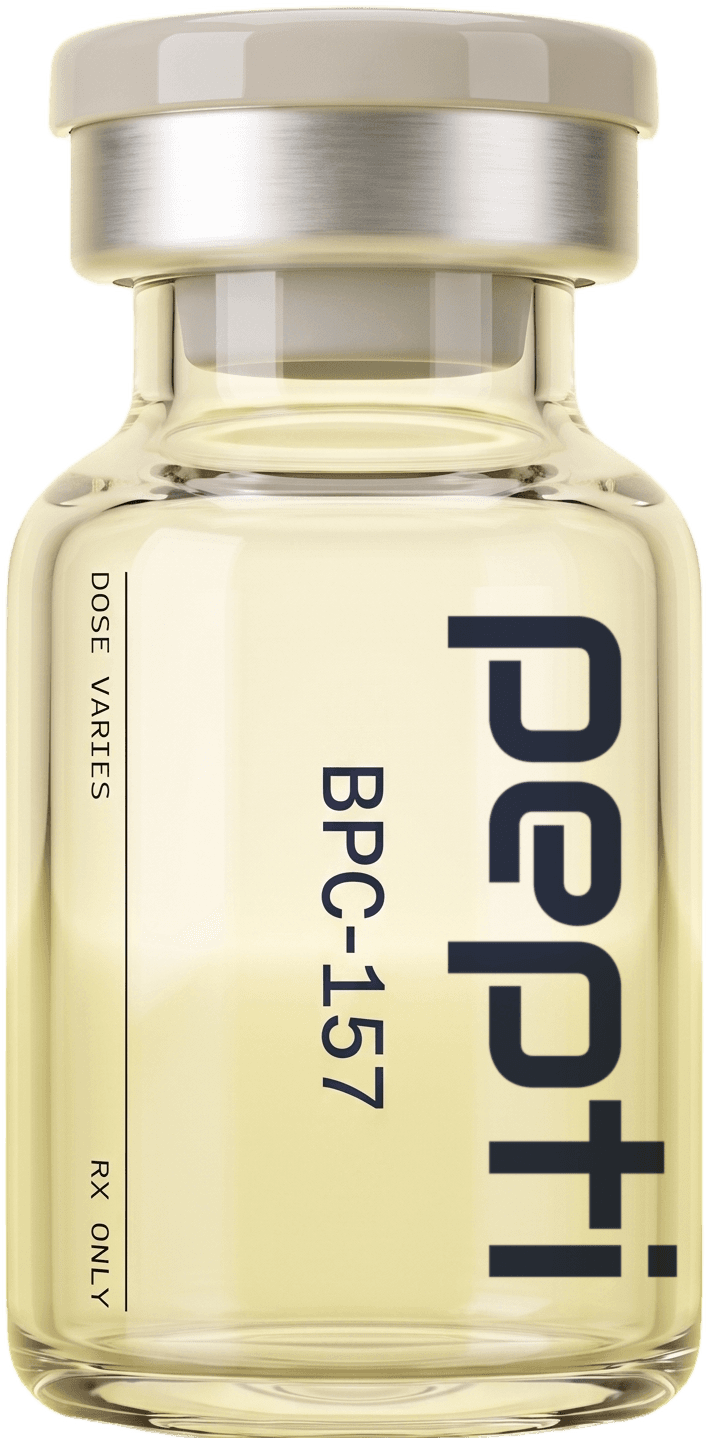
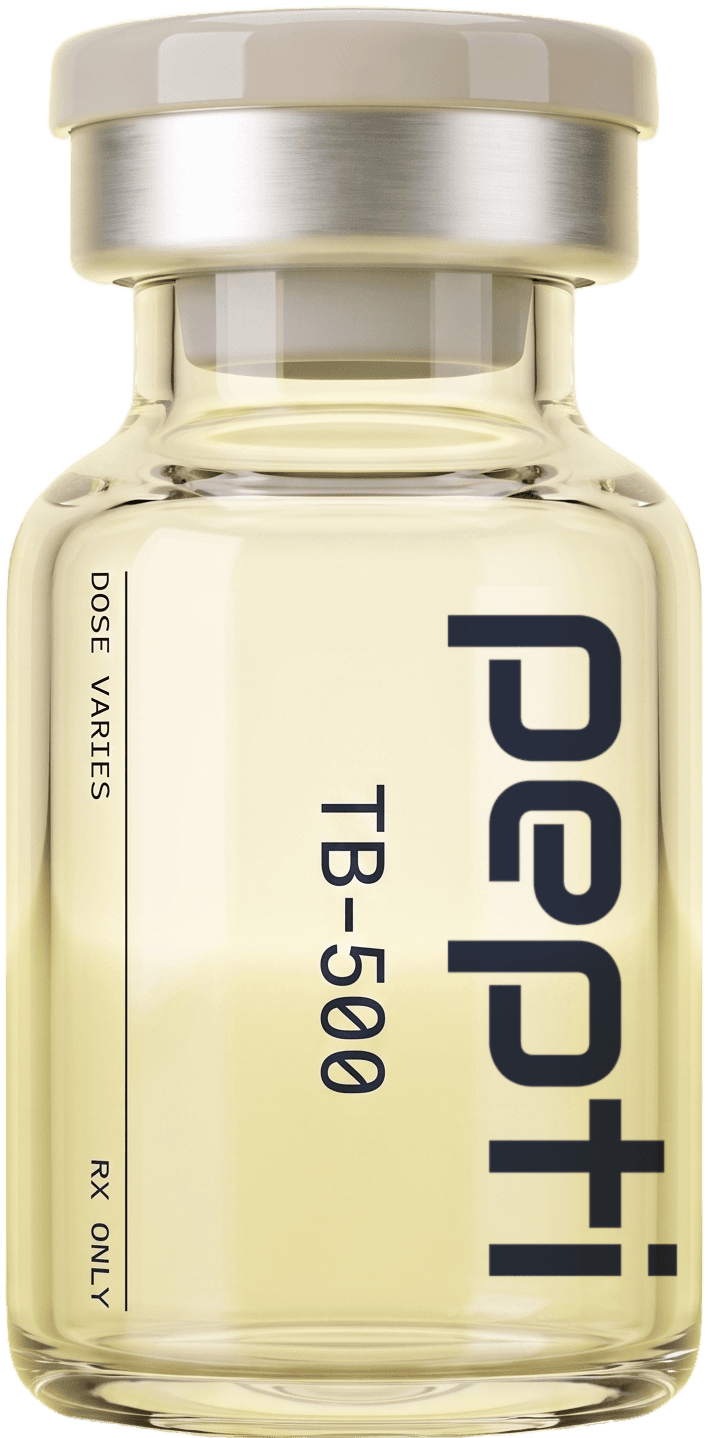
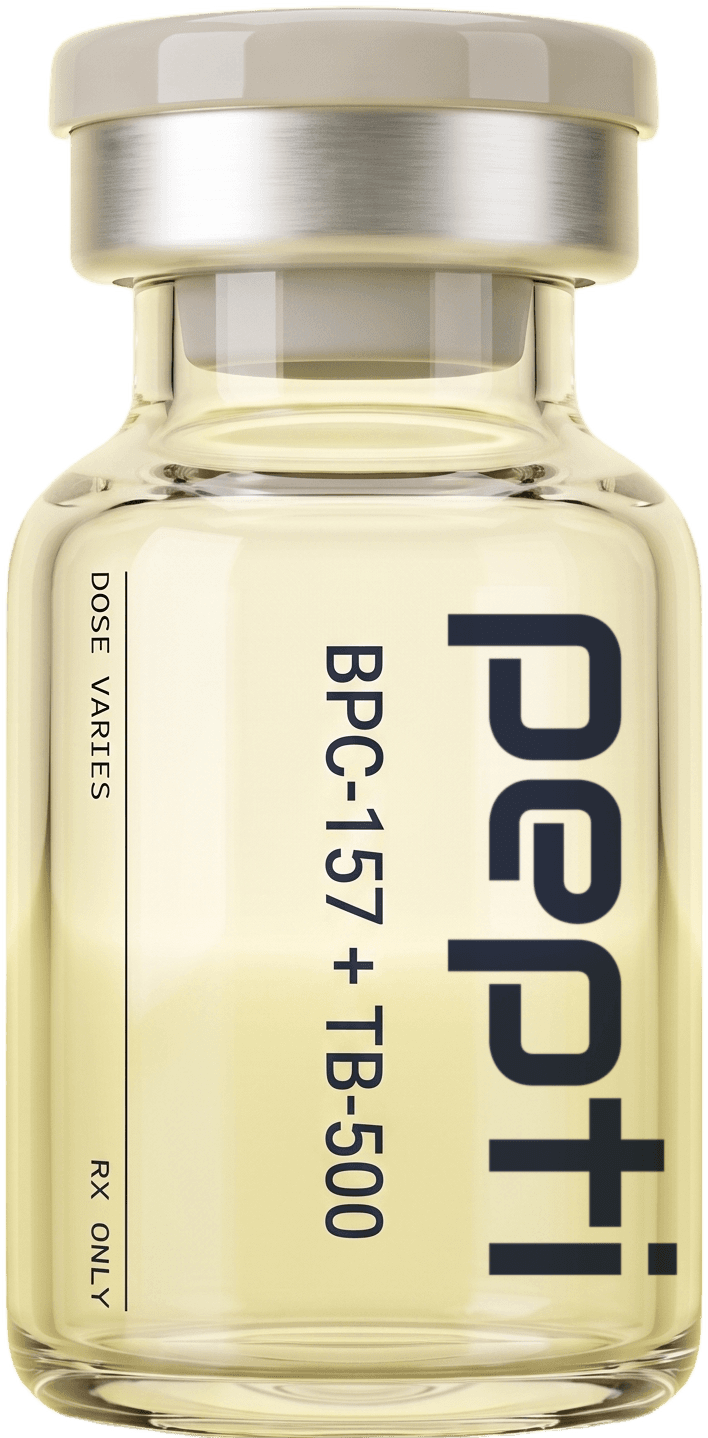
BPC-157 is a prescription medication in the United States, so the legitimate way to buy it online is through a telehealth provider where a physician licensed in your state writes the prescription and a licensed US compounding pharmacy fills it. Anything that ships without a prescription is sold as a research chemical, and the seller's own terms say it is not for human use. Compounded BPC-157 is not FDA approved either, so the real difference is not approval: it is that a named physician decided you should take it, a pharmacy answerable to a state board made it under sterile standards, and there is a record of what you took.
If you arrived here without knowing what BPC-157 is, the first two sections cover that before the buying part. If you already know, skip to the process, the checklist of what a legitimate provider shows you, and the regulatory section, which changed twice in 2026 and is wrong on most pages still ranking for this search.
Where to Buy BPC-157 Online
The short answer
| If you are treating | The usual prescription | What is in it | Price |
|---|---|---|---|
| A tendon, ligament or muscle injury | BPC-157 + TB-500 | 5 mg BPC-157 and 5 mg TB-500 in 5 mL | Cost page |
| Gut lining complaints | BPC-157 alone | 5 mg BPC-157 in 5 mL | Cost page |
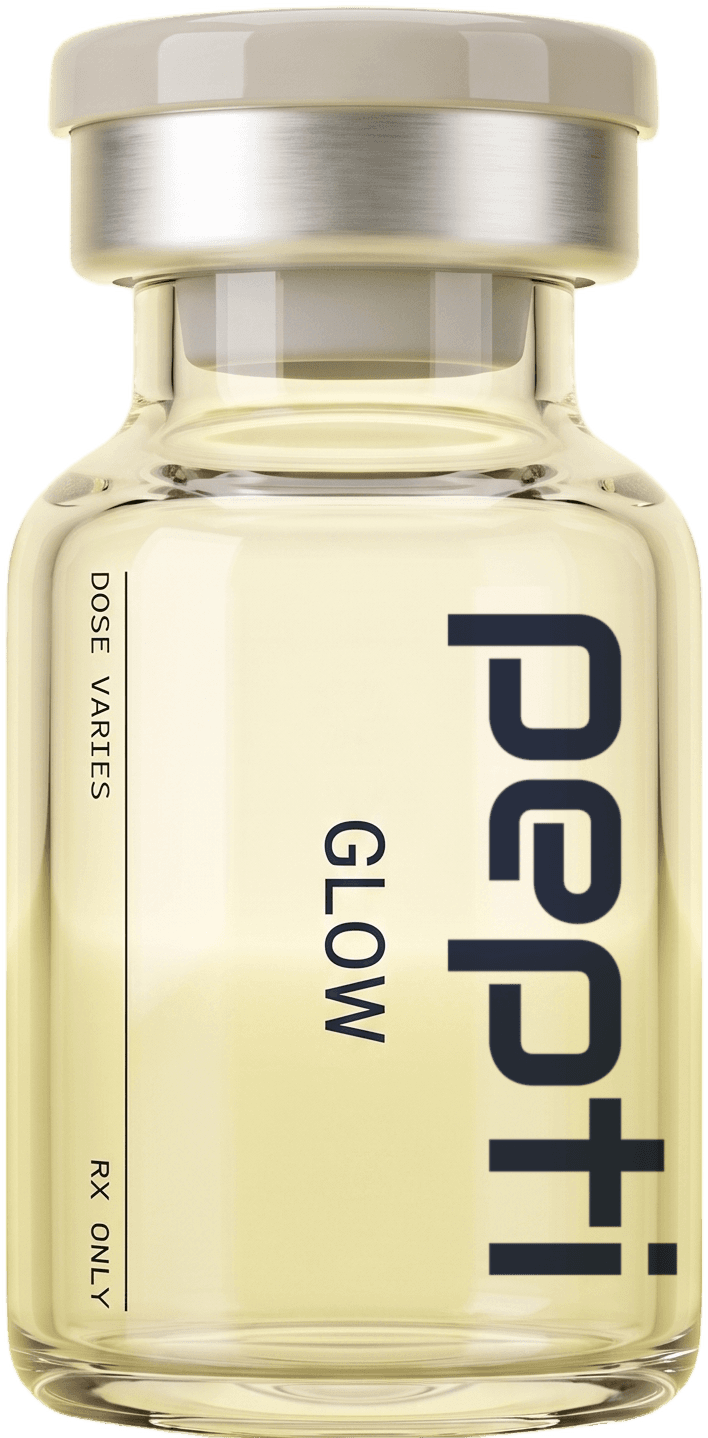
| Injury plus skin and collagen | GLOW | 50 mg GHK-Cu, 10 mg BPC-157, 10 mg TB-500 | Cost page |
| Injury plus persistent inflammation | KLOW | 50 mg GHK-Cu, 10 mg KPV, 10 mg BPC-157, 10 mg TB-500 | Cost page |
| Wanting a device instead of a syringe | BPC-157 as the Pen | 3 mL cartridge containing 9 mg BPC-157 | Cost page |
Each is priced on its product page as one all-in monthly figure covering the medication, physician review, refill management and shipping. Treatment is a subscription that refills every 28 days until you cancel it, one vial per fill.
What "buying BPC-157 online" actually means
Three things are sold online under the name BPC-157, and a search results page mixes them together: a compounded prescription injection, which is what this page is about; a lyophilized vial sold to laboratories under a "research use only" label; and an oral capsule or tablet sold as a dietary supplement. The FDA's 2026 review of the substance describes the last two plainly: BPC-157 "is marketed in the United States as an ingredient in dietary supplement products formulated as oral capsules and tablets," there is no USP monograph for it as a drug substance or as a supplement ingredient, and it is not a component of any FDA-approved drug.
The one-sentence test: if nobody with a medical license and a name has decided you should take it, you are not buying a medication. Everything else on this page follows from that.
Where to Buy BPC-157 Online
What BPC-157 is, briefly
A fragment of a gastric protein
BPC-157 is a 15-amino-acid fragment of a protein found in human gastric juice, which is where the name Body Protection Compound comes from. It was first described in the literature in 1993. It is not a steroid, not a hormone, and not a painkiller. The full reference is what BPC-157 is; what follows is only what a buyer needs.
What the research describes, and where it was done
Animal research describes BPC-157 promoting new blood-vessel formation through the VEGF receptor pathway, reported in the Journal of Molecular Medicine in 2017, and cell work in Molecules in 2014 described it upregulating growth-hormone receptor expression in tendon fibroblasts, which makes those cells more responsive to signals already circulating rather than raising growth hormone itself. Rat studies in the Journal of Orthopaedic Research in 2003 and 2006 reported faster recovery after Achilles tendon injury, and Surgery Today in 2008 reported the same pattern in muscle crush injury. Tendons and ligaments have poor blood supply, which is a large part of why they recover slowly, and that is the specific problem BPC-157 is prescribed against. An older body of work, reviewed in Current Pharmaceutical Design in 2011 and 2018, describes protection of the gastrointestinal lining in animals, which is why the same molecule appears in gut conversations.
What human data exists
There are no randomized human trials of BPC-157 for tendon, ligament or muscle injury. A 2025 systematic review in the HSS Journal found 36 studies, 35 of them preclinical and one clinical, and reported that no clinical safety data were found. The one human series is a 2021 retrospective chart review in Alternative Therapies in Health and Medicine of 17 patients given intra-articular BPC-157 for knee pain, with phone follow-up and no validated outcome measures. For the gut, the FDA's review located a single small placebo-controlled study of a BPC-157 enema in mild-to-moderate ulcerative colitis, presented as a 2005 meeting abstract and never published in full, plus a short safety study of the same enema in healthy male volunteers; it found no human pharmacokinetic data for the oral, subcutaneous, nasal or transdermal routes. That is the entire human record. A seller describing BPC-157 as established in people is describing something that does not exist.
It is injected subcutaneously, usually as a small daily volume, because it is a peptide and the digestive tract breaks peptides down. It is also prohibited in tested sport, covered below and in is BPC-157 banned.
Where to Buy BPC-157 Online
The two products sold under the same name
This is the whole decision, and most sites work hard to blur it.
The prescription product
A compounded prescription is made for one named patient, to a strength and volume a physician specified, by a pharmacy licensed by a state board of pharmacy. The pharmacy is required to follow the United States Pharmacopeia's sterile-compounding chapter for injectables, to source its bulk powder from a registered supplier with a certificate of analysis, and to put your name, the drug, the strength, the directions and a beyond-use date on the label. The pharmacist and the prescriber are both accountable to their licensing boards for what is in the vial.
The research-use-only vial, and the supplement capsule
A research vial is sold to laboratories. The seller's terms say it is not for human consumption, and that sentence is doing legal work: the seller is telling you, in writing, that no one has taken responsibility for identity, purity, sterility, endotoxin or concentration in the context of a person injecting it. The number on the sticker is whatever the seller printed. No physician reviewed your history, no pharmacist checked your medications, no board can be complained to, and there is no adverse-event pathway. The FDA's 2026 safety review of BPC-157 included, among the handful of adverse-event reports on file, a product labeled for research purposes only that contained both BPC-157 and TB-500 and produced a reproducible reaction on rechallenge; the agency could not attribute it to either peptide because the product contained two.
Oral capsules and tablets sold as dietary supplements are a third thing, with no USP monograph and no human data for the oral route. A capsule from a supplement shop is not equivalent to a compounded injection in form, dose, route or oversight.
Side by side
Prescription from a US compounding pharmacy "Research use only" vial Who decides you should take it A physician licensed in your state Nobody What the label says Your name, the drug, the strength, your directions "Not for human consumption" Sterility Compounded to USP sterile-compounding standards under state board oversight No requirement Strength in the vial Specified on the prescription and made to it The number printed on a sticker Who is accountable if it is wrong The pharmacy and the prescriber, to their boards Nobody If you react badly You message your prescriber; there is an adverse-event pathway You are on your own Record of what you took In your medical record None Shipping Cold chain, because peptides are temperature sensitive Varies Price Higher, and it includes all of the above Lower Why the molecule being the same does not settle it
The peptide sequence may well be identical. The FDA's review explains why that is not the end of the question: it describes BPC-157 as not well characterized from a physical and chemical standpoint, with inconsistent naming between the free base and the acetate salt, and it names the attributes that decide whether an injectable peptide is safe to inject: peptide-related impurities, aggregates, bioburden, bacterial endotoxins and particle size. A pharmacy is obliged to control those. A research seller is not. The comparison is expanded in research peptides vs prescription peptides.
Where to Buy BPC-157 Online
How the prescription route works, end to end
Step 1: the medical intake
You complete a medical intake covering your health history, current medications, allergies, existing conditions, what you are treating and what you have already tried. It takes several minutes, and it is the step a storefront skips. Injury questions are specific: what the injury is, how long it has been there, whether it has been imaged, whether you have tried loading or physical therapy.
Step 2: physician review
A physician licensed in your state reads the intake. That physician may send follow-up questions, ask for imaging or bloodwork, or decide that a peptide is not the right answer for what you have described. Being declined is a sign the review is real, and a declined consultation is refunded. Two things distinguish a review from a rubber stamp: it takes time, and it sometimes says no.
Step 3: the prescription
If it is appropriate, a prescription is written for a specific product, strength and volume, with directions for you. For BPC-157 the directions on the product page are a small subcutaneous volume once daily; your physician sets your own dose and it is printed on the vial. There is no protocol to work out from a forum. Whether you are prescribed BPC-157 alone, the BPC-157 + TB-500 preparation, or a blend such as GLOW or KLOW is the physician's decision based on what you are treating.
Step 4: compounding by a licensed pharmacy
A state-licensed, FDA-registered compounding pharmacy prepares the prescription. Compounded BPC-157 comes from 503A pharmacies, which compound patient-specific prescriptions, not from 503B outsourcing facilities; the FDA's outsourcing-facility product reports from January 2017 to June 2025 show no BPC-157 products at all. For a buyer that means one thing: there is no manufactured, off-the-shelf BPC-157 product in the United States, so a "pharmaceutical-grade" vial sold without a prescription in your name is not a pharmacy product.
Step 5: shipping, the first month, and refills
The pharmacy ships refrigerated, in insulated packaging with ice packs, with your directions printed on the vial and a beyond-use date on the label. Peptides are temperature sensitive, and the FDA's review notes that storage conditions favoring impurities and aggregates are one of the factors that can degrade the safety of a compounded peptide product. Afterwards you can message the prescriber about side effects, injection technique or dose questions. Refills run every 28 days, one vial per fill, and continue until you cancel. Treatment is long-term and structured around those refills, not around a fixed number of vials.
What is not required
There is no in-person visit. For BPC-157 there is usually no mandatory lab work, though your physician may want labs based on your history; do you need bloodwork before peptides covers when it comes up, and at-home blood testing is available if it does. No provider should require a "starter kit," a "loading phase" or a bundle of vials up front.
Where to Buy BPC-157 Online
What a legitimate provider shows you
The prescriber's license, and how to check it
A telehealth provider should be able to tell you that the physician who reviews your intake is licensed in your state. You can verify any physician yourself through your state medical board's public license lookup, which takes a minute and needs only a name. A provider that will not say who reviews your file, or that describes a "medical team" with no named licensees, has answered the question.
The pharmacy's identity and license
Ask which pharmacy will fill the prescription and in which state it is licensed. Every state board of pharmacy publishes a license lookup. A compounding pharmacy shipping across state lines must be licensed, or registered as a non-resident pharmacy, in the state it ships to. Hesitation on this question is itself the answer.
FDA registration, and what it does and does not mean
A pharmacy can be registered with the FDA as a drug establishment; that is a real, checkable status, and Pepti's BPC-157 is compounded at a US FDA-registered pharmacy. What registration is not is approval. No compounded medication is FDA approved as a finished product, BPC-157 included, and the FDA's 2026 review states there is no approved product containing BPC-157 in any country. A provider that turns "registered pharmacy" into "FDA-approved peptide" is either careless or misleading you.
Certificates of analysis, and what the FDA said it wants to see
A certificate of analysis is the laboratory's report on a specific lot: identity confirmed by mass spectrometry, purity by HPLC as a percentage, and for an injectable, sterility and bacterial endotoxin results. The FDA's briefing lists the quality attributes it considers unaddressed for BPC-157 in general: peptide-related impurities, aggregates, bioburden, bacterial endotoxins and particle size. That list is a reading guide for any certificate you are shown. Purity is the number research sellers advertise, and it is the least of them: a 99 percent pure powder can still carry endotoxin, which injected subcutaneously produces the fever, chills and site reactions that get blamed on "the peptide." The FDA's specific concern about injectable BPC-157 is immunogenicity, an immune response to the product, which it links to aggregation and impurities rather than to the peptide sequence. Sterility and endotoxin testing are the pharmacy's answer to that concern; a research vial's certificate almost never includes either. Pepti publishes certificates for its BPC-157 at lab results, the standards behind them on the quality page, and how to read one in how to read a certificate of analysis.
The label, and a way to reach the prescriber
A prescription label carries your name, the drug, the strength, the volume, the directions, the pharmacy's name and phone number, the prescriber's name, the date and a beyond-use date. A research vial carries a product name, a milligram figure and a disclaimer. If you receive a vial with no name on it and no pharmacy identified, you did not receive a prescription, whatever the checkout page said. After it arrives there should be a way to message the physician about a reaction or a dose question; that pathway is what a research seller's "not for human use" clause removes.
Where to Buy BPC-157 Online
Red flags, specifically
| What you see | What it actually means |
|---|---|
| "No prescription required" or "no doctor needed" | A research-chemical seller. Check the terms and conditions for "research", "laboratory" or "not for human" |
| "FDA approved" on a compounded peptide | False. No compounded peptide is FDA approved, and a provider saying otherwise is careless or misleading you |
| Approval guaranteed, or approval in seconds | Nobody is reviewing your file |
| The pharmacy will not be named | Ask directly. Hesitation is the answer |
| Identical purity figures on every product's certificate | Certificates that were not produced by a laboratory. See how to read a certificate of analysis |
| Crypto or wire transfer only | No card processor will underwrite the seller |
| Outcome promises with numbers or timelines attached | Nobody can promise a healing timeline for BPC-157 |
| Cancellation only by phone, during business hours | Factor in the retention call before you subscribe |
The "FDA approved" claim
This one is the most common and the easiest to check. The FDA has never approved a BPC-157 product, and its May 2026 briefing confirms there is no approved product in any country. A seller using the words "FDA approved" about BPC-157 is wrong, and if they are wrong about that they are not a reliable source on anything else.
Certificates that are not certificates
A real certificate names the testing laboratory, the lot number, the test methods, the date and the analyst, and its purity figure is specific to that lot. Certificates with the same 99.x percent figure across every product, no lot number, or a laboratory that cannot be found are marketing images. The FDA observed that quality data for the substance were "either lacking or deemed to be inadequate" in the material it examined, which is the environment the research market operates in.
Marketplaces, social sellers and paperwork theater
BPC-157 is one of the most searched peptides online; the 2025 HSS Journal review cited a June 2024 all-time high in search interest and tens of millions of tagged video views. That volume attracts sellers on marketplaces, in direct messages and on short-video platforms, none of which can fill a prescription. Some sites present a questionnaire that looks like an intake, approve it in seconds, and ship a vial with no pharmacy named; the intake is theater if it never produces a decline. The tell is whether a named, licensed physician and a named, licensed pharmacy sit behind it. The longer version is in how to tell if a peptide seller is legitimate.
Where to Buy BPC-157 Online
What it costs
| Line item | Included in the all-in price | Typical research-chemical purchase |
|---|---|---|
| Medication | Yes | Yes |
| Physician review and prescription | Yes | None |
| Compounding by a licensed pharmacy | Yes | None |
| Refrigerated shipping | Yes | Sometimes |
| Refill management | Yes | You reorder |
| Someone to ask when something feels wrong | Yes | No |
Pepti's current figures are on the BPC-157 cost page and the BPC-157 + TB-500 cost page, as one monthly charge rather than a medication price with review and shipping added at checkout. The Pepti Pen, a pre-filled cartridge in a reusable click-dial injector, is the same medication dosed in clicks instead of drawn from a vial; it is priced separately on the product page, and neither format is clinically better.
A vial that costs a fraction of this is not a bargain on the same product. It is a different transaction: cheaper because it does not include a physician, a pharmacist, sterile compounding, sterility and endotoxin testing, cold-chain shipping, a label with your name on it, or anyone to call. What drives peptide pricing generally is in how much do peptides cost.
Where to Buy BPC-157 Online
Where BPC-157 stands with the FDA right now
This changed twice in 2026, and most pages still ranking for this search describe the 2023 position. What follows was verified against the FDA's own pages in September 2026.
2023 to April 2026: Category 2
In 2023 the FDA placed BPC-157 in Category 2 of its interim policy on bulk drug substances for 503A compounding, the category for nominated substances the agency considered to present significant safety risks. Its stated concern, still recorded on the agency's page, was that compounded BPC-157 "may pose risk for immunogenicity for certain routes of administration." While a substance sits in Category 2 the FDA says it would consider enforcement action against pharmacies compounding with it, which is why availability across providers moved around during that period.
April and May 2026: no category at all
On 15 April 2026 the FDA announced it would remove twelve peptide bulk drug substances from Category 2 after seven days, because their nominations had been withdrawn, and said it would convene the Pharmacy Compounding Advisory Committee on 23 and 24 July 2026 and again before the end of February 2027 to consider adding them to the 503A bulks list. The FDA's Category 2 page, current as of 22 April 2026, now lists BPC-157 under "bulk drug substances nominated but withdrawn" rather than in Category 2. The FDA's 503A bulks-list page, current as of 14 May 2026, does not list BPC-157 in Category 1, Category 2 or Category 3. As of September 2026, BPC-157 sits in no category of the interim policy.
23 July 2026: the advisory committee vote
On 23 July 2026 the Pharmacy Compounding Advisory Committee discussed BPC-157, KPV, TB-500 and MOTS-c, with the BPC-157 evaluation framed around ulcerative colitis, the one use for which the agency found any human study. The committee voted 8 in favor, 6 against and 1 abstention to recommend adding BPC-157, in both free-base and acetate forms, to the 503A bulks list. KPV and TB-500 received the same 8–6–1 vote the same day. That covers three of the four peptides in KLOW and both peptides in the BPC-157 + TB-500 preparation.
What the FDA's own briefing said
The vote is notable for what it went against. The FDA staff briefing for the meeting, dated 11 May 2026, concluded that "a balancing of the criteria weighs against BPC-157 (free base) and BPC-157 acetate being placed on that list," citing incomplete physical and chemical characterization, limited information on historical compounding use, a lack of evidence of effectiveness for ulcerative colitis, and insufficient clinical safety information. The committee heard that analysis and public comment, and a majority recommended the opposite. Both documents are public, and anyone selling BPC-157 should be able to describe them accurately.
What happens next, and what none of it changes
An advisory committee recommendation is not a final decision. The FDA issues its own determination after considering the vote, the docket and its scientific review, and formal addition to the 503A bulks list goes through notice-and-comment rulemaking, which can run into 2027 or beyond. Until then the accurate description is: removed from Category 2, in no category, recommended for the bulks list by the advisory committee, awaiting the FDA's final determination.
None of it makes BPC-157 an FDA-approved drug: a bulks-list decision governs what pharmacies may compound from, not whether a product has been approved, and compounded medications are never approved as finished products. Nor does it change the buying decision. Whatever the FDA finally decides, the legitimate product remains a prescription filled by a licensed pharmacy, and the research vial remains a research vial.
Where to Buy BPC-157 Online
Anti-doping: a separate question
The World Anti-Doping Agency's Prohibited List places BPC-157 under S0, non-approved substances, the class for pharmacological substances with no current approval by any governmental health authority for human therapeutic use; S0 is prohibited at all times, in and out of competition. The United States Anti-Doping Agency's guidance states that BPC-157 is prohibited under S0 for exactly that reason and notes that a therapeutic use exemption is unlikely because permitted alternatives exist. A prescription does not change that, and a bulks-list decision is not a drug approval, so it would not change it either. TB-500, in the combined preparation and in GLOW and KLOW, is prohibited separately. If you are tested by any sporting body, tell your physician before starting anything; the detail is in is BPC-157 banned.
Where to Buy BPC-157 Online
What the evidence shows, honestly
Tendon, muscle and gut
The BPC-157 literature is largely preclinical: rat and cell studies with tendon, muscle and gastrointestinal models forming most of it. The tendon work is the most coherent story: the Journal of Orthopaedic Research papers of 2003 and 2006 reported faster recovery after Achilles injury in rats, the Journal of Applied Physiology in 2011 reported tendon fibroblast outgrowth and migration in culture, and the Journal of Physiology and Pharmacology in 2009 described angiogenesis in healing muscle and tendon. Animal work describes a wide margin between effective and problematic doses. For the gut, animal studies reviewed in Current Pharmaceutical Design describe protection of the gastric lining against NSAID and alcohol injury and effects in colitis models; the human record is the enema work described above, in which the FDA's summary notes no serious adverse events but limited detail.
The combination with TB-500
TB-500 is a fragment of thymosin beta-4, described in Trends in Molecular Medicine in 2005 as an actin-sequestering protein that promotes cell migration into injured tissue. The full-length protein was given intravenously to healthy volunteers in a placebo-controlled dose study reported in the Annals of the New York Academy of Sciences in 2010, which is more human safety data than BPC-157 has; the fragment itself has none. In 2026 Joint Diseases and Related Surgery published a rat Achilles study comparing BPC-157, TB-500 and the two together, the first head-to-head animal work on the combination most often prescribed. BPC-157 and TB-500 act at different points in the same repair sequence, which is why the BPC-157 + TB-500 preparation exists and why most injury prescriptions end up as the combined vial. The comparison is in BPC-157 vs TB-500.
What it does not establish
There are no large randomized human trials of BPC-157, so its clinical use rests on mechanism, animal data and prescriber experience rather than proof of outcome. The evidence does not establish an effect size, a timeline in humans, or long-term safety over years of use. It is not FDA approved. A provider that tells you otherwise is telling you something untrue, and a provider that dropped BPC-157 during the Category 2 period was usually complying with something rather than hiding something.
Some situations a physician weighs before prescribing: a personal history of cancer, given the angiogenic mechanisms described; anticoagulant therapy; pregnancy or breastfeeding, where safety data is absent; and a structural injury such as a complete rupture or displaced fracture, which is a surgical question no peptide changes. Where the picture is persistent systemic inflammation rather than a local injury, KPV or KLOW may be the better conversation. Your physician will tell you if BPC-157 is not the right tool for what you have described.
References
What this is based on.
References
- Chang CH, Tsai WC, Hsu YH, Pang JH. Pentadecapeptide BPC 157 enhances the growth hormone receptor expression in tendon fibroblasts · Molecules (2014) · PMID 25415472
- Krivic A, Anic T, Seiwerth S, et al.. Achilles detachment of rat and stable gastric pentadecapeptide BPC 157 · Journal of Orthopaedic Research (2006) · PMID 16583442
- Sikiric P, Seiwerth S, Rucman R, et al.. Stable gastric pentadecapeptide BPC 157: novel therapy in gastrointestinal tract · Current Pharmaceutical Design (2011) · PMID 21548867
- Cerovecki T, Bojanic I, Brcic L, Radic B, et al.. Pentadecapeptide BPC 157 (PL 14736) improves ligament healing in the rat · J Orthop Res (2010) · PMID 20225319
- Sikiric P, Seiwerth S, Rucman R, Turkovic B, et al.. Stable gastric pentadecapeptide BPC 157-NO-system relation · Curr Pharm Des (2014) · PMID 23755725
- Cox HD, Miller GD, Eichner D. Detection and in vitro metabolism of the confiscated peptides BPC 157 and MGF R23H · Drug Test Anal (2017) · PMID 28035768
- Thomas A, Görgens C, Guddat S et al.. Simplifying and expanding the screening for peptides <2 kDa by direct urine injection, liquid chromatography, and ion mobility mass spectrometry · J Sep Sci (2016) · PMID 26578461
- Farrar JT, Young JP Jr, LaMoreaux L, Werth JL et al.. Clinical importance of changes in chronic pain intensity measured on an 11-point numerical pain rating scale · Pain (2001) · PMID 11690728
- Meyer JD, Ho B, Manning MC. Effects of conformation on the chemical stability of pharmaceutically relevant polypeptides · Pharm Biotechnol (2002) · PMID 11987755
- Xu C, Sun L, Ren F, Huang P, et al.. Preclinical Safety Evaluation of Body Protective Compound-157, a Potential Drug for Treating Various Wounds · Regul Toxicol Pharmacol (2020) · PMID 32334036
- He L, Feng D, Guo H, et al.. Pharmacokinetics, distribution, metabolism, and excretion of body-protective compound 157, a potential drug for treating various wounds, in rats and dogs · Front Pharmacol (2022) · PMID 36588717
- Lee E, Padgett B. Intra-Articular Injection of BPC 157 for Multiple Types of Knee Pain · Altern Ther Health Med (2021) · PMID 34324435
Citations are provided for educational purposes. They do not constitute medical advice. Always discuss any peptide protocol with your prescribing physician.
Common questions
Where to Buy BPC-157 Online, answered.
You can legally obtain it with a valid prescription from a physician, filled by a licensed compounding pharmacy. Research-chemical sellers ship it legally to laboratories under a not-for-human-use label, which is a different transaction from the one most buyers think they are making. See are peptides legal in the US.
Yes, for the medication. No, for a vial labelled research use only, and that label is the point: the seller is telling you in writing that it is not intended for a person. A prescription is what puts a licensed physician and a licensed pharmacy between you and the vial.
Pricing is published on the BPC-157 cost page and the BPC-157 + TB-500 cost page as one all-in monthly figure covering medication, physician review, refill management and shipping. There is no separate charge at checkout for the review or the pharmacy.
No. Oral capsules sold as supplements are a different product from an injectable compounded prescription, and they are not equivalent in form, dose or oversight. The FDA's 2026 review notes that BPC-157 is marketed as a dietary-supplement ingredient in capsules and tablets, with no USP monograph and no human data for the oral route.
Most prescriptions for an injury end up as the combined vial, because the two act at different points of the same repair sequence. Gut complaints are more often BPC-157 alone. Which fits you is a clinical decision, compared in BPC-157 vs TB-500.
Patients commonly describe changes between weeks two and eight, most often as better tolerance to loading rather than a sudden absence of pain. Those are patterns described by prescribers, not trial endpoints; no human trial establishes a timeline. Response varies and nobody can promise one.
A real one will not always. Physicians decline when the history points elsewhere, when imaging is needed first, or when a peptide is the wrong tool for the problem. A declined consultation is refunded. A provider that has never declined anyone is not reviewing anyone.
No. There is no FDA-approved BPC-157 product, and the FDA's 2026 review states there is no approved product containing it in any country. Compounded medications are prepared by licensed pharmacies to a prescription rather than approved as manufactured products, so compounded BPC-157 will not be FDA approved even if it is added to the 503A bulks list.
No. The opposite happened. BPC-157 was placed in Category 2 of the FDA's interim 503A policy in 2023; in April 2026 the FDA removed it from Category 2 after its nominations were withdrawn, and the agency's 503A list current as of 14 May 2026 places it in no category. On 23 July 2026 the Pharmacy Compounding Advisory Committee voted 8–6–1 to recommend adding it to the bulks list, against the FDA staff briefing's own proposal. The FDA's final determination is pending.
Treat it as a claim until you can see the testing laboratory's name, the lot number, the method, the date and, for anything injectable, sterility and endotoxin results. A purity percentage alone says nothing about endotoxin or aggregates, the attributes the FDA identified as the real quality questions for injectable BPC-157. Pepti's certificates are at lab results.
Pepti prescribes BPC-157 in all 50 states and DC, through a physician licensed in your state, as a vial or as the Pepti Pen. Start with the free assessment.
Yes, at all times. The WADA Prohibited List places it under S0, non-approved substances, and USADA's guidance says the same. A prescription does not exempt you. If you are tested, tell your physician before starting. See is BPC-157 banned.
Do not inject anything you cannot trace to a licensed pharmacy and a prescription in your name. If you want to use BPC-157, complete the assessment; the physician needs to know what you have already taken, and the pharmacy product arrives with your directions on the label and someone to message if anything feels wrong. The free assessment goes to a physician licensed in your state. A consultation does not guarantee a prescription.
Next step
See what a physician recommends for you.
A licensed physician in your state reviews your intake and decides what is appropriate. A consultation does not guarantee a prescription.