— Weight Loss · Reference
The Best Peptides for Weight Loss: What Physicians Actually Prescribe
Which peptides are prescribed for weight loss, how compounded GLP-1s differ from every other option, what each costs by dose, and where the adjuncts fall short.
— Treatments mentioned
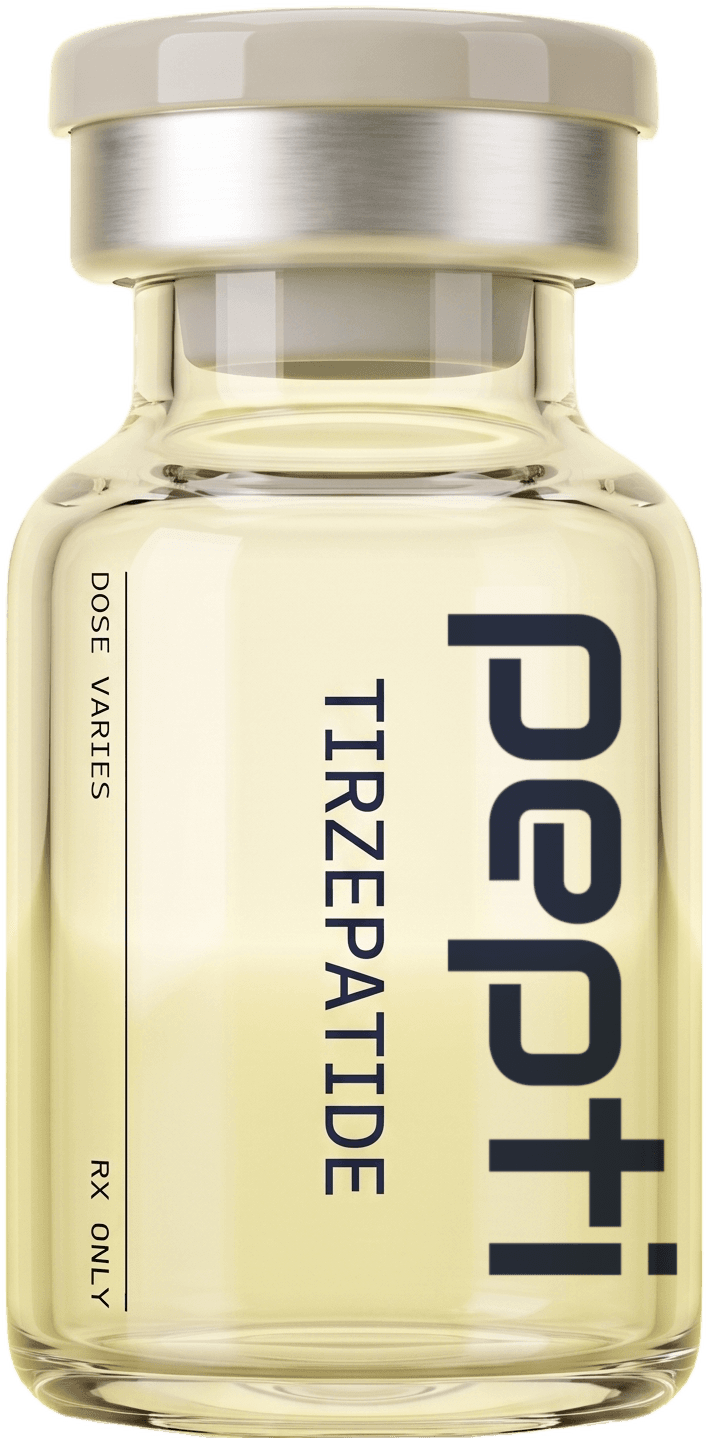
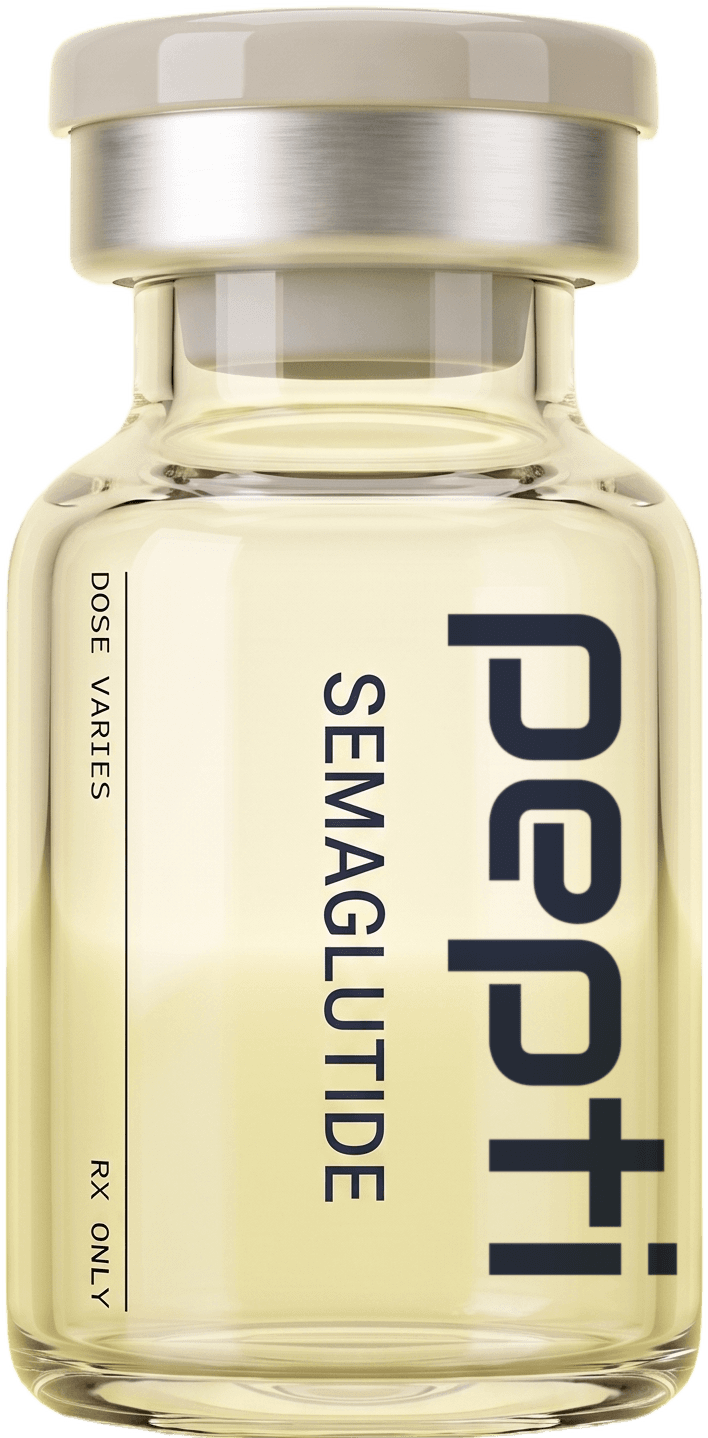
The two peptides with real weight-loss evidence are semaglutide and tirzepatide, both GLP-1 receptor agonists, and everything else in this category is adjunctive. They mimic gut hormones that control insulin, stomach emptying and appetite, and they are the only options here supported by large randomised trials. Compounded semaglutide and tirzepatide share the active ingredient with the branded products but not their approval, are prescription-only, and are compounded at a US FDA-registered pharmacy.
— The Best Peptides for Weight Loss
The short answer
| If your situation is | The usual prescription | What is in it | Price |
|---|---|---|---|
| Meaningful weight to lose | Semaglutide | Dose-specific vials of semaglutide | From $99, by strength |
| The same, wanting the dual-receptor option | Tirzepatide | Dose-specific vials of tirzepatide with cyanocobalamin | From $159, by strength |
| Fat sitting around the middle | Tesamorelin | 10 mg tesamorelin in 5 mL | $249 |
| Body composition alongside training | PHYSIQ | 10 mg each of tesamorelin, ipamorelin, AOD-9604, MOTS-c | $279 |
| The same with a metabolic emphasis | SHRED | 10 mg AOD-9604, 6 mg CJC-1295, 10 mg ipamorelin, 10 mg MOTS-c | $279 |
| Metabolic support plus tissue repair | FUSION | 10 mg BPC-157, 10 mg MOTS-c, 10 mg 5-Amino-1MQ, 15 mg tesamorelin | $279 |
Every price is the all-in monthly subscription price covering medication, physician review, refills and shipping. The GLP-1s are priced by strength rather than a flat figure.
The ranking is not close. Semaglutide and tirzepatide have phase 3 trials with thousands of participants and an approved reference product each. Tesamorelin has trials and an approved product, but for visceral fat rather than body weight. AOD-9604 has a human obesity trial that did not meet its endpoint. MOTS-c, 5-Amino-1MQ, SLU-PP-332 and adipotide have animal data and no randomized human trials.
— The Best Peptides for Weight Loss
What is actually going on when weight will not come off
— Appetite is regulated, not chosen
Body weight is defended by a control system. Hormones from the gut, the pancreas and fat tissue report to the hypothalamus and brainstem, which adjust hunger, fullness and energy expenditure to hold weight in a range. When intake falls, ghrelin rises, leptin falls, and the drive to eat increases. Diets that rely on tolerating hunger produce short-term loss and long-term regain because the system is doing what it is built to do.
— The incretin signal
GLP-1 (glucagon-like peptide-1) and GIP (glucose-dependent insulinotropic polypeptide) are released from the intestine when food arrives. They are why a meal produces a larger insulin response than the same glucose given intravenously, and GLP-1 also slows gastric emptying and acts on appetite centers in the brain. Native GLP-1 is broken down within minutes by the enzyme DPP-4; the medications with real evidence are analogs engineered to survive for days.
— Insulin resistance and where fat is stored
Fat inside the abdomen around the organs (visceral fat) is more metabolically active and more inflammatory than fat under the skin, and more closely tied to insulin resistance, fatty liver and cardiovascular risk. Growth hormone secretion falls with age and with obesity, and reduced growth hormone is associated with visceral fat accumulation. That is the rationale for tesamorelin, which acts on the growth hormone axis rather than on appetite.
— Why the metabolic rate falls as weight comes off
Losing weight lowers resting energy expenditure, partly because a smaller body costs less to run and partly because some of the loss is lean tissue. Lose muscle alongside fat and you finish lighter but with a lower baseline burn, the mechanism behind regain. It is why lean mass is part of the prescription, and the honest rationale for the growth-hormone-axis and mitochondrial peptides that appear here as adjuncts.
— The Best Peptides for Weight Loss
What physicians prescribe for weight loss
— Semaglutide
Semaglutide is a GLP-1 receptor agonist modified to bind albumin and resist DPP-4, which gives it a half-life long enough for once-weekly injection. It prompts insulin release only when blood glucose is high, suppresses glucagon, slows gastric emptying, and acts on appetite centers in the brain, the effect patients describe as the noise around food going quiet.
STEP 1 (New England Journal of Medicine, 2021) randomized 1,961 adults with overweight or obesity to weekly semaglutide 2.4 mg or placebo for 68 weeks; the semaglutide group lost a mean of 14.9% of body weight against 2.4% on placebo. STEP 2 (The Lancet, 2021) repeated this in type 2 diabetes, STEP 5 (Nature Medicine, 2022) held the result over two years, and STEP 8 (JAMA, 2022) put it well ahead of daily liraglutide. SELECT (New England Journal of Medicine, 2023), in more than 17,000 adults with overweight or obesity and established cardiovascular disease, reported a 20% relative reduction in major adverse cardiovascular events.
Compounded semaglutide contains the same active ingredient as the branded product, not its approval; see is compounded semaglutide safe. It suits someone with meaningful weight to lose who is prepared to titrate slowly.
— Tirzepatide
Tirzepatide is a dual agonist at the GIP receptor as well as the GLP-1 receptor; the GIP arm adds separate effects on insulin secretion and on how fat tissue handles nutrients. Which of the two suits you is set out in semaglutide vs tirzepatide. The compounded preparation also contains cyanocobalamin, a form of vitamin B12.
SURMOUNT-1 (New England Journal of Medicine, 2022) randomized 2,539 adults with obesity to tirzepatide 5, 10 or 15 mg weekly or placebo for 72 weeks; the highest dose produced a mean loss of 20.9% against 3.1%. SURMOUNT-2 (The Lancet, 2023) repeated this in type 2 diabetes, SURMOUNT-5 (New England Journal of Medicine, 2025) showed significantly greater loss than semaglutide 2.4 mg head to head, and SURMOUNT-OSA (New England Journal of Medicine, 2024) reported reduced obstructive sleep apnea severity. Compounded tirzepatide suits someone who wants the dual-receptor option, has a lot of weight to lose, or did not respond adequately to semaglutide.
— Why the price moves as the dose goes up
These are dispensed as dose-specific vials, and the active ingredient is the largest cost. A prescriber starts low and steps up over weeks, because tolerance builds and because starting high is the surest way to make someone quit in month one.
Medication Strengths dispensed What that means for the monthly price Semaglutide 0.25 mg, 0.5 mg, 1 mg, 1.7 mg, 2 mg, 2.5 mg Starts at $99, rising as your prescriber titrates Tirzepatide 2.5 mg, 5 mg, 7.5 mg, 10 mg, 12.5 mg, 15 mg, each with B12 Starts at $159, rising as your prescriber titrates Your physician sets the strength and the pace. Current figures are at /cost/semaglutide and /cost/tirzepatide.
— Tesamorelin
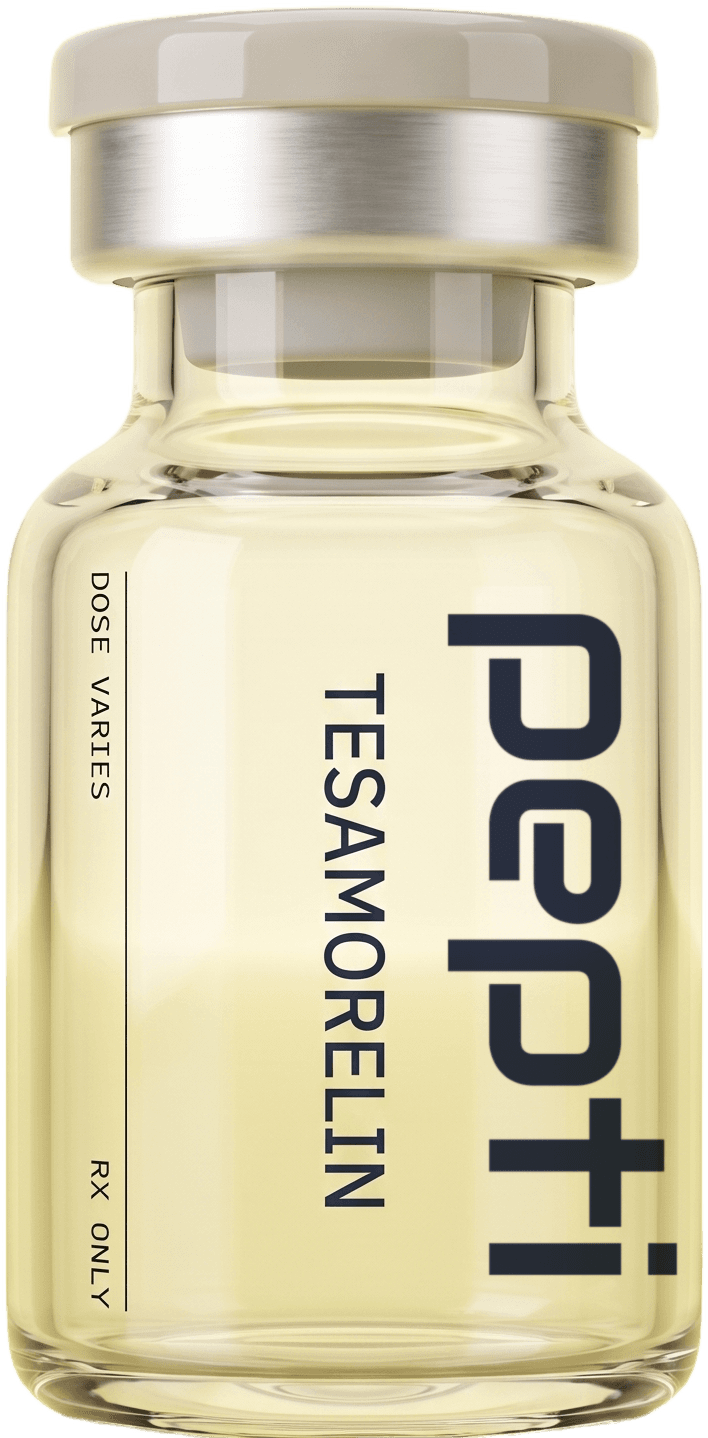
Tesamorelin is a synthetic analog of growth hormone-releasing hormone. It acts on the pituitary to increase the body's own pulsatile growth hormone secretion, raising IGF-1 and lipolysis, with visceral fat the tissue most affected. It does not act on appetite.
In the New England Journal of Medicine in 2007, tesamorelin reduced visceral adipose tissue over 26 weeks in HIV-infected patients with abdominal fat accumulation, against an increase on placebo, with liver-fat trials in JAMA (2014) and Lancet HIV (2019) following. The most relevant trial for a general patient is Makimura's randomized controlled trial (Journal of Clinical Endocrinology and Metabolism, 2012) in obese adults with reduced growth hormone secretion and no HIV: visceral fat area fell against placebo over twelve months while body weight did not meaningfully change.
That last clause is the honest framing. The approved product's own label states it is not indicated for weight loss management because it has a weight-neutral effect. Tesamorelin is prescribed for where fat sits, not how much there is. The product page directions are once daily by subcutaneous injection; your physician sets the dose.
— AOD-9604
AOD-9604 is a synthetic fragment of the C-terminal region of human growth hormone (amino acids 177 to 191) with an added tyrosine, designed to keep the lipolytic region without the growth and glucose effects. In obese mice, Endocrinology in 2001 and the International Journal of Obesity in 2001 reported increased fat oxidation and reduced weight gain.
The human story has to be told carefully. The FDA's 2024 briefing document for its advisory committee summarized the developer's phase 2b OPTIONS trial: 536 adults with obesity enrolled, oral AOD-9604 or placebo daily for 24 weeks alongside a supervised diet and exercise program; there was no significant difference in weight loss between AOD-9604 and placebo on the primary endpoint. AOD-9604 appears in PHYSIQ and SHRED and on its own as AOD-9604. Anyone selling it as a fat-loss agent is ignoring the trial that tested exactly that; a physician uses it as one component of a body-composition blend alongside training.
— MOTS-c
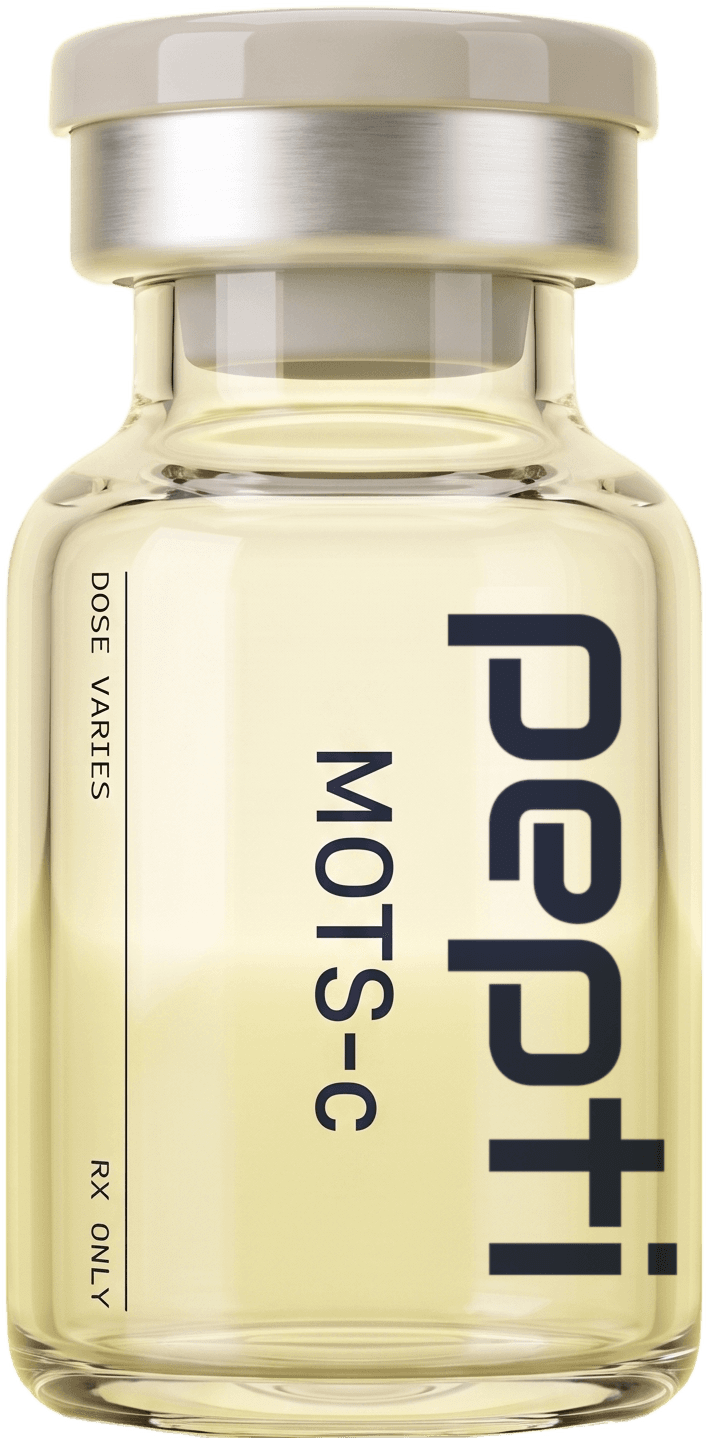
MOTS-c is a 16-amino-acid peptide encoded in mitochondrial DNA rather than the nuclear genome. In Cell Metabolism in 2015, treatment prevented diet-induced obesity and insulin resistance in mice through AMPK signaling in skeletal muscle; Nature Communications in 2021 described it as an exercise-induced peptide whose levels rise with activity in humans, with improved physical capacity in old mice given the peptide. Human data are observational only.
There are no randomized human trials of injected MOTS-c; the FDA's July 2026 review for its advisory committee stated it did not identify any clinical studies or human exposure data for the peptide. MOTS-c is in PHYSIQ, SHRED and FUSION and on its own as MOTS-c, a mitochondrial adjunct alongside training.
— 5-Amino-1MQ
5-Amino-1MQ is not a peptide. It is a small molecule that inhibits nicotinamide N-methyltransferase (NNMT), an enzyme upregulated in the fat tissue of people with obesity and insulin resistance (Diabetologia, 2015). Knocking the enzyme down protected mice from diet-induced obesity in Nature in 2014, and the inhibitor reversed diet-induced obesity in mice in Biochemical Pharmacology in 2018; the described mechanism is raising intracellular NAD+ and shifting adipocytes toward energy expenditure. There are no randomized human trials of 5-Amino-1MQ. It is available as 5-Amino-1MQ and inside FUSION, as a metabolic adjunct, never as the answer to meaningful excess weight on its own.
— SLU-PP-332
SLU-PP-332 is also a small molecule: a synthetic agonist of the estrogen-related receptors, transcription factors governing mitochondrial biogenesis and oxidative metabolism in muscle. ACS Chemical Biology in 2023 reported an aerobic-exercise-like gene expression pattern and enhanced exercise capacity in mice, and the Journal of Pharmacology and Experimental Therapeutics in 2024 reported increased energy expenditure in a mouse model of metabolic syndrome. There are no randomized human trials of SLU-PP-332, and two 2026 papers characterize its metabolites for doping control, which tells you what class of compound it is. It is available as SLU-PP-332 for someone training seriously who is not a tested athlete.
— Adipotide
Adipotide is a peptidomimetic that homes to the blood vessels supplying white fat and triggers programmed cell death there, cutting supply to the tissue rather than acting on appetite. Nature Medicine in 2004 reported reversal of obesity in mice, and Science Translational Medicine in 2011 reported weight loss and improved insulin resistance in obese rhesus monkeys over four weeks, with a dose-dependent, reversible effect on kidney function. There are no published randomized human trials of adipotide. The renal signal is why it is not in routine use and why kidney function is a hard question first; it is available as adipotide for the narrow set of patients whose physician judges it appropriate.
— The blends
PHYSIQ combines tesamorelin, ipamorelin, AOD-9604 and MOTS-c; SHRED combines AOD-9604, CJC-1295, ipamorelin and MOTS-c; FUSION combines BPC-157, MOTS-c, 5-Amino-1MQ and tesamorelin. Each puts three or four agents into one injection. They are body-composition products used alongside training, and no serious prescriber offers them instead of a GLP-1 where real weight loss is the goal. The evidence for a blend is the evidence for its parts, including CJC-1295's human pharmacology (sustained growth hormone and IGF-1 in healthy adults, Journal of Clinical Endocrinology and Metabolism, 2006) and ipamorelin's selectivity work (European Journal of Endocrinology, 1998).
— The Best Peptides for Weight Loss
What the evidence shows, and what it does not
Semaglutide and tirzepatide carry the strongest evidence of any peptide in this catalog, for the branded products those trials studied. Tesamorelin has trial support for visceral fat. AOD-9604 has a human trial that did not show weight loss versus placebo. MOTS-c, 5-Amino-1MQ and SLU-PP-332 are preclinical, and adipotide has a toxicity signal in primates. No honest provider attaches a number of pounds or a timeline to any of them.
— What the trials say about stopping
In the STEP 1 extension (Diabetes, Obesity and Metabolism, 2022), participants regained about two-thirds of their lost weight in the year after semaglutide was stopped, and the cardiometabolic improvements largely reversed with it. SURMOUNT-4 (JAMA, 2024) showed the same for tirzepatide: after 36 weeks of open-label treatment, those switched to placebo regained a large share of what they had lost while those who continued kept losing. This is not a failure of the drug; it is the appetite control system returning to its set point once the signal is removed, and it is why treatment is long-term with 28-day refills. See what happens when you stop taking peptides.
— What the trials say about lean mass
Weight lost on a GLP-1 is not all fat. In the STEP 1 body-composition substudy, both fat mass and lean mass fell, though fat fell by more and the proportion of lean mass rose. At this level of appetite suppression most people eat far less protein than they realize. Losing muscle alongside fat leaves you lighter, weaker and with a lower resting metabolic rate, the mechanism behind regain. Four things belong in the prescription, not a footnote:
What to do Why it matters here Hit a deliberate daily protein target Appetite suppression makes under-eating protein the default Resistance training two to three times a week The signal telling the body to keep the muscle it has in a deficit Do not skip meals because you are not hungry Hunger stops being a usable guide to intake Watch hydration and fibre Slowed emptying plus reduced intake is how constipation starts Some prescribers add a growth-hormone-axis peptide such as CJC-1295 / Ipamorelin or tesamorelin alongside a GLP-1 with lean tissue in mind, as an adjunct to training and protein rather than a replacement; no trial shows that a growth hormone secretagogue preserves lean mass during GLP-1 treatment. Nausea is the most common reason people stop early, and GLP-1 nausea: how to manage it covers what helps.
— What the evidence does not establish
- That any adjunct on this page adds weight loss on top of a GLP-1. No trial has tested that combination.
- An effect size for MOTS-c, 5-Amino-1MQ, SLU-PP-332 or adipotide in people. Those trials have not been run.
- Long-term safety over years for the adjuncts, which is one reason a physician reviews them at each refill.
- Efficacy for any compounded product as an FDA-approved treatment. Compounded medications are not FDA approved.
— The Best Peptides for Weight Loss
Where these stand with the FDA right now
This has moved repeatedly and much of what is published online is out of date. Everything below was checked against FDA sources in September 2026. One sentence applies to all of it: no compounded product on this page is FDA approved. Compounded medications are prepared by licensed pharmacies pursuant to a prescription rather than reviewed as manufactured products, and the FDA does not verify their safety, effectiveness or quality before they are marketed. That is different from "banned."
— Semaglutide and tirzepatide
Both have approved reference products: semaglutide as Ozempic, Rybelsus and Wegovy, tirzepatide as Mounjaro and Zepbound. Both were on the FDA's drug shortage list from 2022, and while a drug is in shortage federal law allows compounding pharmacies to prepare it. The FDA determined the tirzepatide shortage resolved on 19 December 2024, with 503A pharmacies given until 18 February 2025 and 503B outsourcing facilities until 19 March 2025 to stop compounding copies, and the semaglutide shortage resolved on 21 February 2025, with 503A pharmacies given until 22 April 2025 and 503B facilities until 22 May 2025.
Shortage-based compounding has ended. What remains is the ordinary 503A pathway: a state-licensed pharmacy may compound for an identified patient where the prescriber has determined that the compounded product differs from the commercial one in a way that produces a significant difference for that patient. On 30 April 2026 the FDA proposed to exclude semaglutide, tirzepatide and liraglutide from the 503B bulks list; that is a proposal about outsourcing facilities, not a final rule. The FDA's page on unapproved GLP-1 products, current as of 1 September 2026, warns that some compounders sold salt forms (semaglutide sodium, semaglutide acetate), which it treats as different active ingredients from the approved drug, so ask any provider which form their pharmacy dispenses.
— Tesamorelin
An FDA-approved tesamorelin product exists. Egrifta was approved on 10 November 2010, and the current formulation, Egrifta WR, on 25 March 2025, both for the reduction of excess abdominal fat in HIV-infected adults with lipodystrophy. Because tesamorelin is the active ingredient of an approved drug, it was never nominated for the 503A bulk substances list and appears in none of its categories. Compounded tesamorelin, at a different strength or in a blend, is not FDA approved.
— AOD-9604 and CJC-1295 / ipamorelin
AOD-9604 was placed in Category 2 of the FDA's interim 503A bulk drug substances list in 2023, the category for nominated substances flagged as raising significant safety concerns. It left that category when its nominations were withdrawn; the FDA's safety-risks page, current as of 22 April 2026, lists it under substances nominated but withdrawn, alongside CJC-1295, ipamorelin acetate, BPC-157 and MOTS-c. On 4 December 2024 the FDA's Pharmacy Compounding Advisory Committee voted 0 in favor and 12 against adding AOD-9604 to the 503A Bulks List, having evaluated it for obesity, and 0 to 13 on CJC-1295. On 29 October 2024 it voted 0 in favor, 12 against, with 1 abstention, on ipamorelin, evaluated for growth hormone deficiency and postoperative ileus. Those are advisory recommendations; the FDA has not issued a final determination, and none of the three appears in Category 1, 2 or 3 of the interim list updated 14 May 2026.
— MOTS-c
MOTS-c was placed in Category 2 in 2023. On 15 April 2026 the FDA announced the removal of twelve peptides from Category 2, effective about a week later, and MOTS-c was among them, alongside BPC-157, KPV and TB-500. The FDA was explicit that removal does not by itself place a substance on the 503A Bulks List. On 23 July 2026 the Pharmacy Compounding Advisory Committee reviewed MOTS-c for obesity and osteoporosis and voted 7 in favor, 5 against, with 2 abstentions, to recommend adding it to the 503A Bulks List; BPC-157, a FUSION component, was recommended 8 to 6 the same day. A recommendation is not a rule; the FDA's final determination is pending.
— 5-Amino-1MQ, SLU-PP-332 and adipotide
None of the three appears in any category of the FDA's interim 503A list updated 14 May 2026, none was ever in Category 2, and none was on the agenda when the advisory committee met on 23 and 24 July 2026. None is a component of an approved drug. They are prescribed under the ordinary 503A framework, and a physician weighs the thinner regulatory record when deciding whether one is appropriate.
— Anti-doping
The WADA Prohibited List in force is the 2026 List, effective 1 January 2026. Growth hormone releasing factors and secretagogues (tesamorelin, CJC-1295, ipamorelin) and growth hormone fragments are prohibited at all times; the anti-doping literature describes AOD-9604 as banned by WADA and published a urine detection method for it (Drug Testing and Analysis, 2015). SLU-PP-332 falls under WADA's prohibition of exercise mimetics and metabolic modulators, with detection methods published in 2026, and a validated plasma test for MOTS-c exists (Rapid Communications in Mass Spectrometry, 2019). GLP-1 receptor agonists are not among the prohibited classes, but a tested athlete should confirm their own medication on Global DRO and tell their physician before starting anything on this page.
— The Best Peptides for Weight Loss
What a physician rules out first
Prescribing a GLP-1 without this step is what separates a clinic from a vending machine. Beyond the contraindications in the table, the intake and, where needed, bloodwork cover thyroid function, because untreated hypothyroidism drives weight in a way a GLP-1 sits on top of; fasting glucose or HbA1c, as a baseline and to pick up undiagnosed diabetes; current medications, because insulin and sulfonylureas raise hypoglycemia risk alongside a GLP-1; and sleep apnea, cortisol excess or weight-promoting medications, which need their own treatment.
| Who should not take a compounded GLP-1 | Why |
|---|---|
| Personal or family history of medullary thyroid carcinoma, or MEN 2 | A boxed contraindication for this drug class |
| Pregnancy, breastfeeding, or planning a pregnancy soon | Not used; stopping ahead is planned with your physician |
| A history of pancreatitis | Needs careful discussion first |
| Active or past eating disorder | Appetite suppression interacts badly with that history |
| Severe gastrointestinal disease, including gastroparesis | Slowed gastric emptying is the mechanism, and here the problem |
For tesamorelin the list is different: active malignancy, disruption of the hypothalamic-pituitary axis, and pregnancy are contraindications on the approved product's label, and diabetes or glucose intolerance needs discussion because growth hormone raises blood glucose. For adipotide, kidney function is the gate. For every product, a personal history of cancer is discussed before anything acting on the growth hormone axis is prescribed.
— The Best Peptides for Weight Loss
What to expect, and when
These are patterns described by prescribers and by the trial timelines, not promises. Individual response varies and a physician decides whether treatment is appropriate at all.
— The first four weeks on a GLP-1
The starting dose is deliberately low and is not the dose that produces most of the weight loss. What most people notice first is appetite: smaller portions feel like enough, snacking drops away, and food is less present in the mind. Nausea, if it comes, tends to arrive in the days after each dose increase and to settle. Weight change in this window is modest and is not the measure of whether the medication is working.
— Titration, weeks four to sixteen
Doses step up roughly every four weeks as tolerated, which is why refills run on a 28-day rhythm and why one vial per fill is the rule. In the trials, most of the weight loss accrued steadily across the first year rather than in a burst. A prescriber who moves you up faster than you tolerate is trading a month of nausea for nothing.
— Plateaus, and the adjuncts
Every trial curve flattens, typically well into the second half of the first year, as the body adapts and the new intake meets the new expenditure. A plateau is not a sign to stop; it is the point at which protein, resistance training and the dose are reviewed. Why am I not losing weight on semaglutide exists because this is ordinary. Tesamorelin's visceral fat effect was measured by imaging, not on a scale, so look at waist measurement rather than weight. What prescribers describe for the blends and single adjuncts is change in body composition over months alongside training; nobody can give you a number for MOTS-c, 5-Amino-1MQ or SLU-PP-332 because the human trial that would produce one has not been run.
— The long term
Appetite returns when a GLP-1 stops, and the withdrawal trials show what follows. Treatment is long-term, on 28-day refills, with the dose adjusted by your physician as your weight and tolerance change. The people who keep the result are the ones who built eating and training habits while the medication made that easier.
— The Best Peptides for Weight Loss
When a peptide is the wrong tool
- The weight is driven by something undiagnosed. Hypothyroidism, sleep apnea, Cushing's syndrome and a list of medications (some antidepressants, antipsychotics, insulin, corticosteroids) drive weight in ways a GLP-1 sits on top of. Bloodwork and history come first; at-home blood testing covers thyroid and metabolic markers.
- You have little to lose and want it from one place. A GLP-1 lowers total weight. For central fat at a normal weight, tesamorelin is the honest conversation, with the caveat that its own label calls it weight-neutral.
- You want a metabolic adjunct without a GLP-1. A physician may reasonably discuss L-carnitine, which unlike most adjuncts has randomized human trials: meta-analyses in Obesity Reviews (2016) and Pharmacological Research (2020) report a modest reduction in body weight in adults with overweight or obesity. L-carnitine shuttles fatty acids into mitochondria; it is not an appetite drug and the effect is small. Lipo-B and Lipo-Mino-Mix supply B12 and lipotropic nutrients; they are not weight-loss drugs.
- Your priority is lean mass, not fat. CJC-1295 / Ipamorelin, tesamorelin + ipamorelin or IGF-1 LR3 are the growth-axis conversation; see what CJC-1295 / Ipamorelin is.
- You are a tested athlete. Most of the adjuncts on this page are prohibited at all times. Check before, not after.
- You want a number by a date. No physician can give you one, and a provider who does is inventing it.
Your physician will tell you if a weight-loss peptide is not the right tool for what you have described. A consultation does not guarantee a prescription, and being declined is refunded.
— The Best Peptides for Weight Loss
Monitoring and bloodwork
— Before starting
Commonly: thyroid function, fasting glucose or HbA1c, a metabolic panel including kidney and liver function, and lipids. For tesamorelin, a baseline IGF-1. For adipotide, kidney function is non-negotiable. At-home blood testing covers the markers without a lab visit; your physician decides what is needed.
— During treatment
A GLP-1 is reviewed at each 28-day refill: weight, tolerance, hydration, and whether the dose moves. HbA1c and lipids are typically repeated after several months because they are the markers that improve. Tesamorelin's label calls for monitoring IGF-1 during treatment, considering stopping if it stays persistently high, and watching glucose. For the blends and single adjuncts, a physician repeats the metabolic panel periodically because there is no trial-derived monitoring schedule to lean on.
— What to report straight away
Severe or persistent abdominal pain, vomiting that stops you keeping fluids down, signs of gallbladder disease, a lump in the neck or trouble swallowing, symptoms of low blood sugar if you also take insulin or a sulfonylurea, and any reaction that is severe, spreading or involves difficulty breathing. Your physician stays reachable for exactly these.
— References
What this is based on.
References
- Chang CH, Tsai WC, Hsu YH, Pang JH. Pentadecapeptide BPC 157 enhances the growth hormone receptor expression in tendon fibroblasts · Molecules (2014) · PMID 25415472
- Krivic A, Anic T, Seiwerth S, et al.. Achilles detachment of rat and stable gastric pentadecapeptide BPC 157 · Journal of Orthopaedic Research (2006) · PMID 16583442
- Sikiric P, Seiwerth S, Rucman R, et al.. Stable gastric pentadecapeptide BPC 157: novel therapy in gastrointestinal tract · Current Pharmaceutical Design (2011) · PMID 21548867
- Cerovecki T, Bojanic I, Brcic L, Radic B, et al.. Pentadecapeptide BPC 157 (PL 14736) improves ligament healing in the rat · J Orthop Res (2010) · PMID 20225319
- Sikiric P, Seiwerth S, Rucman R, Turkovic B, et al.. Stable gastric pentadecapeptide BPC 157-NO-system relation · Curr Pharm Des (2014) · PMID 23755725
- Cox HD, Miller GD, Eichner D. Detection and in vitro metabolism of the confiscated peptides BPC 157 and MGF R23H · Drug Test Anal (2017) · PMID 28035768
- Thomas A, Görgens C, Guddat S et al.. Simplifying and expanding the screening for peptides <2 kDa by direct urine injection, liquid chromatography, and ion mobility mass spectrometry · J Sep Sci (2016) · PMID 26578461
- Farrar JT, Young JP Jr, LaMoreaux L, Werth JL et al.. Clinical importance of changes in chronic pain intensity measured on an 11-point numerical pain rating scale · Pain (2001) · PMID 11690728
- Meyer JD, Ho B, Manning MC. Effects of conformation on the chemical stability of pharmaceutically relevant polypeptides · Pharm Biotechnol (2002) · PMID 11987755
- Xu C, Sun L, Ren F, Huang P, et al.. Preclinical Safety Evaluation of Body Protective Compound-157, a Potential Drug for Treating Various Wounds · Regul Toxicol Pharmacol (2020) · PMID 32334036
- He L, Feng D, Guo H, et al.. Pharmacokinetics, distribution, metabolism, and excretion of body-protective compound 157, a potential drug for treating various wounds, in rats and dogs · Front Pharmacol (2022) · PMID 36588717
- Lee E, Padgett B. Intra-Articular Injection of BPC 157 for Multiple Types of Knee Pain · Altern Ther Health Med (2021) · PMID 34324435
Citations are provided for educational purposes. They do not constitute medical advice. Always discuss any peptide protocol with your prescribing physician.
— Common questions
The Best Peptides for Weight Loss, answered.
Semaglutide and tirzepatide, by a wide margin, because they are the only ones here with large randomised trial evidence. Which suits you depends on your history, your tolerance and your prescriber's judgement. Everything else on this page is supporting work.
They reduce appetite, which makes eating less considerably easier, and most people do eat less without consciously deciding to. They are not independent of intake, and the people who keep the result built eating and training habits while the medication made that easier.
It starts at $99 a month here and rises as your prescriber titrates upward, because the active ingredient drives the cost. Tirzepatide starts at $159 on the same basis. Both prices include physician review, refills and shipping. Current figures by strength are at /cost/semaglutide and /cost/tirzepatide.
It contains the same active ingredient, prepared by a licensed compounding pharmacy against your prescription. It is not the branded product and does not carry that product's FDA approval. Why are compounded peptides cheaper explains the price difference.
Some lean tissue is lost alongside fat in essentially everyone losing weight, and the appetite suppression here makes under-eating protein easy. Resistance training and a protein target are the countermeasures, and they belong in the plan from week one.
Commonly yes: thyroid function, fasting glucose or HbA1c, and a metabolic panel, plus a history covering thyroid cancer, pancreatitis and eating disorders. At-home blood testing covers the markers.
No. Both have FDA-approved reference products. What ended in 2025 was the shortage-based permission to compound copies in bulk; compounding for an individual patient under the ordinary 503A rules continues where the prescriber documents a reason the compounded product differs. Not FDA approved is a different statement from banned.
Not by itself. The approved product's label states it is not indicated for weight loss management because it has a weight-neutral effect. The trials show a reduction in visceral fat, measured by imaging, not a change on the scale.
The mouse work says yes; the human trial says no. The phase 2b OPTIONS trial in adults with obesity found no significant difference in weight loss against placebo, and the FDA's advisory committee voted 0 to 12 against adding it to the 503A Bulks List in December 2024. It appears in PHYSIQ and SHRED as one component of a body-composition blend.
It is not approved. MOTS-c left the FDA's Category 2 list on 15 April 2026, and on 23 July 2026 the Pharmacy Compounding Advisory Committee voted 7 to 5, with two abstentions, to recommend adding it to the 503A Bulks List. The FDA's final determination is pending.
In the STEP 1 extension, participants regained about two-thirds of their lost weight in the year after semaglutide was withdrawn, and SURMOUNT-4 showed the same pattern for tirzepatide. Treatment is long-term with 28-day refills; what happens when you stop taking peptides covers the mechanism.
A standard workplace panel does not look for any of them. On an anti-doping panel, tesamorelin, CJC-1295, ipamorelin, AOD-9604 and SLU-PP-332 fall into classes prohibited at all times under the 2026 WADA List. GLP-1 agonists are not among the prohibited classes, but a tested athlete should confirm on Global DRO and tell their physician first. The free assessment goes to a physician licensed in your state. A consultation does not guarantee a prescription.
— Next step
See what a physician
recommends for you.
A licensed physician in your state reviews your intake and decides what is appropriate. A consultation does not guarantee a prescription.
Important legal & safety information
The assessment process available on the Pepti website asks a series of medical questions, and the answers provided are reviewed by an independent licensed physician affiliated with our partner physician network. The licensed providers have established exclusionary criteria, and the answers provided determine if the individual is screened out of eligibility for treatment. The licensed clinicians retain the sole decision to prescribe peptide therapy and other compounded medications to patients. Treatment may be denied at the physician's sole discretion. If a prescription is not approved, you will not be charged for the medication.
Pharmacy Providers. Pepti is a technology platform and is not a healthcare provider, pharmacy, or prescriber. All medications offered through the platform are compounded by independent FDA-registered 503A or 503B compounding pharmacies based on a valid prescription written by a licensed physician for an individual patient. Compounded medications are not FDA-approved as products. The active pharmaceutical ingredients used by our partner pharmacies are sourced from FDA-registered facilities. Compounded medications may not undergo the same testing or quality control as commercially manufactured FDA-approved drugs.
Results vary. Results from peptide therapy and other compounded treatments vary based on individual factors, including age, weight, medical history, adherence to the prescribed protocol, lifestyle factors, and physiological response. Pepti makes no guarantee of any specific outcome. Statements about peptide therapy and compounded medications offered through the platform have not been evaluated by the Food and Drug Administration. These products are not intended to diagnose, treat, cure, or prevent any disease.
Product images. Product photographs and renderings shown on this website are for illustrative purposes only. The appearance of vials, packaging, labeling, and other materials you receive may vary and is determined by the dispensing compounding pharmacy.
Off-label use.Many peptides offered through the platform are prescribed for off-label use. “Off-label” means the medication is being prescribed for a use, dose, or patient population that is not specifically approved by the FDA. Off-label prescribing is legal and common in U.S. medical practice when supported by clinical experience and judgment.
Mailing & shipping. Pepti currently dispenses prescription medication to patients in all 50 states and Washington, D.C.. All orders ship in unbranded, tamper-evident packaging via expedited delivery from our partner compounding pharmacies. Temperature-sensitive medications ship with insulated packaging and ice packs. Shipping is included at no additional cost. We do not currently ship medication outside all 50 states and Washington, D.C., internationally, or to APO/FPO addresses.
Not for emergencies. Pepti is not designed for medical emergencies. If you are experiencing a medical emergency, call 911 or go to your nearest emergency room immediately. For urgent but non-emergency medical questions, contact your primary care provider or use an urgent care service.
No doctor-patient relationship with Pepti. Your use of the platform does not create a doctor-patient relationship between you and pepti LLC. A doctor-patient relationship is established only between you and the independent licensed physician who reviews your intake and prescribes your treatment. The physicians who use the platform are independent contractors and are solely responsible for the medical care they provide.
Prescription medications. All prescription products require a valid prescription from a licensed healthcare provider. By using the platform, you acknowledge that you are at least 18 years old and that the information you provide is true, accurate, current, and complete. Providing false information may result in inappropriate treatment recommendations or denial of service.
Cosmetic & wellness products.Certain products offered through Pepti — including skincare, hair care, body care, supplements, men's grooming, sports recovery, and sexual wellness products — are cosmetic or dietary supplement products, not prescription medications. These products do not require a prescription and are not reviewed or prescribed by a physician. Statements regarding dietary supplements have not been evaluated by the Food and Drug Administration. These products are not intended to diagnose, treat, cure, or prevent any disease. Results vary by individual. Consult your healthcare provider before starting any new supplement or topical product, especially if you are pregnant, nursing, or taking other medications.
pepti LLC · Delaware Limited Liability Company · 131 Continental Dr, Suite 305, Newark, DE 19713 · For media or partnership inquiries, email hello@hellopepti.com. For patient support, email support@hellopepti.com. For privacy and HIPAA inquiries, email privacy@hellopepti.com.