Recovery · Reference
Peptides for Recovery After Surgery: What Is Used, and When to Start
If you are recovering from an operation and looking at peptides, read the timing section before the product table. The order matters more here than in any other use of this category. This page covers what is happening in a surgical wound week by week, which molecule is raised for which problem, what the research does and does not show, and where each stands with the FDA as of September 2026.

Reviewed by Dr. Gene, MD · Board-certified Family Medicine
Every Pepti prescription is reviewed by a licensed U.S. physician before it's dispensed — and only provided if clinically appropriate.
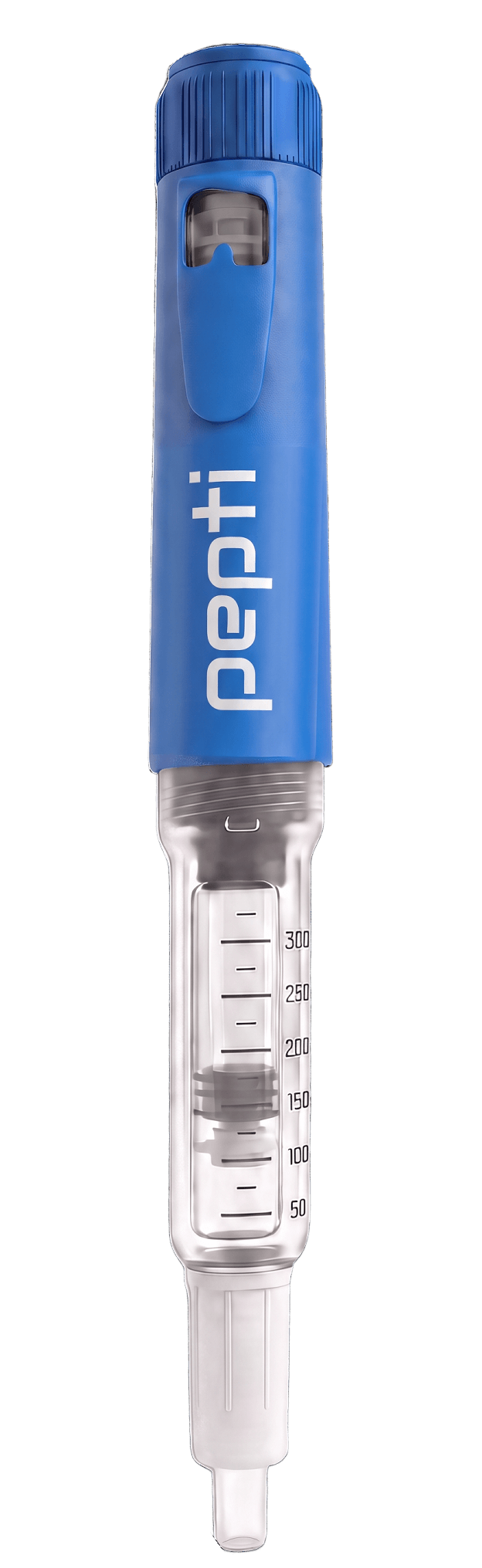
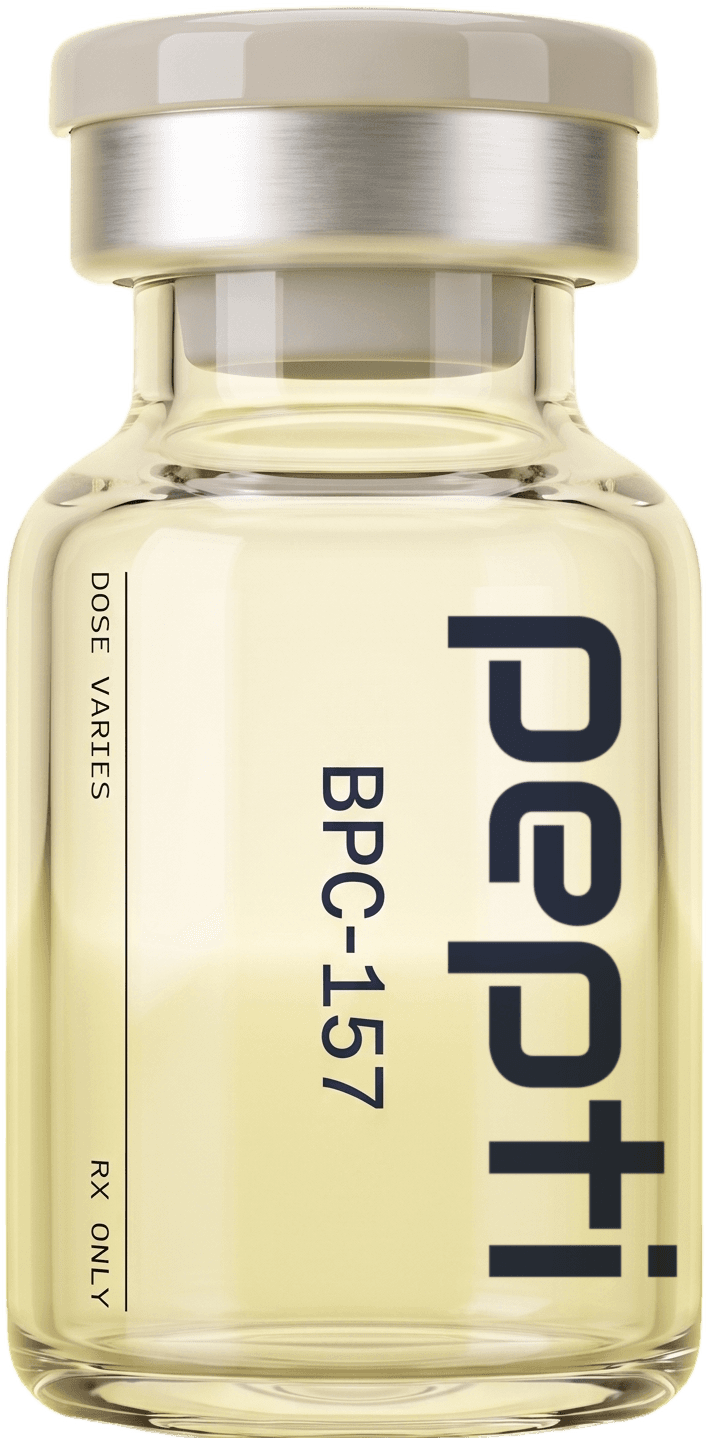
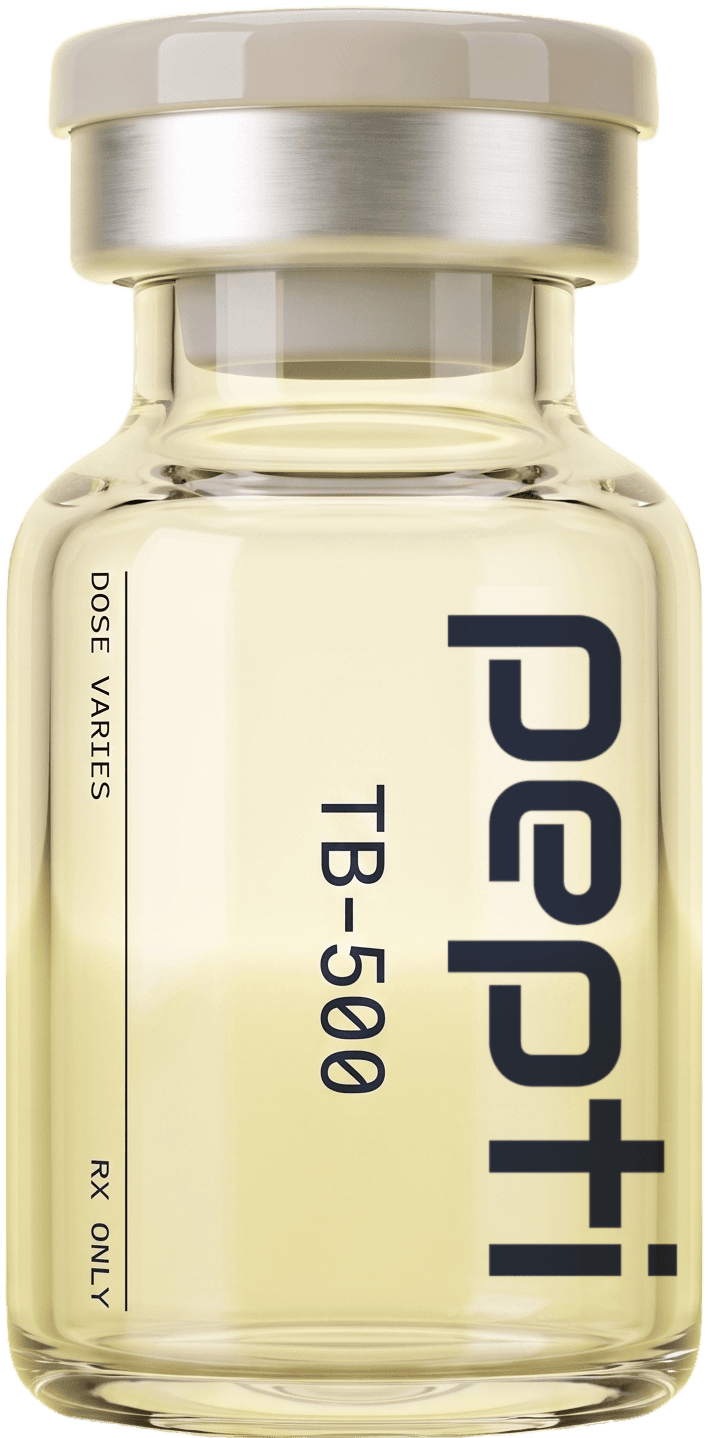
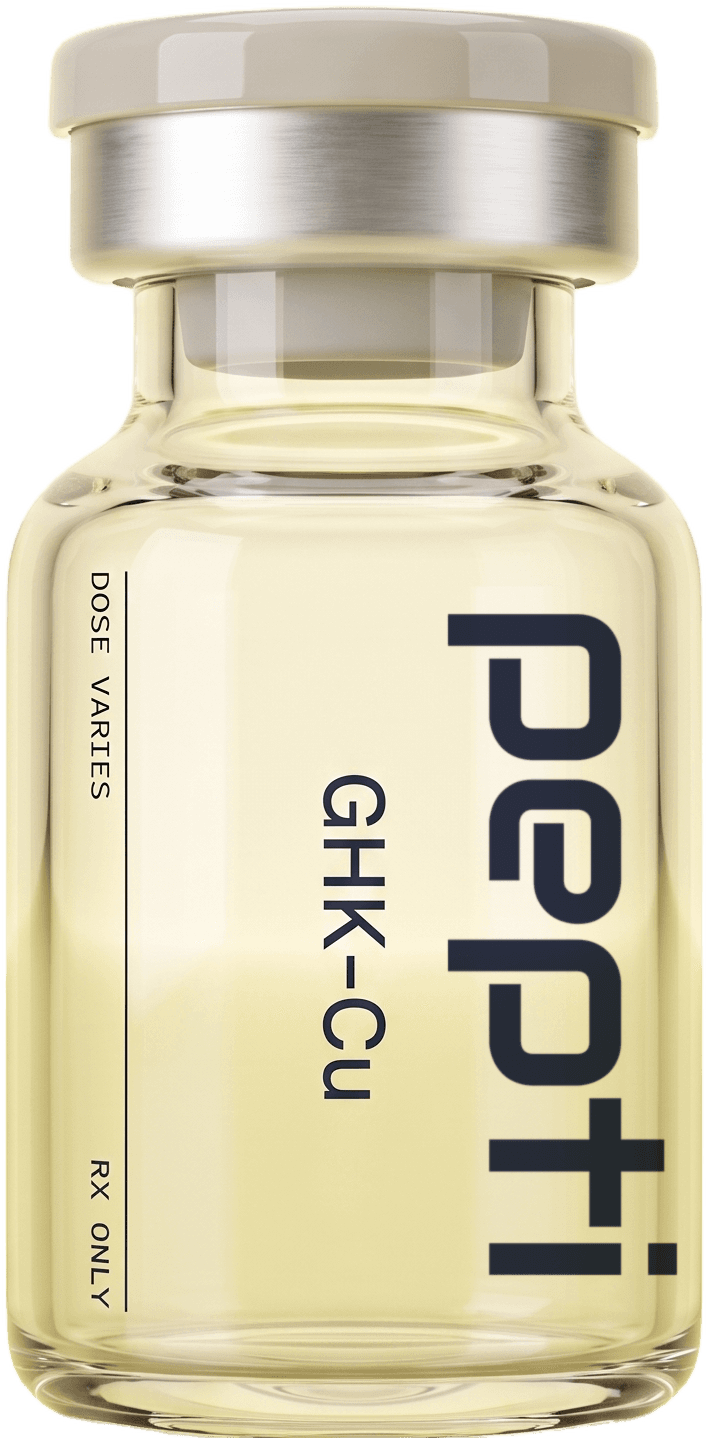
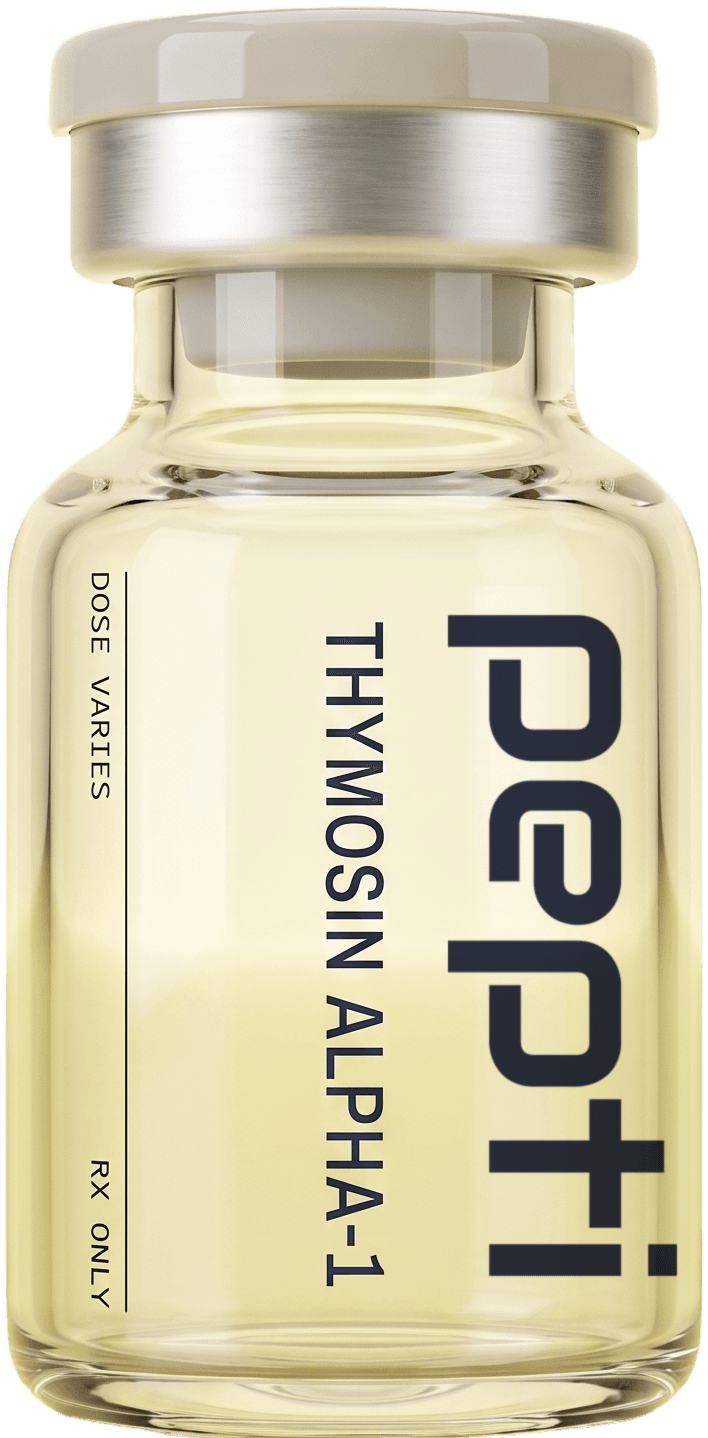
Nothing in this category starts after surgery without the agreement of the surgeon who operated on you. That is not a formality. Your surgeon knows what was repaired, what is holding it, what your bleeding risk is, and whether the operation was for cancer, and each of those changes the answer. When a surgeon does agree, the peptides used are BPC-157, TB-500, GHK-Cu and KPV for tissue repair, and thymosin alpha-1 for immune support. They are prescription-only, compounded by licensed US pharmacies, and not FDA approved.
If you are recovering from an operation and looking at peptides, read the timing section before the product table. The order matters more here than in any other use of this category. This page covers what is happening in a surgical wound week by week, which molecule is raised for which problem, what the research does and does not show, and where each stands with the FDA as of September 2026.
Peptides for Recovery After Surgery
The short answer
| If your situation is | The usual prescription | What is in it | Price |
|---|---|---|---|
| Soft-tissue or orthopaedic repair, cleared by your surgeon | BPC-157 + TB-500 | 5 mg BPC-157 and 5 mg TB-500 in 5 mL | $259 |
| Repair plus scar and skin quality | GLOW | 50 mg GHK-Cu, 10 mg BPC-157, 10 mg TB-500 | $259 |
| Repair plus persistent inflammation | KLOW | 50 mg GHK-Cu, 10 mg KPV, 10 mg BPC-157, 10 mg TB-500 | $259 |
| Scar and collagen quality specifically | GHK-Cu | 50 mg GHK-Cu in 5 mL | $239 |
| Run down, repeated infections during recovery | FORTIFY | Thymosin A-1, BPC-157, KPV and LL-37 | $279 |
| Immune support alone | Thymosin Alpha-1 | 10 mg thymosin A-1 in 5 mL | $249 |
| Abdominal surgery with gut-lining complaints afterwards | BPC-157 | 5 mg BPC-157 in 5 mL | $209 |
| Persistent post-surgical nerve pain | ARA-290 | 10 mg ARA-290 in 5 mL | $219 |
Each is an all-in monthly price covering medication, physician review, refill management and shipping. Pepti is subscription based.
Underneath that table: there are no randomized human trials of any of these peptides for recovery after surgery, only animal work in surgical models, a little human data in adjacent settings, and prescriber experience. The peptide is never the main event; the operation, the rehabilitation plan, protein, iron and sleep are.
Peptides for Recovery After Surgery
Why the surgeon has to agree
A telehealth physician sees your intake. Your surgeon saw the inside of you. Four things sit in the operative record that change whether any of this is appropriate, and only the operating team knows them.
| What the surgeon knows | Why it changes the answer |
|---|---|
| Whether the operation was cancer surgery | BPC-157, TB-500 and GHK-Cu are all described as supporting new blood-vessel formation. Any tissue that needs a blood supply can use that |
| Your bleeding and clotting plan | If you are on an anticoagulant, the vascular mechanisms here need to be discussed, not assumed |
| What is holding the repair | A graft, a flap, a mesh or a fixation device has a planned healing sequence the surgeon is following |
| Whether the wound is behaving normally | A wound that is not healing needs examination, not an added medication |
There is a second reason. If something goes wrong in the postoperative period and you have added a medication the surgical team does not know about, you have made their job harder at the worst possible moment. Tell them. How to talk to your doctor about peptides covers how that conversation usually goes.
Agreement does not need to be a formal letter: it is someone on the surgical team being told the product name and components and saying it is fine to start. Pepti's physician asks on the intake whether that has happened and declines if it has not.
Peptides for Recovery After Surgery
What is actually going on in a surgical wound
A surgical wound is a controlled injury. The body runs the same repair program it would after any cut, in the same order, and each peptide on this page is described as acting on a specific step. That is why timing is the whole question.
The four phases, and roughly when they happen
Phase Roughly What is happening Hemostasis Minutes to hours Platelets plug the cut vessels and a fibrin clot forms. The clot is the scaffold everything else builds on Inflammation Days 1 to 4 Neutrophils then macrophages clear debris and bacteria and release the signals that recruit repair cells Proliferation Days 4 to 21 Fibroblasts move in and lay down early collagen, new capillaries grow into the wound, epithelium closes the surface Remodelling Week 3 to a year or more Early type III collagen is replaced by stronger type I, fibers align along lines of tension, the scar matures The phases overlap, and deeper tissues run slower than skin: a tendon or ligament remodels for many months. Your surgeon's instructions about load and wound care are built around this program, which is why "when can I start" is really "which phase am I in."
Blood supply is usually the limiting step
Tendon, ligament, cartilage and the middle of a large flap are poorly vascularized, and the proliferative phase depends on new capillaries growing into the wound. This is why BPC-157 and TB-500 are described in animal work around angiogenesis, and also why both are inappropriate after cancer surgery: the signal that supplies a healing tendon can supply a tumor.
Inflammation that resolves, and inflammation that does not
The inflammatory phase clears the wound and calls in the repair cells; the problem is inflammation that fails to switch off. A wound that stays hot, swollen and painful past the first week is either infected, a surgical question, or stuck in a loop that keeps the proliferative phase from starting. KPV is raised for the second, never as a substitute for ruling out the first.
Scar, and the immune dip after major surgery
Adult tissue repairs by scar, not regeneration, and remodelling decides whether that scar is flat, pliable and strong or thick, tight and weak. GHK-Cu has the deepest literature on collagen synthesis and the enzymes that remodel it, which is why it is raised when scar quality is the question. Separately, major operations, anesthetics, blood loss and the stress response depress cellular immunity for days to weeks, which is part of why postoperative infections cluster then. Someone run down and catching everything through a long recovery is the situation in which thymosin alpha-1 is raised; it acts on a different system and carries its own cautions.
Peptides for Recovery After Surgery
When people usually start
There is no established protocol here, because there are no trials to establish one. What follows is how prescribers commonly think about it, not a schedule you should hold anyone to.
| Phase | Roughly | What is happening | Typical approach |
|---|---|---|---|
| Immediate | Days 0 to 7 | Clot, inflammation, wound sealing. The surgical team is watching the incision | Nothing added. This is the surgeon's window |
| Early | Weeks 1 to 3 | Repair cells move in, new vessels form, early collagen appears | The point most surgeons are asked, and the earliest anything usually begins |
| Rebuilding | Weeks 3 to 12 | Collagen laid down and remodelled, rehabilitation begins in earnest | Where repair peptides are most commonly used |
| Late | Month 3 onward | Remodelling, scar maturation, return to load | GHK-Cu for scar quality, and reassessment of whether to continue |
Why the first week is left alone
The incision is being watched for the complications that declare themselves early, such as bleeding, hematoma and infection, and a new injectable muddies the picture. The pro-angiogenic peptides have their proposed effect in the proliferative phase, which has not started. And you are on the most medication you will be on at any point, possibly including an anticoagulant, which is exactly when a physician does not want to add something with vascular effects.
Why weeks two to twelve is the usual window
This is the proliferative and early remodelling period, where fibroblast migration, collagen deposition and capillary growth are happening, and where the animal work on BPC-157, TB-500 and GHK-Cu was done. Those models dosed from the day of injury, which is not how it is done in people; the window prescribers use is a judgement, not a translation.
Peptides for Recovery After Surgery
What physicians prescribe after surgery
The FDA regulates the bulk substances a pharmacy compounds from, not the brand names of blends, so each product is described by its components. Directions are printed on the vial; which product and strength is your physician's decision.
BPC-157
A 15-amino-acid fragment of a protein found in human gastric juice. Animal research describes it promoting new blood-vessel formation through the VEGF receptor pathway and the nitric-oxide system, and upregulating growth-hormone receptor expression in tendon fibroblasts. Separate work describes protection of the gastrointestinal lining, which is why it comes up specifically after abdominal surgery. See is BPC-157 safe.
The surgical models are the relevant part. A 2003 paper in the Journal of Orthopaedic Research reported faster healing of a transected and repaired rat Achilles tendon, and a 2006 paper in the same journal reported the same for a transected rat quadriceps. A 2013 paper in the Journal of Physiology and Pharmacology reported healing of a colon-to-colon anastomosis in rats given BPC-157 that did not occur in controls, and a 2016 paper in the World Journal of Gastroenterology reported better anastomotic strength after esophagogastric anastomosis in rats. A 2009 paper in the Journal of Physiology and Pharmacology described less clot formation at an abdominal aortic anastomosis in rats: BPC-157 is described as acting on vessels and clotting, which is exactly why the surgeon has to weigh it against an anticoagulant. Human data: early-phase work in inflammatory bowel disease, none in surgical recovery. There are no randomized human trials of BPC-157 after surgery.
TB-500
Related to thymosin beta-4, one of the most abundant proteins inside human cells. It binds actin, the protein that allows a cell to move, which is the basis of its described effect on cell migration into damaged tissue. Published work also reports new vessel formation, reduced inflammatory mediators, and less scar formation in some injury models.
A 1999 paper in the Journal of Investigative Dermatology reported faster full-thickness wound closure in rats, and a 2003 paper in Wound Repair and Regeneration extended that to diabetic and aged mice, the two populations in which surgical wounds heal worst. A 2026 paper in Joint Diseases and Related Surgery compared BPC-157, TB-500 and the combination in rats after Achilles tendon transection and repair, dosed for four weeks postoperatively: the TB-500 group reached a significantly higher load to failure than controls, both peptides were associated with better histological scores, and the combination did not add to either alone. Human data exists, which is unusual here: a 2010 randomized placebo-controlled safety study of intravenous thymosin beta-4 in healthy volunteers and a 2012 paper on dermal healing in patients with chronic wounds, both in the Annals of the New York Academy of Sciences. That is chronic-wound and safety data, not surgical recovery data. TB-500 is prohibited at all times under the WADA list.
BPC-157 + TB-500
The combination vial exists because the two are prescribed together far more often than apart: BPC-157 is described around angiogenesis and gastrointestinal protection, TB-500 around actin-driven cell migration and matrix remodelling. It is the default conversation for a tendon, ligament or muscle repair once the surgeon has agreed. Worth knowing before you ask for BPC-157 + TB-500: the only surgical head-to-head, the 2026 rat tendon study, did not find the combination outperformed either alone. The rationale for pairing them is mechanistic breadth, not a demonstrated additive effect.
GHK-Cu
A copper-binding tripeptide that occurs naturally in plasma and declines with age. It delivers copper where copper-dependent enzymes need it, and research describes increased synthesis of collagen, elastin and proteoglycans, along with a shift in the balance between the enzymes that break tissue down and the inhibitors that stop them. It has the deepest literature of the repair peptides, including human skin work.
A 1988 paper in FEBS Letters reported increased collagen synthesis in cultured fibroblasts, a 1993 paper in the Journal of Clinical Investigation reported increased connective-tissue accumulation in rat wounds, and a 1999 paper in the Journal of Investigative Dermatology described modulation of matrix metalloproteinases in wounds. Closest to this page, a 2015 paper in the Journal of Orthopaedic Research injected GHK-Cu into the knee of rats after anterior cruciate ligament reconstruction: at six weeks treated animals had less knee laxity and stiffer grafts than saline controls, but the difference was gone at twelve weeks once treatment stopped. The one human study in a procedural setting, a 2006 paper in the Archives of Facial Plastic Surgery, applied topical copper tripeptide after laser resurfacing; that is a topical product on a skin procedure, not injectable GHK-Cu after an operation. Not for anyone with Wilson's disease or a copper-handling disorder. See what is GHK-Cu.
KPV
The final three amino acids of alpha-MSH, described as interfering with inflammatory signalling inside the cell including the NF-kB and MAPK pathways, reducing cytokines such as TNF-alpha and IL-6. Inflammation that will not resolve is a common reason a repair phase stalls.
The literature is gut and cell work: a 2008 paper in Gastroenterology reported that KPV taken up through the PepT1 transporter reduced intestinal inflammation in mice, a 2008 paper in Inflammatory Bowel Diseases reported the same in murine colitis, and a 2012 paper in the International Journal of Physiology, Pathophysiology and Pharmacology described the mechanism in human bronchial epithelial cells. None of it is postoperative, and there are no randomized human trials of KPV. It is raised once the surgeon has confirmed the wound is not infected and the picture is inflammation that is not settling, usually within KLOW or FORTIFY. See what is KPV.
KLOW and GLOW
KLOW combines GHK-Cu, KPV, BPC-157 and TB-500 in one vial, for a recovery with two problems at once: tissue that needs to rebuild and inflammation that is slowing it. GLOW is GHK-Cu, BPC-157 and TB-500 without KPV, and is the conversation after a skin or cosmetic procedure when scar and skin quality matter alongside repair. Every caution that applies to a component applies to the blend: the copper caution for GHK-Cu in both KLOW and GLOW, and the cancer-history caution for the three pro-angiogenic peptides.
Thymosin alpha-1
A 28-amino-acid peptide produced naturally by the thymus, described as modulating immune function through effects on T-cell maturation, dendritic cell signalling and Toll-like receptor pathways. It is approved in some countries for hepatitis B and as a vaccine adjuvant. It is raised when someone is run down through a long recovery, and it is the one that needs specialist input if you have autoimmune disease or are on immunosuppressive therapy. See peptides for immune support.
Thymosin alpha-1 is the one molecule here with a real randomized human literature: a 1998 randomized controlled trial in chronic hepatitis B in Hepatology, covered by a 2026 Cochrane review; a 2013 multicenter randomized trial in severe sepsis in Critical Care; and the larger placebo-controlled phase 3 sepsis trial in the BMJ in 2025, which did not meet its primary endpoint. In a surgical population, a 2024 paper in Biotechnology and Genetic Engineering Reviews reported a randomized study of 400 patients undergoing colorectal cancer resection at a single Chinese center, in which those given thymalfasin alongside chemotherapy had a lower incidence of perioperative infection and higher immune-function indices than chemotherapy alone. One center, one cancer, one chemotherapy regimen: it is the closest the literature comes, and it is not evidence for thymosin alpha-1 in general surgical recovery.
FORTIFY
FORTIFY pairs thymosin alpha-1 with BPC-157, KPV and LL-37. LL-37 is the human cathelicidin, with randomized placebo-controlled human data of its own: a 2014 paper in Wound Repair and Regeneration and a 2021 multicenter follow-up reported topical LL-37 in hard-to-heal venous leg ulcers, a topical product on chronic ulcers rather than an injectable after surgery. FORTIFY is the conversation when the problem is both a slow repair and repeated infections, and the autoimmune and immunosuppression cautions for thymosin alpha-1 apply to FORTIFY in full.
ARA-290
ARA-290 is an 11-amino-acid peptide derived from erythropoietin that binds the innate repair receptor without stimulating red blood cell production. It is not a repair peptide; it is raised for nerve pain that persists after the wound has healed. Small randomized trials in sarcoidosis-associated small-fiber neuropathy, in Molecular Medicine in 2012 and 2013, and a 2015 paper in type 2 diabetes described improvements in neuropathic symptoms and corneal nerve fiber density. None involved post-surgical pain, which needs a diagnosis first: a trapped nerve, a neuroma and a suture through a nerve are surgical problems.
Peptides for Recovery After Surgery
What the evidence shows, and what it does not
What the animal surgical models actually measured
The rat and mouse studies above are closer to the question than most animal work in this category, because several used a genuine surgical injury: a sutured Achilles, a bowel anastomosis, an aortic anastomosis, an ACL reconstruction. They measured things a surgeon cares about: load to failure, anastomotic strength, knee laxity, collagen alignment. It is still rats, dosed from the day of injury, and in the ACL study the effect did not outlast the treatment.
The human data, honestly
There are no randomized human trials showing that any of these peptides improve surgical outcomes. The work on BPC-157, TB-500 and KPV is largely preclinical, in animal and cell models. GHK-Cu has the deepest literature, including human skin studies, though clinical data for injectable use remains limited. Thymosin alpha-1 has a substantial clinical literature in infectious disease settings, which is not the same as evidence for postoperative recovery.
What exists is a coherent mechanism and prescriber experience. That is a reasonable basis for a conversation with your surgeon. It is not a basis for a promise, and none of these are FDA approved. They are compounded at a US FDA-registered pharmacy against a valid prescription.
What has not been shown: that any of them shortens a human recovery; that any improves the strength of a human repair; that any is safe alongside a specific graft, mesh, flap or fixation device, which is why the surgeon decides; that the combinations outperform the single peptides; or long-term safety over years of use. The general repair logic is covered in peptides for healing and peptides for wound healing and recovery.
Peptides for Recovery After Surgery
Where these stand with the FDA right now
This moved twice in 2026, and most of what is published online is out of date. The FDA regulates the bulk substances a pharmacy compounds from, not the brand name of a blend, so KLOW, GLOW and FORTIFY have no status of their own; the question is where each component stands.
The 15 April 2026 Category 2 removals
From 2023 until April 2026, BPC-157, TB-500, KPV and injectable GHK-Cu sat in Category 2 of the FDA's interim 503A bulk drug substances list, the category for nominated substances the agency considered to raise significant safety risks. On 15 April 2026 the FDA announced the removal of twelve peptides from Category 2 because their nominations had been withdrawn, effective seven days later, and stated that removal "does not, by itself, place these substances on the 503A bulks list or into Category 1." The FDA's safety-risk page, updated 22 April 2026, now lists BPC-157, thymosin beta-4 fragment and GHK-Cu among substances nominated but withdrawn, and its active 503A Category 2 table contains six substances, none a peptide on this page. On the category list updated 14 May 2026, BPC-157, TB-500, KPV and thymosin alpha-1 appear in no category; cibinetide, the drug name for ARA-290, sits in Category 3, nominated without adequate support, which is a statement about the paperwork rather than a safety finding.
The 23 July 2026 advisory committee votes
The FDA's Pharmacy Compounding Advisory Committee met on 23 and 24 July 2026 and on the first day took up BPC-157, KPV and TB-500, each as the free base and the acetate. In each briefing document the FDA's own reviewers concluded that "a balancing of the criteria weighs against" the substance being placed on the list. The committee voted the other way: 8 yes, 6 no and one abstention to recommend adding BPC-157 to the 503A Bulks List, and by the same margin KPV and TB-500. Across the two days the committee recommended six of the seven peptides on its agenda.
A committee vote is a recommendation, not a decision. The FDA issues its own determination after weighing the vote, public comment and its scientific review, and adding a substance to the Bulks List requires notice-and-comment rulemaking. As of September 2026 that determination is pending for all three.
GHK-Cu is on a later schedule
Injectable GHK-Cu was not on the July agenda. After the April withdrawal, one nominator clarified on 5 May 2026 that it meant to withdraw only the injectable route, and on 14 May 2026 the FDA added "GHK-Cu (except for injectable routes of administration)" back to Category 1, substances under evaluation, while stating that it intends to consult the committee on GHK-Cu before the end of February 2027. Injectable GHK-Cu, the form in GLOW, KLOW and the standalone product, is therefore where BPC-157 and TB-500 were between April and July: no longer flagged, not yet reviewed for the positive list.
Thymosin alpha-1: a negative committee vote in December 2024
On 4 December 2024 the same committee voted 4 in favor and 17 against placing thymosin alpha-1 on the 503A Bulks List; the uses reviewed were hepatitis B and C, HIV, COVID-19, depressed response to vaccination and adjuvant to flu vaccine. That vote is a recommendation; the FDA has not issued a final determination, and thymosin alpha-1 appears in no category on the 14 May 2026 list. It remains legal to prescribe and compound. Its approvals for hepatitis B and as a vaccine adjuvant are in other countries; it is not FDA approved in the United States for any indication. Nor is anything else on this page: compounded medications are never FDA-approved products, and it is legal to prescribe and dispense them with a valid prescription.
Anti-doping status
The WADA Prohibited List in force is the 2026 list. It names BPC-157 explicitly under section S0, non-approved substances, which prohibits at all times any pharmacological substance with no current approval by any governmental regulatory health authority for human therapeutic use. The same list names "Thymosin-ß4 and its derivatives e.g. TB-500" under S2, growth factors and growth factor modulators, also prohibited at all times. KPV and injectable GHK-Cu fall under the same S0 logic. A tested athlete recovering from surgery should check with their anti-doping organization before starting anything on this page and say so on the intake.
Peptides for Recovery After Surgery
What a physician rules out first
Most of what gets raised as "slow recovery" has a cause a peptide does not address, and some of these send you back to the surgical team rather than forward to a prescription.
Infection, or a repair that has failed
Spreading redness, warmth, discharge, a new smell, increasing pain after day three, or fever means a wound infection until proven otherwise: an examination, a swab, possibly an antibiotic, possibly a return to theatre. A peptide layered over an undiagnosed infection delays the treatment that would help, and thymosin alpha-1 specifically should not be started into an active surgical-site infection. A re-tear, a leaking anastomosis, a loosened fixation or a failing flap also presents as slow recovery, and is a surgical problem.
Bleeding risk and anticoagulation
Many people leave hospital on an anticoagulant or antiplatelet for weeks after orthopaedic, cardiac or vascular surgery. BPC-157, TB-500 and GHK-Cu are all described as acting on vessels, and BPC-157 in rat work on clot formation at an anastomosis. The physician will want to know exactly what you are on and for how long, and the surgeon has to agree.
Nutrition, iron, glucose and nicotine
Collagen synthesis needs protein, vitamin C, zinc and adequate calories, and postoperative anemia is common and slows everything. A ferritin, a blood count and a look at what you are eating come before any peptide; this is the commonest reason a recovery is slow, and it is fixed with food and iron, not an injection. Uncontrolled glucose impairs every phase of healing, an untreated thyroid problem slows recovery generally, and at-home blood testing covers both. Nicotine constricts the small vessels a healing wound depends on, and no peptide compensates for it.
Peptides for Recovery After Surgery
What to expect, and when
These are patterns described by prescribers, not trial endpoints. Individual response varies, and no timeline here can be held against anyone.
The first two weeks on treatment
Most people notice nothing beyond the injection itself. Some describe background soreness and swelling settling, which is hard to separate from the recovery already underway. Absence of any change in this window is normal.
Weeks two to eight
This is where tissue-level change would be expected if it occurs, based on the animal timelines, and it overlaps with the point at which rehabilitation is progressing anyway. Prescribers describe it as the period where people report the repair feeling more robust under load. Whether that is the peptide, the physiotherapy or time is not something anyone can separate for an individual.
Scar maturation and how long treatment continues
Scars take months to a year to settle regardless. GHK-Cu is the molecule raised for this phase, and any effect on scar quality would be judged at three to six months, not weeks; photographs at intervals are the only honest way to assess it. Treatment is long-term on 28-day refills, one vial per fill; your physician reviews you at each refill and decides whether to continue, change the product, or stop. There is no withdrawal and no rebound described in the literature for any of these molecules.
Peptides for Recovery After Surgery
What this will not do
- Speed up a healing timeline you can hold anyone to. Nobody can give you one honestly.
- Replace rehabilitation. Tissue adapts to load, and the physiotherapy plan is the part that restores function.
- Rescue a complication. Increasing pain, fever, redness spreading from the incision, discharge or a wound opening means calling the surgical team immediately.
- Substitute for nutrition and sleep. Protein intake, iron status and sleep do more for a recovering body than anything in the table above.
- Be injected into or near the incision. These are subcutaneous injections given away from the surgical site, into a clean area, exactly as the pharmacy directions state.
Peptides for Recovery After Surgery
When a peptide is the wrong tool
A reference that only ever recommends its own product is not much of a reference. The cases where the honest answer is something else:
- The surgeon said no. That ends it. There is no second opinion to seek, because no one else saw the repair.
- The operation was for cancer, or you have a personal history of cancer. BPC-157, TB-500 and GHK-Cu are not prescribed. If immune support during recovery is the actual question, that is a conversation about thymosin alpha-1 with your oncologist involved, not a repair peptide.
- The wound is infected or not behaving. Surgical team, today.
- You are anemic, underfed or your glucose is uncontrolled. Fix those first; the physician will say so.
- The problem is a tendon that has been sore for a year, not a fresh repair. That is a chronic tendinopathy question, where progressive loading under a physiotherapist has human trial evidence and the peptide does not.
- The problem is nerve pain, not tissue. ARA-290 is the conversation, after a diagnosis.
- What you actually want is to rebuild muscle lost during immobilization. That is training and protein; GH-axis products such as CJC-1295 / Ipamorelin are a separate discussion with your physician.
Peptides for Recovery After Surgery
Who should not use them
| Situation | Why |
|---|---|
| Cancer surgery, or any personal history of cancer | Angiogenesis supports any tissue needing blood supply. This is the most important line in the table |
| Anticoagulant or antiplatelet therapy | The vascular mechanisms need a discussion with the surgical team first |
| Active surgical site infection | That is an antibiotic and possibly a return to theatre, not an added peptide |
| Wilson's disease or a copper-metabolism disorder | GHK-Cu delivers copper |
| Autoimmune disease or immunosuppressive therapy | Relevant specifically to thymosin alpha-1 and FORTIFY |
| Pregnancy or breastfeeding | Not used. Safety data is absent |
| Your surgeon has said no | That ends it |
Peptides for Recovery After Surgery
Monitoring and bloodwork
Bloodwork is not routinely required before BPC-157, TB-500 or KPV; your physician decides. After an operation the things that slow recovery are visible on a blood test, and the surgical team may already have drawn it.
| Marker | Why |
|---|---|
| Full blood count and ferritin | Postoperative anemia and iron deficiency are the commonest reasons a recovery is slow |
| CRP | A rising inflammatory marker weeks out points to infection or a failing repair, not a peptide |
| Fasting glucose or HbA1c | Impaired healing and infection risk if uncontrolled |
| Thyroid panel | Slows recovery generally if untreated |
| Copper and ceruloplasmin | Before GHK-Cu if there is any question of a copper-handling disorder |
| Liver and kidney function | Routine before any long-term prescription |
What gets reported with the repair peptides is mostly injection-site: redness, mild soreness, occasional bruising. GHK-Cu can produce a transient metallic taste or nausea in some people, and thymosin alpha-1 is generally described as well tolerated in its trial literature. Any reaction that is severe, spreading, or involves difficulty breathing means stopping and contacting your physician; anything at the incision means the surgical team. At surgical follow-up, tell the team the product name, the components and when you started, so it is in the record.
References
What this is based on.
References
- Chang CH, Tsai WC, Hsu YH, Pang JH. Pentadecapeptide BPC 157 enhances the growth hormone receptor expression in tendon fibroblasts · Molecules (2014) · PMID 25415472
- Krivic A, Anic T, Seiwerth S, et al.. Achilles detachment of rat and stable gastric pentadecapeptide BPC 157 · Journal of Orthopaedic Research (2006) · PMID 16583442
- Sikiric P, Seiwerth S, Rucman R, et al.. Stable gastric pentadecapeptide BPC 157: novel therapy in gastrointestinal tract · Current Pharmaceutical Design (2011) · PMID 21548867
- Cerovecki T, Bojanic I, Brcic L, Radic B, et al.. Pentadecapeptide BPC 157 (PL 14736) improves ligament healing in the rat · J Orthop Res (2010) · PMID 20225319
- Sikiric P, Seiwerth S, Rucman R, Turkovic B, et al.. Stable gastric pentadecapeptide BPC 157-NO-system relation · Curr Pharm Des (2014) · PMID 23755725
- Cox HD, Miller GD, Eichner D. Detection and in vitro metabolism of the confiscated peptides BPC 157 and MGF R23H · Drug Test Anal (2017) · PMID 28035768
- Thomas A, Görgens C, Guddat S et al.. Simplifying and expanding the screening for peptides <2 kDa by direct urine injection, liquid chromatography, and ion mobility mass spectrometry · J Sep Sci (2016) · PMID 26578461
- Farrar JT, Young JP Jr, LaMoreaux L, Werth JL et al.. Clinical importance of changes in chronic pain intensity measured on an 11-point numerical pain rating scale · Pain (2001) · PMID 11690728
- Meyer JD, Ho B, Manning MC. Effects of conformation on the chemical stability of pharmaceutically relevant polypeptides · Pharm Biotechnol (2002) · PMID 11987755
- Xu C, Sun L, Ren F, Huang P, et al.. Preclinical Safety Evaluation of Body Protective Compound-157, a Potential Drug for Treating Various Wounds · Regul Toxicol Pharmacol (2020) · PMID 32334036
- He L, Feng D, Guo H, et al.. Pharmacokinetics, distribution, metabolism, and excretion of body-protective compound 157, a potential drug for treating various wounds, in rats and dogs · Front Pharmacol (2022) · PMID 36588717
- Lee E, Padgett B. Intra-Articular Injection of BPC 157 for Multiple Types of Knee Pain · Altern Ther Health Med (2021) · PMID 34324435
Citations are provided for educational purposes. They do not constitute medical advice. Always discuss any peptide protocol with your prescribing physician.
Common questions
Peptides for Recovery After Surgery, answered.
Only if the surgeon who operated on you agrees. The mechanism people are interested in, new blood-vessel formation, is the same mechanism that makes it a poor idea after cancer surgery and a question worth asking if you are on an anticoagulant. The relevant animal work is in repaired rat tendons and bowel and aortic anastomoses; there are no randomized human trials of BPC-157 after an operation.
There is no established protocol, because there are no trials. In practice the first postoperative week belongs to the surgical team, and prescribers most often see these used from around week two or three onward, if the surgeon has agreed. That is the proliferative phase, when fibroblasts and new capillaries are moving into the wound.
GHK-Cu is the component studied for collagen and skin remodelling, and reduced scar formation is described in some TB-500 animal models. Whether that translates to a visible difference in your scar is not something anyone can promise you. The one human procedural study used topical copper peptide after laser resurfacing, and scar maturation takes months regardless.
No interference is documented either way, which is itself the problem: the absence of data cuts both directions. That is precisely why the operating surgeon, who knows what is holding your repair together, makes the call rather than the internet.
Same rule. The person who performed the procedure decides, and for skin procedures the GHK-Cu conversation is a reasonable one to raise with them. GLOW is the product usually discussed when skin quality and repair are both in play.
ARA-290 at $219 is an 11-amino-acid peptide derived from erythropoietin that binds the innate repair receptor without stimulating red blood cell production. Small clinical trials in small-fibre neuropathy reported promising but limited results. Persistent post-surgical nerve pain should be assessed properly first, because a neuroma or a trapped nerve is a surgical problem, not a peptide one.
No. Compounded peptides are paid out of pocket. See does insurance cover peptide therapy.
That is common and not a reason to skip the conversation. Bring the product name and the component list, say it is a compounded prescription injection, and ask whether there is any reason specific to your repair that it should not be added. Most surgeons will answer that directly. If the answer is no, that ends it.
Ask the surgeon and the anesthetist, and expect them to say no. Anything with a vascular or platelet effect is an unknown on the day of surgery, the same reason you are asked to stop fish oil and NSAIDs beforehand. There is no evidence either way.
They are usually prescribed together for a tendon, ligament or muscle repair because they are described as acting on different steps. The only surgical head-to-head, a 2026 rat Achilles study, found that TB-500 alone reached a significantly higher load to failure than controls and that the combination did not add to either peptide by itself. Which you are prescribed is your physician's decision, with your surgeon's agreement.
It is a different molecule from the repair peptides and does not carry the angiogenesis caution; the one randomized study in a surgical population was in colorectal cancer patients alongside chemotherapy. It is still not something to start without your oncologist and surgeon knowing, and not in autoimmune disease or on immunosuppression without specialist input.
No. None is an FDA-approved drug for any indication in the United States, and compounded medications are never FDA approved as finished products. In July 2026 the FDA's advisory committee voted to recommend adding BPC-157, KPV and TB-500 to the 503A Bulks List; the FDA's final determination is pending. Injectable GHK-Cu is scheduled for committee review before the end of February 2027. All remain legal to prescribe and dispense.
Not routinely for BPC-157, TB-500 or KPV, though after surgery a physician will often want a blood count, ferritin, glucose and CRP, because those are what actually slow a recovery. Copper markers are checked before GHK-Cu if there is any question of a copper-handling disorder. At-home blood testing covers the metabolic and thyroid markers. The free assessment goes to a physician licensed in your state. A consultation does not guarantee a prescription.
Next step
See what a physician recommends for you.
A licensed physician in your state reviews your intake and decides what is appropriate. A consultation does not guarantee a prescription.