— Weight Loss · Reference
GLP-1 Nausea: Why It Happens and What Actually Helps It Settle
Why semaglutide and tirzepatide cause nausea, the eating and timing changes that reduce it, what your physician can adjust, and the symptoms that need reporting the same day.
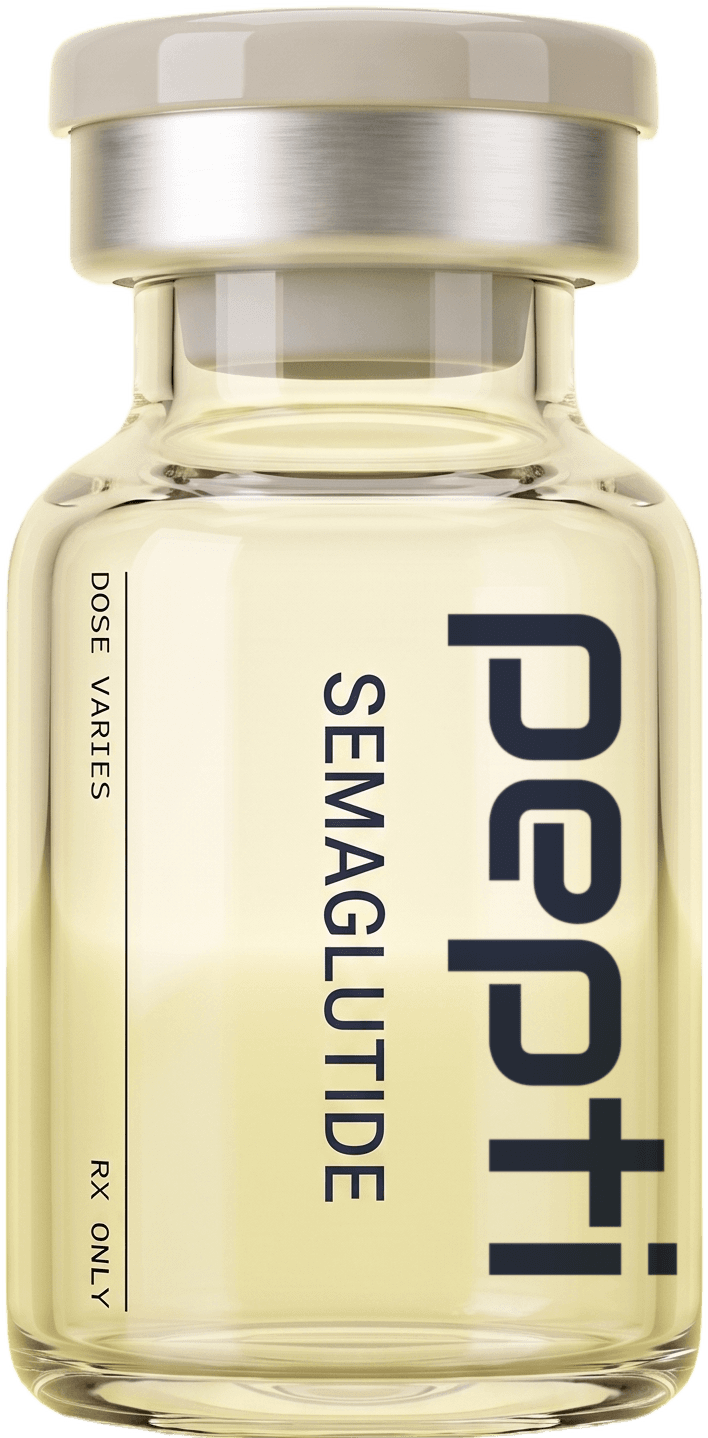
— Treatments mentioned
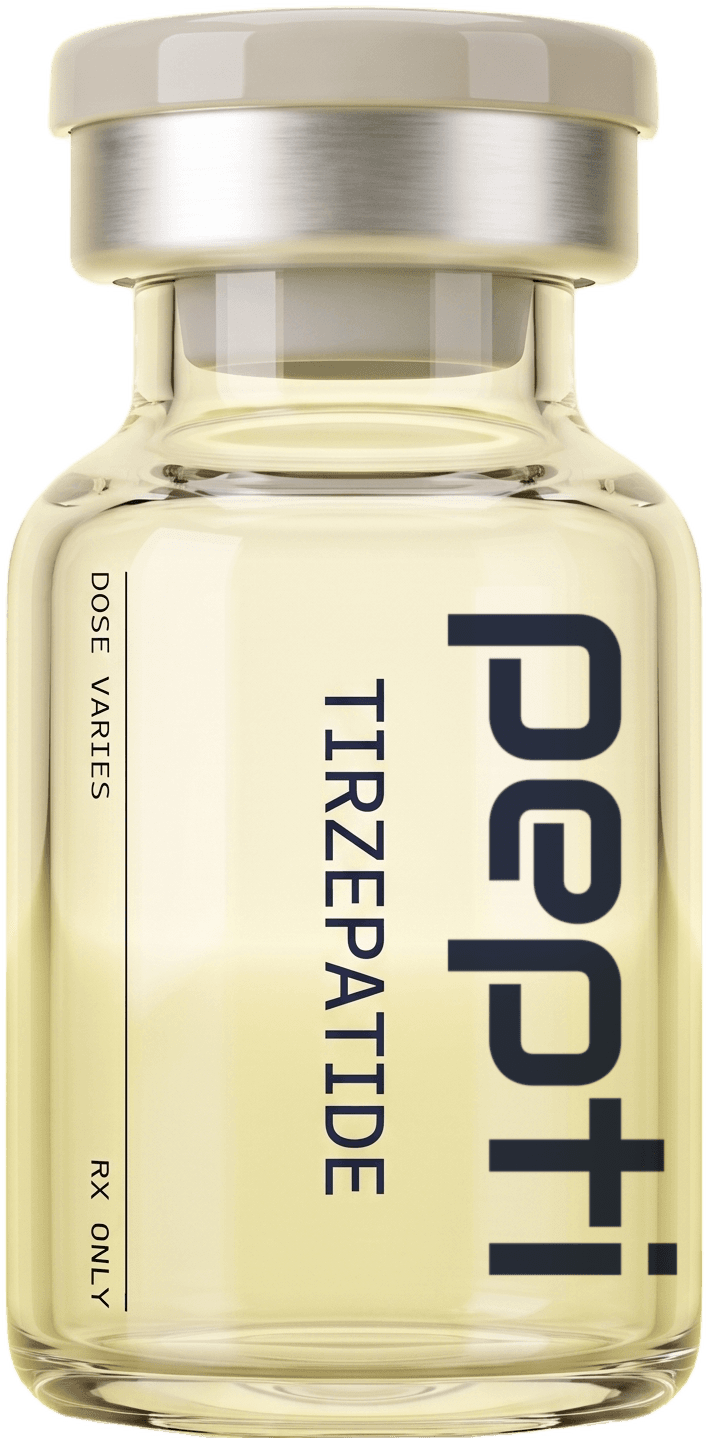
GLP-1 nausea happens because these medications slow the rate at which your stomach empties, and it is worst in the days after a dose increase. For most people it settles as the body adapts, and the adjustments that help most are smaller portions, eating slowly, and not climbing to the next strength faster than you need to. Nausea that stops you eating or drinking adequately, or severe abdominal pain, is not ordinary adaptation and should go to your physician the same day. What follows is general education; your own prescriber's advice for your situation takes precedence.
— GLP-1 Nausea
The short answer
| If this is your situation | What usually helps first | Who decides |
|---|---|---|
| Queasy for two to four days after a dose increase | Smaller portions, protein first, nothing fried, ride it out | You, with your physician informed |
| Still queasy two weeks into the same strength | Staying at this strength longer instead of stepping up | Your physician |
| Nausea bad enough that you are not eating properly | Stepping the dose back down | Your physician |
| Vomiting, or unable to keep fluids down | Contact your prescriber the same day | Your physician |
| Severe abdominal pain, especially radiating to the back | Contact your prescriber the same day, do not wait | Your physician |
The medications this applies to:
| Medication | What is in it | Price |
|---|---|---|
| Semaglutide | Dose-specific vials, six strengths from 0.25 mg to 2.5 mg weekly | From $99/mo, priced by dose |
| Tirzepatide | Dose-specific vials with cyanocobalamin, six strengths from 2.5 mg to 15 mg weekly | From $159/mo, priced by dose |
Both are compounded at a US FDA-registered pharmacy against a prescription and neither is FDA approved. Current pricing by strength is published at /cost/semaglutide and /cost/tirzepatide.
— GLP-1 Nausea
Why it happens
These medications mimic a gut hormone released after eating. Part of what that hormone does is slow gastric emptying, which is one of the mechanisms by which the medication reduces appetite: food stays in the stomach longer and you feel full sooner and for longer.
Nausea is the same mechanism experienced from the inside. It is not a sign that something has gone wrong, and it is not an allergy. It is the treatment working on a stomach that has not yet adjusted its expectations about portion size and speed.
Two things follow from that. First, the symptom is largely dose-responsive, which is why it clusters around increases rather than appearing randomly. Second, the behaviours that made sense on your old gastric emptying rate, a full plate eaten quickly, are now the main trigger.
— Delayed gastric emptying, measured rather than inferred
The approved semaglutide label states plainly that semaglutide delays gastric emptying, and a 2018 study in Diabetes, Obesity and Metabolism measured it in adults with obesity, reporting delayed first-hour gastric emptying. A 2020 study in the same journal reported that tirzepatide transiently delays gastric emptying, comparably with selective long-acting GLP-1 receptor agonists, and the approved tirzepatide label makes the same point: the delay is largest after the first dose and diminishes over time. The gastric effect is not a fixed tax you pay forever; it is largest when the exposure is new to you — the first dose, and again at every step up.
— The part that is not in your stomach
Slowed emptying is not the whole story. Both approved labels state that GLP-1 receptors are present in areas of the brain involved in appetite regulation, and that animal studies show the drug distributing to and activating neurons in those regions; tirzepatide also activates the GIP receptor there. The region that matters for nausea is the hindbrain. A 2024 paper in Nature described dissociable hindbrain GLP-1 receptor circuits in mice — separate neuron populations, one associated with satiety and one with aversion. Animal work, but the clearest available account of why fullness and queasiness are related without being the same thing.
— Why nausea is not a progress report
A 2012 paper in Neuropharmacology examined the role of nausea in the food-intake and body-weight effects of peripheral GLP-1 receptor agonists in rats and reported that the two could be separated. Prescribers see it from the other direction: people who feel very little are not thereby responding less. The symptom is information about your tolerance, not your results.
— Why it clusters around dose increases
Both approved labels say the escalation schedule exists for exactly this reason — the semaglutide label instructs prescribers to follow it "to minimize gastrointestinal adverse reactions," the tirzepatide label "to reduce the risk of gastrointestinal adverse reactions." The trial data matches: the semaglutide label states that gastrointestinal reactions "increased during dose escalation," and the tirzepatide label that the majority of nausea, vomiting and diarrhea events occurred during escalation and decreased over time.
— GLP-1 Nausea
How common this actually is
The figures below are from the approved prescribing information for the manufactured semaglutide and tirzepatide products used for chronic weight management.
— Reported rates on the approved semaglutide label
From three placebo-controlled trials in 2,116 adults treated at 2.4 mg weekly for up to 68 weeks:
Reaction Semaglutide 2.4 mg Placebo Nausea 44% 16% Diarrhea 30% 16% Vomiting 24% 6% Constipation 24% 11% Abdominal pain 20% 10% Dyspepsia 9% 3% Eructation 7% under 1% Gastroesophageal reflux disease 5% 3% Overall, 73% of treated adults and 47% of placebo-treated adults reported some gastrointestinal reaction. Read the placebo column first: 16% of people given a dummy injection reported nausea. Not everything that happens to your stomach on a GLP-1 is caused by it.
— Reported rates on the approved tirzepatide label
From two placebo-controlled trials in 2,519 adults treated for up to 72 weeks, by maintenance strength:
Reaction 5 mg 10 mg 15 mg Placebo Nausea 25% 29% 28% 8% Diarrhea 19% 21% 23% 8% Constipation 17% 14% 11% 5% Vomiting 8% 11% 13% 2% Abdominal pain 9% 9% 10% 5% Dyspepsia 9% 9% 10% 4% Overall gastrointestinal reactions were reported in 56% of patients at each of the three maintenance strengths, against 30% on placebo. Note that nausea does not climb steadily with strength, and constipation falls: the maintenance strength you settle on is not simply "more of everything."
— How often it is severe rather than annoying
This is the number most pages leave out. On the approved semaglutide label, severe gastrointestinal reactions were reported in 4.1% of treated adults versus 0.9% on placebo; on the approved tirzepatide label, 1.7% at 5 mg, 2.5% at 10 mg and 3.1% at 15 mg versus 1%. Common, then, and usually mild-to-moderate. Severe is the minority experience, and it is what the same-day list below is written for.
— How often people stop because of it
On the approved semaglutide label, discontinuation specifically for a gastrointestinal reaction occurred in 4.3% of treated adults versus 0.7% on placebo, within an overall rate of 6.8% versus 3.2%. On the approved tirzepatide label it ran from 1.9% at 5 mg to 4.3% at 15 mg versus 0.5%, with most of those who stopped doing so in the first few months. So most people who feel sick early do not end up stopping, and those who do stop overwhelmingly do it before reaching a maintenance strength — exactly the window where holding a dose is most useful.
— GLP-1 Nausea
What usually helps
| Change | Why it works |
|---|---|
| Smaller portions, and stop at the first sense of fullness | Your stomach is emptying more slowly, so the old portion is now too much volume |
| Eat slowly | The fullness signal now arrives late; eating quickly overshoots it before you notice |
| Protein first, fat and fried food last or not at all | High-fat meals sit in the stomach longest, which is exactly the problem |
| Drink between meals rather than with them | Liquid takes up the same limited space |
| Skip alcohol in the days after a dose step | It aggravates nausea and reflux, covered in can you drink alcohol on semaglutide |
| Stay upright for a while after eating | Helps if reflux rather than queasiness is the main complaint |
| Keep fluids up | Dehydration makes nausea worse and constipation harder |
| Move the dosing day | Some patients find the peak lands better over a quieter part of the week |
None of that is exotic, and that is the point: the majority of manageable GLP-1 nausea is managed by portion size, meal composition and titration pace rather than by adding another medication.
If constipation is the dominant symptom rather than nausea, say so specifically, because the management is different and your physician may want to address it directly rather than adjusting the GLP-1 dose.
— Portion size, and why it is the largest lever you control
If the stomach empties more slowly, the volume that used to fit comfortably now arrives on top of what is still there. Plate less than you think you want and go back if you are still hungry — stopping halfway through a full plate is still past the point your stomach was ready for. Putting the fork down between mouthfuls is the change prescribers hear about most.
— Protein first, fat last
Fat slows gastric emptying most on its own, so a high-fat meal stacks on top of a medication whose main gastric effect is delayed emptying. Fried food, cream sauces and large amounts of cheese are the offenders patients report; protein and simple carbohydrate at the start of a meal tend to be easier.
— When reflux or constipation is the real complaint
Reflux appears on both approved labels at around 5% versus 2–3% on placebo, and constipation at 24% versus 11% for semaglutide and 11–17% versus 5% for tirzepatide. Both get different answers from daytime queasiness: reflux responds to an earlier last meal and staying upright afterwards, constipation to fluid, fibre and movement, and constipation is the one symptom where stepping the dose down is often not the first move. Name the symptom precisely when you message your prescriber. The approved semaglutide label also notes the injection can be taken at any time of day and the day of the week changed, so moving your dosing day is a scheduling choice you can make yourself.
— GLP-1 Nausea
What your physician can adjust
The most powerful lever is not on your plate, it is on the prescription.
- Stay at the current strength longer. Titration schedules are defaults, not deadlines. There is no clinical prize for reaching the top strength.
- Step back down. Going back to the previous strength and holding there is a normal adjustment, not a failure.
- Slow the pace of future increases. Smaller, less frequent steps are better tolerated by some patients.
- Consider whether the other molecule suits you better. That comparison is in semaglutide vs tirzepatide.
- Review your other medications. Anything else affecting the gut, or anything needing steady absorption, is worth a second look when gastric emptying changes.
- Consider whether something else is going on. Nausea has causes unrelated to the medication, and a new symptom is not automatically a drug effect.
Whether any medication for nausea is appropriate for you is a question for your prescriber. It depends on your history, your other medications and what is actually causing the symptom, and it is not something to answer on a web page or to source yourself.
— Holding: what the approved rules actually authorise
This is not improvisation. The approved semaglutide label instructs: "If patients do not tolerate a dose during dosage escalation, consider delaying dosage escalation for 4 weeks." The approved tirzepatide label works the same way — increases come "after at least 4 weeks on the current dose," with tolerability named as a factor in choosing the maintenance strength. "At least four weeks" is a floor, not a timetable. Stepping back down is equally explicit: an untolerated 2.4 mg semaglutide maintenance dosage can be decreased to 1.7 mg, and an untolerated tirzepatide maintenance dosage should prompt a lower one. A strength you can take every week beats a higher one you keep skipping.
— The escalation schedules those rules apply to
The approved semaglutide schedule for adults is four weeks each at 0.25 mg, 0.5 mg, 1 mg and 1.7 mg once weekly, with maintenance from week 17 at 1.7 mg or 2.4 mg. The approved tirzepatide schedule starts at 2.5 mg for four weeks, moves to 5 mg, then rises in 2.5 mg increments after at least four weeks at each strength, to a maximum of 15 mg. Your own strengths are set by your prescriber and printed on your vial; those Pepti supplies are listed on the semaglutide and tirzepatide pages.
— The missed-dose trap
Tolerance to the gastric effect is built by continuous exposure and fades when exposure stops. The approved semaglutide label makes the consequence explicit: if two or more consecutive doses are missed, dosage escalation is reinitiated at a lower dosage to reduce the risk of gastrointestinal adverse reactions. Stopping for a few weeks and restarting where you left off is the reliable way to reproduce week one. For a single missed tirzepatide dose the approved label says take it within four days, otherwise skip it and resume. The patient version is in what if I miss a dose of tirzepatide.
— Medication for the nausea itself
Pepti physicians can prescribe ondansetron where they judge it appropriate. That is a clinical decision made on your history and your other medications — not a default that comes with the prescription, and no dose or schedule belongs on this page. An anti-nausea medication also treats the symptom rather than the cause: if you have climbed faster than your gut can adapt, the titration adjustment is still the answer.
— Ruling out something else, and stopping
Nausea has causes unrelated to the medication. And once holding, stepping down and switching molecule have all been tried, stopping is a legitimate outcome. All of it is your prescriber's call.
— Reviewing everything else you take
Volume-depleting symptoms interact with anything affecting blood pressure or kidney function: the approved tirzepatide label reports hypotension in 1.6% of treated patients versus 0.1% on placebo, more often in those on antihypertensive therapy, and links it to gastrointestinal events and dehydration. New nausea is also not automatically the GLP-1's fault.
— GLP-1 Nausea
When to contact your physician the same day
| Symptom | Why it matters |
|---|---|
| Severe or persistent abdominal pain, especially radiating to the back | Needs assessment rather than watchful waiting |
| Repeated vomiting, or inability to keep fluids down | Dehydration develops quickly |
| Dizziness, very dark urine, not passing urine | Signs of dehydration |
| Severe constipation with abdominal distension | Needs assessment |
| Nausea that means you are not eating adequately for days | The plan needs changing, not enduring |
Severe abdominal pain is the one to take most seriously. Report it rather than waiting to see whether it passes.
— Pancreatitis: the specific description to know
Both approved labels carry acute pancreatitis as a warning, described as "persistent severe abdominal pain, sometimes radiating to the back, and which may or may not be accompanied by vomiting," with the instruction to discontinue promptly if it is suspected and not restart if it is confirmed.
Three features separate it from ordinary post-dose queasiness: the pain is severe, it persists rather than coming in waves around meals, and it commonly bores through to the back. In the pooled weight-reduction trials on the approved tirzepatide label, adjudication-confirmed acute pancreatitis was reported in 0.2% of treated and 0.2% of placebo-treated patients. Uncommon — and why the instruction is "same day, do not wait."
— Obstruction and ileus
The approved tirzepatide label lists ileus, intestinal obstruction and severe constipation including fecal impaction among reactions reported after approval; the approved semaglutide label lists ileus. These are voluntary reports, so the labels note the frequency cannot be reliably estimated. The picture is not queasiness: a swollen, painful abdomen, vomiting that will not stop, and no gas or stool passing. That combination is emergency care, not a same-day message.
— Dehydration and kidney injury
This is the most common serious pathway, and it runs through the ordinary symptoms rather than around them. Both approved labels state that most reported cases of acute kidney injury occurred in patients who had experienced nausea, vomiting or diarrhea leading to volume depletion, and instruct monitoring of renal function when initiating or escalating in patients reporting severe gastrointestinal reactions. Vomiting that stops you keeping fluids down is not something to wait out over a weekend. Dark urine, not passing urine, light-headedness on standing and a dry mouth that will not resolve are the signs to report.
— Severe gastroparesis
The approved tirzepatide label states it is not recommended in patients with severe gastroparesis. A known motility disorder belongs on your intake before a prescription is written.
— Gallbladder symptoms
The approved tirzepatide label reports cholecystitis in 0.7% of treated patients versus 0.2% on placebo, and the approved semaglutide label instructs that if cholelithiasis is suspected, gallbladder studies and clinical follow-up are indicated. Right-upper-abdominal pain after fatty meals, sometimes with fever or yellowing of the eyes, is a different report from "nausea after my injection" and should be made as such.
— Before any procedure with sedation
Because these medications delay gastric emptying, the approved tirzepatide label warns about pulmonary aspiration during general anaesthesia or deep sedation, noting rare reports in patients who had residual gastric contents despite following preoperative fasting instructions, and instructs patients to tell their healthcare providers before any planned procedure. Tell your surgeon, your anaesthetist and your dentist you are on a GLP-1. It is the safety item most patients do not know about.
— GLP-1 Nausea
What to expect, and when
| Timeframe | What patients commonly describe |
|---|---|
| First days at a new strength | The peak of it: early fullness, queasiness, sometimes reflux |
| Days three to five after a step | Usually easing |
| Two weeks at the same strength | Most people report it has settled at that strength |
| After a missed week or two | Tolerance fades, so restarting can feel like the beginning again, covered in what if I miss a dose of tirzepatide |
These are patterns in patient reports, not guarantees. Some people are barely troubled, some struggle at every step, and some cannot tolerate one of these medications at all. All three are real outcomes.
Why the first three months matter most
The approved tirzepatide label notes that the majority of patients who discontinued for adverse reactions did so during the first few months — the escalation window. Getting through it with a slower schedule and a smaller plate is, in practice, most of the problem.
— GLP-1 Nausea
What the evidence shows, honestly
Gastrointestinal symptoms are the most consistently reported adverse effects of GLP-1 receptor agonists in the trial literature for the branded manufactured products, and they are the most common reason people discontinue treatment. That much is well established. Slower gastric emptying is a documented pharmacological effect rather than an inference.
What is less well established is the comparative value of the self-management advice above. Smaller portions, slower eating and avoiding high-fat meals are grounded in the mechanism and in wide clinical experience rather than in trials that randomised patients to portion-size instructions. They are sensible, they are low-risk, and they are not proven in the way the drug effect itself is proven.
The same honesty applies to titration pace. Slowing it down is standard clinical practice and is grounded in the dose-responsiveness of the symptom, but the optimal schedule for any individual is a judgement your physician makes rather than a number established by evidence.
Compounded semaglutide and tirzepatide contain the same active ingredients as the branded products. They are not FDA approved, and the trial data belongs to the manufactured medicines rather than to the compounded preparations. More on that distinction is in is compounded semaglutide safe.
What is mechanistic, and what is untested
The hindbrain circuit work in Nature in 2024, the separation of nausea from food-intake suppression reported in Neuropharmacology in 2012, and the 2021 Diabetes finding on GIP receptor agonism are all animal research: they plausibly explain why things happen without establishing what will happen to you. And nobody has randomised patients to "eat protein first" versus "eat as usual" on a GLP-1 and measured nausea, or established an optimal individualised titration interval. Any page giving you a percentage for how much a dietary change reduces symptoms is inventing it.
— GLP-1 Nausea
Where these stand with the FDA right now
Semaglutide and tirzepatide are approved as manufactured products, and everything quoted above comes from that approved prescribing information. The versions Pepti supplies are compounded preparations made by a state-licensed, FDA-registered pharmacy against an individual prescription.
The FDA's current position, on a page last updated 1 September 2026, is that compounded drugs are not FDA approved, that the agency does not review them for safety, effectiveness or quality before they are marketed, and that compounding should occur where a patient's medical need cannot be met by an approved product. The same page notes reports of dosing errors with compounded injectable semaglutide, which is why a legitimate prescription arrives with the strength and the exact injection volume printed on the label rather than leaving you to calculate anything. What a legitimate pharmacy shows you is at /quality and /quality/lab-results.
None of that is specific to nausea. It is the honest frame for why the percentages above are labelled as belonging to the approved products.
— GLP-1 Nausea
Monitoring and bloodwork
Nausea itself is assessed by asking you about it, not by a test. Bloodwork is for what sits behind it. Renal function is the thing the approved labels name in the context of gastrointestinal symptoms, because volume depletion from vomiting or diarrhea is the route to kidney injury. Beyond that, baseline metabolic and glucose markers are routine before starting, and thyroid and hormone panels come up depending on your history. At-home blood testing covers those without a lab visit.
There is no marker that tells you whether your queasiness is "normal." Amylase and lipase are pancreatic enzymes, not tolerance meters, and they are ordered when there is clinical reason to suspect pancreatitis.
— GLP-1 Nausea
When a GLP-1 is not the right tool
A reference that only points at its own headline product is not much of a reference. Some honest cases:
- Your goal is body composition, or metabolic support without appetite suppression. Tesamorelin, the PHYSIQ blend, the SHRED blend, MOTS-c, 5-Amino-1MQ and the FUSION blend work through different mechanisms and are not GLP-1 receptor agonists, so they do not carry this gastric-emptying effect. They are different conversations to have with your physician.
Which of those, if any, is appropriate is a prescriber's judgement made on your history. A consultation does not guarantee a prescription.
— References
What this is based on.
References
- Wilding JPH, Batterham RL, Calanna S, et al.. Once-Weekly Semaglutide in Adults with Overweight or Obesity (STEP 1) · New England Journal of Medicine (2021) · PMID 33567185
- Lincoff AM, Brown-Frandsen K, Colhoun HM, et al.. Semaglutide and Cardiovascular Outcomes in Obesity without Diabetes (SELECT) · New England Journal of Medicine (2023) · PMID 37952131
- Wadden TA, Bailey TS, Billings LK, et al.. Effect of subcutaneous semaglutide vs placebo as an adjunct to intensive behavioral therapy on body weight in adults with overweight or obesity (STEP 3) · JAMA (2021) · PMID 33625476
- Rubino D, Abrahamsson N, Davies M, et al.. Effect of Continued Weekly Subcutaneous Semaglutide vs Placebo on Weight Loss Maintenance in Adults With Overweight or Obesity: The STEP 4 Randomized Clinical Trial · JAMA (2021) · PMID 33755728
- Marso SP, Bain SC, Consoli A, et al.. Semaglutide and Cardiovascular Outcomes in Patients with Type 2 Diabetes (SUSTAIN-6) · New England Journal of Medicine (2016) · PMID 27633186
- Davies M, Færch L, Jeppesen OK, et al.. Semaglutide 2.4 mg once a week in adults with overweight or obesity, and type 2 diabetes (STEP 2): a randomised, double-blind, double-dummy, placebo-controlled, phase 3 trial · The Lancet (2021) · PMID 33667417
- Garvey WT, Batterham RL, Bhatta M, et al.. Two-year effects of semaglutide in adults with overweight or obesity: the STEP 5 trial · Nature Medicine (2022) · PMID 36216945
- Rubino DM, Greenway FL, Khalid U, et al.. Effect of Weekly Subcutaneous Semaglutide vs Daily Liraglutide on Body Weight in Adults With Overweight or Obesity Without Diabetes: The STEP 8 Randomized Clinical Trial · JAMA (2022) · PMID 35015037
- Aronne LJ, Horn DB, le Roux CW, et al.. Tirzepatide as Compared with Semaglutide for the Treatment of Obesity (SURMOUNT-5) · New England Journal of Medicine (2025) · PMID 40353578
- Sanyal AJ, Newsome PN, Kliers I, et al.. Phase 3 Trial of Semaglutide in Metabolic Dysfunction-Associated Steatohepatitis (ESSENCE) · New England Journal of Medicine (2025) · PMID 40305708
- Wilding JPH, Batterham RL, Davies M, Van Gaal LF, Kandler K et al.. Weight regain and cardiometabolic effects after withdrawal of semaglutide: The STEP 1 trial extension · Diabetes Obes Metab (2022) · PMID 35441470
- Batsis JA, Gavras A, Gross DC, Cheever CR, Da Silva BR et al.. Effect of Incretin-Based and Nonpharmacologic Weight Loss on Body Composition: A Systematic Review · Ann Intern Med (2026) · PMID 41996180
Citations are provided for educational purposes. They do not constitute medical advice. Always discuss any peptide protocol with your prescribing physician.
— Common questions
GLP-1 Nausea, answered.
Most patients describe the worst of it in the first few days after starting or after a dose increase, settling within about two weeks at the same strength. It varies widely, and nausea that is not settling is a reason to contact your prescriber rather than to wait longer. The approved tirzepatide label reports that the majority of nausea, vomiting and diarrhea events occurred during escalation and decreased over time.
It means the medication is having its expected effect on gastric emptying. It is not a measure of how much weight you will lose, and people who feel very little still respond. Do not treat symptoms as a progress report. Animal work in Nature in 2024 described separable hindbrain circuits for satiety and for aversion — the mechanistic reason the two need not travel together.
Ask your physician. Whether any anti-nausea medication is appropriate depends on your history and your other medications, and it is not something to decide from a web page or to source without a prescriber involved. Pepti physicians can prescribe ondansetron where they judge it appropriate; no dose or schedule is published here because that decision belongs to your prescriber.
Commonly, yes, for a few days. That is why the pace of increases is the main lever your physician has, and why there is no benefit in climbing faster than you need to. The approved escalation schedules exist, in the labels' own words, to minimise gastrointestinal adverse reactions.
Message your prescriber before stopping. The usual answer is to hold at the current strength or step down rather than to stop entirely, and quietly stopping wastes the tolerance you have already built. The approved semaglutide label is explicit that after two or more consecutive missed doses, escalation is reinitiated at a lower dosage to reduce the risk of gastrointestinal adverse reactions.
No. Severe or persistent abdominal pain, particularly if it radiates to the back, is not ordinary adaptation and should be reported the same day. That is the description the approved labels use for the symptoms of acute pancreatitis, and their instruction is to discontinue promptly if it is suspected.
For most people it makes the biggest difference of anything they control, because portion size and meal composition are what your slowed stomach is reacting to. It does not replace a titration adjustment when one is needed. This is mechanism plus clinical experience rather than trial evidence: no study has randomised patients to portion-size instructions and measured nausea.
On the approved semaglutide label, nausea was reported in 44% of treated adults versus 16% on placebo; on the approved tirzepatide label, 25–29% versus 8%. Severe gastrointestinal reactions were much less common: 4.1% versus 0.9% and 1.7–3.1% versus 1% respectively.
Yes, and it sits inside the approved rules. The approved semaglutide label lists both 1.7 mg and 2.4 mg as adult maintenance dosages, and the approved tirzepatide label lists 5 mg, 10 mg and 15 mg, with tolerability named as a factor in the choice. Your physician decides.
Nobody should tell you that as a fact. The percentages on the two approved labels come from different trials in different populations and cannot be directly compared — both labels say so explicitly. There is an animal-level finding, reported in Diabetes in 2021, that GIP receptor agonism attenuated GLP-1 receptor agonist-induced nausea and emesis in preclinical models. The full comparison is in semaglutide vs tirzepatide.
Tell the surgical team you are taking a GLP-1. Because these medications delay gastric emptying, the approved tirzepatide label carries a warning about pulmonary aspiration during general anaesthesia or deep sedation and instructs patients to inform their healthcare providers before any planned procedure.
No. Constipation is reported at 24% versus 11% on the approved semaglutide label and 11–17% versus 5% on the approved tirzepatide label, and it responds to fluid, fibre and movement rather than to smaller portions. Report it by name, because stepping the dose down is often not the first answer.
Your physician decides. Renal function is what the approved labels name in the context of severe gastrointestinal symptoms, and baseline metabolic markers are routine before starting. At-home blood testing covers metabolic, hormone and thyroid markers without a lab visit. The free assessment goes to a physician licensed in your state. A consultation does not guarantee a prescription.
— Next step
See what a physician
recommends for you.
A licensed physician in your state reviews your intake and decides what is appropriate. A consultation does not guarantee a prescription.
Important legal & safety information
The assessment process available on the Pepti website asks a series of medical questions, and the answers provided are reviewed by an independent licensed physician affiliated with our partner physician network. The licensed providers have established exclusionary criteria, and the answers provided determine if the individual is screened out of eligibility for treatment. The licensed clinicians retain the sole decision to prescribe peptide therapy and other compounded medications to patients. Treatment may be denied at the physician's sole discretion. If a prescription is not approved, you will not be charged for the medication.
Pharmacy Providers. Pepti is a technology platform and is not a healthcare provider, pharmacy, or prescriber. All medications offered through the platform are compounded by independent FDA-registered 503A or 503B compounding pharmacies based on a valid prescription written by a licensed physician for an individual patient. Compounded medications are not FDA-approved as products. The active pharmaceutical ingredients used by our partner pharmacies are sourced from FDA-registered facilities. Compounded medications may not undergo the same testing or quality control as commercially manufactured FDA-approved drugs.
Results vary. Results from peptide therapy and other compounded treatments vary based on individual factors, including age, weight, medical history, adherence to the prescribed protocol, lifestyle factors, and physiological response. Pepti makes no guarantee of any specific outcome. Statements about peptide therapy and compounded medications offered through the platform have not been evaluated by the Food and Drug Administration. These products are not intended to diagnose, treat, cure, or prevent any disease.
Product images. Product photographs and renderings shown on this website are for illustrative purposes only. The appearance of vials, packaging, labeling, and other materials you receive may vary and is determined by the dispensing compounding pharmacy.
Off-label use.Many peptides offered through the platform are prescribed for off-label use. “Off-label” means the medication is being prescribed for a use, dose, or patient population that is not specifically approved by the FDA. Off-label prescribing is legal and common in U.S. medical practice when supported by clinical experience and judgment.
Mailing & shipping. Pepti currently dispenses prescription medication to patients in all 50 states and Washington, D.C.. All orders ship in unbranded, tamper-evident packaging via expedited delivery from our partner compounding pharmacies. Temperature-sensitive medications ship with insulated packaging and ice packs. Shipping is included at no additional cost. We do not currently ship medication outside all 50 states and Washington, D.C., internationally, or to APO/FPO addresses.
Not for emergencies. Pepti is not designed for medical emergencies. If you are experiencing a medical emergency, call 911 or go to your nearest emergency room immediately. For urgent but non-emergency medical questions, contact your primary care provider or use an urgent care service.
No doctor-patient relationship with Pepti. Your use of the platform does not create a doctor-patient relationship between you and pepti LLC. A doctor-patient relationship is established only between you and the independent licensed physician who reviews your intake and prescribes your treatment. The physicians who use the platform are independent contractors and are solely responsible for the medical care they provide.
Prescription medications. All prescription products require a valid prescription from a licensed healthcare provider. By using the platform, you acknowledge that you are at least 18 years old and that the information you provide is true, accurate, current, and complete. Providing false information may result in inappropriate treatment recommendations or denial of service.
Cosmetic & wellness products.Certain products offered through Pepti — including skincare, hair care, body care, supplements, men's grooming, sports recovery, and sexual wellness products — are cosmetic or dietary supplement products, not prescription medications. These products do not require a prescription and are not reviewed or prescribed by a physician. Statements regarding dietary supplements have not been evaluated by the Food and Drug Administration. These products are not intended to diagnose, treat, cure, or prevent any disease. Results vary by individual. Consult your healthcare provider before starting any new supplement or topical product, especially if you are pregnant, nursing, or taking other medications.
pepti LLC · Delaware Limited Liability Company · 131 Continental Dr, Suite 305, Newark, DE 19713 · For media or partnership inquiries, email hello@hellopepti.com. For patient support, email support@hellopepti.com. For privacy and HIPAA inquiries, email privacy@hellopepti.com.