Recovery · Reference
Peptides for Wound Healing and Recovery: What Is Used and When
The peptides used around wounds, surgery and scar repair: what each does at which phase of closure, how they are prescribed, what they cost, and the red flags.

Reviewed by Dr. Gene, MD · Board-certified Family Medicine
Every Pepti prescription is reviewed by a licensed U.S. physician before it's dispensed — and only provided if clinically appropriate.
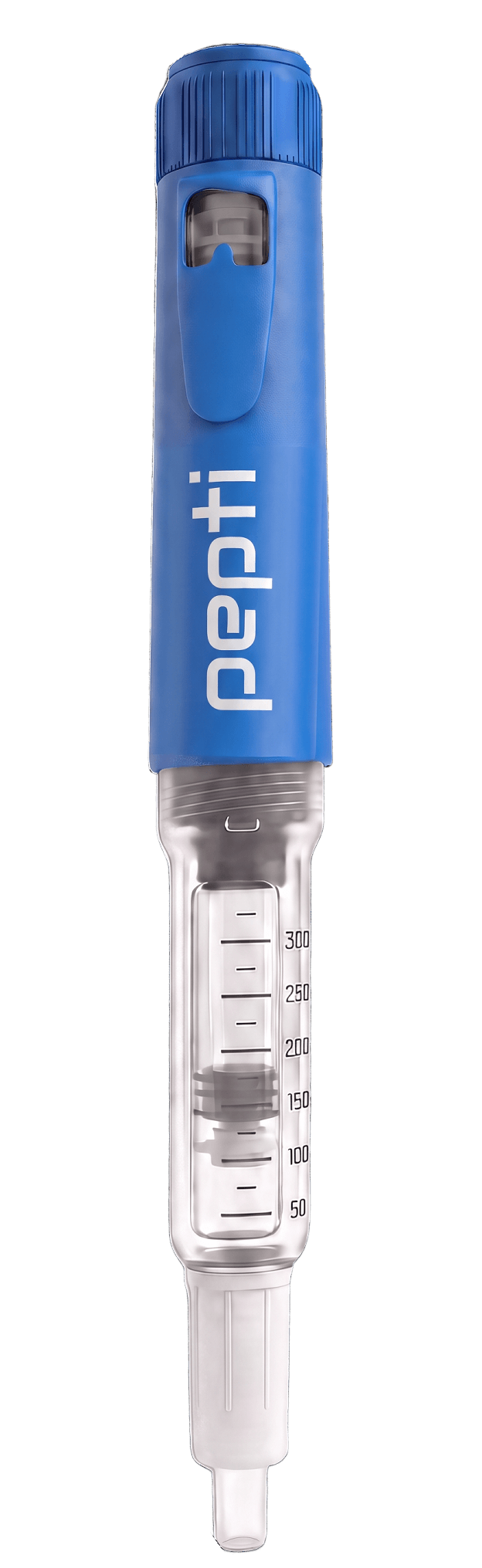
Treatments mentioned
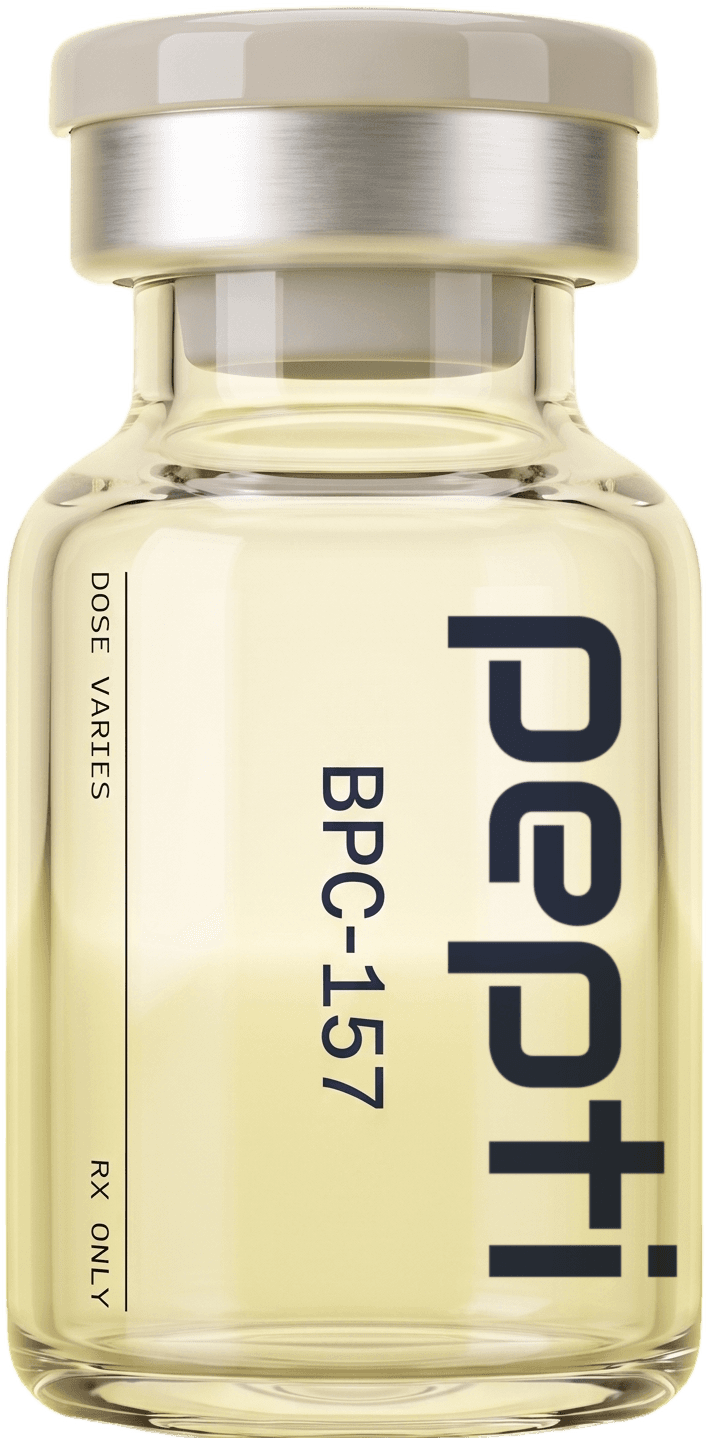
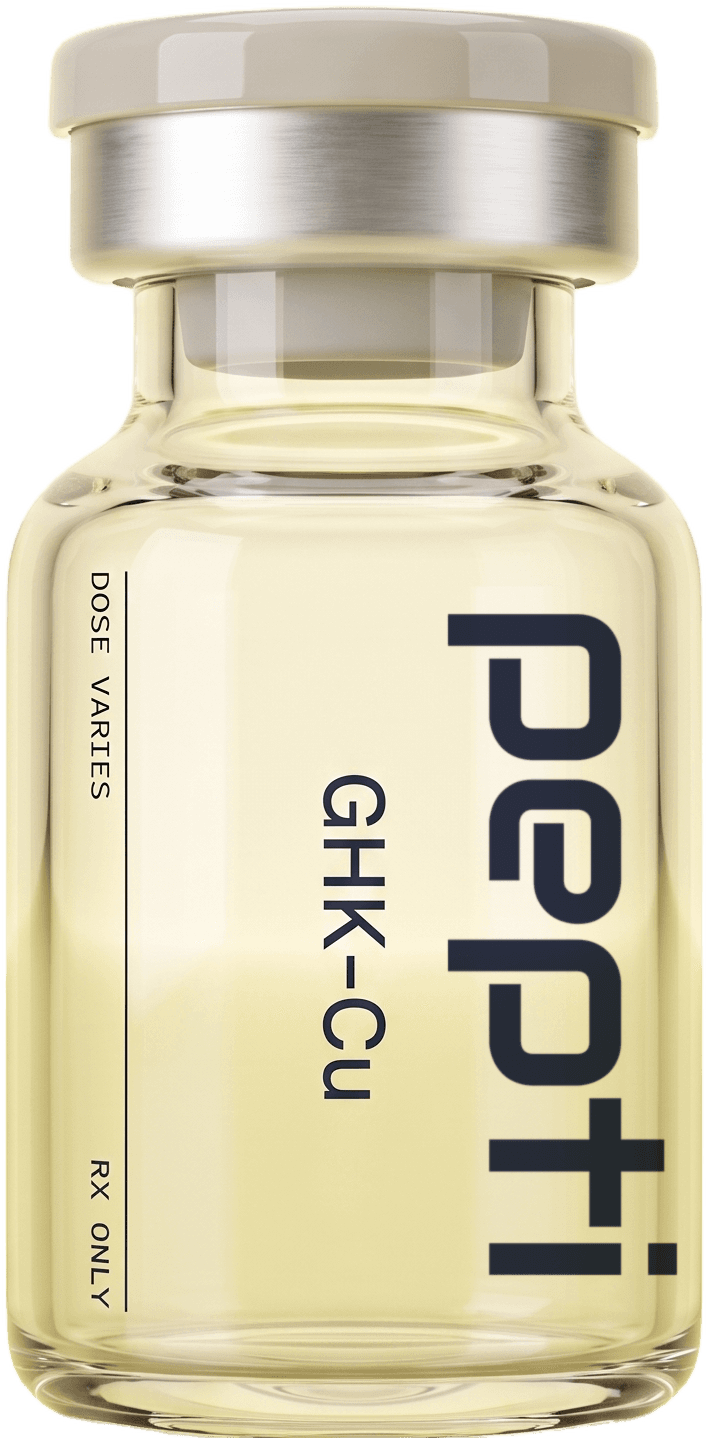
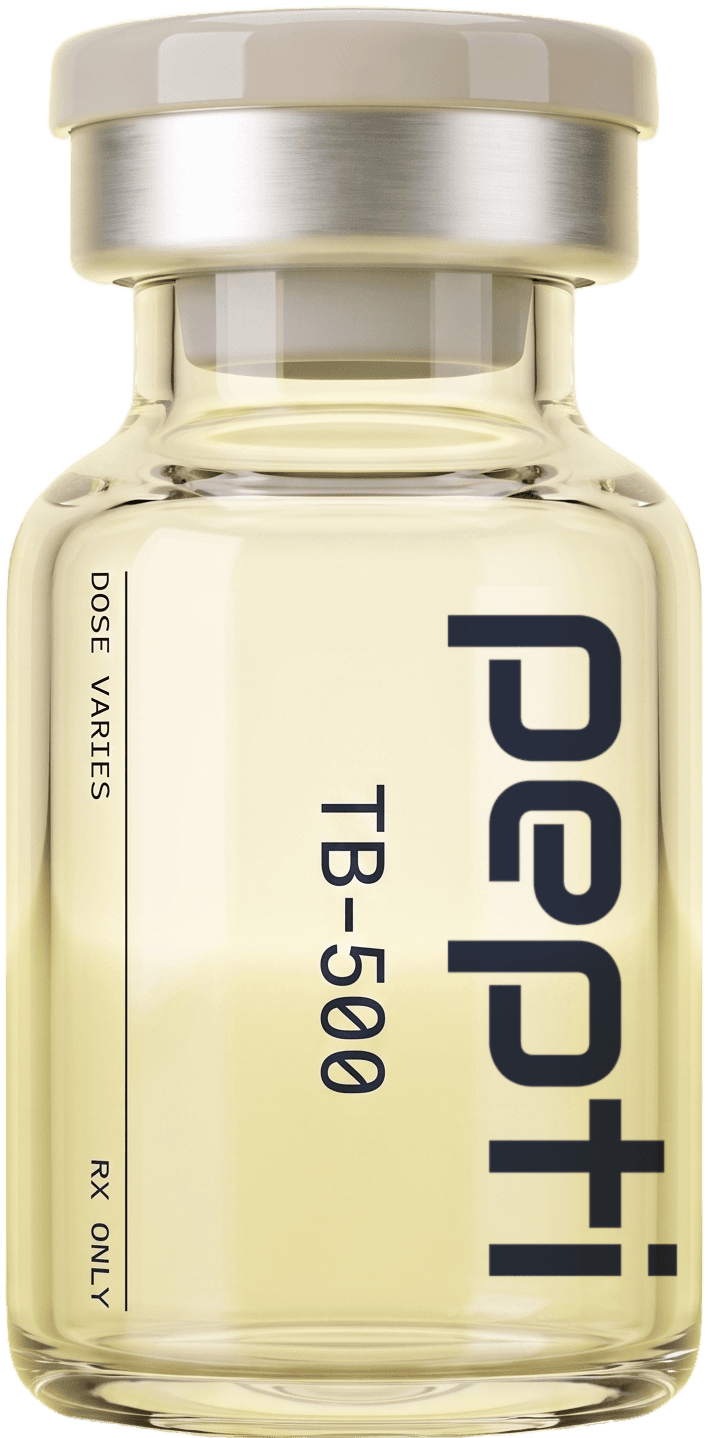
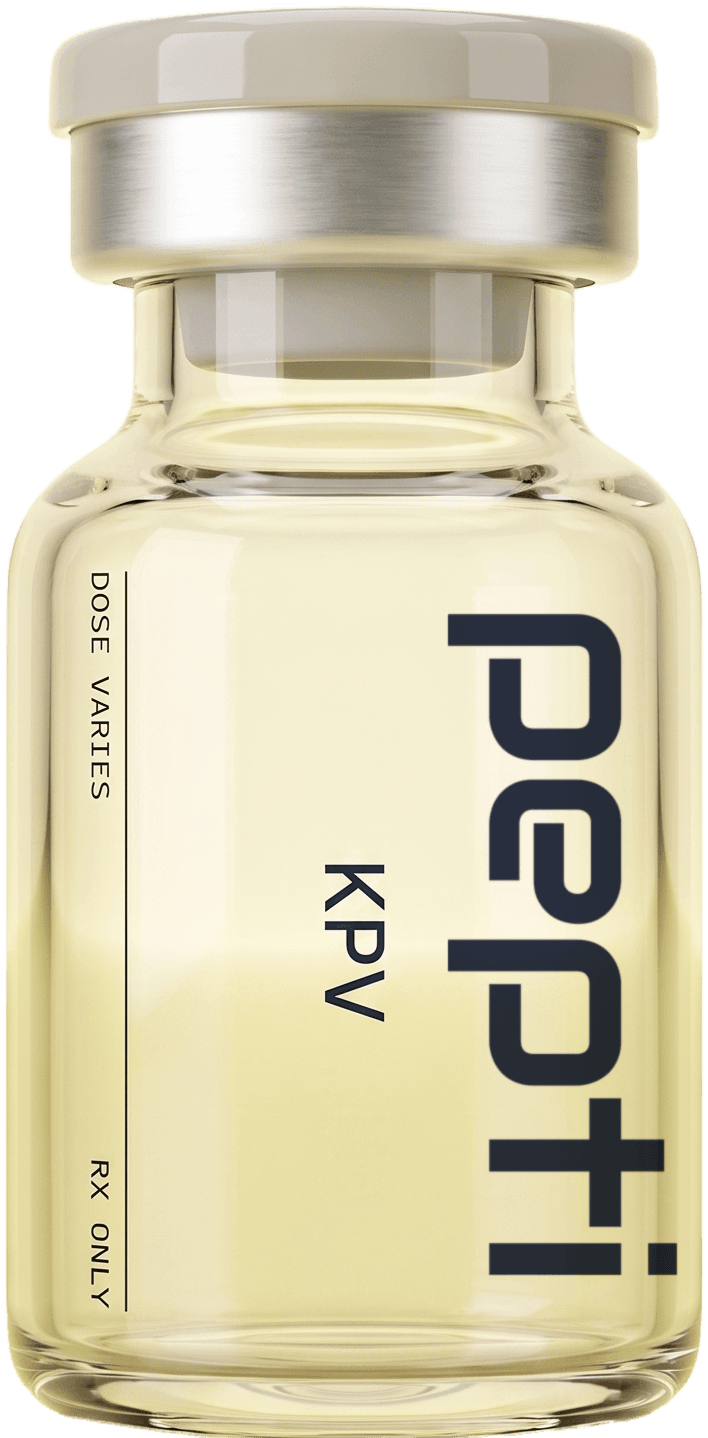
The peptides used for wound healing and post-surgical recovery are GHK-Cu, TB-500, BPC-157 and KPV, prescribed alone or blended in a single vial. Each acts at a different stage of closure: settling the inflammatory phase, moving repair cells into the wound bed, building new blood vessels, and remodelling collagen. They are prescription-only, compounded at US FDA-registered pharmacies, and not FDA approved. If none of those names mean anything yet, the sections below start from zero.
Peptides for Wound Healing and Recovery
The short answer
| If your situation is | The usual prescription | What is in it | Price |
|---|---|---|---|
| Recovery after surgery, incision and soft tissue together | GLOW | 50 mg GHK-Cu, 10 mg BPC-157, 10 mg TB-500 | $259 |
| A wound or surgical site where inflammation is the problem | KLOW | 50 mg GHK-Cu, 10 mg KPV, 10 mg BPC-157, 10 mg TB-500 | $259 |
| Scar quality, skin remodelling, tissue that healed badly | GHK-Cu alone | 50 mg GHK-Cu in 5 mL | $239 |
| Soft-tissue injury with no break in the skin | BPC-157 + TB-500 | 5 mg BPC-157, 5 mg TB-500 in 5 mL | $259 |
| Slow healing in someone who also gets frequent infections | FORTIFY | 5 mg Thymosin A-1, 5 mg BPC-157, 2 mg KPV, 1 mg LL-37 | $279 |
| Gut lining recovery after a flare or bowel surgery | BPC-157 alone | 5 mg BPC-157 in 5 mL | $209 |
Every figure is the all-in monthly price covering medication, physician review, refills and shipping, billed as a monthly subscription.
Two things to hold onto. The choice between these is a question of which phase of closure is the bottleneck, not of which molecule is strongest. And the evidence is uneven: GHK-Cu and thymosin beta-4, the parent of TB-500, have been studied in patients with chronic wounds as topical preparations, while BPC-157 and KPV have not been tested in randomized human trials for any wound. That shapes what anyone can honestly promise.
Peptides for Wound Healing and Recovery
What is actually going on in a wound that will not close
Four overlapping phases, and stalling is phase-specific
A wound is not one event. Four overlapping processes run in sequence, and a wound that has not closed in months is almost always stuck in one phase. Knowing which makes a prescription rational rather than a guess.
Phase Roughly when What has to happen If it stalls Molecule aimed here Haemostasis Minutes Clot forms, platelets release signals No scaffold to build on None; this is surgical Inflammation Days 1 to 5 Immune cells clear debris and bacteria A chronically inflamed, non-closing wound KPV, BPC-157 Proliferation Days 3 to 21 Fibroblasts migrate in, vessels grow, the wound re-epithelialises A pale, non-granulating wound bed TB-500, BPC-157, GHK-Cu Remodelling Week 3 to 12 months Type III collagen is replaced by aligned type I Thick, raised or weak scar GHK-Cu, TB-500 The final row is the one people underestimate. A closed wound is not a finished one: remodeling continues for months, and it decides whether the result is a functional scar or a thick one. An incision goes through the same four phases as any other wound, with the skin closed by the surgeon and the deeper structures, fascia, tendon, bone, on their own slower timelines.
Why a wound gets stuck in inflammation
Inflammation is supposed to be a five-day job: neutrophils and macrophages clear bacteria and dead tissue, then hand over to the cells that build. In a chronic wound that handover never happens. The bed stays flooded with proteases that digest new matrix as fast as it is laid down, and the cytokines that recruit immune cells, TNF-alpha and IL-6 among them, keep signaling; bacterial load, pressure, poor blood supply and high glucose all keep the loop running. The clinical picture is a wound that looks angry, weeps, and never grows the pink granulation tissue that means proliferation has started. Nothing downstream can work until that state is settled, which is why the anti-inflammatory peptides sit at the front of the sequence.
Why proliferation fails: blood supply and cell movement
Proliferation needs two things the body may not be able to supply. The first is oxygen, which means new capillaries growing into the wound bed; a poorly perfused bed stays pale and flat. The second is cells physically crawling into the defect: fibroblasts to lay collagen, keratinocytes to re-epithelialize the surface, endothelial cells to form vessels. Migration depends on actin, the internal protein that lets a cell change shape, and older, irradiated and diabetic tissue all migrate poorly. TB-500 and BPC-157 are described in animal and cell work around exactly those two problems: vessel growth and cell motility.
Remodeling decides the scar
The collagen laid down in the first three weeks is type III: fast, disorganized, weak. Over the following months matrix metalloproteinases degrade it while fibroblasts replace it with aligned type I collagen, and lysyl oxidase, a copper-dependent enzyme, cross-links those fibers into something with tensile strength. Too little degradation and the scar stays thick; too much and it stays weak. GHK-Cu is described as acting on both sides of that balance, which is why it is the molecule associated with scar quality rather than closure speed.
Peptides for Wound Healing and Recovery
What physicians prescribe for wound healing and recovery
GHK-Cu
GHK-Cu is a tripeptide, glycine-histidine-lysine, carrying a copper ion. It is present in human plasma and reported to fall considerably with age. Cell studies in FEBS Letters in 1988 reported stimulation of collagen synthesis in cultured fibroblasts; a 1993 study in the Journal of Clinical Investigation reported increased connective tissue accumulation in rat wounds; and work in the Journal of Investigative Dermatology in 1999 described modulation of matrix metalloproteinases in wounds. The 2015 review in BioMed Research International summarizes the wider picture: collagen, elastin and proteoglycan synthesis, the protease and anti-protease balance, and support for new vessel growth.
The human data is the most substantial on this page and it is topical. A multicenter, randomized, evaluator-blinded, placebo-controlled study in Wound Repair and Regeneration in 1994 applied a GHK-Cu gel to plantar ulcers in patients with diabetes on top of standardized wound care and reported a greater percentage of closure than vehicle, more pronounced in larger ulcers, and a lower incidence of ulcer infection. A 2006 randomized study in Archives of Facial Plastic Surgery applied a topical copper tripeptide after CO2 laser resurfacing in thirteen patients and found no difference in the resolution of redness. In orthopedic tissue, a 2015 study in the Journal of Orthopaedic Research gave weekly intra-articular GHK-Cu to rats after ACL reconstruction and reported less knee laxity at six weeks, with the difference gone by twelve weeks once dosing stopped.
Who it suits: scar quality, tissue that closed but closed badly, skin after a procedure, and the collagen component of every wound blend. Alone it is GHK-Cu; see what is GHK-Cu and peptides for skin.
TB-500
TB-500 is a synthetic fragment of thymosin beta-4, one of the most abundant proteins inside human cells, carrying its actin-binding domain. Thymosin beta-4 is described in Trends in Molecular Medicine in 2005 as an actin-sequestering protein that "moonlights" in tissue repair: by controlling how actin assembles, it governs whether a cell can change shape and crawl. A 1999 study in the Journal of Investigative Dermatology reported faster closure of full-thickness wounds in rats; a 2003 study in Wound Repair and Regeneration reported the same in diabetic and aged mice using both the full protein and a short peptide containing its actin-binding domain; and the corneal literature adds laminin-5 production, reduced inflammation after alkali injury and suppression of NF-kB signaling.
Thymosin beta-4 has been in patients. A randomized, placebo-controlled study in the Annals of the New York Academy of Sciences in 2010 gave it intravenously to healthy volunteers to characterize safety. A double-blind, placebo-controlled, dose-escalation phase 2 study across eight European sites, also in the Annals in 2010, randomized 73 patients with venous stasis ulcers to topical thymosin beta-4 or placebo; safety was comparable to placebo, and the authors described complete closure within three months in about a quarter of patients, mostly those with smaller wounds. A 2012 summary in the same journal of the two phase 2 trials in stasis and pressure ulcers described closure accelerated by almost a month in the patients who did close. None of those trials used the TB-500 fragment by subcutaneous injection, the form prescribed here.
Who it suits: the proliferative phase, where cells need to move into a wound bed; deep soft tissue after surgery; closed injuries where skin is intact. Alone it is TB-500.
BPC-157
BPC-157 is a 15-amino-acid fragment of a protein identified in human gastric juice, sometimes called Body Protection Compound. Animal research describes new blood-vessel formation through the VEGFR2 receptor, reported in the Journal of Molecular Medicine in 2017, and through the nitric oxide system. In tendon it is described in the Journal of Applied Physiology in 2011 as increasing outgrowth, cell survival and migration, and Achilles detachment in the Journal of Orthopaedic Research in 2006 and muscle crush injury in Surgery Today in 2008 report faster functional recovery in rats. In skin, a 2001 study in Burns applied BPC-157 as a cream or by injection to deep partial-thickness burns in mice and reported less edema, more capillaries, earlier collagen formation and better re-epithelialization than vehicle. The gastrointestinal work, reviewed in Current Pharmaceutical Design in 2011, is where the compound was first characterized and why it is the one prescribed when the healing tissue is gut rather than skin.
There are no randomized controlled trials of BPC-157 in humans for wounds, tendons or skin. Early-phase human work exists for inflammatory bowel indications, and there is clinical prescribing experience, but the wound case rests on animal and cell research.
Who it suits: the vascular side of proliferation, gut-lining recovery, and the angiogenic component of GLOW, KLOW, FORTIFY and the BPC-157 + TB-500 stack. Alone it is BPC-157; the full reference is what is BPC-157.
KPV
KPV is the final three amino acids of alpha-melanocyte-stimulating hormone. Isolated, the fragment retains the hormone's anti-inflammatory signaling without its pigmentation effect. A 2008 study in Gastroenterology described KPV taken up by intestinal cells through the PepT1 transporter and reducing intestinal inflammation in mice, and a 2012 study in human bronchial epithelial cells described interference with NF-kB signaling and reduced cytokine output. The most direct wound study is in Experimental Eye Research in 2006: topical KPV applied to rabbit corneas after the epithelium was removed left a smaller defect at each time point than vehicle, with all treated corneas re-epithelialized at sixty hours, an effect blocked by a nitric oxide synthase inhibitor.
There are no randomized human trials of KPV for any wound or inflammatory condition. Everything above is animal or cell work.
Who it suits: the wound that will not leave the inflammatory phase, irritated skin around a surgical site, and gut inflammation alongside gut repair. Alone it is KPV; see what is KPV.
GLOW: the three-molecule wound blend
GLOW combines GHK-Cu, BPC-157 and TB-500 in one vial so that a single daily injection covers the three later phases: BPC-157 for vessel growth, TB-500 for cell migration, GHK-Cu for collagen and remodeling. It is the usual first prescription after surgery, where the incision, the deeper tissue and the eventual scar all matter at once, and for a wound stalled in proliferation rather than inflammation. It is not the pick where the bed is still angry and weeping. See what is GLOW.
KLOW: adding KPV for the inflamed wound
KLOW is the same three molecules with KPV added. If the wound has not handed over from inflammation to proliferation, the proliferative peptides have nothing to work with, so KPV is placed in front of them. It is the pick for a surgical site that stays red and irritated past the first week without infection, for skin with an inflammatory history, and wherever the prescriber judges inflammation rather than perfusion to be the bottleneck. See what is KLOW.
BPC-157 + TB-500 for injury with intact skin
A strain, a partial tendon tear or a ligament sprain goes through the same phases without a surface wound, and the scar questions that make GHK-Cu useful are less central. The BPC-157 + TB-500 stack is the narrower prescription: the two molecules with the largest animal tendon and muscle literature, in one vial. Peptides for healing covers it in depth.
FORTIFY: thymosin alpha-1 and LL-37 when infection keeps interrupting
FORTIFY is considered when poor closure sits alongside repeated infection, not as a first choice for a wound. It pairs BPC-157 and KPV with thymosin alpha-1 and LL-37. Thymosin alpha-1 is a 28-amino-acid thymic peptide described in the 2020 review in the World Journal of Virology as modulating immune function through T-cell maturation and Toll-like receptor pathways; it is approved in a number of countries outside the United States for hepatitis B and has been in large randomized trials, including a 2025 phase 3 sepsis trial in the BMJ, none for wounds. LL-37 is the only human cathelicidin, an antimicrobial peptide, and the one molecule here with randomized wound trials of its own: a first-in-human study in Wound Repair and Regeneration in 2014 randomized 34 patients with hard-to-heal venous leg ulcers to topical LL-37 or placebo and reported faster closure at the two lower doses, while the 148-patient multicenter phase 2b follow-up in the same journal in 2021 found no significant difference from placebo across the full population. Both were topical. Whether FORTIFY's immune components are appropriate depends on the rest of the history; see what is FORTIFY blend.
Peptides for Wound Healing and Recovery
What the evidence shows, and what it does not
Human trials by molecule
Three molecules on this page have been tested in patients with wounds: GHK-Cu (one randomized, placebo-controlled diabetic ulcer study, topical), thymosin beta-4 (two phase 2 trials in venous stasis and pressure ulcers, topical) and LL-37 (two randomized venous leg ulcer trials, topical, the larger negative on its primary endpoint). BPC-157 and KPV have no randomized controlled trials in humans for wounds, skin, tendon or surgical recovery; their case rests on consistent animal and cell work and on clinical experience. TB-500 as a subcutaneous fragment, as distinct from topical thymosin beta-4, has not been in a wound trial either.
The route matters
Every human wound trial above used a topical preparation on an open ulcer. The products on this page are subcutaneous injections. A topical trial cannot be read across to an injection without assumption, so the honest framing for the injectable route is that it is prescribed on mechanism, animal data and clinical experience rather than on trial evidence of wound outcome in humans.
What none of it establishes
Not every model is positive: a 2013 study in Otolaryngology-Head and Neck Surgery applied topical GHK-Cu gel to skin flaps in irradiated rats and found no difference in flap ischemia or vessel count. That is the shape of the real literature, effects that depend on model, dose and timing. Beyond that, the evidence does not establish:
- An effect size for an injected peptide on human wound closure. That trial has not been run for any of the four.
- A closure date. A provider who names one is inventing it.
- Long-term safety data over years of use in a large population.
- Approval for any indication. None is an FDA-approved treatment for anything, and compounded medications are not FDA approved as finished products.
Peptides for Wound Healing and Recovery
Where these stand with the FDA right now
This moved twice in 2026 and most of what is published online is out of date. The FDA regulates the bulk substances a pharmacy compounds from, not the brand name of a blend, so GLOW, KLOW and FORTIFY have no status of their own; the question is where each component stands.
The 15 April 2026 Category 2 removals
From 2023 until April 2026, BPC-157, TB-500, KPV, LL-37 and injectable GHK-Cu all sat in Category 2 of the FDA's interim 503A bulk drug substances list, the category for nominated substances the agency considered to raise significant safety risks. On 15 April 2026 the FDA announced it was removing twelve peptides from Category 2 because their nominations had been withdrawn by the nominators, effective seven days later. The FDA's safety-risk page, current as of 22 April 2026, now lists BPC-157, GHK-Cu (injectable), KPV, thymosin beta-4 fragment (TB-500) and cathelicidin LL-37 under "bulk drug substances nominated but withdrawn"; the active Category 2 table no longer contains any of them. The published category list, updated 14 May 2026, names six substances in Category 2, none of them a peptide on this page.
Removal lifts the safety-risk designation. It does not by itself place a substance on the positive 503A Bulks List; the FDA was explicit that removal does not establish that a substance meets the criteria for compounding.
The 23 July 2026 advisory committee vote
The FDA's Pharmacy Compounding Advisory Committee met on 23 and 24 July 2026 and on the first day took up BPC-157 (reviewed for ulcerative colitis), KPV (wound healing and inflammatory conditions) and TB-500 (wound healing), each as the free base and the acetate. In each briefing document the FDA's reviewers concluded that "a balancing of the criteria weighs against" the substance being placed on the list, citing inconsistent naming, missing characterization data and a lack of clinical evidence. The committee voted the other way: 8 yes, 6 no and one abstention to recommend adding BPC-157, and by the same margin KPV and TB-500, to the 503A Bulks List. The committee recommended six of the seven peptides on its two-day agenda.
A committee vote is a recommendation, not a decision. The FDA issues its own determination after weighing the vote, public comment and its scientific review, and adding a substance to the Bulks List requires rulemaking. As of September 2026 that determination is pending for all three.
GHK-Cu and LL-37 are on a later schedule
Neither was on the July agenda. The FDA has said the committee will consider GHK-Cu, cathelicidin LL-37, Dihexa, PEG-MGF and Melanotan II at a meeting to be held before the end of February 2027. One wrinkle for GHK-Cu: after the April withdrawal, one nominator clarified on 5 May 2026 that it meant to withdraw only the injectable route, and on 14 May 2026 the FDA added "GHK-Cu (except for injectable routes of administration)" back to Category 1, the list of substances under evaluation, while restating that it intends to consult the committee on GHK-Cu. Injectable GHK-Cu, the form in GLOW, KLOW and the standalone product, is therefore where BPC-157 and TB-500 were between April and July: no longer flagged, not yet reviewed for the positive list.
Thymosin alpha-1: a negative committee vote in December 2024
On 4 December 2024 the same committee voted 4 in favor and 17 against placing thymosin alpha-1 (free base) on the 503A Bulks List, and 4 to 17 against thymosin alpha-1 acetate; the uses reviewed were hepatitis B and C, HIV, COVID-19 and depressed response to vaccination, and members who voted no cited a lack of compelling evidence of effectiveness and safety for those uses. That vote is a recommendation; the FDA has not issued a final determination, and on the interim list updated 14 May 2026 thymosin alpha-1 does not appear in Category 1, 2 or 3. It remains legal to prescribe and compound.
None of the molecules on this page is an FDA-approved drug product, and compounded medications never are: they are prepared by a state-licensed pharmacy to an individual physician's prescription, and it is legal to prescribe and dispense them with a valid prescription. What changed in 2026 is that the safety-risk flag was lifted and three have a formal committee recommendation for the positive list; none is approved for any indication.
Anti-doping status
The WADA Prohibited List in force is the 2026 list, effective 1 January 2026. It names BPC-157 explicitly under section S0, non-approved substances, which prohibits at all times any pharmacological substance with no current approval by any governmental regulatory health authority for human therapeutic use. USADA confirms BPC-157 is prohibited under S0. The same list names "Thymosin-ß4 and its derivatives e.g. TB-500" under S2.3, growth factors and growth factor modulators, also prohibited at all times. KPV and injectable GHK-Cu fall under the same S0 logic. A tested athlete should check with their anti-doping organization before starting anything on this page and say so on the intake.
Peptides for Wound Healing and Recovery
What a physician rules out first
Infection
A peptide layered over an undiagnosed infection delays the antibiotic that would actually help. These signs mean a clinician, not a prescription:
Sign Why it matters Spreading redness, heat, or a red line tracking away from the wound Suggests infection needing assessment and possibly antibiotics Fever, chills, or feeling systemically unwell The same, more urgently Pus, a new smell, or increasing pain after day three Wound infection until proven otherwise A wound open longer than four weeks A chronic wound; needs a cause found A wound on the foot in someone with diabetes Specialist territory from the outset Perfusion, pressure, glucose and nutrition
A wound on a leg with poor arterial supply will not close whatever is injected into the abdomen; a venous ulcer needs compression before anything else, and every human trial of a topical wound peptide ran on top of compression or standardized wound care, not instead of it. Pressure injuries need offloading. High glucose impairs every phase of closure, and so do protein deficiency and low vitamin C, zinc and iron. These are cheap to measure; a peptide added to an unaddressed deficit is the wrong order of operations.
Medications that slow closure
Systemic corticosteroids, some immunosuppressants, certain chemotherapy agents and nicotine all slow closure, and anticoagulants raise a separate question given the vascular mechanisms described for BPC-157 and TB-500. The intake asks for every medication and supplement because no interaction list exists for compounded peptides; the trials that would produce one have not been run, so a physician weighs them.
The chronic wound rule
A wound open longer than four weeks is a chronic wound by definition and needs its cause identified. The cause is the treatment, and a good prescriber will send the wound to be looked at before, or alongside, anything else.
Peptides for Wound Healing and Recovery
Around surgery: what to raise and when
Name any compounded peptide on your medication list when the operation is scheduled, and discuss whether to start one at all: a peptide begun the week of an operation has had no time to do anything, so the conversation belongs earlier. Whether anything should be paused around the procedure, given the described vascular mechanisms, is your surgeon's call. So is wound care afterwards, including whether injecting near the incision is acceptable; most prescribers direct injection into the abdomen or thigh regardless of where the surgery was, because the mechanisms described are systemic. Nothing here substitutes for the basics that govern surgical healing: protein intake, glycemic control, not smoking, and following wound-care instructions. Whether to continue through the remodeling phase, where the scar is decided, is your prescriber's decision at each refill.
Peptides for Wound Healing and Recovery
What to expect, and when
These are patterns described by prescribers, not trial endpoints. Individual response varies and a physician decides whether treatment is appropriate at all.
The first two weeks
What is reported early is not the wound changing but the surrounding picture: less redness and swelling at a surgical site, a bed that looks less angry. Some people notice nothing in this window, which is normal. A wound getting worse in this window is an infection question, not a dosing question.
Weeks two to six
This is where tissue-level change would be expected if it occurs, based on the animal timelines and the proliferative phase itself: granulation tissue and advancing edges in an open wound, a flat closed incision at a surgical site. In the phase 2 venous ulcer work the patients who did close took around three months even with treatment, a useful corrective to any expectation of a fast result.
Months two to twelve, and how refills fit
Scar maturation continues for up to a year. This is the window where GHK-Cu is the relevant component and where a raised scar softens if it is going to. One vial covers about four weeks at the usual weekday schedule, so refills run every 28 days, one vial per fill, and whether the next refill is the same blend, a narrower one or none is a decision your physician makes with you against how the wound actually looks.
Peptides for Wound Healing and Recovery
When a peptide is the wrong tool
A reference that only ever recommends its own product is not much of a reference. Some honest cases:
- An infected wound. Antibiotics and drainage first. No peptide here is a treatment for infection.
- A wound with an unaddressed cause. Uncorrected pressure, venous disease without compression, arterial disease, uncontrolled diabetes: fix the cause first.
- A structural problem. A complete tendon rupture, a displaced fracture or a dehisced incision is a surgical question.
- A closed soft-tissue injury. If there is no wound and no scar in play, the BPC-157 + TB-500 stack is the narrower conversation; peptides for healing covers it.
- Gut lining, not skin. After a flare or bowel surgery, BPC-157 alone is the usual prescription, with KPV added when inflammation dominates.
- Skin quality without a wound. For texture, laxity or hair rather than a wound, GHK-Cu alone or the RADIANCE blend is the more direct route; see peptides for skin.
- Systemic inflammation rather than a local wound. KPV on its own, or FORTIFY where immune function is the concern.
Your physician will tell you if none of these is the right tool for what you have described. A consultation does not guarantee a prescription, and being declined is refunded.
Peptides for Wound Healing and Recovery
How these are prescribed, and who should not take them
The directions
Directions come from the prescribing physician and are printed on the vial. Most are a small subcutaneous injection on a weekday schedule, commonly 0.25 mL from a 5 mL vial, which is 25 units on a U-100 insulin syringe. GLOW, KLOW, TB-500, GHK-Cu, KPV and the BPC-157 + TB-500 stack are all directed at that volume Monday through Friday; BPC-157 alone is directed daily at a smaller volume. Abdomen and thigh are the usual sites, rotated. See how to inject peptides safely, peptide side effects and peptides for healing.
What gets reported clinically is mostly injection-site: redness, mild soreness, occasional bruising, and for some people early nausea or light-headedness. The human topical trials of GHK-Cu, thymosin beta-4 and LL-37 reported safety comparable to placebo. Stop and contact your physician for any reaction that is severe, spreading or involves difficulty breathing, and for any wound that is getting worse.
Who should not take them, or should discuss first
| Situation | Why |
|---|---|
| Personal history of cancer | BPC-157 and TB-500 are described as supporting angiogenesis |
| Wilson's disease or a copper-metabolism disorder | GHK-Cu delivers copper |
| High-dose zinc supplementation | Zinc competes with copper absorption |
| Anticoagulant therapy | Discuss first, given the described vascular mechanisms |
| Autoimmune disease or immunosuppressive therapy | Relevant to the immune components in FORTIFY |
| Pregnancy or breastfeeding | Not used; safety data is absent |
| An active, untreated wound infection | Treat first |
Peptides for Wound Healing and Recovery
Monitoring and bloodwork
What a physician may want
Bloodwork is not routinely required before any product on this page; your physician decides based on history. For a wound that is slow to close, the useful labs are the ones that find a cause: fasting glucose or HbA1c, a full blood count and iron studies, and albumin as a rough protein marker. For anyone on GHK-Cu long term, or with a copper-metabolism concern in the history, a physician may check serum copper and ceruloplasmin. For FORTIFY, a full blood count and, depending on history, autoimmune markers. At-home blood testing covers metabolic and hormone markers without a lab visit; wound-specific labs are ordered by the physician as needed.
What to track yourself
A photograph of the wound in the same light once a week is worth more than any description. Note size, the color of the bed, the state of the edges, drainage and pain. That record is what the prescriber uses at each refill to decide whether to continue, change the blend or send the wound for assessment.
References
What this is based on.
References
- Chang CH, Tsai WC, Hsu YH, Pang JH. Pentadecapeptide BPC 157 enhances the growth hormone receptor expression in tendon fibroblasts · Molecules (2014) · PMID 25415472
- Krivic A, Anic T, Seiwerth S, et al.. Achilles detachment of rat and stable gastric pentadecapeptide BPC 157 · Journal of Orthopaedic Research (2006) · PMID 16583442
- Sikiric P, Seiwerth S, Rucman R, et al.. Stable gastric pentadecapeptide BPC 157: novel therapy in gastrointestinal tract · Current Pharmaceutical Design (2011) · PMID 21548867
- Cerovecki T, Bojanic I, Brcic L, Radic B, et al.. Pentadecapeptide BPC 157 (PL 14736) improves ligament healing in the rat · J Orthop Res (2010) · PMID 20225319
- Sikiric P, Seiwerth S, Rucman R, Turkovic B, et al.. Stable gastric pentadecapeptide BPC 157-NO-system relation · Curr Pharm Des (2014) · PMID 23755725
- Cox HD, Miller GD, Eichner D. Detection and in vitro metabolism of the confiscated peptides BPC 157 and MGF R23H · Drug Test Anal (2017) · PMID 28035768
- Thomas A, Görgens C, Guddat S et al.. Simplifying and expanding the screening for peptides <2 kDa by direct urine injection, liquid chromatography, and ion mobility mass spectrometry · J Sep Sci (2016) · PMID 26578461
- Farrar JT, Young JP Jr, LaMoreaux L, Werth JL et al.. Clinical importance of changes in chronic pain intensity measured on an 11-point numerical pain rating scale · Pain (2001) · PMID 11690728
- Meyer JD, Ho B, Manning MC. Effects of conformation on the chemical stability of pharmaceutically relevant polypeptides · Pharm Biotechnol (2002) · PMID 11987755
- Xu C, Sun L, Ren F, Huang P, et al.. Preclinical Safety Evaluation of Body Protective Compound-157, a Potential Drug for Treating Various Wounds · Regul Toxicol Pharmacol (2020) · PMID 32334036
- He L, Feng D, Guo H, et al.. Pharmacokinetics, distribution, metabolism, and excretion of body-protective compound 157, a potential drug for treating various wounds, in rats and dogs · Front Pharmacol (2022) · PMID 36588717
- Lee E, Padgett B. Intra-Articular Injection of BPC 157 for Multiple Types of Knee Pain · Altern Ther Health Med (2021) · PMID 34324435
Citations are provided for educational purposes. They do not constitute medical advice. Always discuss any peptide protocol with your prescribing physician.
Common questions
Peptides for Wound Healing and Recovery, answered.
For most post-surgical and soft-tissue recovery the usual prescription is GLOW, combining GHK-Cu with BPC-157 and TB-500 at $259 a month. If the wound or skin is persistently inflamed, KLOW adds KPV at the same price. For scar quality alone, GHK-Cu by itself at $239 is the narrower choice. "Best" depends on which phase of closure is the bottleneck, which is a physician's judgment, not a ranking.
Tell your surgeon before you do anything. Whether to pause a compounded peptide around an operation is a surgical decision, not a preference. Starting something the week of surgery is unlikely to accomplish much anyway; if the plan is to use one around a procedure, the conversation belongs weeks earlier, and injecting near a fresh incision is only acceptable if the surgeon says so.
Some animal wound models report less fibrosis with thymosin beta-4, and GHK-Cu is studied for collagen remodelling in human skin. That is not proof that an injected peptide improves human scar outcomes, and no result can be promised. Scar outcome is driven heavily by wound tension, genetics and aftercare.
No. They are compounded at US FDA-registered pharmacies against a valid prescription, which is different from FDA approval of the medication. Legal to prescribe, not approved. As of September 2026 none of them is in the FDA's Category 2 safety-risk list, and BPC-157, KPV and TB-500 carry a July 2026 advisory-committee recommendation for the 503A Bulks List that the FDA has not yet acted on.
A wound open longer than four weeks is a chronic wound and needs its cause identified: perfusion, pressure, venous disease, nutrition, diabetes or infection. A peptide discussed without that work skips the part that matters.
Some, and it is topical: a randomized, placebo-controlled study of a GHK-Cu gel in patients with diabetic ulcers, two phase 2 trials of topical thymosin beta-4 in venous stasis and pressure ulcers, and two randomized trials of topical LL-37 in venous leg ulcers. BPC-157 and KPV have no randomized human trials for wounds. None of the trials used a subcutaneous injection, which is the form prescribed here.
GLOW covers proliferation and remodeling: BPC-157, TB-500 and GHK-Cu. KLOW adds KPV for the wound that has not left the inflammatory phase. If the site is red, irritated and weeping past the first week without infection, KLOW is usually the conversation; if it is pale, flat and slow, GLOW. Your physician decides which fits.
Abdomen and thigh are the usual sites, rotated. The mechanisms described for these peptides are systemic, and injecting into or beside an open wound or a fresh incision raises an infection risk. Your directions will say, and your surgeon has the final word around an operation.
There is no trial-established timeline for an injected peptide. Prescribers describe the surrounding inflammation settling in the first two weeks and tissue-level change, where it happens, over weeks two to six, with scar remodeling continuing for months. In the human topical trials, the patients who closed took around three months. A provider who names a closure date is inventing it.
Yes, and you should. Every human trial of a topical wound peptide ran on top of standard wound care, compression or offloading, not instead of it. Tell the wound clinic what you are taking so it is on your record, and keep following their dressing instructions.
Not routinely; your physician decides. For a wound that is slow to close, the labs that matter are the ones that find a cause, such as HbA1c, a full blood count, iron studies and albumin. At-home blood testing is available without a lab visit.
Yes. The WADA 2026 list names BPC-157 under S0, non-approved substances, and thymosin beta-4 and its derivatives, including TB-500, under S2.3, growth factors; both are prohibited at all times. KPV and injectable GHK-Cu fall under the same S0 logic. Check with your anti-doping organization before starting anything and tell your physician. The free assessment goes to a physician licensed in your state. A consultation does not guarantee a prescription.
Next step
See what a physician recommends for you.
A licensed physician in your state reviews your intake and decides what is appropriate. A consultation does not guarantee a prescription.