— Weight Loss · Reference
Tirzepatide: What It Is, Where to Get It Prescribed, and What It Costs
This page covers what tirzepatide is, the two receptors it acts on, what the large human trials did and did not show, how the compounded version differs from the branded one, where compounding stands with the FDA as of September 2026, how it is dosed, and how to get it prescribed.
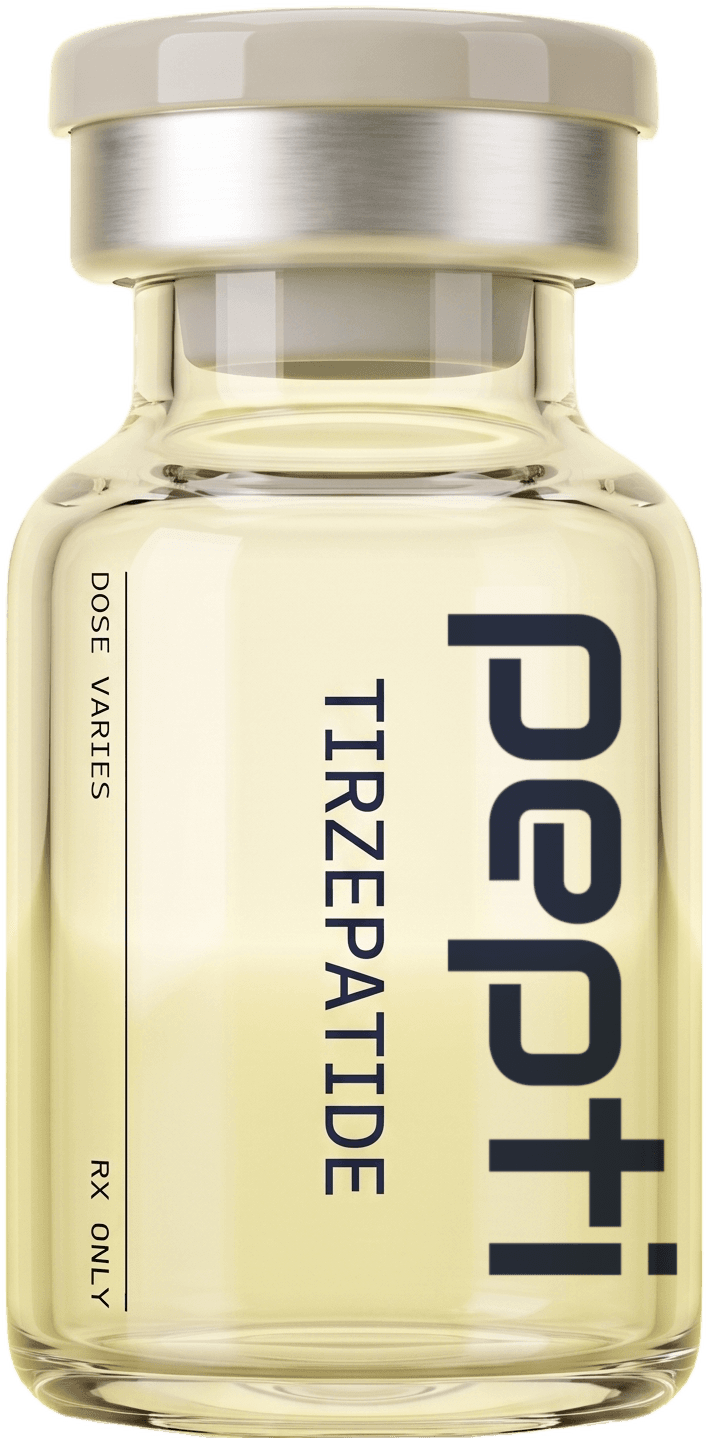
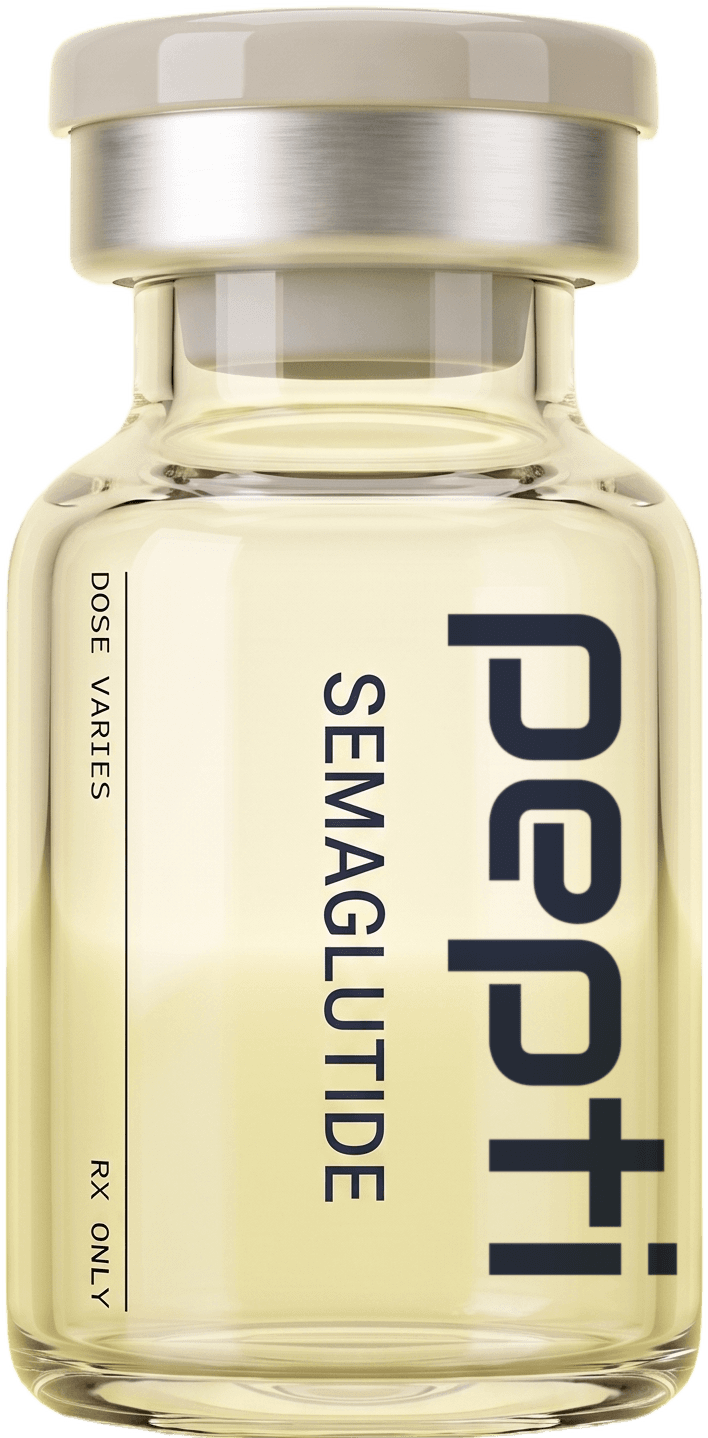
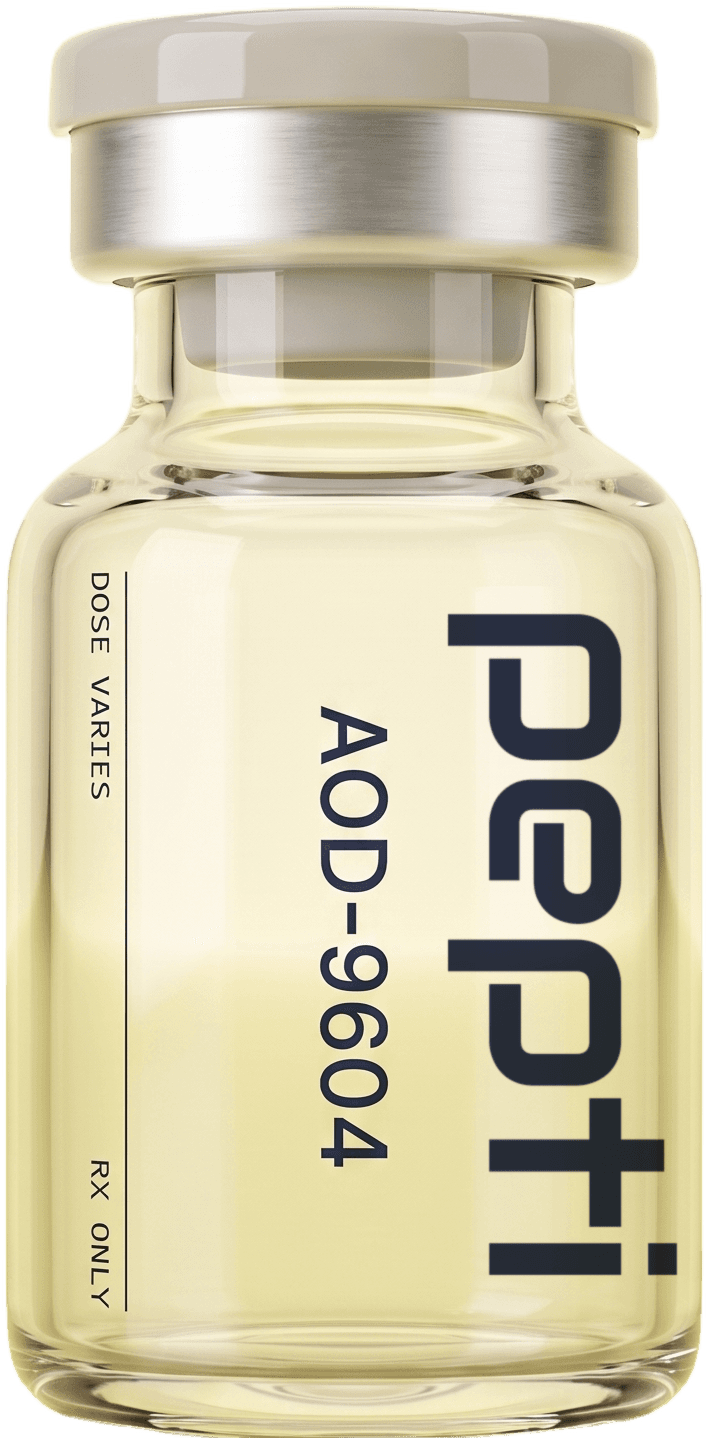
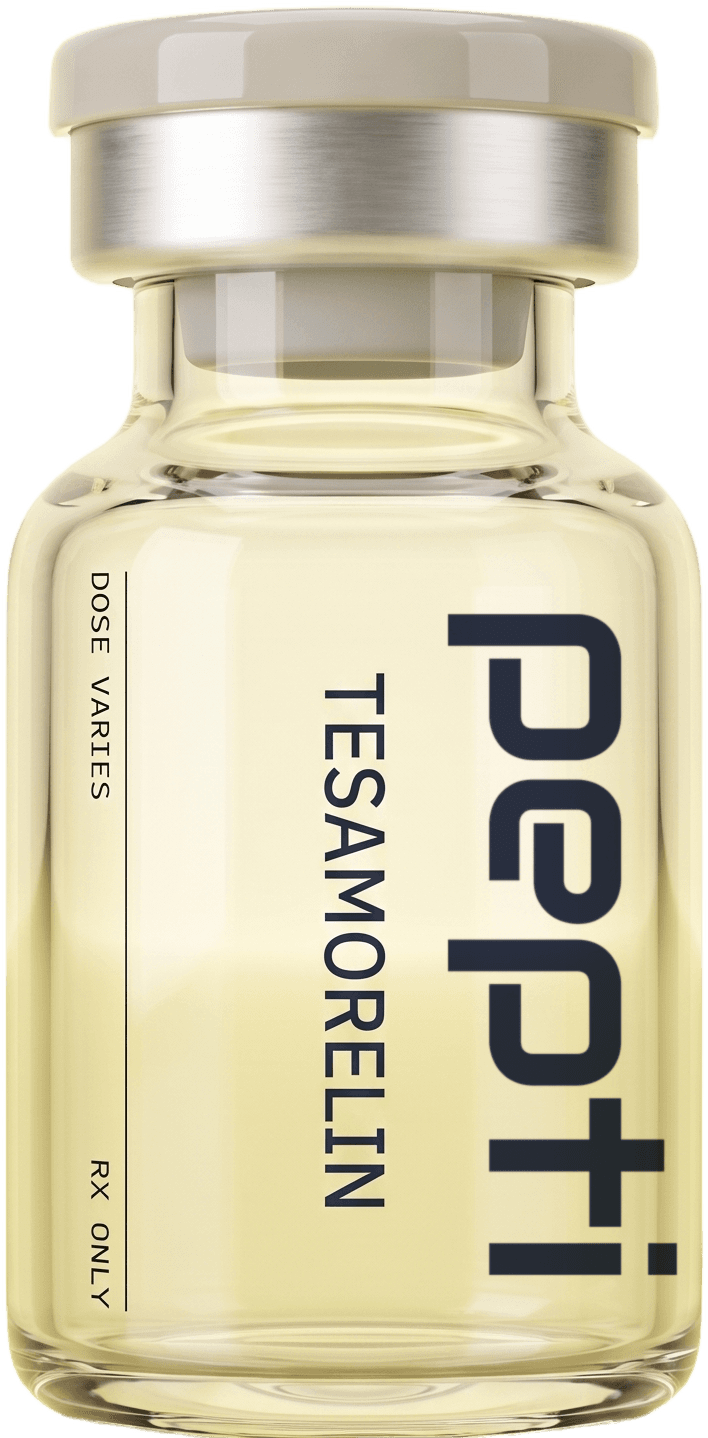
— Treatments mentioned
Tirzepatide is a prescription injection supplied as dose-specific vials (Tirzepatide / Cyanocobalamin): 2.5mg → 10 mg per 2 mL vial (5 mg/mL) + B12. It requires a prescription from a physician licensed in your state, is compounded by a state-licensed US pharmacy, and is not FDA approved.
This page covers what tirzepatide is, the two receptors it acts on, what the large human trials did and did not show, how the compounded version differs from the branded one, where compounding stands with the FDA as of September 2026, how it is dosed, and how to get it prescribed.
— Tirzepatide
What tirzepatide actually is
— A single peptide that acts on two incretin receptors
Tirzepatide is a 39-amino-acid synthetic peptide built on the backbone of GIP, glucose-dependent insulinotropic polypeptide, one of the two gut hormones released after a meal. It is engineered to activate both the GIP receptor and the GLP-1 receptor, which is why the literature calls it a dual GIP/GLP-1 receptor agonist. A fatty-acid side chain lets it bind albumin in the blood, stretching its half-life to about five days and allowing once-weekly injection.
The "dual" part is the reason the compound exists. Semaglutide and the older GLP-1 medications act on one receptor; tirzepatide was built to test whether adding the GIP arm produced more, and the head-to-head trials below answer that question.
— Where it came from, and the names it goes by
Tirzepatide was developed by Eli Lilly under the code LY3298176. The FDA approved it as Mounjaro for type 2 diabetes in May 2022 and as Zepbound for chronic weight management in November 2023; in December 2024 Zepbound also received approval for moderate-to-severe obstructive sleep apnoea in adults with obesity. Mounjaro and Zepbound are the same molecule at the same doses under two names.
What Pepti supplies is compounded tirzepatide: the same active ingredient, prepared by a state-licensed pharmacy to an individual prescription, combined with cyanocobalamin (vitamin B12) in a multi-dose vial. It is not Mounjaro or Zepbound and is not FDA approved as a finished product. That distinction runs through this page, because the trial evidence belongs to the branded product.
— What it is not
It is not a stimulant or a thermogenic and it does not force the body to burn anything. It is a hormone-receptor agonist that changes signalling around food intake and insulin; the weight change reported in trials follows from people eating less over a long period. It is also not a short course: the trials ran 40 to 72 weeks, and weight tends to return when the medication stops.
— Tirzepatide
How tirzepatide is described to work
Unlike most peptides on this site, the mechanism has been studied directly in humans, not only in animals and cells.
— The GLP-1 receptor arm
GLP-1 is released from the gut after eating. Activating its receptor increases insulin release when glucose is high, suppresses glucagon, slows gastric emptying, and acts on appetite centres in the brainstem and hypothalamus to reduce hunger and increase fullness. These effects are well characterised in humans from two decades of GLP-1 medication research. The slowing of gastric emptying, strongest in the early weeks before the body adapts, is also behind two practical points covered later: gastrointestinal side effects that cluster around dose increases, and reduced absorption of oral contraceptives after starting or stepping up.
— The GIP receptor arm
GIP is the other incretin. On its own it has a modest insulin-releasing effect in type 2 diabetes and was long considered a dead end for drug development. GIP receptors sit on fat cells and in the brain as well as the pancreas, and the proposed contributions of the GIP arm include effects on insulin sensitivity, on how adipose tissue handles fat, and possibly on nausea tolerance. Some of that remains hypothesis; the clinical result is not.
— What the two arms do together in people
A 2022 phase 1 study in The Lancet Diabetes & Endocrinology measured islet function and insulin sensitivity directly, with clamp techniques, in adults with type 2 diabetes randomised to tirzepatide 15 mg, semaglutide 1 mg or placebo for 28 weeks. It reported that tirzepatide improved the clamp disposition index, a combined measure of insulin secretion and sensitivity, with gains in insulin sensitivity larger than the weight change alone would predict. That is direct human evidence that the compound acts on glucose handling through more than one route.
— Tirzepatide
What the research actually shows
Tirzepatide has a very large human evidence base. The SURPASS programme covers type 2 diabetes; the SURMOUNT programme covers weight management. Every figure below is for the branded product in a trial setting, alongside diet and activity counselling.
— Weight management without diabetes
SURMOUNT-1, in the New England Journal of Medicine in 2022, randomised 2,539 adults with obesity, or overweight plus a weight-related complication, to tirzepatide 5, 10 or 15 mg weekly or placebo for 72 weeks. Mean weight change was −15.0 percent at 5 mg, −19.5 percent at 10 mg and −20.9 percent at 15 mg, against −3.1 percent with placebo. Between 85 and 91 percent of participants on tirzepatide lost at least 5 percent of body weight, compared with 35 percent on placebo, and 57 percent of the 15 mg group lost 20 percent or more.
SURMOUNT-5, in the New England Journal of Medicine in 2025, is the head-to-head trial. It randomised 751 adults with obesity and no diabetes to the maximum tolerated dose of tirzepatide (10 or 15 mg) or semaglutide (1.7 or 2.4 mg) for 72 weeks. Mean weight change was −20.2 percent with tirzepatide and −13.7 percent with semaglutide; waist circumference fell 18.4 cm and 13.0 cm. Participants on tirzepatide were more likely to reach every threshold from 10 to 25 percent. The trial was open-label, so participants knew which drug they were on, which is a real limitation.
— Weight management with type 2 diabetes
SURMOUNT-2, in The Lancet in 2023, randomised 938 adults with obesity and type 2 diabetes to tirzepatide 10 mg, 15 mg or placebo for 72 weeks. Weight change was −12.8 and −14.7 percent against −3.2 percent with placebo. The smaller effect than in SURMOUNT-1 is consistent across the class: people with type 2 diabetes generally lose less on these medications than people without it.
— Glycaemic control
SURPASS-2, in the New England Journal of Medicine in 2021, compared tirzepatide 5, 10 and 15 mg with semaglutide 1 mg in 1,879 people with type 2 diabetes over 40 weeks. HbA1c fell 2.01, 2.24 and 2.30 percentage points against 1.86 with semaglutide, and tirzepatide was non-inferior and superior at every dose. Weight reductions were also larger with tirzepatide, by 1.9 to 5.5 kg. The comparator was the 1 mg diabetes dose, not the 2.4 mg weight-management dose, so this is not a weight-loss head-to-head; SURMOUNT-5 is.
— Obstructive sleep apnoea
SURMOUNT-OSA, in the New England Journal of Medicine in 2024, ran two 52-week trials in adults with moderate-to-severe obstructive sleep apnoea and obesity, one in people not using positive airway pressure and one in people already using it. The apnoea-hypopnoea index fell 25.3 and 29.3 events per hour with tirzepatide against 5.3 and 5.5 with placebo. This is the trial behind the December 2024 Zepbound approval for sleep apnoea.
— Cardiovascular outcomes
SURPASS-CVOT, in the New England Journal of Medicine in December 2025, randomised 13,299 people with type 2 diabetes and established cardiovascular disease to tirzepatide or dulaglutide, an older GLP-1 medication already shown to reduce cardiovascular events, with a median follow-up of about four years. The composite of cardiovascular death, heart attack or stroke occurred in 12.2 percent on tirzepatide and 13.1 percent on dulaglutide. Tirzepatide met non-inferiority; the difference did not reach significance for superiority. The honest reading is that tirzepatide is at least as safe as an established cardioprotective comparator on hard outcomes, not that it has been shown to be better.
— What human data exists
A great deal. The SURPASS and SURMOUNT programmes enrolled tens of thousands of participants in randomised, mostly double-blind, placebo- or active-controlled trials of 40 to 72 weeks, with a four-year cardiovascular outcomes trial on top. This is the standard of evidence behind any approved medication, and it is why tirzepatide is FDA approved under two brand names.
What it does not directly cover is the compounded preparation. The trials used the manufacturer's pens. A compounded vial contains the same active ingredient at the same weekly doses but has not itself been through a trial, and no compounded medication has. The pharmacology is what the trials describe; the quality of any given vial depends on the pharmacy that made it, which is what Pepti's quality standards cover.
— What the evidence does not establish
- It does not establish that the compounded preparation performs identically to the branded pen. That has not been trialled and is not claimed.
- It does not establish what happens after stopping, other than that regain is common. SURMOUNT-4, a withdrawal trial, reported substantial regain over a year after switching to placebo.
- It does not establish safety in pregnancy, under 18, or with a personal or family history of medullary thyroid carcinoma, all excluded from the trials.
- It does not establish a benefit outside the weight range the trials enrolled: BMI 30 or more, or 27 or more with a complication. It is not a tool for the last few pounds, and a physician will not prescribe it that way.
— Tirzepatide
Where tirzepatide stands with the FDA right now
This section is dated September 2026. The picture for compounded tirzepatide has changed several times since 2022, and much of what is online describes a situation that no longer exists.
— The approved products
Mounjaro (type 2 diabetes) and Zepbound (chronic weight management; obstructive sleep apnoea with obesity) are FDA-approved tirzepatide products made by Eli Lilly. Both carry a boxed warning about thyroid C-cell tumours seen in rodents, and both are contraindicated with a personal or family history of medullary thyroid carcinoma or multiple endocrine neoplasia type 2.
— The shortage, and how it ended
From late 2022 the FDA listed tirzepatide as in shortage. Under federal compounding law a drug on the shortage list may be compounded even though it is essentially a copy of an approved product, and that is what allowed compounded tirzepatide to be dispensed at scale through 2023 and 2024.
The FDA declared the shortage resolved on 2 October 2024, was sued by the Outsourcing Facilities Association, agreed to reconsider, and reaffirmed its decision on 19 December 2024. That decision set two wind-down periods: 503A pharmacies until 18 February 2025 and 503B outsourcing facilities until 19 March 2025, after which normal enforcement applies. In March 2025 a federal district court in Texas declined to block the decision, finding the agency had acted within its authority.
— Where compounding stands as of September 2026
Tirzepatide is no longer in shortage, so the shortage exemption no longer applies. The FDA's guidance page for compounders, last updated 1 April 2026, sets out the rules that govern it now. A compounded drug is "essentially a copy" of an approved product if it contains the same active ingredient in the same, similar or easily substitutable strength by the same route. A 503A pharmacy may still compound such a product when a prescriber determines and documents that a change in it produces a significant difference for an identified individual patient. The FDA has said that adding vitamin B12 does not by itself take a product outside that definition where the amounts are within 10 percent of commercially available strengths.
On 30 April 2026 the FDA proposed to exclude semaglutide, tirzepatide and liraglutide from the 503B bulks list, stating it did not identify a clinical need for outsourcing facilities to compound them from bulk substances. The comment period was extended to 30 July 2026 and no final determination has been published as of this writing. That proposal concerns 503B facilities, which compound in bulk without patient-specific prescriptions; it does not change the 503A framework above.
So the accurate description today is: an FDA-approved molecule; a compounded version that is not an approved product and is no longer covered by a shortage exemption; prescribable through a state-licensed 503A pharmacy where the physician documents a patient-specific reason for the compounded formulation; and a proposed, not final, closure of the separate 503B bulk route.
— Tirzepatide
Realistic expectations
These are patterns described by prescribers and consistent with the trial timelines, not trial endpoints. Individual response varies, and a physician decides whether treatment is appropriate at all.
— The first four weeks
The branded label starts everyone at 2.5 mg weekly for four weeks, described as a tolerance phase rather than a treatment dose. Appetite change is usually noticed within the first one or two injections; weight change in the first month is modest. Nausea, if it comes, tends to arrive in the two or three days after an injection and to ease as the weeks pass.
— Months two through five
Dose is increased in steps, at intervals of at least four weeks, toward whichever maintenance dose the physician chooses. This is where most of the weight change in the trials happened: SURMOUNT-1's dose-escalation period ran twenty weeks and its weight curves are steepest here. Side effects cluster around each step up.
— Months six through eighteen
Weight change in the trials continued past a year and was still flattening at 72 weeks. Prescribers generally describe a plateau somewhere between months nine and fifteen, at which point the conversation becomes maintenance dose rather than further escalation. Bloodwork is usually repeated in this window.
— If you stop
There is no withdrawal syndrome. Appetite returns over a few weeks as the drug clears, and the SURMOUNT withdrawal trial reported substantial regain over the following year in people switched to placebo. That is why treatment is framed as ongoing rather than as a course, and why refills run on 28-day fills.
— Tirzepatide
When something else makes more sense
A reference that only ever recommends its own product is not much of a reference. Some honest cases where tirzepatide is not the first thing to reach for:
- You want the same class at a lower cost, or have not tried a single-receptor agonist. Semaglutide is the GLP-1-only option, has its own large trial programme, and is what SURMOUNT-5 compared tirzepatide against. Many physicians start there.
- You are not in the weight range the trials enrolled. Below a BMI of 27 an incretin medication is unlikely to be prescribed. AOD-9604, MOTS-c and 5-Amino-1MQ are the non-incretin metabolic products, and the SHRED blend combines several. None has human trial evidence comparable to tirzepatide; that is the trade-off.
- Gastrointestinal side effects have already been a problem on a GLP-1 medication. Tirzepatide's profile is similar. A physician may hold at a lower dose, step up more slowly, or look elsewhere.
- Your goal is body composition rather than total weight. Incretin medications reduce lean mass along with fat mass. Tesamorelin and the PHYSIQ blend are aimed at a different question; L-carnitine and Lipo-B are adjuncts rather than alternatives.
- A history of pancreatitis, gallbladder disease, or medullary thyroid carcinoma in the family. These are raised at intake because they change the decision.
Your physician will tell you if tirzepatide is not the right tool for what you have described. A consultation does not guarantee a prescription, and being declined is refunded.
— Tirzepatide
Strengths available
| Strength | Directions |
|---|---|
| Tirzepatide/B12 2.5mg weekly — 10mg/2mL | Inject 0.50 mL (50 units) subcutaneously once weekly. |
| Tirzepatide/B12 5mg weekly — 20mg/2mL | Inject 0.50 mL (50 units) subcutaneously once weekly. |
| Tirzepatide/B12 7.5mg weekly — 30mg/2mL | Inject 0.50 mL (50 units) subcutaneously once weekly. |
| Tirzepatide/B12 10mg weekly — 40mg/2mL | Inject 0.50 mL (50 units) subcutaneously once weekly. |
| Tirzepatide/B12 12.5mg weekly — 50mg/2mL | Inject 0.50 mL (50 units) subcutaneously once weekly. |
| Tirzepatide/B12 15mg weekly — 60mg/2mL | Inject 0.50 mL (50 units) subcutaneously once weekly. |
A higher strength delivers more medication in the same volume. Which one you are prescribed is your physician's decision.
— Tirzepatide
Dosing, and how a vial is actually used
— Why every strength is the same volume
The six vials are dose-specific: each is concentrated so that 0.50 mL delivers the weekly dose on the label. That is 50 units on a U-100 insulin syringe at every strength from 2.5 mg to 15 mg. When your dose changes, the pharmacy changes the concentration and you keep drawing to the same line. Drawing errors are the most common problem the FDA has reported with compounded incretin medications, and a fixed volume removes most of the arithmetic.
— Subcutaneous, once weekly, and where
Subcutaneous means into the fat layer, not the muscle. Abdomen, thigh and upper arm are the usual sites, rotated. Pick a day of the week and keep it; the branded label allows the day to move as long as at least three days separate doses. Your physician's directions cover a missed dose.
— Why a vial covers four weeks
A 2 mL vial at 0.50 mL per dose is four doses, which at once weekly is four weeks. That is why refills run on a 28-day cycle and why the strength tiers map one-to-one onto the dose steps. One vial per fill, always; a change in dose is a change in which vial you are sent, not in how much you draw.
— Storage
Refrigerated, and it ships that way in insulated packaging with ice packs. Beyond-use dating runs from first puncture and is on the label. Keep it in the refrigerator between weekly doses; do not freeze it.
— Tirzepatide
Safety and side effects
The side-effect profile is unusually well documented because it comes from randomised trials in thousands of people rather than case reports.
— Gastrointestinal, and everything else common
Nausea, diarrhoea, vomiting, constipation and reduced appetite are the most common adverse events in every tirzepatide trial. Most are mild to moderate, occur during dose escalation, and settle. In SURMOUNT-1, adverse events led to discontinuation in 4.3 to 7.1 percent on tirzepatide against 2.6 percent on placebo; in SURPASS-2, nausea was reported by 17 to 22 percent on tirzepatide and 18 percent on semaglutide. Injection-site reactions, hair thinning during rapid weight loss, and fatigue are also reported.
— The boxed warning, pancreatitis and gallbladder
Tirzepatide caused thyroid C-cell tumours in rats at clinically relevant exposures. Whether it does so in humans is unknown, and the branded label carries a boxed warning on that basis, which is why personal or family history of medullary thyroid carcinoma or MEN 2 is a contraindication rather than a discussion point. Acute pancreatitis has been reported with incretin medications, and gallbladder events, including gallstones, occur more often with rapid weight loss on any treatment. Severe, persistent abdominal pain is the reason to stop and contact your physician.
— Interactions
On its own tirzepatide rarely causes low blood glucose (under 2 percent in SURPASS-2), but the risk rises with insulin or a sulfonylurea, one reason a full medication list is part of the intake. Because gastric emptying slows, oral contraceptives may be absorbed less reliably for four weeks after starting and after each dose increase; the branded label advises a backup or non-oral method during those windows.
Stop and contact your physician for any reaction that is severe, spreading, involves difficulty breathing, or involves changes in vision.
— Tirzepatide
How tirzepatide compares
— Tirzepatide vs semaglutide
Same class, different receptor coverage. Semaglutide acts on the GLP-1 receptor only; tirzepatide acts on GLP-1 and GIP. In SURMOUNT-5 tirzepatide produced −20.2 percent against −13.7 percent for semaglutide over 72 weeks, and in SURPASS-2 it lowered HbA1c more than semaglutide 1 mg. Semaglutide has a longer track record, a cardiovascular outcomes trial in obesity that tirzepatide does not yet have, and a lower price; gastrointestinal side effects are broadly similar. Which one a physician prescribes depends on history, goals, tolerance and cost, and starting on one does not rule out the other.
— Compounded tirzepatide vs Mounjaro and Zepbound
Same molecule, same weekly doses, different product. The branded pens are FDA-approved and are what every trial on this page used. Compounded tirzepatide is prepared by a state-licensed pharmacy to an individual prescription, combined here with cyanocobalamin, in a multi-dose vial drawn with a syringe; it is not FDA approved and no trial has been run on it. The identity, purity and sterility of the vial rest on the pharmacy, which is why Pepti uses FDA-registered pharmacies. If your insurance covers the branded product, that is worth discussing with your physician.
— Vial vs Pen
Tirzepatide is not offered as a pepti Pen cartridge. It is supplied as a vial drawn with an insulin syringe, and because every strength is dosed at the same 0.50 mL, the draw is the same at every step.
— Tirzepatide
Availability and formats
| Question | Answer |
|---|---|
| Can I get it by telehealth? | Yes, where a physician licensed in your state prescribes it |
| Which states? | All 50 states and DC |
| Does it come as a pen? | No, this one is a vial and syringe only |
| Does it come as a capsule? | No |
| Does it come as a nasal spray? | No |
| Is bloodwork required first? | Usually, for this medication |
— Tirzepatide
Where to get Tirzepatide prescribed
Tirzepatide cannot be bought legitimately without a prescription. Sites shipping it with no prescription are selling a research-use-only product, where no pharmacy is accountable for identity, purity, sterility or concentration.
The prescription route works like this:
- Complete a medical intake covering your history, medications, allergies and what you are treating.
- A physician licensed in your state reviews it and will usually want baseline bloodwork before prescribing this one.
- If appropriate, a state-licensed, FDA-registered pharmacy compounds it to that prescription.
- It ships refrigerated with your directions printed on the vial.
- Your physician stays reachable afterwards for dose questions and side effects.
Current all-in pricing for Tirzepatide is published: medication, physician review, refill management and shipping in one figure, with no separate membership fee. What to check on any provider is in how to tell if a peptide seller is legitimate.
— Tirzepatide
Who should not take it, or should discuss it first
| Situation | Why |
|---|---|
| Personal or family history of medullary thyroid carcinoma or MEN 2 | Raised at intake |
| Pregnancy or breastfeeding | Raised at intake |
| History of pancreatitis needs careful discussion | Raised at intake |
| Pregnancy or breastfeeding | Not used; safety data is absent |
| Tested athletes | Many peptides are prohibited in competition; check the current list |
— Full specification
Everything on the label.
— Product
Tirzepatide (Injectable)
— How supplied
dose-specific vials (Tirzepatide / Cyanocobalamin): 2.5mg → 10 mg per 2 mL vial (5 mg/mL) + B12; 5mg → 20 mg per 2 mL vial (10 mg/mL) + B12; 7.5mg → 30 mg per 2 mL vial (15 mg/mL) + B12; 10mg → 40 mg per 2 mL vial (20 mg/mL) + B12; 12.5mg → 50 mg per 2 mL vial (25 mg/mL) + B12; 15mg → 60 mg per 2 mL vial (30 mg/mL) + B12
— Formats
Vial and syringe
— Available in
All 50 states and DC
— Bloodwork
Commonly required before prescribing
— Strengths available
6
— Legal status
Prescription-only, compounded, not FDA approved
— Category
Weight Loss
— References
What this is based on.
References
- Jastreboff AM, Aronne LJ, Ahmad NN, et al.. Tirzepatide Once Weekly for the Treatment of Obesity (SURMOUNT-1) · New England Journal of Medicine (2022) · PMID 35658024
- Garvey WT, Frias JP, Jastreboff AM, et al.. Tirzepatide once weekly for the treatment of obesity in people with type 2 diabetes (SURMOUNT-2) · Lancet (2023) · PMID 37385275
- Frías JP, Davies MJ, Rosenstock J, et al.. Tirzepatide versus Semaglutide Once Weekly in Patients with Type 2 Diabetes (SURPASS-2) · New England Journal of Medicine (2021) · PMID 34170647
- Inagaki N, Takeuchi M, Oura T, et al.. Effects of subcutaneous tirzepatide versus placebo or semaglutide on pancreatic islet function and insulin sensitivity in adults with type 2 diabetes: a multicentre, randomised, double-blind, parallel-arm, phase 1 clinical trial · The Lancet Diabetes & Endocrinology (2022) · PMID 35468322
- Malhotra A, Grunstein RR, Fietze I, et al.. Tirzepatide for the Treatment of Obstructive Sleep Apnea and Obesity (SURMOUNT-OSA) · New England Journal of Medicine (2024) · PMID 38912654
- Nicholls SJ, Pavo I, Bhatt DL, et al.. Cardiovascular Outcomes with Tirzepatide versus Dulaglutide in Type 2 Diabetes (SURPASS-CVOT) · New England Journal of Medicine (2025) · PMID 41406444
- Aronne LJ, Sattar N, Horn DB, et al.. Continued Treatment With Tirzepatide for Maintenance of Weight Reduction in Adults With Obesity: The SURMOUNT-4 Randomized Clinical Trial · JAMA (2024) · PMID 38078870
- Pasternak B, Wintzell V, Hviid A et al.. Glucagon-like peptide 1 receptor agonist use and risk of thyroid cancer: Scandinavian cohort study · BMJ (2024) · PMID 38683947
- Quddos F, Hubshman Z, Tegge A, et al.. Semaglutide and Tirzepatide reduce alcohol consumption in individuals with obesity · Scientific Reports (2023) · PMID 38017205
- Drummond RF, Seif KE, Reece EA. Glucagon-like peptide-1 receptor agonist use in pregnancy: a review · Am J Obstet Gynecol (2025) · PMID 39181497
- Wang S, Sun J, Wang J, et al.. Does obesity based on body mass index affect semen quality? A meta-analysis and systematic review from the general population rather than the infertile population · Andrologia (2021) · PMID 34028074
- Urva S, Coskun T, Loghin C, et al.. The novel dual glucose-dependent insulinotropic polypeptide and glucagon-like peptide-1 (GLP-1) receptor agonist tirzepatide transiently delays gastric emptying similarly to selective long-acting GLP-1 receptor agonists · Diabetes, Obesity and Metabolism (2020) · PMID 32519795
Citations are provided for educational purposes. They do not constitute medical advice. Always discuss any peptide protocol with your prescribing physician.
— Common questions
Tirzepatide, answered.
Through a telehealth provider where a physician licensed in your state reviews a medical intake and a licensed US pharmacy compounds the prescription. Pepti prescribes Tirzepatide in all 50 states and DC; start with the free assessment.
dose-specific vials (Tirzepatide / Cyanocobalamin): 2.5mg → 10 mg per 2 mL vial (5 mg/mL) + B12; 5mg → 20 mg per 2 mL vial (10 mg/mL) + B12; 7.5mg → 30 mg per 2 mL vial (15 mg/mL) + B12; 10mg → 40 mg per 2 mL vial (20 mg/mL) + B12; 12.5mg → 50 mg per 2 mL vial (25 mg/mL) + B12; 15mg → 60 mg per 2 mL vial (30 mg/mL) + B12
Tirzepatide is supplied as a vial, drawn with an insulin syringe. It is not available as a pen or capsule.
Usually yes for this medication. A physician will generally want baseline labs before prescribing, and at-home blood testing covers hormone, metabolic and thyroid markers without a lab visit.
It is legal to prescribe and dispense in the United States with a valid prescription. It is not FDA approved: compounded medications are prepared by licensed pharmacies pursuant to a prescription rather than approved as manufactured products. See are peptides FDA approved.
Pricing is published on the Tirzepatide page as one all-in figure covering medication, physician review, refill management and shipping. What drives peptide pricing generally is in how much do peptides cost.
Same active ingredient and same weekly dose tiers, but not the same product. Mounjaro and Zepbound are FDA-approved manufactured pens. Compounded tirzepatide is prepared by a state-licensed pharmacy to an individual prescription, here combined with vitamin B12 in a multi-dose vial, and is not FDA approved. The clinical trials were run on the branded product.
Yes, on an individual prescription. The shortage exemption ended in early 2025, so a state-licensed 503A pharmacy may compound tirzepatide only for an identified patient where the prescribing physician documents a clinical reason for the compounded formulation. The FDA's April 2026 proposal to exclude tirzepatide from the 503B bulks list concerns bulk outsourcing facilities, not patient-specific prescriptions, and was still pending as of September 2026.
In SURMOUNT-1, adults with obesity and no diabetes had mean weight change of −15.0, −19.5 and −20.9 percent at 5, 10 and 15 mg over 72 weeks, against −3.1 percent on placebo. In SURMOUNT-2, adults with type 2 diabetes had −12.8 to −14.7 percent. Those are trial averages for the branded product with diet and activity support; individual results vary widely and the compounded version has not been trialled.
In SURMOUNT-5, the one randomised head-to-head in obesity without diabetes, tirzepatide produced greater mean weight reduction than semaglutide at 72 weeks (−20.2 versus −13.7 percent). In type 2 diabetes, SURPASS-2 reported greater HbA1c reduction than semaglutide 1 mg. Semaglutide has a longer track record and lower cost, and which is right for you is a physician's decision. Semaglutide is available through the same process.
Inject 0.50 mL (50 units) subcutaneously once weekly at every strength. The tiers run from 2.5 mg to 15 mg weekly, and your physician decides which one you are on and when it changes. Because each vial is concentrated to its dose, you always draw the same volume.
Four at the standard volume: 2 mL at 0.50 mL per dose, which is four weeks at once weekly. Refills run on a 28-day cycle.
There is no withdrawal syndrome; appetite returns over a few weeks as the drug clears. The SURMOUNT withdrawal trial reported substantial weight regain over the following year in people switched to placebo, which is why it is framed as an ongoing treatment rather than a course. Stopping is a decision to make with your physician.
Most commonly nausea, diarrhoea, vomiting, constipation and reduced appetite, mostly mild to moderate and mostly during dose increases. The branded label carries a boxed warning about thyroid C-cell tumours seen in rats, and pancreatitis and gallbladder events are reported with the class. Oral contraceptives may be absorbed less reliably for four weeks after starting or stepping up. Your physician reviews every medication you take before prescribing.
— Next step
See what a physician
recommends for you.
A licensed physician in your state reviews your intake and decides what is appropriate. A consultation does not guarantee a prescription.
Important legal & safety information
The assessment process available on the Pepti website asks a series of medical questions, and the answers provided are reviewed by an independent licensed physician affiliated with our partner physician network. The licensed providers have established exclusionary criteria, and the answers provided determine if the individual is screened out of eligibility for treatment. The licensed clinicians retain the sole decision to prescribe peptide therapy and other compounded medications to patients. Treatment may be denied at the physician's sole discretion. If a prescription is not approved, you will not be charged for the medication.
Pharmacy Providers. Pepti is a technology platform and is not a healthcare provider, pharmacy, or prescriber. All medications offered through the platform are compounded by independent FDA-registered 503A or 503B compounding pharmacies based on a valid prescription written by a licensed physician for an individual patient. Compounded medications are not FDA-approved as products. The active pharmaceutical ingredients used by our partner pharmacies are sourced from FDA-registered facilities. Compounded medications may not undergo the same testing or quality control as commercially manufactured FDA-approved drugs.
Results vary. Results from peptide therapy and other compounded treatments vary based on individual factors, including age, weight, medical history, adherence to the prescribed protocol, lifestyle factors, and physiological response. Pepti makes no guarantee of any specific outcome. Statements about peptide therapy and compounded medications offered through the platform have not been evaluated by the Food and Drug Administration. These products are not intended to diagnose, treat, cure, or prevent any disease.
Product images. Product photographs and renderings shown on this website are for illustrative purposes only. The appearance of vials, packaging, labeling, and other materials you receive may vary and is determined by the dispensing compounding pharmacy.
Off-label use.Many peptides offered through the platform are prescribed for off-label use. “Off-label” means the medication is being prescribed for a use, dose, or patient population that is not specifically approved by the FDA. Off-label prescribing is legal and common in U.S. medical practice when supported by clinical experience and judgment.
Mailing & shipping. Pepti currently dispenses prescription medication to patients in all 50 states and Washington, D.C.. All orders ship in unbranded, tamper-evident packaging via expedited delivery from our partner compounding pharmacies. Temperature-sensitive medications ship with insulated packaging and ice packs. Shipping is included at no additional cost. We do not currently ship medication outside all 50 states and Washington, D.C., internationally, or to APO/FPO addresses.
Not for emergencies. Pepti is not designed for medical emergencies. If you are experiencing a medical emergency, call 911 or go to your nearest emergency room immediately. For urgent but non-emergency medical questions, contact your primary care provider or use an urgent care service.
No doctor-patient relationship with Pepti. Your use of the platform does not create a doctor-patient relationship between you and pepti LLC. A doctor-patient relationship is established only between you and the independent licensed physician who reviews your intake and prescribes your treatment. The physicians who use the platform are independent contractors and are solely responsible for the medical care they provide.
Prescription medications. All prescription products require a valid prescription from a licensed healthcare provider. By using the platform, you acknowledge that you are at least 18 years old and that the information you provide is true, accurate, current, and complete. Providing false information may result in inappropriate treatment recommendations or denial of service.
Cosmetic & wellness products.Certain products offered through Pepti — including skincare, hair care, body care, supplements, men's grooming, sports recovery, and sexual wellness products — are cosmetic or dietary supplement products, not prescription medications. These products do not require a prescription and are not reviewed or prescribed by a physician. Statements regarding dietary supplements have not been evaluated by the Food and Drug Administration. These products are not intended to diagnose, treat, cure, or prevent any disease. Results vary by individual. Consult your healthcare provider before starting any new supplement or topical product, especially if you are pregnant, nursing, or taking other medications.
pepti LLC · Delaware Limited Liability Company · 131 Continental Dr, Suite 305, Newark, DE 19713 · For media or partnership inquiries, email hello@hellopepti.com. For patient support, email support@hellopepti.com. For privacy and HIPAA inquiries, email privacy@hellopepti.com.