— Immune · Reference
Thymosin Alpha-1: What It Is, Where to Get It Prescribed, and What It Costs
This page covers what thymosin alpha-1 is, the immune pathways researchers have described, what the human trials do and do not establish, where it currently stands with the FDA, how it is dosed, and how to get it prescribed.
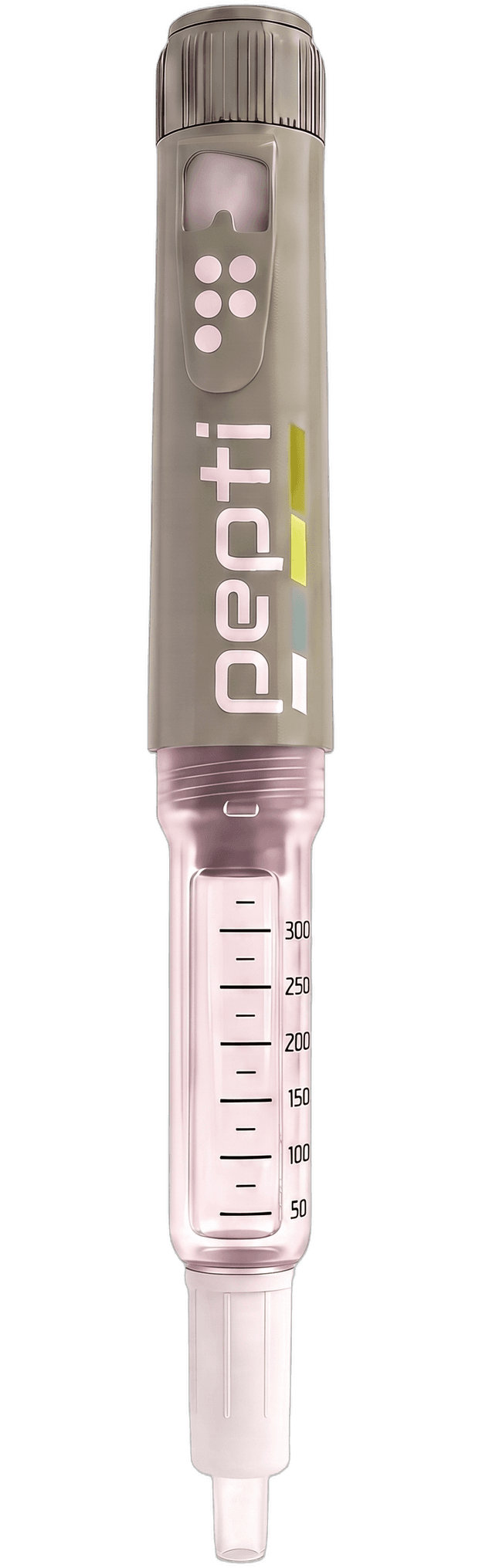
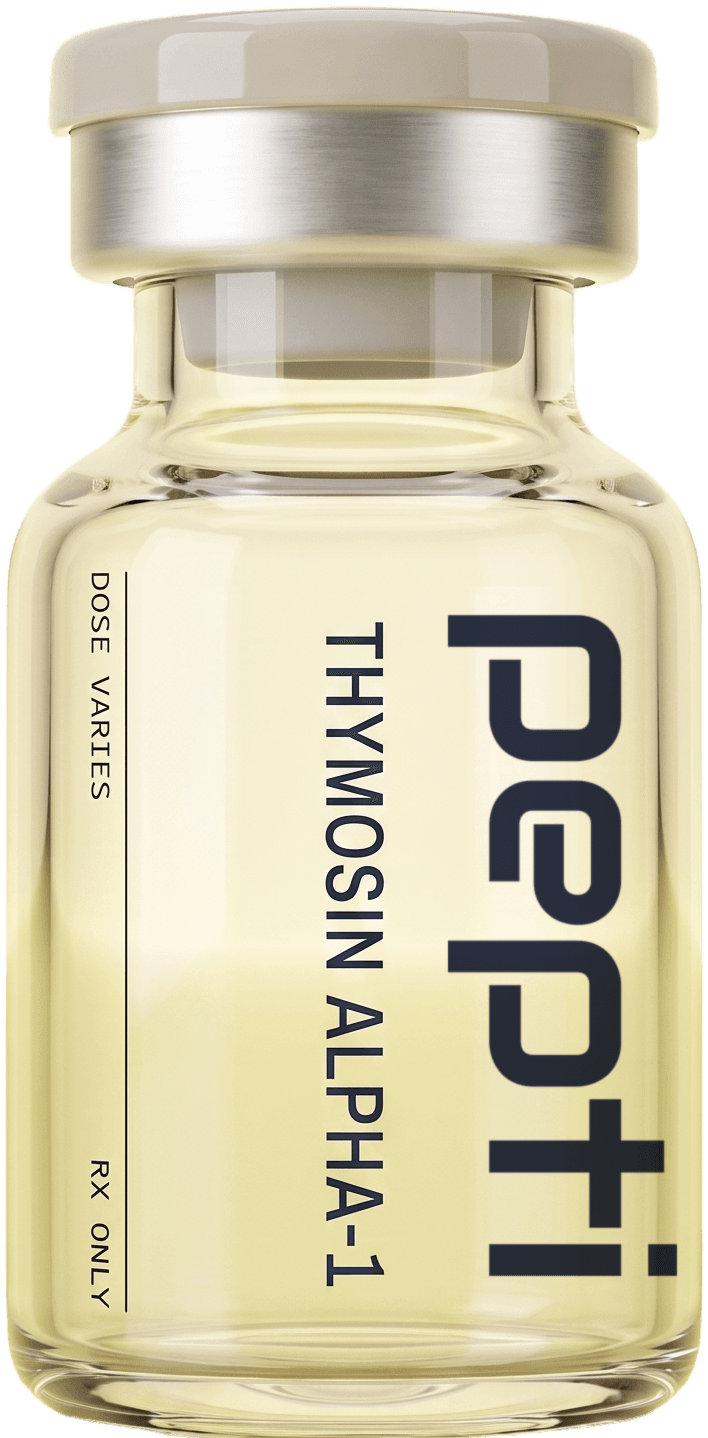

Thymosin Alpha-1 is a prescription injection supplied as 5 mL multi-dose vial, Thymosin A-1 2 mg/mL (10 mg Thymosin A-1 per vial). The reviewed directions are: Inject 0.25 mL (25 units) subcutaneously once daily Monday through Friday. That is 20 doses per vial, about 4 weeks at Monday through Friday. It requires a prescription from a physician licensed in your state, is compounded by a state-licensed US pharmacy, and is not FDA approved.
This page covers what thymosin alpha-1 is, the immune pathways researchers have described, what the human trials do and do not establish, where it currently stands with the FDA, how it is dosed, and how to get it prescribed.
— Thymosin Alpha-1
What thymosin alpha-1 actually is
— A peptide the thymus already makes
Thymosin alpha-1 is a 28-amino-acid peptide with an acetyl group on its N-terminus. The body cuts it out of a larger precursor called prothymosin alpha, and it was first isolated in 1977 from a calf thymus preparation known as thymosin fraction 5. The thymus is where T cells mature, and that origin is the whole story: everything studied since has been about what it does to immune cells.
It is not a hormone, not a steroid and not a growth factor. It is a signalling peptide that changes how certain immune cells respond, not a drug that forces a single outcome.
— Thymalfasin, Zadaxin, and why the names matter
The international non-proprietary name is thymalfasin. The synthetic version has been sold since the 1990s as Zadaxin, a 1.6 mg subcutaneous injection developed by SciClone Pharmaceuticals. That is unusual: most compounded peptides have never been through a drug approval process anywhere, whereas thymalfasin is approved in a number of countries, principally in the Asia-Pacific region, Latin America, Eastern Europe and the Middle East, and in Italy, mainly for hepatitis B and as a vaccine adjuvant. The FDA's 2024 briefing notes it is not approved in the United States, Japan, or Europe other than Italy, and that the agency could not independently verify every approval the manufacturer lists. A compounded thymosin alpha-1 prescribed in the US is not Zadaxin and carries none of those approvals.
— What it is not
It is not an antibiotic or a direct antiviral; every mechanism described runs through the immune system. It is not an immunosuppressant. And it is not thymosin beta-4 or its fragment TB-500, despite the shared name; the two are confused constantly and are not interchangeable.
— Thymosin Alpha-1
How thymosin alpha-1 is described to work
Four mechanisms come up repeatedly, almost all from cell and animal studies.
— Toll-like receptor signalling in dendritic cells
The most-cited mechanism is action on Toll-like receptors, particularly TLR9 and TLR2, on dendritic cells, the cells that decide what the rest of the immune system responds to. In mouse and cell work this is described as increasing cytokine production and antigen presentation, which is why the compound has been studied as a vaccine adjuvant and in chronic viral infection.
— T-cell maturation and differentiation
The original thymic-factor work describes thymosin alpha-1 promoting maturation of immature T cells into functional CD4 and CD8 populations, with increased interleukin-2 and IL-2 receptor expression. Some of this has been observed in people: a 2020 report on severe COVID-19 measured a rise in circulating CD4 and CD8 T cells in treated patients.
— Natural killer cell and antigen-presentation effects
Cell and animal studies describe increased natural killer cell activity and increased MHC class I expression on tumour cells, which makes them easier for the immune system to recognise. This is the rationale for the oncology-adjunct trials.
— A regulatory, not purely stimulating, direction
A 2010 review in the Annals of the New York Academy of Sciences is titled "the regulator of regulators" for a reason. In mouse work the compound is described as inducing indoleamine 2,3-dioxygenase in dendritic cells, which pushes the response toward regulatory T cells and tolerance rather than inflammation. The picture is of a peptide that sharpens immune recognition where it is deficient while restraining runaway inflammation.
— Thymosin Alpha-1
What the research actually shows
Thymosin alpha-1 differs from most compounded peptides in one important respect: it has been studied in randomised controlled trials in humans, in several disease areas, over more than thirty years, summarised in a 2020 review in the World Journal of Virology and a 2015 historical review in Expert Opinion on Biological Therapy. What follows includes the negative results.
— Chronic hepatitis B
This is the indication behind most of the international approvals. A 1998 randomised controlled trial in Hepatology allocated 98 patients to a 26-week course, a 52-week course, or no treatment. Complete virological response at 18 months was reported in 40.6 percent, 26.5 percent and 9.4 percent respectively, with responses accumulating after the course finished rather than during it.
The most current synthesis is a 2026 Cochrane review of ten randomised trials and 1,349 participants. It reported that thymosin alpha-1 may reduce all-cause mortality and serious adverse events compared with control, but graded the certainty as very low for almost every outcome. That is the honest state of the hepatitis B evidence: consistent signals across small trials, not settled proof, in a disease where oral antivirals have since changed the standard of care.
— Chronic hepatitis C
A 2012 trial in the Journal of Viral Hepatitis randomised 552 non-responders to peginterferon alfa-2a plus ribavirin with either thymosin alpha-1 or placebo for 48 weeks. Sustained viral response was not different between arms (12.7 percent against 10.5 percent), and direct-acting antivirals have since made the question largely historical.
— Sepsis
Two randomised trials, both in China, tell a two-part story. The 2013 ETASS trial in Critical Care randomised 361 patients with severe sepsis and reported 28-day mortality of 26.0 percent with thymosin alpha-1 against 35.0 percent with conventional care, a difference of marginal significance. The follow-up, TESTS, published in the BMJ in 2025, was a multicentre, double-blind, placebo-controlled phase 3 trial of 1,106 adults with sepsis: 28-day mortality was 23.4 percent against 24.1 percent, and the trial found no clear evidence that thymosin alpha-1 reduces mortality. It is the largest and best-designed trial of the compound in any indication.
— Oncology adjunct
A 2010 trial in the Journal of Clinical Oncology randomised 488 patients with metastatic melanoma to dacarbazine chemotherapy with or without thymosin alpha-1. Tumour responses were reported in 10 and 12 patients in the thymosin alpha-1 groups against four in the control group, and median survival was 9.4 months against 6.6 months, a difference that did not reach statistical significance (P = 0.08). The authors described a signal warranting further evaluation.
— Vaccine response, immunocompromised patients and COVID-19
Trials from the 1980s and 1990s studied thymosin alpha-1 alongside influenza vaccination in older adults and haemodialysis patients, reporting higher antibody responses in some; the FDA's review noted those vaccines are not the ones used in the US today and found the evidence insufficient. The 2020 Clinical Infectious Diseases paper was a retrospective review of 76 severe COVID-19 patients in Wuhan reporting lower mortality in the treated group (11.1 percent against 30.0 percent); later randomised work did not confirm a mortality benefit, and a retrospective series is the weakest kind of comparative evidence.
— What human data exists
Randomised controlled trials exist for hepatitis B, hepatitis C, sepsis, melanoma and vaccine response, spanning more than thirty years and, in the 2025 sepsis trial, over a thousand patients. That is far more human evidence than exists for almost any other compounded peptide: a compound that is consistently well tolerated, that measurably changes immune-cell counts in people, and that has produced positive signals in hepatitis B and melanoma but a clear negative primary result in its largest trial.
None of it was generated in the population that typically asks about compounded thymosin alpha-1. There are no randomised controlled trials of thymosin alpha-1 for immune support in otherwise healthy adults, for frequent infections, for long COVID or for chronic fatigue. That use rests on clinical judgement, not on the trials.
— What the evidence does not establish
- It does not establish a benefit in healthy adults or in general immune support. That trial has not been run.
- It does not establish a mortality benefit in sepsis, or efficacy as a cancer treatment; the largest trial found no mortality benefit and the oncology results were signals, not significant differences.
- It does not establish a dose or duration for any off-label use. The branded product's schedule (1.6 mg twice weekly) is not the compounded direction; a physician sets that.
- It does not establish anything as an FDA-approved treatment. It is not approved for any use in the United States.
— Thymosin Alpha-1
Where thymosin alpha-1 stands with the FDA right now
This one has a different history from most compounded peptides.
Thymosin alpha-1 was among the peptides the FDA placed in Category 2 of its interim 503A bulk drug substances list in 2023, the category for substances the agency considers to raise significant safety concerns, and that placement was challenged in federal court. In September 2024 the nominators withdrew the thymosin alpha-1 nomination, and the FDA removed it from Category 2 effective 27 September 2024, announcing that it would evaluate the substance at its own discretion and consult its advisory committee.
On 4 December 2024 the FDA's Pharmacy Compounding Advisory Committee voted 4 to 17 against adding thymosin alpha-1 (free base) and thymosin alpha-1 acetate to the 503A Bulks List. The FDA's briefing stated that the substances were not well characterised physicochemically, that safety information including immunogenicity risk was insufficient, and that there was a lack of evidence of effectiveness for the conditions evaluated, most of which have FDA-approved treatments.
That vote is a recommendation, not a rule. On the FDA's interim list updated 14 May 2026, thymosin alpha-1 does not appear in Category 1, 2 or 3, because the nomination was withdrawn, and the FDA has not issued a final determination either way. It was not among the twelve peptides removed from Category 2 in April 2026, because it had already left Category 2 in 2024, and it was not on the agenda when the committee met on 23 and 24 July 2026 to review seven other peptides.
So the accurate description today is: no longer in Category 2, a negative advisory committee recommendation in December 2024, no final FDA rule, and no further review scheduled. It is not an FDA-approved drug product, and compounded medications never are.
— Thymosin Alpha-1
Realistic expectations
These are patterns described by prescribers, not trial endpoints; the trials were in sick populations. A physician decides whether treatment is appropriate at all.
— The first week or two
Thymosin alpha-1 does not produce a sensation. Noticing nothing in the first weeks is normal rather than a sign of a problem.
— Weeks two to four
This is the span of a single vial at the Monday-to-Friday schedule, and roughly the window in which immune-cell changes were measured in trials. Whether those changes translate into anything a person can perceive depends on why it was prescribed, and often they will not be perceptible at all.
— Longer courses and the hepatitis B pattern
In the hepatitis B trials the response accumulated after the course finished, and courses ran 26 weeks. Nothing is expected to happen quickly, and a physician may propose a longer course; have that conversation before starting.
— After the course
No withdrawal, rebound or dependence is described in the published work, which spans decades of use of the branded product.
— Thymosin Alpha-1
When something else makes more sense
Some honest cases where thymosin alpha-1 on its own is not the first thing to reach for:
- You have a diagnosed infection or immune disease. Hepatitis B, hepatitis C, HIV and sepsis all have FDA-approved treatments with far stronger evidence; the compound was studied alongside them, never instead of them.
- The picture is inflammatory rather than immunodeficient. For gut or skin inflammation, KPV is studied more directly, and the FORTIFY blend combines thymosin alpha-1 with BPC-157, KPV and LL-37.
- Recovery from a physical injury is the actual goal. That is BPC-157 or TB-500 territory.
- You are interested in the thymus-peptide approach more generally. Thymalin is a different thymic peptide preparation with its own, mostly Eastern European, literature.
- The concern is fatigue without an immune finding. At-home blood testing covers hormone, metabolic and thyroid markers, any of which can explain fatigue better than an immune peptide would.
Your physician will tell you if thymosin alpha-1 is not the right tool. A consultation does not guarantee a prescription, and being declined is refunded.
— Thymosin Alpha-1
Dosing, and how a vial is actually used
— Why the dose is measured in units
The directions are written in millilitres and insulin-syringe units because that is what you can read off the barrel. 0.25 mL is 25 units on a U-100 syringe; at 2 mg/mL that is 0.5 mg of thymosin alpha-1. The number is printed on your medication, and your physician may set a different dose.
— Subcutaneous, Monday through Friday
Subcutaneous means into the fat layer, not the muscle. Abdomen and thigh are the usual sites, rotated. Five days a week with weekends off is a common prescriber pattern; the branded product's labelled schedule is twice weekly, so do not be surprised that physicians write it differently. Your directions will say.
— Why a vial covers about four weeks
20 doses at five per week is four weeks, which is why refills run on a 28-day cycle. One vial per fill, always. The 3 mL Pen cartridge contains 15 mg, dosed in clicks.
— Storage
Refrigerated, and it ships that way in insulated packaging with ice packs. Beyond-use dating runs from first puncture and is on the label.
— Thymosin Alpha-1
Safety and side effects
Thymosin alpha-1 has an unusually long human safety record for a compounded peptide. The branded product has been in use since the 1990s, and the randomised trials, including the 1,106-patient 2025 sepsis trial, report adverse-event rates similar to placebo.
What gets reported clinically is mostly injection-site: redness, mild soreness, occasional bruising. Because the compound acts on immune signalling, the theoretical concerns are immune ones, which is why the intake asks about autoimmune disease and immunosuppressive treatment. The FDA's 2024 review also raised immunogenicity from aggregated or impure compounded material, a manufacturing-quality question; how Pepti's pharmacies test identity, purity and sterility is on the quality page.
There is no established interaction list. Stop and contact your physician for any reaction that is severe, spreading, or involves difficulty breathing.
— Thymosin Alpha-1
How thymosin alpha-1 compares
— Thymosin alpha-1 vs TB-500
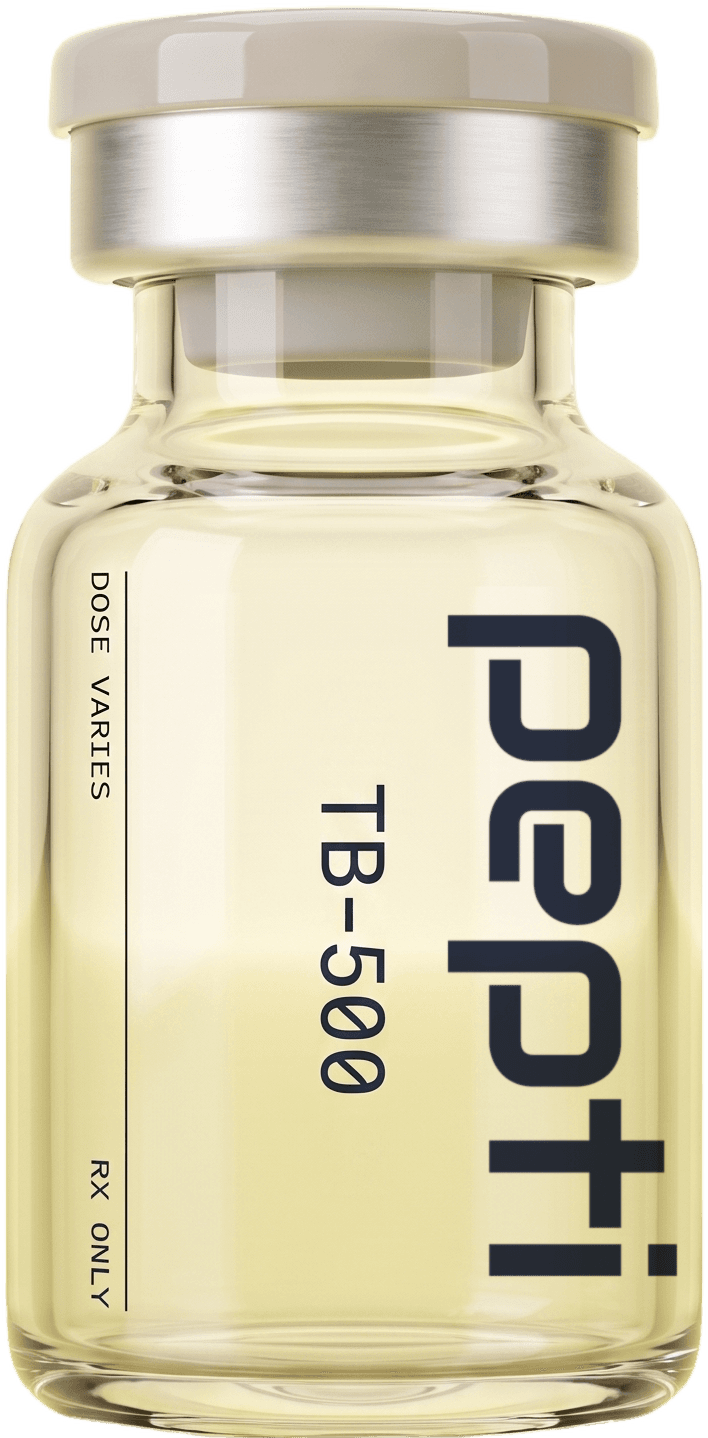
Not related beyond the name. TB-500 is a fragment of thymosin beta-4, studied around actin regulation and soft-tissue repair, with no human randomised trials. Thymosin alpha-1 is studied around immune signalling and has decades of them.
— Thymosin alpha-1 vs Thymalin
Thymalin is a thymic peptide preparation with a largely Russian and Eastern European, mostly older, literature; thymosin alpha-1 is a single defined sequence with a branded product and international trials. Neither is FDA approved.
— Thymosin alpha-1 vs the FORTIFY blend
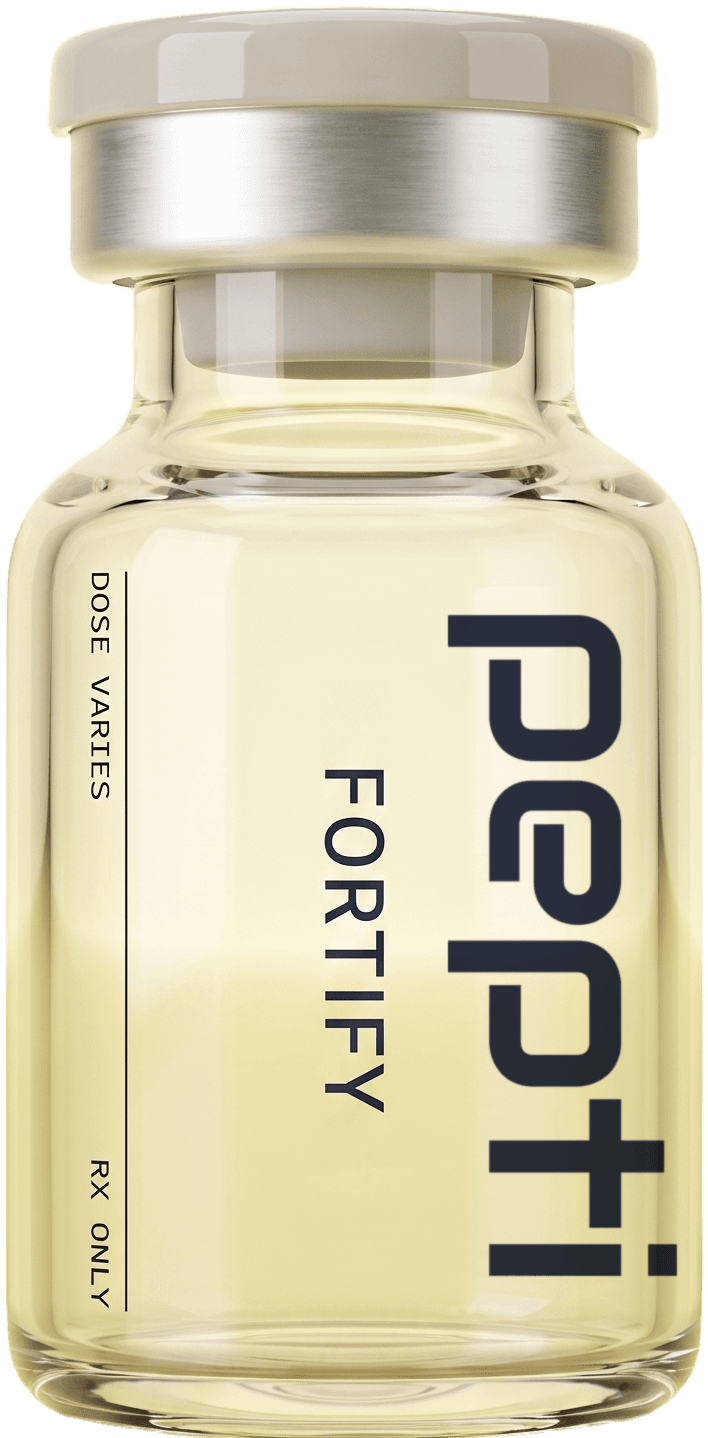
The FORTIFY blend combines thymosin alpha-1 with BPC-157, KPV and LL-37 in one vial. The single product is for a question that is specifically immune modulation; the blend is for when a physician wants the immune component alongside gut, inflammation and antimicrobial-peptide coverage.
— Vial vs Pen
Identical medication. The pepti Pen is a pre-filled cartridge in a reusable click-dial injector, dosed in clicks rather than drawn from a vial with a syringe. It costs more and it removes the draw step. Neither is clinically better.
— Thymosin Alpha-1
Availability and formats
| Question | Answer |
|---|---|
| Can I get it by telehealth? | Yes, where a physician licensed in your state prescribes it |
| Which states? | All 50 states and DC |
| Does it come as a pen? | Yes, as a pre-filled pepti Pen cartridge with a reusable click-dial injector |
| Does it come as a capsule? | No |
| Does it come as a nasal spray? | No |
| Is bloodwork required first? | Not routinely; your physician decides |
— Thymosin Alpha-1
Where to get Thymosin Alpha-1 prescribed
Thymosin Alpha-1 cannot be bought legitimately without a prescription. Sites shipping it with no prescription are selling a research-use-only product, where no pharmacy is accountable for identity, purity, sterility or concentration.
The prescription route works like this:
- Complete a medical intake covering your history, medications, allergies and what you are treating.
- A physician licensed in your state reviews it.
- If appropriate, a state-licensed, FDA-registered pharmacy compounds it to that prescription.
- It ships refrigerated with your directions printed on the vial.
- Your physician stays reachable afterwards for dose questions and side effects.
Current all-in pricing for Thymosin Alpha-1 is published: medication, physician review, refill management and shipping in one figure, with no separate membership fee. What to check on any provider is in how to tell if a peptide seller is legitimate.
— Thymosin Alpha-1
Who should not take it, or should discuss it first
| Situation | Why |
|---|---|
| Autoimmune disease or immunosuppressive therapy | where immune modulation needs specialist input |
| Pregnancy or breastfeeding | Not used; safety data is absent |
| Tested athletes | Many peptides are prohibited in competition; check the current list |
— Full specification
Everything on the label.
— Product
Thymosin Alpha-1 (Injectable)
— How supplied
5 mL multi-dose vial, Thymosin A-1 2 mg/mL (10 mg Thymosin A-1 per vial); as the Pen: 3 mL pre-filled Pen cartridge containing 15 mg Thymosin alpha-1
— Typical directions
Inject 0.25 mL (25 units) subcutaneously once daily Monday through Friday.
— Dose volume
0.25 mL (25 units on a U-100 insulin syringe)
— Doses per vial
20
— Coverage per vial
about 4 weeks at Monday through Friday
— Formats
Vial and syringe · pepti Pen cartridge with a reusable injector
— Available in
All 50 states and DC
— Bloodwork
Not routinely required; your physician decides
— Legal status
Prescription-only, compounded, not FDA approved
— Category
Immune
— References
What this is based on.
References
- Dominari A, Hathaway Iii D, Pandav K et al.. Thymosin alpha 1: A comprehensive review of the literature · World J Virol (2020) · PMID 33362999
- Pierluigi B, D'Angelo C, Fallarino F et al.. Thymosin alpha1: the regulator of regulators? · Ann N Y Acad Sci (2010) · PMID 20536444
- Wu J et al.. The efficacy and safety of thymosin α1 for sepsis (TESTS): multicentre, double blinded, randomised, placebo controlled, phase 3 trial · BMJ (2025) · PMID 39814420
- Wu J et al.. The efficacy of thymosin alpha 1 for severe sepsis (ETASS): a multicenter, single-blind, randomized and controlled trial · Crit Care (2013) · PMID 23327199
- Naing C et al.. Thymosin-ɑ1 for people with chronic hepatitis B · Cochrane Database Syst Rev (2026) · PMID 42713852
- Chien RN et al.. Efficacy of thymosin alpha1 in patients with chronic hepatitis B: a randomized, controlled trial · Hepatology (1998) · PMID 9581695
- Yang YF et al.. Comparison of the efficacy of thymosin alpha-1 and interferon alpha in the treatment of chronic hepatitis B: a meta-analysis · Antiviral Res (2008) · PMID 18078676
- Ciancio A et al.. Thymosin alpha-1 with peginterferon alfa-2a/ribavirin for chronic hepatitis C not responsive to IFN/ribavirin: an adjuvant role? · J Viral Hepat (2012) · PMID 22233415
- Maio M et al.. Large randomized study of thymosin alpha 1, interferon alfa, or both in combination with dacarbazine in patients with metastatic melanoma · J Clin Oncol (2010) · PMID 20194853
- Liu Y et al.. Thymosin Alpha 1 Reduces the Mortality of Severe Coronavirus Disease 2019 by Restoration of Lymphocytopenia and Reversion of Exhausted T Cells · Clin Infect Dis (2020) · PMID 32442287
- Camerini R, Garaci E. Historical review of thymosin α 1 in infectious diseases · Expert Opin Biol Ther (2015) · PMID 26098768
- Gravenstein S, Duthie EH, Miller BA, Roecker E, Drinka P, Prathipati K, Ershler WB. Augmentation of influenza antibody response in elderly men by thymosin alpha one. A double-blind placebo-controlled clinical study · J Am Geriatr Soc (1989) · PMID 2642497
Citations are provided for educational purposes. They do not constitute medical advice. Always discuss any peptide protocol with your prescribing physician.
— Common questions
Thymosin Alpha-1, answered.
Through a telehealth provider where a physician licensed in your state reviews a medical intake and a licensed US pharmacy compounds the prescription. Pepti prescribes Thymosin Alpha-1 in all 50 states and DC; start with the free assessment.
5 mL multi-dose vial, Thymosin A-1 2 mg/mL (10 mg Thymosin A-1 per vial); as the Pen: 3 mL pre-filled Pen cartridge containing 15 mg Thymosin alpha-1
Inject 0.25 mL (25 units) subcutaneously once daily Monday through Friday. Your physician sets your own dose and it is printed on your medication.
20 at the standard volume, about 4 weeks at Monday through Friday.
Thymosin Alpha-1 is available as a vial with syringes and as a pre-filled pepti Pen cartridge with a reusable injector.
Not routinely, though your physician may want labs depending on your history. at-home blood testing covers hormone, metabolic and thyroid markers without a lab visit.
It is legal to prescribe and dispense in the United States with a valid prescription. It is not FDA approved: compounded medications are prepared by licensed pharmacies pursuant to a prescription rather than approved as manufactured products. See are peptides FDA approved.
Pricing is published on the Thymosin Alpha-1 page as one all-in figure covering medication, physician review, refill management and shipping. What drives peptide pricing generally is in how much do peptides cost.
Thymalfasin is the generic name for the same peptide, and Zadaxin is the brand under which it is sold where it is approved. Compounded thymosin alpha-1 is the same sequence prepared by a licensed compounding pharmacy; it is not the branded product and carries none of its approvals. Zadaxin has never been approved by the FDA.
No. It was removed from Category 2 of the FDA's interim 503A list in September 2024 after the nomination was withdrawn, and in December 2024 the FDA's Pharmacy Compounding Advisory Committee voted 4 to 17 against adding it to the 503A Bulks List. That is a recommendation, not a rule; the FDA has not issued a final determination.
Yes, more than for almost any other compounded peptide: randomised controlled trials in chronic hepatitis B (possible benefit at very low certainty), hepatitis C (negative), sepsis (a promising 2013 trial, then a 1,106-patient 2025 trial that found no mortality benefit) and metastatic melanoma (a signal short of significance). There are none for immune support in otherwise healthy adults.
The largest trial of thymosin alpha-1 in any indication, published in the BMJ in 2025, randomised 1,106 adults with sepsis and found no clear reduction in 28-day mortality. The COVID-19 data is a small retrospective series from 2020, not a randomised trial.
No. TB-500 is a fragment of thymosin beta-4, studied for soft-tissue repair, with no human randomised trials. Thymosin alpha-1 is a different peptide studied for immune modulation, with decades of human trials.
The research describes it as a modulator rather than either: in cell and animal work it increases dendritic-cell signalling and T-cell maturation where those are deficient, and in other settings pushes the response toward regulatory T cells and tolerance.
Mostly injection-site reactions: redness, mild soreness, occasional bruising. Randomised trials report adverse-event rates similar to placebo. There is no established interaction list, which is why your physician reviews every medication you take.
Pepti supplies the FORTIFY blend, which combines it with BPC-157, KPV and LL-37 in one vial. Whether a combination is appropriate for you is your physician's decision.
— Next step
See what a physician
recommends for you.
A licensed physician in your state reviews your intake and decides what is appropriate. A consultation does not guarantee a prescription.
Important legal & safety information
The assessment process available on the Pepti website asks a series of medical questions, and the answers provided are reviewed by an independent licensed physician affiliated with our partner physician network. The licensed providers have established exclusionary criteria, and the answers provided determine if the individual is screened out of eligibility for treatment. The licensed clinicians retain the sole decision to prescribe peptide therapy and other compounded medications to patients. Treatment may be denied at the physician's sole discretion. If a prescription is not approved, you will not be charged for the medication.
Pharmacy Providers. Pepti is a technology platform and is not a healthcare provider, pharmacy, or prescriber. All medications offered through the platform are compounded by independent FDA-registered 503A or 503B compounding pharmacies based on a valid prescription written by a licensed physician for an individual patient. Compounded medications are not FDA-approved as products. The active pharmaceutical ingredients used by our partner pharmacies are sourced from FDA-registered facilities. Compounded medications may not undergo the same testing or quality control as commercially manufactured FDA-approved drugs.
Results vary. Results from peptide therapy and other compounded treatments vary based on individual factors, including age, weight, medical history, adherence to the prescribed protocol, lifestyle factors, and physiological response. Pepti makes no guarantee of any specific outcome. Statements about peptide therapy and compounded medications offered through the platform have not been evaluated by the Food and Drug Administration. These products are not intended to diagnose, treat, cure, or prevent any disease.
Product images. Product photographs and renderings shown on this website are for illustrative purposes only. The appearance of vials, packaging, labeling, and other materials you receive may vary and is determined by the dispensing compounding pharmacy.
Off-label use.Many peptides offered through the platform are prescribed for off-label use. “Off-label” means the medication is being prescribed for a use, dose, or patient population that is not specifically approved by the FDA. Off-label prescribing is legal and common in U.S. medical practice when supported by clinical experience and judgment.
Mailing & shipping. Pepti currently dispenses prescription medication to patients in all 50 states and Washington, D.C.. All orders ship in unbranded, tamper-evident packaging via expedited delivery from our partner compounding pharmacies. Temperature-sensitive medications ship with insulated packaging and ice packs. Shipping is included at no additional cost. We do not currently ship medication outside all 50 states and Washington, D.C., internationally, or to APO/FPO addresses.
Not for emergencies. Pepti is not designed for medical emergencies. If you are experiencing a medical emergency, call 911 or go to your nearest emergency room immediately. For urgent but non-emergency medical questions, contact your primary care provider or use an urgent care service.
No doctor-patient relationship with Pepti. Your use of the platform does not create a doctor-patient relationship between you and pepti LLC. A doctor-patient relationship is established only between you and the independent licensed physician who reviews your intake and prescribes your treatment. The physicians who use the platform are independent contractors and are solely responsible for the medical care they provide.
Prescription medications. All prescription products require a valid prescription from a licensed healthcare provider. By using the platform, you acknowledge that you are at least 18 years old and that the information you provide is true, accurate, current, and complete. Providing false information may result in inappropriate treatment recommendations or denial of service.
Cosmetic & wellness products.Certain products offered through Pepti — including skincare, hair care, body care, supplements, men's grooming, sports recovery, and sexual wellness products — are cosmetic or dietary supplement products, not prescription medications. These products do not require a prescription and are not reviewed or prescribed by a physician. Statements regarding dietary supplements have not been evaluated by the Food and Drug Administration. These products are not intended to diagnose, treat, cure, or prevent any disease. Results vary by individual. Consult your healthcare provider before starting any new supplement or topical product, especially if you are pregnant, nursing, or taking other medications.
pepti LLC · Delaware Limited Liability Company · 131 Continental Dr, Suite 305, Newark, DE 19713 · For media or partnership inquiries, email hello@hellopepti.com. For patient support, email support@hellopepti.com. For privacy and HIPAA inquiries, email privacy@hellopepti.com.