— Cognitive · Reference
Semax: What It Is, Where to Get It Prescribed, and What It Costs
This page covers what Semax is, the pathways researchers have described, what the Russian clinical work does and does not establish, where it currently stands with the FDA, how it is dosed, and how to get it prescribed.
— Treatments mentioned
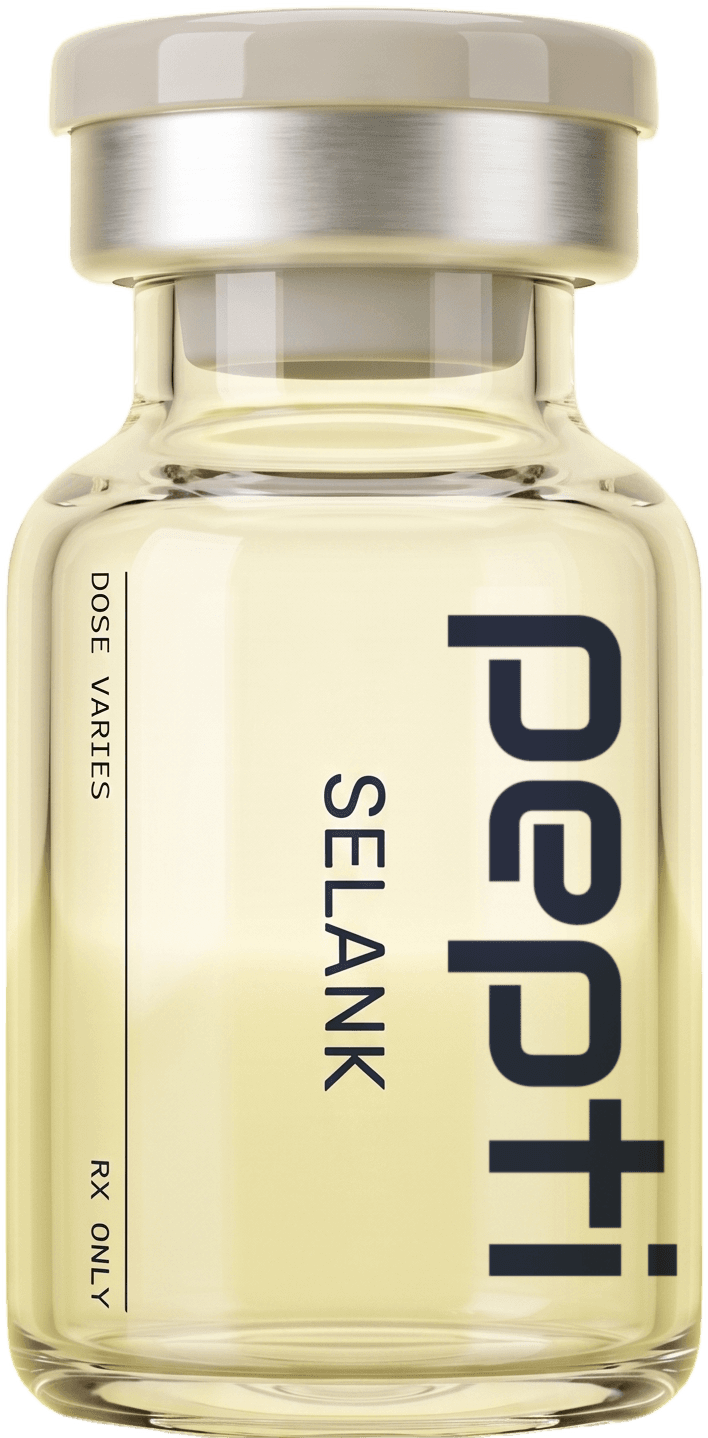
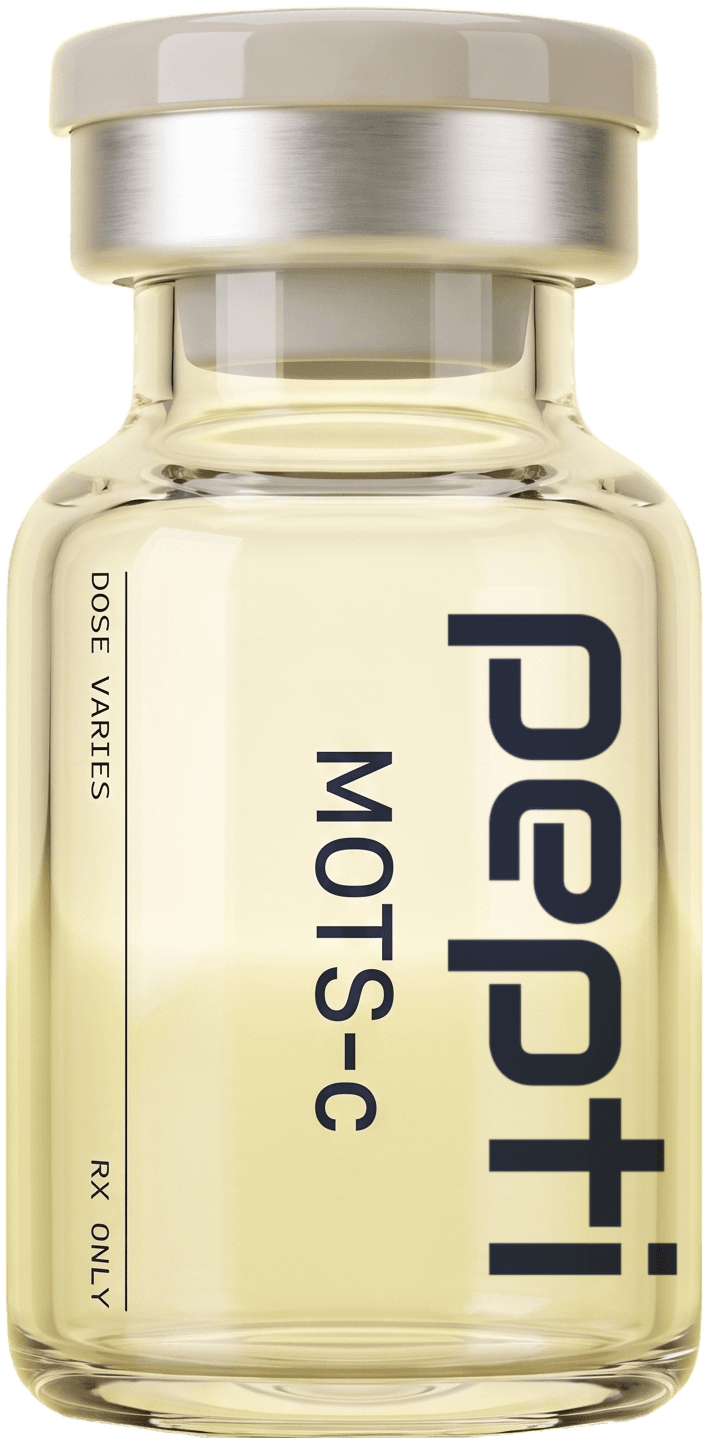
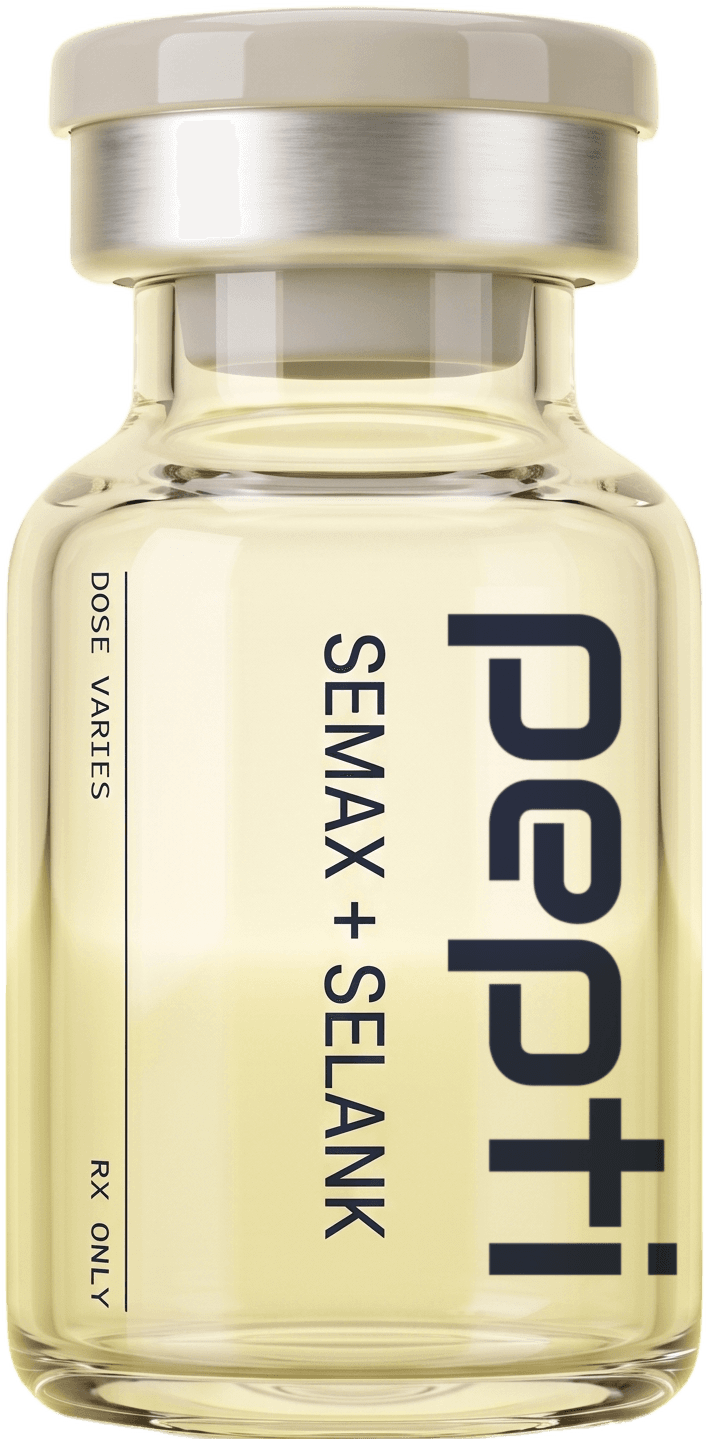
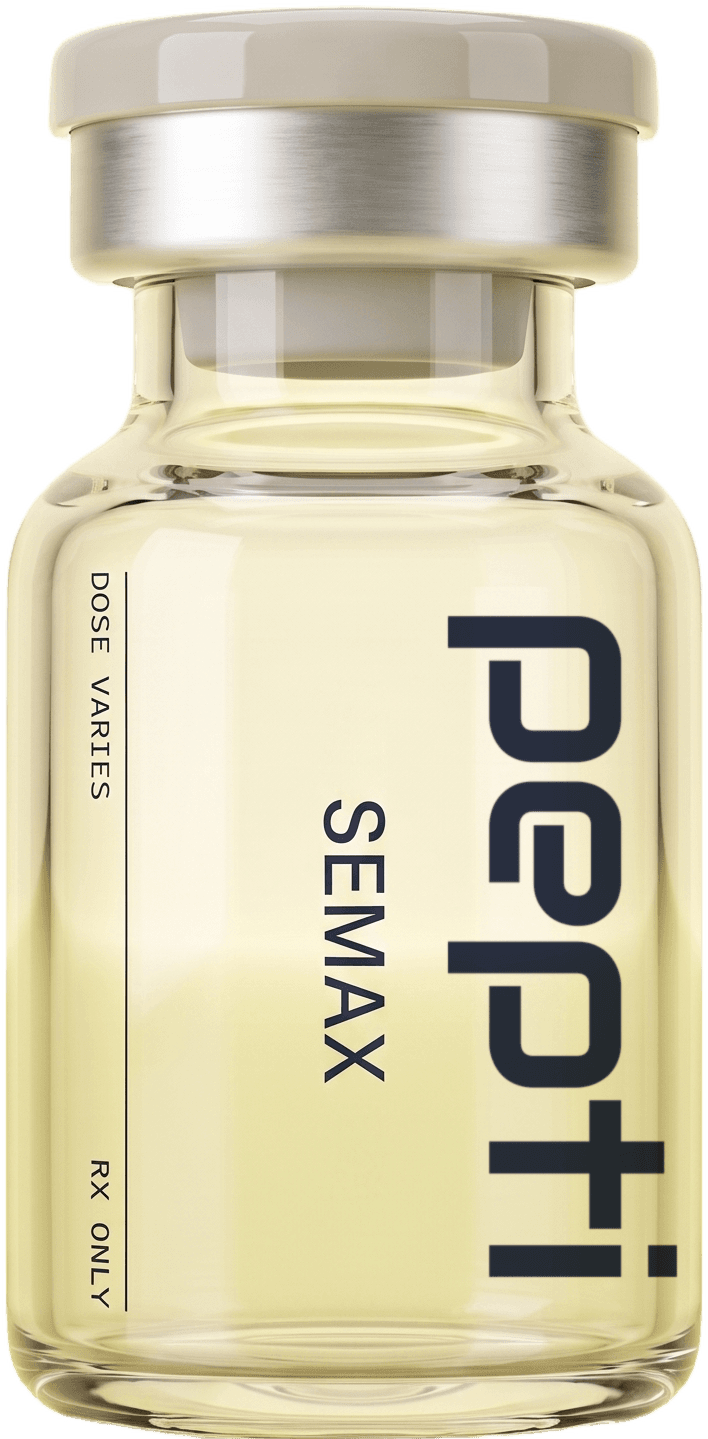
Semax is a prescription injection supplied as 5 mL multi-dose vial, Semax 2 mg/mL (10 mg Semax per vial). The reviewed directions are: Inject 0.25 mL (25 units) subcutaneously once daily Monday through Friday. That is 20 doses per vial, about 4 weeks at Monday through Friday. It requires a prescription from a physician licensed in your state, is compounded by a state-licensed US pharmacy, and is not FDA approved.
This page covers what Semax is, the pathways researchers have described, what the Russian clinical work does and does not establish, where it currently stands with the FDA, how it is dosed, and how to get it prescribed.
— Semax
What Semax actually is
— A seven-amino-acid fragment of ACTH, with the hormone activity removed
Semax is a heptapeptide — seven amino acids, sequence Met-Glu-His-Phe-Pro-Gly-Pro. The first four are positions 4 to 7 of adrenocorticotropic hormone (ACTH), the pituitary hormone that tells the adrenal glands to make cortisol. The last three, Pro-Gly-Pro, are not part of ACTH; they were added to slow the peptide's breakdown in the body.
The point of the design is what was left out. Full-length ACTH raises cortisol and stimulates pigment cells; the 4–10 region had been studied for decades for its effects on attention and learning in animals, separately from any hormonal action. Semax keeps that region and is described in the literature as devoid of corticotropic and melanotropic activity — it is not expected to raise cortisol, and it is not a steroid, an anabolic agent or a stimulant.
— Where it came from
Semax was developed at the Institute of Molecular Genetics of the Russian Academy of Sciences, and that provenance shapes its evidence base. It is a registered medicine in Russia, sold there as nasal drops, and has been used in Russian neurology for acute ischaemic stroke and chronic cerebrovascular disease since the 1990s. Almost all of the clinical work was done in Russian hospitals and published in Russian-language journals, several with English abstracts on PubMed; the animal and cell work is more often in English.
That does not make the research worse or better. It does mean a compound with real clinical history in one country and very little clinical study in this one, and the FDA's July 2026 review turned on exactly that gap.
— What it is not
It is not a stimulant and does not work like one, and it is not a substitute for prescribed ADHD treatment. It is not a treatment for stroke in the United States; nothing on this page is a reason to delay emergency care. And it is not an anxiolytic — that is closer to the territory of Selank, a different peptide from the same research programme.
— Semax
How Semax is described to work
Five threads run through the published work. Unless stated otherwise, everything below is from animal studies, mostly in rats.
— BDNF and its receptor TrkB in the hippocampus
The most cited mechanism. A 2006 paper in Brain Research reported that a single application of Semax in rats increased BDNF protein and TrkB receptor phosphorylation in the hippocampus, and that treated animals showed more conditioned avoidance responses. BDNF is the growth factor most closely tied to synaptic plasticity and new memory formation, so this is the finding the "cognitive" label rests on. It is a rat finding.
— Neurotrophin transcription after ischaemia
A 2010 paper in Cellular and Molecular Neurobiology extended that to the injured brain: in rats with a permanent middle cerebral artery occlusion, Semax increased transcription of BDNF, NGF and their receptors in the ischaemic cortex, and did so selectively in ischaemic tissue rather than the healthy brain. This is the proposed basis for the neuroprotection claim — more growth-factor signalling where cells are under threat.
— Immune and vascular gene expression in the ischaemic brain
A 2014 genome-wide study in BMC Genomics looked at the whole transcriptome of the ischaemic rat cortex after Semax. The largest effect was not on neurons directly but on immune-response genes — chemokines and immunoglobulins in particular — with a smaller set of vascular genes. A 1999 clinical-immunological study in stroke patients from the Korsakov Journal reported a related shift toward anti-inflammatory mediators. The 2014 authors proposed that immune modulation and vascular support, rather than a single neuronal target, are the core of what the peptide does in ischaemia.
— Serotonergic and dopaminergic signalling
Animal work describes Semax increasing serotonergic signalling, and its analgesic effect in rodents was not blocked by naloxone, so it does not appear to act through opioid pathways. A separate mouse study reported that Semax potentiated amphetamine-induced dopamine release in the striatum — one of the reasons the FDA's reviewers were cautious, even though no human signal of that kind has been reported.
— Stress and mood pathways
A 2024 paper in the European Journal of Pharmacology tested Semax in rats exposed to chronic unpredictable stress. Daily low-dose treatment counteracted the stress-induced loss of sucrose preference (an anhedonia measure), adrenal enlargement and the fall in hippocampal BDNF, which the authors framed as antidepressant-like activity through the stress axis. It is a male-rat study: mechanism, not a treatment claim.
— Semax
What the research actually shows
— Acute ischaemic stroke
This is the indication Semax was built for and the largest body of human work. A 1997 controlled clinical study in the Korsakov Journal of Neurology and Psychiatry compared 30 patients in the acute phase of hemispheric ischaemic stroke, given intranasal Semax alongside standard intensive care, with 80 conventionally treated patients matched for severity and location. The authors reported faster regression of general cerebral and focal deficits, particularly motor, on clinical rating scales, EEG mapping and somatosensory evoked potentials.
A 2018 clinical trial from the same group followed 110 patients after ischaemic stroke, split into early and late rehabilitation groups, each with and without Semax. Plasma BDNF rose in the Semax subgroups and stayed elevated, and the authors reported faster improvement and better final Barthel Index scores (a measure of independence in daily activities) in patients who received it.
— Chronic cerebrovascular disease
A 2005 evaluation study, also in the Korsakov Journal, examined 187 patients at different stages of chronic cerebrovascular insufficiency and reported clinical improvement, stabilisation of disease progression, fewer strokes and transient ischaemic attacks during follow-up, and good tolerability including in older patients. It is a comparative study rather than a randomised one.
— Optic nerve disease
A 2000 controlled clinical study in Vestnik Oftalmologii compared patients with vascular, toxic, inflammatory and atrophic optic nerve conditions given intranasal Semax alongside standard therapy against a control group, reporting better visual acuity, visual field and electrophysiological measures in the treated groups. A 2001 paper reported similar findings in glaucomatous optic neuropathy. These are small, unblinded series.
— Healthy adults
A 2018 paper in the Bulletin of Experimental Biology and Medicine gave 14 healthy adults a single intranasal dose of Semax and measured changes in the brain's default mode network on functional MRI. That is a mechanistic study, not a performance trial. There is no published randomised trial of Semax for attention, memory or productivity in healthy people — worth saying plainly, because that is the use most people in the US are reading about.
— Migraine and trigeminal neuralgia
A 1996 open-label Russian study gave a single intranasal dose to 37 adults with migraine or facial pain. A third of the migraine patients reported their headache resolved within two hours; the typical trigeminal neuralgia patients showed no change. The FDA's 2026 review concluded the study did not support effectiveness for either condition.
— What human data exists
This is the part to understand before starting. There are no randomised, placebo-controlled trials of Semax published in English-language, peer-reviewed journals. What exists is a body of Russian clinical studies — some controlled, most open-label, several over a hundred patients — in stroke, chronic cerebrovascular disease and optic nerve disease, nearly all using the intranasal product registered there. The FDA's July 2026 evaluation excluded those studies not because they were judged poor, but because complete English translations were not supplied; on the material it could read it found insufficient evidence of effectiveness for the nominated uses.
The honest framing is therefore: registered and used clinically in Russia for neurological indications for thirty years; a coherent preclinical mechanism around BDNF, neurotrophins and immune modulation; and no Western-standard trial evidence for any indication, least of all cognitive enhancement in healthy adults. Any source describing Semax as "clinically proven" is overstating it.
— What the evidence does not establish
- It does not establish an effect on memory, focus or attention in healthy adults. No trial has measured that.
- It does not establish an effect size or a timeline for any indication in a US population.
- It does not establish equivalence between the intranasal route of the Russian studies and subcutaneous injection; the FDA found no published pharmacokinetic work on subcutaneous Semax.
- It does not establish long-term safety over years of continuous use.
- It does not establish efficacy for any condition as an FDA-approved treatment. It is not approved for anything in the United States.
— Semax
Where Semax stands with the FDA right now
This moved twice in 2026 and most of what is online is out of date.
Semax was placed in Category 2 of the FDA's 503A bulk drug substances list in 2023, the category for nominated substances with identified safety concerns; the concern recorded was potential immunogenicity from aggregation and peptide-related impurities, with limited safety data for the injectable and intranasal routes. As of April 2026 Semax is no longer on the Category 2 list. The FDA's current page, updated 22 April 2026, lists it among substances "previously in category 2 of the interim policies" whose original nominations were withdrawn; it does not appear in the active Category 2 table.
On 24 July 2026 the FDA's Pharmacy Compounding Advisory Committee considered Semax (free base and acetate) for the 503A Bulks List, for the nominated uses of cerebral ischaemia, migraine and trigeminal neuralgia. The FDA's own briefing document recommended against listing: the substance was not well characterised in the nominations, immunogenicity could not be ruled out, and the English-language evidence of effectiveness was insufficient. The committee nonetheless voted 8–5, with one abstention, to recommend adding Semax to the 503A Bulks List.
An advisory committee vote is a recommendation, not a decision. The FDA issues its own determination after weighing the vote, the public docket and its scientific review, and as of September 2026 that determination is pending. So the accurate description today is: off the Category 2 safety-risk list, recommended for the positive list by the advisory committee over FDA staff's objection, awaiting final agency action. It remains legal to prescribe and dispense as a compounded medication, and it is not — and compounded medications never are — an FDA-approved drug product.
— Semax
Realistic expectations
These are patterns described by prescribers, not trial endpoints. The Russian clinical work was in stroke and cerebrovascular patients on an intranasal product; what a healthy adult notices on subcutaneous dosing is clinical experience, not data. Individual response varies and a physician decides whether treatment is appropriate.
— The first week
Most people report nothing dramatic. Some describe mild alertness or clearer thinking on dosing days, which is not evidence of anything lasting. Some notice nothing, which is normal.
— Weeks two to four
If there is an effect on mood or sustained attention it is usually described in this window, which is why a vial is sized at four weeks of weekday dosing. Prescribers describe it as a background change rather than an event — easier to start tasks, less mental fatigue late in the day — which is the kind of change that is easy to overattribute. A simple log is more useful than memory.
— Why it is dosed Monday to Friday
The weekday schedule is a prescriber convention, not a trial design: it keeps total exposure modest and builds in a regular break, given that long-term data does not exist. Your directions will say what your physician has chosen.
— After the course
There is no withdrawal or rebound described in the literature. Whether anything persists is unknown; the Russian follow-up data is in patients with brain injury, not healthy adults.
— Semax
When something else makes more sense
Some honest cases where Semax is not the first thing to reach for:
- The main complaint is anxiety or stress rather than focus. Selank, from the same Russian research programme, is the peptide described around anxiolytic pathways. Where both are wanted, the combined Semax + Selank preparation exists for that reason.
- Sleep is the actual problem. Poor concentration from poor sleep is a sleep question first. The SERENITY blend and DSIP are the conversations to have there.
- The picture is fatigue more than cognition. NAD+ injection and MOTS-c are aimed at cellular energy rather than neurotrophic signalling, and the SYNAPSE blend combines Semax and Selank with MOTS-c for a complaint that straddles both.
- A different cognitive mechanism suits your history. Dihexa and PE-22-28 are different molecules with different described mechanisms, and a physician may prefer one of them.
- Inflammation and recovery are also in play. The ELEVATE blend pairs Semax and Selank with BPC-157 and KPV in one preparation.
Your physician will tell you if Semax is not the right tool for what you have described. A consultation does not guarantee a prescription, and being declined is refunded.
— Semax
Strengths available
| Strength | Directions |
|---|---|
| Semax 10mg/5mL | Inject 0.25 mL (25 units) subcutaneously once daily Monday through Friday. |
Which strength and schedule you are prescribed is your physician's decision.
— Semax
Dosing, and how a vial is actually used
— Why the dose is measured in units
The directions are written in millilitres and in insulin-syringe units because that is what you can read off the barrel. 0.25 mL is 25 units on a U-100 syringe, which at 2 mg/mL is 0.5 mg of Semax per dose. You are not calculating anything — the number is printed on your medication.
— Subcutaneous, and where
Subcutaneous means into the fat layer, not the muscle. Abdomen and thigh are the usual sites, rotated so the same spot is not used repeatedly. There is no "near the injury" logic here; the target is the brain and the route is systemic. The Russian product is nasal drops and the clinical studies used that route; the compounded prescription here is an injection, and published pharmacokinetic work on subcutaneous Semax has not been identified. That is one of the honest gaps on this page.
— Why a vial covers about four weeks
20 doses at once daily, Monday through Friday, is four weeks, which is why refills run on a 28-day cycle. One vial per fill, always — not a stockpile.
— Storage
Refrigerated, and it ships that way in insulated packaging with ice packs. Beyond-use dating runs from first puncture and is on the label. Keep it in the fridge between doses rather than on the counter.
— Semax
Safety and side effects
Semax is generally described as well tolerated in the Russian clinical series, including older stroke patients; the 2005 cerebrovascular study made tolerability an explicit endpoint and reported it as good. What gets reported clinically with the injection is mostly injection-site: redness, mild soreness, occasional bruising. Some people describe transient restlessness if it is taken late in the day, which is why morning dosing is the usual direction. Headache is occasionally reported early on.
Two points from the FDA's 2026 review are worth knowing. First, the agency's stated safety concern is a quality one, not a known toxicity: an injectable peptide could in principle provoke an immune response if it aggregates or carries impurities, and the FDA could not rule that out on the data submitted. That is a reason to care where a compounded peptide comes from — what the quality page is about — rather than a documented effect. Second, a mouse study reported Semax potentiating amphetamine-induced dopamine release; no equivalent human finding exists, but if you take a stimulant your physician should know.
There is no established interaction list, because the trials that would produce one have not been run. That is why the intake asks for every medication you take and why a physician reviews it rather than a form.
Stop and contact your physician for any reaction that is severe, spreading, or involves difficulty breathing.
— Semax
How Semax compares
Semax vs Selank
Siblings from the same Russian institute, different parents. Semax is built from ACTH(4–7) and is described around BDNF, neurotrophins and attention; Selank is built from the immune peptide tuftsin and is described around GABAergic tone and anxiety. In practice Semax is the one for focus and mental energy, Selank for stress and rumination. They are often prescribed together, and Pepti supplies a combined Semax + Selank preparation as well as blends with both.
Injection vs nasal spray
The product on this page is the vial, drawn with a syringe. Pepti also lists a separate Semax Nasal Spray, closer to the format the Russian studies used. The injection delivers a measured dose reliably; the spray is needle-free and matches the studied route. Neither has been compared with the other in a trial; which you are prescribed is your physician's decision.
— Semax
Availability and formats
| Question | Answer |
|---|---|
| Can I get it by telehealth? | Yes, where a physician licensed in your state prescribes it |
| Which states? | All 50 states and DC |
| Does it come as a pen? | No, this one is a vial and syringe only |
| Does it come as a capsule? | No |
| Does it come as a nasal spray? | No |
| Is bloodwork required first? | Not routinely; your physician decides |
— Semax
Where to get Semax prescribed
Semax cannot be bought legitimately without a prescription. Sites shipping it with no prescription are selling a research-use-only product, where no pharmacy is accountable for identity, purity, sterility or concentration.
The prescription route works like this:
- Complete a medical intake covering your history, medications, allergies and what you are treating.
- A physician licensed in your state reviews it.
- If appropriate, a state-licensed, FDA-registered pharmacy compounds it to that prescription.
- It ships refrigerated with your directions printed on the vial.
- Your physician stays reachable afterwards for dose questions and side effects.
Current all-in pricing for Semax is published: medication, physician review, refill management and shipping in one figure, with no separate membership fee. What to check on any provider is in how to tell if a peptide seller is legitimate.
— Semax
Who should not take it, or should discuss it first
| Situation | Why |
|---|---|
| Pregnancy or breastfeeding | Not used; safety data is absent |
| Tested athletes | Many peptides are prohibited in competition; check the current list |
— Full specification
Everything on the label.
— Product
Semax (Injectable)
— How supplied
5 mL multi-dose vial, Semax 2 mg/mL (10 mg Semax per vial)
— Typical directions
Inject 0.25 mL (25 units) subcutaneously once daily Monday through Friday.
— Dose volume
0.25 mL (25 units on a U-100 insulin syringe)
— Doses per vial
20
— Coverage per vial
about 4 weeks at Monday through Friday
— Formats
Vial and syringe
— Available in
All 50 states and DC
— Bloodwork
Not routinely required; your physician decides
— Legal status
Prescription-only, compounded, not FDA approved
— Category
Cognitive
— References
What this is based on.
References
- Dolotov OV, Karpenko EA, Inozemtseva LS et al.. Semax, an analog of ACTH(4-10) with cognitive effects, regulates BDNF and trkB expression in the rat hippocampus · Brain Res (2006) · PMID 16996037
- Dmitrieva VG, Povarova OV, Skvortsova VI et al.. Semax and Pro-Gly-Pro activate the transcription of neurotrophins and their receptor genes after cerebral ischemia · Cell Mol Neurobiol (2010) · PMID 19633950
- Medvedeva EV, Dmitrieva VG, Povarova OV et al.. The peptide semax affects the expression of genes related to the immune and vascular systems in rat brain focal ischemia: genome-wide transcriptional analysis · BMC Genomics (2014) · PMID 24661604
- Inozemtseva LS, Yatsenko KA, Glazova NY et al.. Antidepressant-like and antistress effects of the ACTH(4-10) synthetic analogs Semax and Melanotan II on male rats in a model of chronic unpredictable stress · Eur J Pharmacol (2024) · PMID 39442746
- Gusev EI, Skvortsova VI, Miasoedov NF et al.. [Effectiveness of semax in acute period of hemispheric ischemic stroke (a clinical and electrophysiological study)] · Zh Nevrol Psikhiatr Im S S Korsakova (1997) · PMID 11517472
- Miasoedova NF, Skvortsova VI, Nasonov EL et al.. [Investigation of mechanisms of neuro-protective effect of semax in acute period of ischemic stroke] · Zh Nevrol Psikhiatr Im S S Korsakova (1999) · PMID 10358912
- Gusev EI, Skvortsova VI, Chukanova EI. [Semax in prevention of disease progress and development of exacerbations in patients with cerebrovascular insufficiency] · Zh Nevrol Psikhiatr Im S S Korsakova (2005) · PMID 15792140
- Gusev EI, Martynov MY, Kostenko EV et al.. [The efficacy of semax in the treatment of patients at different stages of ischemic stroke] · Zh Nevrol Psikhiatr Im S S Korsakova (2018) · PMID 29798983
- Polunin GS, Nurieva SM, Baiandin DL et al.. [Evaluation of therapeutic effect of new Russian drug semax in optic nerve disease] · Vestn Oftalmol (2000) · PMID 10741256
- Kurysheva NI, Shpak AA, Ioileva EE et al.. [Semax in the treatment of glaucomatous optic neuropathy in patients with normalized ophthalmic tone] · Vestn Oftalmol (2001) · PMID 11569188
- Lebedeva IS, Panikratova YR, Sokolov OY et al.. Effects of Semax on the Default Mode Network of the Brain · Bull Exp Biol Med (2018) · PMID 30225715
- Tsai SJ. Semax, an analogue of adrenocorticotropin (4-10), is a potential agent for the treatment of attention-deficit hyperactivity disorder and Rett syndrome · Med Hypotheses (2007) · PMID 16996699
Citations are provided for educational purposes. They do not constitute medical advice. Always discuss any peptide protocol with your prescribing physician.
— Common questions
Semax, answered.
Through a telehealth provider where a physician licensed in your state reviews a medical intake and a licensed US pharmacy compounds the prescription. Pepti prescribes Semax in all 50 states and DC; start with the free assessment.
5 mL multi-dose vial, Semax 2 mg/mL (10 mg Semax per vial)
Inject 0.25 mL (25 units) subcutaneously once daily Monday through Friday. Your physician sets your own dose and it is printed on your medication.
20 at the standard volume, about 4 weeks at Monday through Friday.
Semax is supplied as a vial, drawn with an insulin syringe. It is not available as a pen or capsule.
Not routinely, though your physician may want labs depending on your history. at-home blood testing covers hormone, metabolic and thyroid markers without a lab visit.
It is legal to prescribe and dispense in the United States with a valid prescription. It is not FDA approved: compounded medications are prepared by licensed pharmacies pursuant to a prescription rather than approved as manufactured products. See are peptides FDA approved.
Pricing is published on the Semax page as one all-in figure covering medication, physician review, refill management and shipping. What drives peptide pricing generally is in how much do peptides cost.
No. It was placed in Category 2 of the FDA's 503A bulk substances list in 2023 over a theoretical immunogenicity concern, and as of April 2026 it is no longer on that list. On 24 July 2026 the FDA's Pharmacy Compounding Advisory Committee voted 8–5, with one abstention, to recommend adding it to the 503A Bulks List, against the recommendation of the FDA's own reviewers; the FDA's final determination is pending. It remains legal to prescribe and dispense.
Yes, in Russia, where it is a registered medicine supplied as nasal drops and used in neurology for ischaemic stroke and chronic cerebrovascular disease. It is not approved in the United States, the European Union or the United Kingdom.
There is a body of Russian clinical studies in stroke, chronic cerebrovascular disease and optic nerve disease, several controlled and some over a hundred patients, mostly published in Russian with English abstracts. There are no randomised, placebo-controlled trials in English-language journals, and no trial of Semax for attention or memory in healthy adults. The mechanism work is in rats.
It is not expected to. Semax keeps the 4–7 region of ACTH, which carries the attention and learning effects studied in animals, and is described as devoid of the corticotropic activity that would stimulate the adrenal glands. It is not a steroid and not a stimulant.
There is no evidence that it does. The FDA's 2026 review looked for supporting literature for ADHD and found none; a 2007 paper proposing the idea was a hypothesis article, not a trial. If you have an ADHD diagnosis, that treatment decision belongs with your prescribing physician.
There is no trial-established timeline in healthy adults. Prescribers describe any change in focus or mood, where it happens, as emerging over two to four weeks of weekday dosing rather than on the first day — which is why a vial is sized at about four weeks.
They are frequently prescribed together and Pepti supplies a combined Semax + Selank preparation in one vial, as well as blends that include both. Whether a combination is appropriate for you is your physician's decision.
Most commonly injection-site reactions — redness, mild soreness, occasional bruising — and occasionally restlessness if dosed late in the day or an early headache. The Russian clinical series describe it as well tolerated, including in older patients. There is no established interaction list because the trials that would produce one have not been run, which is why your physician reviews every medication you take, including any stimulant.
— Next step
See what a physician
recommends for you.
A licensed physician in your state reviews your intake and decides what is appropriate. A consultation does not guarantee a prescription.
Important legal & safety information
The assessment process available on the Pepti website asks a series of medical questions, and the answers provided are reviewed by an independent licensed physician affiliated with our partner physician network. The licensed providers have established exclusionary criteria, and the answers provided determine if the individual is screened out of eligibility for treatment. The licensed clinicians retain the sole decision to prescribe peptide therapy and other compounded medications to patients. Treatment may be denied at the physician's sole discretion. If a prescription is not approved, you will not be charged for the medication.
Pharmacy Providers. Pepti is a technology platform and is not a healthcare provider, pharmacy, or prescriber. All medications offered through the platform are compounded by independent FDA-registered 503A or 503B compounding pharmacies based on a valid prescription written by a licensed physician for an individual patient. Compounded medications are not FDA-approved as products. The active pharmaceutical ingredients used by our partner pharmacies are sourced from FDA-registered facilities. Compounded medications may not undergo the same testing or quality control as commercially manufactured FDA-approved drugs.
Results vary. Results from peptide therapy and other compounded treatments vary based on individual factors, including age, weight, medical history, adherence to the prescribed protocol, lifestyle factors, and physiological response. Pepti makes no guarantee of any specific outcome. Statements about peptide therapy and compounded medications offered through the platform have not been evaluated by the Food and Drug Administration. These products are not intended to diagnose, treat, cure, or prevent any disease.
Product images. Product photographs and renderings shown on this website are for illustrative purposes only. The appearance of vials, packaging, labeling, and other materials you receive may vary and is determined by the dispensing compounding pharmacy.
Off-label use.Many peptides offered through the platform are prescribed for off-label use. “Off-label” means the medication is being prescribed for a use, dose, or patient population that is not specifically approved by the FDA. Off-label prescribing is legal and common in U.S. medical practice when supported by clinical experience and judgment.
Mailing & shipping. Pepti currently dispenses prescription medication to patients in 50 states. All orders ship in unbranded, tamper-evident packaging via expedited delivery from our partner compounding pharmacies. Temperature-sensitive medications ship with insulated packaging and ice packs. Shipping is included at no additional cost. We do not currently ship medication outside 50 states, internationally, or to APO/FPO addresses.
Not for emergencies. Pepti is not designed for medical emergencies. If you are experiencing a medical emergency, call 911 or go to your nearest emergency room immediately. For urgent but non-emergency medical questions, contact your primary care provider or use an urgent care service.
No doctor-patient relationship with Pepti. Your use of the platform does not create a doctor-patient relationship between you and pepti LLC. A doctor-patient relationship is established only between you and the independent licensed physician who reviews your intake and prescribes your treatment. The physicians who use the platform are independent contractors and are solely responsible for the medical care they provide.
Prescription medications. All prescription products require a valid prescription from a licensed healthcare provider. By using the platform, you acknowledge that you are at least 18 years old and that the information you provide is true, accurate, current, and complete. Providing false information may result in inappropriate treatment recommendations or denial of service.
Cosmetic & wellness products.Certain products offered through Pepti — including skincare, hair care, body care, supplements, men's grooming, sports recovery, and sexual wellness products — are cosmetic or dietary supplement products, not prescription medications. These products do not require a prescription and are not reviewed or prescribed by a physician. Statements regarding dietary supplements have not been evaluated by the Food and Drug Administration. These products are not intended to diagnose, treat, cure, or prevent any disease. Results vary by individual. Consult your healthcare provider before starting any new supplement or topical product, especially if you are pregnant, nursing, or taking other medications.
pepti LLC · Delaware Limited Liability Company · 131 Continental Dr, Suite 305, Newark, DE 19713 · For media or partnership inquiries, email hello@hellopepti.com. For patient support, email support@hellopepti.com. For privacy and HIPAA inquiries, email privacy@hellopepti.com.