— Recovery · Reference
Is BPC-157 Safe? Side Effects, Contraindications and What Is Unknown
This page sets out what the safety evidence for BPC-157 actually consists of, what the FDA found when it reviewed that evidence in 2026, the side effects that are reported and how often, the specific cautions a physician applies, where the peptide stands with the FDA and with anti-doping bodies today, and what nobody knows yet.
BPC-157 is reported as well tolerated in animal studies and in clinical use, but there are no large human safety trials, so nobody can tell you its long-term risk profile with confidence. The side effects patients report are mostly local: redness, itching or a lump at the injection site. The clearest reasons to avoid it are an active or recent cancer, pregnancy or breastfeeding, and tested competition. The largest real-world risk is not the molecule at all, it is buying an unlabelled research vial that no pharmacy is accountable for.
This page sets out what the safety evidence for BPC-157 actually consists of, what the FDA found when it reviewed that evidence in 2026, the side effects that are reported and how often, the specific cautions a physician applies, where the peptide stands with the FDA and with anti-doping bodies today, and what nobody knows yet.
— Is BPC-157 Safe? Side Effects, Contraindications and What Is Unknown
The short answer
| If you are considering | The product | What is in it | Price |
|---|---|---|---|
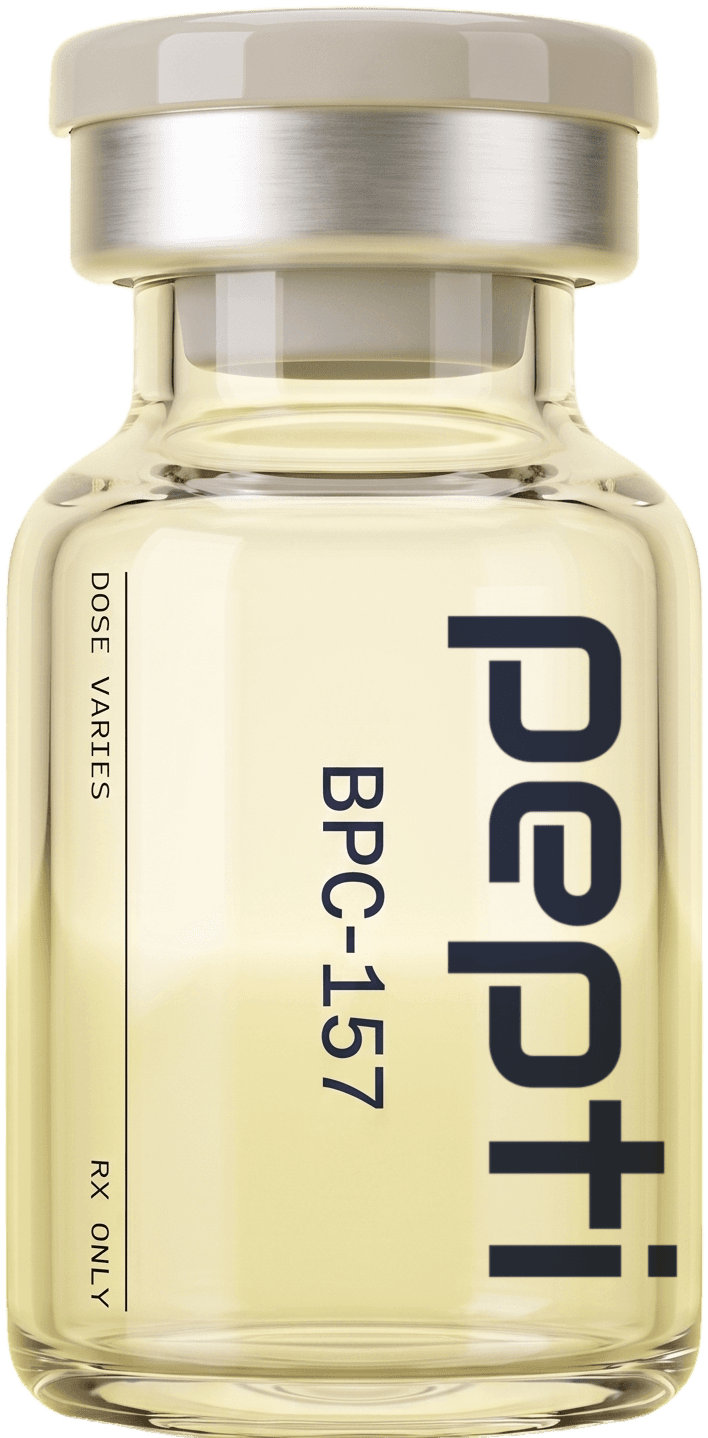
| BPC-157 on its own | BPC-157 | 5 mg BPC-157 in 5 mL (1 mg/mL) | $209 |
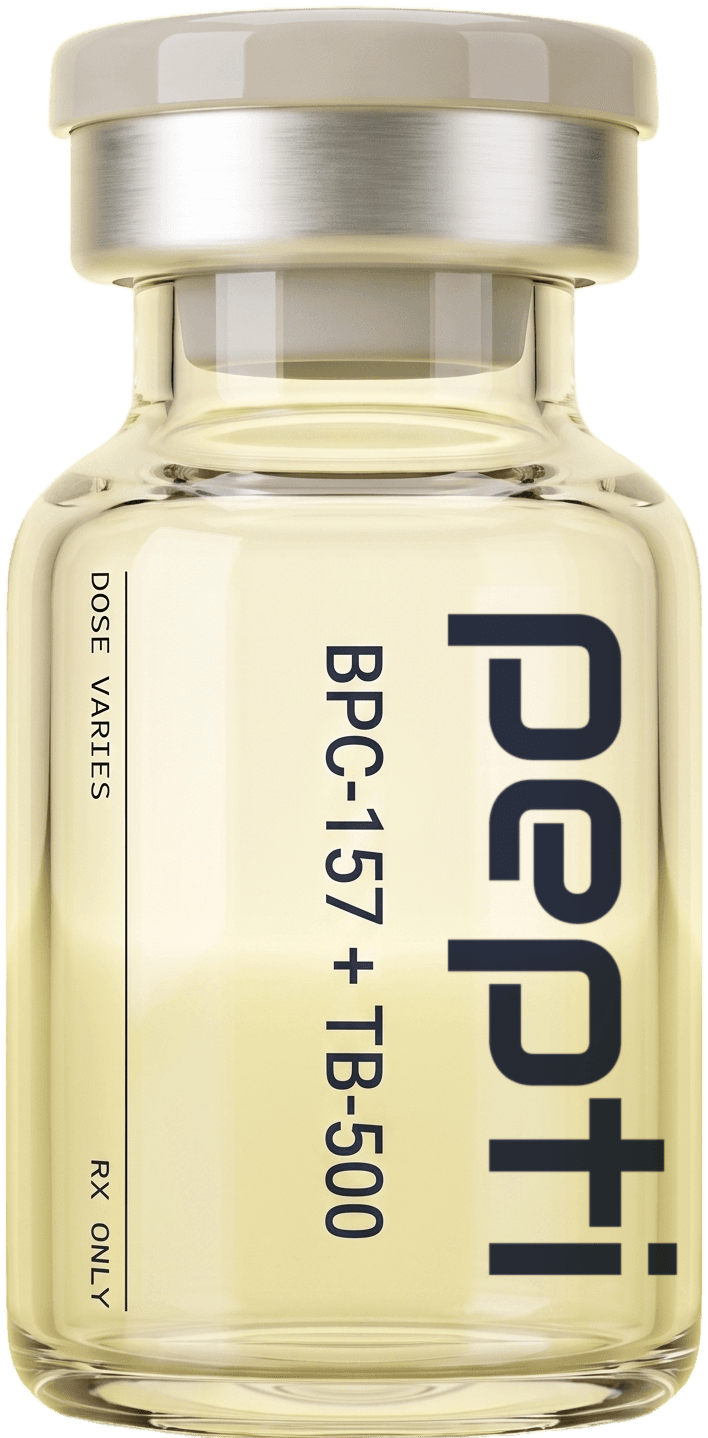
| BPC-157 with TB-500 | BPC-157 + TB-500 | 5 mg BPC-157 and 5 mg TB-500 in 5 mL | $259 |
| BPC-157 inside a repair blend | GLOW | 50 mg GHK-Cu, 10 mg BPC-157, 10 mg TB-500 | $259 |
| Repair plus inflammation | KLOW | 50 mg GHK-Cu, 10 mg KPV, 10 mg BPC-157, 10 mg TB-500 | $259 |
| Immune support with BPC-157 | FORTIFY | 5 mg Thymosin A-1, 5 mg BPC-157, 2 mg KPV, 1 mg LL-37 | $279 |
Each is an all-in monthly price covering medication, physician review, refill management and shipping. None of them are FDA approved. They are compounded at a US FDA-registered pharmacy against a prescription written by a physician licensed in your state.
The one-paragraph version: the animal toxicology that exists is reassuring on the questions it asked, the five small human studies reported no serious adverse events, and the FDA's adverse-event database held three reports for injectable BPC-157 as of December 2025, none attributable to the peptide. Against that, no randomized human trial of the injectable form has ever been run, no human study of a subcutaneous BPC-157 product has been published, and the FDA's stated concern is not a harm anyone has observed but the immune response an injected peptide could in principle provoke.
— Is BPC-157 Safe? Side Effects, Contraindications and What Is Unknown
What BPC-157 actually is
BPC-157 is a 15-amino-acid fragment of a protein found in human gastric juice, which is where the name Body Protection Compound comes from. It is not a hormone, it does not bind a hormone receptor, and it does not suppress anything your body already produces. That matters for the safety conversation, because a large part of what makes hormone therapy risky is the feedback it overrides. BPC-157 does not work that way.
What animal research describes is promotion of new blood-vessel formation through the VEGF receptor pathway and the nitric-oxide system, and upregulation of growth-hormone receptor expression in tendon fibroblasts. Separate work describes protection of the gastrointestinal lining. Those two mechanisms, angiogenesis and gut protection, are the source of both its appeal and its main caution.
What it is not
It is not a steroid, an anabolic agent or a growth-hormone secretagogue. It does not raise growth hormone, testosterone or IGF-1, and no withdrawal or rebound is described when it is stopped. Many of the safety problems people attach to "peptides" belong to other classes and do not transfer to BPC-157. The mechanism papers, a 2017 study in the Journal of Molecular Medicine on VEGFR2 activation, a 2009 study in the Journal of Physiology and Pharmacology on angiogenesis in rat tendon, and a 2014 study in Molecules on growth-hormone receptor expression in tendon cells, are not safety findings, but they frame the safety questions below. Full background is at what is BPC-157.
— Is BPC-157 Safe? Side Effects, Contraindications and What Is Unknown
What the safety data actually consists of
Any list of side effects has to come from somewhere. For BPC-157 there are three sources: an animal toxicology package, five small human studies, and post-marketing reports. The FDA reviewed all three in the briefing document it prepared for its Pharmacy Compounding Advisory Committee meeting of 23–24 July 2026, which is the most complete single account of BPC-157 safety that exists.
— The animal toxicology package
The formal toxicology comes almost entirely from a 2020 article in Regulatory Toxicology and Pharmacology: single-dose studies in rats and dogs, 28-day repeat-dose studies in both species, a genotoxicity battery and a teratogenicity study in pregnant rats, all by intramuscular injection. The single-dose work found no acute toxicity and no organ changes at 14 days in rats given 20 mg/kg or dogs given 10 mg/kg, doses far above anything prescribed. The 28-day studies, at up to 4.0 mg/kg daily in rats and 2.0 mg/kg daily in dogs with a 14-day recovery period, reported no effects on body weight, behavior, survival or the gross appearance and histopathology of major organs.
The genotoxicity battery, an Ames test, a chromosome-aberration test and a mouse micronucleus test at up to 100 mg/kg, was negative throughout; the FDA's summary was that the findings demonstrate BPC-157 is not a mutagen. In pregnant rats dosed daily through organ formation, there was no effect on fetal number, weight, resorption or malformation rate at any dose. A 2022 pharmacokinetics paper in Frontiers in Pharmacology adds that the peptide is cleared from blood within minutes after intravenous dosing, which fits the absence of accumulation-type toxicity.
— What the FDA found in the animal data
The FDA read the same package more cautiously. The histopathology data were not in the published manuscript, so "no organ changes" could not be checked. Three laboratory signals in the 28-day studies were flagged as clinically relevant: a shortening of activated partial thromboplastin time in rats and a prolongation of it in dogs, suggesting some effect on clotting; higher serum ALT; and higher glucose and triglycerides. No study lasted longer than 28 days, so nobody knows whether those signals settle or grow. No carcinogenicity study has been run in any species. And every toxicology study used the intramuscular route; because the bioavailability of subcutaneous BPC-157 has never been measured, the intramuscular no-effect levels cannot be converted into a safety margin for the product that is prescribed. None of that is a report of harm. It is a statement that the animal data are limited in scope and duration.
— The human studies, all five of them
The FDA's literature search found five clinical studies in which BPC-157 was given to people. That is the entire published human experience.
- A placebo-controlled phase 1 tolerability study reported in meeting abstracts in 2002 and 2003: 32 healthy volunteers, 24 of whom received BPC-157 as a rectal enema, once and then daily for a week. The most frequent adverse events were headache and flatulence, at no different a rate from placebo.
- A multicenter, randomized, double-blind, placebo-controlled study reported as a meeting abstract in 2005: 53 people with mild-to-moderate ulcerative colitis received a BPC-157 enema or placebo daily for two weeks. No difference in adverse events from placebo was reported; the FDA judged the abstract too incomplete to support either efficacy or safety.
- A 2021 retrospective chart review in Alternative Therapies in Health and Medicine: 17 people with knee pain given one or two intra-articular injections, some with thymosin beta-4. No adverse events were noted.
- A 2024 single-arm pilot in the same journal: 12 women with interstitial cystitis given BPC-157 injections into the bladder wall in one procedure. No adverse events or post-procedure complications were reported.
- A 2025 two-person pilot of intravenous infusion over two days, with no adverse events and no clinically significant change in vital signs.
The FDA's summary: no serious adverse events appear to have been reported, but the studies were short, small, used exploratory doses and provided limited safety information, with monitoring unclear in most.
— What has never been studied in humans
Two absences define the honest position. There is no randomized human trial of injectable BPC-157 of any kind; the only randomized study ever run used an enema, for two weeks, and the peptide was not detectable in those subjects' blood. And the FDA found no studies administering BPC-157 to humans by the oral, subcutaneous, nasal or transdermal routes, and no human pharmacokinetic data for any of them. The subcutaneous injection that is actually prescribed is therefore the route with the least formal human data. Prescriber experience with it is real, but it is not trial evidence.
— Post-marketing reports
The FDA searched its Adverse Event Reporting System through 4 December 2025 and found three reports, all for injectable products: a 55-year-old woman with nine days of redness and swelling at the injection site, who was also injecting a thymosin product; a 28-year-old man who developed shortness of breath and visited an emergency room, with no information on duration, other medications or timing; and a 40-year-old woman using a research-use-only vial labelled as BPC-157 plus TB-500 who developed diffuse skin hyperpigmentation and gum darkening, which recurred when she restarted the product and resolved when she stopped. The FDA concluded it was unclear whether any of these events were attributable to BPC-157, found no published case reports in the literature, and noted that compounders under section 503A generally do not report adverse events to the agency. Three reports is a small number, collected by a system that captures compounded-drug events poorly.
The pigmentation case stands out because it was reproducible on rechallenge, the strongest signal a single case can give, and because the product was an unlabelled research vial containing two peptides, so the agency could not tell whether BPC-157, TB-500, a contaminant or an impurity was responsible. It has not been reported with pharmacy-compounded BPC-157. Any change in skin color on treatment is a reason to stop and tell your physician.
— Is BPC-157 Safe? Side Effects, Contraindications and What Is Unknown
Reported adverse effects
The table below reflects what is described in the literature and what patients commonly report to prescribers. It is not a complete list, and it is not a substitute for the directions your physician gives you.
| Frequency | What is reported | What to do |
|---|---|---|
| Common | Injection-site redness, itching, tenderness, a small firm lump | Rotate sites; mention it at follow-up |
| Common | Mild fatigue or headache in the first week or two | Mention it; usually settles |
| Uncommon | Nausea, light-headedness shortly after a dose | Report it; your physician may adjust the dose |
| Uncommon | A sensation of warmth or flushing | Report it |
| Stop and call | Swelling of the face, lips or throat, widespread rash, difficulty breathing | Emergency care first, then tell your prescriber |
| Stop and call | An injection site that is hot, spreading, or increasingly painful after 48 hours | Same-day message; this can be infection, not irritation |
| Stop and call | Any new lump, unexplained bleeding, or a symptom that frightens you | Stop dosing and contact your physician |
Reports of serious adverse events are uncommon. That is genuinely reassuring but it is weaker evidence than it sounds, because adverse-event reporting for a compounded preparation is thinner than for an approved drug. Fewer reports can mean fewer problems or fewer reporters.
Injection-site reactions
The most common complaint with any subcutaneous peptide. A small area of redness or a firm lump that settles over a day or two is ordinary and is usually a response to the needle, the volume or the diluent rather than to the peptide; rotating between abdomen and thigh helps. A site that is hot, spreading or increasingly painful after 48 hours is a different thing, possible cellulitis, and needs same-day contact with your physician. Clean hands, an alcohol swab, a fresh needle every time and a vial that has not been shared or left warm are the controls.
Early systemic effects
Headache, tiredness and occasional nausea in the first one to two weeks are reported by a minority of patients, and in the only placebo-controlled human data that exist, headache occurred at the same rate on placebo. No human dose-ranging study of the injectable form exists. These effects generally settle without any change in treatment, but they belong on the follow-up form.
— Is BPC-157 Safe? Side Effects, Contraindications and What Is Unknown
Serious risks and contraindications
Allergic and immune reactions
The FDA's central safety concern for BPC-157, stated in its 2026 conclusion, is immunogenicity: the capacity of any injected peptide to provoke an immune response, from antibodies with no clinical effect up to serious reactions. It noted that subcutaneous and nasal routes carry more immunogenic risk than oral or rectal ones, that peptides can aggregate into larger structures that increase that risk, that synthesis impurities can do the same, and that no study has formally investigated the immunogenicity of any BPC-157 product. It is a theoretical concern rather than a report of reactions occurring, but it is the one the agency led with, and it is why facial or throat swelling, widespread rash or difficulty breathing after a dose is an emergency, not a follow-up question.
The same reasoning is why the pharmacy matters. Aggregates and impurities are a function of how the peptide was made, stored and formulated, and a state-licensed compounding pharmacy tests identity, purity, sterility and endotoxin on what it dispenses. What Pepti checks and publishes is at /quality and /quality/lab-results.
The cancer question
There is no human evidence that BPC-157 causes or accelerates cancer, and no study designed to find out: the FDA identified no carcinogenicity studies in any species. The caution is mechanistic. Angiogenesis, which animal research describes BPC-157 promoting, is something a tumor needs as much as an injured tendon does. A physician therefore treats active or recent cancer as a reason not to prescribe, and cancer in remission as a conversation with your oncologist rather than a form field. It is handled as a contraindication precisely because the study that would settle it has not been run.
— Is BPC-157 Safe? Side Effects, Contraindications and What Is Unknown
The specific cautions
— Clotting
The one animal signal that maps onto a real prescribing decision is the change in clotting time the FDA flagged in the 28-day studies, shortened in rats and prolonged in dogs. The species moved in opposite directions, the doses were far above anything prescribed, and no human clotting data exist. In practice it means anticoagulant or antiplatelet therapy goes on the intake, unexplained bleeding or bruising away from the injection site is a reason to stop and call, and a physician may reasonably decline BPC-157 alongside a blood thinner or ask for a clotting panel first.
— Liver enzymes, glucose and triglycerides
The FDA also flagged higher ALT, glucose and triglycerides in the animal repeat-dose studies. The same animal literature separately describes BPC-157 protecting rat liver from chemical injury, so the signal is not simple. In humans no such change has been reported, but none has been looked for. For a patient with known liver disease, poorly controlled diabetes or a lipid disorder, this is why a physician may want a baseline metabolic panel and one repeat, which at-home blood testing covers without a lab visit.
— Growth-hormone receptor upregulation
Cell research describes BPC-157 increasing growth-hormone receptor expression in tendon fibroblasts. That is sometimes misread as "raises growth hormone." It does not; the cells become more responsive to growth hormone already present, and no study describes a change in circulating GH or IGF-1. The GH-axis cautions that apply to secretagogues such as ipamorelin or CJC-1295 / Ipamorelin are not described for BPC-157.
— Storage and the vial itself
Because the FDA's concern centers on what a badly made or badly stored peptide can become, storage is a safety topic. A vial left warm, shaken hard or used past its beyond-use date is the one scenario in which the aggregation concern moves from theoretical to plausible. Keep it cold and do not use it past the printed date. A patient with a diagnosed bowel disease should also note that the FDA's review found no adequate evidence for BPC-157 in ulcerative colitis, where approved treatments exist; it belongs alongside a gastroenterologist's care, never instead of it.
— Is BPC-157 Safe? Side Effects, Contraindications and What Is Unknown
Who should not take it
| Situation | Why it matters |
|---|---|
| Active or recent cancer | BPC-157 is described as promoting angiogenesis. Any tissue that needs a blood supply can use new vessels, including a tumour. No causal link has been shown in humans, and the caution is theoretical, but it is the reason a prescriber asks. |
| Personal history of cancer in remission | Usually a cautious answer or a decline, depending on the cancer, the interval and your oncologist's view |
| Anticoagulant or antiplatelet therapy | The described mechanisms are vascular. Not automatically disqualifying, but your prescriber needs the full medication list |
| Pregnancy or breastfeeding | No safety data exists. See can you take peptides while pregnant |
| Tested athletes | Prohibited in competition. A prescription does not change that. See is BPC-157 banned |
| An undiagnosed injury | Worsening pain, night pain, numbness, weakness or a locking joint needs imaging, not a vial |
Pregnancy and breastfeeding
The rat teratogenicity study was negative, and it is the only reproductive safety data that exists. The FDA noted that nothing covered a full reproductive cycle, fertility, or pre- and postnatal development, and nothing was studied by the subcutaneous route. A negative rat study by a different route is not a basis for use in pregnancy, and no physician will prescribe BPC-157 to a patient who is pregnant, trying to conceive or breastfeeding. If you become pregnant on treatment, stop and tell your physician. There is no pediatric data either; BPC-157 is prescribed to adults only.
Tested athletes
The World Anti-Doping Agency's 2026 Prohibited List names BPC-157 explicitly as an example under S0, non-approved substances, a class prohibited at all times, in and out of competition. TB-500, the other half of the BPC-157 + TB-500 preparation and a component of GLOW and KLOW, is listed separately under S2.3 as a thymosin beta-4 derivative. A valid prescription does not exempt you. If you are subject to testing under any code, tell your physician before the consultation starts.
— Is BPC-157 Safe? Side Effects, Contraindications and What Is Unknown
What is genuinely unknown
An honest safety page has to say what is missing, not just what is reported.
- Long-term human outcomes. Nobody has followed a cohort of BPC-157 users for years. There is no five-year data because it has not been collected. The longest human exposure in any published study is two weeks, by enema.
- Whether the cancer caution is real. The angiogenesis concern is mechanistic reasoning, not an observed signal. It has not been disproven either, which is why it is handled as a contraindication rather than dismissed. No carcinogenicity study exists in any species.
- What happens with continuous multi-year use. Most prescribed use is for an injury or complaint with a beginning and an end. Ongoing use is a decision your physician makes with you at each refill rather than something the literature has examined.
- Interaction behaviour. There is no meaningful drug-interaction literature, which is why the full medication list matters more here, not less.
- Oral absorption and dosing equivalence. Research on oral administration exists in animal models, but translating that to human dosing is not established, and the FDA found no human data for the oral route at all.
- Subcutaneous pharmacokinetics. How much of a subcutaneous dose reaches the blood, and for how long, has not been measured in humans.
- Immunogenicity. Whether patients develop antibodies to BPC-157, and whether that matters, has never been formally tested.
— Is BPC-157 Safe? Side Effects, Contraindications and What Is Unknown
Where BPC-157 stands with the FDA right now
This has moved substantially in 2026 and most of what is online is out of date. The position as of September 2026, verified against the FDA's own documents, is as follows.
— Removed from Category 2 on 15 April 2026
BPC-157 was placed in Category 2 of the FDA's interim 503A bulks list in 2023, the category for nominated substances the agency considers to raise significant safety concerns. On 15 April 2026 it was removed from Category 2 with eleven other peptides after the nominations that had put it there were withdrawn. The FDA's current list, updated 14 May 2026, does not show BPC-157 in Category 1, 2 or 3; the remaining Category 2 entries are cesium chloride, domperidone, germanium sesquioxide, ibutamoren mesylate, kisspeptin-10 and intrauterine quinacrine. Removal from Category 2 is not the same as placement in Category 1, and it is not approval.
— The advisory committee vote of 23 July 2026
The Pharmacy Compounding Advisory Committee met on 23–24 July 2026 to consider seven peptides. On 23 July it voted to recommend adding BPC-157, in free-base and acetate forms, to the 503A bulks list by eight votes to six with one abstention. It did so against the FDA's own staff recommendation: the briefing document concluded that a balancing of the criteria weighed against placing BPC-157 on the list, citing incomplete physical and chemical characterization, insufficient clinical safety information, no evidence of effectiveness for the nominated indication, and the immunogenicity concern described above.
— What that means for a prescription today
An advisory vote is a recommendation. The FDA is expected to begin notice-and-comment rulemaking before BPC-157 can be formally added to the list, and in the meantime to exercise some form of enforcement discretion for the peptides the committee endorsed. BPC-157 remains legal to prescribe and to compound by a state-licensed pharmacy against a valid prescription. What has changed is that the "significant safety concern" label no longer applies and the committee that advises the FDA has, narrowly, come down in favor.
— Not FDA approved
No finished drug product containing BPC-157 is approved in the United States or, per the FDA's review, in any other country. A compounded preparation is not an approved product and cannot become one; it is prepared by a licensed pharmacy for an individual patient under a physician's prescription. "FDA-registered pharmacy" describes the pharmacy, not the peptide. The distinction is explained in are peptides FDA approved.
— Is BPC-157 Safe? Side Effects, Contraindications and What Is Unknown
What monitoring looks like
Repair-focused treatment is not usually lab-driven the way hormone therapy is, but a careful prescriber still does the following.
| Stage | What a physician does |
|---|---|
| Intake | Cancer history, anticoagulants, full medication list, pregnancy status, the injury itself and whether it has been imaged |
| Baseline labs | Not routine for repair use, though history may prompt them. See do you need bloodwork before peptides |
| First 2 to 4 weeks | Asks about injection-site reactions and any systemic symptoms |
| Around 8 weeks | Reassesses whether treatment is earning its place, rather than refilling by default |
| Any new symptom | Reviews it, adjusts the dose, or stops |
What a physician may add, and why
Nothing in the animal data is dramatic enough to make bloodwork mandatory for a healthy adult using BPC-157 for a soft-tissue complaint. The three animal signals the FDA flagged, clotting time, ALT and glucose or lipids, are the reason a physician may ask for a baseline and one follow-up panel in a patient with a liver, clotting or metabolic history. That is a judgment made on your intake, not a default. Refills run every 28 days with the physician reachable in between, which is the monitoring that matters most. What you watch yourself is the injection site, your skin, any bleeding away from the site, and your breathing after a dose.
— Is BPC-157 Safe? Side Effects, Contraindications and What Is Unknown
The risk that is not theoretical: supply
Every caution above concerns the molecule. The risk most people who use BPC-157 actually carry is different. Most BPC-157 in circulation is sold as a research chemical, labelled "not for human use," with no pharmacy accountable for identity, purity, sterility, endotoxin or concentration. The FDA's review noted that BPC-157 products are marketed online as capsules, sprays and injectables and that it was unclear which were compounded at all, and one of the three adverse-event reports it held was for exactly such a product. The immunogenicity concern the FDA raised is, at bottom, a manufacturing-quality concern, and a pharmacy-compounded vial is the answer to it. The difference is covered in research peptides vs prescription peptides.
— Is BPC-157 Safe? Side Effects, Contraindications and What Is Unknown
BPC-157 inside a combination
BPC-157 + TB-500
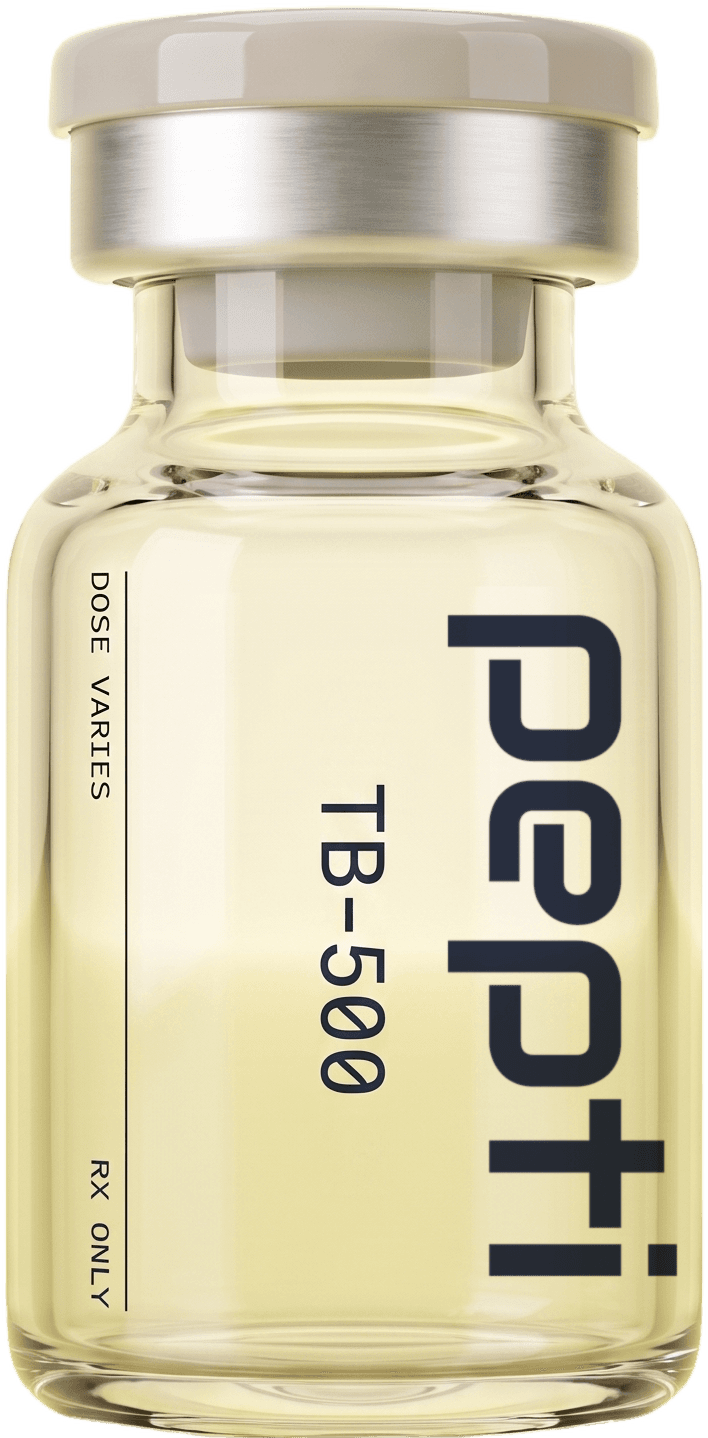
The BPC-157 + TB-500 preparation adds a thymosin beta-4 fragment. TB-500 has even less human data than BPC-157; the FDA's separate 2026 review found no published human administration of the fragment, although the full-length thymosin beta-4 protein was given intravenously to healthy volunteers in a placebo-controlled trial reported in the Annals of the New York Academy of Sciences in 2010 without safety concerns. The pigmentation case in the FDA's database involved a research product containing both peptides, which is a reason to source the combination from a pharmacy rather than an argument against it. TB-500 is separately prohibited at all times under WADA S2.3.
GLOW, KLOW and FORTIFY
GLOW adds GHK-Cu to BPC-157 and TB-500, and KLOW adds GHK-Cu and KPV. GHK-Cu carries copper, so a patient with Wilson's disease or any copper-handling disorder should not use either blend. FORTIFY pairs BPC-157 with thymosin alpha-1, KPV and LL-37 for immune support rather than repair, and a physician weighs the immune-modulating components separately. None of these changes the BPC-157 cautions; each adds its own.
— Is BPC-157 Safe? Side Effects, Contraindications and What Is Unknown
What the evidence shows, honestly
The research base for BPC-157 is largely preclinical: animal and cell studies rather than randomised human trials. Animal work describes a wide margin between effective and problematic doses, which is the basis of its tolerability reputation. Human evidence is limited to clinical experience and patient report.
That means two things at once. Reports of harm are scarce, and reports of proven benefit are also scarce. Anyone telling you BPC-157 is proven safe is overstating the evidence in one direction, and anyone telling you it is known to be dangerous is overstating it in the other. The accurate position is that it is used on the strength of mechanism and prescriber experience, under supervision, with specific cautions applied.
The 2026 FDA review did not change that position; it documented it. No mutagenicity, no teratogenicity in rats, no serious adverse events in five small human studies, three uninterpretable post-marketing reports; and no carcinogenicity study, no human data for the subcutaneous route, nothing longer than 28 days in animals or two weeks in humans, and a theoretical immunogenicity concern it could not rule out. Its advisory committee weighed the same facts and voted, narrowly, in favor.
— References
What this is based on.
References
- Chang CH, Tsai WC, Hsu YH, Pang JH. Pentadecapeptide BPC 157 enhances the growth hormone receptor expression in tendon fibroblasts · Molecules (2014) · PMID 25415472
- Krivic A, Anic T, Seiwerth S, et al.. Achilles detachment of rat and stable gastric pentadecapeptide BPC 157 · Journal of Orthopaedic Research (2006) · PMID 16583442
- Sikiric P, Seiwerth S, Rucman R, et al.. Stable gastric pentadecapeptide BPC 157: novel therapy in gastrointestinal tract · Current Pharmaceutical Design (2011) · PMID 21548867
- Cerovecki T, Bojanic I, Brcic L, Radic B, et al.. Pentadecapeptide BPC 157 (PL 14736) improves ligament healing in the rat · J Orthop Res (2010) · PMID 20225319
- Sikiric P, Seiwerth S, Rucman R, Turkovic B, et al.. Stable gastric pentadecapeptide BPC 157-NO-system relation · Curr Pharm Des (2014) · PMID 23755725
- Cox HD, Miller GD, Eichner D. Detection and in vitro metabolism of the confiscated peptides BPC 157 and MGF R23H · Drug Test Anal (2017) · PMID 28035768
- Thomas A, Görgens C, Guddat S et al.. Simplifying and expanding the screening for peptides <2 kDa by direct urine injection, liquid chromatography, and ion mobility mass spectrometry · J Sep Sci (2016) · PMID 26578461
- Farrar JT, Young JP Jr, LaMoreaux L, Werth JL et al.. Clinical importance of changes in chronic pain intensity measured on an 11-point numerical pain rating scale · Pain (2001) · PMID 11690728
- Meyer JD, Ho B, Manning MC. Effects of conformation on the chemical stability of pharmaceutically relevant polypeptides · Pharm Biotechnol (2002) · PMID 11987755
- Xu C, Sun L, Ren F, Huang P, et al.. Preclinical Safety Evaluation of Body Protective Compound-157, a Potential Drug for Treating Various Wounds · Regul Toxicol Pharmacol (2020) · PMID 32334036
- He L, Feng D, Guo H, et al.. Pharmacokinetics, distribution, metabolism, and excretion of body-protective compound 157, a potential drug for treating various wounds, in rats and dogs · Front Pharmacol (2022) · PMID 36588717
- Lee E, Padgett B. Intra-Articular Injection of BPC 157 for Multiple Types of Knee Pain · Altern Ther Health Med (2021) · PMID 34324435
Citations are provided for educational purposes. They do not constitute medical advice. Always discuss any peptide protocol with your prescribing physician.
— Common questions
Is BPC-157 Safe? Side Effects, Contraindications and What Is Unknown, answered.
Nobody knows, because it has not been studied that way. The longest animal toxicology study lasted 28 days and the longest human exposure in any published study was two weeks. Most prescribed use is for an injury or complaint with a defined course, and continued treatment is a decision your physician makes with you at each 28-day refill. The broader picture is in are peptides safe long term.
No peptide in common use has been shown to cause cancer in humans, and there is no human report linking BPC-157 to one. There is also no carcinogenicity study in any species, so the question has never been formally tested. The caution exists because BPC-157 is described as supporting new blood-vessel formation, which growing tissue of any kind can use. That is why a cancer history usually means a cautious answer. See can peptides cause cancer.
Injection-site redness, itching, tenderness or a small lump, and sometimes mild fatigue or headache in the first couple of weeks. Rotating sites helps with the local effects. In the only placebo-controlled human data that exist, headache occurred at the same rate on placebo.
Tell your physician everything you take, including supplements. The interaction literature is thin, which is a reason for more disclosure rather than less. Anticoagulants and antiplatelet drugs specifically belong in that conversation, because the animal toxicology showed changes in clotting time that have never been checked in humans.
No. It is compounded at a US FDA-registered pharmacy against a valid prescription, which is a different thing from FDA approval of a finished drug. No BPC-157 product is approved in any country. See are peptides FDA approved.
Not established either way. The FDA found no human study of oral BPC-157 at all, and noted that oral peptides carry less immunogenic risk but the same impurity risk. Capsules sold online are typically research-chemical products with the same accountability problem as research vials, so the safety question comes back to the supply chain rather than the route. Pepti supplies BPC-157 as a prescription injection only.
Signs of an allergic reaction, an injection site that is spreading or hot after 48 hours, severe pain, any change in skin color, bleeding or bruising away from the injection site, or any new symptom that worries you. Stop and contact your physician rather than deciding on your own whether it counts.
Yes. The FDA prepared a full briefing document on BPC-157 for its Pharmacy Compounding Advisory Committee meeting of 23–24 July 2026. Its staff concluded there was insufficient clinical safety information to characterize the safety profile and recommended against adding BPC-157 to the 503A bulks list; the committee voted 8–6 with one abstention to recommend adding it anyway.
No randomized trial of injectable BPC-157 exists; the only randomized human study used a rectal enema in ulcerative colitis for two weeks. The injectable human data are a 17-patient chart review of knee injections, a 12-patient bladder-injection pilot and a two-person intravenous pilot, none reporting adverse events. The FDA found no published human study of subcutaneous BPC-157, the route that is actually prescribed.
In 28-day intramuscular studies in rats and dogs at doses far above human use, the FDA flagged changes in clotting time and higher ALT, glucose and triglycerides. No human data show either effect, and none have looked. It is the reason anticoagulants go on the intake and a physician may want a baseline panel in a patient with liver, clotting or metabolic history.
Any injected peptide can, and the FDA identified immunogenicity as its main concern for BPC-157 precisely because no study has measured it. Facial or throat swelling, widespread rash or difficulty breathing after a dose is an emergency. Reports of such reactions are rare, and the risk is tied to aggregates and impurities, which is a reason to use a pharmacy-compounded product.
It is not used in pregnancy or breastfeeding. A rat study by the intramuscular route found no effect on fetal development, and that is the only reproductive data that exist; nothing covers fertility, the full reproductive cycle or the subcutaneous route. See can you take peptides while pregnant.
Yes, at all times. The 2026 WADA Prohibited List names BPC-157 under S0, non-approved substances, which is prohibited in and out of competition. A prescription does not exempt you. TB-500, in the combined preparation and in GLOW and KLOW, is prohibited separately. See is BPC-157 banned.
Not on any evidence, but it adds a second peptide with even less human data and a second anti-doping listing, and the one reproducible adverse-event report in the FDA's database involved a research product containing both. A pharmacy-compounded BPC-157 + TB-500 vial removes the supply-chain problem that report illustrates. Whether the combination suits you is your physician's call. The free assessment goes to a physician licensed in your state. A consultation does not guarantee a prescription.
— Next step
See what a physician
recommends for you.
A licensed physician in your state reviews your intake and decides what is appropriate. A consultation does not guarantee a prescription.
Important legal & safety information
The assessment process available on the Pepti website asks a series of medical questions, and the answers provided are reviewed by an independent licensed physician affiliated with our partner physician network. The licensed providers have established exclusionary criteria, and the answers provided determine if the individual is screened out of eligibility for treatment. The licensed clinicians retain the sole decision to prescribe peptide therapy and other compounded medications to patients. Treatment may be denied at the physician's sole discretion. If a prescription is not approved, you will not be charged for the medication.
Pharmacy Providers. Pepti is a technology platform and is not a healthcare provider, pharmacy, or prescriber. All medications offered through the platform are compounded by independent FDA-registered 503A or 503B compounding pharmacies based on a valid prescription written by a licensed physician for an individual patient. Compounded medications are not FDA-approved as products. The active pharmaceutical ingredients used by our partner pharmacies are sourced from FDA-registered facilities. Compounded medications may not undergo the same testing or quality control as commercially manufactured FDA-approved drugs.
Results vary. Results from peptide therapy and other compounded treatments vary based on individual factors, including age, weight, medical history, adherence to the prescribed protocol, lifestyle factors, and physiological response. Pepti makes no guarantee of any specific outcome. Statements about peptide therapy and compounded medications offered through the platform have not been evaluated by the Food and Drug Administration. These products are not intended to diagnose, treat, cure, or prevent any disease.
Product images. Product photographs and renderings shown on this website are for illustrative purposes only. The appearance of vials, packaging, labeling, and other materials you receive may vary and is determined by the dispensing compounding pharmacy.
Off-label use.Many peptides offered through the platform are prescribed for off-label use. “Off-label” means the medication is being prescribed for a use, dose, or patient population that is not specifically approved by the FDA. Off-label prescribing is legal and common in U.S. medical practice when supported by clinical experience and judgment.
Mailing & shipping. Pepti currently dispenses prescription medication to patients in all 50 states and Washington, D.C.. All orders ship in unbranded, tamper-evident packaging via expedited delivery from our partner compounding pharmacies. Temperature-sensitive medications ship with insulated packaging and ice packs. Shipping is included at no additional cost. We do not currently ship medication outside all 50 states and Washington, D.C., internationally, or to APO/FPO addresses.
Not for emergencies. Pepti is not designed for medical emergencies. If you are experiencing a medical emergency, call 911 or go to your nearest emergency room immediately. For urgent but non-emergency medical questions, contact your primary care provider or use an urgent care service.
No doctor-patient relationship with Pepti. Your use of the platform does not create a doctor-patient relationship between you and pepti LLC. A doctor-patient relationship is established only between you and the independent licensed physician who reviews your intake and prescribes your treatment. The physicians who use the platform are independent contractors and are solely responsible for the medical care they provide.
Prescription medications. All prescription products require a valid prescription from a licensed healthcare provider. By using the platform, you acknowledge that you are at least 18 years old and that the information you provide is true, accurate, current, and complete. Providing false information may result in inappropriate treatment recommendations or denial of service.
Cosmetic & wellness products.Certain products offered through Pepti — including skincare, hair care, body care, supplements, men's grooming, sports recovery, and sexual wellness products — are cosmetic or dietary supplement products, not prescription medications. These products do not require a prescription and are not reviewed or prescribed by a physician. Statements regarding dietary supplements have not been evaluated by the Food and Drug Administration. These products are not intended to diagnose, treat, cure, or prevent any disease. Results vary by individual. Consult your healthcare provider before starting any new supplement or topical product, especially if you are pregnant, nursing, or taking other medications.
pepti LLC · Delaware Limited Liability Company · 131 Continental Dr, Suite 305, Newark, DE 19713 · For media or partnership inquiries, email hello@hellopepti.com. For patient support, email support@hellopepti.com. For privacy and HIPAA inquiries, email privacy@hellopepti.com.