Recovery · Reference
Peptides for Athletes: What Is Banned, What Is Not, and Who Can Use Them
This page is written for the athlete who is not subject to testing, and it is not a performance pitch. The realistic reason to look at peptides is injury repair, not making you faster.

Reviewed by Dr. Gene, MD · Board-certified Family Medicine
Every Pepti prescription is reviewed by a licensed U.S. physician before it's dispensed — and only provided if clinically appropriate.
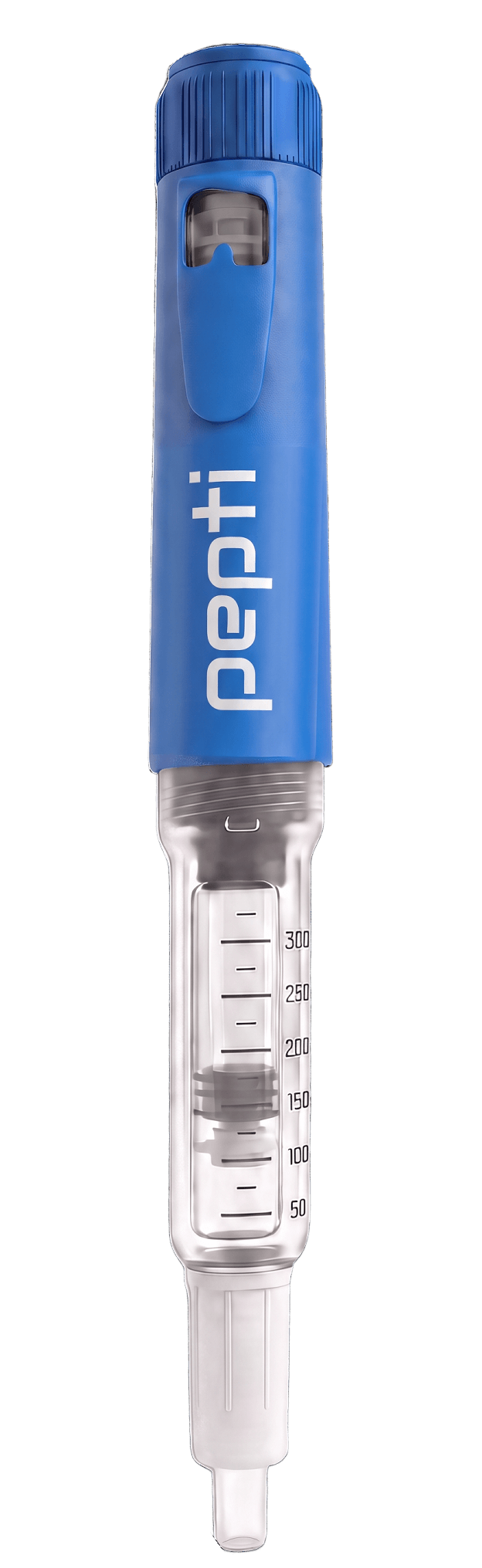
Treatments mentioned
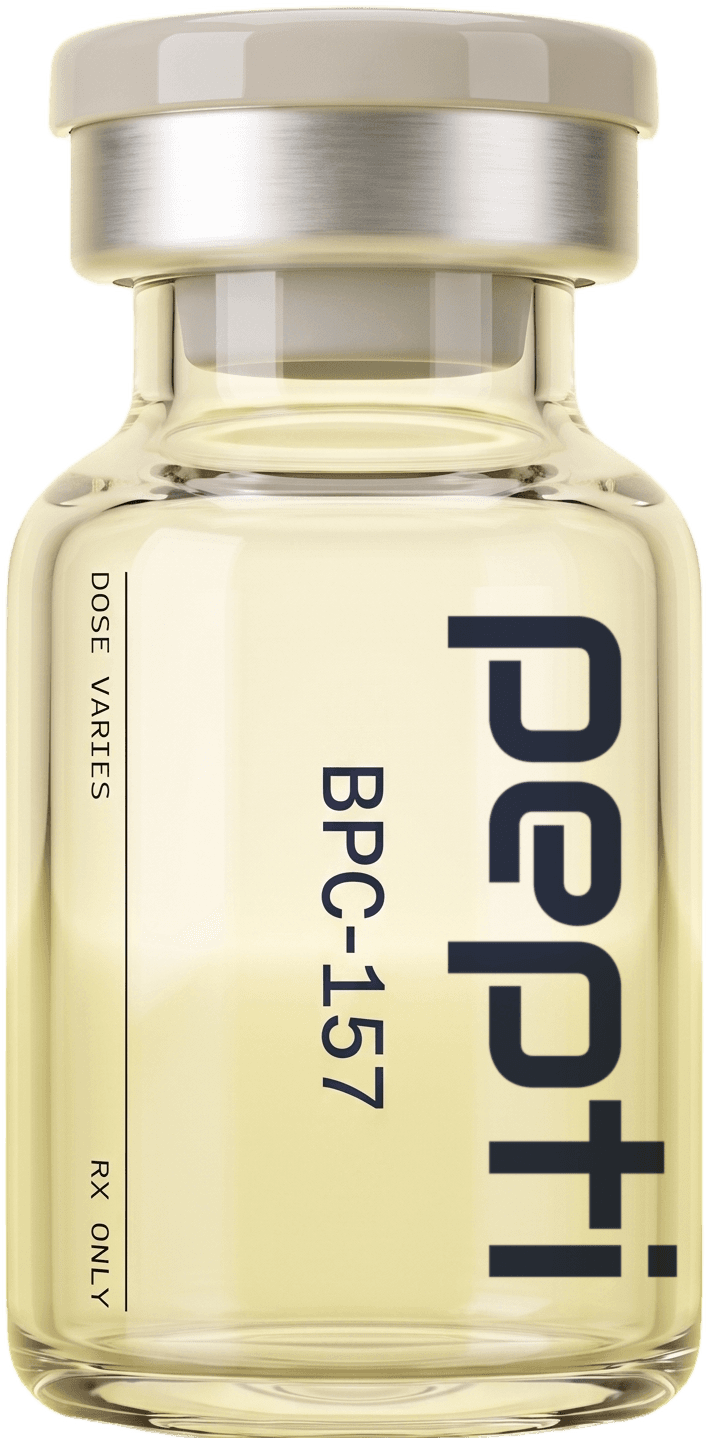
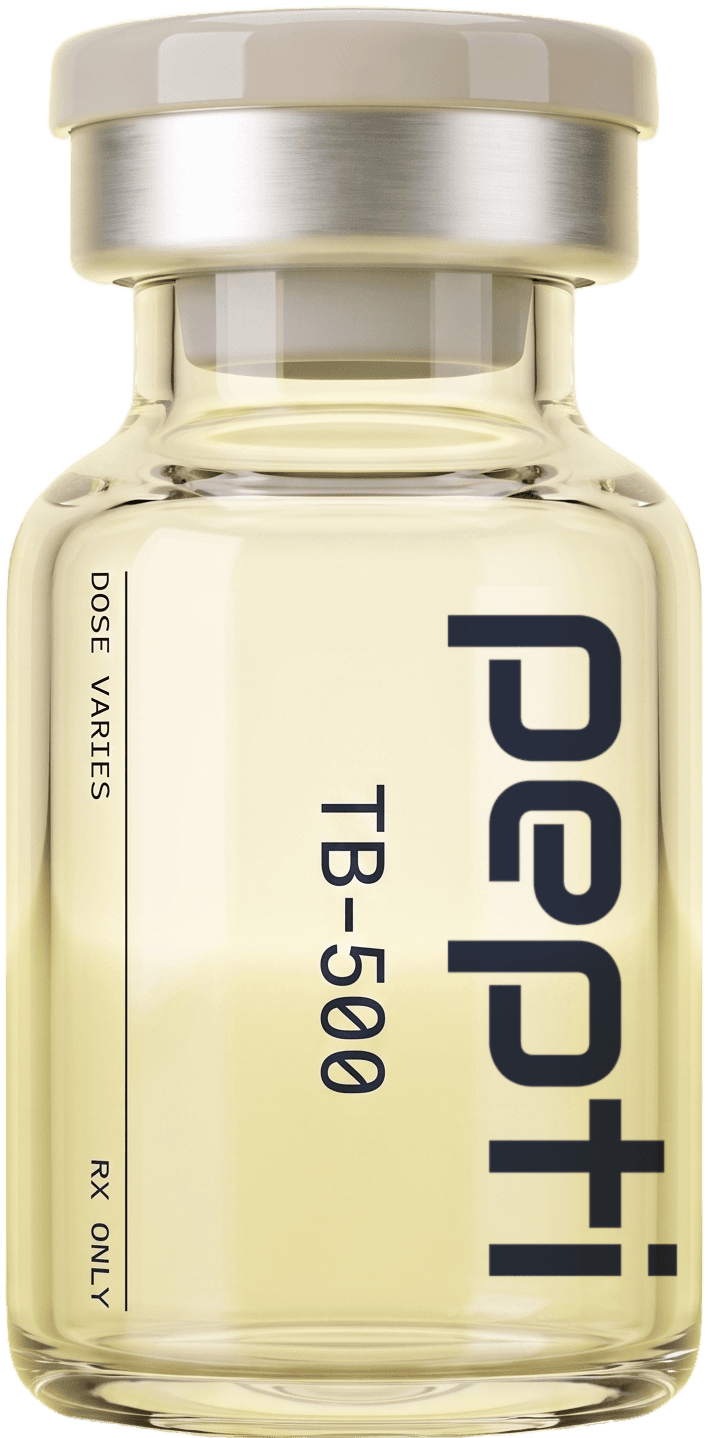
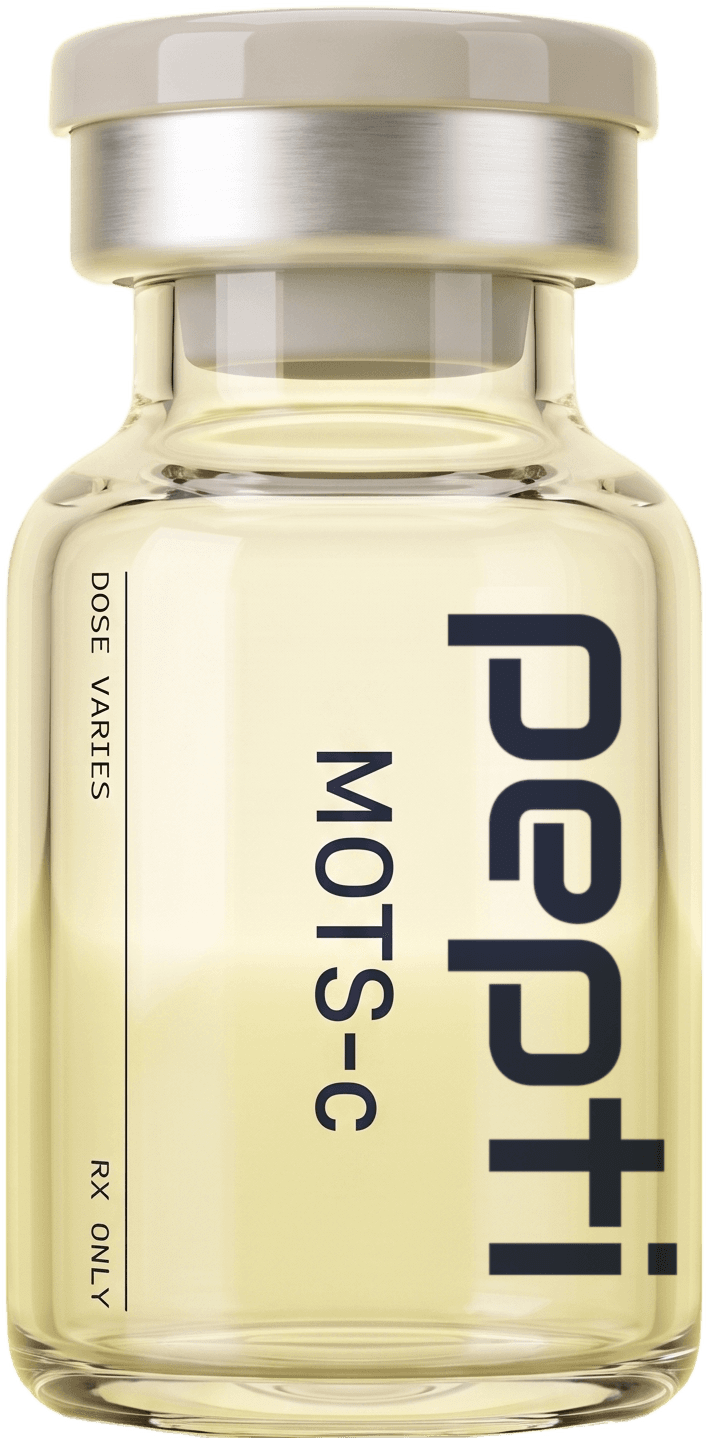
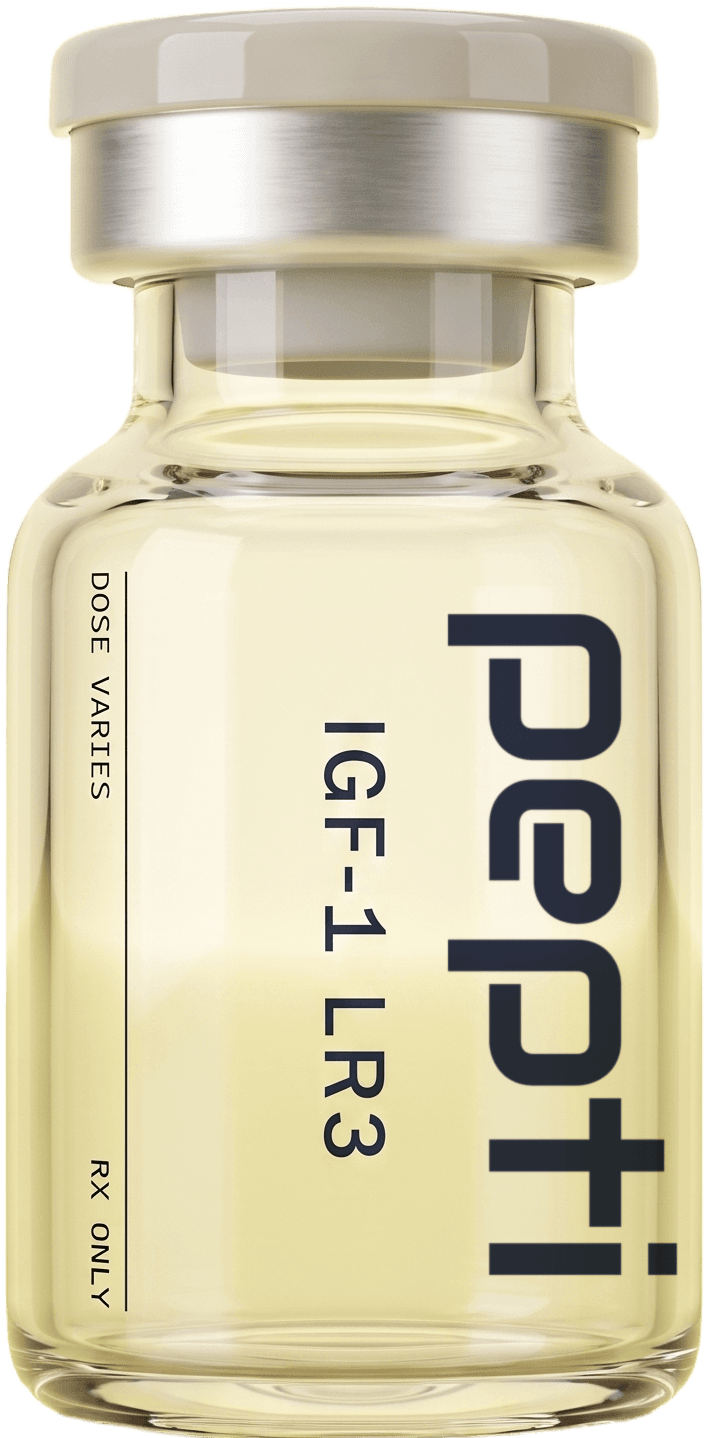
Most of the peptides athletes ask about are prohibited in tested competition under the World Anti-Doping Code, and a tested athlete should not use them. BPC-157 sits on the Prohibited List under the non-approved substances category, while TB-500, IGF-1 and every growth-hormone secretagogue sit under peptide hormones and growth factors. Anti-doping operates on strict liability, meaning the athlete is responsible for what is in their body regardless of who prescribed it or why. If you are drug tested by any sporting body, the honest answer to this page's question is that this category is not open to you.
This page is written for the athlete who is not subject to testing, and it is not a performance pitch. The realistic reason to look at peptides is injury repair, not making you faster.
Peptides for Athletes
The short answer
| If your situation is | The usual prescription | What is in it | Price |
|---|---|---|---|
| A tendon, ligament or muscle injury | BPC-157 + TB-500 | 5 mg BPC-157 and 5 mg TB-500 in 5 mL | $259 |
| An injury with joint pain and stiffness | KLOW | 50 mg GHK-Cu, 10 mg KPV, 10 mg BPC-157, 10 mg TB-500 | $259 |
| Training load outrunning recovery | REVIVE | 50 mg GHK-Cu, 6 mg CJC-1295, 12 mg Ipamorelin, 2 mg TB-500 | $279 |
| Poor sleep quality in a heavy block | SERENITY | 5 mg DSIP, 5 mg Selank, 6 mg CJC-1295, 12 mg Ipamorelin | $279 |
| Flat energy and slow between-session recovery | MOTS-c | 10 mg MOTS-c in 5 mL | $259 |
| Gut trouble from heavy training or NSAID use | BPC-157 | 5 mg BPC-157 in 5 mL | $209 |
Each is an all-in monthly price covering medication, physician review, refill management and shipping. Pepti is subscription based. Every product in that table has an anti-doping status, and it is in the next section.
Peptides for Athletes
Anti-doping status, in plain terms
The Prohibited List is published annually by WADA and adopted by national anti-doping agencies, most Olympic and international federations, and many domestic ones. Two categories matter here. S2 covers peptide hormones, growth factors and related substances. S0 covers any pharmacological substance with no current approval by a government health authority for human therapeutic use, which sweeps in compounded and experimental compounds that are not named individually.
The 2026 List came into effect on 1 January 2026. Classes S0 to S5 are prohibited at all times, in and out of competition, so an out-of-competition test months from any event still counts. S0 catches substances by regulatory status rather than by name, and its 2026 text names BPC-157 as an example. S2 works the other way, by structure and effect, and prohibits the listed substances "and other substances with similar chemical structure or similar biological effect(s)."
Where each product on this page sits
Substance Status in tested sport BPC-157 Added to the Prohibited List under S0. Prohibited at all times TB-500 (thymosin beta-4) Prohibited under S2 as a growth factor IGF-1 LR3 Prohibited under S2 Sermorelin, CJC-1295, ipamorelin, hexarelin, tesamorelin Prohibited under S2 as growth-hormone releasing factors and secretagogues MOTS-c Named in the 2026 List under S4.4.1 as an AMPK activator, alongside AICAR. Prohibited at all times GHK-Cu, KPV, Semax, Selank, epithalon, melanotan II Not named individually, and S0 catches substances without human therapeutic approval, so a compounded preparation can fall under it Semaglutide and tirzepatide Not on the Prohibited List, though weight-category sports have their own rules NAD+ and glutathione by injection The substances are not prohibited. M2 restricts intravenous infusions above a set volume within twelve hours, which is a separate rule from the substance itself The 2026 wording, for anyone checking against their federation's adopted version: S2.2.4 names CJC-1295, sermorelin, tesamorelin, ipamorelin and hexarelin; S2.3 names IGF-1 "and its analogues" and "Thymosin-ß4 and its derivatives e.g. TB-500"; S2.2.3 names AOD-9604 among growth hormone fragments, which matters for the PHYSIQ and SHRED blends; S4.4.1 names MOTS-c among AMPK activators; kisspeptin sits under S2.2.1. M2.2 prohibits intravenous infusions or injections of more than 100 mL in any 12-hour period outside hospital treatment, surgery or diagnostic investigation, which a subcutaneous injection is not but an IV NAD+ or glutathione drip may be. The List marks S0 substances "Specified" and S2 "non-Specified"; that governs how a case is handled after a positive sample, not whether the substance is prohibited.
Strict liability, and why a prescription does not help
Under the Code an athlete is responsible for any prohibited substance found in their sample, and intent is not required for a violation. A prescription does not change that, because the prescription is not the problem; the presence of the substance is. Detection methods are published and keep improving: Drug Testing and Analysis carried a 2017 paper on the detection and metabolism of confiscated BPC 157 and a 2012 paper characterizing the thymosin beta-4 fragment in TB-500 because of its doping potential, and a 2019 paper in Rapid Communications in Mass Spectrometry described a plasma method for MOTS-c built for doping control. Samples are stored for years for reanalysis.
Therapeutic use exemptions
A therapeutic use exemption is granted for a documented medical need treated with an appropriate medication, and a compounded non-approved substance used for an injury is not an easy case to make. USADA's own BPC-157 guidance says a TUE for it is unlikely to be approved because permitted alternatives exist, while noting each application is considered case by case. The same logic applies with more force to TB-500 and the growth-hormone secretagogues, where permitted alternatives for a tendon injury or poor sleep are numerous.
The NCAA, professional leagues and employers
The NCAA, professional leagues, some military roles and some employers maintain their own lists that do not match WADA's. The NCAA's banned classes include "Peptide hormones, growth factors, related substances and mimetics," and its published examples for that class name BPC-157 and TB-500 directly, alongside growth hormone, IGF-1 and ibutamoren. It also bans any substance chemically or pharmacologically related to a banned class whether or not it is listed, and holds the student-athlete accountable regardless. A college athlete should treat this page's answer as identical to the WADA answer.
Is BPC-157 banned and do peptides show up on a drug test go into this further.
If you compete under any testing programme, stop here. Nothing below changes that answer.
Peptides for Athletes
What is actually going on when an athlete gets hurt
The untested athlete who reads past that line is usually dealing with one of four problems, and they call for different tools.
Tendon and ligament tissue has poor blood supply
Tendons and ligaments are sparsely vascularized compared with muscle, which is much of why a strained hamstring resolves in weeks and an Achilles tendinopathy can drag on for a year. Healing depends on cells arriving at the injury, new vessels forming to supply them, and collagen being laid down and remodeled under load. The animal work on BPC-157 and TB-500 is about exactly those steps.
Inflammation is a phase, not an enemy
The first days after a soft-tissue injury are inflammatory by design; that is how repair cells are recruited. The problem is inflammation that does not resolve, or is re-triggered by training through the injury. Heavy NSAID use to push through it has its own cost, and the gastrointestinal literature on BPC-157, where the compound was first studied, is largely about protection of the gut lining against NSAID and alcohol injury in animal models.
Recovery is a sleep and growth-hormone story
Most adult growth hormone is released in pulses during slow-wave sleep, and a 2000 paper in JAMA reported that in healthy men slow-wave sleep and growth hormone secretion decline together across adulthood. An athlete sleeping badly in a heavy block is losing recovery on two fronts, which is why the secretagogues, prescribed to prompt the pituitary's own pulse, are described by patients most consistently in terms of sleep depth.
Energy substrate and mitochondria
Between-session fatigue that does not respond to more sleep and food is sometimes a mitochondrial signaling problem rather than a fuel problem. MOTS-c speaks to that: a 2021 paper in Nature Communications reported plasma MOTS-c rising after acute exercise in humans, and action on age-dependent physical decline in mice. The human part is observational; the intervention part is in animals.
Peptides for Athletes
What physicians prescribe for the untested athlete
One section per product: mechanism as researchers describe it, the state of the human evidence, and who it suits. Directions are those on the product pages; the physician sets the dose.
BPC-157
BPC-157 is a 15-amino-acid fragment of a protein found in human gastric juice. Animal and cell work describes it activating the VEGFR2 receptor and angiogenic signaling (Journal of Molecular Medicine, 2017), increasing growth-hormone receptor expression in cultured tendon fibroblasts (Molecules, 2014), and promoting tendon fibroblast outgrowth, survival and migration (Journal of Applied Physiology, 2011). Rat studies in the Journal of Orthopaedic Research on transected Achilles tendon (2003), Achilles detachment (2006) and transected quadriceps (2006), and on crush injury in Surgery Today (2008), report faster functional recovery in treated animals. The gastrointestinal literature, reviewed in Current Pharmaceutical Design in 2011 and 2018, is the largest body of work on the compound.
There are no randomized controlled trials of BPC-157 in humans for tendon, ligament or muscle injury; early-phase human work exists for inflammatory bowel indications. The honest framing is "described in preclinical research and used clinically," not "proven in people."
On its own, BPC-157 suits the athlete whose main problem is the gut: stomach pain from a heavy NSAID habit, or the gastrointestinal upset of high-volume endurance training. For a tendon or ligament injury it is more often prescribed in the stack below. Product page: BPC-157, priced at /cost/bpc-157.
TB-500, and the BPC-157 + TB-500 stack
TB-500 is a synthetic fragment of thymosin beta-4, the body's main actin-sequestering protein. Actin is what lets a cell move, and the research describes thymosin beta-4 acting on cell migration, angiogenesis and wound repair through that route (Trends in Molecular Medicine, 2005), with animal work on dermal wound healing (Journal of Investigative Dermatology, 1999) and cardiac repair in mice (Nature, 2004). A 2021 paper in the American Journal of Physiology – Cell Physiology identified thymosin beta-4 as a human exerkine, released into the circulation with exercise, which is part of why it draws athletes' attention.
The human data is thinner than the marketing suggests: a randomized, placebo-controlled safety and pharmacokinetic study of intravenous full-length thymosin beta-4 in healthy volunteers (Annals of the New York Academy of Sciences, 2010) and a phase 2 randomized trial of thymosin beta-4 eye drops in severe dry eye (Cornea, 2015). There are no randomized controlled trials of TB-500 in humans for musculoskeletal injury.
The pairing exists because the two are described as acting on different steps: BPC-157 on vessel formation and cell responsiveness, TB-500 on cell motility. A 2026 paper in Joint Diseases and Related Surgery examined the two alone and together in a rat Achilles tendon model with histopathological and biomechanical endpoints, the first study to look at the combination directly. For a tendon, ligament or muscle injury in an untested athlete, the BPC-157 + TB-500 stack is the usual starting prescription; peptides for tendon and ligament injuries covers the injury side in more depth.
KLOW, when the joint hurts too
KLOW adds GHK-Cu and KPV to BPC-157 and TB-500. GHK-Cu is a copper-binding tripeptide found in human plasma; the research describes it stimulating collagen synthesis in cultured fibroblasts (FEBS Letters, 1988), modulating matrix metalloproteinases in wounds (Journal of Investigative Dermatology, 1999) and, in a 2015 review in BioMed Research International, acting on multiple tissue-remodeling pathways. It has human data in skin, including topical treatment of diabetic ulcers (Wound Repair and Regeneration, 1994). KPV is the C-terminal tripeptide of alpha-melanocyte-stimulating hormone; a 2008 paper in Gastroenterology described its uptake by the PepT1 transporter and reduction of intestinal inflammation, and a 2008 review in Endocrine Reviews covers the anti-inflammatory biology of the melanocortin tripeptides.
KLOW suits the athlete whose injury comes with joint pain and stiffness rather than a single tendon that hurts on loading. Neither addition has human trial evidence in joints. Product page: KLOW.
REVIVE, when training load is outrunning recovery
REVIVE pairs GHK-Cu and a small amount of TB-500 with CJC-1295 and ipamorelin. It is aimed at the athlete who is not injured but is not recovering: the secretagogue pair covers the sleep and growth-hormone side, the repair peptides cover connective tissue. The evidence statement is the same as for its components: preclinical for GHK-Cu and TB-500 in this use, human pharmacology but no athletic outcome trials for CJC-1295 and ipamorelin. Product page: REVIVE.
SERENITY, when the sleep is the problem
SERENITY combines DSIP and Selank with CJC-1295 and ipamorelin. DSIP has the oldest human literature in this category: a 1981 paper in the Lancet reported that synthetic DSIP improved sleep in insomniacs, followed by double-blind work in chronic insomnia (Neuropsychobiology, 1992) and a 2006 review in the Journal of Neurochemistry titled "a still unresolved riddle." Selank is a tuftsin-analog heptapeptide with Russian clinical work in generalized anxiety disorder, including a 2014 comparison with phenazepam; a 2021 review in the Journal of Clinical Pharmacology places it among agents acting on GABA signaling.
SERENITY suits the athlete whose recovery problem is sleep quality inside a heavy block, particularly where pre-sleep anxiety is part of it. None of that work was done in athletes, and the DSIP trials are small and decades old. Product page: SERENITY.
MOTS-c
MOTS-c is a 16-amino-acid peptide encoded in mitochondrial DNA. The 2015 Cell Metabolism paper that characterized it reported action on AMPK signaling and metabolic homeostasis in mice, and a 2018 paper in the same journal described it translocating to the nucleus under metabolic stress. Human data is observational: plasma MOTS-c is reported lower in people with diabetes (Frontiers in Endocrinology, 2019), associated with insulin sensitivity in lean but not obese individuals (Journal of Investigative Medicine, 2018), and higher after exercise (Nature Communications, 2021). There are no randomized human trials of MOTS-c for any outcome.
For the untested athlete MOTS-c is prescribed for flat energy and slow between-session recovery once sleep, calories and iron have been checked. For the tested athlete it is now named on the List under S4.4.1, so the earlier ambiguity no longer exists. Product page: MOTS-c.
The growth-hormone secretagogues
Sermorelin, CJC-1295 and tesamorelin bind the GHRH receptor and prompt a pulse of your own growth hormone. Ipamorelin acts through the ghrelin receptor instead, which is why the two are paired: two signals converging on one pulse. Because the pituitary does the releasing, normal feedback regulation stays in place.
This is the sub-category with the most human pharmacology. CJC-1295 was studied in healthy adults in the Journal of Clinical Endocrinology and Metabolism in 2006, which reported prolonged growth hormone and IGF-1 secretion after single doses, with a companion paper reporting that pulsatile secretion persisted. Ipamorelin was characterized as the first selective growth hormone secretagogue in the European Journal of Endocrinology in 1998, with human pharmacokinetic modeling in Pharmaceutical Research in 1999. Sermorelin has randomized human data from the 1990s in older adults, including a 1997 paper in the Journal of Clinical Endocrinology and Metabolism on long-term administration. Tesamorelin is the exception in the whole category: it is the active ingredient of an FDA-approved product, on the strength of phase 3 randomized placebo-controlled trials in HIV-associated abdominal fat accumulation (New England Journal of Medicine, 2007; Journal of Clinical Endocrinology and Metabolism, 2010).
What this class does not have is human trial evidence for athletic performance, and the approved tesamorelin indication is a different population with a different goal. Patients most consistently describe changes in sleep depth rather than in the mirror. Peptides vs HGH explains why this is a different proposition from injecting growth hormone, and peptides for muscle growth and recovery covers the body-composition question. Product pages: CJC-1295 / Ipamorelin, sermorelin, tesamorelin.
IGF-1 LR3
A modified form of insulin-like growth factor 1 engineered to bind IGF binding proteins poorly and therefore stay active longer (Journal of Molecular Endocrinology, 1992), acting at the IGF-1 receptor to drive anabolic signaling directly. Localized IGF-1 infusion produced skeletal muscle hypertrophy in rats (Journal of Applied Physiology, 1998), and the LR3 variant was anabolic in dexamethasone-treated rats (Biochemical Journal, 1992). It is the compound where the growth-signaling cautions matter most: a 2004 systematic review in the Lancet examined circulating IGF-1 and cancer risk, and a 1987 paper in the New England Journal of Medicine documented IGF-1's short-term metabolic effects, including on glucose, in healthy adults.
There are no human trials of IGF-1 LR3 for any indication, it is prohibited under S2, and it is not a casual prescription. A physician will want a reason that is not "I want to be bigger." Product page: IGF-1 LR3.
Peptides for Athletes
What the evidence shows, and what it does not
What exists
BPC-157, TB-500, KPV and MOTS-c are supported by preclinical work: animal and cell studies, not randomized human trials. GHK-Cu has the deepest literature, including human skin studies. The growth-hormone secretagogues rest on human pharmacology and clinical experience rather than outcome trials, with tesamorelin the exception, since an approved product exists for visceral fat in HIV-associated lipodystrophy and that is a different population and a different goal. DSIP and Selank have small human trials in insomnia and anxiety, none in athletes. IGF-1 LR3 is preclinical.
What does not exist
No compound on this page has a randomized controlled trial in athletes for recovery, injury healing or performance. Nobody can give you an effect size, a timeline established in humans, or long-term safety data over years of use in a training population. Prescriber experience is worth something, but it is experience, not trial endpoints, and this page labels it that way wherever it appears. Anyone selling peptides to athletes on the promise of performance is selling you something the research does not support, on a list that will end your season if you are tested.
Peptides for Athletes
Where these stand with the FDA right now
This has moved a great deal in 2026 and most of what is online is out of date. None of the compounded products on this page are FDA approved. They are compounded at a US FDA-registered pharmacy against a valid prescription, and compounded medications are never FDA-approved finished drug products. What has changed is the status of the individual ingredients on the FDA's 503A bulk drug substances lists, where Category 1 substances may be compounded while evaluation continues, Category 2 substances have identified significant safety risks and are excluded from that policy, and Category 3 substances were nominated without adequate support.
The April 2026 removals
On 15 April 2026, twelve peptides were removed from 503A Category 2 after their nominators withdrew the nominations, among them BPC-157, TB-500, MOTS-c, KPV, DSIP (emideltide), Semax, Epitalon and injectable GHK-Cu. The FDA's own safety-risk page, current as of 22 April 2026, now lists those, plus CJC-1295 and ipamorelin acetate on the 503A side, under "bulk drug substances nominated but withdrawn" rather than in the active Category 2 table. As of the 14 May 2026 update, 503A Category 2 holds six substances, none a peptide on this page.
Removal from Category 2 is not placement in Category 1, and none of the peptides on this page currently appears in Category 1. What it does mean is that the "flagged for significant safety risk" description that dominated 2023–2025 coverage no longer applies.
The July 2026 advisory committee
On 23 July 2026 the FDA's Pharmacy Compounding Advisory Committee discussed BPC-157, KPV, TB-500 and MOTS-c, each in free base and acetate forms, for inclusion on the 503A Bulks List; on 24 July it discussed emideltide (DSIP), Semax and Epitalon. The committee voted to recommend adding BPC-157, KPV and TB-500, each by eight votes to six with one abstention, and MOTS-c by seven to five with two abstentions. On the second day it voted against emideltide, six to seven with one abstention, and recommended Epitalon and Semax.
Those are recommendations, not final decisions. The FDA issues its own determination after weighing the vote, public comment and its scientific review, and formal addition to the 503A Bulks List goes through rulemaking; that determination is pending. A further meeting before the end of February 2027 is scheduled to consider GHK-Cu, Dihexa acetate, LL-37, PEG-MGF and Melanotan II. GHK-Cu for non-injectable routes was returned to Category 1 on 14 May 2026 after one nominator clarified it had only meant to withdraw the injectable route.
So for the products in the short-answer table built on BPC-157, TB-500, KPV and MOTS-c, the accurate description today is: no longer in Category 2, formally recommended for the positive list by the advisory committee, awaiting final FDA action. For DSIP, in SERENITY, the committee's recommendation went the other way, and that too awaits FDA action.
The secretagogues and IGF-1 LR3
CJC-1295 and ipamorelin acetate were not on the July agenda; both now appear on the FDA's withdrawn list on the 503A side rather than in active Category 2. Sermorelin was the active ingredient of Geref, approved on 28 December 1990 and later discontinued, with a Federal Register determination that it was not withdrawn for safety or effectiveness reasons. Tesamorelin is the active ingredient of Egrifta, approved on 10 November 2010 for a specific HIV-related indication; compounded tesamorelin is not that product. IGF-1 LR3 has never been an approved drug and does not appear on the FDA's 503A category lists as of the 14 May 2026 update.
Peptides for Athletes
What a physician rules out first
What matters more than any of this
| Input | Why it outranks the vial |
|---|---|
| Sleep duration and quality | The largest single recovery variable, and free |
| Protein intake and total calories | Under-eating in a heavy block explains most stalled recovery |
| Load management | Most tendon problems are a training-load problem wearing an injury label |
| Iron and vitamin D status | Commonly low in endurance athletes and commonly missed |
| Rehabilitation adherence | Tissue adapts to load. Nothing here creates that adaptation |
A prescriber who does not ask about those five before writing a prescription is not doing the job.
Beyond the standard medical history, expect to be asked whether you are subject to any testing program, now or in the foreseeable future; what the injury is and whether it has been imaged; what rehabilitation has been done; how much you are sleeping and eating; and whether you take NSAIDs regularly. The first question is not a formality: if the answer is yes, the consultation ends there for this category. A complete rupture, displaced fracture or significant meniscal tear is a surgical question a physician will want assessed before anything is prescribed for it.
Peptides for Athletes
What to expect, and when
These are patterns described by prescribers, not trial endpoints. Individual response varies, and no timeline below has been established in a human trial.
Repair peptides: the first six weeks
For BPC-157, the stack and KLOW, what is described in the first two weeks is background inflammation settling rather than the injury itself changing; some athletes notice nothing in that window, which is normal. Weeks two to six are where tissue-level change would be expected if it occurs, based on the animal timelines. A vial is sized at about four weeks of once-daily dosing and refills run on 28-day cycles, which is why prescribers frame progress in four-week windows. Chronic tendinopathy is generally described as slower than a recent acute injury.
Secretagogues and SERENITY: sleep first
For REVIVE, SERENITY and the secretagogues on their own, the change most consistently described is in sleep depth, often within the first couple of weeks. Anything beyond that is slower and less consistent, and IGF-1 on bloodwork gives a physician a better read on the axis than the mirror does.
MOTS-c, and the long run
Prescribers describe between-session energy as what MOTS-c patients report, and describe it as gradual; no human trial puts a number on it. Across the category, treatment is long-term on 28-day refills, the physician decides whether it continues, and no withdrawal or rebound is described in the literature for any compound on this page.
Peptides for Athletes
When a peptide is the wrong tool
What peptides will not do
- Make you faster or stronger. No compound in this catalogue has human trial evidence for athletic performance.
- Replace rehabilitation. Loading is the treatment. This is an adjunct at most.
- Fix a full-thickness tear. That needs a surgeon, and after an operation nothing starts without the operating surgeon's agreement.
- Clear a drug test. Testing methods change and samples are stored for years for reanalysis.
Where a physician points instead
- You are tested. The category is closed to you. A physician may still discuss products not on the Prohibited List, such as semaglutide or tirzepatide where weight is the goal, or glutathione and NAD+ by subcutaneous injection, each checked against your federation's list and the M2 infusion rule.
- The problem is systemic inflammation rather than a local injury. KPV on its own or the FORTIFY blend may be the better conversation than a repair stack.
- Skin and connective tissue are the priority. GHK-Cu and GLOW are aimed at that more directly.
- You want the growth-hormone axis without the repair peptides. CJC-1295 / Ipamorelin, sermorelin or tesamorelin on their own.
- The problem is under-recovery from under-eating. No product. That is a nutrition and load conversation, and a physician will say so.
Peptides for Athletes
Who should not take them
| Situation | Why |
|---|---|
| Any athlete subject to drug testing | Strict liability. The sanction falls on you |
| Personal or family history of cancer | Growth-signalling and angiogenic mechanisms run through most of this category |
| Diabetes or impaired glucose tolerance | Growth hormone reduces insulin sensitivity, and IGF-1 LR3 cross-reacts at the insulin receptor |
| Pregnancy or breastfeeding | Not used. Safety data is absent |
| Under 18, or still growing | Growth-axis compounds are not appropriate |
| Wilson's disease or high-dose zinc use | Relevant to GHK-Cu, which delivers copper |
Peptides for Athletes
Monitoring and bloodwork
What is checked, and why
Bloodwork is not routinely required before BPC-157, the stack or KLOW; the physician decides based on history. For anything on the growth-hormone axis, meaning REVIVE, SERENITY, the secretagogues and above all IGF-1 LR3, physicians commonly want a baseline IGF-1 and fasting glucose or HbA1c, because growth hormone reduces insulin sensitivity. For an endurance athlete with flat energy, ferritin and vitamin D are usually checked before MOTS-c is considered, because those are the common and fixable causes. At-home blood testing covers the hormone, metabolic and thyroid markers without a lab visit.
What to report, and what to verify
Injection-site redness, soreness and occasional bruising are the most commonly reported effects across the category. For the secretagogues, water retention, tingling in the hands and morning headache are described; for GHK-Cu, the copper load is the reason for the Wilson's disease caution. Stop and contact your physician for any reaction that is severe, spreading, or involves difficulty breathing. There is no established interaction list for most of these compounds because the trials that would produce one have not been run, which is why the intake asks for every medication and supplement you take.
Every batch is compounded by a state-licensed, FDA-registered pharmacy against your prescription, with certificates of analysis at /quality/lab-results. That is what tells you the vial contains what the label says, and it is the difference between a prescription and a research-use-only product where no pharmacy is accountable for identity, purity or sterility.
References
What this is based on.
References
- Chang CH, Tsai WC, Hsu YH, Pang JH. Pentadecapeptide BPC 157 enhances the growth hormone receptor expression in tendon fibroblasts · Molecules (2014) · PMID 25415472
- Krivic A, Anic T, Seiwerth S, et al.. Achilles detachment of rat and stable gastric pentadecapeptide BPC 157 · Journal of Orthopaedic Research (2006) · PMID 16583442
- Sikiric P, Seiwerth S, Rucman R, et al.. Stable gastric pentadecapeptide BPC 157: novel therapy in gastrointestinal tract · Current Pharmaceutical Design (2011) · PMID 21548867
- Cerovecki T, Bojanic I, Brcic L, Radic B, et al.. Pentadecapeptide BPC 157 (PL 14736) improves ligament healing in the rat · J Orthop Res (2010) · PMID 20225319
- Sikiric P, Seiwerth S, Rucman R, Turkovic B, et al.. Stable gastric pentadecapeptide BPC 157-NO-system relation · Curr Pharm Des (2014) · PMID 23755725
- Cox HD, Miller GD, Eichner D. Detection and in vitro metabolism of the confiscated peptides BPC 157 and MGF R23H · Drug Test Anal (2017) · PMID 28035768
- Thomas A, Görgens C, Guddat S et al.. Simplifying and expanding the screening for peptides <2 kDa by direct urine injection, liquid chromatography, and ion mobility mass spectrometry · J Sep Sci (2016) · PMID 26578461
- Farrar JT, Young JP Jr, LaMoreaux L, Werth JL et al.. Clinical importance of changes in chronic pain intensity measured on an 11-point numerical pain rating scale · Pain (2001) · PMID 11690728
- Meyer JD, Ho B, Manning MC. Effects of conformation on the chemical stability of pharmaceutically relevant polypeptides · Pharm Biotechnol (2002) · PMID 11987755
- Xu C, Sun L, Ren F, Huang P, et al.. Preclinical Safety Evaluation of Body Protective Compound-157, a Potential Drug for Treating Various Wounds · Regul Toxicol Pharmacol (2020) · PMID 32334036
- He L, Feng D, Guo H, et al.. Pharmacokinetics, distribution, metabolism, and excretion of body-protective compound 157, a potential drug for treating various wounds, in rats and dogs · Front Pharmacol (2022) · PMID 36588717
- Lee E, Padgett B. Intra-Articular Injection of BPC 157 for Multiple Types of Knee Pain · Altern Ther Health Med (2021) · PMID 34324435
Citations are provided for educational purposes. They do not constitute medical advice. Always discuss any peptide protocol with your prescribing physician.
Common questions
Peptides for Athletes, answered.
Most of the ones athletes ask about are. BPC-157 is on the WADA Prohibited List under S0, and TB-500, IGF-1 and all growth-hormone secretagogues are prohibited under S2. MOTS-c is named in the 2026 List under S4.4.1. Anti-doping is strict liability, so a prescription does not protect you, and every class involved is prohibited at all times, in and out of competition.
It is unlikely. Exemptions are granted where a documented medical condition requires a specific treatment with no permitted alternative, and a compounded substance with no regulatory approval, used for an injury that has conventional treatments, is a hard case to make. USADA's own guidance on BPC-157 says the same, while noting every application is considered individually.
Standard workplace panels look for drugs of abuse and do not test for peptides. Anti-doping testing is an entirely different process, with published mass-spectrometry methods for BPC-157, TB-500, the growth-hormone secretagogues and MOTS-c. See do peptides show up on a drug test.
The repair peptides address parts of the healing sequence: controlling inflammation, moving repair cells into damaged tissue, building new blood vessels, and laying down collagen. The growth-axis peptides are used mainly for sleep depth. None of it replaces sleep, food and sensible loading, and all of it is described in animal and cell research rather than established in human trials.
That comparison invites a claim nobody can make. These are different mechanisms with different risks, and the honest position is that the long-term human safety data for most of this category does not exist.
It can be, for an injury that is not resolving with proper rehabilitation, discussed with a physician who knows your history. It is not reasonable as a performance strategy, because there is no performance evidence.
Each product is priced on its own page as one all-in monthly figure covering medication, physician review, refill management and shipping: /cost/bpc-157, /cost/bpc-tb-stack, /cost/klow, /cost/revive-blend, /cost/serenity-blend and /cost/mots-c. How much do peptides cost explains what is inside that number.
Yes. The 2026 WADA Prohibited List names MOTS-c under S4.4.1, activators of AMP-activated protein kinase, in the same line as AICAR. Older pages that describe it as unnamed are out of date. It is prohibited at all times.
No, but for this category the answer is the same. The NCAA's banned classes include peptide hormones, growth factors, related substances and mimetics, and its published examples name BPC-157 and TB-500 directly. It also bans anything pharmacologically related to a banned class whether or not it is listed, and holds the student-athlete accountable regardless.
They do not appear on the 2026 Prohibited List. Weight-category and weight-sensitive sports have their own rules on rapid weight loss, and a tested athlete should still check their federation's adopted list and talk to their physician before starting either.
The substances are not on the 2026 Prohibited List. What is prohibited under M2.2 is an intravenous infusion or injection of more than 100 mL in any 12-hour period outside hospital treatment, surgery or diagnostic investigation. A subcutaneous NAD+ or glutathione injection is not that, but an IV drip may be, and the athlete is responsible for the volume.
No. The advisory committee's recommendation concerns whether pharmacies may compound BPC-157 under section 503A, and the FDA's final decision on that is pending. WADA's S0 category turns on approval for human therapeutic use by a governmental health authority, and a compounding-list decision is not a drug approval. BPC-157 remains named under S0 in the 2026 List. The free assessment goes to a physician licensed in your state. A consultation does not guarantee a prescription.
Next step
See what a physician recommends for you.
A licensed physician in your state reviews your intake and decides what is appropriate. A consultation does not guarantee a prescription.