— Recovery · Reference
Do You Need a Doctor to Get Peptides? Yes, and Here Is Exactly Why
This page covers the statutes that make a prescriber mandatory, what a physician screens for, why a primary-care doctor often says no, how telehealth prescribing is regulated, how to tell a real review from a rubber stamp, how the Pepti process works, and where compounded peptides stand with the FDA right now.
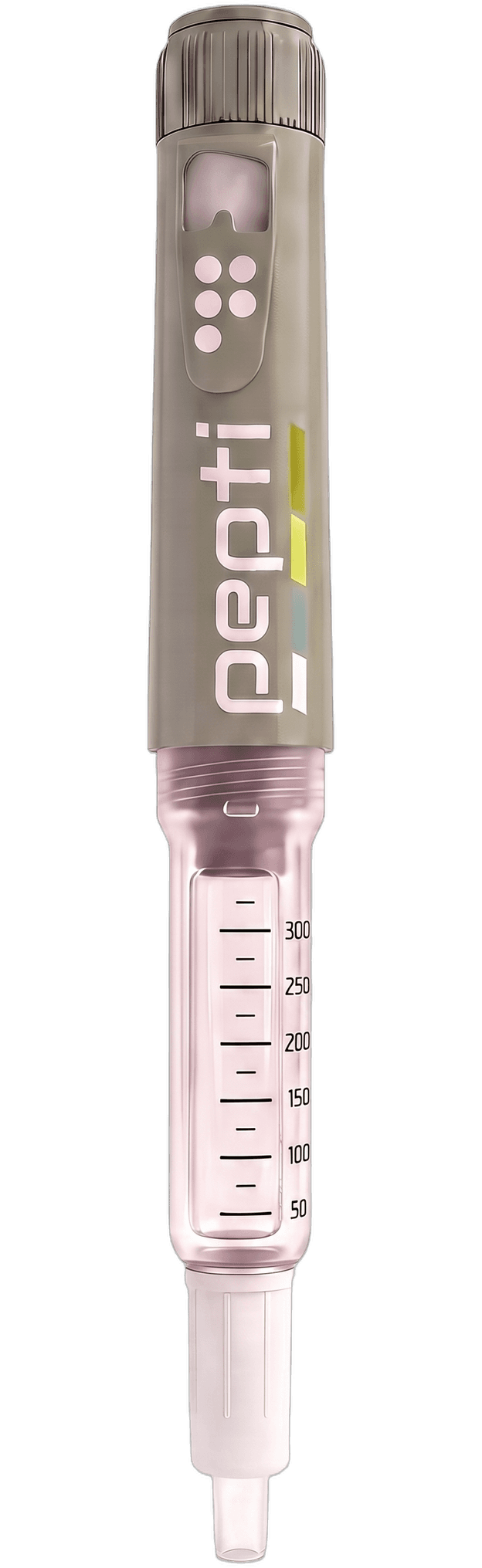
— Treatments mentioned
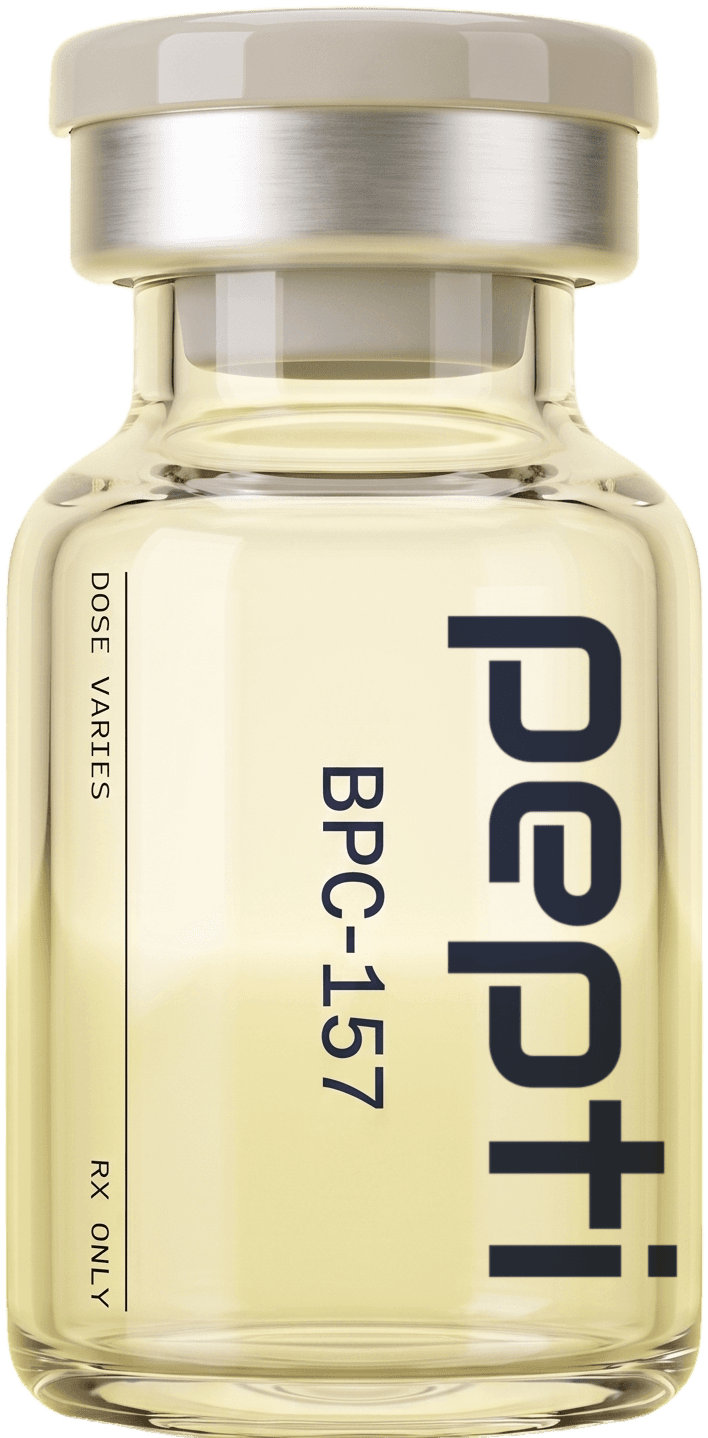
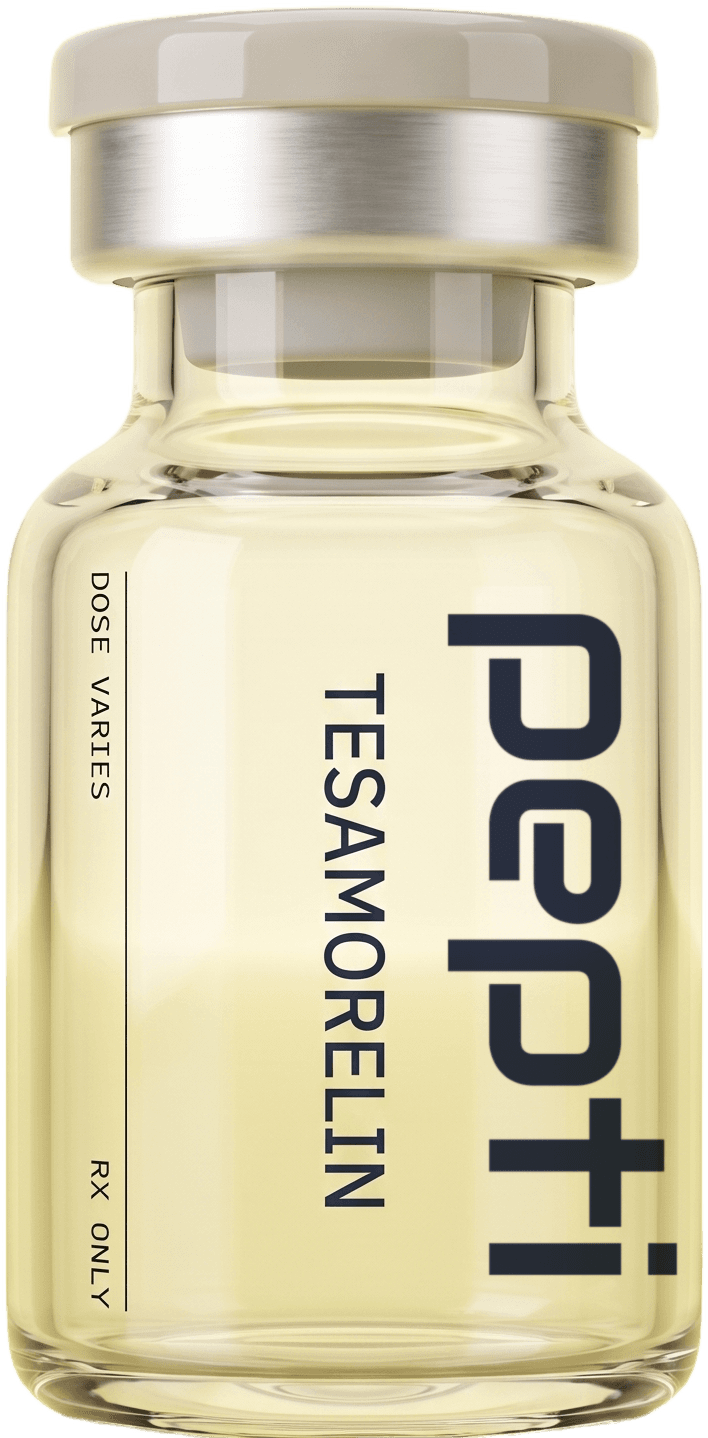
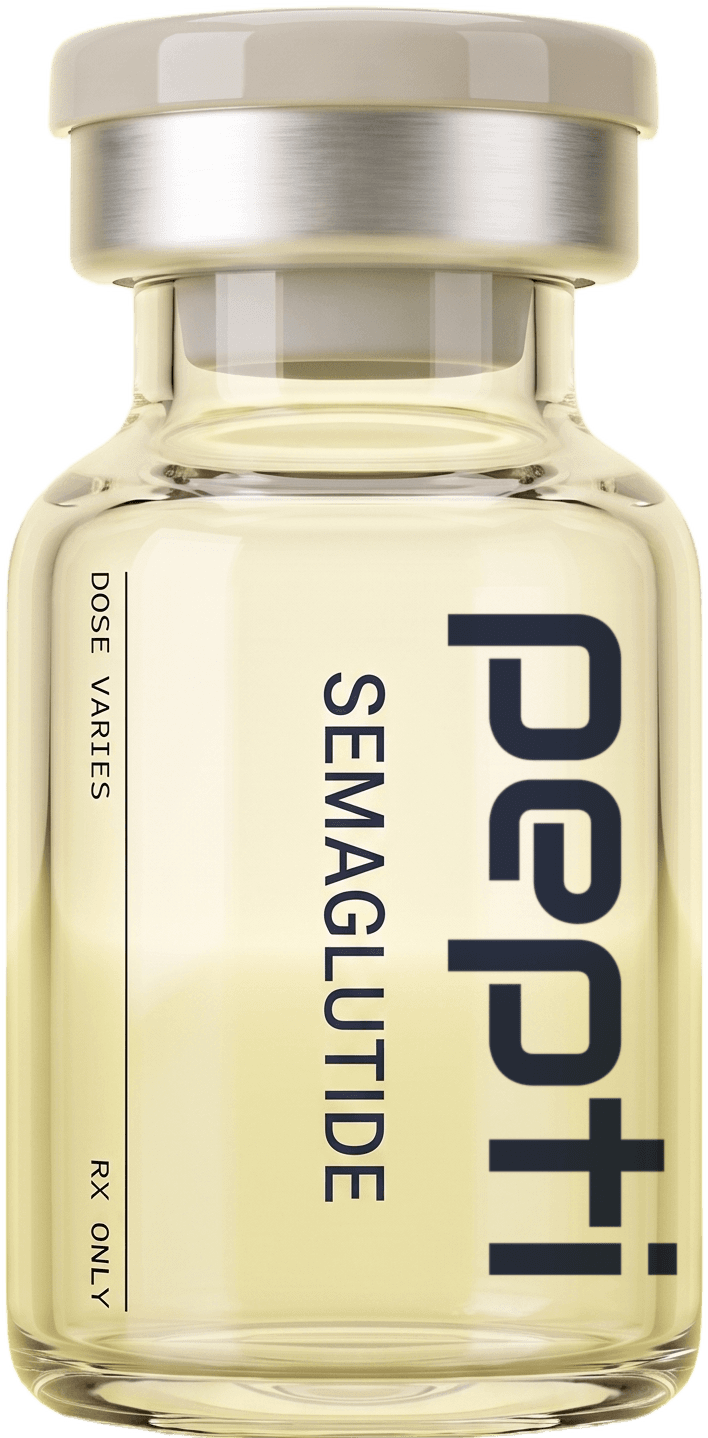
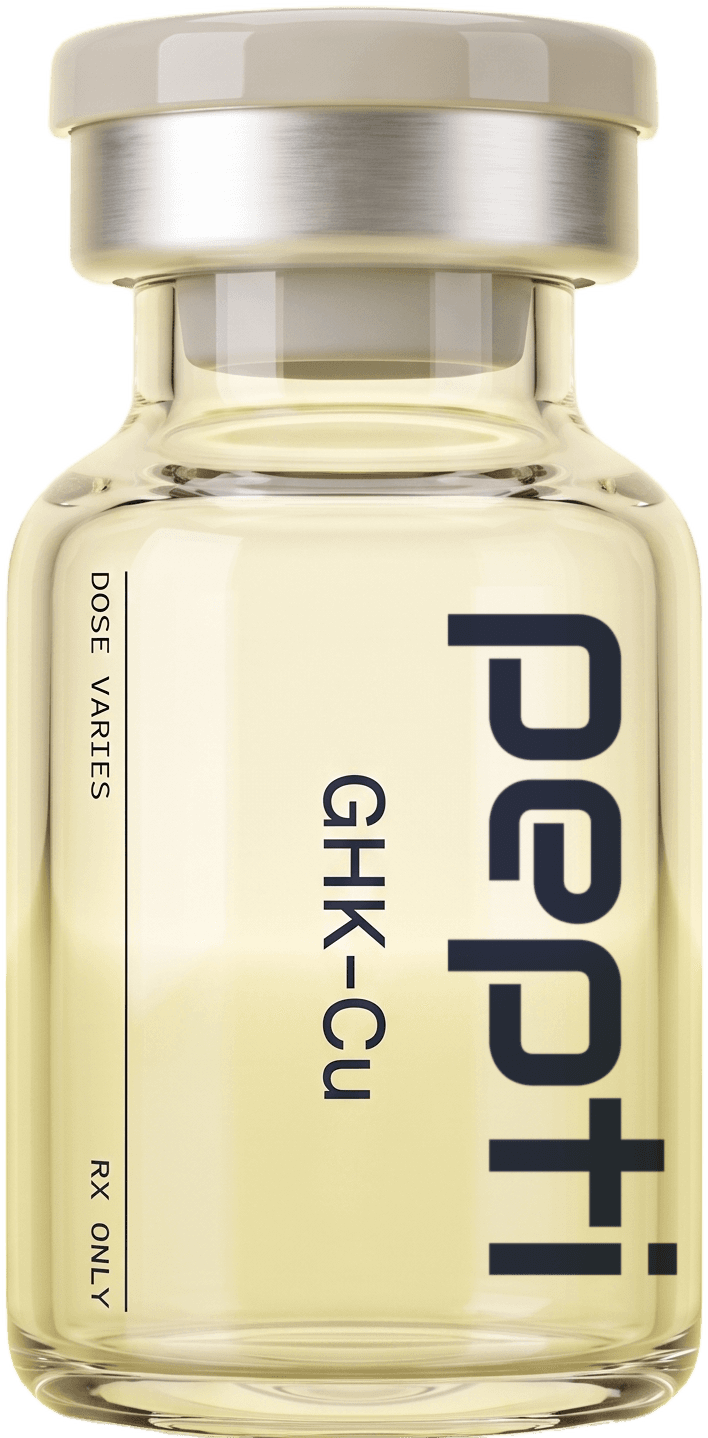
Yes. The peptides used clinically are prescription medications, so a licensed prescriber has to decide they are appropriate for you before a pharmacy can legally compound and dispense them. No prescription means no pharmacy, and no pharmacy means a research-chemical vial labelled not for human use. Whether your own doctor will write that prescription is a separate question, and the answer is often no, for reasons that are defensible rather than obstructive. Telehealth exists to fill that gap with physicians who work in this area routinely, and a legitimate one can also decline.
This page covers the statutes that make a prescriber mandatory, what a physician screens for, why a primary-care doctor often says no, how telehealth prescribing is regulated, how to tell a real review from a rubber stamp, how the Pepti process works, and where compounded peptides stand with the FDA right now.
— Do You Need a Doctor to Get Peptides? Yes, and Here Is Exactly Why
The short answer
| What you want treated | A commonly prescribed option | What is in it | Price |
|---|---|---|---|
| A stalled soft-tissue injury | KLOW | 50 mg GHK-Cu, 10 mg KPV, 10 mg BPC-157, 10 mg TB-500 | $259 |
| Sleep, recovery and body composition together | TITAN | 10 mg Tesamorelin, 6 mg CJC-1295, 12 mg Ipamorelin, 10 mg BPC-157 | $279 |
| Focus, mood and gut inflammation | ELEVATE | 5 mg Semax, 5 mg Selank, 10 mg BPC-157, 10 mg KPV | $249 |
| Sleep quality alone | DSIP | 5 mg DSIP in 5 mL | $249 |
| Low desire | PT-141 | 10 mg PT-141 in 5 mL | $259 |
| Weight and metabolic health | Semaglutide | Dose-specific vials, priced per rung | From $99 |
All-in monthly prices including medication, physician review, refill management and shipping, on a subscription you can cancel yourself.
Every row in that table is a prescription. The physician decides which, if any, is appropriate; none can be dispensed without that decision.
— Do You Need a Doctor to Get Peptides? Yes, and Here Is Exactly Why
Why a prescriber is legally required
The requirement is not a policy Pepti chose. It is two sections of the federal Food, Drug, and Cosmetic Act, and every legitimate pharmacy operates under both.
— The federal prescription requirement: 21 U.S.C. 353(b)
Section 503(b) of the Act, codified at 21 U.S.C. 353(b), covers any drug that is not safe for use except under the supervision of a licensed practitioner because of its "toxicity or other potentiality for harmful effect, or the method of its use, or the collateral measures necessary to its use," and any drug an approved application limits to professional supervision. Such a drug "shall be dispensed only (i) upon a written prescription of a practitioner licensed by law to administer such drug, or (ii) upon an oral prescription of such practitioner which is reduced promptly to writing and filed by the pharmacist, or (iii) by refilling any such written or oral prescription if such refilling is authorized by the prescriber."
The same subsection carries the penalty: "The act of dispensing a drug contrary to the provisions of this paragraph shall be deemed to be an act which results in the drug being misbranded while held for sale." Misbranding is a federal violation for the pharmacy, which is why no licensed pharmacy will ship an injectable peptide on the strength of a checkout form. The label must also carry, at minimum, the symbol "Rx only."
An injectable peptide meets the definition on its method of use alone: subcutaneous injection, sterile preparation, a dose measured in syringe units, and contraindication screening are exactly the "method of its use" and "collateral measures" the statute describes. That is why BPC-157, semaglutide, tesamorelin and everything else in the table above are prescription-only, whether or not the molecule has an FDA-approved counterpart.
— Section 503A: a compounded drug exists only for a named patient
Compounded medications sit under a second section, 503A, codified at 21 U.S.C. 353a. It exempts a compounded drug from the approval, manufacturing-practice and labeling requirements that apply to manufactured drugs, but only when "the drug product is compounded for an identified individual patient based on the receipt of a valid prescription order," or on a prescriber's notation that a compounded product is necessary for that patient.
Read together: section 353(b) says a prescription drug may be dispensed only against a prescription, and section 353a says a compounded drug may exist only for an identified patient with one. There is no version of a compounded peptide a pharmacy can lawfully prepare for nobody in particular and sell to whoever asks.
The FDA's guidance on the prescription requirement under section 503A, issued in December 2016, reads the condition the same way: compounding is for "an identified individual patient based on a valid prescription order." It allows a pharmacy to prepare a limited amount in advance, "in limited quantities based on the history of prescriptions for identified patients," with a 30-day supply as the boundary in the circumstances it describes. A pharmacy filling a preparation for its own patients may keep a short runway ready; it cannot compound a shelf of vials for the open market.
— Three doors for the ingredient itself
Section 503A also governs what the pharmacy may compound with. A bulk drug substance may be used if it complies with a United States Pharmacopeia or National Formulary monograph, if it is a component of an FDA-approved drug, or if it appears on a list the FDA develops by regulation, and it must come from an FDA-registered establishment with a valid certificate of analysis. The section also bars compounding "regularly or in inordinate amounts" a drug that is essentially a copy of a commercially available product, and caps out-of-state shipments at 5 percent of a pharmacy's prescription orders in a state that has not signed a memorandum of understanding with the FDA.
This is why the pharmacy's identity matters as much as the prescriber's. A research-chemical vendor satisfies none of those conditions; a licensed 503A pharmacy has to satisfy all of them, and the certificate of analysis for your lot is a document you can ask for. Pepti publishes lot results at /quality/lab-results.
— With a prescriber and without one
With a prescriber Without one Who decides the molecule and dose A clinician with your history in front of them You, from forum consensus Where the medication comes from A state-licensed, FDA-registered compounding pharmacy A chemical supplier Contraindication screening Done before anything ships Not done What is on the label Your name, drug, strength, directions "Not for human consumption" If you have a reaction A named clinician to message Nobody In your medical record Yes No Neither column is FDA approved, and that surprises people. Compounded medication is legal and is not approved, which is explained in are peptides FDA approved. The FDA's own wording: "Compounded drugs are not FDA-approved. This means that FDA does not verify the safety, effectiveness or quality of compounded drugs before they are marketed." The difference between the columns is not approval. It is whether a licensed clinician, a licensed pharmacy and a certificate of analysis stand behind the vial, or nobody does.
— Do You Need a Doctor to Get Peptides? Yes, and Here Is Exactly Why
What the doctor is actually screening for
This is the part that makes the requirement useful rather than bureaucratic. Each of these is a real reason a prescriber changes or refuses a plan.
| What they ask about | What it changes |
|---|---|
| Personal or family cancer history | Growth-signalling peptides and angiogenesis-supporting ones are approached differently or avoided |
| Diabetes or impaired glucose tolerance | Growth hormone reduces insulin sensitivity, which matters for sermorelin, tesamorelin and similar |
| Medullary thyroid carcinoma or MEN 2 in the family | A contraindication for GLP-1 medications specifically |
| Pregnancy or breastfeeding | Safety data is absent across this category |
| Anticoagulants | Vascular mechanisms are described for several repair peptides |
| Wilson's disease or high-dose zinc use | GHK-Cu delivers copper, so copper handling matters |
| Current medications and supplements | Interactions, duplications and existing side effects that explain the complaint |
| The symptom itself | Night pain, weakness, numbness or a locking joint means imaging, not a vial |
A checkout that asks none of this has not replaced a doctor with technology. It has removed the doctor.
— Cancer history and growth signaling
Several of the most-requested peptides are described in the research as supporting angiogenesis or growth-factor signaling. Animal work reports BPC-157 activating the VEGFR2 receptor (Journal of Molecular Medicine, 2017); thymosin beta-4, the parent protein of TB-500, is described as promoting endothelial cell migration in cell models (FASEB Journal, 1997); and a 1973 paper in Nature New Biology reported GHK-Cu stimulating growth in neoplastic liver tissue. None of this is evidence that a peptide causes cancer. It is the reason a physician reading "history of melanoma" slows down, asks when and what, and may decline a repair peptide or a growth-hormone secretagogue for that person specifically.
— Glucose, thyroid and the growth-hormone axis
Sermorelin, tesamorelin, CJC-1295 and ipamorelin act by raising the body's own growth hormone output, and growth hormone reduces insulin sensitivity. The tesamorelin trials in HIV-infected adults monitored glucose throughout for that reason (New England Journal of Medicine, 2007). A patient with prediabetes, or an HbA1c nobody has checked in years, is a patient the physician wants labs on before writing tesamorelin or sermorelin; do you need bloodwork before peptides covers which molecules warrant it. Semaglutide and tirzepatide carry their own screen: a personal or family history of medullary thyroid carcinoma or Multiple Endocrine Neoplasia type 2, with pancreatitis history and pregnancy as the other hard stops. Pepti's published prescribing rules name all three for GLP-1 requests.
— Pregnancy, interactions, and the symptom that needs imaging
There is no safety data for any compounded peptide in pregnancy or breastfeeding, and none is coming. A physician who learns a patient is pregnant, breastfeeding, or planning a pregnancy declines; Pepti screens for it on every treatment.
The intake asks for every current medication because the interactions are concrete. A GLP-1 alongside insulin or a sulfonylurea raises hypoglycemia risk; alongside warfarin it changes how the anticoagulant is absorbed. PT-141 is described in its trials as producing a transient rise in blood pressure after dosing (Journal of Women's Health, 2022), which is why uncontrolled hypertension is a reason to decline it. GHK-Cu delivers copper, so high-dose zinc or Wilson's disease is handled differently.
And sometimes the most useful thing a physician does with a peptide request is refuse it and order an X-ray. Night pain in a joint, progressive weakness, numbness that follows a nerve, a knee that locks: these need a diagnosis, not BPC-157.
— Do You Need a Doctor to Get Peptides? Yes, and Here Is Exactly Why
Why your own physician may decline
Scope. Primary care manages blood pressure, diabetes, infections and referrals. Compounded peptides are outside routine practice, and declining something outside your practice is good medicine, not obstruction.
Evidence. Much of this literature is preclinical. A clinician who prescribes strictly within randomised-trial evidence will say no to most of this catalogue, and that position is defensible even where it is inconvenient.
Compounding unfamiliarity. Writing a compounded prescription means specifying strength, vehicle and volume and knowing which pharmacy can fill it. Most clinicians have never had to.
Liability and time. Prescribing outside your usual practice carries risk, and a fifteen-minute appointment is not where a novel therapy gets worked through.
The evidence point is worth making concrete. For semaglutide, a physician can point to the STEP 1 trial in the New England Journal of Medicine in 2021 and the SELECT cardiovascular-outcomes trial in 2023, both large, randomized and placebo-controlled. For BPC-157 the strongest paper is a 2006 rat Achilles-tendon study in the Journal of Orthopaedic Research. A physician who will write the first and not the second is applying one standard to two very different evidence bases.
— Do You Need a Doctor to Get Peptides? Yes, and Here Is Exactly Why
How to have the conversation anyway
Bring the problem, not the product
Bring the problem, not the product. "My Achilles has not settled in eight months despite rehabilitation" opens a clinical discussion. "Can you write me BPC-157" usually ends one.
Ask three questions: what would you suggest for this, is there a reason I should not consider a peptide given my history, and will you look at the labs if I have them. Even a doctor who will not prescribe can tell you whether the idea is a bad one for you specifically, which is worth the appointment on its own. There is a fuller script in how to talk to your doctor about peptides.
Tell them if you go elsewhere
If you go elsewhere, tell them. It belongs in your record, and the next clinician who treats you should not be guessing. Pepti's own terms say telehealth does not replace your primary physician, and that is the correct framing.
— Do You Need a Doctor to Get Peptides? Yes, and Here Is Exactly Why
Telehealth: what the law actually requires
— Prescribing by telehealth is a state matter
There is no single federal statute that licenses a physician to prescribe by video or questionnaire. Medical licensure is a state function, and each state's medical board sets its own rules for when a physician-patient relationship exists, what evaluation is required before a prescription, and whether it may happen remotely. The Center for Connected Health Policy, which tracks these rules, puts it plainly: "There are a number of nuances and differences across the states related to the use of technology and prescribing." This page does not list state-by-state rules, because they change and because the only one that matters to you is the one in the state you are standing in.
— Licensed where the patient is
The one requirement that does not vary is licensure in the patient's state. The Federation of State Medical Boards' board-by-board survey records that all state medical boards, plus those of the District of Columbia, Puerto Rico and the Virgin Islands, "require that physicians engaging in telemedicine are licensed in the state in which the patient is located," or registered there where a state runs a registry for interstate practice. The physician's location is irrelevant; yours is what counts. Pepti's serviceable footprint is defined by exactly this rule: a state is open only where a Pepti physician holds a license, and as of the current state-availability data that is all 50 states and Washington, D.C.
— A questionnaire alone is often not enough
The same tracker notes that "most states consider using only an internet/online questionnaire to establish a patient-provider relationship (needed to write a prescription in most states) as inadequate," and that some states require an examination before a prescription, which some specifically allow by telehealth. This is why a serious provider does more than collect answers: the physician can put a request on hold to ask a question, request labs, or move to video. Pepti's published terms describe care as "asynchronous messaging, questionnaire-based assessment, and video where needed." Federal law adds a further layer for controlled substances prescribed online; it does not apply here, because the peptide therapies prescribed through Pepti are not controlled substances.
— Do You Need a Doctor to Get Peptides? Yes, and Here Is Exactly Why
What a real telehealth review looks like, and what a fake one looks like
| Real review | Rubber stamp |
|---|---|
| Intake takes several minutes and asks about conditions, medications and allergies | Three questions and a card form |
| A named physician, licensed in your state, whose licence you can verify with the state board | No clinician named anywhere |
| Follow-up questions when something in your history is unclear | Instant approval, always |
| Labs requested where the molecule warrants them | No labs, ever |
| Sometimes declines, or prescribes something other than what you asked for | Approves everything, including what you picked |
| You can message the prescriber afterwards | A support inbox and a refill schedule |
| Plain statement that compounded medication is not FDA approved | Claims of approval, or silence |
A provider whose physicians never decline is running a storefront with a review-shaped step in it. Being told no is the clearest evidence the review was real.
How to verify the physician
Every state medical board runs a public license lookup; the record shows whether the license is active and whether there is disciplinary history. A provider that will not tell you who your physician is has removed your ability to do this, which is disqualifying on its own. Pepti names the physicians who lead its medical team on its prescribing page and states that the prescribing physician holds a license in your state. The single best question to ask any provider: has your physician ever declined a patient? A real provider can answer yes and say what happens next.
How to verify the pharmacy
A compounding pharmacy is licensed by its home state board of pharmacy and, to ship into your state, usually as a non-resident pharmacy by your state board as well. Both are public records, and a 503A pharmacy is also registered with the FDA. Ask which pharmacy fills your prescription, then ask for the certificate of analysis for your lot. Pepti's quality page sets out how its medications are compounded and tested.
— Do You Need a Doctor to Get Peptides? Yes, and Here Is Exactly Why
How the Pepti process works, step by step
This is the process as Pepti publishes it on its own site: what happens between starting the assessment and a vial arriving.
— 1. The assessment
The free online assessment collects your goals, health history, current medications, allergies, sex, height and weight. Medications and allergies are mandatory: the intake will not submit without them, and "none" is an answer. Incomplete or inconsistent answers are a reason to decline. Payment is taken at checkout, before review, so the pharmacy can ship the moment a physician approves; anything not prescribed is refunded.
— 2. Identity
You provide a photo of a government-issued ID, matched to the name and date of birth on your intake. No prescription is written for an unverified identity.
— 3. Physician review
A physician licensed in your state reads the intake; Pepti's stated window is review within 24 hours. The physician screens your history against the medication requested: for GLP-1s, personal or family history of medullary thyroid carcinoma or MEN-2, pancreatitis, and pregnancy or planned pregnancy; for every treatment, pregnancy and breastfeeding. Current medications are checked against the request. Where a medication requires labs, recent bloodwork has to be on file before the prescription is written; at-home blood testing exists for that step.
— 4. Approve, hold, or decline
The physician approves, places the request on hold to ask you a question through your account, or declines. A declined medication is refunded in full; on a multi-medication order only the declined line is refunded. The reason is recorded in your chart and you can message the physician about it. The prescribing physician is an independent medical professional, not a Pepti employee, and the decision is the physician's alone.
— 5. The pharmacy
An approved prescription goes to a state-licensed, FDA-registered 503A pharmacy, which compounds it to the physician's order; Pepti's quality page describes its pharmacies as PCAB-accredited, with independent batch testing before release. The vial or cartridge ships with a fixed directions sheet written in units.
— 6. After approval
The physician authorizes a set number of refills at approval, and each refill is reviewed before it goes to the pharmacy rather than sent automatically. A monthly fill is one vial, cartridge or bottle. Dose changes are requested from your account and approved or declined by the physician. Questions and side effects go through your account or the app at no extra cost. Cancelling stops future refills and charges immediately, with no contract and no fee.
— Do You Need a Doctor to Get Peptides? Yes, and Here Is Exactly Why
Where compounded peptides stand with the FDA right now
This section was verified against FDA sources in September 2026. Much of what is published online is out of date.
— Compounded medications are not FDA approved
This is true of every compounded medication, peptide or otherwise. The FDA's compounding Q&A states: "Compounded drugs are not FDA-approved. This means that FDA does not verify the safety, effectiveness or quality of compounded drugs before they are marketed." A 503A pharmacy, the kind that fills Pepti prescriptions, is state-licensed and, in the FDA's words, "the drugs must be compounded based on the receipt of valid patient-specific prescriptions." A 503B outsourcing facility is a separate category for larger-scale compounding, subject to manufacturing-practice requirements and FDA inspection. Neither produces an FDA-approved drug. A provider that tells you a compounded peptide is FDA approved is either confused or lying.
— The 503A bulks list and its three categories
Because most peptides have no USP monograph and are not components of approved drugs, they depend on the third door in section 503A: the FDA's list of bulk drug substances. While that list is being built, the FDA has sorted nominated substances into three interim categories. Category 1 holds substances nominated with sufficient supporting information and no identified safety concern, which may be used under the interim policy. Category 2 holds substances the FDA has identified as raising "significant safety risks," against which it "would consider taking action." Category 3 holds substances nominated with insufficient information to evaluate.
— What changed in 2026
On April 15, 2026 the FDA announced the removal of twelve peptide bulk drug substances from Category 2, so that they no longer carry the "significant safety risks" designation, and scheduled Pharmacy Compounding Advisory Committee meetings for July 23–24, 2026 and before the end of February 2027 to consider whether they belong on the 503A bulks list. The July meeting took place: on July 23 the committee considered BPC-157, KPV, TB-500 and MOTS-c, and on July 24 emideltide (DSIP), Semax and epitalon. The FDA's meeting page is explicit about what a vote means: "Advisory committees make non-binding recommendations to the FDA, which generally follows the recommendations but is not legally bound to do so." Final FDA determinations were still pending when this page was written. The current status of any single peptide is on its own reference page, for example what BPC-157 is.
— The approved-product cases
Two products in the table above sit differently. Semaglutide is the active ingredient of FDA-approved manufactured drugs, so a compounded version enters section 503A through the "component of an approved drug" door and is subject to the rule against compounding copies of commercially available products. Tesamorelin is the active ingredient of EGRIFTA, approved on November 10, 2010 for a specific indication in HIV-infected adults, and a compounded tesamorelin prescription for another purpose is off-label prescribing of a compounded product. In neither case is the compounded vial itself FDA approved. The regulatory picture is a reason to want a physician, not to avoid one: it is the framework a licensed provider operates inside, and a research-chemical vendor operates outside all of it.
— Do You Need a Doctor to Get Peptides? Yes, and Here Is Exactly Why
What the evidence shows, honestly
The reason a physician is worth more in this category than in a settled one is that the evidence is uneven. GLP-1s have large randomised trials behind the branded products. GHK-Cu has a deep literature including human skin studies. Sermorelin and tesamorelin have well-described mechanisms, with an approved tesamorelin product for a specific indication. BPC-157, TB-500, KPV and most of the rest rest on animal and cell research plus prescriber experience.
That unevenness is exactly why the judgement call matters. Nobody can promise you an outcome, compounded peptides are not FDA approved, and a clinician who tells you the research is stronger than it is has stopped being useful to you.
— Semaglutide: large randomized trials
STEP 1 (New England Journal of Medicine, 2021) randomized adults with overweight or obesity to once-weekly semaglutide or placebo over 68 weeks; STEP 5 (Nature Medicine, 2022) followed a similar population for two years; SELECT (New England Journal of Medicine, 2023) was a cardiovascular-outcomes trial in adults with obesity and established cardiovascular disease but without diabetes. A physician prescribing semaglutide is prescribing inside a large human evidence base, which is also why the screening questions for it are so specific.
— Tesamorelin and sermorelin: real trials, narrow populations
Tesamorelin was tested in randomized placebo-controlled trials in HIV-infected adults with abdominal fat accumulation (New England Journal of Medicine, 2007; JAMA, 2014) and in a smaller randomized trial in obese adults with reduced growth-hormone secretion (Journal of Clinical Endocrinology and Metabolism, 2012). Sermorelin was studied in randomized trials in older adults (Journal of Clinical Endocrinology and Metabolism, 1997; Archives of Neurology, 2012). Human data for both are real; the populations were specific, and prescribing outside them rests on mechanism plus clinical judgment.
— GHK-Cu: a long literature, mostly in skin
The cell and animal work on GHK-Cu describes stimulation of collagen synthesis in cultured fibroblasts (FEBS Letters, 1988) and connective-tissue accumulation in rat wounds (Journal of Clinical Investigation, 1993). The human studies are topical: ulcers in patients with diabetes (Wound Repair and Regeneration, 1994) and laser-resurfaced skin (Archives of Facial Plastic Surgery, 2006). There are no randomized human trials of injectable GHK-Cu, which is the form KLOW contains.
— BPC-157, TB-500 and KPV: preclinical plus prescriber experience
There are no randomized controlled trials of BPC-157 in humans. The literature is animal and cell work: Achilles-tendon reattachment in rats (Journal of Orthopaedic Research, 2006), growth-hormone receptor upregulation in cultured tendon fibroblasts (Molecules, 2014), and a gastrointestinal literature reviewed in Current Pharmaceutical Design (2011, 2018). TB-500 is a fragment of thymosin beta-4; the parent protein has a randomized placebo-controlled dose study in healthy volunteers (Annals of the New York Academy of Sciences, 2010) and a phase 2 randomized trial as an eye drop in dry eye (Cornea, 2015), but TB-500 itself has no randomized human trials. KPV has murine inflammatory-bowel-disease data (Gastroenterology, 2008) and no randomized human trials. A physician who prescribes any of these is prescribing on mechanism and experience, and should say so.
— PT-141 and DSIP: human trials, different eras
PT-141 (bremelanotide) has a modern randomized evidence base in premenopausal women with hypoactive sexual desire disorder (Women's Health, 2016; Obstetrics and Gynecology, 2019) plus earlier controlled studies in men (International Journal of Impotence Research, 2004). DSIP's human trials are small double-blind studies in chronic insomniacs from the 1980s and early 1990s (Lancet, 1981; Neuropsychobiology, 1992). Both have human data; the size, age and population differ, and a physician weighs that.
If every peptide had a STEP 1 behind it, a checklist could prescribe. Because the evidence ranges from large outcomes trials to rat tendons, someone has to decide, for a specific person with a specific history, whether the case matches the request. That someone has to be licensed where you live, able to say no, and reachable afterwards. That is what "do you need a doctor" actually means.
— References
What this is based on.
References
- Chang CH, Tsai WC, Hsu YH, Pang JH. Pentadecapeptide BPC 157 enhances the growth hormone receptor expression in tendon fibroblasts · Molecules (2014) · PMID 25415472
- Krivic A, Anic T, Seiwerth S, et al.. Achilles detachment of rat and stable gastric pentadecapeptide BPC 157 · Journal of Orthopaedic Research (2006) · PMID 16583442
- Sikiric P, Seiwerth S, Rucman R, et al.. Stable gastric pentadecapeptide BPC 157: novel therapy in gastrointestinal tract · Current Pharmaceutical Design (2011) · PMID 21548867
- Cerovecki T, Bojanic I, Brcic L, Radic B, et al.. Pentadecapeptide BPC 157 (PL 14736) improves ligament healing in the rat · J Orthop Res (2010) · PMID 20225319
- Sikiric P, Seiwerth S, Rucman R, Turkovic B, et al.. Stable gastric pentadecapeptide BPC 157-NO-system relation · Curr Pharm Des (2014) · PMID 23755725
- Cox HD, Miller GD, Eichner D. Detection and in vitro metabolism of the confiscated peptides BPC 157 and MGF R23H · Drug Test Anal (2017) · PMID 28035768
- Thomas A, Görgens C, Guddat S et al.. Simplifying and expanding the screening for peptides <2 kDa by direct urine injection, liquid chromatography, and ion mobility mass spectrometry · J Sep Sci (2016) · PMID 26578461
- Farrar JT, Young JP Jr, LaMoreaux L, Werth JL et al.. Clinical importance of changes in chronic pain intensity measured on an 11-point numerical pain rating scale · Pain (2001) · PMID 11690728
- Meyer JD, Ho B, Manning MC. Effects of conformation on the chemical stability of pharmaceutically relevant polypeptides · Pharm Biotechnol (2002) · PMID 11987755
- Xu C, Sun L, Ren F, Huang P, et al.. Preclinical Safety Evaluation of Body Protective Compound-157, a Potential Drug for Treating Various Wounds · Regul Toxicol Pharmacol (2020) · PMID 32334036
- He L, Feng D, Guo H, et al.. Pharmacokinetics, distribution, metabolism, and excretion of body-protective compound 157, a potential drug for treating various wounds, in rats and dogs · Front Pharmacol (2022) · PMID 36588717
- Lee E, Padgett B. Intra-Articular Injection of BPC 157 for Multiple Types of Knee Pain · Altern Ther Health Med (2021) · PMID 34324435
Citations are provided for educational purposes. They do not constitute medical advice. Always discuss any peptide protocol with your prescribing physician.
— Common questions
Do You Need a Doctor to Get Peptides? Yes, and Here Is Exactly Why, answered.
Only as research chemicals sold under a not-for-human-use label, with no pharmacy, no assessment and no accountability. See can you buy peptides without a prescription. Federal law is the reason: 21 U.S.C. 353(b) requires a prescription, and 21 U.S.C. 353a allows a pharmacy to compound only for an identified patient with one.
Often not, usually because compounded peptides sit outside their scope or because they prescribe strictly within randomised-trial evidence. Ask anyway, and ask what they would suggest instead. The most useful thing your own doctor can tell you is whether something in your history makes a particular peptide a bad idea for you.
No. Telemedicine prescribing is legal and regulated state by state, and these are not controlled substances. The requirement is a physician licensed where you are, reviewing a genuine intake. See is peptide telehealth legit. Most states treat an online questionnaire alone as insufficient, which is why a real review includes follow-up questions, labs where warranted, and video where needed.
Yes. State licensure is the legal requirement, not a feature a provider can choose to skip, and it is a fair question to ask before you pay. Every state medical board requires a physician practicing telemedicine to be licensed, or registered where a registry exists, in the state where the patient is located. You can check any physician on your state board's public lookup.
Ask why. The answer is usually either a contraindication in your history or a judgement that the problem needs a different investigation, and both are more useful than a prescription would have been. At Pepti a declined medication is refunded in full, the reason is recorded in your chart, and you can message the physician about it.
It depends on the molecule. Growth-hormone secretagogues and hormonal complaints usually warrant labs; repair peptides often do not. See do you need bloodwork before peptides. Where a medication requires labs, Pepti's physicians need recent bloodwork on file before the prescription is written, and at-home blood testing covers that without a lab visit.
Prescriptive authority varies by state and many clinicians other than physicians prescribe legitimately. What matters is that the person reviewing your file is licensed where you are and that you can find out who they are. Pepti's reviews are done by physicians licensed in your state.
The federal prescription requirement is written as an obligation on the dispenser: dispensing a prescription drug without one misbrands the drug in the seller's hands. What the buyer receives is a product no pharmacy prepared, no clinician screened, and no certificate of analysis covers. The legal question is the seller's; the safety question is yours.
Because section 503A permits compounding only "for an identified individual patient based on the receipt of a valid prescription order." A pharmacy cannot lawfully compound a batch of BPC-157 for stock. The label on your vial carries your name, the drug, the strength and the directions because the law requires the medication to exist for you specifically.
No. A prescription makes the medication legal to dispense; it does not make it approved. The FDA states that compounded drugs are not FDA-approved and that it does not verify their safety, effectiveness or quality before marketing. Full explanation in are peptides FDA approved.
It depends on the state and on what the questionnaire reveals. Many states regard a questionnaire alone as inadequate to establish the relationship a prescription requires, which is why a genuine review can put a request on hold, ask questions, request labs, and use video where needed. A provider that approves every questionnaire instantly is not doing a review.
At Pepti, payment is collected at checkout so the pharmacy can ship as soon as a physician approves. If the physician declines, the medication is not prescribed and you are refunded in full for it. On an order with more than one medication, only the declined line is refunded.
Ask which pharmacy fills your prescription, then check it with its home state board of pharmacy and your own state board's non-resident pharmacy lookup. A 503A pharmacy is also registered with the FDA and must source bulk substances from registered establishments with a certificate of analysis. Pepti describes its pharmacies on its quality page and publishes lot results at /quality/lab-results. The free assessment goes to a physician licensed in your state. A consultation does not guarantee a prescription.
— Next step
See what a physician
recommends for you.
A licensed physician in your state reviews your intake and decides what is appropriate. A consultation does not guarantee a prescription.
Important legal & safety information
The assessment process available on the Pepti website asks a series of medical questions, and the answers provided are reviewed by an independent licensed physician affiliated with our partner physician network. The licensed providers have established exclusionary criteria, and the answers provided determine if the individual is screened out of eligibility for treatment. The licensed clinicians retain the sole decision to prescribe peptide therapy and other compounded medications to patients. Treatment may be denied at the physician's sole discretion. If a prescription is not approved, you will not be charged for the medication.
Pharmacy Providers. Pepti is a technology platform and is not a healthcare provider, pharmacy, or prescriber. All medications offered through the platform are compounded by independent FDA-registered 503A or 503B compounding pharmacies based on a valid prescription written by a licensed physician for an individual patient. Compounded medications are not FDA-approved as products. The active pharmaceutical ingredients used by our partner pharmacies are sourced from FDA-registered facilities. Compounded medications may not undergo the same testing or quality control as commercially manufactured FDA-approved drugs.
Results vary. Results from peptide therapy and other compounded treatments vary based on individual factors, including age, weight, medical history, adherence to the prescribed protocol, lifestyle factors, and physiological response. Pepti makes no guarantee of any specific outcome. Statements about peptide therapy and compounded medications offered through the platform have not been evaluated by the Food and Drug Administration. These products are not intended to diagnose, treat, cure, or prevent any disease.
Product images. Product photographs and renderings shown on this website are for illustrative purposes only. The appearance of vials, packaging, labeling, and other materials you receive may vary and is determined by the dispensing compounding pharmacy.
Off-label use.Many peptides offered through the platform are prescribed for off-label use. “Off-label” means the medication is being prescribed for a use, dose, or patient population that is not specifically approved by the FDA. Off-label prescribing is legal and common in U.S. medical practice when supported by clinical experience and judgment.
Mailing & shipping. Pepti currently dispenses prescription medication to patients in all 50 states and Washington, D.C.. All orders ship in unbranded, tamper-evident packaging via expedited delivery from our partner compounding pharmacies. Temperature-sensitive medications ship with insulated packaging and ice packs. Shipping is included at no additional cost. We do not currently ship medication outside all 50 states and Washington, D.C., internationally, or to APO/FPO addresses.
Not for emergencies. Pepti is not designed for medical emergencies. If you are experiencing a medical emergency, call 911 or go to your nearest emergency room immediately. For urgent but non-emergency medical questions, contact your primary care provider or use an urgent care service.
No doctor-patient relationship with Pepti. Your use of the platform does not create a doctor-patient relationship between you and pepti LLC. A doctor-patient relationship is established only between you and the independent licensed physician who reviews your intake and prescribes your treatment. The physicians who use the platform are independent contractors and are solely responsible for the medical care they provide.
Prescription medications. All prescription products require a valid prescription from a licensed healthcare provider. By using the platform, you acknowledge that you are at least 18 years old and that the information you provide is true, accurate, current, and complete. Providing false information may result in inappropriate treatment recommendations or denial of service.
Cosmetic & wellness products.Certain products offered through Pepti — including skincare, hair care, body care, supplements, men's grooming, sports recovery, and sexual wellness products — are cosmetic or dietary supplement products, not prescription medications. These products do not require a prescription and are not reviewed or prescribed by a physician. Statements regarding dietary supplements have not been evaluated by the Food and Drug Administration. These products are not intended to diagnose, treat, cure, or prevent any disease. Results vary by individual. Consult your healthcare provider before starting any new supplement or topical product, especially if you are pregnant, nursing, or taking other medications.
pepti LLC · Delaware Limited Liability Company · 131 Continental Dr, Suite 305, Newark, DE 19713 · For media or partnership inquiries, email hello@hellopepti.com. For patient support, email support@hellopepti.com. For privacy and HIPAA inquiries, email privacy@hellopepti.com.