— Recovery · Reference
Is BPC-157 Banned? Regulatory Status, Sport Rules and What It Means
This page is general information, not legal advice, and the regulatory position changes. Your pharmacy and prescriber work to the current rules, which is the reason to ask them rather than rely on a page.
— Treatments mentioned
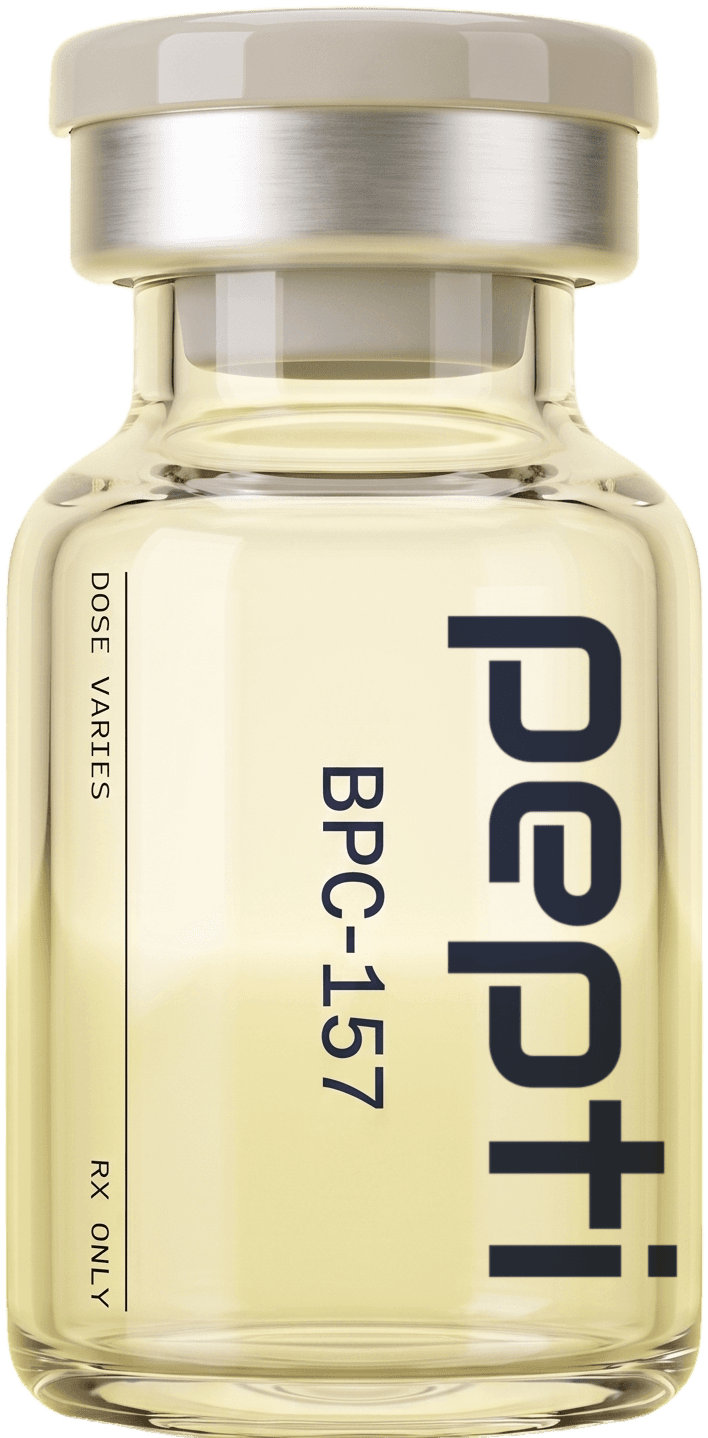
BPC-157 is not a controlled substance and possessing it is not a crime, but it is prohibited in tested sport and it sits in a regulatory category that determines whether a pharmacy may compound it, which is why availability moves. Those are three separate questions that get collapsed into the word "banned". The anti-doping prohibition is settled and applies to anyone in a tested pool. The compounding question is administrative and has changed over time. Neither means the substance is illegal to hold or that a physician cannot discuss it with you.
This page is general information, not legal advice, and the regulatory position changes. Your pharmacy and prescriber work to the current rules, which is the reason to ask them rather than rely on a page.
— Is BPC-157 Banned? Regulatory Status, Sport Rules and What It Means
The short answer
| The question you are actually asking | The answer | What it affects |
|---|---|---|
| Is it a controlled substance? | No. It is not scheduled | Possession, criminal exposure |
| Is it FDA approved? | No | Whether it can be marketed as a finished drug |
| Can a pharmacy compound it? | This is the part that has been subject to regulatory review, and availability varies by pharmacy and over time | Whether you can be prescribed it at all |
| Is it prohibited in sport? | Yes, in tested competition | Athletes in a testing pool |
| Is it sold as a research chemical? | Yes, openly, on a not-for-human-use basis | Nothing regulated, and nobody accountable |
If BPC-157 is not currently available to you, the alternatives your physician might discuss are listed here.
| If BPC-157 was the plan | What else covers similar ground | What is in it | Price |
|---|---|---|---|
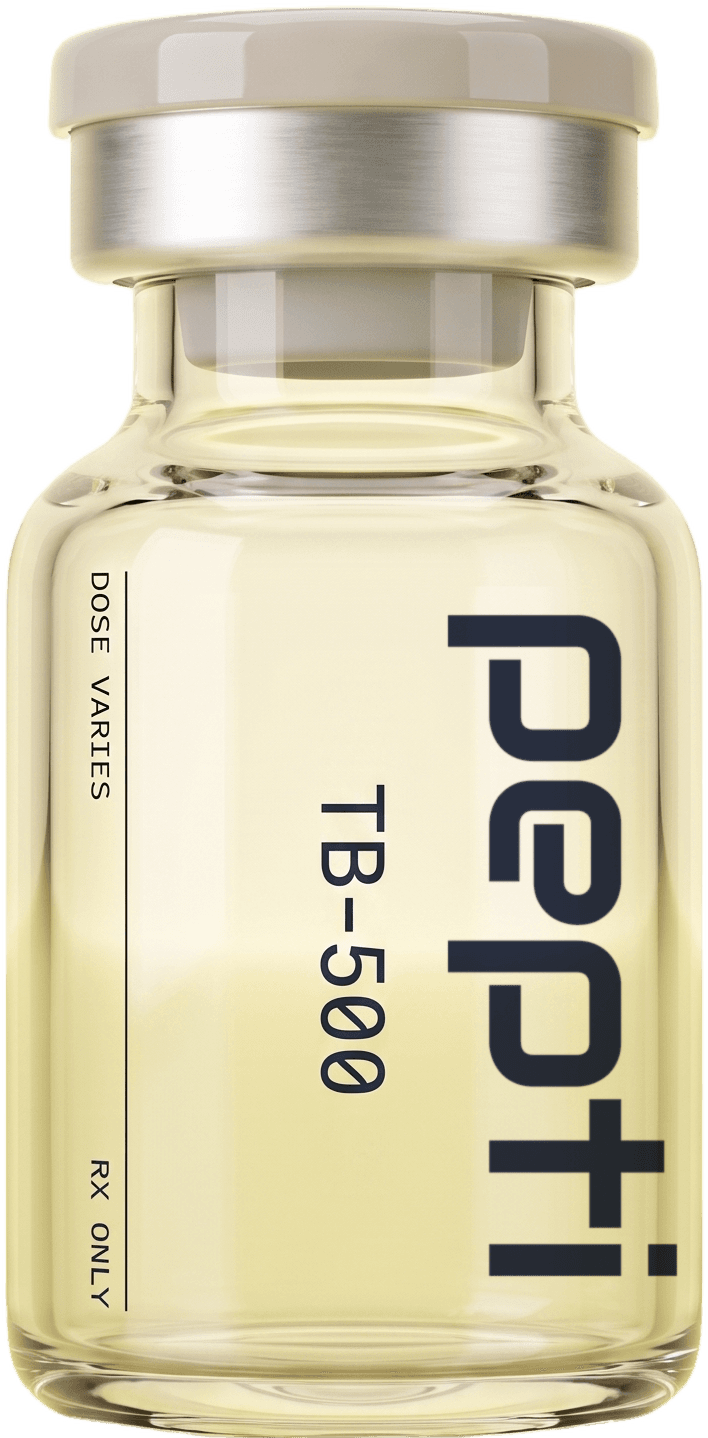
| Soft-tissue repair | TB-500 | 5 mg TB-500 in 5 mL | $209 |
| Repair plus skin and collagen | GLOW | 50 mg GHK-Cu, 10 mg BPC-157, 10 mg TB-500 | $259 |
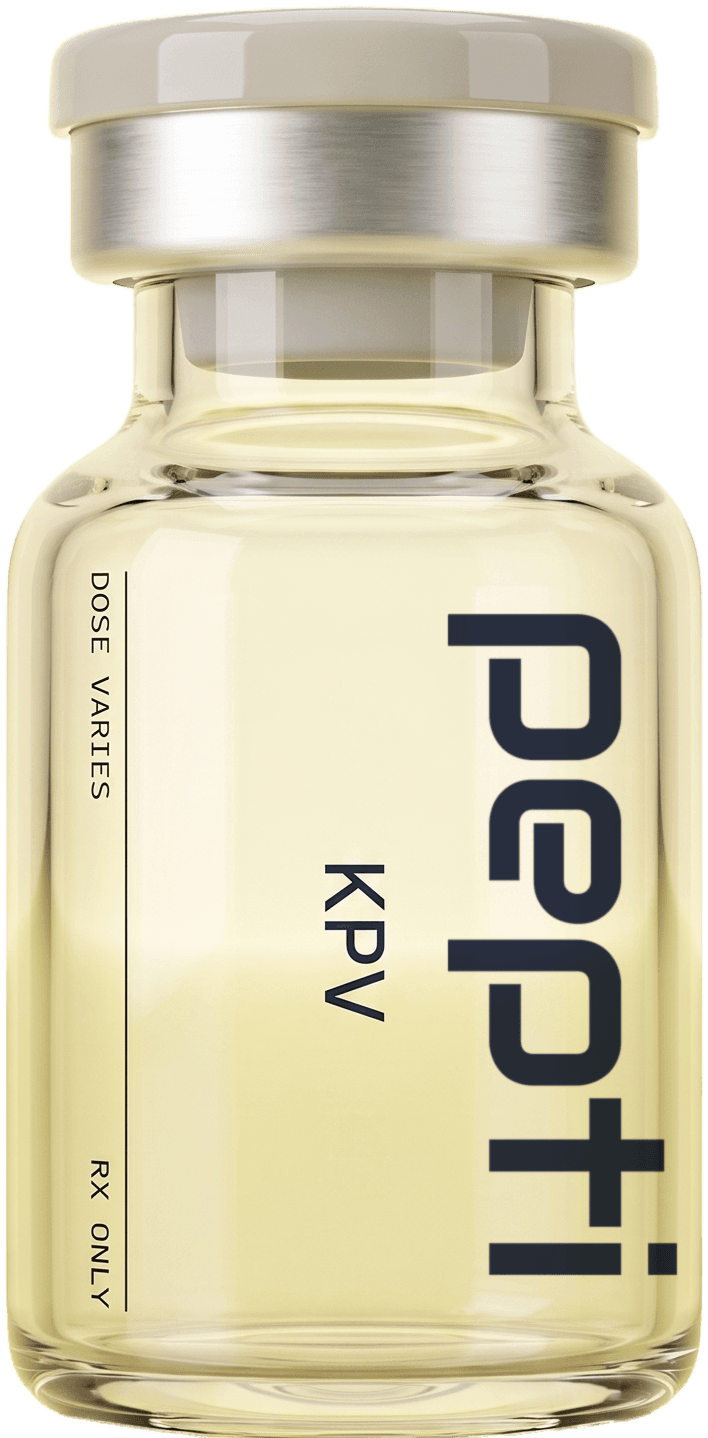
| Inflammation-led complaints | KPV | 10 mg KPV in 5 mL | $229 |
| Skin and matrix repair | GHK-Cu | 50 mg GHK-Cu in 5 mL | $239 |
All-in monthly prices covering medication, physician review, refill management and shipping. None are FDA approved. Which of them, if any, is appropriate is a decision for a physician with your history in front of them, not a substitution you make yourself.
— Is BPC-157 Banned? Regulatory Status, Sport Rules and What It Means
Three different questions wearing one word
"Banned" is doing too much work. People asking it are usually asking one of three unrelated questions, each answered by a different body under a different law.
Is it illegal for me to have? A controlled-substances question, answered by the Controlled Substances Act and state law. BPC-157 is not scheduled.
Can a pharmacy legally make it for me? A compounding question, answered by section 503A of the Federal Food, Drug, and Cosmetic Act and the FDA's bulk drug substances lists. This is the part that has moved most in 2026.
Will it cost me my eligibility to compete? An anti-doping question, answered by the World Anti-Doping Agency's Prohibited List and, for US college athletes, the NCAA's banned drug classes. Not ambiguous, and unchanged.
These do not track each other. A substance can be legal to hold, unavailable from any pharmacy, and career-ending for a tested athlete, all at once. BPC-157 is close to that.
— Is BPC-157 Banned? Regulatory Status, Sport Rules and What It Means
Question one: is BPC-157 illegal?
— Controlled substance versus unapproved drug
Different statutes, different agencies. Controlled substances are scheduled under the Controlled Substances Act because of abuse and dependence potential, and that is what creates criminal exposure for possession. BPC-157 has never been scheduled.
"Unapproved new drug" is a Food, Drug, and Cosmetic Act concept and regulates commerce rather than possession: no sponsor has taken it through an approval application for a specific indication, so it may not be marketed as a finished drug product. The enforcement target is the seller, not the patient.
— What FDA has actually said about its approval status
FDA's May 2026 review memorandum to the Pharmacy Compounding Advisory Committee states that "there is no approved product containing BPC-157-related BDSs in any country at this time," and that BPC-157 has no United States Pharmacopeia or National Formulary monograph and is not a component of any FDA-approved drug. That is a statement about filings, not a finding that the molecule harmed anyone.
— Where the law does bite: the research-use-only market
The part of the market that attracts enforcement is the one selling BPC-157 labelled "for research use only, not for human consumption" while supplying dosing tables and injection instructions. FDA issued warning letters to online peptide sellers in August 2026 on the reasoning that human-use instructions defeat that disclaimer, and state boards in Alabama and Ohio have acted against clinics dispensing research-labelled product.
Nobody is coming after a patient for what is in their refrigerator. But a product sold on a not-for-human-use basis carries no accountability for identity, purity, sterility or concentration — the subject of research peptides vs prescription peptides. State medical and pharmacy boards add a further layer, which is one reason availability differs by state.
— Is BPC-157 Banned? Regulatory Status, Sport Rules and What It Means
Question two: can a pharmacy compound it?
— The three doors into a 503A compounding pharmacy
A pharmacist compounding under section 503A may only use a bulk drug substance that does one of three things: complies with an applicable USP or NF monograph, is a component of an FDA-approved drug product where no monograph exists, or appears on the 503A Bulks List, codified at 21 CFR 216.23.
BPC-157 goes through none of those doors today. There is no monograph for it, it is not a component of any approved drug, and it does not appear on the 503A Bulks List as published by FDA, current as of 14 May 2026.
— The interim categories, and why they are mostly history
For years FDA sorted nominated substances into three interim categories: category 1, where FDA did not intend to act against a compounder using them; category 2, where FDA had identified significant safety risks; and category 3, insufficient information to evaluate.
That framework was retired. FDA's 2025 interim policies provide that nominations submitted on or after 7 January 2025 are no longer categorized or published by category, and that category 2 and 3 substances are not afforded enforcement discretion even if a nominator later supplies more information.
So a page saying BPC-157 "is category 2" describes a system that no longer runs that way. What matters now is the Bulks List and the rulemaking that feeds it.
— What FDA's own reviewers concluded in May 2026
An FDA review team, in a memorandum dated 11 May 2026, evaluated BPC-157 free base and BPC-157 acetate against the statutory criteria and recommended against adding either to the 503A Bulks List. Its reasons: the substances are not well characterized physicochemically, in part because "BPC-157" is a common name rather than an established USAN, INN or IUPAC name, so multiple salts and derivatives are sold under it; there is insufficient information to characterize a clinical safety profile; the effectiveness evidence for the nominated indication was inadequate; and approved products already exist for it.
That is routinely misquoted. FDA did not report that BPC-157 caused harm. It reported an absence: no carcinogenicity studies identified, no human pharmacokinetic data, no studies giving BPC-157 to humans by the oral, subcutaneous, nasal or transdermal routes, and nonclinical toxicology too limited in scope and duration. Missing data is a reason for caution, not a safety signal.
— What the advisory committee voted on 23 July 2026
The Pharmacy Compounding Advisory Committee met on 23–24 July 2026 and did not follow the FDA reviewers. On BPC-157 the committee voted 8 in favor, 6 against, with 1 abstention, recommending that BPC-157 be added to the 503A Bulks List.
It was not alone. The same meeting recommended inclusion for KPV (8–6–1), TB-500 (8–6–1), MOTS-c (7–5–2), epitalon (7–4–1) and semax (8–5–1), and declined emideltide (6–7–1). In each case FDA's scientists had recommended against inclusion and the committee disagreed.
An advisory committee vote is advice. It does not change the regulation. To put BPC-157 on the Bulks List, FDA has to run notice-and-comment rulemaking — a proposed rule, a comment period, and a final rule amending 21 CFR 216.23. That is expected to run into 2027 or beyond, and FDA is not bound to follow the vote.
— What this means for your prescription this month
What a given pharmacy will fill depends on its compliance posture, its state board, and its reading of FDA's enforcement priorities — which is why two people in two states get two different answers in the same week. The only reliable way to find out is to ask where the prescription is written. The free assessment goes to a physician licensed in your state, and the pharmacy that would fill it is named on quality.
— Is BPC-157 Banned? Regulatory Status, Sport Rules and What It Means
Question three: sport, where none of this is ambiguous
— BPC-157 is named on the WADA Prohibited List
The 2026 World Anti-Doping Code Prohibited List places BPC-157 in S0, Non-Approved Substances, naming it explicitly: the class "covers many different substances including but not limited to BPC-157." USADA says the same in plain terms: "BPC-157 is prohibited under the S0 Non-Approved Substances category of the List."
— Prohibited at all times — not only in competition
This is the detail people get wrong most often, and it is the one that ends eligibility. The S0 heading on the Prohibited List reads "PROHIBITED AT ALL TIMES (IN- AND OUT-OF-COMPETITION)." There is no off-season for an S0 substance. Using BPC-157 in a rehabilitation block in December, months from any event, is a violation exactly as much as using it on the morning of a final. Out-of-competition testing exists to catch substances used in training phases.
— Why S0 exists at all
S0 is the catch-all. It captures any pharmacological substance not addressed by another section of the list and with "no current approval by any governmental regulatory health authority for human therapeutic use" — the list gives drugs in development, discontinued drugs, designer drugs and veterinary-only substances as examples. BPC-157 is therefore prohibited because it lacks a regulatory approval anywhere, not because a laboratory established that it enhances performance. S0 is a rule about approval status, not a finding about effect.
— "Specified substance" does not mean minor
The 2026 list states that all substances in S0 are Specified Substances. Athletes sometimes read "specified" as "less serious." It is not a lesser prohibition. It affects how a result management panel may weigh circumstances and the period of ineligibility, and does nothing to make the use permitted.
— A prescription does not create an exemption
If a licensed physician prescribes BPC-157 and a licensed pharmacy dispenses it, the prescription is valid medicine and it is still an anti-doping violation to use it in a tested pool. Anti-doping rules operate independently of prescribing law.
— Therapeutic use exemptions
A TUE is the formal route by which an athlete may be permitted a prohibited substance for a genuine medical need. USADA's published position is that "it is unlikely that a TUE for BPC-157 would be approved because there are permitted alternatives available," while noting each application is considered case by case. An exemption is hard to justify where approved treatments exist for the same condition. Use the pre-check process rather than assume.
— The NCAA class
College athletes are governed by the NCAA's own banned drug classes rather than the WADA list, and BPC-157 is named there too, within the class "peptide hormones, growth factors, related substances and mimetics."
Two features matter more than the naming. The NCAA states that its list "is neither a complete nor exhaustive list," and that "any substance chemically/pharmacologically related to these classes is also banned." Absence from the printed list is not permission. The NCAA also warns that dietary supplements are not well regulated and may cause a positive test — relevant here, because BPC-157 is sold in the US as an ingredient in dietary supplement capsules and tablets, as FDA's review noted.
Professional leagues, military services and some employers run policies that are neither list. If you are subject to one, the only correct source is that body's current policy document.
— Can a laboratory actually detect it?
Yes, and this is not theoretical. A 2017 paper in Drug Testing and Analysis from the Sports Medicine Research and Testing Laboratory reported a validated solid-phase extraction method for BPC-157 in urine with a limit of detection of 0.1 ng/mL, found it stable in urine for at least four days, and described a stable metabolite that improves the assay's specificity. The vials used were confiscated product. Athletes sometimes assume a fifteen-amino-acid peptide clears too quickly to be found; published method development says otherwise. Anti-doping also runs on strict liability: the athlete is responsible for what is in their sample, whatever the intent, the supplier or the label. Whether peptides appear on an employment or clinical drug screen is a different panel entirely, covered in do peptides show up on a drug test.
— Is BPC-157 Banned? Regulatory Status, Sport Rules and What It Means
Why compounding status changes, and why a provider dropping it is a good sign
Federal law distinguishes categories of substances that may be compounded, and a substance can be reviewed and moved between them. When that happens, pharmacies adjust what they will fill, sometimes within days. A telehealth provider that follows the change removes the product; one that does not is telling you something about its compliance generally.
So the correct reading of a peptide disappearing from a menu is usually the opposite of what people assume. It is not a safety scandal. It is a sign that someone in the chain is reading the rules.
| What you observe | What it usually means | What it does not mean |
|---|---|---|
| A provider removes BPC-157 | They are following current compounding rules | That new harm was discovered |
| A provider still sells it | Their pharmacy can currently compound it in their state, or they are not complying | That it is approved or proven |
| A research site sells it freely | They are not a pharmacy and are not bound by compounding rules | That it is safe, pure or legal to inject |
| Your physician will not prescribe it | Regulatory status, your history, or both | That the physician is being unhelpful |
Ask directly. Four questions are worth putting to any provider: which pharmacy fills this and where is it licensed; what the current compounding basis for BPC-157 is; whether a physician licensed in your state actually reviews the intake; and whether they publish certificates of analysis for what they dispense — Pepti's are at lab results.
— Is BPC-157 Banned? Regulatory Status, Sport Rules and What It Means
Sport: this part is not ambiguous
BPC-157 is prohibited in tested competition, under the catch-all covering substances with no current approval by any governmental regulatory health authority for human therapeutic use.
| If you are | What applies |
|---|---|
| In a tested pool at any level | Prohibited. Assume a positive test if you use it |
| Holding a prescription | The prescription does not create an exemption |
| Considering a therapeutic use exemption | An exemption generally requires an approved therapeutic indication, which this does not have |
| A recreational athlete not subject to testing | The anti-doping rule does not reach you; every other consideration on this page still does |
Check the current prohibited list yourself before starting anything if you compete. Lists are revised annually and the responsibility sits with the athlete. To be precise about timing: S0 is prohibited in- and out-of-competition, so there is no window in which use is permitted for a tested athlete.
— Is BPC-157 Banned? Regulatory Status, Sport Rules and What It Means
What being unapproved does and does not tell you
Three statements get treated as one.
Not FDA approved means no manufacturer has taken it through the approval process for a specific indication. It is a statement about a regulatory filing, not a finding of harm. Most compounded medications are in this position, and the general picture is in are peptides FDA approved.
Under compounding review means regulators are deciding whether pharmacies may prepare it. That is an administrative question about supply, not a verdict on the molecule.
Prohibited in sport means a sporting body decided it should not be used in competition. That decision does not require evidence of harm and does not imply any.
None of those three is the same as illegal. And none of them is the same as safe either, which is the point made at length in is BPC-157 safe.
The circularity worth noticing
BPC-157 is on the WADA list because it has no regulatory approval; it has no approval because no sponsor has run the trials; and the compounding question turns on the same missing data. The three bodies are not reacting to each other. They are reacting to one gap in the record.
— Is BPC-157 Banned? Regulatory Status, Sport Rules and What It Means
What the evidence shows, honestly
The evidence base for BPC-157 is largely preclinical: animal and cell studies, with animal work describing a wide margin between effective and problematic doses, and no large randomised human trials. Regulatory caution is consistent with that thinness. It is not proof of danger.
What the animal and cell literature describes
The tendon work is the most developed. A 2006 paper in the Journal of Orthopaedic Research examined Achilles tendon detachment in rats and reported accelerated reattachment and better functional recovery. A 2014 paper in Molecules reported increased growth hormone receptor expression in cultured tendon fibroblasts — a change in how responsive those cells are to hormone already present, not a rise in circulating growth hormone. Work in the Journal of Molecular Medicine in 2017 described angiogenic activity associated with VEGFR2 signalling. The oldest line of research is gastrointestinal, reviewed in Current Pharmaceutical Design in 2011. All of it is animal and cell research: it describes mechanisms, not an effect size in a person.
What human data exists
There are no large randomised controlled trials of BPC-157 in humans. FDA's reviewers identified two studies giving BPC-157 as a rectal enema, to healthy subjects or subjects with ulcerative colitis, for a maximum of two weeks, and noted that no serious adverse events were reported in them while the published safety detail was limited. They identified no studies giving it to humans by the oral, subcutaneous, nasal or transdermal routes, and no human pharmacokinetic data.
That is why the framing here is "described in preclinical research and used clinically," never "proven in people."
Two conclusions people reach from availability are both wrong: that unavailability implies danger, and that easy availability on research-chemical sites implies it is fine. Those sites are not pharmacies and are not selling medication, so nobody there is accountable for identity, purity, sterility or concentration. FDA's review adds a sharper version: because "BPC-157" is a common name rather than a standardized one, salts and derivatives with different active moieties are sold under it, so a buyer can receive a materially different substance from the one they believe they ordered.
— Is BPC-157 Banned? Regulatory Status, Sport Rules and What It Means
If BPC-157 is not available to you
A reference that only ever points back to one product is not much of a reference. What follows is what a physician might discuss instead. None of it is a substitution you make on your own.
— TB-500
TB-500 is a fragment of thymosin beta-4 and works through a different described mechanism — actin regulation and cell motility rather than angiogenesis. It also has something BPC-157 does not: human trial exposure. A randomised, placebo-controlled single- and multiple-dose study of intravenous thymosin beta-4 in healthy volunteers appeared in the Annals of the New York Academy of Sciences in 2010, and a phase 2 trial in severe dry eye in Cornea in 2015. TB-500 was recommended for the Bulks List the same day as BPC-157, by the same 8–6–1 margin. Details on TB-500.
— KPV
KPV is a tripeptide fragment of alpha-MSH, and the research on it concerns inflammatory signalling rather than tissue repair. A 2008 paper in Gastroenterology described PepT1-mediated uptake of KPV reducing intestinal inflammation in experimental models. If what you brought to the consult is inflammation-led rather than a discrete injury, KPV is the more logical conversation. Like BPC-157 and TB-500, it was recommended for the Bulks List in July 2026, 8–6–1. Details on KPV.
— GHK-Cu and the blends
GHK-Cu is a copper-binding tripeptide, and the literature on it — reviewed in BioMed Research International in 2015 — describes effects on skin remodelling and extracellular matrix rather than tendon. It carries a consideration BPC-157 does not, because it delivers copper. GLOW combines GHK-Cu, BPC-157 and TB-500 in one vial; KLOW is the wider healing stack. Because those contain BPC-157, their availability follows the same compounding rules — a blend is not a workaround. Details on GHK-Cu.
Which fits, if any, is a physician's decision with your history in front of them. The category overview is in peptides for healing.
— Is BPC-157 Banned? Regulatory Status, Sport Rules and What It Means
What a physician rules out first
A physician checks a shorter list first. Whether the problem is structural — a complete rupture, a displaced fracture, a meniscal tear — in which case it is surgical and no peptide changes that. Whether progressive loading under a physiotherapist has been tried, because for tendinopathy that has human trial evidence behind it. And whether you are in a tested pool, which changes the answer regardless.
— Is BPC-157 Banned? Regulatory Status, Sport Rules and What It Means
Monitoring and bloodwork
Routine bloodwork is not required before BPC-157 in most cases, and your physician decides. Where labs help it is to characterize the underlying picture rather than monitor the peptide; at-home blood testing covers thyroid, metabolic and hormone markers without a lab visit. What matters more is the medication and history review, because there is no established interaction list for BPC-157 — the trials that would produce one have not been run.
— References
What this is based on.
References
- Chang CH, Tsai WC, Hsu YH, Pang JH. Pentadecapeptide BPC 157 enhances the growth hormone receptor expression in tendon fibroblasts · Molecules (2014) · PMID 25415472
- Krivic A, Anic T, Seiwerth S, et al.. Achilles detachment of rat and stable gastric pentadecapeptide BPC 157 · Journal of Orthopaedic Research (2006) · PMID 16583442
- Sikiric P, Seiwerth S, Rucman R, et al.. Stable gastric pentadecapeptide BPC 157: novel therapy in gastrointestinal tract · Current Pharmaceutical Design (2011) · PMID 21548867
- Cerovecki T, Bojanic I, Brcic L, Radic B, et al.. Pentadecapeptide BPC 157 (PL 14736) improves ligament healing in the rat · J Orthop Res (2010) · PMID 20225319
- Sikiric P, Seiwerth S, Rucman R, Turkovic B, et al.. Stable gastric pentadecapeptide BPC 157-NO-system relation · Curr Pharm Des (2014) · PMID 23755725
- Cox HD, Miller GD, Eichner D. Detection and in vitro metabolism of the confiscated peptides BPC 157 and MGF R23H · Drug Test Anal (2017) · PMID 28035768
- Thomas A, Görgens C, Guddat S et al.. Simplifying and expanding the screening for peptides <2 kDa by direct urine injection, liquid chromatography, and ion mobility mass spectrometry · J Sep Sci (2016) · PMID 26578461
- Farrar JT, Young JP Jr, LaMoreaux L, Werth JL et al.. Clinical importance of changes in chronic pain intensity measured on an 11-point numerical pain rating scale · Pain (2001) · PMID 11690728
- Meyer JD, Ho B, Manning MC. Effects of conformation on the chemical stability of pharmaceutically relevant polypeptides · Pharm Biotechnol (2002) · PMID 11987755
- Xu C, Sun L, Ren F, Huang P, et al.. Preclinical Safety Evaluation of Body Protective Compound-157, a Potential Drug for Treating Various Wounds · Regul Toxicol Pharmacol (2020) · PMID 32334036
- He L, Feng D, Guo H, et al.. Pharmacokinetics, distribution, metabolism, and excretion of body-protective compound 157, a potential drug for treating various wounds, in rats and dogs · Front Pharmacol (2022) · PMID 36588717
- Lee E, Padgett B. Intra-Articular Injection of BPC 157 for Multiple Types of Knee Pain · Altern Ther Health Med (2021) · PMID 34324435
Citations are provided for educational purposes. They do not constitute medical advice. Always discuss any peptide protocol with your prescribing physician.
— Common questions
Is BPC-157 Banned? Regulatory Status, Sport Rules and What It Means, answered.
It is not a controlled substance and possession is not a criminal matter. What is regulated is whether it can be marketed as an approved drug, whether a pharmacy may compound it, and whether it may be used in tested competition. Those are different questions with different answers.
Almost always because their pharmacy can no longer compound it under current rules. That is a compliance decision rather than a safety discovery, and a provider who explains it plainly is behaving correctly.
Availability depends on current compounding rules and on what your physician's pharmacy can fill in your state. Ask at the assessment rather than assuming either way.
In tested sport, yes, assume so. A validated urine method for BPC-157 was published in Drug Testing and Analysis in 2017 with a limit of detection of 0.1 ng/mL, so detectability is not hypothetical. Standard workplace and clinical screens look for a different set of substances entirely. The detail is in do peptides show up on a drug test.
No finding of harm underlies the sport prohibition or the compounding review. The prohibition covers substances without approval for human therapeutic use, and the compounding question turns on evidence and category rather than on reported injury.
They generally sell on a not-for-human-use basis, which is the legal position they occupy. Injecting a product sold that way puts you outside any accountability structure, and the seller has already told you so on the label.
That depends on what you were treating. TB-500, KPV and GHK-Cu occupy overlapping ground for different parts of the repair process, and a physician chooses with your history in front of them. The overview is in peptides for healing.
All the time. BPC-157 sits in class S0 of the WADA Prohibited List, and the S0 heading reads "prohibited at all times (in- and out-of-competition)." There is no permitted off-season window for a tested athlete.
No. FDA's reviewers recommended in May 2026 against adding BPC-157 to the 503A Bulks List, and on 23 July 2026 the Pharmacy Compounding Advisory Committee voted 8–6 with 1 abstention to recommend adding it. Neither is a ban, and neither is final: adding a substance to that list requires rulemaking.
No. As published by FDA, current as of 14 May 2026, BPC-157 does not appear on the list of bulk drug substances that can be used in compounding under section 503A. The advisory committee has recommended that it be added; FDA's rulemaking would have to follow.
That framework has largely been retired. FDA's 2025 interim policies provide that nominations submitted on or after 7 January 2025 are no longer categorized or published by category. Pages still describing BPC-157 by category number are describing a system that no longer operates as they assume.
Yes. The NCAA names BPC-157 within its banned class "peptide hormones, growth factors, related substances and mimetics," and states that its list "is neither a complete nor exhaustive list" and that any chemically or pharmacologically related substance is also banned.
USADA's published position is that a TUE for BPC-157 is unlikely to be approved because permitted alternatives are available, though each application is assessed individually. If you compete, use the TUE pre-check process before starting anything.
Broadly yes. TB-500 and KPV were recommended for the 503A Bulks List by the same committee on the same day, by the same 8–6–1 margin, and neither is on the list yet. None is FDA approved, and for tested athletes the S0 reasoning that captures BPC-157 captures unapproved peptides generally.
No, and this is the most common misreading. Class S0 exists for substances with no regulatory approval anywhere for human therapeutic use — inclusion follows from approval status, not from a demonstration of performance benefit. A substance can be prohibited and unproven at the same time.
Ask your prescriber and your pharmacy, in that order. They work to the current rules and will tell you what they can fill. Do not replace a prescription you can no longer obtain with a research-labelled product. The free assessment goes to a physician licensed in your state. A consultation does not guarantee a prescription.
— Next step
See what a physician
recommends for you.
A licensed physician in your state reviews your intake and decides what is appropriate. A consultation does not guarantee a prescription.
Important legal & safety information
The assessment process available on the Pepti website asks a series of medical questions, and the answers provided are reviewed by an independent licensed physician affiliated with our partner physician network. The licensed providers have established exclusionary criteria, and the answers provided determine if the individual is screened out of eligibility for treatment. The licensed clinicians retain the sole decision to prescribe peptide therapy and other compounded medications to patients. Treatment may be denied at the physician's sole discretion. If a prescription is not approved, you will not be charged for the medication.
Pharmacy Providers. Pepti is a technology platform and is not a healthcare provider, pharmacy, or prescriber. All medications offered through the platform are compounded by independent FDA-registered 503A or 503B compounding pharmacies based on a valid prescription written by a licensed physician for an individual patient. Compounded medications are not FDA-approved as products. The active pharmaceutical ingredients used by our partner pharmacies are sourced from FDA-registered facilities. Compounded medications may not undergo the same testing or quality control as commercially manufactured FDA-approved drugs.
Results vary. Results from peptide therapy and other compounded treatments vary based on individual factors, including age, weight, medical history, adherence to the prescribed protocol, lifestyle factors, and physiological response. Pepti makes no guarantee of any specific outcome. Statements about peptide therapy and compounded medications offered through the platform have not been evaluated by the Food and Drug Administration. These products are not intended to diagnose, treat, cure, or prevent any disease.
Product images. Product photographs and renderings shown on this website are for illustrative purposes only. The appearance of vials, packaging, labeling, and other materials you receive may vary and is determined by the dispensing compounding pharmacy.
Off-label use.Many peptides offered through the platform are prescribed for off-label use. “Off-label” means the medication is being prescribed for a use, dose, or patient population that is not specifically approved by the FDA. Off-label prescribing is legal and common in U.S. medical practice when supported by clinical experience and judgment.
Mailing & shipping. Pepti currently dispenses prescription medication to patients in all 50 states and Washington, D.C.. All orders ship in unbranded, tamper-evident packaging via expedited delivery from our partner compounding pharmacies. Temperature-sensitive medications ship with insulated packaging and ice packs. Shipping is included at no additional cost. We do not currently ship medication outside all 50 states and Washington, D.C., internationally, or to APO/FPO addresses.
Not for emergencies. Pepti is not designed for medical emergencies. If you are experiencing a medical emergency, call 911 or go to your nearest emergency room immediately. For urgent but non-emergency medical questions, contact your primary care provider or use an urgent care service.
No doctor-patient relationship with Pepti. Your use of the platform does not create a doctor-patient relationship between you and pepti LLC. A doctor-patient relationship is established only between you and the independent licensed physician who reviews your intake and prescribes your treatment. The physicians who use the platform are independent contractors and are solely responsible for the medical care they provide.
Prescription medications. All prescription products require a valid prescription from a licensed healthcare provider. By using the platform, you acknowledge that you are at least 18 years old and that the information you provide is true, accurate, current, and complete. Providing false information may result in inappropriate treatment recommendations or denial of service.
Cosmetic & wellness products.Certain products offered through Pepti — including skincare, hair care, body care, supplements, men's grooming, sports recovery, and sexual wellness products — are cosmetic or dietary supplement products, not prescription medications. These products do not require a prescription and are not reviewed or prescribed by a physician. Statements regarding dietary supplements have not been evaluated by the Food and Drug Administration. These products are not intended to diagnose, treat, cure, or prevent any disease. Results vary by individual. Consult your healthcare provider before starting any new supplement or topical product, especially if you are pregnant, nursing, or taking other medications.
pepti LLC · Delaware Limited Liability Company · 131 Continental Dr, Suite 305, Newark, DE 19713 · For media or partnership inquiries, email hello@hellopepti.com. For patient support, email support@hellopepti.com. For privacy and HIPAA inquiries, email privacy@hellopepti.com.