— Weight Loss · Reference
Why Am I Not Losing Weight on Semaglutide? Eight Real Reasons
The reasons a GLP-1 stops working or never starts: dose, protein, scale noise, injection technique, untreated conditions, and what your physician can actually change.
— Treatments mentioned
The most common reason is that you are not yet at an effective dose, because titration takes weeks by design. After that, in rough order of frequency: eating too little protein, judging progress on a scale that is measuring water, a dosing or drawing error, an untreated condition or a medication working against you, and finally the genuine case where this medication is not producing a useful response for you. Working through them in order is a conversation with your prescriber, not a reason to quietly stop.
— Why Am I Not Losing Weight on Semaglutide? Eight Real Reasons
The short answer
| If this describes you | The likely reason | What to do |
|---|---|---|
| Three to six weeks in, still at a starting strength | You are still in the ramp, not at a working dose | Ask your physician about the titration plan |
| Eating very little, weight moving then stalling | Protein shortfall and lean-mass loss | Raise protein, add resistance training, tell your physician |
| Weight flat for one or two weeks after steady loss | Normal scale noise, not a stall | Judge over four weeks, use measurements too |
| Lost nothing at all across two months at a working dose | A genuine non-response, or something else going on | Bloodwork and a full medication review |
| Syringe markings and directions do not seem to match | Possible dosing error | Stop and ask before injecting again |
The two medications this applies to:
| Medication | What is in it | Price |
|---|---|---|
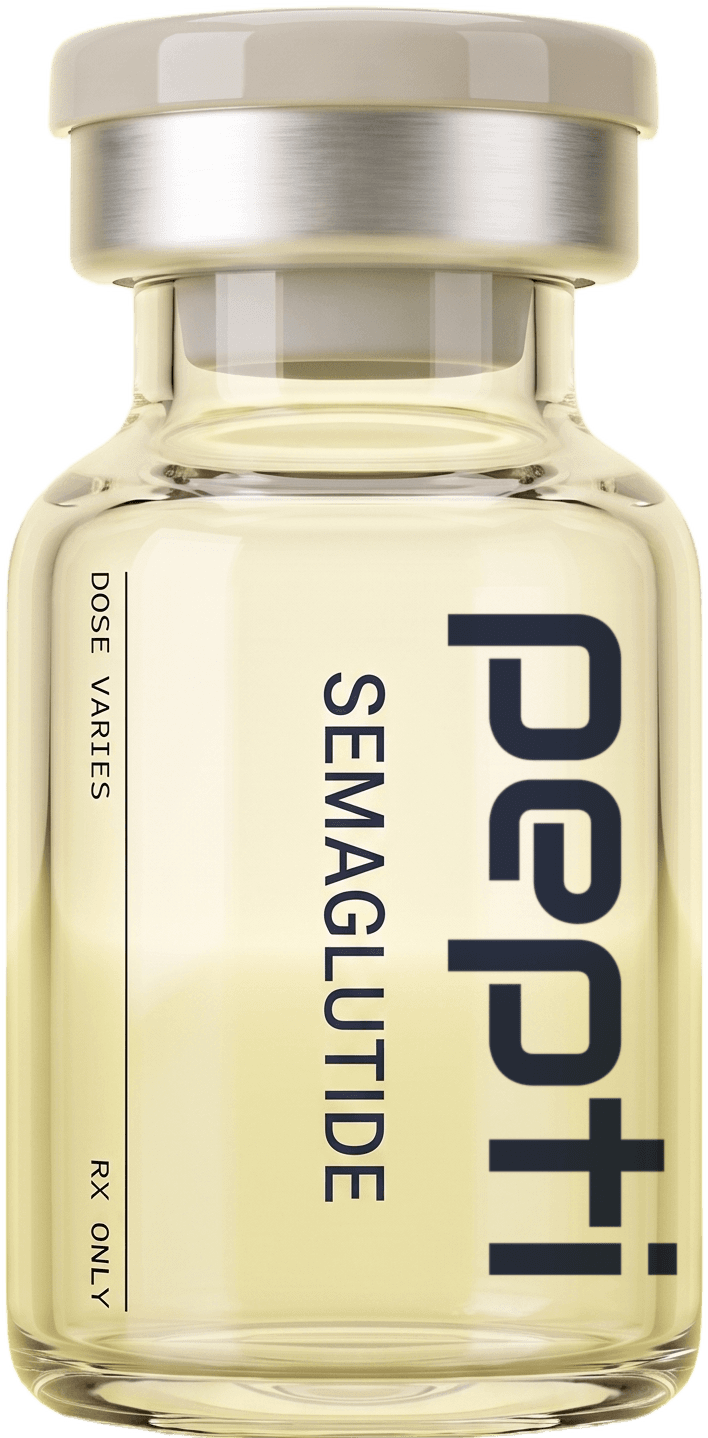
| Semaglutide | Dose-specific vials, six strengths from 0.25 mg to 2.5 mg weekly | From $99/mo, priced by dose |
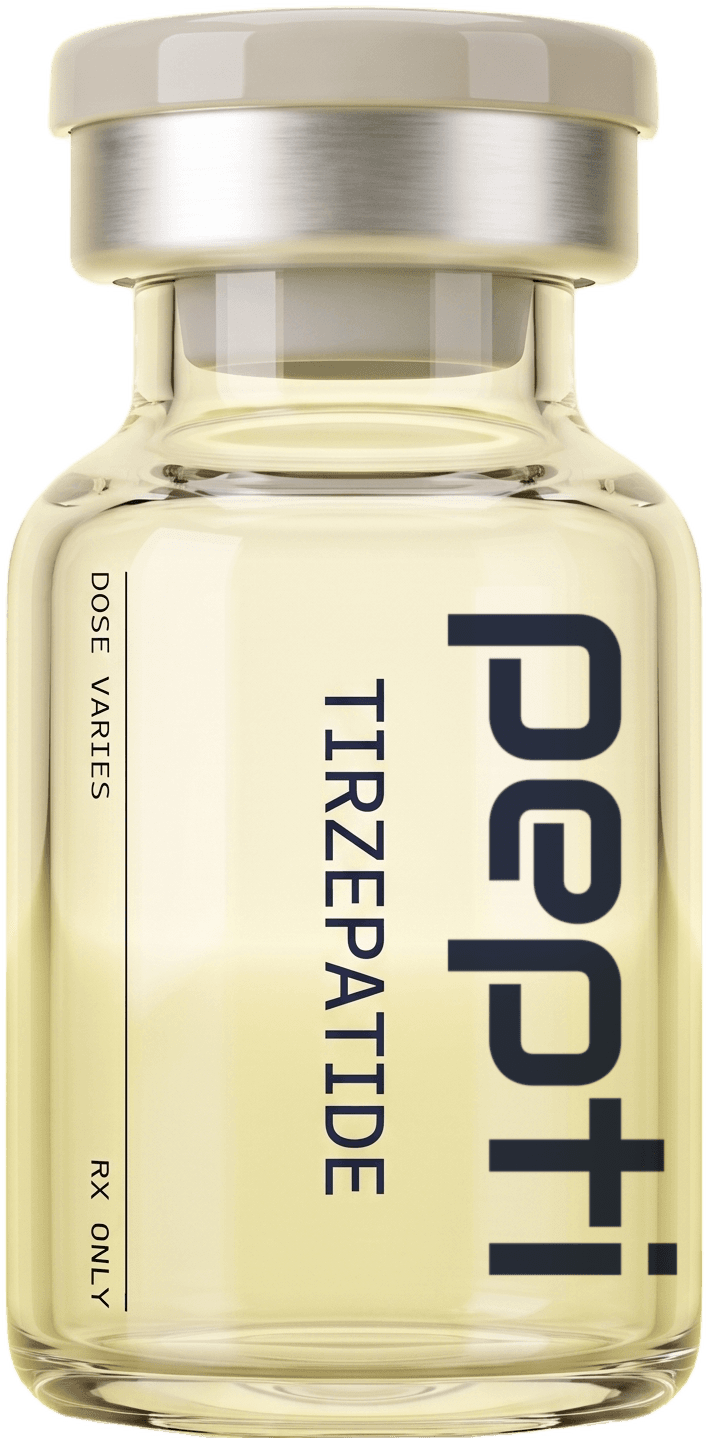
| Tirzepatide | Dose-specific vials with cyanocobalamin, six strengths from 2.5 mg to 15 mg weekly | From $159/mo, priced by dose |
Both are compounded at a US FDA-registered pharmacy and neither is FDA approved.
— Why Am I Not Losing Weight on Semaglutide? Eight Real Reasons
Reason one: you are not at a working dose yet
These medications start low on purpose and climb over weeks, because the gastrointestinal side effects track dose increases. The starting strength exists to build tolerance, not to produce weight change.
If you are three weeks in at the lowest strength and nothing is happening, nothing is supposed to be happening yet. That is not a failed treatment, it is the ramp.
— What the escalation schedule actually says
This is not a matter of opinion. The FDA-approved branded semaglutide injection label sets out a fixed weekly escalation: 0.25 mg for weeks 1 through 4, 0.5 mg for weeks 5 through 8, 1 mg for weeks 9 through 12, 1.7 mg for weeks 13 through 16, and the maintenance dosage from week 17. That is sixteen weeks of climbing — roughly four months in which someone can be entirely adherent and still not have spent a week at the strength the trials were built around. The branded tirzepatide label is the same in structure: 2.5 mg once weekly for four weeks, an increase to 5 mg, and further 2.5 mg increments only after at least four weeks at the current dosage. Your own strength is set by your physician and printed on your medication; the reference schedule is here only to show that a long ramp is normal.
— Why the ramp is about tolerance, not response
The labeled reason for escalating gradually is stated plainly: follow the escalation schedule to reduce the risk of gastrointestinal adverse reactions. The starting strength is not a weak version of the treatment; it is the on-ramp to it. That is why "it isn't working" is the wrong description of week three — nothing has been tried yet. In STEP 1, the semaglutide trial published in the New England Journal of Medicine in 2021, sixteen weeks of escalation sat inside a sixty-eight-week trial, and the headline result belongs to the fifty-two weeks that followed.
— Why climbing faster usually costs you progress
The corollary matters too. Climbing faster to chase results usually produces nausea severe enough that people stop, which is the outcome that actually costs you progress. Managing that is covered in GLP-1 nausea.
The labels are explicit about the alternative: if a dose is not tolerated during escalation, consider delaying escalation for four weeks rather than pushing through, and if the maintenance dosage is not tolerated, step back down. In STEP 1, 4.5 percent of participants on semaglutide discontinued because of gastrointestinal events against 0.8 percent on placebo. Discontinuation is the real failure mode, and it is dose-driven.
— Missed doses put you back down the ramp
The reference label directs that if two or more consecutive weekly doses are missed, escalation is reinitiated at a lower dosage. A travel week or a forgotten refill does not simply pause progress; it can move you back down the schedule. Tell your physician about gaps.
— Why Am I Not Losing Weight on Semaglutide? Eight Real Reasons
Reason two: protein, and what the scale is actually made of
Appetite suppression makes it easy to eat far too little, and the shortfall usually comes out of protein first. The scale then moves for the wrong reason: lean mass rather than fat.
| What you feel | What is probably happening | What it costs you |
|---|---|---|
| Not hungry, eating once a day | Large calorie deficit, low protein | Muscle loss, and a metabolic rate that falls with it |
| Weight dropped fast then stopped dead | Early water and lean-mass loss, then a stall | A plateau that a higher dose will not fix |
| Weak in the gym, recovery worse | Under-eating protein | Exactly the tissue you want to keep |
| Hair thinning, feeling cold | Often an under-eating signal | Worth raising with your physician |
Protein intake and resistance training are part of this treatment, not optional extras bolted on. This is covered further in best peptides for weight loss.
How the shortfall becomes lean mass
Every trial of semaglutide for weight management was run as an adjunct to a lifestyle intervention, never as a standalone: STEP 1 randomized 1,961 adults to semaglutide or placebo plus lifestyle intervention, and STEP 3, published in JAMA in 2021, tested it alongside intensive behavioral therapy. Appetite suppression removes the signal that tells you to eat, and the food that disappears first is the food that takes effort to prepare — protein. When intake collapses and protein collapses with it, the body draws on lean tissue for the shortfall.
Resistance training under an energy deficit
A 2022 meta-analysis and meta-regression in the Scandinavian Journal of Medicine and Science in Sports examined resistance training performed under an energy deficit and reported that the deficit impaired gains in lean mass while strength gains were comparatively preserved. Training in a deficit is defensive work, and the size of the deficit and the adequacy of protein decide how much lean mass survives. This is the most common thing a physician can change about a stalled course that has nothing to do with the dose.
Feeling cold, hair shedding and losing strength session over session are signals that intake has fallen further than intended. None is a reason to stop treatment. All are reasons to tell your physician what you are actually eating.
— Why Am I Not Losing Weight on Semaglutide? Eight Real Reasons
Reason three: the scale is lying to you this week
Body weight moves for reasons that have nothing to do with fat: water retention, cycle timing, a change in training, constipation, sodium, and a large meal the day before.
Judge over four weeks rather than four days. Use waist measurement and how clothes fit alongside weight, because body composition can change while the number does not. Weighing daily is fine if you look at the trend and ignore the individual readings; weighing daily and reacting to each one is a reliable way to conclude too early that nothing is working.
What moves the number in a single week
Glycogen is stored with water, so a change in carbohydrate intake shifts scale weight within a day or two. New training produces transient fluid retention, and constipation is common on these medications. Sodium, alcohol, illness, poor sleep and the luteal phase of the menstrual cycle all move the number by amounts that can swamp a week of genuine fat loss.
Measurements that are harder to fool
Waist circumference measured the same way each time is the most useful addition, and the trials use it too: in SURMOUNT-5, reported in the New England Journal of Medicine in 2025, it was a key secondary endpoint, with mean reductions of 18.4 cm on tirzepatide and 13.0 cm on semaglutide over seventy-two weeks. It is far less noisy than a morning weight.
— Why Am I Not Losing Weight on Semaglutide? Eight Real Reasons
Reason four: the dose in the syringe
With a compounded medication, the amount you actually receive depends on the vial concentration and the directions matching each other. Dose-specific vials exist so that the strength you were prescribed corresponds to a specific concentration, and the printed directions tell you the volume to draw.
If your directions and your syringe markings do not seem consistent, do not guess. Ask before injecting again. Technique matters too: an injection that leaks, or one given into the wrong tissue, does not deliver what you think it did. See how to inject peptides safely.
Storage is the quieter version of this problem. A vial left out of refrigeration for a long period is a question for your pharmacy, not something to assume is fine.
The two errors that actually happen are reading a U-100 insulin syringe as though the markings were millilitres, and carrying a volume over from a previous strength after a titration step. Your pharmacy can confirm what was dispensed, and Pepti's quality documentation covers testing.
— Why Am I Not Losing Weight on Semaglutide? Eight Real Reasons
Reason five: something else is going on
| Cause | Why it matters | How it is found |
|---|---|---|
| Untreated hypothyroidism | Lowers metabolic rate and blunts progress | Thyroid panel |
| Some antidepressants and antipsychotics | Several promote weight gain directly | Medication review |
| Corticosteroids | Promote weight gain and central fat | Medication review |
| Insulin or some diabetes medications | Can work against weight loss | Medication review with your prescriber |
| Significant sleep deprivation or untreated sleep apnoea | Affects appetite regulation and insulin sensitivity | Clinical history, sometimes a sleep study |
| Alcohol intake | Substantial calories, and it worsens the side effects | Honest disclosure |
| PCOS and other endocrine conditions | Change the metabolic picture | Bloodwork and clinical assessment |
Bloodwork is how most of these get found. At-home blood testing covers metabolic, thyroid and hormone markers without a lab visit, and the general case for testing is in do you need bloodwork before peptides.
— Thyroid
Untreated hypothyroidism lowers resting energy expenditure, and it is one of the few causes here that is both common and straightforwardly correctable. A 2023 narrative review in Nutrients examined subclinical hypothyroidism in patients with obesity and metabolic syndrome and described the relationship as bidirectional: thyroid function influences body weight, and adiposity influences measured thyroid parameters. That is why a physician interprets a full panel rather than a single marker.
— Medications that promote weight gain
This is the category most often missed, because the medications involved were prescribed for good reasons by someone who was not thinking about your weight. A 2023 review in Gastroenterology Clinics of North America on medication-induced weight gain, and a 2020 review in Endocrinology and Metabolism Clinics of North America on iatrogenic obesity, describe the same core list: several antipsychotics and antidepressants, corticosteroids, certain anticonvulsants, some beta blockers, insulin and some hormonal treatments. Substitution within a class is often possible without losing the therapeutic effect — but never stop a psychiatric or cardiac medication because a weight-loss page mentioned it. Bring the list to your prescribers.
— Sleep, and untreated sleep apnea
Short and fragmented sleep changes appetite regulation and insulin sensitivity, and untreated obstructive sleep apnea does both persistently. The connection is direct enough that it is now a licensed indication: the branded tirzepatide label covers moderate to severe obstructive sleep apnea in adults with obesity, resting on SURMOUNT-OSA in the New England Journal of Medicine in 2024. If you snore heavily, wake unrefreshed, or have been told you stop breathing in your sleep, say so.
Polycystic ovary syndrome, Cushing's syndrome and less common endocrine conditions change the metabolic baseline treatment is working against. None makes a GLP-1 useless, but all change what a realistic trajectory looks like.
— Alcohol
Alcohol is the most under-reported item here and one of the most consequential. It contributes calories that are almost never counted, it degrades sleep quality even in modest amounts, and it worsens the gastrointestinal side effects of these medications. A course going nowhere despite good adherence and protein is worth examining here first.
— Why Am I Not Losing Weight on Semaglutide? Eight Real Reasons
Reason six: it may genuinely not be working for you
This is the part most providers will not say. A proportion of people do not get a useful response from a given GLP-1 even at an adequate dose. If you have been at a working strength for a reasonable period, your labs are clear, your protein is adequate and nothing has moved, that is real information rather than a personal failure.
What your physician can do at that point is switch you to the other molecule, which is a common adjustment and is discussed in semaglutide vs tirzepatide, or tell you honestly that the plan needs to change. Either is better than climbing to the top strength and hoping.
What the trial numbers say about non-response
The published trials report this directly. STEP 1's headline figure was a mean change of −14.9 percent on semaglutide against −2.4 percent on placebo over sixty-eight weeks — one number containing the person who lost a quarter of their body weight and the person who lost nothing. Underneath it, 86.4 percent of participants on semaglutide achieved a reduction of at least 5 percent against 31.5 percent on placebo, so roughly one in seven did not reach 5 percent. At the 10 percent threshold, 69.1 percent reached it, meaning close to a third did not; at 15 percent, 50.5 percent reached it.
Population matters too. STEP 2, in The Lancet in 2021, studied adults with overweight or obesity and type 2 diabetes and reported a mean change of −9.6 percent on semaglutide 2.4 mg against −3.4 percent on placebo. If you have type 2 diabetes, the trial evidence itself says to expect a different trajectory.
Switching molecule
SURMOUNT-5, in the New England Journal of Medicine in 2025, is the head-to-head trial: 751 adults with obesity and without type 2 diabetes randomized to the maximum tolerated dose of tirzepatide or of semaglutide, open-label, for seventy-two weeks. Mean weight change at week 72 was −20.2 percent with tirzepatide and −13.7 percent with semaglutide. That is a group average, and the two are not dose-equivalent, so switching means restarting escalation lower.
— Why Am I Not Losing Weight on Semaglutide? Eight Real Reasons
What the evidence shows, honestly
The trial evidence for GLP-1 receptor agonists is the strongest of any molecule in this catalogue, and it belongs to the branded manufactured products rather than to compounded preparations, which share the active ingredient but not the approval. Those trials report average weight change across large groups, and averages conceal a wide spread: substantial responders, modest responders and people who did not respond meaningfully all sit inside the same average.
A published average is not a prediction for you, and nobody can tell you in advance which part of the distribution you are in. What is well established is that response is dose-related, that discontinuation is common and usually driven by side effects, and that weight regain after stopping is the documented pattern rather than the exception, which is covered in what happens when you stop taking peptides. What is not established is any specific timeline for an individual. Any provider quoting you an expected number of pounds by a given week invented it.
What happens when treatment stops
The STEP 1 trial extension, published in Diabetes, Obesity and Metabolism in 2022, followed 327 participants for a year after treatment was withdrawn at week 68. Mean loss to week 68 had been 17.3 percent; a year later participants had regained 11.6 percentage points of it, leaving a net reduction of 5.6 percent — about two-thirds of the loss regained. The authors concluded that ongoing treatment is required to maintain the improvements.
STEP 4, in JAMA in 2021, showed the same from the other direction: after a twenty-week run-in on semaglutide, those who continued had a further mean change of −7.9 percent over forty-eight weeks, while those switched to placebo gained 6.9 percent. Weight that has stopped falling is therefore not the same as treatment that has stopped working — maintaining a reduction is itself an active effect, which is why refills run continuously on a 28-day cycle.
What the evidence does not establish
- It does not establish what you will lose. No trial reports an individual prediction.
- It does not establish a timeline. Sixty-eight and 104 weeks are the trial horizons; nothing published supports a target for week six.
- It does not establish that a compounded preparation performs identically to the branded manufactured product. Compounded preparations share the active ingredient but have not been through their own comparative trials.
- It does not establish that a higher dose rescues a non-responder. Response is dose-related across a population, which is not the same claim.
— Why Am I Not Losing Weight on Semaglutide? Eight Real Reasons
Where semaglutide and tirzepatide stand with the FDA right now
The branded manufactured semaglutide injection is FDA approved, and its current label — revised 18 June 2026 — carries indications for use in combination with a reduced calorie diet and increased physical activity. The branded manufactured tirzepatide injection is likewise FDA approved, with a label revised 28 August 2026, indicated alongside diet and physical activity to reduce excess body weight and maintain weight reduction long term in adults with obesity or overweight with a weight-related comorbid condition, and to treat moderate to severe obstructive sleep apnea in adults with obesity.
Compounded preparations are a different legal category: prepared by a state-licensed pharmacy pursuant to a prescription for an individual patient, and by definition never an approved finished product, because approval attaches to a manufactured product. That is why neither the compounded semaglutide nor the compounded tirzepatide is FDA approved.
— Why Am I Not Losing Weight on Semaglutide? Eight Real Reasons
What a physician can actually change
A stalled course has more levers than most people realize, and only one is the dose.
The titration plan
The first question is where you actually are on the schedule and whether you have ever spent a sustained period at a working strength. Gaps, skipped weeks, an escalation delayed for tolerability — each is a reason a physician may hold, advance or restart a step rather than conclude anything about response. Never adjust this yourself; doing so removes your physician's ability to interpret what happens next.
Everything that is not the dose
Beyond titration: switching between semaglutide and tirzepatide; a thyroid panel and metabolic screen; a medication review with your other prescribers; investigating sleep; treating constipation and nausea so eating becomes possible again; and a protein and resistance-training plan that is specific rather than implied. Most stalled courses resolve on one of those. Pricing for each strength is published at /cost/semaglutide.
— Why Am I Not Losing Weight on Semaglutide? Eight Real Reasons
Monitoring and bloodwork
Bloodwork is the fastest way to turn "it isn't working" from a feeling into a finding. What is usually looked at: a full thyroid panel; fasting glucose and HbA1c; a lipid panel; liver and kidney function; a complete blood count; and, depending on the picture, sex hormones and markers relevant to PCOS. At-home blood testing covers these without a lab visit.
There is no routine assay for a GLP-1 level, so adherence, technique, storage and food are established by conversation rather than by a test.
— Why Am I Not Losing Weight on Semaglutide? Eight Real Reasons
When a GLP-1 is not the right tool
A reference that only ever points back to the same two products is not much of a reference. Some honest cases:
- The problem is visceral fat specifically. Tesamorelin has human trial evidence in a defined population for visceral adipose tissue, a different target from total body weight.
- You cannot tolerate the gastrointestinal effects at any useful strength. A physician may discuss non-GLP-1 options such as the PHYSIQ blend or AOD-9604 — the evidence base behind those is much smaller, and an honest comparison says so.
- The barrier is sleep, mood or an untreated endocrine condition. Treating that first changes what any weight medication can do.
- The goal is body composition rather than scale weight. Protein and resistance training do work that no injection substitutes for.
A consultation does not guarantee a prescription.
— Why Am I Not Losing Weight on Semaglutide? Eight Real Reasons
A four-week check before you conclude it is not working
Be able to answer all of these: What strength am I on, and for how many consecutive weeks? Have I missed doses? What is my four-week weight trend? What has my waist measurement done? What am I eating, and how much protein is in it? Am I doing resistance training? How much am I drinking? What else am I taking? When was my last thyroid panel? If several are blank, the question is not yet answerable — and most blanks are fixable.
— References
What this is based on.
References
- Wilding JPH, Batterham RL, Calanna S, et al.. Once-Weekly Semaglutide in Adults with Overweight or Obesity (STEP 1) · New England Journal of Medicine (2021) · PMID 33567185
- Lincoff AM, Brown-Frandsen K, Colhoun HM, et al.. Semaglutide and Cardiovascular Outcomes in Obesity without Diabetes (SELECT) · New England Journal of Medicine (2023) · PMID 37952131
- Wadden TA, Bailey TS, Billings LK, et al.. Effect of subcutaneous semaglutide vs placebo as an adjunct to intensive behavioral therapy on body weight in adults with overweight or obesity (STEP 3) · JAMA (2021) · PMID 33625476
- Rubino D, Abrahamsson N, Davies M, et al.. Effect of Continued Weekly Subcutaneous Semaglutide vs Placebo on Weight Loss Maintenance in Adults With Overweight or Obesity: The STEP 4 Randomized Clinical Trial · JAMA (2021) · PMID 33755728
- Marso SP, Bain SC, Consoli A, et al.. Semaglutide and Cardiovascular Outcomes in Patients with Type 2 Diabetes (SUSTAIN-6) · New England Journal of Medicine (2016) · PMID 27633186
- Davies M, Færch L, Jeppesen OK, et al.. Semaglutide 2.4 mg once a week in adults with overweight or obesity, and type 2 diabetes (STEP 2): a randomised, double-blind, double-dummy, placebo-controlled, phase 3 trial · The Lancet (2021) · PMID 33667417
- Garvey WT, Batterham RL, Bhatta M, et al.. Two-year effects of semaglutide in adults with overweight or obesity: the STEP 5 trial · Nature Medicine (2022) · PMID 36216945
- Rubino DM, Greenway FL, Khalid U, et al.. Effect of Weekly Subcutaneous Semaglutide vs Daily Liraglutide on Body Weight in Adults With Overweight or Obesity Without Diabetes: The STEP 8 Randomized Clinical Trial · JAMA (2022) · PMID 35015037
- Aronne LJ, Horn DB, le Roux CW, et al.. Tirzepatide as Compared with Semaglutide for the Treatment of Obesity (SURMOUNT-5) · New England Journal of Medicine (2025) · PMID 40353578
- Sanyal AJ, Newsome PN, Kliers I, et al.. Phase 3 Trial of Semaglutide in Metabolic Dysfunction-Associated Steatohepatitis (ESSENCE) · New England Journal of Medicine (2025) · PMID 40305708
- Wilding JPH, Batterham RL, Davies M, Van Gaal LF, Kandler K et al.. Weight regain and cardiometabolic effects after withdrawal of semaglutide: The STEP 1 trial extension · Diabetes Obes Metab (2022) · PMID 35441470
- Batsis JA, Gavras A, Gross DC, Cheever CR, Da Silva BR et al.. Effect of Incretin-Based and Nonpharmacologic Weight Loss on Body Composition: A Systematic Review · Ann Intern Med (2026) · PMID 41996180
Citations are provided for educational purposes. They do not constitute medical advice. Always discuss any peptide protocol with your prescribing physician.
— Common questions
Why Am I Not Losing Weight on Semaglutide? Eight Real Reasons, answered.
Most of the early weeks are titration rather than treatment, so judging before you reach a working strength is premature. The reference label for the branded product escalates over sixteen weeks before the maintenance dosage is reached, and the trials ran for sixty-eight to 104 weeks. Response varies widely and no honest provider gives you a timeline. Look at trends over four weeks rather than week to week.
Early loss includes water, and the deficit that produced it narrows as body weight falls. Check protein intake first, then talk to your physician about whether a dose adjustment is appropriate. A plateau is not the same as a failure.
No. Adjusting your own dose removes your physician's ability to interpret what happens and increases the side effects without necessarily increasing the response. Message them instead.
Dose-specific vials are compounded to the prescribed strength by a licensed pharmacy, and your directions state the volume to draw. If the directions and the markings on your syringe do not match, stop and ask rather than guessing. Your pharmacy can confirm what was dispensed.
It is a common adjustment when someone stalls or cannot tolerate one of them, and your physician decides. The two are not dose-equivalent, so switching usually means restarting lower and titrating again.
Weight will change without it for most responders, but the composition of that change will be worse. Resistance training and adequate protein are what protect lean mass while you lose fat.
After you have been at an effective strength for a reasonable period with adequate protein, clear labs and a medication review done. That judgement belongs to your physician, who can see the whole picture rather than one number.
Your own strength is set by your physician and printed on your medication. The trials were built around a maintenance strength reached after a sixteen-week escalation, so if you have never spent sustained weeks at one, the question of response has not yet been asked.
In STEP 1, 86.4 percent of participants on semaglutide reached at least a 5 percent reduction at week 68, 69.1 percent at least 10 percent, and 50.5 percent at least 15 percent. Non-response is uncommon, but it is real and documented, and it is not a failure of effort.
It does not block the medication, but it works against it three ways at once: calories that are almost never counted, degraded sleep quality, and worse gastrointestinal side effects.
Untreated hypothyroidism lowers resting energy expenditure and makes any weight-management plan harder. A 2023 review in Nutrients described the relationship between thyroid function and obesity as bidirectional, which is why interpretation belongs to a physician rather than to a single lab value. At-home blood testing covers the panel.
Yes, and it is the most frequently missed cause. Reviews in Gastroenterology Clinics of North America in 2023 and Endocrinology and Metabolism Clinics of North America in 2020 describe several antipsychotics and antidepressants, corticosteroids, certain anticonvulsants, some beta blockers and insulin as promoting weight gain. Bring the list to your prescribers rather than stopping anything yourself.
The long-term trials do not describe a loss of effect. STEP 5, in Nature Medicine in 2022, followed participants for 104 weeks and reported a mean change of −15.2 percent against −2.6 percent on placebo, with 77.1 percent reaching at least a 5 percent reduction. What does happen is that the rate of loss slows as body weight falls — physiology rather than tolerance.
The STEP 1 trial extension, in Diabetes, Obesity and Metabolism in 2022, followed participants for a year after withdrawal and reported that they regained about two-thirds of their prior weight loss, with most cardiometabolic improvements reverting toward baseline. The authors concluded that ongoing treatment is required to maintain them, which is why treatment is framed as long-term with continuous 28-day refills. More in what happens when you stop taking peptides.
It contains the same active ingredient, prepared by a state-licensed, FDA-registered pharmacy against your prescription. What it does not have is its own comparative trial evidence, and it is not FDA approved as a finished drug product — compounded medications never are. Pepti's quality documentation and lab results cover what is tested.
There is no single number that applies to everyone; this is a question for your physician or a dietitian who knows your weight, your labs and your training. The literature is clear about the direction: a 2022 meta-analysis in the Scandinavian Journal of Medicine and Science in Sports reported that energy deficiency impaired resistance-training gains in lean mass. Eating almost nothing because you are not hungry is the failure mode. The free assessment goes to a physician licensed in your state. A consultation does not guarantee a prescription.
— Next step
See what a physician
recommends for you.
A licensed physician in your state reviews your intake and decides what is appropriate. A consultation does not guarantee a prescription.
Important legal & safety information
The assessment process available on the Pepti website asks a series of medical questions, and the answers provided are reviewed by an independent licensed physician affiliated with our partner physician network. The licensed providers have established exclusionary criteria, and the answers provided determine if the individual is screened out of eligibility for treatment. The licensed clinicians retain the sole decision to prescribe peptide therapy and other compounded medications to patients. Treatment may be denied at the physician's sole discretion. If a prescription is not approved, you will not be charged for the medication.
Pharmacy Providers. Pepti is a technology platform and is not a healthcare provider, pharmacy, or prescriber. All medications offered through the platform are compounded by independent FDA-registered 503A or 503B compounding pharmacies based on a valid prescription written by a licensed physician for an individual patient. Compounded medications are not FDA-approved as products. The active pharmaceutical ingredients used by our partner pharmacies are sourced from FDA-registered facilities. Compounded medications may not undergo the same testing or quality control as commercially manufactured FDA-approved drugs.
Results vary. Results from peptide therapy and other compounded treatments vary based on individual factors, including age, weight, medical history, adherence to the prescribed protocol, lifestyle factors, and physiological response. Pepti makes no guarantee of any specific outcome. Statements about peptide therapy and compounded medications offered through the platform have not been evaluated by the Food and Drug Administration. These products are not intended to diagnose, treat, cure, or prevent any disease.
Product images. Product photographs and renderings shown on this website are for illustrative purposes only. The appearance of vials, packaging, labeling, and other materials you receive may vary and is determined by the dispensing compounding pharmacy.
Off-label use.Many peptides offered through the platform are prescribed for off-label use. “Off-label” means the medication is being prescribed for a use, dose, or patient population that is not specifically approved by the FDA. Off-label prescribing is legal and common in U.S. medical practice when supported by clinical experience and judgment.
Mailing & shipping. Pepti currently dispenses prescription medication to patients in all 50 states and Washington, D.C.. All orders ship in unbranded, tamper-evident packaging via expedited delivery from our partner compounding pharmacies. Temperature-sensitive medications ship with insulated packaging and ice packs. Shipping is included at no additional cost. We do not currently ship medication outside all 50 states and Washington, D.C., internationally, or to APO/FPO addresses.
Not for emergencies. Pepti is not designed for medical emergencies. If you are experiencing a medical emergency, call 911 or go to your nearest emergency room immediately. For urgent but non-emergency medical questions, contact your primary care provider or use an urgent care service.
No doctor-patient relationship with Pepti. Your use of the platform does not create a doctor-patient relationship between you and pepti LLC. A doctor-patient relationship is established only between you and the independent licensed physician who reviews your intake and prescribes your treatment. The physicians who use the platform are independent contractors and are solely responsible for the medical care they provide.
Prescription medications. All prescription products require a valid prescription from a licensed healthcare provider. By using the platform, you acknowledge that you are at least 18 years old and that the information you provide is true, accurate, current, and complete. Providing false information may result in inappropriate treatment recommendations or denial of service.
Cosmetic & wellness products.Certain products offered through Pepti — including skincare, hair care, body care, supplements, men's grooming, sports recovery, and sexual wellness products — are cosmetic or dietary supplement products, not prescription medications. These products do not require a prescription and are not reviewed or prescribed by a physician. Statements regarding dietary supplements have not been evaluated by the Food and Drug Administration. These products are not intended to diagnose, treat, cure, or prevent any disease. Results vary by individual. Consult your healthcare provider before starting any new supplement or topical product, especially if you are pregnant, nursing, or taking other medications.
pepti LLC · Delaware Limited Liability Company · 131 Continental Dr, Suite 305, Newark, DE 19713 · For media or partnership inquiries, email hello@hellopepti.com. For patient support, email support@hellopepti.com. For privacy and HIPAA inquiries, email privacy@hellopepti.com.