— Anti-Aging · Reference
Is Sermorelin Safe? Side Effects, Monitoring and Who Should Avoid It
This page sets out what the sermorelin safety record consists of: the approved-drug history, the pediatric and adult trials, side effects by frequency, who a physician declines, the monitoring that keeps the dose physiological, and where compounded sermorelin stands with the FDA and anti-doping bodies as of September 2026.
— Treatments mentioned
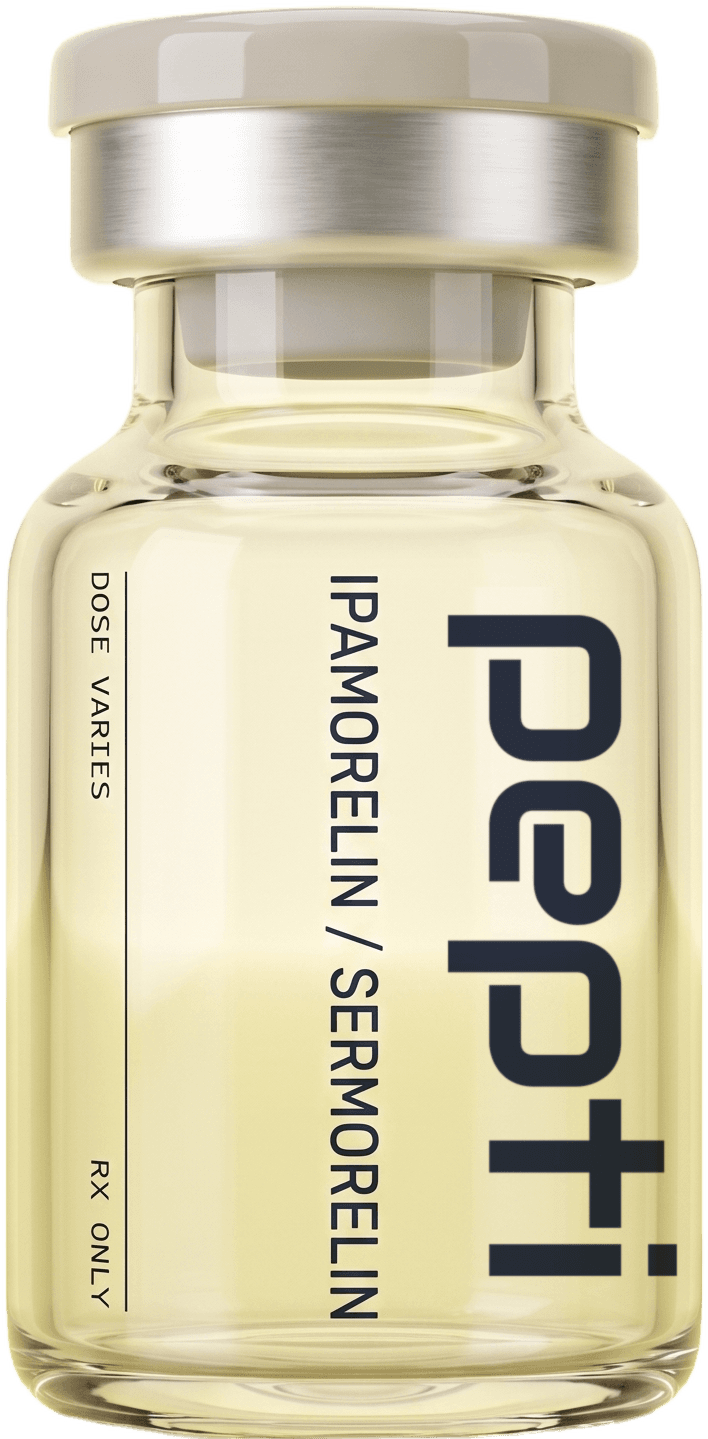
Sermorelin prompts your pituitary to release your own growth hormone rather than supplying hormone from outside, so your feedback regulation stays intact, which is the real basis of its safety argument. The commonly reported effects are injection-site reactions, flushing and vivid dreams. Fluid retention, aching joints and tingling hands are the classic signs that the dose is higher than you need, not signs of danger. It should be avoided with active malignancy, in pregnancy, and used with close monitoring if your glucose handling is already impaired.
This page sets out what the sermorelin safety record consists of: the approved-drug history, the pediatric and adult trials, side effects by frequency, who a physician declines, the monitoring that keeps the dose physiological, and where compounded sermorelin stands with the FDA and anti-doping bodies as of September 2026.
— Is Sermorelin Safe? Side Effects, Monitoring and Who Should Avoid It
The short answer
| If you are considering | The product | What is in it | Price |
|---|---|---|---|
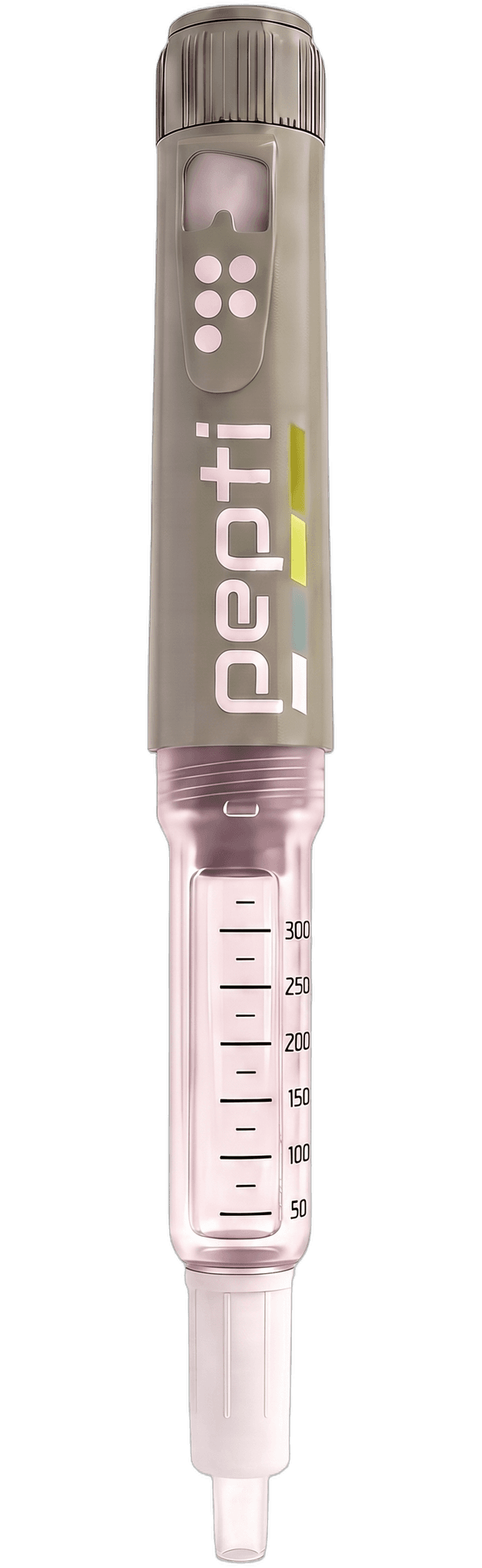
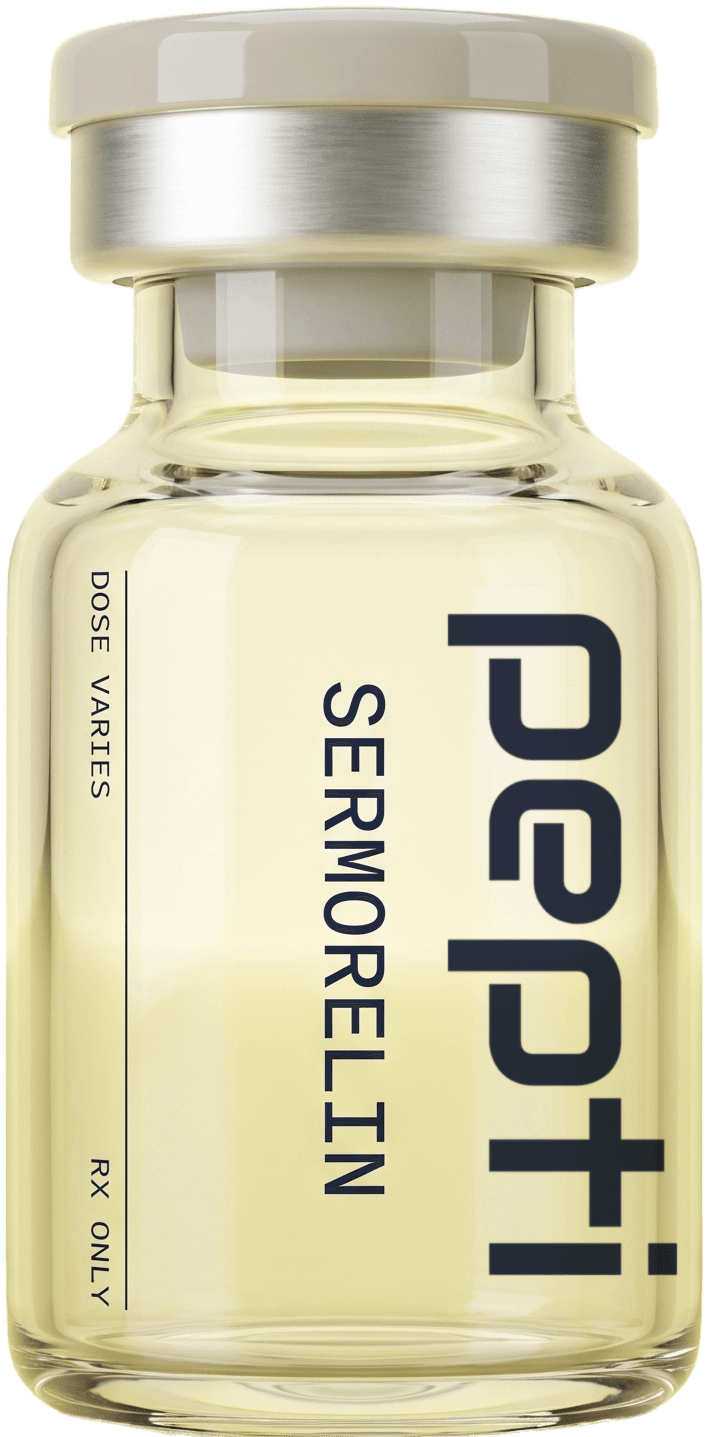
| Sermorelin on its own | Sermorelin | 10 mg Sermorelin in 5 mL (2 mg/mL); Pen cartridge holds 9 mg | $229 |
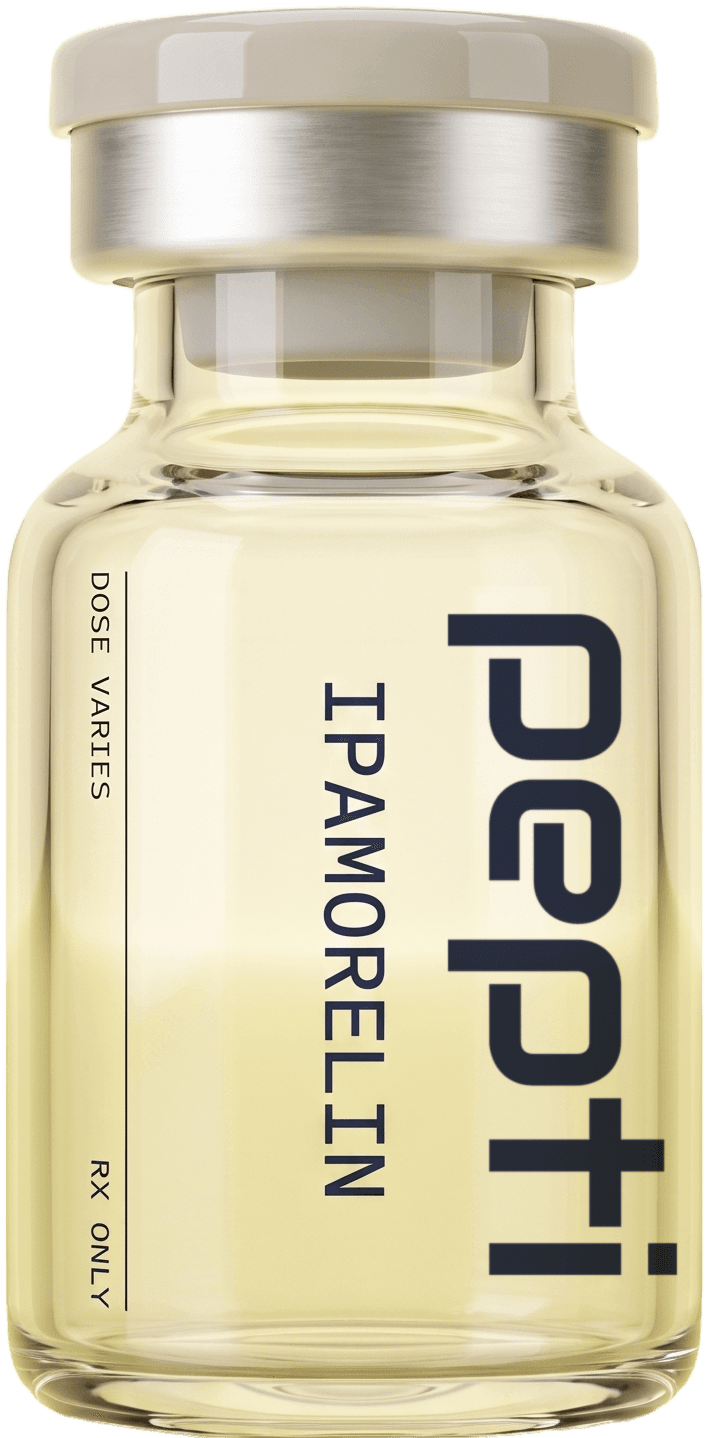
| Sermorelin with a ghrelin-receptor partner | Ipamorelin + Sermorelin | 10 mg Ipamorelin, 10 mg Sermorelin | $219 |
| Three-signal Pen | CJC-1295 / Ipamorelin / Sermorelin | Pen only: 1.5 mg CJC-1295, 6 mg Ipamorelin, 6 mg Sermorelin | $369 |
| The common alternative pairing | CJC-1295 / Ipamorelin | 6 mg CJC-1295, 12 mg Ipamorelin | $239 |
All-in monthly prices covering medication, physician review, refill management and shipping. Compounded sermorelin is not FDA approved. It is compounded at a US FDA-registered pharmacy against a prescription from a physician licensed in your state.
Three things make sermorelin unusual among the peptides Pepti prescribes. It was the active ingredient of an FDA-approved drug, Geref, for nineteen years. It has randomized, placebo-controlled trials in healthy older adults, not only animal work. And its side-effect pattern is predictable, because it is the pattern of growth hormone itself at a dose above your requirement. None of that makes it risk-free; it means the risks are known, dose-related and monitorable. The same logic applies to tesamorelin, which acts on the same GHRH receptor, ipamorelin, which acts on the ghrelin receptor, and CJC-1295, a longer-acting GHRH analog usually paired with ipamorelin.
— Is Sermorelin Safe? Side Effects, Monitoring and Who Should Avoid It
Why the mechanism changes the risk profile
— A GHRH analog, not growth hormone
Sermorelin is a 29-amino-acid analog of growth-hormone-releasing hormone, the signal your hypothalamus sends to your pituitary; the 1999 BioDrugs review describes it as the shortest synthetic fragment of GHRH with full biological activity. It binds the GHRH receptor on pituitary somatotrophs and prompts a pulse of your own growth hormone. In the 1997 Journal of Clinical Endocrinology and Metabolism trial in age-advanced adults, a nightly injection released growth hormone within about ten minutes for around two hours, after which levels fell back. That is what a pulse looks like.
— Feedback stays switched on, but it is a ceiling, not immunity
Supplied growth hormone bypasses your regulation entirely and can push levels well past physiological range. A GHRH analog asks a gland to do what it already does, and somatostatin and IGF-1 feedback still apply: a lower ceiling, a pulsatile rather than flat profile, and a smaller chance of the dose-related problems of growth hormone excess. The 2018 Sexual Medicine Reviews paper on growth hormone secretagogues makes exactly this point: pulsatile release subject to negative feedback can prevent supra-therapeutic growth hormone levels and their consequences.
Feedback limits how high growth hormone can go. It does not stop a dose from being higher than you need within the physiological range, and it does not change what growth hormone does once released. Fluid retention, joint ache and reduced insulin sensitivity are effects of growth hormone, whatever prompted it. See peptides vs HGH.
— IGF-1 is the number that matters
Released growth hormone acts largely through IGF-1 made in the liver, which is why IGF-1 is the number a physician tracks rather than growth hormone itself. Growth hormone is pulsatile and a single draw tells you almost nothing; IGF-1 integrates output over days, and it is the marker every trial below used to confirm the drug was working and had not overshot.
— Is Sermorelin Safe? Side Effects, Monitoring and Who Should Avoid It
What the safety data actually consists of
— An approved drug for nineteen years
Sermorelin acetate was marketed as Geref. The FDA approved the diagnostic form, 0.05 mg per ampule, on 28 December 1990 under NDA 19-863, and the treatment form, 0.5 mg and 1.0 mg vials, on 26 September 1997 under NDA 20-443, both held by EMD Serono. The treatment product was indicated for idiopathic growth hormone deficiency in children with growth failure; the diagnostic product for evaluating the pituitary's ability to secrete growth hormone. Approval required safety data submitted to the FDA, which is the foundation of the record and something most compounded peptides lack.
— Pediatric treatment and diagnostic use
The Geref International Study Group trial, in the Journal of Clinical Endocrinology and Metabolism in 1996, treated 110 previously untreated prepubertal children with growth hormone deficiency for up to a year with a once-daily bedtime injection. The investigators reported no adverse changes in biochemical or hormonal measures, no change in fasting glucose, no excessive generation of IGF-1, and that the drug was well tolerated. The 1999 BioDrugs review reports that single intravenous doses and repeated once-daily subcutaneous doses were well tolerated, with transient facial flushing and injection-site pain the most commonly reported adverse events. The diagnostic use, a single intravenous dose to test pituitary reserve, ran for years in hospital settings where reactions would have been recorded.
— Randomized trials in older adults
This is the evidence that speaks most directly to adult use. In the 1992 Journal of Clinical Endocrinology and Metabolism study from the National Institute on Aging, ten healthy older men took GHRH(1-29) twice daily for fourteen days at each of two doses. Treatment did not affect fasting glucose, urinary C-peptide, blood pressure, or chemistry and hematology profiles; IGF-1 rose into the young-adult range only at the higher dose.
In the 1997 Metabolism study from Johns Hopkins, eleven healthy men aged 64 to 76 with low baseline IGF-1 self-injected GHRH(1-29) nightly for six weeks at home. Nocturnal growth hormone release increased, IGF-1 did not, and no significant adverse effects were observed; weight, body composition, glucose, insulin and lipids were unchanged.
The 1997 Journal of Clinical Endocrinology and Metabolism trial from UC San Diego is the most detailed. Ten women and nine men aged 55 to 71 self-injected placebo nightly for four weeks, then a norleucine-substituted GHRH(1-29) analog nightly for sixteen weeks, randomized and placebo-controlled. IGF-1 and IGFBP-3 rose within two weeks, stayed elevated for twelve, then drifted toward baseline by sixteen. Skin thickness increased in both sexes and lean body mass in men; fasting insulin and glucose were unaltered, and insulin sensitivity rose in men. Blood pressure and weight did not change. The only adverse effect recorded was a transient lipid rise that resolved by the end of the study. A companion paper in the same journal that year, from the same nineteen participants, reported no adverse effects.
The 2006 Neurobiology of Aging trial from the University of Washington gave 89 healthy older adults daily GHRH or placebo for six months and reported improved scores on several cognitive tests. The follow-up in Archives of Neurology in 2012 randomized 152 adults aged 55 to 87, 66 with mild cognitive impairment, to twenty weeks of daily bedtime tesamorelin, a stabilized GHRH analog in the same class, or placebo. IGF-1 rose by 117 percent but stayed within the physiological range; fasting insulin rose 35 percent, within normal range, in the mild-cognitive-impairment group only; adverse events were mild, reported by 68 percent on treatment versus 36 percent on placebo. That trial used tesamorelin, not sermorelin, and is included because the two act on the same receptor.
— Reviews of the class, and what has not been studied
The 2003 review in Endocrine from the Washington group concluded that GHRH and secretagogues elevate IGF-1 to younger-adult ranges, that several months of GHRH increases lean mass, that a short-acting GHRH did not improve sleep, and that the results, while encouraging, did not yet support routine use in normal aging. The 2018 Sexual Medicine Reviews paper reached a similar position: well tolerated in available studies, some concern about blood glucose through reduced insulin sensitivity, and a need for long-term data including cancer incidence. The 2006 Clinical Interventions in Aging commentary argued for sermorelin over supplied growth hormone in adult-onset insufficiency on the feedback grounds above.
No trial has followed adults using sermorelin for wellness goals over years; the longest placebo-controlled adult exposure is about six months. There is no human dose-ranging study behind adult schedules and no head-to-head safety trial against CJC-1295, ipamorelin or tesamorelin. These gaps are why monitoring is not optional.
— Is Sermorelin Safe? Side Effects, Monitoring and Who Should Avoid It
Reported adverse effects
| Frequency | What is reported | What to do |
|---|---|---|
| Common | Injection-site redness, itching, a small lump | Rotate sites; mention at follow-up |
| Common | Flushing or warmth shortly after dosing | Usually settles; report if marked |
| Common | Vivid dreams, especially with evening dosing | Report it; timing can be adjusted |
| Common | Headache in the first weeks | Report if persistent |
| Uncommon | Fluid retention, puffy hands or ankles | Report it; usually means the dose is above what you need |
| Uncommon | Joint aches, stiffness on waking | Same; a dose question rather than an emergency |
| Uncommon | Tingling or numbness in the hands, carpal-tunnel pattern | Report it; this is the classic signal of too much |
| Uncommon | Increased hunger, more so when paired with a ghrelin-receptor peptide | Report it |
| Stop and call | Facial or throat swelling, widespread rash, breathing difficulty | Emergency care first, then tell your prescriber |
| Stop and call | Persistent severe headache, vision change, fainting | Same-day contact |
| Stop and call | Numbness that does not resolve when the dose is reduced | Stop and contact your physician |
The middle block is the one people misread. Water retention, joint ache and hand tingling are not signs that something rare has gone wrong. They are the recognised pattern of growth hormone above your requirement, and the correct response is a dose adjustment by your prescriber rather than pushing through.
— Injection-site reactions, flushing and headache
Injection-site reactions are the most consistently reported effect across the pediatric program and the adult trials: redness, itching and a small firm lump that resolves over a day or two. Rotating sites and letting the vial reach room temperature before drawing reduce it. A reaction that spreads, blisters or persists beyond a few days is not typical and should be reported. Transient facial flushing was, with injection-site pain, the most common adverse event in the pediatric review; it arrives within minutes, passes within the hour, and is vascular rather than allergic. Headache in the first weeks is reported by a minority and is usually mild; a severe or persistent headache, or one with vision change, is outside the expected pattern and warrants same-day contact.
— Vivid dreams and sleep changes
Sermorelin is usually taken at bedtime because the largest natural growth hormone pulse occurs in the first hours of sleep, and some people report more vivid dreams in the first weeks. Patients commonly describe sleep feeling deeper; the 2003 Endocrine review notes that a short-acting GHRH did not improve measured sleep under trial conditions, so treat sleep effects as reported rather than demonstrated. Moving the injection earlier in the evening is the usual adjustment.
— The dose-signal cluster: fluid, joints, hands
Growth hormone promotes sodium and water retention and soft-tissue swelling. At a dose above what your body needs, that shows up as puffy ankles or fingers, stiffness on waking, aching joints, and tingling or numbness in the hands from pressure on the median nerve at the wrist. This cluster is the recognized signature of growth hormone excess in the supplied-hormone literature, and the reason the 1997 UC San Diego investigators noted that adverse effects had limited the usefulness of recombinant growth hormone in older adults. With sermorelin it is uncommon, because feedback caps the release, but not impossible. It is a dose message; the response is a lower dose or a changed schedule, decided by your prescriber.
— Hunger, and allergic reactions
Sermorelin on its own is not usually associated with appetite change. The Ipamorelin + Sermorelin pairing adds a ghrelin-receptor agonist; ghrelin is the hunger hormone, and although the 1998 European Journal of Endocrinology paper characterizing ipamorelin describes it as selective for growth hormone release, some people report more appetite on the combination. Report it if it interferes with a weight goal. Separately, any injected peptide can provoke hypersensitivity; true allergy to sermorelin is rare. Facial or throat swelling, hives spreading beyond the injection site, or any breathing difficulty is an emergency first and a message to your prescriber second.
— Is Sermorelin Safe? Side Effects, Monitoring and Who Should Avoid It
Serious risks and contraindications
| Situation | Why it matters |
|---|---|
| Active malignancy | Growth signalling is avoided with active disease. See can peptides cause cancer |
| Cancer history in remission | Usually a cautious answer, taken with your oncologist's view |
| Diabetes or impaired glucose tolerance | Growth hormone reduces insulin sensitivity. Not automatically disqualifying, but it means closer glucose monitoring |
| Pregnancy or breastfeeding | Not used; safety data is absent |
| Untreated severe sleep apnoea | Fluid retention and soft-tissue changes can worsen it |
| Active proliferative retinopathy | Growth signalling is avoided here |
| Untreated hypothyroidism | Thyroid status affects the GH and IGF-1 axis; treat it first |
| Children and adolescents | Growth-plate territory, and not the population this is prescribed into |
| Tested athletes | GHRH analogues are prohibited in competition |
— Active malignancy and cancer history
Growth hormone and IGF-1 are growth signals. No study has shown that sermorelin causes cancer in humans, and the 2018 review states that long-term cancer-incidence data for the secretagogue class do not exist; the observational literature linking naturally high IGF-1 to some cancers concerns lifelong levels, not a medication run at physiological doses under monitoring. The caution is precautionary: a physician does not add a growth signal to a body with active abnormal cell growth. Active malignancy is a decline. A history in remission is a conversation, usually involving the oncologist, that depends on the cancer, the time since treatment and the surveillance in place.
— Glucose handling, insulin sensitivity and retinopathy
Growth hormone raises blood glucose by reducing tissue sensitivity to insulin. In the trials above this did not become a problem: fasting glucose was unchanged in the pediatric trial, the 1992 study, the 1997 Johns Hopkins study and the 1997 UC San Diego study, and insulin sensitivity rose in men in the last of those. The 2012 tesamorelin trial did see fasting insulin rise, within normal range, in the mild-cognitive-impairment group. So the effect is real, small at physiological doses, and larger in people whose glucose handling is already strained. Diabetes and prediabetes are not automatic declines, but they put glucose and HbA1c into the baseline and follow-up panels and lower the threshold for a dose review. Active proliferative diabetic retinopathy is a firm decline, because growth hormone and IGF-1 have a role in retinal blood-vessel growth.
— Sleep apnea and thyroid status
Untreated obstructive sleep apnea is a caution because fluid retention and soft-tissue swelling in the upper airway can worsen it; someone on effective CPAP is in a different position from someone with loud snoring and daytime sleepiness who has never been assessed. Thyroid matters for two reasons: growth hormone can increase conversion of T4 to T3 and unmask marginal hypothyroidism, and untreated hypothyroidism blunts the IGF-1 response, which makes the monitoring uninterpretable. An abnormal baseline thyroid result is treated first.
— Pregnancy, breastfeeding and under-18s
Not used in pregnancy or breastfeeding: there is no safety data, the trials excluded these groups, and there is no clinical reason to accept the uncertainty. Sermorelin was approved for children with diagnosed growth hormone deficiency under specialist care with bone-age monitoring; that is a pediatric endocrinology decision, and Pepti prescribes to adults only.
— Is Sermorelin Safe? Side Effects, Monitoring and Who Should Avoid It
The specific cautions people ask about
— Will it raise IGF-1 above range?
Not normally. The pediatric investigators reported no excessive IGF-1 generation; the 2012 trial saw a large percentage rise that stayed within physiological range; the 1997 UC San Diego trial saw IGF-1 drift back toward baseline by sixteen weeks despite continued dosing. Overshoot is possible with an unusually high dose, which is why a repeat IGF-1 is drawn after the first weeks.
— Does the pituitary stop responding, and what about antibodies?
The 1997 UC San Diego trial reported that the growth hormone-releasing effect was sustained through sixteen weeks of nightly dosing, even as IGF-1 settled. The pediatric review describes growth responses sustained through twelve months, with data in a few children suggesting effect maintained at 36 months. Desensitization has been a concern with some ghrelin-receptor peptides; for the GHRH receptor the available data do not show it over these durations, and beyond a year in adults the question is open. Any injected peptide can also provoke antibodies; the pediatric trial reported no adverse hormonal or biochemical changes across a year, and a neutralizing antibody would show up as an IGF-1 that stops responding, which the monitoring would catch.
— Interactions with other medications
There is no formal interaction study for compounded sermorelin; the physiology is what a physician works from. Glucocorticoids suppress growth hormone release and can blunt the response. Insulin and other glucose-lowering medications may need attention because growth hormone shifts insulin sensitivity. Thyroid replacement is relevant for the reasons above. This is why the intake asks for every medication and supplement and a physician rather than a form reviews it.
— Sermorelin combined with ipamorelin or CJC-1295
Sermorelin and ipamorelin act on different receptors, GHRH and ghrelin, and the 1995 Clinical Endocrinology study of a GHRH given with a ghrelin-receptor peptide in adult volunteers reported a larger growth hormone response to the combination than to either alone. That is the rationale for Ipamorelin + Sermorelin and the three-signal CJC-1295 / Ipamorelin / Sermorelin Pen. A larger response means the dose-signal cluster deserves more attention, not less; the monitoring is the same. The 2006 Journal of Clinical Endocrinology and Metabolism work on CJC-1295 in healthy adults reported that growth hormone release stayed pulsatile under continuous stimulation, the same feedback argument applied to the longer-acting analog. See CJC-1295 vs sermorelin.
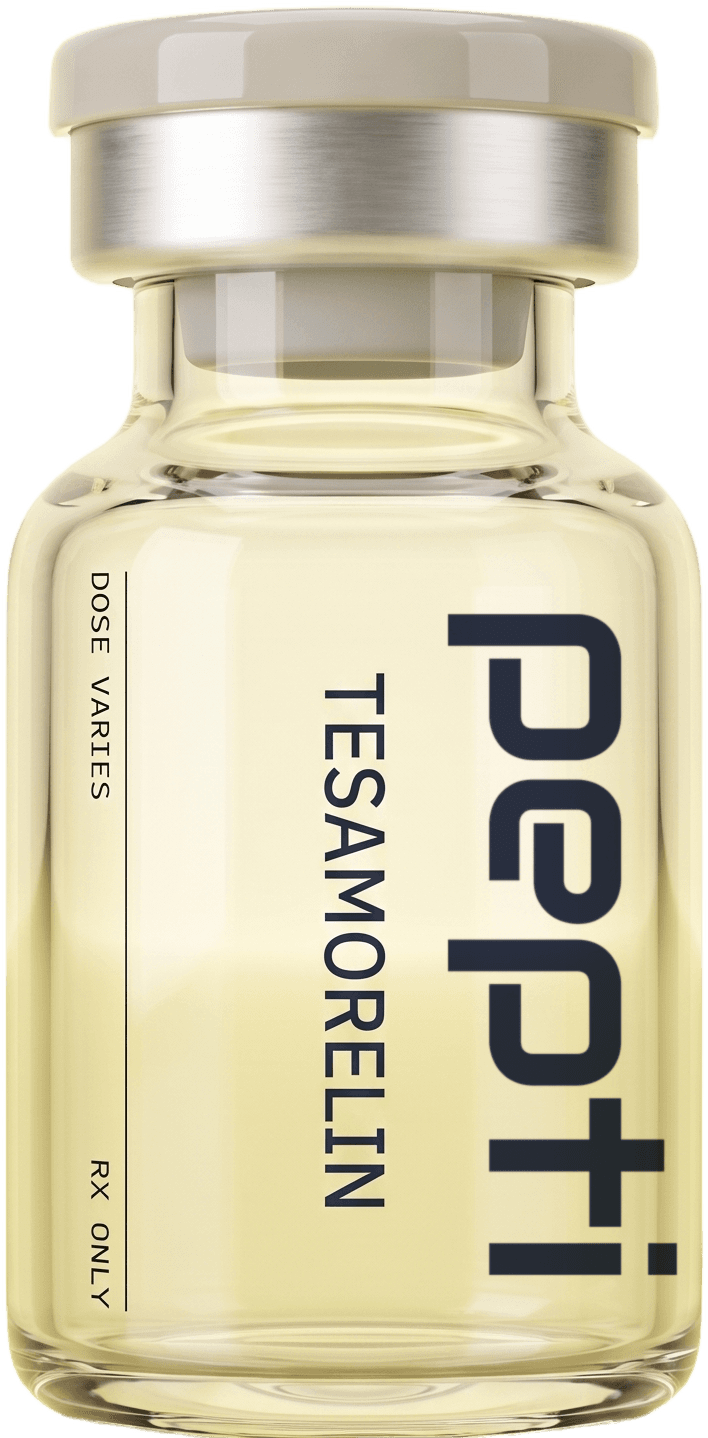
Tesamorelin, a stabilized GHRH analog with a larger trial base, has the closest thing to a long-exposure dataset for this receptor: mild adverse events, IGF-1 within range, small rises in fasting insulin in susceptible groups. A physician choosing between sermorelin and tesamorelin is choosing on goal and duration of action, not on a safety difference. See what is tesamorelin.
— Is Sermorelin Safe? Side Effects, Monitoring and Who Should Avoid It
Where sermorelin stands with the FDA right now
— The Geref history, and why "not withdrawn for safety" matters
In 2008 EMD Serono notified the FDA that both Geref products were being discontinued and requested withdrawal of the applications, and the FDA withdrew approval of NDA 19-863 and NDA 20-443 effective 18 June 2009. That was a commercial decision by the sponsor, not a regulatory action against the drug. In response to a citizen petition, the FDA reviewed its records and published a determination in the Federal Register on 4 March 2013 that both products were not withdrawn from sale for reasons of safety or effectiveness, a finding that allows the agency to approve generic applications referencing Geref. For a patient the point is simpler: the agency looked at the file and found no safety reason for the product's disappearance, which is the opposite of the position most compounded peptides are in, where there was never an approved product to review.
— The 503A bulk substances list, as updated 14 May 2026
Sermorelin does not appear in any category of the FDA's list of bulk drug substances nominated for use in compounding under section 503A, as updated 14 May 2026: not in Category 1 (under evaluation), not in Category 2 (substances that raise significant safety concerns), and not in Category 3 (nominated without adequate support). The reason it was never nominated is structural: section 503A allows a pharmacy to compound from a bulk substance that was a component of an FDA-approved drug, and sermorelin acetate was the active ingredient of Geref. It does not need the list. By contrast, the ghrelin-receptor peptides GHRP-2 and GHRP-6 sit in Category 3, and ibutamoren is in Category 2, on that same update.
— What compounded means, and does not mean
Compounded sermorelin is not an FDA-approved drug product. No compounded medication is; approval attaches to a specific manufactured product, and Geref is no longer marketed. Compounding means a state-licensed pharmacy prepares the medication to a physician's prescription for a named patient, from a bulk ingredient that meets the statutory criteria, and is accountable for identity, purity, sterility and concentration. Pepti publishes lab results at /quality/lab-results. See are peptides FDA approved.
— Anti-doping status
The 2026 WADA Prohibited List, in effect from 1 January 2026, lists growth hormone-releasing hormone and its analogs, naming CJC-1293, CJC-1295, sermorelin and tesamorelin, under S2.2.4, growth hormone releasing factors, prohibited at all times; ipamorelin, ibutamoren and the GHRPs sit in the same section. A tested athlete should not start any of these without a therapeutic use exemption, and should tell the prescribing physician.
— Is Sermorelin Safe? Side Effects, Monitoring and Who Should Avoid It
What monitoring looks like
This is the part that separates supervised treatment from a vial off the internet. Growth-axis peptides are lab-guided in a way that repair peptides are not.
| Stage | What a physician checks |
|---|---|
| Baseline | IGF-1, fasting glucose, HbA1c where indicated, lipids, thyroid function. Cancer history, sleep apnoea, medication list |
| Weeks 4 to 12 | Repeat IGF-1 to confirm the dose sits in a physiological range rather than a high one. Glucose if it was borderline |
| Ongoing | IGF-1, glucose and lipids on the schedule your physician sets |
| Any time | Fluid retention, joint ache or hand tingling prompts a dose review rather than a wait |
At-home blood testing covers these markers. The aim a careful prescriber works to is a physiological IGF-1, not the highest number achievable. That is worth repeating because the opposite approach is what produces the side effects in the table above.
— Baseline
A baseline IGF-1 tells the prescriber where you start; the trials selected older adults with low values, and the response is larger from a low starting point. Fasting glucose and, where indicated, HbA1c establish glucose handling before growth hormone shifts it. Lipids are included because the one adverse effect in the sixteen-week UC San Diego trial was a transient lipid rise. Thyroid function is included because an untreated thyroid problem both blunts the response and confuses the picture.
— The first repeat
Between weeks four and twelve IGF-1 has risen and settled; the 1997 trial saw it up within two weeks and stable through twelve. A value in the upper part of the age-adjusted reference range is where a prescriber wants it. A value above range is a dose message. A value that has not moved raises questions of technique, storage and thyroid status first.
— Ongoing, and what a rising IGF-1 means
After the first repeat, IGF-1 and glucose on the schedule your physician sets, typically alongside 28-day refills, with lipids if the baseline was borderline. Treatment is long-term, so this is a rhythm rather than an event. A rising IGF-1 means the pituitary is responding; whether that is good news depends on where the number lands. The trials produced their results with IGF-1 inside the physiological range, and the adverse-effect cluster appears when it is pushed beyond.
— Is Sermorelin Safe? Side Effects, Monitoring and Who Should Avoid It
What is genuinely unknown
- Long-term outcomes in adults using it for wellness goals. An approved sermorelin product historically existed for diagnostic and paediatric use. Adult wellness use over years has not been studied for outcomes or for safety. The longest placebo-controlled adult exposure is about six months.
- Whether keeping IGF-1 mid-range over decades changes cancer risk in either direction. The observational IGF-1 literature concerns natural levels, not this medication. The 2018 review names long-term cancer incidence as the data the class lacks.
- How much of the reported benefit is dose-dependent. There is no human dose-ranging trial behind the schedules in common use. The 1992 two-dose, fourteen-day study is the closest the literature comes.
- Comparative safety against CJC-1295. The two are used interchangeably in practice on mechanism reasoning rather than head-to-head safety data. The differences are in CJC-1295 vs sermorelin.
- Sex differences. The UC San Diego trial reported anabolic and quality-of-life changes in men but not women, and the investigators said further work was needed. Nobody has done it.
— Is Sermorelin Safe? Side Effects, Monitoring and Who Should Avoid It
What the evidence shows, honestly
Sermorelin's mechanism is well established endocrinology, and an approved product existed historically for diagnostic and paediatric indications, which is more regulatory history than most peptides in this category have. Adult use for sleep, recovery and body composition rests on that mechanism plus clinical experience, not on large randomised outcome trials.
So the accurate statement is that the pathway is understood, the monitoring is straightforward, the side-effect pattern is recognisable and dose-related, and the long-term outcome data does not exist. Patients commonly describe sleep improving first and recovery later, over weeks, and response varies. Anyone quoting you body-composition numbers or a timeline is inventing them.
What the older-adult trials add: across roughly 150 sermorelin-treated adults over two weeks to six months, investigators recorded no significant adverse effects beyond transient lipid changes, no change in fasting glucose, and IGF-1 within physiological range. A real safety record for those durations, not for years of use.
— References
What this is based on.
References
- Khorram O, Laughlin GA, Yen SS. Endocrine and metabolic effects of long-term administration of [Nle27]growth hormone-releasing hormone-(1-29)-NH2 in age-advanced men and women · The Journal of clinical endocrinology and metabolism (1997) · PMID 9141536
- Vittone J, Blackman MR, Busby-Whitehead J, et al.. Effects of single nightly injections of growth hormone-releasing hormone (GHRH 1-29) in healthy elderly men · Metabolism: clinical and experimental (1997) · PMID 9005976
- Thorner M, Rochiccioli P, Colle M, et al.. Once daily subcutaneous growth hormone-releasing hormone therapy accelerates growth in growth hormone-deficient children during the first year of therapy. Geref International Study Group · Journal of Clinical Endocrinology & Metabolism (1996) · PMID 8772599
- Prakash A, Goa KL. Sermorelin: a review of its use in the diagnosis and treatment of children with idiopathic growth hormone deficiency · BioDrugs (1999) · PMID 18031173
- Corpas E, Harman SM, Piñeyro MA, Roberson R, Blackman MR. Growth hormone (GH)-releasing hormone-(1-29) twice daily reverses the decreased GH and insulin-like growth factor-I levels in old men · Journal of Clinical Endocrinology & Metabolism (1992) · PMID 1379256
- Khorram O, Yeung M, Vu L, Yen SS. Effects of [norleucine27]growth hormone-releasing hormone (GHRH) (1-29)-NH2 administration on the immune system of aging men and women · Journal of Clinical Endocrinology & Metabolism (1997) · PMID 9360512
- Vitiello MV, Moe KE, Merriam GR, et al.. Growth hormone releasing hormone improves the cognition of healthy older adults · Neurobiology of Aging (2006) · PMID 16399214
- Baker LD, Barsness SM, Borson S, et al.. Effects of growth hormone-releasing hormone on cognitive function in adults with mild cognitive impairment and healthy older adults: results of a controlled trial · Archives of Neurology (2012) · PMID 22869065
- Johannsson G, Touraine P, Feldt-Rasmussen U, Pico A, Vila G et al.. Long-term Safety of Growth Hormone in Adults With Growth Hormone Deficiency: Overview of 15 809 GH-Treated Patients · J Clin Endocrinol Metab (2022) · PMID 35368070
- Münzer T, Rosen CJ, Harman SM et al.. Effects of GH and/or sex steroids on circulating IGF-I and IGFBPs in healthy, aged women and men · Am J Physiol Endocrinol Metab (2006) · PMID 16390864
- Roelfsema F, Yang RJ, Takahashi PY et al.. Aromatized Estrogens Amplify Nocturnal Growth Hormone Secretion in Testosterone-Replaced Older Hypogonadal Men · J Clin Endocrinol Metab (2018) · PMID 30032193
- Merriam GR, Schwartz RS, Vitiello MV. Growth hormone-releasing hormone and growth hormone secretagogues in normal aging · Endocrine (2003) · PMID 14610297
Citations are provided for educational purposes. They do not constitute medical advice. Always discuss any peptide protocol with your prescribing physician.
— Common questions
Is Sermorelin Safe? Side Effects, Monitoring and Who Should Avoid It, answered.
Most commonly injection-site reactions, flushing, vivid dreams and headache. Less commonly fluid retention, joint aches and tingling in the hands, which usually mean the dose is higher than you need. Report those rather than tolerating them. The pediatric review of the approved product named transient facial flushing and injection-site pain as the most frequent adverse events; the placebo-controlled adult trials recorded no significant adverse effects apart from a transient lipid rise in one study.
The mechanism argument is that it works through your pituitary with feedback intact, so it has a lower ceiling than supplied hormone. That is a reasonable argument and it is not the same as a head-to-head safety trial. The 1997 UC San Diego investigators framed their trial around exactly this: adverse effects had limited the usefulness of recombinant growth hormone in older adults, and a GHRH analog was the alternative. See peptides vs HGH.
Growth hormone reduces insulin sensitivity, so it can. For most people at physiological doses this is not a problem, but it is why fasting glucose is in the baseline panel and why diabetes means closer monitoring. In the published sermorelin trials fasting glucose was unchanged; the 2012 tesamorelin trial saw fasting insulin rise within the normal range in people with mild cognitive impairment but not in healthy adults.
Yes, for a growth-axis peptide this is genuinely useful rather than a formality. IGF-1, fasting glucose, lipids and thyroid at baseline give the prescriber something to dose against. See do you need bloodwork before peptides.
No causal link has been shown in humans for growth-hormone secretagogues. The caution exists because growth signalling could in theory support cells that are already abnormal, which is why active disease is a reason to decline. The 2018 review of the class states plainly that long-term cancer-incidence data do not yet exist, which is why physiological IGF-1 targets and a cancer-history question are part of the standard approach. See can peptides cause cancer.
No. It is compounded at a US FDA-registered pharmacy against a valid prescription. The approved product, Geref, was discontinued by its sponsor in 2008 and its approvals withdrawn in 2009; the FDA determined in 2013 that the withdrawal was not for safety or effectiveness reasons. See are peptides FDA approved.
Your growth hormone output returns to where it was. Because the peptide prompts your own pituitary rather than replacing its output, there is no suppression to recover from in the way there is with supplied hormone. See what happens when you stop taking peptides.
Yes. Geref (sermorelin acetate) was approved in 1990 as a diagnostic agent and in 1997 to treat growth hormone deficiency in children, both under EMD Serono. The sponsor discontinued both products in 2008 and the FDA withdrew the approvals effective June 2009. In March 2013 the FDA published a determination that the products were not withdrawn for reasons of safety or effectiveness.
No. Sermorelin does not appear in any of the three categories of the 503A bulk drug substances list as updated 14 May 2026. It was never nominated because a substance that was a component of an FDA-approved drug can be used in 503A compounding without being on that list. Claims that sermorelin is "banned" or "restricted" by the FDA are wrong.
Yes, for tested athletes. The 2026 WADA Prohibited List names sermorelin, with CJC-1295 and tesamorelin, under S2.2.4 growth hormone releasing factors, prohibited at all times. If you are subject to testing, do not start it without a therapeutic use exemption, and tell your physician.
In the sixteen-week UC San Diego trial the growth hormone-releasing effect was sustained throughout, even as IGF-1 drifted back toward baseline after twelve weeks, and children in the pediatric program showed sustained growth responses through twelve months. Beyond a year in adults the question has not been studied. An IGF-1 that stops responding is a reason to check technique, storage and thyroid before assuming the drug has stopped working.
It produces a larger growth hormone pulse, because the two act on different receptors, and a larger pulse means the dose-signal effects, fluid, joints, hands, and appetite from the ghrelin-receptor partner, deserve more attention. The monitoring is identical. Which pairing suits you is your physician's decision; the options are compared in CJC-1295 vs sermorelin.
Report it the same day rather than waiting for the next refill. Tingling or numbness in the hands, especially on waking, is the classic signal of growth hormone above your requirement; the usual response is a dose reduction or schedule change decided by your prescriber. Numbness that does not resolve after the dose is reduced is a reason to stop and contact your physician. The free assessment goes to a physician licensed in your state. A consultation does not guarantee a prescription.
— Next step
See what a physician
recommends for you.
A licensed physician in your state reviews your intake and decides what is appropriate. A consultation does not guarantee a prescription.
Important legal & safety information
The assessment process available on the Pepti website asks a series of medical questions, and the answers provided are reviewed by an independent licensed physician affiliated with our partner physician network. The licensed providers have established exclusionary criteria, and the answers provided determine if the individual is screened out of eligibility for treatment. The licensed clinicians retain the sole decision to prescribe peptide therapy and other compounded medications to patients. Treatment may be denied at the physician's sole discretion. If a prescription is not approved, you will not be charged for the medication.
Pharmacy Providers. Pepti is a technology platform and is not a healthcare provider, pharmacy, or prescriber. All medications offered through the platform are compounded by independent FDA-registered 503A or 503B compounding pharmacies based on a valid prescription written by a licensed physician for an individual patient. Compounded medications are not FDA-approved as products. The active pharmaceutical ingredients used by our partner pharmacies are sourced from FDA-registered facilities. Compounded medications may not undergo the same testing or quality control as commercially manufactured FDA-approved drugs.
Results vary. Results from peptide therapy and other compounded treatments vary based on individual factors, including age, weight, medical history, adherence to the prescribed protocol, lifestyle factors, and physiological response. Pepti makes no guarantee of any specific outcome. Statements about peptide therapy and compounded medications offered through the platform have not been evaluated by the Food and Drug Administration. These products are not intended to diagnose, treat, cure, or prevent any disease.
Product images. Product photographs and renderings shown on this website are for illustrative purposes only. The appearance of vials, packaging, labeling, and other materials you receive may vary and is determined by the dispensing compounding pharmacy.
Off-label use.Many peptides offered through the platform are prescribed for off-label use. “Off-label” means the medication is being prescribed for a use, dose, or patient population that is not specifically approved by the FDA. Off-label prescribing is legal and common in U.S. medical practice when supported by clinical experience and judgment.
Mailing & shipping. Pepti currently dispenses prescription medication to patients in all 50 states and Washington, D.C.. All orders ship in unbranded, tamper-evident packaging via expedited delivery from our partner compounding pharmacies. Temperature-sensitive medications ship with insulated packaging and ice packs. Shipping is included at no additional cost. We do not currently ship medication outside all 50 states and Washington, D.C., internationally, or to APO/FPO addresses.
Not for emergencies. Pepti is not designed for medical emergencies. If you are experiencing a medical emergency, call 911 or go to your nearest emergency room immediately. For urgent but non-emergency medical questions, contact your primary care provider or use an urgent care service.
No doctor-patient relationship with Pepti. Your use of the platform does not create a doctor-patient relationship between you and pepti LLC. A doctor-patient relationship is established only between you and the independent licensed physician who reviews your intake and prescribes your treatment. The physicians who use the platform are independent contractors and are solely responsible for the medical care they provide.
Prescription medications. All prescription products require a valid prescription from a licensed healthcare provider. By using the platform, you acknowledge that you are at least 18 years old and that the information you provide is true, accurate, current, and complete. Providing false information may result in inappropriate treatment recommendations or denial of service.
Cosmetic & wellness products.Certain products offered through Pepti — including skincare, hair care, body care, supplements, men's grooming, sports recovery, and sexual wellness products — are cosmetic or dietary supplement products, not prescription medications. These products do not require a prescription and are not reviewed or prescribed by a physician. Statements regarding dietary supplements have not been evaluated by the Food and Drug Administration. These products are not intended to diagnose, treat, cure, or prevent any disease. Results vary by individual. Consult your healthcare provider before starting any new supplement or topical product, especially if you are pregnant, nursing, or taking other medications.
pepti LLC · Delaware Limited Liability Company · 131 Continental Dr, Suite 305, Newark, DE 19713 · For media or partnership inquiries, email hello@hellopepti.com. For patient support, email support@hellopepti.com. For privacy and HIPAA inquiries, email privacy@hellopepti.com.