— Weight Loss · Reference
Is Compounded Semaglutide Safe? What Changes, What Does Not, What to Verify
This page keeps those categories apart: what the molecule's safety record consists of and what the approved labeling says, because that transfers to a compounded vial unchanged; then what compounding alters — ingredient source, added components, concentration, sterility assurance, labeling — because that has to be established pharmacy by pharmacy and lot by lot; then where compounded semaglutide stands with the FDA as of September 2026.
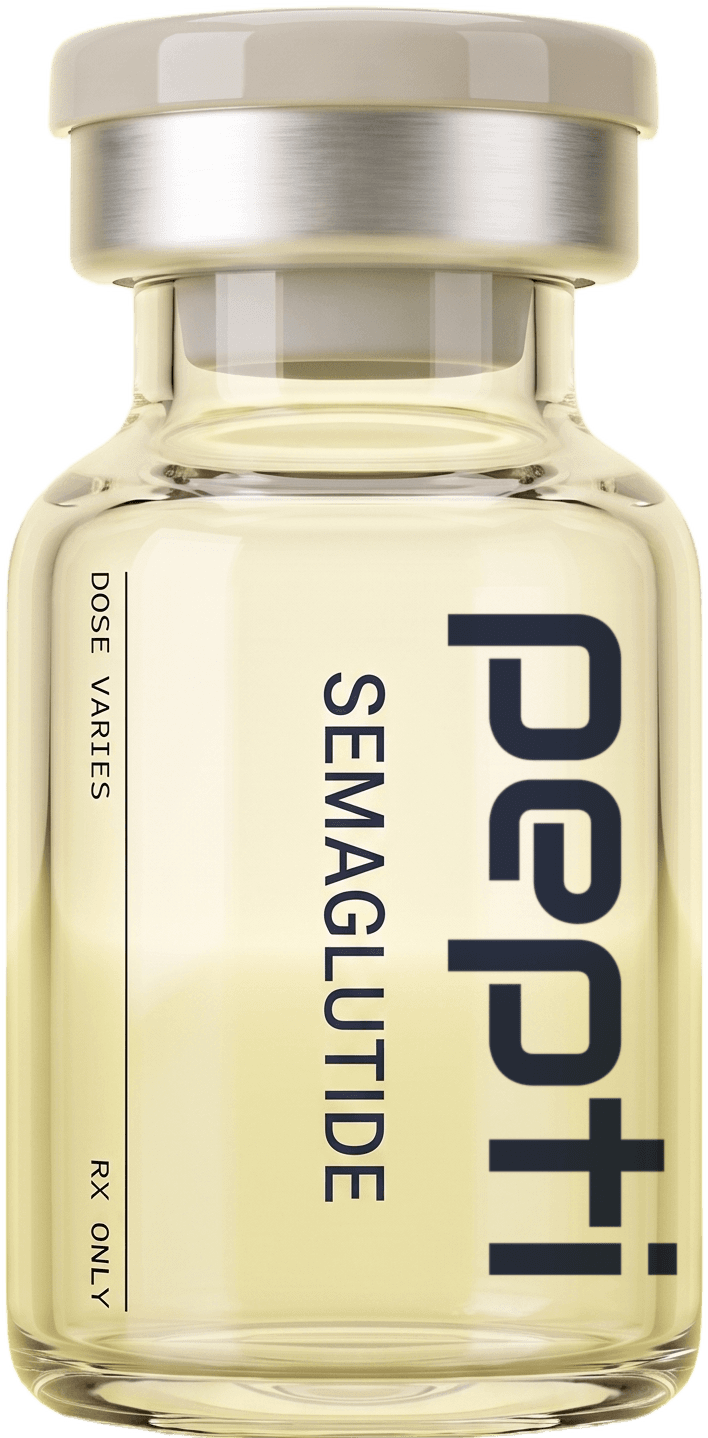
— Treatments mentioned
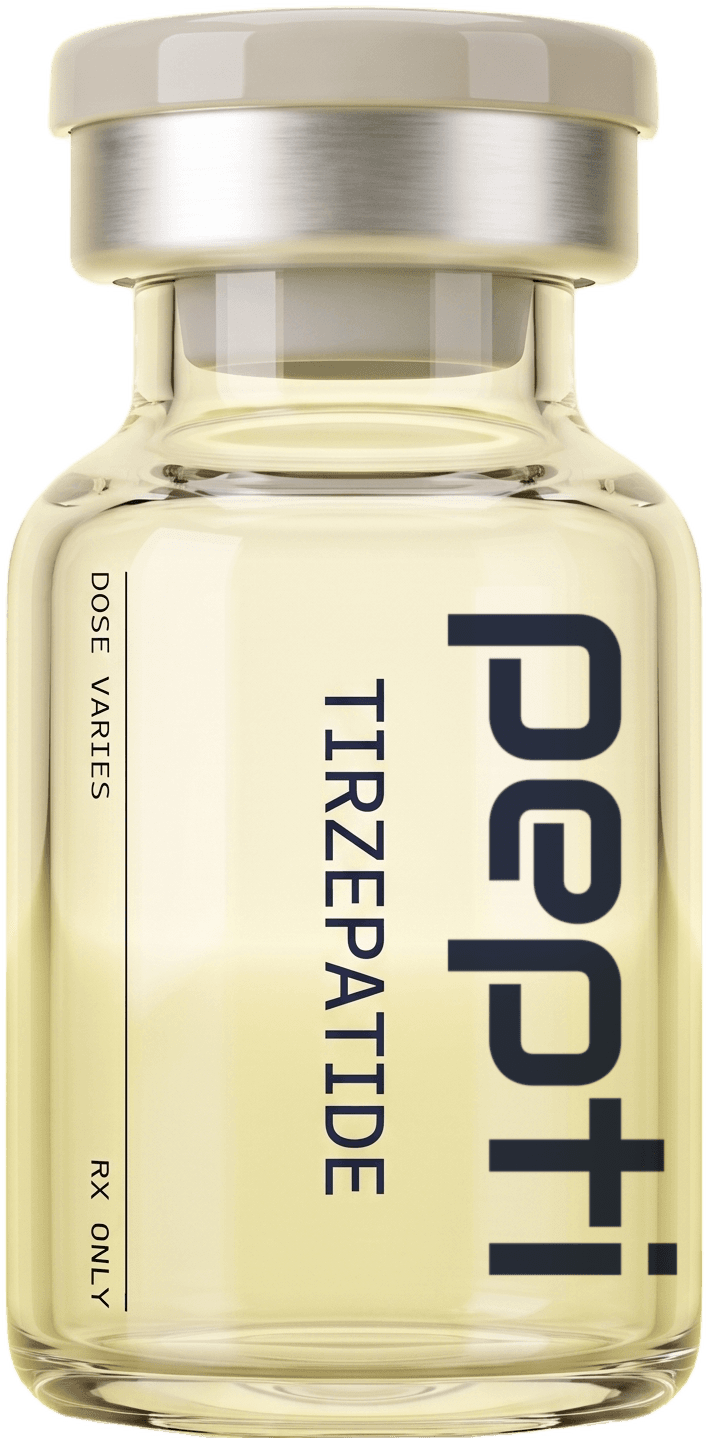
Compounded semaglutide contains the same active molecule as the branded product, so the drug's side effects and contraindications apply unchanged, but it has not been through FDA approval and its safety depends heavily on who prepared it. The molecule risks are documented: gastrointestinal effects, pancreatitis, gallbladder disease, a class thyroid warning, and a hard contraindication for medullary thyroid carcinoma or MEN 2. The preparation risks are different: wrong concentration, unknown additives, poor sterility, and dosing errors caused by vague directions. A state-licensed, FDA-registered pharmacy addresses the second category. Nothing addresses the first except a prescriber who knows your history.
This page keeps those categories apart: what the molecule's safety record consists of and what the approved labeling says, because that transfers to a compounded vial unchanged; then what compounding alters — ingredient source, added components, concentration, sterility assurance, labeling — because that has to be established pharmacy by pharmacy and lot by lot; then where compounded semaglutide stands with the FDA as of September 2026.
— Is Compounded Semaglutide Safe? What Changes, What Does Not, What to Verify
The short answer
| If you are considering | The product | What is in it | Price |
|---|---|---|---|
| Compounded semaglutide | Semaglutide | Dose-specific vials: 1 mg per 1 mL at the 0.25 mg rung, up to 10 mg per 2 mL at higher rungs | from $99 |
| Compounded tirzepatide | Tirzepatide | Dose-specific vials with cyanocobalamin, from 10 mg per 2 mL at the 2.5 mg rung | from $159 |
All-in monthly pricing covering medication, physician review, refill management and shipping, priced by dose rung. Neither is FDA approved. Both are compounded at a US FDA-registered pharmacy against a prescription from a physician licensed in your state. Neither is Ozempic, Wegovy, Mounjaro or Zepbound, and a provider using those brand names for a compounded vial is misrepresenting what you are buying.
In one sentence: compounded semaglutide is as safe as the molecule allows and as safe as the pharmacy that made it. The first is characterized in tens of thousands of trial participants; the second is not characterized at all unless someone shows you the testing. Whether it suits you is a physician's decision, and the assessment is where that starts.
— Is Compounded Semaglutide Safe? What Changes, What Does Not, What to Verify
Which risks belong to the molecule and which to the vial
This is the distinction the whole question turns on, and almost nobody draws it clearly.
| Risk | Belongs to | What changes when it is compounded |
|---|---|---|
| Nausea, constipation, reflux, early fullness | The molecule | Nothing. Same drug, same effects, same titration logic |
| Pancreatitis, gallbladder disease | The molecule | Nothing |
| Thyroid C-cell class warning, MEN 2 contraindication | The molecule | Nothing. The contraindication applies identically |
| Hypoglycaemia with insulin or sulfonylureas | The molecule | Nothing |
| Wrong concentration in the vial | The preparation | Everything. This is where compounding introduces risk |
| Unknown or undisclosed additives | The preparation | Everything |
| Sterility failure | The preparation | Everything |
| Dosing error from ambiguous directions | The preparation and the prescriber | Everything. Concentration varies between compounders, so unit counts do not transfer |
| Degraded product from warm shipping | The preparation and the shipper | Everything |
| Salt forms that are not semaglutide base | The preparation | Everything. This is the specific failure mode regulators have warned about |
Read that table again if you take nothing else from this page. The drug's documented safety profile, covered in is semaglutide safe, transfers in full. What does not transfer is confidence in any particular vial, and that is earned by the pharmacy rather than assumed from the molecule.
— Is Compounded Semaglutide Safe? What Changes, What Does Not, What to Verify
What the safety data on semaglutide actually consists of
The randomized trial program
Semaglutide at weight-management doses was studied in the STEP program: STEP 1 in the New England Journal of Medicine in 2021 in adults with overweight or obesity without diabetes, STEP 2 in The Lancet in 2021 where participants also had type 2 diabetes, STEP 3 and STEP 4 in JAMA in 2021, two-year data from STEP 5 in Nature Medicine in 2022, and STEP 8 in JAMA in 2022. The outcome trials sit alongside: SUSTAIN-6 in 2016, SELECT in 2023, which reported a reduction in major adverse cardiovascular events in adults with established cardiovascular disease and overweight or obesity but without diabetes, and ESSENCE in 2025 in non-cirrhotic steatohepatitis. Tirzepatide has its own set — SURMOUNT-1, SURMOUNT-2, SURMOUNT-OSA, SURPASS-2, SURPASS-CVOT and the head-to-head SURMOUNT-5 in 2025. That is an unusually large evidence base.
Why none of it was run on a compounded vial
Every one of those trials used a defined, manufactured product made under current good manufacturing practice, with a fixed formulation, container and stability program behind it. None used a compounded preparation, and none will — trials are designed around a product, not a molecule in the abstract. So the trial data tells you about the pharmacology of semaglutide, not about the vial in your refrigerator. That gap is the subject of the rest of this page.
— Is Compounded Semaglutide Safe? What Changes, What Does Not, What to Verify
Documented side effects, by how often they appear
The gastrointestinal effects
In the pivotal weight-management trials at the 2.4 mg weekly dose, nausea was reported by roughly forty-four percent of participants against sixteen percent on placebo, diarrhea by about thirty percent against sixteen, vomiting by about twenty-four percent against six, constipation by about twenty-four percent against eleven, and abdominal pain by about twenty percent against ten. They are why the dose is escalated slowly rather than started at target.
Everything the label lists at five percent or more
Nausea, diarrhea, vomiting, constipation, abdominal pain, dysesthesia, headache, fatigue, dyspepsia, dizziness, abdominal distension, eructation, hypoglycemia in patients with type 2 diabetes, flatulence, gastroenteritis, gastroesophageal reflux disease, and hair loss. None of it changes because a pharmacy filled the vial. A recurring marketing claim is that a compounded version is gentler, or that a vitamin in the vial reduces nausea; there is no trial evidence for either.
— Is Compounded Semaglutide Safe? What Changes, What Does Not, What to Verify
Serious risks named in the approved labeling
Every item below is a warning on the reference product's label, and every one applies identically to a compounded preparation of the same molecule. The Wegovy prescribing information was last revised in June 2026 and now covers an injection and an oral tablet.
— The thyroid C-cell boxed warning
The label carries a boxed warning stating that in rodents, semaglutide causes dose-dependent and treatment-duration-dependent thyroid C-cell tumors at clinically relevant exposures, and that it is unknown whether the drug causes thyroid C-cell tumors, including medullary thyroid carcinoma, in humans. That is the precise shape of the concern: a rodent finding, an unknown in humans, and a contraindication written conservatively because of it.
— Pancreatitis, gallbladder disease, dehydration and severe GI reactions
Acute pancreatitis is a listed warning; severe, persistent abdominal pain, often radiating to the back with vomiting, should send someone to be evaluated rather than to a message thread. Gallbladder events including cholelithiasis and cholecystitis are also listed, and are more likely against a background of rapid weight reduction. Sustained vomiting or diarrhea causes dehydration, which can cause acute kidney injury, particularly in someone already taking a diuretic, an ACE inhibitor or an ARB. Severe gastrointestinal reactions, some requiring hospitalization, are listed separately.
— Hypoglycemia with insulin or a sulfonylurea
On its own, semaglutide rarely causes hypoglycemia in people without diabetes. Combined with insulin or an insulin secretagogue such as a sulfonylurea the risk rises, and the label advises considering a dose reduction of the other agent when semaglutide is started. This is one specific reason a prescriber needs your complete medication list first.
— Retinopathy, heart rate, hypersensitivity and anesthesia
The label also lists diabetic retinopathy complications in patients with type 2 diabetes, where rapid improvement in glucose control has been associated with temporary worsening; an increase in resting heart rate; serious hypersensitivity reactions including anaphylaxis and angioedema; and the risk of pulmonary aspiration during general anesthesia or deep sedation. That last one is why anesthesia teams ask about GLP-1 use before a procedure.
— Is Compounded Semaglutide Safe? What Changes, What Does Not, What to Verify
Contraindications: who cannot take it at all
A personal or family history of medullary thyroid carcinoma, or Multiple Endocrine Neoplasia syndrome type 2, is a contraindication — not a caution, not a discussion. The second is a previous serious hypersensitivity reaction to semaglutide or to an excipient of the product. With a compounded preparation the excipient list is whatever the pharmacy used, which is another reason to have the formulation in writing first.
Pregnancy is handled separately: the label directs that the drug be discontinued when a pregnancy is recognized in a patient using it for weight reduction, and discontinued at least two months before a planned pregnancy to account for semaglutide's long half-life. Two months is a planning window people need told in advance rather than after the fact.
— Is Compounded Semaglutide Safe? What Changes, What Does Not, What to Verify
What compounding actually changes
— The ingredient is the same molecule; the product is not the same product
A compounded semaglutide preparation is made from a bulk drug substance, filled into a vial by a pharmacy and labeled by that pharmacy. It is not manufactured under an approved application. FDA's framing is blunt: compounded drugs are not FDA-approved, which means the agency does not review their safety, effectiveness or quality before they are marketed. That is not an accusation against any pharmacy; it says where the assurance comes from — the pharmacy's own systems and testing.
— Added ingredients
Compounded GLP-1 preparations frequently contain more than the active peptide. A 2026 survey in the Annals of Pharmacotherapy catalogued compounded semaglutide and tirzepatide products, found a wide range of unique formulations — many with a B vitamin or an antiemetic added — and found published information on storage and beyond-use dating to be the exception rather than the rule. Additions are a problem when undisclosed. The exact formulation Pepti dispenses is on the semaglutide product page and on the label.
— Concentration is not standardized
There is no standard strength for compounded semaglutide. Different pharmacies fill different concentrations, and one pharmacy may offer several. Nothing about a unit count therefore carries across a change of vial, strength or provider — which is the root of the most common serious error in the category.
— Impurity profiles
A 2026 paper in Pharmaceutical Research compared follow-on and compounded GLP-1 receptor agonist products against the originator formulations, reported distinct impurity profiles, and identified peptide-related impurities with potential immunogenicity. A 2026 review in Cureus argued that identical exposure metrics can mask divergent impurity profiles, and that evidence from the landmark trials is not automatically transferable to a different preparation of the same molecule. Neither says compounded semaglutide is unsafe. Both say what this page says: the difference lives in the chemistry of a specific batch, which is what lot-level testing is for.
— Beyond-use dating and storage
A manufactured product carries an expiry date supported by a formal stability program. A compounded preparation carries a beyond-use date assigned by the pharmacy under compendial rules. Both are real dates, established differently, and the compounded one is usually much shorter. A vial with no beyond-use date on the label is a vial with no assurance behind it.
— Is Compounded Semaglutide Safe? What Changes, What Does Not, What to Verify
The dosing-error risk that is specific to compounding
Compounded GLP-1 concentrations differ between pharmacies. The same 0.25 mg dose can be a different number of units on an insulin syringe depending on whether the vial is 1 mg/mL or 2.5 mg/mL. People who switch providers, or who follow unit counts they read online, are the ones who end up taking several times the dose they intended.
Three rules follow. Dose from the directions printed on your own vial, never from a number someone else used. Re-check the units every time your strength changes, because the concentration may have changed too. If your new vial's label does not match what you were doing before, message your prescriber before you inject. The general injection technique is in how to inject peptides safely.
What FDA has documented about it
FDA issued an alert on compounded injectable semaglutide dosing errors in July 2024. It describes patients given U-100 insulin syringes, asked to measure a small dose expressed in units, drawing up five to twenty times the intended amount; and clinicians miscalculating conversions between milligrams, units and milliliters, producing five- to ten-fold overdoses. A separate compounding risk alert addresses the label itself: conventional manufacturers print strength per total volume first and prominently, with concentration per milliliter in parentheses, while compounders often reverse it — so the prominent figure gets read as the total contents of the vial.
— Is Compounded Semaglutide Safe? What Changes, What Does Not, What to Verify
The salt-form problem
Regulators have specifically warned about compounded products using semaglutide sodium or semaglutide acetate rather than the base molecule that was studied. Salt forms are different substances. They are not what the trials tested, their behavior is not established, and their presence is a sign that the ingredient was sourced outside a legitimate channel. FDA states that it does not have information on whether these salts share the chemical and pharmacologic properties of the active ingredient in the approved drug, and that it is not aware of any lawful basis for their use.
You are entitled to ask, in writing, whether your prescription is compounded from semaglutide base. If a provider cannot or will not answer that plainly, that is the answer.
The same FDA page describes an adjacent failure mode: semaglutide sold online labeled "for research purposes" or "not for human consumption" while being supplied to consumers with dosing instructions, alongside counterfeit branded pens in the supply chain.
— Is Compounded Semaglutide Safe? What Changes, What Does Not, What to Verify
Sterility: the part you cannot see
An injectable has to be sterile, and sterility is the one attribute a patient can never check by looking.
What the standard actually requires
FDA's guidance on insanitary conditions at compounding facilities describes aseptic manipulations performed inside a certified ISO 5 area, with sterile gown components, gowning done in classified space, gloves disinfected and changed at defined points, and no exposed hair or skin. Aseptic work outside a certified ISO 5 area, or with unidirectional airflow disrupted, is treated as an insanitary condition — as is the absence of routine environmental monitoring, glove-fingertip sampling, or periodic ISO 5 certification with smoke studies under dynamic conditions. The guidance references USP chapter 797 directly, noting that a facility compounding in a segregated compounding area must meet all USP 797 criteria for that area and assign beyond-use dates not exceeding twelve hours at room temperature or twenty-four hours refrigerated. Those very short dates are why a multi-week vial has to come out of a properly classified cleanroom.
What lot testing shows, and what it does not
Pepti publishes the laboratory results for each dispensed lot at /quality/lab-results#semaglutide, transcribed as text from the certificate rather than buried in a PDF. For semaglutide lots that typically means measured potency against the labeled concentration with a specification of plus or minus ten percent of claim, a bacterial endotoxin result against a stated limit, and a sterility result by a rapid method validated against the compendial chapter for alternative microbiological methods. The broader policy is on /quality. A certificate does not turn a compounded preparation into an approved drug — it says this lot met its specification, which is narrower and far more useful than "trust us".
— Is Compounded Semaglutide Safe? What Changes, What Does Not, What to Verify
Where compounded semaglutide stands with the FDA right now
This area has moved repeatedly since early 2025 and most of what is written about it online is out of date.
— Compounded medications are never FDA approved
Approval attaches to a specific manufactured product and its application. No compounded preparation of anything, from any pharmacy, is FDA approved. Compounding operates through exemptions in sections 503A and 503B of the Federal Food, Drug, and Cosmetic Act. A 503A pharmacy compounds for an identified individual patient against a prescription and is overseen by its state board; a 503B outsourcing facility registers with FDA, is inspected on a risk-based schedule, is subject to current good manufacturing practice requirements, and may only use bulk substances on the 503B bulks list. Most regulatory news here applies to one route and not the other, which is why headlines about it are so often misread.
— The shortage is over, and that changed the rules
While an approved drug sits in "currently in shortage" status on FDA's shortage list it is not treated as commercially available for compounding purposes, and the restriction on compounding copies is relaxed. When the shortage resolves, that relaxation ends. FDA's drug shortage database now carries semaglutide injection in resolved status, so the ordinary rules apply again.
— The "essentially a copy" standard in plain terms
Under section 503A(b)(1)(D) a pharmacy may not regularly or in inordinate amounts compound products that are essentially copies of a commercially available drug product. FDA's guidance treats a compounded product as essentially a copy where it has the same active ingredient, a strength that is the same, similar — within ten percent — or easily substitutable, and the same route. The exception is narrow: under 503A(b)(2) a product is not essentially a copy if a change is made for an identified individual patient which, as determined by the prescribing practitioner, produces a significant difference for that patient, documented on the prescription. A lower price is expressly not a significant difference. That is why a legitimate compounded GLP-1 prescription is written patient by patient rather than ordered from a menu.
— The 503B bulks-list proposal of April 2026
On 30 April 2026 FDA announced a proposal to exclude semaglutide, tirzepatide and liraglutide from the 503B bulks list, saying it had not identified sufficient evidence of clinical need. The Federal Register notice of 1 May 2026 gives the reasoning: FDA tentatively found no basis to conclude that an attribute of the approved products makes them medically unsuitable for the conditions at issue, and stated that it does not interpret supply issues such as shortages and backorders as falling within the meaning of clinical need. The comment period was extended by a further notice on 26 June 2026. As of September 2026 it remains a proposal, and it addresses the 503B bulk route, not a 503A patient-specific prescription.
— What may not be claimed, and what "FDA-registered" means
In June 2026 FDA published guidance for telehealth companies promoting compounded drugs. It states that compounded drugs are not reviewed by the agency for safety, effectiveness or quality prior to marketing; that a compounded drug may not be presented as equivalent to an approved product the way a generic is; and that no one may claim a drug comes from an FDA-approved or FDA-licensed pharmacy or outsourcing facility, because FDA does not approve or license facilities. Registration is narrower: the facility has registered and is subject to inspection. Ask for the pharmacy's name and state licence, not an adjective.
— Is Compounded Semaglutide Safe? What Changes, What Does Not, What to Verify
What compounding is, and what it is not
Compounding is a pharmacy preparing a medication for an individual patient against a prescription. It is a long-established, regulated practice, done by pharmacies licensed by state boards and, for the facilities that supply telehealth at scale, registered with the FDA and subject to inspection. Federal law sets the conditions under which a drug that is also commercially available may be compounded, and those conditions change, which is why availability in this category moves. The regulatory shape of it is in what is a 503A compounding pharmacy.
What it is not is manufacturing. There is no approved specification, no batch-level FDA release, and no dedicated stability programme for your particular vial. A reputable compounder works to pharmacy standards with tested ingredient and documented processes, and that is a real standard, just not the same one.
What it is also not is the grey market. Vials sold as research chemicals, with no prescription and no pharmacy, are not compounded medication regardless of the label. Nobody is accountable for identity, purity, sterility or concentration. That is a different risk category and should not be compared to a compounded prescription. The distinction is in research peptides vs prescription peptides.
— Is Compounded Semaglutide Safe? What Changes, What Does Not, What to Verify
What to verify before you buy
| Question | What a good answer looks like | What a bad answer looks like |
|---|---|---|
| Who prescribed this? | A named physician licensed in your state, after a medical intake covering your history | A form, a questionnaire with no clinician, or no name at all |
| Which pharmacy compounds it? | A named pharmacy, licensed by a state board and registered with the FDA, which you can look up | "Our pharmacy partner", or refusal to name it |
| Is it semaglutide base? | Yes, stated plainly | Evasion, or a claim that it does not matter |
| What is the concentration? | A specific mg per mL, matching the label and your directions | Only a dose in units, with no concentration |
| What else is in the vial? | A full list. B12 is common in GLP-1 compounds and should be disclosed | Unknown, or "proprietary" |
| How will it ship? | Refrigerated, with a beyond-use date on the label | Ambient shipping, no date |
| Who do I contact for a side effect? | A named clinical team with a route to reach them | A support email for orders |
| What if it arrives warm? | A stated replacement process | No process |
If you are evaluating a provider more broadly, the fuller checklist is in how to tell if a peptide seller is legitimate. Two questions are worth adding: whether your lot has a published laboratory result, and which tests were run on it. Potency, endotoxin and sterility are the three that matter for an injectable.
— Is Compounded Semaglutide Safe? What Changes, What Does Not, What to Verify
Monitoring and bloodwork
— Before starting
A physician will want a full medication list, a personal and family thyroid history, a history of pancreatitis or gallbladder disease, a pregnancy plan where relevant, and a picture of kidney function. If you have diabetes, whether you take insulin or a sulfonylurea changes the plan immediately. Blood testing can be arranged where a physician wants it.
— While on treatment
Monitoring is mostly clinical rather than laboratory: how the gastrointestinal effects are tracking, whether hydration is holding, whether weight change is proceeding at a rate the prescriber is comfortable with, and how diabetes medications need adjusting as glucose falls. Bloodwork is repeated when a physician has a reason, not on a calendar.
— What should prompt a message rather than a wait
Severe or persistent abdominal pain, pain radiating to the back with vomiting, right upper quadrant pain with fever or jaundice, an inability to keep fluids down, symptoms of low blood sugar if you take insulin or a sulfonylurea, or swelling of the face, lips or throat. Also: a vial that arrives warm, or a label that does not match your directions.
— Is Compounded Semaglutide Safe? What Changes, What Does Not, What to Verify
Who should not take compounded semaglutide
Anyone with a personal or family history of medullary thyroid carcinoma or MEN 2. Anyone with a prior serious hypersensitivity reaction to semaglutide or to an ingredient of the specific preparation. Anyone pregnant, and anyone planning a pregnancy inside the two-month window the label describes. And anyone who cannot get a straight answer about the pharmacy, the concentration and the formulation — not a clinical contraindication, but a sound reason to decline that supply.
When a GLP-1 is the wrong tool
Weight that has not responded, or a gastrointestinal burden that is not tolerable, is a conversation with the prescribing physician rather than a reason to change vendors. It may move toward tirzepatide, which acts at two receptors rather than one and was compared directly with semaglutide in SURMOUNT-5 in 2025, or toward non-GLP-1 options such as tesamorelin or AOD-9604. Those are prescribing decisions, not shopping decisions.
— Is Compounded Semaglutide Safe? What Changes, What Does Not, What to Verify
What the evidence shows, honestly
There is no body of trial evidence on compounded semaglutide as such, and there will not be one. Trials study a defined manufactured product. What exists is the pharmacology of the active ingredient, which is well studied, plus the quality systems of whichever pharmacy made your vial, which vary.
So the honest answer to the question in the title is conditional rather than yes or no. A compounded semaglutide prescription from a physician licensed in your state, filled by a named FDA-registered pharmacy, shipped cold, labelled with concentration and beyond-use date, carries the documented risks of the molecule and little else. The same molecule bought from an unnamed source with vague labelling carries those risks plus every preparation risk in the table above. The difference between the two is not the drug.
— References
What this is based on.
References
- Wilding JPH, Batterham RL, Calanna S, et al.. Once-Weekly Semaglutide in Adults with Overweight or Obesity (STEP 1) · New England Journal of Medicine (2021) · PMID 33567185
- Lincoff AM, Brown-Frandsen K, Colhoun HM, et al.. Semaglutide and Cardiovascular Outcomes in Obesity without Diabetes (SELECT) · New England Journal of Medicine (2023) · PMID 37952131
- Wadden TA, Bailey TS, Billings LK, et al.. Effect of subcutaneous semaglutide vs placebo as an adjunct to intensive behavioral therapy on body weight in adults with overweight or obesity (STEP 3) · JAMA (2021) · PMID 33625476
- Rubino D, Abrahamsson N, Davies M, et al.. Effect of Continued Weekly Subcutaneous Semaglutide vs Placebo on Weight Loss Maintenance in Adults With Overweight or Obesity: The STEP 4 Randomized Clinical Trial · JAMA (2021) · PMID 33755728
- Marso SP, Bain SC, Consoli A, et al.. Semaglutide and Cardiovascular Outcomes in Patients with Type 2 Diabetes (SUSTAIN-6) · New England Journal of Medicine (2016) · PMID 27633186
- Davies M, Færch L, Jeppesen OK, et al.. Semaglutide 2.4 mg once a week in adults with overweight or obesity, and type 2 diabetes (STEP 2): a randomised, double-blind, double-dummy, placebo-controlled, phase 3 trial · The Lancet (2021) · PMID 33667417
- Garvey WT, Batterham RL, Bhatta M, et al.. Two-year effects of semaglutide in adults with overweight or obesity: the STEP 5 trial · Nature Medicine (2022) · PMID 36216945
- Rubino DM, Greenway FL, Khalid U, et al.. Effect of Weekly Subcutaneous Semaglutide vs Daily Liraglutide on Body Weight in Adults With Overweight or Obesity Without Diabetes: The STEP 8 Randomized Clinical Trial · JAMA (2022) · PMID 35015037
- Aronne LJ, Horn DB, le Roux CW, et al.. Tirzepatide as Compared with Semaglutide for the Treatment of Obesity (SURMOUNT-5) · New England Journal of Medicine (2025) · PMID 40353578
- Sanyal AJ, Newsome PN, Kliers I, et al.. Phase 3 Trial of Semaglutide in Metabolic Dysfunction-Associated Steatohepatitis (ESSENCE) · New England Journal of Medicine (2025) · PMID 40305708
- Wilding JPH, Batterham RL, Davies M, Van Gaal LF, Kandler K et al.. Weight regain and cardiometabolic effects after withdrawal of semaglutide: The STEP 1 trial extension · Diabetes Obes Metab (2022) · PMID 35441470
- Batsis JA, Gavras A, Gross DC, Cheever CR, Da Silva BR et al.. Effect of Incretin-Based and Nonpharmacologic Weight Loss on Body Composition: A Systematic Review · Ann Intern Med (2026) · PMID 41996180
Citations are provided for educational purposes. They do not constitute medical advice. Always discuss any peptide protocol with your prescribing physician.
— Common questions
Is Compounded Semaglutide Safe? What Changes, What Does Not, What to Verify, answered.
No. Approval applies to the branded manufactured product. Compounded semaglutide is prepared at a US FDA-registered pharmacy against a prescription, which is a different regulatory pathway. Any provider claiming FDA approval for a compounded product is misleading you — and FDA's guidance to telehealth companies adds that no one may claim a drug comes from an FDA-approved or FDA-licensed facility either, because FDA does not approve or license facilities.
No. It shares the active ingredient. It is not those products, it is not made by their manufacturer, and it has not been through their approval. A provider using those brand names for a compounded vial is misrepresenting it. The trial evidence was generated on the manufactured product; the pharmacology carries over, the product-specific data does not.
It should not be, if the concentration on the label is accurate and your dose is prescribed correctly. The variable is the pharmacy, which is why naming the pharmacy matters more than any claim about strength. A published potency result for your lot, measured against the labeled concentration, is the only version of this answer that can be checked.
Different supply chain, no brand pricing, and direct dispensing rather than retail distribution. That is explained in why are compounded peptides cheaper. Cheap on its own is not evidence of either quality or its absence — and under FDA's guidance a lower price is expressly not a "significant difference" for the copies restriction.
Do not inject it. Message your provider and ask for the replacement process. A provider without a stated process for this is telling you something about the rest of their operation.
Yes. The molecule is the same, so the gastrointestinal effects, the serious risks and the contraindications all apply. They are set out in is semaglutide safe.
Ask for the name and the state that licenses it, then look it up with that state's board of pharmacy. A provider that will not name the pharmacy has already answered your question.
The framework changed, not the legality of compounding as such. While an approved product is in shortage it is not treated as commercially available, which relaxes the restriction on compounding copies; semaglutide injection now sits in resolved status, so the ordinary rules apply again. Under section 503A a preparation is not an essentially-a-copy problem where the prescriber has determined, for an identified individual patient, that a change produces a significant difference and documented it on the prescription.
On 30 April 2026 FDA proposed to exclude semaglutide, tirzepatide and liraglutide from the 503B bulks list, saying it had not identified sufficient evidence of clinical need. The comment period was extended in late June 2026 and no final determination had issued as of September 2026. It addresses outsourcing facilities compounding from bulk substances, not a 503A pharmacy filling a patient-specific prescription.
It is a question researchers have begun to examine rather than a documented outcome. A 2026 paper in Pharmaceutical Research reported distinct impurity profiles in follow-on and compounded GLP-1 products compared with the originator, and identified peptide-related impurities with potential immunogenicity. That is a reason to care about who made the vial and what was tested on the lot.
Cyanocobalamin is commonly added to compounded GLP-1 preparations for tolerability rather than for effect on weight, and no trial shows it reduces nausea. What matters is disclosure, so anyone reviewing your medications knows what you are injecting. The 2026 Annals of Pharmacotherapy survey found added ingredients widespread, with storage and beyond-use information often unpublished.
That you take a GLP-1 receptor agonist, the dose, and when you last injected. The label carries a warning about pulmonary aspiration during general anesthesia or deep sedation because of delayed gastric emptying, and anesthesia teams plan around it. This applies to a compounded preparation exactly as it applies to the branded one.
Because "the same molecule" and "the same product" are different statements. The molecule brings the trial evidence and the warnings. The product brings the concentration, the excipients, the impurity profile, the sterility assurance, the beyond-use date and the label — and every documented failure specific to compounded GLP-1s so far has come from that second list. The free assessment goes to a physician licensed in your state. A consultation does not guarantee a prescription.
— Next step
See what a physician
recommends for you.
A licensed physician in your state reviews your intake and decides what is appropriate. A consultation does not guarantee a prescription.
Important legal & safety information
The assessment process available on the Pepti website asks a series of medical questions, and the answers provided are reviewed by an independent licensed physician affiliated with our partner physician network. The licensed providers have established exclusionary criteria, and the answers provided determine if the individual is screened out of eligibility for treatment. The licensed clinicians retain the sole decision to prescribe peptide therapy and other compounded medications to patients. Treatment may be denied at the physician's sole discretion. If a prescription is not approved, you will not be charged for the medication.
Pharmacy Providers. Pepti is a technology platform and is not a healthcare provider, pharmacy, or prescriber. All medications offered through the platform are compounded by independent FDA-registered 503A or 503B compounding pharmacies based on a valid prescription written by a licensed physician for an individual patient. Compounded medications are not FDA-approved as products. The active pharmaceutical ingredients used by our partner pharmacies are sourced from FDA-registered facilities. Compounded medications may not undergo the same testing or quality control as commercially manufactured FDA-approved drugs.
Results vary. Results from peptide therapy and other compounded treatments vary based on individual factors, including age, weight, medical history, adherence to the prescribed protocol, lifestyle factors, and physiological response. Pepti makes no guarantee of any specific outcome. Statements about peptide therapy and compounded medications offered through the platform have not been evaluated by the Food and Drug Administration. These products are not intended to diagnose, treat, cure, or prevent any disease.
Product images. Product photographs and renderings shown on this website are for illustrative purposes only. The appearance of vials, packaging, labeling, and other materials you receive may vary and is determined by the dispensing compounding pharmacy.
Off-label use.Many peptides offered through the platform are prescribed for off-label use. “Off-label” means the medication is being prescribed for a use, dose, or patient population that is not specifically approved by the FDA. Off-label prescribing is legal and common in U.S. medical practice when supported by clinical experience and judgment.
Mailing & shipping. Pepti currently dispenses prescription medication to patients in all 50 states and Washington, D.C.. All orders ship in unbranded, tamper-evident packaging via expedited delivery from our partner compounding pharmacies. Temperature-sensitive medications ship with insulated packaging and ice packs. Shipping is included at no additional cost. We do not currently ship medication outside all 50 states and Washington, D.C., internationally, or to APO/FPO addresses.
Not for emergencies. Pepti is not designed for medical emergencies. If you are experiencing a medical emergency, call 911 or go to your nearest emergency room immediately. For urgent but non-emergency medical questions, contact your primary care provider or use an urgent care service.
No doctor-patient relationship with Pepti. Your use of the platform does not create a doctor-patient relationship between you and pepti LLC. A doctor-patient relationship is established only between you and the independent licensed physician who reviews your intake and prescribes your treatment. The physicians who use the platform are independent contractors and are solely responsible for the medical care they provide.
Prescription medications. All prescription products require a valid prescription from a licensed healthcare provider. By using the platform, you acknowledge that you are at least 18 years old and that the information you provide is true, accurate, current, and complete. Providing false information may result in inappropriate treatment recommendations or denial of service.
Cosmetic & wellness products.Certain products offered through Pepti — including skincare, hair care, body care, supplements, men's grooming, sports recovery, and sexual wellness products — are cosmetic or dietary supplement products, not prescription medications. These products do not require a prescription and are not reviewed or prescribed by a physician. Statements regarding dietary supplements have not been evaluated by the Food and Drug Administration. These products are not intended to diagnose, treat, cure, or prevent any disease. Results vary by individual. Consult your healthcare provider before starting any new supplement or topical product, especially if you are pregnant, nursing, or taking other medications.
pepti LLC · Delaware Limited Liability Company · 131 Continental Dr, Suite 305, Newark, DE 19713 · For media or partnership inquiries, email hello@hellopepti.com. For patient support, email support@hellopepti.com. For privacy and HIPAA inquiries, email privacy@hellopepti.com.