— Weight Loss · Reference
Does Insurance Cover Peptide Therapy? What Is Covered, What Is Not, and Why
This page explains the mechanism rather than the disappointment, so you can spend your time on the claims that might work instead of appealing the ones that never will.
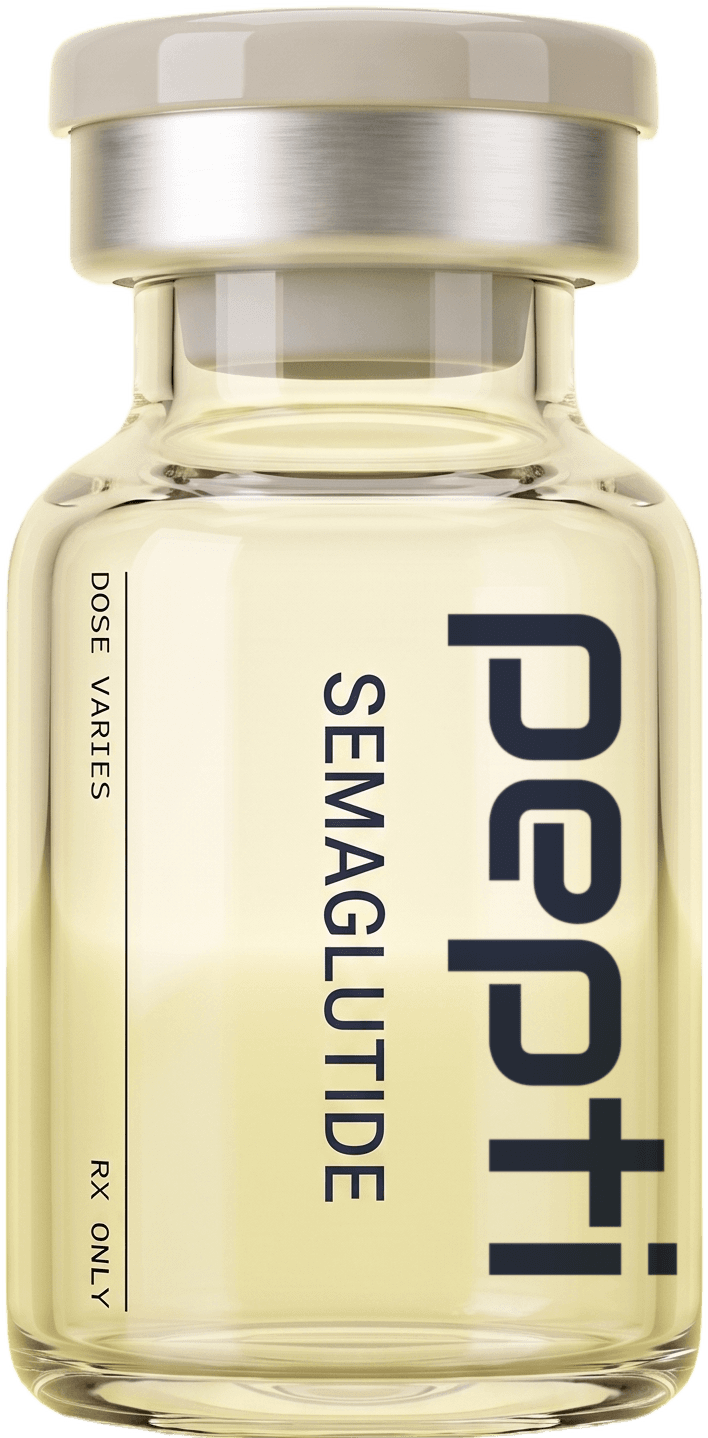
— Treatments mentioned
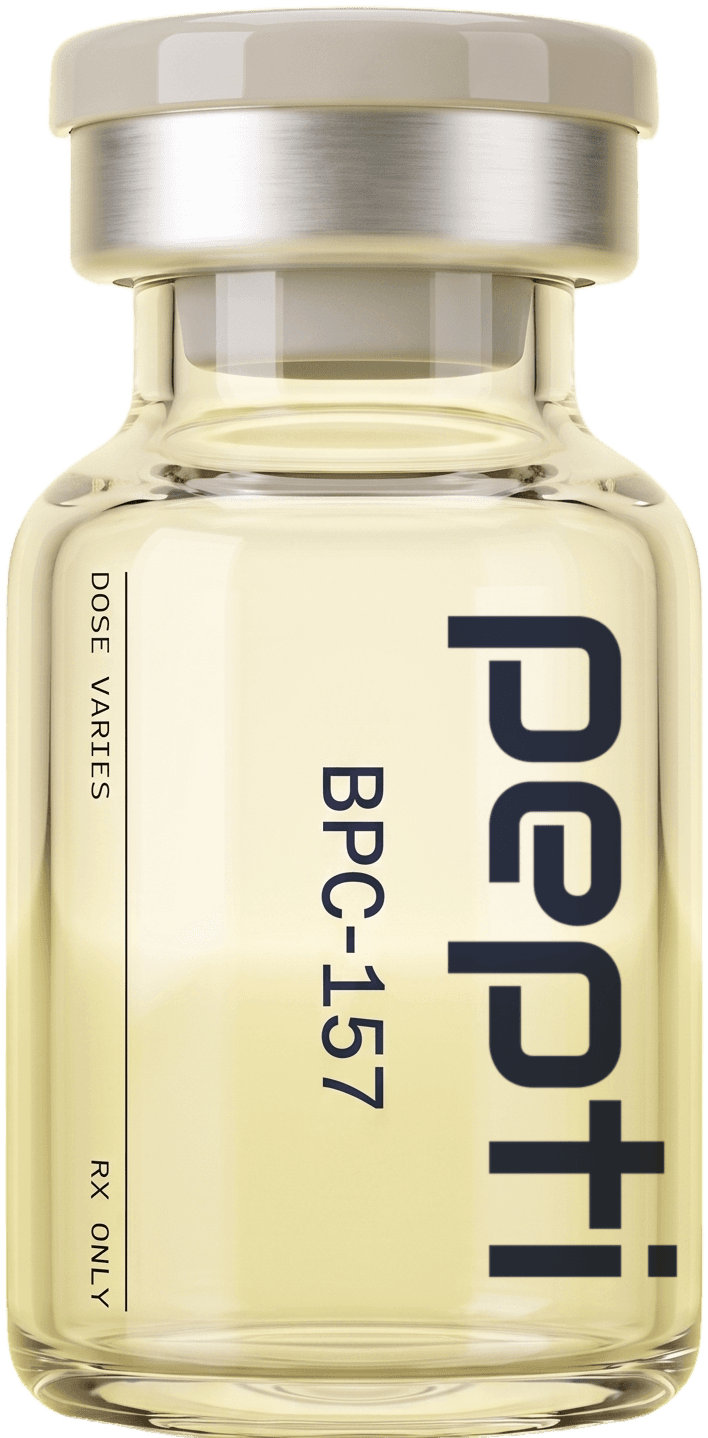
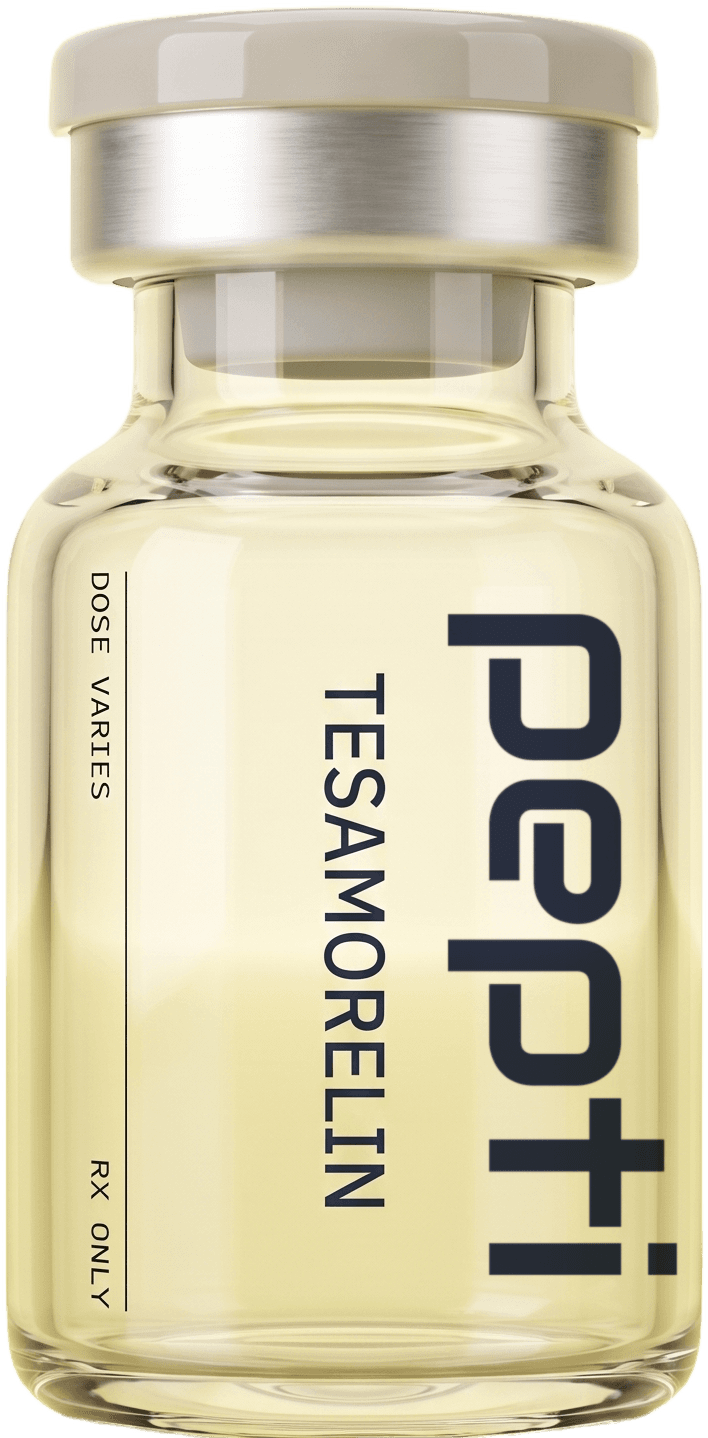
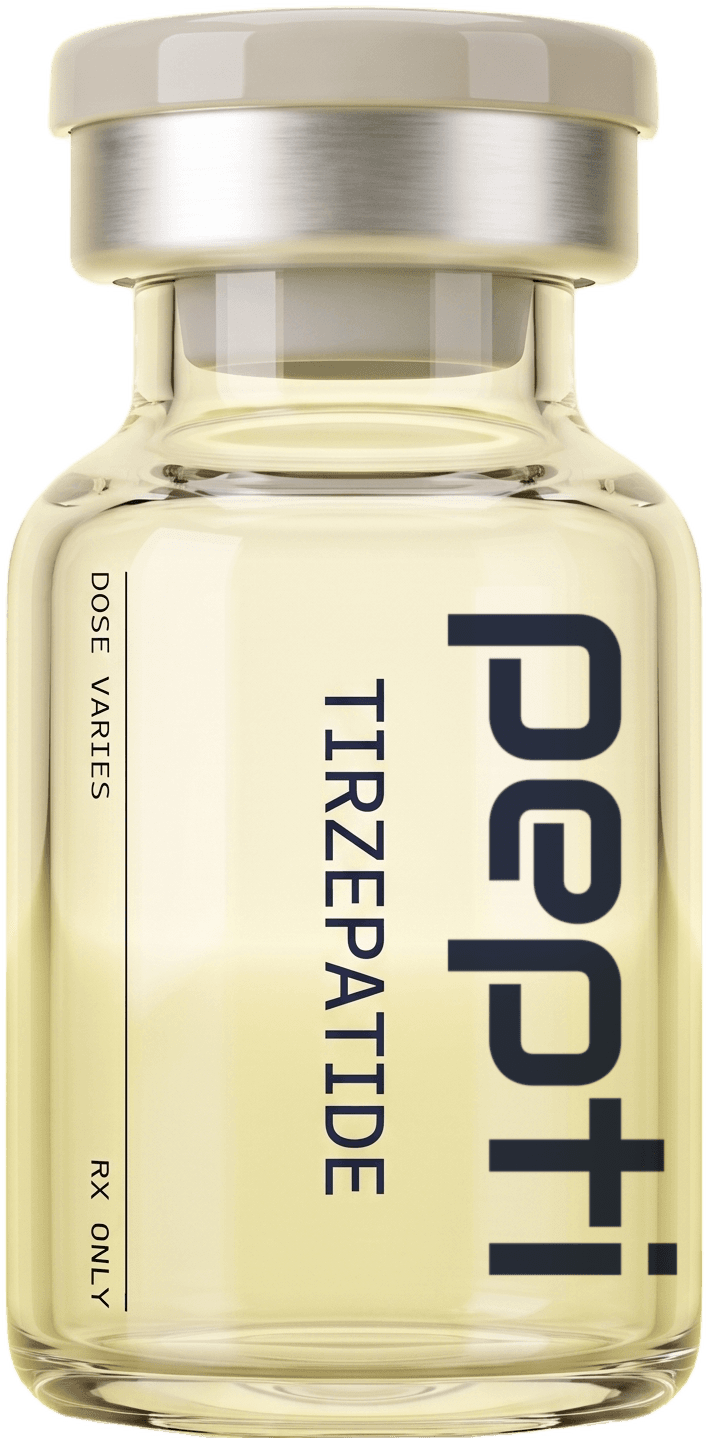
Insurance almost never covers compounded peptide therapy, because coverage is built around FDA-approved products on a formulary and a medication compounded for one patient is neither. Branded GLP-1 medications are a partial exception and are sometimes covered with prior authorisation and documented criteria. Bloodwork ordered by your own physician for a clinical reason is often claimable even when the treatment is not. HSA and FSA funds are usable by most patients, which in practice is the only meaningful cost relief available.
This page explains the mechanism rather than the disappointment, so you can spend your time on the claims that might work instead of appealing the ones that never will.
— Does Insurance Cover Peptide Therapy? What Is Covered, What Is Not, and Why
The short answer
| What you are trying to claim | Typical outcome | Why | Your realistic cost |
|---|---|---|---|
| A compounded peptide such as BPC-157 | Not covered | No formulary listing, not an approved product | $209 a month all-in |
| A compounded blend such as KLOW | Not covered | Same, and multi-ingredient compounds are excluded more often still | $259 a month all-in |
| Compounded semaglutide | Not covered | Compounded, not the approved branded product | $99 a month all-in, dose dependent |
| Compounded tirzepatide | Not covered | Same | $159 a month all-in, dose dependent |
| A branded GLP-1 through your own prescriber | Sometimes covered | Approved product on some formularies | Plan copay, if you meet criteria |
| Labs ordered by your own physician | Often covered | Ordinary diagnostic billing | Plan cost share |
| Labs ordered inside a telehealth programme | Usually not | No covered clinical encounter behind them | At-home blood testing, priced separately |
| Any of the above via HSA or FSA | Usually allowed | Qualified medical expense in most plans | Pre-tax dollars |
— Does Insurance Cover Peptide Therapy? What Is Covered, What Is Not, and Why
Why compounded medications sit outside coverage
This is structural, not a judgement on whether the treatment helps you.
| Requirement a plan has | What a compounded peptide offers | Result |
|---|---|---|
| The drug appears on the plan formulary | Formularies list approved manufactured products | No listing to pay against |
| A National Drug Code the plan can adjudicate | Compounded preparations are made per prescription, not assigned an NDC in the usual way | Claim cannot be processed normally |
| Evidence of efficacy for the coded indication | Most wellness peptides have preclinical evidence only | Fails medical-necessity review |
| An approved indication that matches a diagnosis code | No approved indication exists for most of these molecules | No code to submit under |
All four have to line up for a pharmacy benefit to pay. For a compounded peptide, typically none of them do. That is why appeals in this category almost never succeed: the denial is not a clinical judgement that can be argued, it is a category mismatch.
Some plans do have a compounding benefit, usually with a dollar cap and a requirement that every ingredient be individually covered. Multi-ingredient preparations such as the four-peptide blends are the first thing such a benefit excludes.
— The statute that puts a compounded preparation in a different category
Compounding for an identified individual patient is governed by section 503A of the Federal Food, Drug, and Cosmetic Act. The operative sentence is short: sections 501(a)(2)(B), 502(f)(1) and 505 of the Act "shall not apply to a drug product if the drug product is compounded for an identified individual patient" under the conditions the section sets out.
Those three exempted sections are current good manufacturing practice, adequate directions for use on the label, and new drug approval. The third is the whole story. A compounded preparation is lawful precisely because the approval requirement does not apply to it, and a pharmacy benefit pays for products that went through that requirement. The exemption that makes compounding legal is the same one that makes it unclaimable.
— What the FDA itself says
The FDA states it plainly: "Compounded drugs are not FDA-approved. This means that FDA does not verify the safety, effectiveness or quality of compounded drugs before they are marketed." The same page explains the purpose: "A drug may be compounded for a patient who cannot be treated with an FDA-approved medication."
Read those together and the logic follows. Compounding exists for the patient the approved-product system does not serve, and a formulary is the approved-product system. The two were never designed to meet.
— The missing National Drug Code, explained properly
A pharmacy claim is a set of numbers, and the central one is the National Drug Code identifying a specific product from a specific labeler in a specific package size. The NDC Directory covers prescription, over-the-counter and insulin products "manufactured, prepared, propagated, compounded, or processed by registered establishments for commercial distribution," listed under section 510 of the Act.
The phrase that matters is for commercial distribution. A 503A preparation is made pursuant to one prescription for one named patient, so there is no finished-product NDC to price against, and pharmacies that submit compound claims at all usually submit the codes of the individual ingredients instead. It is also why a receipt solves nothing: hand a plan a clear invoice for BPC-157 and it still will not adjudicate, because the field the system needs is empty.
— Medical necessity and the diagnosis code problem
Where a plan does have discretion, medical necessity review asks whether the treatment is appropriate for a coded diagnosis according to accepted standards. For most wellness peptides there is no approved indication, so there is no diagnosis code that pairs with the product in the plan's criteria. A formulary is a list with tiers and negotiated prices, and a compounded peptide is not on it, so the claim is rejected before a reviewer ever reaches the necessity question.
— Compounding riders, and why blends are excluded first
Where a compounding benefit exists, expect some combination of a dollar cap, a requirement that each active ingredient be a covered drug, exclusion of bulk chemical ingredients, and exclusion of preparations that duplicate a commercially available product. A four-peptide preparation such as KLOW fails the ingredient-by-ingredient test immediately, because no component is individually a covered outpatient drug. The blends are the hardest case for a compounding rider, not the easiest.
— 503A versus 503B, and why neither changes the answer
Section 503A covers patient-specific compounding in a state-licensed pharmacy. Section 503B covers outsourcing facilities, which register with the FDA and are subject to current good manufacturing practice requirements.
Patients sometimes hope the 503B route is more official and therefore coverable. It is more heavily regulated, but a 503B product is still not an FDA-approved drug product and still is not on your formulary. Quality and coverage are separate questions — what a pharmacy shows you about identity and purity is under quality and lab results.
— Does Insurance Cover Peptide Therapy? What Is Covered, What Is Not, and Why
What "not FDA approved" does and does not mean
The phrase, taken apart
It does not mean unapproved by mistake. An approved drug is a specific finished product from a specific manufacturer with a specific label, cleared under section 505, and compounded preparations are exempt from that section by statute. They were never candidates for approval as finished products.
It does not mean unlicensed. A 503A pharmacy is licensed by its state board and accountable for what it dispenses against a valid prescription, and the prescriber holds a license in your state. That is real accountability; it is not the form a formulary recognizes.
It does mean nobody can promise you an outcome, because no agency has reviewed the preparation for effectiveness. That is why this site describes what research reports rather than what a product does.
The 503A bulk substances list is a separate question
The FDA maintains categories for bulk drug substances nominated for use in 503A compounding: Category 1 for substances it does not currently intend to take action against, Category 2 for substances with identified significant safety risks, and Category 3 for nominations with insufficient supporting information.
Favorable movement on that list is sometimes read as a step toward coverage. It is not. The bulks list governs whether a substance may be compounded from bulk at all; a substance sitting in Category 1 still produces a finished preparation that is not an approved product and has no formulary entry. Nothing on that list creates a payable claim.
— Does Insurance Cover Peptide Therapy? What Is Covered, What Is Not, and Why
The GLP-1 exception, stated precisely
Branded GLP-1 medications are approved products, and some plans cover them for approved indications. If you may qualify, it is worth finding out before paying for anything directly, because a covered copay usually beats direct pay.
The route runs through your own prescriber and your own plan:
- Ask your plan, in writing, whether the branded product is on formulary and under what criteria.
- Ask whether prior authorisation is required, and what documentation it needs.
- Ask whether step therapy applies, meaning you must try something else first.
- Ask what the copay is if approved, and what the plan's weight-management exclusions are.
- If it is covered and you qualify, use it.
The distinction that matters: a compounded preparation of the same active ingredient is a different product from a coverage standpoint. Coverage of the branded product tells you nothing about coverage of a compounded one, and a compounded semaglutide is never the branded medication under another name. If you do not qualify, or your plan excludes weight management outright, direct pay is the remaining route and the all-in figures are in how much do peptides cost.
— Why the branded product can be covered when the compounded one cannot
Same molecule, different legal object. The branded product has an approval, a label, an NDC and a negotiated formulary position. A compounded semaglutide preparation has a prescription and a pharmacy. The benefit does not compare active ingredients; it looks up a product identifier. Two preparations containing semaglutide can therefore sit on opposite sides of a coverage line.
— What the human trials on these molecules showed
Worth stating accurately, because semaglutide and tirzepatide are among the few molecules in this field with large randomized human evidence, and understating it would be as dishonest as overstating BPC-157.
Semaglutide was studied in the STEP program: STEP 1 in the New England Journal of Medicine in 2021 in adults with overweight or obesity, STEP 2 in the Lancet in 2021 where participants also had type 2 diabetes, and STEP 5 in Nature Medicine in 2022 over two years. Mean weight reduction was substantially greater than placebo, in the double digits as a percentage of body weight in the non-diabetic populations. SELECT, in the New England Journal of Medicine in 2023, was a cardiovascular outcomes trial in people with obesity and established cardiovascular disease but without diabetes. Tirzepatide was studied in SURMOUNT-1 in the same journal in 2022 and SURMOUNT-2 in the Lancet in 2023, with SURPASS-2 and SURMOUNT-5 comparing the two molecules directly.
That evidence is why these molecules have approved branded counterparts and why a plan may have criteria for them. It is also why the covered route, where it exists, runs through the branded product rather than a compounded semaglutide or tirzepatide preparation.
— Three gates people conflate
- Formulary exclusion. The product is not on the list. There is nothing to authorize.
- Prior authorization. The product is listed but requires documentation first — typically diagnosis, measurements, and a record of prior attempts.
- Benefit exclusion. The plan excludes an entire category, most commonly weight management, regardless of product. This lives in the plan document rather than the formulary, and it most often ends the conversation.
Check the benefit exclusion first. If weight management is excluded outright, the formulary question is moot and direct pay is what remains — a commercial decision rather than an appeal problem, and compounded semaglutide and tirzepatide each have a published cost page for that comparison.
— Does Insurance Cover Peptide Therapy? What Is Covered, What Is Not, and Why
Medicare, specifically
Medicare is where the exclusions sit in statute rather than in a plan document, so the answers are unusually firm.
— How Part D defines a covered drug
A covered Part D drug is defined by cross-reference to the Medicaid drug rebate statute: a drug available only by prescription and described in section 1927(k)(2)(A)(i)–(iii) of the Social Security Act. That subparagraph describes drugs "approved for safety and effectiveness as a prescription drug under section 505," drugs approved under section 505(j), and a narrow pre-1962 category.
A compounded preparation is exempt from section 505 by operation of 503A. It therefore does not meet the definition of a covered Part D drug, and that is a definitional failure rather than a discretionary one. No plan has authority to waive it.
— The exclusions written into the statute
Part D also incorporates the Medicaid list of excludable categories at section 1927(d)(2). In the statute's own words those include "Agents when used for anorexia, weight loss, or weight gain," "Agents when used to promote fertility," "Agents when used for cosmetic purposes or hair growth," prescription vitamins and minerals other than prenatal vitamins and fluoride, and nonprescription drugs. The implementing regulation says the same: a Part D drug does not include drugs "which may be excluded from coverage or otherwise restricted under Medicaid under sections 1927(d)(2) or (d)(3) of the Act, except for smoking cessation agents."
Read the first category again. An agent when used for weight loss is excludable — a use-based exclusion, which is why the same molecule can be excluded in one prescription and treated differently in another where the documented indication is different and approved.
— What this means for a compounded peptide under Part D
Two independent failures. The preparation is not a drug approved under section 505, so it is not a covered Part D drug; and if the purpose is weight management, cosmetic effect or hair growth, the use falls inside an excludable category as well. Either alone ends the claim. Part D is not declining to pay for compounded BPC-157 because someone reviewed it and disagreed, but because the statute defines coverage in a way the preparation cannot satisfy.
— Parts A and B, and Medicare Advantage
Part B covers a narrow set of drugs, generally those administered in a physician's office or through durable medical equipment, and is not a route to self-administered compounded peptides. Part A applies to inpatient care. Medicare Advantage plans deliver Part D benefits under the same definition, though some add supplemental benefits; if you are on one, ask whether a supplemental drug benefit exists and what it excludes. CMS publishes the program's coverage materials centrally.
— Does Insurance Cover Peptide Therapy? What Is Covered, What Is Not, and Why
Bloodwork, HSA and FSA: where money can actually be saved
Labs through your own physician. If your GP or specialist orders thyroid, metabolic or hormone panels because of a clinical concern you have raised with them, that billing is ordinary and frequently covered. A recent panel from your own doctor can often be uploaded and used, which means no second test and no second bill. See do you need bloodwork before peptides.
Labs inside a telehealth programme. Generally not covered, because the encounter behind them is not a covered visit. They are priced directly for that reason.
HSA and FSA. Most patients can use these funds for prescription treatment and for labs. Some administrators want a letter of medical necessity from the prescribing physician, which is an ordinary request. Check your own plan documents rather than relying on a forum, because administrators differ.
What does not help. Submitting a superbill for a compounded peptide and hoping. Asking your prescriber to code a wellness treatment as something else. Both waste time, and the second is fraud.
— What the IRS counts as a medical expense
Publication 502 defines the category: "Medical expenses are the costs of diagnosis, cure, mitigation, treatment, or prevention of disease and for the purpose of affecting any part or function of the body."
Notice what is absent: any reference to FDA approval, formulary status or coverage. The tax test and the insurance test are different, which is why an expense your plan will not touch can still be a qualified one.
— Prescribed medicines are included; supplements are not
Publication 502 is explicit: "You can include in medical expenses amounts you pay for prescribed medicines and drugs. A prescribed drug is one that requires a prescription by a doctor for its use by an individual." And on the other side, "Except for insulin, you can't include in medical expenses amounts you pay for a drug that isn't prescribed."
A compounded peptide dispensed against a prescription from a physician licensed in your state meets the description in the first sentence. That is the most useful fact on this page. The same publication treats supplements and vitamins as not includible "unless they are recommended by a medical practitioner as treatment for a specific medical condition," and allows the cost of a weight-reduction program undertaken as treatment for a specific disease diagnosed by a physician, such as obesity.
— Letters of medical necessity, and what to keep
An HSA is self-directed: you substantiate the expense yourself and keep the records. A health FSA is administered, so the administrator often wants documentation first. A letter of medical necessity is a short note from the prescribing physician naming the condition, the item prescribed and why it is indicated; ask through the same channel you use for dose questions. Keep the prescription label or pharmacy paperwork, the itemized receipt, the letter if one was asked for, and the lab invoice.
— If a distribution is disallowed
Publication 969 is direct: "If you don't use a distribution from your HSA for qualified medical expenses, you must pay tax on the distribution," reported on Form 8889, and "You may have to pay an additional 20% tax." It ties HSA qualified medical expenses to the same section 213(d) definition Publication 502 explains.
— The itemized deduction, and double-dipping
Medical expenses can also be itemized, but only the portion above 7.5% of adjusted gross income, and only for expenses "not compensated by insurance or otherwise." Most patients paying for one treatment monthly never reach that threshold, which is why the HSA and FSA route matters more. You cannot do both with the same dollar: Publication 502 states that amounts paid with tax-free distributions from a health savings account or flexible spending arrangement cannot be included as medical expenses. Pick one route per dollar and record which.
— Does Insurance Cover Peptide Therapy? What Is Covered, What Is Not, and Why
What to ask your plan, word for word
Most people ask "do you cover peptides," get a confused answer and conclude nothing. Ask these instead, in writing through the plan's message portal so you have a record.
The questions that produce usable answers
- Does my plan have a compounded drug benefit, and what is the annual or per-prescription maximum?
- Does that benefit require every active ingredient to be an individually covered drug?
- Does it exclude preparations containing bulk drug substances?
- Does my plan document contain a weight management exclusion, and does it apply to all products or only specific ones?
- Is the branded product I am asking about on formulary, and on which tier?
- What are the prior authorization criteria, and what documentation must the prescriber submit?
- Does step therapy apply, and what specifically must be tried first?
- Are laboratory tests ordered by an out-of-network telehealth prescriber covered, and if not, would the same tests ordered by my in-network physician be covered?
Who to ask, and how to read the answer
The pharmacy benefit is often administered by a different organization from the medical benefit, and a representative for one cannot speak for the other. Questions 1 to 3 and 5 to 7 go to the pharmacy benefit; question 4 to member services or your employer's benefits administrator; question 8 to the medical benefit. If a reply does not make clear which provision it rests on, ask.
— Does Insurance Cover Peptide Therapy? What Is Covered, What Is Not, and Why
Reading a denial letter
Denials rest on one of two things. A benefit or formulary exclusion says the plan does not cover this category or product at all: a contract term, final in substance. A medical necessity determination says the plan covers it but is not satisfied your situation meets the criteria: a judgment about facts you may supply.
When an appeal is worth filing
File when you received a medical necessity denial for a product on formulary and you can supply what the criteria ask for: the diagnosis, the objective measurements, the record of prior therapies and why they were stopped, and a supporting letter from the prescriber. There is something in that file that can change. If internal appeal fails, most plans are subject to an independent external review and the denial letter must explain how to request one — but external review addresses medical judgment, not contract exclusions.
Do not file when the denial is a category exclusion for a compounded preparation. No fact you can add makes a compounded preparation an approved product.
— Does Insurance Cover Peptide Therapy? What Is Covered, What Is Not, and Why
Things that do not help, and one that is illegal
- Asking a pharmacy to bill under the branded product's NDC. That is a false claim and it exposes the pharmacy and you.
- Asking a prescriber to document a diagnosis you do not have. This is insurance fraud, and it is the only item here that carries real legal exposure rather than wasted time.
- Buying an unprescribed product to sidestep the question. It sits outside the pharmacy system entirely, so it is neither coverable nor a qualified medical expense, and no licensed pharmacy is accountable for what is in it.
— Does Insurance Cover Peptide Therapy? What Is Covered, What Is Not, and Why
What the evidence shows, honestly
There is no published dataset on reimbursement rates for compounded peptides, so no honest provider can quote you a percentage. What is documented is the structure: pharmacy benefits adjudicate against formularies and NDCs, compounded preparations sit outside both, and multi-ingredient compounds are excluded by most compounding riders that do exist.
It is also worth being clear that coverage is not a verdict on whether a treatment works. Plans decline plenty of things that help people and pay for plenty that does not. Compounded medications are not FDA approved, and for most wellness peptides the published evidence is preclinical, which is the honest reason a plan will not fund them, not a conspiracy.
Plan on paying directly. Ask for the all-in monthly number, confirm whether it changes with dose, and compare that to what you would pay elsewhere including any separate membership or shipping fee.
Where coverage and evidence genuinely come apart
Coverage tracks approval, not evidence. Tesamorelin is the clearest case in this catalog: it has been through randomized placebo-controlled human trials, with metabolic effects in patients with HIV reported in the New England Journal of Medicine in 2007, two phase 3 trials pooled with safety extension data in the Journal of Clinical Endocrinology and Metabolism in 2010, a randomized trial on visceral and liver fat in JAMA in 2014, and a trial in non-alcoholic fatty liver disease in HIV in Lancet HIV in 2019. That is real human evidence in a named population.
None of it makes a compounded tesamorelin preparation payable. It is still exempt from section 505, still has no formulary entry, and is still not the product any approval attaches to. Evidence quality and coverage status are different axes, and conflating them is how people file appeals that were never going to succeed.
And where the evidence is thin, say so
The reverse deserves the same breath. For BPC-157 and the blends built around it, the published work is animal and cell research. The components of KLOW have their own literatures — GHK-Cu in BioMed Research International in 2015, thymosin beta-4 in Expert Opinion on Biological Therapy in 2012, KPV in Gastroenterology in 2008 — but none of that is a randomized human trial of the blend. A plan declining to fund it is applying an ordinary standard.
The practical summary is short. Compounded peptide therapy is a direct-pay treatment; the branded GLP-1 route is worth checking once, properly, through your own prescriber; bloodwork through your own physician is often claimable where there is a clinical reason; and HSA or FSA funds are usable by most patients for a prescribed medication. Published cost pages let you do the arithmetic in advance — BPC-157, KLOW, semaglutide, tirzepatide and tesamorelin among them.
— References
What this is based on.
References
- Chang CH, Tsai WC, Hsu YH, Pang JH. Pentadecapeptide BPC 157 enhances the growth hormone receptor expression in tendon fibroblasts · Molecules (2014) · PMID 25415472
- Krivic A, Anic T, Seiwerth S, et al.. Achilles detachment of rat and stable gastric pentadecapeptide BPC 157 · Journal of Orthopaedic Research (2006) · PMID 16583442
- Sikiric P, Seiwerth S, Rucman R, et al.. Stable gastric pentadecapeptide BPC 157: novel therapy in gastrointestinal tract · Current Pharmaceutical Design (2011) · PMID 21548867
- Cerovecki T, Bojanic I, Brcic L, Radic B, et al.. Pentadecapeptide BPC 157 (PL 14736) improves ligament healing in the rat · J Orthop Res (2010) · PMID 20225319
- Sikiric P, Seiwerth S, Rucman R, Turkovic B, et al.. Stable gastric pentadecapeptide BPC 157-NO-system relation · Curr Pharm Des (2014) · PMID 23755725
- Cox HD, Miller GD, Eichner D. Detection and in vitro metabolism of the confiscated peptides BPC 157 and MGF R23H · Drug Test Anal (2017) · PMID 28035768
- Thomas A, Görgens C, Guddat S et al.. Simplifying and expanding the screening for peptides <2 kDa by direct urine injection, liquid chromatography, and ion mobility mass spectrometry · J Sep Sci (2016) · PMID 26578461
- Farrar JT, Young JP Jr, LaMoreaux L, Werth JL et al.. Clinical importance of changes in chronic pain intensity measured on an 11-point numerical pain rating scale · Pain (2001) · PMID 11690728
- Meyer JD, Ho B, Manning MC. Effects of conformation on the chemical stability of pharmaceutically relevant polypeptides · Pharm Biotechnol (2002) · PMID 11987755
- Xu C, Sun L, Ren F, Huang P, et al.. Preclinical Safety Evaluation of Body Protective Compound-157, a Potential Drug for Treating Various Wounds · Regul Toxicol Pharmacol (2020) · PMID 32334036
- He L, Feng D, Guo H, et al.. Pharmacokinetics, distribution, metabolism, and excretion of body-protective compound 157, a potential drug for treating various wounds, in rats and dogs · Front Pharmacol (2022) · PMID 36588717
- Lee E, Padgett B. Intra-Articular Injection of BPC 157 for Multiple Types of Knee Pain · Altern Ther Health Med (2021) · PMID 34324435
Citations are provided for educational purposes. They do not constitute medical advice. Always discuss any peptide protocol with your prescribing physician.
— Common questions
Does Insurance Cover Peptide Therapy? What Is Covered, What Is Not, and Why, answered.
Almost certainly not. Compounded peptides are not on any formulary, have no approved indication, and cannot be adjudicated the way a manufactured drug is. Plan on paying directly rather than on an appeal succeeding. The reason is statutory: section 503A exempts patient-specific compounded preparations from the new drug approval requirement, and a pharmacy benefit pays against products that went through it.
No. Coverage attaches to the approved branded product, not to a compounded preparation of the same active ingredient. If your plan covers the branded medication and you meet its criteria, that route is usually cheaper and runs through your own prescriber. The same applies to compounded tirzepatide.
Most patients can, for both medication and labs. Some administrators require a letter of medical necessity from the prescribing physician. Confirm with your own plan, since rules vary by administrator. The IRS position is that amounts paid for prescribed medicines and drugs are includible as medical expenses, and a prescribed drug is one that requires a prescription by a doctor for its use by an individual.
Rarely, for a compounded preparation. The denial usually reflects a category mismatch rather than a clinical decision, and there is nothing in the appeal file to change. An appeal is worth the effort for a branded product denied on criteria you can document — diagnosis, measurements and prior therapies.
They may, if there is a clinical reason and you raise the underlying concern rather than the product. How to have that conversation is in how to talk to your doctor about peptides.
No. Prices are published per treatment and paid directly, all-in, with no separate consultation or membership fee. The full breakdown is on the treatments page.
Compare total monthly cost rather than headline medication price, ask whether the price changes with dose, and avoid buying more treatments at once than your physician has a reason to prescribe. Stacking is not automatically better: see can you take two peptides together.
The NDC Directory lists products manufactured, prepared, compounded or processed by registered establishments for commercial distribution. A 503A preparation is made against one prescription for one named patient rather than distributed commercially, so there is no finished-product code to adjudicate against. Compound claims, where accepted at all, are usually submitted using the codes of the individual ingredients.
No. A covered Part D drug is defined by reference to drugs approved for safety and effectiveness under section 505 of the Federal Food, Drug, and Cosmetic Act, and a compounded preparation is exempt from that section. Part D additionally incorporates the Medicaid excludable categories, which include agents when used for weight loss or weight gain, for fertility, and for cosmetic purposes or hair growth.
The Part D statute treats agents used for weight loss as an excludable category. That is a use-based exclusion rather than a product-based one, so coverage turns on the documented indication and the plan's criteria. Ask your plan in writing which provision applies, and have your own prescriber handle the submission.
Not always. An HSA is self-substantiated, so you keep the records. A health FSA is administered and the administrator may ask for documentation. A letter of medical necessity is a short note from the prescribing physician naming the condition, the prescribed item and why it is indicated; requesting one is routine.
Usually not. Compounding benefits typically require every active ingredient to be an individually covered drug and exclude preparations made from bulk drug substances. A multi-ingredient preparation such as KLOW fails that test on every component, which makes the blends the hardest case for a compounding rider rather than the easiest.
Because coverage follows approval status, not evidence quality. Tesamorelin has randomized placebo-controlled human data — the New England Journal of Medicine in 2007, the Journal of Clinical Endocrinology and Metabolism in 2010, JAMA in 2014 and Lancet HIV in 2019 — and a compounded tesamorelin preparation is still exempt from section 505 and absent from formularies, so it is still not payable. Strong evidence and a payable claim are separate things. The free assessment goes to a physician licensed in your state. A consultation does not guarantee a prescription.
— Next step
See what a physician
recommends for you.
A licensed physician in your state reviews your intake and decides what is appropriate. A consultation does not guarantee a prescription.
Important legal & safety information
The assessment process available on the Pepti website asks a series of medical questions, and the answers provided are reviewed by an independent licensed physician affiliated with our partner physician network. The licensed providers have established exclusionary criteria, and the answers provided determine if the individual is screened out of eligibility for treatment. The licensed clinicians retain the sole decision to prescribe peptide therapy and other compounded medications to patients. Treatment may be denied at the physician's sole discretion. If a prescription is not approved, you will not be charged for the medication.
Pharmacy Providers. Pepti is a technology platform and is not a healthcare provider, pharmacy, or prescriber. All medications offered through the platform are compounded by independent FDA-registered 503A or 503B compounding pharmacies based on a valid prescription written by a licensed physician for an individual patient. Compounded medications are not FDA-approved as products. The active pharmaceutical ingredients used by our partner pharmacies are sourced from FDA-registered facilities. Compounded medications may not undergo the same testing or quality control as commercially manufactured FDA-approved drugs.
Results vary. Results from peptide therapy and other compounded treatments vary based on individual factors, including age, weight, medical history, adherence to the prescribed protocol, lifestyle factors, and physiological response. Pepti makes no guarantee of any specific outcome. Statements about peptide therapy and compounded medications offered through the platform have not been evaluated by the Food and Drug Administration. These products are not intended to diagnose, treat, cure, or prevent any disease.
Product images. Product photographs and renderings shown on this website are for illustrative purposes only. The appearance of vials, packaging, labeling, and other materials you receive may vary and is determined by the dispensing compounding pharmacy.
Off-label use.Many peptides offered through the platform are prescribed for off-label use. “Off-label” means the medication is being prescribed for a use, dose, or patient population that is not specifically approved by the FDA. Off-label prescribing is legal and common in U.S. medical practice when supported by clinical experience and judgment.
Mailing & shipping. Pepti currently dispenses prescription medication to patients in all 50 states and Washington, D.C.. All orders ship in unbranded, tamper-evident packaging via expedited delivery from our partner compounding pharmacies. Temperature-sensitive medications ship with insulated packaging and ice packs. Shipping is included at no additional cost. We do not currently ship medication outside all 50 states and Washington, D.C., internationally, or to APO/FPO addresses.
Not for emergencies. Pepti is not designed for medical emergencies. If you are experiencing a medical emergency, call 911 or go to your nearest emergency room immediately. For urgent but non-emergency medical questions, contact your primary care provider or use an urgent care service.
No doctor-patient relationship with Pepti. Your use of the platform does not create a doctor-patient relationship between you and pepti LLC. A doctor-patient relationship is established only between you and the independent licensed physician who reviews your intake and prescribes your treatment. The physicians who use the platform are independent contractors and are solely responsible for the medical care they provide.
Prescription medications. All prescription products require a valid prescription from a licensed healthcare provider. By using the platform, you acknowledge that you are at least 18 years old and that the information you provide is true, accurate, current, and complete. Providing false information may result in inappropriate treatment recommendations or denial of service.
Cosmetic & wellness products.Certain products offered through Pepti — including skincare, hair care, body care, supplements, men's grooming, sports recovery, and sexual wellness products — are cosmetic or dietary supplement products, not prescription medications. These products do not require a prescription and are not reviewed or prescribed by a physician. Statements regarding dietary supplements have not been evaluated by the Food and Drug Administration. These products are not intended to diagnose, treat, cure, or prevent any disease. Results vary by individual. Consult your healthcare provider before starting any new supplement or topical product, especially if you are pregnant, nursing, or taking other medications.
pepti LLC · Delaware Limited Liability Company · 131 Continental Dr, Suite 305, Newark, DE 19713 · For media or partnership inquiries, email hello@hellopepti.com. For patient support, email support@hellopepti.com. For privacy and HIPAA inquiries, email privacy@hellopepti.com.