Weight Loss · Reference
Can You Drink Alcohol on Semaglutide or Tirzepatide? Honest Answer
There is no absolute prohibition on alcohol with semaglutide or tirzepatide, but it tends to affect you more than it used to and it makes the common side effects worse.
Medically reviewed by Dr. Gene, MD · November 4, 2026
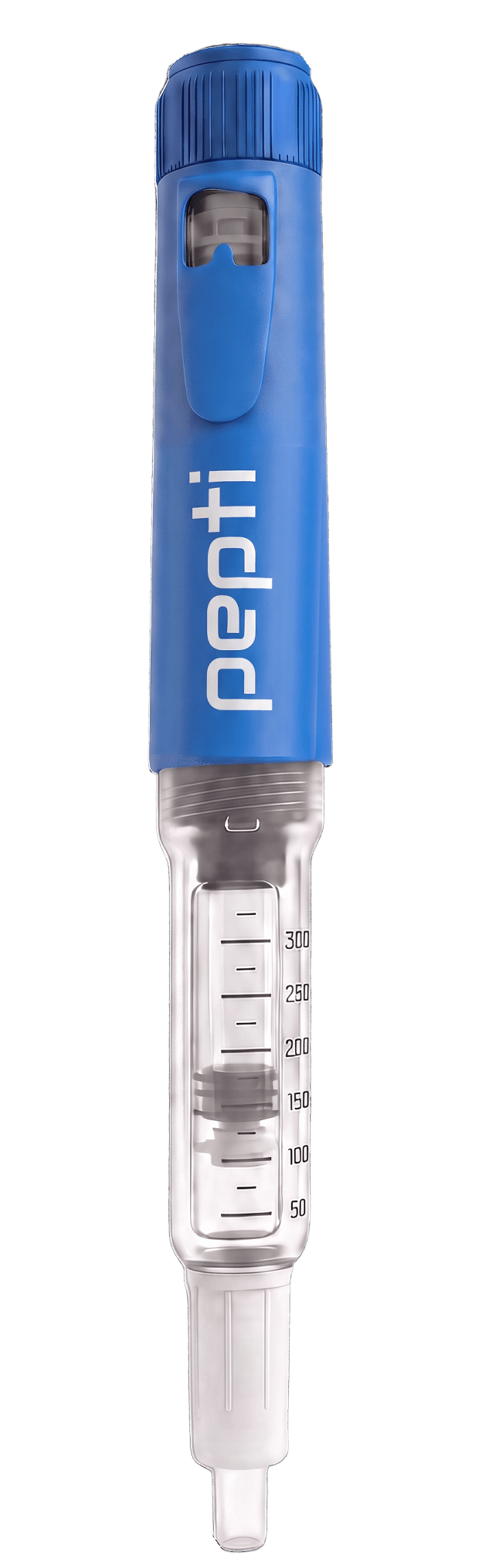
Treatments mentioned
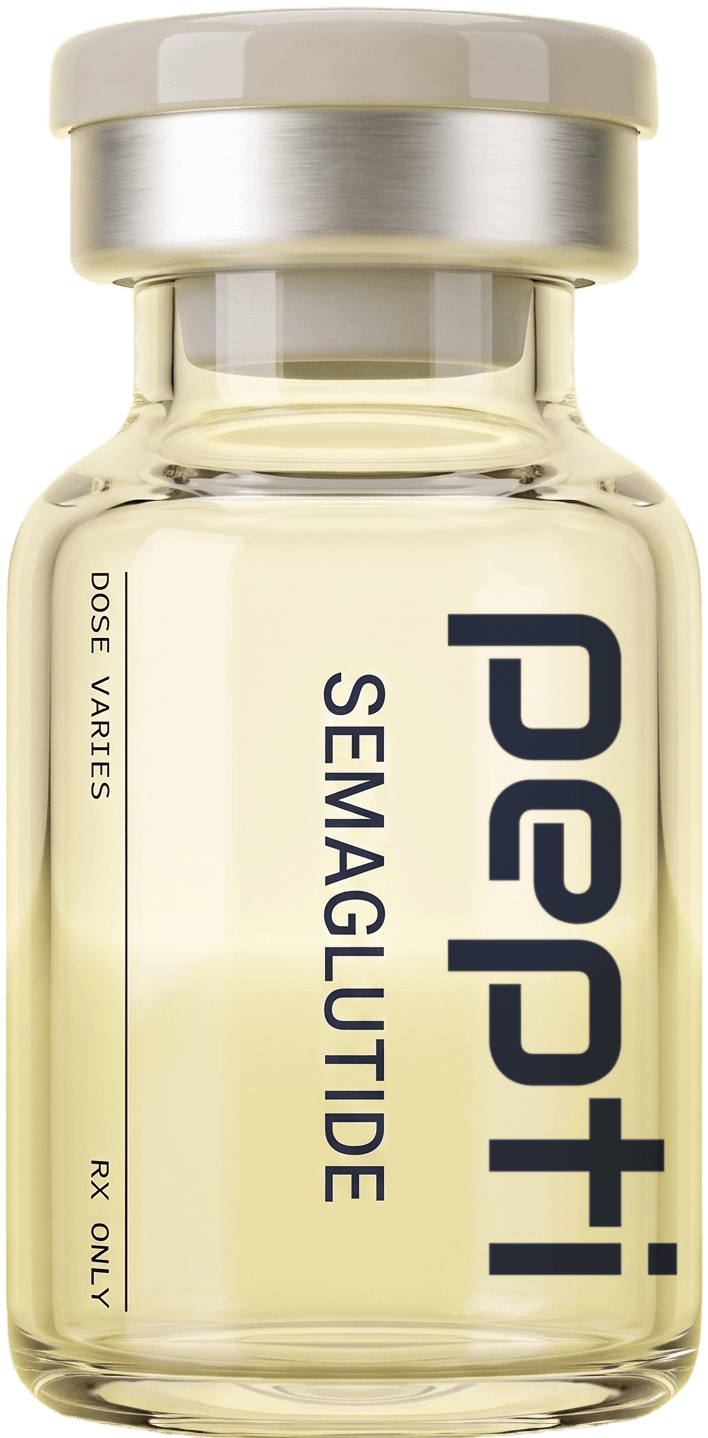
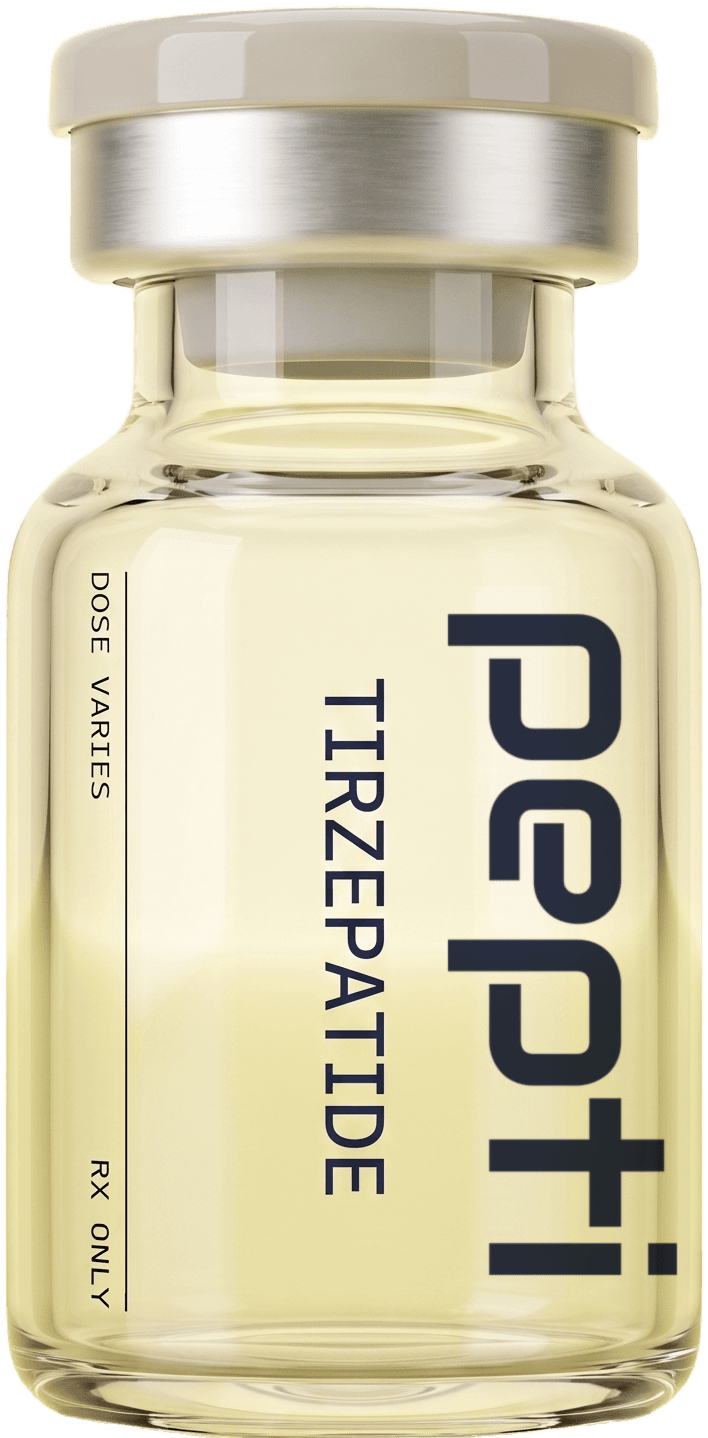
Slowed gastric emptying and a much smaller food intake mean the same two drinks can land like four, and alcohol aggravates nausea and reflux in exactly the days you are already dealing with them. The situations that genuinely need a conversation first are low blood sugar risk, a pancreatitis history, liver disease and any drinking you are already concerned about. Your physician's advice for your situation takes precedence over anything on this page.
This page covers what the approved labels do and do not say about alcohol, what the gastric-emptying research measured, why low blood sugar is the risk that matters most, what the pancreatitis and liver cautions rest on, and what the evidence shows about the reduced craving patients report.
Can You Drink Alcohol on Semaglutide or Tirzepatide? Honest Answer
The short answer
| If this describes you | The usual guidance | Who decides |
|---|---|---|
| Occasional drinker, stable on your dose | Modest amounts, with food, are generally not prohibited | You, with your physician informed |
| In the days after a dose increase | The worst time to drink; nausea and reflux are already peaking | You |
| Eating very little because appetite is suppressed | Higher low blood sugar risk; do not drink on an empty stomach | Ask your physician |
| On insulin or a sulfonylurea as well | Low blood sugar risk is materially higher | Ask your physician before drinking |
| History of pancreatitis, or liver disease | Needs a specific conversation before any alcohol plan | Ask your physician |
| Drinking more than you want to | Tell your prescriber; it changes the clinical picture | Ask your physician |
The medications this applies to:
| Medication | What is in it | Price |
|---|---|---|
| Semaglutide | Dose-specific vials, six strengths from 0.25 mg to 2.5 mg weekly | From $99/mo, priced by dose |
| Tirzepatide | Dose-specific vials with glycine, six strengths from 2.5 mg to 15 mg weekly | From $159/mo, priced by dose |
Both are compounded at a US FDA-registered pharmacy and neither is FDA approved.
Can You Drink Alcohol on Semaglutide or Tirzepatide? Honest Answer
What the approved labels actually say about alcohol
Nothing, and that is worth knowing
The FDA-approved prescribing information for semaglutide — both the Wegovy label and the Ozempic label — contains no alcohol warning, no alcohol contraindication and no alcohol entry under drug interactions. The word appears only in the injection instructions, where it means the alcohol swab you clean the skin with, and in "non-alcoholic fatty liver disease". The approved tirzepatide labeling is the same: the only alcohol in it is benzyl alcohol, a preservative.
That absence is not permission and it is not an oversight. It means the problems on this page are not drug-interaction problems. They are the predictable result of drinking in a body whose stomach, appetite and food intake have all changed at once.
What the labels do warn about, which is where alcohol lands
Four label warnings intersect with drinking, and each is quoted below: hypoglycemia when semaglutide is used with insulin or an insulin secretagogue; acute pancreatitis; severe gastrointestinal adverse reactions; and acute kidney injury following dehydration from vomiting or diarrhea. Alcohol causes none of them, and makes three more likely to matter.
Compounded is not the same as approved
Compounded semaglutide and tirzepatide share the active ingredients of the branded manufactured products but not the approval — a compounded medication is prepared by a licensed pharmacy pursuant to a prescription rather than approved as a finished drug product. The label facts here come from the approved products because that is where the regulated safety language lives. More on that distinction is in is compounded semaglutide safe.
Can You Drink Alcohol on Semaglutide or Tirzepatide? Honest Answer
Why alcohol feels different on a GLP-1
Three things change at once, and they compound.
| What changes | Why it matters for alcohol |
|---|---|
| Gastric emptying slows | Alcohol reaching a stomach that is holding its contents differently, and a stomach that is often empty because you ate less, changes how quickly it is absorbed |
| Food intake drops | Drinking with little or no food in you is the single biggest driver of a drink hitting harder |
| Nausea and reflux are already present | Alcohol irritates the stomach and relaxes the lower oesophageal sphincter, worsening both |
| Fluid intake is often lower | Dehydration makes the next-day effects worse |
| Alcohol is calorie-dense and appetite-independent | It bypasses the appetite suppression the medication provides |
The practical result reported by most patients is that tolerance is lower, the hangover is worse, and the enjoyment is smaller. None of that is a safety alarm on its own. It is worth knowing before a night out rather than during one.
Can You Drink Alcohol on Semaglutide or Tirzepatide? Honest Answer
Gastric emptying, and what it really does to alcohol
How much semaglutide actually slows the stomach
Delayed gastric emptying is a documented pharmacodynamic effect stated plainly in the labeling. Its size has been measured. A 2018 crossover trial in Diabetes, Obesity and Metabolism gave 30 subjects with obesity weekly semaglutide escalated to 1.0 mg or placebo for twelve weeks and found first-hour gastric emptying delayed. A 2023 trial in the same journal used technetium scintigraphy, the reference method, in 20 women with polycystic ovary syndrome and obesity on 1.0 mg weekly: half-emptying time rose from 118 minutes on placebo to 171 minutes on semaglutide, with 37% of the solid meal still in the stomach at four hours versus none on placebo. A 2021 trial found the same for oral semaglutide in type 2 diabetes. The delay is most pronounced early and attenuates with continued exposure, which is why your response in month one is not your response in month nine — and the way alcohol behaves tracks it.
Why gastric emptying governs a blood alcohol peak
Almost no alcohol is absorbed through the stomach wall; it is absorbed in the small intestine. The rate at which your stomach hands its contents downstream is therefore the main throttle on how fast blood alcohol rises. A 1993 study in the Journal of Nuclear Medicine gave volunteers intravenous erythromycin, which speeds the stomach up, alongside a meal containing ethanol, and found faster emptying accompanied by faster alcohol absorption. A 2014 crossover study in Alcoholism: Clinical and Experimental Research made the related point about concentration: after an overnight fast, matched doses peaked at 77.4 mg/dL as vodka and tonic against 50.3 mg/dL as beer, the spirit peaking at 36 minutes and the beer at 62.
The counterintuitive part, and why it still feels stronger
Put those together and the mechanical prediction is the opposite of the folk wisdom: slowing the stomach should flatten the alcohol curve, not raise it. All else is not equal, which is why most people experience the opposite — but the reasons are not the gastric delay itself. The stomach is usually empty, and appetite suppression is the point of the medication. You are smaller: alcohol distributes into body water, and weight loss reduces total body water, so the same grams of ethanol reach a higher concentration. You are drier, because less appetite usually means less fluid. And the peak arrives later, so the feedback you pace yourself by runs behind — the third drink gets poured before the first has landed.
Mixers and carbonation are not a trivial detail
A 2006 study in the American Journal of Medicine compared the same vodka in a sugar-containing mixer and a diet mixer. Gastric half-emptying time was 36.3 minutes for the sugary version and 21.1 minutes for the diet one, and the faster-emptying diet drink produced a peak blood ethanol of 0.053 g% against 0.034 g% — roughly 55% higher from the same alcohol. People on a weight medication overwhelmingly choose the diet mixer, so the calorie logic and the blood-alcohol logic point in opposite directions. Carbonation compounds it, because it worsens reflux.
Can You Drink Alcohol on Semaglutide or Tirzepatide? Honest Answer
Nausea, reflux and the gastrointestinal overlap
What the trials actually reported
In the Wegovy adult weight-reduction trials, nausea was reported by 44% of patients on 2.4 mg semaglutide against 16% on placebo, vomiting by 24% against 6%, abdominal pain by 20% against 10%, dyspepsia by 9% against 3% and gastroesophageal reflux disease by 5% against 3%. Gastrointestinal effects are by a wide margin the most commonly reported adverse reactions of this class. Alcohol independently irritates the gastric lining and relaxes the lower esophageal sphincter. The overlap is not a hypothesis.
Why the days after a dose increase are the worst
Nausea on semaglutide and tirzepatide clusters around initiation and each escalation step, which is why dosing is titrated slowly rather than started at target. Those are the days the medication's own gastrointestinal effect peaks, and the worst window to add a gastric irritant. Reflux stacks the same way: a stomach that empties slowly holds volume longer, alcohol relaxes the sphincter above it, carbonated mixers add pressure, and lying down removes gravity — which is why people report reflux on a GLP-1 they never had before, and worse on nights they drink.
Vomiting, dehydration and the kidney warning
The labels warn about acute kidney injury due to volume depletion, noting that most reported cases occurred in patients who had gastrointestinal adverse reactions leading to dehydration such as nausea, vomiting or diarrhea. Alcohol is a diuretic and promotes vomiting at high intakes. Drinking heavily on a medication that already produces vomiting in roughly a quarter of patients is how an uncomfortable night becomes a clinical problem. Severe gastrointestinal adverse reactions were reported in 4.1% of patients on Wegovy injection against 0.9% on placebo, and the label states the medication is not recommended in severe gastroparesis — so if your stomach already empties slowly, this is a specific conversation.
Can You Drink Alcohol on Semaglutide or Tirzepatide? Honest Answer
The risk that matters most: low blood sugar
GLP-1 medications affect insulin release in a glucose-dependent way, which is why they are not, by themselves, a common cause of hypoglycaemia. Alcohol is a different matter: it suppresses the liver's production of glucose, and it does so for hours.
Put that alongside a day in which you ate very little because your appetite was suppressed, and the combination is the one to respect. The risk rises further if you also take insulin or a sulfonylurea, where low blood sugar is already a known hazard, and in that situation drinking is a conversation to have with your prescriber before rather than after.
Symptoms of low blood sugar, shakiness, sweating, confusion and dizziness, overlap almost completely with being drunk, which is the reason this matters practically rather than theoretically. If you are in that category, ask your physician what to watch for and what to do about it.
What the label says, precisely
The Wegovy label states that semaglutide lowers blood glucose and can cause hypoglycemia, that the risk is increased when it is used with insulin or an insulin secretagogue such as a sulfonylurea, and that a reduction in the dose of that insulin or secretagogue should be considered at initiation. In the weight-reduction trial in adults with type 2 diabetes, clinically significant hypoglycemia — blood glucose below 54 mg/dL — was reported in 6.2% of semaglutide-treated patients against 2.5% on placebo. The approved tirzepatide labeling carries the same warning.
Without diabetes the risk is lower, not zero
The label notes that episodes of hypoglycemia have been reported with GLP-1 receptor agonists in adults without type 2 diabetes, and that in the cardiovascular outcomes trial in patients without diabetes there were three episodes of serious hypoglycemia on semaglutide against one on placebo, with more events among patients with a history of bariatric surgery — itself a risk factor. "I am not diabetic" reduces the concern. It does not remove it, and removes nothing at all after bariatric surgery.
Why alcohol lowers blood glucose, and why eating little multiplies it
Between meals your blood glucose is held up by the liver, first from stored glycogen and then, as those stores run down, by manufacturing glucose from scratch. Metabolizing ethanol interferes with that second process. So alcohol does not drop your blood sugar immediately — it removes the mechanism that would rescue you several hours later, typically overnight. Glycogen is the buffer, and it is filled by eating. Someone who has eaten a few hundred calories because their appetite is suppressed starts from a thin buffer, drinks away the backup, and sleeps through the window where it matters.
Because shakiness, sweating, confusion and unsteadiness describe both hypoglycaemia and intoxication, nobody around you will read the first as anything but the second. If you take insulin or a sulfonylurea and you drink, ask your physician for a plan that does not depend on noticing symptoms: what to test, when, and what to take.
Can You Drink Alcohol on Semaglutide or Tirzepatide? Honest Answer
The pancreatitis and liver questions
A history of pancreatitis is something your physician already discusses before prescribing a GLP-1. Heavy alcohol use is independently associated with pancreatitis. Whether any alcohol is appropriate for you in that situation is a clinical judgement about your specific history, and it is not one this page can make.
Liver disease is the same kind of question. If you have any liver diagnosis, or abnormal liver markers on bloodwork, raise alcohol explicitly with your prescriber rather than assuming the medication is the only variable being watched.
Severe abdominal pain, especially pain radiating to the back, is not ordinary adaptation on these medications and is a same-day call to your physician whether or not you have been drinking. More on which symptoms need reporting is in peptide side effects: what to watch for.
What the label says about acute pancreatitis
Acute pancreatitis has been observed in patients treated with GLP-1 receptor agonists, including semaglutide; the label instructs prescribers to watch for persistent or severe abdominal pain, sometimes radiating to the back, with or without nausea or vomiting, and to discontinue if pancreatitis is suspected. In the adult weight-reduction trials, adjudicated acute pancreatitis occurred in 4 semaglutide-treated patients — 0.2 cases per 100 patient-years — against 1 placebo patient at under 0.1. The approved tirzepatide labeling carries the same warning. These are uncommon events; they are also why the abdominal-pain instruction exists.
What alcohol contributes on its own
A 2015 systematic review and series of meta-analyses in EBioMedicine examined alcohol consumption as a risk factor for acute and chronic pancreatitis and described a dose-dependent relationship, risk rising with intake. The point is not that a drink causes pancreatitis. It is that you would be adding an established risk factor on top of a medication that already carries a pancreatitis warning, in a person whose earliest sign of either would be abdominal pain easy to blame on the medication.
The liver picture is more nuanced than it looks
Semaglutide is studied in liver disease in its own right — the ESSENCE trial, published in the New England Journal of Medicine in 2025, examined semaglutide in metabolic dysfunction-associated steatohepatitis with moderate to advanced fibrosis, and the approved product carries an indication in that condition. That can read as reassuring about alcohol. It is not: metabolic liver disease and alcohol-related liver injury are different processes, and those trials were not run in people drinking meaningfully. A 2025 meta-analysis in Drug and Alcohol Dependence pooling eleven GLP-1 studies did report reduced liver-related outcomes, with no significant difference in progression to cirrhosis — an association in mostly observational data, not a protective claim.
Can You Drink Alcohol on Semaglutide or Tirzepatide? Honest Answer
Anesthesia, procedures, and a stomach that is not empty
One label warning is worth knowing even though it has nothing to do with drinking. The semaglutide and tirzepatide labels both warn about pulmonary aspiration during general anesthesia or deep sedation, citing rare postmarketing reports in patients on GLP-1 receptor agonists who had residual gastric contents despite following preoperative fasting instructions, and they instruct patients to tell their providers before any planned surgery or procedure. Tell them, every time.
Can You Drink Alcohol on Semaglutide or Tirzepatide? Honest Answer
The part patients bring up unprompted
A consistent report from people on GLP-1 medications is reduced interest in alcohol. They describe the urge quietly not showing up, rather than being resisted. It is common enough that it has become a subject of research in its own right, and the receptors these medications act on do appear in brain regions involved in reward.
What is honest to say: the observation is real and widely reported, the mechanism is plausible, and the research is early. These medications are not approved for alcohol use disorder and are not prescribed for it here. If alcohol has been a concern for you and you notice this effect, it is worth telling your physician, both because it is clinically relevant and because it may open a conversation about support that a weight medication is not a substitute for.
What the observational data shows
The largest signals come from health records. A 2024 study in Nature Communications examined 83,825 patients with obesity and reported that semaglutide, compared with other anti-obesity medications, was associated with a 50–56% lower risk of both incident and recurrent alcohol use disorder over twelve months, replicated in 598,803 patients with type 2 diabetes. A 2025 nationwide Swedish cohort study in JAMA Psychiatry, comparing periods on and off treatment within the same individuals, reported reduced risk of hospitalization for alcohol use disorder during semaglutide use. A 2023 report in Scientific Reports found that 71% of alcohol-related posts in an analysis of roughly 68,250 Reddit posts described craving reduction, and separately surveyed 153 drinkers with obesity taking semaglutide, tirzepatide or neither, reporting lower intake in the medication groups. Those are associations.
The randomized trials
A phase 2 trial in JAMA Psychiatry in 2025 randomized 48 non-treatment-seeking adults with alcohol use disorder to nine weeks of low-dose weekly semaglutide or placebo. It reported less alcohol consumed in a laboratory self-administration task, and reduced drinks per drinking day and weekly craving — but no change in average drinks per day or number of drinking days. A 2022 trial in JCI Insight randomized 127 patients to 26 weeks of a different GLP-1 receptor agonist or placebo alongside cognitive behavioral therapy; it missed its primary endpoint of heavy drinking days while significantly reducing alcohol cue reactivity on functional MRI in reward-related brain regions. A 2025 secondary analysis in Alcohol, Clinical and Experimental Research measured phosphatidylethanol in 30 of those patients and found a significant reduction only at week 26.
What the pooled analyses conclude
Two 2025 meta-analyses give the fairest summary. One in EClinicalMedicine pooled fourteen studies — four randomized, ten observational — across AUDIT scores, relapse, abstinence, biomarkers and neuroimaging measures of craving. The other, in Drug and Alcohol Dependence, pooled eleven studies covering 263,616 patients and found no significant difference in pooled alcohol intake between GLP-1 users and controls, while reporting reduced alcohol-related events. Read together: a large observational signal, consistent craving findings, and randomized evidence that is small, short and not yet showing a clean reduction in drinking.
What this is not
It is not a treatment for alcohol use disorder. Neither semaglutide nor tirzepatide is approved for it, neither is prescribed for it here, and nobody should start a weight medication as a way of managing drinking. If drinking is the actual problem it deserves care from someone who treats it. Say it plainly on the assessment; it changes what a good prescriber does next.
Can You Drink Alcohol on Semaglutide or Tirzepatide? Honest Answer
Calories, and the weight-loss arithmetic
Alcohol is not covered by appetite suppression
The labeling describes the mechanism in terms of reduced calorie intake, likely mediated by effects on appetite. Appetite suppression works on hunger, and alcohol is rarely drunk out of hunger. So the calories largely untouched by the drug's main mechanism are the ones people are most likely to keep consuming — and at roughly seven calories per gram, ethanol is the second most calorie-dense thing you can swallow.
The second-order effect is usually the larger one
The direct calories in a few drinks are recoverable. What tends to undo a week is what follows: disinhibition around food, a late meal, and the next day spent eating around nausea and dehydration. On a medication whose benefit runs through reduced intake, that is where the deficit goes. None of this means alcohol stops the medication working — on a weekly injection there is no wearing off to time a drink around. More on stalls is in why am I not losing weight on semaglutide.
Can You Drink Alcohol on Semaglutide or Tirzepatide? Honest Answer
Practical guidance if you do drink
| Situation | What usually helps |
|---|---|
| Timing | Keep it away from the days immediately after a dose increase |
| Food | Eat something with protein first, even if appetite is low |
| Quantity | Start well below your old normal and learn how you respond |
| Hydration | Water alongside, and afterwards |
| Reflux | Stay upright for a while afterwards; carbonated mixers make it worse |
| Other medications | Ask how alcohol interacts with everything else you take, not just the GLP-1 |
| Driving | Your old sense of what you can handle is not reliable now |
None of that is a permission slip. It is harm reduction for a situation where the honest answer to "how much can I drink" is that nobody can give you a number.
Why there is no number on this page
No trial has randomized people on semaglutide to different drinking patterns and measured what happened, so no threshold exists, and any provider, article or chatbot handing you a drinks-per-week figure has invented it. What can be said is mechanistic — which situations raise which risks, which days are worse. Beyond that the decision belongs to a physician who knows your history, your other medications and your labs.
Can You Drink Alcohol on Semaglutide or Tirzepatide? Honest Answer
What the evidence shows, honestly
Two things are well established. Gastrointestinal side effects are the most commonly reported adverse effects of GLP-1 receptor agonists in the trial literature for the branded manufactured products, and alcohol independently irritates the upper gastrointestinal tract. The overlap is not speculative.
What is not established is a threshold. There is no trial that tells you how many drinks are acceptable on a given strength of semaglutide, and any provider giving you a number is inventing it. The advice on this page is grounded in mechanism and clinical experience, not in randomised comparisons of drinking patterns.
The reduced-craving observation sits at an earlier stage still. Patient reports are numerous and the research interest is genuine, but this is an area where the honest position is that we do not yet know how large the effect is, in whom, or for how long. Ask your physician rather than treating it as an established benefit.
Compounded semaglutide and tirzepatide share the active ingredients of the branded products but not the approval, and are not FDA approved. More on that distinction is in is compounded semaglutide safe.
Can You Drink Alcohol on Semaglutide or Tirzepatide? Honest Answer
What a physician needs to know before answering this
"Can I drink" is unanswerable in the abstract and straightforward once someone knows six things: whether you take insulin or a sulfonylurea, whether you have had pancreatitis or gallbladder disease, what your liver markers look like, how much you are eating on your current dose, everything else you take, and how much you currently drink. Prescribers are not scoring you — alcohol intake changes escalation decisions, changes what an abnormal liver marker means, and changes whether a symptom gets investigated or watched. How to have that conversation is in how to talk to your doctor about peptides.
Can You Drink Alcohol on Semaglutide or Tirzepatide? Honest Answer
Monitoring and bloodwork
Semaglutide and tirzepatide do not require routine monitoring purely because you drink, and your physician decides what labs are appropriate. Where alcohol enters the picture the markers usually watched are liver enzymes and, if you have diabetes, glycemic control and any pattern of low readings. At-home blood testing covers metabolic, liver and hormone markers without a lab visit. If you use a glucose meter, the overnight readings after a drinking evening are the ones worth showing your physician.
Can You Drink Alcohol on Semaglutide or Tirzepatide? Honest Answer
When alcohol is the bigger clinical question
Sometimes the medication is not the thing to adjust. If drinking is already at a level you are uneasy about, starting semaglutide or tirzepatide does not address that, and the reduced-craving reports are not a reason to expect it will. Tell your prescriber the real picture and let the weight medication be a weight medication. And if alcohol genuinely is not the issue — if the question is whether a glass of wine at a birthday is a problem — then for most stable patients, away from a dose change and with food, it is not what your physician is worried about. The rows in the short-answer table are.
References
What this is based on.
References
- Wilding JPH, Batterham RL, Calanna S, et al.. Once-Weekly Semaglutide in Adults with Overweight or Obesity (STEP 1) · New England Journal of Medicine (2021) · PMID 33567185
- Lincoff AM, Brown-Frandsen K, Colhoun HM, et al.. Semaglutide and Cardiovascular Outcomes in Obesity without Diabetes (SELECT) · New England Journal of Medicine (2023) · PMID 37952131
- Wadden TA, Bailey TS, Billings LK, et al.. Effect of subcutaneous semaglutide vs placebo as an adjunct to intensive behavioral therapy on body weight in adults with overweight or obesity (STEP 3) · JAMA (2021) · PMID 33625476
- Rubino D, Abrahamsson N, Davies M, et al.. Effect of Continued Weekly Subcutaneous Semaglutide vs Placebo on Weight Loss Maintenance in Adults With Overweight or Obesity: The STEP 4 Randomized Clinical Trial · JAMA (2021) · PMID 33755728
- Marso SP, Bain SC, Consoli A, et al.. Semaglutide and Cardiovascular Outcomes in Patients with Type 2 Diabetes (SUSTAIN-6) · New England Journal of Medicine (2016) · PMID 27633186
- Davies M, Færch L, Jeppesen OK, et al.. Semaglutide 2.4 mg once a week in adults with overweight or obesity, and type 2 diabetes (STEP 2): a randomised, double-blind, double-dummy, placebo-controlled, phase 3 trial · The Lancet (2021) · PMID 33667417
- Garvey WT, Batterham RL, Bhatta M, et al.. Two-year effects of semaglutide in adults with overweight or obesity: the STEP 5 trial · Nature Medicine (2022) · PMID 36216945
- Rubino DM, Greenway FL, Khalid U, et al.. Effect of Weekly Subcutaneous Semaglutide vs Daily Liraglutide on Body Weight in Adults With Overweight or Obesity Without Diabetes: The STEP 8 Randomized Clinical Trial · JAMA (2022) · PMID 35015037
- Aronne LJ, Horn DB, le Roux CW, et al.. Tirzepatide as Compared with Semaglutide for the Treatment of Obesity (SURMOUNT-5) · New England Journal of Medicine (2025) · PMID 40353578
- Sanyal AJ, Newsome PN, Kliers I, et al.. Phase 3 Trial of Semaglutide in Metabolic Dysfunction-Associated Steatohepatitis (ESSENCE) · New England Journal of Medicine (2025) · PMID 40305708
- Wilding JPH, Batterham RL, Davies M, Van Gaal LF, Kandler K et al.. Weight regain and cardiometabolic effects after withdrawal of semaglutide: The STEP 1 trial extension · Diabetes Obes Metab (2022) · PMID 35441470
- Batsis JA, Gavras A, Gross DC, Cheever CR, Da Silva BR et al.. Effect of Incretin-Based and Nonpharmacologic Weight Loss on Body Composition: A Systematic Review · Ann Intern Med (2026) · PMID 41996180
Citations are provided for educational purposes. They do not constitute medical advice. Always discuss any peptide protocol with your prescribing physician.
Common questions
Can You Drink Alcohol on Semaglutide or Tirzepatide? Honest Answer, answered.
There is no absolute prohibition, but alcohol tends to affect you more strongly and it worsens nausea and reflux. The specific situations that need a conversation first are low blood sugar risk, a pancreatitis history, liver disease and any problem drinking. Ask your physician about your own case. The approved semaglutide labels contain no alcohol warning at all — the cautions here come from how the medication changes your stomach and your eating, not from a drug interaction.
Mostly because you are eating far less, so you are usually drinking on a near-empty stomach, and because gastric emptying is slowed. Lower fluid intake adds to the next-day effects. A fourth reason is rarely mentioned: weight loss reduces total body water, so the same drink reaches a higher concentration in a smaller person.
Alcohol is calorie-dense and it is not subject to the appetite suppression the medication provides, so it can offset a deficit quickly. It also tends to loosen eating decisions. More on stalled progress is in why am I not losing weight on semaglutide.
The main concern is low blood sugar when drinking with little food, particularly if you also take insulin or a sulfonylurea. Beyond that, the risks are the same discomfort risks amplified: nausea, vomiting and dehydration. Discuss your own risk with your prescriber. The approved tirzepatide labeling carries the same hypoglycemia, pancreatitis and gastrointestinal warnings as the semaglutide labels.
Many patients report this and it is being studied. The mechanism is plausible but the research is early, and these medications are not approved or prescribed for alcohol use. Mention it to your physician, especially if alcohol has been a concern.
There is no established interval. What patients report is that the days immediately after a dose increase are the worst, because nausea and reflux peak then. Your physician can advise for your schedule.
Yes, accurately. It changes prescribing decisions, monitoring and what your labs mean. Nobody is judging you; they are adjusting a medication. How to have that conversation is covered in how to talk to your doctor about peptides.
Not directly, and the mechanism points the other way. Alcohol is absorbed in the small intestine, so the rate the stomach empties governs how fast blood alcohol rises — studies that sped gastric emptying up produced higher, earlier peaks. What raises the peak in practice is drinking on an empty stomach and having less body water to dilute it, both of which come with the medication rather than from it.
More than most expect. A study in the American Journal of Medicine compared the same vodka in a sugar-containing mixer and a diet mixer: the diet version left the stomach in about 21 minutes against 36, and produced a peak blood ethanol roughly 55% higher. Low-calorie mixers are the obvious choice on a weight medication and the worse choice for how hard the drink lands.
That is the specific pattern to know. Alcohol interferes with the liver's ability to manufacture new glucose, which is what holds your blood sugar up hours after your last meal. Combine that with a day of very low food intake and the vulnerable window is overnight, not while you are drinking. If you take insulin or a sulfonylurea, ask your physician for a plan rather than relying on noticing symptoms — they look identical to being drunk.
Both labels warn about acute pancreatitis, which was uncommon in the trials — around 0.2 cases per 100 patient-years in the adult weight-reduction program against under 0.1 on placebo. Alcohol is separately an established dose-dependent risk factor, as a 2015 meta-analysis in EBioMedicine described. The practical problem is that the early sign of either is abdominal pain easy to blame on the medication. Persistent or severe pain, especially radiating to the back, is a same-day call.
No. Semaglutide is studied in metabolic dysfunction-associated steatohepatitis and the approved product carries an indication in that condition with moderate to advanced fibrosis, but metabolic liver disease and alcohol-related liver injury are different processes, and those trials were not run in people drinking meaningfully. Any liver diagnosis is a conversation with your prescriber.
Pricing is published on the semaglutide and tirzepatide pages as one all-in figure covering medication, physician review, refill management and shipping. A dose-by-dose breakdown is at /cost/semaglutide and /cost/tirzepatide. The free assessment goes to a physician licensed in your state. A consultation does not guarantee a prescription.
Related answers
Keep reading.
- Semaglutide: What It Is, Where to Get It Prescribed, and What It Costs
- Why Am I Not Losing Weight on Semaglutide? Eight Real Reasons
- Is Semaglutide Safe? Side Effects, Warnings and Who Should Not Take It
- Best Online Provider for Compounded Semaglutide: How to Choose One
- Can You Take Peptides With Testosterone Replacement Therapy?
Next step
See what a physician recommends for you.
A licensed physician in your state reviews your intake to see whether treatment fits your history. A consultation does not guarantee a prescription.