— Anti-Aging · Reference
Is CJC-1295 / Ipamorelin Safe? Side Effects, Labs and Who Should Avoid It
This page covers what the safety data for CJC-1295 and ipamorelin actually consists of, which side effects are reported and how often, the risks that matter, where both compounds stand with the FDA and anti-doping bodies as of September 2026, and what monitoring should look like.
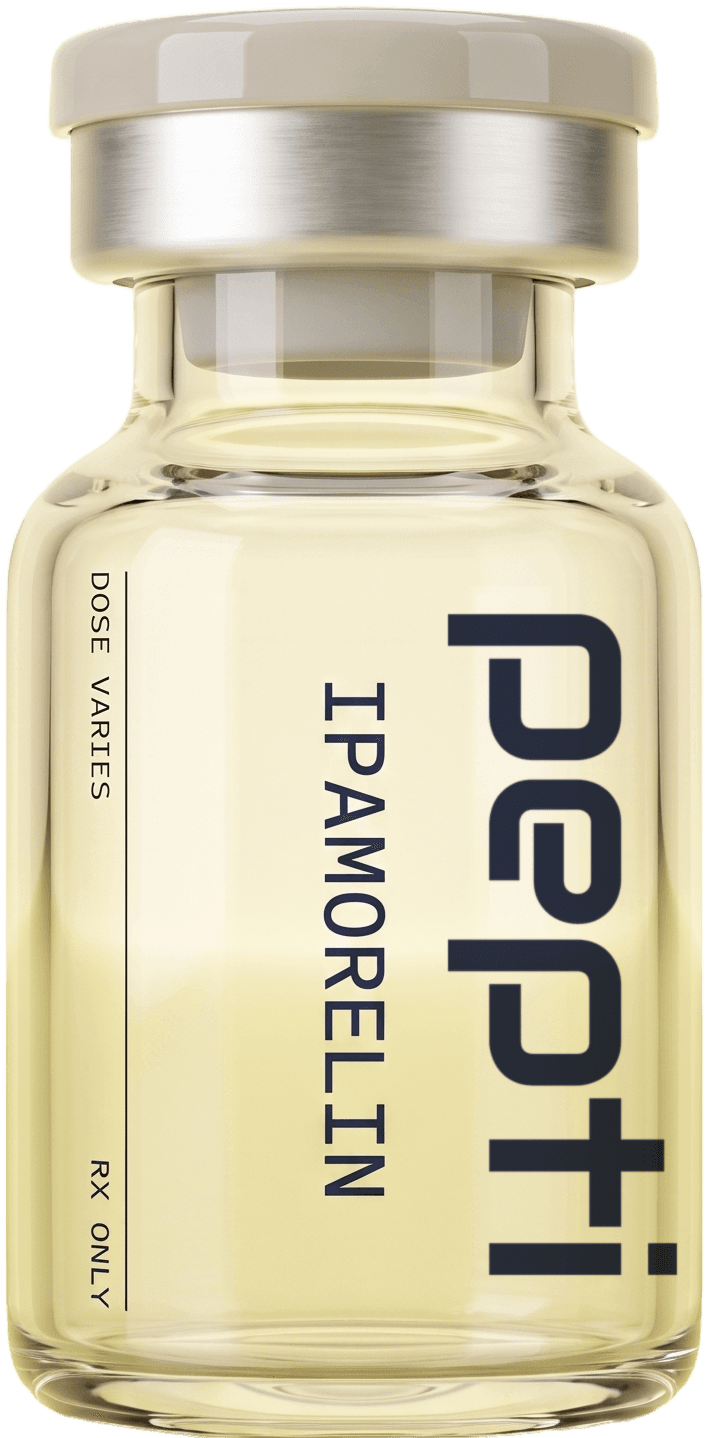
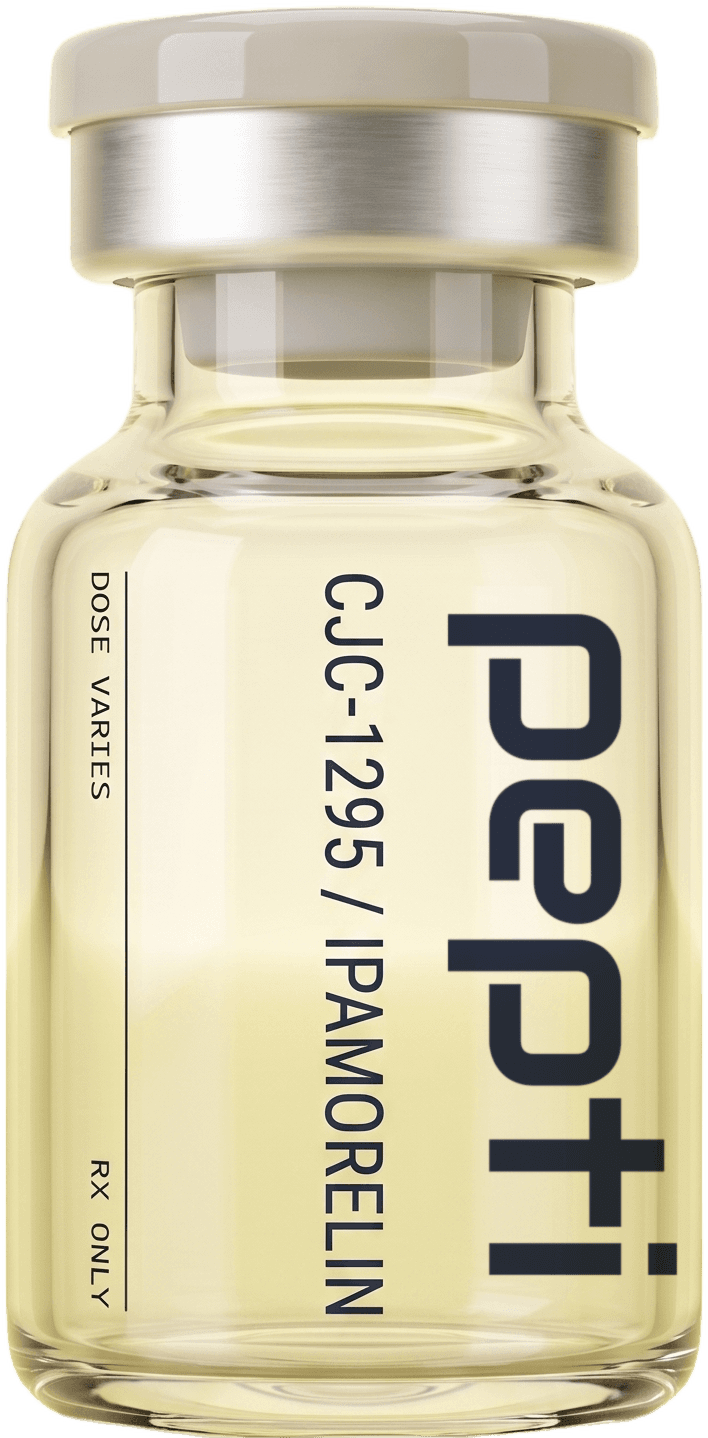
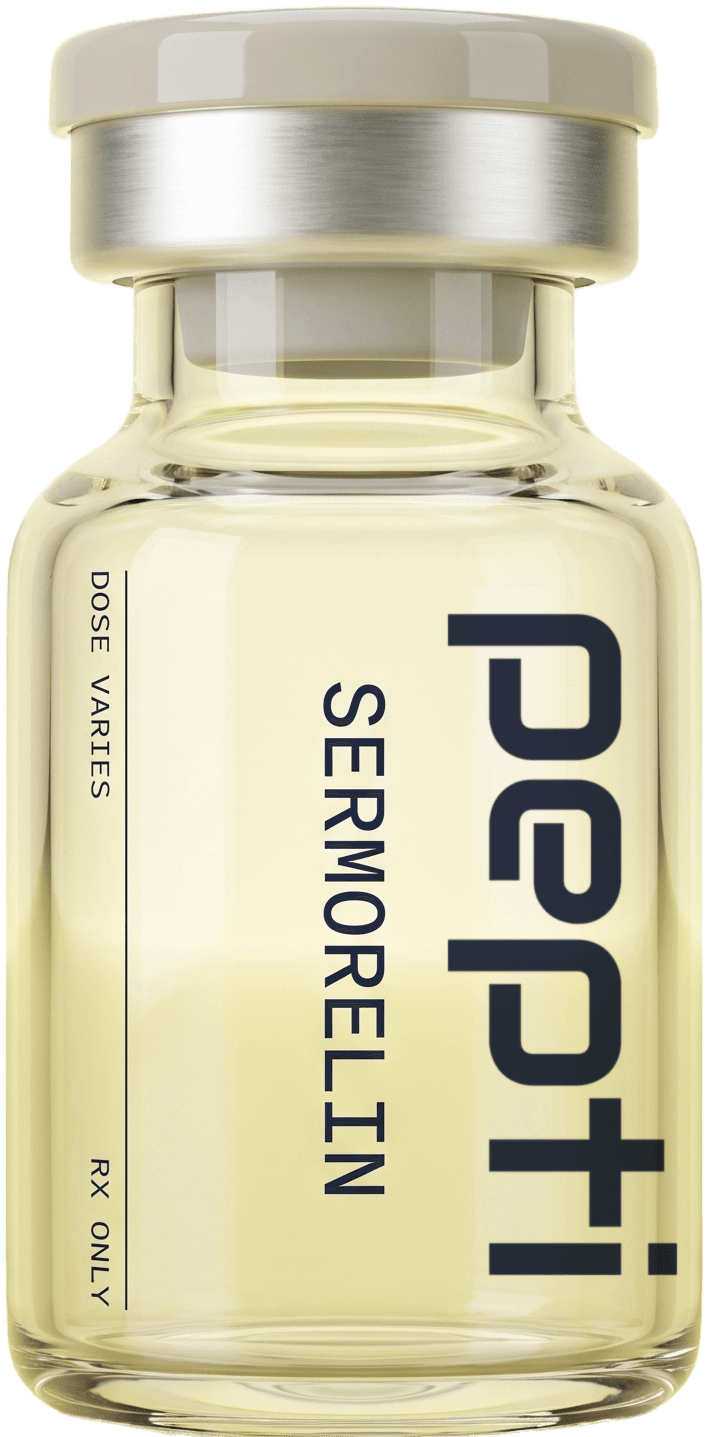
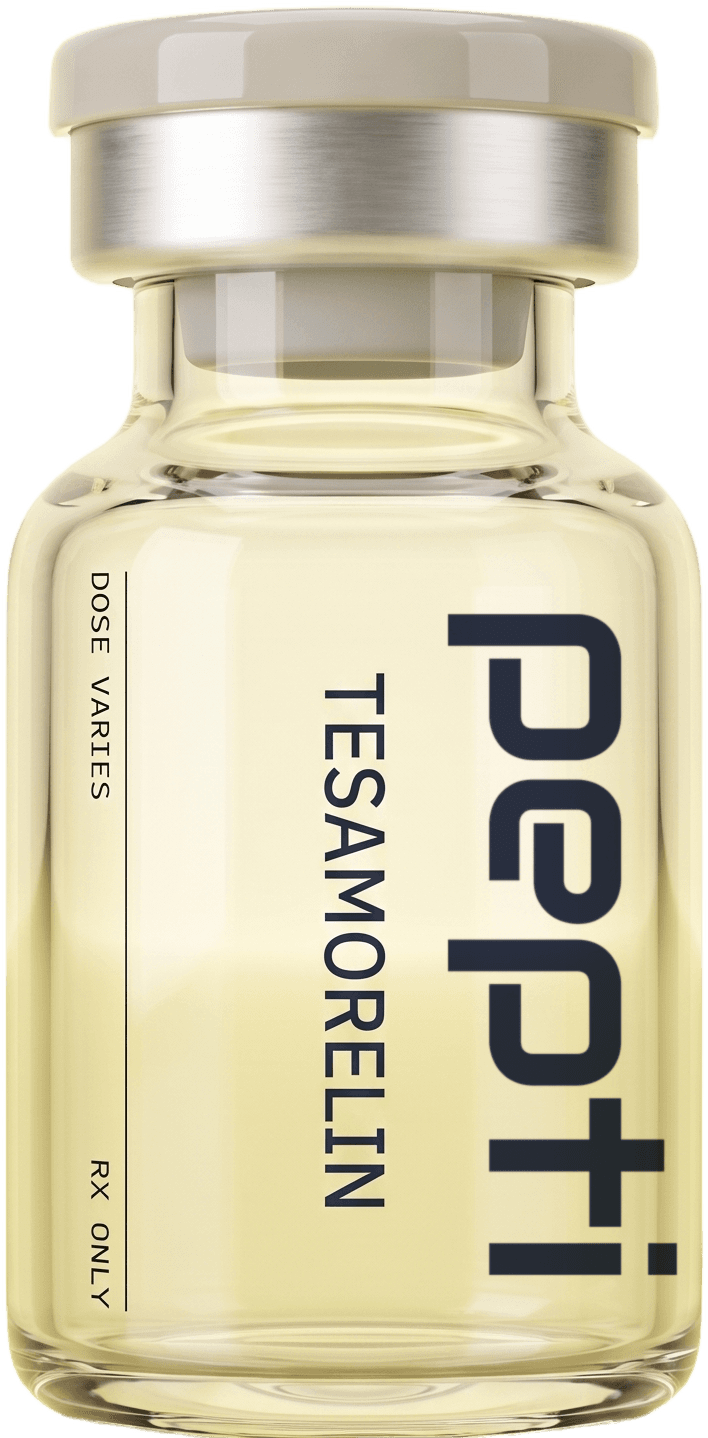
CJC-1295 with ipamorelin prompts your own pituitary through two different receptors rather than supplying growth hormone, so feedback regulation stays in place, and the commonly reported effects are mild and dose-related. Injection-site reactions, flushing, vivid dreams and increased hunger are the usual complaints. Fluid retention, joint aches and tingling hands are the recognised signs of more growth hormone than you need, and they call for a dose adjustment rather than persistence. Active malignancy is the clearest reason to decline, and impaired glucose tolerance means closer monitoring.
This page covers what the safety data for CJC-1295 and ipamorelin actually consists of, which side effects are reported and how often, the risks that matter, where both compounds stand with the FDA and anti-doping bodies as of September 2026, and what monitoring should look like.
— Is CJC-1295 / Ipamorelin Safe? Side Effects, Labs and Who Should Avoid It
The short answer
| If you are considering | The product | What is in it | Price |
|---|---|---|---|
| The standard pairing | CJC-1295 / Ipamorelin | 6 mg CJC-1295, 12 mg Ipamorelin in 5 mL; Pen cartridge holds 1.5 mg CJC-1295 and 6 mg Ipamorelin | $239 |
| Three GH signals in a Pen | CJC-1295 / Ipamorelin / Sermorelin | Pen only: 1.5 mg CJC-1295, 6 mg Ipamorelin, 6 mg Sermorelin | $369 |
| Ipamorelin alone | Ipamorelin | 5 mg Ipamorelin in 5 mL | $239 |
| GHRH alone | Sermorelin | 10 mg Sermorelin in 5 mL | $229 |
| The pairing plus repair peptides | REVIVE | 50 mg GHK-Cu, 6 mg CJC-1295, 12 mg Ipamorelin, 2 mg TB-500 | $279 |
| The pairing plus sleep peptides | SERENITY | 5 mg DSIP, 5 mg Selank, 6 mg CJC-1295, 12 mg Ipamorelin | $279 |
All-in monthly prices covering medication, physician review, refill management and shipping. None are FDA approved. They are compounded at a US FDA-registered pharmacy against a prescription.
For a screened healthy adult, CJC-1295 / ipamorelin is described by prescribers as well tolerated, and the published human work on each component separately reports mostly mild, short-lived effects. That is also the limit of what can be said: the human studies are small and short, and nobody has followed a cohort on this pairing for years. It is a reasonable prescription for an adult with a baseline IGF-1 and fasting glucose, dosed to a physiological IGF-1, who reports the signs of too much growth hormone so the dose can come down. It is the wrong prescription for someone with an active cancer, an untreated sleep or thyroid problem, or nobody watching the labs.
— Is CJC-1295 / Ipamorelin Safe? Side Effects, Labs and Who Should Avoid It
What "safe" can and cannot mean here
Neither half of this pairing is growth hormone. CJC-1295 is an analog of growth-hormone-releasing hormone (GHRH), the hypothalamic signal that tells the pituitary to release stored growth hormone. Ipamorelin is a synthetic pentapeptide acting on the ghrelin receptor, the pituitary's second input for the same job. Injected growth hormone bypasses every control the body has; a secretagogue works upstream of those controls, so somatostatin, the brake applied when growth hormone and IGF-1 are high enough, still operates. A 2018 review in Sexual Medicine Reviews put it plainly: secretagogues promote pulsatile release that remains subject to negative feedback, which can prevent the supraphysiological levels seen with exogenous growth hormone.
Feedback limits how far the axis can be pushed; it does not make the ceiling zero. A dose that is too high for a given person can still lift IGF-1 above the normal range for their age, and the same signs seen with exogenous growth hormone then appear. They are dose-related and reversible on adjustment, which is why the safety model rests on monitoring rather than on pharmacology alone. And because the two receptors are additive, moving from ipamorelin alone to the pairing changes the size of the signal, not just the number of drugs.
— Is CJC-1295 / Ipamorelin Safe? Side Effects, Labs and Who Should Avoid It
Why two peptides, and what each contributes to the risk
The two halves work on different receptors that converge on the same pulse.
| Component | Receptor | What it does | Safety-relevant note |
|---|---|---|---|
| CJC-1295 | GHRH receptor | Prompts pituitary growth hormone release, with a longer duration of action than native GHRH or sermorelin | Longer action means less frequent dosing and a slower correction if the dose is too high |
| Ipamorelin | Ghrelin receptor | Stimulates the same pulse through a separate pathway | Described as selective: minimal effect on cortisol and prolactin at typical doses, unlike earlier compounds in its class. Ghrelin-receptor action is why hunger increases |
CJC-1295: the long-acting half
CJC-1295 was engineered so that native GHRH, cleared within minutes, would last long enough to be useful. In the form studied in the published human trials it carries a drug affinity complex (DAC) that binds albumin after injection. A 2006 paper in the Journal of Clinical Endocrinology and Metabolism reported a half-life of 5.8 to 8.1 days in healthy adults, with IGF-1 above baseline for up to 28 days after repeated doses. That persistence is the safety-relevant fact: a dose that is too high tapers over a week or more rather than clearing overnight, so a prescriber lowers it early.
Ipamorelin: the selective half
A 1999 study in Pharmaceutical Research in healthy male volunteers reported a terminal half-life of about two hours and a single growth hormone peak at roughly 40 minutes that declined to negligible levels at every dose. Its action is short and self-limiting, the opposite profile from CJC-1295.
The older releasing peptides, hexarelin, GHRP-2 and GHRP-6, also raise ACTH, cortisol and prolactin. The 1998 European Journal of Endocrinology paper that introduced ipamorelin tested this in swine: GHRP-6 and GHRP-2 raised ACTH and cortisol; ipamorelin did not, at doses more than 200-fold above the dose for half-maximal growth hormone release, and none of the compounds affected FSH, LH, prolactin or TSH. That is why ipamorelin is described as "selective." It is a meaningful distinction, and it rests on pharmacology work rather than on comparative human safety trials. Hexarelin remains available where a physician wants its particular profile.
— Is CJC-1295 / Ipamorelin Safe? Side Effects, Labs and Who Should Avoid It
What the safety data actually consists of
— Human data on CJC-1295
The main human evidence is the 2006 Journal of Clinical Endocrinology and Metabolism work by Teichman and colleagues: two randomized, placebo-controlled, double-blind, ascending-dose studies in healthy adults aged 21 to 61, lasting 28 and 49 days. A single subcutaneous injection raised mean growth hormone two- to ten-fold for six days or more and IGF-1 1.5- to three-fold for nine to eleven days. No serious adverse reactions were reported, and the authors described the drug as safe and relatively well tolerated, particularly at the lower two of the four doses.
A second 2006 paper in the same journal, by Ionescu and Frohman, sampled blood every 20 minutes overnight in healthy men before and one week after a single injection. Pulse frequency and size did not change, but trough levels between pulses rose about 7.5-fold, mean growth hormone rose 46 percent and IGF-1 rose 45 percent. That is the basis for the claim that CJC-1295 preserves pulsatility, and also the reason a careful reader notes that "preserved pulsatility" sat alongside a marked rise in the baseline between pulses.
— Human data on ipamorelin
The 1999 Pharmaceutical Research study established dose-proportional kinetics and the short half-life in healthy men. The 2014 study in the International Journal of Colorectal Disease was a phase 2, multicenter, double-blind, placebo-controlled trial in 117 adults recovering from bowel resection, dosed twice daily in hospital for up to seven days. It was designed around gut motility and did not separate from placebo on efficacy; its value here is the safety arm, where treatment-emergent adverse events occurred in 87.5 percent on ipamorelin and 94.8 percent on placebo, and the authors concluded the drug was well tolerated. Neither study resembles wellness use: neither used subcutaneous dosing over months, combined ipamorelin with a GHRH analog, or measured IGF-1 over time.
— Animal and cell work
In rats, ipamorelin was reported to induce longitudinal bone growth (Growth Hormone & IGF Research, 1999), to increase bone mineral content in adult females (Journal of Endocrinology, 2000) and to counteract glucocorticoid-induced loss of bone formation (Growth Hormone & IGF Research, 2001). A 2004 paper in Neuro Endocrinology Letters described ipamorelin evoking insulin release from the isolated rat pancreas, and a 2001 paper in Biochemical and Biophysical Research Communications reported secretagogues stimulating adiposity in mice independently of growth hormone, consistent with the appetite effect people report. For CJC-1295, a 2006 paper in the American Journal of Physiology, Endocrinology and Metabolism reported once-daily dosing normalizing growth in GHRH-knockout mice.
— What the broader secretagogue literature adds
Because ipamorelin has so little long-term human data, physicians reason from the closest well-studied compound in its class. Ibutamoren (MK-677) is an oral ghrelin mimetic, not a peptide, but it acts on the same receptor. A 2008 randomized, placebo-controlled trial in the Annals of Internal Medicine gave it daily to 65 healthy adults aged 60 to 81 for one to two years: growth hormone and IGF-1 rose to young-adult levels, fasting glucose rose by an average of 5 mg/dL, insulin sensitivity fell, cortisol rose modestly, and the most frequent side effects were an appetite increase that subsided within a few months and transient, mild lower-leg swelling and muscle pain.
For what too much growth hormone itself looks like, the reference point is the 2002 JAMA trial by Blackman and colleagues, which gave recombinant growth hormone to healthy adults aged 65 to 88 for 26 weeks. Edema occurred in 39 percent of women on growth hormone versus none on placebo; carpal tunnel symptoms in 32 percent of men on growth hormone plus testosterone; arthralgias in 41 percent of men on growth hormone; and diabetes or glucose intolerance in 18 growth hormone-treated men versus seven who were not. That trial used injected hormone, not a secretagogue, and its rates should not be transferred to CJC-1295 / ipamorelin. It is cited because it defines the pattern: fluid, joints, nerves and glucose are what excess growth hormone looks like.
— What does not exist
There are no randomized human trials of CJC-1295 and ipamorelin given together, none of either compound for wellness, body composition, sleep or recovery, and no published long-term safety cohort for either. The 2018 Sexual Medicine Reviews paper reached the same conclusion for the class: few long-term controlled studies exist, the compounds are generally well tolerated in those that do, there is some concern about blood glucose, and the safety of long-term use, including cancer incidence, has not been evaluated.
— Is CJC-1295 / Ipamorelin Safe? Side Effects, Labs and Who Should Avoid It
Reported adverse effects
| Frequency | What is reported | What to do |
|---|---|---|
| Common | Injection-site redness, itching, a small lump | Rotate sites; mention at follow-up |
| Common | Flushing or a head-rush feeling within minutes of dosing | Usually settles in the first weeks; report if marked |
| Common | Vivid dreams with evening dosing | Report it; timing can be changed |
| Common | Increased appetite, from the ghrelin-receptor action | Report it, particularly if weight management is a goal |
| Common | Headache early on | Report if persistent |
| Uncommon | Fluid retention, puffy hands, ankles or face | Dose signal; contact your prescriber |
| Uncommon | Joint aches, morning stiffness | Dose signal |
| Uncommon | Tingling or numbness in the hands | Dose signal; the classic carpal-tunnel pattern of GH excess |
| Uncommon | Light-headedness on standing | Report it |
| Stop and call | Facial or throat swelling, widespread rash, breathing difficulty | Emergency care first, then tell your prescriber |
| Stop and call | Persistent severe headache, vision change, fainting | Same-day contact |
| Stop and call | Numbness that persists after a dose reduction | Stop and contact your physician |
— The common block
None of these is a reason to stop on its own. The flushing and head-rush feeling is a GHRH-receptor effect, usually most noticeable in the first weeks. Vivid dreams track evening dosing and the change in slow-wave sleep a growth hormone pulse produces; the 2000 JAMA paper on age-related change in slow-wave sleep and growth hormone is the background for why growth-axis peptides are usually dosed at night. Appetite surprises people most, because ghrelin is the hunger hormone and ipamorelin is a ghrelin mimetic.
— The uncommon block is a dose signal
The uncommon block is not a list of rare dangers. It is the recognized pattern of growth hormone above requirement, and the fix is almost always a smaller dose. Growth hormone promotes sodium and water retention, which shows as puffy hands and ankles; soft-tissue swelling at the wrist is the mechanism behind carpal-tunnel-type tingling, and joint ache follows the same fluid shift. All three respond to dose reduction. With CJC-1295 in the picture the response is slower than with ipamorelin alone, because its effect tapers over days rather than hours, so a prescriber acts on the first report rather than waiting for a pattern.
— The stop-and-call block
Allergic reactions to peptides are uncommon but real: facial or throat swelling, hives spreading beyond the injection site, or breathing difficulty are emergency-care events first. Persistent severe headache or a change in vision on a growth-axis peptide is a same-day call, far more likely unrelated, but pituitary symptoms are not something to watch at home. Numbness that does not resolve after a dose reduction means the reduction was not the answer and the drug should stop while a physician looks. Sterility of the preparation is the pharmacy's responsibility; what Pepti checks and publishes is on the quality page and in lab results.
— Is CJC-1295 / Ipamorelin Safe? Side Effects, Labs and Who Should Avoid It
Serious risks and contraindications
Growth signaling and cancer
Growth hormone and IGF-1 are growth signals. No evidence shows them causing cancer, but a tissue that is already malignant can respond to growth signals, which is why active malignancy is the clearest contraindication for any growth-axis peptide. The observational background is the 2004 Lancet systematic review and meta-regression of 21 studies, which found that people in the upper quarter of the natural IGF-1 range had higher odds of prostate cancer (odds ratio 1.49) and premenopausal breast cancer (1.65) than those in the lower quarter. That literature concerns natural, lifelong IGF-1 levels, not secretagogue therapy, and cannot be read as a measured risk of treatment. It is why a careful prescriber aims for a physiological IGF-1 rather than a high one, and why a cancer history in remission is a conversation with the oncologist. See can peptides cause cancer.
Glucose and insulin sensitivity
Growth hormone is counter-regulatory to insulin. Sustained increases reduce insulin sensitivity and raise fasting glucose, shown with injected hormone in the Blackman trial and with a ghrelin mimetic in the 2008 Annals of Internal Medicine trial; the ghrelin receptor adds a second route, as the rat pancreas study illustrates. In a person with normal glucose handling this is rarely clinically visible; in a person with prediabetes or diabetes it can be, which is why fasting glucose belongs in the baseline panel and HbA1c is added where indicated. Existing diabetes is not an absolute contraindication, but it moves monitoring from routine to close.
— Is CJC-1295 / Ipamorelin Safe? Side Effects, Labs and Who Should Avoid It
The specific cautions
— The IGF-1 question
IGF-1 is the marker because it integrates the growth hormone signal over days rather than minutes. The reference range is age-adjusted, and the target is a result inside the range for your age, typically the middle or upper-middle of it, not the top and not above. An IGF-1 above the age-adjusted range on a growth-axis peptide is not a success; it is the biochemical version of the uncommon block, and it means the dose comes down.
— Cortisol and prolactin
The 1998 pharmacology work addressed this directly: no ACTH or cortisol release above what GHRH itself produces, and no effect on prolactin, at doses far above the growth hormone-releasing dose. CJC-1295 acts on the GHRH receptor and is not associated with cortisol release. The class caveat is the 2008 ibutamoren trial, which reported a modest cortisol rise over a year on a different ghrelin mimetic; there is no comparable long-duration data for ipamorelin, so a prescriber with reason to care can add cortisol to the panel.
— Appetite and the ghrelin receptor
Increased appetite is an on-target effect rather than a side effect in the usual sense, and in the ibutamoren trial it subsided within a few months. For someone whose goal is weight management this is worth naming at the outset; a physician may prefer tesamorelin, a GHRH analog with human trial data in visceral fat, or a different product altogether. Anyone with a history of an eating disorder should raise it specifically.
— The half-life problem: DAC or no DAC
"CJC-1295" is used in circulation for two different molecules. The version in the 2006 human trials carries the drug affinity complex and binds albumin, giving it a half-life of about a week. A version without that modification, sometimes written CJC-1295 no-DAC or modified GRF(1-29), is a much shorter-acting GHRH analog, and online dosing lore often does not say which it means. What applies to you is your prescription and the pharmacy's label. The long-acting form corrects slowly after a dose reduction, so it is dosed conservatively from the start.
— Sleep apnea, thyroid and the pituitary
Growth hormone excess enlarges soft tissue and promotes fluid retention, both of which can worsen obstructive sleep apnea; untreated severe apnea is on the exclusion table for that reason, while treated apnea with a physician's knowledge is usually workable. Untreated hypothyroidism blunts the growth hormone response and changes how IGF-1 should be read, so it is treated first. And because these peptides act on the pituitary, any known pituitary condition, a prior adenoma, surgery or radiation, generally means the physician looks elsewhere.
— Combining with testosterone
If you are taking testosterone alongside this, that belongs in the same conversation rather than a separate one. Testosterone and growth hormone have additive effects on lean mass and on the side-effect profile: in the Blackman trial the carpal-tunnel signal was highest in men receiving both. See can you take peptides with testosterone.
— Combining with other growth-axis peptides
Pepti supplies the pairing alone, with sermorelin added as CJC-1295 / Ipamorelin / Sermorelin, and within blends such as REVIVE, SERENITY, SHRED and TITAN. Sermorelin is a shorter-acting GHRH analog with a longer human record, including 1990s trials in older adults in the Journal of Clinical Endocrinology and Metabolism; adding it to CJC-1295 stacks two GHRH-receptor signals of different duration, and adding tesamorelin, as in TITAN, does the same. None of these combinations has comparative safety data, and the IGF-1 target is the same whichever is used. Two growth-axis products from separate prescriptions should not be combined without the prescriber knowing about both. See CJC-1295 vs sermorelin.
— Is CJC-1295 / Ipamorelin Safe? Side Effects, Labs and Who Should Avoid It
Where CJC-1295 and ipamorelin stand with the FDA right now
This has to be stated precisely, because most of what is online is out of date or overstated in one direction or the other.
— Not FDA approved, and what that means
Neither CJC-1295 nor ipamorelin is an FDA-approved drug; no manufacturer has taken either through the approval process, so there is no approved product and no FDA-reviewed label. Compounded medications are never FDA approved as finished products: a state-licensed pharmacy prepares them to a physician's prescription for an individual patient, and the pharmacy is accountable for the identity, purity and sterility of what it dispenses. See are peptides FDA approved.
— The advisory committee votes
Both substances were nominated for the FDA's list of bulk drug substances that may be used in 503A compounding, and both went before the Pharmacy Compounding Advisory Committee (PCAC) in late 2024.
Ipamorelin was heard on October 29, 2024. The FDA proposed that ipamorelin (free base) and ipamorelin acetate not be included on the 503A Bulks List, and the committee agreed: on whether ipamorelin should be placed on the list, the vote was 0 yes, 12 no, 1 abstaining, for both forms. The minutes record that members voting no cited a lack of information supporting safety and efficacy in the available data for the two uses the nomination relied on, growth hormone deficiency and postoperative ileus.
CJC-1295 was heard on December 4, 2024. The FDA proposed that five CJC-1295-related substances (the free base, the acetate, and the DAC free base, acetate and trifluoroacetate) not be included. On whether CJC-1295 (free base) should be placed on the list, the vote was 0 yes, 13 no; the acetate drew one yes and 12 no; the three DAC forms were each 0 to 13. The minutes record one member's comment on the lack of evidence for effectiveness.
These are advisory votes on whether the substances should be added to the 503A Bulks List. They are not a finding of a documented harm signal; the recorded reasoning is about the absence of evidence. They are also not a ban. The FDA issues its own determination through rulemaking after weighing the committee's advice.
— The 503A categories as of May 2026
The FDA maintains a document sorting nominated substances into three categories: Category 1 (under evaluation, with an interim enforcement policy), Category 2 (significant safety concerns) and Category 3 (nominated without adequate support). In the version updated May 14, 2026, neither CJC-1295 nor ipamorelin appears in any of the three. The FDA's 503A bulk drug substances page carries the same May 14, 2026 date and does not mention either compound. Neither was on the agenda when the committee met again on July 23 and 24, 2026, which dealt with BPC-157, KPV, TB-500, MOTS-c, DSIP, Semax and epitalon.
So the accurate description in September 2026 is: not FDA approved; recommended against inclusion on the 503A Bulks List by the advisory committee in late 2024 on grounds of insufficient evidence; not currently listed in any 503A category; and awaiting the FDA's final action on the list. That is the status Pepti's physicians prescribe against and the pharmacy compounds against. It does not change the clinical safety picture, because the committee looked at the same thin human evidence this page describes. It does mean that any provider calling these compounds "FDA approved" or "on the FDA list" is wrong.
— Is CJC-1295 / Ipamorelin Safe? Side Effects, Labs and Who Should Avoid It
Anti-doping status
Both components are prohibited in sport at all times, in and out of competition. The World Anti-Doping Agency's 2026 Prohibited List, in effect from January 1, 2026, lists growth hormone-releasing hormone and its analogs, naming CJC-1295, sermorelin and tesamorelin, and growth hormone secretagogues and their mimetics, naming ipamorelin alongside ibutamoren, under section S2.2.4, "Growth hormone releasing factors." Section S2 sits in the part of the list headed "Prohibited at all times." A prescription does not create an exemption. If you are tested in any sport, tell your physician before starting.
— Is CJC-1295 / Ipamorelin Safe? Side Effects, Labs and Who Should Avoid It
What monitoring looks like
| Stage | What a physician checks |
|---|---|
| Baseline | IGF-1, fasting glucose, HbA1c where indicated, lipids, thyroid function, full medication list, cancer and sleep-apnoea history |
| Weeks 4 to 12 | Repeat IGF-1 to confirm the dose sits in a physiological range. Glucose if it was borderline at baseline |
| Ongoing | IGF-1, glucose and lipids on the schedule your physician sets |
| On any dose-signal symptom | Reviews and adjusts rather than waiting for the next scheduled check |
At-home blood testing covers these panels. The goal a careful prescriber works to is a physiological IGF-1 rather than the highest number attainable, because the high number is where the side effects live and where the theoretical risks concentrate.
— Baseline
The baseline IGF-1 is the single most useful number, because it establishes where your axis sits before anything is added. Fasting glucose and, where history warrants, HbA1c establish glucose handling; thyroid function is checked because hypothyroidism changes the whole picture. The history questions, cancer, sleep apnea, pituitary disease, eating disorder, are asked because the answers change the decision.
— The first twelve weeks
CJC-1295's long half-life means IGF-1 rises over weeks rather than days and settles in the four-to-twelve-week window. A repeat IGF-1 there shows whether the dose lands inside the range for your age and sex; a result that is high-normal in a 30-year-old may be above range in a 60-year-old. If it is above, the dose comes down. If glucose was borderline at baseline, it is repeated here.
— Ongoing
Treatment is long-term, on 28-day refills, and the monitoring schedule is set by your physician against your results. For a normal baseline and an in-range follow-up, that is typically IGF-1 and glucose at intervals rather than monthly. For prediabetes, a cancer history or a borderline result, it is closer.
— Is CJC-1295 / Ipamorelin Safe? Side Effects, Labs and Who Should Avoid It
Who should not take it
| Situation | Why it matters |
|---|---|
| Active malignancy | Growth signalling is avoided with active disease. See can peptides cause cancer |
| Cancer history in remission | Usually a cautious answer, taken with your oncologist's view |
| Diabetes or impaired glucose tolerance | Growth hormone reduces insulin sensitivity, so glucose needs closer watching |
| Pregnancy or breastfeeding | Not used; safety data is absent |
| Untreated severe sleep apnoea | Fluid retention and soft-tissue change can worsen it |
| Active proliferative retinopathy | Growth signalling is avoided here |
| Untreated hypothyroidism | Thyroid status affects the GH and IGF-1 axis; treat it first |
| A history of an eating disorder | The appetite effect of the ghrelin arm is worth raising specifically |
| Tested athletes | Both components are prohibited in competition |
Two further groups belong here: anyone under 18, because growth-axis peptides in a person whose growth plates are open is a pediatric endocrinology question, and anyone with a known pituitary condition, because the drug acts directly on that gland.
Where the pairing is the wrong tool, the answer is usually a different Pepti product rather than nothing: tesamorelin where the goal is visceral fat; sermorelin alone where a shorter-acting, single-receptor option suits a cautious start; or a product outside the growth axis where the real goal is recovery or sleep. Your physician will say which, and a consultation does not guarantee a prescription.
— Is CJC-1295 / Ipamorelin Safe? Side Effects, Labs and Who Should Avoid It
What is genuinely unknown
- Long-term human outcomes. No cohort has been followed for years on this combination. Nothing can be said about a decade of use.
- Whether sustained IGF-1 elevation changes disease risk. The observational IGF-1 literature concerns natural levels, not secretagogue therapy, and the 2018 class review named cancer incidence with long-term use as the specific gap.
- The true half-life behavior of compounded CJC-1295 preparations. CJC-1295 exists in forms with and without a drug-affinity-complex modification, and the dosing lore in circulation often does not distinguish them. Your prescription and the pharmacy's label are what apply to you, not a forum protocol.
- Comparative safety against sermorelin. Used interchangeably in practice on mechanism reasoning, not on head-to-head data. See CJC-1295 vs sermorelin.
- Whether the two together behave differently from the sum of the two apart. Whether the combination changes the side-effect profile relative to either alone has never been measured in a trial.
— Is CJC-1295 / Ipamorelin Safe? Side Effects, Labs and Who Should Avoid It
What the evidence shows, honestly
The endocrinology here is well established: GHRH-receptor and ghrelin-receptor stimulation both raise growth hormone, and the pairing produces a larger pulse than either alone. The human safety data for each half, taken separately, reports mostly mild, transient effects over weeks. What does not exist is randomized human outcome data for wellness use, or long-term safety data for either component, and the FDA's advisory committee said the same thing in different words.
Patients commonly describe sleep quality changing first, within the first few weeks, and recovery and body-composition changes later if at all. Response varies widely, and anyone quoting you specific numbers is selling rather than prescribing.
Neither component is FDA approved. They are compounded at a US FDA-registered pharmacy against a prescription from a physician licensed in your state. What makes the pairing reasonably safe in practice is the screening at intake, a physiological IGF-1 target, and a prescriber who lowers the dose the first time the recognizable signs appear.
— References
What this is based on.
References
- Teichman SL, Neale A, Lawrence B et al.. Prolonged stimulation of growth hormone (GH) and insulin-like growth factor I secretion by CJC-1295, a long-acting analog of GH-releasing hormone, in healthy adults · J Clin Endocrinol Metab (2006) · PMID 16352683
- Raun K, Hansen BS, Johansen NL et al.. Ipamorelin, the first selective growth hormone secretagogue · Eur J Endocrinol (1998) · PMID 9849822
- Ionescu M, Frohman LA. Pulsatile secretion of growth hormone (GH) persists during continuous stimulation by CJC-1295, a long-acting GH-releasing hormone analog · J Clin Endocrinol Metab (2006) · PMID 17018654
- Alba M, Fintini D, Sagazio A et al.. Once-daily administration of CJC-1295, a long-acting growth hormone-releasing hormone (GHRH) analog, normalizes growth in the GHRH knockout mouse · Am J Physiol Endocrinol Metab (2006) · PMID 16822960
- Gobburu JV, Agersø H, Jusko WJ et al.. Pharmacokinetic-pharmacodynamic modeling of ipamorelin, a growth hormone releasing peptide, in human volunteers · Pharm Res (1999) · PMID 10496658
- Johansen PB, Nowak J, Skjaerbaek C et al.. Ipamorelin, a new growth-hormone-releasing peptide, induces longitudinal bone growth in rats · Growth Horm IGF Res (1999) · PMID 10373343
- Svensson J, Lall S, Dickson SL et al.. The GH secretagogues ipamorelin and GH-releasing peptide-6 increase bone mineral content in adult female rats · J Endocrinol (2000) · PMID 10828840
- Venkova K, Mann W, Nelson R et al.. Efficacy of ipamorelin, a novel ghrelin mimetic, in a rodent model of postoperative ileus · J Pharmacol Exp Ther (2009) · PMID 19289567
- Beck DE, Sweeney WB, McCarter MD et al.. Prospective, randomized, controlled, proof-of-concept study of the Ghrelin mimetic ipamorelin for the management of postoperative ileus in bowel resection patients · Int J Colorectal Dis (2014) · PMID 25331030
- Van Cauter E, Leproult R, Plat L. Age-related changes in slow wave sleep and REM sleep and relationship with growth hormone and cortisol levels in healthy men · JAMA (2000) · PMID 10938176
- Blackman MR, Sorkin JD, Münzer T et al.. Growth hormone and sex steroid administration in healthy aged women and men: a randomized controlled trial · JAMA (2002) · PMID 12425705
- Giannoulis MG, Sonksen PH, Umpleby M et al.. The effects of growth hormone and/or testosterone in healthy elderly men: a randomized controlled trial · J Clin Endocrinol Metab (2006) · PMID 16332938
Citations are provided for educational purposes. They do not constitute medical advice. Always discuss any peptide protocol with your prescribing physician.
— Common questions
Is CJC-1295 / Ipamorelin Safe? Side Effects, Labs and Who Should Avoid It, answered.
Most commonly injection-site reactions, flushing, vivid dreams, increased hunger and headache. Fluid retention, joint aches and tingling hands are less common and usually mean the dose is too high rather than that something has gone wrong. The published human studies of each component separately reported no serious adverse reactions over their short durations.
Ipamorelin is described as selective, with minimal effect on cortisol and prolactin at usual doses, which is the main reason it is preferred over older ghrelin-receptor compounds; the 1998 pharmacology work reported no cortisol release beyond what GHRH itself produces, even at doses more than 200-fold above the growth hormone-releasing dose. CJC-1295 acts on the GHRH receptor and is not associated with cortisol release.
Growth hormone reduces insulin sensitivity, so it can. Fasting glucose belongs in the baseline panel, and existing diabetes or impaired glucose tolerance means closer monitoring rather than an automatic no. The most relevant long-duration data in the class, a one-to-two-year trial of a different ghrelin mimetic in healthy older adults, reported an average fasting-glucose rise of 5 mg/dL.
IGF-1 is the marker. A physiological IGF-1 with no fluid retention, joint ache or hand tingling is the target. If those symptoms appear, the dose is above what you need and your prescriber should adjust it. Because CJC-1295 acts for days rather than hours, a dose reduction takes a week or more to show, so the adjustment is made on the first report.
That is a question for your physician rather than a protocol. Treatment runs on 28-day refills and continues for as long as your physician judges it appropriate against your IGF-1, glucose and how you feel. No cohort has been followed for years on this pairing, so long-term use is decided on your own results, not on published outcome data.
No. It is compounded at a US FDA-registered pharmacy against a valid prescription, which is not the same as FDA approval. Neither substance is listed in any of the FDA's 503A bulk-substance categories as of the May 14, 2026 update, and in late 2024 the FDA's advisory committee voted against adding either to the 503A Bulks List on grounds of insufficient evidence. See are peptides FDA approved.
Yes. Both components are prohibited in tested competition, and a prescription does not create an exemption. The WADA 2026 Prohibited List names CJC-1295 as a GHRH analog and ipamorelin as a growth hormone secretagogue under S2.2.4, prohibited at all times, in and out of competition.
No. Both act by prompting your pituitary to release its own growth hormone, and the feedback loop through somatostatin stays intact; the 2006 overnight-sampling study reported that pulsatility was preserved after CJC-1295. That is the opposite of injected growth hormone, which suppresses the pituitary's own output while it is present.
It is a different risk profile rather than a straightforwardly safer one. A secretagogue cannot push the axis as far as exogenous hormone, because feedback still operates, and it does not carry the pituitary-suppression problem. It can still produce the same dose-related effects if the dose exceeds what your axis needs, and it has far less long-term human data than growth hormone itself.
Your prescription and the pharmacy's label say. The published human trials used the form with a drug affinity complex, which binds albumin and lasts about a week; a version without that modification is much shorter-acting. The two behave differently after a dose change, so protocols read online may not apply to your product.
Ipamorelin acts on the ghrelin receptor, and ghrelin is the hormone that signals hunger, so increased appetite is an on-target effect. In the longest trial of a ghrelin mimetic in healthy adults the appetite increase subsided within a few months. If weight management is a goal, tell your physician at the outset.
Pepti supplies CJC-1295 / Ipamorelin / Sermorelin and blends such as TITAN that include tesamorelin, so the combinations exist on prescription. They stack more than one GHRH-receptor signal, none has comparative safety data, and the IGF-1 target is the same whichever is used. Two growth-axis products from separate prescriptions should not be combined without the prescriber knowing about both.
Active malignancy means a physician declines. A cancer history in remission usually gets a cautious answer, taken with your oncologist's view, because growth hormone and IGF-1 are growth signals and the observational literature associates higher natural IGF-1 with higher odds of some cancers. That literature does not measure the risk of treatment, and it is the reason the IGF-1 target is physiological rather than high. The free assessment goes to a physician licensed in your state. A consultation does not guarantee a prescription.
— Next step
See what a physician
recommends for you.
A licensed physician in your state reviews your intake and decides what is appropriate. A consultation does not guarantee a prescription.
Important legal & safety information
The assessment process available on the Pepti website asks a series of medical questions, and the answers provided are reviewed by an independent licensed physician affiliated with our partner physician network. The licensed providers have established exclusionary criteria, and the answers provided determine if the individual is screened out of eligibility for treatment. The licensed clinicians retain the sole decision to prescribe peptide therapy and other compounded medications to patients. Treatment may be denied at the physician's sole discretion. If a prescription is not approved, you will not be charged for the medication.
Pharmacy Providers. Pepti is a technology platform and is not a healthcare provider, pharmacy, or prescriber. All medications offered through the platform are compounded by independent FDA-registered 503A or 503B compounding pharmacies based on a valid prescription written by a licensed physician for an individual patient. Compounded medications are not FDA-approved as products. The active pharmaceutical ingredients used by our partner pharmacies are sourced from FDA-registered facilities. Compounded medications may not undergo the same testing or quality control as commercially manufactured FDA-approved drugs.
Results vary. Results from peptide therapy and other compounded treatments vary based on individual factors, including age, weight, medical history, adherence to the prescribed protocol, lifestyle factors, and physiological response. Pepti makes no guarantee of any specific outcome. Statements about peptide therapy and compounded medications offered through the platform have not been evaluated by the Food and Drug Administration. These products are not intended to diagnose, treat, cure, or prevent any disease.
Product images. Product photographs and renderings shown on this website are for illustrative purposes only. The appearance of vials, packaging, labeling, and other materials you receive may vary and is determined by the dispensing compounding pharmacy.
Off-label use.Many peptides offered through the platform are prescribed for off-label use. “Off-label” means the medication is being prescribed for a use, dose, or patient population that is not specifically approved by the FDA. Off-label prescribing is legal and common in U.S. medical practice when supported by clinical experience and judgment.
Mailing & shipping. Pepti currently dispenses prescription medication to patients in all 50 states and Washington, D.C.. All orders ship in unbranded, tamper-evident packaging via expedited delivery from our partner compounding pharmacies. Temperature-sensitive medications ship with insulated packaging and ice packs. Shipping is included at no additional cost. We do not currently ship medication outside all 50 states and Washington, D.C., internationally, or to APO/FPO addresses.
Not for emergencies. Pepti is not designed for medical emergencies. If you are experiencing a medical emergency, call 911 or go to your nearest emergency room immediately. For urgent but non-emergency medical questions, contact your primary care provider or use an urgent care service.
No doctor-patient relationship with Pepti. Your use of the platform does not create a doctor-patient relationship between you and pepti LLC. A doctor-patient relationship is established only between you and the independent licensed physician who reviews your intake and prescribes your treatment. The physicians who use the platform are independent contractors and are solely responsible for the medical care they provide.
Prescription medications. All prescription products require a valid prescription from a licensed healthcare provider. By using the platform, you acknowledge that you are at least 18 years old and that the information you provide is true, accurate, current, and complete. Providing false information may result in inappropriate treatment recommendations or denial of service.
Cosmetic & wellness products.Certain products offered through Pepti — including skincare, hair care, body care, supplements, men's grooming, sports recovery, and sexual wellness products — are cosmetic or dietary supplement products, not prescription medications. These products do not require a prescription and are not reviewed or prescribed by a physician. Statements regarding dietary supplements have not been evaluated by the Food and Drug Administration. These products are not intended to diagnose, treat, cure, or prevent any disease. Results vary by individual. Consult your healthcare provider before starting any new supplement or topical product, especially if you are pregnant, nursing, or taking other medications.
pepti LLC · Delaware Limited Liability Company · 131 Continental Dr, Suite 305, Newark, DE 19713 · For media or partnership inquiries, email hello@hellopepti.com. For patient support, email support@hellopepti.com. For privacy and HIPAA inquiries, email privacy@hellopepti.com.