— Recovery · Reference
Can Peptides Cause Cancer? The Real Concern and How Physicians Handle It
Why growth-signalling peptides carry a cancer caution, what the research actually shows and does not show, which molecules the concern applies to, and what a physician screens for.
— Treatments mentioned
No peptide in common clinical use has been shown to cause cancer in humans, and the caution that exists is about a different thing: whether growth signalling could support cells that are already abnormal. That distinction is the whole substance of the question. It is why the concern concentrates on growth-hormone secretagogues, IGF-1 and angiogenesis-promoting repair peptides rather than on peptides as a category, and why a personal history of cancer changes the conversation while a family history of it usually does not rule anything out. A provider who dismisses the question entirely and one who says peptides cause cancer are both wrong.
— Can Peptides Cause Cancer? The Real Concern and How Physicians Handle It
The short answer
| Molecule group | Does the concern apply? | Why | Example product and price |
|---|---|---|---|
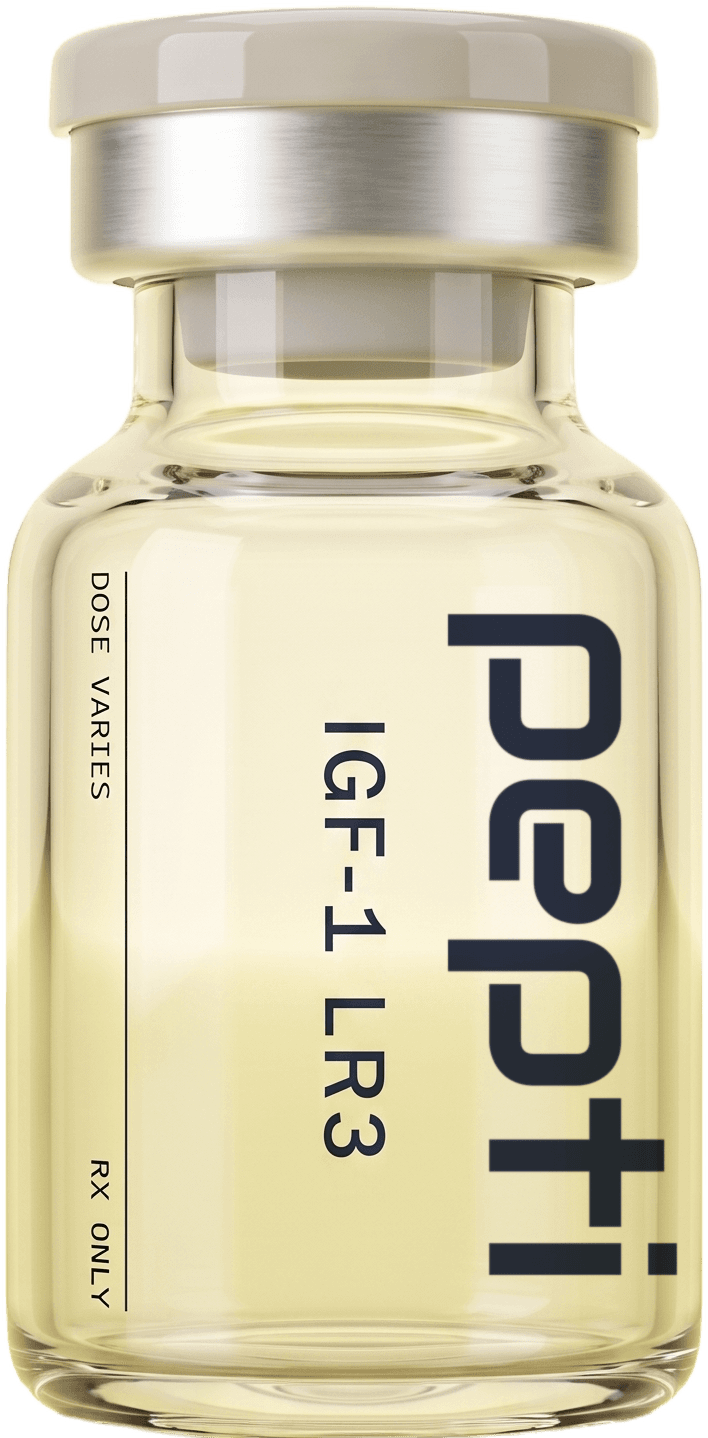
| IGF-1 LR3 | Most directly | Acts at the IGF-1 receptor to drive anabolic and proliferative signalling, with preclinical evidence only | IGF-1 LR3 $259 |
| GH secretagogues: sermorelin, CJC-1295, ipamorelin, tesamorelin, hexarelin | Yes, indirectly | Raise growth hormone and therefore IGF-1, though through your own pituitary with feedback intact | CJC-1295 / Ipamorelin $239, Sermorelin $229 |
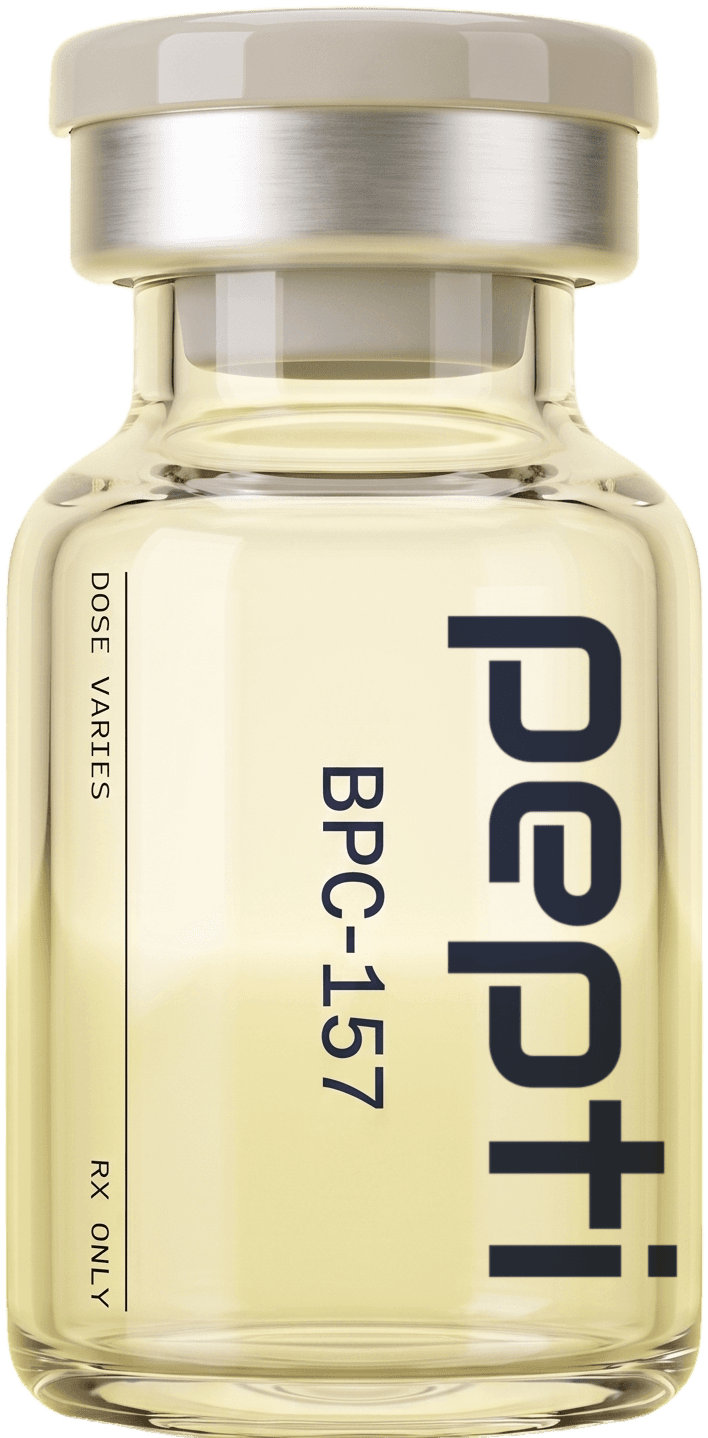
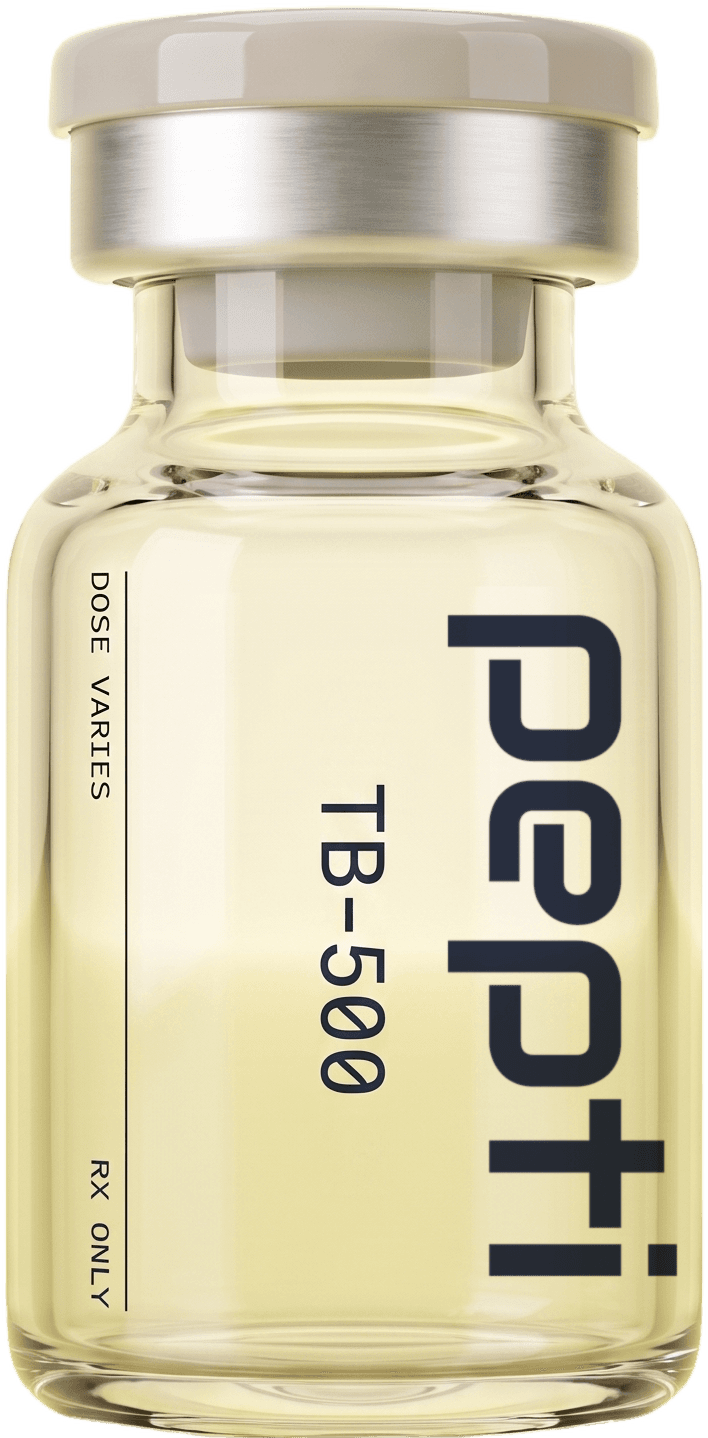
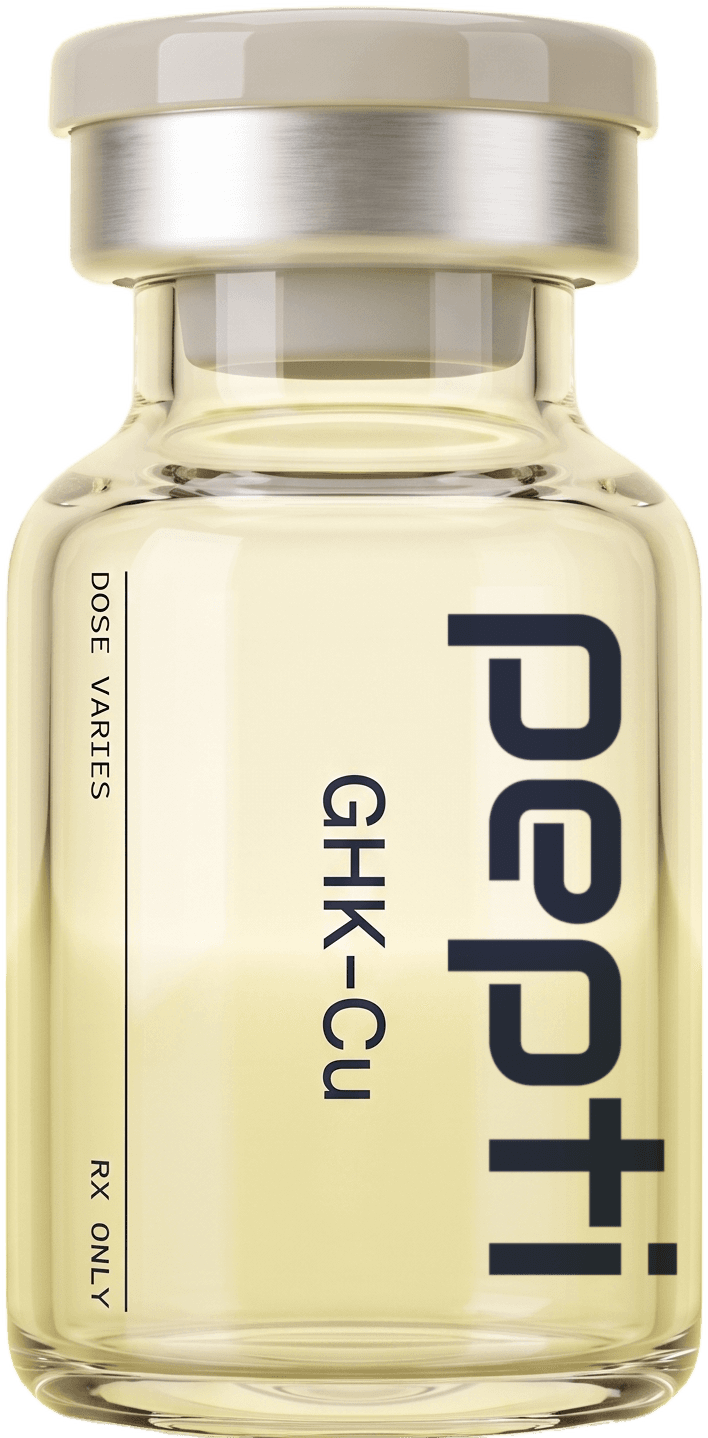
| Angiogenic repair peptides: BPC-157, TB-500, GHK-Cu | Yes, on a different mechanism | Described as promoting new blood-vessel formation, which any growing tissue can use | BPC-157 $209, TB-500 $209 |
| Growth-factor compounds: dihexa | Yes | Potentiates a growth-factor receptor system | Dihexa $219 |
| NAD+ | Unsettled | NAD metabolism intersects with proliferation and DNA repair, and the direction of effect is genuinely unclear | NAD+ $249 |
| Melanotan II | A different concern entirely | Pigmentation changes and the need to assess existing moles and lesions before use | Melanotan II $249 |
| GLP-1 medications | A specific documented warning, not this one | Rodent C-cell tumour findings, with a hard contraindication for medullary thyroid carcinoma and MEN 2 | Semaglutide from $99 |
| Anti-inflammatory and cognitive peptides: KPV, selank, semax, DSIP | Not a recognised concern | No growth or angiogenic mechanism | KPV $229 |
All-in monthly prices covering medication, physician review, refill management and shipping. These are not FDA approved. They are compounded at a US FDA-registered pharmacy against a prescription.
— Can Peptides Cause Cancer? The Real Concern and How Physicians Handle It
What "causing cancer" actually means
Initiation, promotion and progression
Cancer biology separates three stages, and most confused arguments about peptides collapse them into one. Initiation is the genetic damage itself — a mutation in a gene governing cell division or DNA repair. Promotion is the process by which an initiated cell is given conditions in which it can expand. Progression is the acquisition of invasion, blood supply and the ability to spread.
A carcinogen in the strict sense acts at initiation: it damages DNA. Peptides are short amino-acid chains that bind receptors, and nothing in the published literature describes the peptides in this catalog as genotoxic. Where testing has been done on approved counterparts it was negative — semaglutide was not mutagenic or clastogenic across a standard battery including the bacterial Ames assay, chromosome aberration and micronucleus tests. Tirzepatide was likewise not genotoxic in a rat bone marrow micronucleus assay.
The honest concern therefore sits at promotion: whether a sustained growth or vascular signal makes a more permissive environment for cells that have already gone wrong. A negative genotoxicity assay does not settle that either way, which is why the sensible answer here is a screening protocol rather than a reassurance or a warning.
— Can Peptides Cause Cancer? The Real Concern and How Physicians Handle It
The growth hormone axis, and why it raises the question
— What a secretagogue actually does
Growth hormone is released in pulses from the anterior pituitary, mostly overnight, under two opposing controls: growth hormone releasing hormone (GHRH), which stimulates release, and somatostatin, which suppresses it. The ghrelin receptor is a third input that amplifies the pulse.
These products work on that architecture rather than replacing the hormone. Sermorelin is a 29-amino-acid fragment of GHRH. CJC-1295 is a longer-acting GHRH analog; a 2006 paper in the Journal of Clinical Endocrinology and Metabolism reported sustained increases in growth hormone and IGF-1 in healthy adults. Tesamorelin is a stabilized GHRH analog and the only one of the group approved by the FDA, for a specific population. Ipamorelin and hexarelin act at the ghrelin receptor instead, ipamorelin having been characterized in a 1998 European Journal of Endocrinology paper as the first selective growth hormone secretagogue. None is growth hormone — they ask your pituitary for more of your own.
— IGF-1 is the signal that matters
Most of what people mean by growth signalling is downstream of growth hormone. Growth hormone acting on the liver drives insulin-like growth factor 1 (IGF-1), which circulates bound to binding proteins and acts on receptors throughout the body. IGF-1 is the durable, measurable signal, and the number a physician tracks.
At its receptor, two cascades follow. The PI3K–Akt–mTOR arm drives protein synthesis and cell survival, and suppresses apoptosis — the process by which damaged cells normally remove themselves. The Ras–MAPK arm drives proliferation. Both are pathways oncology spends considerable effort trying to switch off, which is the mechanistic root of the concern. The counterweight is that they also repair a tendon, maintain lean tissue and keep skin turning over, and every adult runs them continuously.
The approved tesamorelin labeling puts it in the regulator's own words: the drug "stimulates GH production and increases serum IGF-1, a growth factor," and "the effects of prolonged elevations in IGF-1 levels are unknown."
— Why your own pituitary is part of the safety argument
A secretagogue works through the pituitary, which remains subject to somatostatin feedback and to IGF-1's own negative feedback; a 2006 paper in the Journal of Clinical Endocrinology and Metabolism reported pulsatile secretion persisting during continuous stimulation with CJC-1295. Exogenous IGF-1 bypasses all of that.
It is a meaningful difference, not a guarantee. A secretagogue can still push IGF-1 above your range: the tesamorelin label reports that among patients treated 26 weeks, 47% had IGF-1 above 2 standard deviation scores and 36% above 3 SDS. Feedback intact is not feedback sufficient, which is why the label instructs monitoring.
— Can Peptides Cause Cancer? The Real Concern and How Physicians Handle It
What the human evidence on growth signalling shows
— Acromegaly and growth hormone replacement
Two human situations bracket the question. Acromegaly is decades-long growth hormone and IGF-1 excess from a pituitary tumor, far above anything a prescribed secretagogue produces. A 2018 cohort study and meta-analysis in the Journal of Clinical Endocrinology and Metabolism pooled 23 studies and found an overall cancer standardized incidence ratio of 1.5 (95% CI 1.2–1.8); its own Danish cohort of 529 patients gave 1.1 (0.9–1.4), with selection bias noted in earlier single-center studies.
The other bracket is replacement dosing. The KIMS surveillance cohort, reported in the same journal in 2022, followed 15,809 adults with growth hormone deficiency for a mean 5.3 years and found de novo cancer incidence comparable to the general population — standardized incidence ratio 0.92 (95% CI 0.83–1.01). Its limits: observational, a specific diagnosis, roughly five years, and growth hormone rather than a secretagogue.
— Circulating IGF-1 and cancer incidence
The observational literature on naturally occurring IGF-1 is larger and points consistently in one direction, with small effect sizes. A 2004 meta-regression in The Lancet reported positive associations between IGF-1 and prostate, colorectal and premenopausal breast cancer. A 2020 analysis in Cancer Research using 394,388 cancer-free UK Biobank participants examined 30 cancer sites at once and found higher IGF-1 associated with colorectal cancer (hazard ratio 1.08 per 5 nmol/L, 95% CI 1.03–1.13), breast (1.11, 1.07–1.15), prostate (1.08, 1.05–1.12) and thyroid cancer (1.18, 1.01–1.37) — and with reduced risks of ovarian and liver cancer. A 2023 collaborative analysis in the International Journal of Epidemiology pooled 20 prospective studies on prostate cancer.
A hazard ratio of 1.08 per 5 nmol/L is a small gradient across the normal range of a hormone everyone has. The consistency across sites is why the mechanism is taken seriously; the magnitude is not what alarm would require.
— What none of these studies can tell you
These are studies of endogenous IGF-1 variation, not of people taking a medication that raises it — that trial has not been run. Association is not causation, and the UK Biobank authors noted that reverse causality cannot be excluded, since an undetected early cancer can influence hormone levels before diagnosis. IGF-1 also correlates with nutrition, body composition, insulin and activity. And the windows are years rather than decades — a gap covered in are peptides safe long term.
— Can Peptides Cause Cancer? The Real Concern and How Physicians Handle It
Where the concern comes from, mechanism by mechanism
Three separate mechanisms get merged into one worry. They deserve separating.
Growth signalling. Growth hormone acts largely through IGF-1 made in the liver, and IGF-1 promotes cell growth and division and suppresses programmed cell death. Observational research has examined associations between naturally occurring IGF-1 levels and the incidence of certain cancers. The theoretical concern is not that these peptides initiate cancer, which would require causing the genetic damage in the first place, but that a growth signal could accelerate cells that are already abnormal.
Angiogenesis. A tumour beyond a very small size needs a blood supply. Peptides described as promoting new vessel formation are promoting a process that malignant tissue also requires. Again, this is not initiation. It is a theoretical contribution to something already present.
Something different: the GLP-1 thyroid warning. This is not a growth-signalling concern. Rodent studies showed thyroid C-cell tumours with GLP-1 agonists, which produced a boxed warning for the class. Human relevance has not been established, and the contraindication for medullary thyroid carcinoma and MEN 2 stands regardless. It is the only peptide-related cancer warning in this catalogue that comes from a regulatory review of trial and animal data rather than from mechanism reasoning. See is semaglutide safe.
— Can Peptides Cause Cancer? The Real Concern and How Physicians Handle It
Angiogenesis and the repair peptides
A tumor larger than roughly a millimeter cannot survive on diffusion alone; it has to recruit a blood supply, driven largely by vascular endothelial growth factor acting on VEGFR2, and several oncology drugs exist to block that step. So a compound described as pro-angiogenic is, at the level of pathway names, promoting something malignant tissue also needs — which is not the same as evidence that it produces tumors.
— What the BPC-157 research describes
BPC-157 has the most explicitly angiogenic literature in this catalog. A 2017 paper in the Journal of Molecular Medicine associated its pro-angiogenic activity with VEGFR2 activation and upregulation; a 2009 paper in the Journal of Physiology and Pharmacology described modulation of angiogenesis in muscle and tendon healing.
All of it is animal and cell work. There are no randomised controlled trials of BPC-157 in humans, and no published tumor signal attributed to BPC-157 in any species. The concern here is mechanistic reasoning, weaker than data in both directions: not evidence of harm, and its absence not evidence of safety.
— TB-500, thymosin beta-4 and the tumor-biology literature
TB-500 corresponds to the active region of thymosin beta-4, an actin-sequestering protein. The repair literature is substantial: a 1997 FASEB Journal paper described directional migration of human endothelial cells, a 2004 paper in Mechanisms of Ageing and Development described angiogenesis and wound healing, and a 2010 randomized placebo-controlled dose study of intravenous thymosin beta-4 in healthy volunteers, in the Annals of the New York Academy of Sciences, is the main human safety dataset for the parent molecule.
The complication is that cell migration and survival are not tissue-specific, so thymosin beta-4 also appears in the tumor-biology literature. A 2012 review in Critical Reviews in Eukaryotic Gene Expression discussed it as a potential molecular target for tumor therapy, and a 2016 paper in Acta Biochimica et Biophysica Sinica reported that silencing thymosin beta-4 suppressed proliferation and invasion of non-small cell lung cancer cells in vitro. Those are laboratory studies inside cancer cell lines, not studies of TB-500 in a person — but they are why a prescriber asks about cancer history before TB-500 or the BPC-157 + TB-500 preparation.
— GHK-Cu and a 1973 paper worth reading honestly
GHK-Cu carries the oddest citation in this area, better stated than left for someone else to find. The tripeptide was first described by Pickart and Thaler in Nature: New Biology in 1973, in a paper titled "Tripeptide in human serum which prolongs survival of normal liver cells and stimulates growth in neoplastic liver." That concerned hepatoma cells in culture, half a century ago, before the copper complex now used was characterized. The subsequent GHK-Cu literature — a 2015 paper in BioMed Research International, a 2018 review in the International Journal of Molecular Sciences — is about skin regeneration, collagen and gene expression rather than neoplasia, and GHK-Cu sits in the caution column above because of angiogenesis.
None of the three angiogenic peptides has a published human tumor signal, and none has the long-term human data that would rule one out.
— Can Peptides Cause Cancer? The Real Concern and How Physicians Handle It
IGF-1 LR3 is the most direct case
What makes the LR3 analog different
IGF-1 LR3 is not a secretagogue and does not work through your pituitary. It is a recombinant IGF-1 analog with a 13-amino-acid N-terminal extension and an arginine at position 3, engineered — as a 1992 paper in the Journal of Molecular Endocrinology described — to reduce binding to the IGF binding proteins that normally sequester circulating IGF-1.
That design is the point and the problem. Roughly 99% of circulating IGF-1 is bound at any moment, and a 2018 review in Frontiers in Endocrinology covers why that buffer exists. An analog that evades it delivers a larger free fraction to the receptor for longer, without the pituitary feedback that constrains a secretagogue. Animal work bears out the potency: 1992 and 1995 papers in the Journal of Endocrinology reported marked gut and organ growth. There are no randomised controlled trials of IGF-1 LR3 in humans.
What the approved IGF-1 label says
The approved recombinant IGF-1 product, mecasermin, carries malignant neoplasia as an outright contraindication: it "is contraindicated in pediatric patients with malignant neoplasia or a history of malignancy." Its warnings note postmarketing reports of malignant neoplasms in treated pediatric patients, and state that "it is unknown whether there is any relationship between INCRELEX therapy and new occurrence of neoplasia."
Note how carefully that is phrased. A regulator with the full postmarketing dataset declined to assert causation and simultaneously made malignancy a contraindication rather than a caution. In practice IGF-1 LR3 sits in a different tier: any personal history of malignancy is a stop rather than a discussion, and the conversation usually moves to CJC-1295 / Ipamorelin, sermorelin or tesamorelin, where feedback remains intact and IGF-1 is measurable.
— Can Peptides Cause Cancer? The Real Concern and How Physicians Handle It
The GLP-1 thyroid warning is a different question
— What the boxed warning actually says
Semaglutide and tirzepatide carry a boxed warning with nothing to do with IGF-1 or angiogenesis, and it is routinely misquoted. The semaglutide text reads: "In rodents, semaglutide causes dose-dependent and treatment-duration-dependent thyroid C-cell tumors at clinically relevant exposures. It is unknown whether WEGOVY causes thyroid C-cell tumors, including medullary thyroid carcinoma (MTC), in humans as human relevance of semaglutide-induced rodent thyroid C-cell tumors has not been determined." The tirzepatide label is worded identically except that it specifies rats. "In rodents" and "it is unknown whether in humans" are the entire content of the warning.
— What the rodent carcinogenicity studies found
For semaglutide: a two-year CD-1 mouse study found a statistically significant increase in thyroid C-cell adenomas and a numerical increase in C-cell carcinomas at all dose levels, and a two-year Sprague Dawley rat study found significant increases in C-cell adenomas at all dose levels. The label states human relevance "is unknown and could not be determined by clinical studies or nonclinical studies."
For tirzepatide: a two-year rat study found significant increases in C-cell adenomas, and in adenomas and carcinomas combined; a six-month study in rasH2 transgenic mice found tirzepatide was not tumorigenic. The caveat endocrinologists raise is that rodent thyroid C-cells express GLP-1 receptors at far higher density than human C-cells — an argument the labels do not adopt.
— What the human data shows
Two large pharmacoepidemiology studies point different ways. A 2023 nested case-control analysis in Diabetes Care, using the French national health insurance database with 2,562 thyroid cancer cases matched to 45,184 controls, reported that one to three years of GLP-1 receptor agonist use was associated with increased risk of all thyroid cancer (adjusted HR 1.58, 95% CI 1.27–1.95) and medullary thyroid cancer (1.78, 1.04–3.05).
A 2024 Scandinavian cohort study in The BMJ, covering three countries from 2007 to 2021 with 145,410 GLP-1 initiators against 291,667 DPP-4 inhibitor initiators in an active-comparator new-user design, found no association: hazard ratio 0.93 (95% CI 0.66–1.31) over a mean 3.9 years. The larger, better-controlled study is the null one. Causation in humans is not established, and the studies disagree at the margins.
— The contraindication that is not a discussion
Both labels state it in the boxed warning: contraindicated in patients with a personal or family history of medullary thyroid carcinoma, or with Multiple Endocrine Neoplasia syndrome type 2. Both also say routine monitoring of serum calcitonin or thyroid ultrasound "is of uncertain value" for early detection in treated patients — so the safeguard is history-taking at intake, not a test afterwards. The symptoms the labels direct prescribers to counsel on are a neck mass, difficulty swallowing, shortness of breath and persistent hoarseness. More in is tirzepatide safe.
— Can Peptides Cause Cancer? The Real Concern and How Physicians Handle It
What the research actually shows
| Claim | Status |
|---|---|
| Growth-hormone secretagogues cause cancer in humans | Not shown. No causal link established |
| Higher naturally occurring IGF-1 is associated with some cancers | Supported by observational research, in natural levels rather than in people on these medications |
| Association means causation | It does not, and the observational literature cannot separate the two |
| BPC-157 or TB-500 causes tumours | Not shown. The concern is mechanistic |
| Growth signalling can accelerate existing disease | Biologically plausible, which is why active cancer is a contraindication rather than a discussion |
| GLP-1 agonists cause thyroid cancer in humans | Not established. Rodent data drives the class warning |
| Peptides are proven safe with respect to cancer | Also not shown, and claiming it is as dishonest as the opposite claim |
The thing to hold onto is that absence of a demonstrated link is not proof of safety, particularly given how little long-term human data exists for most of these molecules. That gap is described in are peptides safe long term.
— Can Peptides Cause Cancer? The Real Concern and How Physicians Handle It
The approved labels, read directly
Tesamorelin, somatropin and mecasermin
Tesamorelin is contraindicated in patients with active malignancy, and the warnings give the reasoning in one sentence: the drug "induces the release of endogenous growth hormone (GH), a known growth factor. Do not treat patients with active malignancy." For a history of malignancy it directs that therapy start "only after careful evaluation of the potential benefit of treatment relative to the risk of re-activation of the underlying malignancy," and be discontinued at any evidence of recurrence. It also instructs prescribers to monitor IGF-1 and consider discontinuing where elevations persist.
Somatropin, recombinant growth hormone itself, is likewise contraindicated in active malignancy; its labeling notes an increased risk of a second neoplasm reported in childhood cancer survivors treated with cranial radiation who later received somatropin. Mecasermin contraindicates malignant neoplasia outright. Three drugs, three independent reviews, one consistent rule.
What a compounded peptide inherits from these labels
A compounded peptide has no approved label of its own, because compounded medications are prepared by a licensed pharmacy against a prescription rather than approved as finished products. There is no FDA-reviewed contraindication list for ipamorelin, the ASCEND blend or IGF-1 LR3.
Careful prescribing borrows the nearest approved analogue's rules instead: if tesamorelin is contraindicated in active malignancy, a compounded GHRH analog or ghrelin-receptor secretagogue is treated the same way.
— Can Peptides Cause Cancer? The Real Concern and How Physicians Handle It
Where these stand with the FDA right now
The 503A bulk drug substances framework governs which substances a compounding pharmacy may use, and the lists moved during 2026, so much of what is written online is out of date.
The FDA's Category 2 list — substances the agency has identified as presenting significant safety risks — currently contains six entries: cesium chloride, domperidone, germanium sesquioxide, ibutamoren mesylate, kisspeptin-10 and quinacrine hydrochloride. BPC-157, CJC-1295, dihexa, epitalon, melanotan II, MOTS-c, semax and selank appear only among withdrawn nominations and are not currently in Category 2, on a page current as of 22 April 2026. None of those designations is a cancer finding.
The Pharmacy Compounding Advisory Committee met on 23–24 July 2026 and considered BPC-157, KPV, TB-500, MOTS-c, emideltide, semax and epitalon; an advisory committee recommendation is not a final agency decision. None of it changes the clinical answer here, and nothing in the catalog is FDA approved as a finished product.
— Can Peptides Cause Cancer? The Real Concern and How Physicians Handle It
How a physician actually handles it
| Step | What happens |
|---|---|
| Intake | Personal cancer history, family cancer history, current screening status, any unexplained symptom such as weight loss, night sweats or a new lump |
| Active or recent cancer | Growth-signalling and angiogenic peptides are declined. This is not negotiable in careful practice |
| Cancer in remission | Depends on the cancer, the interval, and your oncologist's view. Often a cautious no, sometimes a yes with a specific molecule and monitoring |
| Family history alone | Usually not disqualifying by itself, but it sharpens the choice of molecule and the monitoring |
| Baseline IGF-1 | Measured before dosing rather than dosing blind |
| Dose target | A physiological IGF-1 range, not the highest number achievable. This is the single most important practical safeguard |
| Follow-up | IGF-1 and glucose repeated on a schedule, with the dose reduced if IGF-1 runs high |
| Screening | Age-appropriate cancer screening continued normally. Treatment does not replace it |
At-home blood testing covers the relevant markers, and the baseline case is made in do you need bloodwork before peptides.
— Personal history, active disease and remission
The first question is whether there is any current or previous malignancy, what type, what treatment and when. "Active" includes disease under surveillance or in treatment, and an unresolved imaging finding or pending biopsy; with active disease, growth-signalling and angiogenic peptides are declined, following the approved labels.
Remission is case-by-case: a hormone-sensitive cancer is considered differently from one that is not, a five-year interval differently from six months. A physician will generally want your oncologist's view, and the answer is often a cautious no, sometimes a yes confined to a molecule without growth or angiogenic mechanisms.
— Family history, and the one hard exception
Family history alone is usually not disqualifying. It sharpens which molecule is chosen and how closely IGF-1 is watched, and may move the conversation from IGF-1 LR3 to a secretagogue. The exception is the one the labels name: a family history of medullary thyroid carcinoma, or MEN 2, contraindicates semaglutide and tirzepatide specifically.
— Undiagnosed symptoms and the two organ-specific checks
A physician should decline to start anything in this category while an unexplained symptom is outstanding: unintended weight loss, drenching night sweats, a lump, a persistent cough, a change in bowel habit, blood where there should not be blood. Overwhelmingly these do not mean cancer; the point is that starting a growth signal is the wrong move while something undiagnosed is being carried. Overdue screening is handled the same way — if a colonoscopy, mammogram, cervical screening or PSA discussion is due, screening comes first.
Two organ-specific checks belong here. Before a GLP-1, thyroid history including the medullary subtype and MEN 2 in the family. Before Melanotan II, a skin assessment: the concern there is pigmentation and existing naevi rather than growth signalling, since a compound that darkens skin can change how a lesion looks. Case reports of melanoma in Melanotan II users appear in the dermatology literature, and a 2017 review in the International Journal of Dermatology covers the risks of unregulated use. A baseline mole check is the reasonable response.
— Baseline IGF-1, and mid-range rather than maximum
If a growth-axis peptide is prescribed, IGF-1 is measured before the first dose. You cannot interpret a follow-up number without a starting one, and IGF-1 is age- and sex-referenced, reported as a standard deviation score against a range that falls with age.
The target is a physiological range for your age: mid-range, not the top of it. This is the single most important practical safeguard on this page, and a prescriber aiming at the highest IGF-1 a patient will tolerate has inverted the logic. Fasting glucose and HbA1c belong on the same draw, since growth hormone is counter-regulatory to insulin. Follow-up IGF-1 is repeated after the first weeks and periodically after; a number above the age-referenced range triggers a dose reduction, since treatment here is long-term with 28-day refills. A new symptom triggers a conversation regardless of what the labs say.
— Can Peptides Cause Cancer? The Real Concern and How Physicians Handle It
What should make you stop and call
None of these means you have cancer. All of them mean stop dosing and speak to your physician rather than waiting for a scheduled follow-up.
- A new lump anywhere, or a mole that changes shape, colour or size
- Unexplained weight loss, drenching night sweats, or persistent fever
- Persistent hoarseness, difficulty swallowing, or a neck lump, especially on a GLP-1
- Blood where there should not be blood
- A cough, a swallowing problem or a bowel-habit change that persists past a few weeks
- Bone pain that wakes you at night
The general version of this list is in peptide side effects: what to watch for.
— Can Peptides Cause Cancer? The Real Concern and How Physicians Handle It
Molecules where this concern does not apply
Several products have no growth-signalling and no angiogenic mechanism. KPV is a melanocortin-derived tripeptide; a 2008 paper in Gastroenterology described PepT1-mediated uptake reducing intestinal inflammation, a mechanism that is anti-inflammatory rather than proliferative. Selank and Semax are short regulatory peptides studied for anxiolytic and cognitive effects, DSIP is sleep-associated, and injections such as methylcobalamin and L-carnitine are nutrient repletion rather than signalling.
Epithalon points the other way and is often misread. A 2003 paper in Bulletin of Experimental Biology and Medicine described telomerase activity and telomere elongation in human somatic cells, which sounds like a proliferation concern; rodent work from the same group ran opposite, with a 2002 paper describing suppression of breast adenocarcinoma development in transgenic HER-2/neu mice. Those are animal studies from a narrow group of investigators.
"This concern does not apply" is not "no risk." It means this particular mechanism is absent; every molecule still has its own tolerability profile, interactions and gap in long-term human data.
— Can Peptides Cause Cancer? The Real Concern and How Physicians Handle It
When a growth peptide is the wrong tool
Some honest cases where a growth-axis peptide is not the conversation:
- Active or recent malignancy. A decline, in line with every approved label on this axis. Your physician may still have something outside the growth and angiogenic categories.
- Body composition with a complicated history. Semaglutide and tirzepatide act on appetite and glycemic pathways rather than the GH axis, and AOD-9604 is a growth hormone fragment described in animal work as lipolytic without the IGF-1 rise — subject to the MTC and MEN 2 contraindication on the GLP-1s.
- Energy and cellular metabolism. MOTS-c and NAD+ sit in a different mechanistic space, though the table above is honest that NAD's position is unsettled.
- Inflammation control. KPV and the FORTIFY blend are aimed at that directly.
Your physician decides whether any of this is appropriate.
— Can Peptides Cause Cancer? The Real Concern and How Physicians Handle It
What the evidence shows, honestly
The strongest honest statement available is narrow. For growth-hormone secretagogues, no causal link to cancer has been established in humans. The data that exists is largely observational, concerns naturally occurring IGF-1 rather than these medications, and cannot distinguish cause from association. For BPC-157, TB-500 and GHK-Cu, the concern is mechanistic reasoning about angiogenesis with no human signal behind it. For NAD+ the picture is genuinely unsettled in both directions. For GLP-1 medications there is a real regulatory warning derived from rodent data with unestablished human relevance.
None of that adds up to "peptides cause cancer", and none of it adds up to "this has been ruled out". It adds up to a reason to screen at intake, to decline with active disease, to measure IGF-1 rather than guess, and to keep it in a physiological range. A provider that does none of those things is failing you regardless of what the underlying risk turns out to be.
— References
What this is based on.
References
- Chang CH, Tsai WC, Hsu YH, Pang JH. Pentadecapeptide BPC 157 enhances the growth hormone receptor expression in tendon fibroblasts · Molecules (2014) · PMID 25415472
- Krivic A, Anic T, Seiwerth S, et al.. Achilles detachment of rat and stable gastric pentadecapeptide BPC 157 · Journal of Orthopaedic Research (2006) · PMID 16583442
- Sikiric P, Seiwerth S, Rucman R, et al.. Stable gastric pentadecapeptide BPC 157: novel therapy in gastrointestinal tract · Current Pharmaceutical Design (2011) · PMID 21548867
- Cerovecki T, Bojanic I, Brcic L, Radic B, et al.. Pentadecapeptide BPC 157 (PL 14736) improves ligament healing in the rat · J Orthop Res (2010) · PMID 20225319
- Sikiric P, Seiwerth S, Rucman R, Turkovic B, et al.. Stable gastric pentadecapeptide BPC 157-NO-system relation · Curr Pharm Des (2014) · PMID 23755725
- Cox HD, Miller GD, Eichner D. Detection and in vitro metabolism of the confiscated peptides BPC 157 and MGF R23H · Drug Test Anal (2017) · PMID 28035768
- Thomas A, Görgens C, Guddat S et al.. Simplifying and expanding the screening for peptides <2 kDa by direct urine injection, liquid chromatography, and ion mobility mass spectrometry · J Sep Sci (2016) · PMID 26578461
- Farrar JT, Young JP Jr, LaMoreaux L, Werth JL et al.. Clinical importance of changes in chronic pain intensity measured on an 11-point numerical pain rating scale · Pain (2001) · PMID 11690728
- Meyer JD, Ho B, Manning MC. Effects of conformation on the chemical stability of pharmaceutically relevant polypeptides · Pharm Biotechnol (2002) · PMID 11987755
- Xu C, Sun L, Ren F, Huang P, et al.. Preclinical Safety Evaluation of Body Protective Compound-157, a Potential Drug for Treating Various Wounds · Regul Toxicol Pharmacol (2020) · PMID 32334036
- He L, Feng D, Guo H, et al.. Pharmacokinetics, distribution, metabolism, and excretion of body-protective compound 157, a potential drug for treating various wounds, in rats and dogs · Front Pharmacol (2022) · PMID 36588717
- Lee E, Padgett B. Intra-Articular Injection of BPC 157 for Multiple Types of Knee Pain · Altern Ther Health Med (2021) · PMID 34324435
Citations are provided for educational purposes. They do not constitute medical advice. Always discuss any peptide protocol with your prescribing physician.
— Common questions
Can Peptides Cause Cancer? The Real Concern and How Physicians Handle It, answered.
No peptide in common use has been shown to cause cancer in humans. The caution concerns whether growth signalling could support cells that are already abnormal, which is a different question from causing the disease. Peptides are not described as genotoxic, and where genotoxicity testing has been done — on the approved GLP-1 products — it was negative. The open question is promotion, not initiation.
It depends on the cancer, how long ago, and what your oncologist thinks. Expect a cautious answer, and expect your prescriber to want that conversation rather than take your word that it is fine. Some molecules without growth or angiogenic mechanisms may still be reasonable. The approved tesamorelin label sets the tone: with a history of treated and stable malignancy, therapy starts only after careful evaluation of benefit against the risk of re-activation.
Usually not on its own. It does sharpen which molecule is chosen and how closely IGF-1 is monitored. Medullary thyroid carcinoma and MEN 2 in the family are the exception, and they rule out GLP-1 medications specifically.
IGF-1 is a hormone you produce continuously and need. The concern is about sustained elevation above your physiological range, which is why a careful prescriber targets mid-range rather than high and measures it rather than assuming. The observational studies usually quoted — the 2004 Lancet meta-regression, the 2020 UK Biobank analysis in Cancer Research — found small hazard ratios across the natural range, in people not taking anything.
Not established in humans. The boxed warning comes from rodent studies. A personal or family history of medullary thyroid carcinoma or MEN 2 is a contraindication. See is tirzepatide safe.
Yes, exactly as you would otherwise. Age-appropriate screening is unaffected by treatment and should not be deferred because you are being monitored for something else.
Molecules without growth or angiogenic mechanisms, such as KPV, selank, semax and DSIP, are not associated with it. That is not a claim that they are risk free, only that this particular concern does not apply.
Not of the compounded peptides themselves. The nearest human data is for approved drugs on the same axis: the KIMS cohort of 15,809 adults on growth hormone replacement, in the Journal of Clinical Endocrinology and Metabolism in 2022, found de novo cancer incidence comparable to the general population over a mean 5.3 years. For GLP-1 medications, a 2024 Scandinavian cohort study in The BMJ found no association with thyroid cancer; a 2023 French study in Diabetes Care did.
No study has reported that. The concern is that the animal and cell literature describes BPC-157 as pro-angiogenic — a 2017 paper in the Journal of Molecular Medicine associated its activity with VEGFR2 — and new blood vessels are something growing tissue of any kind uses. There is no published tumour signal in any species, and no long-term human data that would rule one out.
This is one to decline rather than negotiate. Thymosin beta-4, the parent protein of TB-500, appears in the tumour-biology literature because cell migration and survival are not tissue-specific; a 2012 review in Critical Reviews in Eukaryotic Gene Expression discussed it as a potential target for tumour therapy. That is laboratory work in cancer cell lines rather than evidence about TB-500 in a person, but with a personal cancer history it is enough to say no.
Your physician interprets it against the age- and sex-referenced range rather than a single number. The approved tesamorelin label instructs prescribers to consider discontinuing where IGF-1 elevations persist, giving greater than 3 SDS as its example. The practical target on a secretagogue is mid-range for your age.
Because it bypasses the control system. IGF-1 LR3 is engineered to evade the binding proteins that normally sequester circulating IGF-1, and acts at the receptor directly rather than asking your pituitary for more growth hormone. There is no feedback loop in the way and no randomised human trials, and the approved recombinant IGF-1 product contraindicates malignant neoplasia outright.
The tripeptide's first description, a 1973 paper in Nature: New Biology, reported effects on neoplastic liver cells in culture, and that paper circulates without its context. The modern GHK-Cu literature is about collagen, skin regeneration and gene expression. GHK-Cu sits in the caution column here because of angiogenesis, the same reason as BPC-157 and TB-500. The free assessment goes to a physician licensed in your state. A consultation does not guarantee a prescription.
— Next step
See what a physician
recommends for you.
A licensed physician in your state reviews your intake and decides what is appropriate. A consultation does not guarantee a prescription.
Important legal & safety information
The assessment process available on the Pepti website asks a series of medical questions, and the answers provided are reviewed by an independent licensed physician affiliated with our partner physician network. The licensed providers have established exclusionary criteria, and the answers provided determine if the individual is screened out of eligibility for treatment. The licensed clinicians retain the sole decision to prescribe peptide therapy and other compounded medications to patients. Treatment may be denied at the physician's sole discretion. If a prescription is not approved, you will not be charged for the medication.
Pharmacy Providers. Pepti is a technology platform and is not a healthcare provider, pharmacy, or prescriber. All medications offered through the platform are compounded by independent FDA-registered 503A or 503B compounding pharmacies based on a valid prescription written by a licensed physician for an individual patient. Compounded medications are not FDA-approved as products. The active pharmaceutical ingredients used by our partner pharmacies are sourced from FDA-registered facilities. Compounded medications may not undergo the same testing or quality control as commercially manufactured FDA-approved drugs.
Results vary. Results from peptide therapy and other compounded treatments vary based on individual factors, including age, weight, medical history, adherence to the prescribed protocol, lifestyle factors, and physiological response. Pepti makes no guarantee of any specific outcome. Statements about peptide therapy and compounded medications offered through the platform have not been evaluated by the Food and Drug Administration. These products are not intended to diagnose, treat, cure, or prevent any disease.
Product images. Product photographs and renderings shown on this website are for illustrative purposes only. The appearance of vials, packaging, labeling, and other materials you receive may vary and is determined by the dispensing compounding pharmacy.
Off-label use.Many peptides offered through the platform are prescribed for off-label use. “Off-label” means the medication is being prescribed for a use, dose, or patient population that is not specifically approved by the FDA. Off-label prescribing is legal and common in U.S. medical practice when supported by clinical experience and judgment.
Mailing & shipping. Pepti currently dispenses prescription medication to patients in all 50 states and Washington, D.C.. All orders ship in unbranded, tamper-evident packaging via expedited delivery from our partner compounding pharmacies. Temperature-sensitive medications ship with insulated packaging and ice packs. Shipping is included at no additional cost. We do not currently ship medication outside all 50 states and Washington, D.C., internationally, or to APO/FPO addresses.
Not for emergencies. Pepti is not designed for medical emergencies. If you are experiencing a medical emergency, call 911 or go to your nearest emergency room immediately. For urgent but non-emergency medical questions, contact your primary care provider or use an urgent care service.
No doctor-patient relationship with Pepti. Your use of the platform does not create a doctor-patient relationship between you and pepti LLC. A doctor-patient relationship is established only between you and the independent licensed physician who reviews your intake and prescribes your treatment. The physicians who use the platform are independent contractors and are solely responsible for the medical care they provide.
Prescription medications. All prescription products require a valid prescription from a licensed healthcare provider. By using the platform, you acknowledge that you are at least 18 years old and that the information you provide is true, accurate, current, and complete. Providing false information may result in inappropriate treatment recommendations or denial of service.
Cosmetic & wellness products.Certain products offered through Pepti — including skincare, hair care, body care, supplements, men's grooming, sports recovery, and sexual wellness products — are cosmetic or dietary supplement products, not prescription medications. These products do not require a prescription and are not reviewed or prescribed by a physician. Statements regarding dietary supplements have not been evaluated by the Food and Drug Administration. These products are not intended to diagnose, treat, cure, or prevent any disease. Results vary by individual. Consult your healthcare provider before starting any new supplement or topical product, especially if you are pregnant, nursing, or taking other medications.
pepti LLC · Delaware Limited Liability Company · 131 Continental Dr, Suite 305, Newark, DE 19713 · For media or partnership inquiries, email hello@hellopepti.com. For patient support, email support@hellopepti.com. For privacy and HIPAA inquiries, email privacy@hellopepti.com.