— Recovery · Reference
Peptides for Healing: What Is Actually Prescribed, How Each One Works, and What It Costs
If you searched for peptides for healing without knowing the names, this page explains what each is, which combination fits which problem, what the research shows, where each stands with the FDA as of September 2026, and what to expect.
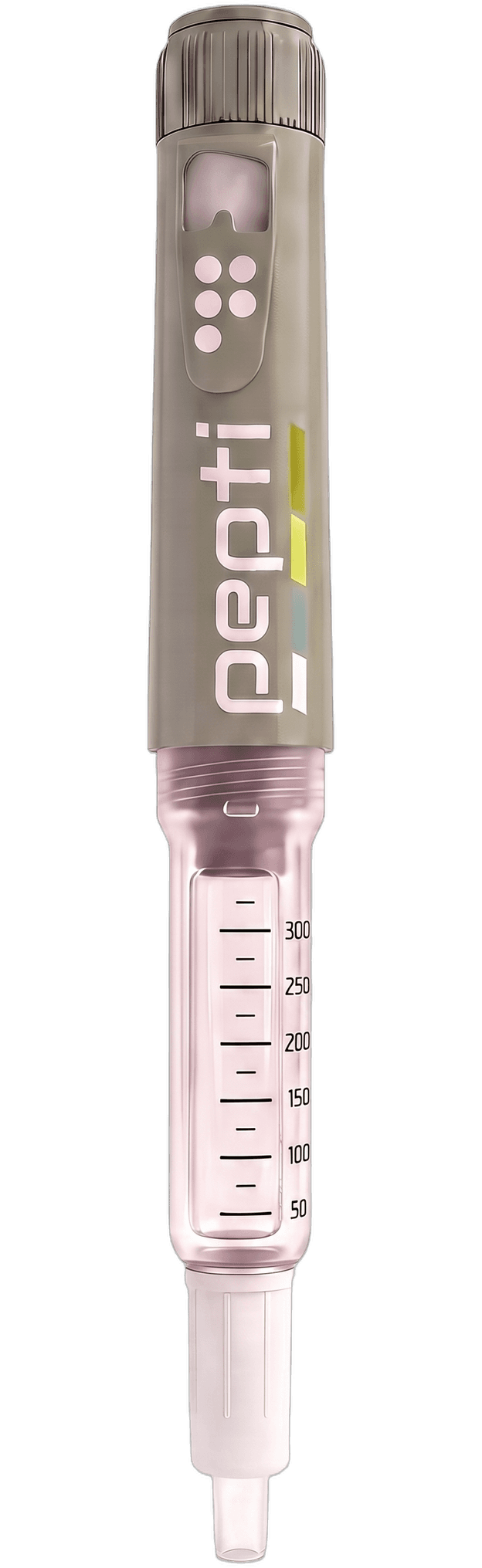
— Treatments mentioned
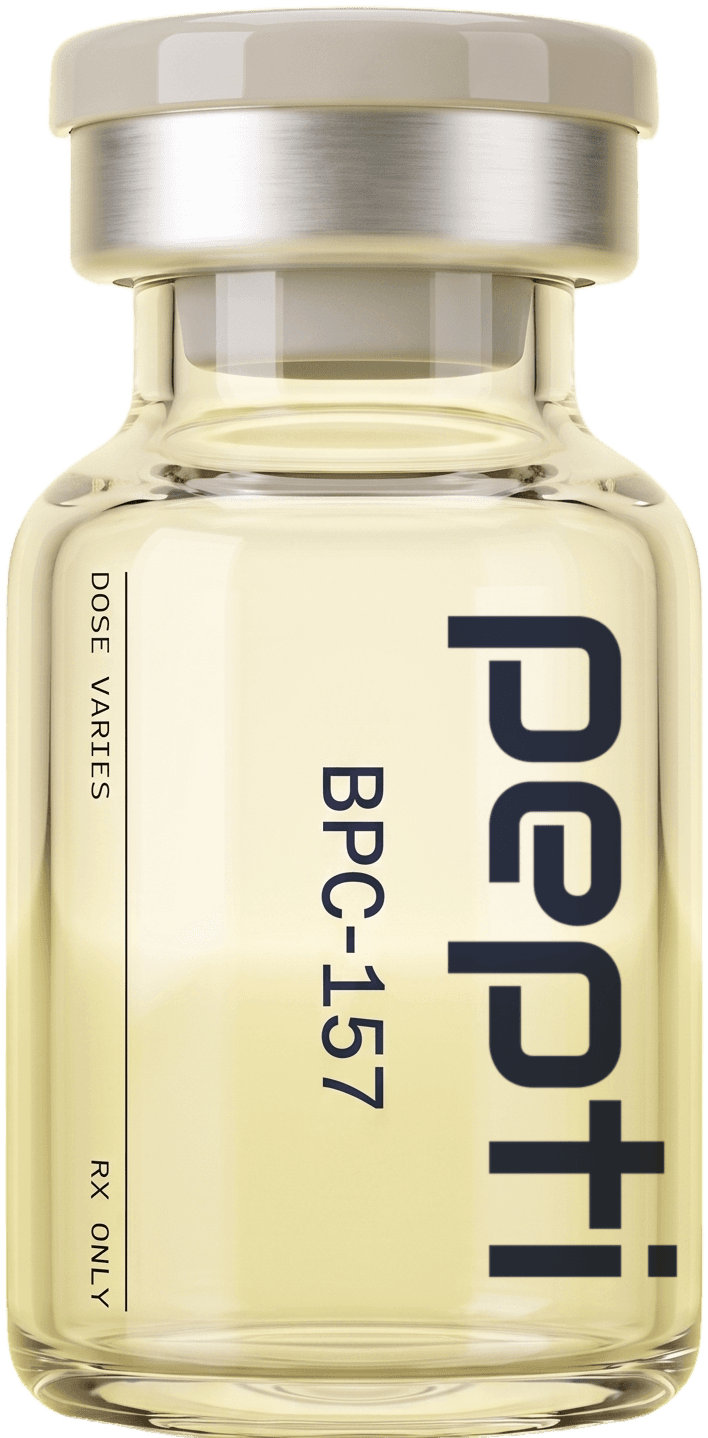
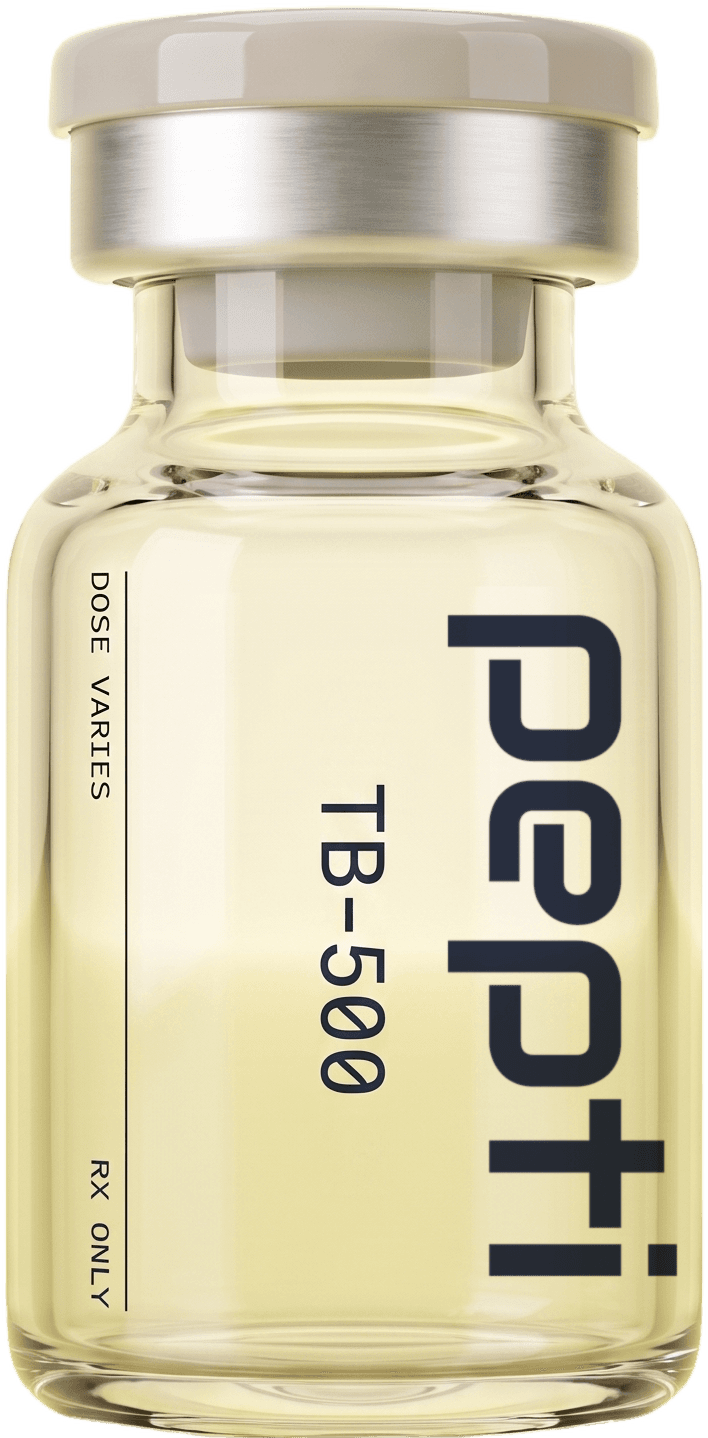
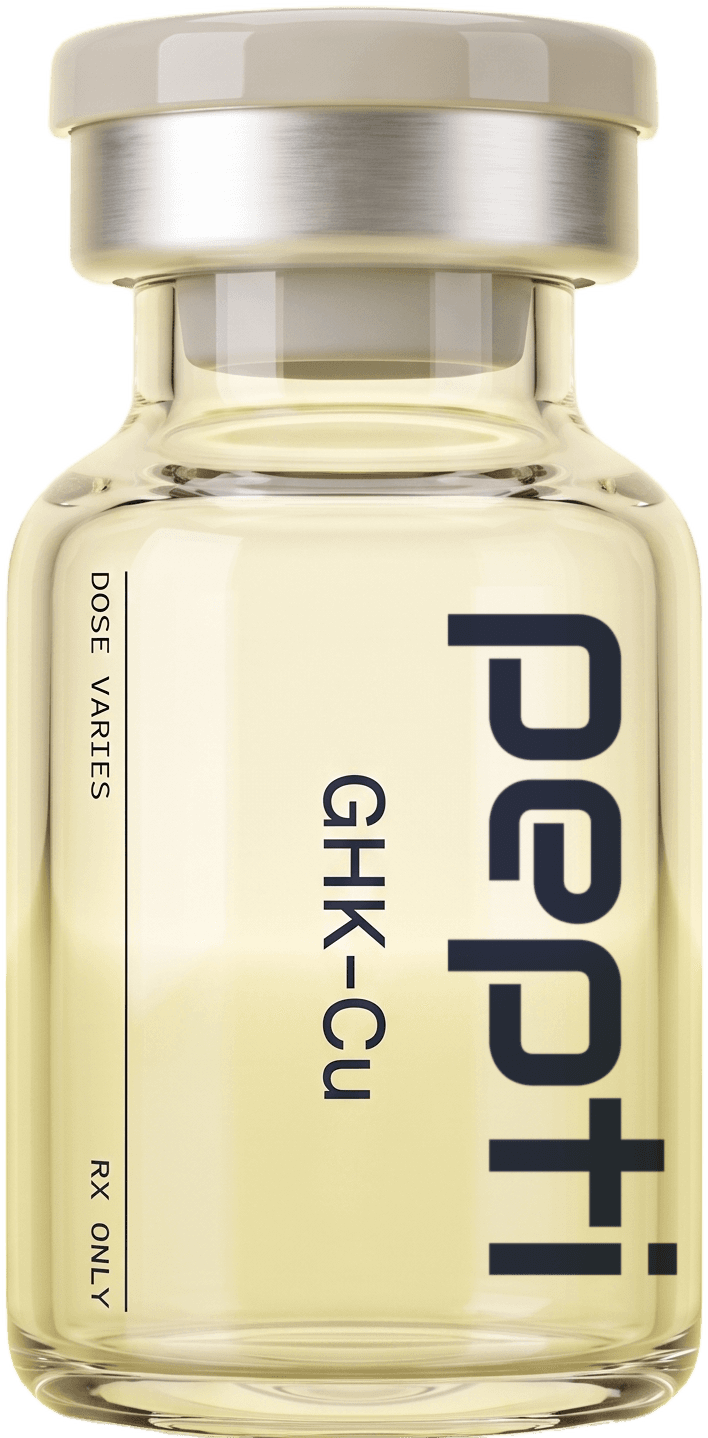
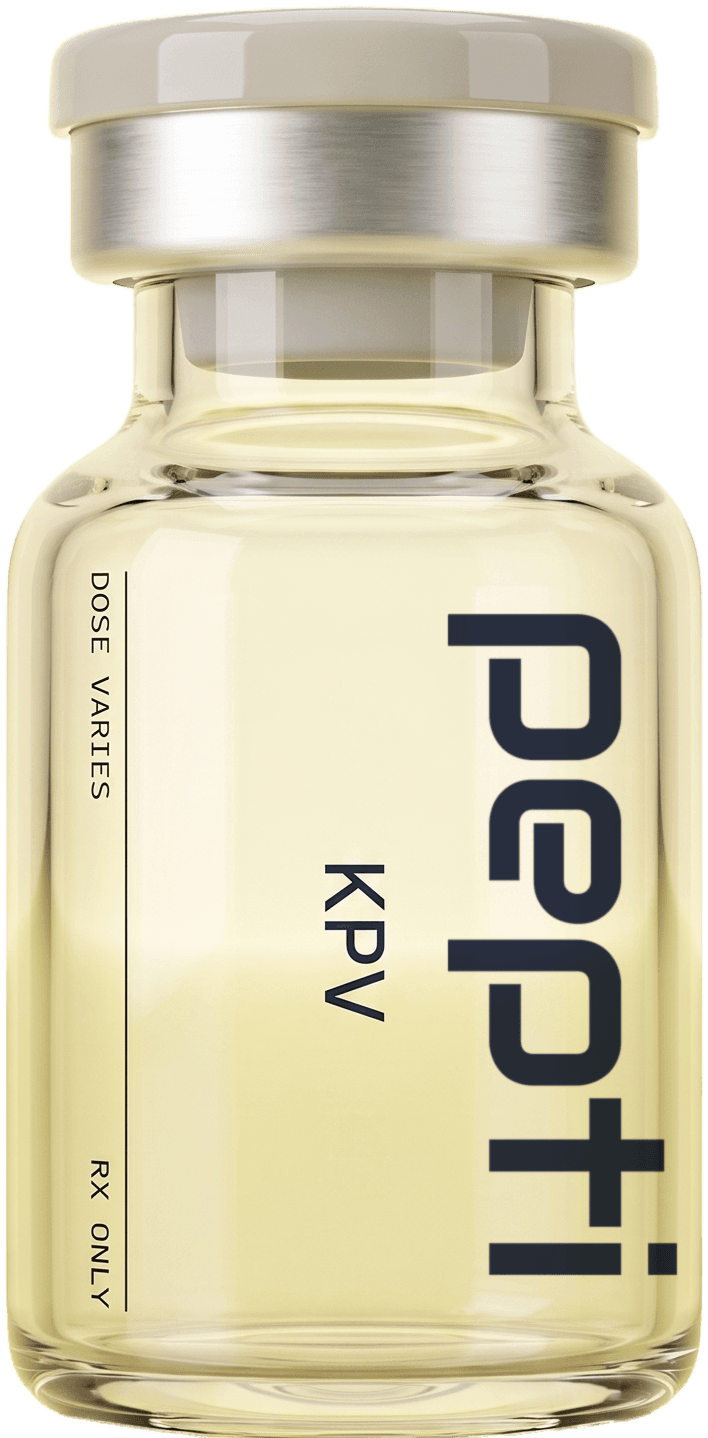
The peptides prescribed for healing are BPC-157, TB-500, GHK-Cu and KPV, used alone or combined in one vial. They act at different stages of the repair process: controlling inflammation, moving repair cells into damaged tissue, growing new blood vessels, and laying down collagen. They are prescription-only, compounded by licensed US pharmacies, and not FDA approved.
If you searched for peptides for healing without knowing the names, this page explains what each is, which combination fits which problem, what the research shows, where each stands with the FDA as of September 2026, and what to expect.
— Peptides for Healing
The short answer
| If your problem is | The usual prescription | What is in it | Price |
|---|---|---|---|
| A tendon, ligament or muscle injury | BPC-157 + TB-500 | 5 mg BPC-157 and 5 mg TB-500 in 5 mL | $259 |
| Injury plus skin and general repair | GLOW | 50 mg GHK-Cu, 10 mg BPC-157, 10 mg TB-500 | $259 |
| Injury plus inflammation plus skin | KLOW | 50 mg GHK-Cu, 10 mg KPV, 10 mg BPC-157, 10 mg TB-500 | $259 |
| Gut lining complaints | BPC-157 alone | 5 mg BPC-157 in 5 mL | $209 |
| Skin, collagen and scarring | GHK-Cu alone | 50 mg GHK-Cu in 5 mL | $239 |
| Inflammation-led problems | KPV alone | 10 mg KPV in 5 mL | $229 |
| Recovery with immune support | FORTIFY | Thymosin A-1, BPC-157, KPV and LL-37 | $279 |
Each is an all-in price covering medication, physician review, refill management and shipping. Most are dosed as 0.25 mL, which is 25 units on a U-100 insulin syringe, on weekdays.
A single peptide addresses one part of the repair sequence; a blend addresses several. Which part has stalled in your case is a clinical judgment, which is why the physician chooses and not the table. Current pricing is on each product page and its cost page, for example /cost/bpc-tb-stack.
— Peptides for Healing
What is actually going on in tissue repair
Repair is not one event. It runs in overlapping phases, and a phase that stalls is usually why something has not healed in months despite rest.
| Phase | What has to happen | If it stalls | Which peptide acts here |
|---|---|---|---|
| Inflammation | Damage signals, immune cells clear debris | Chronic pain and swelling that never resolves | KPV, BPC-157 |
| Cell migration | Fibroblasts and repair cells physically move in | Nothing rebuilds, however long you rest | TB-500 |
| Angiogenesis | New blood vessels reach the area | Tissue starves; tendons are poorly vascularised to begin with | BPC-157, GHK-Cu |
| Matrix synthesis | Collagen and supporting proteins are laid down | Weak, thin repair tissue | GHK-Cu |
| Remodelling | Early collagen realigns into load-bearing tissue | Scar rather than function | GHK-Cu, TB-500 |
That table is the whole logic of the blends. The biology behind each row explains why none of the four can do the job alone.
— Inflammation is the start, not the enemy
The first hours after injury are dominated by clotting, then by neutrophils and macrophages clearing damaged tissue and releasing the signals that recruit repair cells. Nothing rebuilds until that has happened. The problem is inflammation that never hands off to the next phase: a joint still warm at week eight, or a tendon that flares every time it is loaded, describes a signaling loop that has not resolved. That is the phase KPV is aimed at, and why KPV sits in KLOW.
— Cells have to move in before anything is rebuilt
Fibroblasts, the cells that manufacture collagen, migrate into a wound along the fibrin scaffold, and migration depends on the cell rearranging its internal actin skeleton to crawl. This is the step TB-500 is described as acting on: thymosin beta-4, the parent protein, binds actin. A repair with no cellular workforce inside it stays a defect however long it is rested.
— Blood supply is the bottleneck in tendon and ligament
Tendon and ligament are among the least vascular tissues in the body, so the oxygen and nutrient delivery every other phase depends on is limited from the start. This is why a mid-substance tendon injury takes months where a skin cut takes days, and why angiogenesis is the mechanism described most often for BPC-157 and part of the literature on GHK-Cu.
— Collagen is laid down, then reorganized under load
Fibroblasts first secrete thin, disorganized type III collagen; over weeks to months it is replaced by load-bearing type I collagen, with fibers aligning along the direction of stress. Alignment only happens under load: tissue that is never stressed remodels into scar. This is the phase where GHK-Cu is described, through copper-dependent enzymes involved in collagen cross-linking, and the phase no injection substitutes for, because the mechanical signal comes from rehabilitation. Most chronic tendinopathy is now understood as failed healing rather than ongoing inflammation.
— Peptides for Healing
What physicians prescribe for healing
— BPC-157
A 15-amino-acid fragment of a protein found in gastric juice, with the largest animal literature in this category. The mechanism described most consistently is angiogenesis: a 2017 paper in the Journal of Molecular Medicine reported BPC-157 activating the VEGFR2 receptor in cell and animal models. A 2014 paper in Molecules reported increased growth hormone receptor expression in cultured tendon fibroblasts, which makes those cells more responsive to growth hormone already circulating; it does not raise growth hormone.
The orthopedic animal work is why it is prescribed for injury. The Journal of Orthopaedic Research published rat studies on transected Achilles tendon (2003), Achilles detachment (2006), transected quadriceps muscle (2006) and medial collateral ligament transection (2010), each reporting functional, biomechanical and histological improvement in treated animals. A 2019 review in Cell and Tissue Research summarized this literature as consistently positive in animals while stating that efficacy in humans is yet to be confirmed.
Human data is thin. A 2021 retrospective chart review in Alternative Therapies in Health and Medicine described 17 patients given intra-articular BPC-157 for knee pain, most reporting relief by telephone survey: small, uncontrolled, and without standardized outcome measures. There are no randomized controlled trials of BPC-157 for tendon, ligament or muscle injury in humans.
BPC-157 alone tends to suit gut-lining complaints, where the original research sits, and injuries where blood supply is the obvious limit. For soft-tissue injury it is more often prescribed with TB-500. Full reference: what is BPC-157.
— TB-500
A synthetic fragment corresponding to the active region of thymosin beta-4, one of the most abundant proteins inside human cells. Its central function is binding actin, which is why the research is organized around cell migration. A 1997 paper in the FASEB Journal reported thymosin beta-4 stimulating directional migration of human endothelial cells, a 1999 paper in the Journal of Investigative Dermatology described faster dermal wound closure in animals, and a 2003 paper in Wound Repair and Regeneration reported the same in diabetic and aged mice using a short peptide containing the actin-binding domain, the region TB-500 reproduces.
TB-500 is distinctive here for having randomized human data on the parent molecule. A 2010 study in the Annals of the New York Academy of Sciences gave intravenous synthetic thymosin beta-4 to healthy volunteers against placebo and reported no dose-limiting toxicity. A 2012 paper in the same journal summarized two phase 2 trials in pressure and venous stasis ulcers, and a 2015 phase 2 randomized trial in Cornea reported improvement in severe dry eye. None is a tendon trial and none used the fragment as compounded; they establish that the parent protein has been given to people under controlled conditions, not that TB-500 repairs tendons.
A 2026 rat study in Joint Diseases and Related Surgery compared BPC-157, TB-500 and the two together after Achilles injury and reported higher load-to-failure with TB-500 and improved histology with both, with no additional benefit from the combination. It is a single preliminary study, but the first head-to-head comparison.
TB-500 tends to suit injuries where nothing is rebuilding: a repair that has stalled rather than one that is inflamed. See what is TB-500.
— GHK-Cu
A naturally occurring copper-binding tripeptide first described in a 1973 paper in Nature New Biology, found in human plasma at concentrations that decline with age. It delivers copper to the enzymes that need it, including lysyl oxidase, which cross-links collagen. A 1988 paper in FEBS Letters reported stimulation of collagen synthesis in cultured fibroblasts and a 1993 paper in the Journal of Clinical Investigation reported connective tissue accumulation in vivo; a 1999 paper in the Journal of Investigative Dermatology described effects on the matrix metalloproteinases that break tissue down. A 2015 review in BioMed Research International covers the gene-expression work that followed.
GHK-Cu has the deepest human record of the four, though almost entirely topical. A 1994 multicenter blinded placebo-controlled trial in Wound Repair and Regeneration tested a topical GHK-Cu gel on diabetic foot ulcers alongside standard wound care and reported a median area reduction of 98.5 percent versus 60.8 percent with vehicle, with fewer infections. There are no randomized trials of injectable GHK-Cu for musculoskeletal injury; that use rests on mechanism and prescriber experience.
GHK-Cu is the component doing visible work if skin quality, scarring or collagen is part of the goal, and the reason GLOW and KLOW exist as distinct products. See what is GHK-Cu.
— KPV
The last three amino acids of alpha-melanocyte-stimulating hormone, carrying the anti-inflammatory signaling of the parent hormone without its pigmentation effect. A 2008 paper in Gastroenterology reported KPV entering intestinal cells through the PepT1 transporter and reducing NF-kB and MAPK activation and the cytokines downstream, with reduced inflammation in mouse colitis models; a 2008 paper in Inflammatory Bowel Diseases and a 2017 paper in Molecular Therapy reported the same in murine IBD models. There are no randomized human trials of KPV for any indication; a physician prescribing it is doing so on mechanism.
KPV tends to suit problems where inflammation is the phase that will not resolve: a joint or tendon that stays reactive, or a gut complaint with an inflammatory character. On its own it is not a repair peptide; in KLOW it addresses the first row of the phase table so the other three can address the rest. See what is KPV.
— BPC-157 + TB-500
The usual prescription for a tendon, ligament or muscle injury, because the two are described as acting on different phases: BPC-157 on blood supply and fibroblast responsiveness, TB-500 on cell migration and matrix organization, supplied in one vial. The evidence for the pair is the sum of the evidence for each, plus the 2026 rat comparison, in which the combination did not add to TB-500 alone. Whether that translates to humans is unknown, and a physician may reasonably prescribe either alone. Directions and pricing are on the BPC-157 + TB-500 page.
— GLOW and KLOW
GLOW is GHK-Cu, BPC-157 and TB-500 in one vial: the prescription when injury is the reason for the consultation but skin, scarring or tissue quality is part of the goal. KLOW is GLOW plus KPV and maps onto every row of the phase table; it tends to be chosen when an injury has been slow for months and remains reactive to load. Neither is a stronger version of the others; KLOW is a wider one.
— Peptides for Healing
What the evidence shows, and what it does not
— Tendon, ligament and muscle: an animal record
This is the strongest area for BPC-157 and it is entirely preclinical. The rat studies of 2003 through 2010 report faster functional recovery, better biomechanical properties and better histology in treated animals, measured by time to weight-bearing and force at failure rather than subjective reports; the 2018 review in Current Pharmaceutical Design collects them. For TB-500 the tendon-specific data is thinner and newer; most thymosin beta-4 work is in skin, cornea and heart. A 2026 review in Sports Medicine surveying approved and unapproved peptides in musculoskeletal injury summarized the position accurately: favorable tissue-repair outcomes in animal models, scarce rigorous human safety and efficacy data.
— Skin and wounds: where human data exists
Skin is where this category has real human trials, because skin is easy to measure. The GHK-Cu diabetic ulcer trial of 1994 was blinded and placebo-controlled. Thymosin beta-4 has phase 2 ulcer trials and a phase 2 dry-eye trial. LL-37, a component of FORTIFY, has two randomized placebo-controlled trials in hard-to-heal venous leg ulcers, in Wound Repair and Regeneration in 2014 and 2021. All are topical or ophthalmic and none is a subcutaneous injection for a tendon, so they support the biology of the molecules rather than the specific use a healing patient is asking about. BPC-157's own largest literature is the gut, summarized in a 2011 review in Current Pharmaceutical Design.
— The human data, honestly
There are no randomized controlled trials of BPC-157, TB-500, GHK-Cu or KPV as injectable treatments for tendon, ligament or muscle injury in humans. The human record is the thymosin beta-4 trials on the parent protein, the topical GHK-Cu wound trials, the 17-patient BPC-157 knee chart review, and prescriber experience. A provider who tells you these are proven to repair tendons in people is overstating it; one who tells you there is no evidence at all is understating it.
— What none of it establishes
- An effect size in humans, because that trial has not been run.
- A human timeline. The windows later on this page are prescriber experience, not endpoints.
- Superiority of a blend over a single peptide in people. The only head-to-head is one rat study, and it did not favor the combination.
- Long-term safety over years of continuous use, which is why physician review continues.
- Efficacy for any condition as an approved treatment. None of the four is FDA approved for anything.
— Peptides for Healing
Where these stand with the FDA right now
This moved twice in 2026 and most of what is published online is out of date. The FDA regulates the bulk substances a pharmacy compounds from, not the brand name of a blend, so GLOW and KLOW have no status of their own; the question is where each component stands.
— The 15 April 2026 Category 2 removals
From 2023 until April 2026, BPC-157, TB-500, KPV and injectable GHK-Cu all sat in Category 2 of the FDA's interim 503A bulk drug substances list, the category for nominated substances flagged as raising significant safety risks. On 15 April 2026 the FDA announced it was removing twelve peptides from Category 2 because the nominations behind them had been withdrawn, effective about a week later, and all four were among them. The FDA's safety-risk page, current as of 22 April 2026, now lists BPC-157, TB-500, GHK-Cu and KPV under substances nominated but withdrawn rather than in Category 2. The current published category list, updated 14 May 2026, names none of the four in Category 2.
Removal lifts the safety-risk designation. It does not by itself place a substance on the positive 503A Bulks List; the FDA was explicit that removal does not establish that a substance meets the criteria for compounding.
— The 23 July 2026 advisory committee vote
The FDA's Pharmacy Compounding Advisory Committee met on 23 and 24 July 2026 and took up BPC-157 (reviewed for ulcerative colitis), KPV (wound healing and inflammatory conditions) and TB-500 (wound healing) on the first day, each as the free base and the acetate. The FDA's briefing document noted that each nomination had been withdrawn, stated that the agency was "electing to proceed" regardless, and proposed that none of the three be included, for either salt form. The committee voted the other way: 8 to 6 with one abstention to recommend adding BPC-157, and by the same margin to recommend adding KPV and TB-500, to the 503A Bulks List. The committee recommended six of the seven peptides on its agenda.
A committee vote is a recommendation, not a decision. The FDA issues its own determination after weighing the vote, public comment and its scientific review, and adding a substance to the Bulks List requires rulemaking. As of September 2026 that determination is pending for all three.
— GHK-Cu is on a later schedule
GHK-Cu was not on the July agenda; the FDA has said it intends to consult the committee on it before the end of February 2027. One wrinkle: after the April withdrawal, one nominator clarified on 5 May 2026 that it meant to withdraw only the injectable route, and on 14 May 2026 the FDA added "GHK-Cu (except for injectable routes of administration)" back to Category 1, the list of substances under evaluation. Injectable GHK-Cu, the form in GLOW, KLOW and the GHK-Cu product, is therefore where BPC-157 and TB-500 were between April and July: no longer flagged, not yet reviewed for the positive list.
— What "not FDA approved" means for a compounded peptide
None of the four is an FDA-approved drug product, and compounded medications never are. They are prepared by a state-licensed pharmacy to an individual physician's prescription rather than approved as manufactured products, and it is legal to prescribe and dispense them with a valid prescription. What changed in 2026 is that the safety-risk flag was lifted and three of the four have a formal recommendation for the positive list; none is approved for any indication.
— Anti-doping status
The WADA Prohibited List in force is the 2026 list, effective 1 January 2026. USADA states that BPC-157 is prohibited at all times under section S0, non-approved substances, which covers any pharmacological substance with no current approval for human therapeutic use. TB-500 is a fragment of thymosin beta-4, a growth factor, and growth factors and their modulators are prohibited at all times under section S2. KPV and injectable GHK-Cu fall under the same S0 logic. A tested athlete should check Global DRO or their anti-doping organization before starting anything on this page, and say so on the intake.
— Peptides for Healing
What a physician rules out first
— A structural injury
A complete tendon rupture, a displaced fracture, a full-thickness rotator cuff tear or a bucket-handle meniscal tear is a surgical question. No peptide bridges a gap that has to be closed mechanically, and a physician who suspects one will ask for imaging before prescribing.
— A cause that is still present, or a red flag
An inflamed tendon in someone who keeps doing the thing that inflamed it will keep being inflamed. Training load, technique, footwear and workstation come up on a good intake because a peptide cannot outrun a cause that reintroduces the problem daily; the same applies to a gut lining being re-injured by a medication or alcohol. Worsening rather than plateaued pain, night pain, numbness, weakness, a joint that locks or gives way, fever, or unexplained swelling are reasons to investigate before treating.
— Who should not take them
Situation Why Personal history of cancer BPC-157 and TB-500 are described as supporting angiogenesis, which any tissue needing blood supply can use Wilson's disease or copper-metabolism disorder GHK-Cu delivers copper High-dose zinc supplementation Zinc competes with copper absorption; tell your physician Anticoagulant therapy Discuss first, given the vascular mechanisms Pregnancy or breastfeeding Not used; safety data is absent Tested athletes These are prohibited in competition
— Peptides for Healing
What to expect, and when
| Timeframe | What patients commonly describe |
|---|---|
| Week 1 to 2 | Little beyond injection-site tenderness |
| Week 2 to 4 | Less background ache; the area feels less reactive after activity |
| Week 4 to 8 | Better tolerance to loading, which is where rehab progress shows |
| Week 8 onward | The point most physicians reassess: is this earning its place |
These are patient reports, not trial endpoints. Response varies widely and no honest provider gives you a timeline.
— The first two weeks
Most of what is reported early is not tissue changing but background inflammation settling, and some people notice nothing at all in this window, which is normal. Injection-site redness or tenderness is the commonest report.
— Weeks two to eight
This is where tissue-level change would be expected if it occurs, based on the animal timelines, and why a vial is sized around 28-day refills. The clearest sign patients describe is not the absence of pain at rest but better tolerance of loading: the tendon that used to flare the day after rehabilitation no longer does. That is what a physiotherapist and a physician both look for.
— Chronic versus acute, and what "working" looks like
A recent acute injury is generally described as responding faster than a problem present for a year, because the chronic case has usually remodeled into scar and has to be reorganized under load rather than simply repaired. Chronic problems are where KLOW and GLOW are more often chosen, and where expectations belong at months rather than weeks. Because there are no trial endpoints, "working" has to be defined in advance with your physician: a specific load, a distance, a movement, a morning stiffness duration. Treatment is long-term with 28-day refills, and if the agreed marker has not moved, the physician may change the prescription.
— Peptides for Healing
When a peptide is the wrong tool
A reference that only ever recommends its own products is not much of a reference. The honest cases:
- A structural injury. Surgery, not a vial.
- You have not tried loading the tendon properly. For tendinopathy, progressive loading under a physiotherapist has human trial evidence, which none of these peptides has. The patients who do best treat the peptide as an adjunct to a loading program.
- The problem is systemic inflammation, not a local injury. If the picture is a widespread inflammatory condition, or recurrent infection is part of it, KPV alone or the FORTIFY blend, which adds thymosin alpha-1 and LL-37 for immune support, may be the better conversation.
- The problem is nerve pain. Burning, tingling or numbness is not a tissue-repair problem; ARA-290 is the catalog product aimed at small-fiber nerve complaints.
- Skin is the whole goal. With no injury, GHK-Cu alone is the direct route.
- Recovery is slow generally, not from one injury. In an older patient a physician may look at the REVIVE blend, which pairs GHK-Cu and TB-500 with CJC-1295 and ipamorelin, and will usually want IGF-1 on bloodwork first.
- The gut is the injury. For lining complaints without a musculoskeletal component, BPC-157 alone is the usual prescription.
Your physician will tell you if a healing peptide is not the right tool for what you have described. A consultation does not guarantee a prescription.
— Peptides for Healing
Monitoring and bloodwork
Bloodwork is not routinely required before a repair-focused prescription; none of the four peptides acts on a hormone axis that needs a baseline. Your physician may still want labs depending on your history, and at-home blood testing covers the usual hormone, metabolic and thyroid markers without a lab visit. Where a GH-axis blend such as REVIVE is being considered instead, IGF-1 and glucose markers are commonly requested first. With long-term GHK-Cu, a physician may consider copper and zinc status; that is the physician's decision, not a fixed protocol.
Beyond that, monitoring is clinical: the agreed functional marker, injection-site tolerance, and any new symptom. Report anything severe, spreading or involving difficulty breathing immediately. There is no established interaction list for these peptides, because the trials that would produce one have not been run, which is why a physician reviews every medication on the intake.
— References
What this is based on.
References
- Chang CH, Tsai WC, Hsu YH, Pang JH. Pentadecapeptide BPC 157 enhances the growth hormone receptor expression in tendon fibroblasts · Molecules (2014) · PMID 25415472
- Krivic A, Anic T, Seiwerth S, et al.. Achilles detachment of rat and stable gastric pentadecapeptide BPC 157 · Journal of Orthopaedic Research (2006) · PMID 16583442
- Sikiric P, Seiwerth S, Rucman R, et al.. Stable gastric pentadecapeptide BPC 157: novel therapy in gastrointestinal tract · Current Pharmaceutical Design (2011) · PMID 21548867
- Cerovecki T, Bojanic I, Brcic L, Radic B, et al.. Pentadecapeptide BPC 157 (PL 14736) improves ligament healing in the rat · J Orthop Res (2010) · PMID 20225319
- Sikiric P, Seiwerth S, Rucman R, Turkovic B, et al.. Stable gastric pentadecapeptide BPC 157-NO-system relation · Curr Pharm Des (2014) · PMID 23755725
- Cox HD, Miller GD, Eichner D. Detection and in vitro metabolism of the confiscated peptides BPC 157 and MGF R23H · Drug Test Anal (2017) · PMID 28035768
- Thomas A, Görgens C, Guddat S et al.. Simplifying and expanding the screening for peptides <2 kDa by direct urine injection, liquid chromatography, and ion mobility mass spectrometry · J Sep Sci (2016) · PMID 26578461
- Farrar JT, Young JP Jr, LaMoreaux L, Werth JL et al.. Clinical importance of changes in chronic pain intensity measured on an 11-point numerical pain rating scale · Pain (2001) · PMID 11690728
- Meyer JD, Ho B, Manning MC. Effects of conformation on the chemical stability of pharmaceutically relevant polypeptides · Pharm Biotechnol (2002) · PMID 11987755
- Xu C, Sun L, Ren F, Huang P, et al.. Preclinical Safety Evaluation of Body Protective Compound-157, a Potential Drug for Treating Various Wounds · Regul Toxicol Pharmacol (2020) · PMID 32334036
- He L, Feng D, Guo H, et al.. Pharmacokinetics, distribution, metabolism, and excretion of body-protective compound 157, a potential drug for treating various wounds, in rats and dogs · Front Pharmacol (2022) · PMID 36588717
- Lee E, Padgett B. Intra-Articular Injection of BPC 157 for Multiple Types of Knee Pain · Altern Ther Health Med (2021) · PMID 34324435
Citations are provided for educational purposes. They do not constitute medical advice. Always discuss any peptide protocol with your prescribing physician.
— Common questions
Peptides for Healing, answered.
There is no single best. For tendon, ligament or muscle injury, BPC-157 with TB-500 is the usual prescription. For injury plus skin, GLOW. For injury plus inflammation plus skin, KLOW. For gut-lining complaints, BPC-157 alone. Your physician chooses with your history in front of them, following which phase of repair appears to have stalled: inflammation points toward KPV, absent rebuilding toward TB-500, poor blood supply toward BPC-157, weak or scarred tissue toward GHK-Cu.
Most patients describe changes between weeks two and eight, with the clearest sign being better tolerance to loading. Nobody can promise a timeline, because there are no human trial endpoints for any of these peptides in injury. Chronic problems are generally described as slower than recent ones.
The mechanisms are well described and the clinical experience is positive, but the human trial evidence is thin. An honest answer is that they are used on the strength of preclinical work and prescriber experience, not proof of outcome. The animal record for BPC-157 is consistent; thymosin beta-4 has randomized human data on the parent protein; GHK-Cu has a blinded human trial as a topical gel; KPV has animal data only.
Usually yes, and rehabilitation is the part that rebuilds tissue. What matters is that loading is appropriate for the injury, which is a question for your clinician or physiotherapist. Collagen only aligns into load-bearing tissue under mechanical stress, so resting completely while injecting is the combination least likely to help.
Not routinely for repair-focused treatment, though your physician may want labs depending on your history. See do you need bloodwork before peptides.
They are legal to prescribe and dispense in the United States with a valid prescription. They are not FDA approved, which is a different thing. See are peptides legal in the US. As of September 2026, BPC-157, TB-500 and KPV have been removed from the FDA's Category 2 list and recommended for the 503A Bulks List by the FDA's advisory committee, with the agency's final determination pending; GHK-Cu is scheduled for committee review before the end of February 2027.
Between $209 and $279 a month in all-in pricing, depending on which one. The full breakdown is on each product page, and what drives peptide pricing generally is in how much do peptides cost.
Nobody knows in humans. They are described as acting on different phases, which is the logic of combining them, and the combined vial is the usual prescription for injury. The only direct comparison is a 2026 rat Achilles study in which each helped and the combination did not add to TB-500 alone. A physician may reasonably prescribe either on its own.
BPC-157 is prohibited at all times under section S0 of the WADA Prohibited List, the category for substances with no approval for human therapeutic use, and TB-500 is a thymosin beta-4 fragment, a growth factor prohibited under S2. A tested athlete should check Global DRO or their anti-doping organization before starting anything on this page and tell their physician.
Follow the directions printed on your vial. Some prescribers direct injection near the affected area on the theory that local concentration matters; others do not, because the mechanisms described are systemic. Your physician's directions are the ones that apply to you.
KLOW is GLOW plus KPV. GLOW is GHK-Cu, BPC-157 and TB-500 and suits injury where skin and tissue quality matter; KLOW adds KPV for cases where inflammation is the phase that will not resolve. Neither is stronger than the other; KLOW is wider.
That is your surgeon's and your physician's decision together, and it depends on the operation. There are no human trials of these peptides after surgery, and nothing on this page overrides post-operative instructions.
No. None of the four is an FDA-approved drug product, and compounded medications never are; they are prepared by a licensed pharmacy to a physician's prescription. The 2026 changes lifted the FDA's safety-risk flag and produced an advisory committee recommendation for three of them, which is progress toward the positive compounding list, not approval. The free assessment goes to a physician licensed in your state. A consultation does not guarantee a prescription.
— Next step
See what a physician
recommends for you.
A licensed physician in your state reviews your intake and decides what is appropriate. A consultation does not guarantee a prescription.
Important legal & safety information
The assessment process available on the Pepti website asks a series of medical questions, and the answers provided are reviewed by an independent licensed physician affiliated with our partner physician network. The licensed providers have established exclusionary criteria, and the answers provided determine if the individual is screened out of eligibility for treatment. The licensed clinicians retain the sole decision to prescribe peptide therapy and other compounded medications to patients. Treatment may be denied at the physician's sole discretion. If a prescription is not approved, you will not be charged for the medication.
Pharmacy Providers. Pepti is a technology platform and is not a healthcare provider, pharmacy, or prescriber. All medications offered through the platform are compounded by independent FDA-registered 503A or 503B compounding pharmacies based on a valid prescription written by a licensed physician for an individual patient. Compounded medications are not FDA-approved as products. The active pharmaceutical ingredients used by our partner pharmacies are sourced from FDA-registered facilities. Compounded medications may not undergo the same testing or quality control as commercially manufactured FDA-approved drugs.
Results vary. Results from peptide therapy and other compounded treatments vary based on individual factors, including age, weight, medical history, adherence to the prescribed protocol, lifestyle factors, and physiological response. Pepti makes no guarantee of any specific outcome. Statements about peptide therapy and compounded medications offered through the platform have not been evaluated by the Food and Drug Administration. These products are not intended to diagnose, treat, cure, or prevent any disease.
Product images. Product photographs and renderings shown on this website are for illustrative purposes only. The appearance of vials, packaging, labeling, and other materials you receive may vary and is determined by the dispensing compounding pharmacy.
Off-label use.Many peptides offered through the platform are prescribed for off-label use. “Off-label” means the medication is being prescribed for a use, dose, or patient population that is not specifically approved by the FDA. Off-label prescribing is legal and common in U.S. medical practice when supported by clinical experience and judgment.
Mailing & shipping. Pepti currently dispenses prescription medication to patients in all 50 states and Washington, D.C.. All orders ship in unbranded, tamper-evident packaging via expedited delivery from our partner compounding pharmacies. Temperature-sensitive medications ship with insulated packaging and ice packs. Shipping is included at no additional cost. We do not currently ship medication outside all 50 states and Washington, D.C., internationally, or to APO/FPO addresses.
Not for emergencies. Pepti is not designed for medical emergencies. If you are experiencing a medical emergency, call 911 or go to your nearest emergency room immediately. For urgent but non-emergency medical questions, contact your primary care provider or use an urgent care service.
No doctor-patient relationship with Pepti. Your use of the platform does not create a doctor-patient relationship between you and pepti LLC. A doctor-patient relationship is established only between you and the independent licensed physician who reviews your intake and prescribes your treatment. The physicians who use the platform are independent contractors and are solely responsible for the medical care they provide.
Prescription medications. All prescription products require a valid prescription from a licensed healthcare provider. By using the platform, you acknowledge that you are at least 18 years old and that the information you provide is true, accurate, current, and complete. Providing false information may result in inappropriate treatment recommendations or denial of service.
Cosmetic & wellness products.Certain products offered through Pepti — including skincare, hair care, body care, supplements, men's grooming, sports recovery, and sexual wellness products — are cosmetic or dietary supplement products, not prescription medications. These products do not require a prescription and are not reviewed or prescribed by a physician. Statements regarding dietary supplements have not been evaluated by the Food and Drug Administration. These products are not intended to diagnose, treat, cure, or prevent any disease. Results vary by individual. Consult your healthcare provider before starting any new supplement or topical product, especially if you are pregnant, nursing, or taking other medications.
pepti LLC · Delaware Limited Liability Company · 131 Continental Dr, Suite 305, Newark, DE 19713 · For media or partnership inquiries, email hello@hellopepti.com. For patient support, email support@hellopepti.com. For privacy and HIPAA inquiries, email privacy@hellopepti.com.