— Anti-Aging · Reference
Peptides for Women: What Changes, What Is Off Limits, and What to Ask
How peptide treatment differs for women: the absolute stopping points, contraception alongside a compounded GLP-1, and what perimenopause changes about the answer.
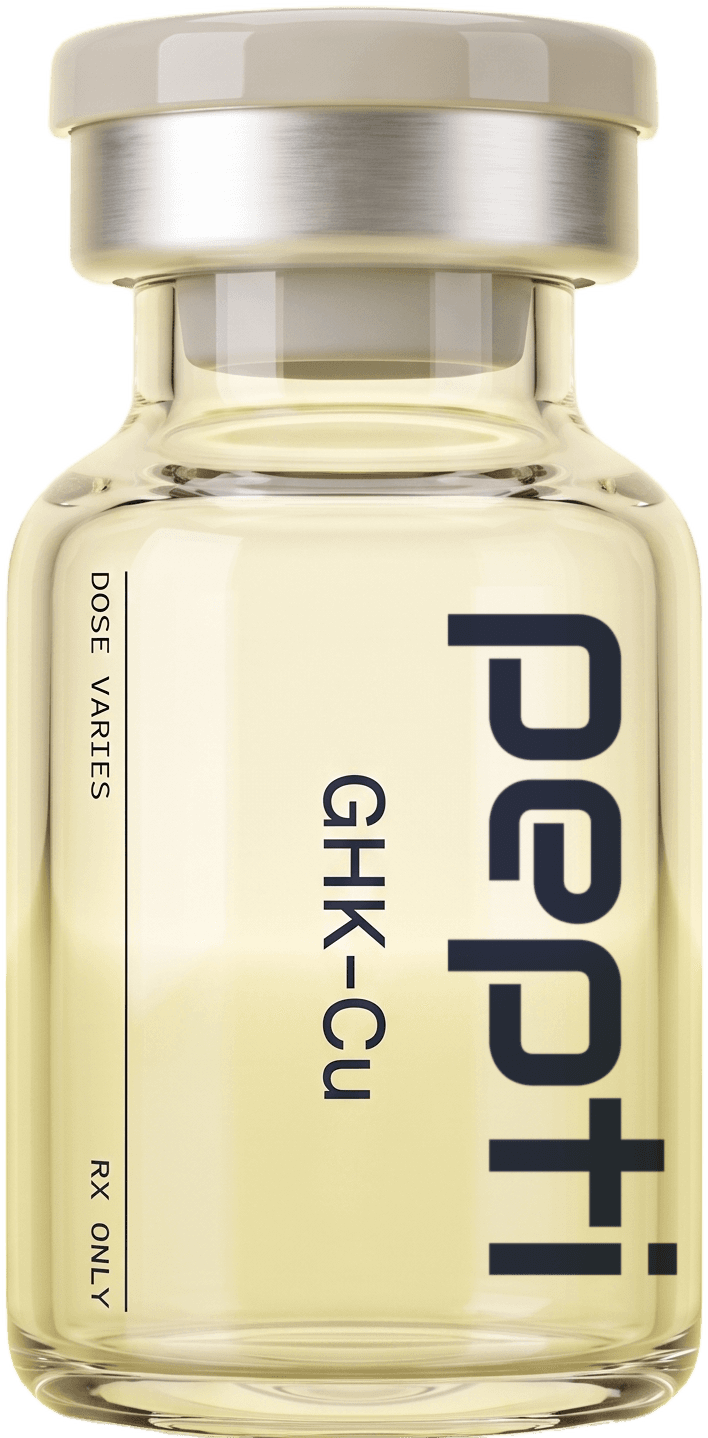
— Treatments mentioned
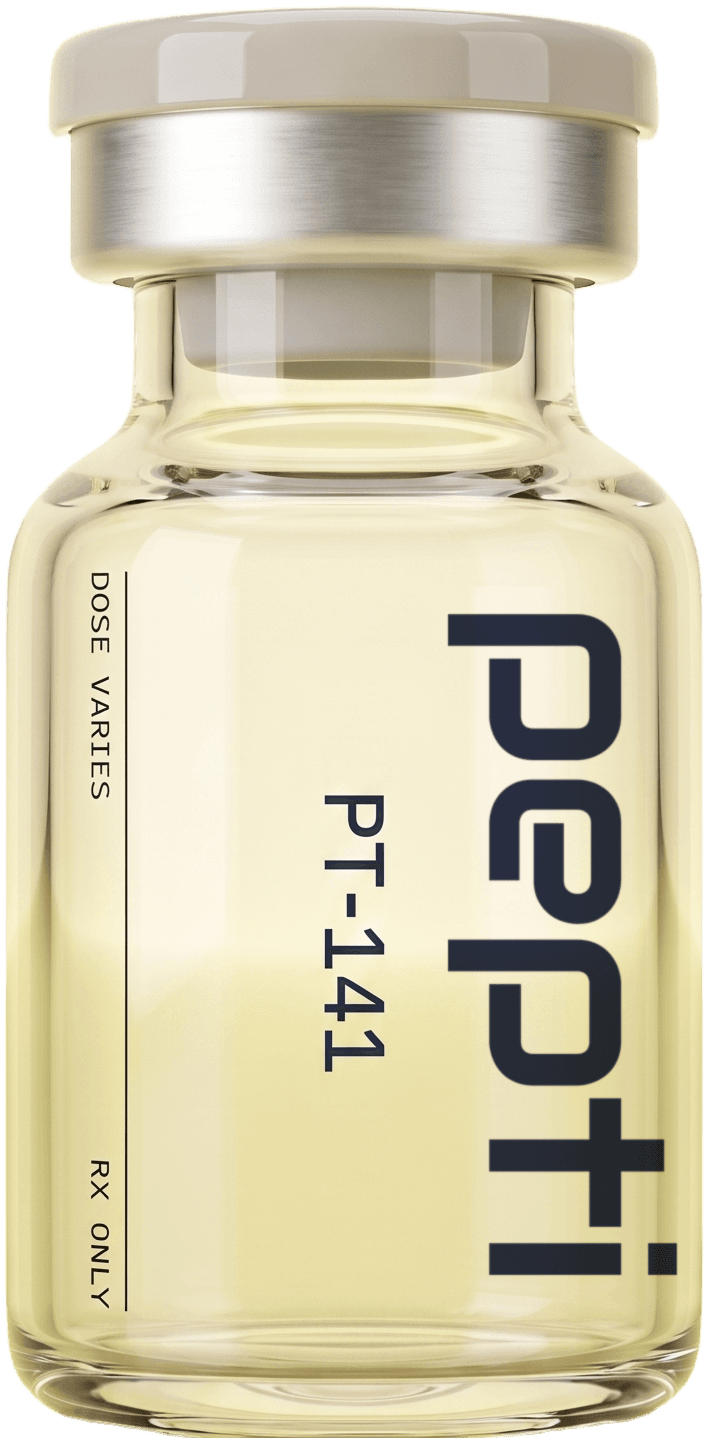
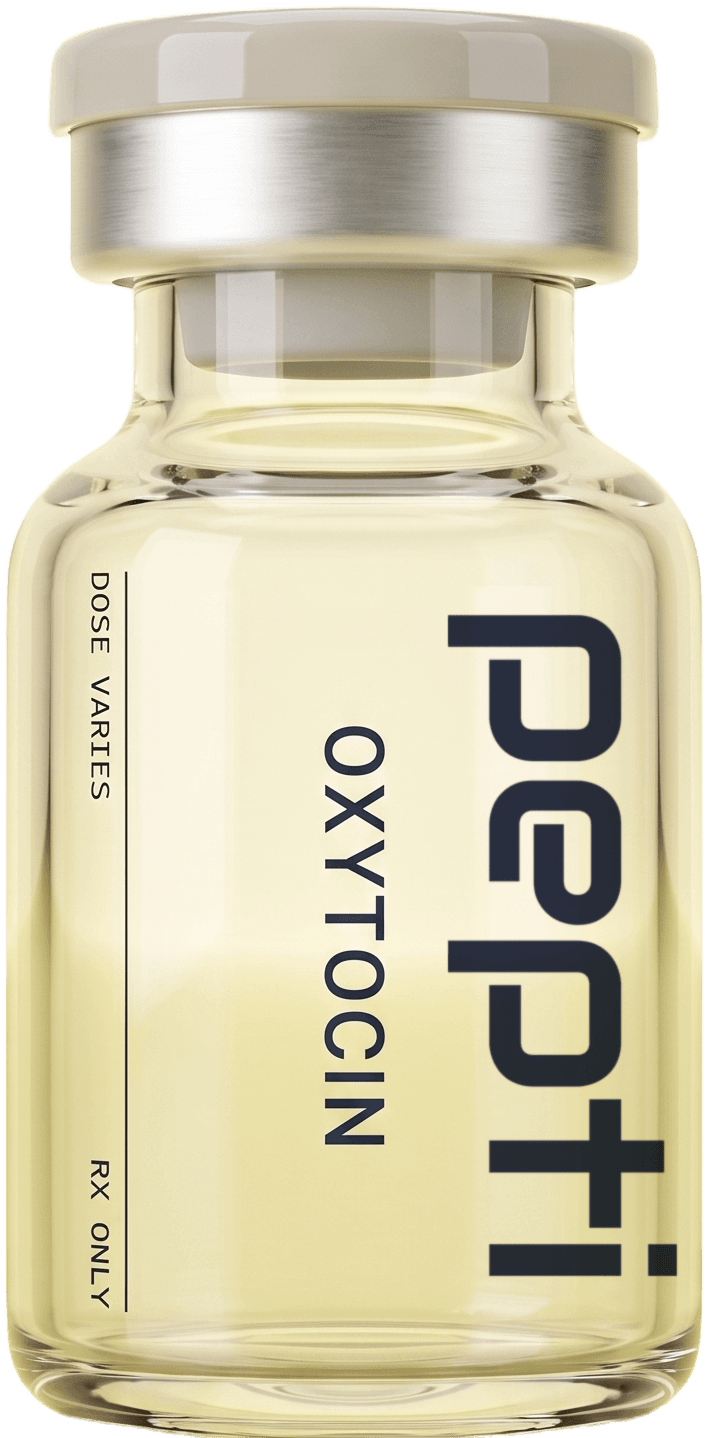
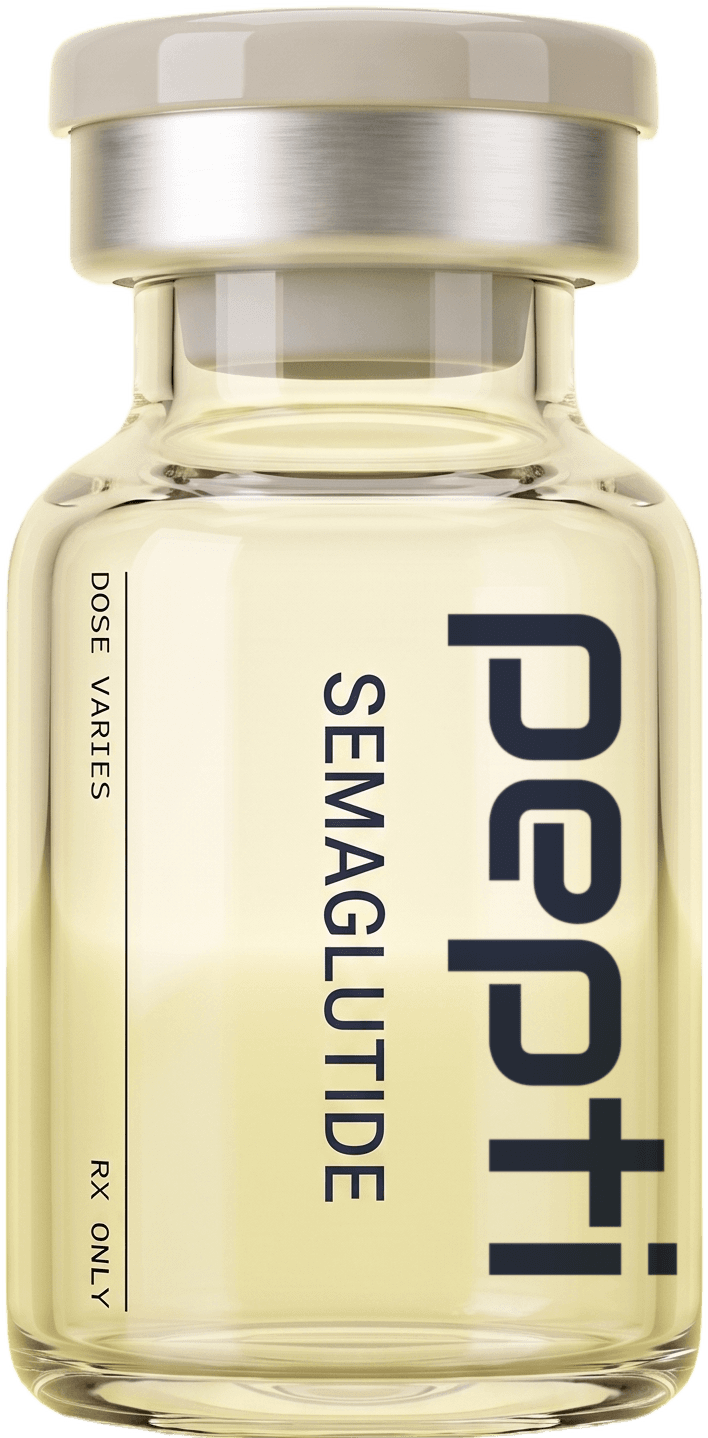
For women, four things genuinely change the peptide conversation: pregnancy and breastfeeding rule the whole category out, a compounded GLP-1 requires a contraception plan, iron and thyroid explain a large share of the symptoms attributed to hormones, and the perimenopausal transition is often the thing that needs treating rather than the symptom on top of it. The molecules are the same ones prescribed to men. The screening, timing and risk conversation are not. Everything here is prescription-only, compounded at a US FDA-registered pharmacy, and not FDA approved.
— Peptides for Women
The short answer
| If the complaint is | The usual prescription | What is in it | Price |
|---|---|---|---|
| Waking at 3am, sleep no longer restorative | SERENITY | 5 mg DSIP, 5 mg Selank, 6 mg CJC-1295, 12 mg Ipamorelin | $279 |
| Weight that will not move | Semaglutide or Tirzepatide | Dose-specific vials; tirzepatide includes B12 | From $99 and from $159, by dose |
| Skin texture, laxity, collagen | GHK-Cu or RADIANCE | 50 mg GHK-Cu; RADIANCE adds tesamorelin | $239 and $249 |
| Diffuse thinning, thyroid and iron clear | GHK-Cu | 50 mg GHK-Cu in 5 mL | $239 |
| Desire that has dropped | PT-141 + Oxytocin | 10 mg PT-141, 5 mg oxytocin | $259 |
| Flat energy with normal labs | NAD+ | 1000 mg NAD+ per 10 mL vial | $249 |
Prices are the all-in monthly subscription price covering medication, physician review, refills and shipping. The two GLP-1s are priced by strength, so the figure changes as a prescriber titrates.
Behind that table: the GLP-1s have large randomized trials in which most participants were women, and PT-141 has two phase 3 trials run entirely in premenopausal women. Almost everything else on it rests on small, old or animal studies never designed to answer a sex-specific question.
— Peptides for Women
What is actually going on
— The transition, and why it hides inside other complaints
The perimenopausal transition typically begins in the forties and runs for several years before periods stop. Ovarian hormone output fluctuates rather than declining smoothly, and progesterone tends to fall earlier and more erratically than estrogen. The downstream effects are exactly the symptoms presented as sleep, weight, skin, hair, mood or desire problems. A peptide can be a reasonable tool for one of those symptoms. It is not a treatment for the transition.
What you notice What the transition contributes Where a peptide can reasonably sit Waking at 3am, unrefreshed Falling progesterone, night sweats, fragmented deep sleep GH-axis peptides dosed at bedtime, plus a discussion of the transition Weight redistributing to the middle Shifting oestrogen changes where fat is stored A GLP-1 where weight is the issue, with training and protein Skin thinning, more visible lines Collagen loss accelerates in the years around menopause GHK-Cu, alongside retinoids and sun protection Hair thinning at the crown or part Changing androgen-to-oestrogen ratio, plus iron GHK-Cu, after thyroid and ferritin are checked Anxiety and low mood arriving without a reason Hormonal fluctuation plus sleep debt Screening first: thyroid, sleep, substances, existing care Desire falling away Sleep, pain and relationship context all contribute PT-141, once the rest has been discussed Peptides do not replace menopausal hormone therapy. If the transition is the driver, it belongs in the conversation with your physician rather than being treated around.
— Iron and thyroid: the two findable causes
Fatigue, hair shedding, cold intolerance, brain fog and low mood are the classic presentation of iron deficiency and of an underactive thyroid, both far more common in women than in men: iron deficiency because of menstrual blood loss, thyroid disease because autoimmune thyroiditis is heavily skewed toward women. Ferritin can be low while a full blood count reads normal, so a normal hemoglobin is not a clearance. Neither responds to a peptide, and both are inexpensive to find.
— Sleep, the growth hormone pulse, and bone
Slow-wave sleep is when the largest growth hormone pulse of the day occurs; a 2000 paper in JAMA described both declining together across adult life, in healthy men. Night sweats and progesterone loss fragment exactly this stage, which is the mechanistic rationale, not a trial result, for dosing GH-axis peptides at bedtime.
Bone is the other structural point. Weight lost on a GLP-1 is not all fat; a portion is lean tissue, and at this level of appetite suppression most people under-eat protein without noticing. For women, bone loss accelerates around and after menopause regardless. The answer is not to avoid the medication when weight is the problem; it is that resistance training and a protein target belong in the prescription.
— Desire is not mechanics
In women, low desire is usually multifactorial: sleep, pain with intercourse, relationship context, medications such as SSRIs, and the transition itself. PT-141 acts on melanocortin receptors in the brain rather than on blood flow, which is why the FDA-approved product built on it is indicated only for acquired, generalized hypoactive sexual desire disorder in premenopausal women, and only when the low desire is not explained by a medical or psychiatric condition, a relationship problem, or a medication.
— Peptides for Women
What physicians prescribe
Every product below is a compounded prescription, not an FDA-approved product, and the physician decides whether any of them is appropriate at all.
— SERENITY for sleep that stopped being restorative
SERENITY combines DSIP, Selank, CJC-1295 and ipamorelin in one vial, directed at bedtime. DSIP, delta sleep-inducing peptide, is described as acting on sleep architecture rather than as a sedative; CJC-1295, a growth-hormone-releasing hormone analogue, and ipamorelin, a ghrelin-receptor agonist, each prompt a pulse of the body's own growth hormone; Selank is included for its described effects on anxiety.
The human data is oldest for DSIP: small double-blind studies from the 1980s and early 1990s, mostly intravenous, in chronic insomnia, with mixed results, summarized in European Neurology in 1986 and revisited in Neuropsychobiology in 1992; a 2006 review in the Journal of Neurochemistry still called it "an unresolved riddle." A 2006 study in the Journal of Clinical Endocrinology and Metabolism reported sustained growth hormone and IGF-1 increases in healthy adults after CJC-1295. The 1998 European Journal of Endocrinology paper that characterized ipamorelin as selective is animal and cell work; its one randomized human trial, in the International Journal of Colorectal Disease in 2014, was for post-operative bowel recovery by a different route. There are no randomized human trials of SERENITY, of subcutaneous DSIP, or of this combination for sleep in women. It suits a woman with fragmented, non-restorative sleep, once the transition, thyroid, alcohol, caffeine, sleep apnea and existing mental-health care have been discussed. Bloodwork is commonly required first.
— Semaglutide for weight that will not move
Semaglutide is an analogue of GLP-1, the gut hormone that prompts insulin, suppresses glucagon, slows stomach emptying and acts on appetite centers in the brain. The compounded preparation shares its active ingredient with the branded products, not their approval.
It is the best-evidenced product on the page. STEP 1, in the New England Journal of Medicine in 2021, randomized 1,961 adults without diabetes to weekly semaglutide 2.4 mg or placebo with lifestyle intervention; mean weight change at 68 weeks was −14.9% against −2.4%. STEP 5 in Nature Medicine in 2022 extended that to two years, and SELECT in the New England Journal in 2023 reported cardiovascular outcomes. Women made up the majority of participants in the STEP obesity trials. Semaglutide suits a woman for whom weight is the actual problem, who has a contraception plan, and who is not pregnant, breastfeeding or trying to conceive. Best peptides for weight loss compares it with tirzepatide.
— Tirzepatide, and the contraception instruction on its label
Tirzepatide acts at both the GLP-1 and the GIP receptor. SURMOUNT-1, in the New England Journal of Medicine in 2022, randomized 2,539 adults with obesity to weekly tirzepatide 5, 10 or 15 mg or placebo for 72 weeks; mean weight change was −15.0%, −19.5% and −20.9% against −3.1%. SURMOUNT-2 in The Lancet in 2023 repeated the design in type 2 diabetes, and SURMOUNT-5 in the New England Journal in 2025 compared tirzepatide with semaglutide head to head.
For women, tirzepatide carries one instruction semaglutide's label does not. The Zepbound and Mounjaro labels direct patients using oral hormonal contraceptives to switch to a non-oral method or add a barrier method for four weeks after starting and for four weeks after each dose increase; contraceptives not taken by mouth are unaffected. A physician prescribing compounded tirzepatide should apply it. The choice between the two GLP-1s is the physician's, informed by the head-to-head data, tolerability and the cost on each product's page.
— GHK-Cu for skin, and for hair once iron and thyroid are clear
GHK-Cu is glycine-histidine-lysine bound to a copper ion. It occurs naturally in human plasma, declines with age, and acts as a copper carrier for copper-dependent enzymes; research describes increased synthesis of collagen, elastin and proteoglycans, from cultured fibroblasts in FEBS Letters in 1988 and rat wounds in the Journal of Clinical Investigation in 1993 to a 2015 review in BioMed Research International and in-vitro work on human hair follicles in Archives of Pharmacal Research in 2007.
The human evidence is topical. A 1994 study in Wound Repair and Regeneration reported improved healing of diabetic ulcers, and a 2006 randomized study in Archives of Facial Plastic Surgery applied GHK-Cu skin care after CO2 laser resurfacing in 13 patients: blinded evaluators found no objective difference in redness or wrinkles, while patient-reported satisfaction was higher. There are no randomized human trials of injectable GHK-Cu for skin, hair or anything else, in either sex. It suits a woman whose priority is skin texture and laxity through the transition, or diffuse thinning once ferritin and thyroid are checked, alongside retinoids and sun protection. Peptides for skin and peptides for hair growth go deeper.
— RADIANCE, which adds tesamorelin
RADIANCE pairs GHK-Cu with tesamorelin, a growth-hormone-releasing hormone analogue that is an FDA-approved active ingredient: Egrifta SV is approved for reducing excess abdominal fat in HIV-infected adults with lipodystrophy, on trials including the 2007 New England Journal of Medicine study and a 2010 pooled phase 3 analysis in the Journal of Clinical Endocrinology and Metabolism. Two facts from that label matter for women: Egrifta SV is contraindicated in pregnancy, and its limitations of use state it is not indicated for weight loss because its effect is weight-neutral. RADIANCE suits a woman who wants the skin case for GHK-Cu and whose physician also thinks a GHRH analogue is appropriate. Bloodwork is commonly required first.
— PT-141 with oxytocin for desire
PT-141 + Oxytocin combines bremelanotide with oxytocin, the nine-amino-acid hormone with established roles in labor, lactation and bonding. PT-141 has the most relevant women's data of any peptide Pepti prescribes. RECONNECT, two identical 24-week phase 3 trials in Obstetrics and Gynecology in 2019, randomized 1,267 premenopausal women with hypoactive sexual desire disorder to bremelanotide 1.75 mg as needed or placebo and reported statistically significant increases in desire and reductions in desire-related distress, with nausea, flushing and headache each in 10% or more of treated women. A 2022 paper in the Journal of Women's Health summarized safety across the program. The FDA approved that product, Vyleesi, on 21 June 2019.
The compounded PT-141 here is not Vyleesi and does not carry its approval, and the blend adds oxytocin, for which the women's evidence is thin: a 2015 randomized crossover trial in Fertility and Sterility gave intranasal oxytocin or placebo to 30 pre- and postmenopausal women with sexual dysfunction and found both groups improved with no significant difference. There are no randomized trials of subcutaneous oxytocin, or of this combination. The blend suits a woman whose low desire persists after sleep, pain, medications and relationship context have been addressed, whose blood pressure is controlled, and who understands nausea is the common side effect: the Vyleesi label reports it in 40% of women, needing an anti-nausea medication in 13% and leading to discontinuation in 8%.
— NAD+ for flat energy with normal labs
NAD+ is the coenzyme every cell uses to move electrons in energy metabolism and to fuel the sirtuin and PARP enzymes of DNA repair; a 2012 paper in PLOS ONE described NAD+ in human tissue falling with age. The women's data is real but is not about the injection. A 2021 randomized trial in Science gave oral nicotinamide mononucleotide, an NAD+ precursor, or placebo for ten weeks to postmenopausal women with prediabetes who were overweight or obese, and reported increased muscle insulin sensitivity with NMN and no change with placebo. There are no randomized trials of subcutaneous NAD+ injection for fatigue in either sex. NAD+ suits a woman whose energy complaint survives a normal ferritin, thyroid and metabolic panel and a candid conversation about sleep, and whose physician thinks the mechanistic case is worth a trial of treatment.
— Peptides for Women
What the evidence shows, and what it does not
Where women were actually studied
The GLP-1 trials are the exception: large, randomized, multi-year, and enrolling more women than men. PT-141's phase 3 program enrolled only premenopausal women. The 2021 NMN trial enrolled only postmenopausal women. And one GH-axis trial reported by sex: in the Journal of Clinical Endocrinology and Metabolism in 1997, ten women and nine men aged 55 to 71 self-injected a GHRH(1-29) analogue, the molecule sold as sermorelin, nightly for 16 weeks; growth hormone and IGF-1 rose in both sexes, skin thickness increased in both, and the increases in lean mass and insulin sensitivity were seen in men only. The GH axis does not respond identically in women, and that is a reason a physician may prefer sermorelin or CJC-1295 / Ipamorelin to SERENITY when sleep is not the main complaint.
Where they were not, and what no trial establishes
GHK-Cu, DSIP, CJC-1295 and ipamorelin have no randomized human trials for the uses they are prescribed for here, in either sex. Oxytocin's one randomized trial in women with sexual dysfunction was intranasal and found no difference from placebo. NAD+ injection has no randomized trials. Some animal work used female animals, such as a 2000 study in the Journal of Endocrinology reporting ipamorelin increasing bone mineral content in adult female rats, but a female rat is not a perimenopausal woman. No trial establishes an effect size for any compounded peptide on this page in women, nor a timeline, nor long-term safety over years of continuous use, and none was designed to detect an interaction with menopausal hormone therapy, oral contraceptives or thyroid replacement. That is a reason to say "described in research and used clinically," not "proven in women."
— Peptides for Women
Where these stand with the FDA right now
Verified against FDA sources in September 2026. Much of what is online is a year or more out of date.
— The compounded GLP-1s
Semaglutide and tirzepatide are FDA-approved active ingredients; the compounded versions are not approved products. The FDA declared the tirzepatide shortage resolved on 19 December 2024 and the semaglutide shortage on 21 February 2025, and shortage-based compounding has ended. What remains is the patient-specific 503A pathway, under which a state-licensed pharmacy may compound for a named patient where the prescriber determines and documents a change that produces a significant difference for that patient. On 30 April 2026 the FDA proposed excluding semaglutide, tirzepatide and liraglutide from the 503B bulks list, which concerns outsourcing facilities making batches; it is a proposal, not a final rule.
— The SERENITY components
None of the four is in Category 2 of the FDA's 503A interim list today. The FDA's safety-risks page, current as of 22 April 2026, lists CJC-1295, emideltide (DSIP), ipamorelin acetate and Selank among substances "nominated but withdrawn" from Category 2; ipamorelin acetate still carries a separate 503B Category 2 entry, which applies to outsourcing facilities, not to a 503A pharmacy compounding to a prescription. The interim list updated 14 May 2026 shows 503A Category 2 down to six substances, none of them a SERENITY component.
The advisory votes are separate. On 29 October 2024 the Pharmacy Compounding Advisory Committee voted 0–12 with one abstention against adding ipamorelin to the 503A Bulks List for growth hormone deficiency and post-operative ileus. On 4 December 2024 it voted 0–13 against CJC-1295 free base and 1–12 against CJC-1295 acetate. On 24 July 2026 it voted 6–7 with one abstention on emideltide, the only one of seven peptides reviewed that week not to receive a favorable vote. Those votes are advisory; the FDA has issued no final determination on any of the four, a "no" vote is not a ban, and all four remain legal for a physician to prescribe and a state-licensed pharmacy to dispense.
— GHK-Cu and RADIANCE
Injectable GHK-Cu was placed in Category 2 in September 2023 and was among the peptides the FDA removed on 15 April 2026; the safety-risks page now lists it as withdrawn. The 14 May 2026 update records non-injectable GHK-Cu restored to Category 1 after a nominator clarified on 5 May 2026 that it had withdrawn only the injectable route, and says the FDA intends to consult the advisory committee on GHK-Cu before the end of February 2027. Tesamorelin is a component of an FDA-approved drug and does not depend on the bulks list.
— PT-141, oxytocin and NAD+
Bremelanotide and oxytocin are both components of FDA-approved drug products, one of the three routes under which a 503A pharmacy may compound with a bulk substance; neither appears in any category of the 14 May 2026 interim list, and neither was on the July 2026 advisory agenda. The compounded blend is not Vyleesi and not the hospital oxytocin product. Nicotinamide adenine dinucleotide sits in Category 1, "bulk drug substances under evaluation," in the same list; the FDA does not intend to act against a compounder using a Category 1 substance while evaluation is pending, provided the interim-policy conditions are met.
— Anti-doping, for women who compete
The 2026 WADA Prohibited List names CJC-1295, sermorelin and tesamorelin under growth hormone-releasing hormone analogues and ipamorelin under growth hormone secretagogues, all prohibited at all times; GHK-Cu, bremelanotide, oxytocin, semaglutide and tirzepatide are not named.
— Peptides for Women
What a physician rules out first
| What a prescriber should ask | Why it matters here |
|---|---|
| Pregnancy, breastfeeding, or trying to conceive | The answer that ends the conversation |
| Which contraception you use | Oral absorption, and returning fertility, on a GLP-1 |
| Cycle regularity, or where you are in the transition | Changes what the symptom likely is |
| Ferritin and thyroid function | The commonest findable causes of fatigue and shedding |
| Hormone-sensitive conditions in your history | Standard before growth-signalling peptides |
| Zinc supplements | Zinc competes with copper absorption, relevant to GHK-Cu |
— Pregnancy and breastfeeding are a full stop
Not a caution, not a lower dose. No peptide in this catalog has safety data in pregnancy or lactation, and several act on growth signaling or appetite regulation in ways nobody would knowingly introduce to a pregnancy. The branded labels say it in their own terms. Wegovy directs that the drug be stopped when a pregnancy is recognized and at least two months before a planned pregnancy because of semaglutide's long half-life, and reports no human data on the drug in breast milk. Zepbound directs discontinuation when pregnancy is recognized; its label describes a single-dose lactation study in which tirzepatide in breast milk was undetectable or low, with no data on effects on the infant, which is not a clearance. Egrifta SV is contraindicated in pregnancy outright, and the Vyleesi label tells women to use effective contraception during treatment and stop if pregnancy is suspected. If you are pregnant, trying to conceive, or breastfeeding, the answer is no. Can you take peptides while pregnant covers why.
— The contraception conversation on a GLP-1
Two issues sit inside this. Semaglutide and tirzepatide slow gastric emptying, part of how they work, and that can affect how an oral medication is absorbed. The labels diverge: Zepbound and Mounjaro carry the explicit four-week switch-or-barrier instruction above, while the Wegovy label reports that semaglutide 1 mg did not affect absorption of oral medications in clinical pharmacology trials, and still advises monitoring. The underlying study, in the Journal of Clinical Pharmacology in 2015, gave a combined ethinylestradiol/levonorgestrel pill to 43 postmenopausal women with type 2 diabetes before and during semaglutide and found no reduction in either hormone's bioavailability. Separately, weight loss can restore ovulation in a woman who was not ovulating reliably, so fertility may change first. A prescriber should ask what contraception you use, discuss a backup or non-oral method around titration, and agree how far ahead of a planned pregnancy the medication stops. If none of that comes up, raise it. Do peptides affect fertility goes further.
— Hormone-sensitive history, thyroid history, blood pressure
CJC-1295, ipamorelin, sermorelin and tesamorelin raise growth hormone and IGF-1, and GHK-Cu is described as pro-angiogenic. None of that is a proven cancer risk in women, and none of it is nothing: the Egrifta SV label contraindicates tesamorelin in active malignancy and requires any prior malignancy to be inactive with treatment complete. A personal or strong family history of breast, ovarian or endometrial cancer goes on the intake and is the physician's call. The GLP-1 labels carry a boxed warning on thyroid C-cell tumors seen in rodents and contraindicate the drugs in anyone with a personal or family history of medullary thyroid carcinoma or MEN 2. Vyleesi is contraindicated in uncontrolled hypertension and known cardiovascular disease: each dose transiently raises systolic pressure by about 6 mmHg and lowers heart rate, peaking two to four hours after injection and resolving within about twelve, and the label reports focal hyperpigmentation in 1% of women, more likely with darker skin and daily dosing. A physician prescribing compounded PT-141 should check blood pressure and ask about skin; the directions are as needed with a monthly cap, never daily. And if you are in perimenopause, the physician should be asking whether the transition itself, including hormone therapy, is on the table before any peptide is prescribed for a symptom it is producing.
— Peptides for Women
What to expect, and when
These are patterns described by prescribers, not trial endpoints. Individual response varies, treatment is long-term with 28-day refills, and the physician decides whether it continues.
— The GLP-1s: months, on a titration schedule
Dose increases run on a schedule the physician sets, and the trials behind the numbers above ran 68 to 72 weeks. Gastrointestinal effects cluster around each increase, which is also the window in which the tirzepatide contraception instruction applies.
— SERENITY: the first nights, then weeks
Prescribers describe the sleep effect as noticed within the first nights to weeks rather than months. Whether it persists should be reviewed against the transition, not in isolation.
— GHK-Cu and RADIANCE: the collagen timeline
Dermal collagen turns over slowly. Prescribers describe skin texture changes over eight to twelve weeks and hair changes, where they occur, over a similar or longer window; a follicle in its resting phase will not show anything for months regardless. None of that is trial-established for the injection.
— PT-141 with oxytocin, and NAD+
PT-141 is not a daily medication; it is taken as directed before intimacy, and each dose either helps or does not. Nausea is most common with the first doses. For NAD+, prescribers describe energy changes within the first weeks; there is no trial evidence for the injection, so a physician who suggests a defined trial of treatment and an honest review is behaving well, not hedging.
— Peptides for Women
When a peptide is the wrong tool
- You are pregnant, trying to conceive, or breastfeeding. No product on this page. Come back afterward.
- Ferritin or thyroid is abnormal. Treat that first, with the physician. A peptide on top of untreated iron deficiency masks a cause at monthly cost.
- The transition is the driver. Menopausal hormone therapy is a conversation with your physician, not something a peptide replaces.
- Weight is not the problem but body composition is. A GLP-1 is the wrong tool for a woman at a healthy weight who wants to change muscle-to-fat ratio; that is a training and protein question, and the physician may or may not think tesamorelin + ipamorelin or sermorelin has a place in it.
- Hair loss with a strong androgen signal. Pattern loss has other treatments with human trial evidence; GHK-Cu can sit alongside them, not instead of them.
- Low desire that comes with pain. Pain with intercourse is not a melanocortin problem and PT-141 will not address it. Tell the physician.
- Recovery from an injury. That is BPC-157 or TB-500 territory, and the screening on this page applies just the same.
Your physician will tell you if none of these is the right tool for what you have described. A consultation does not guarantee a prescription, and being declined is refunded.
— Peptides for Women
Monitoring and bloodwork
Before starting
For a GLP-1, SERENITY or RADIANCE, bloodwork is commonly required before prescribing; for GHK-Cu, PT-141 with oxytocin and NAD+ it is not routine and the physician decides. For fatigue, shedding, cold intolerance or low mood, the useful panel is ferritin and a full iron panel, thyroid function, and a metabolic panel. At-home blood testing covers these without a lab visit, and do you need bloodwork before peptides covers when a prescriber should insist.
During treatment
On a GLP-1: weight, blood pressure, heart rate, and any change in cycle or contraception, with the label's instruction to monitor oral medications in mind. On the GH-axis blends: IGF-1 where the physician wants a marker of response, plus fasting glucose, since growth hormone can reduce insulin sensitivity. On PT-141: blood pressure, and skin for new pigmentation. On GHK-Cu: nothing routine, though a zinc supplement is worth mentioning because zinc competes with copper absorption. Any side effect that is severe, spreading, or involves difficulty breathing means stopping and contacting the physician, who stays reachable after prescribing.
— References
What this is based on.
References
- Wilding JPH, Batterham RL, Calanna S, et al.. Once-Weekly Semaglutide in Adults with Overweight or Obesity (STEP 1) · New England Journal of Medicine (2021) · PMID 33567185
- Lincoff AM, Brown-Frandsen K, Colhoun HM, et al.. Semaglutide and Cardiovascular Outcomes in Obesity without Diabetes (SELECT) · New England Journal of Medicine (2023) · PMID 37952131
- Wadden TA, Bailey TS, Billings LK, et al.. Effect of subcutaneous semaglutide vs placebo as an adjunct to intensive behavioral therapy on body weight in adults with overweight or obesity (STEP 3) · JAMA (2021) · PMID 33625476
- Rubino D, Abrahamsson N, Davies M, et al.. Effect of Continued Weekly Subcutaneous Semaglutide vs Placebo on Weight Loss Maintenance in Adults With Overweight or Obesity: The STEP 4 Randomized Clinical Trial · JAMA (2021) · PMID 33755728
- Marso SP, Bain SC, Consoli A, et al.. Semaglutide and Cardiovascular Outcomes in Patients with Type 2 Diabetes (SUSTAIN-6) · New England Journal of Medicine (2016) · PMID 27633186
- Davies M, Færch L, Jeppesen OK, et al.. Semaglutide 2.4 mg once a week in adults with overweight or obesity, and type 2 diabetes (STEP 2): a randomised, double-blind, double-dummy, placebo-controlled, phase 3 trial · The Lancet (2021) · PMID 33667417
- Garvey WT, Batterham RL, Bhatta M, et al.. Two-year effects of semaglutide in adults with overweight or obesity: the STEP 5 trial · Nature Medicine (2022) · PMID 36216945
- Rubino DM, Greenway FL, Khalid U, et al.. Effect of Weekly Subcutaneous Semaglutide vs Daily Liraglutide on Body Weight in Adults With Overweight or Obesity Without Diabetes: The STEP 8 Randomized Clinical Trial · JAMA (2022) · PMID 35015037
- Aronne LJ, Horn DB, le Roux CW, et al.. Tirzepatide as Compared with Semaglutide for the Treatment of Obesity (SURMOUNT-5) · New England Journal of Medicine (2025) · PMID 40353578
- Sanyal AJ, Newsome PN, Kliers I, et al.. Phase 3 Trial of Semaglutide in Metabolic Dysfunction-Associated Steatohepatitis (ESSENCE) · New England Journal of Medicine (2025) · PMID 40305708
- Wilding JPH, Batterham RL, Davies M, Van Gaal LF, Kandler K et al.. Weight regain and cardiometabolic effects after withdrawal of semaglutide: The STEP 1 trial extension · Diabetes Obes Metab (2022) · PMID 35441470
- Batsis JA, Gavras A, Gross DC, Cheever CR, Da Silva BR et al.. Effect of Incretin-Based and Nonpharmacologic Weight Loss on Body Composition: A Systematic Review · Ann Intern Med (2026) · PMID 41996180
Citations are provided for educational purposes. They do not constitute medical advice. Always discuss any peptide protocol with your prescribing physician.
— Common questions
Peptides for Women, answered.
The tolerability data that exists is not separated by sex for most of these compounds, so it is not specifically established. The clear exclusions are pregnancy, breastfeeding, and trying to conceive while on a GLP-1. A physician should screen for hormone-sensitive conditions before prescribing. The exceptions are the GLP-1 trials, in which most participants were women, and PT-141's phase 3 program, which enrolled only premenopausal women; those side-effect profiles are well characterized.
Tell your prescriber which method you use. Slowed gastric emptying can affect absorption of an oral contraceptive, particularly during dose increases, and weight loss can restore ovulation that had stopped. A backup or non-oral method is the usual answer during titration. For tirzepatide, the Zepbound and Mounjaro labels instruct switching to a non-oral method or adding a barrier method for four weeks after starting and after each dose increase; the semaglutide label reports no effect on oral contraceptive absorption but still advises monitoring.
There is no peptide for perimenopause. There are peptides used for complaints the transition makes worse: GH-axis peptides for sleep quality, a GLP-1 where weight is the issue, GHK-Cu for skin and hair. The transition itself deserves its own discussion rather than treatment only at the symptom level, and menopausal hormone therapy is a physician conversation that none of these products replaces.
Frequently yes: ferritin and a full iron panel, thyroid function, and a metabolic panel. Those three explain a large share of the symptoms otherwise attributed to hormones. Do you need bloodwork before peptides covers when a prescriber should insist. For the GLP-1s, SERENITY and RADIANCE it is commonly required before prescribing.
Postpartum shedding is a synchronised shift of follicles into a resting phase and usually resolves untreated, and a peptide is not appropriate while breastfeeding regardless. Iron and thyroid are worth checking. Peptides for hair growth covers where GHK-Cu fits.
No. An FDA-approved product exists for hypoactive sexual desire disorder in premenopausal women. The compounded PT-141 prescribed through a telehealth provider shares the active molecule but is not that product and does not carry its approval. Cost here is $259 a month. The approved product, Vyleesi, was approved on 21 June 2019 and is not indicated for postmenopausal women or for enhancing sexual performance; the compounded blend also adds oxytocin.
For semaglutide, the Wegovy label says at least two months before a planned pregnancy because of the drug's long half-life. For every other product on this page there is no label-defined interval, because no safety data in pregnancy exists; your physician sets the stop date, and the honest default is to stop before you start trying, not when a test is positive.
No. The Wegovy label reports no human data on semaglutide in breast milk, and although the Zepbound label describes a lactation study in which tirzepatide in milk was undetectable or low, it also reports no data on effects on the infant. Pepti does not prescribe any peptide to a woman who is breastfeeding.
The evidence is in premenopausal women: both RECONNECT trials enrolled premenopausal women only, and Vyleesi is not indicated after menopause. The one randomized trial of oxytocin that included postmenopausal women found no difference from placebo. Whether the compounded blend is appropriate for a postmenopausal woman is a physician's judgment made off the evidence base, and the blood-pressure cautions apply at any age.
CJC-1295 and ipamorelin raise growth hormone and IGF-1; they do not act on the ovarian axis directly, and no trial has looked at cycle effects in women. Ipamorelin is described as selective, without the cortisol or prolactin rise of older secretagogues, in the 1998 animal and cell work that characterized it. Report any cycle change to your physician; it is more likely to be the transition than the peptide, but it should be looked at.
The 2026 WADA Prohibited List names CJC-1295, sermorelin and tesamorelin as growth hormone-releasing factors and ipamorelin as a growth hormone secretagogue, all prohibited at all times, so SERENITY, RADIANCE and the other GH-axis products are off limits to a tested athlete. GHK-Cu, bremelanotide, oxytocin, semaglutide and tirzepatide are not named. Check your sport's current rules and tell your physician.
That is your physician's decision, made with your oncologist's view; there is no trial evidence either way. The FDA-approved tesamorelin product is contraindicated in active malignancy and requires a prior cancer to be inactive with treatment complete, and GHK-Cu is described as pro-angiogenic. Put the history on the intake in full. The free assessment goes to a physician licensed in your state. A consultation does not guarantee a prescription.
— Next step
See what a physician
recommends for you.
A licensed physician in your state reviews your intake and decides what is appropriate. A consultation does not guarantee a prescription.
Important legal & safety information
The assessment process available on the Pepti website asks a series of medical questions, and the answers provided are reviewed by an independent licensed physician affiliated with our partner physician network. The licensed providers have established exclusionary criteria, and the answers provided determine if the individual is screened out of eligibility for treatment. The licensed clinicians retain the sole decision to prescribe peptide therapy and other compounded medications to patients. Treatment may be denied at the physician's sole discretion. If a prescription is not approved, you will not be charged for the medication.
Pharmacy Providers. Pepti is a technology platform and is not a healthcare provider, pharmacy, or prescriber. All medications offered through the platform are compounded by independent FDA-registered 503A or 503B compounding pharmacies based on a valid prescription written by a licensed physician for an individual patient. Compounded medications are not FDA-approved as products. The active pharmaceutical ingredients used by our partner pharmacies are sourced from FDA-registered facilities. Compounded medications may not undergo the same testing or quality control as commercially manufactured FDA-approved drugs.
Results vary. Results from peptide therapy and other compounded treatments vary based on individual factors, including age, weight, medical history, adherence to the prescribed protocol, lifestyle factors, and physiological response. Pepti makes no guarantee of any specific outcome. Statements about peptide therapy and compounded medications offered through the platform have not been evaluated by the Food and Drug Administration. These products are not intended to diagnose, treat, cure, or prevent any disease.
Product images. Product photographs and renderings shown on this website are for illustrative purposes only. The appearance of vials, packaging, labeling, and other materials you receive may vary and is determined by the dispensing compounding pharmacy.
Off-label use.Many peptides offered through the platform are prescribed for off-label use. “Off-label” means the medication is being prescribed for a use, dose, or patient population that is not specifically approved by the FDA. Off-label prescribing is legal and common in U.S. medical practice when supported by clinical experience and judgment.
Mailing & shipping. Pepti currently dispenses prescription medication to patients in all 50 states and Washington, D.C.. All orders ship in unbranded, tamper-evident packaging via expedited delivery from our partner compounding pharmacies. Temperature-sensitive medications ship with insulated packaging and ice packs. Shipping is included at no additional cost. We do not currently ship medication outside all 50 states and Washington, D.C., internationally, or to APO/FPO addresses.
Not for emergencies. Pepti is not designed for medical emergencies. If you are experiencing a medical emergency, call 911 or go to your nearest emergency room immediately. For urgent but non-emergency medical questions, contact your primary care provider or use an urgent care service.
No doctor-patient relationship with Pepti. Your use of the platform does not create a doctor-patient relationship between you and pepti LLC. A doctor-patient relationship is established only between you and the independent licensed physician who reviews your intake and prescribes your treatment. The physicians who use the platform are independent contractors and are solely responsible for the medical care they provide.
Prescription medications. All prescription products require a valid prescription from a licensed healthcare provider. By using the platform, you acknowledge that you are at least 18 years old and that the information you provide is true, accurate, current, and complete. Providing false information may result in inappropriate treatment recommendations or denial of service.
Cosmetic & wellness products.Certain products offered through Pepti — including skincare, hair care, body care, supplements, men's grooming, sports recovery, and sexual wellness products — are cosmetic or dietary supplement products, not prescription medications. These products do not require a prescription and are not reviewed or prescribed by a physician. Statements regarding dietary supplements have not been evaluated by the Food and Drug Administration. These products are not intended to diagnose, treat, cure, or prevent any disease. Results vary by individual. Consult your healthcare provider before starting any new supplement or topical product, especially if you are pregnant, nursing, or taking other medications.
pepti LLC · Delaware Limited Liability Company · 131 Continental Dr, Suite 305, Newark, DE 19713 · For media or partnership inquiries, email hello@hellopepti.com. For patient support, email support@hellopepti.com. For privacy and HIPAA inquiries, email privacy@hellopepti.com.