Recovery · Reference
What Is Peptide Therapy? How It Works, What It Is Used For, and What It Costs
Peptide therapy is the medical use of peptides, short chains of amino acids that act as signals in the body, to copy or adjust a signal the body already sends.
Treatments mentioned
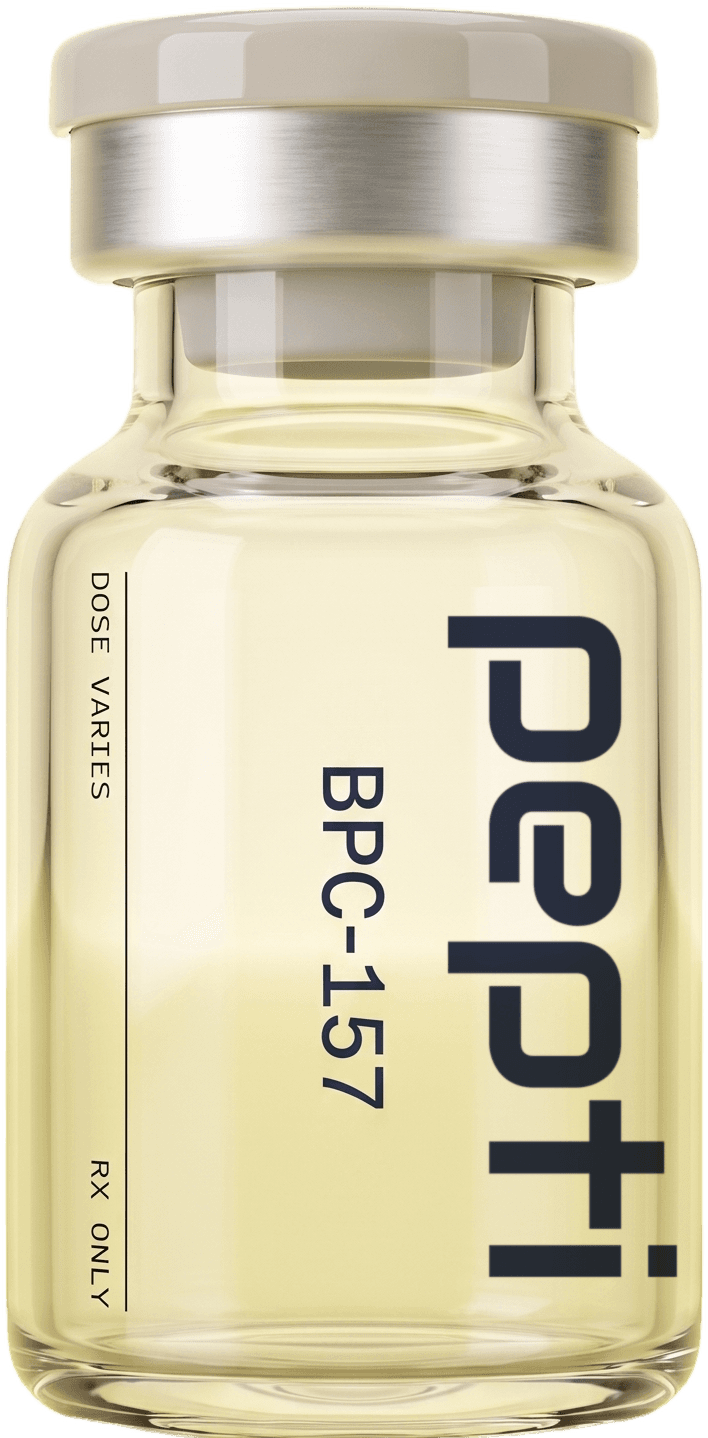
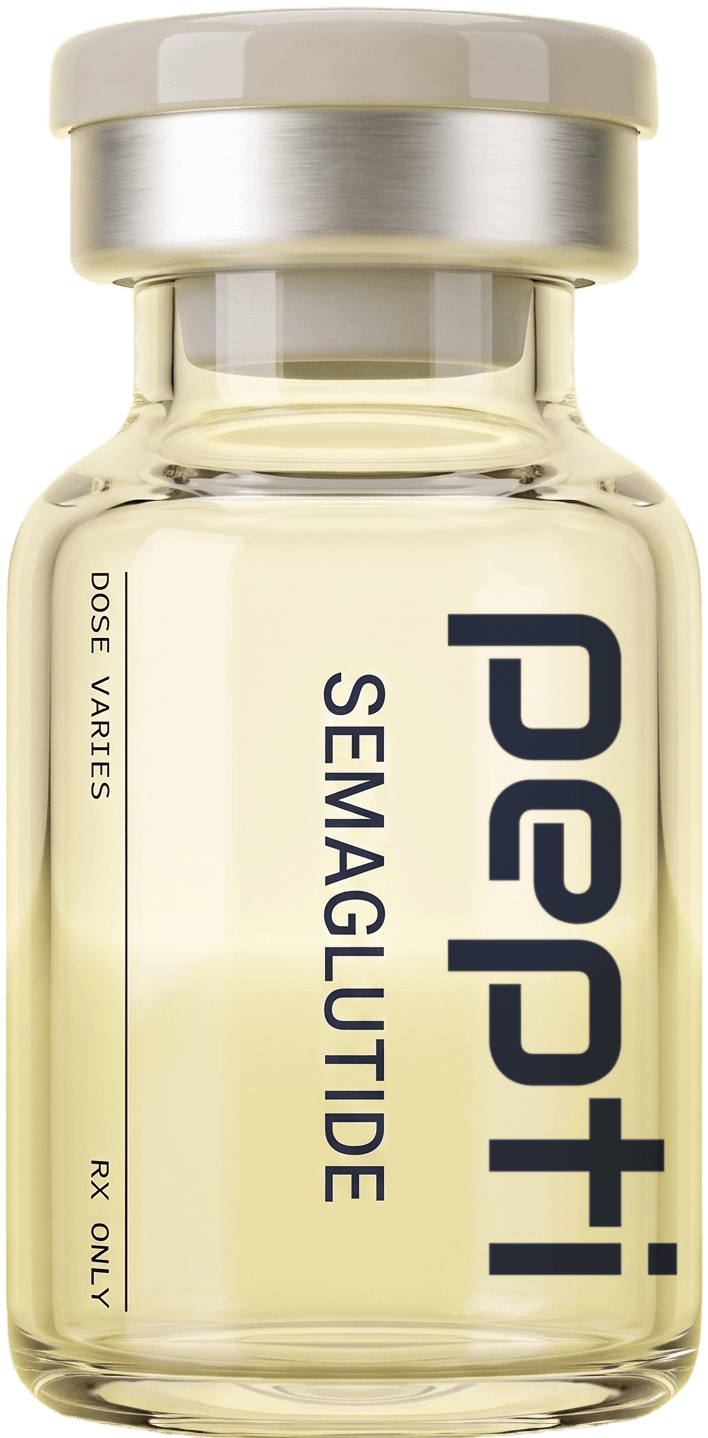
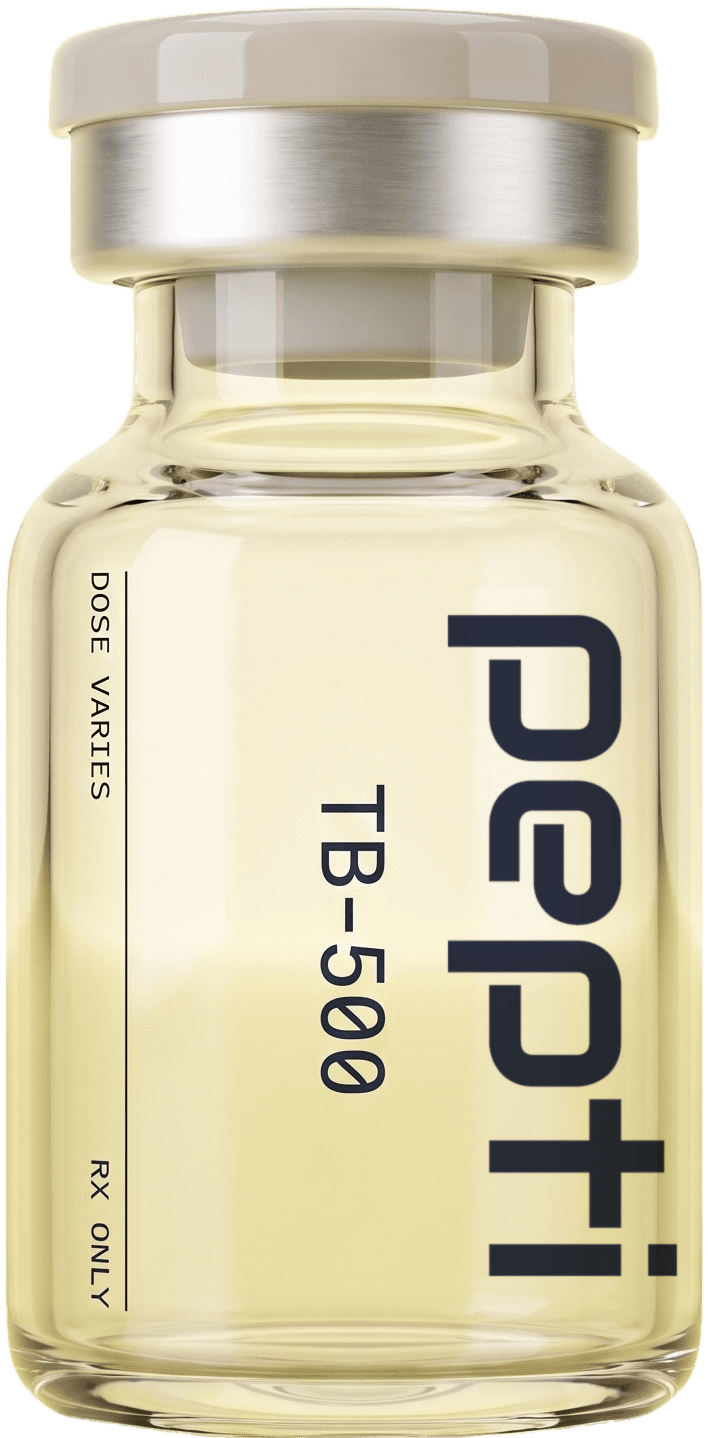
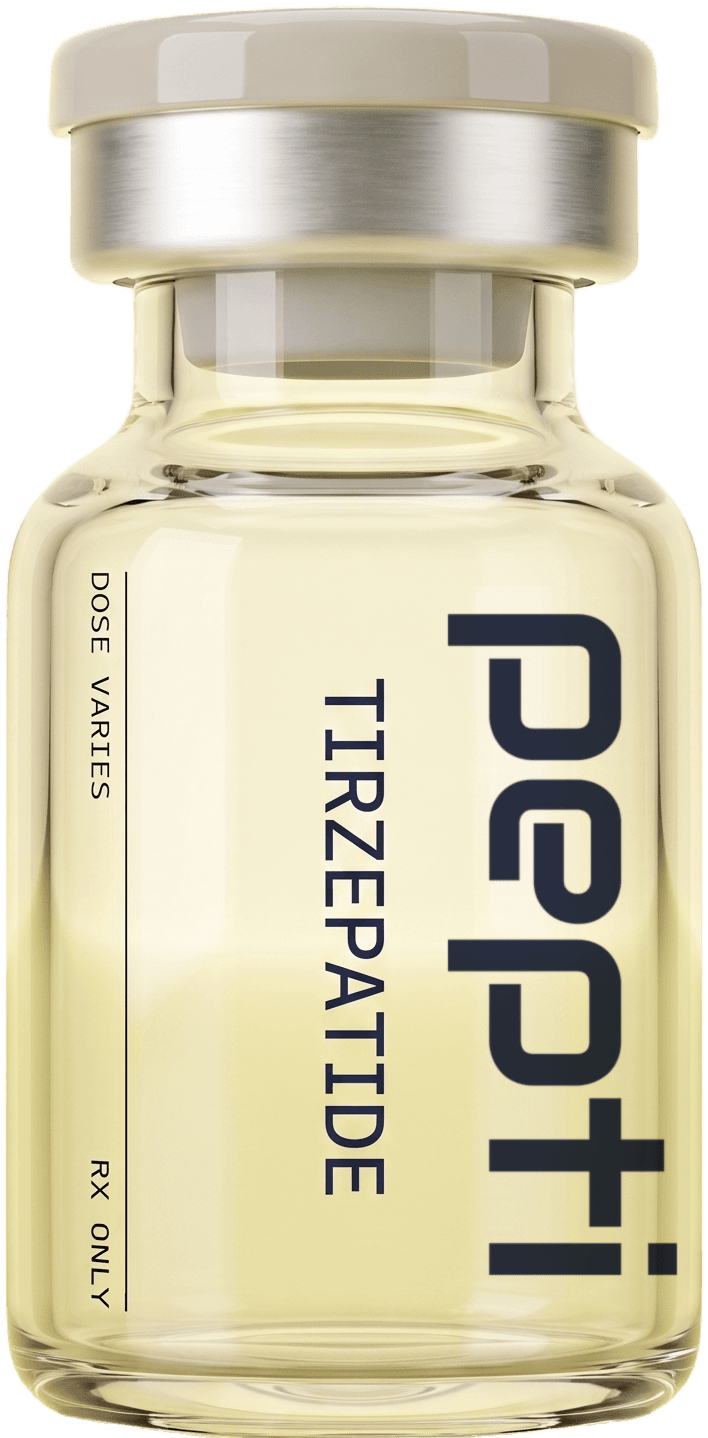
In practice it means a physician prescribing a specific peptide for a specific goal, such as GLP-1 medications for weight and metabolic health, growth-hormone-releasing peptides that prompt the pituitary's own pulse, or repair peptides like BPC-157, usually as a small injection under the skin at home. In the US, prescription peptides are either FDA-approved manufactured drugs or compounded medications prepared by a licensed pharmacy for one patient; compounded peptides are not FDA approved. The evidence varies enormously by peptide, from large randomized trials for the GLP-1s to animal research only for many others.
This page explains what peptide therapy is, how it works, the main categories and the evidence behind each, how it is prescribed and taken, what it costs, the safety questions, the legal status, and how to start. For the chemistry of peptides themselves, start with what are peptides.
What Is Peptide Therapy? How It Works, What It Is Used For, and What It Costs
The short answer
| Question | Answer |
|---|---|
| What is it | Prescription use of peptides, short amino-acid chains that act as signals, to copy or adjust a signal the body already makes |
| What it is used for | Weight and metabolic health, the growth hormone axis, soft-tissue and gut repair, skin, cellular energy, immune support, sexual health |
| How it is taken | Usually a small subcutaneous injection at home from a multi-dose vial; some come as a pre-filled pen |
| Who prescribes it | A physician licensed in your state, after reviewing your medical intake |
| Is it FDA approved | Some peptide molecules exist as approved drugs; compounded peptides are not FDA approved |
| How strong is the evidence | Large randomized trials for the GLP-1s; small human trials for a few; animal and cell research only for many |
| What it costs at Pepti | From $99/mo for semaglutide; $199 to $289/mo for most other products, all-in |
| Insurance | Pepti is cash-pay and does not bill insurance |
What Is Peptide Therapy? How It Works, What It Is Used For, and What It Costs
What peptide therapy actually is
Peptides are signals
A peptide is a short chain of amino acids, the building blocks of protein, typically 2 to 50 of them long. Link hundreds together and you have a protein; keep the chain short and it behaves like a precise signal rather than structural material. The body runs on thousands of them. Insulin is a peptide. So is GLP-1, the gut hormone that tells the pancreas to release insulin and the brain that you are full, and so is growth-hormone-releasing hormone, which tells the pituitary to release growth hormone.
Peptide therapy uses synthetic copies of those signals, or engineered versions of them. A peptide binds the way the body's own signal binds, which tends to make it selective for its receptor, and the body breaks it down into ordinary amino acids. The trade-off is that most peptides cannot survive the stomach and are cleared quickly, which is why most are injected.
Three kinds of peptide medicine
Kind What it is Examples on the catalog A copy of a native signal or fragment The body's own sequence, or a piece of it Sermorelin, the first 29 amino acids of growth-hormone-releasing hormone An engineered analogue Altered so it lasts longer or binds differently Semaglutide and tirzepatide, built to last about a week instead of minutes A fragment of a larger protein A short piece with a described activity BPC-157, from a gastric-juice protein; TB-500, from thymosin beta-4 What it is not
Peptide therapy is not one treatment with one effect. BPC-157 and semaglutide have no more in common pharmacologically than aspirin and insulin; "peptide" describes the chemical shape, not the purpose. It is not steroids: no peptide here binds the androgen receptor or suppresses your own testosterone the way a steroid does (see peptides vs TRT and steroids). It is not growth hormone: the growth-hormone-axis peptides add to the body's own pulse rather than replacing it (see peptides vs HGH). And collagen peptides in a supplement tub are food, not signaling molecules.
The useful question is never "should I try peptide therapy." It is "what am I trying to change, and is there a peptide with evidence behind it for that."
What Is Peptide Therapy? How It Works, What It Is Used For, and What It Costs
How peptide therapy works
Each peptide works through its own receptor or pathway, so "how it works" has a different answer for each category:
| Category | The signal involved | What the peptide does |
|---|---|---|
| GLP-1 and GIP | Gut hormones released after a meal | Semaglutide acts at the GLP-1 receptor; tirzepatide at both GIP and GLP-1 receptors, affecting insulin release, stomach emptying and fullness |
| Growth hormone axis | Growth-hormone-releasing hormone and ghrelin pulses to the pituitary | Sermorelin, tesamorelin and CJC-1295 copy GHRH; ipamorelin acts at the ghrelin receptor; all prompt the body's own pulse |
| Repair | Local signals after tissue injury | BPC-157 is described around new blood vessel growth; TB-500 around actin and cell migration, in animal research |
| Skin | A copper-binding tripeptide in plasma | GHK-Cu is described around collagen synthesis in cell work |
| Cellular energy | Mitochondrial and metabolic pathways | MOTS-c is a mitochondria-encoded peptide; NAD+ is a coenzyme, not a peptide, prescribed alongside them |
| Immune | Thymic peptides | Thymosin alpha-1 modulates T-cell maturation |
Whatever the peptide, the body clears it fast. That is why timing and dosing schedules matter, and why directions differ: growth-hormone-axis peptides at bedtime to sit alongside the body's largest natural pulse, weekly GLP-1 injections on the same day each week, daily repair peptides at a consistent time.
What Is Peptide Therapy? How It Works, What It Is Used For, and What It Costs
What peptide therapy is used for, and how strong the evidence is
The evidence base is the most important thing to understand about peptide therapy, because it ranges from among the most studied drugs in medicine to animal research only.
| Goal | Peptides prescribed | Evidence in people | Pepti price | Guide |
|---|---|---|---|---|
| Weight and metabolic health | Semaglutide, tirzepatide | Large randomized trials | From $99/mo and from $159/mo | What is a GLP-1 |
| Growth hormone axis, sleep, body composition | Sermorelin, CJC-1295 / Ipamorelin, tesamorelin | Human hormone-level studies; tesamorelin has randomized trials in HIV-associated abdominal fat | $229, $239, $249/mo | Sermorelin vs tesamorelin vs ipamorelin |
| Tendon, soft-tissue and gut repair | BPC-157, TB-500, BPC-157 + TB-500, KLOW | No randomized human trials; animal and cell research | $209 to $259/mo | Peptides for healing |
| Skin | GHK-Cu | No published trials of injectable GHK-Cu; human data is topical | $239/mo | Peptides for skin |
| Cellular energy and healthy aging | NAD+ Injection, MOTS-c, glutathione | Mixed; glutathione has randomized oral and IV trials, MOTS-c has none | $249, $259, $199/mo | Peptides for longevity and anti-aging |
| Immune support | Thymosin Alpha-1 | Trials in hepatitis B and C and as a vaccine adjuvant, summarized in a 2020 review | $249/mo | Peptides for immune support |
| Sexual health | PT-141 | Randomized trials of bremelanotide in premenopausal women | $259/mo | Peptides for libido |
Every price is all-in, covering medication, physician review, refill management and shipping, with no membership fee. GLP-1 prices are "from" prices because they vary by dose.
Where the evidence is strong
Semaglutide and tirzepatide are the most studied peptides in medicine and the only ones here with large randomized trials for the use they are prescribed for, including STEP 1 and SELECT for semaglutide and SURMOUNT-1 and SURMOUNT-2 for tirzepatide. Both molecules also exist as FDA-approved manufactured products. Tesamorelin has randomized trials in adults with HIV-associated abdominal fat, published in the New England Journal of Medicine in 2007 and JAMA in 2014. PT-141 is bremelanotide, with randomized trials in premenopausal women with low sexual desire.
Where it is early
The growth-hormone-releasing peptides have human studies showing they raise growth hormone and IGF-1, such as a 1997 paper in the Journal of Clinical Endocrinology and Metabolism in healthy older adults, but those measured hormone levels rather than how people look, sleep or recover. Glutathione has randomized trials by mouth and by vein, but none of the subcutaneous injection.
Where it is animal research
BPC-157, TB-500, KPV, MOTS-c and injectable GHK-Cu have no randomized human trials for the uses they are prescribed for. Their cases rest on animal and cell research and clinical experience. That does not make them useless, since much of medicine rests on mechanism plus experience, but the honest framing is "described in preclinical research and used clinically," not "proven." Any source telling you otherwise is overselling.
What Is Peptide Therapy? How It Works, What It Is Used For, and What It Costs
How peptide therapy is prescribed
Peptide therapy is a prescription treatment. The process at Pepti:
- Complete a free online intake covering your goals, history, every medication and supplement you take, and allergies.
- A physician licensed in your state reviews it, usually within 24 hours. They may suggest a different product, or decline if treatment is not appropriate.
- If it is appropriate, a PCAB-accredited, FDA-registered US 503A compounding pharmacy prepares the medication to that prescription. Lot test results are published at /quality/lab-results.
- It ships refrigerated with ice packs, with sterile syringes and alcohol prep pads, and your directions printed on the vial.
- Your physician stays reachable for questions and dose changes, and refills arrive every 28 days, one vial per fill.
Bloodwork is not required for any Pepti treatment. If your physician wants labs for your care, they'll ask through your account. The full process is on how it works, and the full catalog is on treatments. What to look for in any provider is in where to get prescription peptides online.
What Is Peptide Therapy? How It Works, What It Is Used For, and What It Costs
How peptide therapy is taken
Subcutaneous injection from a vial
The standard format is a multi-dose vial of peptide in sterile solution, drawn into a U-100 insulin syringe and injected into the fat layer of the abdomen or thigh with a short, fine needle. Pepti's vials arrive as a ready-to-use solution, so nothing is mixed at home. Directions are printed in millilitres and syringe units: 0.25 mL is 25 units on the barrel. Technique is in how to inject peptides safely, and what every number on the label means is in how long does a peptide vial last.
The pen
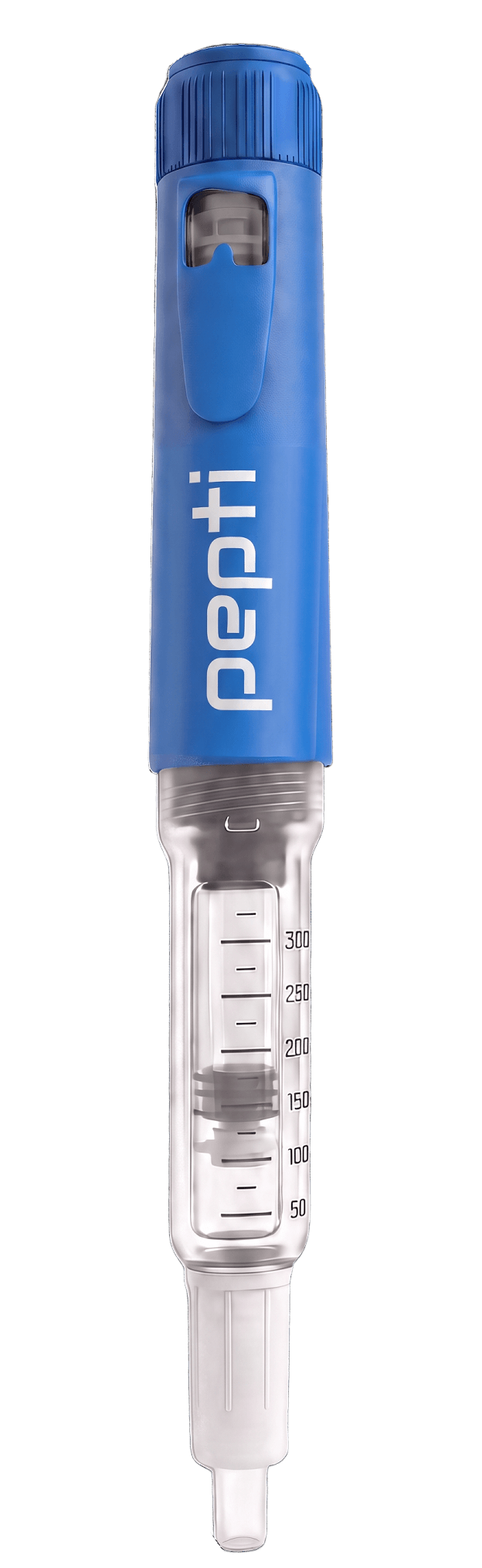
Many peptides also come as a pre-filled cartridge for the pepti Pen, a reusable click-dial injector. The medication is the same as the vial; the pen removes the draw step. The comparison is in vial vs pen.
Schedules
Schedule Typical of Doses per vial Monday through Friday Most peptides, including the growth-hormone-axis peptides and the repair blends 20 Once daily BPC-157 27 Three times per week NAD+ and glutathione 12 Once weekly Semaglutide and tirzepatide 4 Almost every vial is sized to last about four weeks at the printed directions, which is why refills run every 28 days. Peptides are stored in the fridge; see how to store peptides.
How long it takes
There is no single answer, and anyone promising a timeline for a peptide without trial data is guessing. For the GLP-1s, trials describe changes over months on a gradual dose ladder. For most other peptides, any timeline is prescriber experience, not a measured result. How long do peptides take to work goes peptide by peptide, and how do I know if peptides are working covers what to track.
What Is Peptide Therapy? How It Works, What It Is Used For, and What It Costs
What peptide therapy costs
At Pepti, every product has one all-in monthly price covering the medication, physician review, refill management and refrigerated shipping, with no membership fee, consultation fee or separate shipping charge.
| Tier | Example | Price at Pepti |
|---|---|---|
| Compounded GLP-1 | Semaglutide, tirzepatide | From $99/mo, from $159/mo |
| Injectable nutrients | Glutathione, L-carnitine, methylcobalamin | $199 to $229/mo |
| Single peptide | BPC-157, TB-500, sermorelin, GHK-Cu | $209 to $259/mo |
| Two-peptide combination | CJC-1295 / Ipamorelin, BPC-157 + TB-500 | $239 to $259/mo |
| Multi-peptide blend | KLOW, GLOW, TITAN, FORTIFY | $259 to $289/mo |
Pepti is cash-pay and does not bill insurance, and most insurance plans do not cover compounded peptides; see does insurance cover peptide therapy and can you use HSA or FSA for peptides. What drives the price differences is in how much do peptides cost and on the peptide therapy cost page.
What Is Peptide Therapy? How It Works, What It Is Used For, and What It Costs
Is peptide therapy safe?
Safety depends on the peptide, the dose, your history and, above all, where the vial came from.
| Question | Answer |
|---|---|
| Most common side effects | Injection-site redness, itching or a small lump; with GLP-1s, nausea and other digestive effects |
| Emergency signs | Swelling of the face, lips or throat, widespread rash, difficulty breathing: call 911 |
| Who usually cannot take it | Anyone pregnant or breastfeeding, for essentially every peptide |
| Common reasons to decline | Active or recent cancer for peptides that promote blood vessel growth or raise IGF-1; a personal or family history of medullary thyroid carcinoma or MEN 2 for the GLP-1s |
| Interactions | For most peptides no formal interaction list exists, which is why the intake asks for every medication you take |
| Long-term data | Strong for the GLP-1s; absent for most others |
The largest practical risk in this category is not the molecule but the source. Research-use-only vials sold without a prescription have no pharmacy accountable for identity, purity, sterility or concentration, and usually arrive as powders that have to be mixed at home. Research peptides vs prescription peptides and how to tell if a peptide seller is legitimate go through the differences. Side effects across the category are in peptide side effects: what to watch for, and long-term questions in are peptides safe long term.
What Is Peptide Therapy? How It Works, What It Is Used For, and What It Costs
Is peptide therapy legal?
Yes, with a valid prescription. A peptide can have three legal statuses in the US:
| Status | What it means |
|---|---|
| FDA-approved drug | A specific manufactured product has been through clinical trials and FDA review; semaglutide, tirzepatide, bremelanotide, tesamorelin and oxytocin exist as approved products |
| Compounded under section 503A | Prepared by a state-licensed pharmacy for an identified patient against a valid prescription; legal, and not FDA approved |
| Research use only | Sold without a prescription and labelled not for human use; no physician, no pharmacy accountability |
Every Pepti medication is compounded under 503A. Several peptides moved in 2026: on 15 April the FDA removed BPC-157, TB-500 and ten other peptides from Category 2 of its 503A bulk substances list, and in July its advisory committee recommended adding several to the Bulks List, with final FDA determinations pending. Are peptides FDA approved and are peptides legal in the US keep this current. Tested athletes should know most peptides are prohibited under the WADA list; see peptides for athletes.
What Is Peptide Therapy? How It Works, What It Is Used For, and What It Costs
Who peptide therapy suits, and who it does not
It suits someone with a specific goal, a physician who has reviewed their history, and realistic expectations about the evidence for the peptide in question. It is a poor fit for someone looking for a single product that does everything, anyone pregnant or breastfeeding, and anyone whose problem needs a diagnosis first: a structural injury, unexplained fatigue or a symptom that has not been looked at. Guides by person are in peptides for men over 40 and peptides for women.
References
What this is based on.
References
- Chang CH, Tsai WC, Hsu YH, Pang JH. Pentadecapeptide BPC 157 enhances the growth hormone receptor expression in tendon fibroblasts · Molecules (2014) · PMID 25415472
- Krivic A, Anic T, Seiwerth S, et al.. Achilles detachment of rat and stable gastric pentadecapeptide BPC 157 · Journal of Orthopaedic Research (2006) · PMID 16583442
- Sikiric P, Seiwerth S, Rucman R, et al.. Stable gastric pentadecapeptide BPC 157: novel therapy in gastrointestinal tract · Current Pharmaceutical Design (2011) · PMID 21548867
- Cerovecki T, Bojanic I, Brcic L, Radic B, et al.. Pentadecapeptide BPC 157 (PL 14736) improves ligament healing in the rat · J Orthop Res (2010) · PMID 20225319
- Sikiric P, Seiwerth S, Rucman R, Turkovic B, et al.. Stable gastric pentadecapeptide BPC 157-NO-system relation · Curr Pharm Des (2014) · PMID 23755725
- Cox HD, Miller GD, Eichner D. Detection and in vitro metabolism of the confiscated peptides BPC 157 and MGF R23H · Drug Test Anal (2017) · PMID 28035768
- Thomas A, Görgens C, Guddat S et al.. Simplifying and expanding the screening for peptides <2 kDa by direct urine injection, liquid chromatography, and ion mobility mass spectrometry · J Sep Sci (2016) · PMID 26578461
- Farrar JT, Young JP Jr, LaMoreaux L, Werth JL et al.. Clinical importance of changes in chronic pain intensity measured on an 11-point numerical pain rating scale · Pain (2001) · PMID 11690728
- Meyer JD, Ho B, Manning MC. Effects of conformation on the chemical stability of pharmaceutically relevant polypeptides · Pharm Biotechnol (2002) · PMID 11987755
- Xu C, Sun L, Ren F, Huang P, et al.. Preclinical Safety Evaluation of Body Protective Compound-157, a Potential Drug for Treating Various Wounds · Regul Toxicol Pharmacol (2020) · PMID 32334036
- He L, Feng D, Guo H, et al.. Pharmacokinetics, distribution, metabolism, and excretion of body-protective compound 157, a potential drug for treating various wounds, in rats and dogs · Front Pharmacol (2022) · PMID 36588717
- Lee E, Padgett B. Intra-Articular Injection of BPC 157 for Multiple Types of Knee Pain · Altern Ther Health Med (2021) · PMID 34324435
Citations are provided for educational purposes. They do not constitute medical advice. Always discuss any peptide protocol with your prescribing physician.
Common questions
What Is Peptide Therapy? How It Works, What It Is Used For, and What It Costs, answered.
The prescription use of peptides, short amino-acid chains that act as signals in the body, to copy or adjust a signal the body already sends. It is usually a small injection under the skin at home, prescribed by a physician for a specific goal.
It depends entirely on the peptide. GLP-1 medications act on appetite and blood sugar signaling, growth-hormone-releasing peptides prompt the pituitary's own growth hormone pulse, and repair peptides like BPC-157 are described around blood vessel growth in animal research. There is no single effect of "peptide therapy."
Weight and metabolic health, the growth hormone axis, soft-tissue and gut repair, skin, cellular energy, immune support and sexual health. The evidence behind each varies from large randomized trials to animal research only.
For some peptides there is strong evidence: semaglutide and tirzepatide have large randomized trials. For many others, including BPC-157 and TB-500, there are no randomized human trials, and the case rests on animal research and clinical experience. Ask what evidence exists for the specific peptide you are considering.
Usually as a subcutaneous injection into the fat layer of the abdomen or thigh, from a multi-dose vial with an insulin syringe or from a pre-filled pen. Directions are printed on the vial.
At Pepti, from $99 a month for semaglutide and $199 to $289 a month for most other products, all-in, covering medication, physician review, refill management and shipping, with no membership fee.
Pepti is cash-pay and does not bill insurance, and most plans do not cover compounded peptides. See does insurance cover peptide therapy.
It depends on the peptide and the source. The most common side effects are injection-site reactions, and GLP-1s commonly cause digestive effects. Prescription peptides from a licensed pharmacy are a very different risk from research-use-only vials. Your physician reviews your history before anything is prescribed.
Some peptide molecules exist as FDA-approved drugs. Compounded peptides, which is what most peptide therapy uses, are not FDA approved; they are prepared by a licensed pharmacy for an individual patient against a prescription.
Yes. A physician licensed in your state reviews a medical intake and writes the prescription. Sites shipping peptides without one are selling research-use-only material.
There is no starter peptide, because peptides are not one category. The right starting point is what you want to change; the free assessment asks about that and a physician reviews your answers. What are peptides is the best background reading.
No. Bloodwork is not required for any Pepti treatment. If your physician wants labs for your care, they'll ask through your account. The free assessment goes to a physician licensed in your state. A consultation does not guarantee a prescription.
Related answers
Keep reading.
- Are Peptides Natural? Native, Fragment, Analogue or Designed, Peptide by Peptide
- B12 Injections: What They Are, Who They Help, and What MIC Injections Add
- Best Peptides for Beginners: Common Starting Points, Explained Neutrally
- Best Time to Take Glutathione: Morning, Night, and What the Directions Say
- Can You Take Peptides Without Needles? Pills, Creams and Why Most Peptides Are Injected
Next step
See what a physician recommends for you.
A licensed physician in your state reviews your intake to see whether treatment fits your history. A consultation does not guarantee a prescription.