Intimacy · Reference
Peptides vs TRT vs Anabolic Steroids: How They Differ, Side Effects, Monitoring and Testing
This page explains what each of the three actually is, how the mechanisms differ, what each does to your own hormone production, the side effects and monitoring that come with each, the legal position, sport testing, and who each suits.
Medically reviewed by Dr. Gene, MD · November 4, 2026
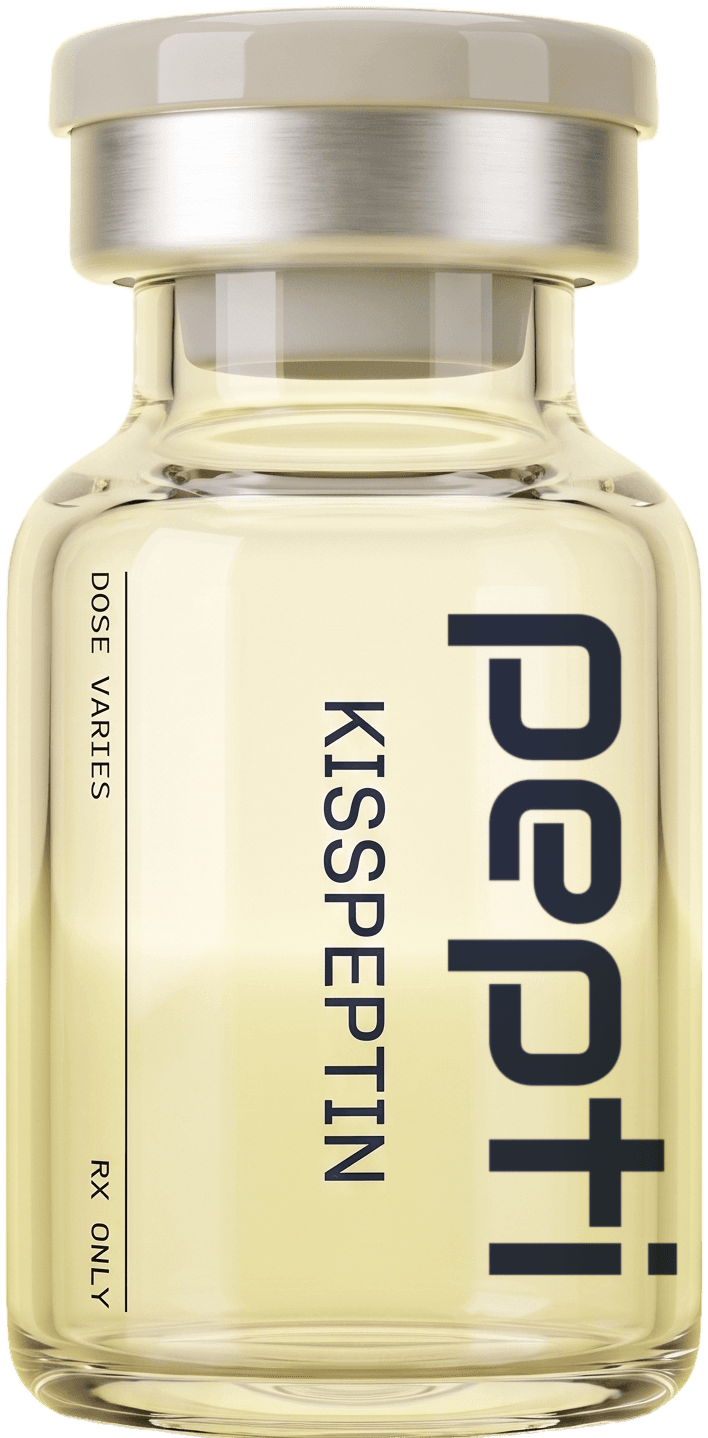
Treatments mentioned
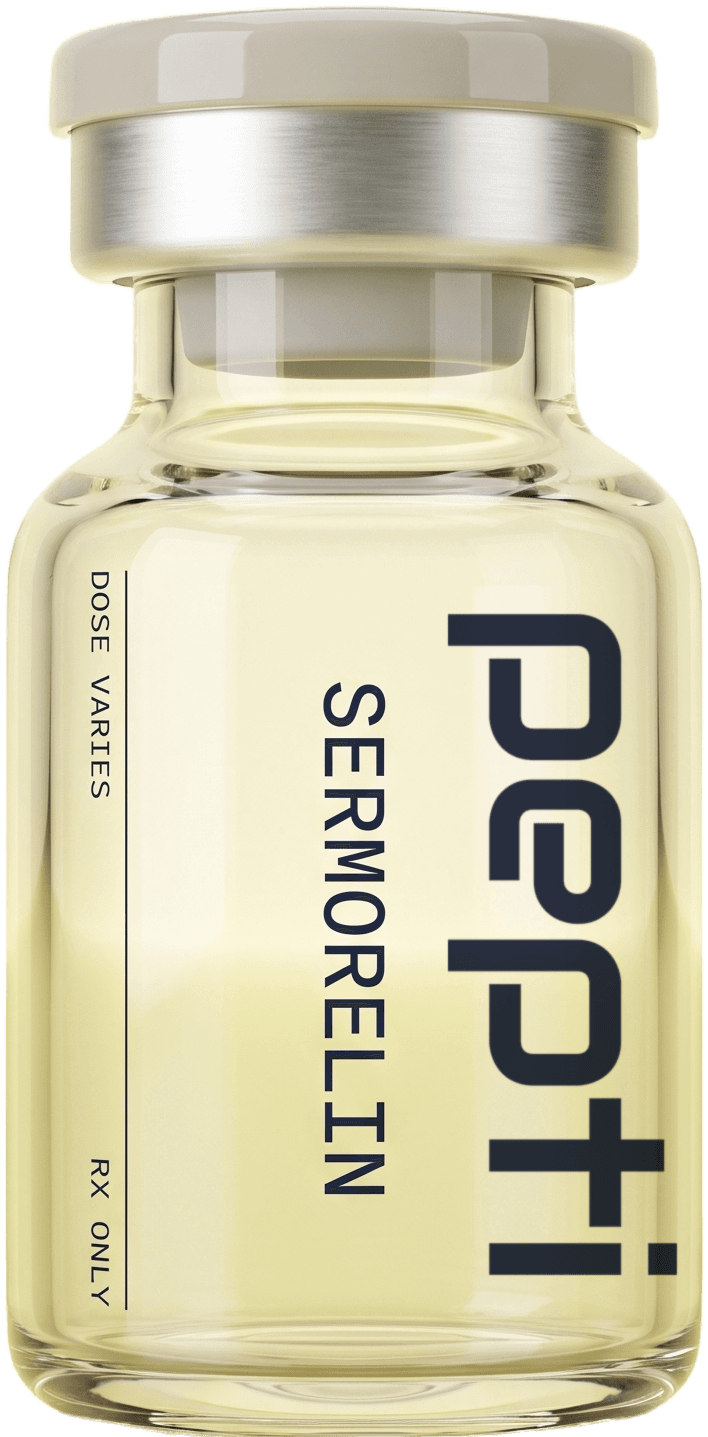
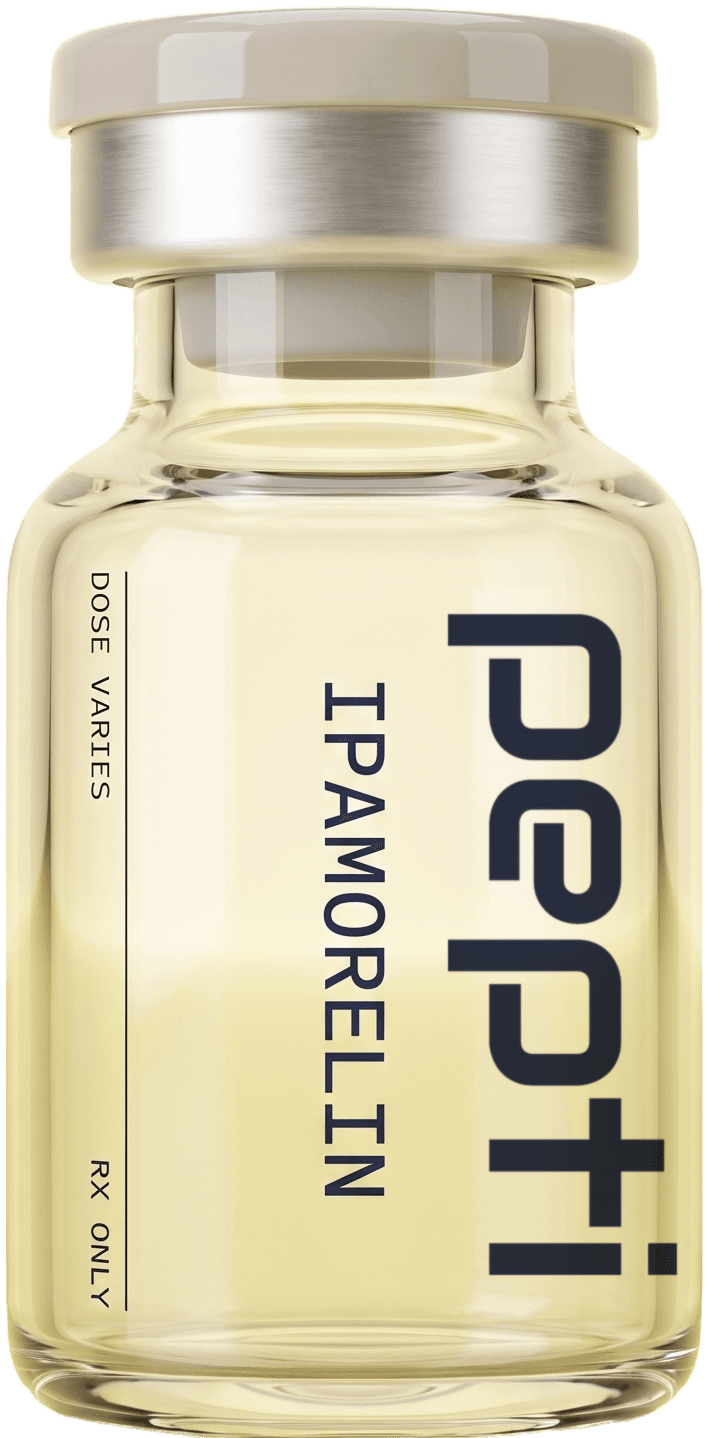
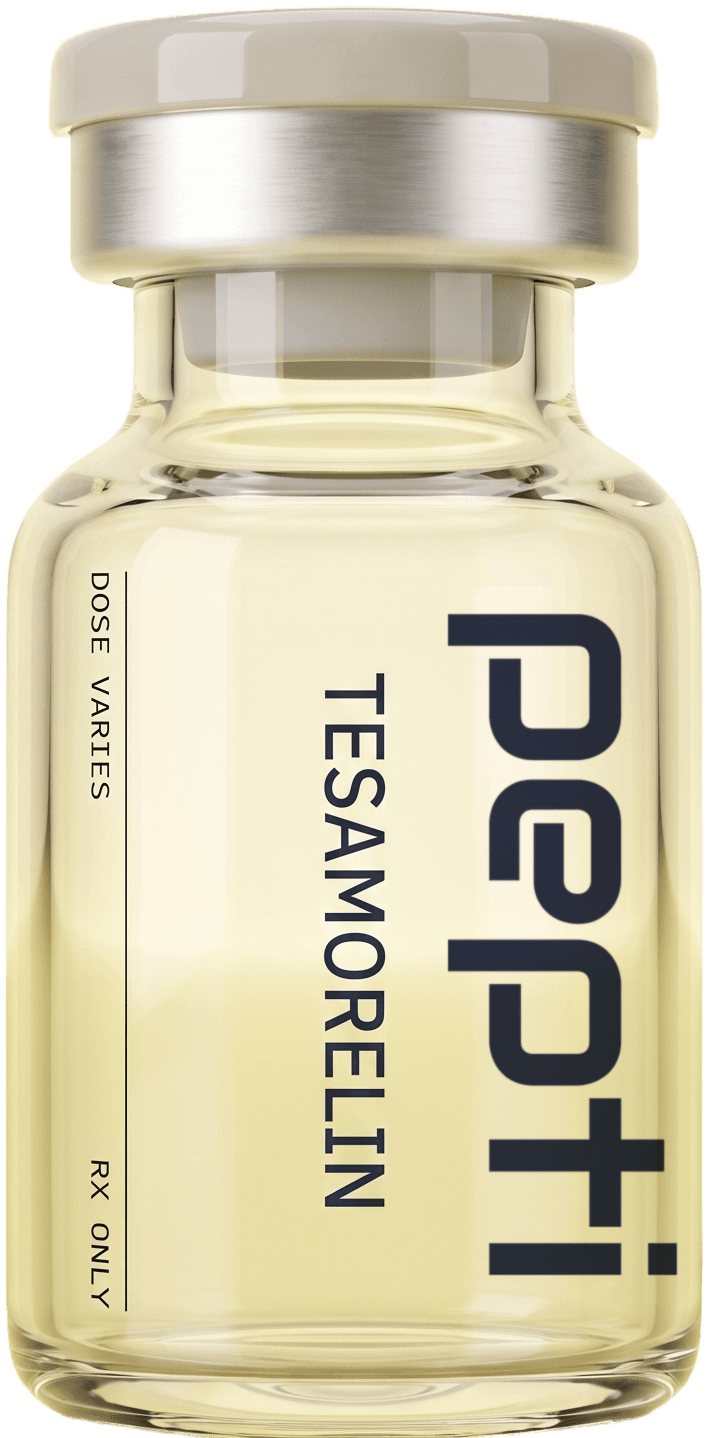
Testosterone replacement (TRT) and anabolic steroids supply an androgen from outside the body; the peptides usually compared with them do not. Growth-hormone-releasing peptides such as sermorelin, CJC-1295 and ipamorelin prompt your own pituitary to release growth hormone, a separate hormonal system that does not raise testosterone. Kisspeptin sits upstream of your own testosterone production and has been shown to raise it acutely in short intravenous studies, but it is not a replacement therapy. Testosterone and anabolic steroids are Schedule III controlled substances in the US; compounded peptides are prescription-only but not controlled, are not FDA approved, and several are prohibited in tested sport just as steroids are. Pepti prescribes peptides and does not prescribe testosterone or anabolic steroids.
This page explains what each of the three actually is, how the mechanisms differ, what each does to your own hormone production, the side effects and monitoring that come with each, the legal position, sport testing, and who each suits.
Peptides vs TRT vs Anabolic Steroids
The short answer
| If your situation is | What usually fits | What is in it | Price |
|---|---|---|---|
| Low testosterone confirmed on two morning draws, with symptoms | Testosterone replacement from your own physician | Not offered by Pepti | Not applicable |
| Light sleep and slow recovery | CJC-1295 / Ipamorelin | 6 mg CJC-1295 and 12 mg ipamorelin in a 5 mL vial | $239/mo |
| The gentlest growth-hormone-axis starting point | Sermorelin | 10 mg sermorelin in a 5 mL vial | $229/mo |
| Fat around the middle specifically | Tesamorelin | 10 mg tesamorelin in a 5 mL vial | $249/mo |
| Old injuries limiting training | BPC-157 + TB-500 | 5 mg BPC-157 and 5 mg TB-500 in a 5 mL vial | $259/mo |
| Interest in the body's own reproductive-axis signal | Kisspeptin | 10 mg kisspeptin-10 in a 5 mL vial | $229/mo |
| Building muscle the way steroids do | Nothing here; no peptide reproduces that | Not applicable | Not applicable |
Every price is an all-in monthly figure covering the medication, physician review, refill management and shipping, with no separate membership fee. Current pricing always lives on each product page.
Peptides vs TRT vs Anabolic Steroids
What each one actually is
Testosterone replacement therapy
TRT is testosterone, the main male sex hormone, prescribed to men whose testes no longer make enough of it. It is a treatment for a diagnosis, hypogonadism, and the threshold is deliberately strict. The approved labels direct confirming the diagnosis with serum testosterone measured in the morning on at least two separate days, both below the normal range. The European Male Ageing Study of 3,369 men aged 40 to 79 found that only three symptoms, poor morning erections, low desire and erectile dysfunction, were tied to low testosterone as a syndrome (New England Journal of Medicine, 2010). The Baltimore Longitudinal Study of Aging found about 20 percent of men over 60 had total testosterone in the hypogonadal range (Journal of Clinical Endocrinology & Metabolism, 2001). Most men over 40 are not hypogonadal.
Testosterone has FDA-approved products with approved labels, and those labels carry a defined monitoring protocol. The dose aims to restore a normal range, not exceed it.
Anabolic steroids
Anabolic steroids are synthetic derivatives of testosterone, built to strengthen its muscle-building (anabolic) effect. They act on the androgen receptor in muscle, the same receptor testosterone uses. Used to build muscle, they are typically taken at doses well above what replacement aims for. Their effect on lean mass in trained people is large and well documented, which is exactly why they are banned in sport and why the side-effect list is long.
Peptides
Peptides are short chains of amino acids. The ones that get compared with testosterone and steroids fall into three groups, and none of them is an androgen:
- Growth-hormone-axis peptides. Sermorelin, CJC-1295 and tesamorelin are modified versions of growth-hormone-releasing hormone (GHRH). Ipamorelin and hexarelin mimic ghrelin. All of them act on the pituitary to release your own growth hormone in a pulse. Peptides vs HGH explains how that differs from injecting growth hormone itself.
- Kisspeptin. A hormone the body already makes, at the top of the reproductive axis. It prompts GnRH release, which tells the pituitary to release LH and FSH, which drive testosterone production in the testes.
- Repair peptides. BPC-157 and TB-500 are studied around tissue repair. They do not act on any hormone axis.
Peptides vs TRT vs Anabolic Steroids
Supplying a hormone vs signalling for your own
This is the core of the comparison.
What testosterone and steroids do to your own production
The body regulates testosterone with a feedback loop. When testosterone from outside raises blood levels, the hypothalamus and pituitary sense it and turn down LH and FSH, and the testes make less of their own. The approved label says so directly: with large doses of external androgens, sperm production may be suppressed through feedback inhibition of pituitary FSH. That is why fertility belongs in any TRT discussion, and why anabolic steroids, at higher doses, suppress the testicular axis further.
What growth-hormone-axis peptides do
They act on a different axis entirely. A GHRH analogue or ghrelin mimetic prompts the pituitary to release growth hormone, which works largely through IGF-1 made by the liver. They do not raise testosterone and are not a testosterone booster. Because the pituitary does the releasing, its own restraining signal (somatostatin) and IGF-1 feedback stay in the circuit. A 2006 study in the Journal of Clinical Endocrinology and Metabolism that sampled growth hormone every ten minutes in adults on CJC-1295 reported that release stayed pulsatile. That feedback is not a ceiling, but it is a structural difference from supplying a hormone.
What kisspeptin does
Kisspeptin is the one peptide here that touches the testosterone system, and it does so from the top rather than by supplying the end product. A 2005 study in the Journal of Clinical Endocrinology and Metabolism reported that intravenous kisspeptin-54 raised LH, FSH and testosterone dose-dependently in healthy men, and a 2011 study in the same journal reported the same for kisspeptin-10 after a single bolus or short infusion. A 2013 study in Clinical Endocrinology reported it in men with type 2 diabetes and mild biochemical hypogonadism.
The limits are important. Every one of those studies was intravenous and measured hours, not months. The response fades with continuous exposure, which is why a kisspeptin schedule is built around gaps. No trial has measured what a subcutaneous kisspeptin-10 course does to testosterone over weeks, and it has not been shown to treat low testosterone. External testosterone suppresses the very system kisspeptin acts on, and nothing supports using them together. Full reference: what is kisspeptin.
Peptides vs TRT vs Anabolic Steroids
Head to head
| TRT | Anabolic steroids | GH-axis peptides | Kisspeptin | |
|---|---|---|---|---|
| What it is | Testosterone, replacing a deficit | Synthetic testosterone derivatives | Signals to the pituitary to release growth hormone | The body's own upstream reproductive signal |
| Receptor | Androgen receptor | Androgen receptor | GHRH or ghrelin receptor | KISS1R on GnRH neurons |
| Hormone it affects | Testosterone | Testosterone-like androgen activity | Growth hormone, then IGF-1 | LH, FSH, then testosterone, acutely |
| Your own testosterone production | Suppressed by feedback | Suppressed, often heavily | Not a primary effect | Stimulated acutely in IV studies |
| Effect on lean mass in trained people | Restores toward normal in deficiency | Large and well documented | Modest, described through recovery | Not studied |
| Approved use | Diagnosed hypogonadism | None for muscle building | Tesamorelin has an approved product for one narrow indication; compounded use is off-label | None |
| Controlled substance | Yes, Schedule III | Yes, Schedule III | No | No |
| Tested sport | Prohibited | Prohibited | Prohibited at all times | Prohibited in males |
| At Pepti | Not offered | Not offered | Prescribed, compounded | Prescribed, compounded |
Peptides vs TRT vs Anabolic Steroids
Side effects, side by side
| TRT | Anabolic steroids | GH-axis peptides | Kisspeptin | |
|---|---|---|---|---|
| Common | Rising haematocrit, rising oestradiol | Lipid changes, mood effects | Injection-site redness, flushing, headache, early water retention or tingling hands | Injection-site redness, brief flushing, headache, occasional nausea |
| Fertility | Sperm production suppressed | Suppressed | Not a primary effect | Not shown to protect or restore it |
| Bigger concerns | Blood pressure, prostate monitoring | Cardiovascular, fertility, mood | Reduced insulin sensitivity; caution with cancer history | Hormone-sensitive conditions; long-term repeated dosing not studied |
TRT
A 2022 network meta-analysis in the Journal of Urology pooled 29 placebo-controlled trials in 3,393 men and reported a significant rise in haematocrit with every testosterone formulation studied. The approved labels also note that testosterone can raise blood pressure, that oestradiol rises as some testosterone converts to it, and that prostate evaluation is needed before and during treatment.
Anabolic steroids
Lipids, fertility, cardiovascular effects and mood are the main concerns, on top of everything that applies to testosterone, because the doses used for muscle building are typically higher than replacement.
GH-axis peptides
Mostly local and early. The bigger theme is glucose: growth hormone reduces insulin sensitivity, and the approved tesamorelin label warns glucose intolerance or diabetes may develop. A cancer history is a conversation first wherever growth signalling is involved. See is CJC-1295 / ipamorelin safe and is sermorelin safe.
Kisspeptin
The human studies, mostly with the longer kisspeptin-54 form, describe it as well tolerated. Repeated subcutaneous kisspeptin-10 over months has not been studied, which is the gap the FDA has flagged. A history of hormone-sensitive cancer must be raised first.
Peptides vs TRT vs Anabolic Steroids
Monitoring
The monitoring for TRT is defined by its approved labels and is substantial: haematocrit before starting and about every three months, PSA and prostate evaluation, lipids, blood pressure, and trough testosterone after six weeks and periodically after. That stays with whoever prescribes the testosterone.
For peptides at Pepti, bloodwork is not required for any Pepti treatment. If your physician wants labs for your care, they'll ask through your account. For the growth-hormone axis the marker usually discussed is IGF-1, alongside fasting glucose, because of the insulin-sensitivity point above.
If you are already on TRT
Peptides and testosterone are commonly used together, and the condition that makes it reasonable is that every prescriber involved knows about the other. They move overlapping markers: IGF-1 rises on a GH-axis peptide but also moves with testosterone, and a rising haematocrit is a testosterone signal, not a peptide one. Tell your peptide physician your testosterone formulation, dose and interval, and tell your testosterone prescriber the peptide, strength and schedule. Can you take peptides with testosterone covers the detail. Kisspeptin is the exception: testosterone suppresses the axis it acts on, so it is not a sensible addition.
Peptides vs TRT vs Anabolic Steroids
What the evidence shows, honestly
Growth hormone and testosterone together
The most relevant human evidence gave recombinant growth hormone, not a peptide. A 26-week randomised, double-blind trial in JAMA in 2002, in 57 women and 74 men aged 65 to 88, compared growth hormone, sex steroid, both, or placebo; lean mass rose most on the combination, strength rose only marginally, and diabetes or glucose intolerance was more common in the growth hormone arms. A 2006 trial in 80 men aged 65 to 80 reported more benefit from low-dose growth hormone with testosterone than from either alone. Neither tested a secretagogue.
Growth hormone in athletes
A 2008 systematic review in the Annals of Internal Medicine pooled 27 randomised study samples in young, fit adults: growth hormone increased lean body mass, but strength and exercise capacity did not appear to improve, and soft-tissue swelling and fatigue were more common. A 2010 trial in 96 recreational athletes found the lean-mass increase was accounted for by extracellular water. Those trials used injected growth hormone; a secretagogue working through an intact pituitary should be expected to do less.
The peptides themselves
Tesamorelin has phase 3 trials behind an approved product for visceral fat in HIV-associated lipodystrophy. Sermorelin has randomised studies in older adults. CJC-1295 and ipamorelin have volunteer pharmacology and no outcome trials for recovery or body composition. Kisspeptin has well-mapped human physiology from short intravenous studies, not trials of the product as prescribed. There is no trial comparing any peptide with testosterone or steroids, and none of the compounded peptides is FDA approved. Anyone advertising a secretagogue as producing steroid-like size is not describing the pharmacology. Peptides for muscle growth and recovery goes further.
Peptides vs TRT vs Anabolic Steroids
Legal status
Testosterone and anabolic steroids
Testosterone and anabolic steroids are Schedule III controlled substances under federal law. That puts them under tighter rules on prescribing, dispensing and possession than ordinary prescription drugs. Testosterone is lawfully prescribed for diagnosed hypogonadism under its approved labels; steroids bought for muscle building outside a prescription are not a legal product.
Peptides
None of the peptides on this page is a controlled substance. They are prescription-only and compounded by a licensed pharmacy against an individual prescription, and compounded medications are not FDA approved. Their FDA positions differ, as of the FDA pages checked in September 2026:
| Peptide | Where it stands |
|---|---|
| Sermorelin | Not in any category of the 503A nominations list; formerly the active ingredient of an approved product |
| CJC-1295 and ipamorelin | Left Category 2 in September 2024; the advisory committee voted against them in late 2024; no final FDA determination |
| Tesamorelin | Active ingredient of an approved product for one narrow indication; compounded use for other goals is off-label |
| Kisspeptin-10 | Placed in Category 2 in September 2023 and still there; the advisory committee voted 0 to 11 against it in October 2024; Category 2 is an interim policy position, not a ban, and no final rule has been issued |
| BPC-157 and TB-500 | Removed from Category 2 in April 2026; the advisory committee voted to recommend both in July 2026; final determination pending |
Are peptides legal in the US and are peptides FDA approved explain the framework.
Peptides vs TRT vs Anabolic Steroids
Sport testing
This is where the three converge. On the World Anti-Doping Agency's 2026 Prohibited List, in force since 1 January 2026:
| What | How it is listed |
|---|---|
| Testosterone and anabolic steroids | Prohibited |
| CJC-1295, sermorelin, tesamorelin | Named under S2.2.4 as GHRH analogues, prohibited at all times |
| Ipamorelin, hexarelin | Named under S2.2.4 as growth hormone secretagogues and releasing peptides, prohibited at all times |
| Kisspeptin and its agonists | Named under S2.2.1 as testosterone-stimulating peptides in males |
| IGF-1 and analogues, thymosin beta-4 including TB-500 | Named under S2.3, prohibited at all times |
| BPC-157 | Named under S0, non-approved substances, prohibited at all times |
Switching from steroids to peptides does not make a tested athlete compliant; most of the peptides discussed here are on the same list. A prescription does not change that. Do peptides show up on a drug test has the class-by-class detail.
Peptides vs TRT vs Anabolic Steroids
Who suits which
Confirmed low testosterone with symptoms
That is hypogonadism, and the treatment is testosterone under its own monitoring, from your own physician. No peptide substitutes for it, and layering a peptide on untreated hypogonadism produces a monthly bill and a disappointment. Sleep apnoea, weight, alcohol and medications can all lower testosterone, so a single low draw in someone who snores and wakes unrefreshed is not yet a diagnosis. Peptides for men over 40 covers what to rule out first.
Normal testosterone, poor sleep and slow recovery
This is the person a GH-axis peptide is usually considered for: sermorelin as the gentlest single agent or CJC-1295 / Ipamorelin as the standard pairing, dosed at bedtime when the natural growth hormone pulse is largest. Where the goal is fat around the middle, tesamorelin is the one with that endpoint in its trials.
Training limited by an injury
BPC-157 + TB-500 addresses a different problem from any hormone. There are no human trials of either for tendon or muscle injury; the case is animal research plus prescriber experience.
Interest in the body's own reproductive signal
Kisspeptin is the option that works upstream rather than supplying testosterone, with the caveats above: no evidence it treats hypogonadism, Category 2 status, and not for anyone already on testosterone. If the real issue is desire, kisspeptin vs PT-141 compares the two.
Someone who wants steroid-like muscle gain
No peptide here does that, and an honest prescriber will say so. Growth-hormone-axis peptides are prescribed for recovery and sleep quality, not size.
Peptides vs TRT vs Anabolic Steroids
Where to get a peptide prescribed
None of these peptides can be bought legitimately without a prescription. Sites selling them "for research use only" are not accountable for identity, purity, sterility or concentration. The prescription route:
- Complete a free online intake covering your history, medications (including any testosterone) and your goals.
- A physician licensed in your state reviews it, usually within 24 hours.
- If it is appropriate, a PCAB-accredited, FDA-registered US 503A pharmacy compounds it to that prescription. Lot test results are published at /quality/lab-results.
- It ships refrigerated with ice packs, sterile syringes and alcohol prep pads, with your directions printed on the vial.
- Refills run every 28 days, one vial per fill, and your physician stays reachable for questions.
Pepti is cash-pay and does not bill insurance. Step-by-step pages: CJC-1295 / Ipamorelin, sermorelin, tesamorelin, kisspeptin and BPC-157 + TB-500.
References
What this is based on.
References
- Chang CH, Tsai WC, Hsu YH, Pang JH. Pentadecapeptide BPC 157 enhances the growth hormone receptor expression in tendon fibroblasts · Molecules (2014) · PMID 25415472
- Krivic A, Anic T, Seiwerth S, et al.. Achilles detachment of rat and stable gastric pentadecapeptide BPC 157 · Journal of Orthopaedic Research (2006) · PMID 16583442
- Sikiric P, Seiwerth S, Rucman R, et al.. Stable gastric pentadecapeptide BPC 157: novel therapy in gastrointestinal tract · Current Pharmaceutical Design (2011) · PMID 21548867
- Cerovecki T, Bojanic I, Brcic L, Radic B, et al.. Pentadecapeptide BPC 157 (PL 14736) improves ligament healing in the rat · J Orthop Res (2010) · PMID 20225319
- Sikiric P, Seiwerth S, Rucman R, Turkovic B, et al.. Stable gastric pentadecapeptide BPC 157-NO-system relation · Curr Pharm Des (2014) · PMID 23755725
- Cox HD, Miller GD, Eichner D. Detection and in vitro metabolism of the confiscated peptides BPC 157 and MGF R23H · Drug Test Anal (2017) · PMID 28035768
- Thomas A, Görgens C, Guddat S et al.. Simplifying and expanding the screening for peptides <2 kDa by direct urine injection, liquid chromatography, and ion mobility mass spectrometry · J Sep Sci (2016) · PMID 26578461
- Farrar JT, Young JP Jr, LaMoreaux L, Werth JL et al.. Clinical importance of changes in chronic pain intensity measured on an 11-point numerical pain rating scale · Pain (2001) · PMID 11690728
- Meyer JD, Ho B, Manning MC. Effects of conformation on the chemical stability of pharmaceutically relevant polypeptides · Pharm Biotechnol (2002) · PMID 11987755
- Xu C, Sun L, Ren F, Huang P, et al.. Preclinical Safety Evaluation of Body Protective Compound-157, a Potential Drug for Treating Various Wounds · Regul Toxicol Pharmacol (2020) · PMID 32334036
- He L, Feng D, Guo H, et al.. Pharmacokinetics, distribution, metabolism, and excretion of body-protective compound 157, a potential drug for treating various wounds, in rats and dogs · Front Pharmacol (2022) · PMID 36588717
- Lee E, Padgett B. Intra-Articular Injection of BPC 157 for Multiple Types of Knee Pain · Altern Ther Health Med (2021) · PMID 34324435
Citations are provided for educational purposes. They do not constitute medical advice. Always discuss any peptide protocol with your prescribing physician.
Common questions
Peptides vs TRT vs Anabolic Steroids, answered.
No. Anabolic steroids are synthetic testosterone derivatives acting on the androgen receptor. The peptides usually compared with them act on the pituitary's growth hormone release, on the upstream reproductive signal, or on tissue repair. None is an androgen.
They do different jobs. TRT treats diagnosed low testosterone; a growth-hormone-axis peptide does not raise testosterone and cannot replace it. For someone with normal testosterone, a peptide may be the more relevant conversation; for someone with hypogonadism, testosterone is.
Growth-hormone-axis peptides do not. Kisspeptin raised testosterone acutely in short intravenous studies, but no trial has shown a subcutaneous course raises it over weeks or treats low testosterone.
Different mechanisms, so it is not a straight comparison. Secretagogues do not suppress your own testosterone the way steroids do, but the human safety data behind them is much thinner. Growth signalling carries its own cautions around glucose and cancer history.
No. If testosterone is low on two morning draws with symptoms, a peptide will not correct it.
Yes, it is a common combination, as long as both prescribers know about each other. Kisspeptin is the exception, because testosterone suppresses the system it acts on. Pepti does not prescribe testosterone.
Growth-hormone-axis peptides act on a separate axis and are not described as suppressing testosterone. Kisspeptin stimulates the axis rather than suppressing it. External testosterone and anabolic steroids are what suppress your own production.
No. Testosterone and anabolic steroids are Schedule III controlled substances; the peptides here are prescription-only compounded medications but are not controlled. They are not FDA approved.
Not on a standard employment panel. In tested sport, most of them are prohibited: GHRH analogues, secretagogues, kisspeptin in males, TB-500 and BPC-157 are all named on the 2026 WADA list, alongside testosterone and steroids.
No. Growth hormone itself in fit adults increased lean mass largely as water, without clear strength gains, and a secretagogue should be expected to do less. Peptides are prescribed around recovery and sleep, not size.
No. Pepti prescribes peptides only. Testosterone replacement belongs with your own physician, who manages its monitoring.
No. Bloodwork is not required for any Pepti treatment. If your physician wants labs for your care, they'll ask through your account. The free assessment goes to a physician licensed in your state. A consultation does not guarantee a prescription.
Next step
See what a physician recommends for you.
A licensed physician in your state reviews your intake and decides what is appropriate. A consultation does not guarantee a prescription.