Intimacy · Reference
Are Peptides Natural? Native, Fragment, Analogue or Designed, Peptide by Peptide
This page explains the four kinds, sorts every peptide Pepti prescribes into them, and covers the questions people mean when they ask whether peptides are natural: are they synthetic, are they hormones, are they steroids, and does any of it matter.
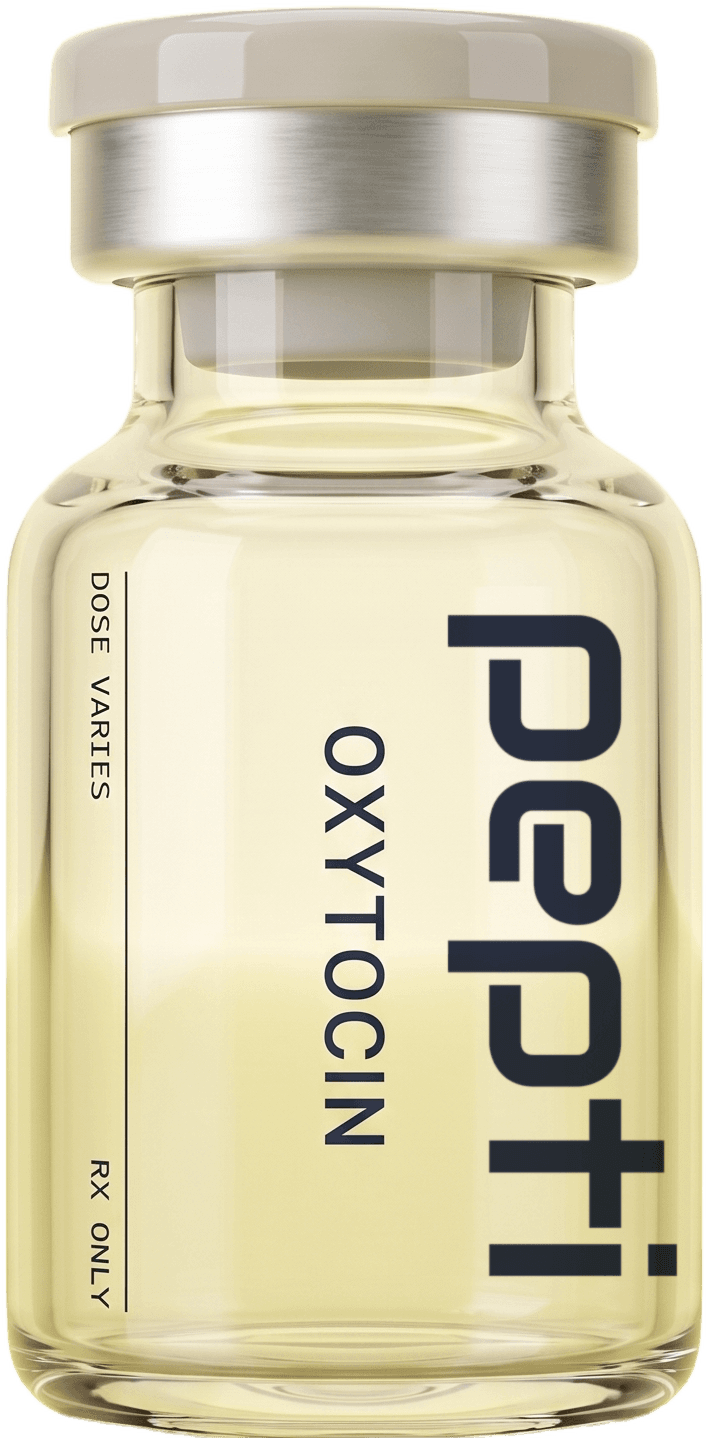
Treatments mentioned
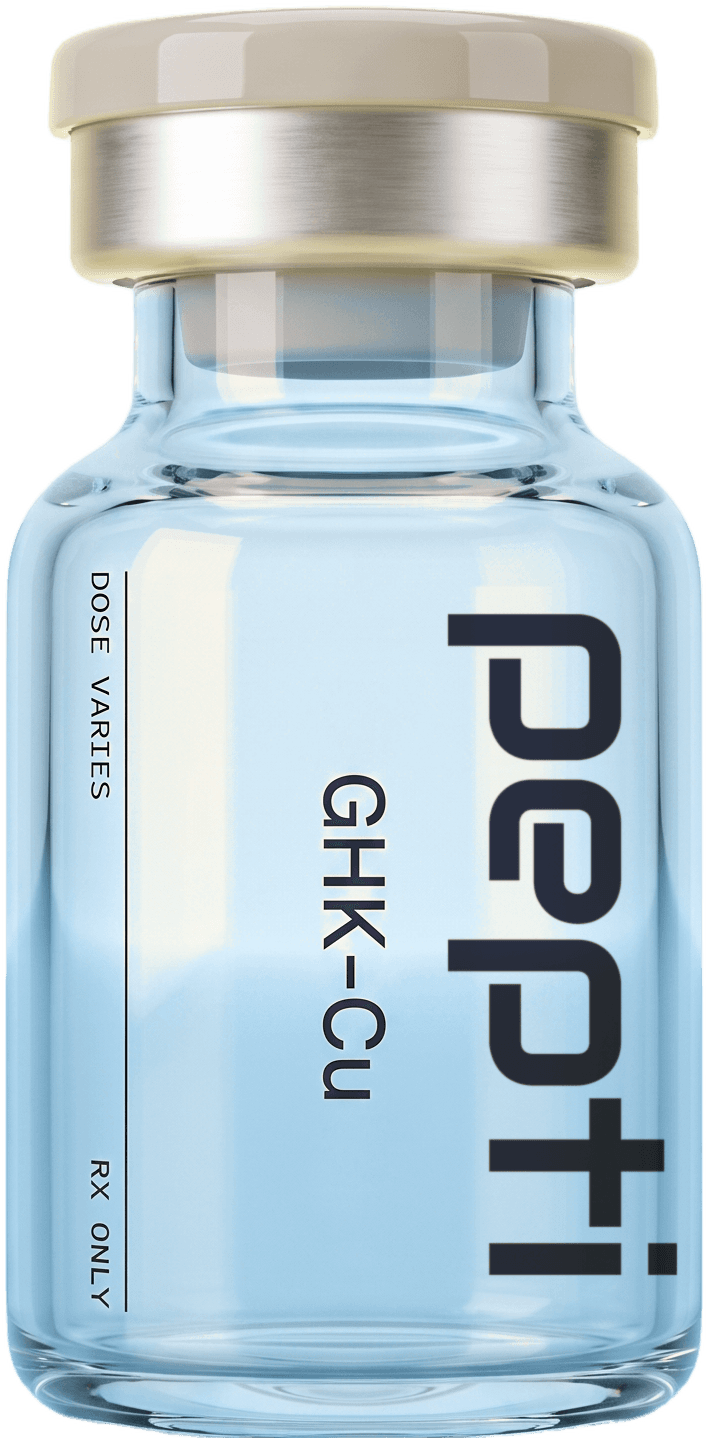
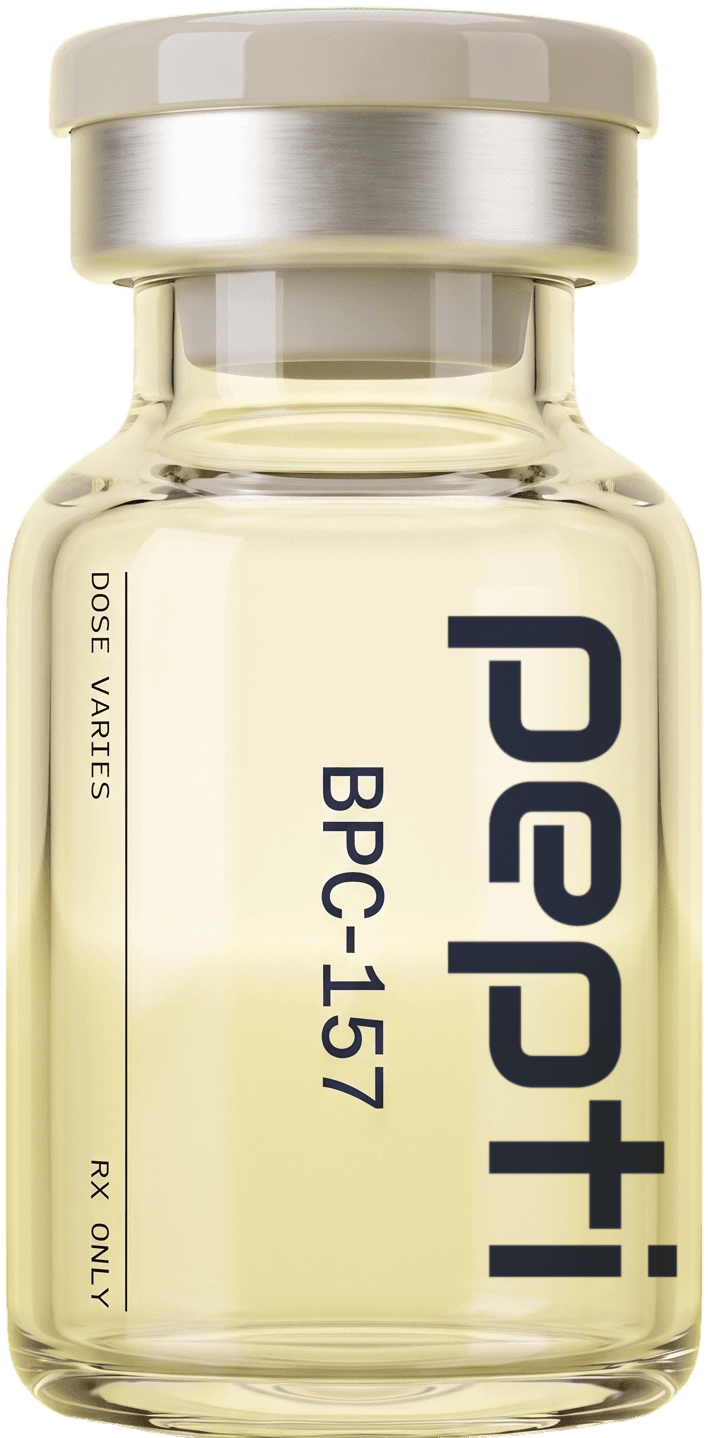
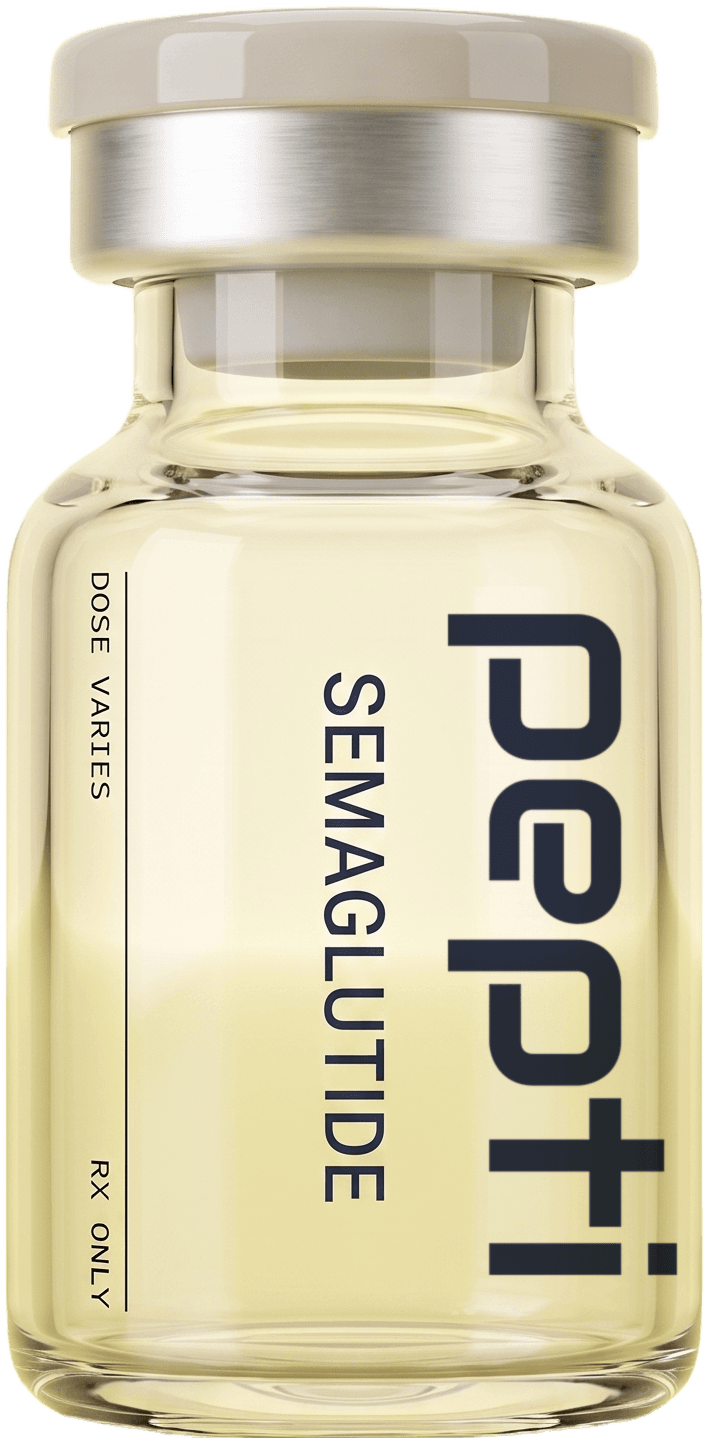
Peptides occur naturally, since the body makes thousands of them, including insulin, GLP-1 and oxytocin, but the peptides prescribed as medications are made in a laboratory by chemical synthesis, one amino acid at a time. Some are exact copies of a peptide the body already makes, some are fragments of a larger natural molecule, some are deliberately altered analogues, and a few are designed sequences with no natural counterpart. "Natural" therefore describes where a sequence came from, not how the vial was made, and it says nothing about whether a peptide is safe or does anything for you.
This page explains the four kinds, sorts every peptide Pepti prescribes into them, and covers the questions people mean when they ask whether peptides are natural: are they synthetic, are they hormones, are they steroids, and does any of it matter.
Are Peptides Natural? Native, Fragment, Analogue or Designed, Peptide by Peptide
The short answer
| Kind | What it means | Examples in the catalog |
|---|---|---|
| Native sequence | The same amino-acid sequence the body makes | Oxytocin, GHK-Cu, thymosin alpha-1, MOTS-c, kisspeptin-10 |
| Fragment of a natural molecule | A shorter piece of something the body makes | Sermorelin, BPC-157, KPV, TB-500, AOD-9604, PE-22-28 |
| Modified analogue | Based on a natural peptide but deliberately changed to last longer or bind differently | Semaglutide, tirzepatide, tesamorelin, CJC-1295, Selank, Semax, PT-141, Melanotan II, IGF-1 LR3 |
| Designed or entirely synthetic | No natural counterpart; built to imitate or block something | Ipamorelin, hexarelin, adipotide, FOXO4-DRI, SS-31 |
| Natural extract | A mixture taken from animal tissue rather than synthesized | Thymalin, from calf thymus |
Whatever the kind, Pepti's peptides are compounded to a prescription by a state-licensed US pharmacy and are not FDA approved.
Are Peptides Natural? Native, Fragment, Analogue or Designed, Peptide by Peptide
The body runs on its own peptides
A peptide is a short chain of amino acids joined by peptide bonds, conventionally up to about 40 or 50 amino acids. The body makes thousands, and many of them are hormones and signals. Insulin is released by the pancreas when blood glucose rises. GLP-1, a 30-amino-acid peptide, is released by the gut within minutes of a meal. Growth-hormone-releasing hormone, 44 amino acids, tells the pituitary to release growth hormone in pulses. Oxytocin, nine amino acids, is made in the hypothalamus. GHK-Cu circulates in plasma, saliva and urine, at levels that fall with age.
So in one sense the answer is plainly yes: peptides are a natural class of molecule. The body also clears its own deliberately fast. Peptidases in blood, kidney and tissue cut them apart within minutes and recycle the pieces as amino acids. That speed is the main reason a medical peptide is often not an exact copy, and it explains most of the categories below. More in what are peptides.
Are Peptides Natural? Native, Fragment, Analogue or Designed, Peptide by Peptide
How prescription peptides are actually made
A peptide under about forty amino acids can be built by chemical synthesis, adding one amino acid at a time to a growing chain in a set order. That is why a state-licensed pharmacy can obtain one as a bulk powder with a certificate of analysis and compound it into a sterile solution. Nothing is harvested from a person or an animal, with one exception on this list.
That means even a "native" peptide in a vial is synthetic in manufacture. Synthetic oxytocin has the same nine amino acids in the same order as the body's own; it was made in a reactor rather than a hypothalamus. Chemically it is the same molecule. Whether the pharmacy's batch is what the label says is a separate question, answered by testing; Pepti publishes lot results at /quality/lab-results, and what to look for on one is in how to read a peptide certificate of analysis.
Are Peptides Natural? Native, Fragment, Analogue or Designed, Peptide by Peptide
The four kinds, in detail
Native sequences
These are synthetic copies of the exact sequence the body makes.
Peptide Where the body makes it Oxytocin Hypothalamus, released from the posterior pituitary; nine amino acids GHK-Cu Found in human plasma, saliva and urine; a tripeptide carrying a copper ion Thymosin Alpha-1 Cut from a larger precursor, prothymosin alpha; 28 amino acids, first isolated from calf thymus in 1977 MOTS-c Encoded in mitochondrial DNA rather than the cell nucleus; 16 amino acids Kisspeptin Kisspeptin-10 is the shortest active fragment of the kisspeptin family encoded by the KISS1 gene Glutathione Made by every nucleated cell; a tripeptide, though it works as an antioxidant rather than a signal Fragments of natural molecules
These take a working piece of a larger natural molecule.
- Sermorelin is the first 29 of the 44 amino acids in growth-hormone-releasing hormone, the shortest fragment that keeps full activity.
- BPC-157 is a fifteen-amino-acid partial sequence of a protein first isolated from human gastric juice. It is usually described as a synthetic sequence derived from that protein.
- KPV is the last three amino acids of alpha-melanocyte-stimulating hormone.
- TB-500 is a synthetic peptide built around the actin-binding region of thymosin beta-4, a protein inside almost every cell.
- AOD-9604 copies the last fifteen amino acids of growth hormone and adds a tyrosine at the front.
- PE-22-28 is a seven-amino-acid section of the sortilin propeptide.
Modified analogues
These start from a natural peptide and change it on purpose, usually so it survives long enough to act. Native GLP-1 is destroyed by the enzyme DPP-4 within about two minutes. Semaglutide swaps one amino acid to block that enzyme, changes another, and adds a fatty acid chain that binds it to albumin in the blood, which stretches its half-life to about a week. Tirzepatide applies a similar strategy to a 39-amino-acid backbone built on GIP and engineered to act at both the GIP and GLP-1 receptors.
Peptide Natural starting point What was changed Tesamorelin Full 44-amino-acid GHRH A trans-3-hexenoic acid cap that protects it from DPP-4 CJC-1295, in CJC-1295 / Ipamorelin GHRH(1-29) Four substitutions that protect it from breakdown Selank Tuftsin, an immune fragment Pro-Gly-Pro added to slow breakdown Semax Positions 4 to 7 of ACTH Pro-Gly-Pro added to slow breakdown PT-141 and Melanotan II Alpha-MSH Modified residues and a ring structure so they last far longer IGF-1 LR3 IGF-1 Engineered to escape the binding proteins that normally buffer it Dihexa A fragment of angiotensin IV Rebuilt so it would survive in the body Designed or entirely synthetic
These have no natural counterpart. Ipamorelin is five amino acids, two of them unnatural, built to imitate ghrelin. Hexarelin is six, with two D-amino acids and a methyl group not found in any natural protein. Adipotide is a peptidomimetic built from a sequence that homes to blood vessels in fat tissue joined to a synthetic motif. FOXO4-DRI was designed in a Rotterdam laboratory and described in Cell in 2017. SS-31 is a synthetic tetrapeptide developed by Hazel Szeto and Peter Schiller. Epithalon sits between categories: a four-amino-acid sequence designed to reproduce the composition of a crude bovine pineal extract.
The one extract
Thymalin is the exception. It is a standardized mixture of short peptides extracted from the thymus of young cattle, rather than one defined sequence a chemist synthesizes.
Are Peptides Natural? Native, Fragment, Analogue or Designed, Peptide by Peptide
What "natural" does and does not tell you
| If a peptide is natural | That means | It does not mean |
|---|---|---|
| A native sequence | The body already makes the same molecule | That a larger or differently timed dose behaves like the body's own amount |
| A fragment | It comes from something the body makes | That it does what the parent molecule does |
| An analogue | It was modelled on a natural signal | That it is less studied; semaglutide and tirzepatide are analogues with the largest trials in this field |
| Labelled "natural" on a website | Very little | That it is safer, purer or tested |
Two points are worth stating directly. First, natural is not the same as safe. Oxytocin and growth-hormone-releasing hormone are natural, and given from outside they still act at full strength on their receptors. Second, synthetic is not the same as foreign or risky. A well-made synthetic peptide is a defined, tested molecule, and the most studied peptides in medicine are engineered analogues. Evidence comes from trials, not from origin. The reference pages for each molecule say what kind of evidence exists, in those words; the overview is in list of peptides and what they do.
Are Peptides Natural? Native, Fragment, Analogue or Designed, Peptide by Peptide
Are peptides hormones, or steroids?
Some peptides are hormones and many are not. A hormone is defined by its job, a signal released into the blood by one tissue to act on another. Insulin, GLP-1 and oxytocin are peptide hormones. BPC-157, GHK-Cu and thymosin beta-4 act locally in tissue. Testosterone, estrogen and cortisol are hormones but not peptides; they are steroids.
Peptides are not steroids. Anabolic steroids are small lipid molecules that act on the androgen receptor; no peptide Pepti prescribes binds that receptor. See peptides vs TRT and steroids.
Are Peptides Natural? Native, Fragment, Analogue or Designed, Peptide by Peptide
What about collagen peptides and supplements?
Collagen peptides in a supplement tub are natural in the everyday sense: hydrolyzed fragments of animal protein, taken as food. They are not signalling molecules and have nothing to do with prescription peptides. A swallowed signalling peptide is mostly digested into amino acids anyway, which is why prescription peptides are injected; see can you take peptides without needles.
Are Peptides Natural? Native, Fragment, Analogue or Designed, Peptide by Peptide
Where to get a peptide prescribed
Prescription peptides cannot be bought legitimately without a prescription. Products sold "for research use only" carry no accountability for identity, purity, sterility or concentration, whatever their label says about being natural or pure. The prescription route:
- Complete a free online intake covering your history, medications and what you want help with.
- A physician licensed in your state reviews it, usually within 24 hours.
- If it is appropriate, a PCAB-accredited, FDA-registered US 503A pharmacy compounds it to that prescription. Lot test results are published at /quality/lab-results.
- It ships refrigerated as a ready-to-use vial with your directions printed on it, sterile syringes and alcohol prep pads.
- Your physician stays reachable for questions and dose changes.
Prices are all-in, covering medication, physician review, refill management and shipping, with no membership fee. Refills run every 28 days, one vial per fill.
References
What this is based on.
References
- Chang CH, Tsai WC, Hsu YH, Pang JH. Pentadecapeptide BPC 157 enhances the growth hormone receptor expression in tendon fibroblasts · Molecules (2014) · PMID 25415472
- Krivic A, Anic T, Seiwerth S, et al.. Achilles detachment of rat and stable gastric pentadecapeptide BPC 157 · Journal of Orthopaedic Research (2006) · PMID 16583442
- Sikiric P, Seiwerth S, Rucman R, et al.. Stable gastric pentadecapeptide BPC 157: novel therapy in gastrointestinal tract · Current Pharmaceutical Design (2011) · PMID 21548867
- Cerovecki T, Bojanic I, Brcic L, Radic B, et al.. Pentadecapeptide BPC 157 (PL 14736) improves ligament healing in the rat · J Orthop Res (2010) · PMID 20225319
- Sikiric P, Seiwerth S, Rucman R, Turkovic B, et al.. Stable gastric pentadecapeptide BPC 157-NO-system relation · Curr Pharm Des (2014) · PMID 23755725
- Cox HD, Miller GD, Eichner D. Detection and in vitro metabolism of the confiscated peptides BPC 157 and MGF R23H · Drug Test Anal (2017) · PMID 28035768
- Thomas A, Görgens C, Guddat S et al.. Simplifying and expanding the screening for peptides <2 kDa by direct urine injection, liquid chromatography, and ion mobility mass spectrometry · J Sep Sci (2016) · PMID 26578461
- Farrar JT, Young JP Jr, LaMoreaux L, Werth JL et al.. Clinical importance of changes in chronic pain intensity measured on an 11-point numerical pain rating scale · Pain (2001) · PMID 11690728
- Meyer JD, Ho B, Manning MC. Effects of conformation on the chemical stability of pharmaceutically relevant polypeptides · Pharm Biotechnol (2002) · PMID 11987755
- Xu C, Sun L, Ren F, Huang P, et al.. Preclinical Safety Evaluation of Body Protective Compound-157, a Potential Drug for Treating Various Wounds · Regul Toxicol Pharmacol (2020) · PMID 32334036
- He L, Feng D, Guo H, et al.. Pharmacokinetics, distribution, metabolism, and excretion of body-protective compound 157, a potential drug for treating various wounds, in rats and dogs · Front Pharmacol (2022) · PMID 36588717
- Lee E, Padgett B. Intra-Articular Injection of BPC 157 for Multiple Types of Knee Pain · Altern Ther Health Med (2021) · PMID 34324435
Citations are provided for educational purposes. They do not constitute medical advice. Always discuss any peptide protocol with your prescribing physician.
Common questions
Are Peptides Natural? Native, Fragment, Analogue or Designed, Peptide by Peptide, answered.
Both, depending on what you mean. The body makes thousands of peptides naturally. Prescription peptides are synthetic in manufacture, made by chemical synthesis, and their sequences range from exact copies of the body's own to designs found nowhere in nature.
Many are. Insulin, GLP-1, oxytocin, growth-hormone-releasing hormone and GHK-Cu are all peptides the body makes. Others prescribed as medications, such as ipamorelin, are entirely synthetic.
It is a fifteen-amino-acid partial sequence of a protein first isolated from human gastric juice. It is usually described as a synthetic sequence derived from that natural protein.
No. It is an engineered analogue of the body's own GLP-1, changed in three places so it lasts about a week instead of about two minutes.
Sermorelin is the first 29 amino acids of the body's own growth-hormone-releasing hormone, made synthetically. Its sequence is natural; the molecule in the vial is manufactured.
Not by virtue of being natural. Safety depends on the molecule, the dose, the evidence and the quality of the preparation. Some of the most studied peptides are synthetic analogues.
Almost none on this list. They are built by chemical synthesis. The exception is thymalin, a standardized extract from calf thymus.
They are the same material, amino acids joined by peptide bonds. A peptide is the short end, conventionally up to about 40 or 50 amino acids; a protein is longer and folds into a stable shape.
Yes, as a sequence. GHK is a tripeptide of glycine, histidine and lysine that occurs in human plasma, saliva and urine, and GHK-Cu is that tripeptide carrying a copper ion. The compounded version is made synthetically.
No. Bloodwork is not required for any Pepti treatment. If your physician wants labs for your care, they'll ask through your account. The free assessment goes to a physician licensed in your state. A consultation does not guarantee a prescription.
Next step
See what a physician recommends for you.
A licensed physician in your state reviews your intake and decides what is appropriate. A consultation does not guarantee a prescription.