Weight Loss · Reference
Can You Take Peptides Without Needles? Pills, Creams and Why Most Peptides Are Injected
This page explains why the needle-free routes fail for most peptides, which exceptions exist and what their evidence covers, what Pepti supplies and how, and what to know if needles are the thing holding you back.

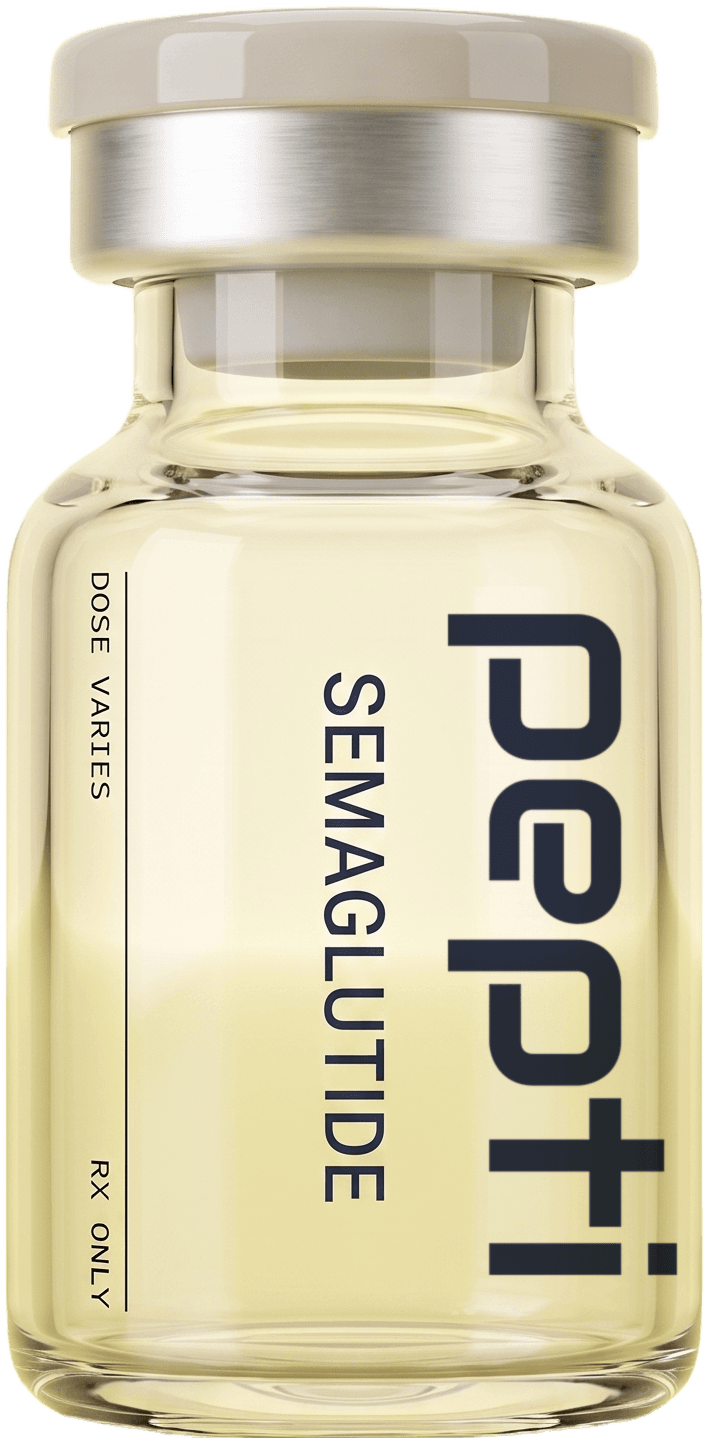
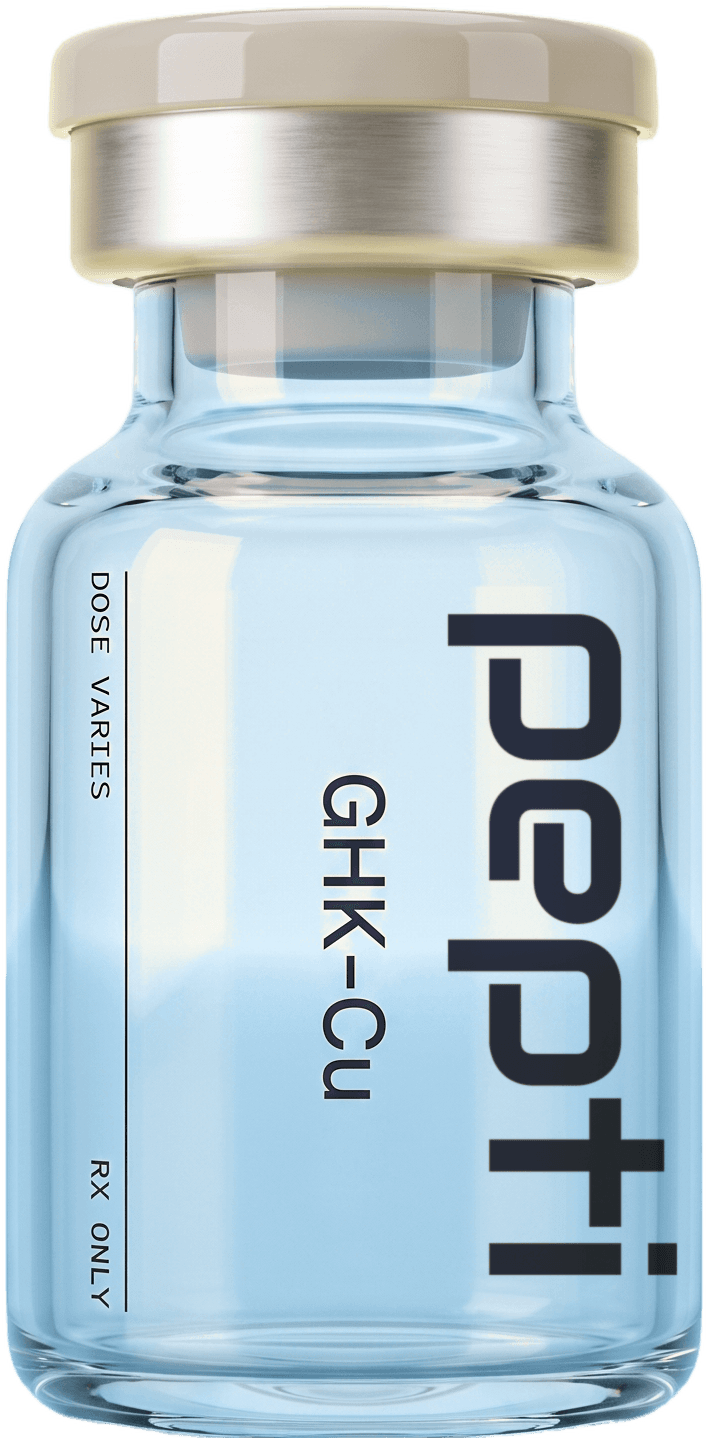
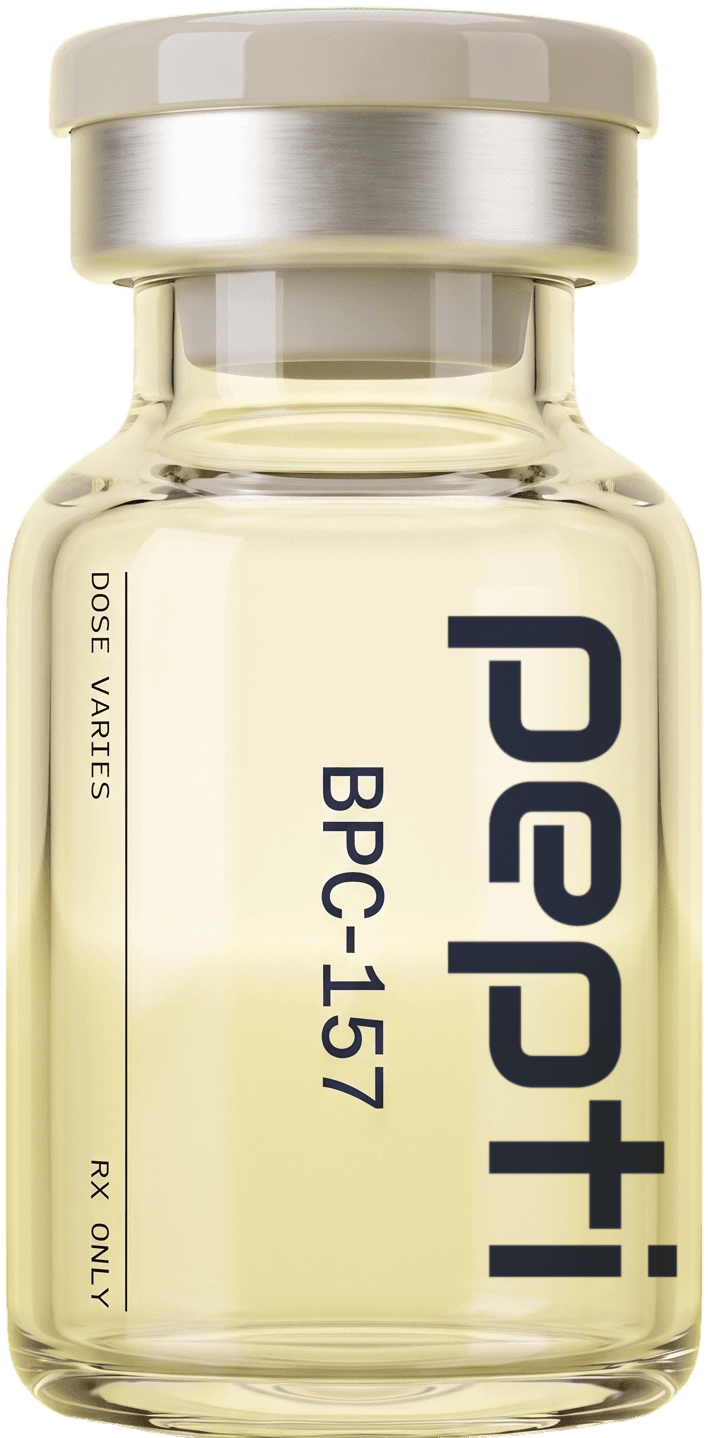
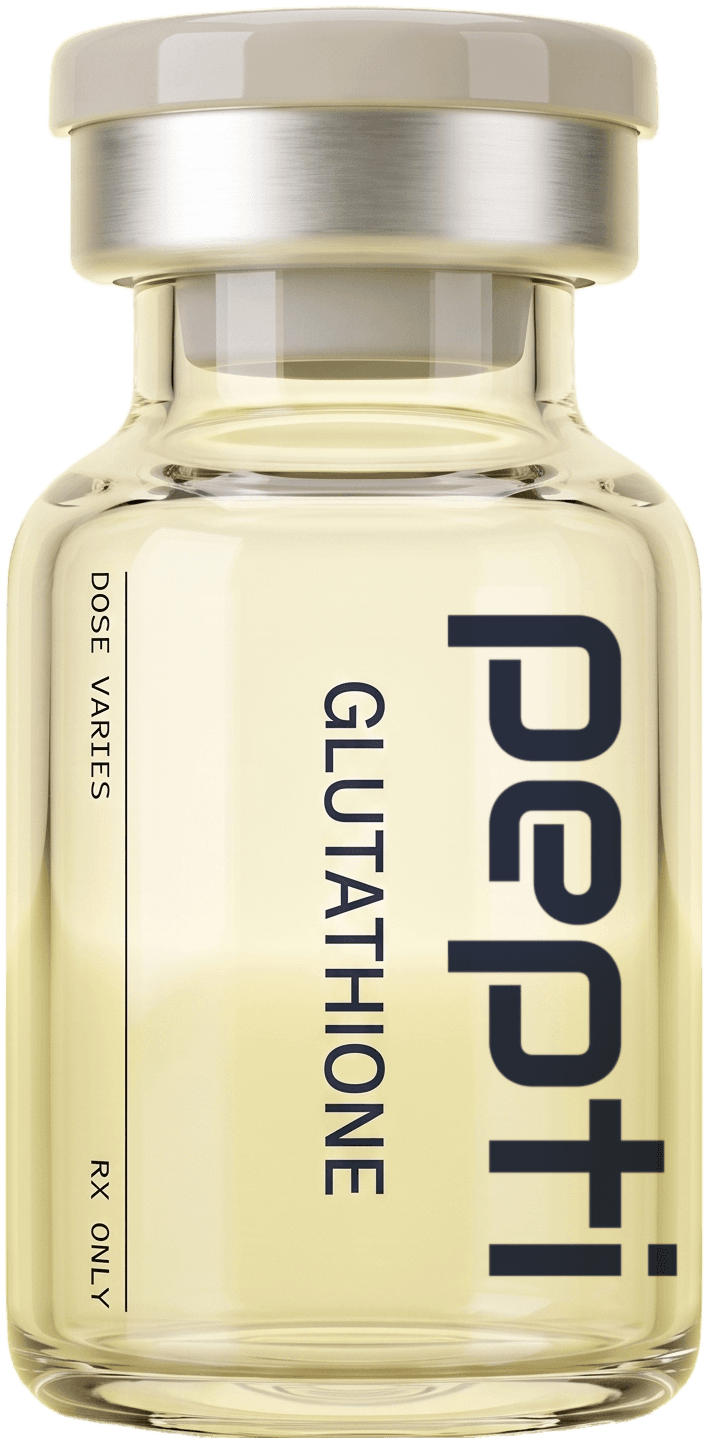
For most peptides, not reliably: swallowed, a peptide is treated as food and cut into amino acids by stomach and intestinal enzymes before it reaches the bloodstream, and intact skin keeps most of them out. That is why injection under the skin is the standard route for prescription peptides, and why every Pepti peptide is an injection. A few molecules are exceptions with their own evidence, such as an approved oral form of semaglutide that relies on an absorption enhancer at a much higher dose, and topical GHK-Cu in cosmetic studies. The injection itself is a short, fine needle into the fat layer, which most people find easier than they expected.
This page explains why the needle-free routes fail for most peptides, which exceptions exist and what their evidence covers, what Pepti supplies and how, and what to know if needles are the thing holding you back.
Can You Take Peptides Without Needles? Pills, Creams and Why Most Peptides Are Injected
The short answer
| Route | Does it work for most peptides? | Why | Examples where something is known |
|---|---|---|---|
| Swallowed (pill or capsule) | No, for most | Pepsin, trypsin and chymotrypsin digest them into amino acids | An approved oral semaglutide tablet uses an absorption enhancer at a dose many times the injected one |
| On the skin (cream or serum) | Not for reaching the bloodstream, for most | Intact skin is a barrier to large, water-soluble molecules | GHK-Cu human data is topical and cosmetic |
| Under the skin (subcutaneous injection) | Yes | Absorbed from the fat layer over hours, bypassing digestion | The standard route for every Pepti peptide |
| Into the muscle (intramuscular injection) | Yes, where directed | A different depth and needle | L-carnitine and methylcobalamin at Pepti |
Every Pepti product is a prescription medication compounded by a state-licensed US pharmacy and is not FDA approved.
Can You Take Peptides Without Needles? Pills, Creams and Why Most Peptides Are Injected
Why swallowing a peptide usually does not work
The gut treats a peptide as food
A peptide is a short chain of amino acids, and so is the protein in a meal. The digestive system does not distinguish between them. Pepsin in the stomach and trypsin and chymotrypsin in the small intestine cut peptide bonds until what is left is single amino acids and very short fragments, which are then absorbed as nutrition. A signalling peptide that arrives in the stomach intact usually leaves it as raw material.
Even what survives struggles to get in
Peptides are generally water-soluble and larger than conventional tablet drugs. A typical small-molecule drug is under about 900 daltons; a peptide is typically 500 to 5,000. Small molecules can be designed to cross the gut wall and last for hours or days, which is why most are tablets. Peptides are cleared quickly once they are in the blood as well, since peptidases in blood, kidney and tissue cut them apart within minutes. The trade-off for a peptide's selectivity is that it generally cannot be swallowed. More on this in what are peptides.
The exceptions, and what they cost
Molecule What is known by mouth What it does not establish Semaglutide An approved tablet exists, pairing the peptide with an absorption enhancer at a dose many times the injected one Nothing about compounded oral peptides in general; the tablet is a specific engineered product BPC-157 Called a "stable gastric pentadecapeptide" because it was reported to survive in gastric juice The FDA's review found no studies giving it to humans by mouth with results; its research is animal and cell work Glutathione A six-month randomized trial of 1,000 mg daily by mouth raised body stores in red cells, plasma and lymphocytes A single oral dose did not raise plasma glutathione in a 1992 study; four weeks showed no change in a 2011 trial NAD+ Oral NMN and NR, which are precursors, raise blood NAD+ in randomized trials Those are different molecules from NAD+ itself, so the results do not transfer directly Collagen peptides Taken as food, as hydrolyzed protein They are not signalling molecules and are unrelated to prescription peptides Two of these, glutathione and NAD+, are not signalling peptides at all, which is part of why the oral route is more workable for them. For the signalling peptides, the oral exceptions are either an engineered approved product or a claim with no human oral data behind it.
Can You Take Peptides Without Needles? Pills, Creams and Why Most Peptides Are Injected
Why creams and serums are different
Intact skin is built to keep things out. Its outer layer is a barrier of tightly packed cells and lipids, and as a general rule the molecules that cross it well are small and fat-soluble. Most peptides are neither. A cream can deliver a peptide into the upper layers of the skin for a cosmetic purpose, but that is a different goal from reaching the bloodstream at a measured dose.
GHK-Cu is the best example. It is a copper-binding tripeptide found in human plasma, and a 1988 paper in FEBS Letters reported it stimulating collagen synthesis in cultured cells. The human studies are of topical cosmetic use; human trials of injectable GHK-Cu have not been published. A cosmetic serum and a prescription injection are aimed at different things, and the results of one do not transfer to the other. See GHK-Cu benefits and peptides for skin.
The same logic applies to NAD+ patches, which are sold widely; what is and is not known about them is in do NAD patches work.
Can You Take Peptides Without Needles? Pills, Creams and Why Most Peptides Are Injected
Why Pepti's peptides are all injections
Subcutaneous injection, into the fat layer of the abdomen or thigh, sidesteps both problems. There is no digestion, and the peptide is absorbed from the tissue into the circulation over hours. It is also the route with the most prescribing experience for compounded peptides, and the route the vial directions are written for.
| Product | How supplied | Standard directions | Price |
|---|---|---|---|
| BPC-157 | 5 mL vial, 1 mg/mL | 0.18 mL (18 units) subcutaneously once daily as directed | $209/mo |
| Tesamorelin | 5 mL vial, 2 mg/mL | 0.25 mL (25 units) subcutaneously Monday through Friday nights at bedtime | $249/mo |
| MOTS-c | 5 mL vial, 2 mg/mL | 0.25 mL (25 units) subcutaneously Monday through Friday mornings | $259/mo |
| NAD+ Injection | 10 mL vial, 100 mg/mL | 0.83 mL (83 units) subcutaneously three times per week | $249/mo |
| Tirzepatide | 2 mL dose-specific vial | 0.50 mL (50 units) subcutaneously once weekly | From $159/mo |
| Semaglutide | Dose-specific vial | Once weekly; volume depends on strength | From $99/mo |
| Methylcobalamin | 5 mL vial, 2 mg/mL | 1.25 mL (125 units) intramuscularly once weekly | $229/mo |
Your physician sets your directions after reviewing your intake, and the ones printed on your vial are the ones that apply. The full product list is in list of peptides and what they do.
Every vial is a multi-dose sterile solution shipped ready to use, with directions printed on the vial, sterile syringes and alcohol prep pads, refrigerated with ice packs. There is nothing to mix; see do peptides come pre-mixed. Refills run every 28 days, one vial per fill.
Can You Take Peptides Without Needles? Pills, Creams and Why Most Peptides Are Injected
If needles are the problem
What the injection actually is
A subcutaneous injection is not the injection most people picture from a clinic. It uses a U-100 insulin syringe with a short, fine needle that goes into the fat layer, not the muscle. International injection technique recommendations published in Mayo Clinic Proceedings in 2016 concluded that the shortest needles available, 4 mm on a pen and 6 mm on a syringe, are less painful and should be first-line. Gauge runs backwards, so a higher number is a thinner needle. Stinging, a small bruise or brief tenderness are the common reports.
What makes it hurt less
Habit Why it matters Let the alcohol dry fully before the needle goes in Wet alcohol stings, and is the commonest reason someone describes a peptide as burning Use a new needle every time A reused tip is blunted and burred, which hurts more and damages tissue Rotate sites Repeated injection in one spot builds thickened tissue that absorbs unevenly Pinch with thumb and forefinger Lifts the fat layer clear of the muscle Inject slowly where directed With NAD+ in particular, flushing and nausea track with how fast it enters the circulation The full step-by-step is in how to inject peptides safely.
Does a pen avoid the needle?
No. A pre-filled pen replaces the syringe draw with a dial, which removes the measuring step that causes most first-time anxiety, but it still delivers the dose through a short, fine needle. The comparison is in vial vs pen.
Can You Take Peptides Without Needles? Pills, Creams and Why Most Peptides Are Injected
Be wary of needle-free shortcuts
The needle-free versions sold online fall into two groups. Some are research-use-only products shipped without a prescription, where nobody is accountable for identity, purity, sterility or concentration, and where a capsule of a signalling peptide has no human evidence of absorption behind it. Others are cosmetics or supplements, which are not reviewed by the FDA as drugs and are not making a dosing claim you can check. Neither is a substitute for a prescription preparation. See research peptides vs prescription peptides and how to tell if a peptide seller is legitimate.
Can You Take Peptides Without Needles? Pills, Creams and Why Most Peptides Are Injected
What the evidence shows, honestly
The case against swallowing most peptides is basic digestive physiology, not a marketing position. The exceptions are narrow and specific: one engineered, approved oral GLP-1 tablet that needs an absorption enhancer and a much higher dose, oral glutathione trials over months, and oral precursors for NAD+ that are different molecules. Topical peptide data is cosmetic. For almost every other compounded peptide, there is no human evidence that a pill or cream delivers it to the bloodstream, so a needle-free version is a different product with an unknown dose, not a gentler version of the same one.
Can You Take Peptides Without Needles? Pills, Creams and Why Most Peptides Are Injected
Where to get a peptide prescribed
- Complete a free online intake covering your history, medications and what you want help with. Say if needles worry you; it is a common question.
- A physician licensed in your state reviews it, usually within 24 hours.
- If it is appropriate, a PCAB-accredited, FDA-registered US 503A pharmacy compounds it to that prescription. Lot test results are published at /quality/lab-results.
- It ships refrigerated with your directions printed on the vial, sterile syringes and alcohol prep pads.
- Your physician stays reachable for questions, including about technique.
Pepti is cash-pay and does not bill insurance; each price is all-in, covering medication, physician review, refill management and shipping, with no membership fee.
References
What this is based on.
References
- Chang CH, Tsai WC, Hsu YH, Pang JH. Pentadecapeptide BPC 157 enhances the growth hormone receptor expression in tendon fibroblasts · Molecules (2014) · PMID 25415472
- Krivic A, Anic T, Seiwerth S, et al.. Achilles detachment of rat and stable gastric pentadecapeptide BPC 157 · Journal of Orthopaedic Research (2006) · PMID 16583442
- Sikiric P, Seiwerth S, Rucman R, et al.. Stable gastric pentadecapeptide BPC 157: novel therapy in gastrointestinal tract · Current Pharmaceutical Design (2011) · PMID 21548867
- Cerovecki T, Bojanic I, Brcic L, Radic B, et al.. Pentadecapeptide BPC 157 (PL 14736) improves ligament healing in the rat · J Orthop Res (2010) · PMID 20225319
- Sikiric P, Seiwerth S, Rucman R, Turkovic B, et al.. Stable gastric pentadecapeptide BPC 157-NO-system relation · Curr Pharm Des (2014) · PMID 23755725
- Cox HD, Miller GD, Eichner D. Detection and in vitro metabolism of the confiscated peptides BPC 157 and MGF R23H · Drug Test Anal (2017) · PMID 28035768
- Thomas A, Görgens C, Guddat S et al.. Simplifying and expanding the screening for peptides <2 kDa by direct urine injection, liquid chromatography, and ion mobility mass spectrometry · J Sep Sci (2016) · PMID 26578461
- Farrar JT, Young JP Jr, LaMoreaux L, Werth JL et al.. Clinical importance of changes in chronic pain intensity measured on an 11-point numerical pain rating scale · Pain (2001) · PMID 11690728
- Meyer JD, Ho B, Manning MC. Effects of conformation on the chemical stability of pharmaceutically relevant polypeptides · Pharm Biotechnol (2002) · PMID 11987755
- Xu C, Sun L, Ren F, Huang P, et al.. Preclinical Safety Evaluation of Body Protective Compound-157, a Potential Drug for Treating Various Wounds · Regul Toxicol Pharmacol (2020) · PMID 32334036
- He L, Feng D, Guo H, et al.. Pharmacokinetics, distribution, metabolism, and excretion of body-protective compound 157, a potential drug for treating various wounds, in rats and dogs · Front Pharmacol (2022) · PMID 36588717
- Lee E, Padgett B. Intra-Articular Injection of BPC 157 for Multiple Types of Knee Pain · Altern Ther Health Med (2021) · PMID 34324435
Citations are provided for educational purposes. They do not constitute medical advice. Always discuss any peptide protocol with your prescribing physician.
Common questions
Can You Take Peptides Without Needles? Pills, Creams and Why Most Peptides Are Injected, answered.
For most peptides, not reliably. Stomach and intestinal enzymes digest them into amino acids. The exceptions are narrow, such as an approved oral semaglutide tablet that relies on an absorption enhancer at a dose many times the injected one.
For a signalling peptide, there is generally no human evidence that a capsule delivers it to the bloodstream. Oral glutathione and oral NAD+ precursors have trials of their own, but those are not signalling peptides.
Topical peptides can be used for cosmetic purposes on the skin, and GHK-Cu's human studies are topical. A cream is not a way to reach the bloodstream at a measured dose, and topical results do not transfer to injections.
BPC-157 was reported to survive in gastric juice, which is why it is called a stable gastric pentadecapeptide. The FDA's review found no human studies of it by mouth with results. At Pepti it is an injection.
An FDA-approved oral semaglutide tablet exists, built with an absorption enhancer at a much higher dose than the injection. Pepti's compounded semaglutide is a once-weekly injection.
Because injection under the skin bypasses digestion, and the peptide is absorbed from the fat layer over hours. Swallowed, most peptides are broken down before they can be absorbed.
Most people describe a subcutaneous insulin-syringe injection as minor. The needles are short and fine. Letting the alcohol dry and using a new needle every time remove most avoidable stinging.
Almost all go under the skin, into the fat layer. L-carnitine and methylcobalamin are directed intramuscularly, which uses a different depth and usually a different needle; your vial says which.
No. Every vial ships as a ready-to-use sterile solution with directions printed on it, along with sterile syringes and alcohol prep pads.
They are a different product with very little known about how much, if any, NAD+ crosses the skin. See do NAD patches work.
No. Bloodwork is not required for any Pepti treatment. If your physician wants labs for your care, they'll ask through your account. The free assessment goes to a physician licensed in your state. A consultation does not guarantee a prescription.
Next step
See what a physician recommends for you.
A licensed physician in your state reviews your intake and decides what is appropriate. A consultation does not guarantee a prescription.