Anti-Aging · Reference
Is HGH a Peptide? Growth Hormone vs the Peptides That Prompt It
This page explains where the peptide and protein line sits, why growth hormone is on the protein side, what the growth-hormone-axis peptides are and how they differ from HGH, how Pepti supplies them, and what the evidence honestly shows.
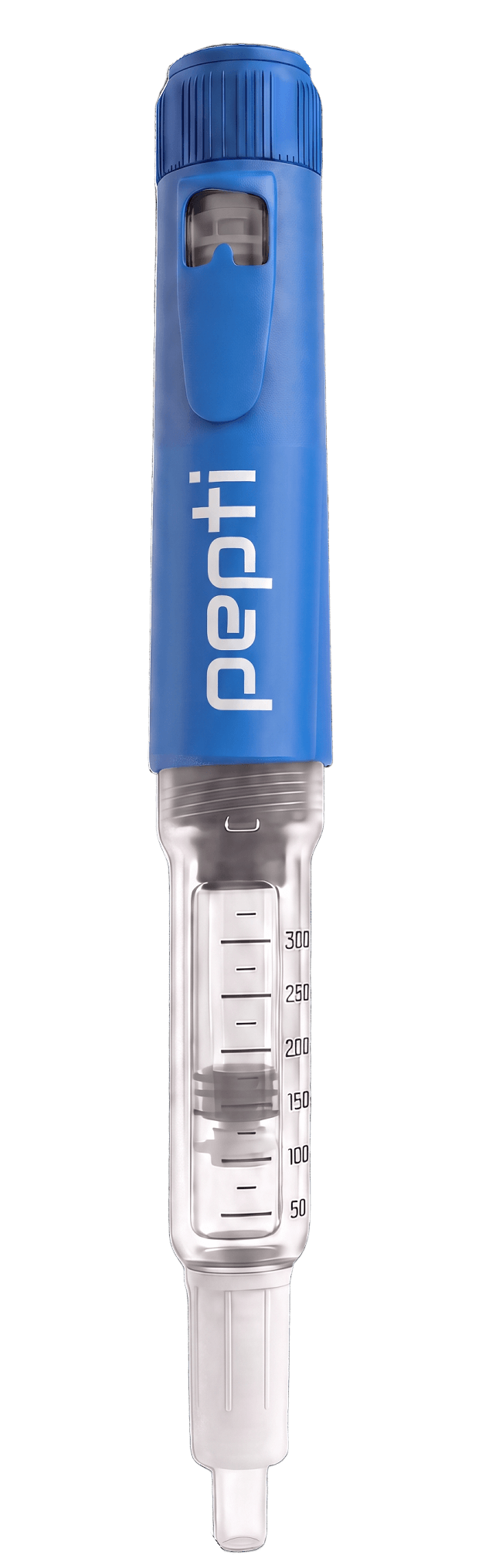
Treatments mentioned
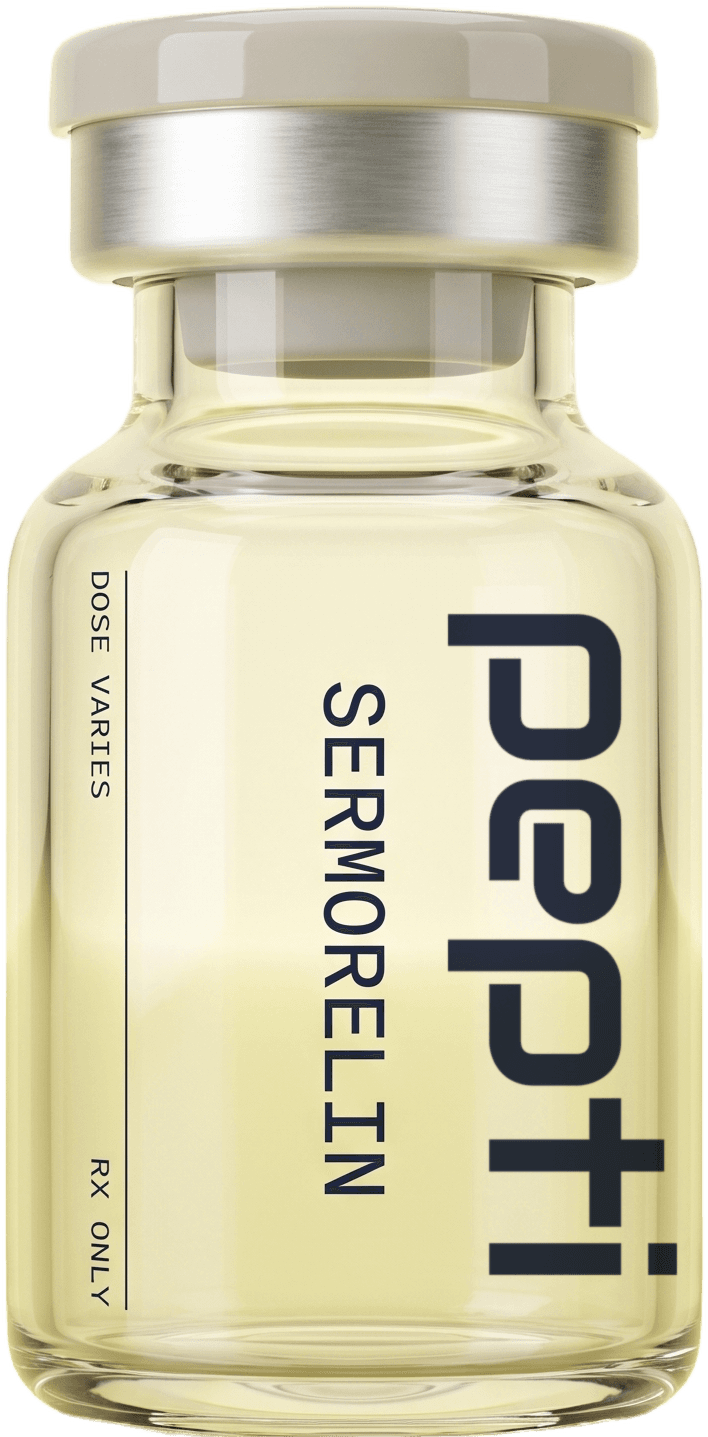
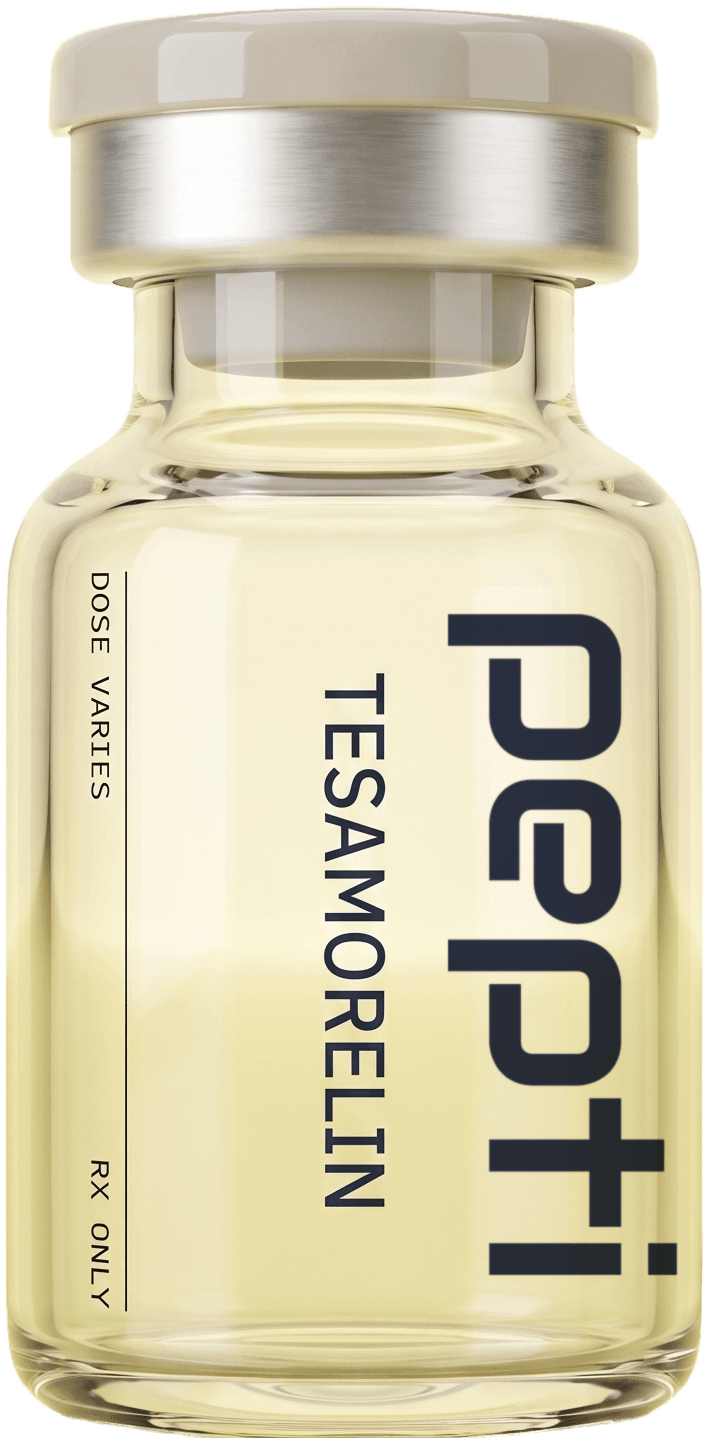
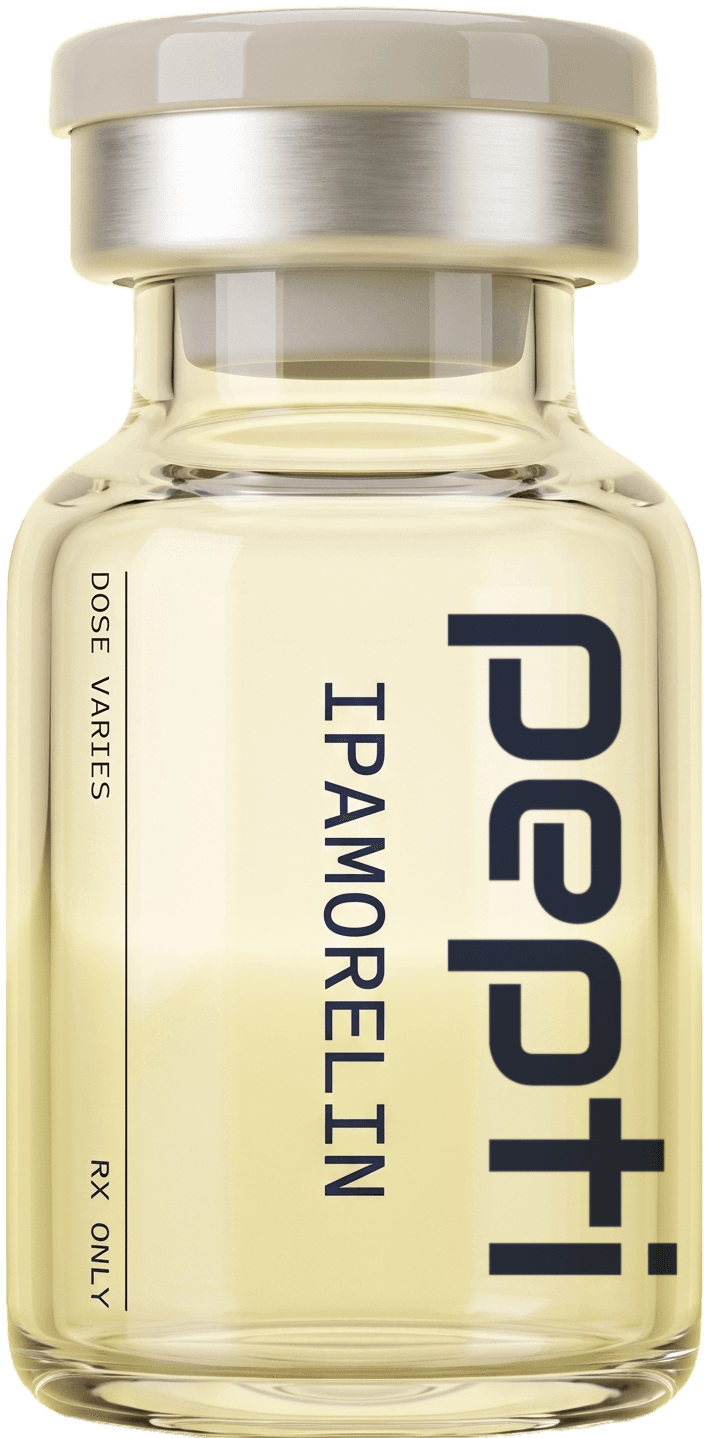
Not by the usual definition: human growth hormone is a 191-amino-acid protein, far past the roughly 40-amino-acid line where peptides end and proteins begin, although it is built from the same amino acids and is sometimes loosely called a polypeptide hormone. The peptides people often mean when they say "HGH peptides" are something else: short signals such as sermorelin, tesamorelin and ipamorelin that prompt your own pituitary to release growth hormone in a pulse. None of them is growth hormone, and they sit under a different legal framework. Pepti does not prescribe HGH; it prescribes those growth-hormone-releasing peptides.
This page explains where the peptide and protein line sits, why growth hormone is on the protein side, what the growth-hormone-axis peptides are and how they differ from HGH, how Pepti supplies them, and what the evidence honestly shows.
Is HGH a Peptide? Growth Hormone vs the Peptides That Prompt It
The short answer
| Question | Answer |
|---|---|
| Is HGH a peptide? | No, by the usual definition; a 191-amino-acid protein |
| What makes it a protein? | Its length; the FDA's working definition treats 40 or fewer amino acids as a peptide |
| Where it is made | The anterior pituitary, released in pulses, the largest in deep sleep |
| How the medicine is made | Recombinant somatropin, manufactured in engineered cells and licensed as a biologic |
| Can it be compounded? | No; a short peptide can be built by chemical synthesis, a 191-amino-acid protein is not compounded |
| Does Pepti prescribe it? | No |
| What Pepti prescribes instead | GH-axis peptides: sermorelin, tesamorelin, ipamorelin, CJC-1295 / Ipamorelin and others |
Every Pepti product is compounded by a state-licensed US pharmacy and is not FDA approved.
Is HGH a Peptide? Growth Hormone vs the Peptides That Prompt It
Peptide or protein: where the line is
A peptide is a chain of amino acids joined by peptide bonds. A protein is the same material, only longer. The boundary is a convention: most textbooks and regulators put it around 40 to 50 amino acids, and the FDA's working definition treats a chain of 40 or fewer as a peptide and anything longer as a protein. Insulin, at 51 amino acids in two chains, sits on the line and is called a peptide hormone in one book and a small protein in the next.
Growth hormone is not near the line. At 191 amino acids it is nearly four times the length of insulin, and it folds into a stable three-dimensional shape the way proteins do. Length has practical consequences. A peptide under about forty amino acids can be built by chemical synthesis, one amino acid at a time, which is why a licensed pharmacy can compound one from a bulk powder. Growth hormone as a medicine is recombinant somatropin, made in engineered cells, and it is licensed as a biologic. Nobody compounds it. More in what are peptides.
| Human growth hormone | A GH-axis peptide such as sermorelin | |
|---|---|---|
| Length | 191 amino acids | 29 amino acids for sermorelin; 5 for ipamorelin; 44 for tesamorelin |
| Classed as | A protein; the medicine is a biologic | A peptide |
| Made by | Engineered cells | Chemical synthesis |
| What it does | Is the hormone itself, supplied from outside | Prompts the pituitary to release its own |
| Feedback loops | Bypassed; the injected dose sets the level | Intact; somatostatin and IGF-1 can still restrain release |
| Legal status | Restricted by federal statute to authorized uses | Prescription-only, compounded, not FDA approved |
Is HGH a Peptide? Growth Hormone vs the Peptides That Prompt It
Why the difference matters legally
Federal law singles growth hormone out. 21 U.S.C. § 333(e) makes it a crime to knowingly distribute, or possess with intent to distribute, human growth hormone for any use in humans other than the treatment of a disease or recognized medical condition where that use has been authorized by the Secretary of Health and Human Services and is on a physician's order. The statute defines "human growth hormone" as somatrem, somatropin, or an analogue of either.
Sermorelin, CJC-1295 and tesamorelin are analogues of growth-hormone-releasing hormone, the releasing signal, and ipamorelin is a ghrelin mimetic. None is growth hormone or an analogue of it, which is why they can be prescribed and compounded and growth hormone for wellness use cannot. Growth hormone's approved uses are specific: certain causes of growth failure in children and replacement in adults with confirmed growth hormone deficiency. Age-related decline in a healthy adult is not one of them. The full comparison is in peptides vs HGH.
Is HGH a Peptide? Growth Hormone vs the Peptides That Prompt It
What the GH-axis peptides are
Growth hormone release is controlled by two opposing signals from the hypothalamus: growth-hormone-releasing hormone (GHRH), which promotes it, and somatostatin, which restrains it. Ghrelin, made mostly in the stomach, acts on a different pituitary receptor to amplify the same release. GH-axis peptides work at one of those two receptors.
On the GHRH receptor
- Sermorelin is the first 29 of GHRH's 44 amino acids, the shortest fragment with full activity. It was the active ingredient of an FDA-approved product, approved in 1990 as a pituitary diagnostic and in 1997 for growth hormone deficiency in children, later discontinued; the FDA determined the withdrawal was not for safety or effectiveness reasons. See what is sermorelin and sermorelin benefits.
- Tesamorelin is the full 44-amino-acid GHRH with a cap that protects it from breakdown. It is the active ingredient of an FDA-approved product for reducing excess abdominal fat in adults with HIV and lipodystrophy, and that label states it is not indicated for weight-loss management. Compounded tesamorelin is not that product. See what is tesamorelin and tesamorelin benefits.
- CJC-1295 is GHRH(1-29) with four substitutions that protect it from the enzyme that breaks GHRH down within minutes. The form compounded here is without the "drug affinity complex", so it acts over hours rather than a week; see CJC-1295 with DAC vs without DAC.
On the ghrelin receptor
- Ipamorelin is a five-amino-acid ghrelin mimetic. The 1998 paper that introduced it, in the European Journal of Endocrinology, described it as the first growth hormone secretagogue that released growth hormone without a measurable rise in cortisol, ACTH or prolactin in animal models. See what is ipamorelin.
- Hexarelin is an older six-amino-acid ghrelin mimetic; 1997 papers reported it also raised prolactin, ACTH and cortisol, so it is less selective. See what is hexarelin.
A 1995 paper in Clinical Endocrinology reported a larger response from the two classes together than from either alone, which is the basis for pairing them in CJC-1295 / Ipamorelin.
Two that are often confused with HGH
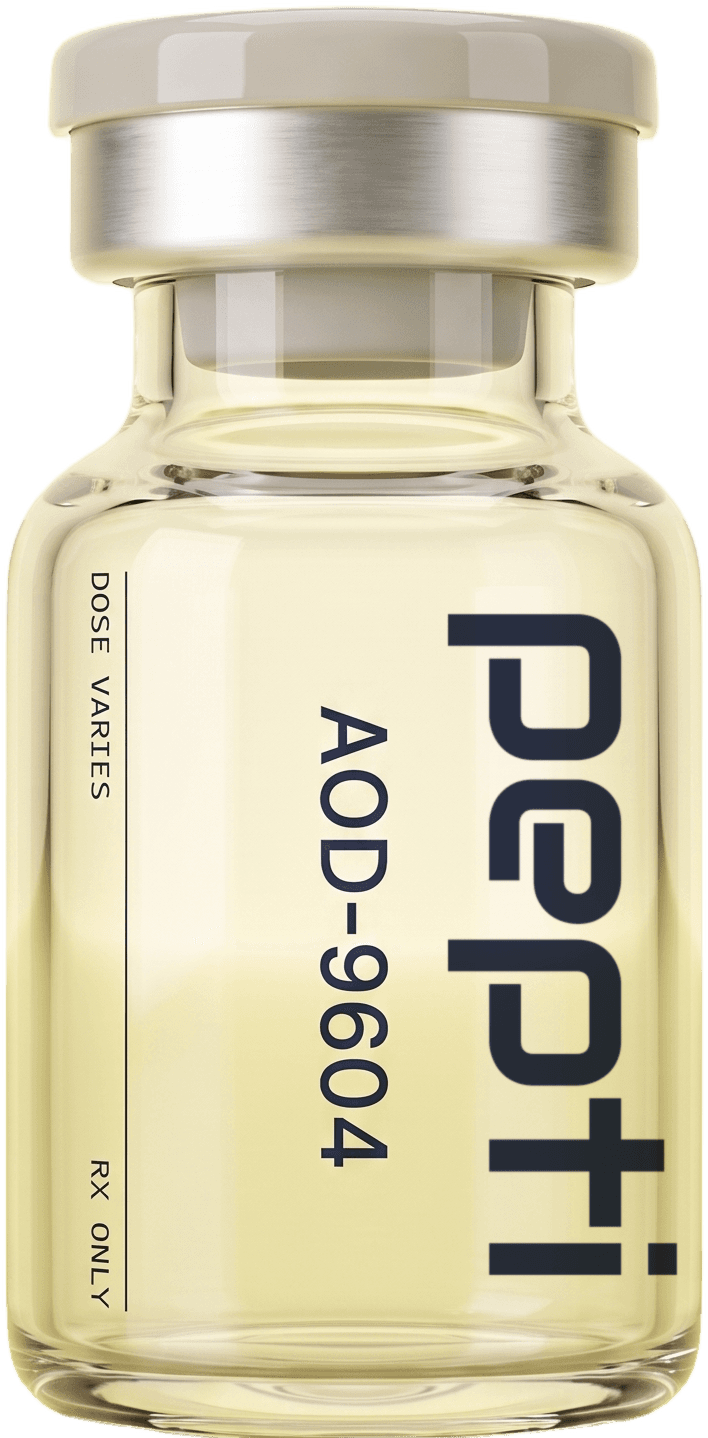
AOD-9604 is a peptide made from growth hormone: a synthetic copy of its last fifteen amino acids, positions 177 to 191, with a tyrosine added. It is often called "hGH fragment 176-191" online. It is a fragment, not growth hormone, and it is not a secretagogue. See what is AOD-9604.
IGF-1 LR3 is a modified form of IGF-1, the growth factor the liver makes in response to growth hormone, engineered to escape the binding proteins that buffer it. Supplying it bypasses the pituitary as supplying growth hormone does, and IGF-1 has insulin-like effects on blood sugar. It is not a secretagogue either. See what is IGF-1 LR3.
Is HGH a Peptide? Growth Hormone vs the Peptides That Prompt It
How Pepti supplies the GH-axis peptides
| Product | Vial | Standard directions | Price |
|---|---|---|---|
| Sermorelin | 5 mL, 2 mg/mL (10 mg) | 0.25 mL (25 units) subcutaneously Monday through Friday nights | $229/mo |
| Tesamorelin | 5 mL, 2 mg/mL (10 mg) | 0.25 mL (25 units) subcutaneously Monday through Friday nights at bedtime | $249/mo |
| Ipamorelin | 5 mL, 1 mg/mL (5 mg) | 0.25 mL (25 units) subcutaneously Monday through Friday nights at bedtime | $239/mo |
| CJC-1295 / Ipamorelin | 5 mL, 6 mg CJC-1295 and 12 mg ipamorelin | 0.25 mL (25 units) subcutaneously once daily Monday through Friday on an empty stomach | $239/mo |
| Hexarelin | 5 mL, 2.5 mg/mL (12.5 mg) | 0.25 mL (25 units) subcutaneously Monday through Friday nights at bedtime | $209/mo |
| Ipamorelin + Sermorelin | 5 mL, 10 mg of each | 0.25 mL (25 units) subcutaneously Monday through Friday nights at bedtime | $219/mo |
| Tesamorelin + Ipamorelin | 5 mL, 10 mg tesamorelin and 5 mg ipamorelin | 0.25 mL (25 units) subcutaneously Monday through Friday nights at bedtime | $259/mo |
GH-axis peptides also appear in the ASCEND and TITAN blends at $289/mo. Each vial holds 20 doses at the standard volume, about four weeks at five a week, so refills run every 28 days, one vial per fill. Vials are ready to use, with directions printed on the vial, sterile syringes and alcohol prep pads, and ship refrigerated with ice packs. Your physician sets your directions after reviewing your intake, and the ones on your vial apply.
Dosage detail is in sermorelin dosage, ipamorelin dosage and tesamorelin dosage. The three are compared in sermorelin vs tesamorelin vs ipamorelin, and the two GHRH analogues in CJC-1295 vs sermorelin.
Why bedtime: the largest natural growth hormone pulse arrives in the first hours of deep sleep, and a short-acting secretagogue given before bed adds to that pulse rather than replacing it.
Is HGH a Peptide? Growth Hormone vs the Peptides That Prompt It
Side effects, compared
| Growth hormone | GH-axis peptides | |
|---|---|---|
| Most reported | Fluid retention, joint pain and carpal tunnel symptoms, often dose-related | Injection-site redness or bruising, flushing, headache |
| Early, in some people | Glucose intolerance | Transient water retention or tingling in the hands, which settles |
| Shared cautions | Cancer history, diabetes and glucose control, pituitary disease | The same, at a smaller scale |
Tesamorelin's phase 3 program reported injection-site reactions, joint pain, swelling and tingling more often than placebo, and a small excess of glucose-related events. Pregnancy and breastfeeding are excluded for lack of data. Tested athletes should know that the 2026 WADA Prohibited List bans growth hormone, GHRH analogues including sermorelin, CJC-1295 and tesamorelin, and ghrelin mimetics including ipamorelin and hexarelin at all times. Safety detail is in is sermorelin safe, is CJC-1295 / ipamorelin safe and tesamorelin side effects.
Is HGH a Peptide? Growth Hormone vs the Peptides That Prompt It
What the evidence shows, honestly
Recombinant growth hormone is a well-studied medicine for its approved uses. Its use in healthy older adults is a different question: a 2007 systematic review in Annals of Internal Medicine pooled 31 studies and reported small body-composition changes, no consistent improvement in strength, bone density or fitness, and more swelling, joint pain, carpal tunnel syndrome and breast tissue growth in men. It concluded that growth hormone cannot be recommended as an anti-aging therapy.
Among the peptides, tesamorelin has the strongest record, with randomized trials measuring visceral fat in HIV-associated lipodystrophy; compounded use for other goals is an extrapolation from that. Sermorelin's pharmacology is well characterized from its years as an approved product, and two randomized trials reported improved cognitive test scores in older adults after twenty weeks of daily GHRH(1-29), but adult wellness use rests mainly on mechanism and clinical experience. CJC-1295 and ipamorelin are supported by pharmacology studies and prescriber experience, without large outcome trials. None of the compounded peptides is FDA approved. Anyone describing them as "legal HGH" or "HGH without the side effects" is overstating it; they are a different intervention, not a weaker copy.
Is HGH a Peptide? Growth Hormone vs the Peptides That Prompt It
Where to get a GH-axis peptide prescribed
- Complete a free online intake covering your history, medications and what you want help with.
- A physician licensed in your state reviews it, usually within 24 hours.
- If it is appropriate, a PCAB-accredited, FDA-registered US 503A pharmacy compounds it to that prescription. Lot test results are published at /quality/lab-results.
- It ships refrigerated with your directions printed on the vial.
- Your physician stays reachable for questions and dose changes.
Someone who may have a diagnosed growth hormone deficiency, for example after pituitary surgery or radiation, belongs with an endocrinologist, and the assessment will say so. Step-by-step pages: sermorelin, tesamorelin, ipamorelin and CJC-1295 / ipamorelin.
References
What this is based on.
References
- Ghigo E, Arvat E, Gianotti L et al.. Growth hormone-releasing activity of hexarelin, a new synthetic hexapeptide, after intravenous, subcutaneous, intranasal, and oral administration in man · J Clin Endocrinol Metab (1994) · PMID 8126144
- Rahim A, O'Neill PA, Shalet SM. Growth hormone status during long-term hexarelin therapy · J Clin Endocrinol Metab (1998) · PMID 9589671
- Rahim A, Shalet SM. Does desensitization to hexarelin occur? · Growth Horm IGF Res (1998) · PMID 10990150
- Ghigo E, Arvat E, Gianotti L et al.. Short-term administration of intranasal or oral Hexarelin, a synthetic hexapeptide, does not desensitize the growth hormone responsiveness in human aging · Eur J Endocrinol (1996) · PMID 8921821
- Klinger B, Silbergeld A, Deghenghi R et al.. Desensitization from long-term intranasal treatment with hexarelin does not interfere with the biological effects of this growth hormone-releasing peptide in short children · Eur J Endocrinol (1996) · PMID 8766941
- Laron Z, Frenkel J, Deghenghi R et al.. Intranasal administration of the GHRP hexarelin accelerates growth in short children · Clin Endocrinol (Oxf) (1995) · PMID 8548949
- Loche S, Cambiaso P, Carta D et al.. The growth hormone-releasing activity of hexarelin, a new synthetic hexapeptide, in short normal and obese children and in hypopituitary subjects · J Clin Endocrinol Metab (1995) · PMID 7852535
- Massoud AF, Hindmarsh PC, Matthews DR, Brook CG. The effect of repeated administration of hexarelin, a growth hormone releasing peptide, and growth hormone releasing hormone on growth hormone responsivity · Clin Endocrinol (Oxf) (1996) · PMID 8762732
- Maccario M, Veldhuis JD, Broglio F et al.. Impact of two or three daily subcutaneous injections of hexarelin, a synthetic growth hormone (GH) secretagogue, on 24-h GH, prolactin, adrenocorticotropin and cortisol secretion in humans · Eur J Endocrinol (2002) · PMID 11888836
- Arvat E, di Vito L, Maccagno B et al.. Effects of GHRP-2 and hexarelin, two synthetic GH-releasing peptides, on GH, prolactin, ACTH and cortisol levels in man. Comparison with the effects of GHRH, TRH and hCRH · Peptides (1997) · PMID 9285939
- Ghigo E, Arvat E, Ramunni J et al.. Adrenocorticotropin- and cortisol-releasing effect of hexarelin, a synthetic growth hormone-releasing peptide, in normal subjects and patients with Cushing's syndrome · J Clin Endocrinol Metab (1997) · PMID 9253314
- Arvat E, Ramunni J, Bellone J et al.. The GH, prolactin, ACTH and cortisol responses to Hexarelin, a synthetic hexapeptide, undergo different age-related variations · Eur J Endocrinol (1997) · PMID 9437229
Citations are provided for educational purposes. They do not constitute medical advice. Always discuss any peptide protocol with your prescribing physician.
Common questions
Is HGH a Peptide? Growth Hormone vs the Peptides That Prompt It, answered.
A protein. At 191 amino acids it is far past the roughly 40-amino-acid boundary the FDA uses for peptides. It is built from the same amino acids, which is why it is sometimes loosely called a polypeptide hormone.
It is a hormone made of amino acids, so it is sometimes grouped with peptide hormones, but by length it is a protein. The medicine, somatropin, is licensed as a biologic made in engineered cells.
Usually people mean growth-hormone-releasing peptides, such as sermorelin, tesamorelin, CJC-1295, ipamorelin and hexarelin. They prompt the pituitary to release its own growth hormone. None of them is HGH.
No. Sermorelin is the first 29 amino acids of growth-hormone-releasing hormone, the signal that tells the pituitary to release growth hormone. Federal law defines HGH as somatrem, somatropin or an analogue of either, and sermorelin is none of those.
No. It is the full 44-amino-acid GHRH with a protective cap. It acts on the pituitary's GHRH receptor and is the active ingredient of an FDA-approved product for one indication; compounded tesamorelin is not that product.
No. It is a five-amino-acid peptide that mimics ghrelin at the growth hormone secretagogue receptor, prompting the pituitary to release growth hormone.
No. It is a sixteen-amino-acid peptide copying the last fifteen amino acids of growth hormone plus one added tyrosine. It is a fragment, not the hormone.
No. Pepti prescribes GH-axis peptides and does not prescribe growth hormone.
Because federal statute, 21 U.S.C. § 333(e), restricts distribution of growth hormone to authorized uses on a physician's order. GH-axis peptides are not growth hormone or its analogues, so they are prescribed and compounded under the usual 503A framework.
The structural difference is that the body's feedback loops stay in the circuit, so levels are less likely to run far past the intended range. That is a different risk profile, not a guarantee of safety; the cancer, diabetes and pituitary cautions apply to both.
Bloodwork is not required for any Pepti treatment. If your physician wants labs for your care, they'll ask through your account. The free assessment goes to a physician licensed in your state. A consultation does not guarantee a prescription.
Next step
See what a physician recommends for you.
A licensed physician in your state reviews your intake and decides what is appropriate. A consultation does not guarantee a prescription.