Anti-Aging · Reference
REVIVE Blend for Men: Sport, Growth Hormone, TRT, Hair and What the Research Covers
No study has tested REVIVE in men, or in anyone: it is four separately studied peptides, GHK-Cu, CJC-1295, ipamorelin and TB-500, in one vial, and the evidence is per component.
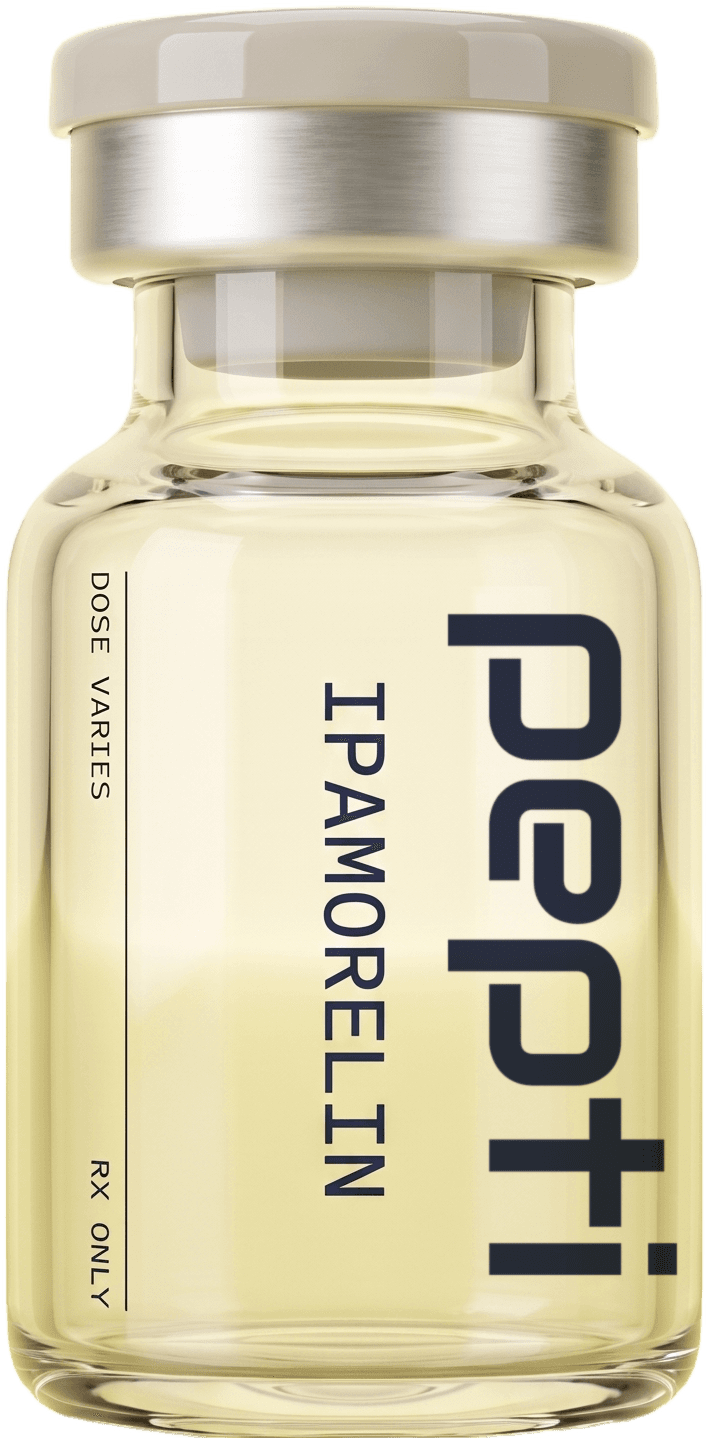
Treatments mentioned
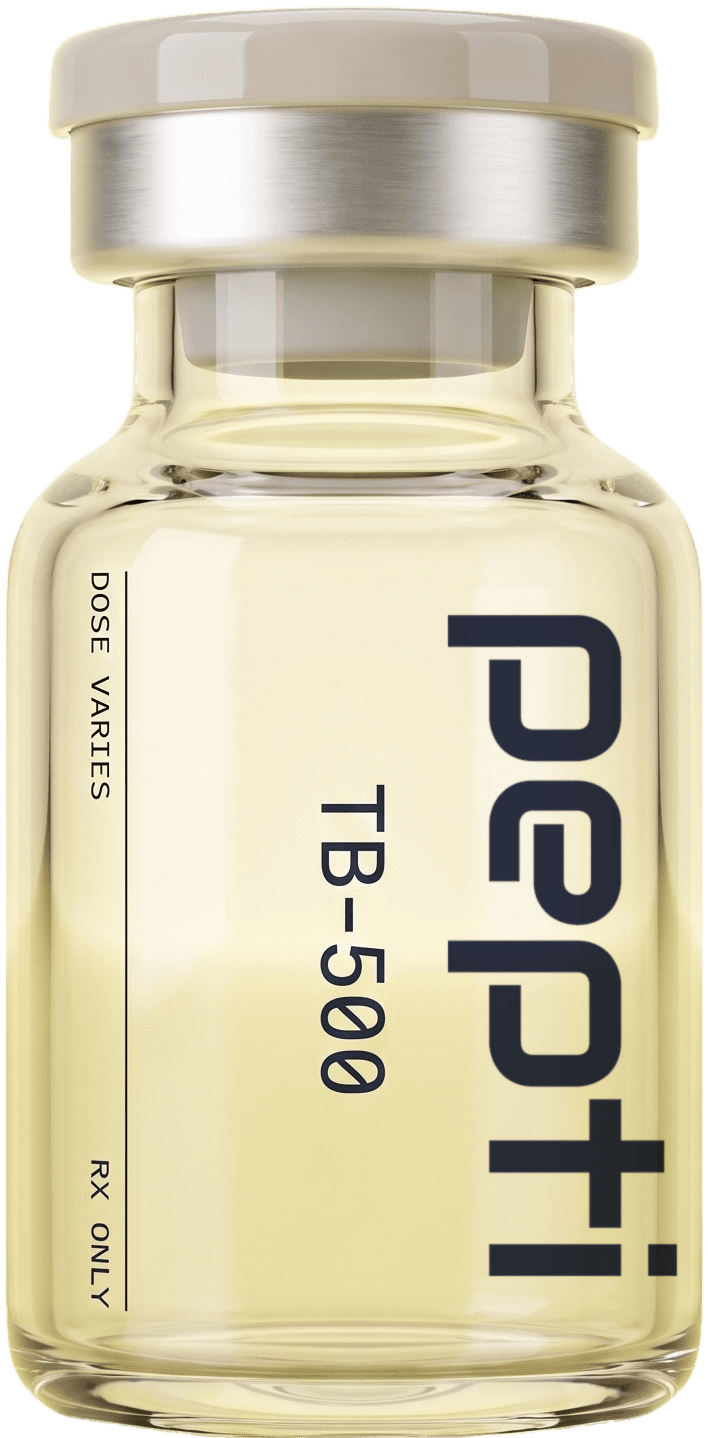
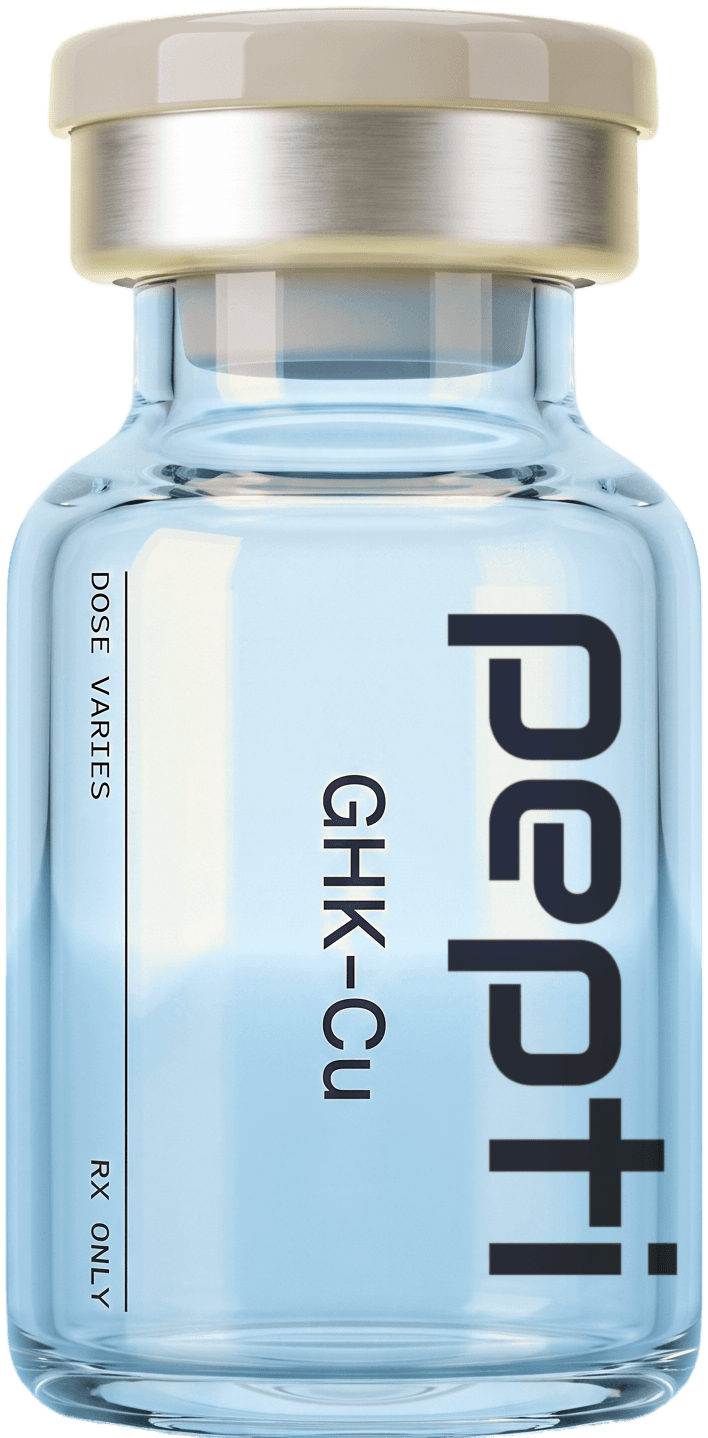
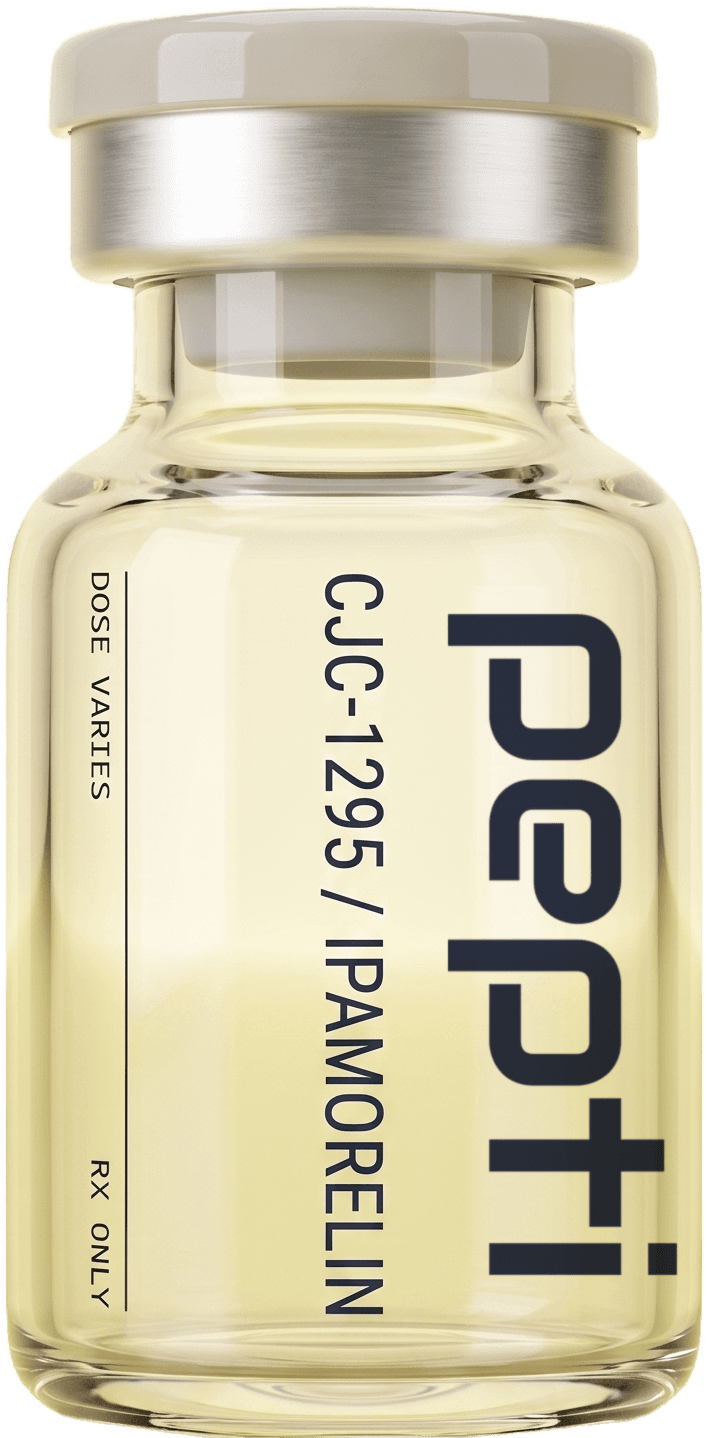
The human data belongs to the secretagogue half: small studies in healthy adults, including a 1999 study of ipamorelin in healthy male volunteers, showed CJC-1295 and ipamorelin raising growth hormone, with no trial measuring sleep, recovery or body composition. For men the first question is sport: CJC-1295 and ipamorelin are named under S2.2.4 of the 2026 WADA Prohibited List and TB-500 under S2.3, all prohibited at all times. REVIVE is not growth hormone and not a testosterone booster, and compounded REVIVE is not FDA approved.
This page covers what REVIVE is, what each component's research does and does not show, the questions that come up most for men (sport, growth hormone, testosterone therapy, glucose, tendons, hair and fertility), the cautions, and how Pepti supplies it. The product reference is what is REVIVE, and the benefit-by-benefit evidence is in REVIVE blend benefits.
REVIVE Blend for Men
The short answer
| Question | What the research shows | Strength of evidence |
|---|---|---|
| Has REVIVE been studied in men? | No study of the blend in anyone | None for the combination |
| Does it raise growth hormone? | CJC-1295 (2006 healthy adults) and ipamorelin (1999 healthy men) raised it, with the pulsatile pattern preserved | Small human studies; different route or form from REVIVE |
| Can tested athletes use it? | No: CJC-1295 and ipamorelin (S2.2.4) and TB-500 (S2.3) are prohibited at all times | Settled |
| Does it raise testosterone? | No; the secretagogues act on the growth hormone axis, the repair peptides are not hormones | Not its mechanism |
| Sleep, recovery, muscle | No trial of any component has measured them | None |
| Tendon and soft tissue | Animal and cell work on thymosin beta-4 and GHK-Cu | Animal only |
| Male pattern hair loss | Nothing in the research acts on DHT | Not its mechanism |
REVIVE Blend for Men
What REVIVE is
| Component | Per vial | Per 25 unit dose | What it is |
|---|---|---|---|
| GHK-Cu | 50 mg | 2.5 mg | Copper-binding tripeptide found in human plasma |
| CJC-1295 | 6 mg | 0.3 mg | Growth-hormone-releasing hormone analogue, the no-DAC form |
| Ipamorelin | 12 mg | 0.6 mg | Selective growth hormone secretagogue acting at the ghrelin receptor |
| TB-500 | 2 mg | 0.1 mg | Synthetic fragment related to thymosin beta-4 |
The rationale prescribers give is that recovery has two halves: local repair, which GHK-Cu and TB-500 are described as acting on, and the overnight growth hormone pulse that accompanies early deep sleep, which CJC-1295 and ipamorelin are two different signals for. Bedtime dosing is meant to put them in the same window. That is a rationale, not a finding.
REVIVE Blend for Men
What changes for men
Tested sport: the first question
The 2026 World Anti-Doping Code Prohibited List names CJC-1295 under S2.2.4 as a GHRH analogue and ipamorelin under S2.2.4 as a growth hormone secretagogue, and lists thymosin beta-4 and its derivatives, including TB-500, under S2.3, growth factors. All are prohibited at all times, in and out of competition. GHK-Cu is not named, but live Pepti pages treat it as caught by the broad S0 and S2.3 classes. There is no off-season: using REVIVE in a rehabilitation block months from any event is a violation exactly as using it the week of a competition, and a prescription is not an exemption.
If you are in any testing pool, tell your physician; REVIVE is not prescribed into that situation. More in is ipamorelin banned in sports, is TB-500 banned in sports and peptides for athletes.
Growth hormone: what was shown in men
A 2006 study in the Journal of Clinical Endocrinology and Metabolism gave healthy adults CJC-1295 with DAC and reported dose-dependent rises in growth hormone and IGF-1; a second 2006 paper reported the pituitary's pulsatile pattern preserved. A 1999 study in Pharmaceutical Research modelled intravenous ipamorelin in healthy male volunteers and reported a single growth hormone pulse peaking at about forty minutes. Those studies are why REVIVE's secretagogue half can be described as raising growth hormone in people.
What they do not show is narrower than most marketing suggests. They did not measure sleep, recovery, tissue repair or body composition. The CJC-1295 in REVIVE is the short-acting no-DAC form, not the DAC form studied, and there are no human data for ipamorelin by the subcutaneous route.
Why growth hormone comes up for men at all
In healthy men sampled around the clock, daily growth hormone secretion fell by roughly 14 percent per decade, and each extra unit of body mass index cut it by a further 6 percent or so (Journal of Clinical Endocrinology and Metabolism, 1991). The largest natural pulse occurs in the first hours of sleep, which is why REVIVE is dosed at bedtime. That is the logic for a secretagogue in men. It is logic, not a trial in healthy men.
It is not growth hormone or a testosterone booster
Nothing in the vial is growth hormone, and nothing in it is a steroid. CJC-1295 and ipamorelin prompt your own pituitary to release growth hormone in pulses. Growth-hormone-axis peptides are not described as moving testosterone, and the repair peptides are not hormones. If two morning draws confirm low testosterone alongside symptoms, that is a different condition with its own treatment. See peptides for testosterone.
If you are on testosterone therapy
No study has looked at REVIVE, or at CJC-1295 or ipamorelin, alongside testosterone replacement, and there is no established interaction list. The secretagogue half and testosterone move overlapping markers: testosterone can raise IGF-1 too, so an IGF-1 that has moved in a man taking both is not automatically the peptide's doing, and glucose is a marker they pull on in opposite directions. Every prescriber involved should know about the other. See can you take peptides with testosterone.
Blood sugar
Growth hormone opposes insulin, so blood glucose can drift up on REVIVE. Diabetes, prediabetes or a borderline fasting glucose belongs on the intake; a secretagogue blend is approached cautiously there, and an all-repair formula may be the safer conversation.
Tendons, muscles and old injuries
The soft-tissue case rests on TB-500 and GHK-Cu. Animal and cell studies of thymosin beta-4 report faster wound closure, cell migration into injured tissue and effects on new vessel growth, reviewed in Trends in Molecular Medicine in 2005 and Expert Opinion on Biological Therapy in 2012; most of that is the full-length protein, not the fragment. REVIVE carries only 0.1 mg of TB-500 per dose, much less than a standalone TB-500 prescription, and no study has looked at that amount. For a single tendon or ligament injury, the BPC-157 + TB-500 stack delivers far more TB-500 per dose. For tendinopathy, progressive loading under a physiotherapist has human trial evidence behind it, which none of REVIVE's components does. More in peptides for tendon and ligament injuries.
Muscle
REVIVE is not a muscle-building product, and no trial has measured CJC-1295 or ipamorelin for muscle or body composition. In a 2001 mouse study, ipamorelin increased body weight, fat and food intake. See peptides for muscle growth and recovery.
Hair
The hair research for REVIVE's components is copper-peptide follicle work in mice and rats and a 2004 FASEB Journal paper reporting that thymosin beta-4 increased hair growth in rats and mice. The one human trial involving GHK in men, a 2016 Annals of Dermatology study in 45 men with pattern hair loss, tested a topical GHK combination without copper. Male pattern hair loss is driven by DHT, and nothing in REVIVE's research acts on that signal. See GHK-Cu for men and peptides for hair growth.
Fertility
None of the four components has human fertility data. Nothing in their research describes an effect on sperm or the reproductive hormone axis, which is an absence of data, not evidence of safety. If you are trying to conceive with a partner, tell your physician. See do peptides affect fertility.
REVIVE Blend for Men
What the evidence does not establish
- That four peptides together do more than any one alone. No study has compared the blend with its components.
- That a larger overnight growth hormone pulse produces a measurable recovery, sleep or body-composition change.
- Any effect in men specifically, or any effect on testosterone or pattern hair loss.
- An effect size or a timeline for any goal. Prescriber timelines are clinical experience, not trial endpoints.
- Long-term safety over years of continuous use.
REVIVE Blend for Men
Side effects and cautions
There are no placebo-controlled rates for REVIVE, and nothing in the live research suggests the profile differs between men and women.
| What is reported or relevant | Usually attributed to | What to do |
|---|---|---|
| Injection-site redness, soreness, occasional bruising | Any of the four | Rotate sites |
| A faint blue-green mark at the site | GHK-Cu | Expected; clears on its own |
| Flushing, warmth or tingling after a dose; headache | CJC-1295 and ipamorelin | Report if marked or persistent |
| Hunger after a dose; vivid dreams | Ipamorelin; bedtime growth-axis dosing | Report it |
| Fluid retention, puffy hands, joint aches, tingling hands | More growth hormone than you need | Message your care team; do not change the dose yourself |
| Persistent vomiting, abdominal pain, jaundice or new confusion | The pattern copper excess would produce | Stop and contact your physician the same day |
| Facial or throat swelling, widespread rash, difficulty breathing | A possible allergic reaction | Call 911 first, then tell your physician |
| Situation | Why it matters |
|---|---|
| In a drug-testing pool | Three components are named and prohibited at all times |
| Diabetes or impaired glucose tolerance | Growth hormone opposes insulin |
| Personal history of cancer | Growth hormone class concern; repair peptides described around new vessel growth |
| Anticoagulant therapy | Raised at intake for REVIVE |
| Wilson's disease or another copper disorder | GHK-Cu delivers copper |
| High-dose zinc | Competes with copper; list your dose |
| Sleep apnoea | The fluid retention on the growth hormone side can complicate it |
| Another GHK-Cu product or CJC-1295 / Ipamorelin | REVIVE would duplicate components |
More in REVIVE blend side effects.
REVIVE Blend for Men
How Pepti supplies REVIVE, and the alternatives
| Product | What is in it | Typical directions | Price |
|---|---|---|---|
| REVIVE Blend | 5 mL vial: 50 mg GHK-Cu, 6 mg CJC-1295, 12 mg ipamorelin, 2 mg TB-500 | 0.25 mL (25 units) subcutaneously Monday through Friday nights at bedtime | $279/mo |
| CJC-1295 / Ipamorelin | 5 mL vial: 6 mg CJC-1295, 12 mg ipamorelin | Printed on your vial | $239/mo |
| BPC-157 + TB-500 | 5 mL vial: 5 mg BPC-157, 5 mg TB-500 | Printed on your vial | $259/mo |
| GLOW | 50 mg GHK-Cu, 10 mg BPC-157, 10 mg TB-500 in 5 mL | 0.25 mL (25 units) Monday through Friday mornings | $259/mo |
| TITAN Blend | 10 mg tesamorelin, 6 mg CJC-1295, 12 mg ipamorelin, 10 mg BPC-157 in 5 mL | 0.25 mL (25 units) Monday through Friday nights at bedtime | $289/mo |
A REVIVE vial holds 20 doses, about four weeks, so refills run every 28 days, one vial per fill. Your physician sets your directions after reviewing your intake, and they are printed on the vial. The dose math is in REVIVE blend dosage.
Every price is all-in, covering medication, physician review, refill management and shipping, with no membership fee. Pepti is cash-pay and does not bill insurance. Vials arrive as solutions ready to use, with sterile syringes and alcohol prep pads, shipped refrigerated with ice packs.
REVIVE Blend for Men
Where REVIVE stands with the FDA
REVIVE has no regulatory status of its own; the components do, and none is currently in 503A Category 2. On 29 October 2024 the FDA's Pharmacy Compounding Advisory Committee voted against adding ipamorelin to the 503A Bulks List for the two uses it examined, and on 4 December 2024 it voted against the CJC-1295 family; no final FDA determination has been issued for either. TB-500 and injectable GHK-Cu were removed from Category 2 on 15 April 2026; the committee voted 8 to 6, with one abstention, on 23 July 2026 to recommend adding TB-500, with the final determination pending, and GHK-Cu is scheduled for review before the end of February 2027. Compounded medications are not FDA approved.
REVIVE Blend for Men
Where to get REVIVE prescribed
REVIVE cannot be bought legitimately without a prescription. Sites shipping it without one are selling a research-use-only product, where no pharmacy is accountable for identity, purity, sterility or concentration. The prescription route:
- Complete a free online intake covering your history, glucose, cancer history, medications, supplements, testosterone therapy if any, whether you are drug tested, and what you want help with.
- A physician licensed in your state reviews it, usually within 24 hours.
- If it is appropriate, a PCAB-accredited, FDA-registered US 503A compounding pharmacy prepares it to that prescription. Lot test results are published at /quality/lab-results.
- It ships refrigerated with your directions printed on the vial.
- Your care team stays reachable for questions and side effects.
Bloodwork is not required for any Pepti treatment. If your physician wants labs for your care, they'll ask through your account.
References
What this is based on.
References
- Chang CH, Tsai WC, Hsu YH, Pang JH. Pentadecapeptide BPC 157 enhances the growth hormone receptor expression in tendon fibroblasts · Molecules (2014) · PMID 25415472
- Krivic A, Anic T, Seiwerth S, et al.. Achilles detachment of rat and stable gastric pentadecapeptide BPC 157 · Journal of Orthopaedic Research (2006) · PMID 16583442
- Sikiric P, Seiwerth S, Rucman R, et al.. Stable gastric pentadecapeptide BPC 157: novel therapy in gastrointestinal tract · Current Pharmaceutical Design (2011) · PMID 21548867
- Cerovecki T, Bojanic I, Brcic L, Radic B, et al.. Pentadecapeptide BPC 157 (PL 14736) improves ligament healing in the rat · J Orthop Res (2010) · PMID 20225319
- Sikiric P, Seiwerth S, Rucman R, Turkovic B, et al.. Stable gastric pentadecapeptide BPC 157-NO-system relation · Curr Pharm Des (2014) · PMID 23755725
- Cox HD, Miller GD, Eichner D. Detection and in vitro metabolism of the confiscated peptides BPC 157 and MGF R23H · Drug Test Anal (2017) · PMID 28035768
- Thomas A, Görgens C, Guddat S et al.. Simplifying and expanding the screening for peptides <2 kDa by direct urine injection, liquid chromatography, and ion mobility mass spectrometry · J Sep Sci (2016) · PMID 26578461
- Farrar JT, Young JP Jr, LaMoreaux L, Werth JL et al.. Clinical importance of changes in chronic pain intensity measured on an 11-point numerical pain rating scale · Pain (2001) · PMID 11690728
- Meyer JD, Ho B, Manning MC. Effects of conformation on the chemical stability of pharmaceutically relevant polypeptides · Pharm Biotechnol (2002) · PMID 11987755
- Xu C, Sun L, Ren F, Huang P, et al.. Preclinical Safety Evaluation of Body Protective Compound-157, a Potential Drug for Treating Various Wounds · Regul Toxicol Pharmacol (2020) · PMID 32334036
- He L, Feng D, Guo H, et al.. Pharmacokinetics, distribution, metabolism, and excretion of body-protective compound 157, a potential drug for treating various wounds, in rats and dogs · Front Pharmacol (2022) · PMID 36588717
- Lee E, Padgett B. Intra-Articular Injection of BPC 157 for Multiple Types of Knee Pain · Altern Ther Health Med (2021) · PMID 34324435
Citations are provided for educational purposes. They do not constitute medical advice. Always discuss any peptide protocol with your prescribing physician.
Common questions
REVIVE Blend for Men, answered.
No study has tested REVIVE in men or anyone. The secretagogue half has small human studies showing it raises growth hormone, including one in healthy male volunteers; none measured recovery, sleep or muscle. The repair half rests on animal and cell work.
Not if they are drug tested. CJC-1295 and ipamorelin are named under S2.2.4 and TB-500 under S2.3 on the 2026 WADA Prohibited List, all prohibited at all times, in and out of competition.
No. CJC-1295 and ipamorelin prompt your own pituitary to release growth hormone in pulses. Nothing in the vial is the hormone itself, and nothing is a steroid.
No. The secretagogues act on the growth hormone axis, and the repair peptides are not hormones.
No interaction is described, but no study has looked at the combination. Both move IGF-1 and glucose, so list your testosterone on your intake and tell whoever prescribes it.
It is not a muscle-building product, and no trial of any component has measured muscle or body composition. In mice, ipamorelin increased body weight, fat and food intake.
They have not been compared. CJC-1295 / Ipamorelin is the same two secretagogues in the same ratio without the repair peptides; REVIVE adds GHK-Cu and a small amount of TB-500.
Not on any evidence. Pattern loss is driven by DHT, and nothing in REVIVE's research acts on it.
None of the four components has human fertility data, which is an absence of data rather than reassurance. Tell your physician if you are trying to conceive with a partner.
At Pepti, REVIVE is $279 a month, all-in, covering medication, physician review, refill management and shipping.
No. Bloodwork is not required for any Pepti treatment. If your physician wants labs for your care, they'll ask through your account. The free assessment goes to a physician licensed in your state. A consultation does not guarantee a prescription.
Related answers
Keep reading.
- REVIVE Blend (GHK-Cu / CJC-1295 / Ipamorelin / TB-500): What It Is, Where to Get It Prescribed, and What It Costs
- REVIVE Blend for Women: What the Research Covers, and What Changes for Women
- REVIVE Blend Side Effects: What Is Reported, What to Report, and Who Should Avoid It
- Best Place to Get REVIVE Blend Online: A Provider Checklist, and What Pepti Offers
- Selank for Men: What the Research Has Looked At, and What to Check First
Next step
See what a physician recommends for you.
A licensed physician in your state reviews your intake to see whether treatment fits your history. A consultation does not guarantee a prescription.