Recovery · Reference
Is TB-500 Banned in Sports? WADA, NCAA and Drug Tests Explained
This page separates the three questions "banned" usually means (sport, the law, and pharmacy compounding), sets out what the anti-doping rules say about TB-500 class by class, lists the Pepti products that contain it, and explains what a tested athlete should do instead of guessing. It is general information, not legal or anti-doping advice. For what TB-500 is, see what is TB-500; for the safety record, is TB-500 safe.
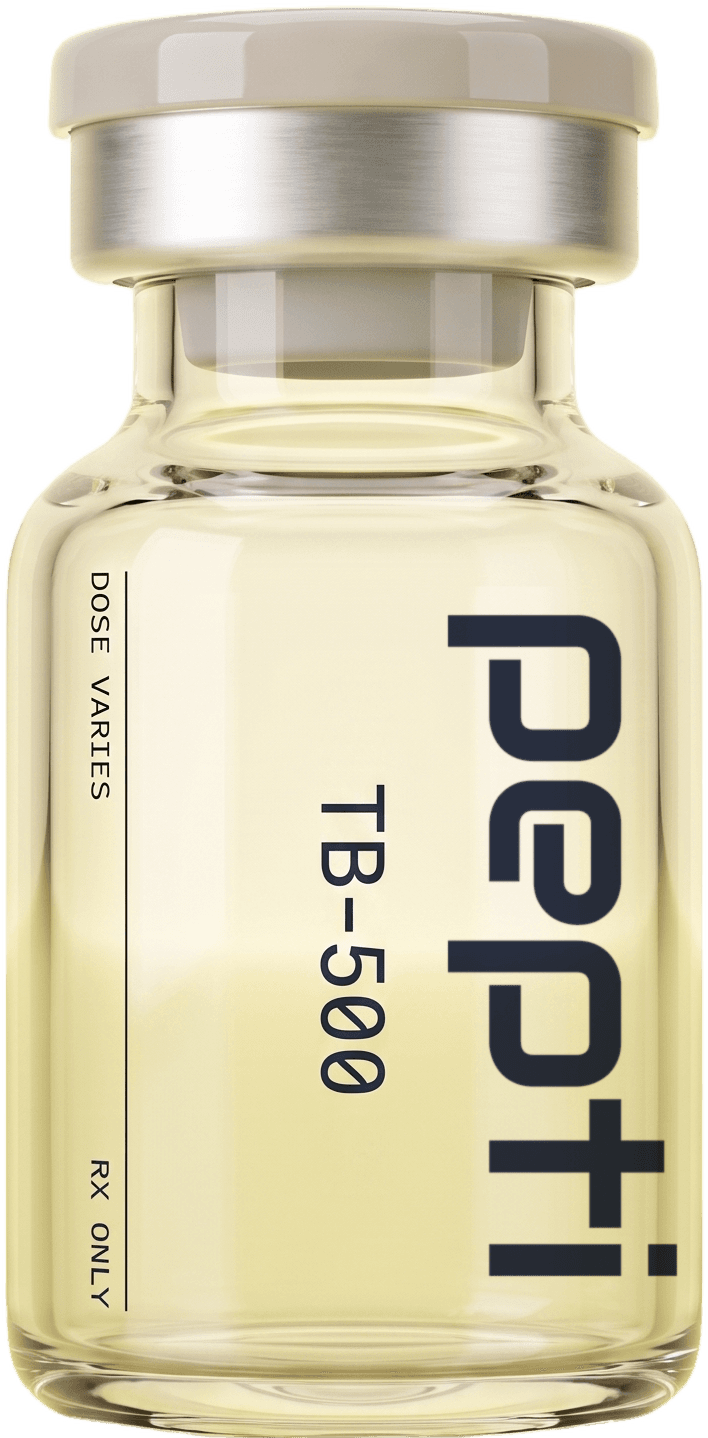
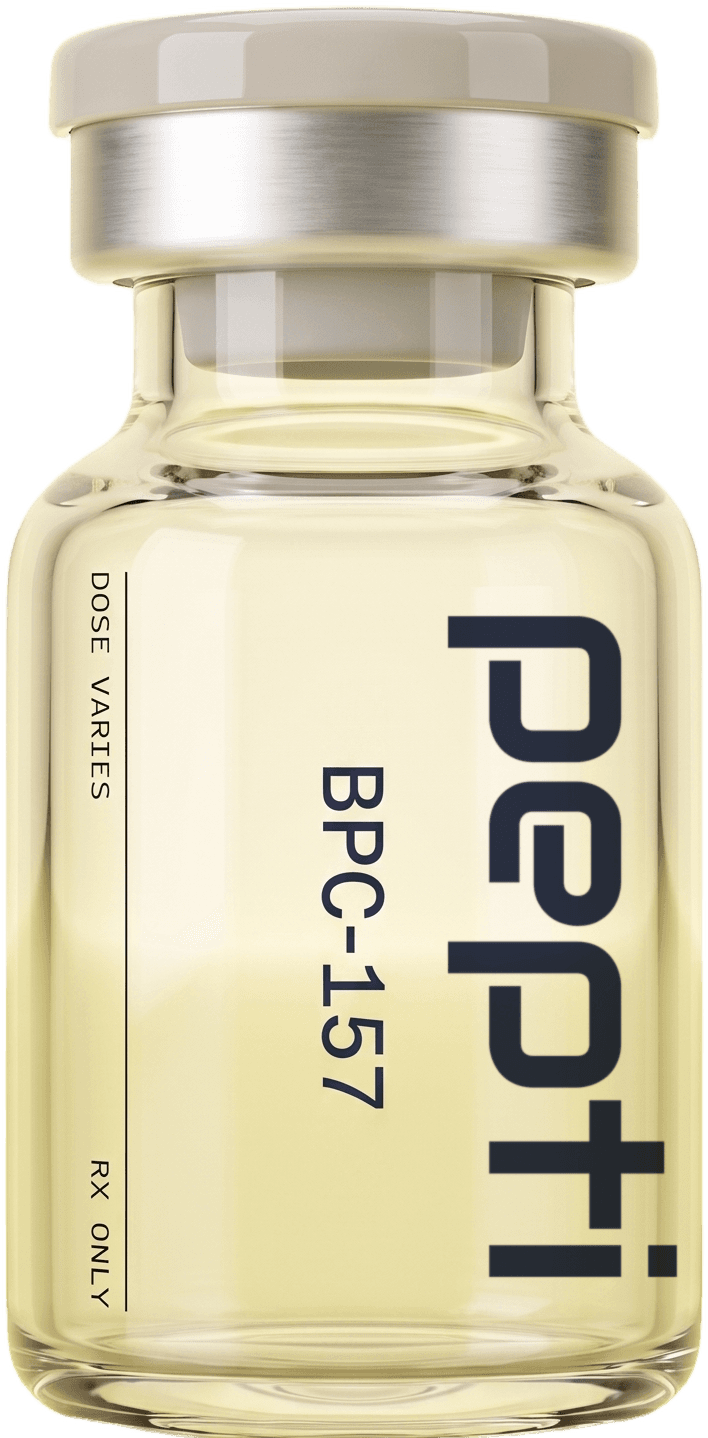
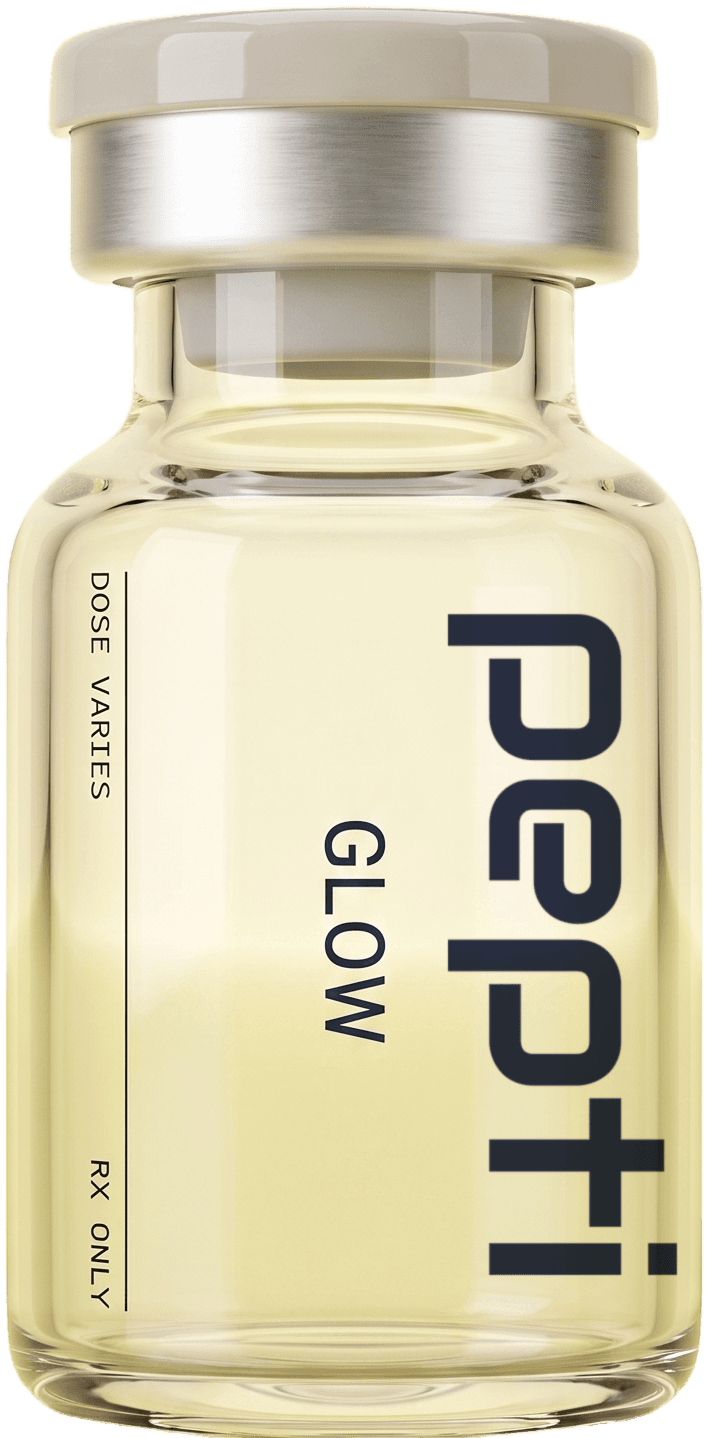
Yes. TB-500 is banned in tested sport: the 2026 World Anti-Doping Agency Prohibited List names "Thymosin-ß4 and its derivatives e.g. TB-500" under S2.3, growth factors and growth factor modulators, prohibited at all times, in and out of competition, and the 2027 List keeps it there. The NCAA lists TB-500 by name as an example in its banned class of peptide hormones and growth factors. A prescription does not create an exemption, and every blend that contains TB-500 is prohibited because of it. TB-500 is not a controlled substance, and standard workplace drug panels do not look for it.
This page separates the three questions "banned" usually means (sport, the law, and pharmacy compounding), sets out what the anti-doping rules say about TB-500 class by class, lists the Pepti products that contain it, and explains what a tested athlete should do instead of guessing. It is general information, not legal or anti-doping advice. For what TB-500 is, see what is TB-500; for the safety record, is TB-500 safe.
Is TB-500 Banned in Sports? WADA, NCAA and Drug Tests Explained
The short answer
| The question | The answer | Who it affects |
|---|---|---|
| Is TB-500 on the WADA Prohibited List? | Yes, named under S2.3 on the 2026 and 2027 Lists | Anyone competing under the World Anti-Doping Code |
| In competition only, or all the time? | At all times, in and out of competition | Includes off-season and rehab blocks |
| Is it banned by the NCAA? | Yes, named as an example in the peptide hormones and growth factors class | College athletes |
| Does a prescription make it allowed? | No | Every tested athlete |
| Can it be detected? | Published methods exist, in urine and plasma | Tested athletes |
| Will it show up on a workplace drug test? | No; standard panels screen for drugs of abuse | Employees and job applicants |
| Is it a controlled substance? | No, it is not scheduled | Everyone |
| Is it FDA approved? | No; compounded medications are not FDA approved | Everyone |
Is TB-500 Banned in Sports? WADA, NCAA and Drug Tests Explained
Three questions that share one word
People asking "is TB-500 banned" are usually asking one of three separate things, each answered by a different body:
- Will it cost me my eligibility? An anti-doping question, answered by the WADA Prohibited List and, for US college athletes, the NCAA's banned drug classes. For TB-500 this is settled: yes.
- Is it illegal to have? A controlled-substances question. TB-500 is not scheduled, and possession is not a criminal matter.
- Can a pharmacy legally compound it? A compounding question, answered by section 503A of the Food, Drug, and Cosmetic Act and the FDA's bulk substance lists. This is the part that has moved in 2026.
These do not track each other. A substance can be lawfully prescribed, available from a licensed pharmacy, and still end a tested athlete's season. TB-500 is exactly that case.
Is TB-500 Banned in Sports? WADA, NCAA and Drug Tests Explained
What the WADA Prohibited List says about TB-500
Named, not implied: S2.3
Section S2 of the Prohibited List covers peptide hormones, growth factors, related substances and mimetics. Within it, S2.3 names insulin-like growth factor 1 and its analogues, and "Thymosin-ß4 and its derivatives e.g. TB-500." TB-500 is a synthetic fragment of thymosin beta-4, the 43-amino-acid protein whose actin-binding segment it reproduces, so it sits in S2.3 by name rather than being swept in by a catch-all.
S2.3 also closes with a catch-all of its own, covering "other growth factors or growth factor modulators affecting muscle, tendon or ligament protein synthesis/degradation, vascularisation, energy utilization, regenerative capacity or fibre type switching." That sentence is written around exactly the repair and recovery effects TB-500 is studied for. Even if the name were removed, the description would still reach it.
Prohibited at all times
S2 substances are prohibited in and out of competition. There is no off-season window. Using TB-500 during an injury layoff, months from any event, is a violation in the same way as using it the week of a final. Out-of-competition testing exists to find substances used in training and rehabilitation phases.
A non-specified substance
Everything in S2 is a non-Specified Substance. That matters at the sanctioning stage, after a violation has been established, and it is not a technicality in the athlete's favour. BPC-157, by contrast, sits in S0, where all substances are Specified. Neither label makes use permitted.
The 2027 List
The 2027 Prohibited List has already been published, and it carries TB-500's classification forward unchanged: thymosin beta-4 and TB-500 in S2.3. WADA's explanatory note for 2027 adds that many peptides not approved for human use "fall under the S0 (Non-Approved Substances) class, or other classes (such as S2 or S4)," and that "even if a peptide is not specifically named on the List, utmost caution should be taken as it may still be prohibited."
Is TB-500 Banned in Sports? WADA, NCAA and Drug Tests Explained
The NCAA, leagues and everyone else
College sport in the United States runs its own program. The NCAA's banned class "peptide hormones, growth factors, related substances and mimetics" gives TB-500 by name as an example, alongside BPC-157, growth hormone, IGF-1 and ibutamoren. The NCAA states that anything chemically or pharmacologically related to a banned class is also banned even if not listed, and that the school and the student-athlete are both accountable.
Major US professional leagues mostly run their own programs under collective bargaining, with their own lists and penalties. Federations, national championships in Olympic sports, masters competitions and many age-group events sit under the World Anti-Doping Code. Military services and some employers have policies of their own. If you do not know which rules cover you, find that out first; your governing body will tell you.
Is TB-500 Banned in Sports? WADA, NCAA and Drug Tests Explained
The products that contain TB-500
A blend is prohibited by virtue of its components. These Pepti products all contain TB-500:
| Product | What is in it (per vial) | Price | Status for a tested athlete |
|---|---|---|---|
| TB-500 | 5 mL, TB-500 1 mg/mL (5 mg) | $209/mo | Prohibited (S2.3) |
| BPC-157 + TB-500 | 5 mL, 5 mg BPC-157 and 5 mg TB-500 | $259/mo | Prohibited (S0 and S2.3) |
| GLOW | 5 mL, 50 mg GHK-Cu, 10 mg BPC-157, 10 mg TB-500 | $259/mo | Prohibited (S0 and S2.3) |
| KLOW | 5 mL, 50 mg GHK-Cu, 10 mg KPV, 10 mg BPC-157, 10 mg TB-500 | $259/mo | Prohibited (S0 and S2.3) |
| ETERNAL | 5 mL, 50 mg GHK-Cu, 10 mg BPC-157, 10 mg TB-500, 10 mg epithalon | $279/mo | Prohibited (S0 and S2.3) |
| REVIVE | 5 mL, 50 mg GHK-Cu, 6 mg CJC-1295, 12 mg ipamorelin, 2 mg TB-500 | $279/mo | Prohibited (S2.2.4 and S2.3) |
Prices are all-in monthly figures covering medication, physician review, refill management and shipping, with no membership fee. All are compounded by PCAB-accredited, FDA-registered US 503A pharmacies, and none is FDA approved.
The amount of TB-500 in a dose does not matter. REVIVE carries 2 mg of TB-500 in the whole vial, and it is prohibited exactly as much as the standalone vial. Anti-doping rules prohibit the presence of a substance, not a threshold dose of it.
Is TB-500 Banned in Sports? WADA, NCAA and Drug Tests Explained
A prescription does not protect you
Strict liability
Article 2.1.1 of the World Anti-Doping Code makes it the athlete's personal duty to ensure no prohibited substance enters their body, and states that intent, fault, negligence or knowing use do not need to be shown to establish a violation. Fault is weighed later, when consequences are decided. A physician's prescription and a licensed pharmacy label are valid medicine, and they are still a positive test.
Therapeutic use exemptions
A therapeutic use exemption (TUE) is the only route by which a prohibited substance can be permitted. Under the International Standard for Therapeutic Use Exemptions the athlete must show a diagnosed medical condition supported by clinical evidence, that the substance will not enhance performance beyond a return to normal health, that it is an indicated treatment with no reasonable permitted alternative, and that the need is not a consequence of earlier prohibited use. TB-500 has no approved indication anywhere, and as our safety reference puts it, an exemption requires an approved indication that TB-500 does not have. Do not plan around one.
A telehealth prescription is not a TUE, and no prescriber can grant one. In the United States, USADA requires athletes in its testing pools to hold a TUE in advance, and directs other competitors to its TUE Pre-Check Form.
Is TB-500 Banned in Sports? WADA, NCAA and Drug Tests Explained
Can TB-500 be detected?
Yes, and the methods are published. TB-500 was marketed for horses and racing greyhounds from 2011, and the Journal of Chromatography A published a validated method for finding it in equine urine and plasma in 2012. Drug Testing and Analysis also carried a 2012 paper characterising the thymosin beta-4 fragment in TB-500 because of its doping potential, and a 2024 paper in the Journal of Chromatography B quantified TB-500 and its metabolites by high-resolution mass spectrometry.
The FDA's July 2026 review found that the only in-vivo pharmacokinetic data for TB-500 come from thoroughbred horses, in which plasma levels peaked within one to two hours of a subcutaneous dose and were unquantifiable within six to ten hours, the peptide being broken into shorter fragments. Short detection windows are sometimes read as a loophole. They are not:
- Laboratories look for metabolites as well as the parent peptide, and the fragments are what the newer methods target.
- Under Code Article 6.6, a sample reported negative may be stored and reanalysed later.
- Article 17 allows a charge within ten years of the asserted violation.
- Strict liability means "it was hard to detect" is never a defence.
A tested athlete should assume TB-500 will be found.
Is TB-500 Banned in Sports? WADA, NCAA and Drug Tests Explained
What about workplace and clinical drug tests?
Standard pre-employment and workplace panels look for drugs of abuse: cannabis, cocaine, amphetamines, opioids and similar. They use immunoassays raised against specific small molecules and confirm with targeted mass spectrometry, and nobody manufactures a screening assay for TB-500. A seven-amino-acid peptide has no structural similarity to those targets, so a false positive is not a realistic worry. Expanded panels in safety-sensitive jobs add more drugs of abuse, not therapeutic peptides.
If an employer asks you to declare prescriptions, use the confidential medical review route and declare accurately, including compounded medications. Before surgery or in hospital, tell the treating clinician everything you take. The full comparison is in do peptides show up on a drug test.
Is TB-500 Banned in Sports? WADA, NCAA and Drug Tests Explained
Where TB-500 stands with the FDA
None of the anti-doping position depends on FDA status, but the two get confused, so here is where it stands as the live record describes it:
| Date | What happened |
|---|---|
| 2023 | Placed in Category 2 of the FDA's interim 503A bulks list, citing potential immunogenicity from aggregation and impurities |
| 15 April 2026 | Removed from Category 2 with eleven other peptides; now listed as "nominated but withdrawn" |
| 23 July 2026 | Pharmacy Compounding Advisory Committee voted 8 to 6, with one abstention, to recommend adding TB-500 to the 503A Bulks List, against the FDA staff position |
| Now | FDA's final determination pending; adding it would require notice-and-comment rulemaking |
TB-500 is legal to prescribe and dispense, it is not an FDA-approved drug, and a favourable FDA decision would not change its WADA status. The FDA's review also noted that "TB-500" is a common name, not an adopted drug name, and that several different substances are sold under it. For an athlete, that is one more strict-liability problem with unlabelled research vials: if you cannot prove what was in the vial, the rules do not care.
Is TB-500 Banned in Sports? WADA, NCAA and Drug Tests Explained
If you are a tested athlete
| If you are | What to do |
|---|---|
| In any testing pool, at any level | Do not use TB-500 or any blend containing it |
| Already holding a prescription | Stop and talk to your anti-doping organisation or team physician before your next test, and tell the prescriber you are tested |
| Unsure which rules cover you | Ask your governing body which list applies |
| Recovering from an injury | Ask your physician and physiotherapist about permitted options; progressive loading has human trial evidence for tendinopathy |
| Considering a research-labelled vial | Do not; contents are unverified, which is a strict-liability problem |
Checking a specific substance is done through Global DRO, which returns a status for your sport and country and gives you a reference number for the search. Keep it.
Is TB-500 Banned in Sports? WADA, NCAA and Drug Tests Explained
If you are not tested
The anti-doping rules do not reach a recreational athlete outside any testing program, but every other consideration does. TB-500 has no randomised human trials, the FDA found no published study in which TB-500 itself was given to people, and most of its literature concerns the full-length thymosin beta-4 protein. What the research does and does not show is in TB-500 benefits, the printed directions are in TB-500 dosage, and the comparison most people make is BPC-157 vs TB-500.
A common mix-up: thymosin alpha-1 is a different peptide from thymosin beta-4, with a different place on the anti-doping list. See thymosin alpha-1 vs TB-500 and is thymosin alpha-1 banned in sports.
Is TB-500 Banned in Sports? WADA, NCAA and Drug Tests Explained
Where to get TB-500 prescribed
TB-500 cannot be bought legitimately without a prescription. Sites selling it "for research use only" are not accountable for identity, purity, sterility or concentration. The prescription route:
- Complete a free online intake covering your history, medications, the injury or goal, and whether you are subject to drug testing.
- A physician licensed in your state reviews it, usually within 24 hours. If you are tested, say so again in your first message: it changes what can be prescribed.
- If it is appropriate, a PCAB-accredited, FDA-registered US 503A compounding pharmacy prepares it to that prescription. Lot test results are at /quality/lab-results.
- It ships refrigerated with ice packs, with sterile syringes and alcohol prep pads, and your directions printed on the vial.
- Refills run every 28 days, one vial per fill.
Step by step: how to get TB-500 prescribed online. Pepti is cash-pay and does not bill insurance. Being told no is the right outcome when the honest answer is no.
References
What this is based on.
References
- Goldstein AL, Hannappel E, Kleinman HK. Thymosin beta4: actin-sequestering protein moonlights to repair injured tissues · Trends Mol Med (2005) · PMID 16099219
- Malinda KM, Sidhu GS, Mani H et al.. Thymosin beta4 accelerates wound healing · J Invest Dermatol (1999) · PMID 10469335
- Malinda KM, Goldstein AL, Kleinman HK. Thymosin beta 4 stimulates directional migration of human umbilical vein endothelial cells · FASEB J (1997) · PMID 9194528
- Philp D, Badamchian M, Scheremeta B et al.. Thymosin beta 4 and a synthetic peptide containing its actin-binding domain promote dermal wound repair in db/db diabetic mice and in aged mice · Wound Repair Regen (2003) · PMID 12581423
- Philp D, Goldstein AL, Kleinman HK. Thymosin beta4 promotes angiogenesis, wound healing, and hair follicle development · Mech Ageing Dev (2004) · PMID 15037013
- Philp D, Scheremeta B, Sibliss K et al.. Thymosin beta4 promotes matrix metalloproteinase expression during wound repair · J Cell Physiol (2006) · PMID 16607611
- Smart N, Risebro CA, Melville AA et al.. Thymosin beta4 induces adult epicardial progenitor mobilization and neovascularization · Nature (2007) · PMID 17108969
- Sosne G, Szliter EA, Barrett R et al.. Thymosin beta 4 promotes corneal wound healing and decreases inflammation in vivo following alkali injury · Exp Eye Res (2002) · PMID 11950239
- Sosne G, Hafeez S, Greenberry AL 2nd et al.. Thymosin beta4 promotes human conjunctival epithelial cell migration · Curr Eye Res (2002) · PMID 12324865
- Sosne G, Xu L, Prach L et al.. Thymosin beta 4 stimulates laminin-5 production independent of TGF-beta · Exp Cell Res (2004) · PMID 14729067
- Sosne G, Qiu P, Christopherson PL et al.. Thymosin beta 4 suppression of corneal NFkappaB: a potential anti-inflammatory pathway · Exp Eye Res (2007) · PMID 17254567
- Sosne G, Qiu P, Goldstein AL et al.. Biological activities of thymosin beta4 defined by active sites in short peptide sequences · FASEB J (2010) · PMID 20179146
Citations are provided for educational purposes. They do not constitute medical advice. Always discuss any peptide protocol with your prescribing physician.
Common questions
Is TB-500 Banned in Sports? WADA, NCAA and Drug Tests Explained, answered.
Yes. The 2026 WADA Prohibited List names "Thymosin-ß4 and its derivatives e.g. TB-500" under S2.3, growth factors and growth factor modulators, and the 2027 List keeps it in the same class.
Yes. S2 substances are prohibited at all times, in and out of competition. There is no off-season window for a tested athlete.
Yes. The NCAA names TB-500 as an example within its banned class of peptide hormones, growth factors, related substances and mimetics, and holds the school and the athlete accountable.
On an anti-doping test, assume yes: validated methods have been published since 2012, and a 2024 paper quantified TB-500 and its metabolites. On a standard workplace drug panel, no; those panels screen for drugs of abuse, not peptides.
The only pharmacokinetic data are from horses, where plasma levels were unquantifiable within six to ten hours. That is not a safe window: labs target metabolites, samples can be stored and reanalysed, and a charge can be brought within ten years.
No. A prescription is valid medicine and still an anti-doping violation in a tested pool. Only a therapeutic use exemption granted in advance permits a prohibited substance, and TB-500 has no approved indication to support one.
Yes. Both contain TB-500 (S2.3) and BPC-157 (S0), so both are prohibited at all times. The same applies to the BPC-157 + TB-500 stack, ETERNAL and REVIVE.
The List names thymosin beta-4 and its derivatives together, with TB-500 as the example, so both are prohibited. The FDA states that the two are not the same substance chemically, but that distinction does not help an athlete.
No. It is not a controlled substance, and it is legal to prescribe and dispense in the US. It is not FDA approved, and its compounding status is under review.
No. It was removed from Category 2 in April 2026, and in July 2026 the FDA's advisory committee voted 8 to 6, with one abstention, to recommend adding it to the 503A Bulks List. The final determination is pending.
No. Bloodwork is not required for any Pepti treatment. If your physician wants labs for your care, they'll ask through your account. The free assessment goes to a physician licensed in your state. A consultation does not guarantee a prescription.
Next step
See what a physician recommends for you.
A licensed physician in your state reviews your intake and decides what is appropriate. A consultation does not guarantee a prescription.