Anti-Aging · Reference
REVIVE Blend for Women: What the Research Covers, and What Changes for Women
No study has tested REVIVE in women, or in anyone: it is four separately studied peptides, GHK-Cu, CJC-1295, ipamorelin and TB-500, in one vial, and the evidence is per component.
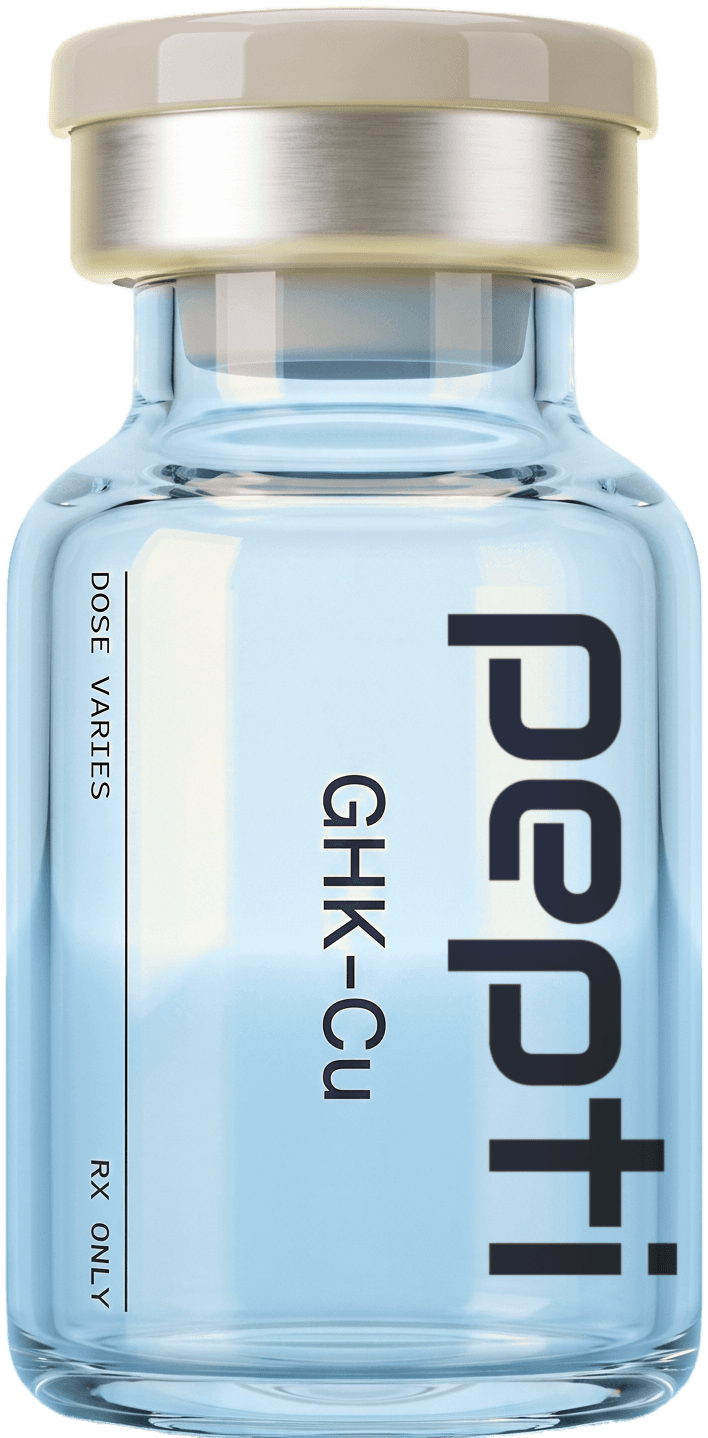
Treatments mentioned
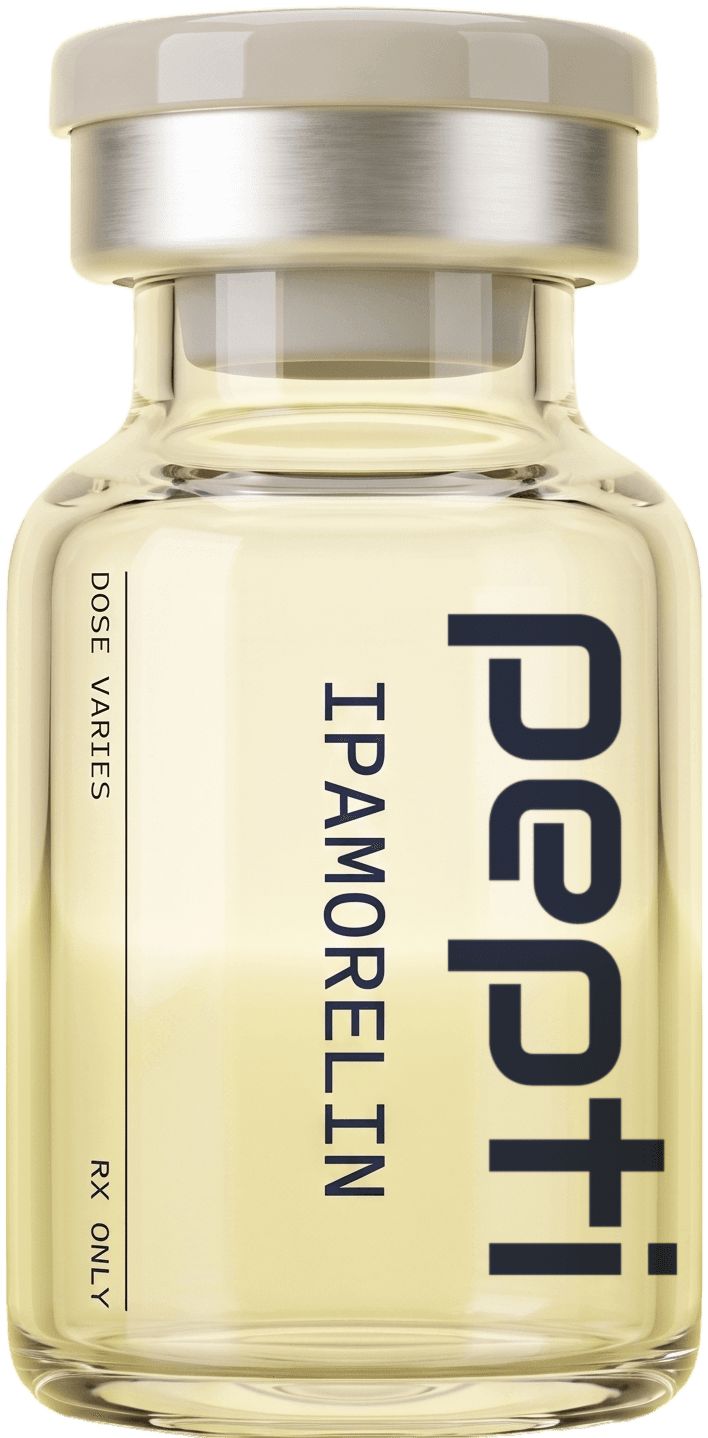
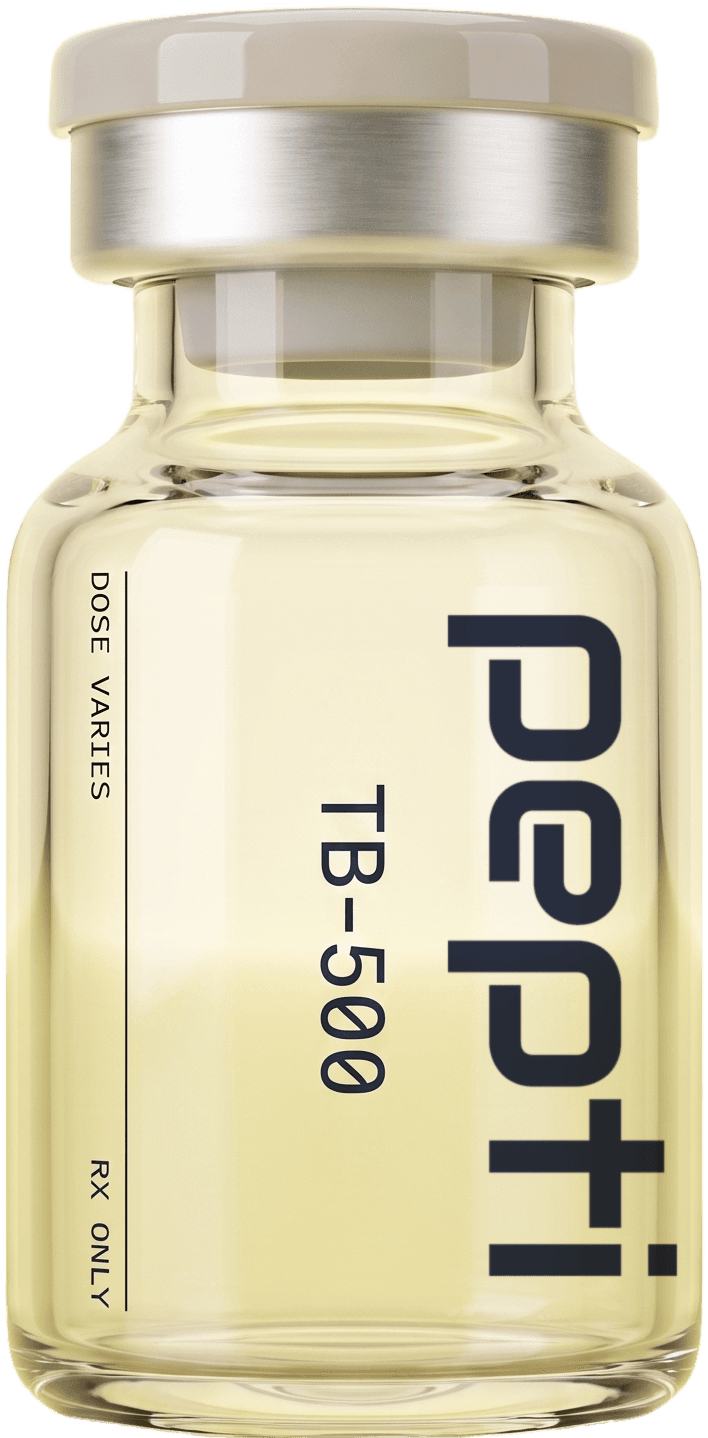
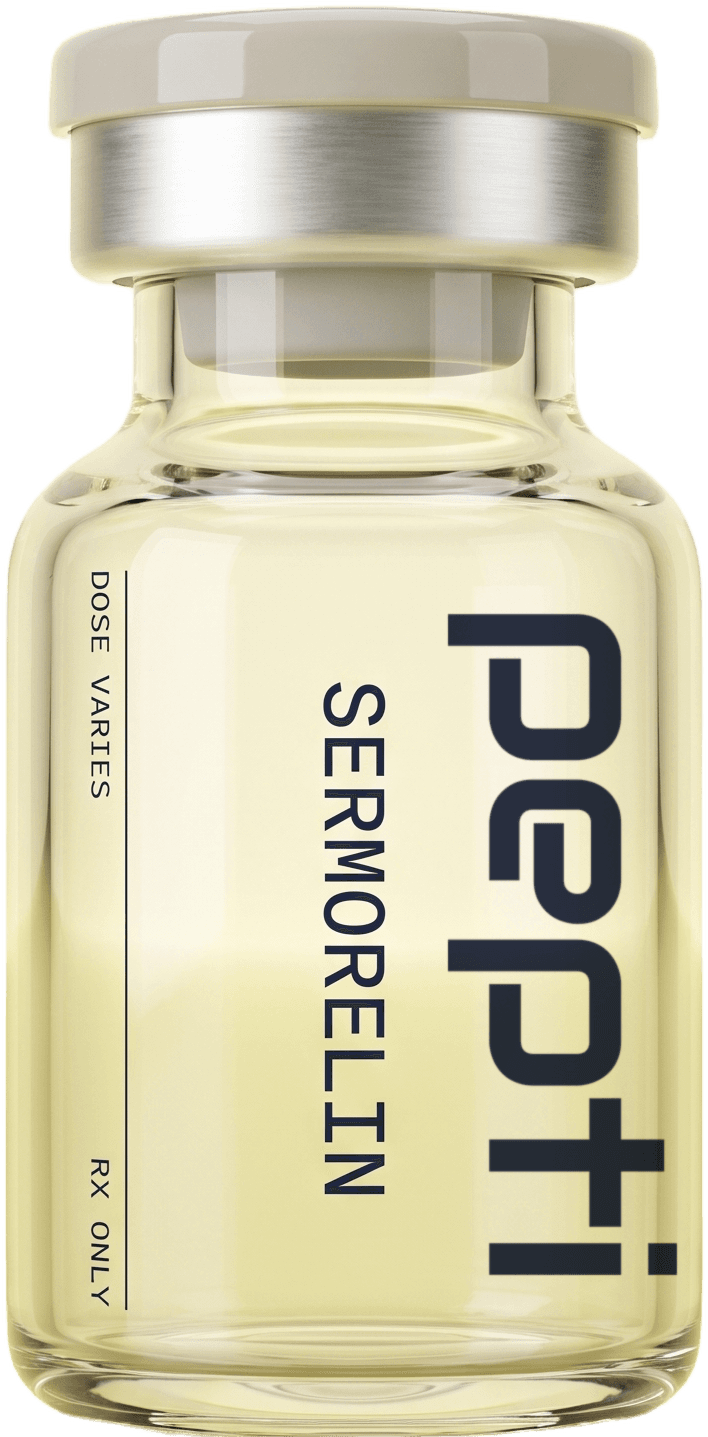
The two pieces of research with women in them belong to its parts: small topical GHK-Cu skin studies, mostly in women with photoaged facial skin, and a 1997 trial of a closely related growth-hormone-releasing hormone analogue in which growth hormone, IGF-1 and skin thickness rose in women as well as men, while lean mass and insulin sensitivity changed in men only. REVIVE is not hormone therapy, does not act on estrogen or the menopause transition, and is not used in pregnancy or breastfeeding. Compounded REVIVE is a prescription injection and is not FDA approved.
This page covers what REVIVE is, what research has and has not looked at in women, how it relates to sleep and the menopause transition, the considerations that change for women, and how Pepti supplies it. For the full product reference see what is REVIVE; for the evidence benefit by benefit, REVIVE blend benefits.
REVIVE Blend for Women
The short answer
| Question | What the live research shows | Strength of evidence |
|---|---|---|
| Has REVIVE been studied in women? | No study of the blend in anyone | None for the combination |
| Does the growth hormone half work in women? | A related GHRH(1-29) analogue raised growth hormone and IGF-1 in ten women aged 55 to 71 (1997) | Human, small, a related molecule rather than CJC-1295 |
| Lean mass and insulin sensitivity | Changed in men, not women, in that same trial | Single small trial |
| Skin | Topical GHK-Cu cream studies, mostly in women, over 8 to 12 weeks; skin thickness rose in both sexes in the 1997 trial | Small human studies of creams and of a related molecule, not the injection |
| Sleep | No trial of CJC-1295, ipamorelin or the blend has measured sleep | Rationale from physiology, not a trial result |
| Menopause symptoms | Not studied; nothing in the vial is a hormone | None |
| Pregnancy or breastfeeding | Not used; safety data is absent | Clear exclusion |
The honest summary: one small trial suggests the growth hormone signal reaches women as it does men, the body-composition changes in that trial did not, and the blend itself has never been tested.
REVIVE Blend for Women
What REVIVE is, in one paragraph
REVIVE is a 5 mL vial holding 50 mg GHK-Cu, 6 mg CJC-1295, 12 mg ipamorelin and 2 mg TB-500, dosed at Pepti as 0.25 mL (25 units on a U-100 insulin syringe) under the skin Monday through Friday nights at bedtime. Two components are repair peptides and two are growth hormone secretagogues, which prompt your own pituitary to release growth hormone in pulses. Nothing in the vial is a hormone, a steroid or estrogen, and nothing acts on the ovarian axis.
| Component | Per vial | Per 0.25 mL dose | What it is |
|---|---|---|---|
| GHK-Cu | 50 mg | 2.5 mg | Copper-binding tripeptide found in human plasma |
| CJC-1295 | 6 mg | 0.3 mg | Growth-hormone-releasing hormone analogue, the form without DAC |
| Ipamorelin | 12 mg | 0.6 mg | Selective growth hormone secretagogue acting at the ghrelin receptor |
| TB-500 | 2 mg | 0.1 mg | Synthetic fragment related to thymosin beta-4 |
By mass REVIVE is mostly GHK-Cu: 50 of the 70 mg. The proportions are fixed, so every dose delivers the same split. The dose math is in REVIVE blend dosage.
REVIVE Blend for Women
What research has looked at in women
The growth hormone half: the 1997 GHRH-class trial
No trial of CJC-1295 or ipamorelin has reported women separately. The ipamorelin human study, a 1999 paper in Pharmaceutical Research, was done in healthy male volunteers. The closest evidence is a 1997 randomized, placebo-controlled trial in the Journal of Clinical Endocrinology and Metabolism, in which ten women and nine men aged 55 to 71 injected a norleucine-substituted GHRH(1-29) analogue, a molecule closely related to sermorelin and acting at the same receptor as CJC-1295, nightly for 16 weeks.
Outcome Women Men Nocturnal growth hormone Rose Rose IGF-1 Rose Rose Skin thickness Increased Increased Lean body mass Not reported as increased Increased Insulin sensitivity Not reported as increased Rose Fasting glucose and insulin Unaltered Unaltered What it shows. That a GHRH-receptor signal prompts the growth hormone axis in older women as well as men.
What it does not show. Anything about CJC-1295 itself, about ipamorelin, or about REVIVE. Nineteen people is a small trial, the lean-mass and insulin-sensitivity changes did not appear in women, and nobody has followed up the difference. The detail is in sermorelin for women.
The repair half: GHK-Cu and TB-500
GHK-Cu's human research is mostly cosmetic-science studies of creams in photoaged facial skin, mostly in women, over 8 to 12 weeks, reporting changes in skin density, firmness and fine lines; reviews in BioMed Research International (2015) and the International Journal of Molecular Sciences (2018) summarise them. None used the injection. TB-500 has no human trials at all, in either sex; its research is animal and cell work on thymosin beta-4, the full protein it is a fragment of.
Hair
Hair comes up often. The research is copper-peptide follicle work in mice and rats, and a 2004 FASEB Journal paper reporting that thymosin beta-4 increased hair growth in rats and mice. No study has looked at REVIVE, or at injected GHK-Cu, for hair in women. See peptides for hair growth.
REVIVE Blend for Women
Sleep and the menopause transition
Why bedtime dosing
The largest natural growth hormone pulse of the day arrives in slow-wave sleep, and REVIVE's secretagogues are dosed at bedtime to add to it. That is the rationale, not a trial result: no published trial of CJC-1295, ipamorelin or the pair has sleep as an endpoint, and in the 1997 trial sleep quality was unchanged.
The 3am waking
Waking in the early hours is common in perimenopause and after. Night sweats wake people directly, falling progesterone removes a mildly sedating hormone, slow-wave sleep declines with age, and sleep apnea becomes more common after menopause and can present as insomnia rather than snoring. Which of those is driving the waking determines whether a peptide is the right category of answer at all. If night sweats are the waker, that is a hormone conversation, not a growth hormone one; Pepti does not prescribe menopausal hormone therapy. More in peptides for menopause and peptides for sleep.
What REVIVE does not do in menopause
It does not treat hot flashes, night sweats, genitourinary symptoms or bone loss, and it does not replace estrogen. If sleep rather than recovery is the main complaint, the SERENITY blend pairs the same two secretagogues with DSIP and Selank.
REVIVE Blend for Women
What changes for women
Pregnancy and breastfeeding
REVIVE is not used in pregnancy or breastfeeding. There is no safety data for any of the four components in either situation, and no clinical reason to accept the uncertainty. Tesamorelin, the one GHRH analogue with an approved label today, is contraindicated in pregnancy, and where one member of a class carries that contraindication, the reading for the rest is not that the others are fine. If you become pregnant on treatment, stop and contact your physician the same day. See can you take peptides while pregnant.
Trying to conceive
None of the four components has human fertility data. Growth hormone and IGF-1 signalling interact with reproductive endocrinology, which is a reason for caution rather than a measured effect in either direction. Tell your physician if you are trying. See do peptides affect fertility.
Cancer history, including breast cancer
Two separate reasons put a cancer history on the intake. Growth hormone and IGF-1 are growth signals, and GHK-Cu and TB-500 are described in cell and animal work as supporting new blood-vessel growth, a process a healing tissue needs and a growing tumour also uses. There is no human evidence that any component causes cancer. REVIVE is not prescribed with an active cancer, and a history, including breast, ovarian or endometrial cancer, is a conversation with your physician and often your oncologist. See can peptides cause cancer.
Blood sugar
Growth hormone opposes insulin, so blood glucose can drift up on the secretagogue half. Insulin sensitivity also tends to worsen through the menopausal transition, so diabetes or impaired glucose tolerance needs discussing at intake.
The cycle and contraception
The secretagogues act on the growth hormone axis, the repair peptides on tissue, and none on the ovarian axis. No trial has looked at cycle effects. Report any cycle change; it should be looked at whatever its cause.
Copper
GHK-Cu delivers copper. Anyone with Wilson's disease or another copper-metabolism disorder should not take it, high-dose zinc competes with copper, and REVIVE alongside another injectable GHK-Cu product, such as GHK-Cu, GLOW or RADIANCE, doubles the copper. List every product and supplement on your intake.
REVIVE Blend for Women
What the evidence does not establish
- That four peptides together do more than any one alone. No study has compared the blend with its components.
- Any effect of REVIVE in women specifically. There are no sex-specific findings for the blend or for CJC-1295 or ipamorelin.
- That injected GHK-Cu does for skin what topical GHK-Cu is reported to do.
- Any effect on menopause symptoms, bone, hormones or weight.
- An effect size or a timeline for any goal.
- Long-term safety over years of use.
REVIVE Blend for Women
Side effects and cautions
Nothing in the published research suggests the profile differs between women and men.
| What is reported | Usually attributed to | What to do |
|---|---|---|
| Injection-site redness, mild soreness, occasional bruising | Any subcutaneous injection | Rotate sites; mention it at follow-up |
| A faint blue-green mark at the site | Copper from GHK-Cu | Expected; clears on its own |
| A brief flush or tingling, headache, vivid dreams | CJC-1295 and ipamorelin, bedtime dosing | Report it if it persists |
| Hunger after a dose | Ipamorelin, which acts at the ghrelin receptor | Report it, especially with a weight goal |
| Puffy hands, ankles or face, joint aches, tingling hands | More growth hormone than you need | Message your care team |
| Persistent vomiting, abdominal pain, jaundice, new confusion | The pattern copper excess would produce | Stop and contact your care team the same day |
| Facial or throat swelling, widespread hives, difficulty breathing | A possible allergic reaction | Call 911 first, then tell your care team |
| Situation | Why it matters |
|---|---|
| Pregnancy, planning pregnancy or breastfeeding | Not used; safety data is absent |
| Cancer history, including breast, ovarian or endometrial | Growth signalling and blood-vessel mechanisms |
| Diabetes or impaired glucose tolerance | Growth hormone opposes insulin |
| Wilson's disease or another copper disorder | GHK-Cu delivers copper |
| Another GHK-Cu product | Doubles the copper |
| Tested sport | CJC-1295 and ipamorelin are named under S2.2.4 of the 2026 WADA list and TB-500 under S2.3, prohibited at all times |
The full list is in REVIVE blend side effects, and sport in is REVIVE banned in sports.
REVIVE Blend for Women
How Pepti supplies REVIVE, and the alternatives
| Product | What is in it | Typical directions | Price |
|---|---|---|---|
| REVIVE Blend | 5 mL vial: GHK-Cu 10 mg/mL + CJC-1295 1.2 mg/mL + ipamorelin 2.4 mg/mL + TB-500 0.4 mg/mL (50 mg / 6 mg / 12 mg / 2 mg) | 0.25 mL (25 units) subcutaneously Monday through Friday nights at bedtime | $279/mo |
| CJC-1295 / Ipamorelin | 5 mL vial: 6 mg CJC-1295 and 12 mg ipamorelin | Printed on your vial | $239/mo |
| Sermorelin | 5 mL vial: 10 mg sermorelin | Printed on your vial | $229/mo |
| GHK-Cu | 5 mL vial: 50 mg GHK-Cu | Printed on your vial | $239/mo |
| RADIANCE Blend | 5 mL vial: 50 mg GHK-Cu and 10 mg tesamorelin | Printed on your vial | $249/mo |
A REVIVE vial holds 20 doses, about four weeks of weeknight dosing, so refills run every 28 days, one vial per fill. Your physician sets your directions after reviewing your intake, and they are printed on the vial. Every price is all-in, covering medication, physician review, refill management and shipping, with no membership fee. Pepti is cash-pay and does not bill insurance. Vials arrive ready to use with sterile syringes and alcohol prep pads, shipped refrigerated with ice packs.
REVIVE Blend for Women
Where REVIVE stands with the FDA
REVIVE has no regulatory status of its own; its components do. None of the four is currently in Category 2 of the FDA's 503A list. TB-500 was removed from Category 2 on 15 April 2026 and recommended for the 503A Bulks List by the advisory committee in July 2026, with the final determination pending. Injectable GHK-Cu was removed at the same time and is scheduled for review before the end of February 2027. The committee voted against CJC-1295 and ipamorelin in late 2024 for the uses it examined, with no final FDA rule for either. Compounded medications are not FDA approved.
REVIVE Blend for Women
Where to get REVIVE prescribed
REVIVE cannot be bought legitimately without a prescription. Sites selling peptide blends "for research use only" are not accountable for identity, purity, sterility or concentration; see research peptides vs prescription peptides. The prescription route:
- Complete a free online intake covering your history, including pregnancy plans, cancer history and glucose, your medications and supplements, and what you want help with.
- A physician licensed in your state reviews it, usually within 24 hours.
- If it is appropriate, a PCAB-accredited, FDA-registered US 503A compounding pharmacy prepares it to that prescription. Lot test results are published at /quality/lab-results.
- It ships refrigerated with your directions printed on the vial.
- Your care team stays reachable for questions and side effects.
Ordering details are in how to get REVIVE prescribed online. Bloodwork is not required for any Pepti treatment. If your physician wants labs for your care, they'll ask through your account.
References
What this is based on.
References
- Goldstein AL, Hannappel E, Kleinman HK. Thymosin beta4: actin-sequestering protein moonlights to repair injured tissues · Trends Mol Med (2005) · PMID 16099219
- Malinda KM, Sidhu GS, Mani H et al.. Thymosin beta4 accelerates wound healing · J Invest Dermatol (1999) · PMID 10469335
- Malinda KM, Goldstein AL, Kleinman HK. Thymosin beta 4 stimulates directional migration of human umbilical vein endothelial cells · FASEB J (1997) · PMID 9194528
- Philp D, Badamchian M, Scheremeta B et al.. Thymosin beta 4 and a synthetic peptide containing its actin-binding domain promote dermal wound repair in db/db diabetic mice and in aged mice · Wound Repair Regen (2003) · PMID 12581423
- Philp D, Goldstein AL, Kleinman HK. Thymosin beta4 promotes angiogenesis, wound healing, and hair follicle development · Mech Ageing Dev (2004) · PMID 15037013
- Philp D, Scheremeta B, Sibliss K et al.. Thymosin beta4 promotes matrix metalloproteinase expression during wound repair · J Cell Physiol (2006) · PMID 16607611
- Smart N, Risebro CA, Melville AA et al.. Thymosin beta4 induces adult epicardial progenitor mobilization and neovascularization · Nature (2007) · PMID 17108969
- Sosne G, Szliter EA, Barrett R et al.. Thymosin beta 4 promotes corneal wound healing and decreases inflammation in vivo following alkali injury · Exp Eye Res (2002) · PMID 11950239
- Sosne G, Hafeez S, Greenberry AL 2nd et al.. Thymosin beta4 promotes human conjunctival epithelial cell migration · Curr Eye Res (2002) · PMID 12324865
- Sosne G, Xu L, Prach L et al.. Thymosin beta 4 stimulates laminin-5 production independent of TGF-beta · Exp Cell Res (2004) · PMID 14729067
- Sosne G, Qiu P, Christopherson PL et al.. Thymosin beta 4 suppression of corneal NFkappaB: a potential anti-inflammatory pathway · Exp Eye Res (2007) · PMID 17254567
- Sosne G, Qiu P, Goldstein AL et al.. Biological activities of thymosin beta4 defined by active sites in short peptide sequences · FASEB J (2010) · PMID 20179146
Citations are provided for educational purposes. They do not constitute medical advice. Always discuss any peptide protocol with your prescribing physician.
Common questions
REVIVE Blend for Women, answered.
No study has tested REVIVE in women or anyone. Its components have their own research, and one small trial of a related growth-hormone-releasing molecule found the hormone response in women as well as men. Any benefit for women is not established in people.
What research has looked at is per component: growth hormone and IGF-1 release for the secretagogues, topical skin studies for GHK-Cu, and animal repair work for TB-500. None of it tested the blend, and none of it measured sleep or recovery in women.
It has not been studied for any menopause symptom. It is not hormone therapy and does not treat hot flashes, night sweats or bone loss.
No trial has measured it. The secretagogues are dosed at bedtime to line up with the body's own deep-sleep growth hormone pulse, but that is a rationale. In the 1997 GHRH-class trial, sleep quality was unchanged.
The skin research is topical GHK-Cu creams, mostly in women, over 8 to 12 weeks, and a skin-thickness finding in the 1997 trial. No study has tested injected REVIVE, or injected GHK-Cu, for skin.
It acts on the growth hormone axis and on tissue repair, not the ovarian axis, and no trial has looked at cycle effects. Report any change to your physician.
No. It is not used in either situation; there is no safety data for any of its four components.
No interaction has been described, but no study has tested either combination. List both on your intake and tell whoever manages your hormone therapy what you are adding.
Fluid retention, puffy hands or ankles and joint aches can happen with the growth hormone half and usually mean more growth hormone than you need; message your care team. Ipamorelin can increase hunger after a dose. REVIVE is not a weight treatment.
The same as for men: mostly injection-site reactions, sometimes a faint blue-green mark from the copper, and from the secretagogues a brief flush, headache, hunger or vivid dreams.
At Pepti, REVIVE is $279 a month, all-in, covering medication, physician review, refill management and shipping.
No. Bloodwork is not required for any Pepti treatment. If your physician wants labs for your care, they'll ask through your account. The free assessment goes to a physician licensed in your state. A consultation does not guarantee a prescription.
Related answers
Keep reading.
- REVIVE Blend (GHK-Cu / CJC-1295 / Ipamorelin / TB-500): What It Is, Where to Get It Prescribed, and What It Costs
- REVIVE Blend Side Effects: What Is Reported, What to Report, and Who Should Avoid It
- Best Place to Get REVIVE Blend Online: A Provider Checklist, and What Pepti Offers
- Can You Take REVIVE Blend With Tirzepatide or Semaglutide?
- Selank for Men: What the Research Has Looked At, and What to Check First
Next step
See what a physician recommends for you.
A licensed physician in your state reviews your intake to see whether treatment fits your history. A consultation does not guarantee a prescription.